
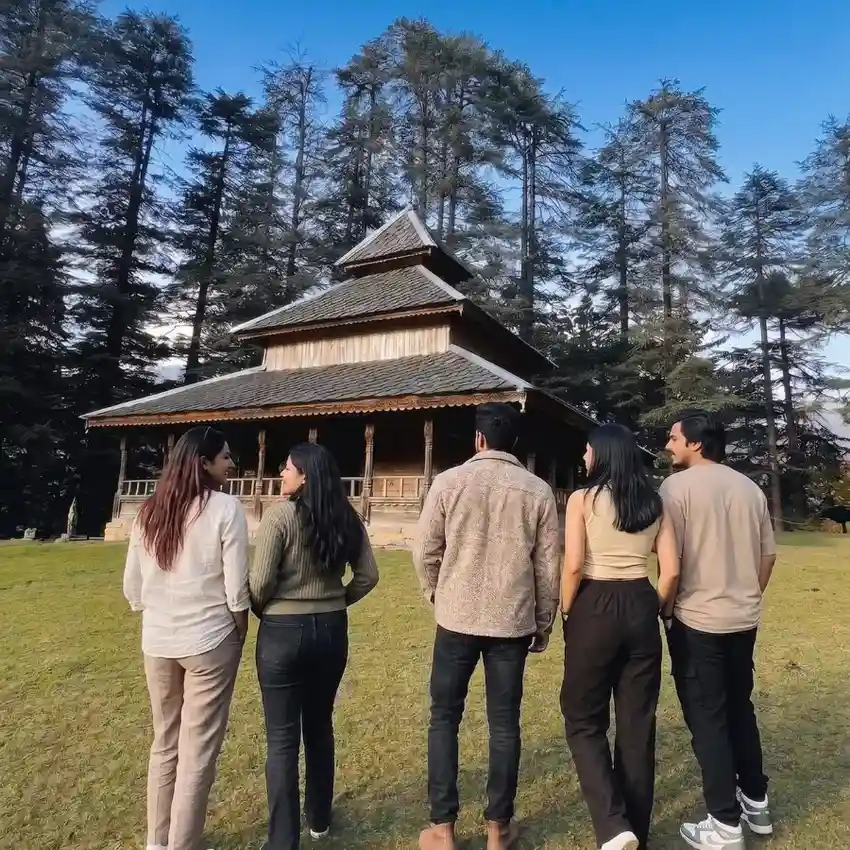
 Group Tour
5D/4N
Sainj Valley and Shangarh Group Trip
3D Shangarh
₹8,499₹12,499SAVE INR 4,000/ person
Best Shangarh Tour Packages Curated By Experts
Group Tour3D Shangarh
2D Shangarh
 Group Tour
2D Tirthan Valley•1D Shangarh (Sainj Valley)
Where Silence Becomes The Experience
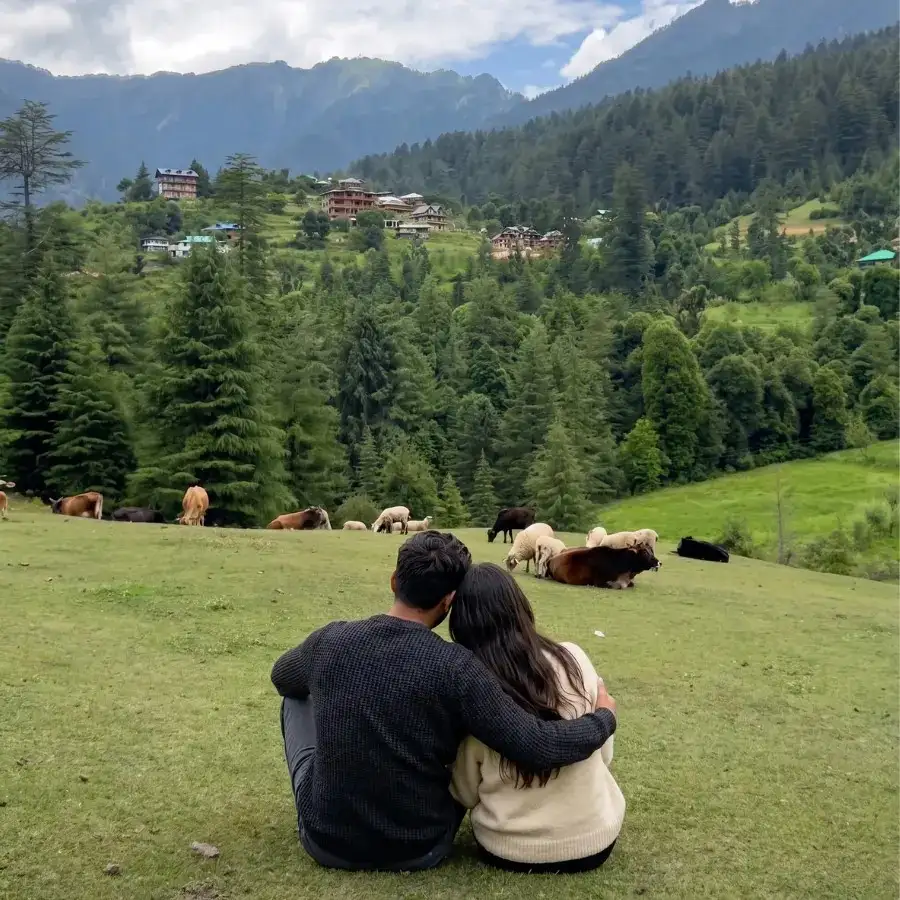
Some places don't announce themselves. They settle into you effortlessly. Shangarh is exactly that kind of place. It's got a vast green meadow pinned between deodar forests at 8,300 feet, a village where only 150 families live, and a valley that doesn't rush you through anything.
Welcome to Sainj Valley and Shangarh tour packages by Travel Coffee. It's crafted for travellers who want peace, nature, village life, and a Himachal that still feels personal.
If you’re looking for Shangarh tour packages, planning Aut to Shangarh, or simply searching for a soulful Shangarh trip package, you’re in the right place.
Weaving Shangarh into a longer route? Compare all our Himachal tour packages, from offbeat Sainj Valley trips to the classic Shimla and Manali circuits.
At Travel Coffee, we don’t treat Shangarh like a one-hour “spot”. We treat it like a feeling. We plan your trip with the right pacing, the right stays, and the right routes so you don’t spend the holiday only travelling.
We help you experience Shangarh the way locals do:
Our Sainj Valley Shangarh tour packages work beautifully for couples, families, friend groups, and remote workers seeking a genuine reset
Plan your Sainj Valley trip between March and June or September to November when the weather is pleasant and the Great Himalayan National Park trails are most accessible.
The valley receives heavy monsoon rains from July to August, making trekking routes slippery and leech prone. Bring a good pair of trekking shoes as most village explorations involve walking on stone paved paths and forest trails. Shangarh has limited mobile connectivity, so download offline maps and inform family beforehand.
The valley is also famous for trout fishing. If you're interested, local homestays can arrange permits and guide you to the best spots along the Sainj River.
Sainj Valley feels like Himachal before tourism changed everything. Life here still moves at the pace of seasons.
You'll see locals carrying apple crates on their backs during harvest months, children walking 2 km to school through forest paths, and small homes built from deodar wood that smell of pine even from outside.
The valley sits at the edge of Great Himalayan National Park, and locals here have traditionally worked as guides and porters for trekking groups.
Many families still practice organic farming, growing rajma, peas, and potatoes on terraced fields.
Food is honest and homely, nothing fancy. Expect simple thalis with seasonal vegetables, thick parathas made fresh, rajma chawal that tastes better than any restaurant version, and warm chai served in steel glasses without any show.
Some homestays make Siddu, the local steamed bread stuffed with walnut paste, if you ask a day ahead. The trout from Sainj river sometimes appears on menus when the catch is good.
In these valleys, the best meal is often the one you eat slowly, sitting by a window with fresh mountain air and no hurry. If you're respectful, slow with your questions, and genuinely curious, the valley gives you a deeper kind of welcome.
5 packages found
Group Tour3D Shangarh
Group Tour2D Tirthan Valley•1D Shangarh (Sainj Valley)
2D Shangarh
1D Delhi •2D Tirthan Valley+2
1D Delhi•2D Jibhi+2
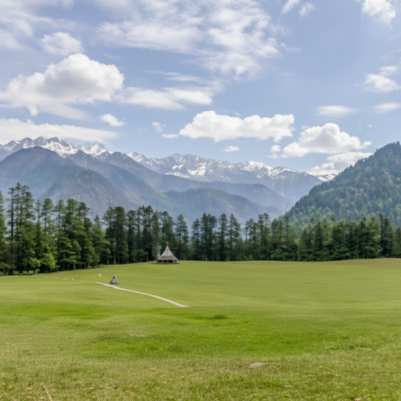
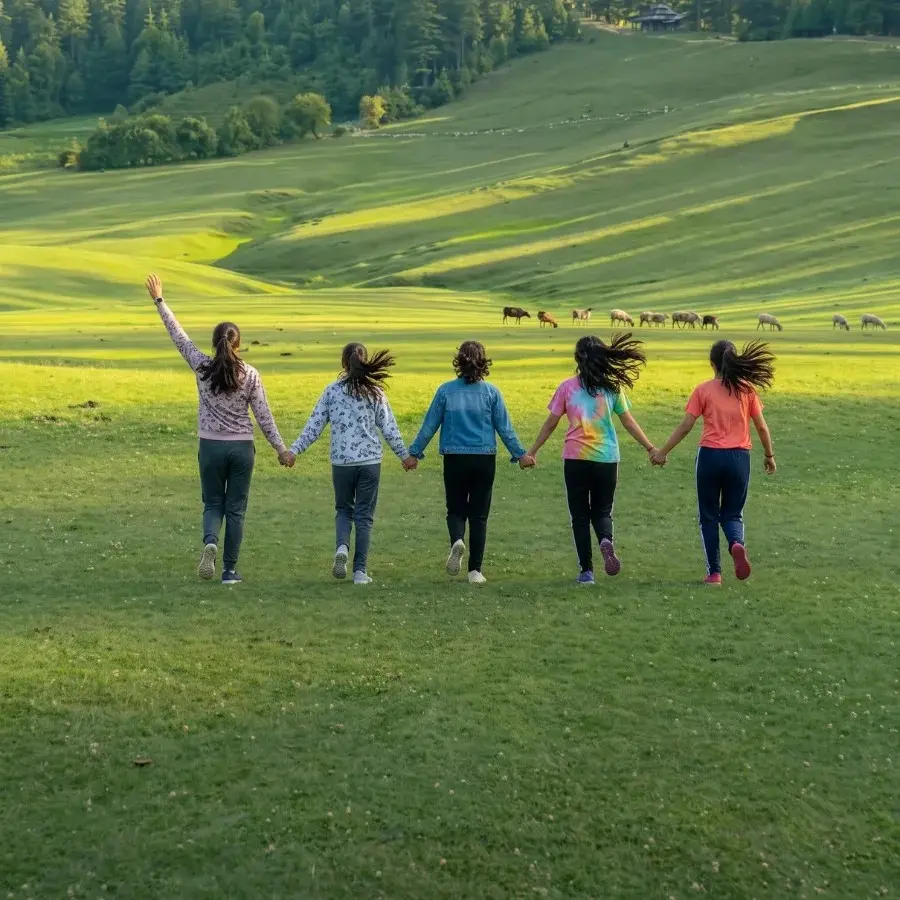
This is the soul of any Shangarh tour package. A wide open meadow spreading across several acres, surrounded by dense deodar forests on three sides. The meadow sits at 8,300 feet with views of snow peaks on clear days. It feels sacred, peaceful, and deeply calming.
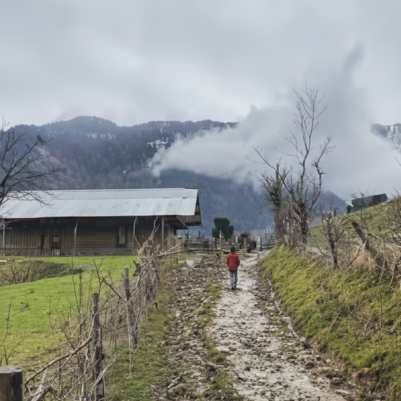
The village itself is beautiful in an unassuming way. About 150 families live here, most in traditional wooden homes with slate roofs. Small stone paths wind between houses, cows graze near apple orchards, and locals greet you with quiet smiles. A simple walk here, stopping to watch an old woman spin wool or kids playing with a stray dog, feels more refreshing than most tourist points. The village temple dedicated to Shangchul Mahadev sits at one end. It's small, ancient, and worth a respectful visit if you're interested in local culture.
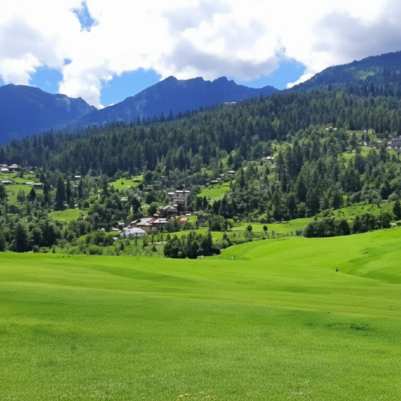
Short trails starting from the meadow edge lead you into dense green patches where time genuinely slows down. One popular trail goes towards Lambadug, another smaller meadow about 2 km away. The path stays easy, winding through deodar and oak forests. These walks are perfect for couples wanting private time, photographers chasing soft forest light, and anyone who wants quiet natural beauty without steep climbs.
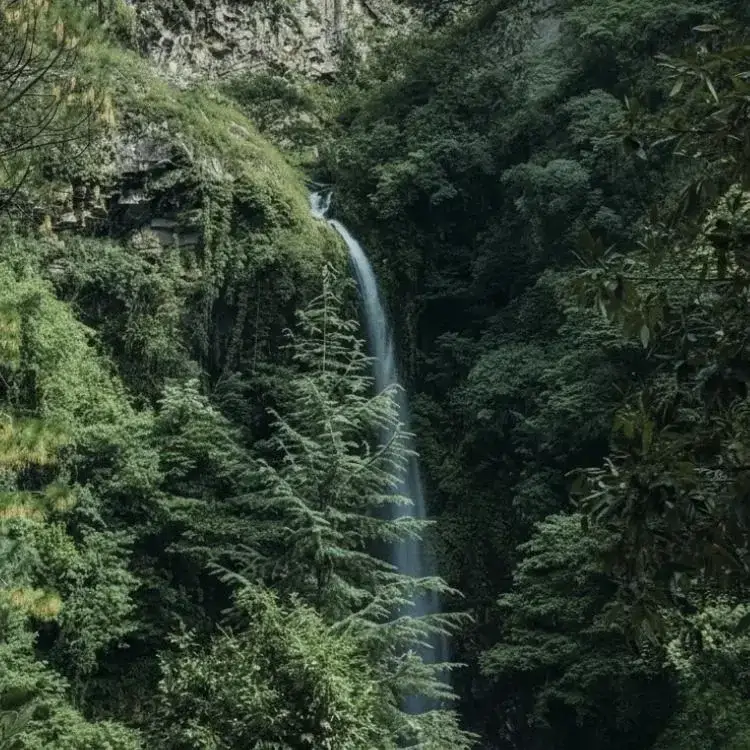
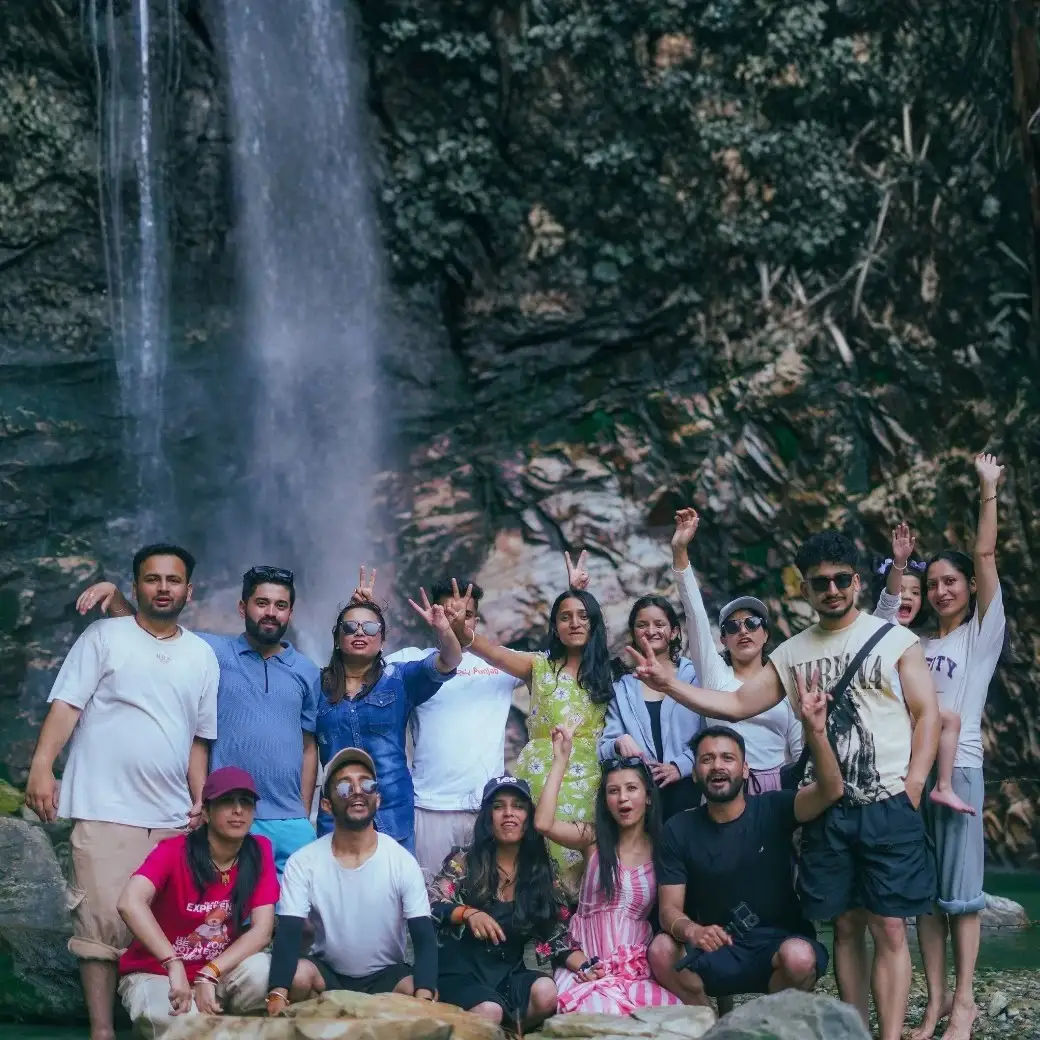
Depending on season and local access, you can do short walks to nearby waterfall points. The Sarvari waterfall trail takes about 45 minutes one way through forest. In spring and post monsoon months between April and May or September and October, these trails feel especially alive with water flow and bird activity.
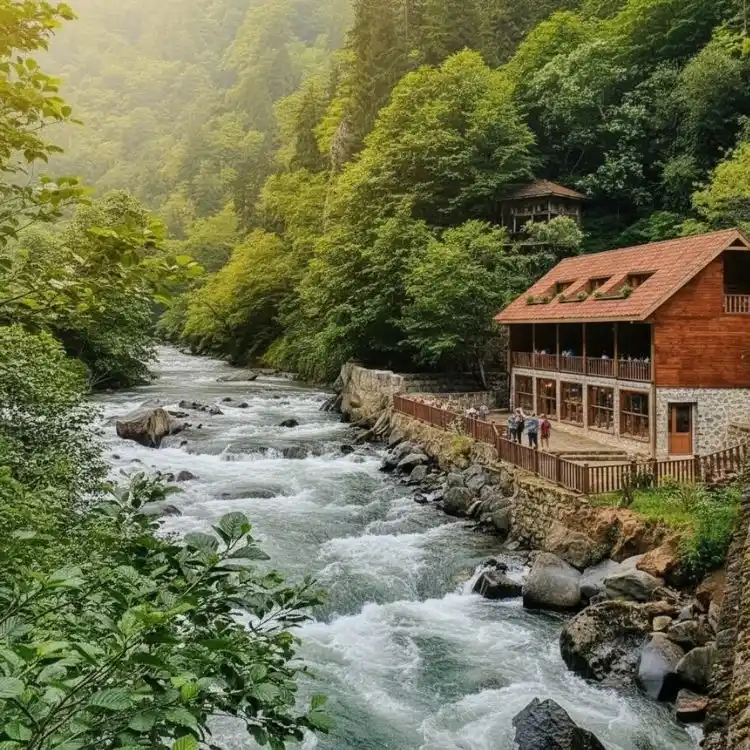
The Sainj River runs through the valley with crystal clear water. There are peaceful stretches where you can sit on smooth rocks, read a book, or simply do nothing. The river sound becomes therapeutic after a few minutes. It's a good balance if you want more nature time beyond the meadow. Some locals fish for trout here using traditional methods.
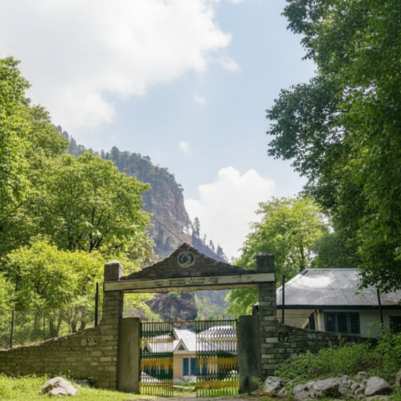
Sainj Valley forms one of the entry corridors to GHNP, a UNESCO World Heritage site. The park headquarters sits in Sai Ropa village, about 20 km from Shangarh. If your trip style leans towards deeper nature exploration, forest landscapes, and wildlife interest, we can plan a GHNP side experience based on time and comfort. The park is home to Himalayan brown bears, blue sheep, and over 180 bird species, though sightings need luck and patience.
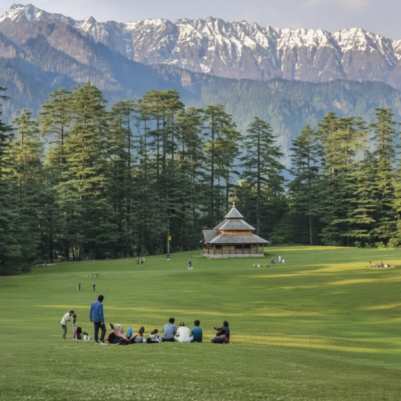
Walk barefoot on grass if the weather allows, sit quietly, watch clouds move, and let your mind breathe. This is the experience Shangarh is famous for.
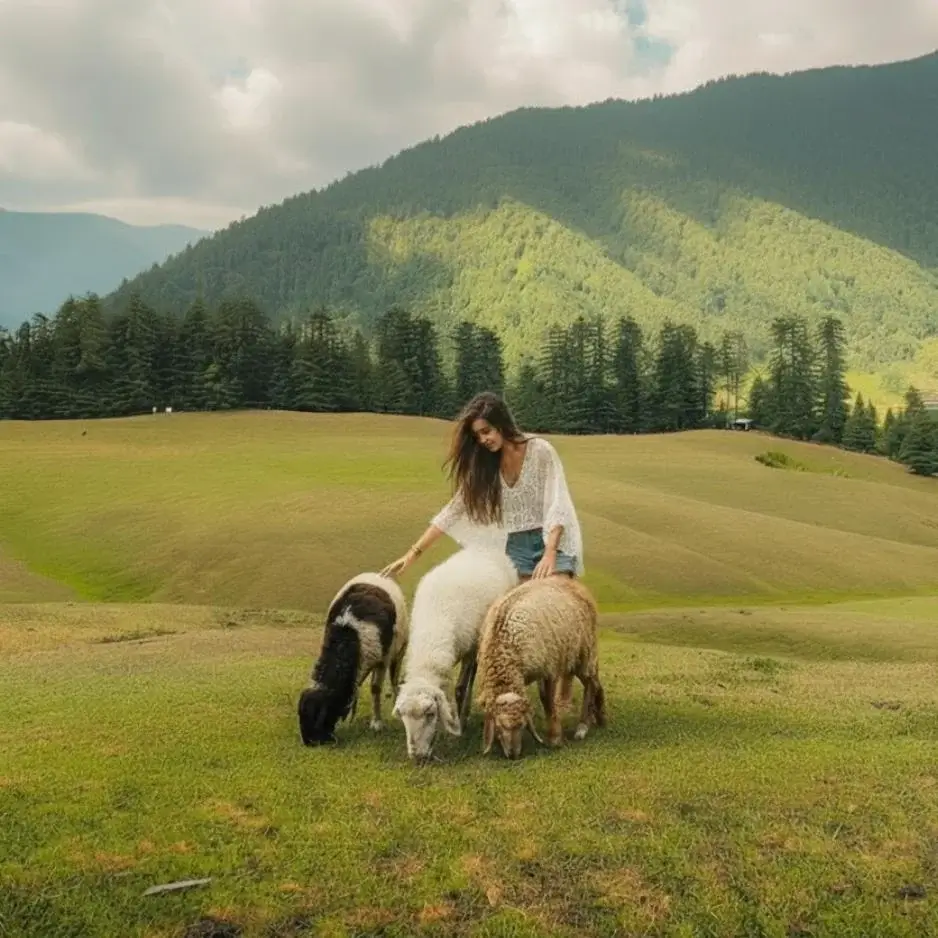
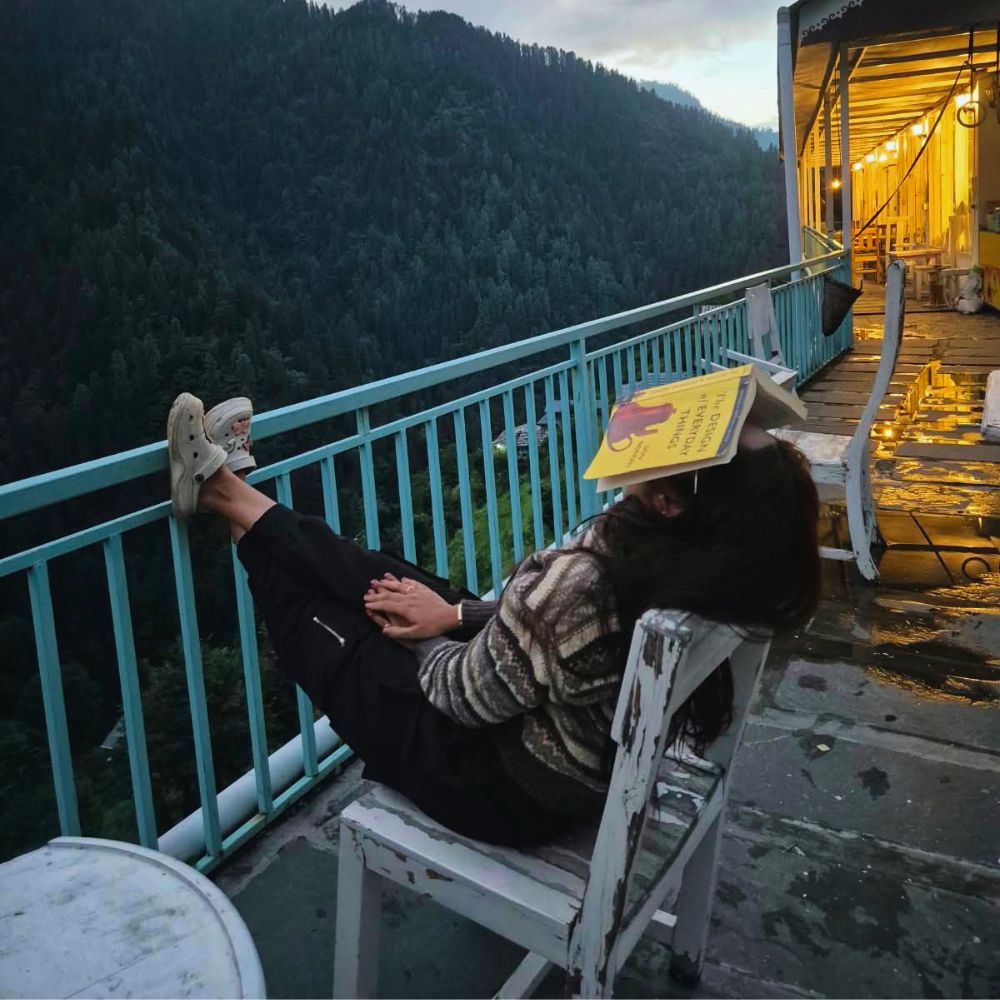
Shangarh is perfect for staying off screens. Read, write, nap, walk, sip chai, repeat. The valley naturally resets you.
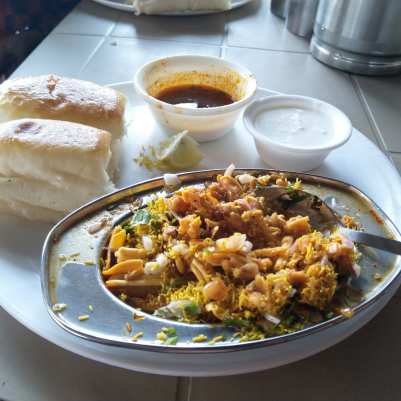
Mountain food tastes better when you’re not in a hurry. Simple meals, warm chai, and quiet conversations are part of the charm.
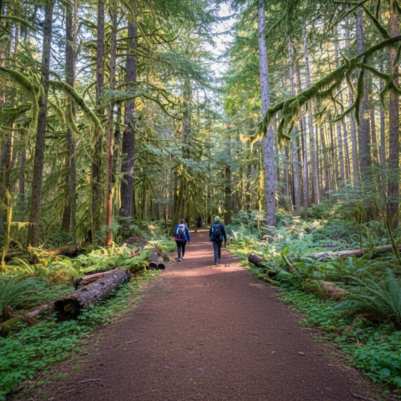
The light here is soft. The forest feels alive. Even basic photos come out beautiful when you take your time.
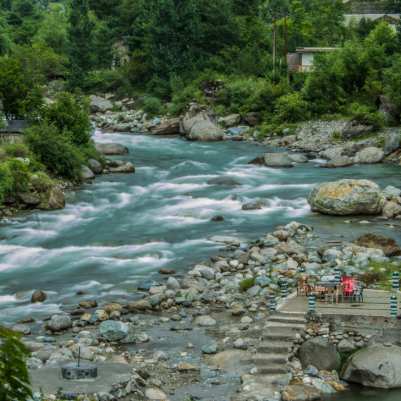
Sit by the river with no plan. This is the kind of pause most travellers don’t realise they needed.
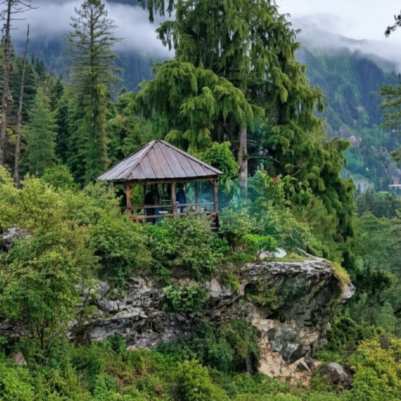
If you want deeper nature, we can plan a day around GHNP-side landscapes and trails based on your comfort and time.

“Travel Coffee truly went above and beyond. Even though we booked from Indonesia without meeting them, we always felt secure — their team was available 24/7 and took care of every detail. Shubham personally ensured our comfort throughout the Himachal trip, from hotel checks to small gestures like bringing lotion and altitude pills. Their sincerity and local expertise made the journey unforgettable.”
Andre & Angel
Shangarh is a small village in the Sainj Valley region of Himachal Pradesh. It’s reached via Aut and then the Sainj route. It’s known for its peaceful meadow and quiet village life.
Shangarh is famous for Shangarh Meadows, a wide green open field surrounded by forests. It’s loved for calm walks, peaceful vibes, and offbeat Himachal beauty.
Most travellers go by road to Aut (Volvo or private cab). From Aut, you continue towards Sainj Valley and then Shangarh. Travel time depends on road and traffic conditions.
From Aut, you can take a private cab towards Sainj side and then Shangarh. Public options may be limited and slower, so private transfers are more comfortable.
A 2–3 day trip is ideal for Shangarh’s calm experience. Choose 3–4 days if you want a slower pace, more trails, and a deeper Sainj Valley experience.
March to June and September to November are best for weather, greenery, and clear skies. Winter is quiet and cold, while monsoon is lush but can be uncomfortable due to rain.
Meadow walks, forest trails, waterfall hikes (seasonal), village photography, river pauses, and quiet workation-style stays.
Yes. Shangarh is one of the best offbeat Himachal spots for couples who want privacy and peace. For workations, choose a stay with reliable power and internet.
Yes—keep it clean, avoid loud music, and respect the meadow’s calm nature. Locals treat the meadow with cultural respect, so mindful travel matters here.
Yes, Sainj Valley connects well to GHNP-side regions. It’s a good add-on for nature lovers if you have enough time.
For certain zones and deeper trails, permits and local rules may apply. We confirm requirements based on your route and the latest access updates.
Connectivity can be patchy due to the valley location. Some stays provide Wi-Fi, but speed and reliability vary.
ATMs are more reliable around bigger towns and highway points. In Shangarh itself, it’s better to carry some cash.
The region can see rain-related road discomfort in monsoon. Landslides are possible in Himachal during heavy rains, so travel in monsoon should be planned cautiously with buffer time.
Comfortable walking shoes, light layers, a rain jacket in monsoon, warm clothes in winter, basic medicines, and a power bank. If you want forest walks, carry good grip footwear.