
Pundrik Rishi Lake
A sacred wetland in the upper Sainj Valley, its surface completely blanketed by a thick floating carpet of grass and reeds rather than open water, most easily reached by a 30 to 45 minute trek from the Deohari village trailhead through dense deodar and spruce forest
- Sacred wetland (not a swimming lake)
- ~2,100 m
- Deohari trailhead 30 to 45 min
- GHNP eco zone
- No entry fee
- Strict devta rules
What makes it special
Pundrik Rishi Lake needs a clear introduction because almost every other page describes it wrong. It is not a clear alpine pool. It is not a swimming lake. It is not a body of water you walk up to and see your reflection in. It is a sacred wetland, roughly 400 metres long, with a surface completely blanketed by a thick, floating carpet of lush green grass, reeds, and matted vegetation. In wetter months you can see standing water under the green layer; in dry months it looks like a soft, sodden meadow. Tree trunks rest across the centre at odd angles. If your idea of a Himalayan lake involves blue water and a phone wallpaper photo, recalibrate before the trek. The interest here is different, and once you are standing at the perimeter you will understand why.
The lake sits at roughly 2,100 metres in the upper part of Sainj Valley, Kullu district, within the Great Himalayan National Park eco zone, near the small villages of Upper Neahi and Sarahan (the small Sainj side one, not the Kinnaur Sarahan). It is sacred to Sage Pundrik Rishi, whose presence the village believes lives on at this site. A small wooden temple to the sage stands nearby in deodar, and a cave linked to Jehar Devta sits in the same forest pocket. Local tradition says paddy fields once filled this meadow until village deities from neighbouring valleys clashed over the ground and the cultivation stopped. Whether the myth interests you or not, the consequence is unmistakable. The site is genuinely well kept. No plastic at the perimeter, no food wrappers, no smoke smells. That cleanliness is the village's doing, not a tourism department's, and it is held in place by the rules described below.
For independent travellers, the standard and friendliest approach is from the Deohari village trailhead. Take a local bus or cab from Sainj town to Deohari (also spelled Dehuri or Deori), and the path begins near the village post office and the school; any villager will point you to the start. The walk is a crisp 30 to 45 minutes one way through a corridor of deodar and spruce that closes in overhead, the kind of dense canopy where the forest floor stays cool even at noon. You cross a couple of muddy mountain tracks after rain, hear water moving in small unseen streams, and then the forest opens out into a quiet wetland clearing. That moment, when the trees pull back and the green carpeted lake spreads flat ahead of you, is the actual experience travellers remember. Longer trails exist from Shangarh via Upper Neahi (a half to full day) and from the Ropa side past the Nuhada waterfall (a full day), but for a calm half day outing, Deohari is the right choice.
This is sacred ground, governed by local devta law, and the village treats violations as offences rather than transgressions of tourist guidelines. Do not step onto the wetland or attempt to enter the green carpet at any point. Shoes off at the temple precinct where the practice is signalled, the same etiquette you would observe at a working shrine. No alcohol on the trail, at the site, or anywhere near the sacred perimeter. No non vegetarian food carried, eaten, or even visibly displayed near the lake. No smoking. No littering of any kind, including fruit peels and tissues, which must be carried out. A fine of 5,000 rupees is reportedly enforced, but the more lasting reason for these rules is that the village has kept this ground respected for generations and the silence at the perimeter is the result of that care.
If you want to slow down and do this properly, Deohari has a small handful of family run homestays within ten minutes of the trailhead. Expect simple, warm rooms, hot tea on arrival, heavy blankets, and home cooked Himachali meals at the family table. A night here before a quiet morning trek up to the lake is the better version of this trip; rushing in as a day trip from a farther base is the version to avoid if you can help it.
Quick answers
- Is Pundrik Rishi Lake worth the trek?
- Yes if you understand what you are walking to. This is not a clear water lake; it is a sacred wetland with the entire surface blanketed by a thick floating carpet of grass and reeds. The reward is the 30 to 45 minute walk from the Deohari trailhead through dense deodar and spruce canopy, and the moment the forest opens out into the wetland clearing. Plan it as a half day from a Deohari homestay or as a longer outing from Shangarh.
- How difficult is the walk?
- Easy on the standard Deohari approach. The walk is 30 to 45 minutes one way through forest canopy with occasional muddy mountain tracks after rain. No technical climbing, no altitude concerns at 2,100 metres. Suitable for beginners, fit seniors, and active families with kids above 8. The longer routes from Shangarh via Upper Neahi or from the Ropa side are full day outings rather than half day walks.
- What does the lake actually look like?
- A roughly 400 metre wetland with the entire surface covered by a thick, floating carpet of grass, reeds, and matted vegetation. Tree trunks rest across the centre at odd angles. In wet months you can see water beneath the green layer; in dry months it looks like a soft, sodden meadow. The site is sacred to Sage Pundrik Rishi, fenced in sections, and absolutely not for swimming or wading. The interest is the wetland itself, the small wooden temple nearby, and the forest walk in.
Quick facts
Everything you need to know at a glance.
At a glance
- Altitude
- Approximately 2,100 m (around 6,900 feet). Some sources quote slightly different figures within a tight range, treat as approximate.
- Location
- Upper Sainj Valley, Kullu district, Himachal Pradesh. Within the GHNP eco zone, near Upper Neahi and Sarahan villages.
- Nearest base
- Deohari village (also spelled Dehuri or Deori) for the standard friendly approach. Shangarh ~10 to 15 km for a longer alternative. Ropa for the full day approach.
- Standard trailhead
- Deohari village, near the village post office and school. 30 to 45 minute trek one way.
- Entry fee
- None. No permit needed for the lake or the eco zone trail.
- Time needed
- 1.5 to 2 hours round trip from Deohari. Half to full day from Shangarh. Full day from Ropa side.
- Difficulty
- Easy on the Deohari approach. Forest trail with gentle uphill, muddy sections after rain. Suitable for beginners.
- Known for
- A sacred wetland blanketed by a thick floating carpet of grass and reeds. Sage Pundrik Rishi shrine in the same forest pocket. The forest walk in is the main draw.
On the ground
- Sacred rules (devta law)
- Lake is sacred to Sage Pundrik Rishi. Do not step onto the wetland. Shoes off at the temple precinct where signalled. No alcohol on the trail or at the site. No non vegetarian food near the sacred perimeter. No smoking. No littering. Fine of 5,000 rupees reportedly enforced.
- Mobile network
- Essentially zero on the trail. Weak even at Deohari and Upper Neahi. Download offline maps before leaving Sainj town.
- Food and water
- Nothing on the trail or at the lake. Carry water and a snack from your homestay. The Deohari homestays are the primary, most reliable option for meals before and after the walk.
- Permits
- None for the lake. GHNP core zone treks beyond the eco zone require a separate permit from the Ropa Sainj range office.
- Trail surface
- Forest path through deodar and spruce canopy, village tracks at the start, muddy mountain tracks in places after rain. Proper shoes with grip are essential.
- Guide needed?
- Not necessary on the Deohari approach. Useful on the longer Shangarh and Ropa routes, especially in monsoon when streams create false paths.
Seasonal weather
- March to early June22°6°Spring
- July to August24°14°Monsoon
- September to early November20°4°Autumn
- Mid November to February12°-4°Winter
Suitable for
- Couples — suitable
- Families — with some care
- Seniors — with some care
- Solo — suitable
- First-timers — suitable
- Pet-friendly — not suitable
How to reach Pundrik Rishi Lake
3 approach routes, with seasonal access.
From Deohari village trailhead (standard, recommended for independent travellers)
Year round. Best March to November. Muddy in monsoon, possible ice on shaded sections in deep winter.- Distance
- About 2 to 3 km one way from the Deohari trailhead
- Time
- 30 to 45 minutes one way
- Road
- Forest trail through deodar and spruce canopy. Gentle uphill in places, occasional muddy mountain tracks after rain.
The standard, most friendly approach for independent travellers. From Sainj town, take a local HRTC bus or a cab to Deohari village (also spelled Dehuri or Deori), about 30 to 40 minutes by road. The trail starts near the village post office and the school; any local will point you confidently to the head. The walk is 30 to 45 minutes one way through a corridor of deodar and spruce canopy that keeps the trail cool even at noon. Occasional muddy mountain tracks after rain; proper shoes with grip are essential. The forest opens out into a quiet wetland clearing where the lake lies blanketed under its green carpet. Round trip from the trailhead is about 1.5 to 2 hours including time at the perimeter.
From Shangarh village via Upper Neahi (longer alternative)
Year round. Best March to November.- Distance
- About 3 to 4 km one way via Upper Neahi
- Time
- 1.5 to 2 hours one way
- Road
- Unmarked forest trail through deodar woods, connecting through Upper Neahi village.
An alternative for travellers based at Shangarh. A forest trail of about 3 km connects Shangarh to Upper Neahi village, with another 10 to 15 minute walk past Upper Neahi to reach the lake. Total walking time is roughly 1.5 to 2 hours one way at a steady pace, a half to full day round trip with stops at the wetland and the wooden temple. The trail is unmarked, so ask your Shangarh homestay host for current directions and conditions before leaving. More demanding than the Deohari approach but lets you combine a Shangarh stay with the lake visit without backtracking through Sainj town.
From Ropa or Neuli area (GHNP Sainj side gate, full day outing)
Year round. Best March to November. Muddy in monsoon, possible ice in deep winter.- Distance
- About 6 to 8 km one way
- Time
- 2 to 3 hours one way
- Road
- Forest trail through deodar and pine, village paths, uphill sections. Unmarked.
The longest approach, a full day outing. From the Ropa area near the GHNP Sainj side gate, the trail ascends gradually through thick deodar and pine forest. You pass the Nuhada waterfall (worth a 15 minute detour), the village of Sarahan with its Jehar Devta temple, and eventually reach the wetland clearing. Expect 2 to 3 hours each way at a comfortable pace, with stops. Return the same way, or continue to Upper Neahi for a longer loop. Carry water and a snack, there is nothing to buy along the trail. Ask your homestay or the Ropa Forest Rest House for current trail directions; there are no signboards.
Best time to visit
Season by season, so you can plan around the weather rather than hope.
- Recommended
Spring
March to early June
Dry trails, green forest, the most comfortable trekking window.
- Day temperature
- 14 to 22 C
- Trail condition
- Dry, manageable
- Lake visibility
- Moderate water level beneath grass
- Crowds
- Light
Dry trails, green forest, and comfortable walking temperatures. The lake's water level is moderate, fed by snowmelt. The surrounding meadows start to green up nicely. This is the most comfortable window for the trek. Weekdays are quiet on the trail.
Monsoon
July to August
Greenest forest and most water in the lake, but muddy trails and leeches.
- Day temperature
- 18 to 24 C
- Trail condition
- Muddy, leeches possible
- Lake visibility
- Highest water level of the year
- Crowds
- Low
The forest is at its greenest and the water level is highest, which is when the lake looks most like an actual lake. But the trail is muddy, leeches appear in the lower forest, and stream crossings can be tricky. If you catch a clear morning after a dry night, this is the most atmospheric version. Otherwise, the mud makes it hard to enjoy.
- Recommended
Autumn
September to early November
Best overall window. Clean air, firm trails, and the annual October festival.
- Day temperature
- 12 to 20 C
- Trail condition
- Dry, firm, the best underfoot
- Lake visibility
- Good post monsoon levels
- Festival
- October: Pundrik Rishi birth anniversary gathering
The sweet spot. Post monsoon air is clean, the trail dries out, the lake still holds decent water from the rains, and the forest is lush. October also brings the annual Pundrik Rishi festival, when thousands of locals visit the lake. If your dates align with the festival, it is worth seeing but expect a crowded trail. Weekdays outside the festival are quiet.
Winter
Mid November to February
Lake looks like a grassy field, cold trail, not worth a dedicated trip.
- Day temperature
- 4 to 12 C
- Trail condition
- Cold, possible ice
- Lake visibility
- Minimal water, mostly grass
- Crowds
- Very low
The lake is at its least visible, mostly just a grassy field. The forest trail can have ice on shaded sections. The walk is cold and the overall experience is diminished. Come only if you are in the area anyway and want a winter forest walk. Not worth a dedicated trip in this season.
Things to see & do
5 things worth your time at Pundrik Rishi Lake.
Trek to the lake from the Deohari trailhead
1.5 to 2 hours round trip from DeohariThe standard approach for independent travellers. From Sainj town, take a bus or cab to Deohari village. The trailhead begins near the village post office and the school, and any local will point you to the start. The walk climbs gently through deodar and spruce forest for 30 to 45 minutes one way, with occasional muddy stretches after rain. The canopy keeps the trail cool even at noon. The forest then opens out into a quiet wetland clearing, the lake spread flat ahead of you, completely covered in its green carpet. Spend 20 to 30 minutes at the perimeter (do not step onto the grass), then walk back. Round trip from the trailhead is about 1.5 to 2 hours.
Stay overnight in Deohari for a slow morning walk
1 nightThe better version of this trip if you have the time. Deohari has a small handful of family run homestays within ten minutes of the trailhead, all simple village houses with one or two guest rooms added. Expect clean rooms with heavy blankets, hot tea on arrival, bucket hot water in some properties, and home cooked Himachali meals at the family table. Rates run roughly 1,500 to 2,500 rupees per night for two with meals. A quiet evening at the homestay and an early morning trek up to the lake before any other walker has set out is the version of the experience travellers remember best. Confirm bookings from Sainj town before walking up; phone signal in the village is patchy.
Longer alternative: walk from Shangarh via Upper Neahi
Half to full day from ShangarhAn alternative for travellers based at Shangarh. A forest trail of about 3 km connects Shangarh to Upper Neahi village, with another 10 to 15 minute walk past Upper Neahi to the lake. Total walking time is roughly 1.5 to 2 hours one way at a steady pace, a half to full day round trip with stops. This route lets you combine a Shangarh stay with the lake visit without backtracking through Sainj town. The trail is not marked, so ask your homestay host for current directions before leaving. The path is more demanding than the Deohari approach.
Full day approach from the Ropa side via Nuhada waterfall
4 to 6 hours round trip from RopaThe longest of the three approaches, a full day outing. From the Ropa area near the GHNP Sainj side gate, the trail ascends gradually through thick deodar and pine forest, passes the Nuhada waterfall (worth a 15 minute detour), the village of Sarahan with its Jehar Devta temple, and eventually reaches the wetland clearing. Expect 2 to 3 hours one way at a comfortable pace, with stops, totalling 4 to 6 hours round trip. Carry water and a snack, there is nothing to buy along the trail. Ask your homestay or the Ropa Forest Rest House for current trail directions, as there are no signboards.
Continue to Upper Neahi village
Add 30 to 45 minutes round tripUpper Neahi is a 15 to 20 minute walk beyond the lake and is one of the most scenic small villages in Sainj Valley, with its own small meadow and views of the Raktisar glacier side on clear days. If you have the energy after the lake, the short extension is worth it. Homestays are available at Upper Neahi and nearby Jhili Neahi if you want to stay the night rather than walk back the same day.
Know before you visit Pundrik Rishi Lake
The practical bits, from people who have been.
What the lake actually isA 400 metre sacred wetland blanketed by a thick floating carpet of grass and reeds. Not a swimming lake. Set expectations accordingly before the walk.
The single most important thing to understand before visiting. Pundrik Rishi Lake is not a clear mountain lake. It is a sacred wetland, roughly 400 metres long, with the entire surface blanketed by a thick, floating carpet of lush green grass, reeds, and matted vegetation. In wet months you can see standing water beneath the green layer; in dry months it looks like a sodden meadow. Tree trunks rest across the centre at odd angles.
The wetland is fenced in sections with barbed wire. You cannot and must not step onto the grass or attempt to enter the water. The good news is that because of the sacred status, the area is genuinely free of plastic, food wrappers, and litter, which is unusual for any accessible site in the hills. The green carpet, the wooden temple to Sage Pundrik nearby, and the deodar and spruce setting are the experience here; expectations of open water need to be set aside before the walk.
Sacred rules and local devta lawSacred to Sage Pundrik Rishi, governed by local devta law. No stepping onto the wetland, no alcohol, no non vegetarian food, no smoking, no littering. Shoes off at the temple precinct.
The lake is sacred to Sage Pundrik Rishi and is governed by local devta law. The village takes these rules seriously, and so should every visitor.
Do not step onto the wetland or attempt to enter the water at any time. The barbed wire fencing in sections is functional, not decorative. The green carpet is not a surface you can stand on, and it is not yours to test.
No alcohol on the trail, at the lake, or anywhere near the sacred perimeter. Even the smell of liquor on the breath is enough to draw rebuke.
No non vegetarian food carried, eaten, or visibly displayed near the lake. The rule extends to the approach trail, not only the immediate perimeter. If your packed lunch contains meat or eggs, eat it before you set out.
No smoking or chewing tobacco anywhere near the lake.
No littering of any kind. Carry out everything you brought in, including fruit peels, tissues, and biscuit wrappers. There are no bins at the site.
Shoes off at the small wooden temple to Sage Pundrik nearby. Observe the same etiquette you would at any working shrine. Read whatever signage is posted at the precinct and follow it.
A fine, reportedly 5,000 rupees, is enforced. The more lasting reason for these rules, however, is that the village has held this ground respected for generations. The cleanliness, the silence at the perimeter, and the dignity of the site are the result of that care. Following the rules is the minimum a visitor can offer.
The trail in: what to expect on the way upTrailhead at Deohari near the post office and school. Forest canopy of deodar and spruce, muddy in places after rain. No shops or water sources on the trail.
From Deohari, the trail begins near the village post office and the school. There are no signboards on most of the trail, so ask any local for the start; they will point you confidently. The path climbs gently through deodar and spruce forest, with the canopy keeping the trail cool even at midday. You will cross small streams, and after rain the path has muddy mountain tracks that need slow footing and shoes with grip. The last few hundred metres before the wetland clearing have a short stretch of uneven ground where the canopy thins.
No shops, no stalls, no water sources along the way. Carry a litre of water per person and a snack from your homestay. Sturdy shoes with grip are essential, not sandals.
Mobile signal drops within the first ten minutes of the walk and stays poor for the entire route. Tell your homestay host your plan before leaving. If you are doing the longer routes from Shangarh or Ropa, ask your host to arrange a local guide, or get directions in detail before starting. Trail forks are obvious in dry weather but can be confusing in monsoon when streams create false paths.
A small recheck reminder. Trail conditions, bus timings between Sainj town and Deohari, and homestay availability shift with the season. Confirm anything time sensitive with your homestay or locally before starting the walk.
Who should do this walk and who should skip itGood for couples, beginners, families with kids above 8, and active seniors on the Deohari approach. Skip if you expected a clear water alpine lake.
Solo travellers and couples. Yes, especially on the Deohari approach. The walk is short and atmospheric, and the wetland clearing rewards slow, respectful exploration.
Families with kids above 8. Yes, on the Deohari route. The 30 to 45 minute walk is manageable for active children, the forest is engaging, and the wetland clearing is a good introduction to how sacred sites work in the Himachali hills. Keep children close at the perimeter; do not let anyone step onto the green carpet.
Beginners. This is a good first walk in the Himalayas. Nothing technical, no altitude concerns at 2,100 metres, and the payoff is the forest and the moment the clearing opens.
Seniors. The Deohari approach is the right one. Active seniors who walk regularly will manage the 30 to 45 minute climb without trouble. Skip the longer Shangarh and Ropa routes.
Skip it if. You came expecting an alpine lake with reflections. You came planning to swim, paddle, or photograph open water. You are not interested in the sacred dimension of the site. The wetland and the rules are the experience; if neither appeals, your half day is better spent at the Shangarh meadow.
Where to stay near the trailheadFamily run homestays at Deohari within ten minutes of the trailhead. Simple, warm rooms, home cooked meals, ~1,500 to 2,500 rupees per night with food. The natural base for the walk.
Deohari village has a small handful of family run homestays, all within a ten minute walk of the trailhead. Most are traditional village houses with one or two guest rooms added. Expect simple but warm rooms, hot tea on arrival, heavy blankets, bucket hot water in some properties, and home cooked Himachali meals served at the family table. Rates run roughly 1,500 to 2,500 rupees per night for two with meals, though this varies by season and property.
Hosts can confirm trail conditions, point out the path beyond the school, and tell you whether the temple precinct is likely to be open on your day. Meals need to be ordered a few hours in advance; if you arrive without ordering, the options narrow quickly. Phone signal in the village is patchy, so confirm your booking from Sainj town before walking up.
For the lake walk specifically, Deohari is the natural base. If Deohari is full, the homestays at Shangarh, the Forest Rest House at Ropa, and a small homestay at Jhili Neahi are the alternatives, but each adds road or trail time to the morning of the walk.
Nearby attractions
Other places worth the detour.
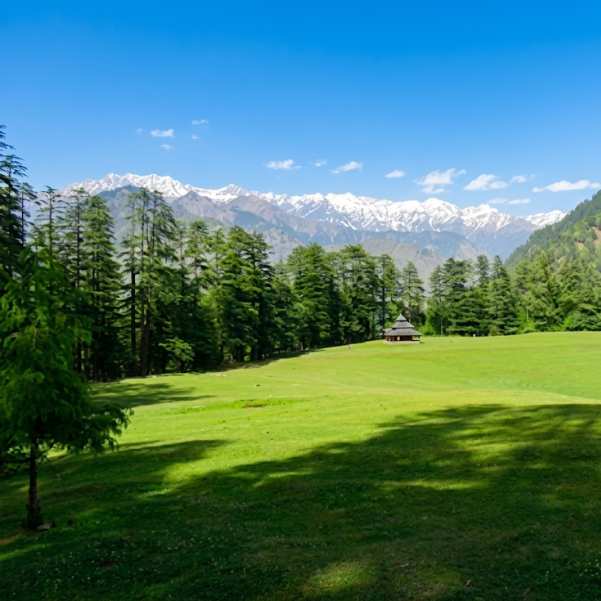
Shangarh Meadows
About 10 to 15 km by road, depending on route
The most visited spot in Sainj Valley, a wide sacred meadow with the Shangchul Mahadev Temple and deodar forest on all sides. The natural base for a Pundrik Rishi Lake trek.
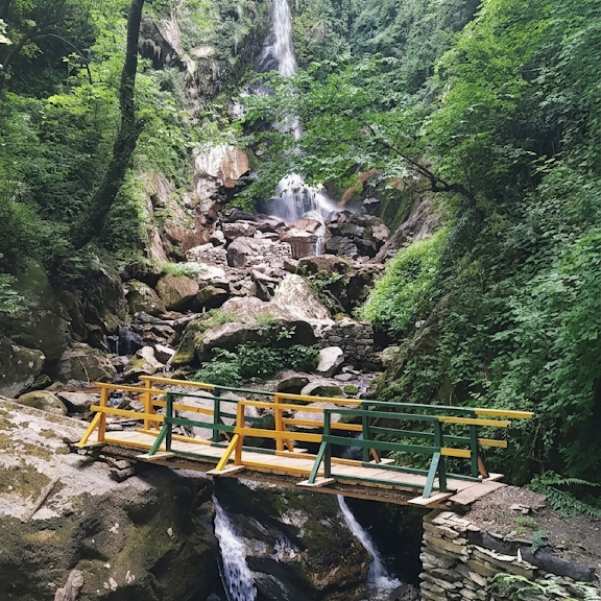
Barshangarh Waterfall
About 3 km walk from Shangarh
A forest waterfall reached by an easy walk from Shangarh through small villages. Combine with the lake trek across two days for a full Sainj Valley experience.
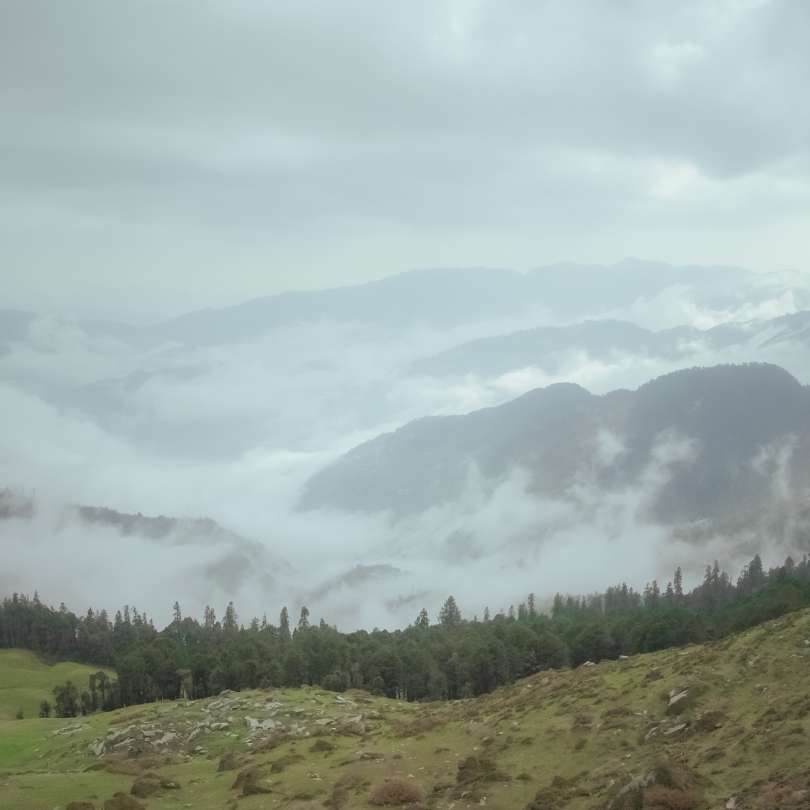
Great Himalayan National Park
GHNP ecozone, Ropa gate nearby
UNESCO World Heritage protected wilderness. The lake sits within the GHNP ecozone, and the Sainj side gate at Ropa is one of the trek starting points.
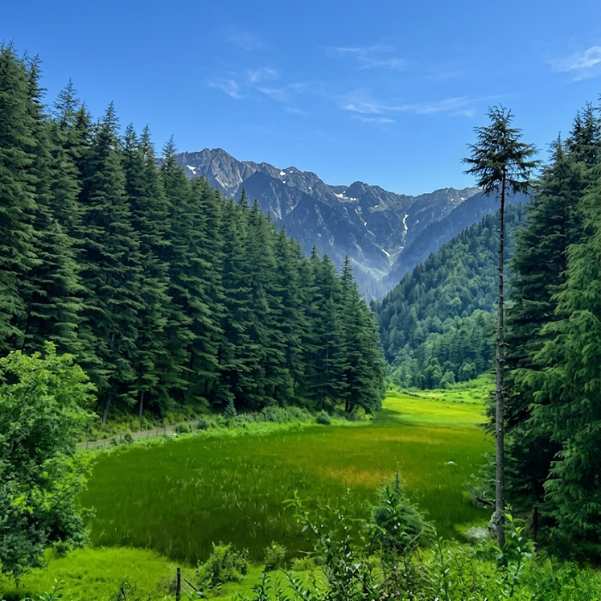
Sainj Valley
The lake is in the upper valley
The broader valley context. The lake is one of several attractions spread across the Sainj Valley, along with Deori, Shanshar, and Raila.
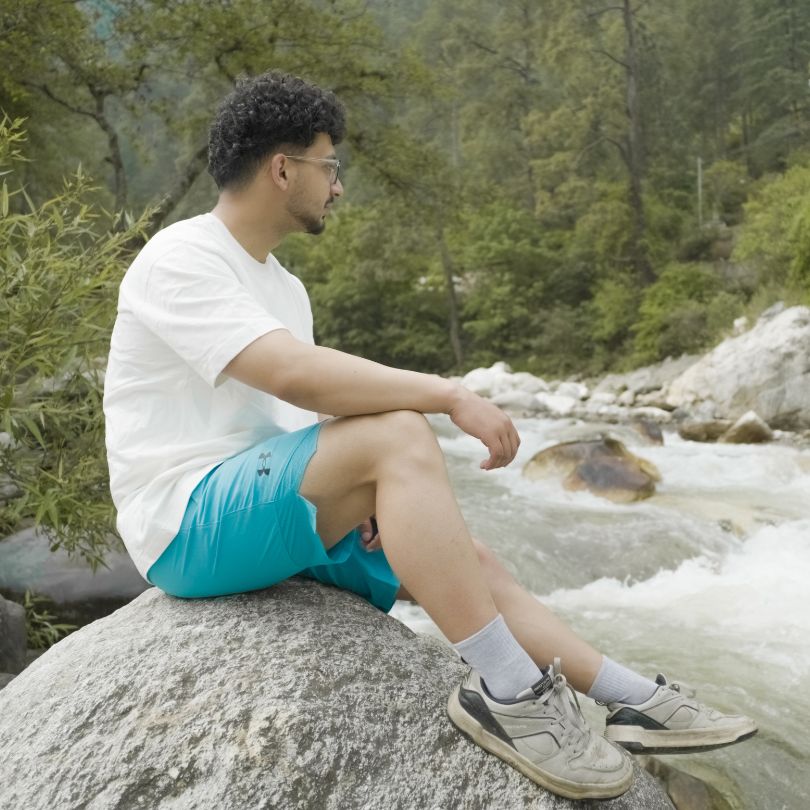
Tirthan Valley
~2 hours drive via Aut and Larji
The other main GHNP approach valley, with riverside homestays and trout fishing. A natural pair for a combined trip.
Our packages with Pundrik Rishi Lake
Curated trips that include a visit to Pundrik Rishi Lake.
 Group Tour5D/4N
Sainj Valley and Shangarh Group Trip
3D Shangarh
₹8,499₹12,499SAVE INR 4,000/ person 5D/4N
5D/4NMost Loved Shangarh Sainj Valley Tour With Private SUV
2D Shangarh
₹12,999₹16,999SAVE INR 4,000/ person
Frequently Asked Questions
Where is Pundrik Rishi Lake?
In the upper part of Sainj Valley, Kullu district, Himachal Pradesh, within the Great Himalayan National Park eco zone, near the villages of Upper Neahi and Sarahan. The lake sits at roughly 2,100 metres. The standard trailhead for independent travellers is at Deohari village (also spelled Dehuri or Deori), near the village post office and school.
Is Pundrik Rishi Lake actually a lake you can swim in?
No. It is a sacred wetland, roughly 400 metres long, with the entire surface blanketed by a thick, floating carpet of grass, reeds, and matted vegetation. In wet months you can see standing water beneath the green layer; in dry months it looks like a sodden meadow. Tree trunks rest across the centre at odd angles. It is fenced in sections and is absolutely not a swimming lake or an open water body. The interest is the wetland itself, the wooden temple to Sage Pundrik nearby, and the forest walk in.
How long does the trek take?
From the Deohari village trailhead, the standard friendly approach, 30 to 45 minutes one way, round trip about 1.5 to 2 hours including time at the perimeter. From Shangarh via Upper Neahi, about 1.5 to 2 hours one way, a half to full day round trip. From the Ropa side past the Nuhada waterfall, 2 to 3 hours one way, a full day outing. For most independent travellers, the Deohari approach is the right choice.
How difficult is the Pundrik Rishi Lake trek?
Easy on the Deohari approach. The trail climbs gently through deodar and spruce forest for 30 to 45 minutes one way, with muddy sections after rain. No technical climbing, no altitude concerns at 2,100 metres. Suitable for beginners, active families with kids above 8, and fit seniors. The Shangarh via Upper Neahi and Ropa side routes are longer and more demanding, better suited to travellers already settled into the valley.
When is the best time to visit?
March to June and September to November for comfortable walking weather and dry trails. The wetland is most visible after monsoon (September to October) when water levels are higher under the green carpet. July and August offer green forests but muddy mountain tracks and leeches. Winter walks are possible but the wetland is at its flattest and the trail can be icy on shaded sections.
What are the rules at the lake?
Yes, and they are taken seriously under local devta law. Do not step into or onto the wetland at any time, the barbed wire fencing in sections is functional, not decorative. Do not consume alcohol on the trail or at the site. Do not carry or eat non vegetarian food anywhere near the sacred perimeter. Do not smoke. Carry out all waste, including fruit peels and tissues. Shoes off at the temple precinct where the practice is signalled. A fine of 5,000 rupees is reportedly enforced. The rules exist because the lake is sacred to Sage Pundrik Rishi, and the village has kept this ground respected for generations.
Do I need a guide?
Not necessary on the Deohari approach. The trail is short, well trodden, and any villager at Deohari will point out the start near the post office and school. A guide is more useful on the longer routes from Shangarh or the Ropa side, where the trail is less marked and passes through denser forest. During monsoon, a guide is sensible on any route because streams create false paths.
Is there an entry fee?
No. There is no ticket, no gate, and no entry fee for the lake or the trek. If you are continuing deeper into the GHNP core zone beyond the eco zone, that requires a separate permit from the Ropa Sainj range office.
Is there a festival at the lake?
Yes. The annual Pundrik Rishi festival, usually in October, marks the birth anniversary of the sage. Thousands of locals from across the valley come to the lake during this period. It is a significant religious gathering, not staged for tourists. If your dates align, it is worth experiencing, but expect a much busier trail.
Can I camp at Pundrik Rishi Lake?
No. Camping is not appropriate at the lake itself; the site is sacred, there is no running water, and there are no facilities. For an overnight in the area, the family run homestays at Deohari are the natural option, with the trailhead a ten minute walk away. Upper Neahi, Jhili Neahi, and the Forest Rest House at Ropa are alternatives further along the routes.
Where should I stay near the trailhead?
A few family run homestays operate at Deohari, all simple village houses within ten minutes of the trailhead. Expect clean rooms, heavy blankets, home cooked Himachali meals at the family table, and rates of roughly 1,500 to 2,500 rupees per night for two with meals. Phone signal is patchy, so confirm bookings from Sainj town before walking up. A night at Deohari and a quiet morning trek up to the lake is the better version of this trip.