
Dehuri Village (Deohari)
A quiet, rustic village on a broad valley floor in Sainj Valley, the local base for the sacred Pundrik Rishi Lake (Dalogi Sar) and the Manyashi tower temples, with a few homestays, the village Durga Mata temple, and the annual Dehuri Mela in May.
- Village
- Sainj Valley
- Pundrik Rishi Lake (Dalogi Sar) base
- Manyashi tower temples
- Homestays
- Durga Mata temple
- No entry fee
- Dehuri Mela in May
What makes it special
Dehuri, locally also called Deyohari or Deohri, is one of those villages in Sainj Valley that most travellers hear about only as a trailhead. "Take a bus to Dehuri and walk up to Pundrik Rishi Lake" is the standard line in every Sainj guide. But the village itself is worth more than a passing glance. Unlike most Himachali settlements that cling to steep hillsides, Dehuri spreads across an unusually wide, flat stretch of valley floor, surrounded by terraced fields of apple, maize, peas, and tomatoes. There is an open community ground with a school, a post office (technically listed under the Banogi Gram Panchayat name), and the kind of quiet that takes a day to fully hear.
The Durga Mata temple in the centre of the village is the first thing most visitors notice. It is not the usual wooden tower style of the Kullu hills but a more conventional multi storey structure. It was gutted by a fire in 1998 and rebuilt by the villagers themselves, which tells you something about the community. The temple sits in the middle of village life, not apart from it. Step in quietly if you want to, but be mindful: this is an active place of worship for the people who live here.
What makes Dehuri worth a stay rather than just a pass through is the position. In one direction, a short walk of about 30 to 45 minutes through dense deodar and pine forest brings you to Pundrik Rishi Lake, locally known as Dalogi Sar, a sacred grassy wetland that is the valley's most accessible short trek. The lake is dedicated to the local deity Pundrik Rishi, and the community enforces strict rules around it. No entering the water, no alcohol, no non vegetarian food at the site. These are not tourist guidelines, they are the boundaries of a sacred space, and visitors are expected to respect them. In the other direction, a 15 to 20 minute walk up through apple orchards and terraced fields leads to Manyashi, a tiny village with two wooden tower temples dedicated to Pundrik Rishi and Janjar. Both are easy half day walks that you can do from a Dehuri base without needing any real fitness or planning.
The village also hosts the Dehuri Mela, an annual fair usually held in May, when neighbouring deities arrive in procession and the community turns out in traditional Kulluvi dress. If your dates happen to line up, it is a genuine cultural experience, not a tourist show. If they do not, the village on any ordinary day is still the slowest, most agricultural corner of Sainj Valley that you can reach by bus.
A handful of homestays have come up in recent years. The road from Sainj is bumpy for the last stretch, with improvement work ongoing under the PM Gram Sadak Yojana. Once you arrive, the pace changes immediately. Most visitors who come for one night end up wanting a second.
Quick answers
- Is Dehuri Village worth visiting?
- Yes, if you want the quietest, most agricultural corner of Sainj Valley still reachable by bus. It is the local base for the sacred Pundrik Rishi Lake (Dalogi Sar) and the Manyashi tower temples. The village itself is flat, broad, and slower paced than even Shangarh. Two nights is the sweet spot. One night works if you are adding it to a broader Sainj Valley trip.
- How do I get to Dehuri?
- From Delhi, take the overnight Volvo on the Delhi-Manali highway to Aut, just before the Aut tunnel. From Aut, a bus or shared taxi takes you to Sainj town. From Sainj Market, the 11 AM local bus runs to Dehuri (the most dependable option), or you can hire a local taxi for roughly 800 to 1,000 rupees one way. The road is bumpy for the last stretch.
- How many days do I need?
- Two nights, one full day is ideal. Day one, arrive and walk to Manyashi. Day two, morning walk to Pundrik Rishi Lake, afternoon village wander. You can see the basics in a day trip from Shangarh but the slow pace is the whole point.
Quick facts
Everything you need to know at a glance.
At a glance
- Location
- Sainj Valley, Kullu district, Himachal Pradesh. Banogi Gram Panchayat.
- Approximate altitude
- Roughly 2,050 m (approximately 6,700 feet)
- Nearest town
- Sainj town, roughly 7 to 10 km by road.
- Time needed
- 2 nights, 1 full day ideal. Day trip possible from Shangarh.
- Entry fee
- None. No permits needed for the village or nearby walks.
- Effort level
- Easy. The village is flat. Lake trek is 30 to 45 min gentle uphill.
On the ground
- Mobile network
- BSNL and Jio intermittent. Assume patchy.
- Food
- Homestay meals (order in advance). A tea shop or two, inconsistent hours. Carry snacks from Sainj.
- ATM and cash
- No ATM. Nearest in Sainj town. Carry cash.
- Parking
- Roadside at the drop point. Homestays usually have space for one vehicle.
- Walking
- Village is flat. Trek trails are uneven forest paths. Shoes with grip.
Seasonal weather
- March to June22°6°Spring and Summer
- July to September24°14°Monsoon
- October to November20°4°Autumn
- December to February12°-4°Winter
Suitable for
- Couples — suitable
- Families — suitable
- Seniors — with some care
- Solo — suitable
- First-timers — suitable
- Pet-friendly — with some care
How to reach Dehuri Village (Deohari)
3 approach routes, with seasonal access.
From Sainj Market (by local bus or taxi)
Year round, though the last stretch of road can be rough in heavy monsoon.- Distance
- About 7 to 10 km from Sainj Market
- Time
- 30 to 40 minutes by bus, slightly less by taxi
- Road
- Valley road, bumpy final stretch. Road improvement work under PM Gram Sadak Yojana.
The standard approach. From Sainj Market, board the local 11 AM bus that runs up to Dehuri. This is the bus most travellers use, since timings are dependable enough for planning. A couple of later runs (commonly reported around 1 to 2 PM and 6 PM) do operate, but treat them as flexible. If the bus does not suit your plan, you can hire a local taxi from the Sainj Market stand. The taxi runs to roughly 800 to 1,000 rupees one way. The road is decent for most of the stretch and bumpy for the last few kilometres, with improvement work ongoing. From the vehicle drop point, some homestays involve a 10 to 15 minute walk through the village. Confirm bus and taxi rates locally on the morning of travel.
From Shangarh (via Sainj town)
Year round. Road conditions vary by season.- Distance
- About 15 to 20 km via Sainj town
- Time
- 1.5 to 2 hours total with the connection
- Road
- Valley road through Sainj town, then bumpy stretch to Dehuri.
If you are based in Shangarh, Dehuri is reached via Sainj town. Take the bus down to Sainj or arrange a taxi, then switch to the Dehuri bus or another taxi at Sainj Market. Total travel time from Shangarh is roughly 1.5 to 2 hours depending on connections. This is the common route if you are adding Dehuri and Pundrik Rishi Lake to a Shangarh based trip.
From Delhi (overnight bus via the Aut tunnel)
Year round from Delhi. Valley road conditions vary by season.- Distance
- Approximately 490 km to Sainj, then 7 to 10 km to Dehuri
- Time
- Overnight bus to Aut (10 to 12 hours), then local transport
- Road
- Delhi-Manali highway till the Aut tunnel, then valley roads.
Take an overnight Volvo or semi sleeper from Delhi to Aut on the Delhi-Manali highway (10 to 12 hours). Aut is the gateway to Sainj Valley, just before the Aut tunnel on the Manali road. Get off there, then take a local bus or shared taxi to Sainj town (about 18 km). From Sainj Market, board the 11 AM local bus or hire a taxi for the last leg to Dehuri. Budget a full day for the door to door journey. If you are booking a Sainj Valley trip package, transport is usually included.
Best time to visit
Season by season, so you can plan around the weather rather than hope.
- Recommended
Spring and early summer
March to June
Warm days, dry trails, apple blossoms, and the Dehuri Mela in May.
- Weather
- 6 to 22 degrees. Warm days, cool nights.
- Crowds
- Light. Dehuri Mela in May draws locals.
- Road
- Generally good.
- Walks
- Dry trails, comfortable.
The best overall window. The road to Dehuri is dry, the agricultural terraces are green, and the walks to Pundrik Rishi Lake and Manyashi are comfortable. Apple orchards bloom in April. Nights are cool but days are pleasant. May brings the Dehuri Mela annual fair if your dates line up.
Monsoon
July to September
Lush green, but rough roads and muddy trails.
- Weather
- 14 to 24 degrees. Rain frequent.
- Crowds
- Very low.
- Road
- Can be rough. Last stretch bumpy.
- Walks
- Muddy, leeches possible.
The valley turns its deepest green. The Pundrik Rishi Lake has the most water visible. But the road to Dehuri gets rougher, the forest trails can be muddy with leeches on the lower stretches, and plans need flexibility. Late September, after the rains taper, is a good window.
- Recommended
Autumn
October to November
Clean air, dry trails, the best single month is October.
- Weather
- 4 to 20 degrees. Cold nights.
- Crowds
- Low to moderate.
- Road
- Dry. Good condition.
- Views
- Best clarity of the year.
Post monsoon clarity, dry trails, clean air. October is the best single month for visiting. The Pundrik Rishi Lake still holds decent water from the rains. The morning light on the terraced fields and deodar forest is at its best. Book homestays ahead for October weekends.
Winter
December to February
Cold and quiet. Come prepared or skip.
- Weather
- Minus 4 to 12 degrees. Snow possible.
- Crowds
- Almost none.
- Road
- Can be icy spots.
- Facilities
- Some homestays may close. Confirm.
Cold and quiet. Possible snow at the higher points. The Pundrik Rishi Lake is at its least visible (mostly grass). Some homestays may close. If you come prepared with warm layers and confirm accommodation, winter in Dehuri is genuinely peaceful. But this is not a casual trip.
Things to see & do
4 things worth your time at Dehuri Village (Deohari).
Walk to Pundrik Rishi Lake (Dalogi Sar)
2 to 3 hours round tripThe reason most travellers come to Dehuri. The trail starts near the village temple, passes the post office area, and enters a stretch of dense deodar and pine forest. About 30 to 45 minutes of gentle uphill brings you to the lake, locally called Dalogi Sar, a sacred grassy wetland roughly 400 metres long, protected by the community. Strict local rules apply: no entering the water, no alcohol, no non vegetarian food at the site. These are sacred boundaries, not tourist guidelines. The walk through the forest is the real draw, the lake itself is the quiet finish. Read the full trail details on the Pundrik Rishi Lake page.
Walk up to Manyashi village and the tower temples
1 to 1.5 hours round tripManyashi is clearly visible from Dehuri, sitting on a ridge above the village. A 15 to 20 minute walk through terraced fields of apple, maize, and vegetables brings you to the base, and a short climb through orchards gets you up. The village has two wooden tower temples, one dedicated to Pundrik Rishi and the other to a local deity called Janjar. Outsiders generally cannot enter the temples, but the exterior architecture and the views from the ridge across the entire Sainj Valley are worth the walk.
Walk the village and the agricultural terraces
1 to 2 hoursNo specific route, just wander. The agricultural fields around Dehuri are broader and flatter than almost anywhere else in the valley. Apple orchards, vegetable patches, barley terraces, and village lanes with traditional stone and wood houses. An early morning walk before breakfast, when the light is low and the village is starting its day, is one of those small quiet things you remember longer than most planned activities. Pause at the village Durga Mata temple if it is open, but skip photography of any active worship.
Bird watching in the GHNP buffer zone forest
Early morning, 1 to 2 hoursThe forest around Dehuri is part of the GHNP buffer zone and supports good Himalayan birdlife, including the Himalayan monal. The trail to Pundrik Rishi Lake and the Manyashi ridge are both good morning birding routes. Bring binoculars. Before 8 AM is the window.
Know before you visit Dehuri Village (Deohari)
The practical bits, from people who have been.
Where to stayA handful of homestays with home cooked meals. Book ahead, order meals in advance.
A handful of homestays have opened in the Dehuri area over the past few years. Most are traditional Himachali village houses with one or two guest rooms added. Expect clean rooms with attached or shared washrooms, home cooked meals, and a very quiet setting. Meals need to be ordered in advance, usually a couple of hours before eating time. If you arrive without ordering, the options narrow to Maggi or whatever the family can put together quickly.
Prices generally range from 1,500 to 2,500 rupees per night including meals, though this varies by season and property. Phone signal is inconsistent in the village, so confirm your booking from Sainj town before heading up. Some homestays accept WhatsApp bookings when they have a signal.
Getting here from Sainj Market11 AM local bus from Sainj Market is the dependable one. Taxi 800 to 1,000 rupees.
The dependable option is the 11 AM local bus from Sainj Market. Plan your day around it. A couple of later runs (commonly reported around 1 to 2 PM and 6 PM) do operate but timings can shift, so do not bet a connection on them. The return bus from Dehuri to Sainj usually leaves around 8 AM. If the bus does not suit your timing, hire a local taxi from the Sainj Market stand for roughly 800 to 1,000 rupees one way.
The road is bumpy for the last few kilometres, with ongoing improvement work. From the drop point, some homestays involve a 10 to 15 minute walk through the village. Confirm rates and timings on the morning of travel, not the day before.
Network, cash, and medicalIntermittent signal, no ATM, no medical facility. Cash and preparation are essential.
BSNL and Jio get intermittent signal in the village. Some spots near certain homestays work better than others. Do not count on consistent connectivity. There is no ATM in Dehuri. The nearest ATM is in Sainj town. Carry enough cash for your stay, meals, any taxi rides, and a small buffer. Some homestays may accept UPI when they happen to have a signal, but that is not reliable.
There is no medical facility in the village. The nearest basic healthcare is in Sainj town. Carry a basic first aid kit, especially if you plan to walk to the lake.
Respect the sacred spacesDurga Mata temple in the village, Pundrik Rishi Lake on the trail. Both are active sacred sites.
Two places on a Dehuri visit are actively sacred to the community. The Durga Mata temple in the village, and the Pundrik Rishi Lake (Dalogi Sar) on the forest walk above. Both are worshipped by the people who live here.
At the lake, do not enter the water. Do not carry alcohol or non vegetarian food anywhere near the site. Do not pick flowers or disturb the grass. The community enforces these boundaries seriously, and there are reported fines for breach. At the temple, be quiet during worship hours and skip photographs of active rituals. These are not tourist instructions, they are how a guest behaves in someone's living place of faith.
Families, seniors, and petsFlat village suits families. Lake trail is manageable for active kids. No medical facility.
Dehuri is one of the easier Sainj Valley villages for families. The village itself is flat (unlike most hillside settlements here), the walks to Manyashi and Pundrik Rishi Lake are short and non technical, and the homestay pace suits families well. Children above 6 who enjoy walking will have a good time. Younger children are fine in the village but will need carrying on the uneven trail to the lake.
For seniors, the flat village terrain is manageable. The Pundrik Rishi Lake trail has some uphill, so assess based on your fitness. The Manyashi walk is shorter but involves a climb.
Pets can come to the village, but keep them well away from the lake area. The site is sacred, and dogs are not welcome inside the lake boundary. The village itself has free roaming dogs, so a leash helps.
Nearby attractions
Other places worth the detour.
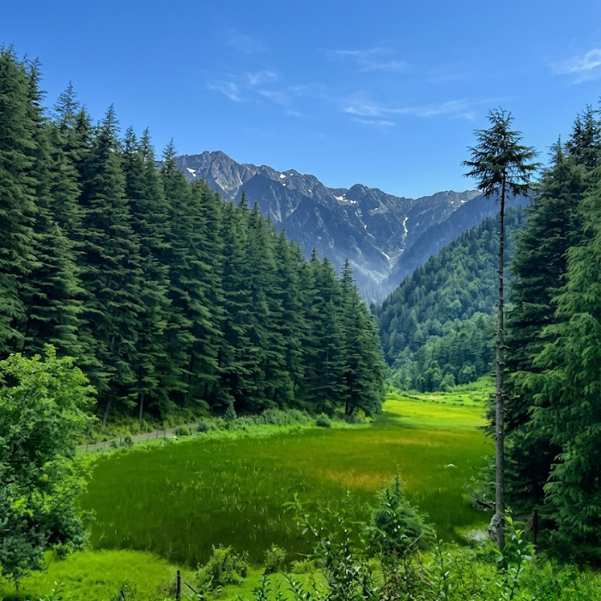
Pundrik Rishi Lake (Dalogi Sar)
About 2 to 3 km walk from the village
A sacred grassy wetland, locally called Dalogi Sar, about 30 to 45 minutes walk from Dehuri through dense deodar and pine forest. The most accessible short trek from the village, and the reason most travellers come. Strict sacred site rules apply.
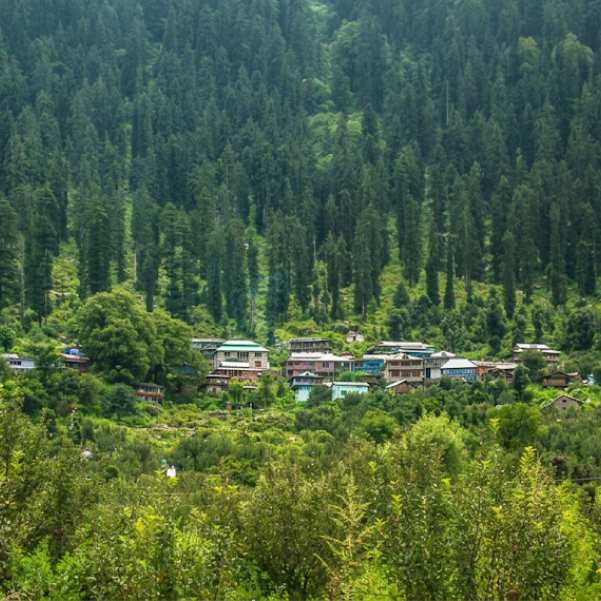
Manyashi village and tower temples
15 to 20 minute walk uphill
A tiny ridge village above Dehuri with two wooden tower temples, dedicated to Pundrik Rishi and the local deity Janjar. About 15 to 20 minutes walk through orchards and terraced fields.
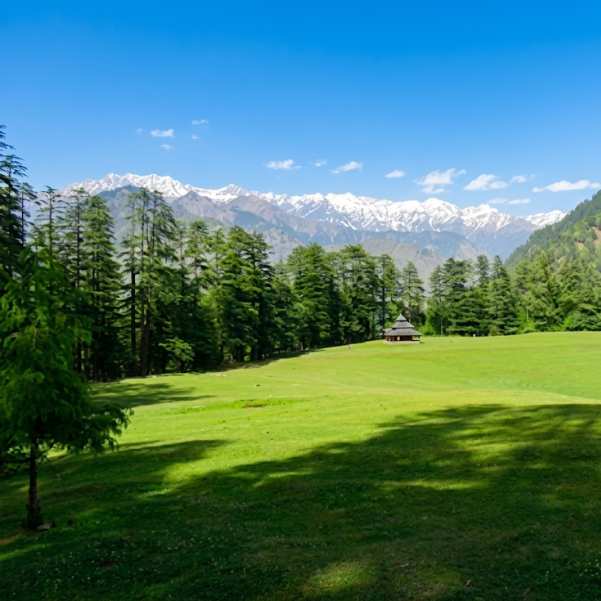
Shangarh Meadows
About 15 to 20 km by road
The most visited spot in Sainj Valley, a sacred meadow with the Shangchul Mahadev Temple. About 15 to 20 km by road. Most travellers combine Dehuri with a Shangarh stay.
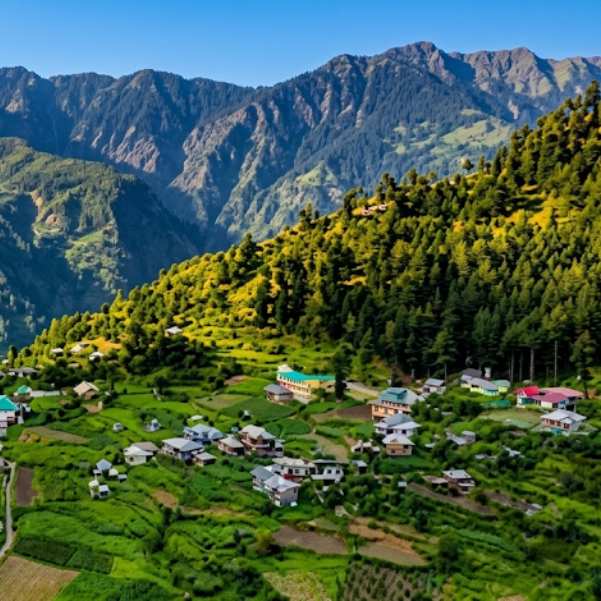
Raila Village
Different route via Sainj town
A quiet village in the Sainj Valley with the Dhaliara Kothi twin towers, a waterfall, and the Bhatkanda Meadows hike. A different valley spur from Dehuri.
Great Himalayan National Park
GHNP buffer zone
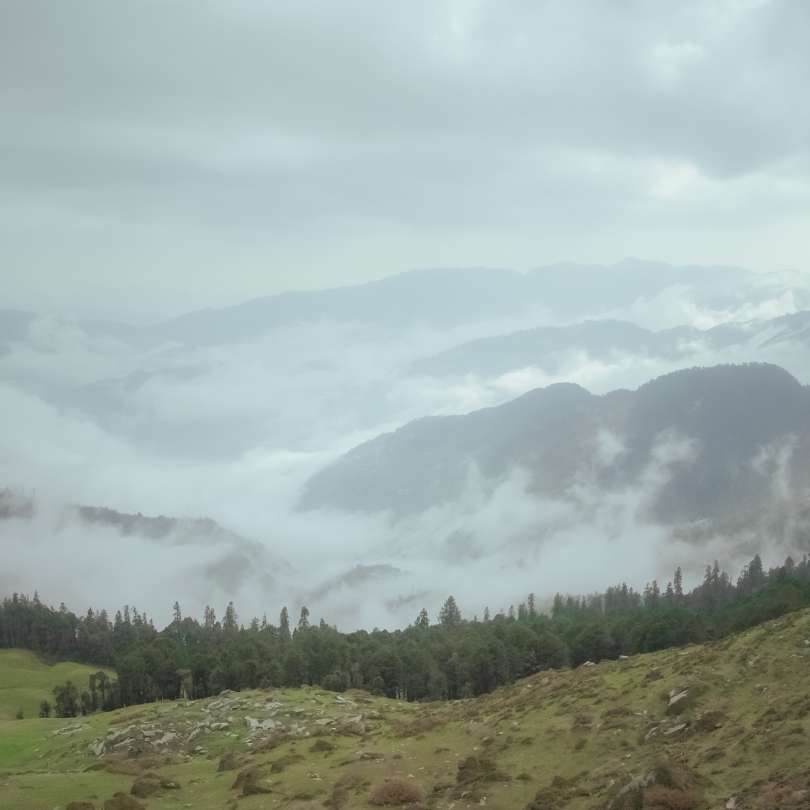
UNESCO World Heritage protected wilderness. Dehuri sits within the GHNP buffer zone. Deeper treks into the core zone require a separate permit from the Ropa range office.
Upper Neahi village
About 1 hour walk past the lake
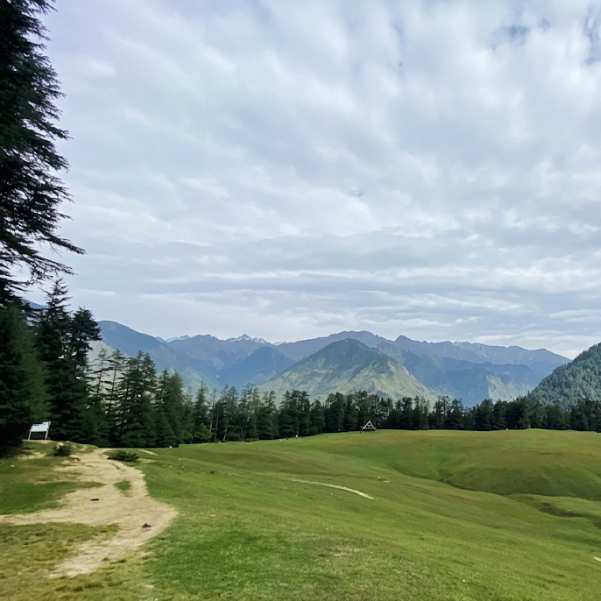
A village higher up the Sainj Valley from Dehuri, reachable by a trek past Pundrik Rishi Lake. Has its own small meadow and views towards the Raktisar glacier side.
Our packages with Dehuri Village (Deohari)
Curated trips that include a visit to Dehuri Village (Deohari).
 Group Tour5D/4N
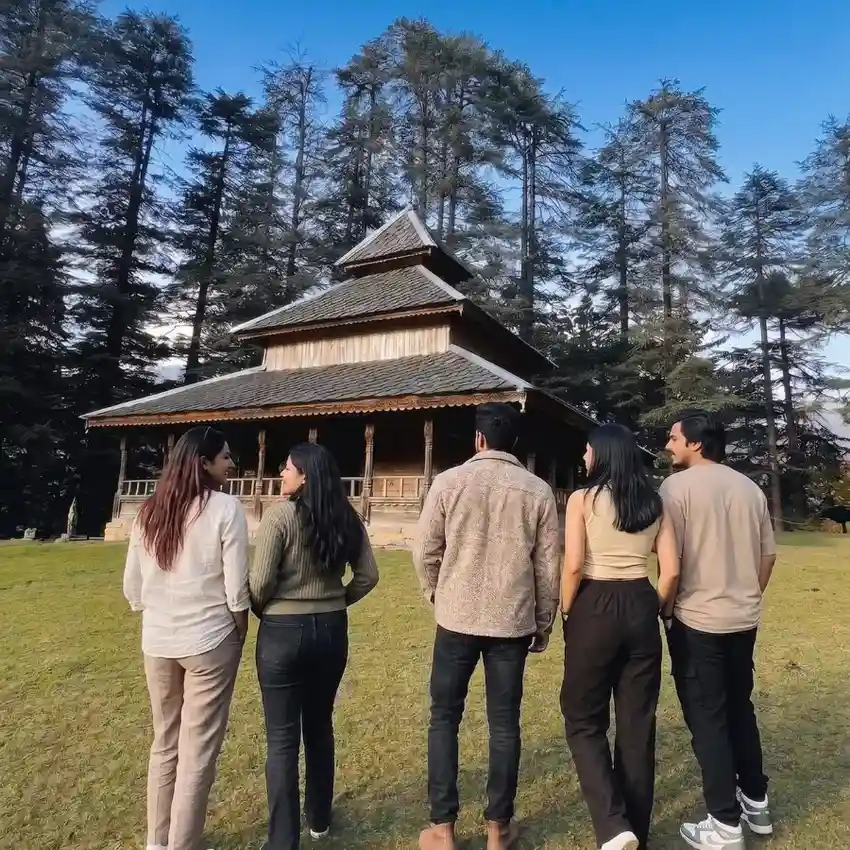
Sainj Valley and Shangarh Group Trip
3D Shangarh
₹8,499₹12,499SAVE INR 4,000/ person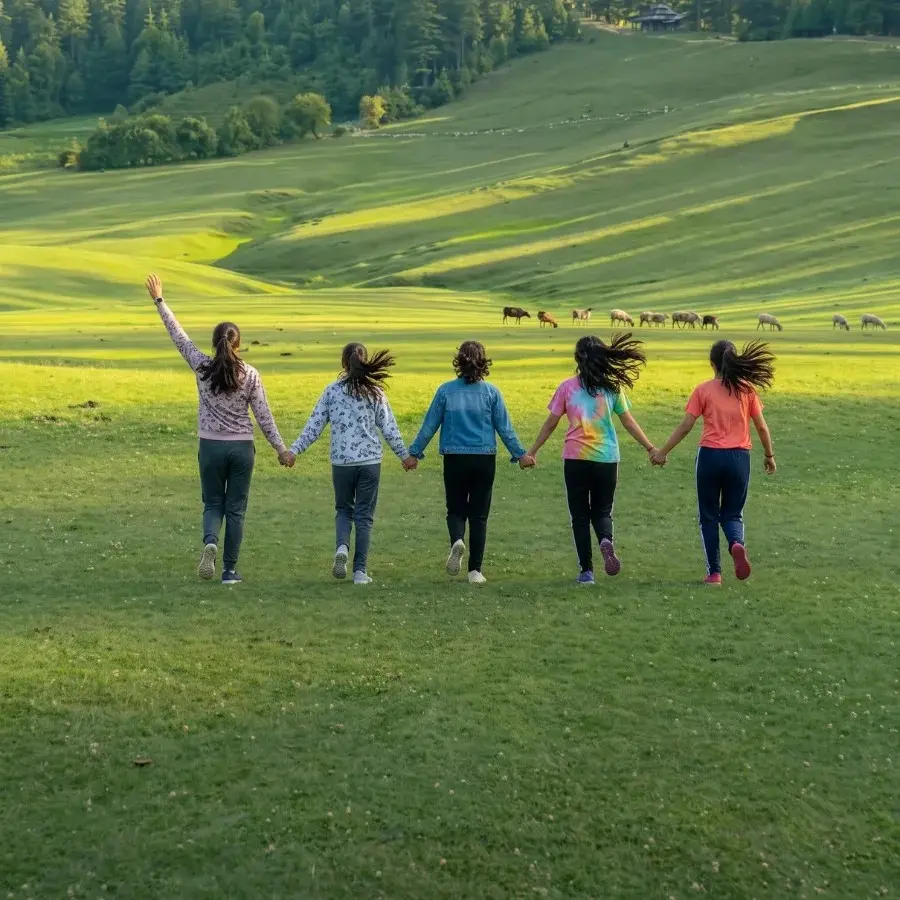 5D/4N
5D/4NMost Loved Shangarh Sainj Valley Tour With Private SUV
2D Shangarh
₹12,999₹16,999SAVE INR 4,000/ person
Frequently Asked Questions
Where is Dehuri Village?
A quiet village in the Sainj Valley, Kullu district, Himachal Pradesh. Locally also called Deyohari or Deohri. It falls under the Banogi Gram Panchayat and sits within the GHNP buffer zone. The village is about 7 to 10 km from Sainj town by road, at an altitude of roughly 2,050 metres.
Is Dehuri Village worth visiting?
Yes, if you want quiet village life, a short forest walk, and a local base for the sacred Pundrik Rishi Lake (Dalogi Sar) and the Manyashi tower temples. It is not a destination with a single showpiece attraction. The appeal is the slower pace, the broad agricultural valley, and the walks in every direction. Two nights is the sweet spot. A day trip from Shangarh works but you miss the evening and morning light, which are the best parts.
How do I reach Dehuri?
From Delhi, take an overnight Volvo to Aut on the Delhi-Manali highway (10 to 12 hours), just before the Aut tunnel. From Aut, a local bus or shared taxi reaches Sainj town (about 18 km). From Sainj Market, board the 11 AM local bus to Dehuri (most dependable option), or hire a local taxi for roughly 800 to 1,000 rupees one way. The road is bumpy for the last stretch.
How many days should I spend in Dehuri?
Two nights, one full day is ideal. Day one, arrive, settle into a homestay, walk to Manyashi village. Day two, morning walk to Pundrik Rishi Lake, afternoon in the village. A day trip from Shangarh or Sainj covers the basics but misses the slow village experience that is the whole point.
What is the best time to visit?
March to June and September to November. October is particularly good for clear air and Pundrik Rishi Lake post monsoon water levels. May brings the annual Dehuri Mela fair. Monsoon (July to September) is lush but the road gets rough and trails can be muddy. Winter is cold and some homestays may close.
Are there homestays in Dehuri?
Yes, a handful of homestays have opened in recent years. Expect clean rooms in traditional village houses, home cooked meals ordered in advance, and basic but comfortable facilities. Prices generally range from 1,500 to 2,500 rupees per night including meals, though this can vary. Phone signal is inconsistent, so confirm bookings before leaving Sainj town.
Is there mobile network in Dehuri?
BSNL and Jio work intermittently. You will get a weak signal at some spots, nothing at others. Download offline maps and confirm bookings before leaving Sainj town. There is no ATM in Dehuri. The nearest ATM is in Sainj town. Carry enough cash.
How far is Pundrik Rishi Lake from Dehuri?
From Dehuri, the walk to the lake is about 30 to 45 minutes one way through dense deodar and pine forest. The round trip takes roughly 2 to 3 hours at a comfortable pace. The lake, locally called Dalogi Sar, is a sacred grassy wetland and not a clear alpine lake. Strict rules apply: no entering the water, no alcohol, no non vegetarian food at the site.
What is Manyashi village?
Manyashi is a small village on a ridge above Dehuri, about 15 to 20 minutes walk. It has two wooden tower temples, one dedicated to the local deity Pundrik Rishi and the other to Janjar. The walk goes through terraced apple orchards and crop fields. The temples are for viewing from outside only (generally not open to visitors), but the architecture and the ridge views are worth the short climb.
What is the Dehuri Mela?
A local annual fair, usually held in May, when deities from neighbouring villages arrive in procession. The community wears traditional Kulluvi dress and there are cultural performances and small sports events. It is a genuine community celebration, not staged for tourists.
Is there a temple inside Dehuri village?
The Durga Mata temple in the centre of Dehuri village. It was originally gutted by a fire in 1998 and rebuilt by the villagers themselves, which tells you something about the community. It is not in the wooden tower style of the Kullu hills but a more conventional multi storey structure. It is an active place of worship, so step in quietly and skip photography of any ongoing rituals.
Is Dehuri suitable for families?
Generally yes. The village itself is flat and easy to walk. The Pundrik Rishi Lake trail from Dehuri is the easier approach (30 to 45 minutes uphill). Families with children of any age can manage the village and the Manyashi walk. The lake trail is fine for active kids above 6. There is no medical facility in the village, the nearest is in Sainj town.