
 Group Tour
5D/4N
Sainj Valley and Shangarh Group Trip
3D Shangarh
₹8,499₹12,499SAVE INR 4,000/ person
Best Surat to Shangarh Tour Packages Curated By Experts
Group Tour3D Shangarh
2D Shangarh
 Group Tour
2D Tirthan Valley•1D Shangarh (Sainj Valley)
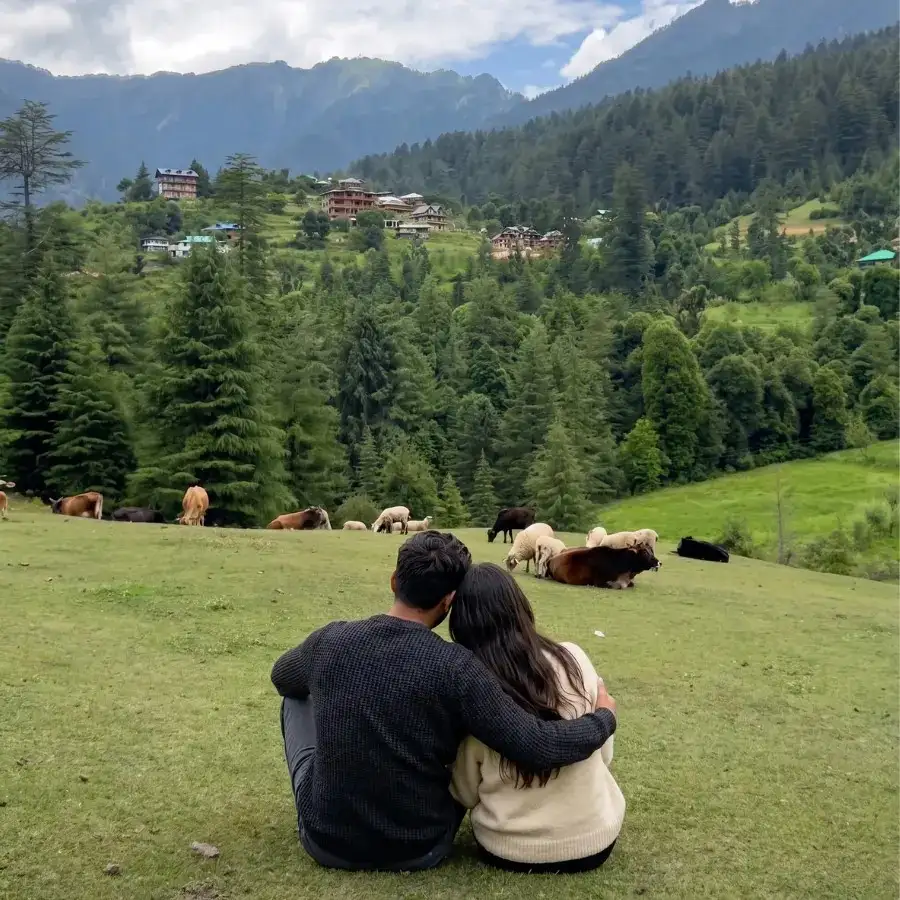
Surat does not have a direct flight to the mountains. But the connection is simpler than you might think. Fly to Delhi in about two hours. From Delhi, an overnight journey or a short connecting flight to Chandigarh puts you on the road to the Sainj Valley. By the next afternoon, you are standing on a wide green meadow surrounded by deodar forest at 2,100 metres, with an old wooden Shiva temple at its edge and not a tourist crowd in sight.
That is Shangarh. A small village in the Sainj Valley of Himachal Pradesh. No hotel strip, no mall road, no market. Just a meadow, a temple, thick forest, home cooked vegetarian food, and a quiet that Surat's busy streets cannot offer.
Surat families know Saputara, Mount Abu, Shimla and Manali well. They are the usual escapes from Gujarat's heat. Shangarh is a step beyond all of them, into a kind of mountain that feels like it belongs to another century. For a family from Surat willing to spend six or more days, it is one of the most peaceful and rewarding trips in Himachal. Combine it with Tirthan Valley and the trip becomes even richer.
The most balanced format. Fly to Delhi, continue to Shangarh, spend two to three full days in the village, and return. Covers the meadow, the temple, the waterfall and the Pundrik Rishi Lake trek without rushing. Good for families and couples.
Adds a buffer day for weather, road surprises or simply a slower pace. Three full days in Shangarh with time to walk the neighbouring villages and explore the forest. The version we recommend for Surat families travelling with elders or children.
Combines Shangarh with Tirthan Valley on the other side of the Aut turnoff. Meadow and forest in Shangarh. River, trails and Jibhi in Tirthan. The most complete format from Surat. Two valleys, two moods, one trip that justifies the journey.
Surat is one of the busiest and most productive cities in India. The diamond markets, the textile looms, the street food joints that never close. When Surat families travel, they usually go to Saputara for a weekend, Mount Abu for a short holiday, or Shimla and Manali for the annual summer trip.
Shangarh is nothing like any of these places. It is a small village at the edge of a wide, flat meadow surrounded by deodar forest. There is no tourist infrastructure. No shopping. No restaurant. What there is: home cooked food at a homestay, a centuries old wooden temple, forest trails into the Great Himalayan National Park, and a silence so deep that after an hour on the meadow, the noise of Surat feels like a memory from another life.
The food is vegetarian by default. Rajma chawal, dal, roti, seasonal vegetables. For families from Surat who are particular about food, this is one of the easiest mountain destinations to eat at comfortably.
The connection from Surat takes a bit more planning. Fly to Delhi (direct, two hours) and continue by overnight bus to Aut. Or drive to Ahmedabad (four hours) and take the direct flight to Chandigarh. Either way, by the next day you are in the mountains.
Route 1: Fly to Delhi, then continue. Surat to Delhi is a direct flight, about two hours. From Delhi, take an overnight Volvo bus to Aut (about 10 to 12 hours, get off at Aut). From Aut, a cab takes you to Shangarh. Or from Delhi, take a connecting flight to Chandigarh and drive from there.
Route 2: Drive to Ahmedabad, then fly. Surat to Ahmedabad is about 280 km, roughly four hours. From Ahmedabad, fly direct to Chandigarh (about one hour forty five minutes). From Chandigarh, drive to Shangarh (about 240 km, 6 to 7 hours).
Route 1 is simpler if you prefer fewer road legs. Route 2 lands you at Chandigarh, closer to Shangarh. We help you choose based on your dates.
Chandigarh to Mandi about 200 km, smooth highway. Mandi to Aut about 30 km. Aut to Sainj about 20 km. Sainj to Shangarh about 10 km, narrow, steep, gravelled, through thick deodar forest. Total about 240 km, 6 to 7 hours.
Yes. At Aut, the road splits. Left into Sainj Valley for Shangarh. Right into Tirthan Valley for Jibhi and Gushaini. Two or three nights in Shangarh. Two nights in Tirthan. For a Surat family making the journey, this combination gives the trip enough depth and variety to feel deeply worthwhile.
We plan the full connection from Surat. Whether you route through Delhi or Ahmedabad, we build the itinerary around your flights and handle the ground coordination from landing to return. We know the road. Better homestays with vegetarian food by default. Private trips, not group buses. Combination logic for Shangarh and Tirthan. Honest guidance.
Time zone: Indian Standard Time (IST), UTC+5:30.
Currency: Indian Rupee (INR). No ATMs in Shangarh. Carry cash from Delhi, Chandigarh or Mandi.
Languages: Hindi widely spoken. Kullvi locally.
Flights: Surat to Delhi direct, about 2 hours. Ahmedabad to Chandigarh direct, about 1h 45m.
Mobile network: limited to no signal. BSNL intermittent.
Permits: No permit for Shangarh. GHNP permit for deeper treks.
Food: Vegetarian by default. Comfortable for Surat families.
Climate: Surat's humidity to Shangarh's dry mountain cold is a significant shift. Pack warm layers even in May.
Six to seven days for Shangarh. Eight with Tirthan Valley.
5 packages found
Group Tour3D Shangarh
Group Tour2D Tirthan Valley•1D Shangarh (Sainj Valley)
2D Shangarh
1D Delhi •2D Tirthan Valley+2
1D Delhi•2D Jibhi+2
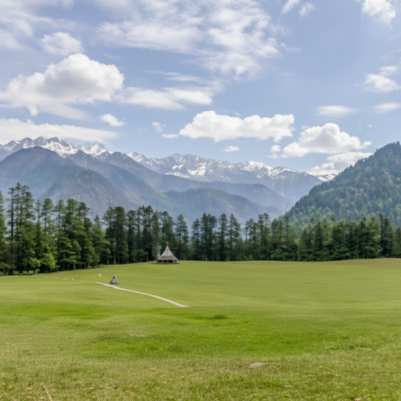
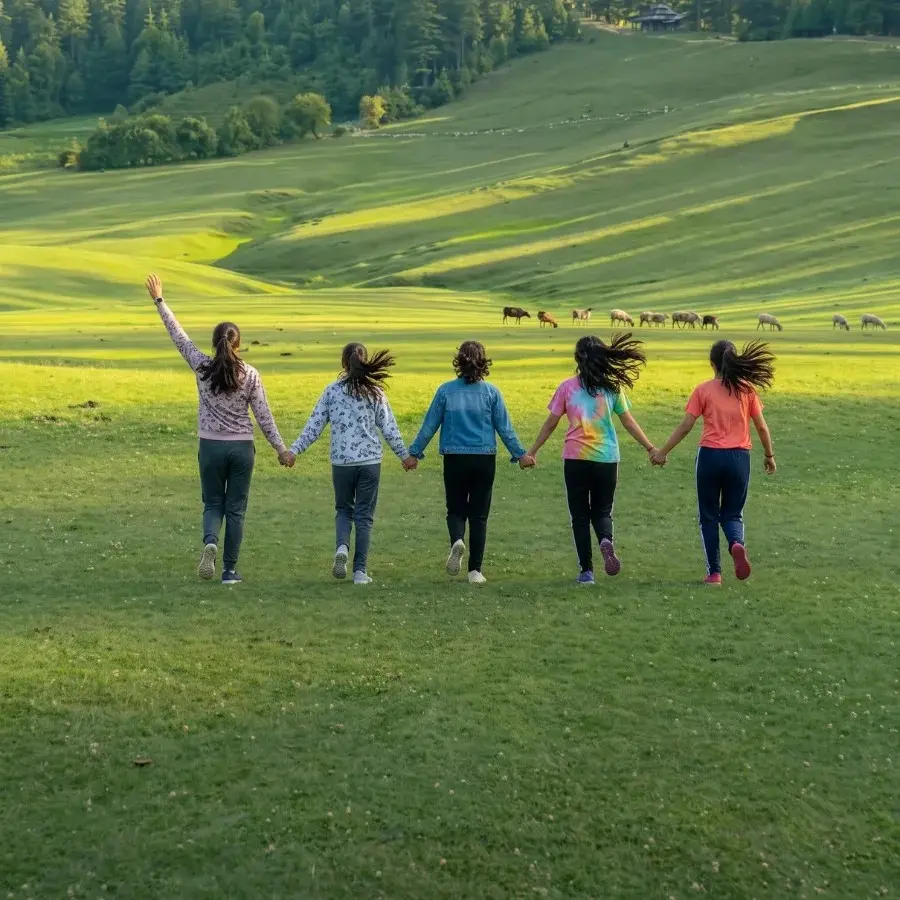
The wide green meadow surrounded by deodar trees. The reason to come.
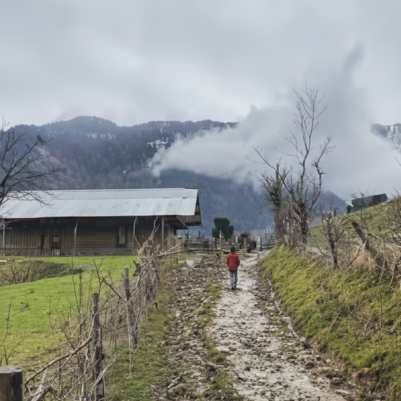
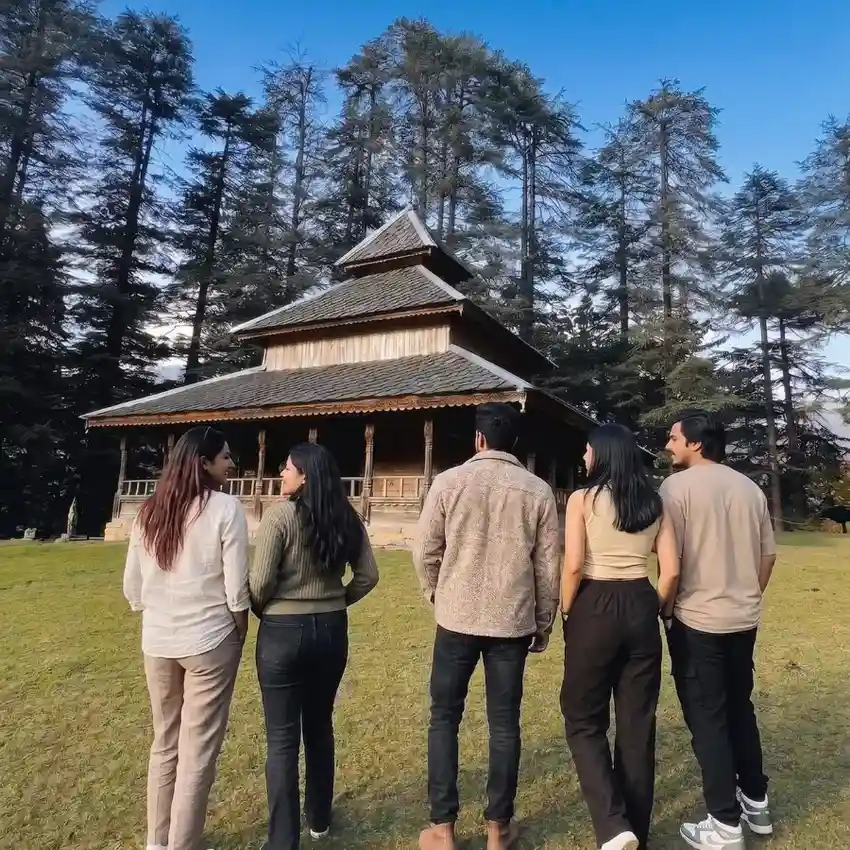
Ancient wooden Shiva temple at the meadow's edge. Centuries old. Completely different from any temple you have visited in Gujarat.
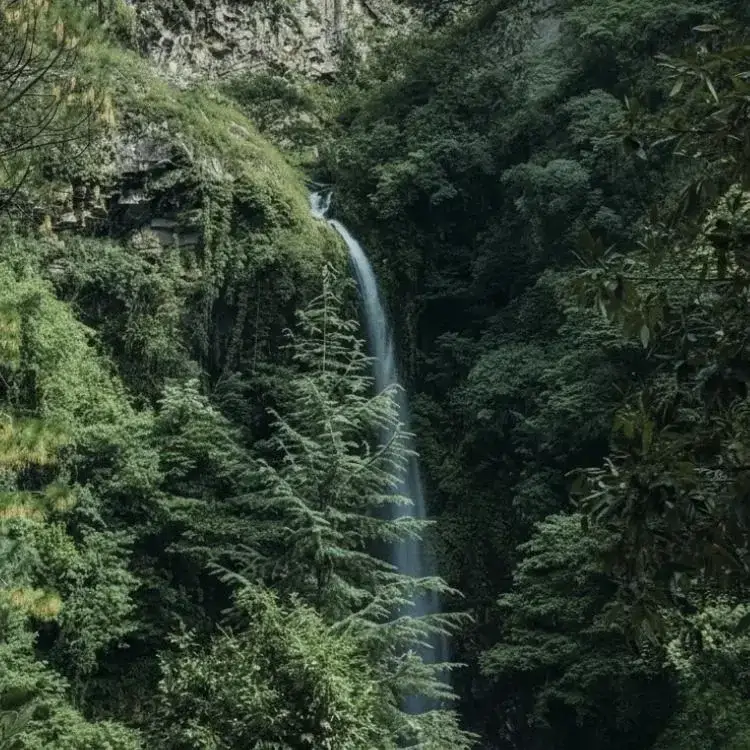
Short forest walk from the village.
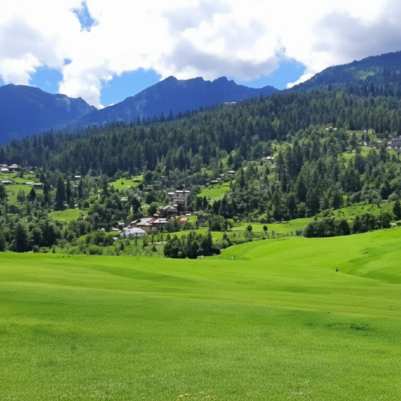
Moderate trek through deodar and rhododendron forest. About 3 to 4 km.
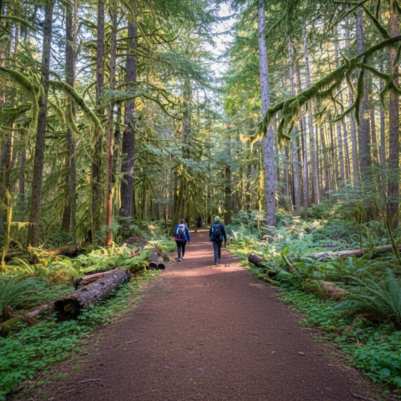
Neighbouring village. Old fort and waterfall.
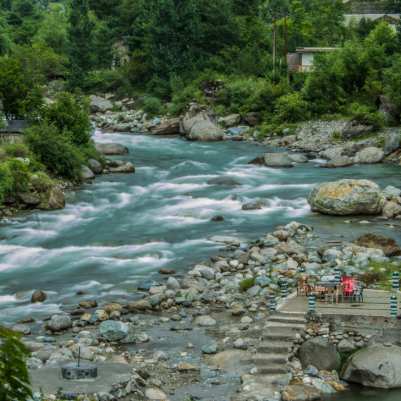
The broader valley. River, forest, terraced fields.
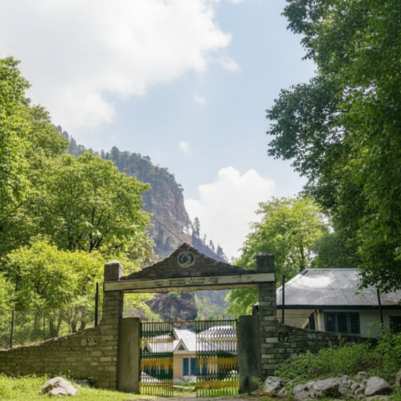
UNESCO World Heritage. Rises behind Shangarh.
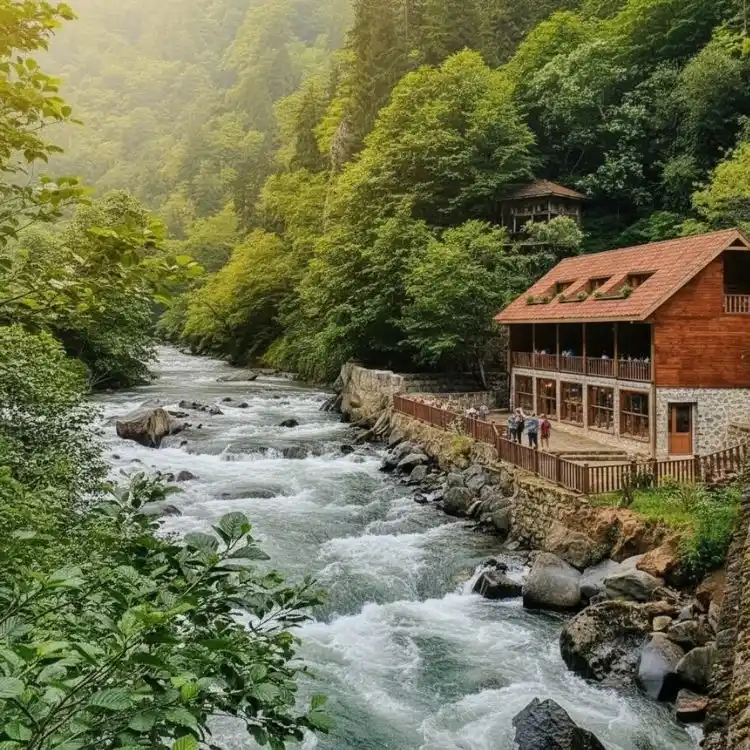
On the other side of Aut. Jibhi, Gushaini, river walks, Jalori Pass.
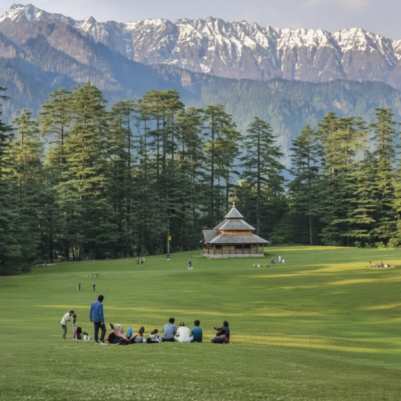
After Surat's pace, the silence is the experience.
Centuries old, carved wood, completely different from any temple you have visited in Gujarat.
Moderate trek through proper Himalayan forest into the GHNP buffer.
Short and easy forest walk.
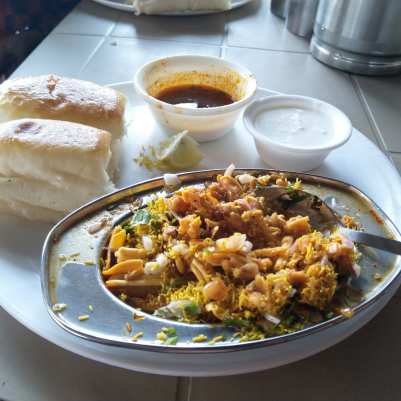
Rajma chawal, dal, roti, vegetables. Vegetarian, warm, mountain fresh. Comfortable for Surat families.
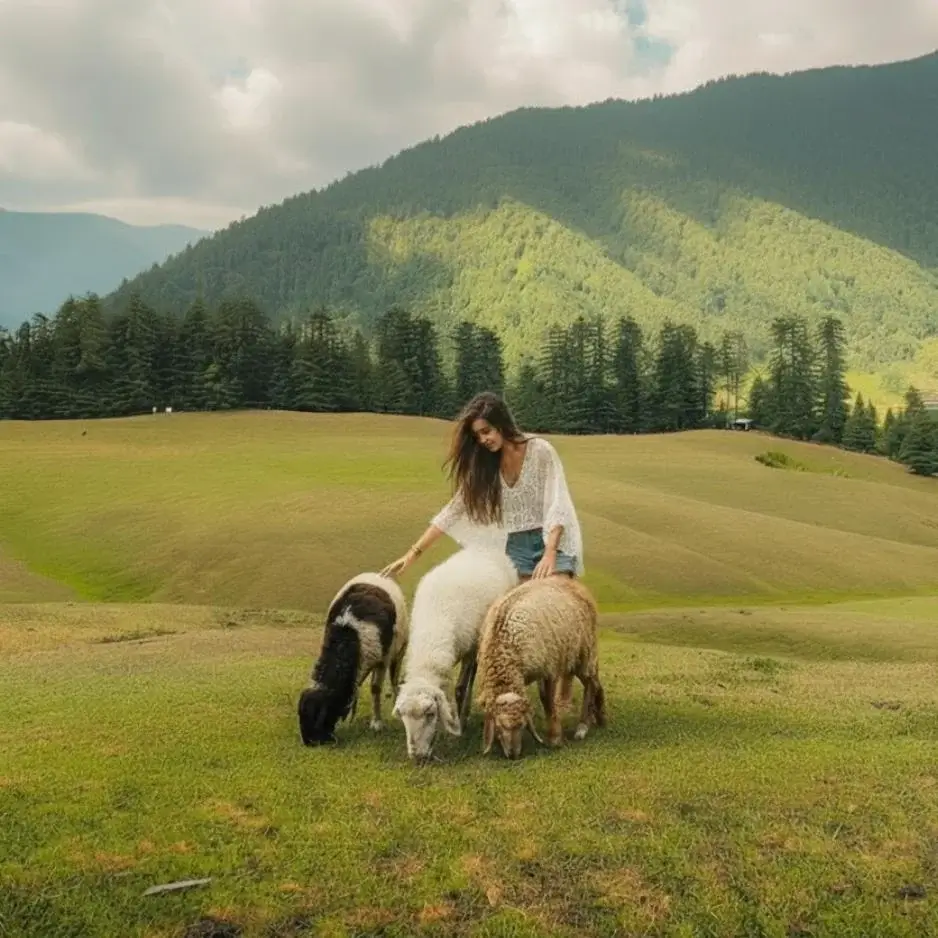
Apple orchards, stone houses, forest paths.
River stays, trail walks, Jibhi. The natural second half that justifies the journey.

“Travel Coffee truly went above and beyond. Even though we booked from Indonesia without meeting them, we always felt secure — their team was available 24/7 and took care of every detail. Shubham personally ensured our comfort throughout the Himachal trip, from hotel checks to small gestures like bringing lotion and altitude pills. Their sincerity and local expertise made the journey unforgettable.”
Andre & Angel
Two routes. Fly Surat to Delhi (2 hours direct) then overnight bus to Aut or connecting flight to Chandigarh. Or drive Surat to Ahmedabad (4 hours) then fly to Chandigarh (1h 45m direct).
Six to seven for Shangarh. Eight with Tirthan Valley.
Currently no nonstop flights. Connect via Delhi or drive to Ahmedabad and fly from there.
Route 1 (via Delhi) is simpler. Route 2 (via Ahmedabad to Chandigarh) gives a shorter mountain drive. We help you choose.
Yes. Homestay food is entirely vegetarian by default. You will eat comfortably.
Completely different scale. Saputara is a small Gujarat hill station. Shangarh is a Himalayan village with a meadow, thick forest and a UNESCO heritage park.
Yes. Both valleys from the same Aut turnoff.
Yes. Safe village, moderate altitude, vegetarian food, comfortable pacing.
Very much. Quiet, private, home cooked meals, no crowds.
March to June and September to November. Diwali window ideal.
Surat's humidity to Shangarh's dry mountain cold is significant. Pack warm layers.
Very limited. BSNL intermittent.
No. Carry cash from Delhi, Chandigarh or Mandi.
Layers, warm jacket, cap, gloves, sturdy shoes, headlamp, rain layer, medicines, cash, offline maps.
December to February.
No permit for Shangarh. GHNP permit for deeper treks.
Road can be disrupted. Not for tight plans.
Different entirely. Shimla and Manali are tourist towns. Shangarh is a village with silence.
If you want genuine quiet with vegetarian food and clean mountain air, yes. Combine with Tirthan for a richer trip.
WhatsApp us your dates, group size, comfort level and number of days. We plan the full journey from Surat.