
Raila Village
A quiet village in the Sainj Valley with ancient twin tower temples, a forest waterfall, and open meadows above the treeline, best visited as a two day side trip from Shangarh or a standalone weekend from Delhi
- Village
- Sainj Valley
- Twin tower temples
- Meadow hike
- Waterfall
- 2 days ideal
- Homestays available
- No entry fee
What makes it special
Raila sits on a separate spur of road in the Sainj Valley, away from the more popular Shangarh and Shanshar route. The turnoff is at a bridge called Siund, between Sainj town and Ropa, and from there the road climbs steeply through hairpin bends for about 12 kilometres before reaching the cluster of villages that make up the Raila area. If you are coming from Shangarh, the drive takes roughly 35 to 50 minutes. You drop down to the valley floor, cross the river, and climb the opposite ridge on a narrow road that clings to the hillside. The last stop for the bus is Kamtan village.
Here is the thing about Raila. It is not one single village with a town square. It is a spread of small settlements across a hillside, with terraced apple orchards, traditional Himachali stone and wood houses, and a few homestays that have come up in recent years. The Dhaliara Kothi twin towers, built in the Kath-Kuni style of interlocking stone and timber that you see throughout upper Kullu, the Rupi Raila Waterfall, and the Bhatkanda Meadows are the three reasons travellers make the trip. Most people club it with Shangarh, either as a day trip from there or as a separate overnight stay.
Raila is quieter than Shangarh. Noticeably quieter. If Shangarh has started feeling a bit busy on weekends (and it has), Raila is the version of Sainj Valley that still moves at the pace the whole valley moved at a few years ago. That said, new homestays are coming up, and the word is out. If slow village life, Kath-Kuni tower architecture, and open meadow walks are what you are after, Raila delivers without the crowd.
The village falls within the Great Himalayan National Park buffer zone. The surrounding forests are deodar and mixed broadleaf, well preserved, and the birding is good if you wake up early enough. Luxmi Narayan ji is the local deity, and the Dhaliara Kothi towers hold real religious significance for the villagers. Only priests enter the towers. You visit, you photograph from outside, and you respect the space.
Quick answers
- Is Raila Village worth visiting?
- Yes, if you want the quieter, less touristy side of Sainj Valley. The Dhaliara Kothi twin towers are striking Kath-Kuni stone and timber structures, the Bhatkanda Meadows offer wide views and a well known sunset from the Odidhar ridge, and the Rupi Raila Waterfall is a pleasant forest walk. Two days is the sweet spot. One night works if you are adding it to a Shangarh trip. Skip it if you cannot stay overnight, because the road journey eats into your time.
- How do I get to Raila?
- From Sainj town, hire a cab (expect to negotiate around 1,000 to 1,500 rupees one way) or catch one of the two HRTC buses. The road diverts at Siund bridge, between Sainj and Ropa, and climbs steeply for about 12 km to Kamtan village. From Shangarh, the drive takes 35 to 50 minutes and costs roughly 2,500 to 3,000 rupees return. Bus timings change with the season, so confirm locally.
- How many days do I need?
- Two days, one night is ideal. Day one: visit the Dhaliara Kothi twin towers and Rupi Raila Waterfall. Day two: hike to Bhatkanda Meadows (about 20 to 30 minutes uphill through deodar forest) and the sunset viewpoint, then head back. A full day trip from Shangarh covers the twin towers and waterfall, but you miss the meadows and sunset.
Quick facts
Everything you need to know at a glance.
At a glance
- Location
- Sainj Valley, Kullu district, Himachal Pradesh. About 12 km from Sainj town by road.
- Nearest town
- Sainj town, roughly 12 km. Aut (on the Manali highway) is the nearest highway point.
- Time needed
- 2 days, 1 night ideal. Full day trip from Shangarh covers the basics.
- Entry fee
- None. No permits needed for the village or the meadows.
- Effort level
- Easy to moderate. Bhatkanda Meadows hike is about 20 to 30 minutes uphill through deodar forest.
On the ground
- Mobile network
- Very patchy across all carriers. Assume you will be offline.
- Food
- Homestay meals (order in advance). A couple of Maggi stalls on the road, hours inconsistent. Carry snacks from Sainj.
- ATM and cash
- No ATM in Raila. Nearest ATM in Sainj town. Carry enough cash.
- Parking and driving
- Internal village roads are narrow with no passing room. Parking near the trailheads is tightly restricted. Look for wider turnouts further down the slope rather than forcing your way up. Homestays usually fit one or two vehicles.
- Walking
- Getting between attractions involves walking on village roads and forest paths. Wear closed toe shoes with grip.
Seasonal weather
- March to June22°6°Spring and Summer
- July to September24°14°Monsoon
- October to November20°4°Autumn
- December to February12°-4°Winter
Suitable for
- Couples — suitable
- Families — with some care
- Seniors — with some care
- Solo — suitable
- First-timers — suitable
- Pet-friendly — with some care
How to reach Raila Village
3 approach routes, with seasonal access.
From Sainj town (by cab or HRTC bus)
Year round, though the road can get rough during heavy monsoon rain and icy in peak winter.- Distance
- About 12 km from Sainj town
- Time
- 30 to 45 minutes by cab. Bus takes longer due to stops.
- Road
- Narrow, steep valley road with sharp hairpin bends. Road widening has started in places but expect rough stretches.
The standard approach. From Sainj town, cross the bridge at Siund (marked as Parbati 2 Bridge on Google Maps) where the road diverts from the main Sainj to Ropa route. The road to Raila climbs steeply from here through several villages. The bus goes up to Kamtan, the last village. Two HRTC buses usually run daily, but timings are not fixed. The morning bus generally reaches the Siund bridge around 9:30 to 10 AM. The afternoon bus comes around 3:30 to 4 PM. Buses return immediately after reaching Kamtan. A hired cab from Sainj costs roughly 1,000 to 1,500 rupees one way, though expect to negotiate. Confirm bus timings locally before depending on them. They shift with the season and sometimes do not run at all.
From Shangarh (by hired cab)
Year round. Road can be rough after heavy rain.- Distance
- About 15 km, different route via valley roads
- Time
- 35 to 50 minutes by cab
- Road
- Valley roads, narrow in sections. You drop to the valley floor, cross the river, and climb the opposite ridge.
If you are based in Shangarh and want to visit Raila as a day trip or move your stay there, hire a cab. The drive takes 35 to 50 minutes, dropping down to the river, crossing, and climbing the opposite ridge on a narrow road with tight bends. For a return trip covering the twin towers, waterfall, and village, expect to negotiate somewhere around 2,500 to 3,000 rupees, sometimes more in peak season. For a one way drop, roughly 1,500 rupees. Start after breakfast and you can cover the twin towers and waterfall comfortably by early afternoon. If you plan to stay overnight in Raila, ask the cab to drop you at your homestay.
From Delhi (overnight bus via Aut)
Year round from Delhi. Valley road conditions vary by season.- Distance
- Approximately 490 km to Sainj, then 12 km to Raila
- Time
- Overnight bus to Aut (10 to 12 hours), then local transport to Sainj and Raila
- Road
- Highway till Aut, then valley roads.
Take an overnight Volvo or semi sleeper bus from Delhi to Aut. You reach Aut by early morning (around 7 to 8 AM). From Aut, take a local bus or cab to Sainj town, then another cab or the HRTC bus to Raila. The Aut to Sainj stretch is about 18 km on a decent road along the river. Budget a full morning for the Delhi to Raila journey. If you are booking a Sainj Valley trip package, transport is usually sorted for you.
Best time to visit
Season by season, so you can plan around the weather rather than hope.
- Recommended
Spring and early summer
March to June
Clear skies, warm days, and the most comfortable window for the meadow hike.
- Weather
- 6 to 22 degrees. Warm days, cold nights.
- Crowds
- Light. Weekends in May get a few more visitors.
- Road
- Generally good. Dry stretches.
- Meadows
- Green, walkable, sunrise and sunset worth the effort.
This is the best overall window. The road is dry, the weather is pleasant during the day (though nights still get cold), and the walk to Bhatkanda Meadows is at its most comfortable. Apple orchards start blooming. The forest is green and the birding is excellent in the mornings. May and June can get warm at lower elevations, but up at the meadows, the breeze keeps things comfortable. Most homestays are open and staffed.
Monsoon
July to September
Lush green everything, but slippery trails and unreliable roads.
- Weather
- 14 to 24 degrees. Rain is frequent.
- Crowds
- Very low.
- Road
- Can be rough. Possible landslides.
- Waterfall
- At its best. Strong flow.
The valley turns deep green and the waterfall runs at full force. But the road to Raila, already steep and narrow, gets rougher. Landslides and road blocks are possible. The trail to Bhatkanda gets slippery. If you go, pick a clear morning and be flexible with plans. The upside: almost no other tourists, and the air is the cleanest you will breathe anywhere. Late September, after the rains taper, is a sweet spot.
- Recommended
Autumn
October to November
Clean air, dry trails, golden light. The best single month is October.
- Weather
- 4 to 20 degrees. Getting cold, especially at night.
- Crowds
- Low to moderate. October weekends see some visitors.
- Road
- Dry. Good condition.
- Views
- Best clarity of the year. GHNP range visible on clear days.
Post monsoon clarity makes this the best window for views from Bhatkanda and the sunset point. The trail is dry. The air is sharp and clean. October is arguably the single best month to visit Raila. Nights get cold by November, and some homestays may start winding down for winter. Book ahead.
Winter
December to February
Cold, quiet, and beautiful if you are prepared. Not for casual visitors.
- Weather
- Minus 4 to 12 degrees. Snow possible.
- Crowds
- Almost none.
- Road
- Can be icy. Confirm access.
- Facilities
- Some homestays close. Confirm before booking.
Raila gets cold in winter. Snowfall is possible at the higher points. The road can be icy. Some homestays close for the season. If you come prepared with warm layers and confirm your homestay is open and heated, winter in Raila is genuinely beautiful. The sky is sharp, stars are vivid, and you will likely have the entire village to yourself. But this is not a casual winter weekend. Come only if you are comfortable with mountain cold and limited facilities.
Things to see & do
5 things worth your time at Raila Village.
Visit the Dhaliara Kothi twin towers
30 to 45 minutesThe main reason most people come to Raila. Two old Kath-Kuni towers stand on a small hillock in the Rupi village area. You see them from the road well before you reach them. The construction is classic upper Kullu: heavy stone base, wooden upper levels locked together with interlocking timber joints, no nails. They look similar to the more famous Chehni Kothi in Tirthan Valley, though smaller. The towers hold deep religious significance for the village. Only priests enter them. One tower stays locked, and the other has undergone some restoration. A short climb up the hillock brings you to the base, where the vantage point opens up to the surrounding valley and the terraced fields below. Most travellers spend about 30 minutes here. It is a respectful visit, not an adventure activity. Ask a local villager if you want to know the stories behind the towers.
Walk to Rupi Raila Waterfall
30 to 45 minutes including the walkA signboard on the road near Raila marks the spot. From there, a 10 minute walk through deodar forest brings you to a waterfall dropping over a rock face. The spray coats the surrounding rocks in thick green moss, and the air cools sharply as you get within a few metres. The falls run strongest during and just after monsoon. In drier months, the flow thins but the walk through forest is still worth it. The rocks at the base stay slippery year round from the spray, so watch your footing. A couple of small Maggi stalls pop up near the road entrance depending on the season, with no fixed hours. Read more on the Rupi Raila Waterfall page.
Hike to Bhatkanda Meadows and the sunset viewpoint
1 to 2 hours round trip from the twin towersThis is honestly the best part of a Raila visit, and the one most day trippers miss. From the twin towers, continue walking along the road past a few homestays and into the forest. The trail to Bhatkanda climbs for about 20 to 30 minutes through dense deodar canopy, where the light filters through in long shafts and the ground stays soft with pine needles. The meadow itself is open grassland with wide views of the GHNP range. It turns lush and green after monsoon, drier and golden in late autumn. Beyond the meadow, a sunset viewpoint sits on the ridge locals call Odidhar, worth staying for if the sky is clear. Plan to reach the meadow by late afternoon if the sunset is the goal. The hike is moderate, not strenuous, but the uphill stretch will make you work for it.
Walk through the village and terraced fields
1 to 2 hoursNo specific trail, just wander. What makes Raila worth lingering in is its ordinary village life. Traditional stone and wood houses, terraced apple orchards stepping down the hillside, narrow lanes where goats hold right of way. The terraces catch warm light in early morning and late afternoon, and the valley drops away sharply behind the lowest row of trees. If you are staying overnight, a walk through the village before breakfast, when woodsmoke hangs in the cold air and the valley is still in shadow, is one of those quiet moments that sticks with you.
Bird watching in the GHNP buffer zone forest
Early morning, 1 to 2 hoursThe forest around Raila sits within the GHNP buffer zone and holds a good variety of Himalayan bird species. Early morning, before 8 AM, is the window. The area supports Himalayan monals and Western Tragopan, though the Tragopan takes patience and luck. The trail to the waterfall and the forest stretch to Bhatkanda both work as birding routes. Bring binoculars and a field guide if you are serious about it.
Know before you visit Raila Village
The practical bits, from people who have been.
Driving and parking warningInternal village roads are narrow with no room to pass. Park at wider turnouts down the slope, not near the trailheads.
If you are driving yourself to Raila, be aware that the internal village roads are narrow, steep, and have almost no room for two vehicles to pass. Near the twin towers and the waterfall trailhead, parking space is tightly restricted to a few metres of shoulder. Do not try to squeeze your car up to the top. Instead, look for wider turnouts further down the slope and walk the remaining stretch. Homestays usually have space for one or two vehicles, so ask your host exactly where to park before you arrive. During long weekends and in October, even the turnouts fill up. Arrive early if you are on a day trip.
Where to staySeveral homestays in the village. Book ahead. Order meals in advance.
Multiple homestays have come up in the Raila area over the past few years. The Yellow Chalet is one that travellers mention frequently. New properties are still being built. Expect clean rooms with attached washrooms in most places, though do not expect luxury. Balcony views of the valley are common. Meals are cooked by the homestay family and typically need to be ordered a couple of hours in advance. If you arrive without ordering, you may end up with instant noodles from a dhaba. Prices generally range between 1,500 and 3,000 rupees per night including meals, but this shifts with the season. Book ahead, especially in October and during long weekends. Some properties accept WhatsApp bookings. Phone signal is inconsistent, so confirm your booking before you leave Sainj.
Bus reality checkTwo buses daily, but timings are inconsistent. Confirm locally. Have a backup plan.
HRTC runs roughly two buses daily between Sainj and Raila (last stop Kamtan). The morning bus generally reaches the Siund bridge around 9:30 to 10 AM. The afternoon bus around 3:30 to 4 PM. Buses return immediately after reaching Kamtan. But these timings are not fixed. They shift with the season, and sometimes a bus does not run at all. The taxi union at Sainj may tell you there is no morning bus even when there is. Do not depend entirely on buses for your return. Have a backup plan: either a homestay host who can arrange a vehicle, enough willingness to walk, or a pre arranged cab. If you miss the afternoon bus, you are staying the night.
Network and connectivityAssume offline. Download maps and confirm bookings before leaving Sainj.
Mobile signal across all carriers is very patchy in Raila. Some spots near certain homestays may pick up a weak signal, but do not count on it. Download offline maps, save your homestay's WhatsApp number, and confirm all bookings and cab arrangements before leaving Sainj town. Some homestays have basic WiFi, but speeds are unreliable. Treat Raila as an offline stay. That is part of the appeal for many travellers, and part of the challenge if you need to stay connected.
Families and seniorsPossible for reasonably fit families. Not ideal for very young children or those with mobility issues.
The road to Raila is steep with sharp bends, which can unsettle very young children or anyone prone to car sickness. The village itself involves walking on uneven paths, and the Bhatkanda Meadows hike climbs through deodar forest for about 20 to 30 minutes. Families with children above 8 who enjoy the outdoors will have a good time. For seniors, the twin towers involve a short climb and the waterfall trail is uneven. If mobility is a concern, the village walk on the main road works fine, but the meadow hike may not. There is no medical facility in the village. The nearest basic healthcare is in Sainj town.
Nearby attractions
Other places worth the detour.
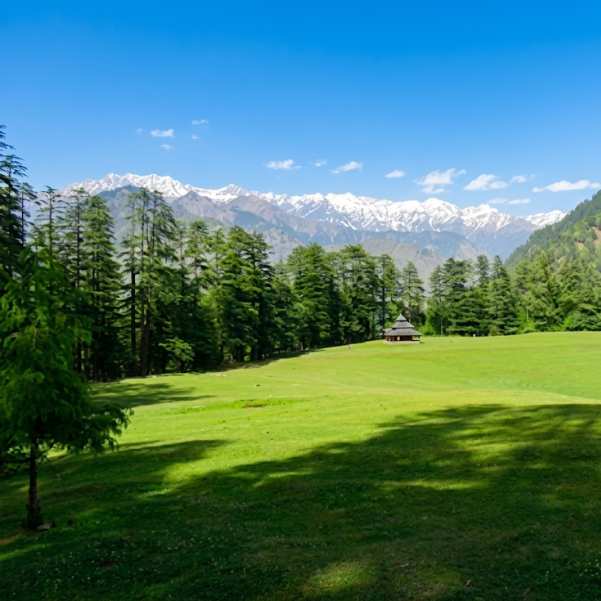
Shangarh Meadows
About 15 km by road, 35 to 50 minutes by cab
The most visited spot in Sainj Valley. A large, sacred meadow with the Shangchul Mahadev Temple. Most travellers use Shangarh as their base and visit Raila as a day trip. If you have three to four days in the valley, spend two in Shangarh and one to two in Raila.
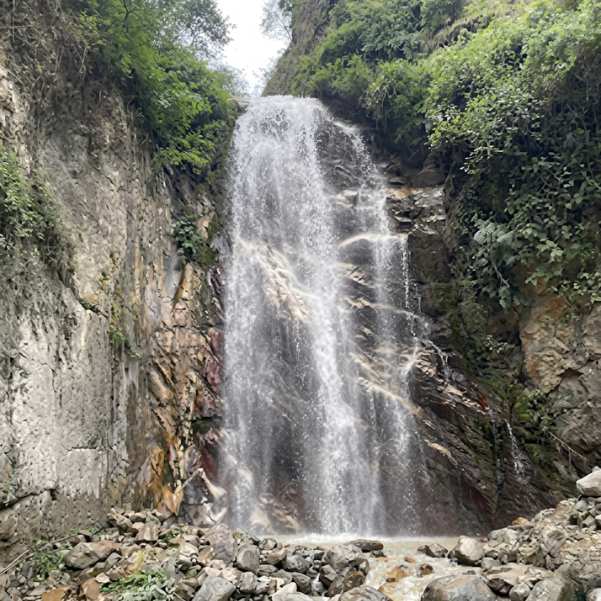
Rupi Raila Waterfall
Near the village, along the road
A 10 minute walk through deodar forest from the road brings you to a waterfall dropping over a moss covered rock face. Best combined with the twin towers on the same day. Strongest flow during and just after monsoon.
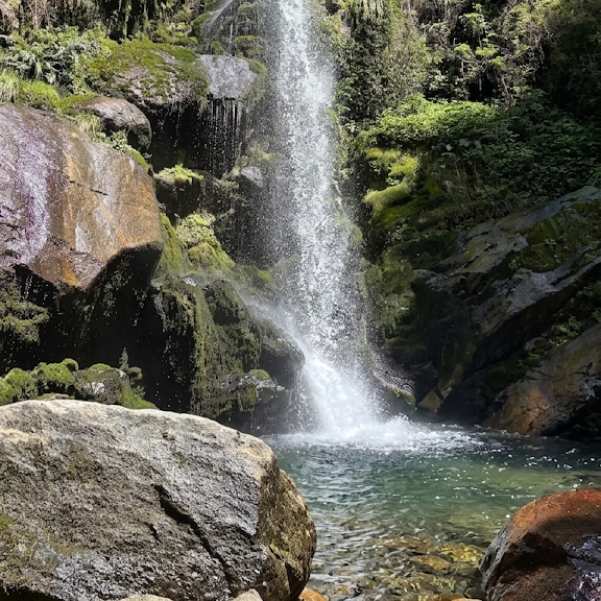
Barshangarh Waterfall
About 3 km walk from Shangarh
A different waterfall experience, closer to Shangarh. An easy 2 hour return hike through forest. Worth doing if you have a full day in Shangarh before or after Raila.
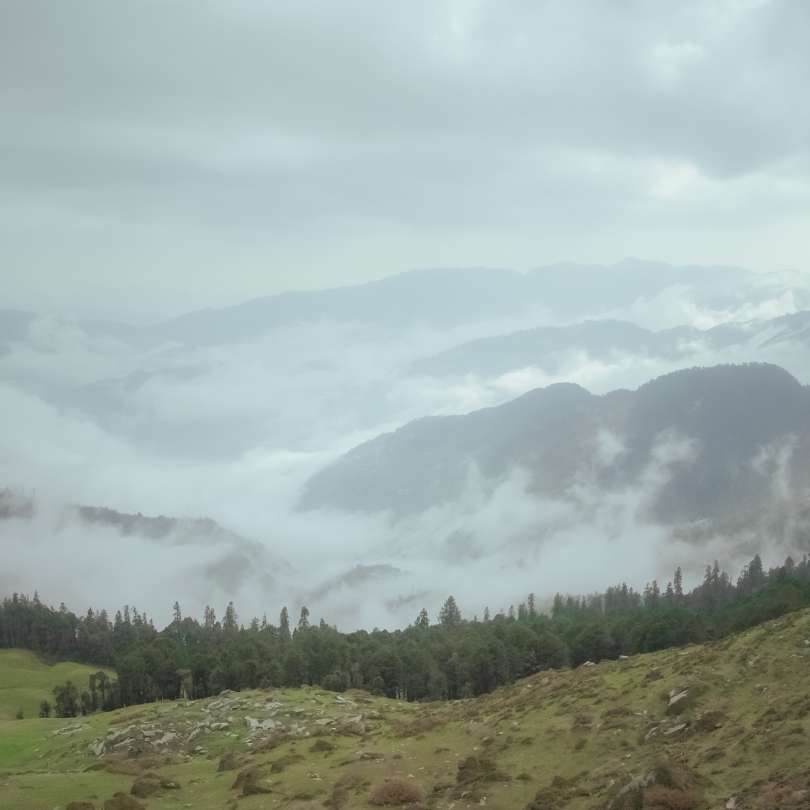
Great Himalayan National Park
Raila sits within the GHNP buffer zone
UNESCO World Heritage protected wilderness. The forests around Raila are part of the GHNP ecozone, which is why the vegetation stays intact and the birding is good.
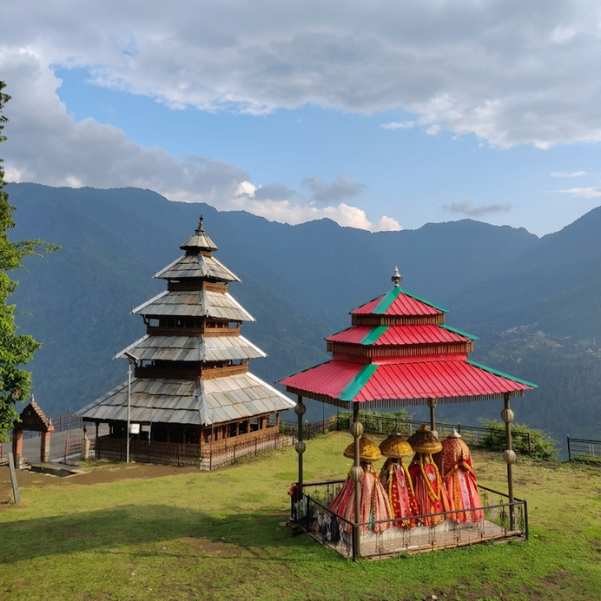
Shanshar village and Manu Rishi Temple
About 8 km from Raila
A quiet village with an old wooden temple dedicated to Manu Rishi. Wide views of the entire Sainj Valley from the ridge. You can combine it with a Shangarh visit if you have the time.
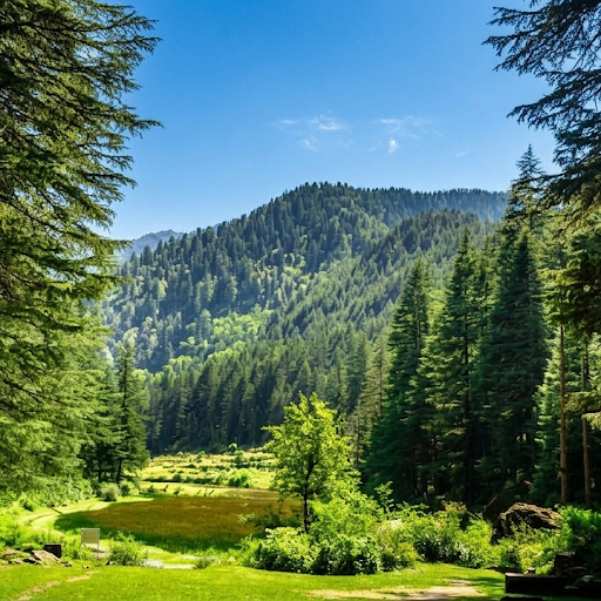
Upper Neahi and Pundrik Rishi Lake
Accessible from the main Sainj to Ropa road
A village with a short trek to a sacred lake and temple. About a 1 to 1.5 hour walk from the road. A good addition if you are spending three or more days in the valley.
Our packages with Raila Village
Curated trips that include a visit to Raila Village.
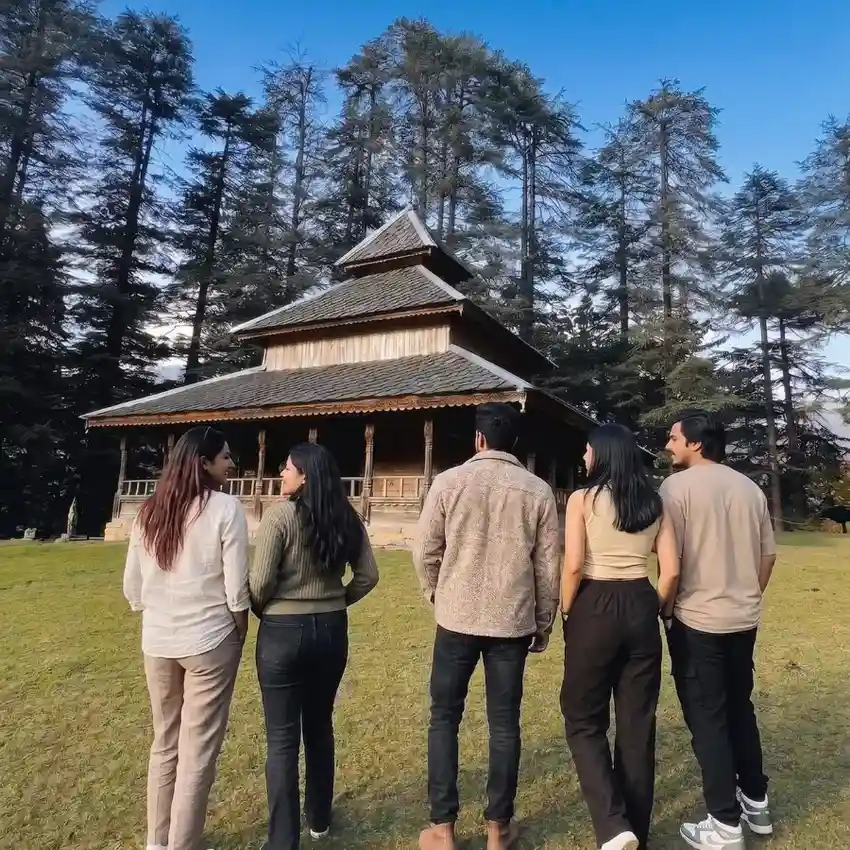 Group Tour5D/4N
Sainj Valley and Shangarh Group Trip
3D Shangarh
₹8,499₹12,499SAVE INR 4,000/ person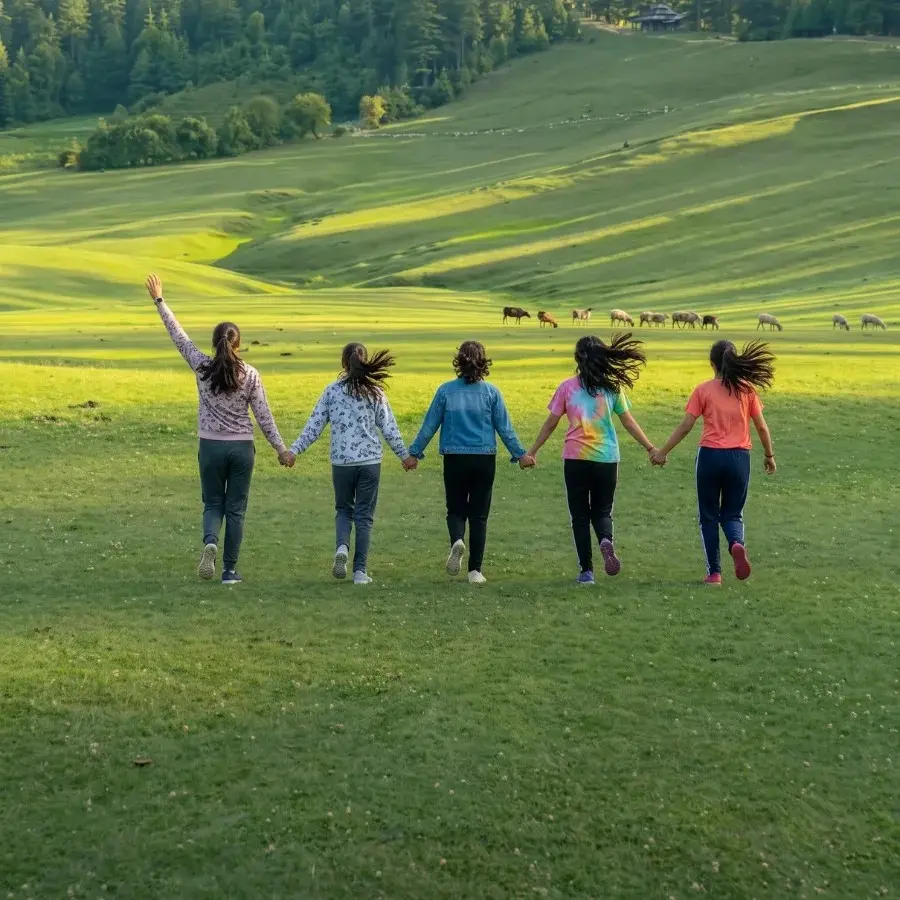 5D/4N
5D/4NMost Loved Shangarh Sainj Valley Tour With Private SUV
2D Shangarh
₹12,999₹16,999SAVE INR 4,000/ person
Frequently Asked Questions
Where exactly is Raila Village?
Raila is in the Sainj Valley, Kullu district, Himachal Pradesh. It sits about 12 km from Sainj town by road. The turnoff is at a bridge called Siund, between Sainj town and Ropa, and the road climbs steeply from there to the village. It falls under the Sainj tehsil and sits within the GHNP buffer zone.
How do I reach Raila from Delhi?
Take an overnight bus from Delhi to Aut (10 to 12 hours). From Aut, take a local bus or cab to Sainj town (about 18 km). From Sainj, hire a cab (expect to negotiate around 1,000 to 1,500 rupees one way) or catch the HRTC bus to Raila. The total journey from Delhi to Raila takes roughly a full day. Alternatively, drive to Aut via Chandigarh and Mandi.
How many days should I spend in Raila?
Two days, one night is ideal. Day one: visit the Dhaliara Kothi twin towers and the Rupi Raila Waterfall. Day two: hike to Bhatkanda Meadows (20 to 30 minutes through deodar forest) and the sunset viewpoint on Odidhar ridge. If you only have one day, a cab trip from Shangarh covers the twin towers and waterfall in about 3 to 4 hours, but you miss the meadows.
What is the best time to visit Raila?
March to June and October to November are the best windows. October is the single best month for clear skies, dry trails, and valley views. The monsoon months (July to September) bring the lushest green and the strongest waterfall, but roads turn rough and trails get slippery. Winter is cold but rewarding for experienced mountain travellers.
Are there homestays in Raila?
Yes, multiple homestays have come up in recent years. Expect clean rooms with attached washrooms and home cooked meals ordered in advance. Prices generally range from 1,500 to 3,000 rupees per night including meals, though this shifts by season. Book ahead for October and long weekends. Some accept WhatsApp bookings.
Is there mobile network in Raila?
Very patchy across all carriers. Some spots may pick up a weak signal, but assume you will be offline for most of your stay. Download offline maps and confirm all bookings before leaving Sainj town.
What are the Dhaliara Kothi twin towers?
Two ancient Kath-Kuni towers in the Rupi area of Raila, built in the interlocking stone and timber style found across upper Kullu. They look similar to the more famous Chehni Kothi in Tirthan Valley. The towers hold deep religious significance for the village and only priests enter them. You visit and photograph from outside. They stand on a small hillock with good views of the surrounding valley.
Can I visit Raila as a day trip from Shangarh?
Yes. Hire a cab from Shangarh (roughly 2,500 to 3,000 rupees return, 35 to 50 minutes each way). You can cover the twin towers and the waterfall in a half day. But you will miss the Bhatkanda Meadows and the sunset, which are the strongest parts of a Raila visit. If possible, stay one night.
Is Raila suitable for families with children?
Reasonably fit families with children above 8 will enjoy it. The road is steep and winding (can cause car sickness), the village paths are uneven, and the meadow hike climbs through deodar forest for about 20 to 30 minutes. Very young children may find it tiring. There is no medical facility in the village.
Do I need any permits to visit Raila?
No permits are needed for visiting Raila village, the twin towers, the waterfall, or the Bhatkanda Meadows. If you plan to trek deeper into the GHNP (beyond the buffer zone), you will need a separate GHNP trek permit from the forest office at Sainj.