
 Group Tour
5D/4N
Sainj Valley / Shangarh Weekend Group Trip
2D Sainj Valley
₹7,499₹9,999SAVE INR 2,500/ person
Best Delhi To Shangarh Tour Packages Curated By Experts
Group Tour2D Sainj Valley
2D Shangarh
 Group Tour
2D Tirthan Valley•1D Shangarh (Sainj Valley)
Shangarh is a meadow, a temple, and a silence that most of Himachal has forgotten. It sits at about 2,100 metres in the Sainj Valley, inside the buffer zone of the Great Himalayan National Park, and it does almost nothing to attract your attention. That is the whole point.
From Delhi, you take an overnight bus or drive to Aut on the Manali highway, turn off into the Sainj Valley, and follow a narrow road that climbs through deodar forest until it opens out into a wide green meadow with an old wooden temple in the middle. That is Shangarh.
There is no mall road. No tourist market. No queue for anything. The meadow is the attraction. The temple is centuries old. The village is a handful of stone and slate houses. The forest is thick and quiet. The Sainj river is somewhere below, and the Great Himalayan National Park rises behind.
If you have done Kasol and Manali and even Jibhi and you want something quieter still, Shangarh is where the road and the noise both end.
For travellers with a weekend and one day of leave. You take an overnight bus or drive from Delhi, reach Shangarh by morning, spend one full day exploring the meadow and village, and return the next day. This is a fast trip. It works, but most of it is travel. You get one proper day in the village.
The best short format. You arrive in Shangarh, spend two full days in the village and the forest, and return without any rush. Two nights in a good homestay with time for the meadow, the temple, a walk to the waterfall, and a morning with nothing planned. This is the version where Shangarh actually works as a place rather than a photograph.
Combines Shangarh with the Tirthan Valley, which begins on the other side of the same turnoff at Aut. You split your time between the quiet meadow of Shangarh and the river stays of Tirthan or Jibhi. Two different moods in one trip.
For travellers who want a complete offbeat Himachal circuit. Shangarh, Sainj Valley, Tirthan Valley, Jibhi, and possibly Jalori Pass if the season allows. The most relaxed format.
Shangarh is not hard to reach, but it is not as simple as driving to Manali either. The distance from Delhi to Aut is roughly 500 km on the Manali highway. Most travellers take an overnight bus or drive through the night. That means you arrive at Aut tired, and you still have 25 km of valley road ahead.
The road from Sainj to Shangarh is narrow and steep. The last 8 to 10 km is a gravel road through forest. In good weather, a capable driver in a decent vehicle handles it fine. In the monsoon, it can be tricky. This is not a road you want to be on in a hurry or at night.
The third thing is what is actually there. Shangarh is a small village with a big meadow. It is not a destination with a list of attractions to tick off. If you arrive expecting activity, you will be disappointed. If you arrive wanting quiet, good food, forest walks and the kind of morning where the only sound is birds, you will not want to leave.
Aut is the same turnoff for both Sainj Valley (Shangarh) and Tirthan Valley (Jibhi, Gushaini, Great Himalayan National Park treks). Doing one without at least considering the other is a missed chance.
Delhi to Mandi about 420 to 440 km on the Manali highway through Chandigarh, Bilaspur and Sundernagar. This is the longest leg and takes 9 to 11 hours. Mandi to Aut about 30 km past Mandi. Aut to Sainj about 20 km following the Sainj river. Sainj to Ropa about 8 km beyond Sainj town. Ropa to Shangarh about 8 to 10 km, narrow, steep and unpaved in parts, climbing through thick deodar forest. Total Delhi to Shangarh about 520 to 550 km, 11 to 13 hours including the valley road.
If you are taking the overnight Volvo, get off at the Aut bus stand. From there, take a pre-arranged cab into the valley. We coordinate the pickup so you do not have to wait.
Yes, and it is one of the smartest trip structures from Delhi. At Aut, the road splits. Left takes you into Sainj Valley toward Shangarh. Right takes you into Tirthan Valley toward Jibhi, Gushaini and the entry points of the Great Himalayan National Park.
A typical combination: two nights in Shangarh for the meadow, the temple and the forest. Two nights in Tirthan or Jibhi for the river, the trails and a different pace. Five days total from Delhi. This works especially well for couples and families who want both silence and gentle activity in the same week.
We are based in Himachal, and we know the Sainj Valley as local ground.
We know the road. The last 10 km to Shangarh is not a road you read about online. We know how it drives in different seasons, which vehicles handle it well, and when to take it slow.
Better homestays. Shangarh has a handful of stays. Not all are equal. We work with homestays that are clean, warm and run by families who cook well and care about their guests.
Private trips, not group buses. Most Shangarh packages online are budget group trips with shared transport and dorm stays. We plan private trips where you set your own pace.
Honest duration guidance. Combination logic for Shangarh with Tirthan and Jibhi. Flexible support when mountain roads change.
Overnight Volvo bus. The most popular option. Take any Manali bound bus from ISBT Kashmere Gate. The ride to Aut takes about 10 to 12 hours. Get off at Aut. From Aut, a pre-arranged cab takes you to Shangarh in about an hour to an hour and a half.
Private cab from Delhi. The most comfortable option for families and couples. One vehicle from Delhi through to Shangarh. The drive takes 11 to 13 hours with stops.
Self drive. Possible for experienced drivers. The highway to Aut is standard. The last 10 km to Shangarh needs confidence on narrow mountain roads. High clearance vehicle recommended.
Fly to Bhuntar. Kullu Bhuntar airport is about 50 km from Shangarh. Flights from Delhi are limited and weather dependent.
Time zone: Indian Standard Time (IST), UTC+5:30.
Currency: Indian Rupee (INR). ATMs not available in Shangarh. Nearest ATM in Sainj town, unreliable. Carry cash from Delhi or a highway town.
Languages: Hindi widely spoken. Kullvi locally. English understood at some stays.
Mobile network: limited to no signal in Shangarh. BSNL has intermittent coverage. Download offline maps before leaving.
Fuel: Fill up at the Larji petrol pump near the Aut turnoff. No fuel stations inside the Sainj Valley.
Permits: No permits needed for Shangarh or the meadow. GHNP permit needed for treks deeper into the national park.
Food: Home cooked North Indian vegetarian meals at homestays. Rajma chawal, dal, roti, seasonal vegetables. Simple, fresh and filling. No restaurants in Shangarh. Your homestay is where you eat.
Three days for a weekend trip. Four for a comfortable stay. Five to seven if combining with Tirthan Valley or Jibhi. Four days is the minimum we recommend for most travellers.
Shangarh sits at about 2,100 metres. Altitude is not a concern. The biggest real factor is the last stretch of road. In good weather, fine. In monsoon, check conditions locally before attempting it. Carry basic medicines. Nearest hospital is in Sainj town.
5 packages found
Group Tour2D Sainj Valley
Group Tour2D Tirthan Valley•1D Shangarh (Sainj Valley)
2D Shangarh
1D Delhi •2D Tirthan Valley+2
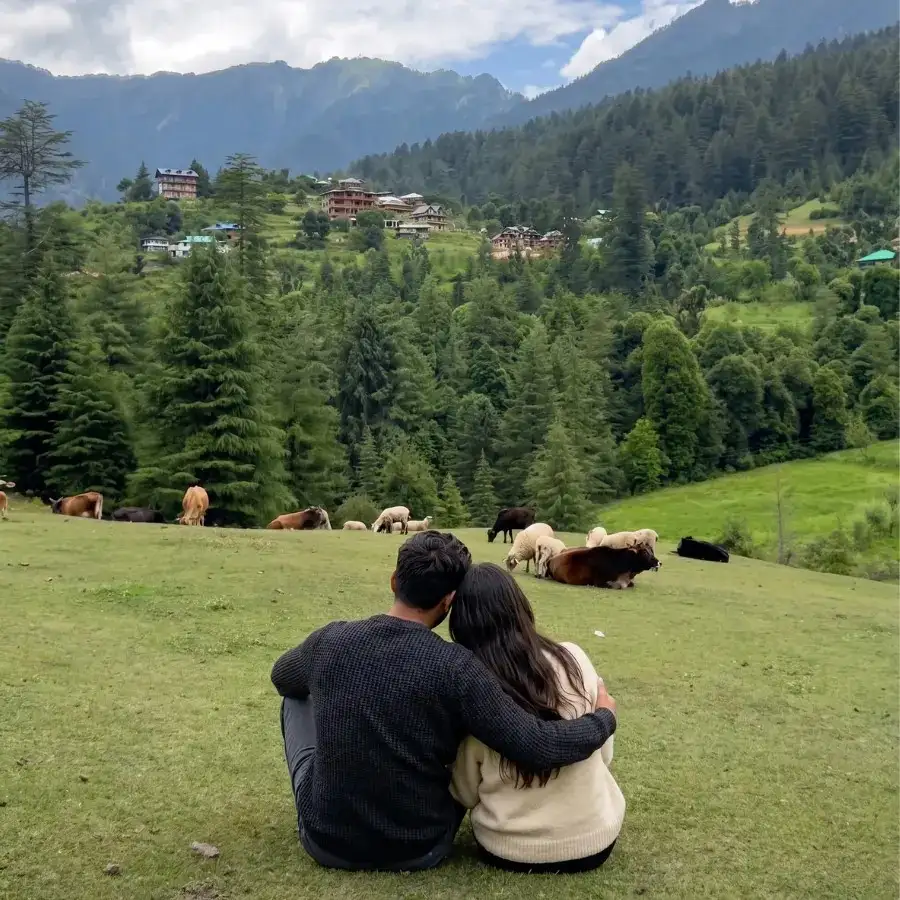
1D Delhi•2D Jibhi+2
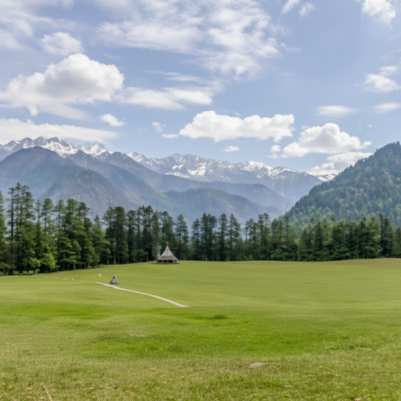
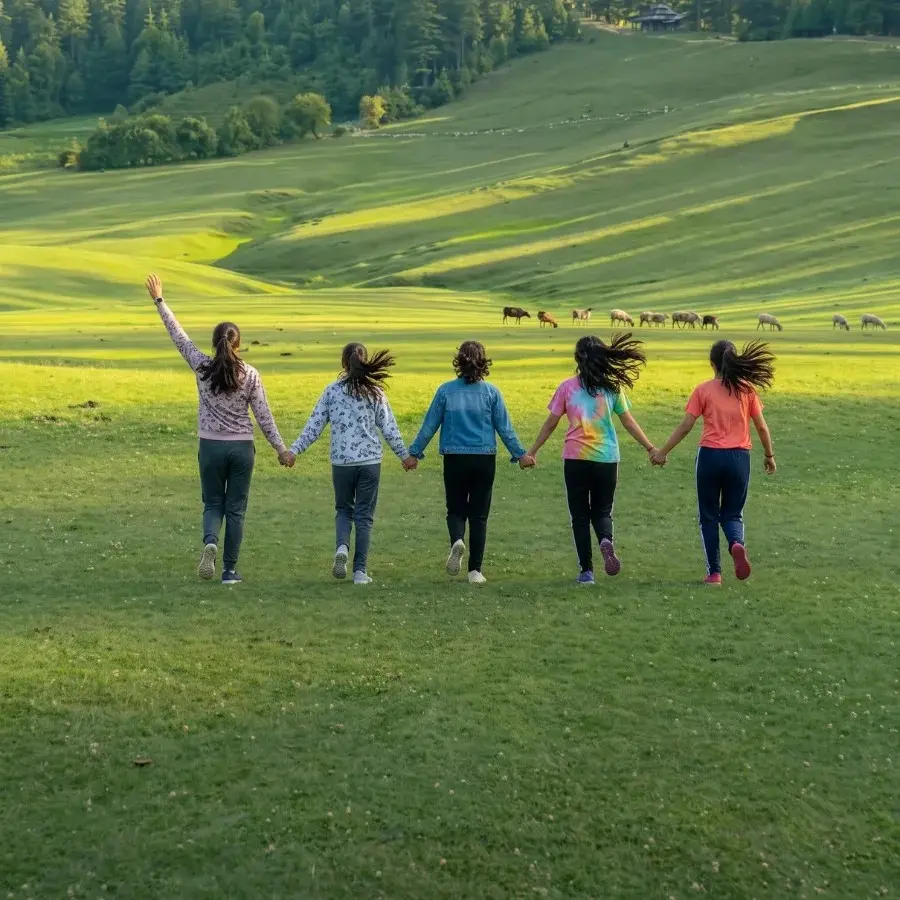
The wide, flat, green meadow surrounded by deodar trees that gives the village its reputation. In the morning light, with mist lifting off the grass and peaks behind, it is one of the most beautiful meadows in Himachal.
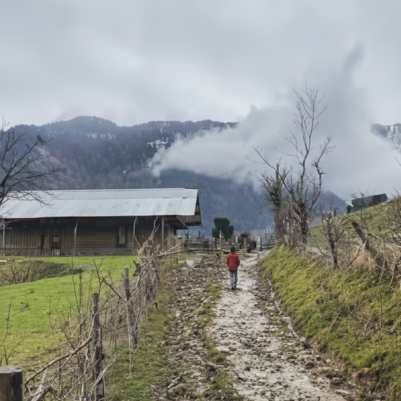
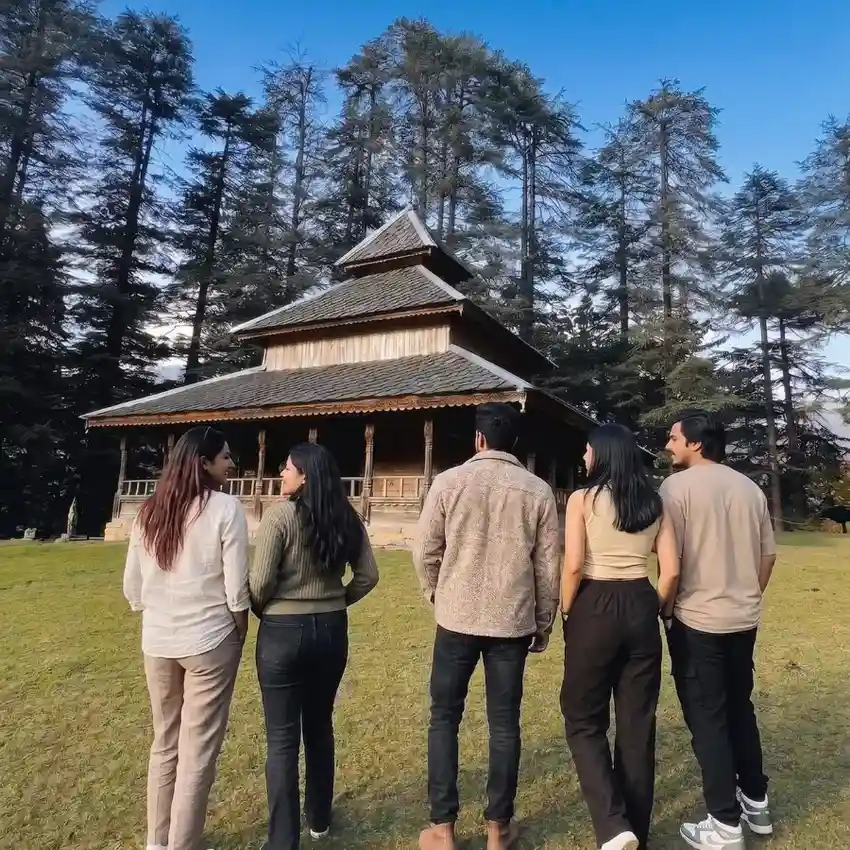
An ancient wooden temple dedicated to Lord Shiva, sitting on the edge of the meadow. Simple, quiet and centuries old. The carved wood and stone courtyard carry the feel of a different time.
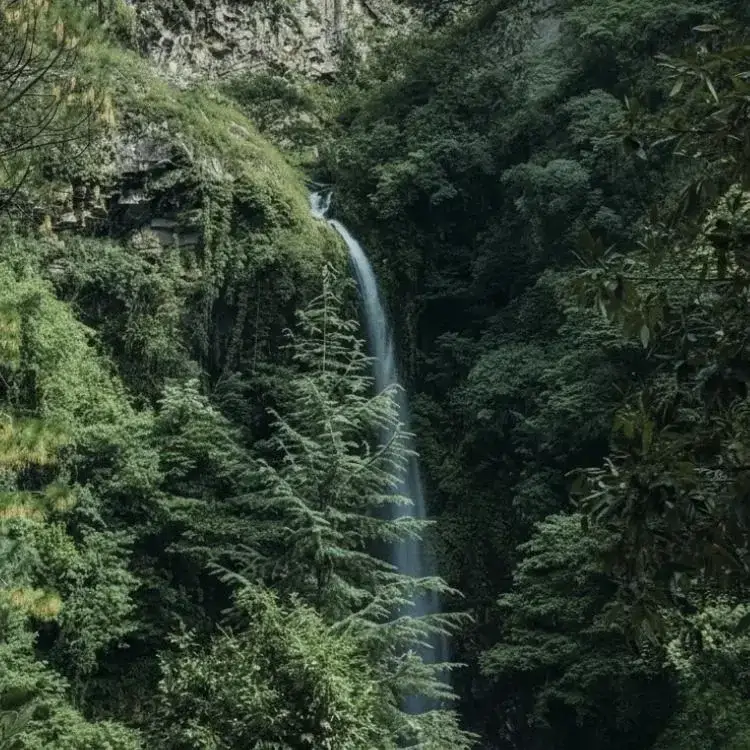
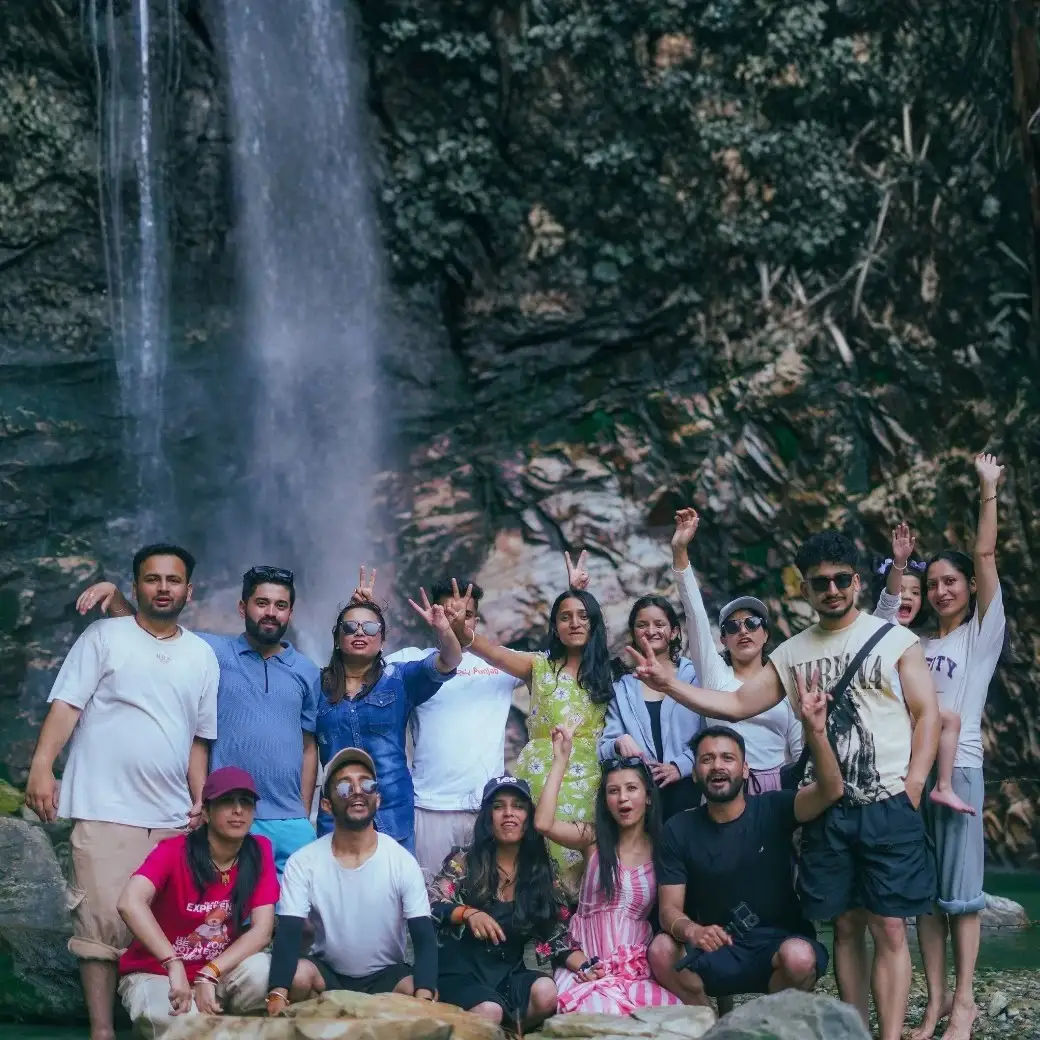
A short walk from the village to a forest waterfall. Not dramatic, but beautiful in its setting among trees and moss.
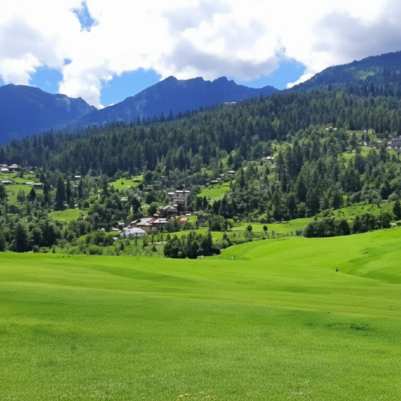
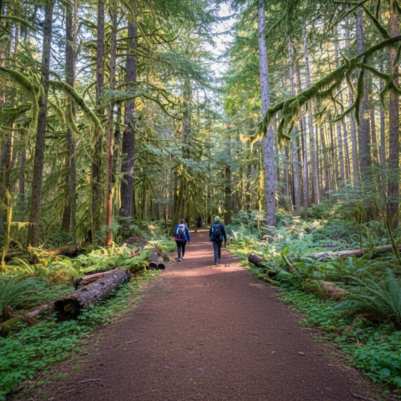
A sacred lake reached by a moderate forest trek from Shangarh, passing through rhododendron and deodar. About 3 to 4 km. The trail enters the GHNP buffer zone.
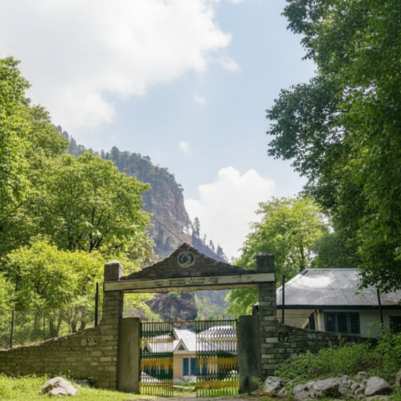
In Raila village, a short drive from the valley. An old fort and a waterfall reached by a half hour hike. Good for a day trip.
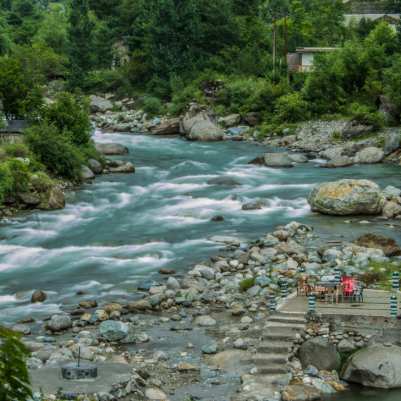
The broader valley that Shangarh sits in. The Sainj river, terraced fields, slate roofed villages and thick forest. The valley itself is the landscape.
The UNESCO World Heritage park that rises behind Shangarh. For serious trekkers, multi day treks into the park start from this area.
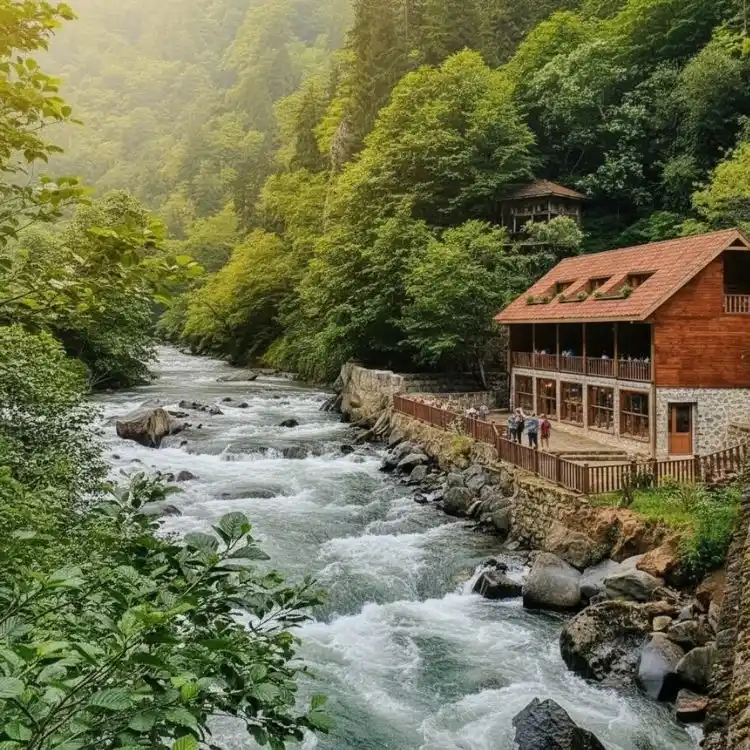
On the other side of Aut. Jibhi, Gushaini, river walks, Jalori Pass, and entry points for GHNP treks. The natural combination with Shangarh.
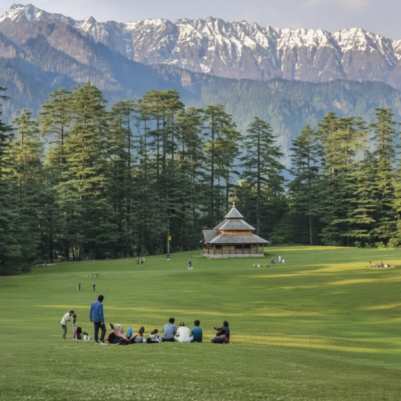
This is not a joke entry. The meadow is the reason Shangarh exists as a destination. Sitting in it, watching the light change and the clouds move, is the experience.
A quiet visit to a temple that feels untouched by tourism. Centuries old, carved wood and stone.
A short, easy walk through forest to a waterfall.
A moderate forest trek that takes you deeper into the GHNP area. Best done with a local guide.
A day trip to a neighbouring village with a historic fort and a waterfall.
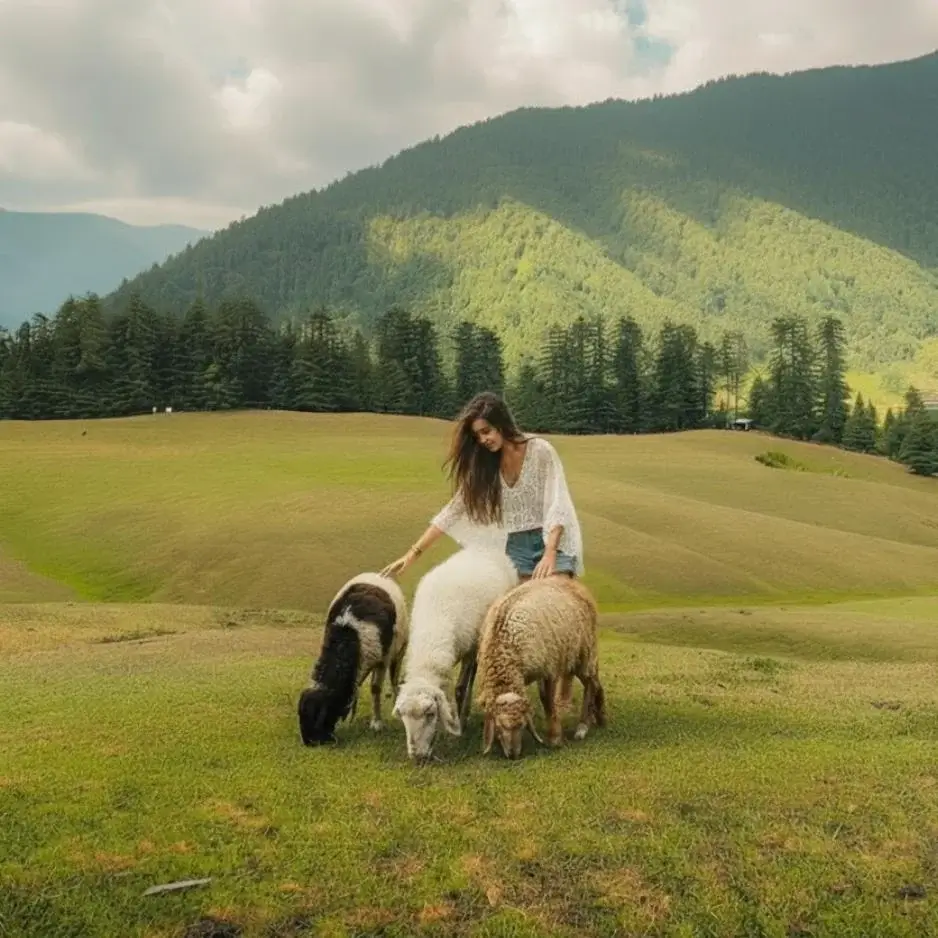
Goshati, Darari and other small hamlets around Shangarh offer apple orchards, traditional houses and quiet trails.
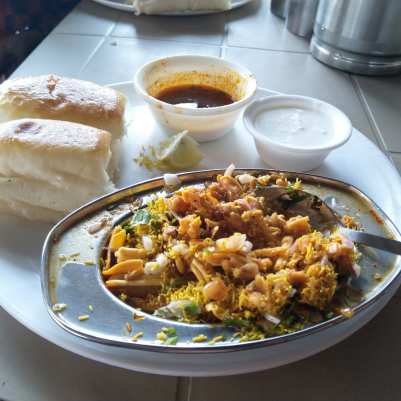
Home cooked rajma chawal, dal, roti, local vegetables and the kind of simple, warm food that tastes better in the mountains.
Cross to the other side of Aut and spend time by the Tirthan river, in Jibhi, or on the trails around Jalori Pass.

“Travel Coffee truly went above and beyond. Even though we booked from Indonesia without meeting them, we always felt secure — their team was available 24/7 and took care of every detail. Shubham personally ensured our comfort throughout the Himachal trip, from hotel checks to small gestures like bringing lotion and altitude pills. Their sincerity and local expertise made the journey unforgettable.”
Andre & Angel
About 520 to 550 km by road. The drive takes 11 to 13 hours including the valley road.
Three for a weekend trip. Four for a comfortable stay. Five to seven if combining with Tirthan Valley or Jibhi.
If you want a genuinely quiet mountain village with a beautiful meadow and no crowds, yes. It is not for travellers who want activities and infrastructure.
For quiet, absolutely. Kasol has cafes and a backpacker scene. Shangarh has a meadow and a temple and very little else. It depends on what you want.
Shangarh is quieter and more remote. Jibhi has more stays and a slightly more developed feel. Many travellers combine both.
Yes, and it is one of the best trip structures from Delhi. Both valleys begin from the same turnoff at Aut.
The highway is fine. The valley road is decent. The last 8 to 10 km is narrow, steep and gravelled. A high clearance vehicle is helpful.
You can take an overnight Volvo to Aut. From Aut, a cab takes you to Shangarh. There is one local bus from Sainj, but it is unreliable.
Yes, for families with older children. A private vehicle, a good homestay and a 4 day plan work well. Not ideal for very small children.
Very much. The quiet, the meadow, the homestay meals and the absence of crowds make it one of the best couple trips from Delhi.
An ancient wooden temple dedicated to Lord Shiva, sitting on the edge of the Shangarh meadow. Centuries old, with carved wood and stone.
Yes. The trek to Pundrik Rishi Lake is a moderate forest walk. Longer multi day treks into the GHNP area are possible with a guide and permit.
Very limited. BSNL has intermittent coverage. Other networks mostly do not work. Download maps and tell people to expect quiet.
Yes. Homestay food is mostly vegetarian. Dal, rajma, roti, vegetables.
No permit for Shangarh. A GHNP permit is needed for treks deeper into the national park.
Layers, warm jacket, sturdy shoes, headlamp, rain layer, personal medicines, cash, water bottle and offline maps.
December to February. The village in snow is beautiful, but cold and more difficult to reach.
The valley road can be disrupted by landslides. Not recommended for tight plans. Build in buffer days.
No. The nearest ATM is in Sainj town, and it is not always reliable. Carry cash.
Send us a message on WhatsApp with your travel dates, group size, comfort level and how many days you have. We will plan the right trip and send a clear quote.