
Barshangarh Waterfall
A forest waterfall about 3 km from Shangarh village in Sainj Valley, reached by an easy walk through conifer forest, apple orchards, and the small hamlets of Goshati and Darari, with the sound of water reaching you before the falls do
- Forest waterfall
- ~2,100 m
- Shangarh · ~3 km walk
- 2 to 3 hours round trip
- No entry fee
What makes it special
Barshangarh Waterfall is the one walk almost every traveller at Shangarh ends up doing, and for good reason. It is about 3 km from the village, reached by an easy trail that starts from the road passing the Shangarh Meadow and winds through thick conifer forest, past apple orchards, and through the small hamlets of Goshati and Darari. You hear the water before you see it. When you finally reach the falls, the air temperature drops, the rocks are dark and wet, and a fine mist hangs in the air near the base. It is not a massive waterfall, but it is a proper one, and the walk to get there is honestly half the reason to go.
Here is the thing about this waterfall that most other pages miss. The trail is the experience. Within five minutes of leaving the road, the meadow opens into forest, the light changes, and you are walking through the kind of conifer corridor that makes you instinctively lower your voice. You cross a few small streams, pass through tiny villages where women are sometimes working in the fields or orchards, and the path narrows into what feels like a different world from the open grassland you left behind. By the time you reach the falls, you have already had a morning worth remembering.
Honest framing. The waterfall flow depends heavily on the season. In monsoon and the weeks right after, the water runs strong and the falls are at their loudest. In the drier months of March to May, the flow is gentler but still visible. By late winter, it thins considerably. Most travellers visit between May and October, and that window gives you enough water to feel like the walk paid off. The rocks near the base are slippery year round, and there are no safety barriers. Use common sense about where you step.
You can drive part of the way and then walk the last stretch, roughly 10 to 15 minutes uphill. But the full walk from Shangarh, about an hour each way at a comfortable pace, is worth doing if your knees are up to it. You pass through two villages, three small stream crossings, and enough forest to fill a phone with photos. The drive version saves time but misses the best parts.
Quick answers
- Is Barshangarh Waterfall worth the walk from Shangarh?
- Yes, if you enjoy forest walks. The waterfall itself is satisfying, but the trail through conifer forest, apple orchards, and small Himachali hamlets is genuinely the highlight. Plan 2 to 3 hours round trip on foot. Best done in the morning before afternoon clouds build. Skip it only if the weather is wet enough to make the trail slippery, or if you have very limited time in Shangarh.
- How long does the walk take?
- About 1 hour each way at a comfortable pace, with 20 to 30 minutes at the waterfall. Total 2 to 3 hours round trip. You can drive partway to the Barshangarh area and then walk the last 10 to 15 minutes uphill to the falls, cutting the total to about 1.5 hours. The full walk is the better version.
- When is the best time to visit?
- June to September for the strongest water flow. May and October for drier trails and pleasant walking weather. Late monsoon gives the loudest falls but the trail can be muddy and slippery. The sweet spot is late September to early October when the flow is still decent and the post monsoon air is clean.
Quick facts
Everything you need to know at a glance.
At a glance
- Altitude
- Around 2,100 m (roughly 6,900 ft), same as Shangarh village. The waterfall sits at approximately the same elevation.
- Location
- Near the Barshangarh area in Sainj Valley, Kullu district, Himachal Pradesh. About 3 km from Shangarh village.
- Nearest base
- Shangarh village, about 3 km on foot. Sainj town ~18 km. Aut ~28 km at the highway.
- Entry fee
- None. No ticket, no gate, no permit.
- Time needed
- 2 to 3 hours round trip including the walk from Shangarh and time at the falls.
- Known for
- A forest waterfall reached by a scenic walk through conifer forest, apple orchards, and small Himachali villages. The most popular half day outing from Shangarh.
- Difficulty
- Easy to moderate. Mostly flat to gently undulating forest trail with a short uphill section in the last 10 to 15 minutes before the falls.
On the ground
- Mobile network
- Very patchy on the trail. BSNL may catch a signal in the villages. Jio and Airtel are unreliable in the forest. Do not rely on maps or GPS mid walk.
- Food
- Nothing along the trail or at the waterfall. Carry water and a snack from your homestay. The villages on the way have homes, not shops.
- Parking
- If driving partway, informal parking is possible near the Barshangarh hamlet. No fees.
- Permits
- None required.
- Washrooms
- None on the trail. Use facilities at your homestay before leaving.
- Drones
- The area is close to the GHNP ecozone. Treat the answer as no.
- Photography
- Good throughout. The forest trail, the stream crossings, the villages, and the falls are all photogenic. Morning light filters through the canopy best. Ask before photographing villagers.
- Walking surface
- Forest trail, village paths, and stream crossings. Mostly dirt and rock. Gets muddy after rain. Sturdy shoes with grip are important, not sandals.
Seasonal weather
- Mar to Jun22°6°Spring (Mar to Jun)
- Jul to Sep24°14°Monsoon (Jul to Sep)
- Oct to Nov20°4°Autumn (Oct to Nov)
- Dec to Feb12°-4°Winter (Dec to Feb)
Suitable for
- Couples — suitable
- Families — with some care
- Seniors — with some care
- Solo — suitable
- First-timers — suitable
- Pet-friendly — with some care
How to reach Barshangarh Waterfall
2 approach routes, with seasonal access.
From Shangarh village (on foot, the full walk)
Year round, though the trail is best from March to November. Monsoon makes it muddy and slippery. Winter can have ice on shaded sections.- Distance
- About 3 km one way
- Time
- 50 to 70 minutes one way, depending on pace
- Road
- Forest trail through conifer forest and small villages. Mostly flat to gently undulating, with a short uphill section at the end. Stream crossings on small bridges or stepping stones.
The standard and recommended approach. Start from the road that passes the Shangarh Meadow and the Devta Ground. The path heads into the forest and passes through the hamlets of Goshati and Darari. You cross two or three small streams along the way. The trail is mostly obvious, but there are no signboards, so ask your homestay for directions before you leave and confirm the route with villagers if you are unsure at any fork. The last 10 to 15 minutes are a short uphill climb to the waterfall. Pahadi dogs from the village may follow you, which is charming if you like dogs and a bit startling if you do not.
From Shangarh (partly by vehicle)
Year round in dry weather. The road can be rough after rain.- Distance
- About 2 to 3 km drive, then 10 to 15 minutes walk
- Time
- 30 to 40 minutes total including the walk
- Road
- Narrow village road, mostly unpaved. A vehicle with decent clearance helps. The last stretch to the falls is on foot.
You can drive part of the way from Shangarh towards the Barshangarh area on a narrow village road. The road passes the meadow and runs through or near the same villages the walking trail covers. Park where the road ends or where locals indicate, and walk the last 10 to 15 minutes uphill to the falls. This cuts the round trip to about 1 to 1.5 hours. It saves time, but you miss the best part of the experience, which is the walk itself.
Best time to visit
Season by season, so you can plan around the weather rather than hope.
- Recommended
Spring
March to early June
Dry trails, pleasant walking weather, and enough water from snowmelt to make the falls worth the walk
- Day temperature
- 14 to 22 C
- Trail condition
- Dry, clear, easy to follow
- Waterfall flow
- Moderate, fed by snowmelt
- Crowds
- Light
Usually the best window for the walk. The trail is dry and easy underfoot, the forest is greening after winter, and snowmelt from the slopes above keeps the waterfall flowing at a decent level. Mornings are crisp enough that the walk warms you up nicely. Late May and June weekends bring more visitors to Shangarh generally, but the trail to the waterfall is rarely crowded. Start by 8 or 9 AM for the quietest version.
Monsoon
July to September
Strongest waterfall flow of the year, but the trail gets muddy and slippery
- Day temperature
- 18 to 24 C
- Trail condition
- Muddy, slippery sections, leeches possible
- Waterfall flow
- Strongest of the year
- Crowds
- Low
The falls are at their loudest and fullest after monsoon rains. If you want to see Barshangarh at its most powerful, this is the window. But the trade off is real. The forest trail turns muddy, stream crossings can be tricky after heavy rain, and the rocks near the base of the falls are genuinely slippery. Leeches are possible in the lower forest sections. Wear shoes with proper grip, carry a rain shell, and avoid the walk during or immediately after heavy rain. If you catch a clear morning after a dry night, the combination of full water flow and green forest is the best the place looks all year.
- Recommended
Autumn
September to early November
Clean air, decent flow, the sharpest photography window of the year
- Day temperature
- 12 to 20 C
- Trail condition
- Dry and stable
- Waterfall flow
- Good, slowing from monsoon peak
- Crowds
- Low to moderate
Late September to mid October is arguably the sweet spot. The monsoon clears, the air sharpens, and the forest still holds its deep green. The waterfall flow slows from the monsoon peak but stays visible and photogenic. The trail dries out and becomes comfortable again. Mornings are crisp, afternoons still warm enough for a comfortable walk. Carry a warm layer by November.
Winter
Mid November to February
Thin waterfall, cold trail, and occasional ice on shaded sections
- Day temperature
- 4 to 12 C
- Trail condition
- Cold, possible ice on shaded stretches
- Waterfall flow
- Thin
- Crowds
- Very low
The waterfall thins considerably in winter. The walk is cold, the forest path can have ice on shaded sections after frost, and the overall experience is diminished compared to warmer months. If you are already at Shangarh for a winter stay and want a morning walk, the forest trail is still pleasant on a clear day, even if the falls are modest. Carry warm layers and watch your footing on frosty patches.
Things to see & do
4 things worth your time at Barshangarh Waterfall.
Walk to the waterfall from Shangarh
2 to 3 hours round tripThe main event, and the best version of this outing. Leave from the road near the Shangarh Meadow, walk through conifer forest, cross small streams, pass through the hamlets of Goshati and Darari, and arrive at the waterfall in about 50 to 70 minutes. The trail narrows as you go, and the forest gets thicker and cooler. You hear the water before you see it. Spend 20 to 30 minutes at the falls, then walk back the same way. Go in the morning before afternoon clouds build. Carry water and a snack.
Photography along the trail
Add 30 to 45 minutes to the walkThe trail itself is the better photo subject for most people. The conifer corridor, the small wooden bridges over streams, the apple orchards near the villages, and the way morning light filters through the canopy all photograph well. The falls photograph best in the morning when the light is soft and the mist catches it. A wide lens works for the forest, a longer focal length for the waterfall itself. Ask permission before photographing anyone in the villages.
Early morning walk before breakfast
3 to 3.5 hours including the walk backIf you are staying two or three nights at Shangarh, the best version of this walk is early morning. Leave by 7 or 8 AM, when the forest is quietest and the light is cleanest. The trail is usually empty at this hour. You are back at your homestay by 10 or 11, in time for a late breakfast and a slow afternoon on the meadow. This timing also avoids the slight warming of the afternoon that makes the uphill return less pleasant.
Combine with a meadow walk for a full morning
Half dayThe natural Shangarh morning plan. Walk the meadow at first light, have chai, then head to the waterfall. You are back by late morning with the whole afternoon free. Alternatively, do the waterfall first and the meadow in the late afternoon when the light on the Shangchul Mahadev Temple turns golden. Either way, the waterfall and the meadow are the two pillars of a Shangarh stay.
Know before you visit Barshangarh Waterfall
The practical bits, from people who have been.
What the trail is actually likeForest trail, village paths, stream crossings. Mostly easy, short uphill at the end. No signboards, ask directions.
The trail starts from the road that passes the Shangarh Meadow, near the area locals call the Devta Ground. It heads into conifer forest within minutes and follows a mostly flat to gently undulating path through the trees. You pass through the small hamlets of Goshati and Darari, where a handful of houses sit among apple orchards and fields. There are two or three small stream crossings, usually manageable on stepping stones or small wooden bridges.
The last 10 to 15 minutes involve a short uphill climb through denser forest to reach the waterfall. This is the only section that feels like effort. The rest of the walk is a comfortable forest stroll. There are no signboards on the trail, so ask your homestay for directions before leaving and confirm at any fork with villagers you pass. The path is mostly obvious in dry weather but can be confusing in thick fog or after fresh snow.
A detail many travellers mention: pahadi dogs from Shangarh or the villages along the way will often follow you on the walk. They are generally friendly and will stay with you for the entire trail and back. If you are not a dog person, this might feel unnerving, but the dogs are used to hikers and mean no harm.
What the waterfall looks like across seasonsStrongest flow June to September. Thin by winter. Rocks at the base are always slippery.
The waterfall drops over a dark rock face into a pool surrounded by thick green forest. In monsoon (July to September), the water runs wide and loud, spray fills the air near the base, and the whole area feels like a green tunnel of sound. In late September and October, the flow eases but the falls are still strong enough to be satisfying, and the cleaner air makes the surroundings more photogenic. From November through March, the flow thins to a modest stream, and by deep winter it is barely a trickle. If a strong waterfall is important to you, time your visit between June and early October.
The rocks near the base are slippery year round, regardless of the season. There are no safety barriers, no railings, no maintained viewing platform. Stay on stable, flat rocks and do not climb on wet surfaces for a better angle. The pool at the base can have a deceptively strong current during heavy flow.
Who should do this walk and who should reconsiderGood for most fit travellers. Families with young kids and seniors should weigh the 3 km trail and uphill finish.
Solo travellers and couples. Yes. This is the natural half day outing from Shangarh, and the forest walk is genuinely enjoyable. You do not need a guide in dry weather, though asking your homestay to point out the route helps.
Families with older kids (above 7 or 8). Yes. Kids who can walk for an hour on uneven ground will enjoy the forest and the waterfall. The stream crossings add a small adventure element. Keep children close near the falls, the rocks are slippery.
Families with very young kids. Think carefully. The trail is not pram friendly, you would be carrying the child. The last uphill stretch with a child on your back is tiring. The waterfall area has no barriers.
Seniors. Depends on fitness. The walk is mostly gentle, but it is 3 km each way on a forest trail with uneven ground. Active seniors who walk regularly can handle it. If knees are a concern, driving partway and walking only the last 10 to 15 minutes is a reasonable compromise. The uphill section at the end is the main challenge.
Pets. Dogs do fine on the trail and local dogs will likely join the walk. Keep your dog leashed near the villages and the waterfall pool.
Common mistakes and practical tipsCarry water, wear proper shoes, ask for directions, start early, stay off wet rocks.
Not carrying water. There is nothing to buy along the trail or at the waterfall. The villages are homes, not shops. Carry at least one litre of water and a small snack from your homestay.
Wearing sandals or smooth soled shoes. The trail is dirt and rock with stream crossings. Near the waterfall, the rocks are slippery with moss and spray. Anything with a proper sole and grip works. Sandals and city sneakers do not.
Not asking for directions. There are no trail markers or signboards. The path is mostly obvious, but a couple of forks can confuse first timers, especially in monsoon when multiple streams create false trails. Ask your homestay before leaving and confirm with any villager you pass.
Starting too late. The walk takes 2 to 3 hours round trip. If you leave after noon, you risk being caught in afternoon clouds or rain, especially during monsoon and spring. Start by 8 or 9 AM for the best experience.
Climbing on wet rocks at the base for photos. The rocks near the waterfall are dark, wet, and covered in a thin layer of algae. They are more slippery than they look. People fall here, usually resulting in nothing worse than a bruise and wet clothes, but the risk is real. Stay on flat, dry ground for your photos.
Nearby attractions
Other places worth the detour.
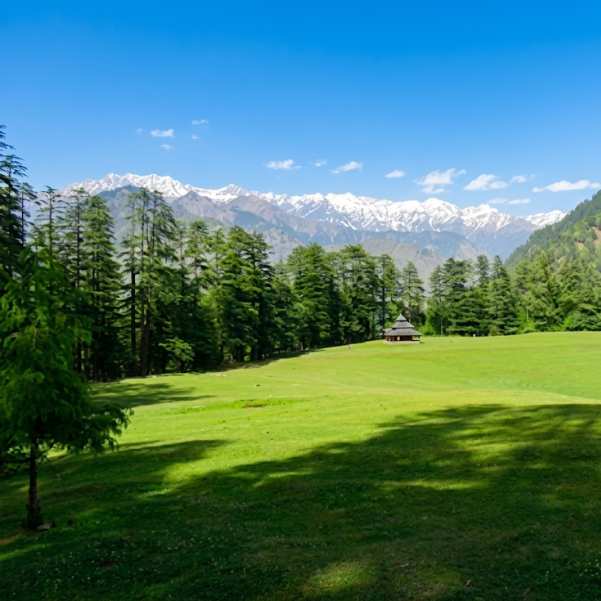
Shangarh Meadows
~3 km · the walk starts from here
The wide sacred meadow ringed by deodar forest where the Shangchul Mahadev Temple stands. The natural starting point for the waterfall walk and the centrepiece of any Shangarh stay.
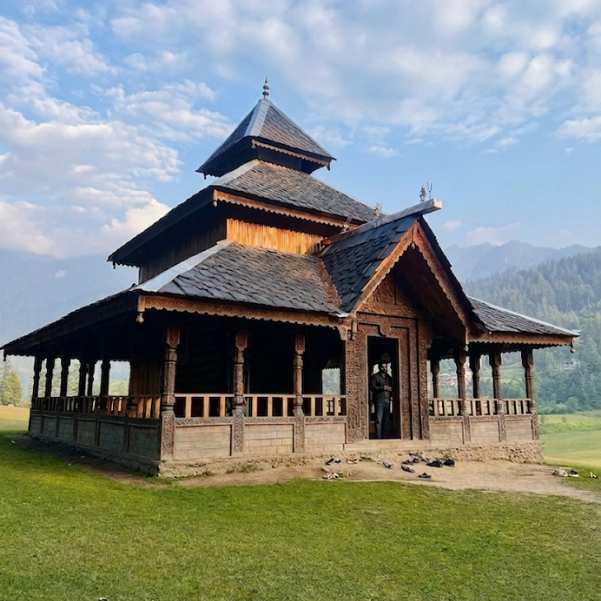
Shangchul Mahadev Temple
~3 km · at the meadow edge
A three tiered Kath Kuni wooden temple at the edge of the Shangarh Meadow, known for blessing outcasts and eloping couples. The cultural heart of the village.
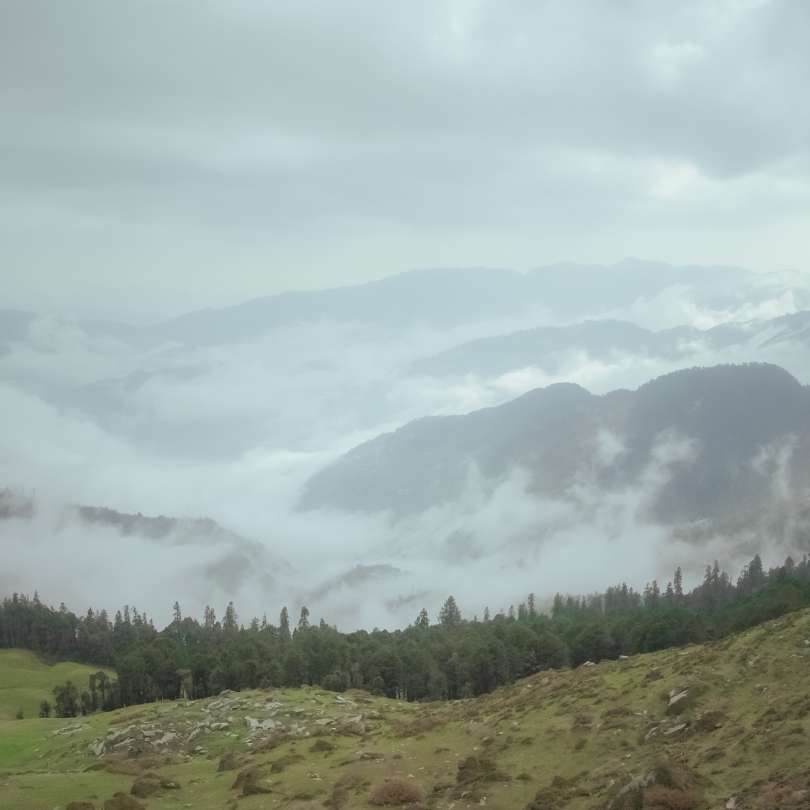
Great Himalayan National Park
GHNP ecozone boundary at Shangarh village edge
UNESCO World Heritage protected wilderness. Shangarh sits on the western edge of the ecozone, and the Sainj Wildlife Sanctuary is a short walk away.
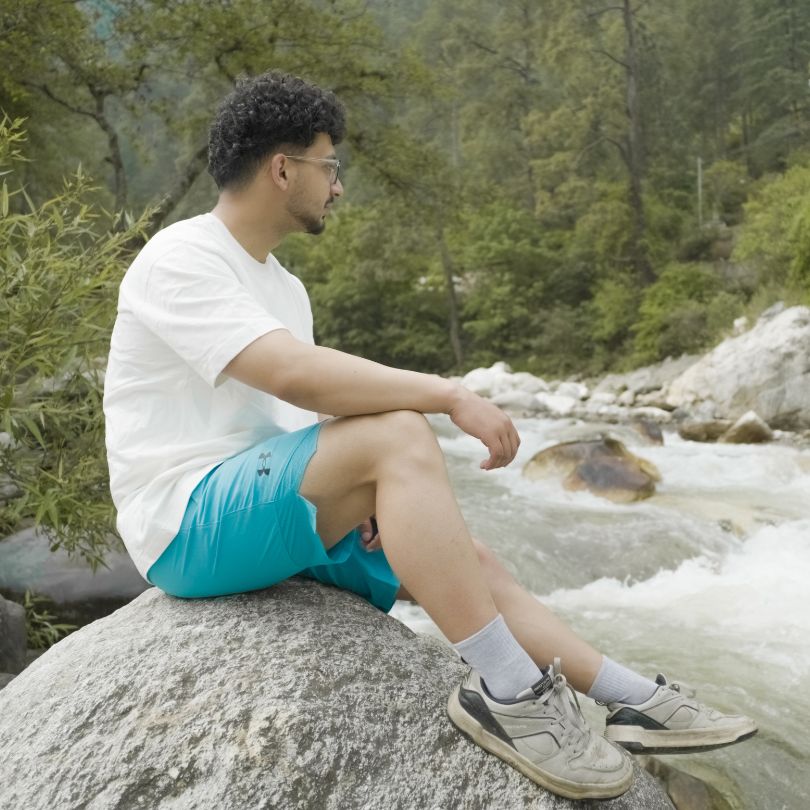
Tirthan Valley
~2 hours drive via Aut and Larji
The other main GHNP approach, with riverside homestays, trout fishing on the Tirthan, and the Ropa gate walk. A natural pairing for a split Sainj and Tirthan trip.
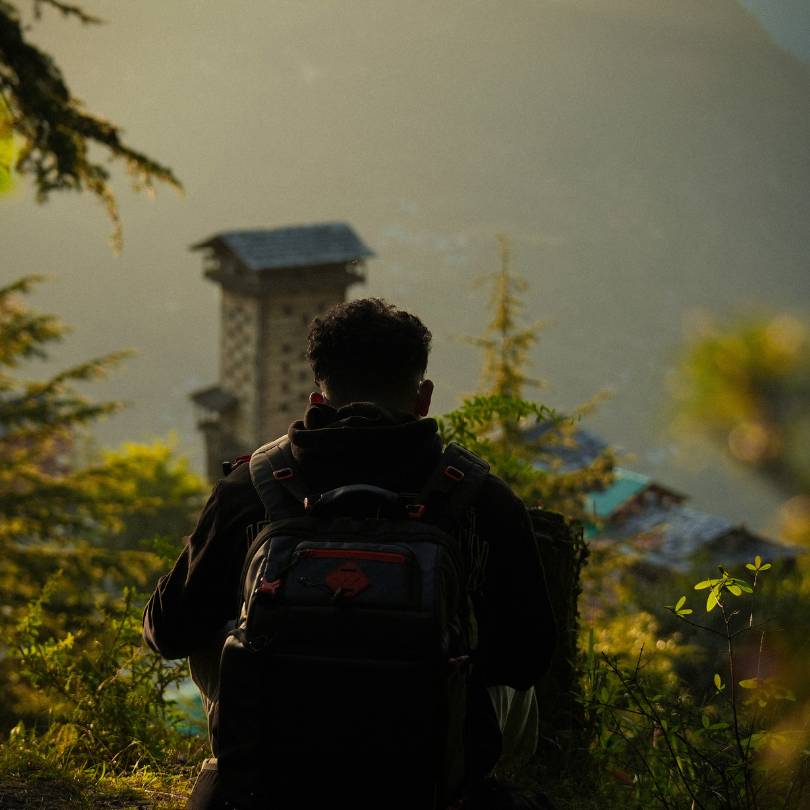
Chehni Kothi
~40 km · 1.5 hours drive via Banjar
A several centuries old Kath Kuni stone and wood tower above Banjar. Worth pairing with Shangarh if you are interested in traditional Himachali architecture.
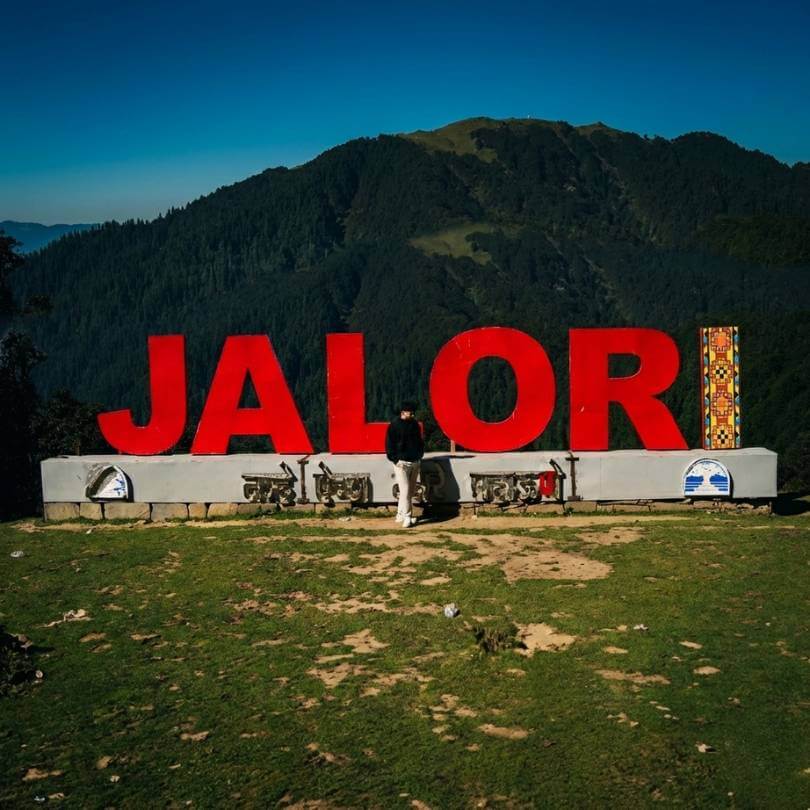
Jalori Pass
~50 km · 2 to 2.5 hours drive via Banjar
The mountain pass above Jibhi and Shoja with day walk options to Serolsar Lake and Raghupur Fort.
Our packages with Barshangarh Waterfall
Curated trips that include a visit to Barshangarh Waterfall.
 Group Tour5D/4N
Sainj Valley and Shangarh Group Trip
3D Shangarh
₹8,499₹12,499SAVE INR 4,000/ person 5D/4N
5D/4NMost Loved Shangarh Sainj Valley Tour With Private SUV
2D Shangarh
₹12,999₹16,999SAVE INR 4,000/ person Group Tour6D/5N
Best Jibhi Tirthan Valley Tour With Shangarh Meadows
2D Tirthan Valley•1D Shangarh (Sainj Valley)
₹9,999₹12,999SAVE INR 3,000/ person
Common questions about Barshangarh Waterfall
How far is Barshangarh Waterfall from Shangarh village?
About 3 km one way, taking roughly 50 to 70 minutes to walk at a comfortable pace. You can drive partway and walk the last 10 to 15 minutes. The full walk is the better experience.
Is there an entry fee?
No. There is no ticket, no gate, and no fee. The waterfall is in open forest and village land.
Do I need a guide for the walk?
Not strictly, but there are no trail markers or signboards. The path is mostly obvious in dry weather, but a couple of forks can be confusing. Ask your homestay for clear directions before leaving. In monsoon, when multiple streams create false trails, asking a local to point you right at confusing sections is wise.
Can I drive to the waterfall?
You can drive from Shangarh to the Barshangarh hamlet area, which covers most of the distance. From there, a short walk of about 10 to 15 minutes uphill takes you to the falls. A vehicle with decent clearance helps on the narrow village road.
Is the walk difficult?
Easy to moderate overall. The trail is mostly flat through forest and villages. The last 10 to 15 minutes are a short uphill climb. Anyone who walks regularly can handle it. The main challenge is the trail condition in monsoon, when it gets muddy and the stream crossings require care.
Can I swim at the waterfall?
There is a pool at the base. In warmer months with moderate water flow, a quick dip is possible. The water is cold, even in summer. In monsoon, the current can be strong and the rocks are dangerously slippery. Use your judgement and do not get in if the water looks powerful.
What should I carry for the walk?
Water (at least one litre), a snack, shoes with proper grip, a rain shell if clouds are building, and sunscreen. There is nothing to buy on the trail or at the waterfall. A light daypack is enough.
Is Barshangarh Waterfall safe during monsoon?
The waterfall is at its strongest in monsoon, but the trail gets muddy and slippery, stream crossings can be tricky, and rocks at the base are dangerous when wet. Leeches are possible in the lower forest. Go only on a clear morning after a dry night, wear grippy shoes, and do not attempt the walk during or immediately after heavy rain.
When is the best time to visit?
June to September for the strongest water flow. Late September to October for dry trails, clean air, and decent falls. March to May for comfortable walking weather and moderate flow. Avoid deep winter if a strong waterfall is important to you. The flow thins considerably from November onwards.
Can families with kids do this walk?
Older kids (7 or 8 and above) who can walk for an hour on uneven ground will enjoy it. The forest, the stream crossings, and the waterfall are all engaging. Very young children would need to be carried, and the uphill section near the end makes that tiring. Keep all children close to you near the waterfall, there are no barriers.
Is there mobile network on the trail?
Very patchy. BSNL may work in the village sections. Jio and Airtel are unreliable in the forest. Do not depend on phone maps. Get verbal directions from your homestay before leaving. Tell someone where you are going.