
Shainsher Village
A quiet hillside village in Sainj Valley, home to two uncommon Himachali landmarks standing close together: the five storey Manu Rishi pagoda built around an ancient sacred deodar tree, and the stone remains of the Taliara Fort, traditionally dated to the 7th century
- Village
- Sainj Valley
- Manu Rishi Temple
- Five tiered pagoda
- Taliara Fort
- 7th century (traditional)
- Steep hairpin road
- No entry fee
What makes it special
The first thing to know about Shainsher is that almost no tourist passes through. The road branches off the main Sainj Valley road just past Neuli, climbs about ten hairpin bends through Bihali, and the buses are honest about how rarely they actually show up. What waits at the top is two genuinely uncommon pieces of Himachali heritage standing close together. People come up for these two structures, not for views.
The first, and the reason most travellers make the climb, is the Manu Rishi Temple. A five storey pagoda built around an ancient sacred deodar tree whose trunk rises straight through the centre of the shrine. Penelope Chetwode documented it in her 1972 book on Kullu and noted it is the only five tiered pagoda so far recorded in Himachal Pradesh. All five of its receding roofs are tiled, which is itself unusual; most Himachali pagodas top off in cedar shingle. An open veranda runs around the garba griha, supported by twelve square pillars set in groups of three, with scroll capitals carved with confronting birds. The carving here is rougher than at the better known Kullu temples, but the structure as a whole is more interesting than any single detail. If you have stood on the meadow at Shangarh on a clear day and noticed a shining structure on the opposite mountain, that was this temple.
A short walk away sits the second landmark, the Taliara Fort. The GHNP records date the site to the 7th century, attributed to local Thakurs who once held this stretch of the valley. That dating rests on local tradition rather than archaeology, so treat it as tradition rather than confirmed history. What survives today are stone foundations and partial walls set into the hillside, and the site is worth fifteen or twenty minutes of slow looking once you are already up for the temple. Between them, the temple and the fort are the principal reasons to visit Shainsher. The rest of the village is the quiet rhythm of pahadi life. Wood and slate houses, terraced fields of maize and apple, pine and deodar pressing in on all sides, women drying corn on rooftops in autumn.
A quick note on geography, because this part trips people up. Shainsher is not where Barshangarh Waterfall is. The waterfall is a Shangarh outing, reached by a short forest walk of about 3 km from Shangarh village across the valley, not from here. Pundrik Rishi Lake is not a casual stroll from Shainsher either. It sits in a different pocket of the upper Sainj Valley and is best treated as an offbeat day trek. The usual approach is a drive to the trailhead near Dehuri village (also spelled Deohari), then a hike through deodar forest of roughly 30 to 45 minutes one way to reach the lake. If you want to take in all of these (the Manu Rishi pagoda, the Taliara Fort, Barshangarh Waterfall and Pundrik Rishi Lake), plan two to three days in the valley with Shangarh or the Ropa Forest Complex as a base, and treat each as its own outing.
Honest framing on Shainsher itself. The road is steep. Bus service is among the least reliable in the valley. Mobile signal mostly does not work. One or two homestays have opened, no signboards, no guarantee that the room you booked is actually being held for you. If traditional Himachali pagoda architecture matters to you, the climb pays off. If it does not, the temple is visible from Shangarh across the valley on a clear day, and you can decide from there whether you want to make the trip yourself.
Quick answers
- Is Shainsher worth the effort?
- If you have a real interest in traditional Himachali architecture, yes. Two of the most uncommon structures in the state sit close together inside the village. The Manu Rishi Temple, a five storey pagoda built around an ancient sacred deodar tree. And the Taliara Fort, whose stone remains are traditionally dated to the 7th century. If temple architecture is not your draw, you can see the Manu Rishi pagoda shining across the valley from Shangarh on a clear day and skip the climb.
- How do I get to Shainsher?
- From Sainj town or Neuli, take the road that branches left past Neuli through Bihali. It climbs steeply through about ten hairpin bends. Distance is roughly 14 km from Sainj. Bus service is very limited and timings shift; hitching rides or arranging a vehicle is the practical approach. The road has been recently tarred.
- How much time do I need?
- Half a day from a Shangarh or Ropa base covers the Manu Rishi Temple and the Taliara Fort comfortably. If you stay overnight (limited homestay options, confirm first), you get the valley in evening light and time to wander the sub valley villages. Most travellers do a half day trip and return.
Quick facts
Everything you need to know at a glance.
At a glance
- Location
- A sub valley branching off the main Sainj Valley road past Neuli. About 14 km from Sainj town by road. Kullu district, Himachal Pradesh.
- Known for
- The Manu Rishi Temple, a five tiered pagoda style temple built around a sacred deodar tree. The only five storied pagoda temple recorded in Himachal Pradesh.
- Nearest town
- Sainj town, roughly 14 km. Neuli, about 3 km to the turnoff then 10+ km uphill.
- Time needed
- Half day from Shangarh or Ropa base. Overnight for the sub valley exploration.
- Entry fee
- None.
- Access
- Steep road with hairpin bends. Recently tarred. Bus service unreliable. Vehicle or hitchhike is more practical.
On the ground
- Mobile network
- Very limited. Assume offline.
- Food
- A tea stall may or may not be open. Carry food and water from Sainj.
- ATM and cash
- No ATM. Nearest at Sainj town. Carry cash.
- Accommodation
- One or two homestays, no signboards, no guaranteed availability. Most visit as a day trip.
Seasonal weather
- March to June20°4°Spring and Summer
- July to September22°12°Monsoon
- October to November18°2°Autumn
- December to February10°-6°Winter
Suitable for
- Couples — suitable
- Families — with some care
- Seniors — with some care
- Solo — suitable
- First-timers — suitable
- Pet-friendly — with some care
How to reach Shainsher Village
2 approach routes, with seasonal access.
From Sainj town or Neuli (by road)
Year round. Road can be slippery in monsoon and icy in deep winter.- Distance
- About 14 km from Sainj town
- Time
- 30 to 45 minutes by vehicle from Sainj, longer if walking or hitching
- Road
- Tarred road with steep hairpin bends. Recently improved.
From Sainj town, take the valley road towards Neuli. Just past Neuli, the road branches left through Bihali village and climbs steeply through about ten hairpin bends. The road has been recently tarred and is manageable for most vehicles in dry weather. Bus service from Sainj is very limited, maybe a couple of HRTC buses daily, but timings are unreliable. A hired vehicle from Sainj costs roughly 1,000 to 1,500 rupees for the round trip. Hitchhiking from the Neuli turnoff is common and generally works.
From Shangarh (half day trip by hired vehicle)
Year round in dry weather.- Distance
- About 15 to 20 km via the valley road
- Time
- 1 to 1.5 hours each way by vehicle
- Road
- Valley road to Ropa, then steep uphill to Shainsher.
If you are based at Shangarh, arrange a vehicle for a half day round trip. The route goes back down to the Ropa area, then past Neuli and up the Shainsher road. Total driving time is about 1 to 1.5 hours each way. A cab from Shangarh for the round trip costs roughly 2,000 to 3,000 rupees. Some travellers combine this with a stop at the Ropa Forest Complex on the way.
Best time to visit
Season by season, so you can plan around the weather rather than hope.
- Recommended
Spring and early summer
March to June
Dry road, clear views, the best window for the temple visit.
- Weather
- 4 to 20 degrees.
- Road
- Dry, manageable.
- Transport
- Limited but functional.
The best window. The road is dry and the hairpin bends are manageable. Wildflowers line the road up from Bihali. The temple and the valley views are at their clearest. If the Shanu Mela fair falls in this window, it is worth timing for.
Monsoon
July to September
Green but the road gets slippery. Pick a clear morning.
- Weather
- 12 to 22 degrees. Rain frequent.
- Road
- Can be slippery.
- Transport
- Buses even less reliable.
The steep road can be slippery after rain. The hairpin bends are more challenging. If you go, pick a clear morning. The valley is green but the effort of reaching Shainsher increases noticeably in wet weather.
- Recommended
Autumn
October to November
Clean air, sharp views, the best photography window.
- Weather
- 2 to 18 degrees. Cold nights.
- Road
- Dry, good condition.
- Views
- Best clarity of the year.
Post monsoon clarity. The valley views from Shainsher are at their widest and sharpest. The road dries out. This is the best photography window for the temple against a clean sky.
Winter
December to February
Cold, icy bends, not for a casual visit.
- Weather
- Minus 6 to 10 degrees.
- Road
- Can be icy.
- Facilities
- Homestays may close.
Cold and quiet. The road can be icy on the shaded hairpin bends. Homestays may close. Come only if you are already in the valley and are prepared for the cold.
Things to see & do
4 things worth your time at Shainsher Village.
Visit the Manu Rishi Temple
30 minutes to 1 hourThe reason most travellers make the climb. A five storey pagoda built around an ancient sacred deodar tree, with all five receding roofs tiled (most Himachali pagodas top off in cedar shingle). An open veranda runs around the garba griha with twelve square pillars set in groups of three, and the scroll capitals are carved with confronting birds. Walk around the exterior slowly. Look at how the deodar trunk rises through the centre of the structure, the slate roofing layered up the tiers, and the rougher hand of the carving compared to the better known Kullu temples. Photography of the exterior is fine. The temple may be locked and outsiders are generally not allowed inside; ask locally if a pujari is around. The large open meadow next to the temple is used for community gatherings and the annual Shanu Mela fair.
Explore the Taliara Fort remains
30 to 45 minutesThe second principal landmark inside Shainsher, a short walk from the Manu Rishi Temple. The GHNP records date the site to the 7th century, attributed to local Thakurs who once held this stretch of the valley, though that dating rests on local tradition rather than archaeology and is best treated as tradition rather than confirmed history. What you actually see today is stone foundations and partial walls set into the hillside, with wide views down the sub valley. Worth pairing with the temple visit. Take it slow and notice the masonry, the placement, and how the position commands the upper sub valley.
Catch the Shanu Mela if dates align
Half day to full dayA fair held annually at the Manu Rishi Temple, when local deities from neighbouring villages arrive in procession. If your dates happen to align, it is a genuine community event with traditional music, local food, and Kulluvi dress. Ask at your homestay or the GHNP office at Ropa about upcoming dates. The mela is not scheduled for tourists, so do not expect a fixed calendar.
Valley views from the village
Throughout your visitShainsher sits higher than most other villages in the Sainj Valley, and the views across the valley from here are wide. On a clear day, the GHNP ridgeline is visible above the forest. The drive or walk up through the hairpin bends opens out progressively as you gain altitude. If you stay overnight, evening light on the valley is the better half of the day.
Know before you visit Shainsher Village
The practical bits, from people who have been.
Getting hereSteep road with hairpin bends, recently tarred. Very limited bus service. Hitchhiking or hired vehicle is more reliable.
The road to Shainsher branches left from the main Sainj valley road just past Neuli. It passes through Bihali village and then climbs steeply through about ten hairpin bends. The road has been recently improved and is now tarred, which makes it manageable for most vehicles in dry weather. In monsoon, it can be slippery.
Bus service from Sainj is very limited. A couple of HRTC buses may run daily, but schedules are not fixed and buses may not operate on some days. The practical options are hitching a ride (common and generally successful in this valley), arranging a vehicle through your homestay or the GHNP office at Ropa, or walking up (steep but doable in 2 to 3 hours from the turnoff).
A small recheck reminder. Bus timings to Shainsher shift with the season and are among the least reliable in the valley. Confirm at the Sainj bus stand on the day of travel. Do not build your plan around a specific bus departure.
Where to stayOne or two homestays, no signboards, no guarantee. Most travellers visit as a day trip from Shangarh or Ropa.
As of recent reports, one or two homestays have opened in the Shainsher area. There are no signboards, no online listings, and no guaranteed availability. If you plan to stay overnight, ask at the Sainj bus stand, the GHNP office at Ropa, or your homestay host in Shangarh if they know of any open homestay in Shainsher.
Most travellers visit the temple as a half day trip from Shangarh or the Ropa Forest Rest House and return the same day. This is the more practical approach unless you are specifically planning to spend time exploring the sub valley's other villages and temples.
Ground reality and temple etiquetteNo signal, no ATM, no shops. Temple is sacred. Remove shoes, photograph exterior only.
Mobile signal in Shainsher is very limited. Assume you will be offline for most of the visit. There is no ATM, no shop beyond a possible tea stall, and no medical facility anywhere in the sub valley. Carry water, snacks, cash, and any medicines you need from Sainj town before heading up.
The Manu Rishi Temple is a sacred site. Remove shoes before approaching. The temple may be locked. Do not attempt to enter without permission. Photography of the exterior is generally fine. Ask before photographing any villagers or temple rituals.
Nearby attractions
Other places worth the detour.
Shangarh Meadows
About 10 to 15 km by road via Ropa
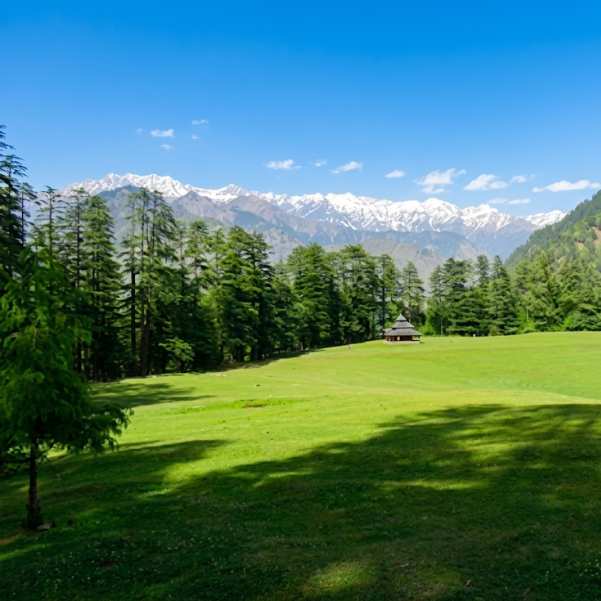
The most visited spot in the Sainj Valley. A wide sacred meadow with the Shangchul Mahadev Temple, ringed by deodar forest. From the meadow at Shangarh, the Manu Rishi Temple at Shainsher is visible on the opposite mountain.
Barshangarh Waterfall (near Shangarh, not Shainsher)
Roughly 10 to 15 km by road plus a 3 km forest walk from Shangarh village
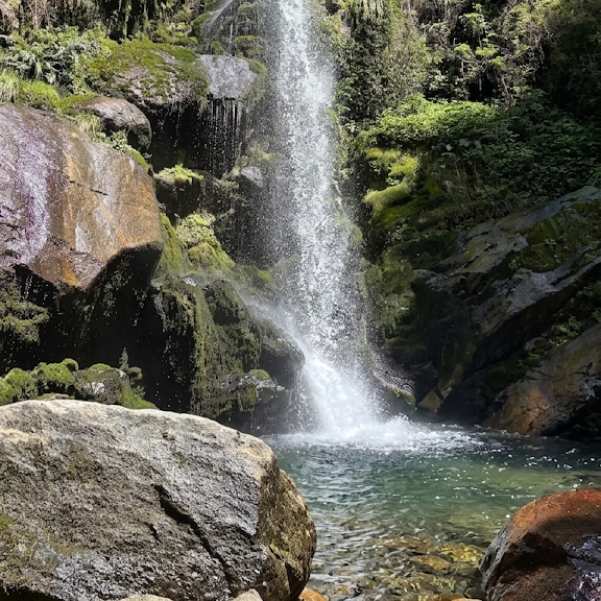
A small but pretty forest waterfall reached by an easy walk from Shangarh village, on the opposite side of the Sainj Valley. It is not in or near Shainsher. If you are building a Sainj itinerary, treat the waterfall as a Shangarh outing on a different day from the Shainsher climb. The trail from Shangarh passes through conifer forest, apple orchards, and the small hamlets of Goshati and Darari before the falls.
Pundrik Rishi Lake (via the Dehuri trailhead, separate trek)
Different pocket of the valley; drive to the trailhead near Dehuri, then hike
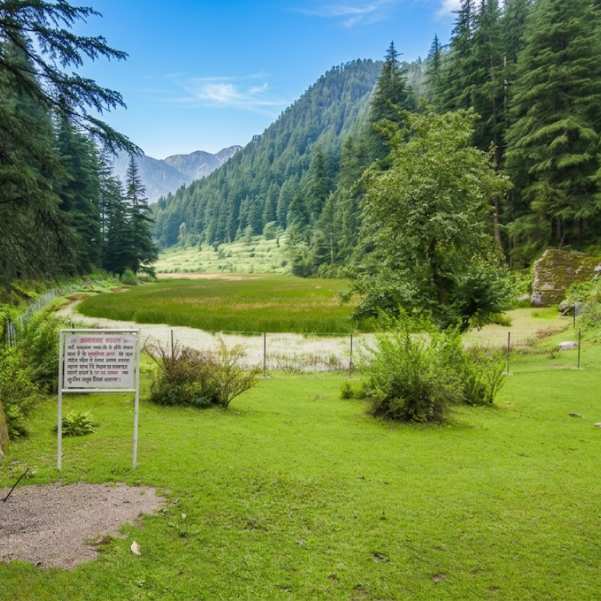
A sacred grassy wetland in the upper Sainj Valley. It is not a casual walk from Shainsher. The usual approach is a drive from a Shangarh or Sainj base to the trailhead near Dehuri village (also spelled Deohari), followed by a hike of roughly 30 to 45 minutes one way through deodar forest. Plan it as its own outing, not as a Shainsher add on. Strict local rules at the lake: no entering the water, no alcohol, no non vegetarian food at the site.
Neuli Village
About 3 km to the Shainsher turnoff, then 10+ km uphill
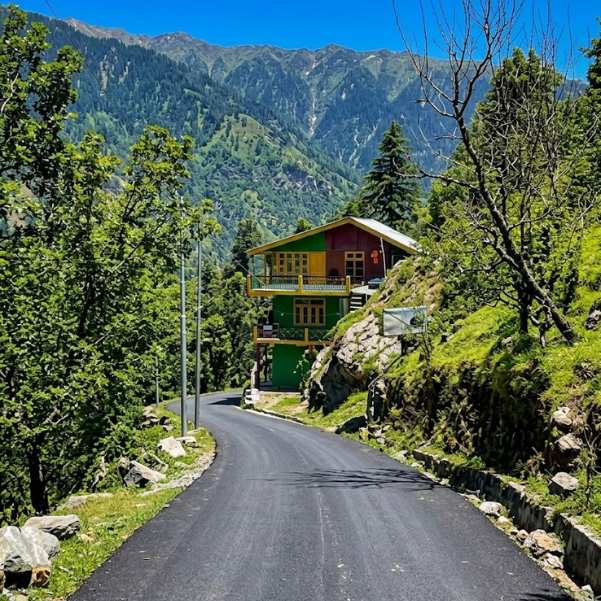
The road end village and GHNP trailhead, about 3 km before the Shainsher road branches off. The transit point on the way up.
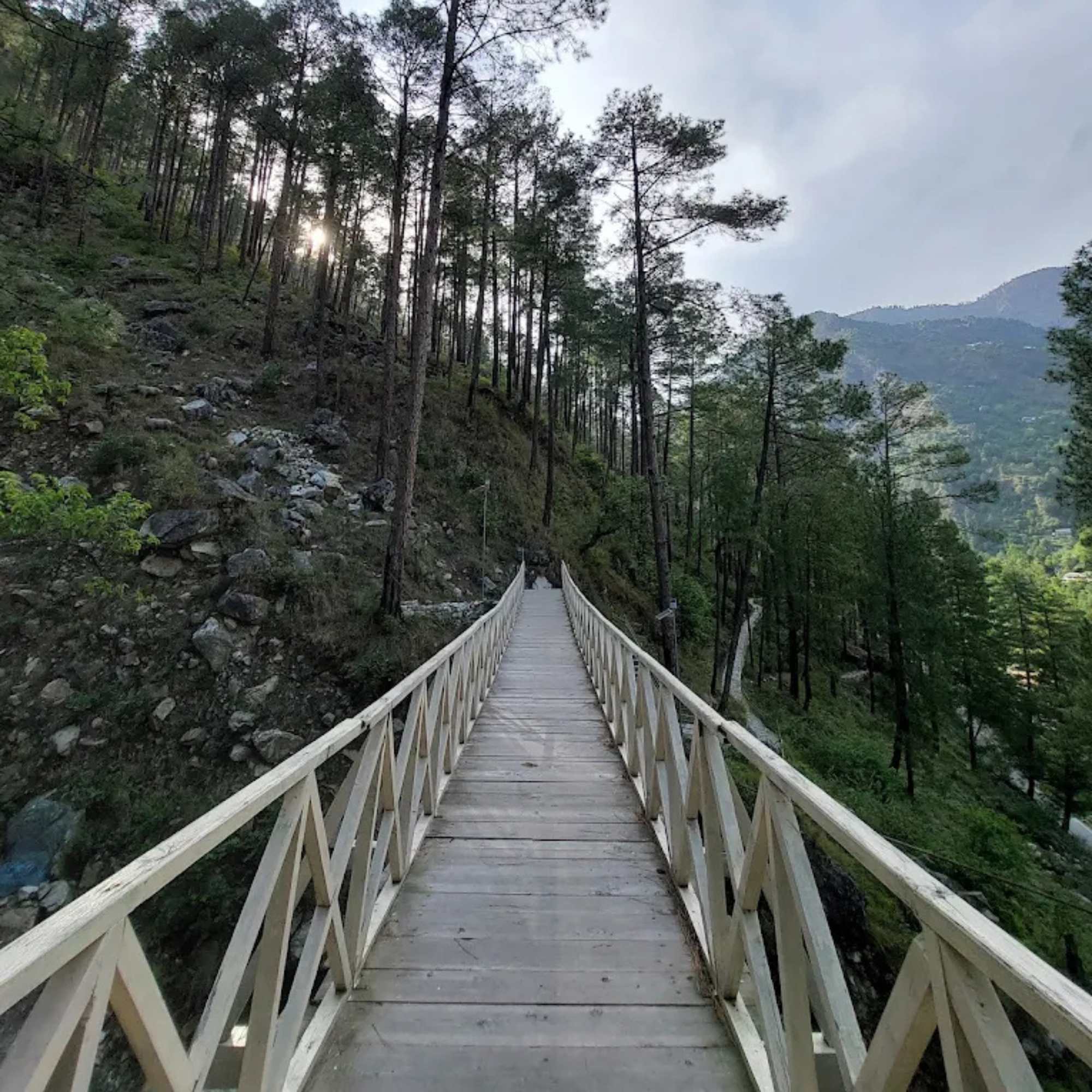
Ropa Forest Complex
About 8 km back on the main valley road
The GHNP range office and forest rest house on the Sainj River. The most reliable nearby accommodation if you cannot find a homestay in Shainsher.
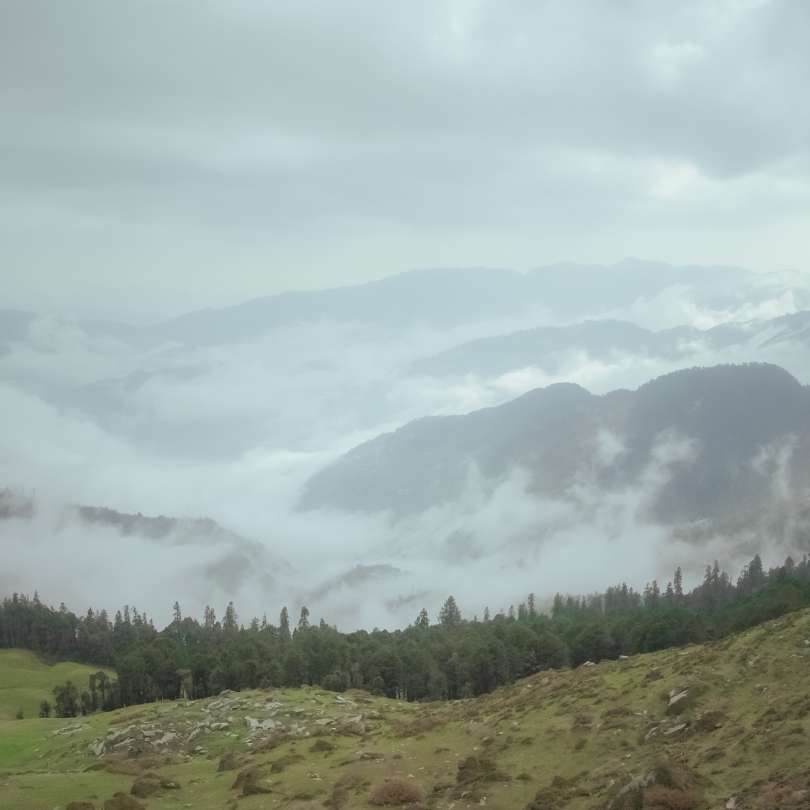
Great Himalayan National Park
GHNP buffer zone
UNESCO World Heritage protected wilderness. Shainsher sits within the GHNP buffer zone and the surrounding forest is part of the protected landscape.
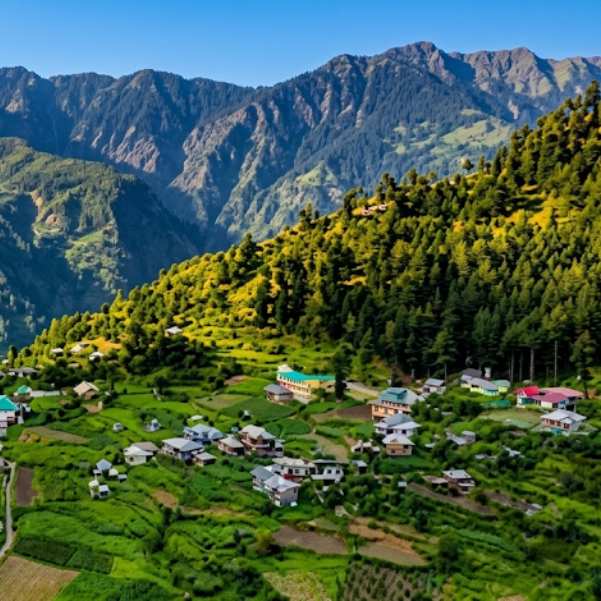
Raila Village
Different route via Sainj town
A quiet village in the Sainj Valley with twin tower temples, the Rupi Raila Waterfall, and the Bhatkanda Meadows hike. A different architectural tradition from the same valley.
Our packages with Shainsher Village
Curated trips that include a visit to Shainsher Village.
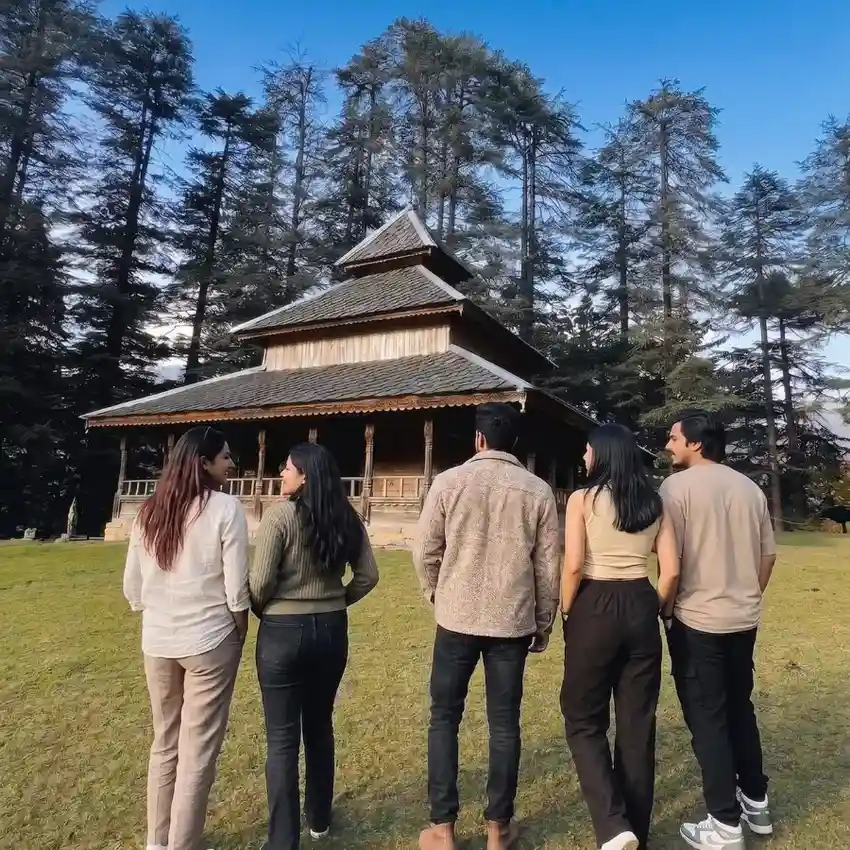 Group Tour5D/4N
Sainj Valley and Shangarh Group Trip
3D Shangarh
₹8,499₹12,499SAVE INR 4,000/ person 5D/4N
5D/4NMost Loved Shangarh Sainj Valley Tour With Private SUV
2D Shangarh
₹12,999₹16,999SAVE INR 4,000/ person
Frequently Asked Questions
What is Shainsher Village?
A cluster of villages at the head of a steep sub valley branching off the main Sainj Valley road past Neuli. Also spelled Shanshar or Shenshar. Two principal landmarks sit close together inside the village: the Manu Rishi Temple, a five storey pagoda built around an ancient sacred deodar tree, widely considered the only five tiered pagoda recorded in Himachal Pradesh; and the Taliara Fort, whose stone remains are traditionally dated to the 7th century.
What makes the Manu Rishi Temple architecturally unique?
It is a five storey pagoda built around a sacred deodar tree, with the trunk rising through the centre of the shrine. All five receding roofs are tiled, which is unusual for Himachali pagodas where the topmost roof is typically cedar shingle. An open veranda runs around the garba griha with twelve square pillars set in groups of three. The scroll capitals are carved with confronting birds. Penelope Chetwode documented it in her 1972 book on Kullu and called it the only five tiered pagoda so far recorded in Himachal Pradesh.
What is the Taliara Fort?
The second principal landmark in Shainsher, a short walk from the Manu Rishi Temple. The GHNP records date the site to the 7th century, attributed to local Thakurs who once held this part of the valley. The dating rests on local tradition rather than archaeology and should be treated as tradition rather than confirmed history. What remains today are stone foundations and partial walls set into the hillside, with wide views down the sub valley. Worth thirty to forty five minutes of slow looking once you are already up for the temple.
Is Barshangarh Waterfall in Shainsher?
No. This trips up a lot of travellers. Barshangarh Waterfall is reached from Shangarh village on the opposite side of the Sainj Valley, by an easy forest walk of about 3 km through conifer woods and small hamlets. It is not in or near Shainsher. If your plan covers both the Manu Rishi pagoda at Shainsher and Barshangarh Waterfall, treat them as two separate outings on different days from a Shangarh or Ropa base.
Can I walk to Pundrik Rishi Lake from Shainsher?
Not really, and it is not the standard approach. Pundrik Rishi Lake sits in a different pocket of the upper Sainj Valley. The usual access is an offbeat day trek that starts with a drive to the trailhead near Dehuri village (also spelled Deohari), followed by a hike through deodar forest of about 30 to 45 minutes one way. Plan it as its own outing from a Shangarh or Dehuri base, not as something tagged onto a Shainsher visit.
Is Shainsher worth visiting?
If you have a real interest in traditional Himachali pagoda temple architecture or in offbeat heritage sites, yes. The Manu Rishi pagoda is architecturally unique not just locally but across the state, and the Taliara Fort adds a second uncommon site within walking distance. If neither appeals to you, you can see the temple from Shangarh across the valley on a clear day and skip the steep climb. The road is rough and transport is unreliable.
How do I reach Shainsher?
From Sainj town or Neuli, take the road that branches left past Neuli through Bihali village. The road climbs steeply through about ten hairpin bends. Distance is roughly 14 km from Sainj. A couple of HRTC buses may run daily from Sainj to Shainsher, but timings are unreliable. Most travellers hitch rides, arrange vehicles through their homestay, or walk up. The road has been recently improved and is now tarred.
Are there homestays in Shainsher?
Very limited. As of recent reports, one or two homestays have opened in the area, but there are no signboards and availability is not guaranteed. The Forest Rest House at Ropa (about 8 km back on the main valley road) and homestays at Shangarh (about 10 km by road from the Ropa turnoff) are more reliable options. Many travellers visit Shainsher as a half day trip from a Shangarh or Ropa base.
Is there bus service to Shainsher?
Very limited. A couple of HRTC buses may run from Sainj, but schedules shift and buses may not operate on some days. Hitchhiking is common and generally works. A hired vehicle from Sainj costs roughly 1,000 to 1,500 rupees for the round trip. Confirm bus availability at the Sainj bus stand on the day of travel rather than relying on a fixed timetable.
What is the best time to visit?
March to June and September to November. The road can be slippery in monsoon (July to August) and icy in deep winter on the shaded hairpin bends. The annual Shanu Mela fair at the Manu Rishi Temple is a highlight if your dates align, but it is not on a fixed public calendar; ask locally.
Can I enter the temple?
The Manu Rishi Temple may be locked, and outsiders are generally not allowed inside. This is consistent with many sacred structures in the Kullu region. Photograph the exterior, walk around the veranda, and ask a local if a pujari is available. Remove shoes before approaching.
Can I see the temple from Shangarh?
Yes. On a clear day, you can see the Manu Rishi Temple from the Shangarh Meadow on the opposite mountain. It appears as a shining structure on a distant green slope. Seeing it from Shangarh is actually how most travellers first learn that Shainsher exists.