 Group Tour
9D/8N
Most Loved 4×4 Winter Spiti Expedition
2D Sangla•1D Tabo+2
₹28,999₹35,999SAVE INR 7,000/ person
Best Chandigarh To Spiti Tour Packages Curated By Experts
Group Tour2D Sangla•1D Tabo+2
 Group Tour
2D Sangla•1D Tabo+2
 Group Tour
1D Sangla•1D Nako+2
Chandigarh is where the plains end, and the mountains begin. From here, the road to Spiti Valley climbs through pine forests, apple orchards, and ancient river gorges before arriving at a landscape so stark and luminous it barely feels like the same country.
Travel Coffee designs Spiti tour packages from Chandigarh with one rule: the mountains set the pace, not the itinerary. Every route we build accounts for altitude, acclimatisation, road conditions, and the small matter of actually enjoying where you are.
This page covers everything you need to plan a Spiti trip from Chandigarh. Routes, itineraries, costs, safety, and the bits most websites leave out.
Ready to plan your Spiti trip? Share your travel month, group size, and Chandigarh pickup point. We will build a route that fits. WhatsApp us at +91-7018537498 or request a callback. Browse all Spiti tour packages.
One honest note: start early. The first driving day from Chandigarh is long, typically 7 to 9 hours to Narkanda or Rampur depending on traffic beyond Shimla.
A morning departure (by 5 or 6 AM) makes the biggest difference. Daylight driving is safer, and your body adjusts better when you are not already exhausted at the first overnight halt.
This is the single most important decision for your Spiti trip from Chandigarh. For a deeper comparison, read our Shimla vs Manali route guide.
The gentler way in. You climb gradually through Shimla, Narkanda, Rampur, and Kinnaur before entering Spiti through the Nako to Tabo corridor. Altitude gain is spread across multiple days, which makes acclimatisation far easier.
The Kinnaur stretch alone, Sangla Valley, Chitkul, Kalpa, is stunning in its own right. It adds a richness the Manali route simply cannot match.
Best for first-time visitors, families, senior travellers, and anyone who values gradual pacing.
The more direct approach. You drive from Chandigarh to Manali (10 to 12 hours, or break it with an overnight halt), then cross the Atal Tunnel and Kunzum Pass to enter Spiti from the top.
The catch: you jump from around 2,000m at Manali to over 4,500m at Kunzum in a single day. Altitude sickness risk goes up significantly. The Manali to Spiti road is also seasonal. Kunzum Pass typically opens between mid-June and mid-October, weather dependent.
Best for repeat visitors, those short on time, and travellers already comfortable with altitude.
We pick up from Chandigarh Airport (CHD), Chandigarh Railway Station, or your hotel anywhere in the city. Just share your location when booking.
Early morning, ideally between 5 and 6 AM. The road to Shimla gets congested after 8 AM, especially on weekends and holidays. An early start also means you reach your first halt well before dark.
If your flight or train lands after 6 PM, we strongly recommend a buffer night in Chandigarh. Starting a mountain drive after a red-eye flight or overnight train is a recipe for fatigue, nausea, and a miserable first day. We can arrange a comfortable stay near the airport or station and begin fresh the next morning.
This is especially smart for families with children or senior travellers.
For the complete list, see our Spiti packing guide.
Ideal if you are travelling solo or with a friend and want to join a small group. These run on fixed dates through the season with a set Chandigarh to Spiti itinerary. Group size is typically 8 to 15 travellers. You get shared vehicles, shared rooms, a tour leader, and a tested route.
What to expect: a social trip, a lively pace, and the most affordable way to do Spiti. Meal stops and schedules are group-decided, so some flexibility on timing is important.
Your own vehicle, your own driver, and the freedom to stop where you want, eat when you want, and rest when you need to. Private Spiti tours from Chandigarh work especially well for couples, families with kids, and small friend groups.
We adjust the pace based on your comfort. Want to spend an extra hour at Dhankar? Done. Need a shorter driving day because someone is feeling the altitude? We plan for that.
A private tour with deliberate breathing room. We add buffer halts, longer stays at key stops, and better accommodation where available. Driving days are capped so you are not spending 10 hours in a vehicle.
This is our recommendation for senior travellers, photographers who want golden-hour stops, or anyone who simply does not want to feel rushed in a place like Spiti.
Not sure which style fits? Tell us your travel month, group size, and pace preference. We will recommend the right Spiti package from Chandigarh. WhatsApp: <WHATSAPP_NUMBER> or request a callback.
These are tested, road-real itineraries. Not wish lists. Each one accounts for actual driving times, acclimatisation needs, and seasonal conditions.
The full circuit. Best for first-timers who want the complete experience.
Day 1: Chandigarh to Narkanda A 7 to 8 hour drive via the Shimla bypass, climbing gradually through pine forests. Your first real mountain views come after Shimla. Evening walk around Narkanda if energy permits. Overnight in Narkanda.
Day 2: Narkanda to Sangla About 6 to 7 hours along the Sutlej valley. Apple orchards start appearing. By the time you enter Kinnaur, the valley opens up into something you will want to photograph every ten minutes. Overnight in Sangla.
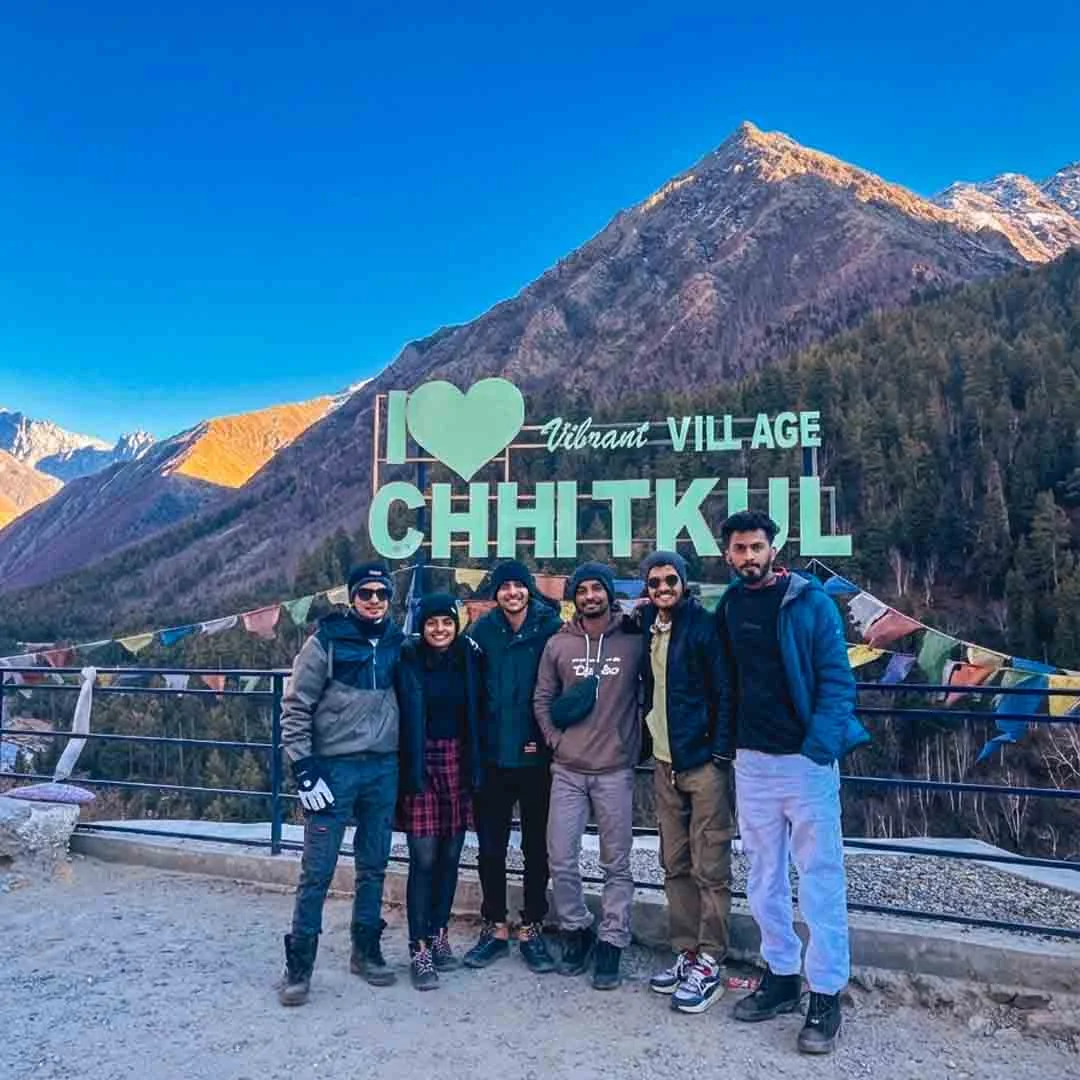
Day 3: Sangla, Chitkul, and Kalpa A short exploration day with 3 to 4 hours of total driving. Chitkul is the last inhabited village before the border. Kalpa gives you front-row views of Kinner Kailash. Overnight in Kalpa.
Day 4: Kalpa to Tabo About 6 to 7 hours. You cross into Spiti district today, and the landscape shifts dramatically. Barren, layered, vast. Tabo Monastery, over a thousand years old, is your evening stop. Overnight in Tabo.
Day 5: Tabo to Kaza via Dhankar and Pin Valley Around 4 to 5 hours with sightseeing stops. Dhankar Monastery perched on the cliff is worth every minute. A Pin Valley detour adds another layer if you have the energy. Overnight in Kaza.
Day 6: Kaza, Key, Kibber, Langza, Hikkim, Komic Short loops from Kaza, about 3 to 4 hours of total driving. This is the heart of Spiti. Key Monastery, Kibber village, the fossil-strewn fields of Langza, the world's highest post office at Hikkim, and quiet Komic. Overnight in Kaza.
Day 7: Kaza to Manali via Kunzum Pass (seasonal) The big crossing day, 8 to 10 hours. Kunzum Pass sits at 4,590m. The road drops into the Chandra river valley and through the Atal Tunnel into Manali. This stretch is typically open mid-June to mid-October. Overnight in Manali.
Day 8: Manali to Chandigarh (or drop at Manali) 9 to 10 hours if returning to Chandigarh. You can also end your trip in Manali. The Kullu Valley on the descent is a gentle way to close the circuit.
Chandratal Lake can be added as a detour between Kaza and Manali during the season (weather dependent). See our Chandratal guide.
For travellers with limited days who still want a properly paced Spiti trip from Chandigarh.
Day 1: Chandigarh to Rampur About 8 to 9 hours. The longest driving day. Best to get it done with an early start. The Sutlej river gorge after Shimla makes the drive worth it. Overnight in Rampur.
Day 2: Rampur to Chitkul 5 to 6 hours via Sangla. You pass through the Kinnaur apple belt and reach Chitkul by afternoon. Overnight in Chitkul or Sangla.
Day 3: Chitkul to Tabo Around 7 to 8 hours. You enter Spiti today. The landscape transitions into the cold desert, and Tabo Monastery waits at the other end. Overnight in Tabo.
Day 4: Tabo to Kaza via Dhankar A shorter 3 to 4 hour drive with a stop at Dhankar Fort and Monastery. You reach Kaza by afternoon with time to rest. Overnight in Kaza.
Day 5: Kaza sightseeing: Key, Kibber, Langza, Hikkim Short loops through the essential Spiti villages. Back in Kaza by evening with time to rest. Overnight in Kaza.
Day 6: Kaza to Manali via Kunzum (seasonal) 8 to 10 hours across Kunzum Pass and through the Atal Tunnel. A long day, but the views make it worthwhile. Overnight in Manali.
Day 7: Manali to Chandigarh (or drop at Manali) 9 to 10 hours if returning to Chandigarh. Descend through the Kullu Valley and arrive by evening.
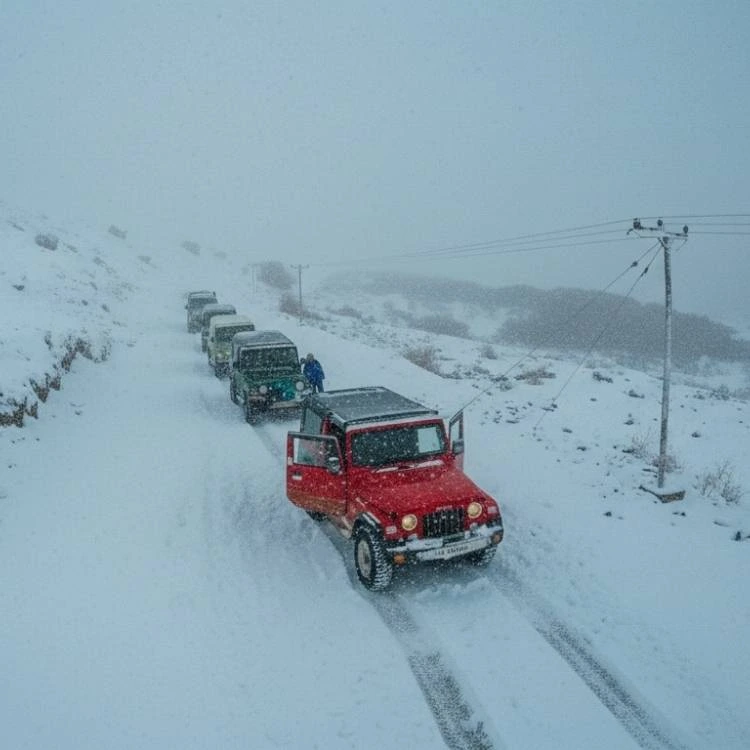
Winter Spiti is a different world. Frozen rivers, snow-covered monasteries, near-empty roads. This itinerary runs roughly December through March and requires a 4x4 vehicle. The Manali route is closed in winter (Kunzum Pass is snowbound), so entry and exit are both via Shimla and Kinnaur.
Day 1: Chandigarh to Narkanda 7 to 8 hours. Roads are generally clear up to Narkanda. Snow-dusted pine forests line the route. Overnight in Narkanda.
Day 2: Narkanda to Reckong Peo 6 to 7 hours on the Kinnaur highway, possibly with icy patches. The Sutlej valley in winter light is a different animal entirely. Overnight in Reckong Peo.
Day 3: Reckong Peo to Tabo 6 to 7 hours. Roads can be tricky and the 4x4 earns its keep. Entering Spiti in winter silence is an experience few travellers get. Overnight in Tabo.
Day 4: Tabo to Kaza via Dhankar 3 to 4 hours. Dhankar in snow. Kaza under clear winter skies. Overnight in Kaza.
Day 5: Kaza sightseeing: Key, Kibber, Langza Short loops, conditions permitting. Key Monastery blanketed in white. Kibber in deep winter. Overnight in Kaza.
Day 6: Kaza to Reckong Peo (return leg) 7 to 8 hours retracing the route. The same road, but different light. Overnight in Reckong Peo.
Day 7: Reckong Peo to Chandigarh 9 to 10 hours. Descent back to the warmth of the plains.
Winter Spiti itineraries are flexible by nature. Road conditions, snowfall, and BRO clearance determine what is accessible on any given day. We monitor conditions closely and adjust in real time.
We do not rush sightseeing to check boxes. Each stop gets the time it deserves, whether that means 20 minutes at a viewpoint or two hours walking through a monastery. The whole point of Spiti is to slow down.
A well-paced Spiti trip from Chandigarh needs a minimum of 7 days. Eight to ten is ideal if you want to include Kinnaur on the way in and Chandratal on the way out. Anything under 7 days from Chandigarh means compressed driving days and less time at each stop. Not something we recommend for first-timers.
Summer and autumn (June to mid-October): The full Spiti circuit, Shimla to Kinnaur to Spiti to Manali, is accessible. This is when all passes and roads are typically open, though monsoon-related disruptions are possible in July and August.
Winter (December to March): Winter Spiti tours run exclusively via Shimla and Kinnaur. The Manali side is closed. You will need a 4x4 vehicle. The landscape is breathtaking, snowbound monasteries, frozen rivers, stark blue skies, but conditions are demanding.
Shoulder months (May, late October, November): Roads may be partially open. Conditions vary year to year. Best to verify close to your travel dates.
One thing many people underestimate: nights in Spiti are cold even in peak summer. At 3,800m and above, temperatures drop to 2 to 5 degrees Celsius after sunset in July. Carry layers regardless of when you travel.
We do not believe in burying the price. Here is what shapes the cost of a Spiti Valley package from Chandigarh.
Group departures: Typically 18,000 to 28,000 per person for a 7 to 9 day trip. Shared vehicle and rooms. Most meals included.
Private tours: Typically 25,000 to 45,000 per person depending on group size, vehicle, and accommodation. Smaller groups of 2 to 3 people sit at the higher end.
Premium pace: Typically 40,000 to 65,000 per person. Fewer driving hours per day, better stays where available, more flexibility.
These are indicative ranges, not fixed quotes. Your actual cost depends on your specific dates, group, and preferences.
Share your travel month, number of adults, and Chandigarh pickup point on WhatsApp at +91-7018537498. We will send a detailed, transparent quote.
Spiti's roads are not highways. They are mountain roads. Sometimes freshly paved, sometimes gravel, sometimes barely there. This is part of the deal, and we think it is honest to say so upfront.
Landslides and road closures are common, particularly on the Shimla to Kinnaur highway and around Kunzum Pass. We build buffer time into every monsoon-season itinerary. Some delays are unavoidable. A landslide at Powari or Khab can hold traffic for hours. But with flexible planning, they are manageable, not trip-ruining.
Kunzum Pass and the road to Chandratal are seasonal. They typically open between mid-June and mid-October, but exact dates depend on snowfall and BRO clearance. We track conditions in real time and adjust itineraries accordingly.
We do not drive after dark in the mountains. This is non-negotiable in our planning. Mountain roads are unlit, often without guardrails, and visibility drops to near zero after sunset. Every itinerary we build ensures arrival at the overnight halt well before dark.
Spiti Valley sits between 3,000m and 4,500m above sea level. Altitude affects everyone differently, and it deserves respect. Not fear, but respect.
If you have a history of heart disease, respiratory conditions, severe anaemia, or if you are pregnant, please consult your doctor before booking a Spiti trip. Altitude is manageable for most healthy adults, but pre-existing conditions need a medical opinion.
For a detailed guide on altitude sickness, symptoms, and prevention, read our AMS safety guide.
Every Spiti trip can be tailored. These are the most common additions we handle.
24 packages found
Group Tour2D Sangla•1D Tabo+2
 Group Tour
1D Sangla•1D Nako+2
Group Tour1D Sangla•1D Nako+2
 Group Tour
1D Shimla•2D Sangla+3
Group Tour2D Sangla•1D Tabo+2
 Group Tour
1D Shimla•2D Sangla+3
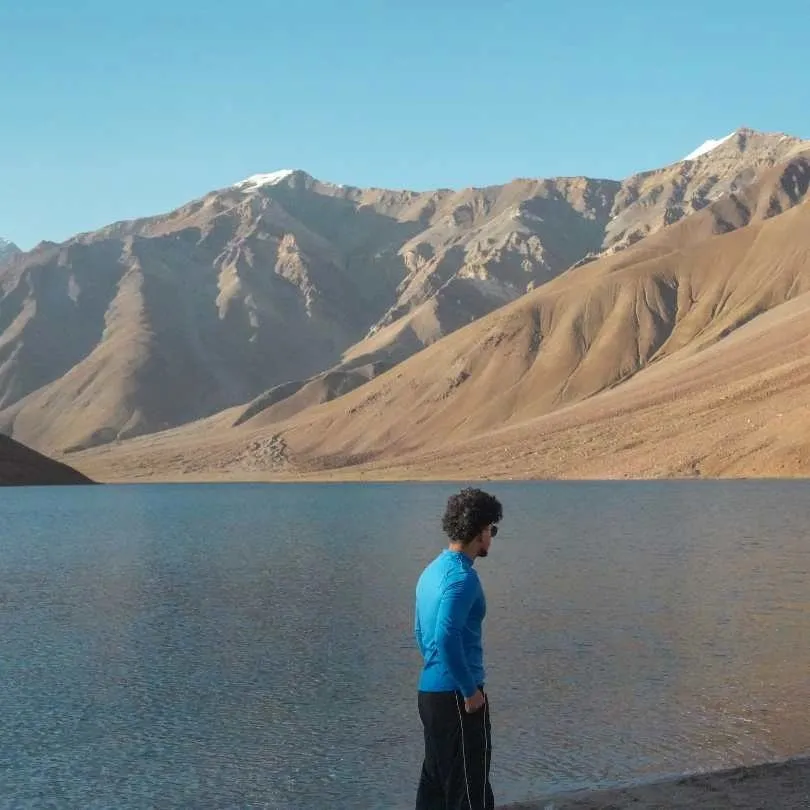 Group Tour
1D Shimla•1D Sangla+4
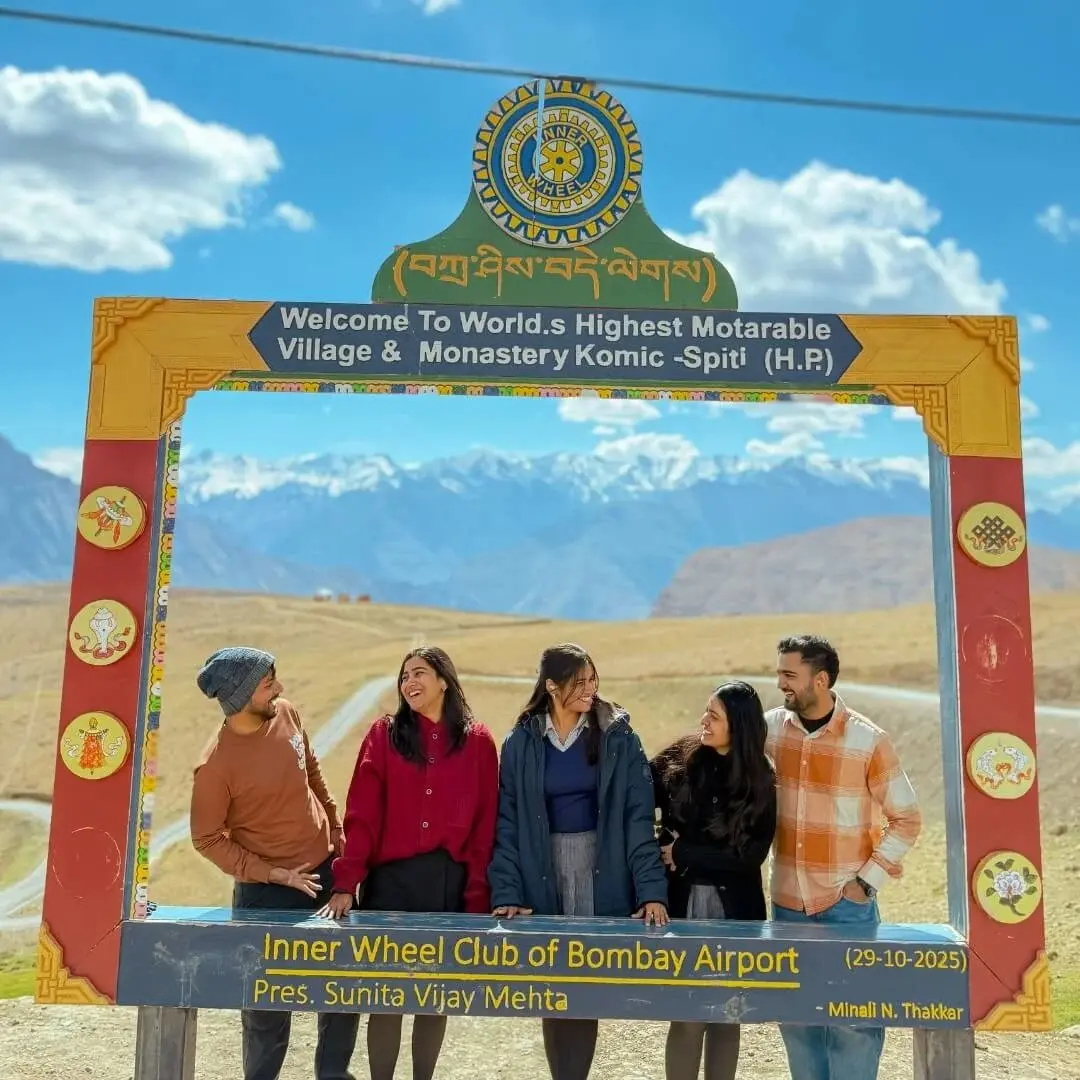 Group Tour
1D Sangla•1D Kalpa+3
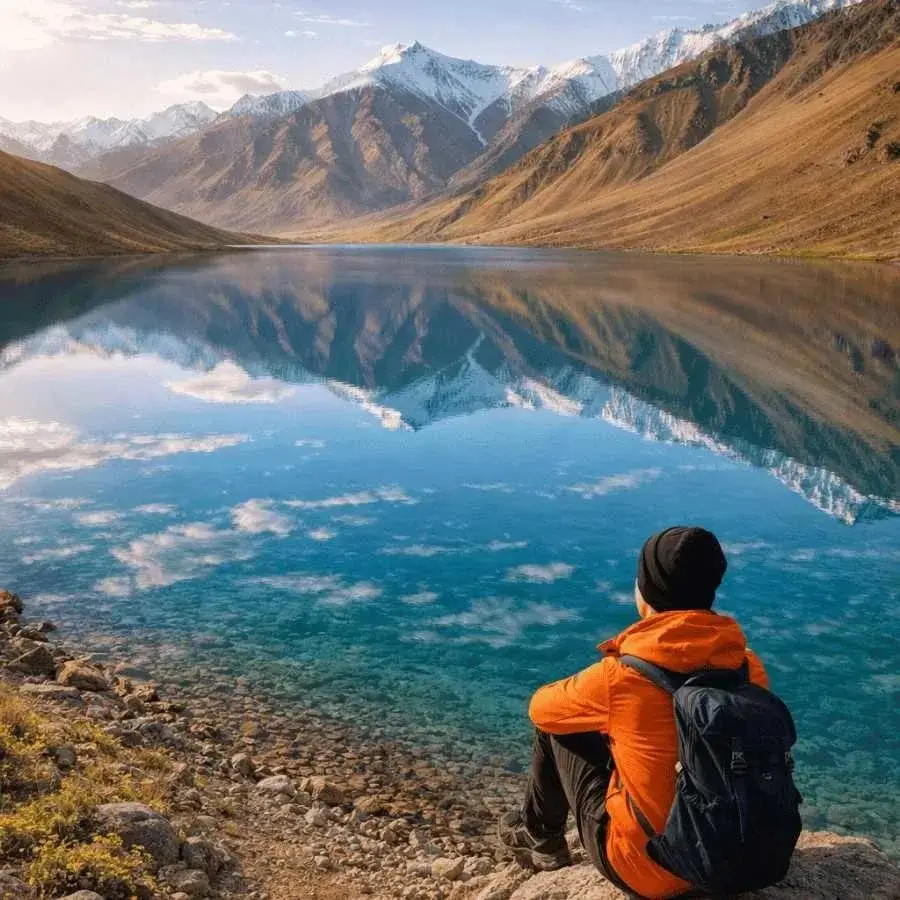 Group Tour
1D Manali•2D Kaza+1
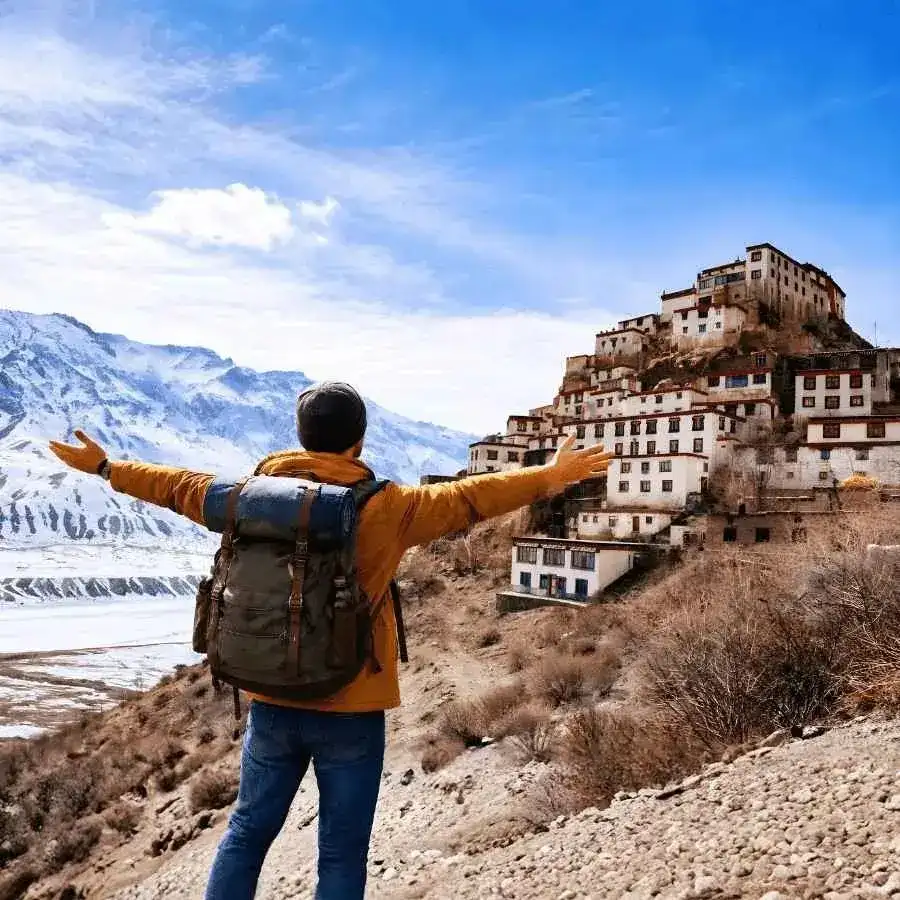 Group Tour
1D Manali•3D Kaza+1
 Group Tour
1D Narkanda•1D Sangla / Baspa Valley+5
1D Sissu•1D Chandratal Camp
 Group Tour
1D Sangla•1D Kalpa+3
 Group Tour
1D Narkanda•1D Sangla+5
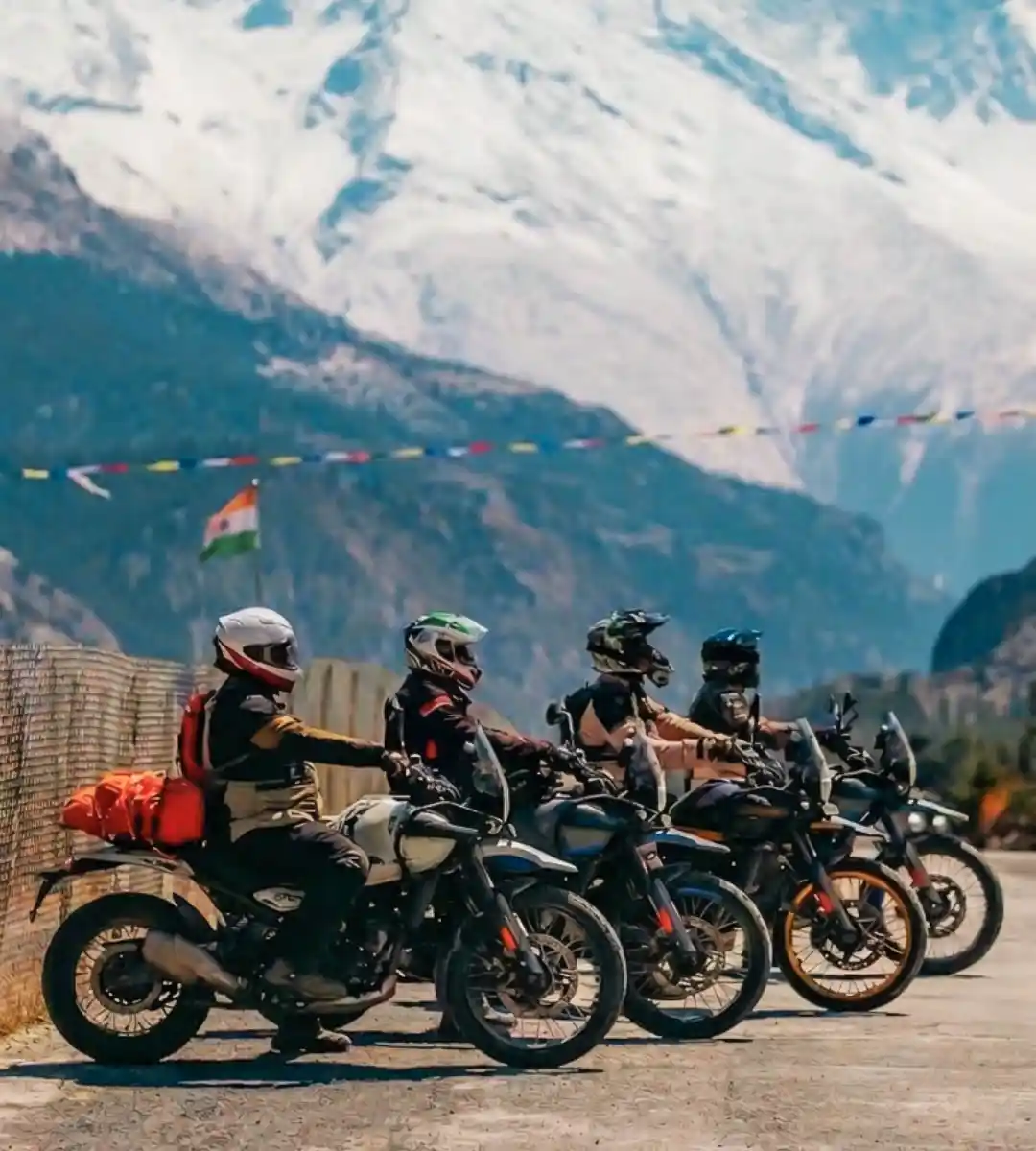 Group Tour
1D Jibhi•1D Sangla+4
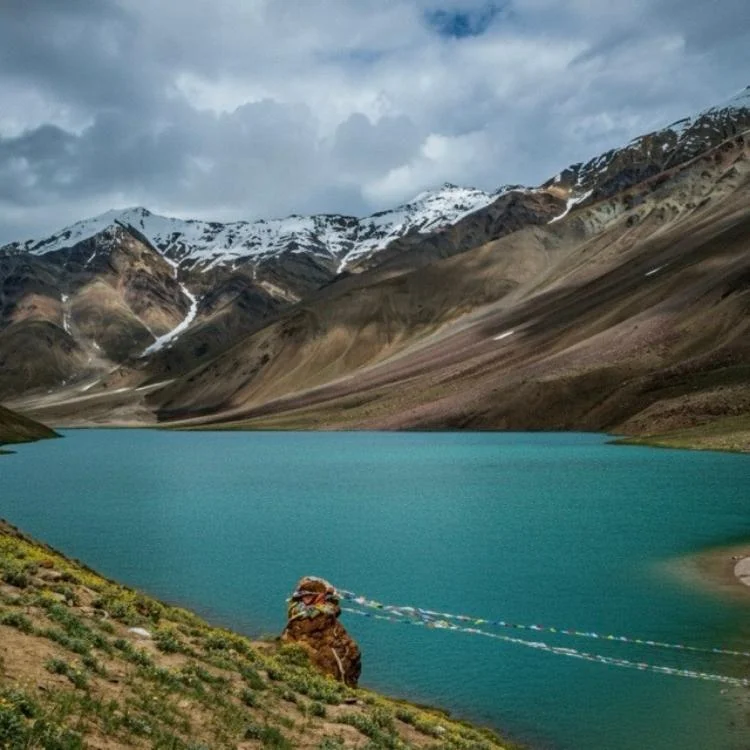
1D Narkanda•1D Sangla+5
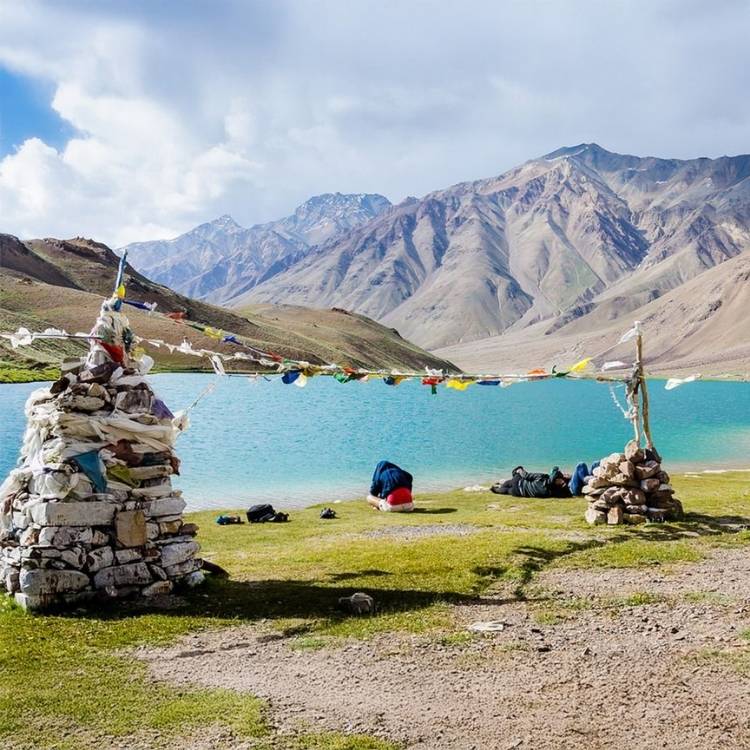
1D Narkanda•1D Sangla+5
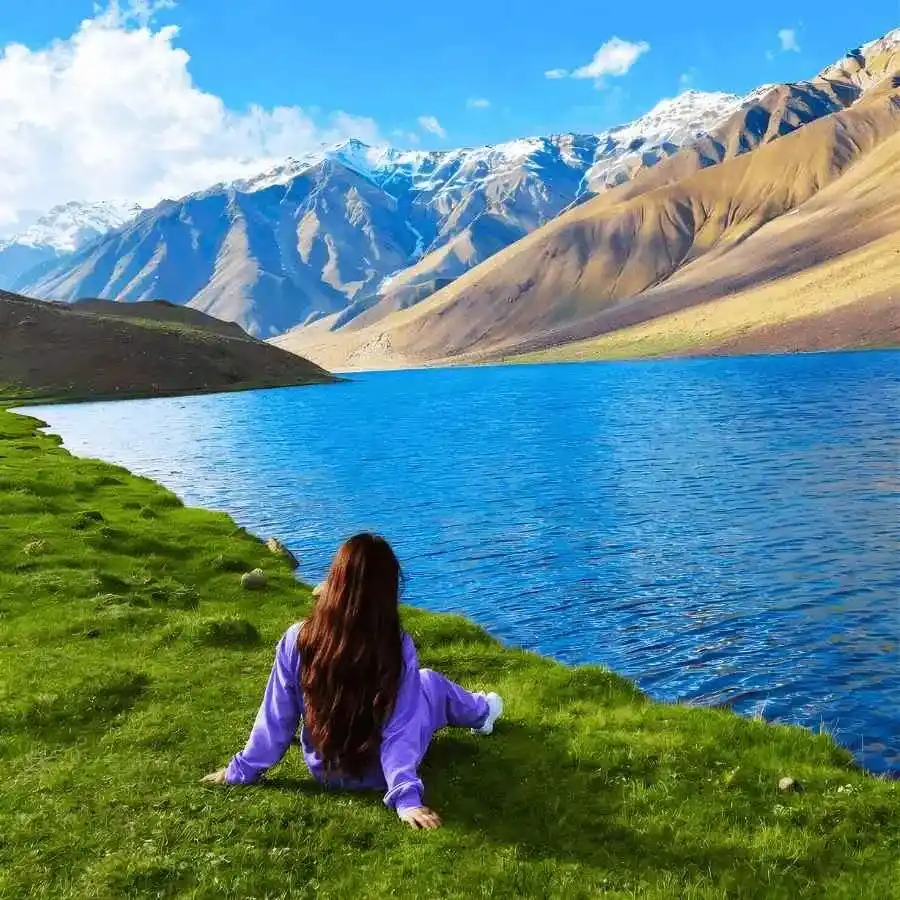
2D Kaza•1D Chandratal Camp
1D Sissu•1D Chandratal Camp
2D Kaza•1D Chandratal Camp
 Group Tour
1D Sissu•1D Chandratal Camp+1
2D Kalpa•2D Kaza
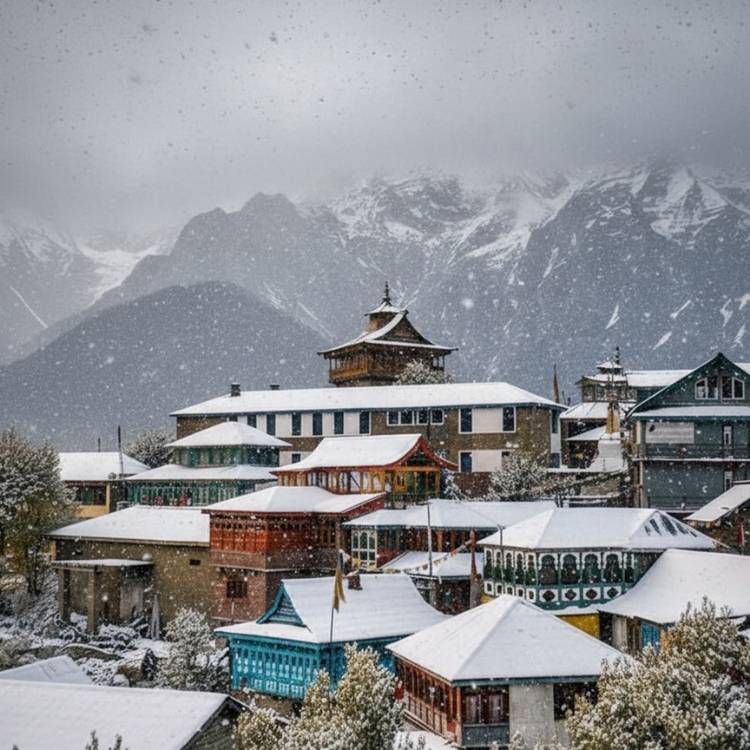
1D Narkanda•2D Sangla+4
 Group Tour
1D Sangla•1D Kalpa+3
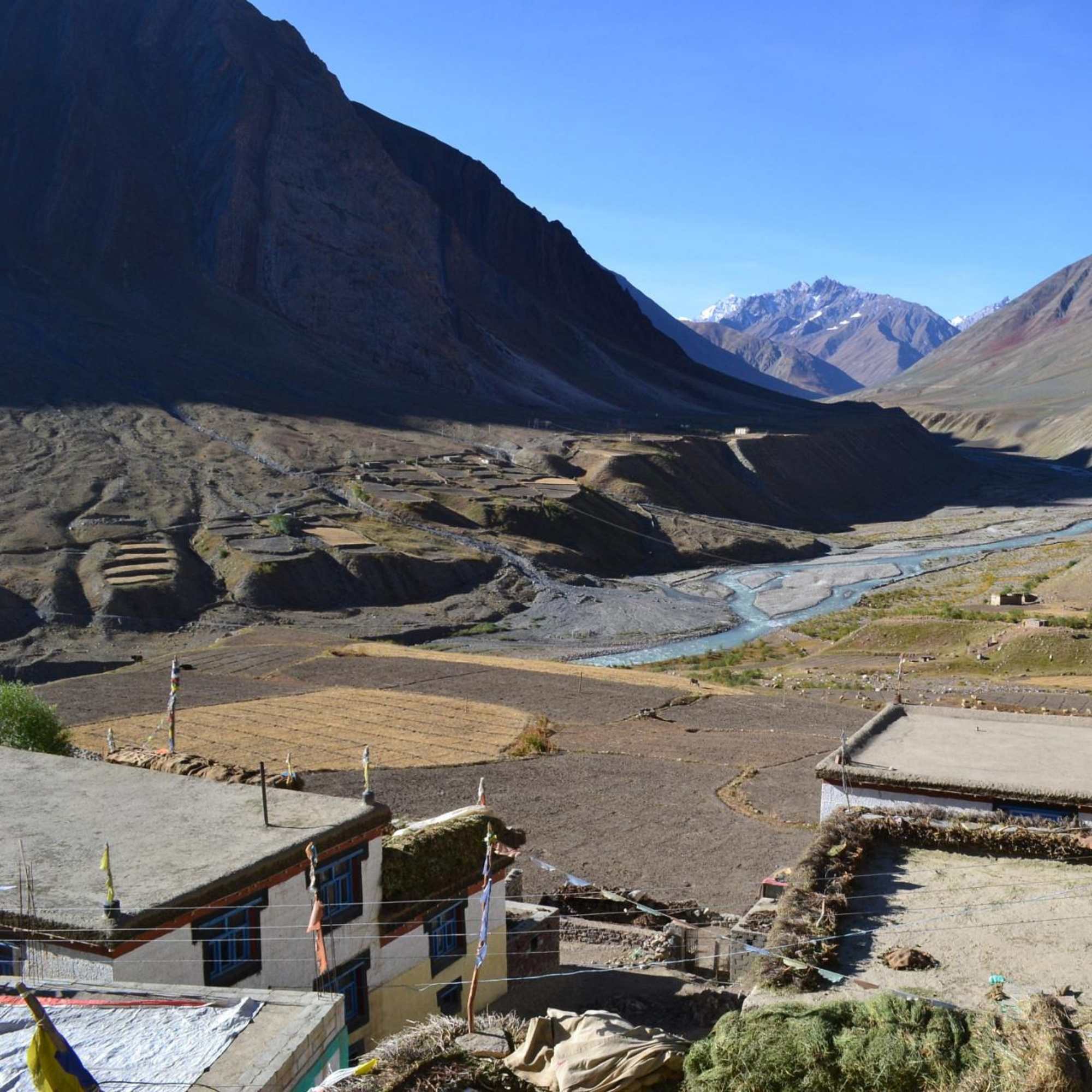
Mud sits at roughly 3,810 metres on the left bank of the Pin river, the last village on the road in Pin Valley before the high passes take over. It is about 50 km from Kaza and acts as the start or end point for the Pin Parvati and Pin Bhabha treks. Greener than the rest of Spiti, no network, basic homestays, and a road that takes its time.
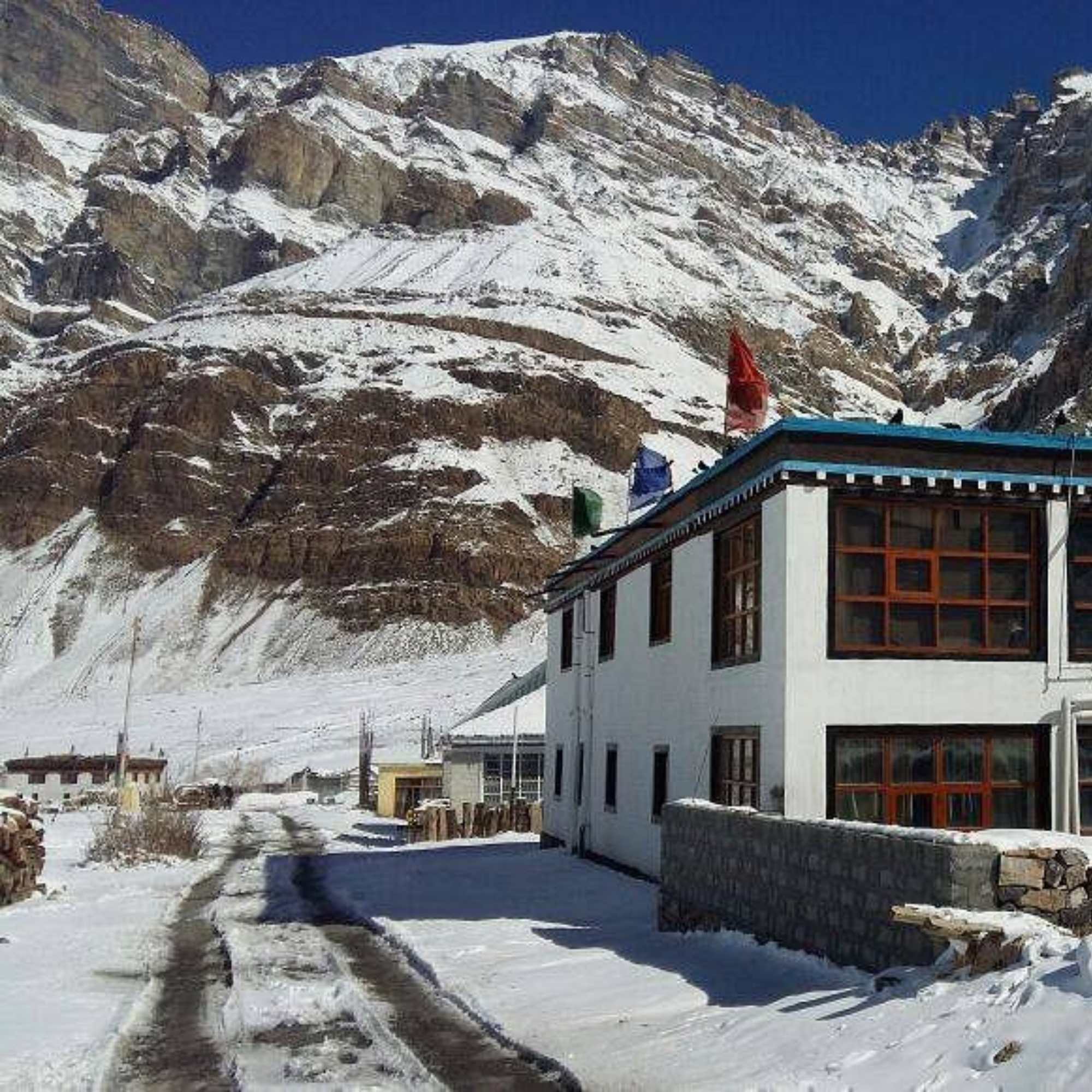
Losar is the first village of Spiti when you cross over Kunzum Pass from Manali, sitting at roughly 4,080 metres (around 13,400 ft). It is about 56 km from Kaza and 18 km from the pass, a small settlement of mud brick houses, a handful of homestays, and the last proper acclimatisation halt before you drop into the valley.
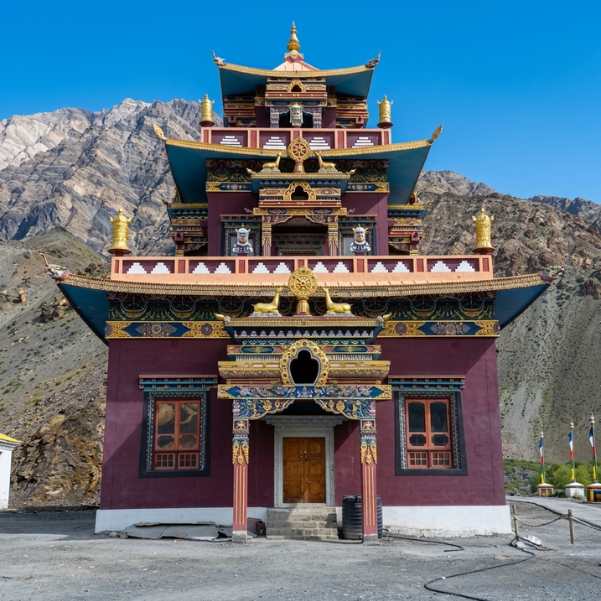
Gue is a small Buddhist monastery in Spiti Valley that houses the naturally preserved mummy of Lama Sangha Tenzin, believed to be around 500 years old. It sits at roughly 3,080 metres (about 10,100 ft), 35 km from Tabo and 80 km from Kaza, on a short detour off NH 505 near Sumdo.
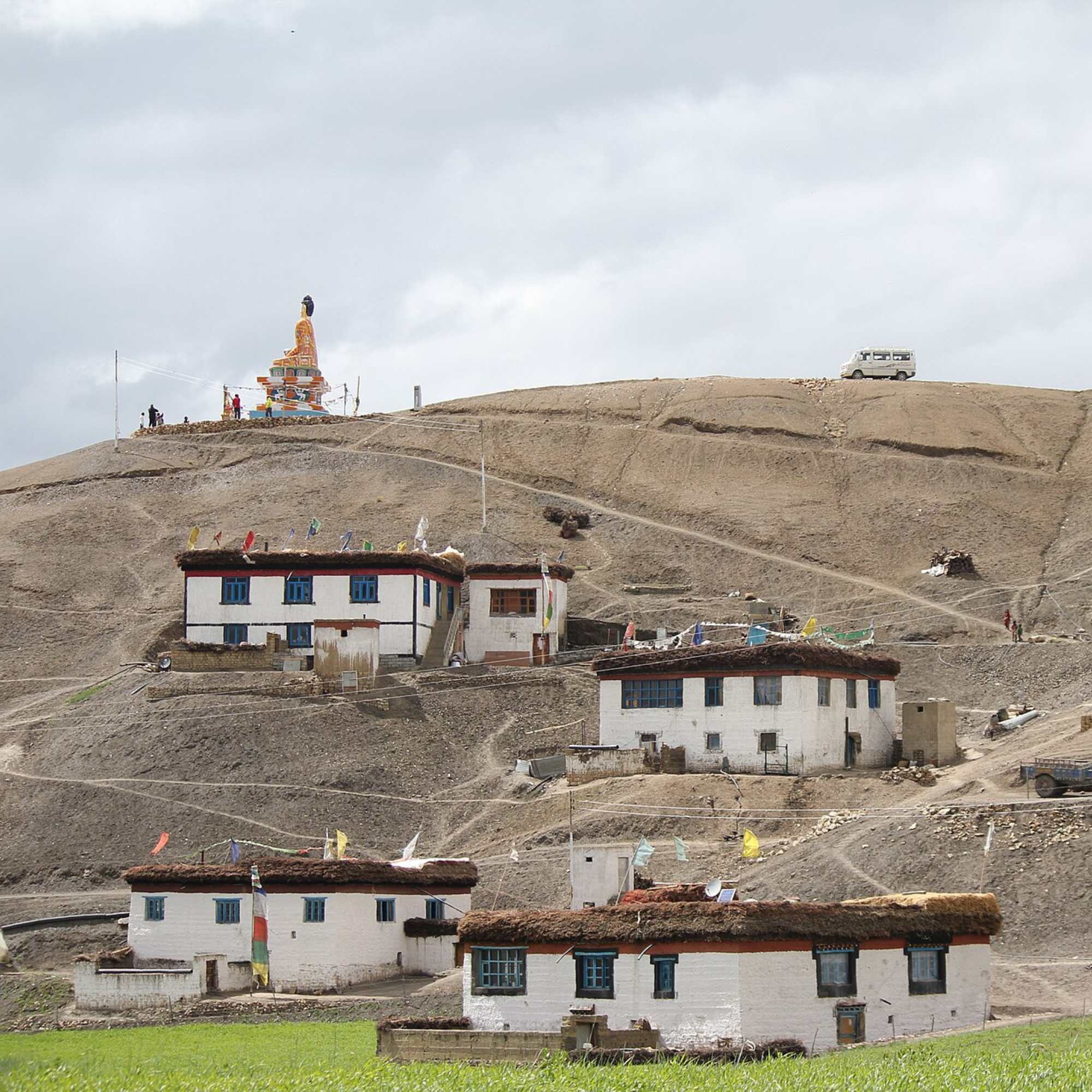
Langza sits at roughly 4,400 metres above Kaza, about 15 km away. The reasons to come are the large seated Buddha facing the Chau Chau Kang Nilda peak, the ammonite fossils on the slopes around the village, and the wide silence of a high Spitian hamlet. Most travellers visit as part of the Langza, Komic, Hikkim loop. One night here is the version that actually pays off.
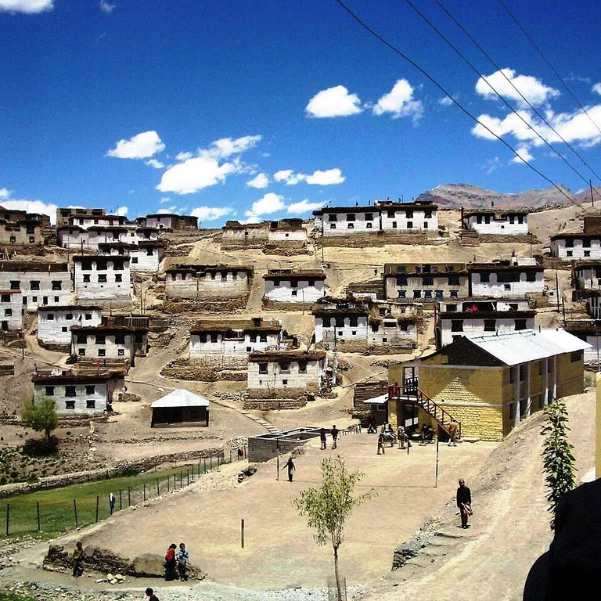
Kibber sits at roughly 4,270 metres above Kaza, about 18 km away. The village itself is small and quiet, the real reason to come is the wildlife sanctuary around it and, in deep winter, the genuine if rare chance of spotting a snow leopard. Most travellers visit as a half day from Kaza, paired with Key Monastery and Chicham Bridge.
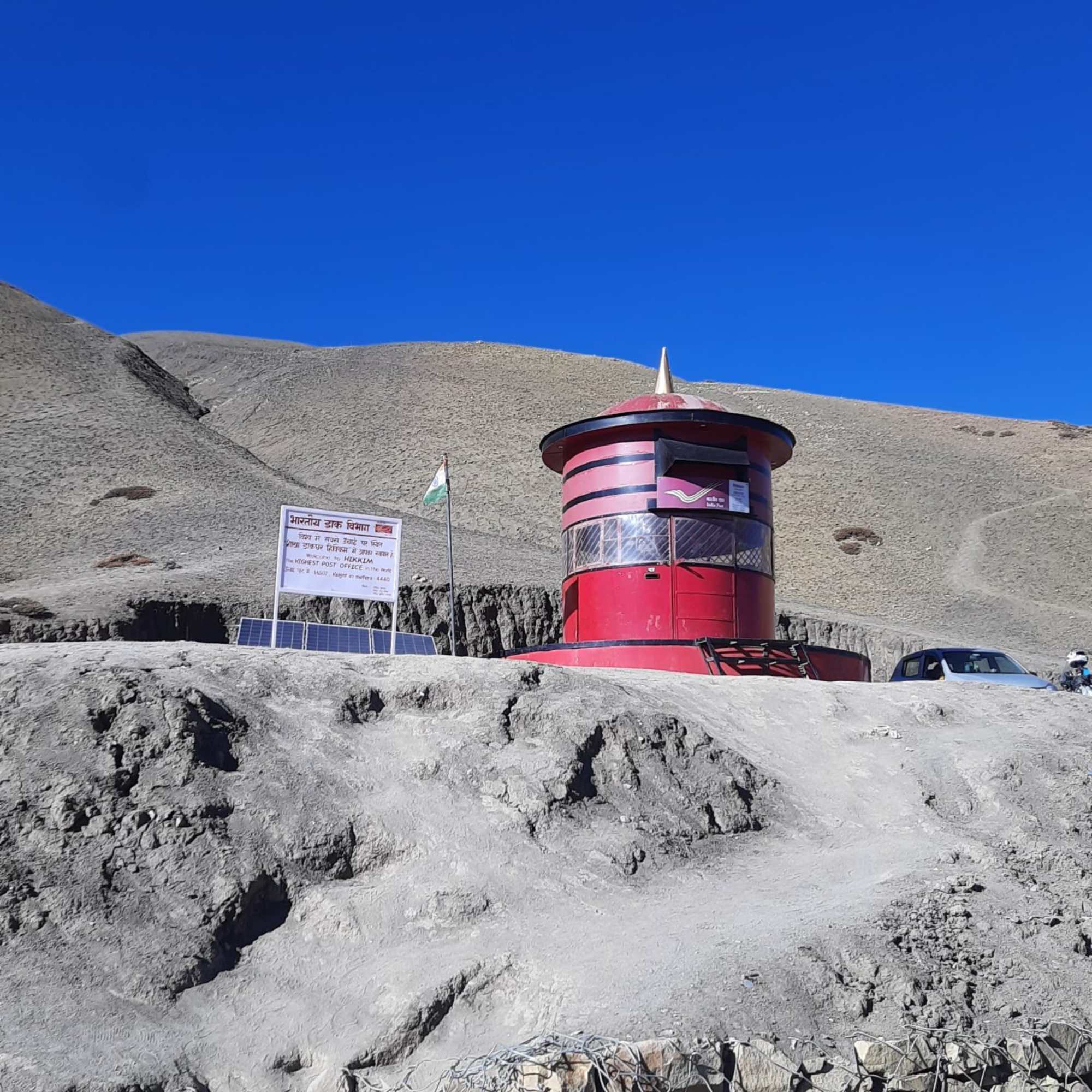
Hikkim sits at roughly 4,400 metres above Kaza, about 16 km away. The reason most travellers come is the small India Post branch here, widely promoted as the highest post office in the world, in operation since 1983. Plan a 30 to 45 minute stop as part of the standard Langza, Komic, Hikkim loop. Buy your postcards in Kaza first, the stock here is unreliable.
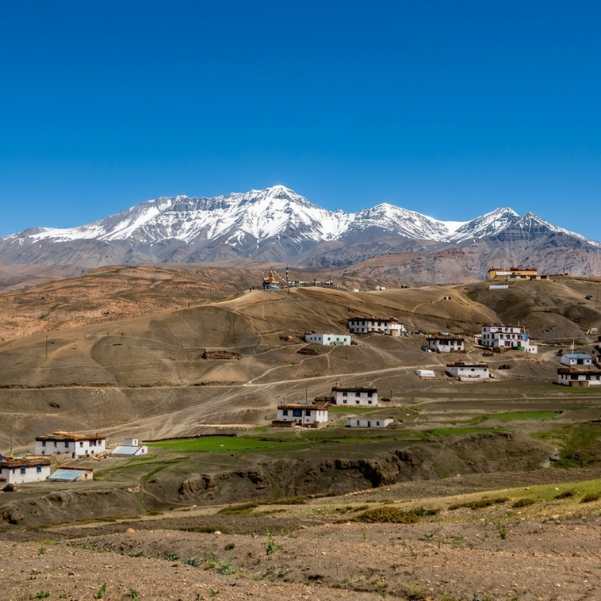
Komic sits at roughly 4,587 metres in the high mustard cold desert above Kaza, about 18 km away. It is widely promoted as the highest motorable village in the world. The point of coming here is the Tangyud Monastery on the canyon rim, the silence, and the night sky. Most travellers do it as a half day from Kaza. One night here is the version that actually pays off.
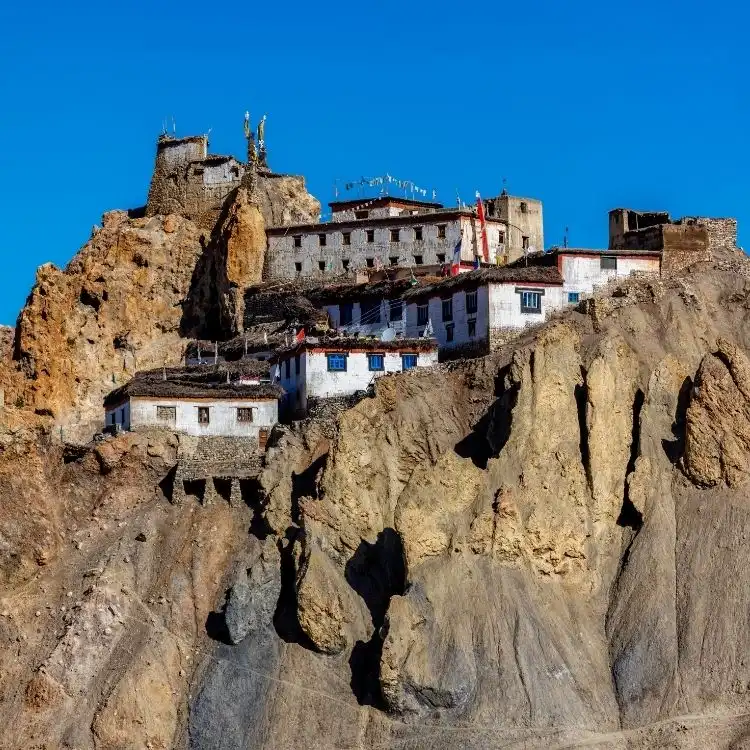
Dhankar sits between Kaza and Tabo, with a fort monastery perched on a 300 m spur above the confluence of the Spiti and Pin rivers. The old gompa is fragile and best entered briefly. The real reward is the short, steep climb above the village to Dhankar Lake at around 4,140 m. Plan a half day. Most travellers underrate it.
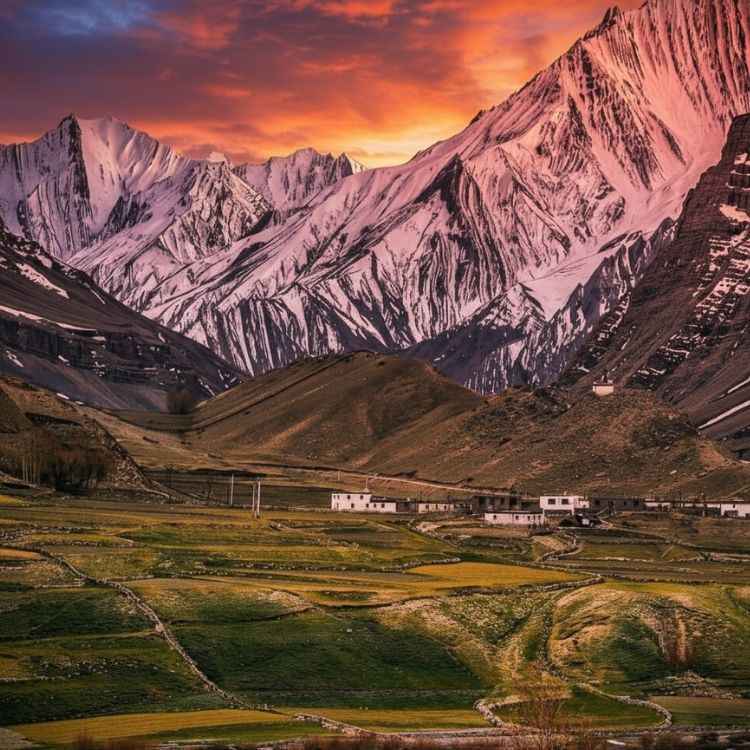
Pin Valley National Park sits in the cold desert of Spiti, established in 1987, with a core zone of about 675 sq km and elevations from roughly 3,500 m at the river to over 6,000 m at the peaks. Most travellers drive in as far as Mud village, around 50 km from Kaza, and spend a day or a night. The park itself is a trek in, not a drive through.
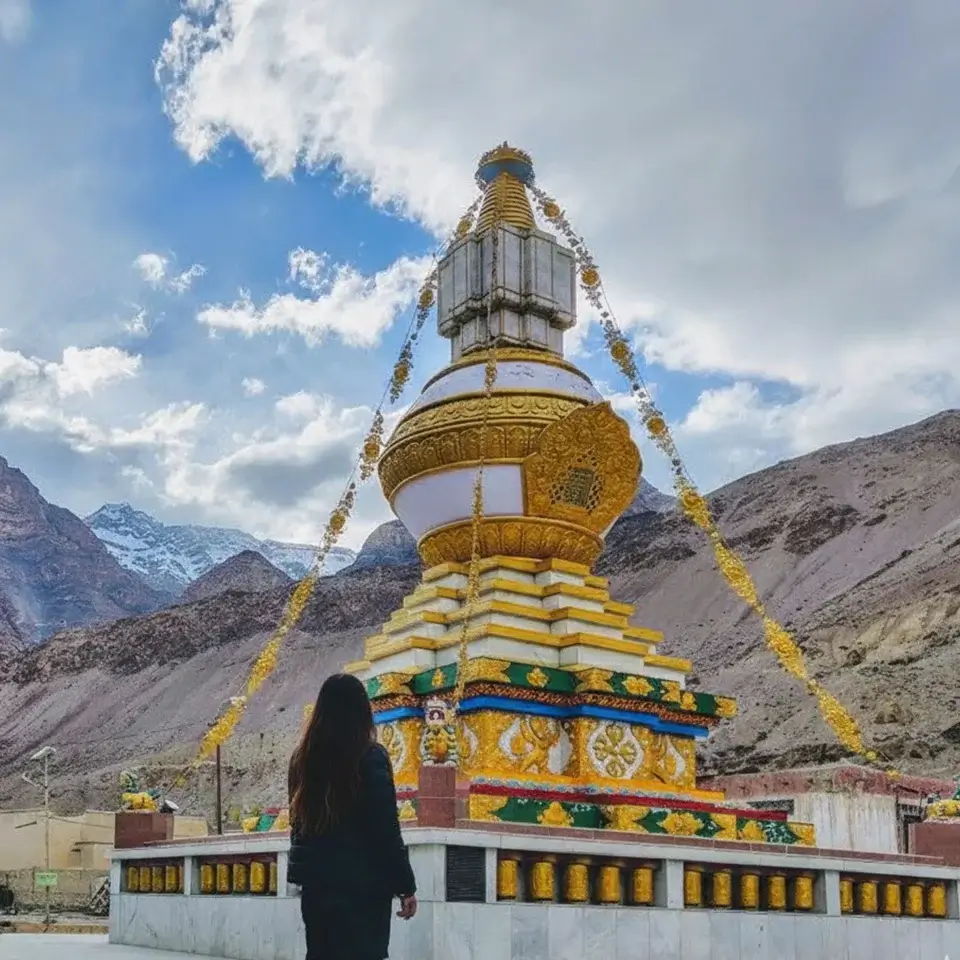
Tabo Monastery sits at roughly 3,050 metres in Tabo village, about 48 km from Kaza. Founded in 996 CE, it is widely considered the oldest continuously operating Buddhist monastery in India and the Himalayas, famous for its 10th and 11th century wall murals. Most travellers stop for an hour, the murals deserve longer.
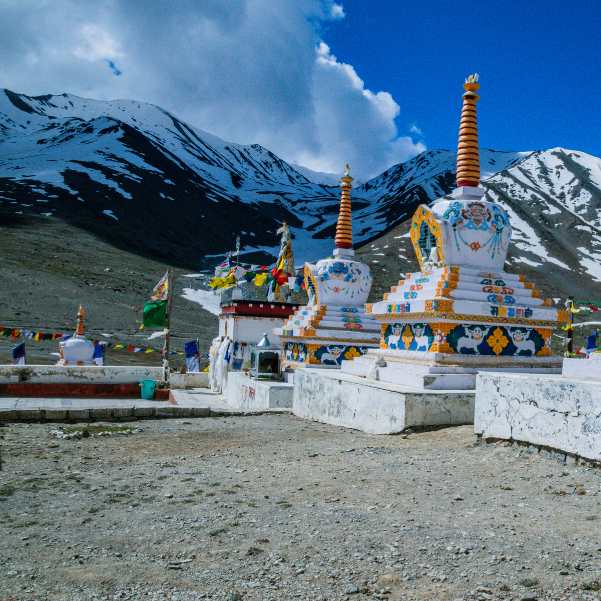
Kunzum Pass sits at roughly 4,551 metres on NH505 and is the only road link between Manali and Spiti in summer. It generally opens around late May or early June and closes with the first heavy snow, usually by mid to late October. Most travellers stop for 20 to 30 minutes, take a round of the Kunzum Mata temple, and move on.
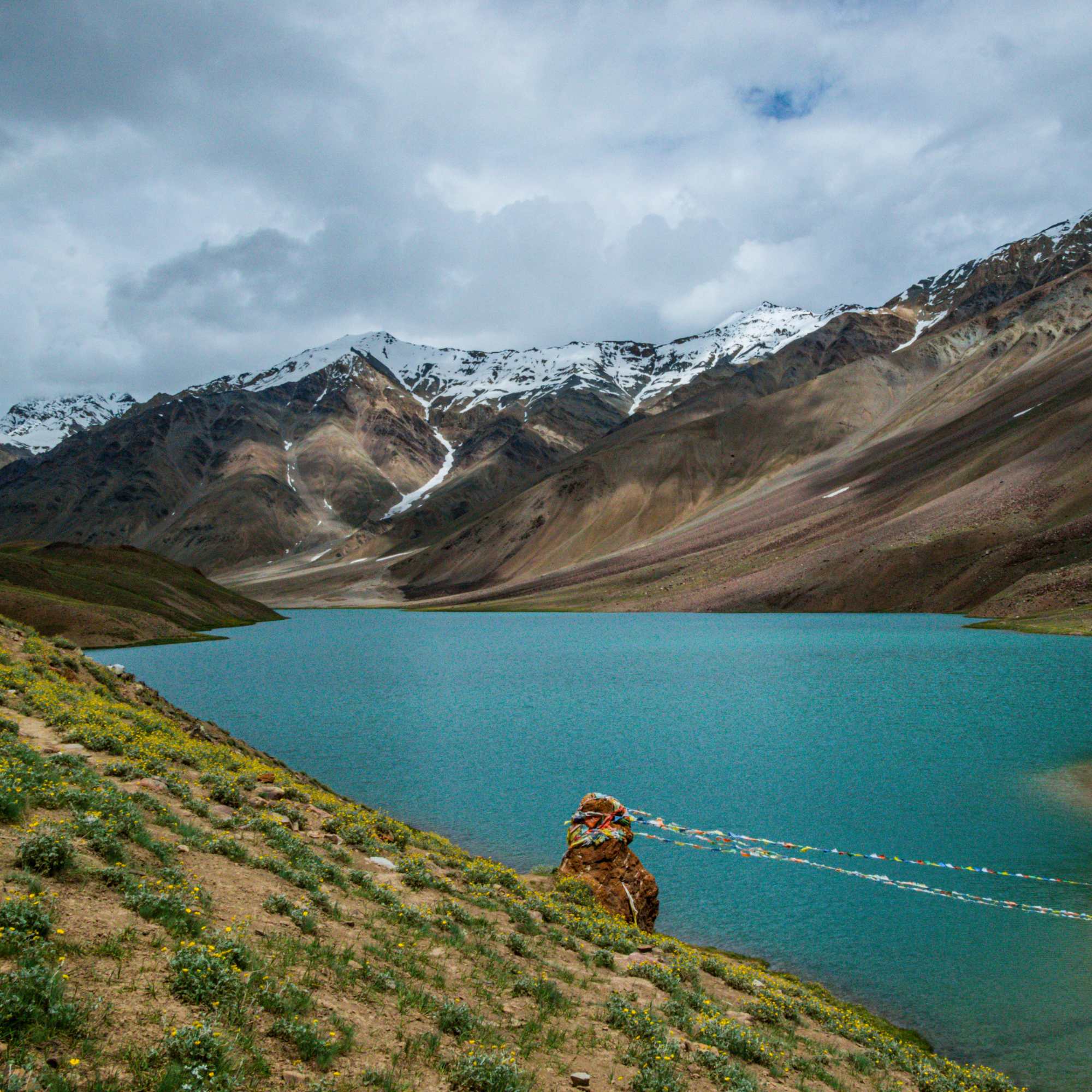
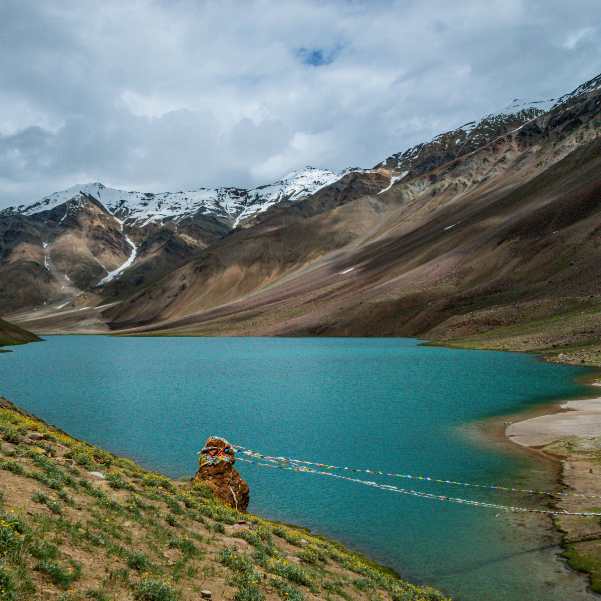
Chandratal is a high altitude Ramsar lake sitting at roughly 4,300 m between Kunzum La and Batal. Best visited from June to early October. Camping on the shore is banned, authorised camps sit 2 to 3 km away, and most travellers pair the lake with a full Spiti circuit.
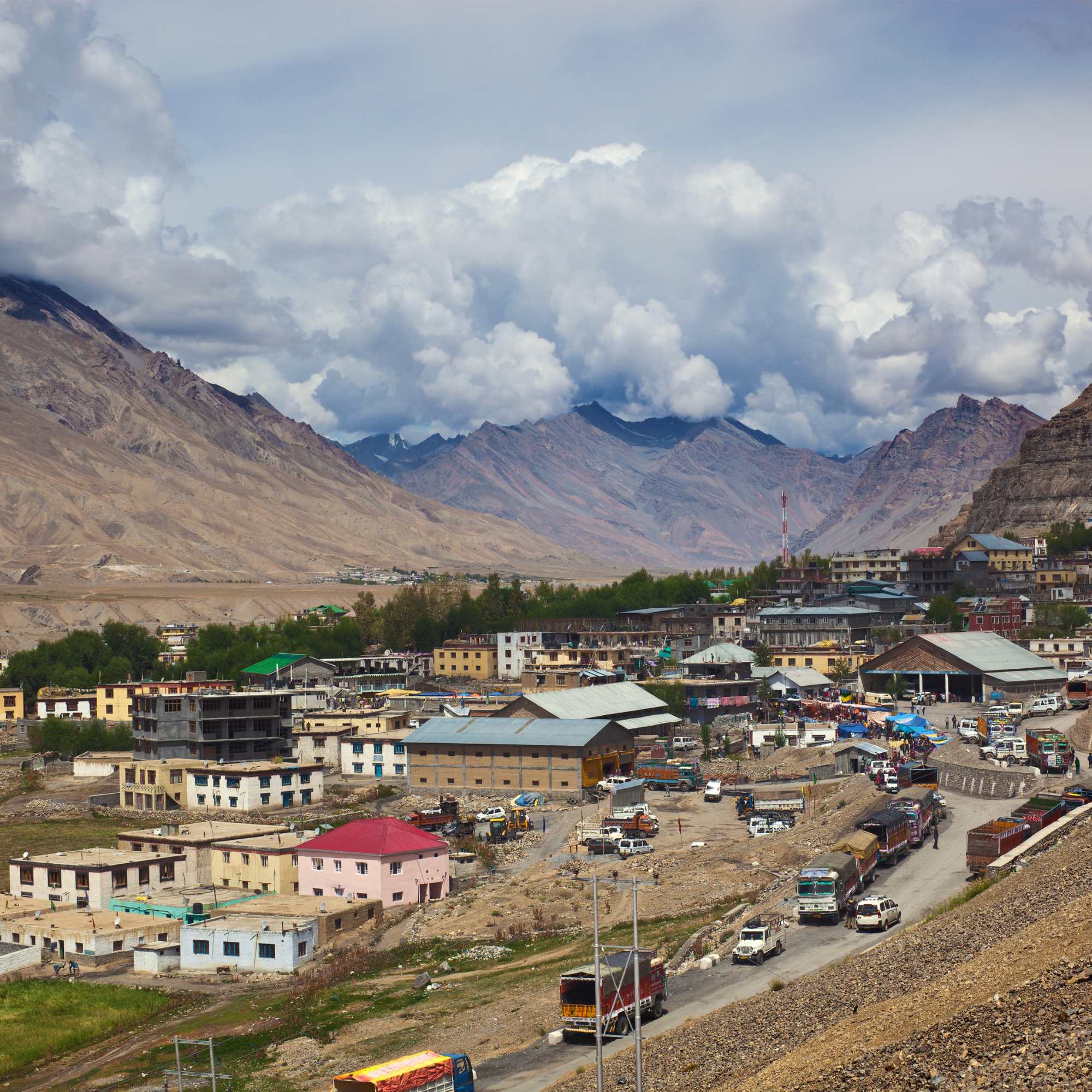
Kaza is the main town of Spiti Valley and the base almost every traveller uses to explore Key, Kibber, Langza, Komic, Hikkim, and Chandratal. It has the valley's most reliable petrol pump, ATMs, cafes, and stays. Most people spend two to three nights here.
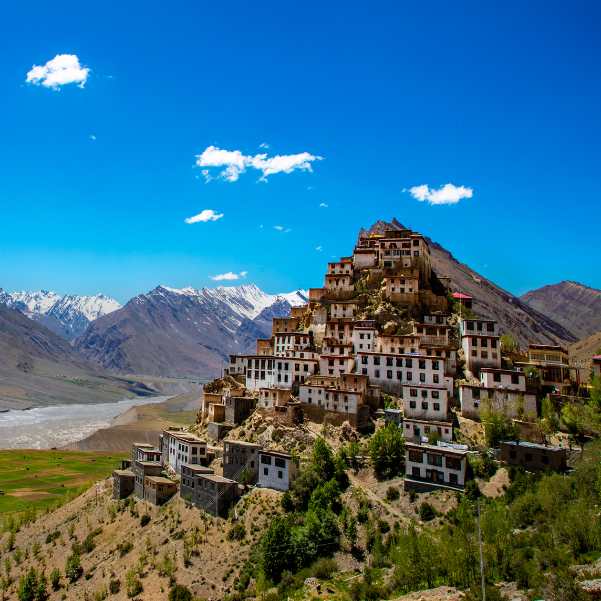
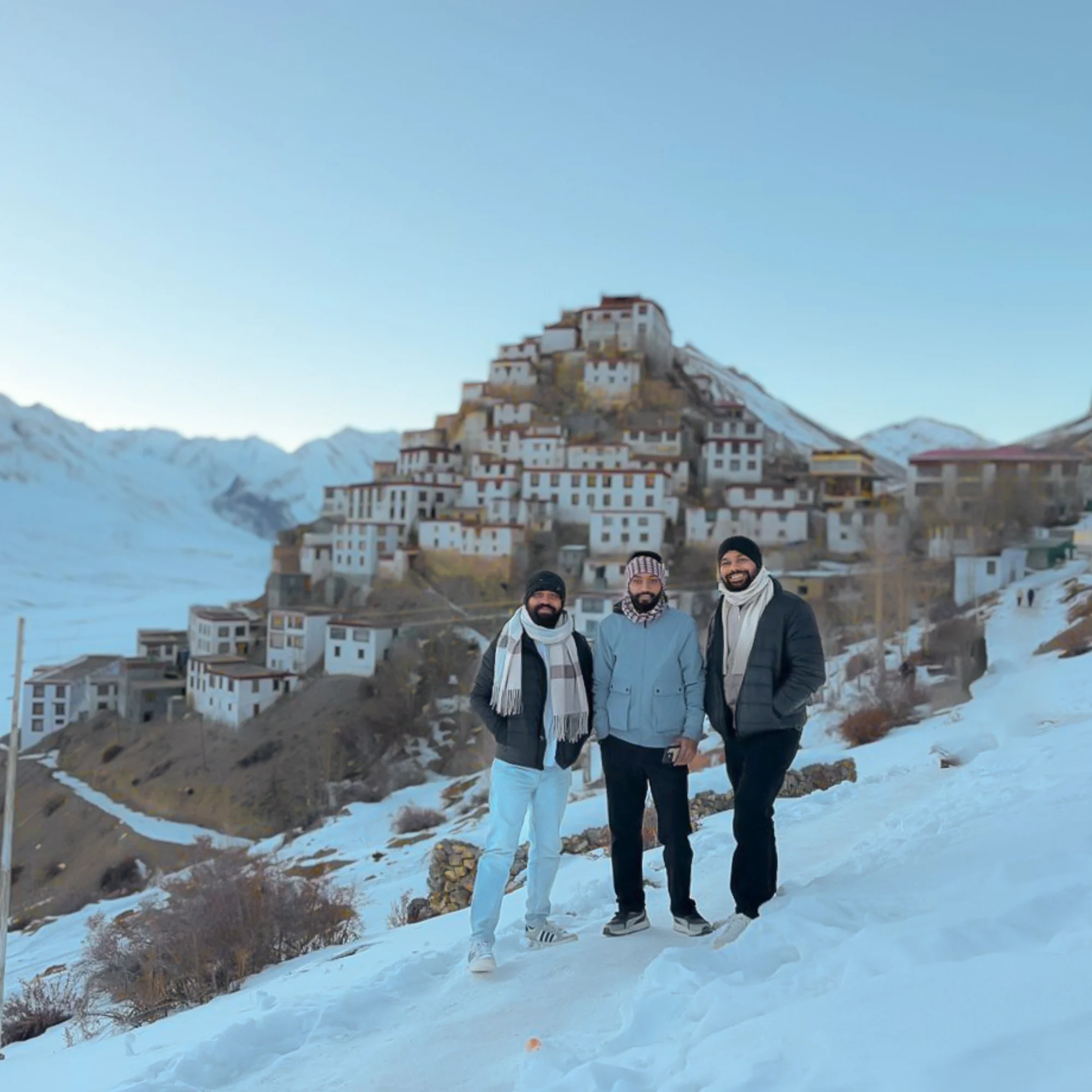
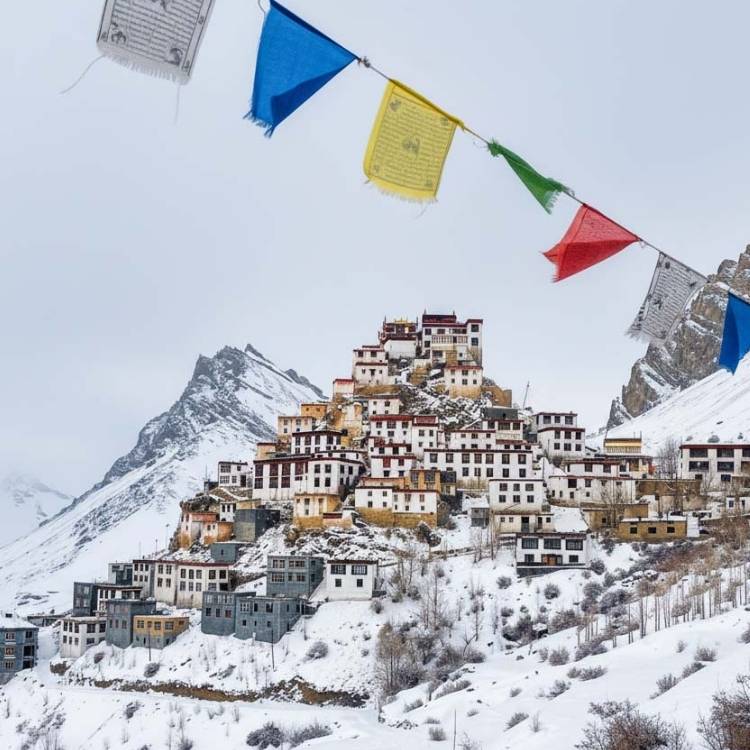
Key Monastery is the biggest and arguably most photogenic gompa in Spiti, sitting about 12 km from Kaza. Most travellers stop here for an hour, though arriving early for morning prayers can make the visit feel quieter, if the timing works out.
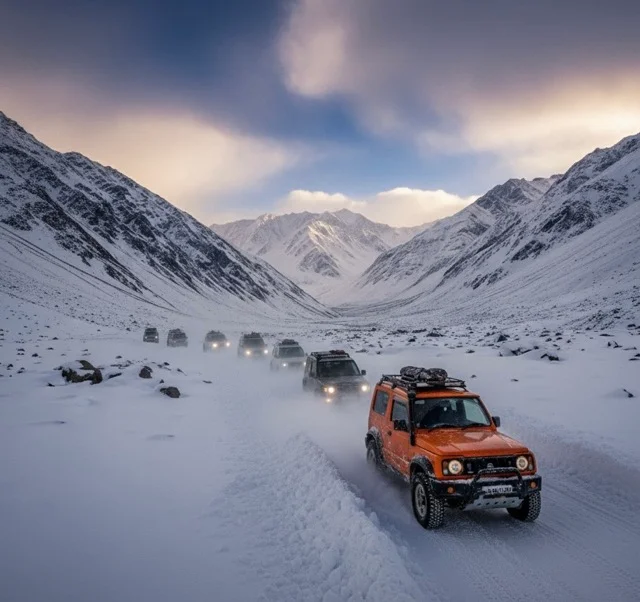
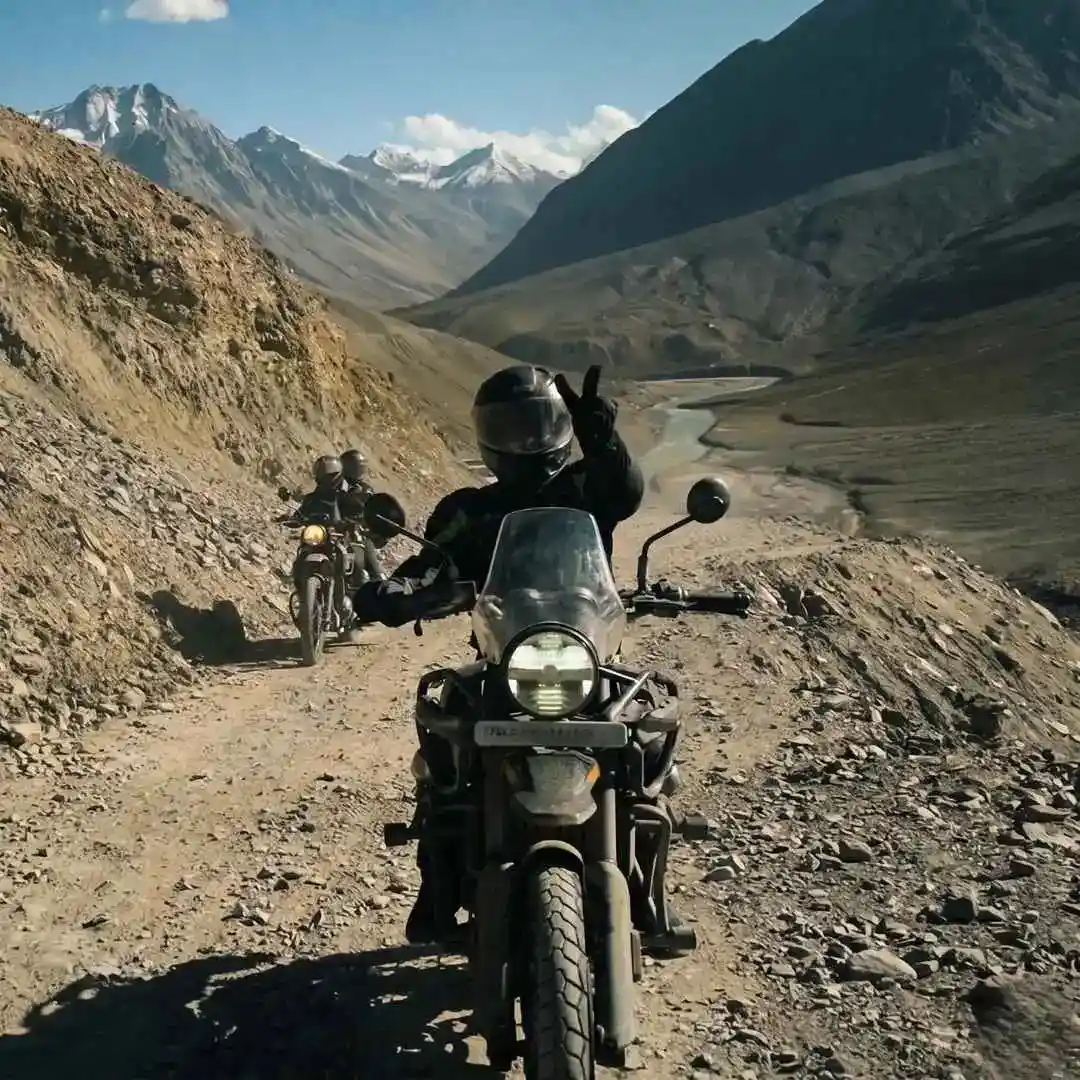
India's most breathtaking road trip, filled with spectacular views of cliffs, rivers, and arid regions.
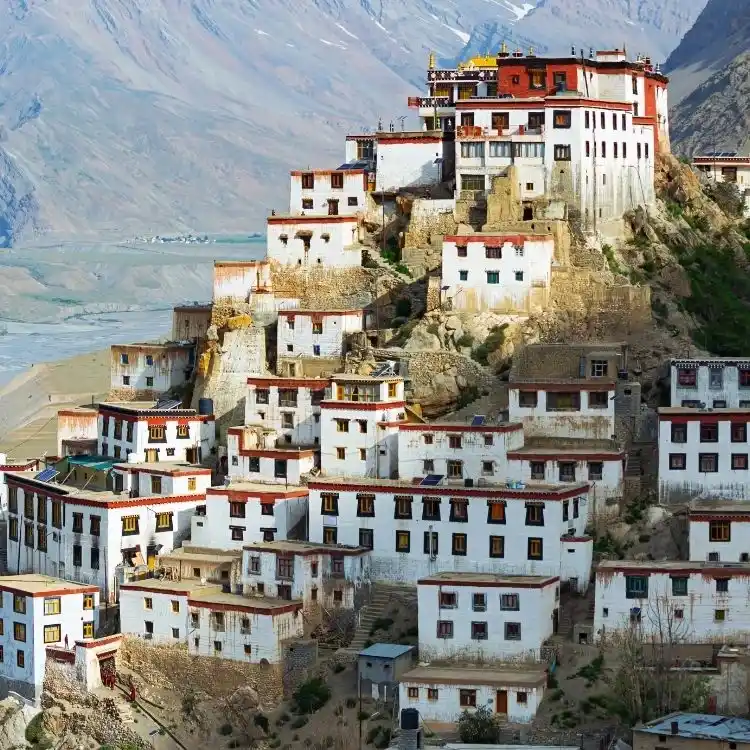
Experience centuries-old shrines at Key, Tabo, and Dhankar where art and chants from the past come alive.
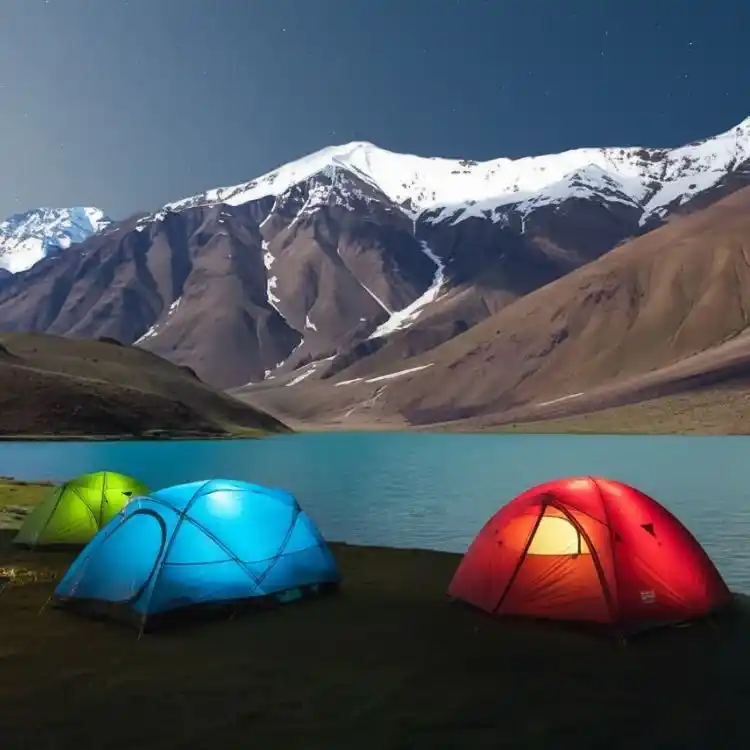
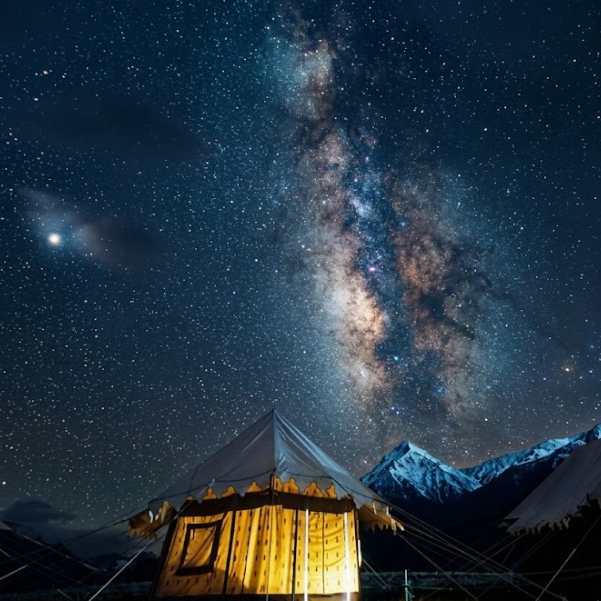
At Chandratal Lake, dream while gazing up at the twinkling stars, and in the morning, enjoy the surreal moon-shaped lake while resting at 14,000 ft.
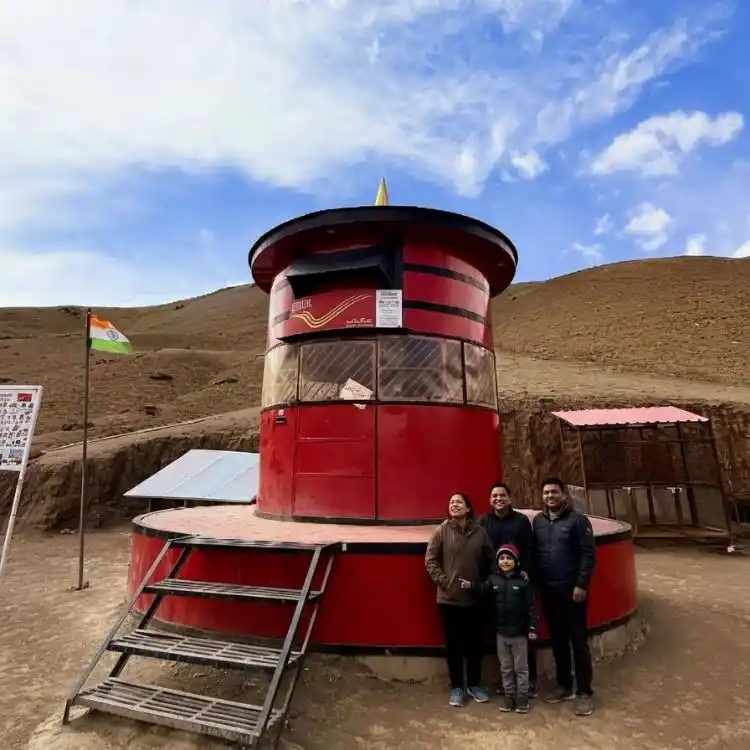
Located at the highest point in the world, send yourself a reminder from the clouds at the world’s highest post office.
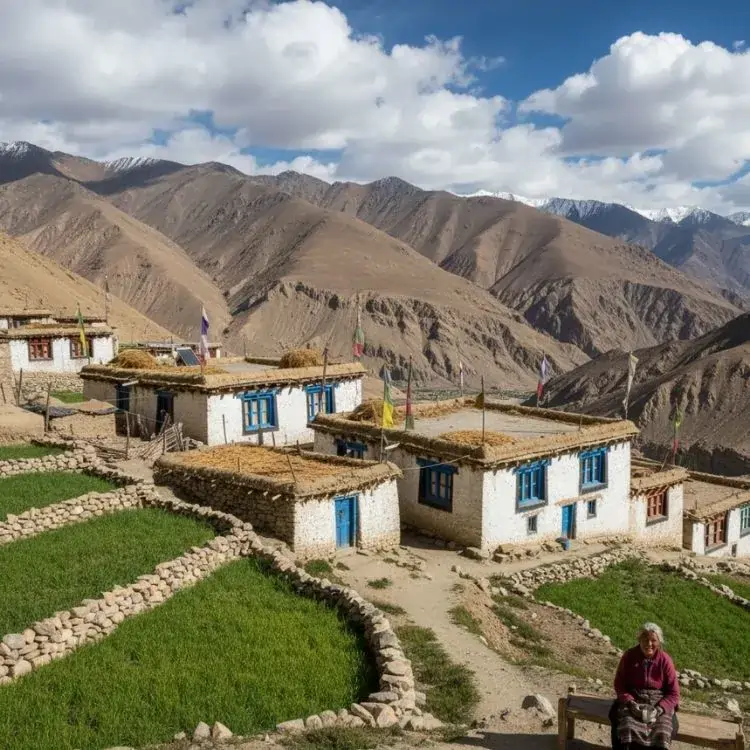
Embrace the kindness of simplicity by sharing stories near the stove with locals while eating buckwheat rotis.
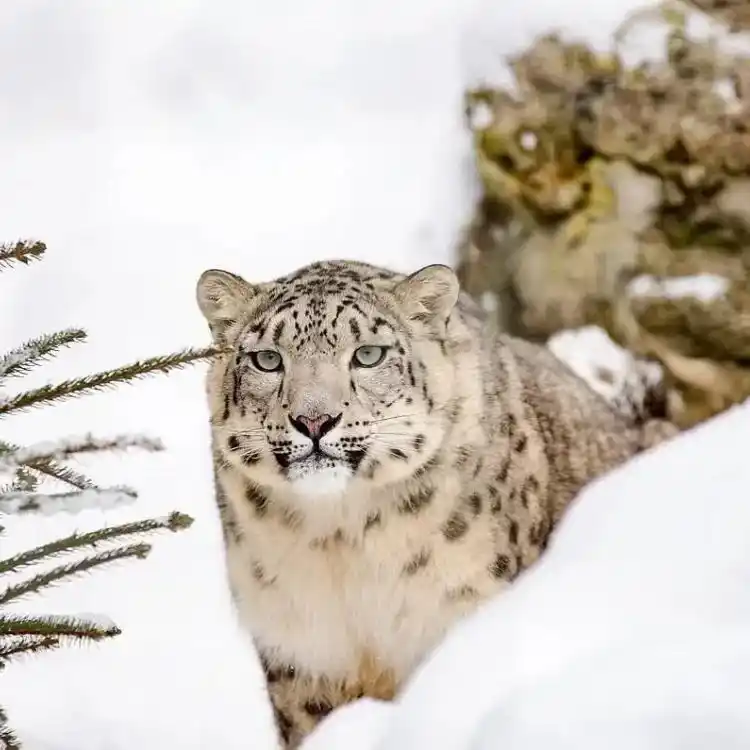
Spiti’s rarest resident can be spotted with a skilled guide and a lot of luck.
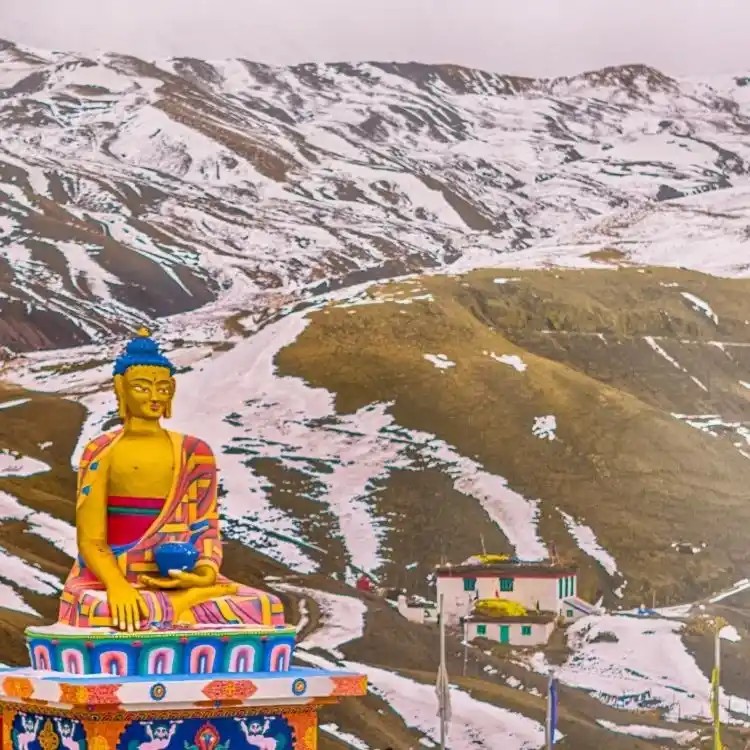
Excavate where marine fossils rest for geology enthusiasts and curious searchers.
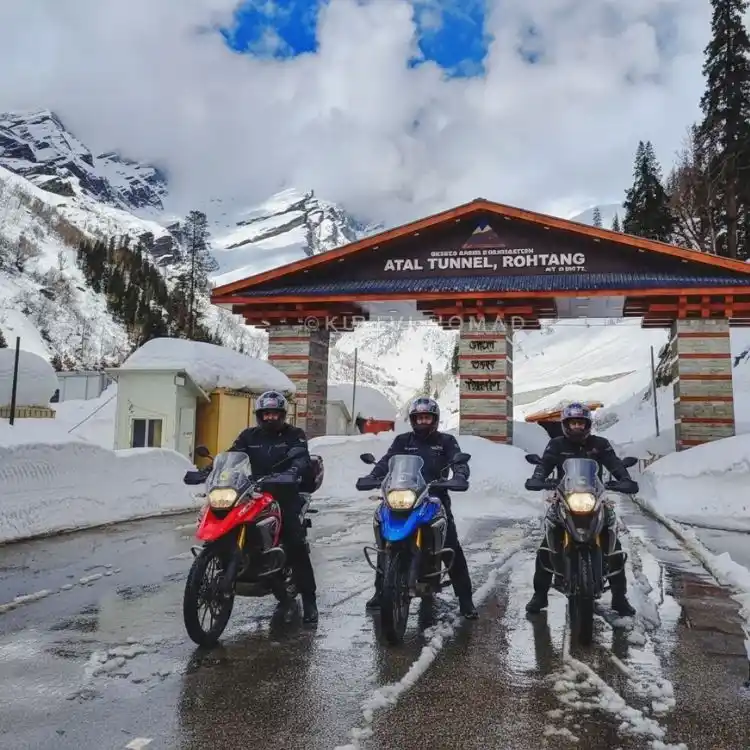
This tunnel transforms into an igloo-like entryway Spiti during the snowy season, making it the perfect entrance into the white desert.

“Travel Coffee truly went above and beyond. Even though we booked from Indonesia without meeting them, we always felt secure — their team was available 24/7 and took care of every detail. Shubham personally ensured our comfort throughout the Himachal trip, from hotel checks to small gestures like bringing lotion and altitude pills. Their sincerity and local expertise made the journey unforgettable.”
Andre & Angel
June to mid-October for the full circuit with all roads and passes typically open. July and August carry monsoon risk (landslides, closures), so buffer time is wise. Winter Spiti runs December to March via Shimla and Kinnaur only. For the most reliable weather and road conditions, late June, September, and early October tend to be the sweet spots.
Seven days is the realistic minimum. Eight to ten is ideal for a well-paced trip that includes Kinnaur on the approach and core Spiti sightseeing. Anything under seven days means very long driving days with little time to actually experience the valley.
For first-timers, Shimla and Kinnaur is strongly recommended. The altitude gain is gradual, the scenery along the way is outstanding, and acclimatisation happens naturally. The Manali approach involves a sharp altitude jump in one day and the road is only open seasonally. If you have the days, the full circuit (enter via Kinnaur, exit via Manali) is the best of both worlds. See our detailed route comparison.
Yes, if you are travelling between late June and early October (weather dependent). Chandratal is a detour between Kaza and Kunzum Pass. An overnight camp at the lake is one of the highlights of the entire circuit. Road access and campsite availability depend on seasonal conditions. Read our Chandratal guide for details.
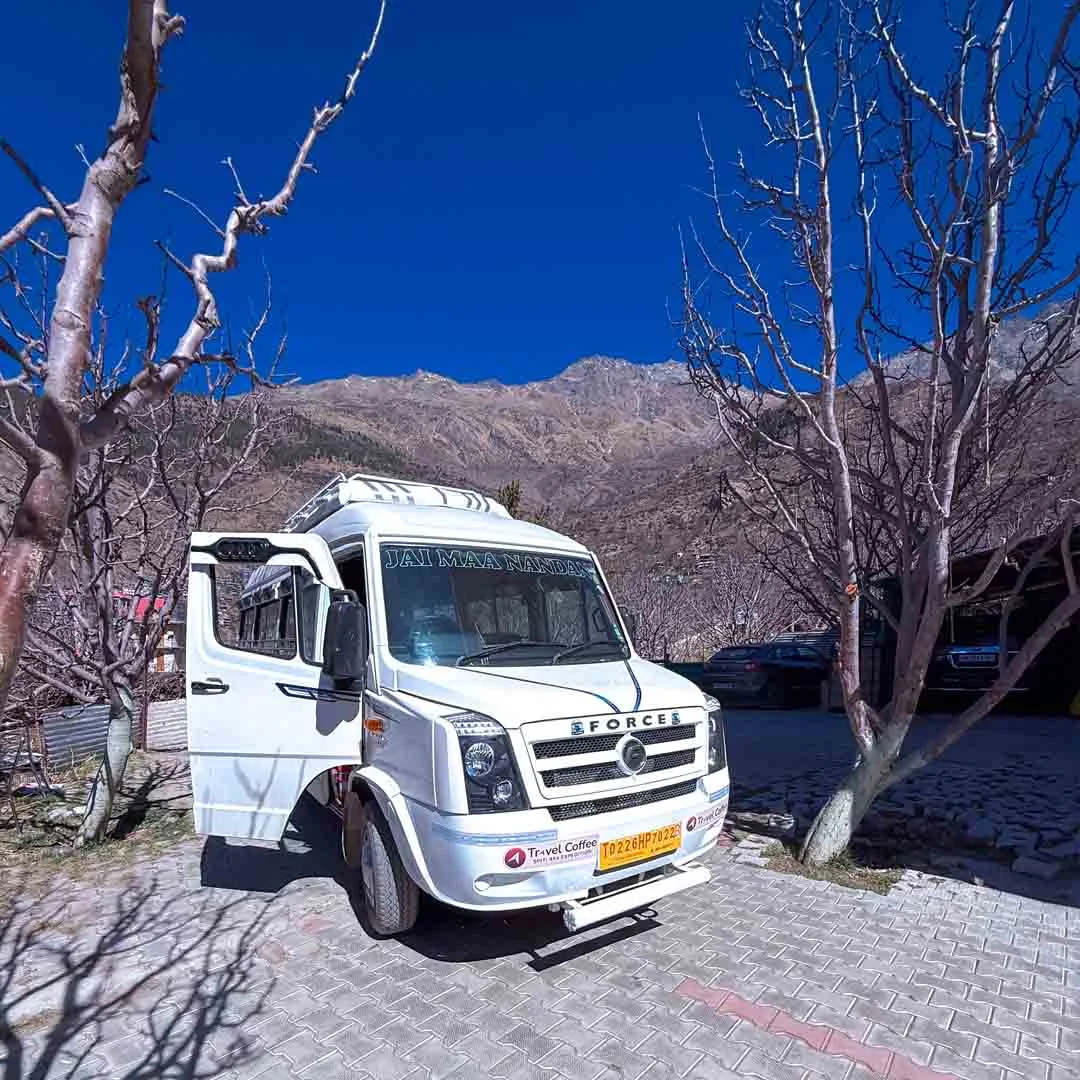
In summer, a well-maintained SUV or MUV like an Innova or Ertiga handles most of the route comfortably. Larger groups travel in a Tempo Traveller. In winter, a 4x4 is mandatory. Roads are icy, snow-covered, and unpredictable. We only use 4x4 vehicles for winter Spiti departures.
Group tours typically range from 18,000 to 28,000 per person for 7 to 9 days. Private tours run 25,000 to 45,000 per person depending on group size and comfort level. Premium-paced trips range from 40,000 to 65,000. Final pricing depends on your dates, group size, vehicle, and accommodation preferences.
Yes. Spiti is one of the safest travel regions in India. The local communities are welcoming and crime is virtually unheard of. For families with young children (under 5) or elderly travellers, the key concern is altitude and long drives, not safety. We adjust pacing and vehicle comfort for families and couples on private tours.
Acclimatise gradually. The Shimla and Kinnaur route helps enormously with this. Stay hydrated, avoid alcohol at altitude, and do not exert yourself on the first day at high elevation. Carry Diamox if your doctor recommends it. Our itineraries are designed to gain altitude in manageable steps with rest days built in. For a full breakdown, read our AMS safety guide.
Not really. Spiti isn’t a weekend getaway. You need at least 7–8 days from Delhi due to altitude, terrain, and the sheer beauty you don’t want to rush through. For shorter trips, Manali, Tirthan, and Jibhi are better choices.
Indian nationals do not need special permits for most of Spiti, including Kaza, Key, Kibber, Tabo, and Dhankar. Foreigners (non-Indian passport holders) need an Inner Line Permit for areas near the Indo-Tibet border, including sections beyond Sumdo. We help with permit logistics when you book.
Yes. We run fixed-date Spiti group tours from Chandigarh through the season, typically June to October. Group sizes are usually 8 to 15 travellers. Dates are published on our Spiti packages page. If no group departure matches your dates, a private tour is always an option.
Summer: layers (it is cold at night even in July), a good windproof jacket, sunscreen (SPF 50+), sunglasses, comfortable walking shoes, a daypack, and personal medication. Winter: heavy thermals, a down jacket, snow boots, gloves, balaclava, hand warmers, and significantly warmer sleeping layers. See our complete Spiti packing list for a season-wise checklist.
It depends on your arrival time. If you land or arrive by late evening (after 6 PM), a buffer night in Chandigarh is strongly recommended. Starting a mountain drive tired almost always backfires. We include buffer-night options in our itinerary planning and can arrange Chandigarh accommodation near the airport or station.
Snowfall in Spiti typically begins in November and continues through March. January and February see the heaviest snow. Higher passes like Kunzum receive snow earlier and retain it longer. Even in late October and early May, unexpected snowfall is possible at high altitudes. Winter Spiti tours from Chandigarh run through these months with 4x4 vehicles and adjusted expectations.
Technically yes, but we do not recommend it for first-timers. The roads demand experienced mountain driving skills, especially beyond Reckong Peo. Fuel stations are scarce, and breakdowns in remote stretches can leave you stranded for hours. If you are an experienced self-driver, we can help with route planning and backup logistics even without providing a vehicle.
Vegetarian food is available at most stops. Dal, rice, rajma, noodles, and Maggi are staples across Kinnaur and Spiti. We coordinate veg meal preferences with our accommodation and dhaba partners in advance. For stricter dietary needs (Jain, vegan), we handle it on a best-effort basis given the remoteness, and recommend carrying some personal snacks as backup.
Real experiences shared by Travel Coffee travellers in Chandigarh To Spiti.
55 traveller reviews
Based on Google reviews.
Real photos and videos shared by travellers from recent trips.
Had an absolutely incredible trip exploring Manali, Solang, Sethan, Khokhsar, Sissu, and Darcha, all the way up to Shinkula Pass and Shinkula Top, thanks to Travel Coffee! A huge shoutout to Preeti Jasyal, who helped us a lot throughout the process. She is an amazing person and went above and beyond to help us create the perfect booking. The entire service was seamless and highly effective, and the hotels she selected for us were absolutely amazing with great comfort and views. Driving through those massive mountain terrains can be daunting, but their flawless coordination made the entire journey stress-free. If you're planning a trip to Leh, Ladakh, Spiti, or any of these mountain regions, Travel Coffee is the way to go!
I, being a senior citizen travelled solo with Travel Coffee for Spiti Valley and Chandratal Lake for 8N/9D. It was an amazing trip, well organised with decent hotels. Vanshika from Travel Coffee supported me, took great care of me till the very end. I enjoyed a lot and am looking forward to join any upcoming trips in future
We had an amazing experience on our Spiti Valley trip organised by Travel Coffee. Everything was well organized, from the itinerary and accommodations to transportation. The entire journey was smooth and hassle-free, allowing us to truly enjoy the breathtaking beauty of Spiti. A special thanks to Preeti Jaysal and the team for their constant support before and during the trip. They were always available to help and ensured that everything went as planned. Our driver was experienced, friendly, and made us feel safe on the challenging mountain roads. We made unforgettable memories, visited stunning places, and had an incredible overall experience. I would definitely recommend them to anyone planning a Spiti trip. Thank you for making our journey so special!
Our Delhi to Kaza round-trip with Travel Coffee was incredible! Huge thanks to Manju ma'am (Manju Mehta) for her flawless management and organization throughout. Special gratitude to our driver, Negi bhai (Prakash Negi), whose expert driving skills kept us completely safe on the challenging Spiti roads. Highly recommend them for a seamless, unforgettable adventure!
Lovely and nice experience with travel coffee During my recent trip of spiti valley tour, nice arrangements done from their side in every aspect, thanks to travel coffee for arranging such a nice trip
We did a spiti bike trip with travel coffee this early June. We had a very new experience this time as we travelled with travel coffee for the first time. We booked 7 bikes, a Bolero Camper to travel as backup vehicle …
Thanks to Travel Coffee team for making such wonderful Spiti Circuit tour. We enjoyed this tour thoroughly 🙏🙏 …
Ms Manju of Travel coffee helped with arranging everything on our Kinnaur Spiti trip in May 2026 . We had nice home stay, food and vehicle services for the entire trip. Destination covered Shimla,Fagu,Bhima Kali temple Sarahan, Sangla,Chitkul,Kaza,Tabo,Nako,Kalpa in 7N/8D. Special mention of Ms Vipasa Negi of Hotel Kamru Sangla that she arranged Birthday cake for me on my Birthday during the trip, that was so special
Very good experience with travel coffee during trip to spiti Very well organized trip by travel coffee Hotel rooms,food, vehicle and driver very well arranged
The tour management of travel coffee was great during my spiti valley trip. The hotels were superb. The facilities and services provided in the hotels were too good. The food served was tasty. The travel service provided were great ad did not face any problems during my trip
Very nice arrangement by travel coffee Excellent rooms,food and driver during trip to Spiti Valley
We recently completed our Spiti Valley trip, and it was an amazing experience. A big thanks to Travel Coffee for organizing everything so smoothly, and special appreciation to our driver Ravi for guiding us throughout the journey. We truly had the best time