 Group Tour
9D/8N
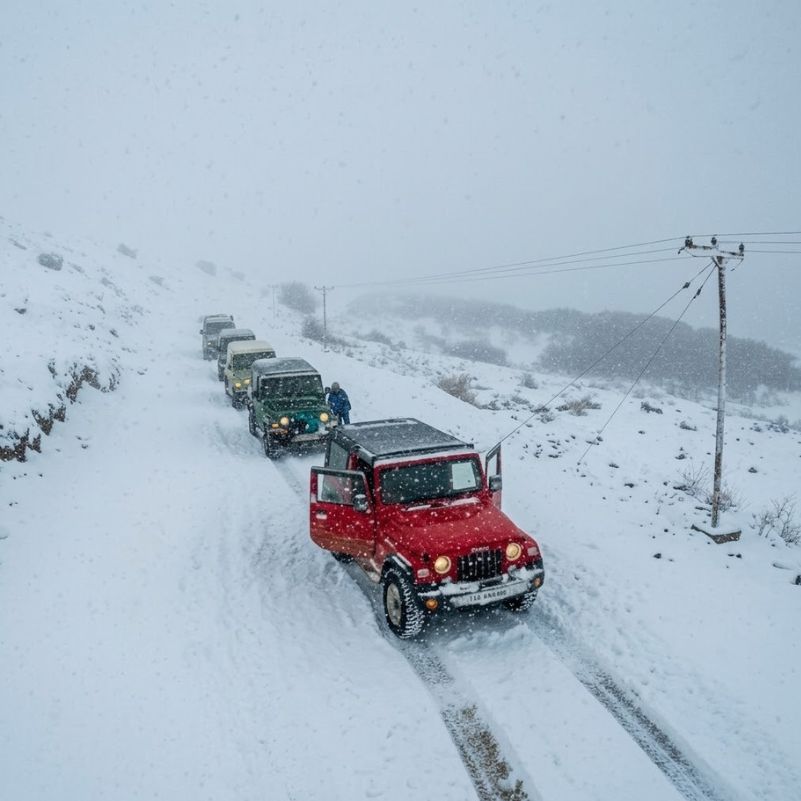
Most Loved 4×4 Winter Spiti Expedition
2D Sangla•1D Tabo+2
₹29,999₹35,999SAVE INR 6,000/ person
Best Spiti Valley Family Tour Packages Curated By Experts
Group Tour2D Sangla•1D Tabo+2
 Group Tour
2D Sangla•1D Tabo+2
 Group Tour
1D Sangla•1D Nako+2
Some trips you take for yourself. This one, your children will remember long after you do.
Spiti Valley sits beyond the last green stretch of Himachal, in a cold desert where the mountains lose their trees and the sky gets so wide it stops feeling like sky. Monasteries hundreds of years old perch on ridgelines. Villages of thirty families live at altitudes most cities cannot imagine. The silence is the kind that makes a ten year old go still and just look.
A Spiti Valley family tour package is not an amusement park holiday. It is the kind of trip where your family sits together in a warm car watching the terrain shift from pine forests to bare rock to cold desert, and nobody reaches for a screen. Where your kids send a postcard from one of the highest post offices in the world. Where dinner is dal and rice at a homestay and the conversation is about fossils found in the hills that afternoon.
This page is for families thinking seriously about Spiti. Not the Instagram version. The real one. The one where you need to know about altitude, pacing, food, comfort, and which route will not exhaust your seven year old by day three.
Travel Coffee is a Himachali travel company based in Shimla. We are not an aggregator listing hundreds of destinations. Spiti is one of the roads we know best, and we have driven it in every season, in every mood the mountains offer.
When we plan a family trip to Spiti, it comes from years of doing this, not from copying someone else's itinerary. We know which guesthouses actually have warm rooms and attached bathrooms. We know where to stop so kids can stretch their legs without being next to a cliff edge. We know why your family needs two nights in Kinnaur before climbing higher, and we will never rush you past that because it does not fit a template.
Gradual route planning that respects how altitude affects children and older travellers.
Private road journeys in comfortable vehicles that do not feel rushed or cramped.
Warm stays chosen for real family comfort, with attached bathrooms and heating where available.
Drivers who know these mountain roads intimately and drive for safety, not speed.
Meals that work for both adults and children, with familiar options alongside local food.
Flexible pacing when your family needs an extra rest stop, a slower morning, or a shorter driving day.
On-ground support from a team that is local and reachable, not a distant call centre.
Most of Himachal is green. Forests, orchards, river valleys. Then somewhere past Kinnaur, the trees disappear. The mountains go bare. The colours shift to rust, grey, ochre, and bone white. You are in a cold desert above 3,500 metres, and the first time your child sees it, they will go quiet. Not bored quiet. Amazed quiet.
Spiti is ancient in a way that children feel instinctively. The monasteries are not behind glass. Monks walk through courtyards, prayer wheels turn in the wind, butter lamps flicker in stone rooms that have looked the same for centuries. Villages like Langza and Komic sit at altitudes where the barley fields end and the sky takes over. The river below is a thin blue thread. The road ahead bends and bends and bends. And somewhere in all that space and silence, your family finds a rhythm together that normal life does not allow.
Monastic calm: sitting together in a prayer hall where the only sound is the low hum of morning chants and the creak of old floorboards.
High altitude wonder: watching your child stand at 4,400 metres and realise they are higher than almost any place they have ever been.
Family road trip joy: long drives through changing terrain, shared snacks, roadside chai stops, and the slow reveal of each new valley.
Village life and culture: whitewashed mud homes, prayer flags strung between rooftops, mani walls along walking paths, and the warmth of people who live far from noise.
Night skies and stars: stepping outside after dinner near Kaza and seeing the Milky Way so clearly your children stop talking and just stare.
Geological drama: finding marine fossils in the hillsides of Langza and realising these mountains were once an ocean floor. That is a science lesson no classroom can match.
Our slow full circuit family journeys enter via Shimla and Kinnaur, giving your family gradual altitude gain over the first few days, and exit through Kunzum Pass and Manali. This is the route we recommend most for families. Ten to twelve days, no rushing, proper acclimatisation stops built in.
For families who want a shorter trip, our easy paced private journeys focus on the Manali side with a concentrated Spiti experience in seven to eight days. The altitude gain is faster here, so we only recommend this for families with older children who are comfortable with mountain travel.
Summer family trips between June and early October can include Chandratal Lake as a seasonal highlight. We assess this based on your family's comfort level, road conditions, and whether young children are part of the group, because the access road to Chandratal is rough and the altitude is over 4,200 metres.
Our monastery and village focused Spiti journeys are built for families who care more about culture and stillness than ticking off every stop. More time in Kaza, Tabo, Key, and the upper villages. Fewer long driving days. More walking, more sitting, more noticing.
September family road trips take advantage of the clearest skies, golden light, and calmer conditions. The roads are settled, the weather is dry and bright, and the valley looks its best. Often the sweet spot for families with school-age children.
Comfort led trips for families with very young children or elderly members prioritise the best available stays, shorter driving stretches, and built-in flexibility. We adjust the itinerary around your family's energy, not the other way around.
Spiti has no airport and no railway station. The nearest airport is Bhuntar near Kullu, and the nearest useful railheads are Shimla, Jogindernagar, and Chandigarh. Most families fly into Chandigarh or Delhi and then travel by road.
There are two main road routes into Spiti, and choosing the right one matters more for families than for any other type of traveller.
The Shimla to Kinnaur to Spiti route follows the Hindustan Tibet Highway through Narkanda, Sarahan, Sangla, Kalpa, Nako, and then into the valley. This is the route we recommend for almost every family. It climbs gradually. You spend a couple of days in Kinnaur, which sits lower and greener, giving everyone's body time to adjust before crossing into the cold desert. Children, elderly travellers, and anyone unfamiliar with high altitude will feel the difference this slower ascent makes.
The Manali to Spiti route goes through the Atal Tunnel, past Lossar, over Kunzum Pass at roughly 4,590 metres, and into Kaza. It is shorter and more dramatic, but the altitude gain is steep and fast. The roads are rougher in stretches, and the route is only open from roughly late June to mid-October. For families, we usually recommend using this as an exit route after you have already acclimatised, rather than as the way in.
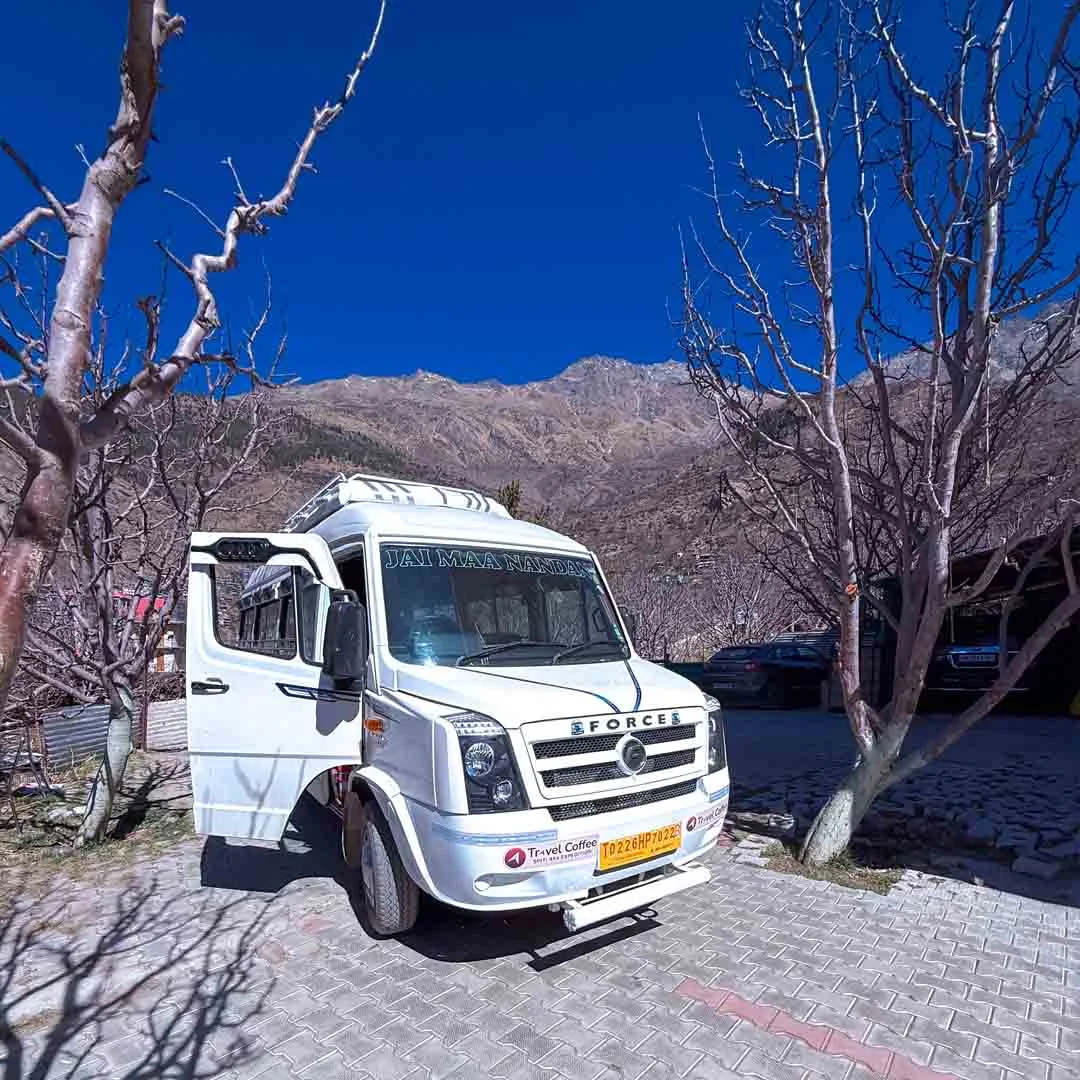
A private cab with an experienced local driver is the only option we recommend for families in Spiti. Public transport is unreliable, shared vehicles are cramped, and the roads require a driver who knows mountain behaviour. We use comfortable SUVs or larger vehicles depending on family size, always with drivers who have years of experience on these specific roads.
Time zone: Indian Standard Time (IST), UTC+5:30.
Currency: Indian Rupee (INR). Carry enough cash. ATMs in Kaza exist but are unreliable. Digital payments are not dependable past Kinnaur.
Languages: Hindi is widely understood. Bhoti, the local Tibetan dialect, is spoken in most villages. Some English in Kaza and tourist-facing establishments.
Late May to June: roads open after winter, some snow patches still visible, energetic and fresh. Both routes usually accessible by mid-June. Good for families who enjoy a bit of edge to their travel.
September to early October: the clearest skies, golden light, calmer weather, and the most settled road conditions. This is often the best window for families, especially those with younger children or first-time mountain travellers.
Ten to twelve days is ideal for a family doing the full Spiti circuit. This gives enough time for proper acclimatisation, rest days, short walking days, and the flexibility to slow down when someone is tired. Shorter trips of seven to eight days are possible via the Manali side, but they feel tighter and leave less room for the unplanned moments that often become the best memories.
24 packages found
Group Tour2D Sangla•1D Tabo+2
 Group Tour
1D Sangla•1D Nako+2
Group Tour1D Sangla•1D Nako+2
 Group Tour
1D Shimla•2D Sangla+3
Group Tour2D Sangla•1D Tabo+2
 Group Tour
1D Shimla•2D Sangla+3
 Group Tour
1D Shimla•1D Sangla+4
 Group Tour
1D Sangla•1D Kalpa+3
 Group Tour
1D Manali•2D Kaza+1
 Group Tour
1D Manali•3D Kaza+1
 Group Tour
1D Narkanda•1D Sangla / Baspa Valley+5
1D Sissu•1D Chandratal Camp
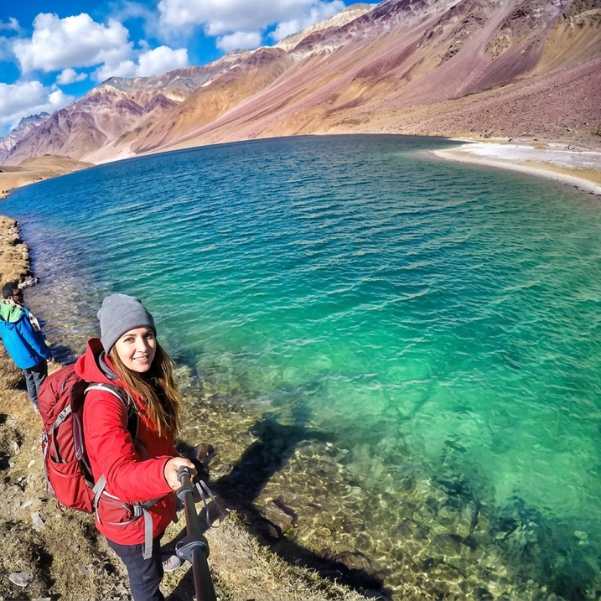 Group Tour
1D Sangla•1D Kalpa+3
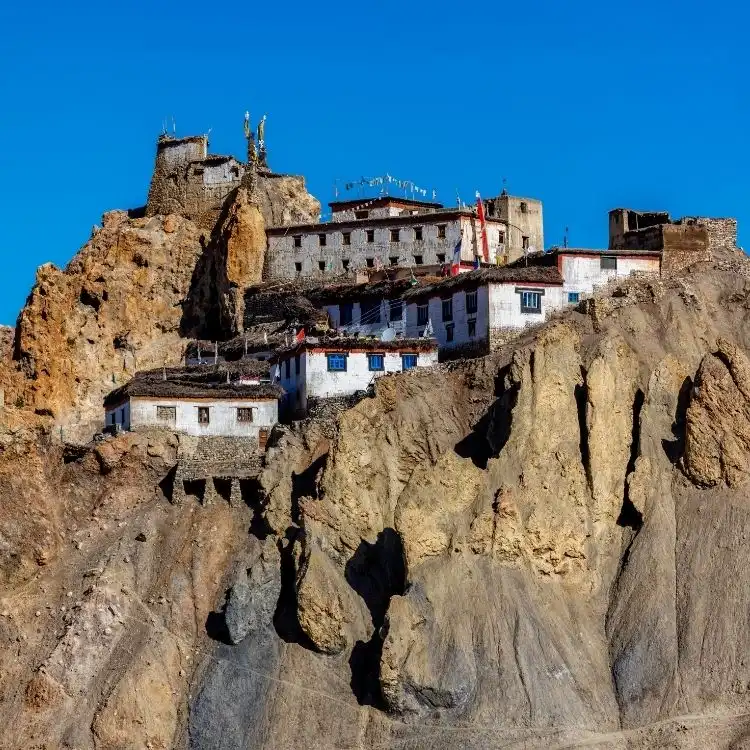 Group Tour
1D Narkanda•1D Sangla+5
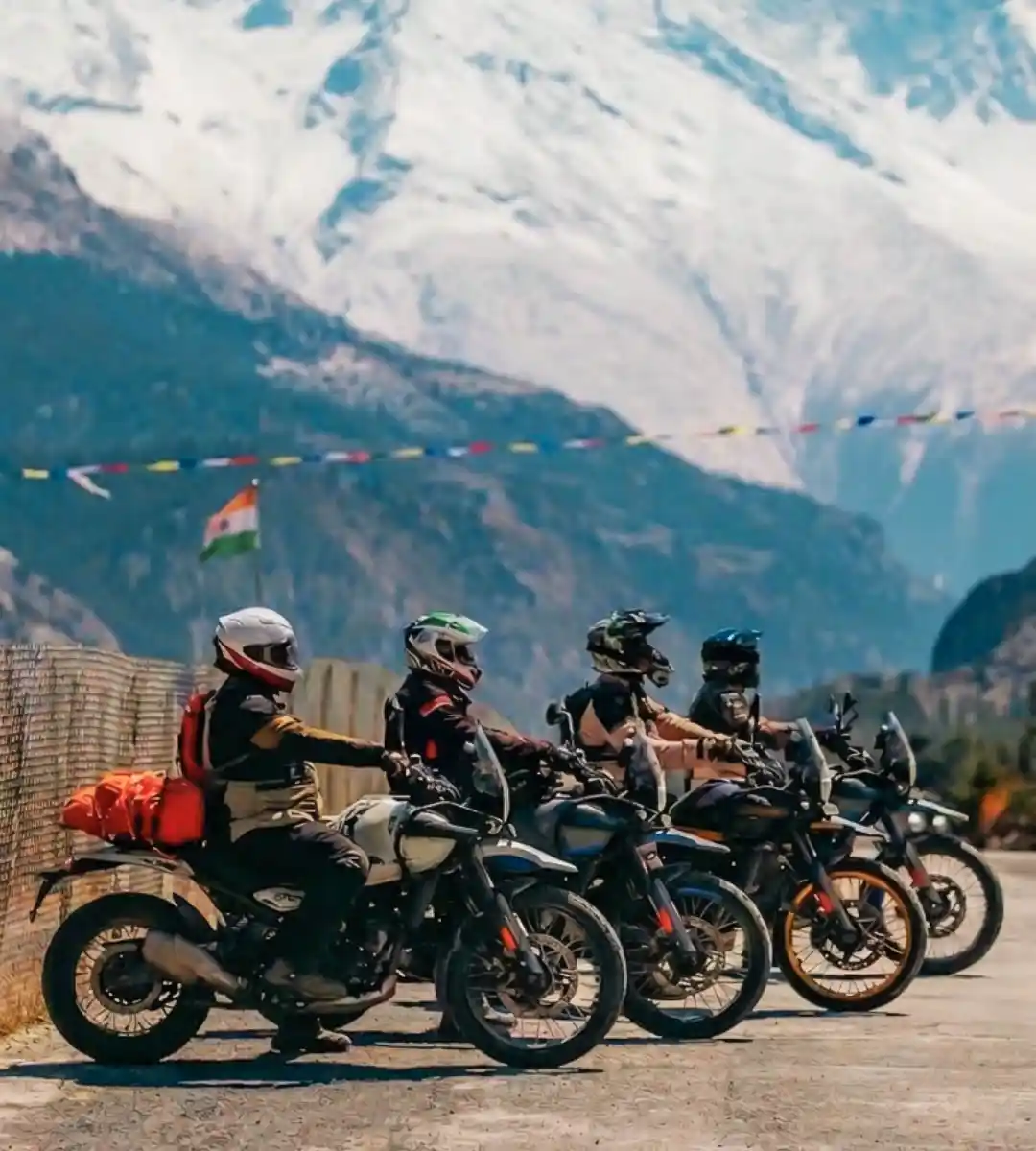 Group Tour
1D Jibhi•1D Sangla+4
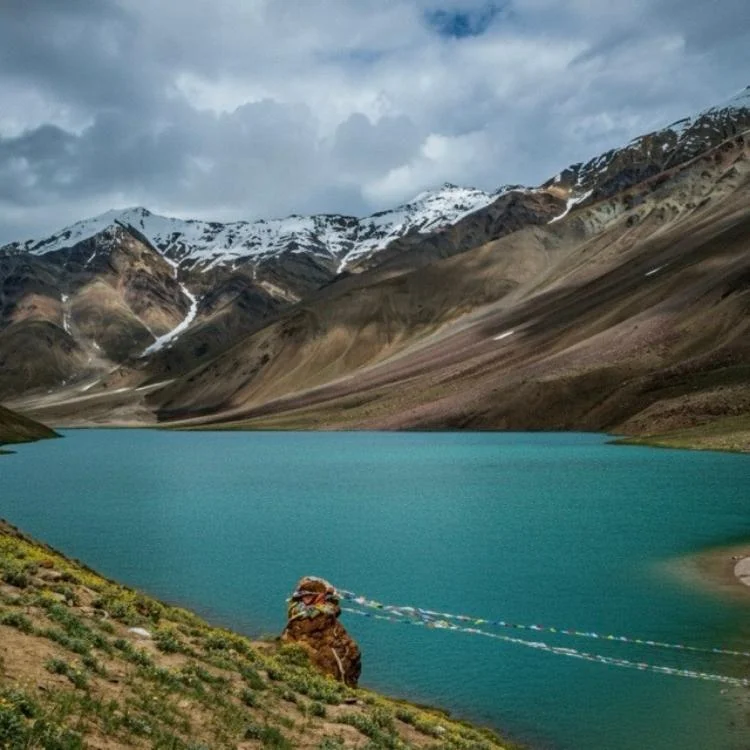
1D Narkanda•1D Sangla+5
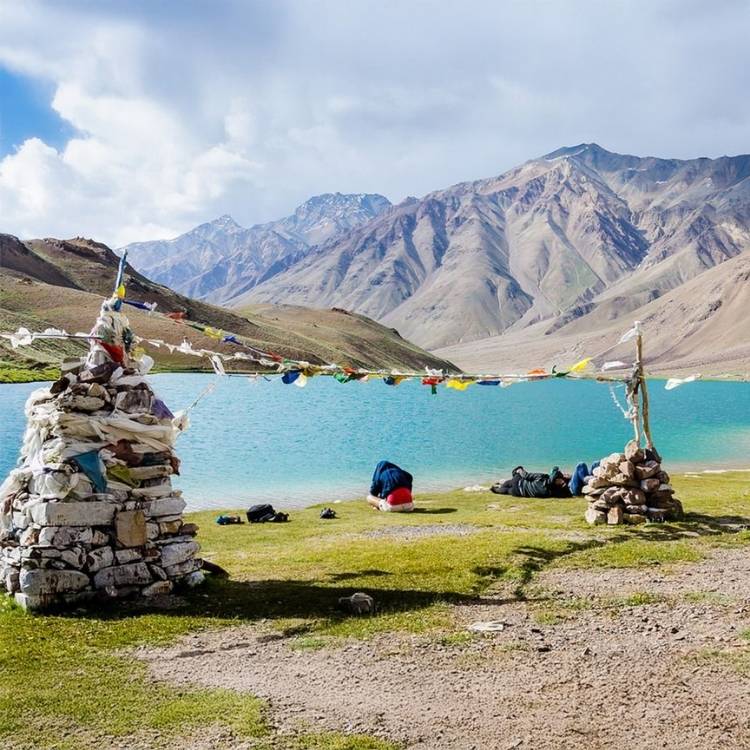
1D Narkanda•1D Sangla+5
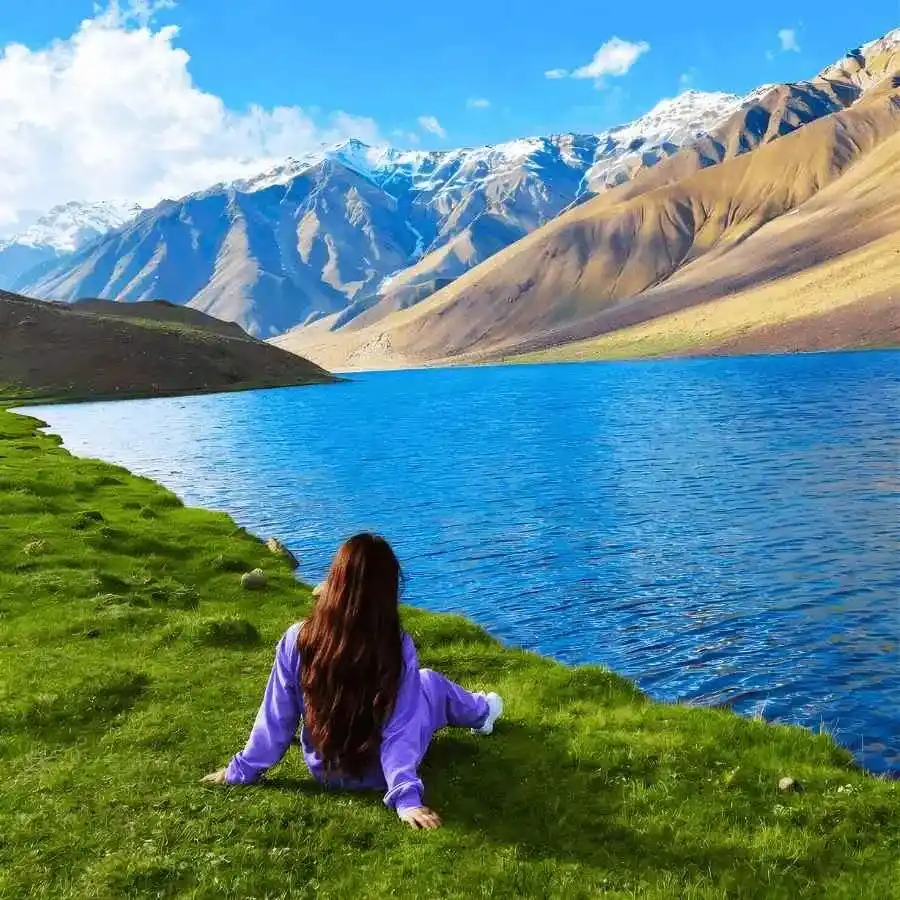
2D Kaza•1D Chandratal Camp
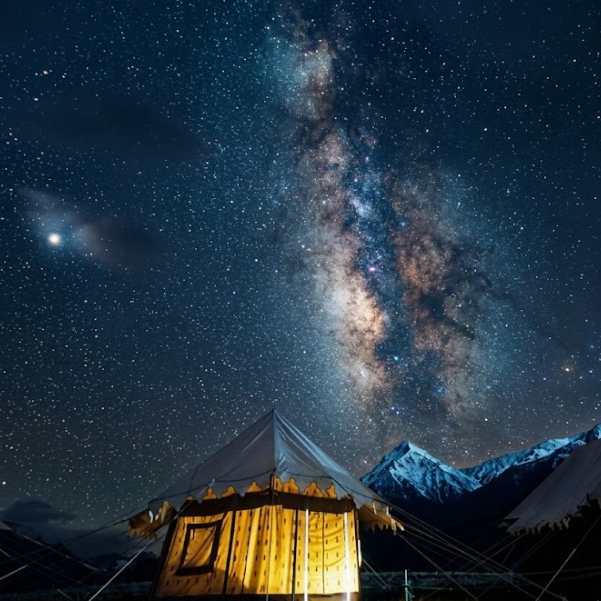
1D Sissu•1D Chandratal Camp
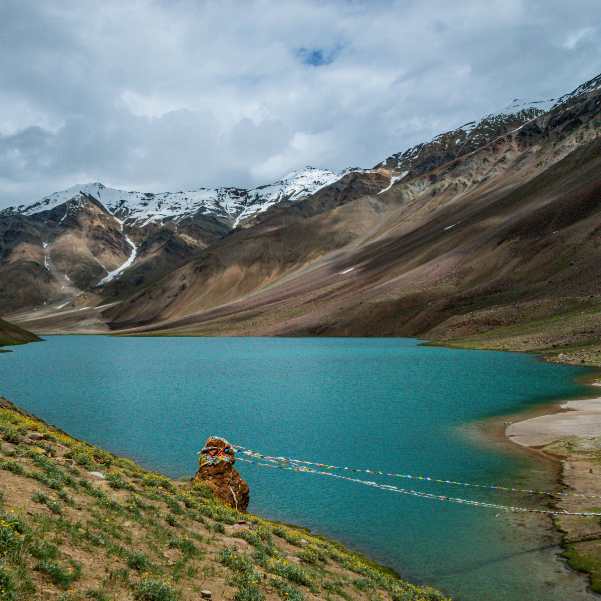
2D Kaza•1D Chandratal Camp
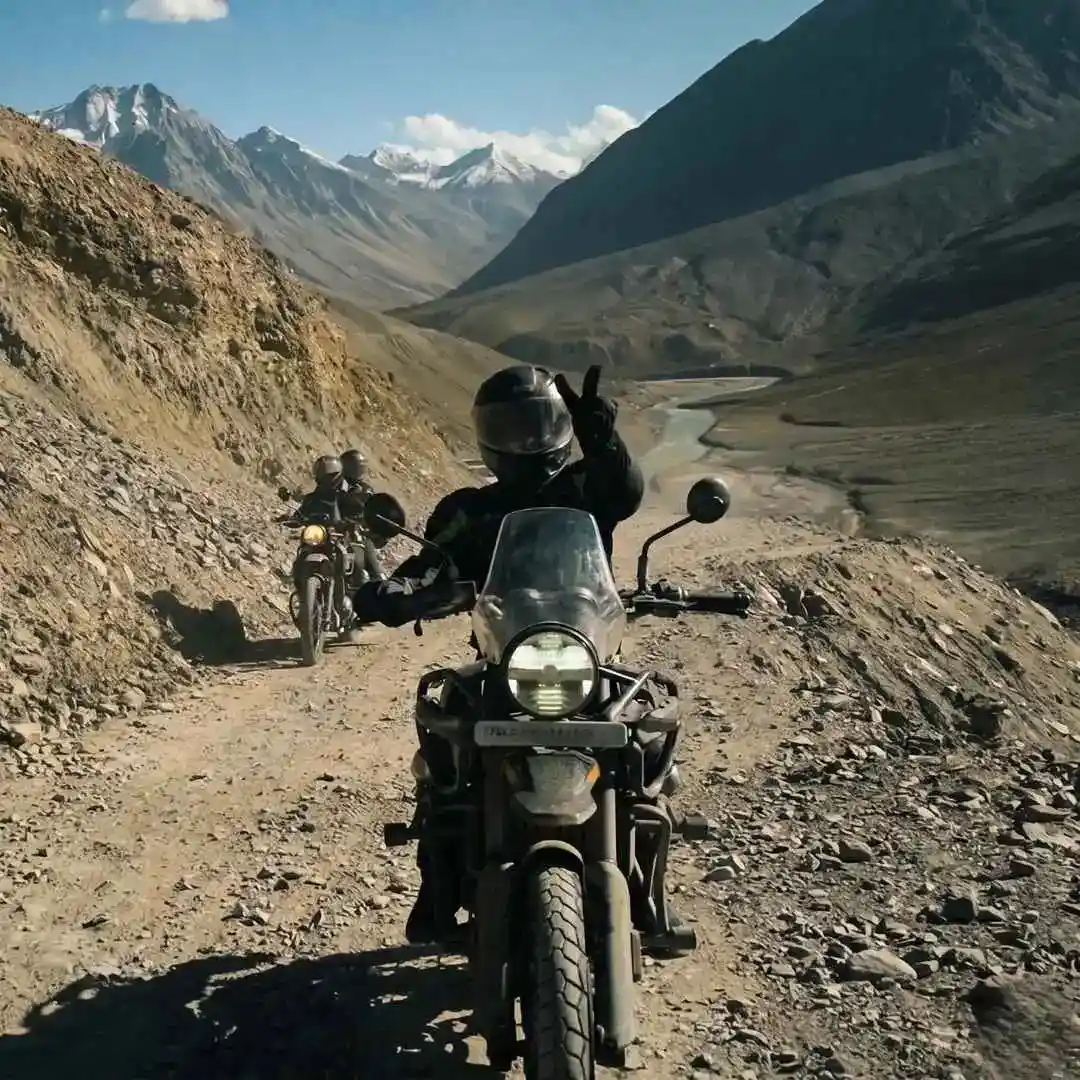 Group Tour
1D Sissu•1D Chandratal Camp+1
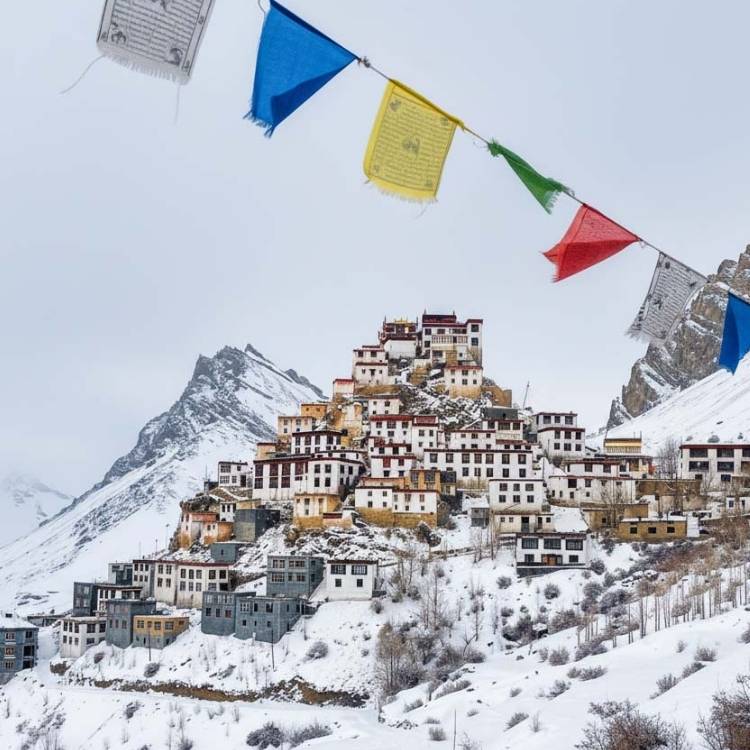
2D Kalpa•2D Kaza
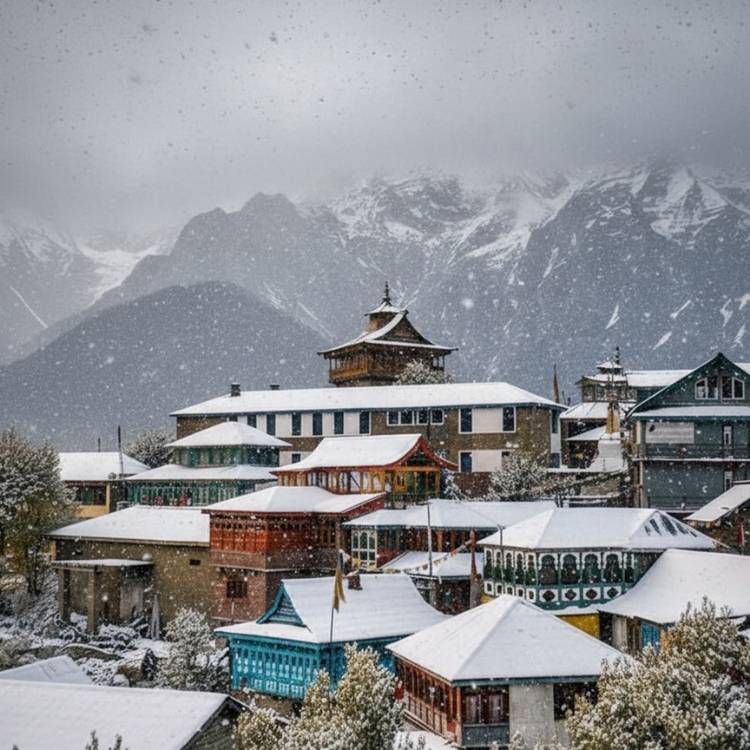
1D Narkanda•2D Sangla+4
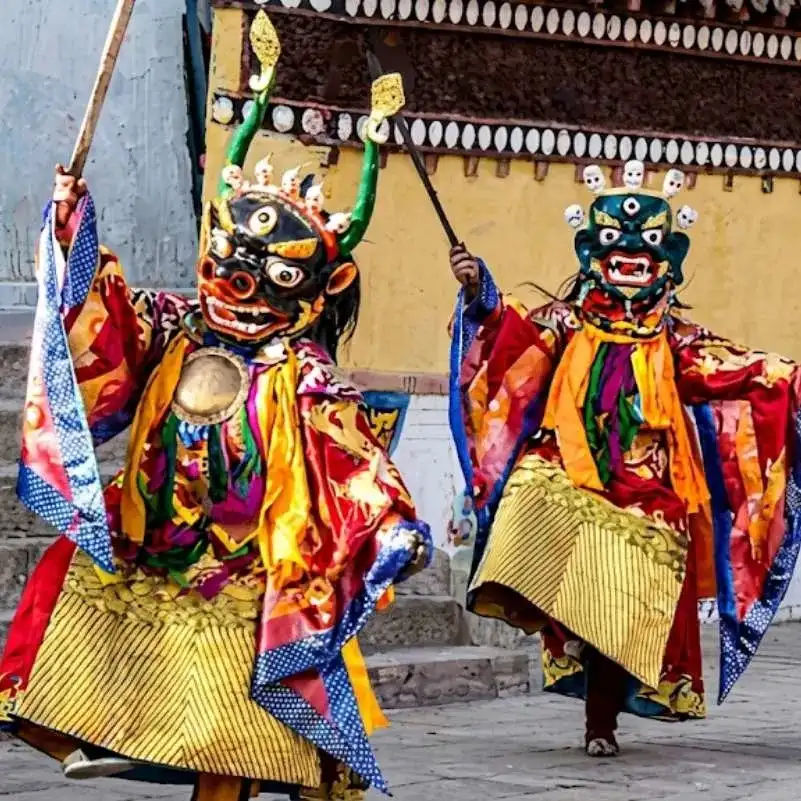 Group Tour
1D Sangla•1D Kalpa+3
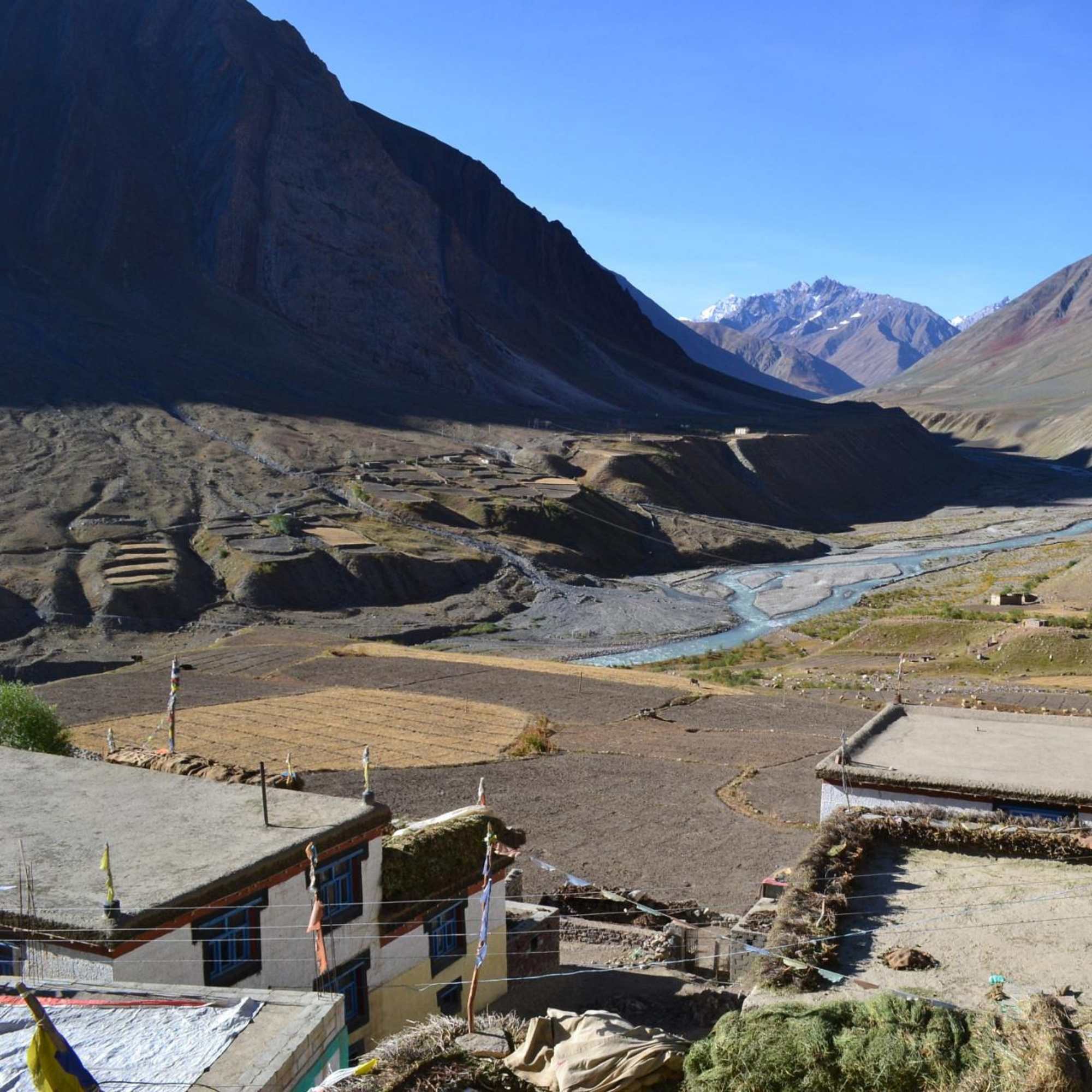
Mud sits at roughly 3,810 metres on the left bank of the Pin river, the last village on the road in Pin Valley before the high passes take over. It is about 50 km from Kaza and acts as the start or end point for the Pin Parvati and Pin Bhabha treks. Greener than the rest of Spiti, no network, basic homestays, and a road that takes its time.
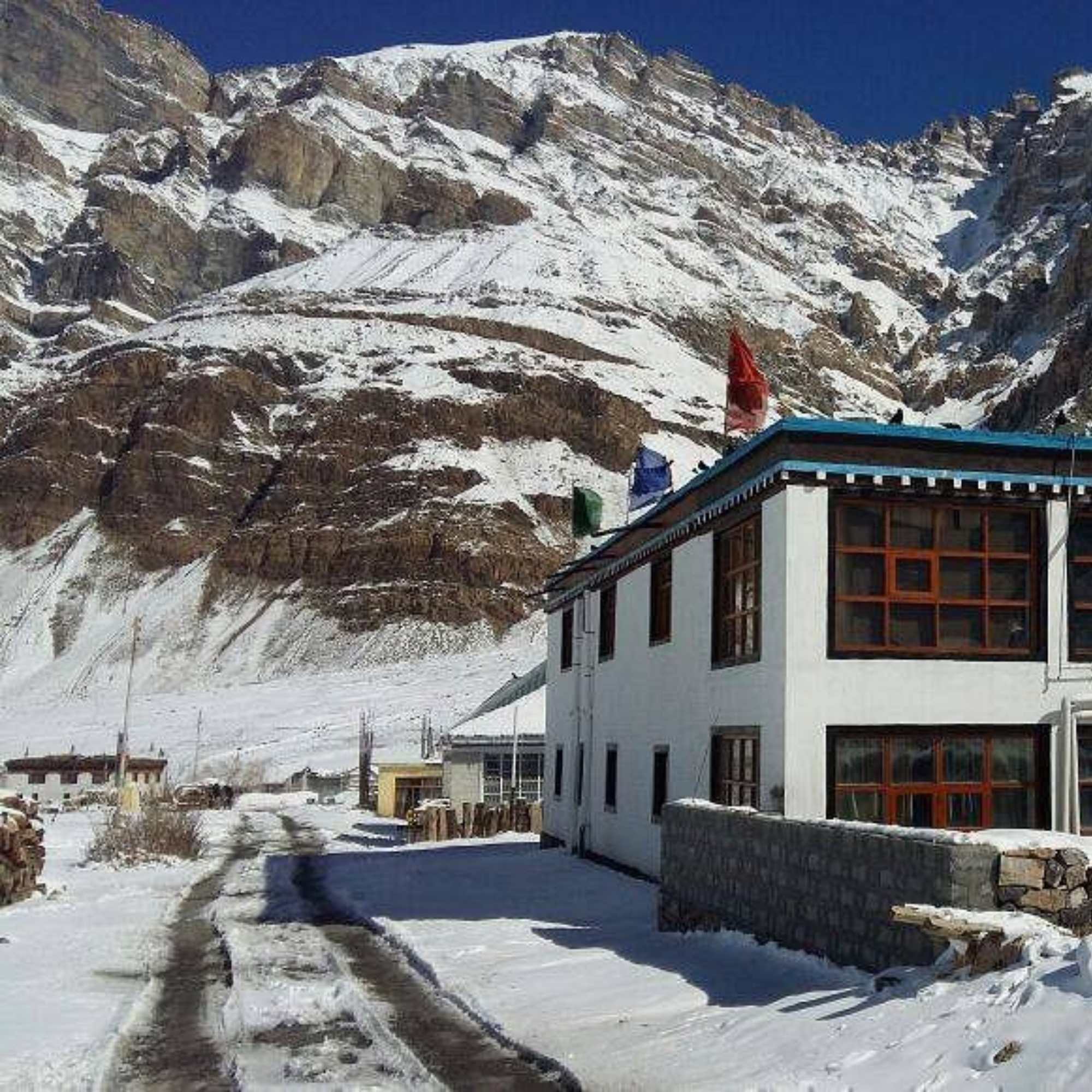
Losar is the first village of Spiti when you cross over Kunzum Pass from Manali, sitting at roughly 4,080 metres (around 13,400 ft). It is about 56 km from Kaza and 18 km from the pass, a small settlement of mud brick houses, a handful of homestays, and the last proper acclimatisation halt before you drop into the valley.
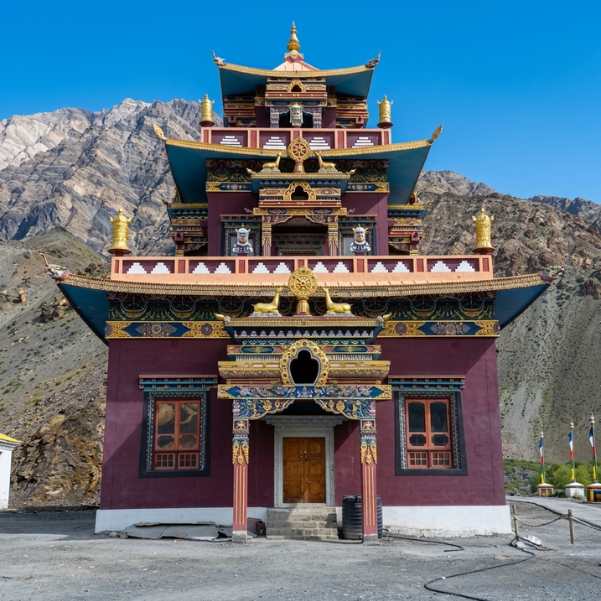
Gue is a small Buddhist monastery in Spiti Valley that houses the naturally preserved mummy of Lama Sangha Tenzin, believed to be around 500 years old. It sits at roughly 3,080 metres (about 10,100 ft), 35 km from Tabo and 80 km from Kaza, on a short detour off NH 505 near Sumdo.
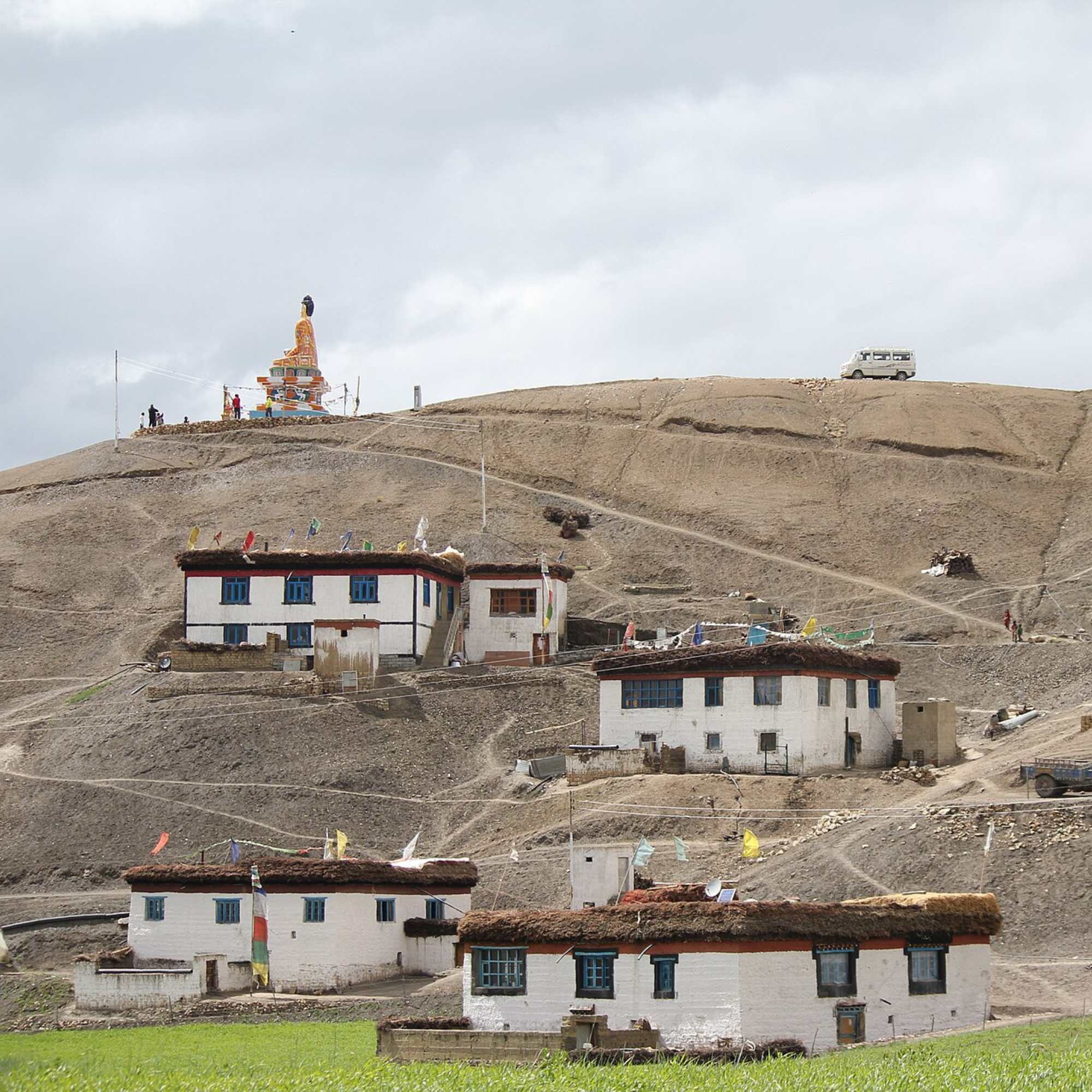
Langza sits at roughly 4,400 metres above Kaza, about 15 km away. The reasons to come are the large seated Buddha facing the Chau Chau Kang Nilda peak, the ammonite fossils on the slopes around the village, and the wide silence of a high Spitian hamlet. Most travellers visit as part of the Langza, Komic, Hikkim loop. One night here is the version that actually pays off.
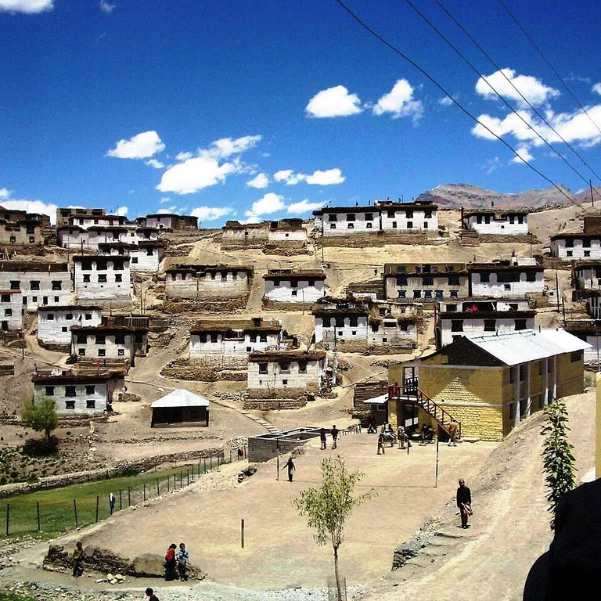
Kibber sits at roughly 4,270 metres above Kaza, about 18 km away. The village itself is small and quiet, the real reason to come is the wildlife sanctuary around it and, in deep winter, the genuine if rare chance of spotting a snow leopard. Most travellers visit as a half day from Kaza, paired with Key Monastery and Chicham Bridge.
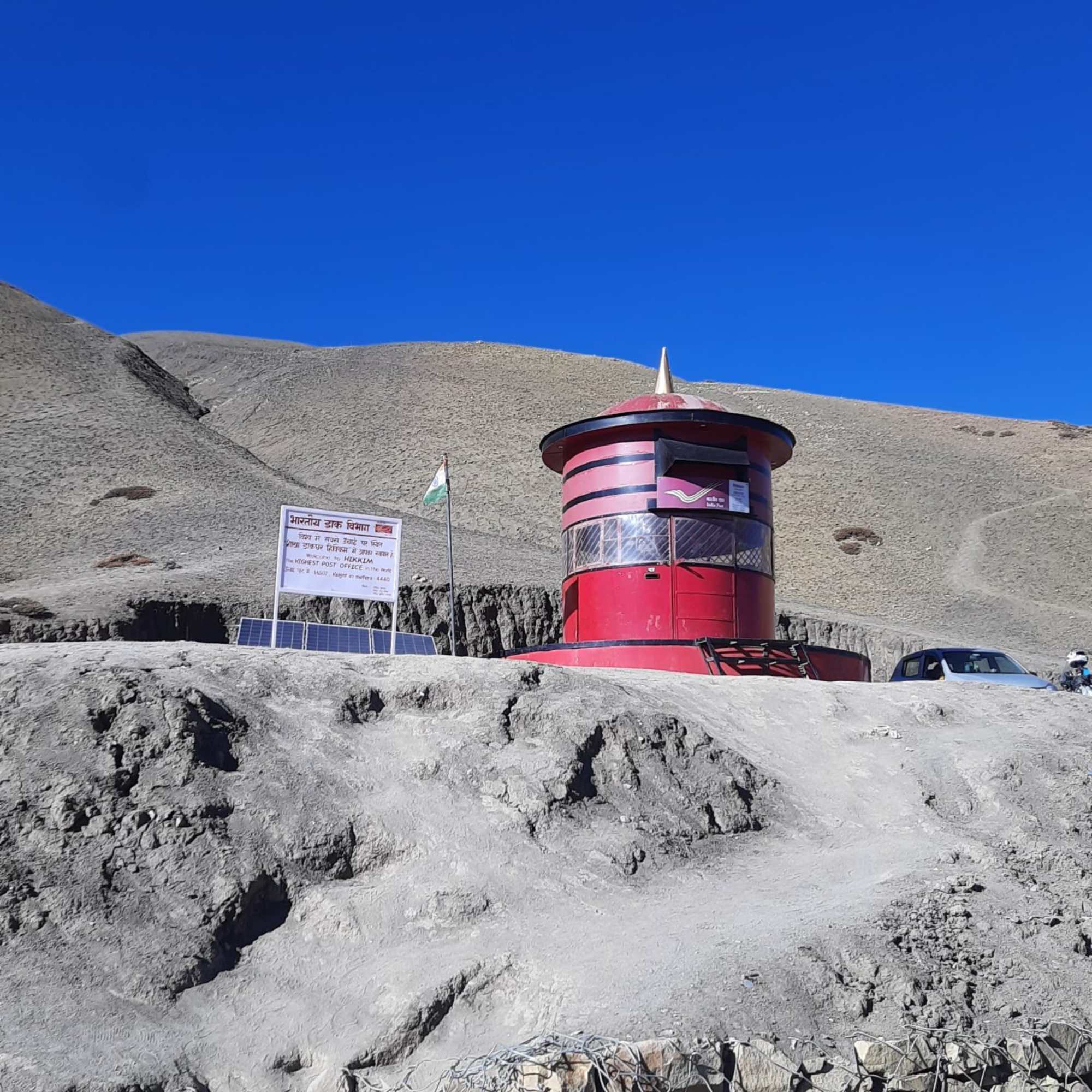
Hikkim sits at roughly 4,400 metres above Kaza, about 16 km away. The reason most travellers come is the small India Post branch here, widely promoted as the highest post office in the world, in operation since 1983. Plan a 30 to 45 minute stop as part of the standard Langza, Komic, Hikkim loop. Buy your postcards in Kaza first, the stock here is unreliable.
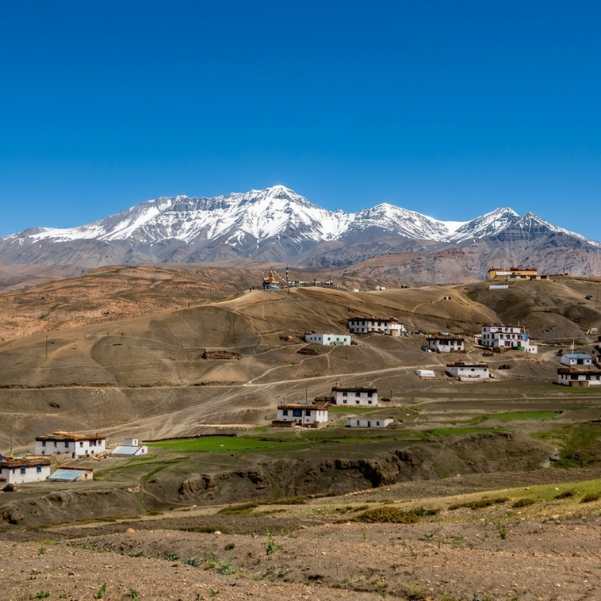
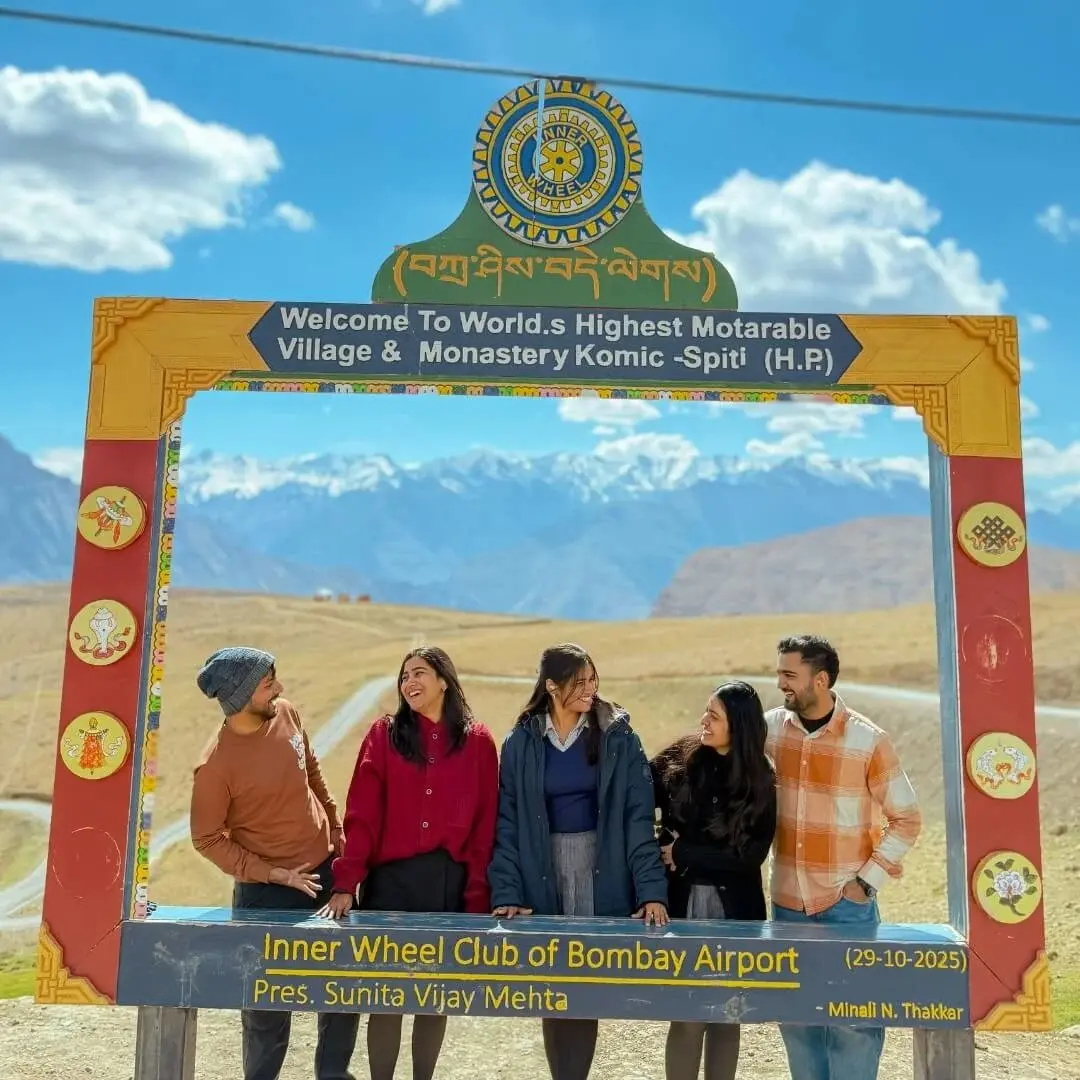
Komic sits at roughly 4,587 metres in the high mustard cold desert above Kaza, about 18 km away. It is widely promoted as the highest motorable village in the world. The point of coming here is the Tangyud Monastery on the canyon rim, the silence, and the night sky. Most travellers do it as a half day from Kaza. One night here is the version that actually pays off.
Dhankar sits between Kaza and Tabo, with a fort monastery perched on a 300 m spur above the confluence of the Spiti and Pin rivers. The old gompa is fragile and best entered briefly. The real reward is the short, steep climb above the village to Dhankar Lake at around 4,140 m. Plan a half day. Most travellers underrate it.
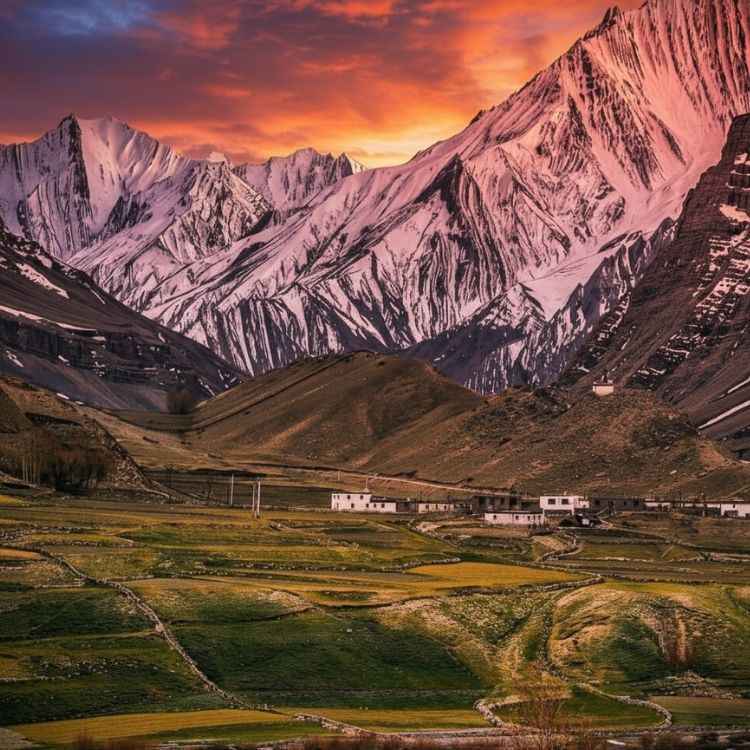
Pin Valley National Park sits in the cold desert of Spiti, established in 1987, with a core zone of about 675 sq km and elevations from roughly 3,500 m at the river to over 6,000 m at the peaks. Most travellers drive in as far as Mud village, around 50 km from Kaza, and spend a day or a night. The park itself is a trek in, not a drive through.
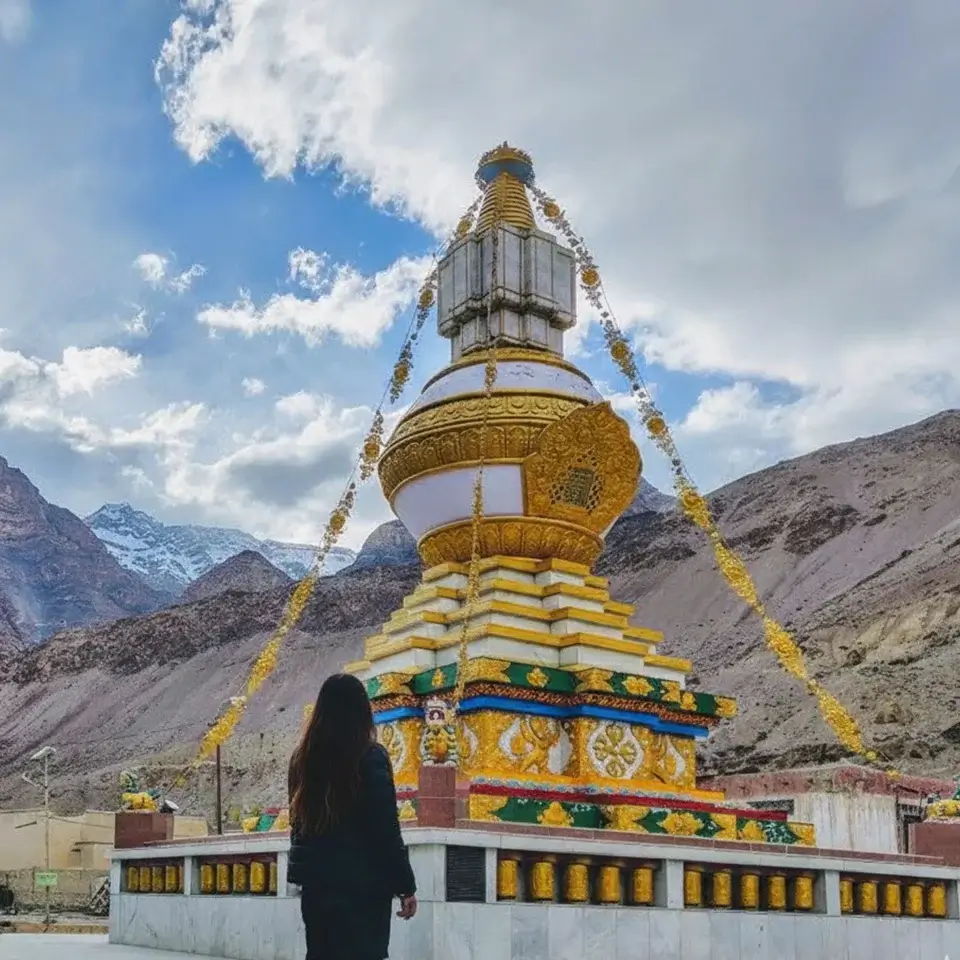
Tabo Monastery sits at roughly 3,050 metres in Tabo village, about 48 km from Kaza. Founded in 996 CE, it is widely considered the oldest continuously operating Buddhist monastery in India and the Himalayas, famous for its 10th and 11th century wall murals. Most travellers stop for an hour, the murals deserve longer.
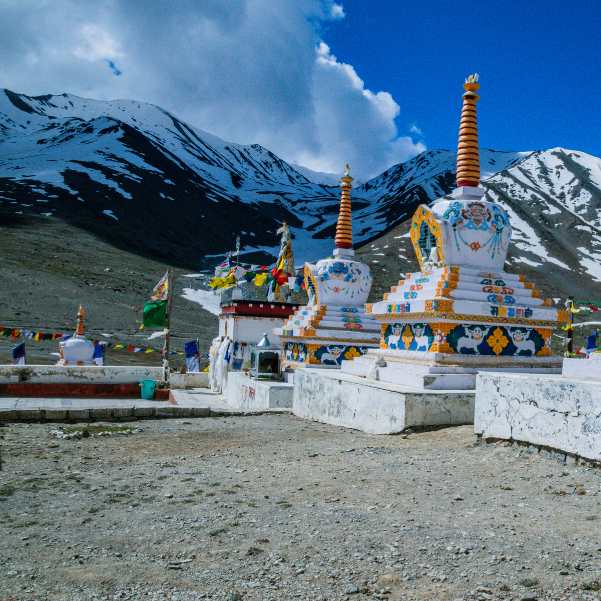
Kunzum Pass sits at roughly 4,551 metres on NH505 and is the only road link between Manali and Spiti in summer. It generally opens around late May or early June and closes with the first heavy snow, usually by mid to late October. Most travellers stop for 20 to 30 minutes, take a round of the Kunzum Mata temple, and move on.
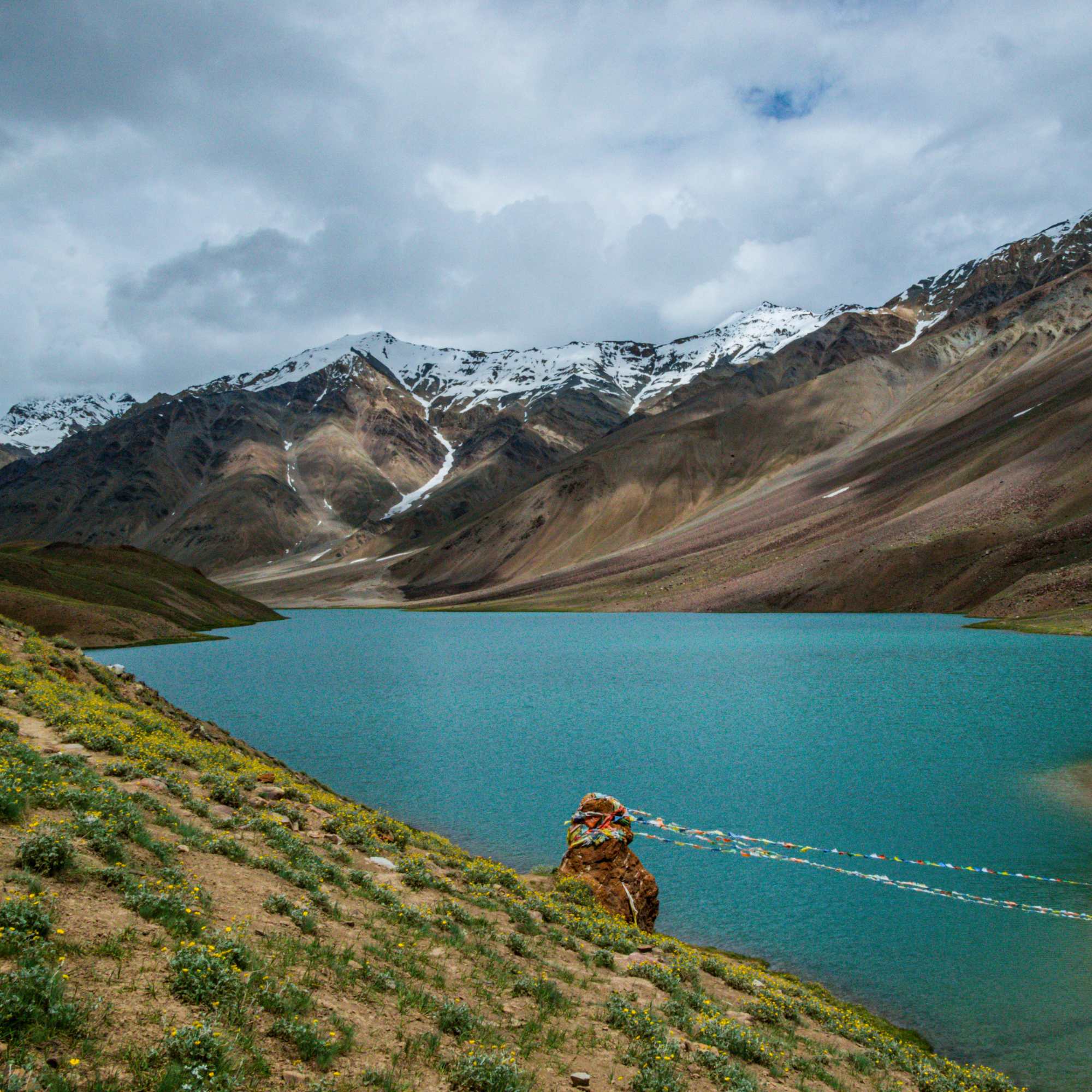
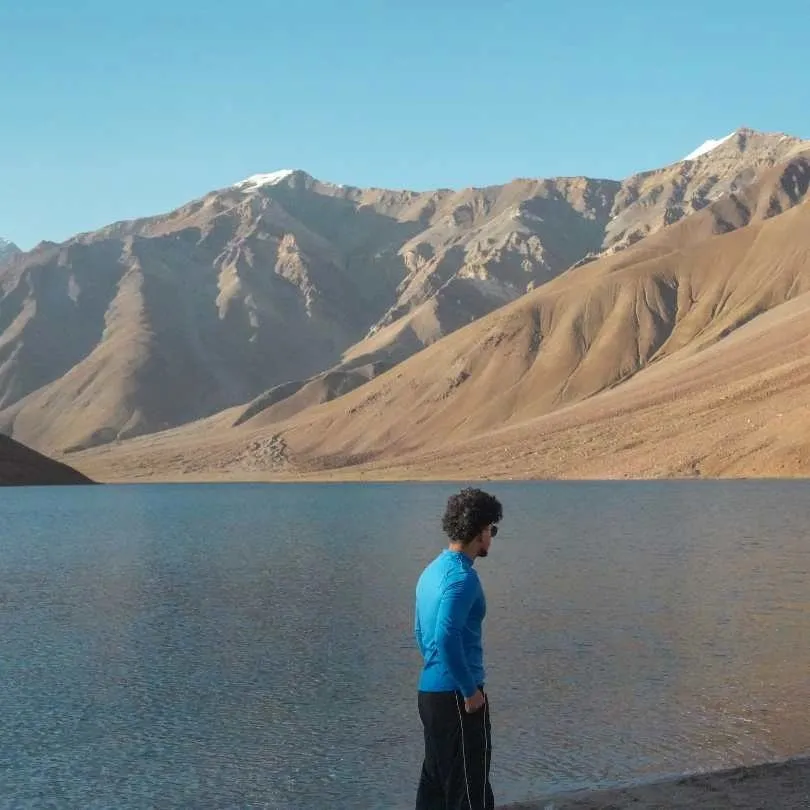
Chandratal is a high altitude Ramsar lake sitting at roughly 4,300 m between Kunzum La and Batal. Best visited from June to early October. Camping on the shore is banned, authorised camps sit 2 to 3 km away, and most travellers pair the lake with a full Spiti circuit.
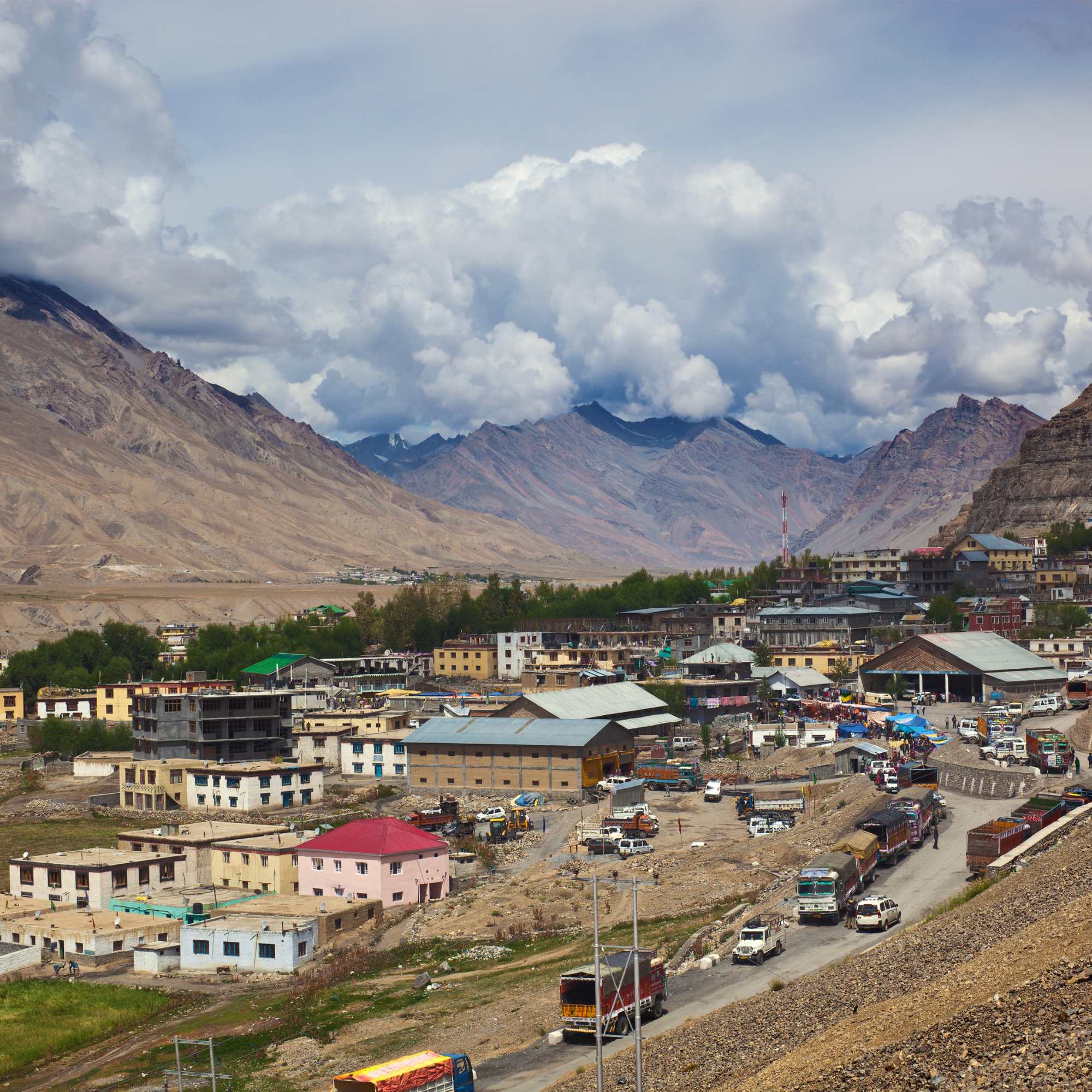
Kaza is the main town of Spiti Valley and the base almost every traveller uses to explore Key, Kibber, Langza, Komic, Hikkim, and Chandratal. It has the valley's most reliable petrol pump, ATMs, cafes, and stays. Most people spend two to three nights here.
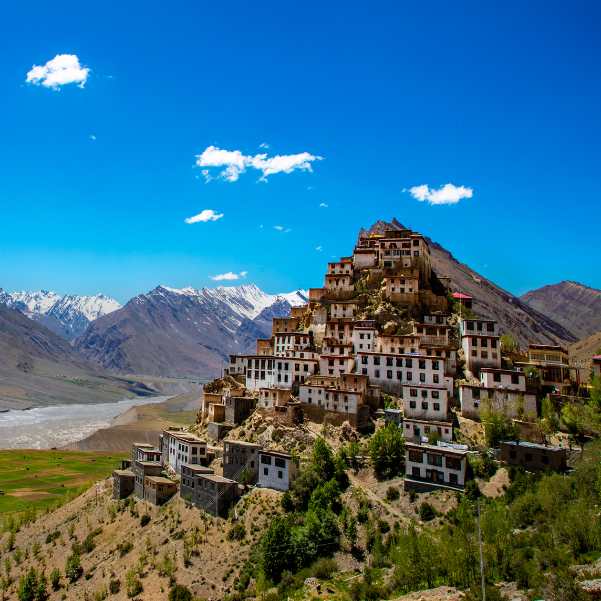
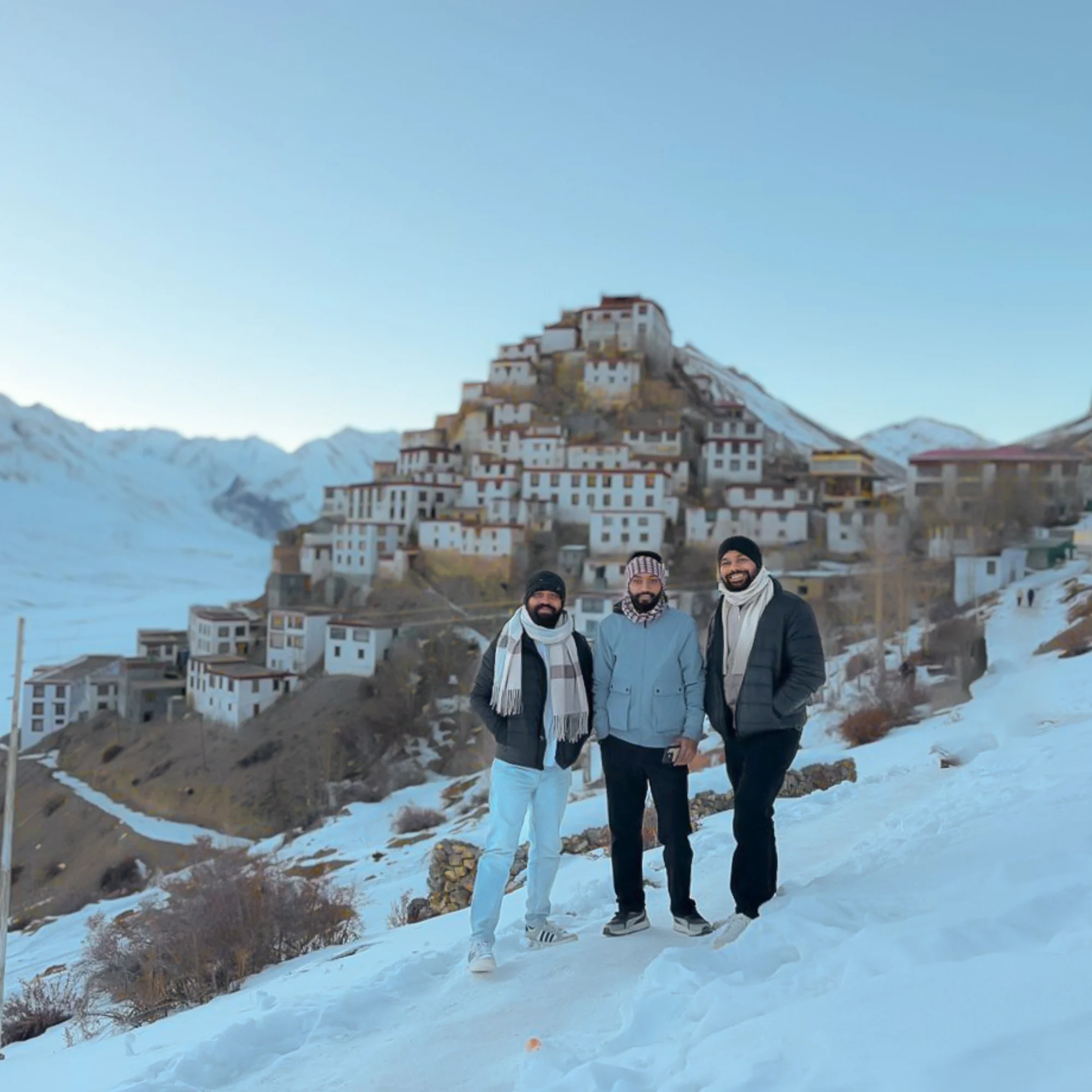
Key Monastery is the biggest and arguably most photogenic gompa in Spiti, sitting about 12 km from Kaza. Most travellers stop here for an hour, though arriving early for morning prayers can make the visit feel quieter, if the timing works out.
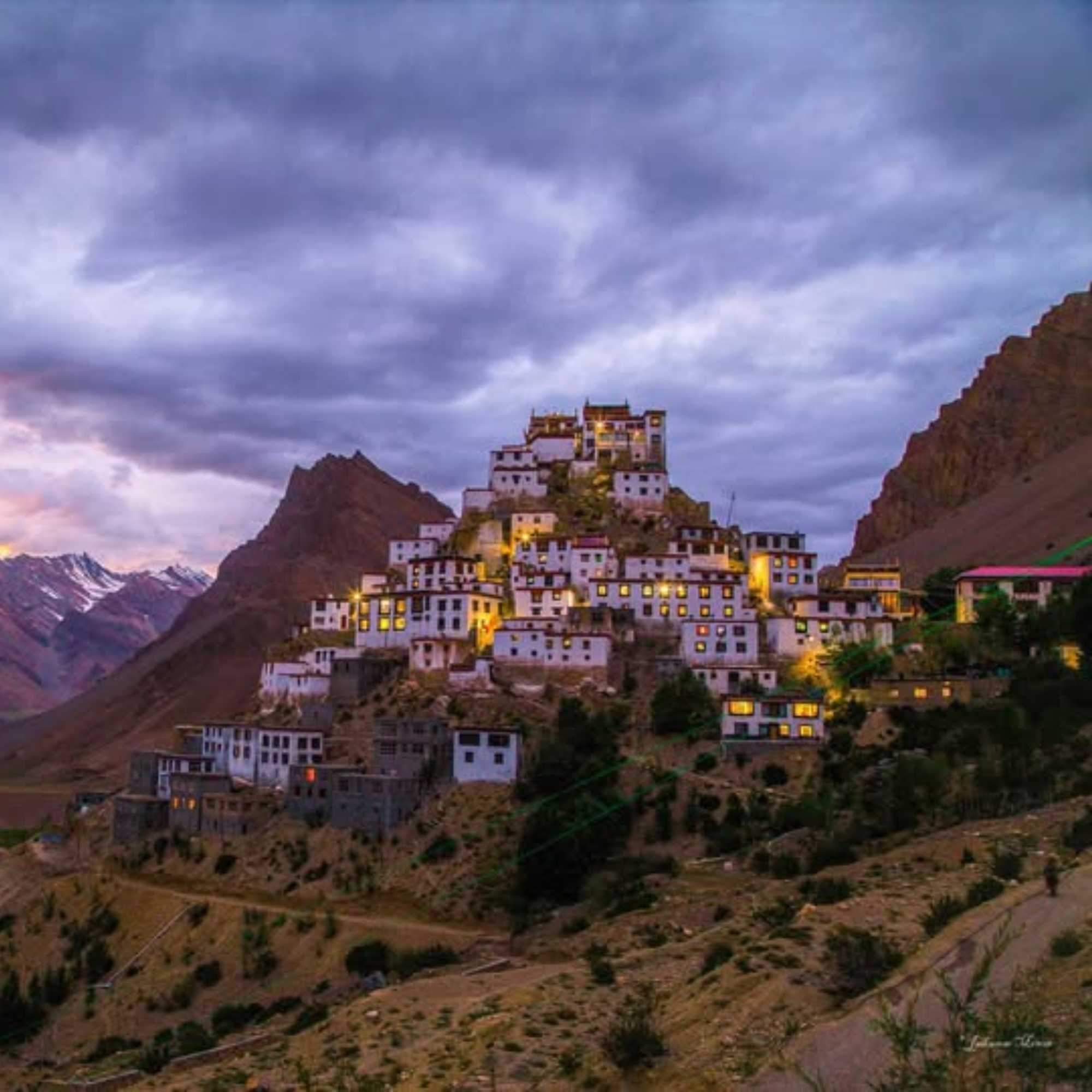
Arrive early at Key or Tabo before other visitors. The prayer hall is dim, lit by butter lamps. The silence is not empty. It hums. Your children will feel the difference between this and every noisy place they have ever been.
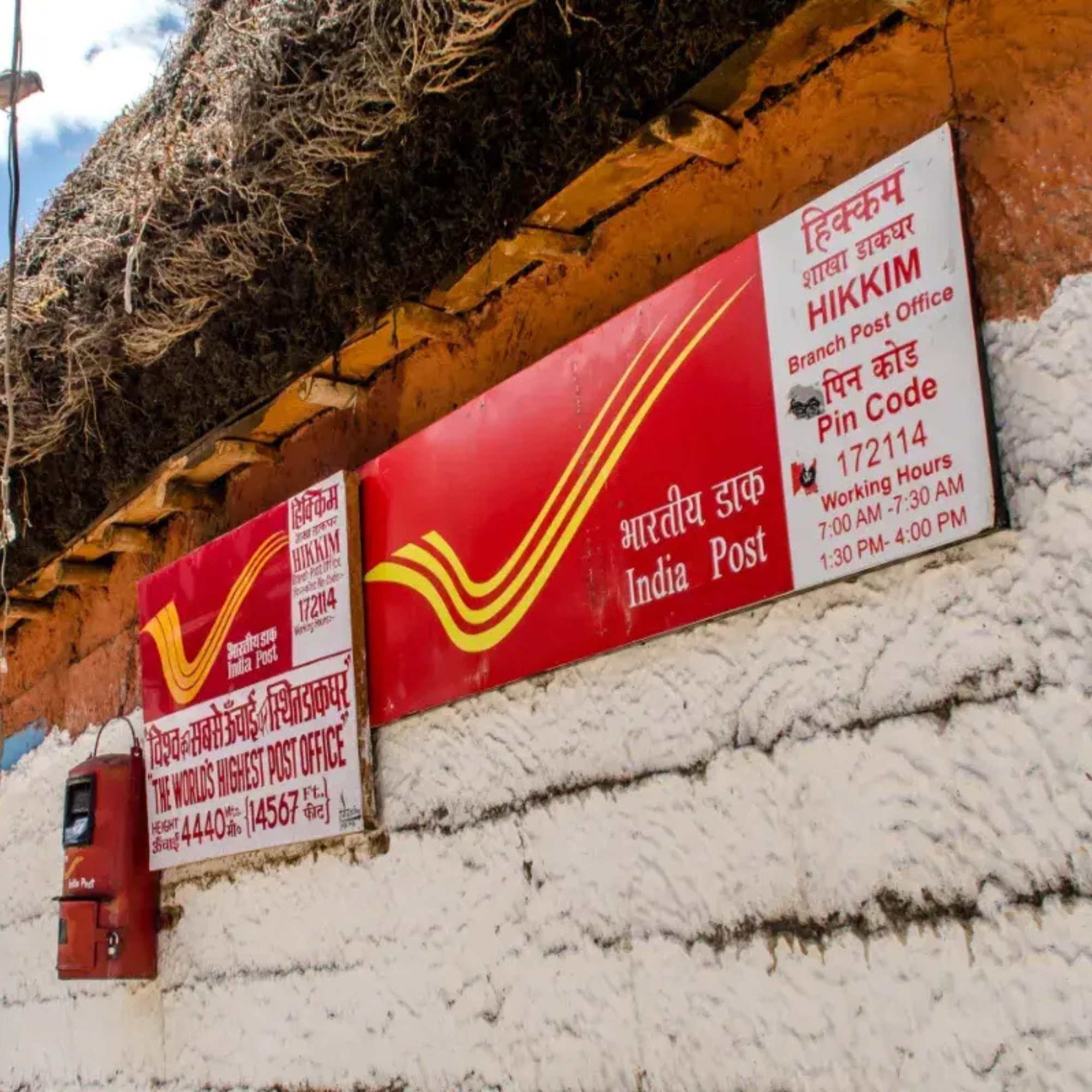
A tiny post office at 4,400 metres. Your child writes a few lines, sticks on a stamp, and sends a letter from one of the highest post offices in the world. Simple, personal, and the kind of thing they will tell their friends about for months.
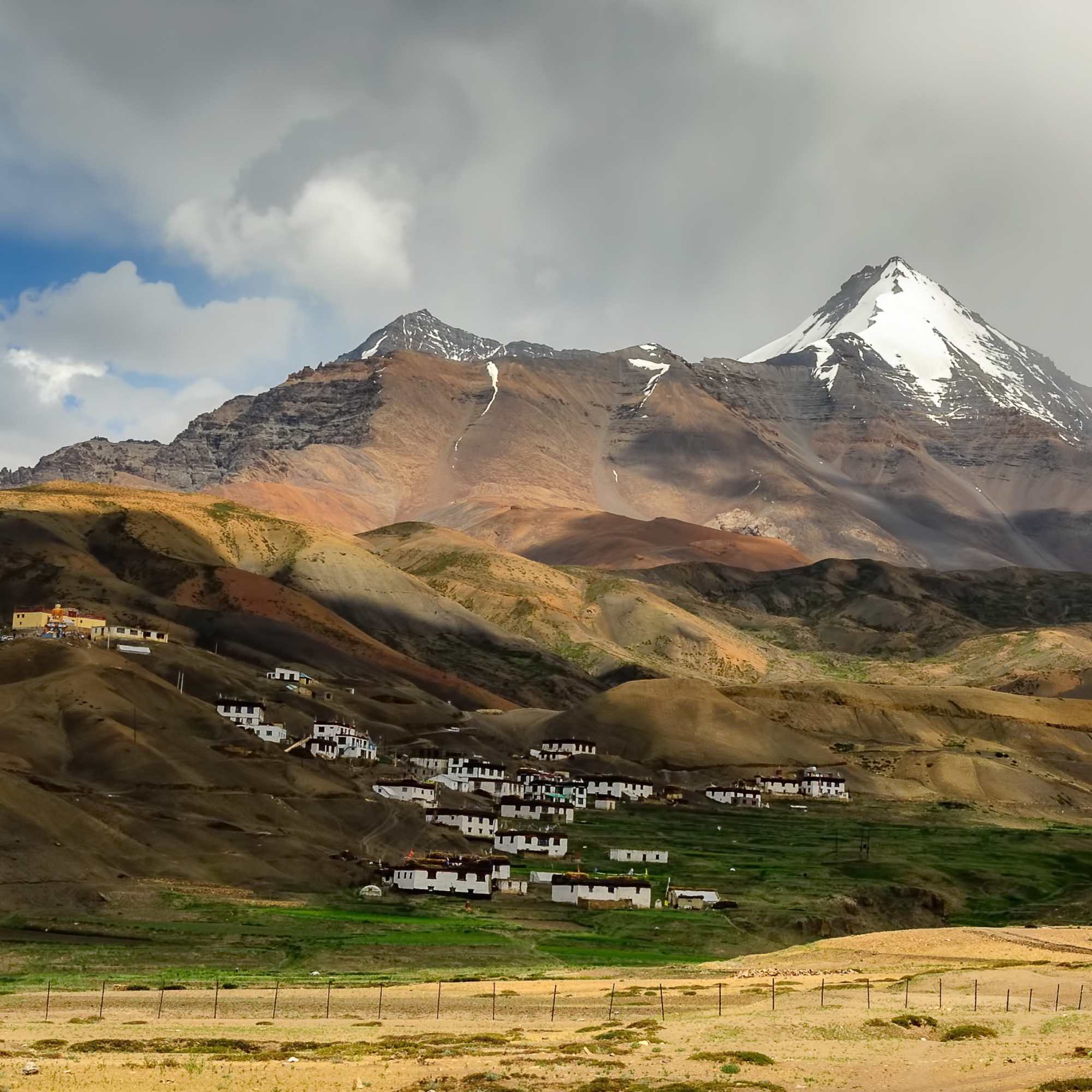
No guide needed. Walk the hillsides, look at the rocks, and find fossilised sea creatures from millions of years ago. For children, this is pure magic. They are holding something older than anything they have ever touched.
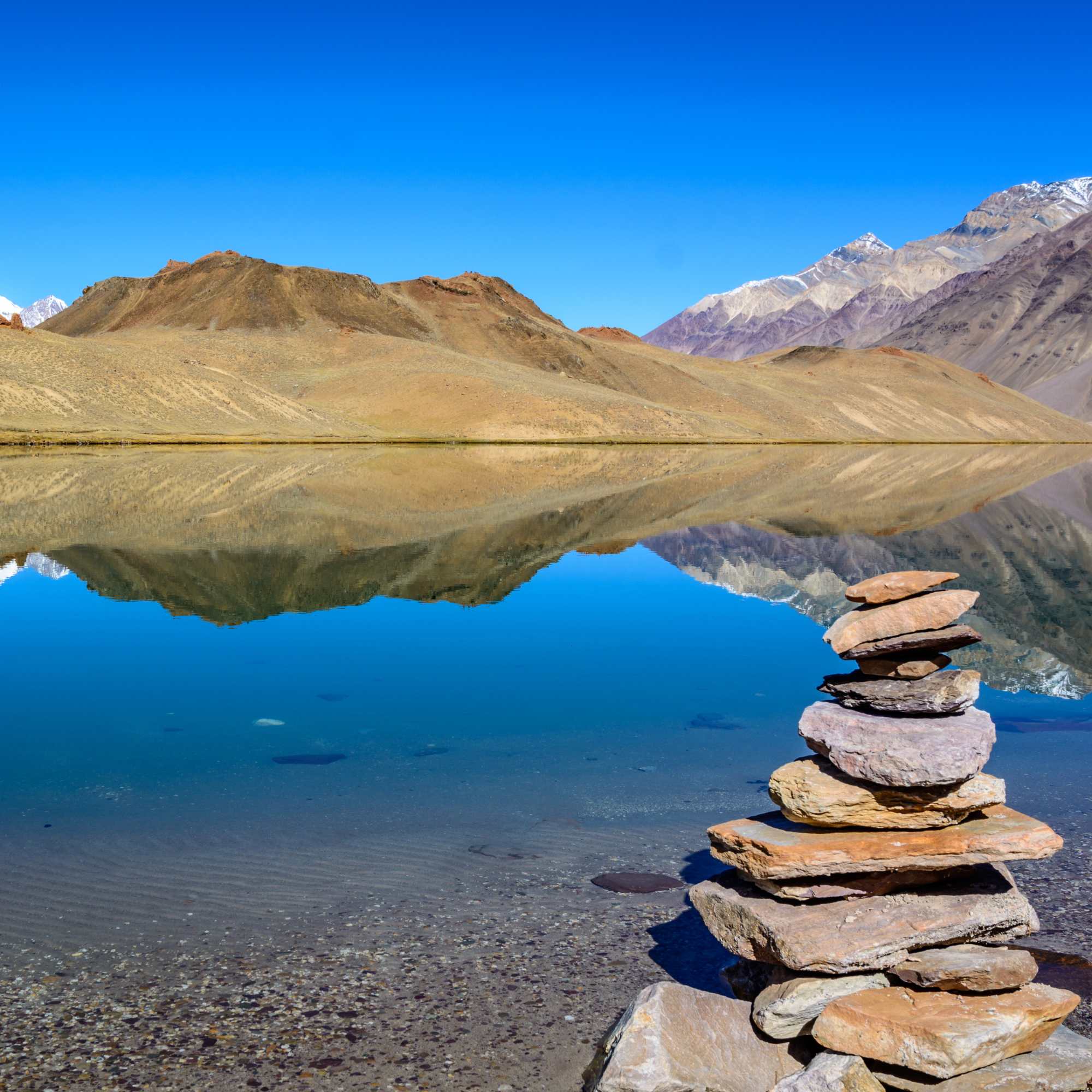
Step outside after dinner. No light pollution. No haze. The Milky Way runs thick and bright directly overhead. Your children will not believe it is real. Bring a blanket and sit together. This is one of the best stargazing experiences anywhere in India.
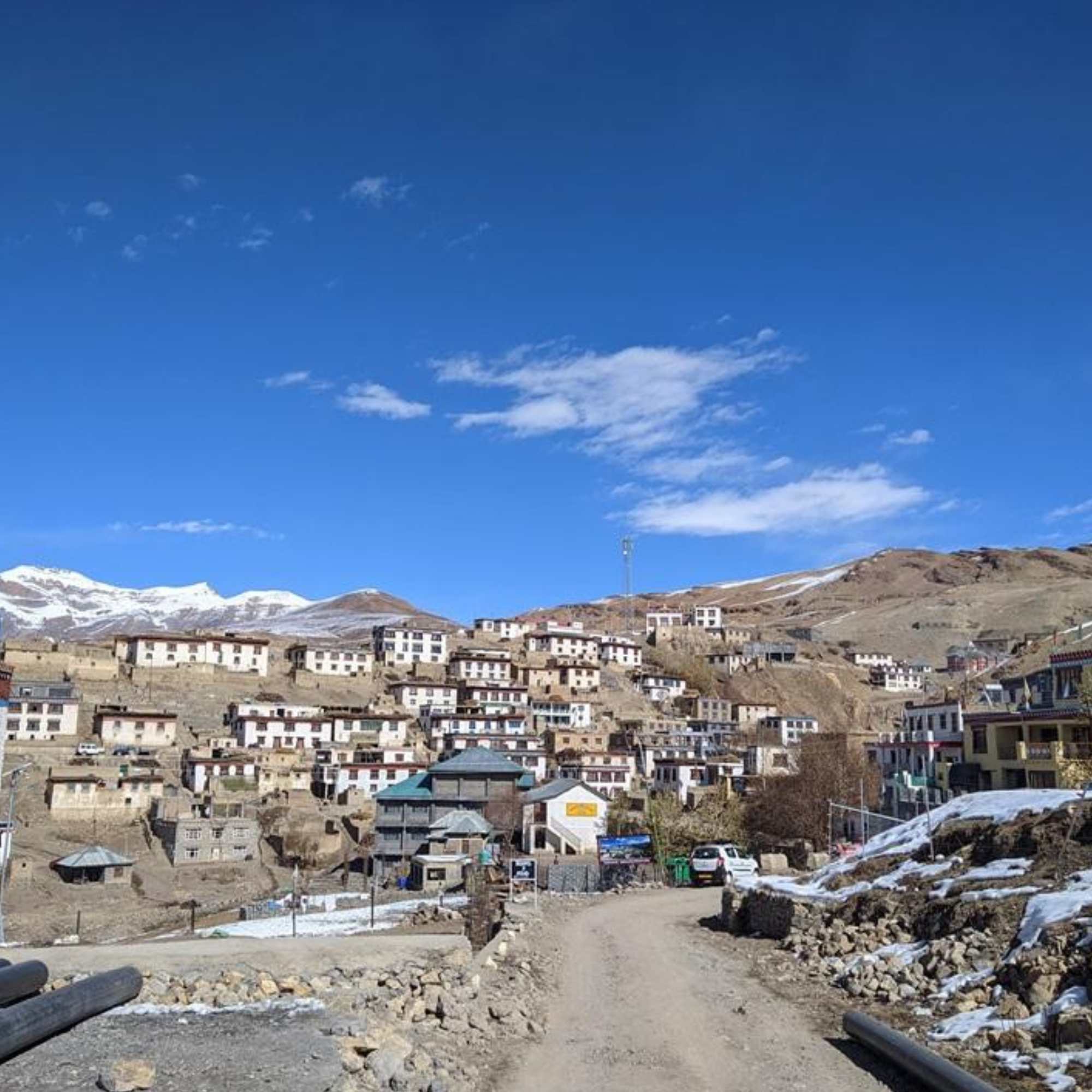
The bridge spans a deep canyon between Kibber and Chicham. Standing on it, you can look straight down into the gorge. It is safe, dramatic, and exactly the kind of thing that makes a road trip memorable for kids.
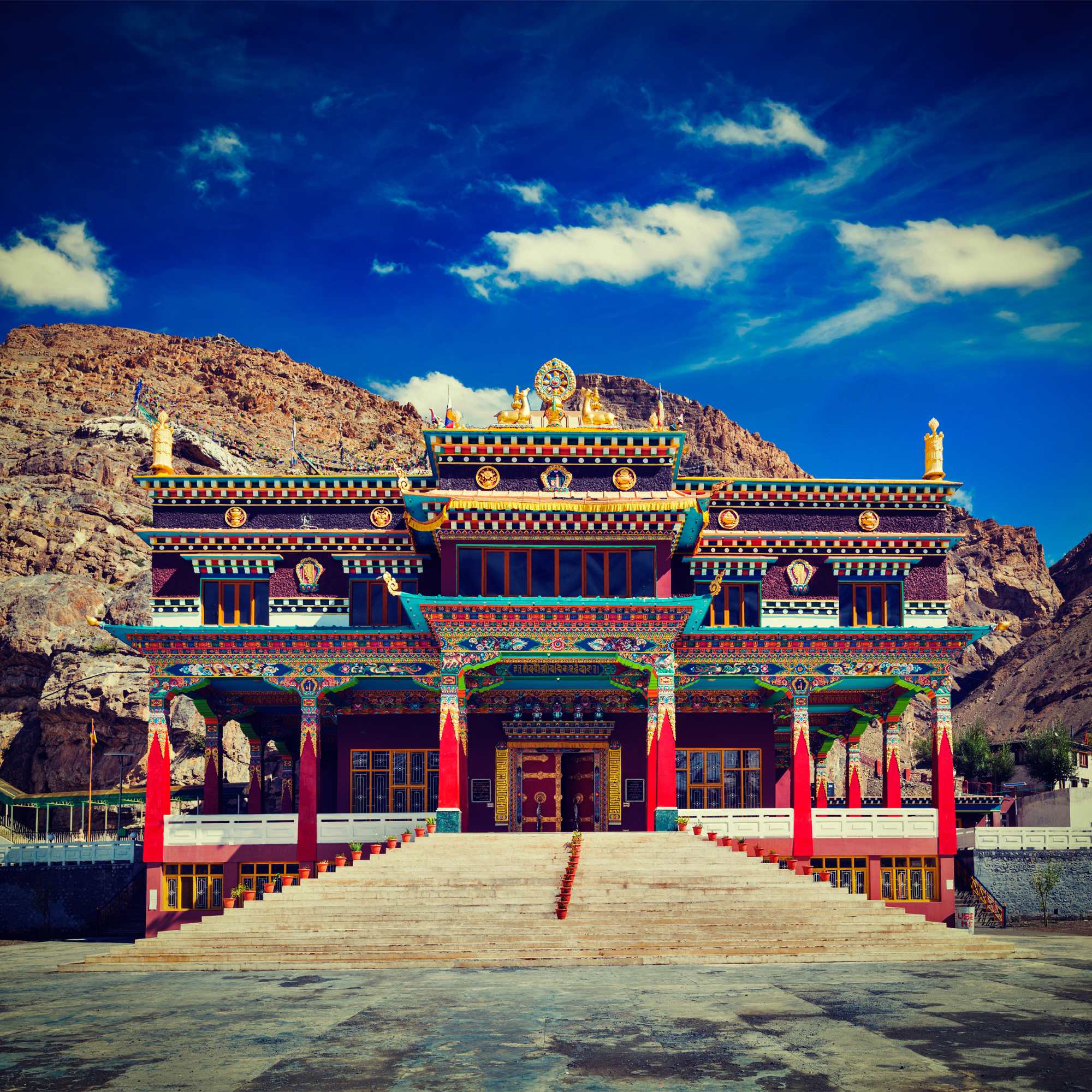
Dal, rice, roti, and maybe some khichdi for the kids. Thukpa if they are feeling adventurous. Momos made fresh. Butter tea if anyone is brave enough. The food in Spiti is simple, warm, and cooked with care. Eating together in a family homestay, with the mountains outside the window, is its own kind of experience.
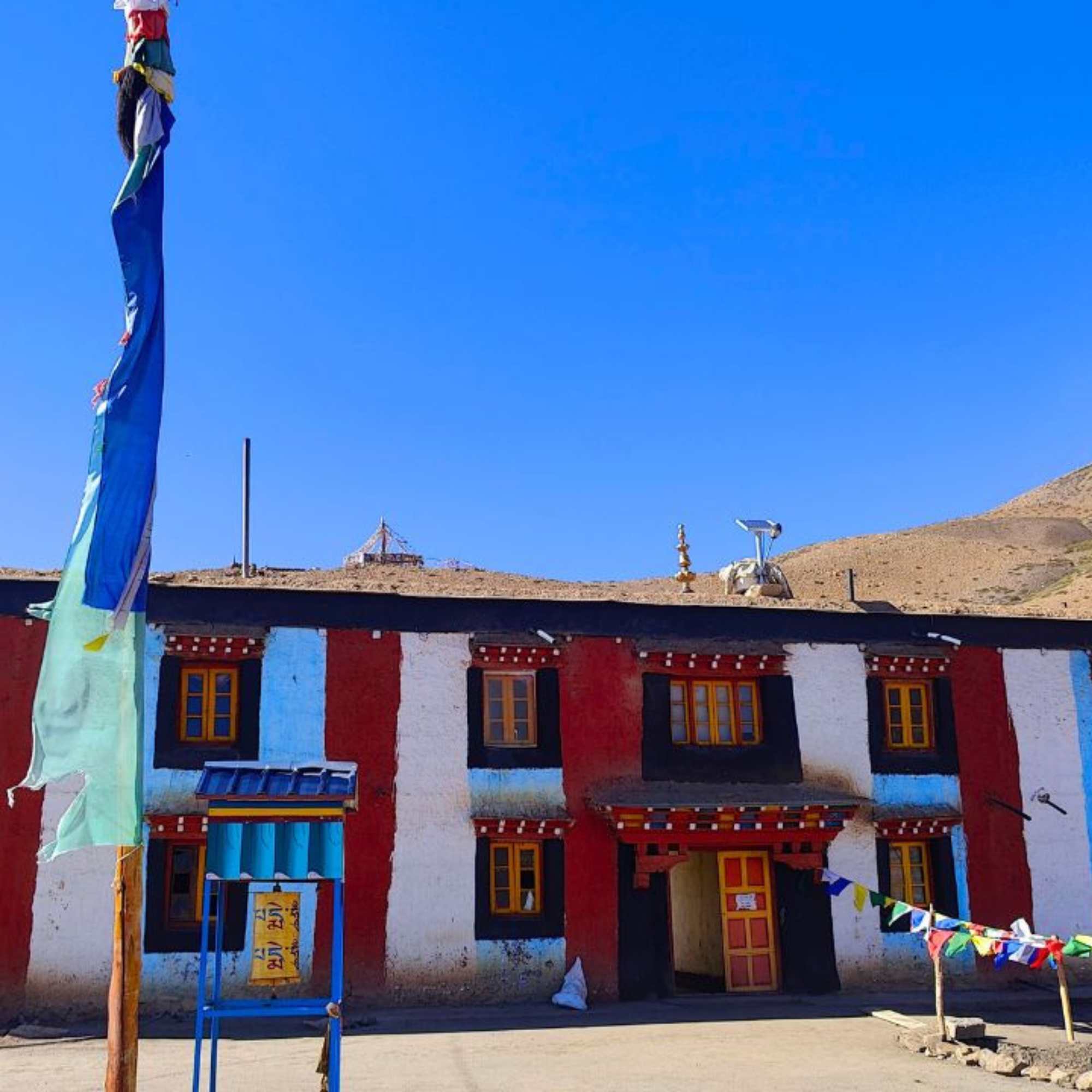
No agenda. Just walking through a village at 4,000 plus metres, past whitewashed mud homes, barley fields, prayer flags, and mani walls. Walk clockwise around the stupas. Dress modestly near the monastery. Let your children look, ask questions, and notice things at their own pace.
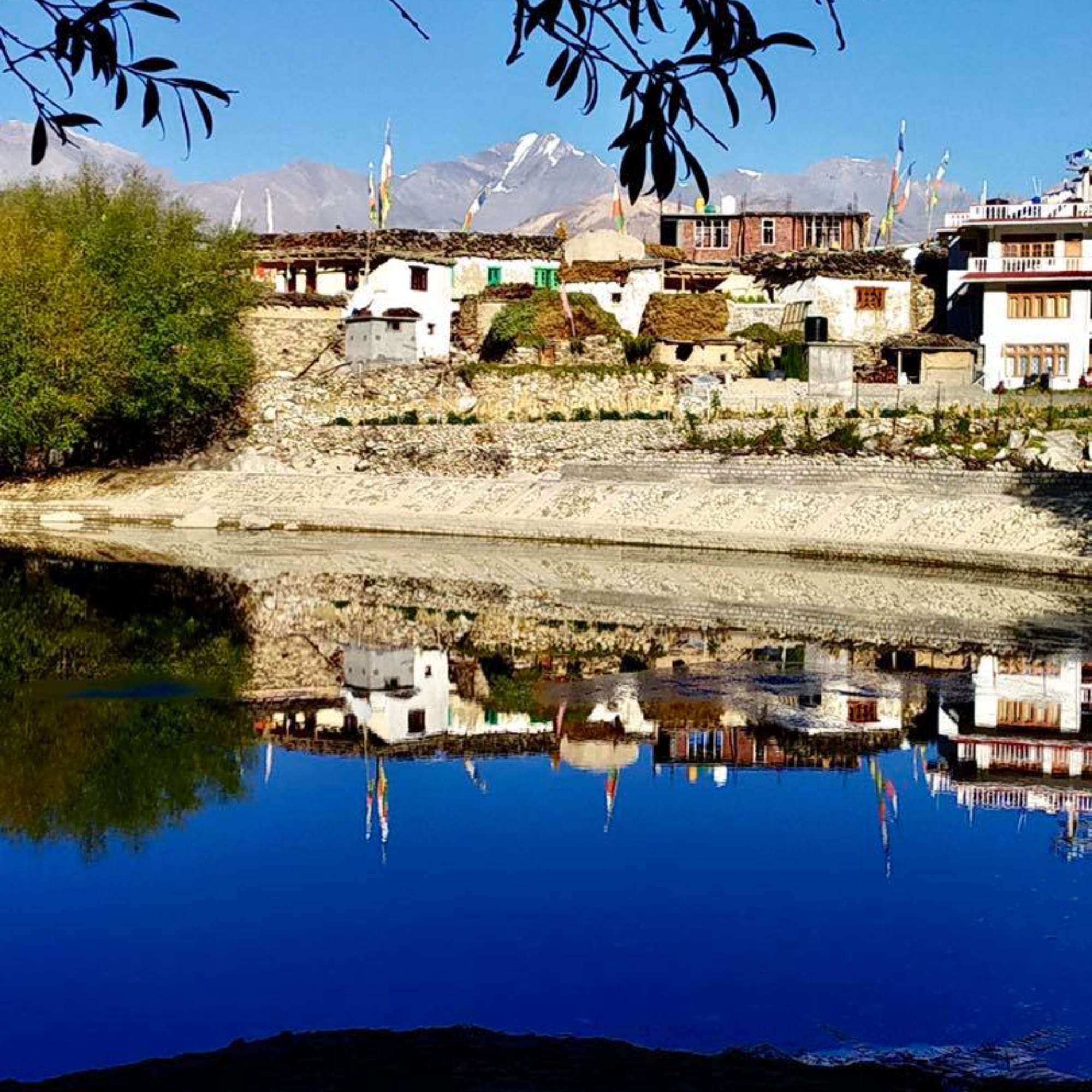
The Spiti full circuit is one of the great road trips of India. Pine forests give way to orchards, then bare rock, then cold desert. Your children will notice the shift. Colour by colour, valley by valley, the world outside the window transforms.

“Travel Coffee truly went above and beyond. Even though we booked from Indonesia without meeting them, we always felt secure — their team was available 24/7 and took care of every detail. Shubham personally ensured our comfort throughout the Himachal trip, from hotel checks to small gestures like bringing lotion and altitude pills. Their sincerity and local expertise made the journey unforgettable.”
Andre & Angel
Spiti is one of the most peaceful and socially safe regions in India. Crime is virtually nonexistent and locals are welcoming. The real concerns for families are altitude, remoteness, and road conditions. These are all manageable with proper planning, gradual acclimatisation, a good vehicle, and an experienced local driver. We brief every family before departure on what to expect and how to prepare.
Via Shimla, almost always. The Shimla to Kinnaur route climbs gradually through green valleys before entering Spiti, giving your family time to adjust to altitude over two to three days. The Manali route is shorter but crosses Kunzum Pass at 4,590 metres very quickly, which can be hard on children and elderly travellers. We usually recommend entering via Shimla and exiting via Manali if both routes are open.
September to early October is the sweet spot for most families. The weather is clear and dry, roads are at their most stable, and the valley is golden and beautiful. Late May to June is also excellent, with fresher conditions and some snow still visible. We do not recommend winter Spiti trips for families with young children due to extreme cold and limited infrastructure.
Ten to twelve days from Chandigarh or Shimla is what we recommend for families doing the full circuit. This includes acclimatisation stops, rest days, and enough flexibility for weather or energy-related changes. Shorter trips of seven to eight days via the Manali side are possible for families with older children, but the pacing is tighter and less forgiving.
Yes, children can be affected by altitude just like adults. Symptoms include headache, nausea, fatigue, and loss of appetite. The best prevention is slow ascent, proper hydration, adequate rest, and not pushing through symptoms. We strongly recommend consulting your paediatrician before the trip, especially for children under ten. Our itineraries are built with acclimatisation stops specifically to reduce this risk.
Yes. Most guesthouses and homestays serve simple hot meals like dal, rice, roti, and khichdi, which children usually eat without fuss. Thukpa and momos are widely available and popular with kids. Local bread is often fresh and filling. We recommend carrying familiar snacks, biscuits, and dry fruits for long driving days. The food is basic but warm and freshly cooked.
It does not have to be. With the right pacing, a comfortable vehicle, and a well-planned itinerary, most of the trip involves riding in a car with stops for sightseeing and short walks. There are no mandatory treks. The main physical challenge is altitude, which affects energy and sleep. A well-paced family trip to Spiti is not a fitness test. It is a road journey with plenty of time to rest and absorb.
The cost depends on route, duration, vehicle type, number of travellers, and accommodation level. A full circuit family trip of ten to twelve days with a private cab and comfortable stays will cost more than a budget backpacking trip, but the comfort difference for families is significant. We recommend reaching out for a tailored quote based on your family's needs and travel dates.
A well-planned family package typically includes accommodation, a private vehicle with an experienced driver, meals at most stops, permits where required, and on-ground support throughout the trip. What separates a good family package from a generic one is the quality of the stays, the pacing of the itinerary, and how well the operator understands what families actually need on a trip like this.
If your family values shared experience over theme park entertainment, yes. Spiti will not offer luxury resorts or activity parks. What it offers is something rarer. A road trip through a landscape that changes every hour. Monasteries where your children will feel silence for the first time. Stars so bright they look fake. Fossils in the hillsides. A postcard sent from 4,400 metres. And the kind of unhurried time together that most families only get on trips like this.
Yes. We offer family tour packages across Himachal Pradesh. For lakeside camping with older kids, see our Chandratal family tour at travelcoffee.in/family-tour-packages/himachal/chandratal. For riverside forest holidays, explore our Jibhi Tirthan family tour at travelcoffee.in/family-tour-packages/himachal/jibhi-tirthan-valley. For monastery walks and Tibetan culture, check our Dharamshala family tour at travelcoffee.in/family-tour-packages/himachal/dharamshala. For snow, temples and easy sightseeing, see our Manali family tour at travelcoffee.in/family-tour-packages/himachal/manali or Shimla family tour at travelcoffee.in/family-tour-packages/himachal/shimla.
Real experiences shared by Travel Coffee travellers in Spiti Valley Family Tour.
55 traveller reviews
Based on Google reviews.
Real photos and videos shared by travellers from recent trips.
Had an absolutely incredible trip exploring Manali, Solang, Sethan, Khokhsar, Sissu, and Darcha, all the way up to Shinkula Pass and Shinkula Top, thanks to Travel Coffee! A huge shoutout to Preeti Jasyal, who helped us a lot throughout the process. She is an amazing person and went above and beyond to help us create the perfect booking. The entire service was seamless and highly effective, and the hotels she selected for us were absolutely amazing with great comfort and views. Driving through those massive mountain terrains can be daunting, but their flawless coordination made the entire journey stress-free. If you're planning a trip to Leh, Ladakh, Spiti, or any of these mountain regions, Travel Coffee is the way to go!
I, being a senior citizen travelled solo with Travel Coffee for Spiti Valley and Chandratal Lake for 8N/9D. It was an amazing trip, well organised with decent hotels. Vanshika from Travel Coffee supported me, took great care of me till the very end. I enjoyed a lot and am looking forward to join any upcoming trips in future
We had an amazing experience on our Spiti Valley trip organised by Travel Coffee. Everything was well organized, from the itinerary and accommodations to transportation. The entire journey was smooth and hassle-free, allowing us to truly enjoy the breathtaking beauty of Spiti. A special thanks to Preeti Jaysal and the team for their constant support before and during the trip. They were always available to help and ensured that everything went as planned. Our driver was experienced, friendly, and made us feel safe on the challenging mountain roads. We made unforgettable memories, visited stunning places, and had an incredible overall experience. I would definitely recommend them to anyone planning a Spiti trip. Thank you for making our journey so special!
Our Delhi to Kaza round-trip with Travel Coffee was incredible! Huge thanks to Manju ma'am (Manju Mehta) for her flawless management and organization throughout. Special gratitude to our driver, Negi bhai (Prakash Negi), whose expert driving skills kept us completely safe on the challenging Spiti roads. Highly recommend them for a seamless, unforgettable adventure!
Lovely and nice experience with travel coffee During my recent trip of spiti valley tour, nice arrangements done from their side in every aspect, thanks to travel coffee for arranging such a nice trip
We did a spiti bike trip with travel coffee this early June. We had a very new experience this time as we travelled with travel coffee for the first time. We booked 7 bikes, a Bolero Camper to travel as backup vehicle …
Thanks to Travel Coffee team for making such wonderful Spiti Circuit tour. We enjoyed this tour thoroughly 🙏🙏 …
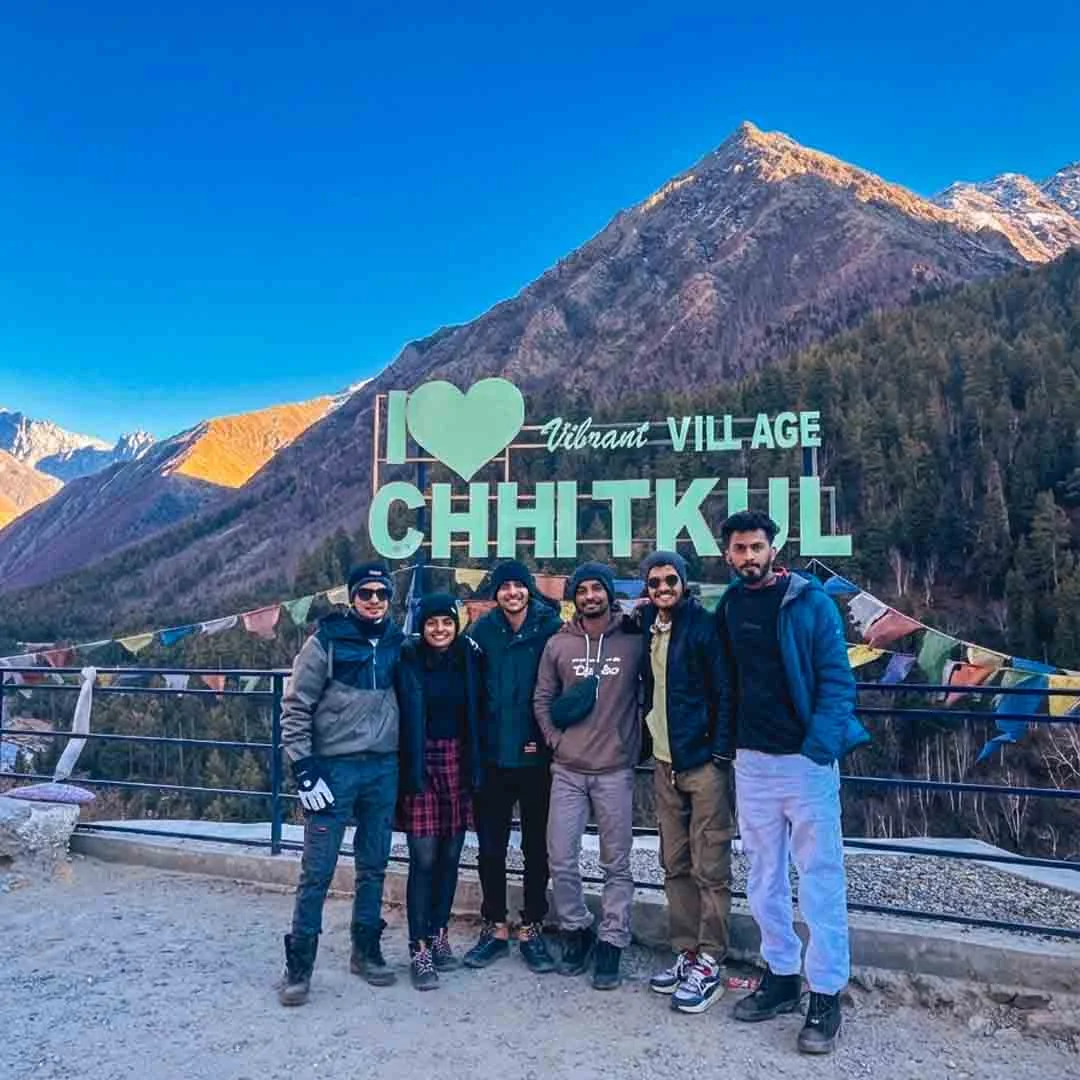
Ms Manju of Travel coffee helped with arranging everything on our Kinnaur Spiti trip in May 2026 . We had nice home stay, food and vehicle services for the entire trip. Destination covered Shimla,Fagu,Bhima Kali temple Sarahan, Sangla,Chitkul,Kaza,Tabo,Nako,Kalpa in 7N/8D. Special mention of Ms Vipasa Negi of Hotel Kamru Sangla that she arranged Birthday cake for me on my Birthday during the trip, that was so special
Very good experience with travel coffee during trip to spiti Very well organized trip by travel coffee Hotel rooms,food, vehicle and driver very well arranged
The tour management of travel coffee was great during my spiti valley trip. The hotels were superb. The facilities and services provided in the hotels were too good. The food served was tasty. The travel service provided were great ad did not face any problems during my trip
Very nice arrangement by travel coffee Excellent rooms,food and driver during trip to Spiti Valley
We recently completed our Spiti Valley trip, and it was an amazing experience. A big thanks to Travel Coffee for organizing everything so smoothly, and special appreciation to our driver Ravi for guiding us throughout the journey. We truly had the best time