
Zanskar in September 2027: Weather, Road Trips and Photography Planning
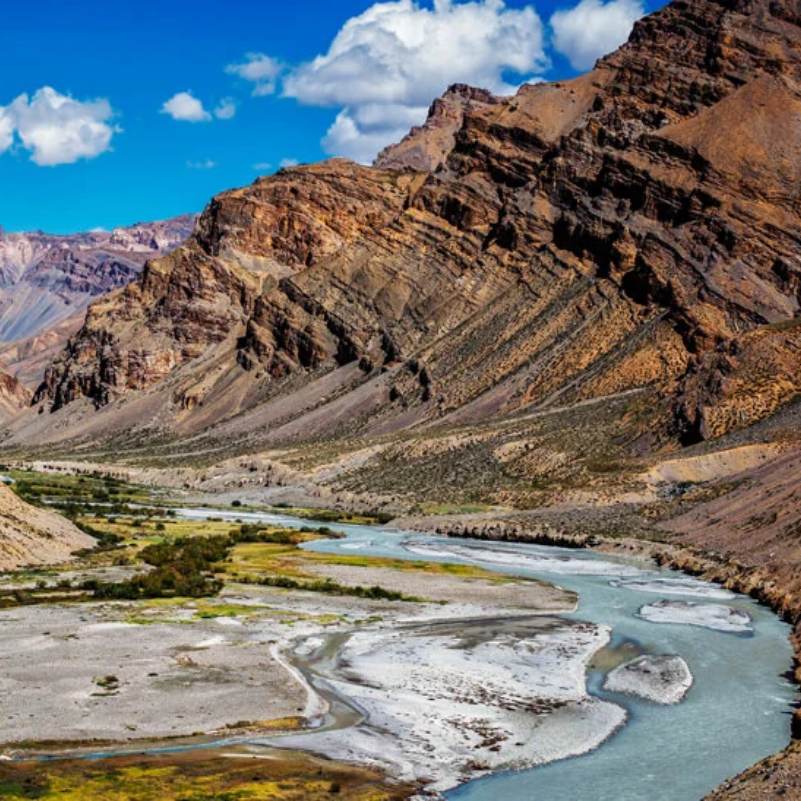
Zanskar in September is one of the best road trips and photography windows of the year. But “September” covers three different trips. The first ten days and the last ten days of the month don’t feel the same at all.
What most tourists get wrong is treating September as one block. They book the 25th using advice someone wrote about the 5th. Then they wonder why mornings feel so cold and why the light fades so early.
This guide by Travel Coffee splits September 2027 into early, mid and late September. Use it to choose the part that fits your trip.
Quick Answer: Is September 2027 a Good Time to Visit Zanskar?
Yes. Zanskar in September moves into clearer, cooler autumn conditions. That makes it one of the strongest months for road trips and photography.
Early to mid September gives first time visitors more seasonal margin, with longer days and milder nights.
Late September suits photographers and flexible travellers who can handle colder nights, shorter days and a route change if the weather turns. In 2027 it also lines up with the new moon, so the last week brings dark skies as well as the best autumn colour.
If you’re adding Zanskar to a wider trip, our Ladakh tour packages show how we usually connect the two regions. For trips built around the valley itself, see our Zanskar Valley tour packages.
What Is Zanskar Weather Like in September?
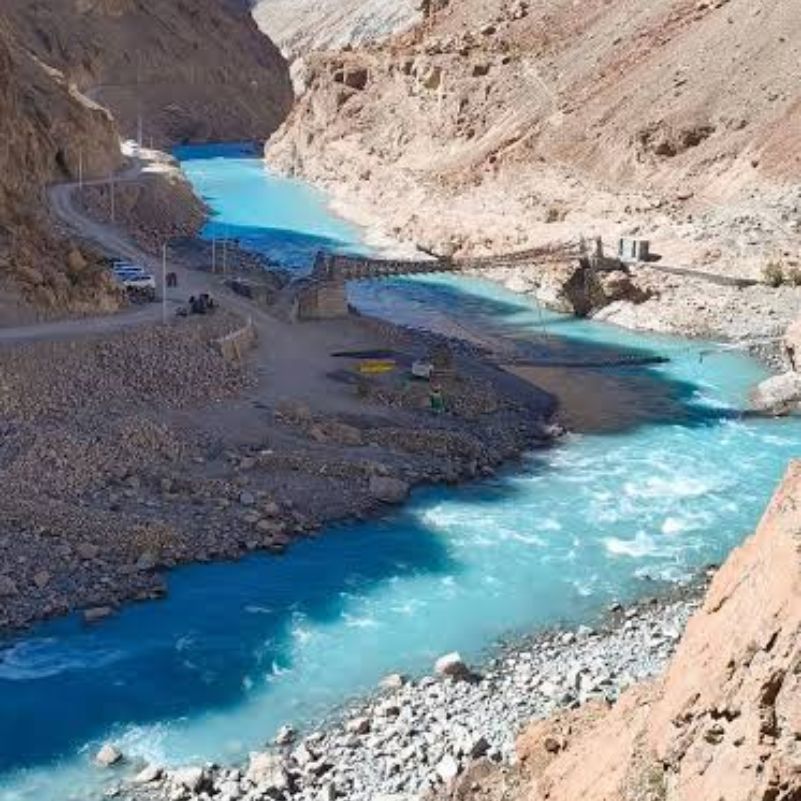
Zanskar September weather changes a lot from the first week to the last. Plan around which part of the month you’ll be there.
One current source gives Padum a rough September planning range of 14 to 19°C during the day and 0 to 4°C at night. Use these numbers as a planning guide only. They are not a forecast for any particular day in 2027.
Early September: 1 to 10 September
Early September still feels like late summer. Days are long, the sun feels warm by mid morning, and you can plan long driving days more easily.
Daytime temperatures usually sit near the warmer end of that 14 to 19°C range. Nights already get cold, so you’ll still want a proper warm layer after dark.
For most first timers, this is the easiest part of the month.
Mid September: 11 to 20 September
Mid September is when autumn starts to show. Mornings feel sharper, and with nights dropping close to freezing you may see frost on the coldest mornings.
The fields around the villages move into harvest. Barley turns gold, families work the fields, and the valley floor changes colour week by week.
The Ladakh Zanskar Festival is listed for 15 and 16 September 2027 at Sani, which gives this part of the month a cultural draw too.
Those are the dates on the Directorate of Tourism’s published festival calendar. Confirm them closer to the time, because the festival has moved before (it ran on 20 and 21 September in 2025).
Late September: 21 to 30 September
Late September in Zanskar brings colder nights, deeper autumn colours and very clear air on good days. It also makes the high sections more sensitive to weather.
Fresh snow can fall on high ground, and one bad day can disrupt a road like the Pensi La section. Nobody can promise you a snow free late September.
Remember that Zanskar roads have no guaranteed annual closing date. Weather decides that every year, so treat any blog that gives you a fixed closing date with suspicion.
Early September or Late September: Which Should You Choose?
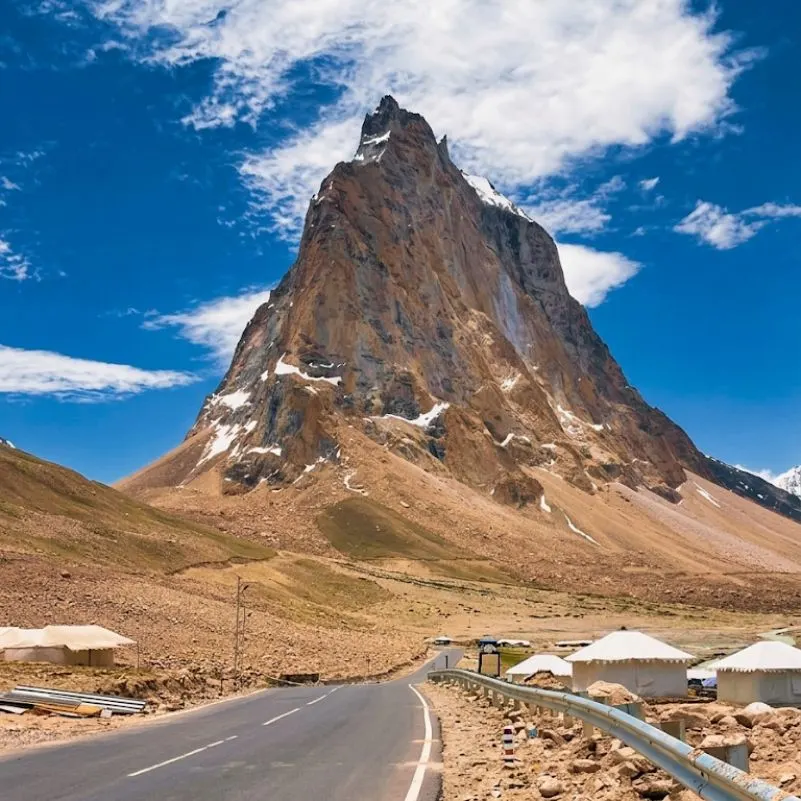
This is the most important decision in your plan. Match the dates to the kind of traveller you are, not just to when you can get leave.
Early September: For First Timers and Fixed Schedules
Early September works best for first time visitors to remote Himalayan roads. It also suits road trippers on fixed schedules, families, and anyone who gets anxious when plans change.
You get the most daylight and the mildest nights. If something goes wrong, you also have more room to recover.
Mid September: The Balance Point
Mid September is the balance point. You still get good road access, the autumn colours are starting, and in 2027 the festival on 15 and 16 September adds a cultural reason to go.
If someone asks us for one “safe but beautiful” window, our team usually points here first. Just note that in 2027 the full moon falls on 16 September, so this isn’t the week for star photography.
Late September: For Photographers and Flexible Travellers
Late September suits photographers and people who want a quieter valley. The colours are richer, the light is cleaner, and you’ll meet fewer travellers on the road.
The trade off is real, though. You need at least one buffer day and you need to be comfortable changing your route at short notice.
What we tell our travellers is simple. If missing your flight home would ruin the trip, go earlier in the month. If an extra night in Padum sounds like a bonus, late September can be wonderful.
How Much Daylight Do You Get in Zanskar in September 2027?
Competing guides rarely cover daylight, but it decides your driving plan.
1 September 2027: sunrise in Padum is at around 5:54 AM and sunset at around 6:49 PM, giving roughly 12 hours 54 minutes of daylight.
1 October 2027: sunrise is at around 6:15 AM and sunset at around 6:08 PM, leaving roughly 11 hours 53 minutes.
So you lose about one hour of daylight across September. On a remote mountain road, that hour matters.
In practice, late September travellers should start long driving days earlier. A day plan copied from a July or August trip will not work unchanged.
There’s also something the published sunset time doesn’t tell you. High mountain walls can put a valley floor in shadow well before the official sunset.
The temperature drops fast when that shadow arrives. You also lose light for photography and for spotting road damage ahead.
Here’s the timing tip that changes the whole experience. Leave at first light on any day that crosses Pensi La. You’ll reach the glacier viewpoints in clean morning light and still have the afternoon in hand.
Which Roads Can You Use for a Zanskar Trip in September?
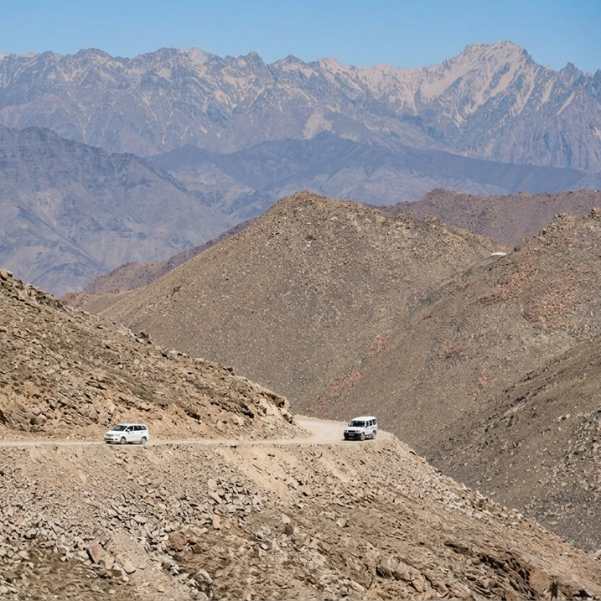
Three main corridors lead into Zanskar. Each one depends on the weather, so check current conditions before you commit to any of them.
Kargil to Suru Valley to Rangdum to Pensi La to Padum
This is the classic scenic approach and the one most first timers use.
The Kargil to Padum distance is roughly 230 to 240 km. Mapping sources measure it differently, so don’t plan your timings from the kilometre number alone. Most vehicles need a full day of driving.
The road climbs through the Suru Valley, opens into the wide Rangdum basin, crosses Pensi La, and drops into Zanskar.
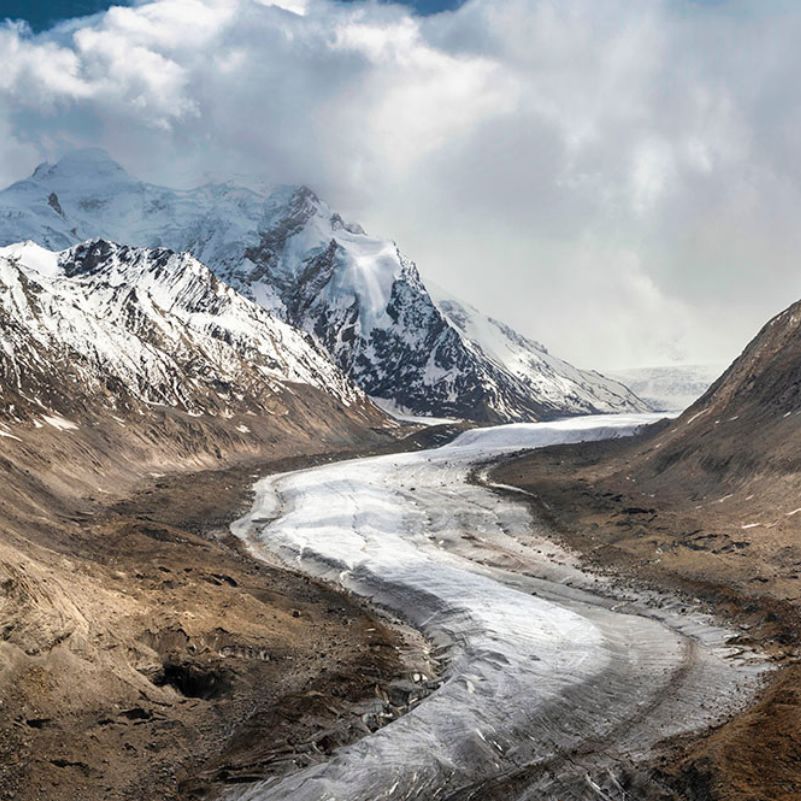
Just past the pass, Drang Drung Glacier comes into view. It’s one of the biggest photography stops of the whole trip.
We strongly suggest a night in Rangdum on this route. Forcing Kargil to Padum into one exhausting day means you rush the best scenery and arrive tired.
Manali to Darcha to Zanskar
This corridor links the Manali side with Zanskar through Darcha and Shinku La. It works well for travellers coming from Himachal.
It’s seasonal and depends on the weather, especially on the high section over Shinku La. The Shinku La tunnel is still under construction, so in 2027 you’ll still be crossing the open pass. Late in the month, conditions can change quickly.
We won’t go into kilometre by kilometre detail here. Our Shinkula Pass in September guide and our explainer on the new Nimmu Padum Darcha road cover the pass and the route in more depth.
If you’re planning this approach, our guide on how to reach Zanskar from Manali walks through the timings. Check the latest pass specific conditions before you commit.
If you’re starting from Himachal, our Manali tour packages can handle the first leg. Staying a night in Lahaul, like the stays in our Sissu tour packages, also helps you acclimatise before you go higher.
Nimmu or Leh to Zanskar
This approach suits travellers combining Zanskar with Leh and the wider Ladakh region.
Mountain weather, road construction, blasting and temporary restrictions can all affect this road. Check same day conditions instead of trusting a navigation app or an old Instagram reel.
If Zanskar is one part of a longer trip, our Ladakh tour packages can show you how to fit both in without rushing. Our Leh Ladakh in September guide covers the Leh side of the month.
What Should Your Route Contingency Plan Look Like?
Every September Zanskar itinerary needs at least one flexible buffer day. In late September, think of it as essential.
These are the three situations we plan around:
Fresh snow on a high section. Snow delays a pass like Pensi La, so you wait a day for the road to settle.
Road work or blasting. Construction changes when traffic can move, which can hold you up for hours.
A long day that runs out of light. You stop short of where you planned to sleep instead of driving on in the dark.
Never schedule a remote pass crossing the day before an important flight. If you fly out of Leh, we recommend at least one night in Leh between leaving Zanskar and your flight.
Before you leave, check the exact road status locally. Ask your driver, your guesthouse host and the people coming the other way that morning.
Safety warning: don’t start a remote stretch late in the day. By 1 October 2027, sunset in Padum is at around 6:08 PM, and the valleys go dark sooner. If you drive in the dark on broken high roads, small problems become serious ones.
A Practical Zanskar September Itinerary
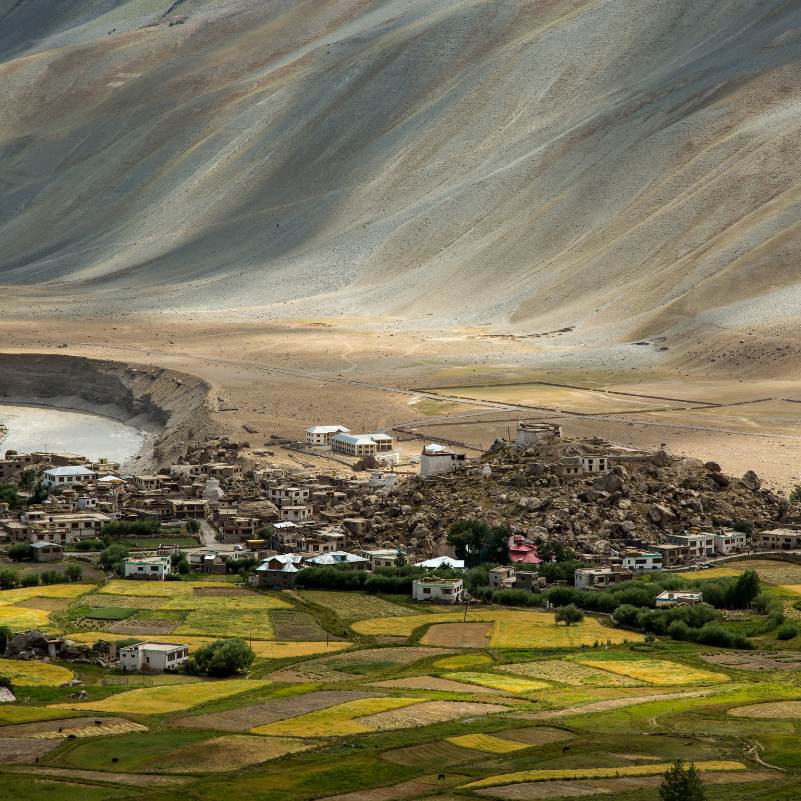
This plan starts from Kargil and builds in time to slow down. Change the start and end to suit where you’re coming from. Starting from Himachal instead? Our Manali to Zanskar itinerary has 5 and 7 day versions.
Day 1: Kargil to Rangdum
Treat the drive as part of the trip, not just a transfer. The Suru Valley moves from green village fields to bare high country as you climb.
Rangdum breaks the journey well. It also gives photographers an evening to work with the light across the open basin.
Get there with time to spare. Then walk around and let your body adjust to the altitude before dinner.
Day 2: Rangdum to Padum
This is a big scenic day. You cross Pensi La and stop at the Drang Drung Glacier viewpoints.
Don’t rush this stretch just to reach Padum early. You only get one first view of the glacier, so give it time.
Leave Rangdum early. You’ll catch the morning light and arrive in Padum before the evening cold sets in.
Day 3: Padum, Sani and Karsha
Spend this day on culture and the valley floor. Karsha sits above the valley, and its monastery is one of Zanskar’s best photo spots.
Sani is the listed venue for the 2027 Zanskar Festival on 15 and 16 September. If your dates line up, build this day around the festival instead.
Festival dates and venues can still change. Check the official Ladakh Tourism events calendar a few weeks before you travel.
For a warm break, ask your Karsha homestay host for butter tea in the late afternoon. Drink it while the light turns gold across the fields.
Day 4: Stongdey and Zangla
Keep this as a slow exploration day in the valley. Stongdey and Zangla reward you for taking your time, not for ticking boxes.
Pick one location for late afternoon light and save your energy for it. Midday sun flattens everything, so don’t try to visit every site at noon.
Day 5: Purne and the Phugtal Side
You can’t drive up to Phugtal Monastery. You reach it on foot.
From Purne, the walk usually takes around 2 to 3 hours each way. The roadhead keeps moving as road construction continues, so confirm where the walk starts when you get there. Our Phugtal Monastery trek guide has the full route detail.
Here’s the stop we tell people to skip: don’t try to squeeze Phugtal into a day that also has other big sightseeing stops. You’ll walk the trail rushed and tired, and then drive back in fading light.
Give Phugtal its own day or skip it this trip. Don’t half do it.
Day 6: Photography or Weather Buffer
This is the most important day in the plan. Keep it empty on purpose.
If the road closed or a pass delayed you earlier, this day rescues the rest of the trip.
If everything went smoothly, use it for a second sunrise, a better sunset, or a return visit to a monastery you liked. In our experience, a lot of travellers take their best photos on this day.
Day 7 Onward: Choose the Safest Exit
You can leave toward Kargil, Leh or the Manali side. Choose based on your wider trip and on the road status that morning.
No exit route is guaranteed to stay open. Keep a second option in mind and decide on the day.
If you’d like a ready made route as a starting point, browse our Zanskar Valley tour packages and adapt one around these days.
Where Should You Stay in Zanskar in September?
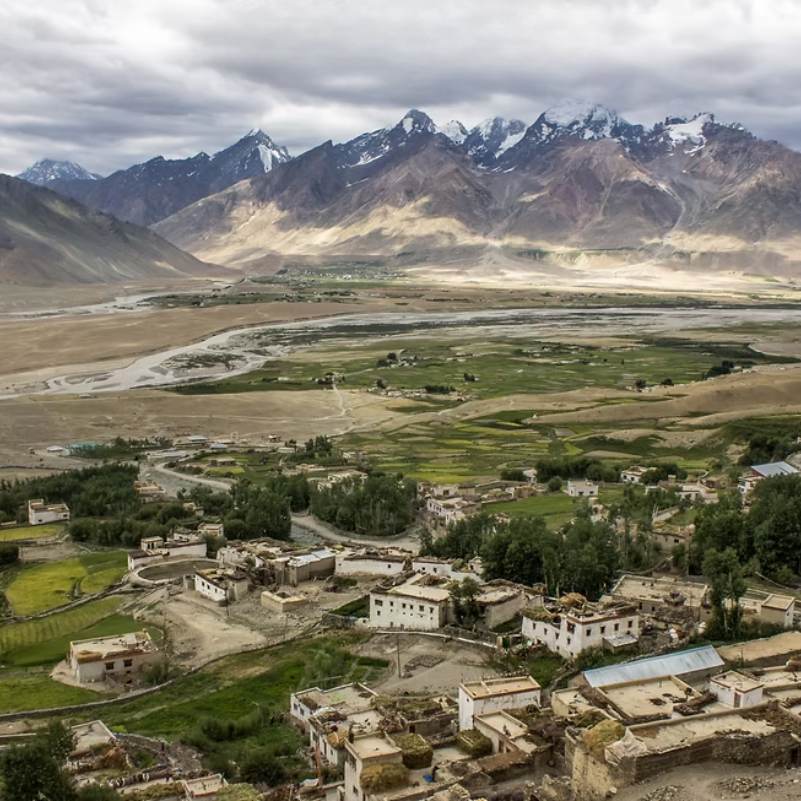
Where you stay matters more in September than in peak summer. Late in the month, some seasonal places start winding down.
Padum
Padum is your main base. It has the widest choice of hotels, guesthouses and homestays in the valley.
To give you an idea of prices, one boutique property in Padum listed rooms from ₹2,500 to ₹5,500 in 2026, depending on room type and meal plan. That’s one property’s rate, not a standard price across Padum, and 2027 rates may be higher.
A general travel guide put seasonal Padum guesthouses and hotel rooms at ₹1,500 to ₹4,500 in 2026. That’s a market estimate, not an official tariff.
Here’s a money saving tip: book your Padum base for several nights in a row and ask for a meal plan included. It’s always worth asking for a better rate on a longer stay than on scattered single nights.
Rangdum
Stays in Rangdum are simpler. Think of Rangdum as a place to break the journey, not a comfort stop.
We don’t have a current verified tariff for Rangdum. Confirm the price and what’s included directly with the property before you go.
Village Homestays
Staying in a village like Karsha, Zangla or Purne can become one of the best parts of the trip. You eat with the family and wake up right in the fields.
One 2026 guide puts village homestays at around ₹1,000 to ₹1,500 per person, including meals. Treat that as a ballpark and confirm the 2027 rate with your host.
Booking Tips for September 2027
If your dates overlap the festival on 15 and 16 September, book Padum and Sani area stays early. Rooms near the venue fill first.
Late September travellers need to reconfirm every booking a few days before arrival. Don’t assume a seasonal property stays open as long as you need it.
Why Is September So Good for Zanskar Photography?
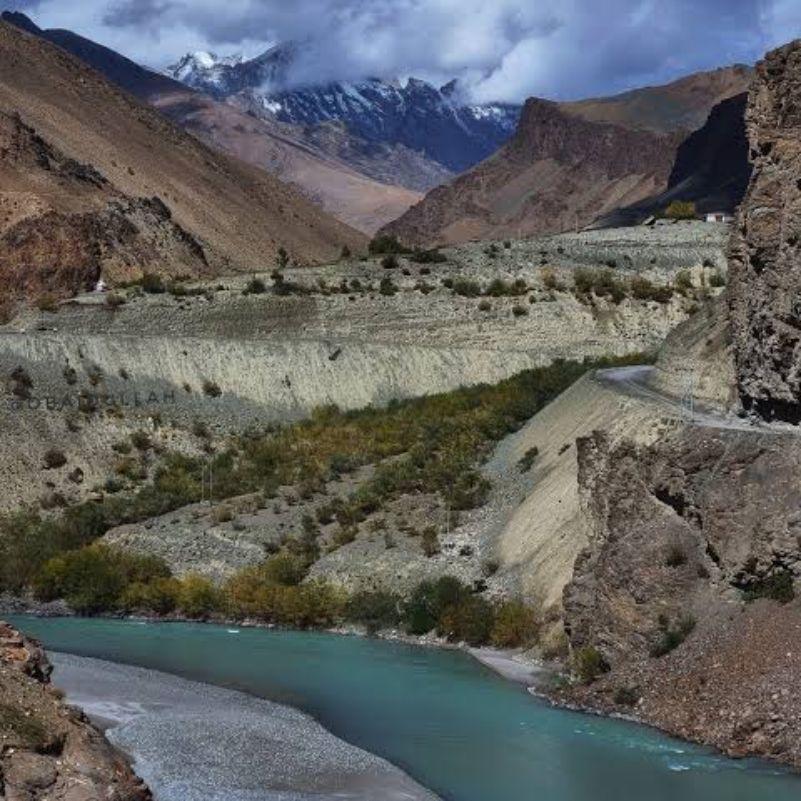
For most photographers, the best time for Zanskar photography is somewhere in September. Several things came together that month.
Clear air: the air clears after summer, so distant ridges look sharp instead of hazy.
Harvest life: harvest work fills the fields with people, sheaves and movement.
Autumn colour: the poplar trees turn gold against bare brown and grey mountains. That contrast is what makes Zanskar autumn photos so recognisable.
Empty frames: fewer travellers means fewer vehicles and people in your shots.
How to Use the Light
Sunrise gives soft colour on the peaks while the valley stays cool and blue. Mid morning brings strong side light that shows the texture of the ridges.
Golden hour turns the fields and poplars warm. Blue hour after sunset works well for monasteries with a few lights on.
Best Subjects to Shoot
Good subjects include the Padum Valley floor, Karsha above its fields, the wide Rangdum plain, Drang Drung Glacier, village harvest scenes and the road itself winding through big landscapes.
Nobody can tell you the exact date the colours will peak. Autumn moves at a different pace every year, so plan for a range of dates, not one day.
How Should You Plan Astrophotography in September 2027?
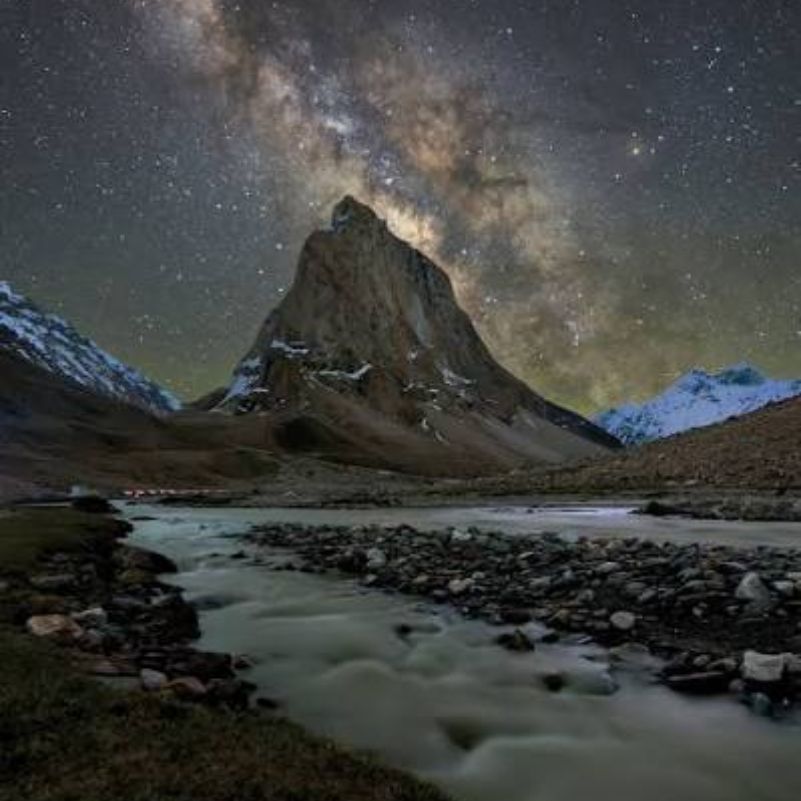
Moon phases in September 2027 differ from those in 2026, so plan your photography according to the updated lunar calendar.
The month begins shortly after the new moon on 31 August, followed by the first quarter on 8 September and the full moon on 16 September.
The last quarter occurs on 23 September, with another new moon on 30 September. All these dates are based on Indian Standard Time.
The first few nights of September and the last week, particularly from 25 to 30 September, offer favourable moon conditions for photographing the Milky Way in Zanskar.
However, visibility also depends on cloud cover, atmospheric haze and your chosen photography location. Check the local weather forecast and choose a location away from artificial lights for the best results.
This is good news for late September travellers. In 2027 you can get peak autumn colour by day and dark skies by night on the same trip.
The full moon on 16 September lands on the second day of the Zanskar Festival. Moonlight on snowy ridges makes beautiful landscapes, but it washes out the darkest skies, so plan night photography for other dates.
We can’t promise Milky Way visibility at any particular place or time. Check that with a dedicated astronomy app for your exact spot and date. For future years, look up that year’s moon calendar before you lock your dates.
What Camera Gear Works Best in Zanskar?
A wide-angle lens works well for capturing vast valleys, mountain landscapes and monasteries, while a telephoto lens helps capture distant mountain ridges and small details on faraway hillsides. A tripod is useful for photography during blue hour and at night.
Carry extra batteries, lens cleaning cloths and a backup storage option, such as an additional memory card or portable drive. Cold temperatures drain batteries faster, so keep spare batteries in an inside pocket close to your body.
Dust is common on Zanskar’s roads. Change lenses inside the vehicle whenever possible and keep your camera bag closed while travelling.
You don’t need expensive camera gear to capture beautiful photographs in Zanskar. Planning your photography around the right light and choosing suitable locations can make a bigger difference than buying a new lens.
What Should You Pack for Zanskar in September?
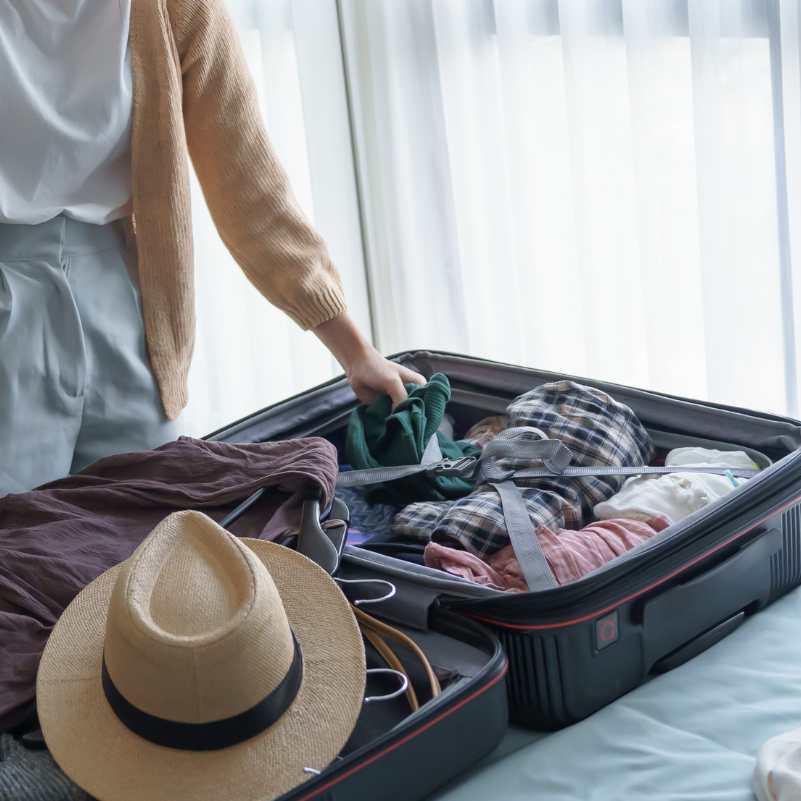
Pack in layers rather than relying on one heavy jacket. Carry thermals as your base layer, a fleece or down jacket for insulation and a warm, windproof jacket for evenings and outdoor activities.
Gloves, a warm cap and comfortable walking shoes with good grip are also essential. Carry sunscreen, sunglasses and lip balm, as the sun remains strong at high altitudes even on cold days.
Pack more warmly for late September than for early September. If you plan to photograph the night sky during the last week, carry an extra warm layer, as temperatures can drop significantly after sunset.
If you’re driving or riding yourself, bring emergency gear and basic tools. Get the vehicle serviced before you leave, and plan your fuel stops in advance.
Ask locally where you can refuel along your route. Not sure what vehicle you need? Read our guide on whether you need a 4x4 for Ladakh and Zanskar.
Is Zanskar in September Suitable for a Bike Trip?
Yes, with some caveats. A Zanskar bike trip in September has real advantages.
The pros: the weather is cooler for riding, the views are clearer and summer traffic thins out. Riding through golden fields in clear air is hard to beat.
The cons: morning starts get cold, daylight shrinks through the month, road surfaces change from section to section, and services are limited.
Ride shorter days, start early and don’t push into the evening. Treat this as a remote mountain trip, not a highway ride.
If you haven’t ridden broken high altitude roads before, practise on easier mountain routes first. Coming from the Manali side? Our Zanskar bike trip via Shinkula Pass guide covers that route.
What’s Different About Zanskar in 2027?
A lot changed in 2026, and many older guides haven’t caught up.
Zanskar Is Now a Separate District
On 27 April 2026, the Administration of the Union Territory of Ladakh formally created Zanskar as a separate district, with Padum as its headquarters. Zanskar now has its own Deputy Commissioner based in Padum.
Older guides may still describe Zanskar as just part of Kargil district. Keep that in mind when you read older advice.
A Dedicated Traveller’s Guide
In October 2026, the UT administration released the first dedicated Zanskar Tourist Traveller’s Guide. It covers destinations, road connectivity, permits, maps, medical facilities, emergency contacts and responsible tourism. It’s worth reading before a 2027 trip.
Festival Dates Published in Advance
The Directorate of Tourism’s calendar lists the Zanskar Festival for 15 and 16 September in 2027, the same dates it used in 2026. Locals and officials had pushed for fixed dates so travellers could plan ahead.
Shinku La Tunnel Still Under Construction
The Shinku La tunnel on the Manali side is still being built. Until it opens, the Darcha route remains a seasonal road over the open pass.
Is Late September Too Late for Zanskar?
No, late September isn’t automatically too late. But it’s a different trip from early September.
Expect colder mornings and nights, shorter days and a greater need for flexibility. Confirm your accommodation in advance, pack enough warm clothing, check road conditions on the day of travel and keep at least one buffer day in your itinerary.
With proper planning, late September can be one of the best times to explore Zanskar. In 2027, it also offers some of the darkest night skies of the month, making it an excellent time for stargazing.
However, nobody can guarantee that Pensi La, the Manali approach or any other seasonal route will remain open until a particular date in October. Always plan according to the latest road and weather conditions.
Final Verdict: When in September 2027 Should You Visit?
Choose 1 to 10 September if you want the longest days and the most seasonal margin. It’s the calmest option for first timers, families and fixed schedules, and the first few nights still have dark skies.
Choose 11 to 20 September for the best balance. You get good road conditions, the start of autumn colour, and the Zanskar Festival on 15 and 16 September. Skip this window if stars are your priority, because the full moon falls on 16 September.
Choose 21 to 30 September if you’re a photographer or a flexible traveller. You give up some predictability in return for colder, quieter, more colourful autumn days, and in 2027 the darkest skies of the month.
Frequently Asked Questions
Is September 2027 a good time to visit Zanskar?
Yes. Clear skies, harvest scenery and cooler weather make it one of the best months, especially for road trips and photography.
How cold is Zanskar in September?
One source gives Padum roughly 14 to 19°C by day and 0 to 4°C at night. Late September feels colder than early September.
Does Zanskar receive snow in September?
It can, especially on high sections later in the month. Nobody can guarantee late September will stay snow free.
When is the Zanskar Festival in 2027?
The Ladakh Tourism calendar lists it for 15 and 16 September 2027 at Sani. Confirm the dates and venue closer to your trip.
Is late September safe for a Zanskar road trip?
It can be, if you keep a buffer day, drive only in daylight and check road status every morning.
Is the Kargil to Padum road open in September?
September falls within the normal road season, but weather decides conditions on any given day. Check locally before you leave.
Can I travel from Manali to Zanskar in September?
Yes, through Darcha and Shinku La, but it depends on the season and the weather. The tunnel isn’t open yet, so you cross the pass itself. Check pass conditions separately before you commit.
How many days should I keep for Zanskar?
Plan for about a week, including at least one buffer day. Our sample itinerary uses six days inside the valley plus an exit day.
Which part of September 2027 is best for photography?
Late September usually gives the richest colour and the clearest light, and in 2027 it also has the darkest night skies. Mid September balances good photos with easier travel.
When are the best nights for stargazing in Zanskar in September 2027?
The first few nights of the month and roughly 25 to 30 September, around the new moons. Avoid the nights either side of the 16 September full moon.
What should I wear in Zanskar in September?
Wear layers: thermals, a fleece or down layer, a warm jacket, gloves, a cap and a windproof shell. Pack warmer for late September.
Are hotels and homestays open in late September?
Many are, but seasonal properties can close early. Reconfirm your booking a few days before you arrive.
Is September suitable for a Zanskar bike trip?
Yes, for experienced riders. Expect cold mornings, shorter days and limited services, so plan short riding days.
Do I need a buffer day for Zanskar in September?
Yes. One buffer day protects your trip from snow, road work or a long day that runs out of light.
More about Zanskar Valley
 Zanskar Valley
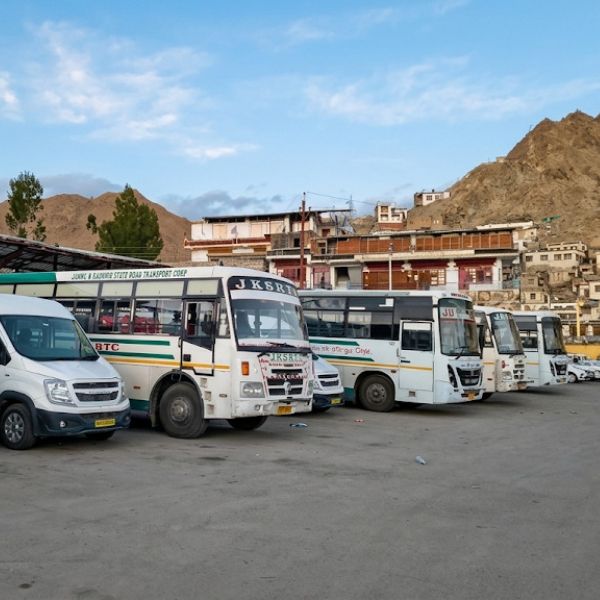
Zanskar by Bus and Shared Taxi 2026: Public Transport, Booking and Backup Plans
Planning a Zanskar trip without a private vehicle? Explore bus routes, shared taxis, transport costs and backup options for travelling to Zanskar in 2026. Learn how to plan connections and manage unexpected delays.
 Zanskar Valley
Zanskar in Monsoon 2027: July and August Risks, Roads and Best Routes
Planning a Zanskar Valley trip during monsoon 2027? Explore July and August weather, road conditions, routes from Manali, Leh and Kargil, landslide risks and essential travel tips for a safer Himalayan road trip.
 Zanskar Valley
Zanskar Family Trip 2026: Visiting With Kids or Older Parents
Planning a family trip to Zanskar in 2026 with kids or older parents? Explore suitable destinations, road travel options, accommodation choices, and practical itinerary ideas for different age groups. Understand altitude concerns, travel times, and comfort considerations before planning a family holiday in this remote Himalayan region.