
Shinkula Pass in September 2026: Road Status, Weather, Route and Safety Guide
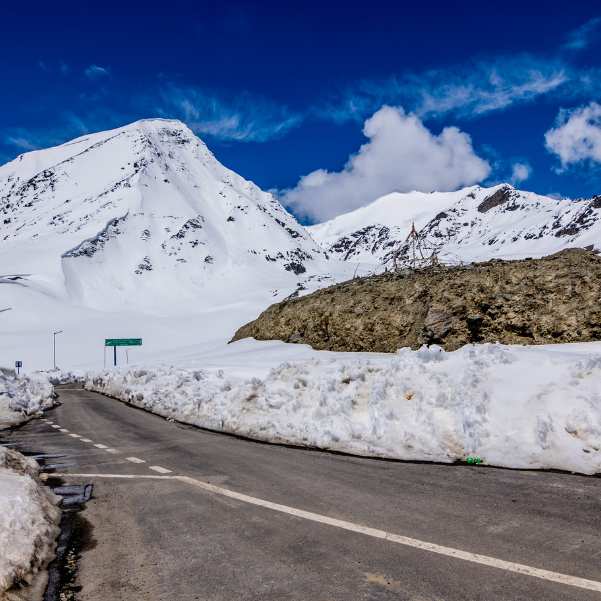
September is one of the more practical months to plan a trip to Shinkula Pass, with generally better road accessibility, clearer weather windows and less severe cold than the late autumn months.
The high altitude landscape is still dramatic, while travel conditions are usually more manageable for visitors.
If you are planning to visit Shinkula Pass in September 2026, you should still be prepared for sudden weather changes, cold winds and rough mountain roads.
Conditions can change quickly at high altitude, so checking the latest road status before departure remains important.
This guide by Travel Coffee covers the expected Shinkula Pass road status in September, weather conditions, route details, safety tips and whether September 2026 is a good time to visit Shinkula Pass.
Quick Answer: Should You Visit Shinkula Pass in September 2026?
September is often a strong window for Shinkula Pass, especially early to mid September, when post-monsoon skies clear and the road settles after summer.
But no exact 2026 date can be promised yet. Snow is possible, not guaranteed. And you must check the Darcha to Shinkula to Padum road separately from the wider Manali to Keylong highway.
That last point trips up most travellers. The main highway being open tells you almost nothing about whether the Shinkula branch is passable on your date.
Treat them as two different questions and you will plan this trip far better than the crowd relying on a single monthly label.
Where Is Shinkula Pass and Why Does September Matter?
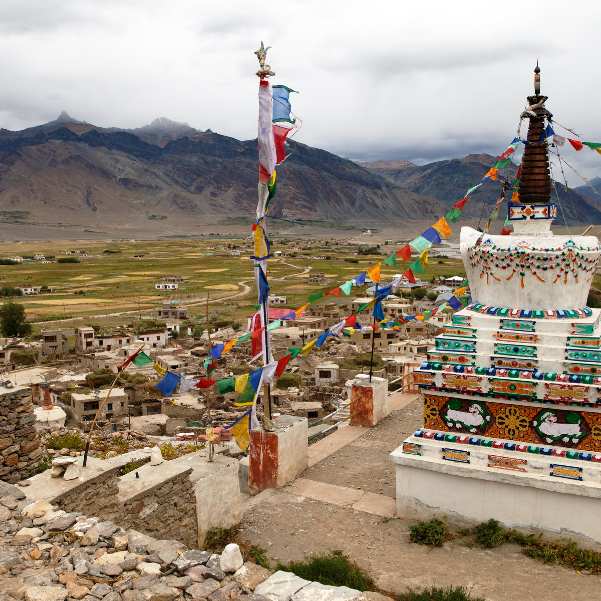
Shinkula Pass sits on the Nimu Padum Darcha road, connecting Lahaul in Himachal Pradesh with Zanskar in Ladakh. You may see it written as Shinku La, Shingo La or Shinkun La. They all mean the same high crossing.
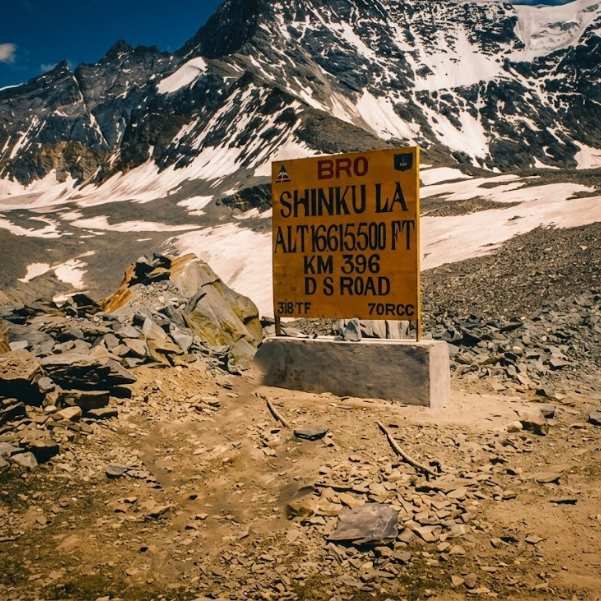
The summit stands at around 16,580 ft, roughly 5,050 m. Some sources list 5,091 m, so the exact figure shifts a little depending on who measured it. Either way, you are climbing above 5,000 metres, and your body will feel it.
So why does September pull travellers here? A few reasons. The monsoon is usually easing, which can mean cleaner views than the hazy peak months.
The road has often had a full summer of use and repair, so it tends to be better settled than the raw early-season stretch. Crowds thin out compared to July and August. And there is a chance of old snow beside the road, or even fresh snow if the weather turns.
None of that is guaranteed. Think of September as a good bet with conditions attached, not a sure thing.
If you want a softer, lower base to explore before committing to the pass, our Manali tour packages work well as a starting point for this whole region.
Is Shinkula Pass Open in September 2026?
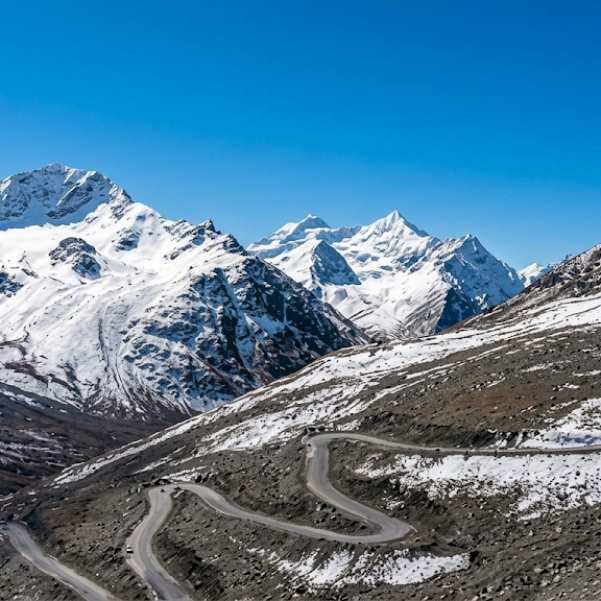
What do recent road updates actually show?
First, the honest part. September 2026 has not happened yet as this is written. Nobody can truthfully tell you the pass is open for your September dates right now.
What we can do is look at the recent record, and it is telling. On September 2, 2025, a road-status tracker reported the Darcha to Shinku La to Padum road blocked after flash floods.
Traffic was being stopped at Darcha, with snow reported at Shinku La and other higher areas.
Then, on September 16, 2025, the same route was reported open again. And on September 25, 2024, the road to Zanskar through Shinku La was also reported open.
Read those three dates together and the lesson is clear. This road can close and reopen inside the same month. September is not a switch that flips on and stays on. It is a moving situation.
One caution here. These operator-maintained trackers are useful, but they are not an official government source. Treat them as one input, not the final word.
Why the official highway status is not enough
The official District Lahaul and Spiti road page we checked was last updated on August 6, 2026. It listed Delhi to Manali as open, Manali to Keylong as open, Keylong to Kaza as closed, and Keylong to Leh as open.
Notice what is missing. It did not separately list the Darcha to Shinkula to Padum branch at all.
This matters. "Keylong to Leh open" does not confirm tourist access through Shinkula, because the usual Keylong to Leh corridor is a different route entirely. You cannot read one and assume the other.
So how do you actually verify? Work through it in order. Check the latest district or police advisory for the region. Confirm the current situation at the Darcha checkpost, since that is where traffic gets stopped.
Then get a same-day local route check before you leave your lower Lahaul base. Our team recommends checking the Darcha branch separately every single time, because it is the detail that decides your trip.
What Is the Weather Like at Shinkula Pass in September?
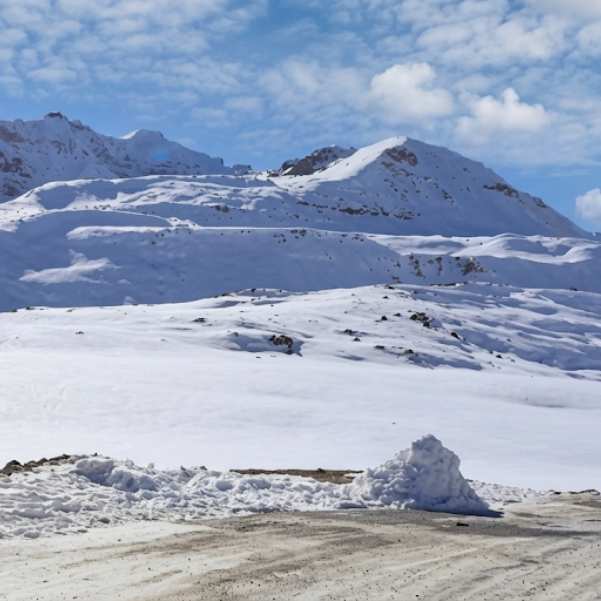
Early September
Route operators generally favour early September because it comes before the colder late-month shift. That is a reasonable preference, not a promise.
Do not read "early September" as guaranteed dry, stable or snow-free. September 2, 2025 already showed that flash floods and high-altitude snow can hit this route with no warning.
And here is a mistake most tourists make. They look at the pleasant weather at Manali or Sissu and assume the summit will feel similar. It will not.
The pass top can be far colder, windier and rougher than anything you felt lower down. The valley weather tells you nothing about 5,000 metres.
Mid September
Mid September can be a balanced window, as long as there has been no recent heavy rain or snow and the road is genuinely open. The September 16, 2025 reopening is a fair historical example of the road being in decent shape around this time.
What will you actually see? It depends on the year. Old snow patches beside the road, bare brown mountain scenery, or a fresh dusting. We will not guarantee snow, because nobody honestly can.
Late September
Late September usually turns colder and carries a higher risk of fresh snowfall, frozen water crossings and icy shaded sections where the sun never reaches.
We cannot predict an exact annual closure date, so do not plan around one. If your dates are fixed and fall late in the month, carry a buffer day or a backup Lahaul plan you are happy to switch to.
For a rough idea, some third-party travel guides place September daytime temperatures around 5 to 10°C and nighttime temperatures near minus 5°C, with a possibility of light snowfall later in the month.
Treat these figures as general planning estimates rather than official Shinkula Pass weather data.
Will You See Snow at Shinkula Pass in September?
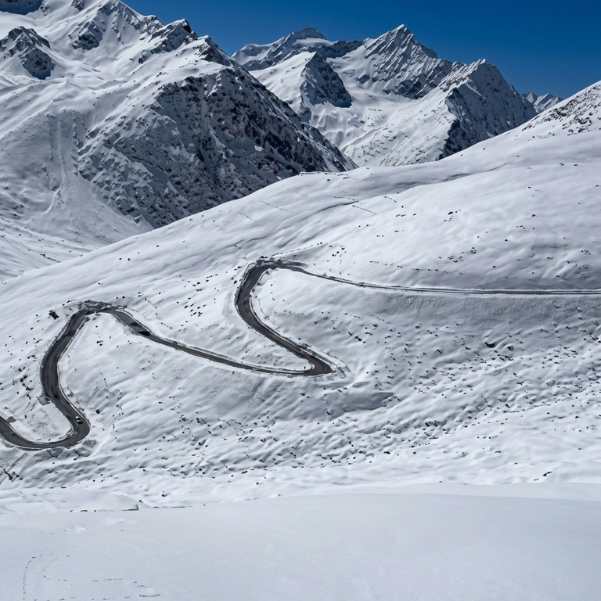
Straight answer. Snow is possible but not guaranteed.
Separate two things in your head. Old snow sitting beside the road is common and likely at this altitude. Active fresh snowfall, the kind that dusts the peaks white while you watch, is a matter of luck and timing.
We know fresh September snow can happen, because September 2, 2025 delivered exactly that alongside flash floods. Late September may improve your odds of fresh snow, but it also raises the risk of ice, closures and a forced turnaround before you reach the top.
What we will never do is promise you snow depth, snow walls or a particular photo spot. Anyone who does is selling you a picture, not the truth.
What Are the Road Conditions on Each Part of the Route?
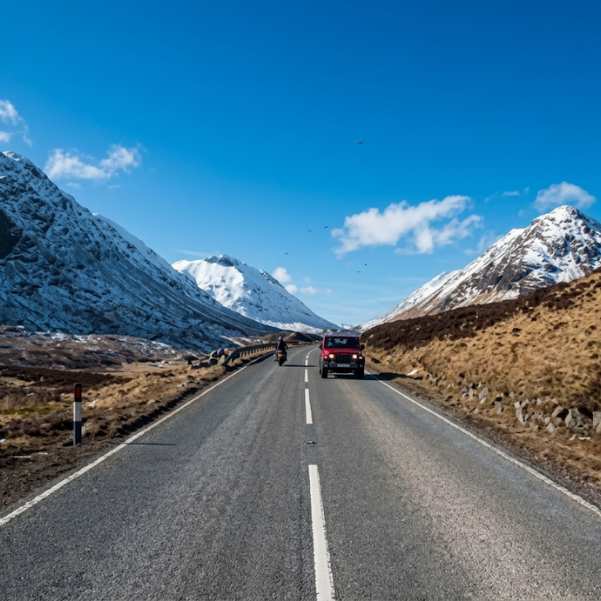
Manali to Sissu via Atal Tunnel
This is the developed, easy part. The Atal Tunnel cuts the old Rohtang climb down to a quick, smooth run into Sissu.
But do not let a smooth approach fool you. Reaching Sissu comfortably proves nothing about whether the high pass is open. They are separate problems.
One real risk here is the sudden altitude gain once you pop out of the tunnel on the Lahaul side. Take your first day slowly and let your body catch up. Our Sissu tour packages are a good way to build a gentle first night before you push higher.
Sissu to Tandi, Keylong, Jispa and Darcha
Think of this stretch as your preparation corridor. This is where you sort out fuel, food, a bed and a proper vehicle check before things get remote.
Both Tandi and Keylong are reported fuel stops. Fill your tank before Darcha, full stop. We will not tell you Tandi is definitely the last pump, because newer reports mention a working Keylong pump too, but the safe habit is simple. Top up while you can.
Darcha is the critical control point. This is where police can stop traffic heading toward Shinkula. If they say no, that is the end of the conversation, so plan around the possibility.
Darcha to Shinkula Top
This is the section that decides everything. Expect rough surfaces, loose stones, water crossings, ice, snow and short-notice vehicle restrictions.
The recent record shows how fast rules change here. On April 25, 2026, an operator tracker reported the route open only for 4x4 vehicles because snow and ice made the pass area extremely slippery, with snow chains advised.
On May 8, 2026, the road was open but police were allowing only 4x4 vehicles near Shinku La. And on May 1, 2026, a small bridge collapsed under a loaded truck. BRO restored traffic, but DDMA allowed only 4x4 vehicles at the time.
Those are spring examples, not permanent September rules. But they show the pattern. Conditions and restrictions on this stretch move quickly.
Published estimates place the Darcha to Shinkula Pass distance at roughly 25 to 40 km, depending on the exact measuring point and route reference used. Treat it as an approximate range rather than a fixed distance.
Shinkula to Gonbo Rangjon, Kargyak, Purne and Padum
Here is the full route flow in order. Manali, Atal Tunnel, Sissu, Tandi, Keylong, Jispa, Darcha, Shinkula, Gonbo Rangjon, Kargyak, Purne and Padum.
Understand what crossing the pass really means. The moment you drop down the Zanskar side, a sightseeing attempt turns into a remote, multi-day journey with far fewer services.
Before you cross, verify the onward road, your accommodation, fuel and how much daylight you have left. Do not improvise this part.
Do You Need a 4x4 for Shinkula Pass in September?
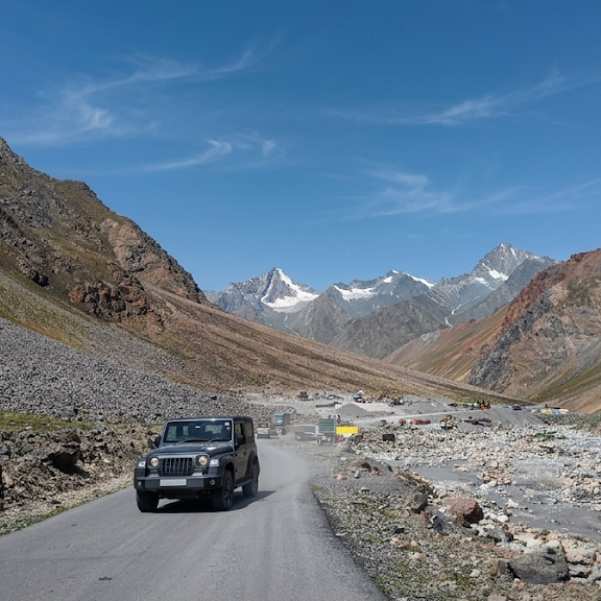
Can a normal car reach Shinkula Pass?
There is no verified permanent rule forcing 4x4 on every September date. So technically, on a clear, unrestricted day, a capable normal car might manage.
But police can and do impose a 4x4-only restriction the moment snow, ice, water or road damage makes things unsafe. You could reach Darcha and simply be turned back.
For safety, we recommend a high-ground-clearance 4x4 with an experienced mountain driver. We advise against taking a low sedan or hatchback beyond Darcha.
That is a safety call from us, not a permanent legal ban, but the rough section is genuinely hard on low cars. And please do not treat one lucky traveller's story about getting a 4x2 through as proof that every car can do it.
Can you ride a bike to Shinkula Pass?
Bikes can do this route, but only in the hands of riders comfortable with rough high-altitude roads, cold weather and remote breakdowns where help is hours away.
Before Darcha, check your tyres, brakes, chain, electricals, fuel and the weather. There is no verified minimum engine size, so ignore anyone quoting one as a rule.
And do not assume solo riding is automatically safe just because the road is technically open. Remote and open are not the same as safe.
Do You Need a Permit for Shinkula Pass in 2026?
How HP e-Aagman applies
The official HP e-Aagman portal says applicants whose vehicles enter Lahaul and Spiti must apply for an e-pass.
The portal splits this into an e-permit per vehicle for the Atal Tunnel, Rohtang, Koksar and Chandratal circuit, and an e-ticket per vehicle for other places.
The application form asks for your travel and tentative return dates, origin, destination, applicant name, mobile number, emergency contact, vehicle type, vehicle number, number of people and the payment amount.
For Shinkula Pass, check the live HP e-Aagman portal when applying and follow the request type, fee and vehicle requirements shown for your selected destination, as these details can vary or change over time.
Indian and foreign-traveller rules
We will not tell you "no permit is needed," because that is not something we can state cleanly.
For Indian travellers, a separate Ladakh Inner Line Permit is generally not required on this corridor, but you should still confirm the latest Shinkula-specific requirements before travelling, as district e-pass, e-ticket, vehicle-entry and checkpost rules may still apply.
Official Lahaul and Spiti guidance says some protected areas require permits for foreign visitors, and the official Leh site links to a PAP and ILP portal.
Neither cleanly settles the exact rule for every nationality crossing Shinkula. If you are a foreign traveller, verify the current requirement with the relevant district or permit authority before you start.
Can You Do Shinkula Pass as a Day Trip from Manali?
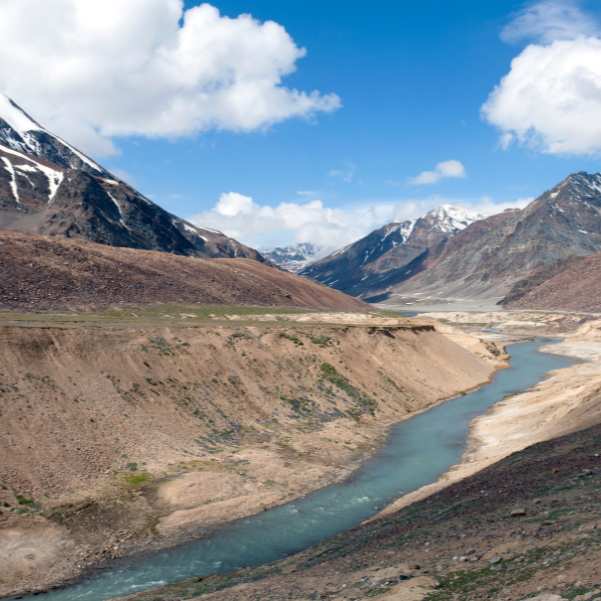
Physically, on a clear and unrestricted day, it may be possible. But be honest with yourself. This is not a relaxed Manali sightseeing outing.
Published estimates place Manali to Shinkula Pass at roughly 140 to 170 km one way, while reported drive times vary widely with road conditions, checkpoints and weather.
Treat it as a demanding full-day journey rather than relying on any fixed travel-time estimate.
Picture it instead as a full-day high-altitude journey whose length depends on the road, checkpoints, photo stops and weather on the day. In our experience, sleeping in Sissu, Keylong or Jispa and attempting the pass from there is far kinder on your body and your nerves.
Is There a Bus to Shinkula Pass in September?
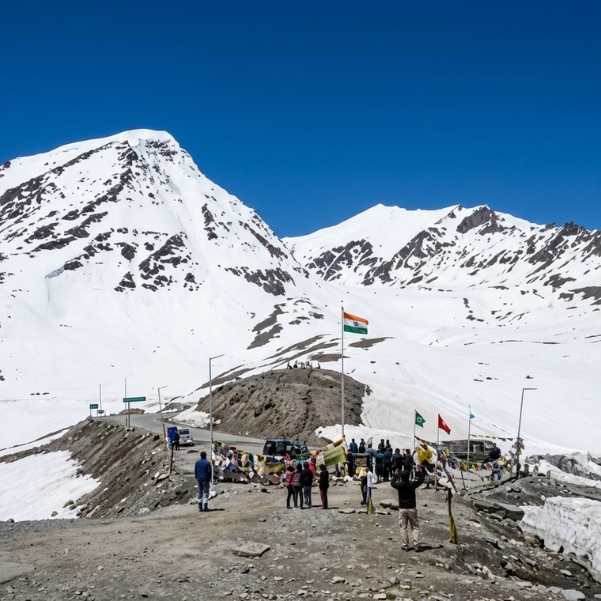
A dated HPTDC search result showed a Manali to Shinkula sightseeing service for July 15, 2026, listing a duration of 13 hours and a lowest fare of ₹1,200.
Here is the catch. The underlying page later returned an error, and September operation was never confirmed. So treat this only as a dated 2026 sightseeing-service example.
The September schedule and fare should be checked directly with HPTDC before you travel, as sightseeing services can change or stop depending on road and weather conditions.
Do not think of this as dependable daily public transport. It is not.
How Many Days Do You Need for Shinkula Pass?
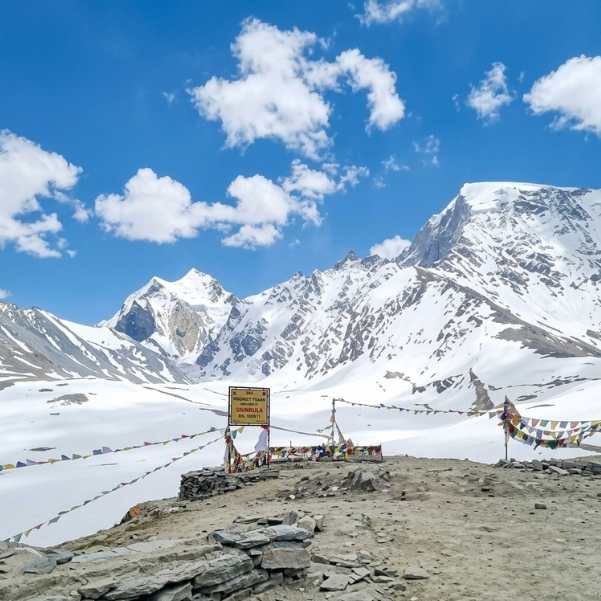
Two-day pass-and-return plan
Day one, drive from Manali to Sissu, Keylong or Jispa. Refuel, rest, check your vehicle and give your body some time to adjust.
Day two, make an early start through Darcha toward Shinkula, then return to a lower base, but only while the road and weather stay suitable. We will not promise you an exact arrival time at the top.
Four-day minimum Padum plan
Day one, Manali to Jispa or another practical lower Lahaul base. Day two, Jispa to Shinkula and onward toward Purne or Padum according to live conditions.
Use day three for Padum, your return movement or a weather buffer. Day four is the return toward Manali. Even this is a tight outline, not a guaranteed schedule.
Seven-day Zanskar and Ladakh circuit
The broad flow runs Manali, Jispa, Shinkula, Gonbo Rangjon, Purne or Padum, then onward along the verified Zanskar route. Build in at least one buffer day. We will not invent exact kilometre or hour figures for a route this variable.
If you are thinking of extending into Ladakh, our Leh Ladakh tour packages cover the onward side.
Where Should You Stay Before and After Shinkula Pass?
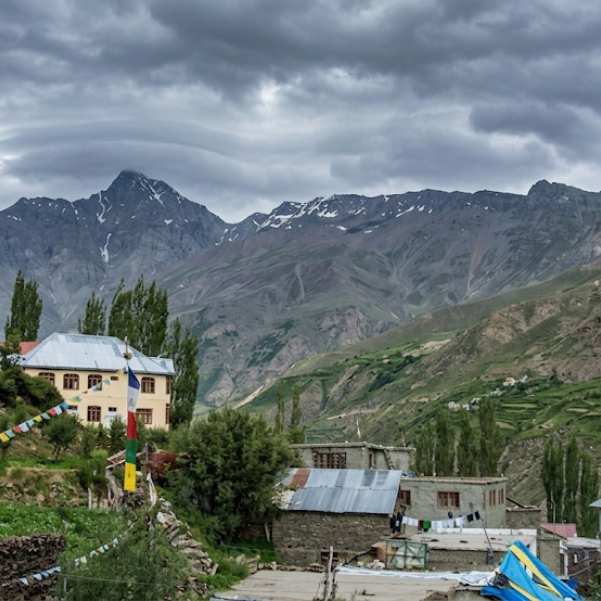
For a base before the pass, Sissu, Keylong and Jispa all work well. They give you fuel, food, a proper bed and a bit of altitude adjustment.
If you are continuing into Zanskar, Purne or Padum become your options after the crossing, subject to live road access and room availability. We will not quote hotel prices here, because they move around too much to state honestly.
One firm no. Do not plan to sleep or camp at the summit. The altitude, cold, wind and total lack of services make the pass top a genuinely poor overnight choice. Cross it, enjoy it, then get back down to a sensible sleeping height.
How Much Does a Shinkula Pass Trip Cost in September?
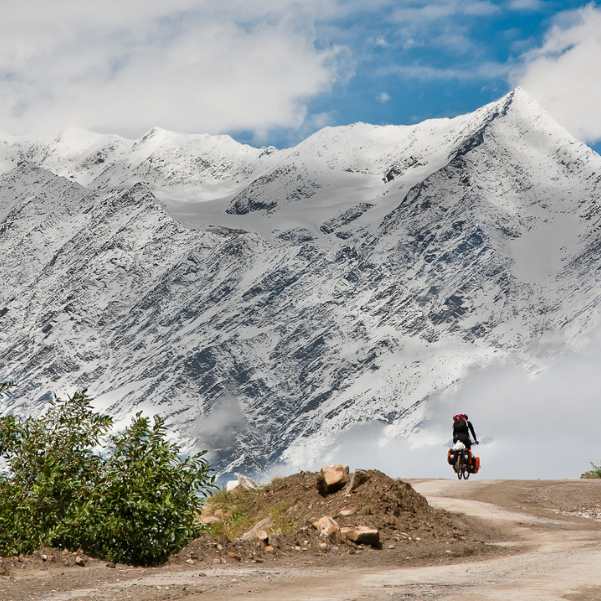
Your cost breaks into a few parts. The vehicle or taxi, the driver, accommodation, food, fuel, any e-Aagman payment and a sensible buffer for route changes. That buffer matters more here than on an easy trip, because a closure or detour can add a day.
Commercial listings suggest a Shinkula Pass trip can cost roughly ₹5,000 to ₹18,000, depending on the vehicle, travel date, trip duration and whether you return from the pass or continue towards Zanskar.
Treat this only as a broad planning range and confirm the final September quote directly with the operator.
The ₹1,200 HPTDC fare was a dated July 2026 sightseeing-service example, so check HPTDC directly for any September service and current fare.
Here is the money-saving habit we push hardest
Get a written quote that spells out the vehicle, the exact route, the number of nights, driver allowance, parking, tolls, and crucially whether it covers only Shinkula Top or the full onward Zanskar journey.
A vague verbal price is where people get stung later. A clear written quote is where you save real money.
Where Can You Find Fuel, Food, Network and Repairs?
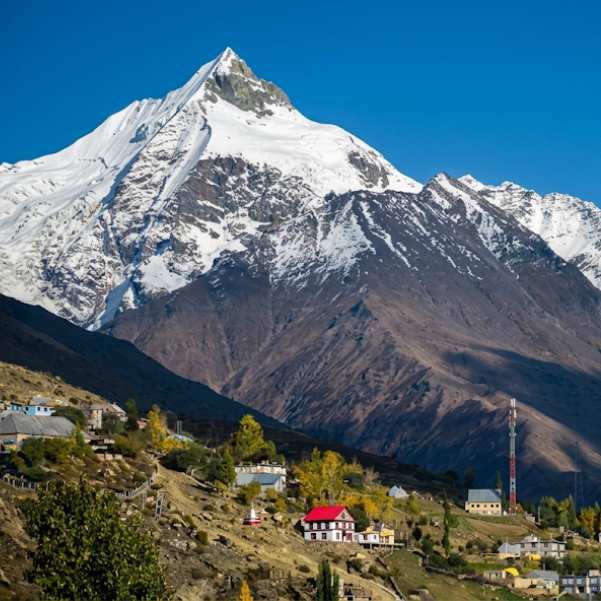
Tandi and Keylong are both reported fuel stops, and you should fill up before Darcha. Do not gamble on finding fuel further along.
A fuel outlet has been reported around the Padum or Stara area, but its current operating status and fuel availability should be confirmed before you rely on it. For planning, fill up at Tandi or Keylong and assume fuel may not be available further along.
After Darcha, food stalls, mechanics and recovery services become sparse fast. This is not a stretch where you can count on someone bailing you out.
Mobile coverage across the full route is patchy and poorly documented, so assume your phone may simply not work. Download offline maps before you lose signal.
Carry cash, food, water, a power bank, a spare tyre and basic tools. We will not prescribe a fixed amount of spare fuel, because that depends on your vehicle, route and whatever downstream supply you have actually verified.
How Should You Prepare for Shinkula's Altitude?
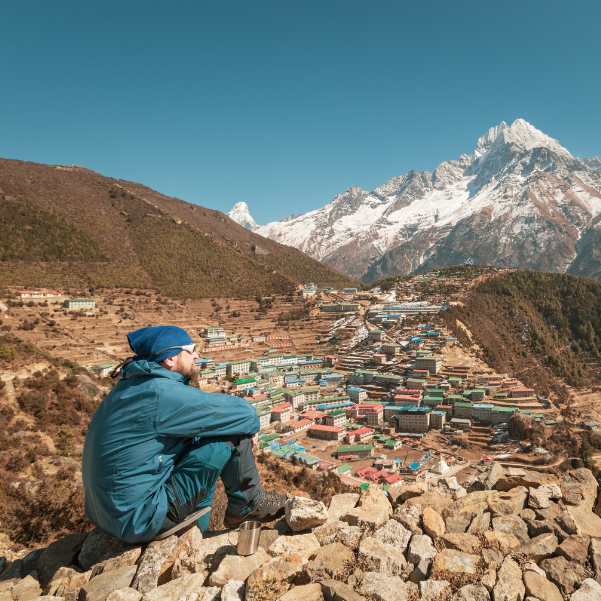
How to acclimatize
Any unacclimatized traveller sleeping at or above 2,450 m can be at risk of altitude illness. That is why racing straight up is a bad idea.
CDC guidance says spending two to three nights around 2,450 to 2,750 m before going higher is markedly protective. Above 3,000 m, your sleeping altitude should generally rise by no more than 500 m per day, with an extra acclimatization day for every additional 1,000 m.
The good news for a pass trip. Visiting the top and then coming back down to sleep low is generally less stressful on the body than sleeping very high.
During your first 48 hours at altitude, keep exertion mild and skip alcohol entirely. What we tell our travellers is simple. Sleep in lower Lahaul first, then climb. Your body will thank you at the top.
What are the warning signs?
The main sign of acute mountain sickness is a headache, often with reduced appetite, dizziness, fatigue, nausea or vomiting.
If you feel these, do not keep climbing to a higher sleeping altitude. Sit tight or come down. If symptoms worsen, descend and get medical help.
Serious red flags like confusion, difficulty walking in a straight line, breathlessness at rest or a sharp deterioration mean you get down fast. We are not diagnosing you here, just telling you what to watch for.
Who should speak to a doctor first?
If you have significant heart, lung, oxygenation or sleep-apnoea concerns, talk to an altitude-aware doctor before this trip. Children can develop altitude illness just like adults, so watch them closely too.
Do not assume fitness protects you. Strong, fit people get altitude sickness all the time. Anyone thinking about preventive medicine should speak to a qualified doctor rather than self-medicating.
At the top, keep your stop brief, skip running or strenuous activity, and descend the moment symptoms appear.
What Should You Pack for Shinkula Pass in September?
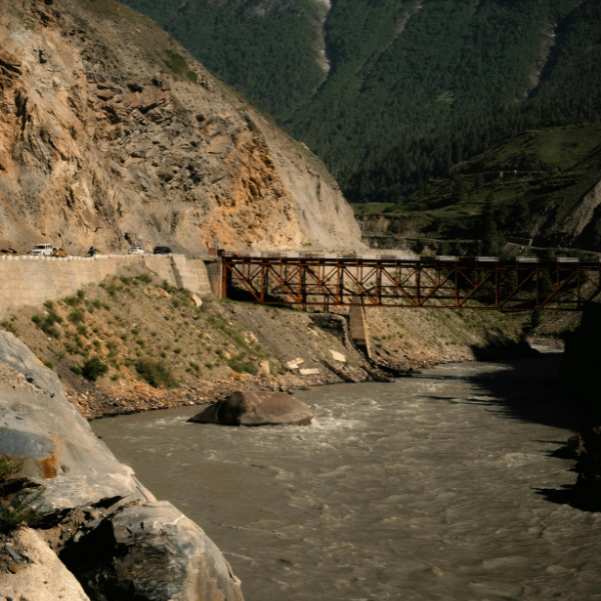
Layer up properly. Warm base layers, a solid insulating mid-layer, and a windproof, waterproof outer shell. Add gloves, warm headwear, sunglasses and high-SPF sunscreen, because the UV at this altitude burns fast even on cool days.
Carry food, water, cash, offline maps, a charged power bank and your personal medical supplies. For the vehicle, pack a spare tyre, a puncture kit, basic tools and appropriate recovery gear.
Bring anti-skid snow chains only when the latest road or police advice actually recommends them for your dates.
The one thing not to do. Do not assume the normal September clothes you would wear around Manali will handle the summit. They will not come close.
Who Should Reconsider a September Shinkula Trip?
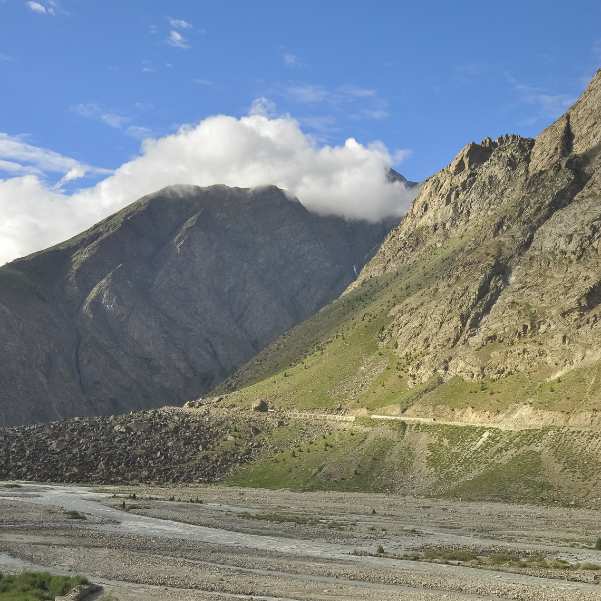
This trip does not suit travellers with rigid dates and zero buffer. The road can close on you, and if you cannot flex, you set yourself up for disappointment or worse.
First-time mountain drivers should not attempt the rough section in a low-clearance car. If you have unresolved high-altitude medical concerns, sort them with a doctor before you commit.
And if you are a family mainly chasing easy roadside snow play, you will likely be happier in lower Lahaul than at a remote pass near 5,000 m. There is no shame in choosing the easier, warmer option. It is often the smarter one.
What Should You Do If Shinkula Pass Closes?
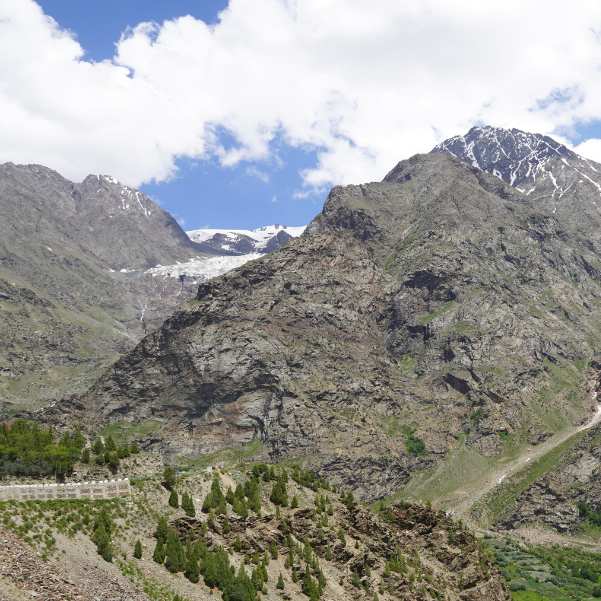
If the Darcha barrier is down, the police say no, or your driver calls it off, obey that. No argument. Never try to bypass a closure, drive after dark to make up time, or follow some unofficial track a stranger points you toward.
Sissu, Keylong and lower Lahaul make easy, pleasant backups where you can still enjoy the region. Chandratal and Spiti are separate journeys with their own status, so do not assume either is open just because Shinkula is shut.
Check them independently. Our guide on when Chandratal opens in 2026 explains that timing, and our Spiti Valley tour packages cover the wider circuit if you want to pivot.
Keep two numbers handy. The official Lahaul and Spiti citizen call centre is 155300, and rescue and relief is 1077. Save them before you lose signal.
What Is the Shinkun La Tunnel Update for 2026?
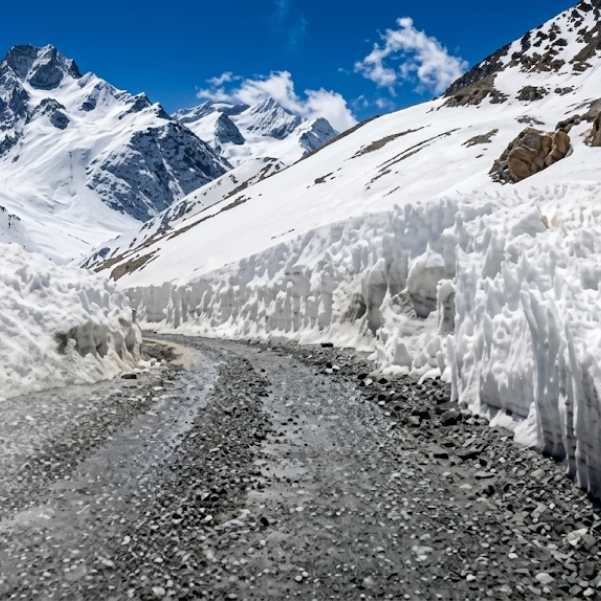
Here are the verified facts, and only those. The Shinkun La Tunnel is planned as a 4.1 km twin-tube tunnel, being built at around 15,800 ft on the Nimu Padum Darcha road.
The first blast took place on July 26, 2024. The project aims to improve all-weather connectivity toward Ladakh.
Reported completion targets conflict, so we will not promise you 2027, 2028 or any other year. And importantly, the tunnel does not yet remove the need to check the open-pass road for a September 2026 trip. For now, you still plan around the pass.
Final Verdict: Is Shinkula Pass Worth Visiting in September?
Yes, conditionally. For a flexible, prepared traveller in a capable vehicle who allows a buffer, Shinkula Pass in September can be a superb high-altitude journey.
Early to mid September is generally preferable to late September, but neither period is guaranteed. And whatever you read anywhere, verify the Darcha to Shinkula to Padum road for your exact date before you commit.
In our experience, the travellers who love this trip are the ones who came ready to adapt. Plan loosely, sleep low first, check the road the morning you leave, and treat the pass as a reward you earn rather than a booking you tick off.
If you want a second pair of eyes on your dates and route, WhatsApp us and we will help you read the conditions honestly.
Explore Our Curated Shinkula Pass Tour Packages
 6D/5N
6D/5NBest Value Manali to Shinkula Pass Tour With Jispa Stay
1D Manali•2D Jispa
₹12,999₹20,999SAVE INR 8,000/ person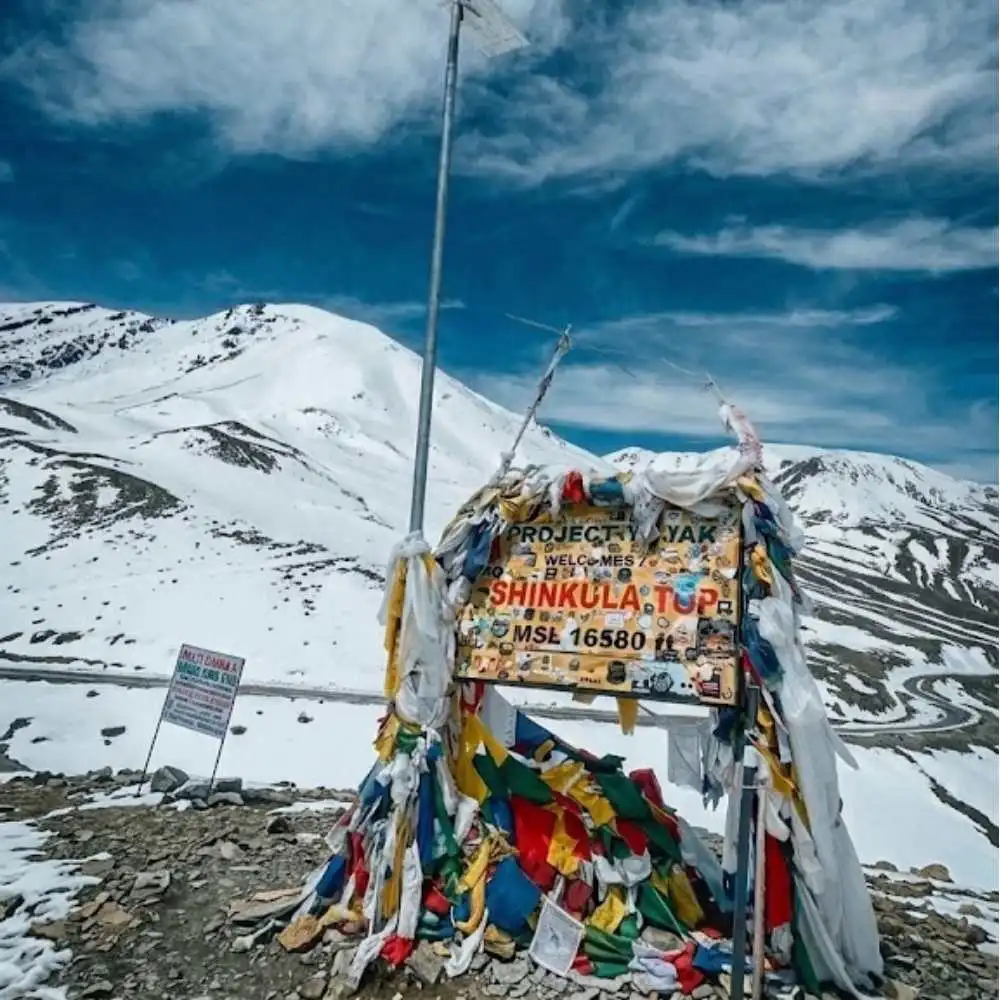 7D/6N
7D/6NMost Loved Baralacha & Shinkula Twin Pass Road Trip With Jispa Stay
1D Manali•3D Jispa
₹21,999₹25,999SAVE INR 4,000/ person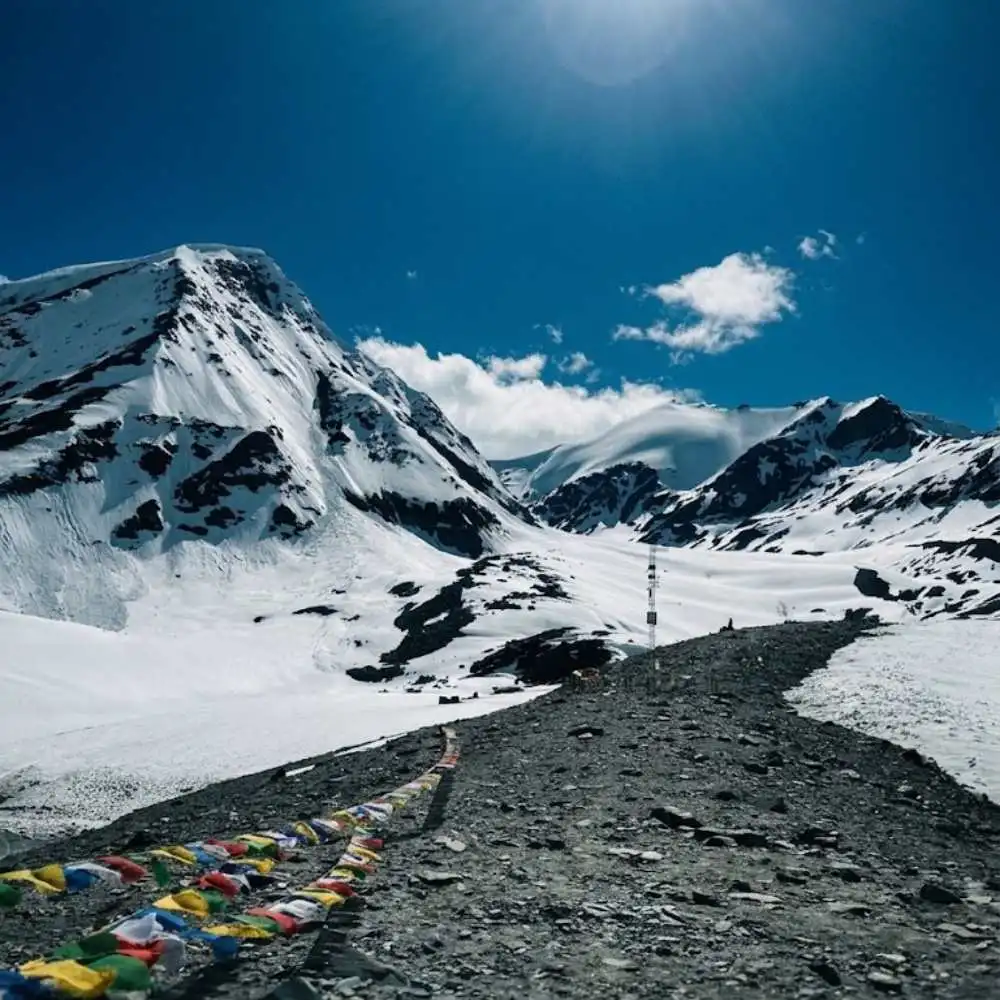 6D/5N
6D/5NPremium Manali to Shinkula Pass Road Trip via Sissu and Jispa
2D Manali•2D Jispa+1
₹23,999₹27,999SAVE INR 4,000/ person
Related topics
Frequently Asked Questions
Is Shinkula Pass open in September 2026?
September 2026 has not happened yet, so nobody can confirm it now. The road has opened and closed within the same September in past years, so you must verify live access for your exact date before travelling.
Is early or late September better for Shinkula Pass?
Early to mid September is usually the safer bet, coming before the colder late-month shift. Late September turns colder with a higher chance of fresh snow and ice. Neither period is guaranteed, so keep a buffer.
What is the temperature at Shinkula Pass in September?
Expect freezing nights, strong wind and rapid changes at the summit, whatever the valley feels like. A third-party estimate suggests 5 to 10°C by day and around minus 5°C at night, but that is not official pass-level data.
Will there be snow at Shinkula Pass in September?
Possible, not guaranteed. Old snow patches beside the road are likely at this altitude. Fresh active snowfall is a matter of luck and timing, more common but riskier late in the month.
Is Shinkula Pass safe for families and children?
The altitude near 5,000 m, remoteness and rough road make it demanding. Children can develop altitude illness just like adults. Families wanting easy snow play are usually better off in lower Lahaul.
Can a normal car reach Shinkula Pass?
On a clear, unrestricted day it might, but we recommend against low sedans and hatchbacks beyond Darcha. The rough section is hard on low cars, and police can impose 4x4-only access without warning.
Is a 4x4 compulsory for Shinkula Pass?
No permanent all-September rule was verified. But police can impose 4x4-only orders when snow, ice, water or road damage makes conditions unsafe, as happened on several 2026 dates. A capable 4x4 is the safest choice.
Is a solo bike trip to Shinkula Pass safe?
Only for experienced riders prepared for rough high-altitude roads, cold and remote breakdowns. Check tyres, brakes, chain, electricals and fuel before Darcha, and confirm road and weather for your exact date. Open does not mean safe.
Do Indians and foreign tourists need a permit?
Vehicles entering Lahaul and Spiti may need registration through the HP e-Aagman system. Permit rules can differ for Indian and foreign travellers, so check the latest official requirements before your trip.
How far is Shinkula Pass from Manali and how long does it take?
Shinkula Pass is roughly 140 to 170 km from Manali, depending on the route used. Travel time can vary significantly with road conditions, weather and checkpoints, so plan it as a full-day journey.
Can Shinkula Pass be covered in one day from Manali?
It may be possible on a clear, unrestricted day, but it is exhausting and not a relaxed outing. An overnight base in Sissu, Keylong or Jispa is safer, kinder on your body and gives you more margin.
Is there a bus, fuel or mobile network on the Shinkula route?
Limited sightseeing bus services may operate on this route, but they should not be treated as reliable daily transport. Fill up at Tandi or Keylong, and expect weak or no mobile network after Darcha.
More about Shinkula Pass
- Shinkula Pass
Shinkula Pass (Shinku La) 2026: Height, Route and Full Season Guide
Discover Shinkula Pass in 2026 with details on its height, route, best travel season, road conditions, and essential tips for planning a scenic journey to Zanskar.
- Road Status
- How to Reach
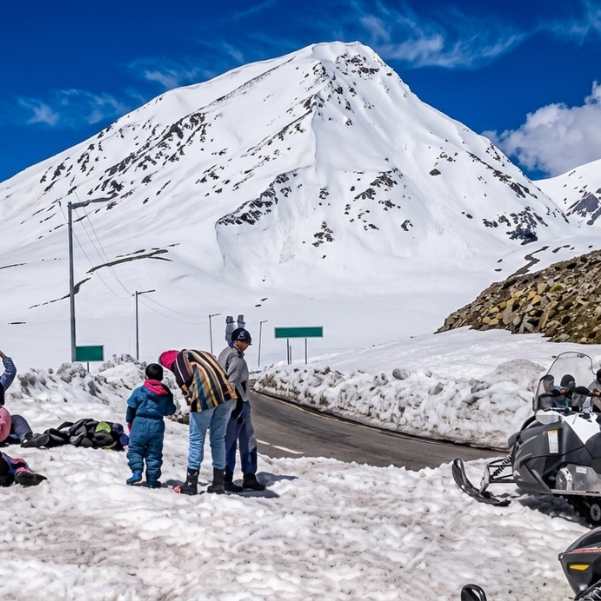 Shinkula Pass
Shinkula Pass vs Baralacha Pass: Which One Should You Actually Do in 2026?
Wondering whether Shinkula Pass or Baralacha Pass deserves a spot on your 2026 road trip? This comparison covers routes, scenery, road conditions, accessibility, altitude, and overall experience to help you choose the mountain pass that best fits your Ladakh or Zanskar adventure.
- First-Time Travellers
- Road Trips
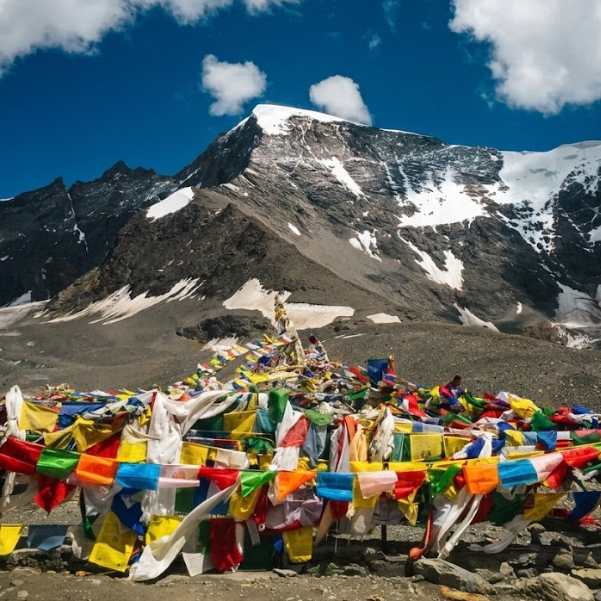 Shinkula Pass
Shinkula Pass in December 2026: Road Status, Snow, Safety and Travel Guide
Planning a trip to Shinkula Pass in December 2026? Get essential information on expected snow, road conditions, possible closures, safety precautions, weather, vehicle requirements, and winter travel tips for a safer journey through this high-altitude Himalayan pass.
- Road Status
- Snow Travel