
Leh Ladakh in September 2026: Weather, Itinerary, Road Status, Permits and Travel Tips
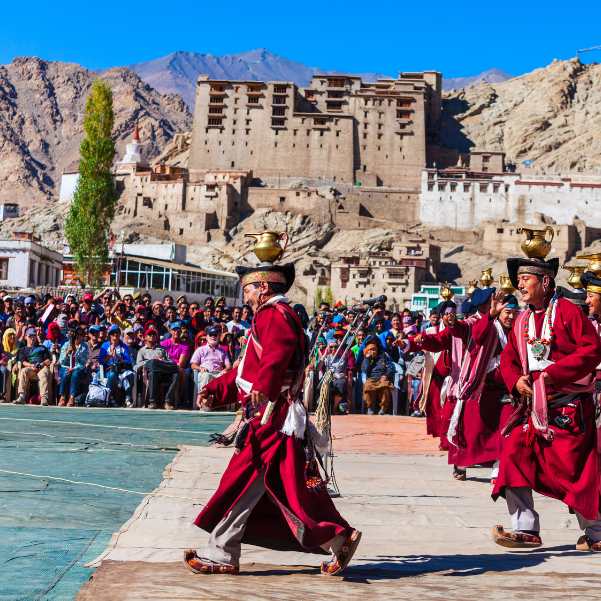
September in Ladakh is a different animal from the July and August rush that most people default to. The skies are sharper.
The crowds are thinner. The landscape has this golden, almost cinematic quality that you just do not get during peak summer.
But it is also the month where nights stop being chilly and start being genuinely cold. Pangong at 2 AM in September is not a joke. If you pack wrong or skip acclimatization, the trip can turn uncomfortable fast.
We have been running Ladakh trips through every month of the season, and September is consistently the one where travellers come back happiest. Not because it is easy, but because it rewards you if you plan it right.
This guide by Travel Coffee covers the real weather, road conditions, permits, itineraries, and packing advice you need to make a September trip work.
Quick Answer
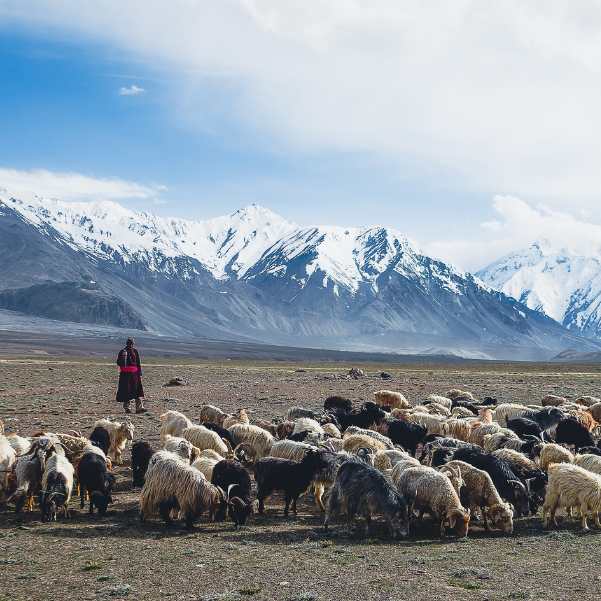
September is one of the best months to visit Leh Ladakh. Roads are open, the peak summer crowds have thinned, skies are clear, and the landscape looks sharper than it does in July or August.
That said, the trip only works well if you spend at least 48 hours in Leh before heading higher.
Skip that and most people end up with headaches, nausea, or a miserable first few days at Pangong. The altitude is real. Respect it.
Is September a Good Time to Visit Leh Ladakh?
Yes, and for most travellers, it is the single best month.
July and August bring the bulk of Indian tourists. Leh gets crowded, hotels fill up fast, and popular spots like Pangong can feel like a parking lot on weekends.
By September, that pressure eases. You get the same roads, the same views, and a noticeably quieter experience.
First time visitors do well in September because the weather is cooperative, the logistics are predictable, and the passes are almost always open.
Photographers love it because the air is clear and the light is clean. Couples who want a trip that feels personal rather than crowded consistently prefer this month over July.
There is a catch though. Late September nights get genuinely cold, especially at Pangong and Tso Moriri. Anyone not prepared for sub zero nights at high altitude will struggle.
What Is the Weather Like in Leh Ladakh in September?
Leh town stays pleasant during the day. Expect something around 15 to 24°C when the sun is out. It feels comfortable in a light jacket or a full sleeve shirt.
Nights in Leh drop to around 5 to 8°C, which is cold but manageable with proper layering.
The story changes at higher locations. Pangong Lake sits at around 14,000 feet. Tso Moriri is higher still. At these spots, nights in September regularly drop below freezing. Wind chill makes it worse. If your itinerary includes an overnight at Pangong, pack accordingly.
Chang La and Khardung La are even colder. Both passes can see ice on the road by late September morning. Carry your warmest layer for any day that involves crossing a high pass.
Does It Snow in Leh Ladakh in September?
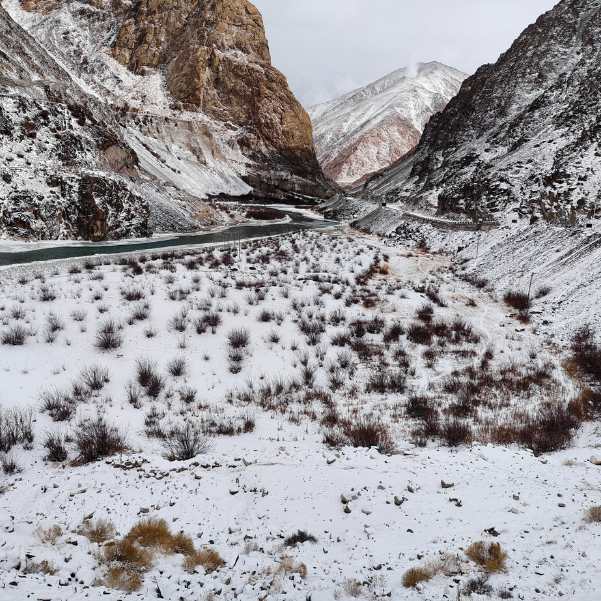
In Leh town, regular snowfall in September is unlikely. Most years, you will not see snow in Leh at all during this month.
Higher passes are a different story. By mid to late September, light snowfall becomes possible on Khardung La, Chang La, and the stretches near Baralacha La on the Manali to Leh road. It is not guaranteed, but it is not rare either.
This matters mostly for bikers and self drive travellers. A fresh snowfall on a high pass does not block the road for long, but it can make a 6 AM crossing genuinely risky. Check conditions the morning of your pass day, not the night before.
Are the Manali and Srinagar Routes Open in September?
Both routes are generally open in September, but each has its own conditions to understand.
Srinagar to Leh highway
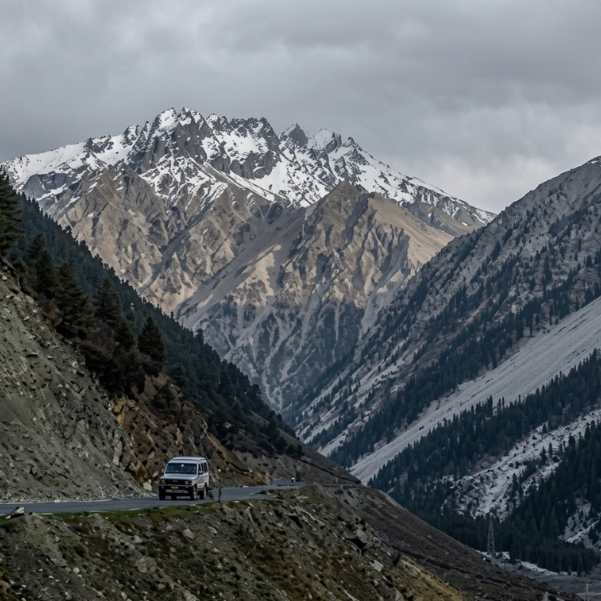
The Srinagar to Leh highway (434 km) typically operates from May through November or even December in good years. September sits comfortably within that window. This route is paved for most of its length and handles weather better than the Manali side.
Manali to Leh highway
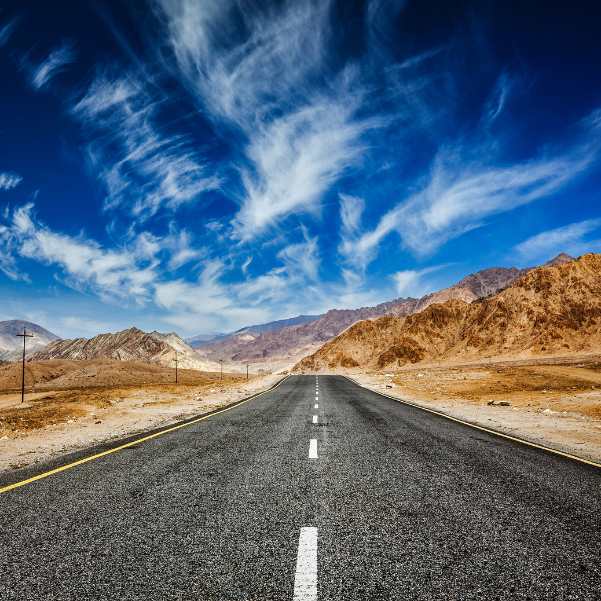
The Manali to Leh highway (473 km) usually opens between May and June and stays open through September, often into October. It is the more dramatic route, and the one most road trippers prefer.
The Manali side involves Rohtang, Baralacha La, and other high passes that can get snow in late September.
That does not mean the road closes, but it does mean a late September departure from Manali needs a weather check on the morning you leave.
If you are planning to fly into Leh, Delhi to Leh takes about one hour. That is also a solid option for anyone who wants to save travel days.
If you are still figuring out which route makes sense for your group, check our Leh Ladakh tour packages for route based options that work in September.
For travellers starting from Manali or wanting to combine the trip with Himachal, our Manali packages and Sissu packages are worth a look.
Do You Need Permits for Pangong, Nubra and Other Circuits?
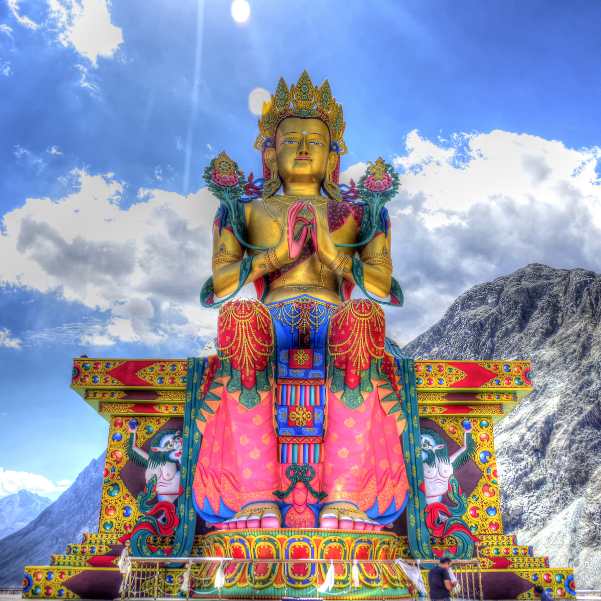
Yes. Permits are required for Pangong, Nubra, Khardung La, and Tso Moriri. The government classifies these as restricted or protected areas for Indian and foreign tourists.
The good news is the process is now online. You pay through the Leh District Tourist Management System and do not need to visit the DC office just to complete the payment. Download or print the permit PDF once you have paid.
The environmental fee at the time of writing is ₹400 per person. Rules for foreign tourists differ from domestic tourists, so foreign nationals should check the latest guidelines separately.
Carry your permit printout and your Leh arrival boarding pass (if you flew in) for check post verification. The check posts are active, especially at the entry points to Nubra and the Pangong circuit.
Officers do check. Do not assume a screenshot on your phone will always be enough. Have a physical copy or a clear offline PDF.
Why Acclimatization Matters More Than Itinerary Speed
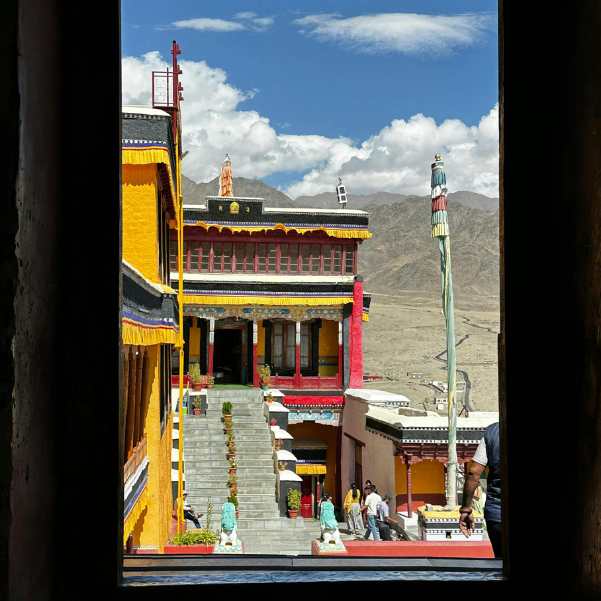
The Leh administration officially advises all arriving tourists to spend at least 48 hours in Leh before heading to higher altitude areas. This applies to everyone, regardless of how fit you are.
In our experience, the biggest mistake people make is trying to rush to Pangong on day one or day two. They land in Leh, feel okay, and figure they can skip the rest day.
By day two at Pangong, the headache sets in. By night, it is uncomfortable. The altitude at Pangong is significantly higher than Leh, and your body has not adjusted.
What we always tell our travellers is this: the views will still be there on day three. The headache you get from skipping acclimatization will not go away until you descend. It is not worth the gamble.
Acute Mountain Sickness (AMS) symptoms to watch for include persistent headache, nausea, dizziness, or shortness of breath that does not settle with rest. These are your body's way of asking you to slow down.
Rest on day one. Walk slowly. Drink water. Avoid alcohol completely for the first 48 hours. Then head out.
What Clothes Should You Pack for Leh Ladakh in September?
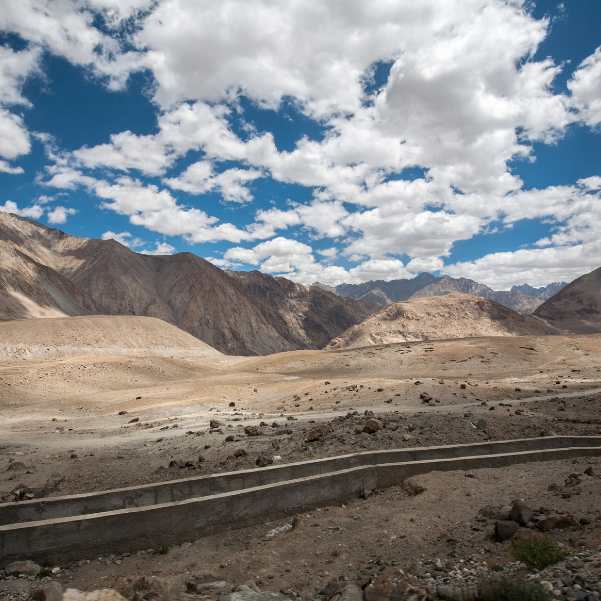
Pack for two different experiences: daytime in Leh and nights at altitude.
During the day in Leh, you need a full sleeve shirt or light fleece. The sun is strong and UV at this altitude is intense, so sunscreen (SPF 50 or higher), sunglasses with UV protection, and lip balm are not optional. You will burn faster than you expect.
For nights anywhere, and for all day use at Pangong or Tso Moriri, you need thermals (top and bottom), a warm fleece, and a down jacket or heavy padded jacket.
Add a windproof outer layer because wind at the lake amplifies the cold sharply.
Carry gloves and a warm cap. Sounds excessive for September, but Pangong nights regularly go below zero. One thin beanie will not save you.
Footwear matters too. Good hiking shoes with grip are better than sneakers for Leh's terrain, monastery steps, and any walking near passes.
Best Places to Visit in Leh Ladakh in September
Leh town
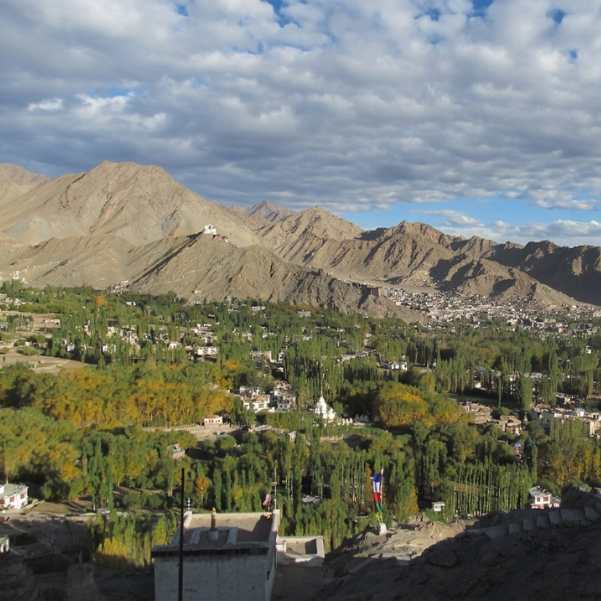
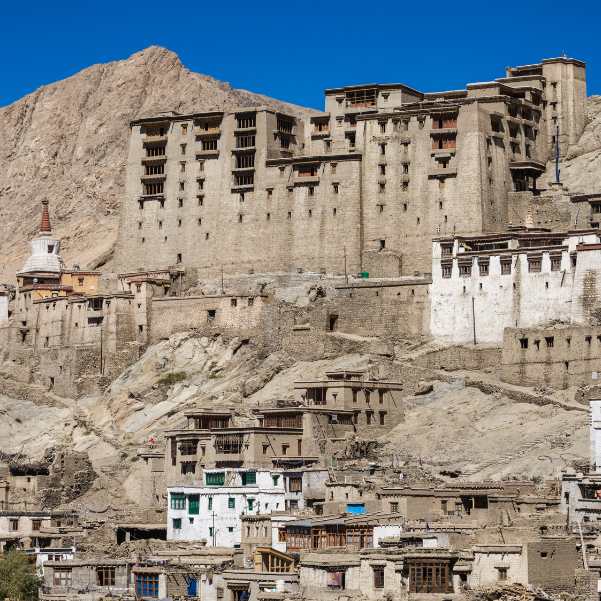
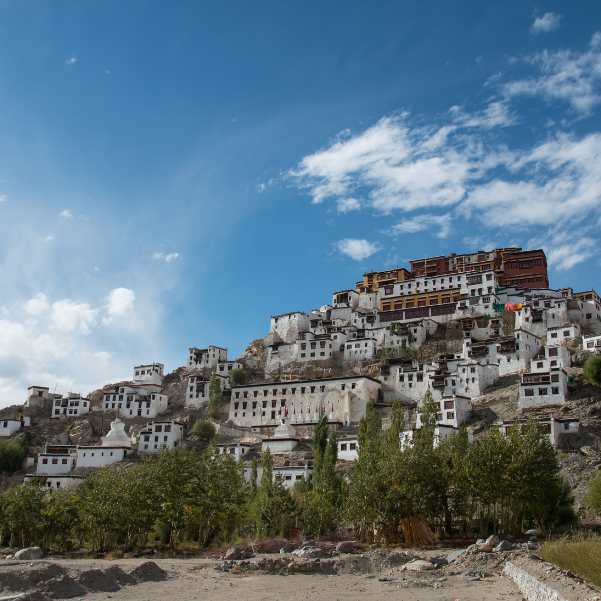
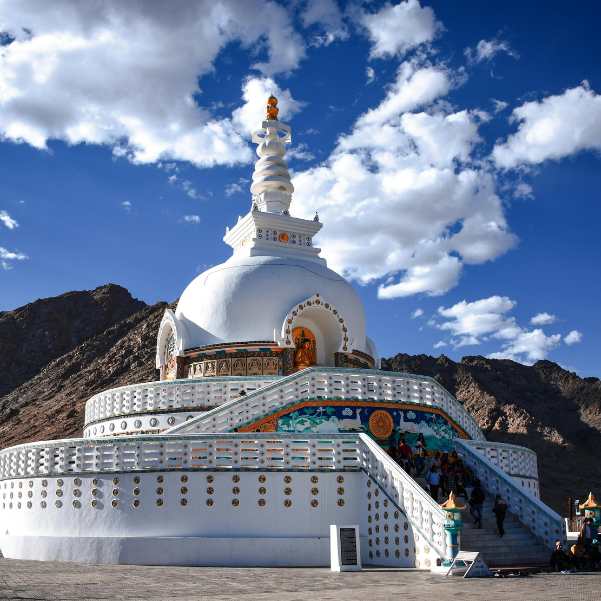
Leh town itself takes a full day easily. Leh Palace, Shanti Stupa, the market around the main bazaar, and Thiksey Monastery are the key local stops. Thiksey in the early morning is worth the alarm.
If you are in Leh Main Bazaar, stop at one of the small Tibetan kitchens on the upper lane near the mosque for a bowl of thukpa and butter tea. It is a simple, warming meal that feels especially good in Leh’s cool air.
Budget prices vary, but expect local spots to be cheaper than the more touristy cafes on Fort Road.
Nubra Valley
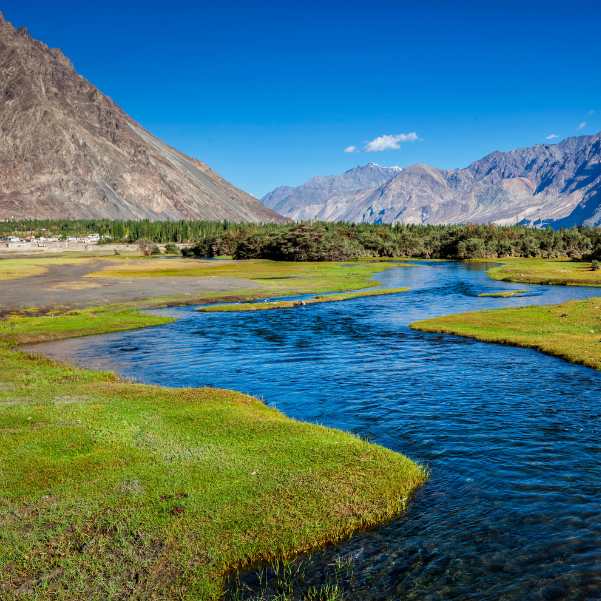
Nubra Valley sits north of Leh over Khardung La. The valley floor is at a lower altitude than Leh, which makes it warmer during the day.
The sand dunes at Hunder, the Bactrian camels, and the monastery at Diskit are what most people come for. September is a good month for Nubra because it is not too cold yet at the valley floor.
Pangong Lake
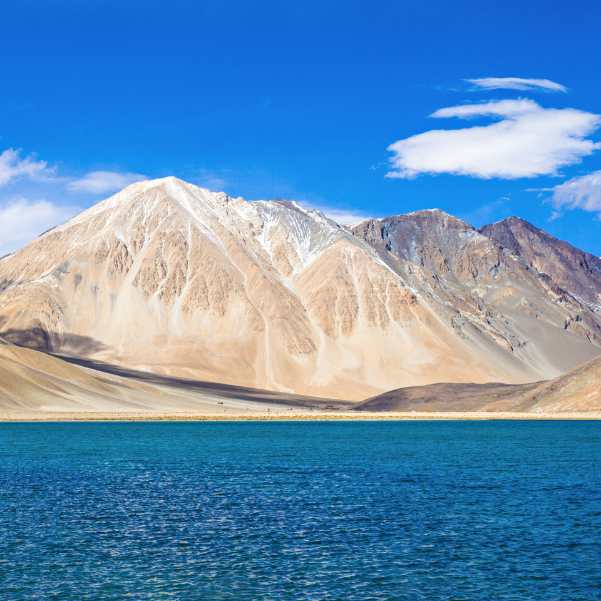
Pangong Lake is the postcard image everyone has in their head. The blue shifts colour through the day, from steel grey at dawn to electric blue by noon. September is excellent for Pangong photography because the air is clear and the monsoon haze is gone.
Reach the lake before 7 AM. The light on the water is completely different at sunrise. By 10, the first wave of day trippers arrives and the shoreline starts getting busy.
Tso Moriri and Hanle
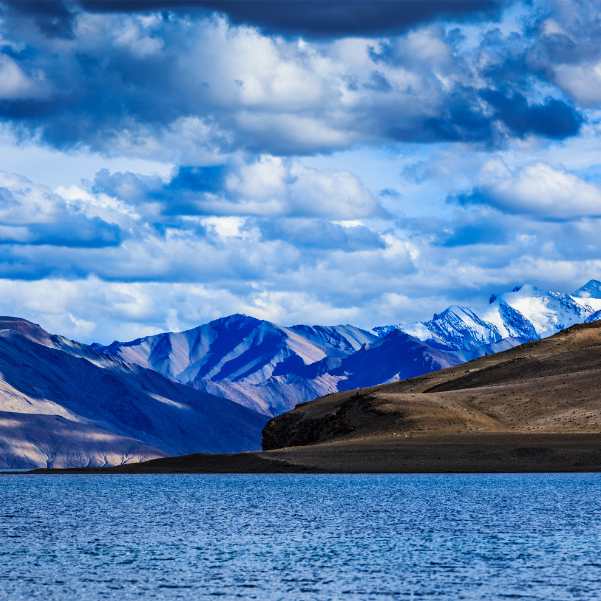
For travellers with extra time, Tso Moriri is quieter, arguably more beautiful, and sees far fewer tourists than Pangong. Hanle is even more remote and known for its night sky. Both are cold, require permits, and need a full day of driving from Leh.
Sham Valley and Lamayuru Monastery
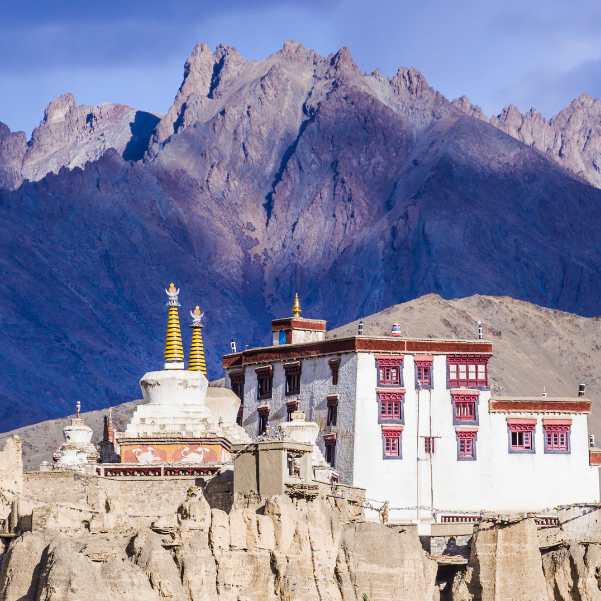
Sham Valley and Lamayuru Monastery are good half day or full day options for travellers who want something different from the lake circuit.
Lamayuru has a striking lunar landscape around it that looks completely unlike anywhere else in Ladakh.
Explore our Leh Ladakh tour packages if you want a pre-built route that covers the right places without overloading the schedule.
Best 6 Day Leh Ladakh Itinerary for September
Day 1
Arrive in Leh, rest completely. No sightseeing. Walk slowly around the market if you feel up to it. Drink water, eat light, sleep early.
Day 2
Leh local sightseeing. Leh Palace in the morning, Shanti Stupa, then Thiksey Monastery in the evening. Stay in Leh for the night.
Day 3
Leh to Nubra Valley. Cross Khardung La, descend to Hunder. Visit the dunes and the monastery at Diskit. Stay overnight in Nubra.
Day 4
Nubra to Pangong. Drive via the Shyok River road. Reach Pangong by afternoon. Spend time at the lake, stay overnight at a camp or guesthouse near the shore.
Day 5
Pangong to Leh. Early morning at the lake before the light changes, then drive back to Leh via Chang La. This is a long drive. Start by 8 AM.
Day 6
Buffer day or departure. Use this for any missed stops, last shopping in Leh market, or flight preparation.
Best 7 Day or 8 Day Itinerary for September
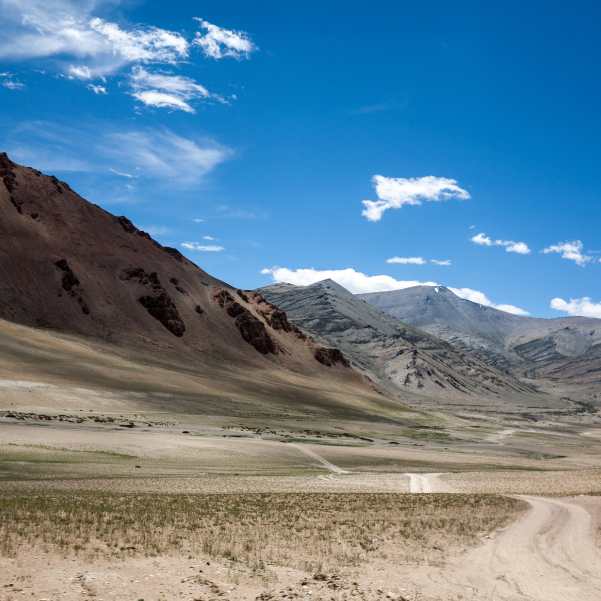
The 6 day plan works but it is fast. A 7 or 8 day version is better for couples, families, and anyone who does not want to wake up at 5 AM every single day.
Add a second night in Nubra. The valley looks completely different at dusk and dawn, and most people who stay only one night say they wish they had stayed longer.
Alternatively, add Tso Moriri after Pangong. It adds one full day to the trip but Tso Moriri is quieter, colder, and often the highlight of the trip for people who have already done Pangong before.
For travellers driving in from Srinagar, budget two days for the 434 km road. The route is scenic and worth taking slowly. Add Sham Valley or Alchi on the way into Leh.
For Manali to Leh road trippers, the highway itself takes two days comfortably. Build that into your plan rather than trying to cover it in one brutal push.
Send us your dates and group size on WhatsApp if you want us to build an itinerary around your exact dates and group size. We do this for September trips regularly and know which combinations actually work.
👉 WhatsApp us your dates and get a September itinerary that actually works
Explore Our Curated Leh Ladakh Tours
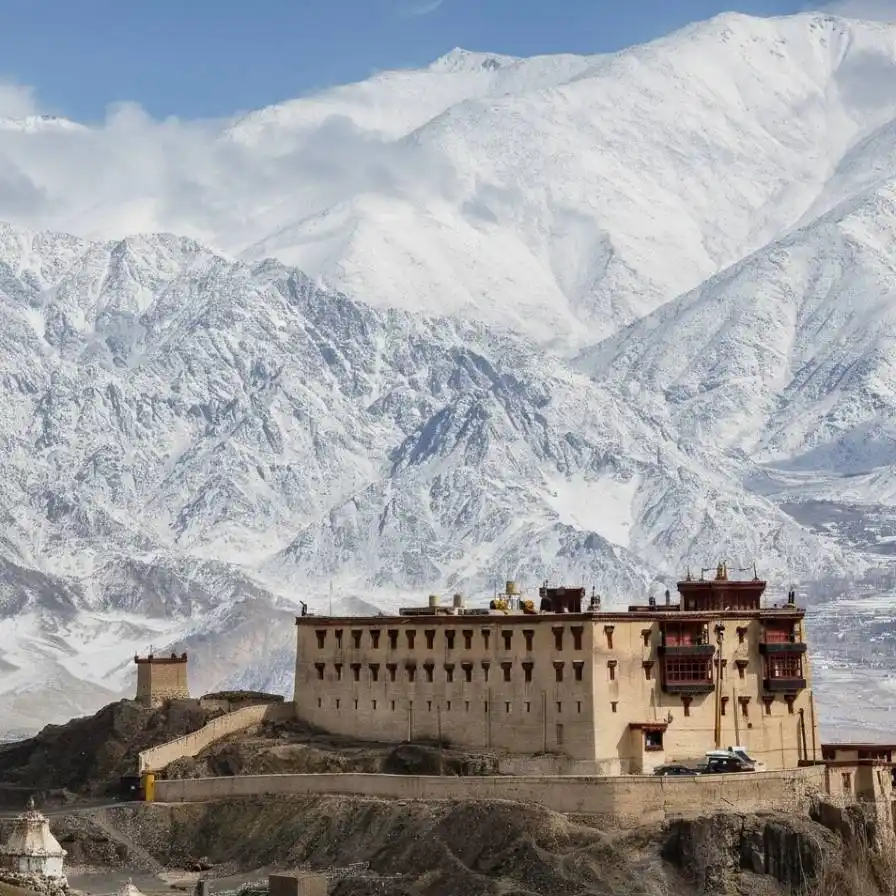 4D/3N
4D/3NLeh Ladakh Winter Getaway
1D Leh•1D Leh Local+2
₹19,999₹22,999SAVE INR 3,000/ person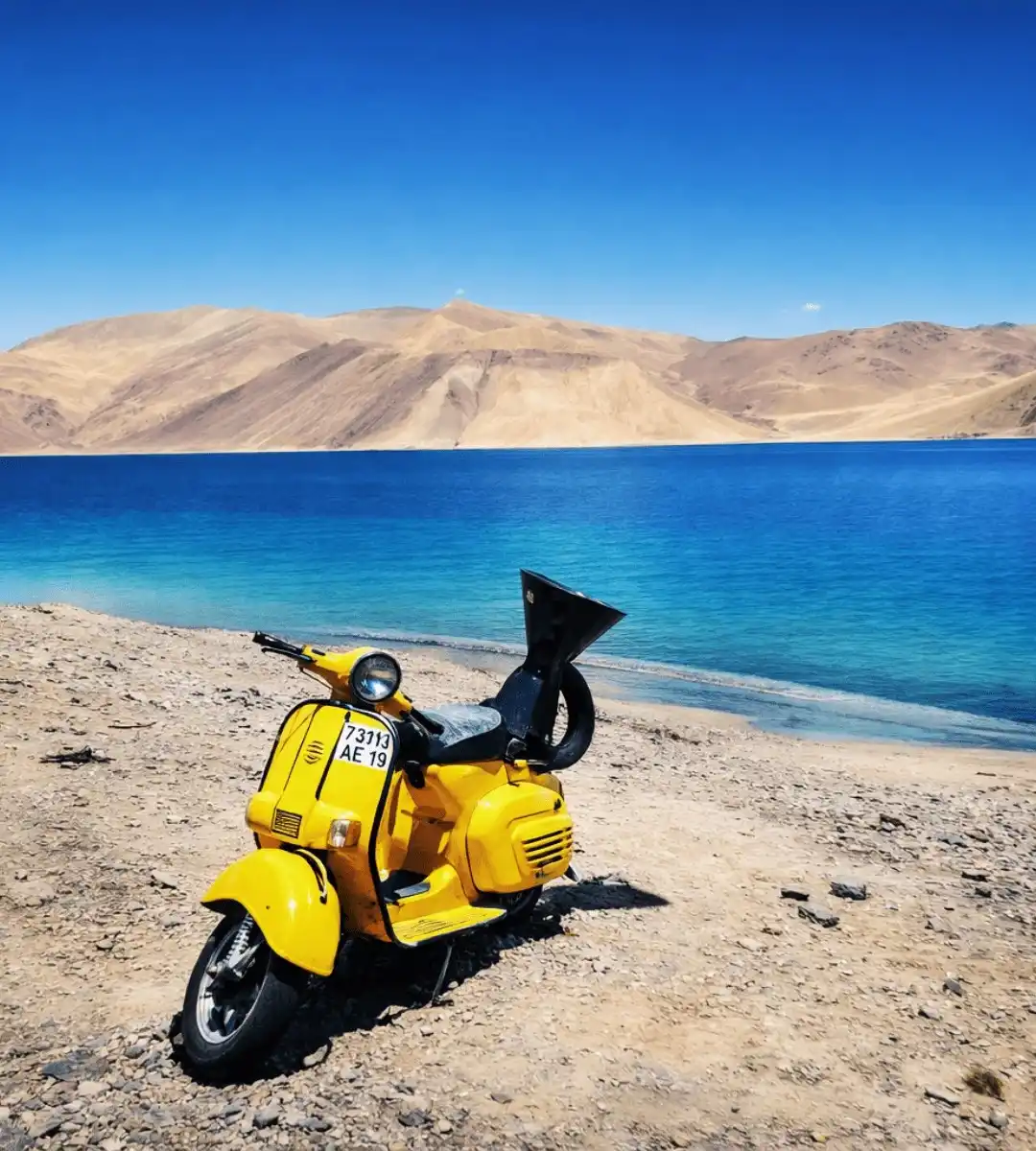 6D/5N
6D/5NBest Selling Leh Ladakh Tour With Nubra Valley and Pangong Lake
2D Leh•1D Nubra Valley+1
₹23,999₹28,599SAVE INR 4,600/ person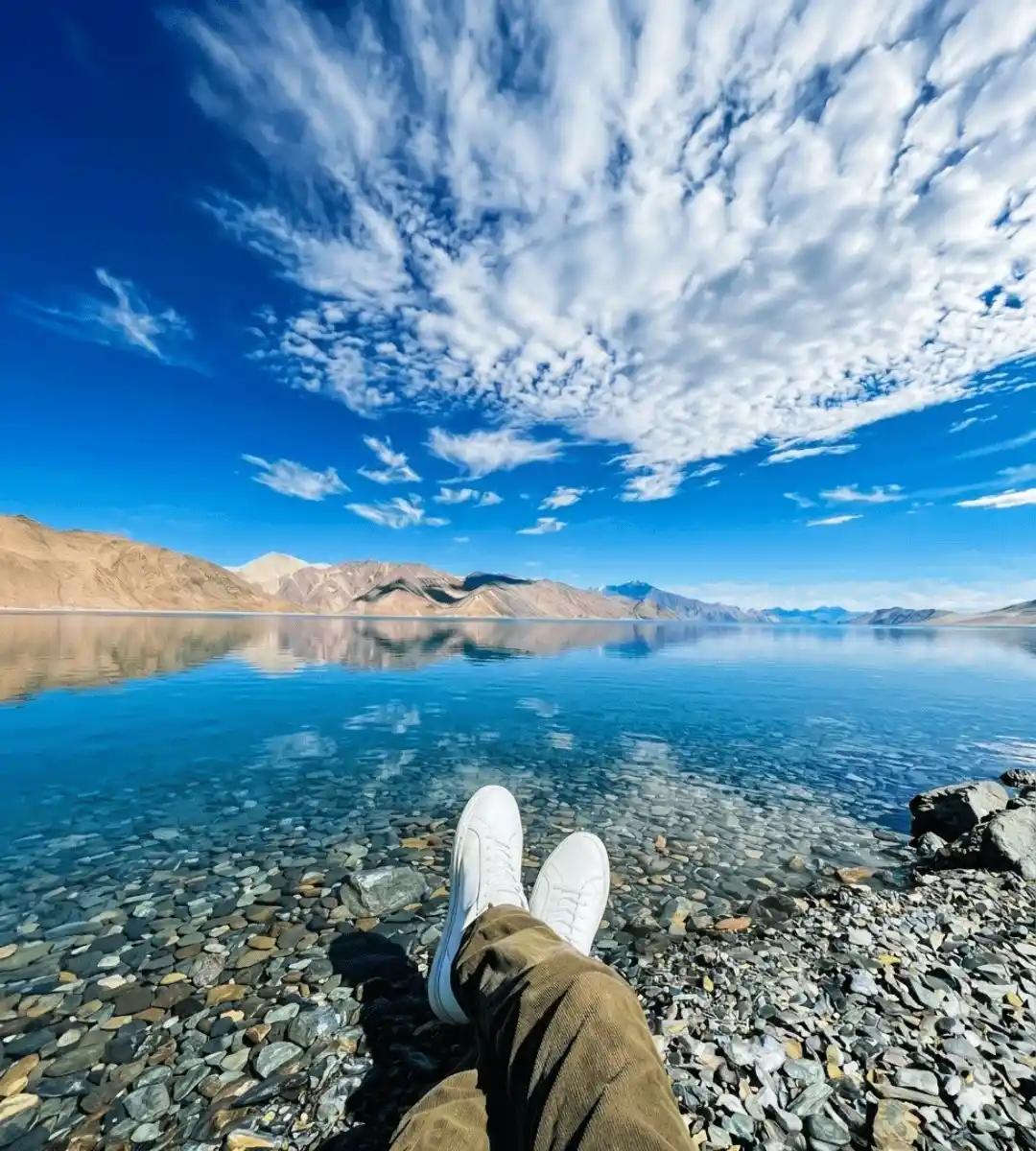 6D/5N
6D/5NUltimate Leh Ladakh Tour Package with Nubra Valley & Pangong Lake
2D Leh•1D Nubra Valley+1
₹28,999₹35,999SAVE INR 7,000/ person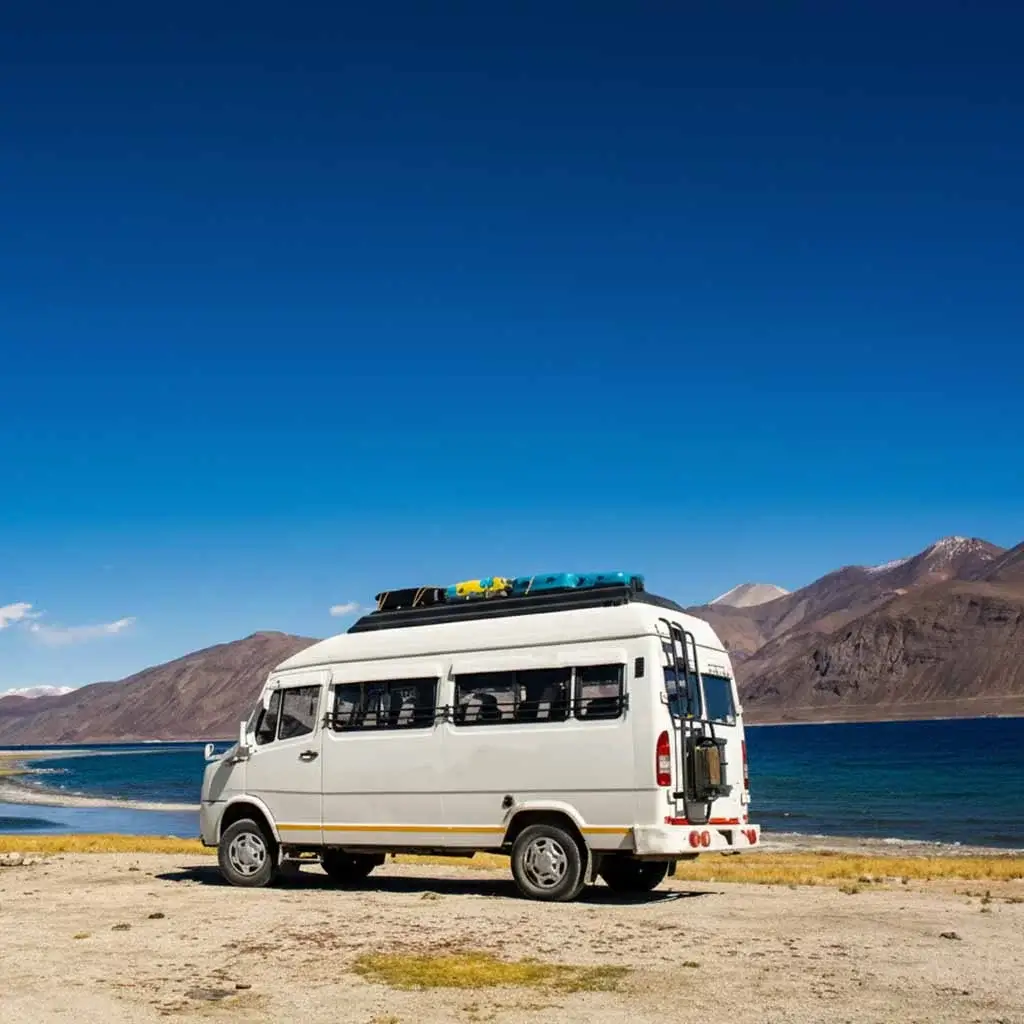 Group Tour6D/5N
Leh Ladakh Group Tour With Nubra Valley and Pangong Lake
2D Leh•1D Nubra Valley+1
₹18,999/ person
Leh Ladakh in September for Couples, Families and Bikers
Couples
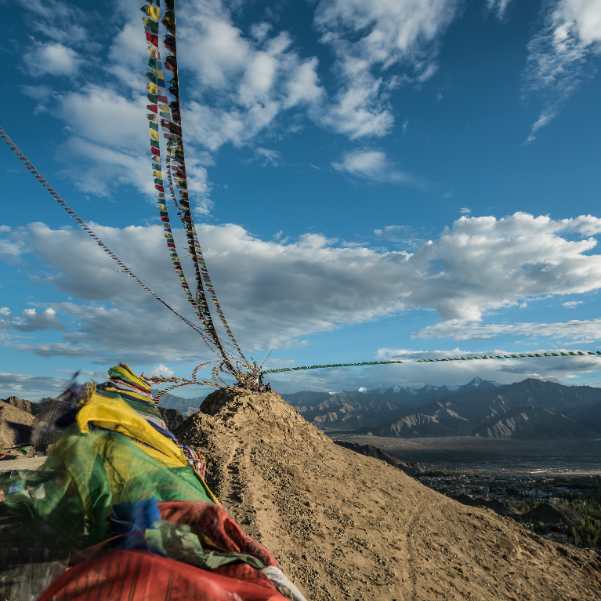
Couples get the best version of September Ladakh. The crowd pressure is lower, accommodation is easier to book, and the landscape in September has a quality that feels more personal. Pangong at sunrise with almost no one else there is the kind of thing people remember for years.
Families
Families can absolutely manage September Ladakh with preparation. Children above 10 handle the altitude reasonably well if the acclimatization days are taken seriously.
For older parents or anyone with heart or breathing conditions, stick to Leh and nearby valleys. Nubra is fine. Pangong overnight at 14,000 feet is a harder call for anyone with health concerns. A day trip from Leh via Chang La is a safer option.
Bikers
Bikers have a specific September consideration: early mornings on high passes. By late September, Khardung La and Chang La can have ice on the road before 8 AM. Start your pass days by 9 or 10 AM after the sun has cleared the frost.
Cold starts are another issue. Engines need a few extra minutes to warm up at altitude in September, and bikes that ran fine in summer can feel sluggish at 5 AM.
One thing most people skip: the small mechanic workshop about 200 metres before the Khardung La checkpoint has basic bike tools and can patch a puncture. Better than being stuck halfway up the pass with a flat.
September Events in Ladakh You Should Know Before Booking
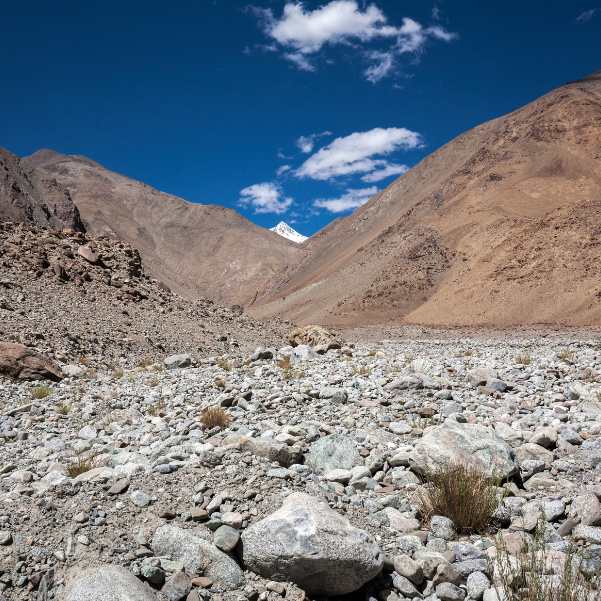
Two events fall in September that can directly affect your trip planning.
The Ladakh Marathon runs from 10 to 13 September 2026, with the main marathon and half marathon on 13 September.
This brings a significant number of runners and supporters to Leh. Hotel demand in Leh town during this window goes up. If your trip overlaps with these dates, book accommodation in Leh well in advance.
The Ladakh Festival runs from 21 to 24 September 2026. The festival includes traditional performances, archery, polo, and cultural events around Leh.
It genuinely adds something to the trip if you are there for it. But it also brings more tourists into Leh for those four days, so again, book early.
Neither event makes September a bad month. They actually make certain days in September more interesting. Just do not arrive expecting cheap, last minute rooms in Leh during those specific windows.
Here is a money saving tip many travellers miss: If you are booking your Leh stay around a busy event window such as the Ladakh Marathon, ask for a multi night rate before you pay. Some hotels and guest houses do offer better prices for longer stays, especially when demand is high.
Leh Ladakh September Travel Tips That Save Money and Hassle
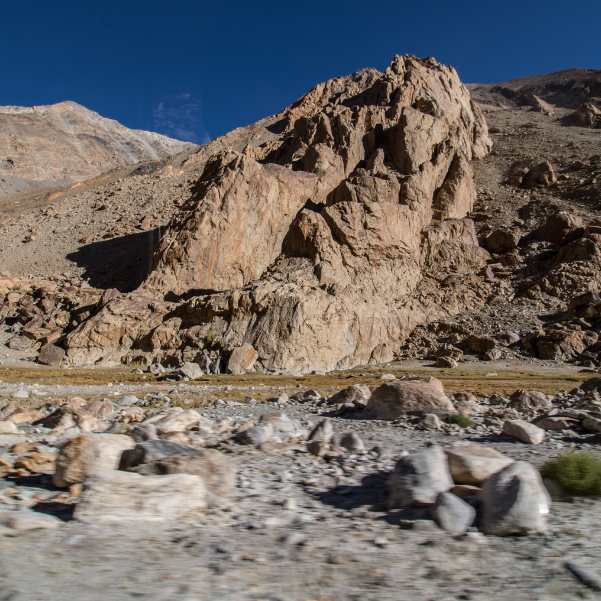
The single most useful thing you can do before any pass day is check road conditions that morning. Not the night before. Conditions on Khardung La or Baralacha La can change overnight.
The District Leh road status page exists for this, but always cross check with a local driver or your hotel in Leh before heading out.
Carry your permit documents in physical or clearly offline format. Screenshots get lost or run out of battery. Permit checkposts are active and the officers are not interested in excuses.
Ask your hotel specifically about hot water availability before you book in colder locations. Most camps at Pangong have limited hot water.
In Nubra, the better guesthouses offer hot water buckets or solar heated water by evening. Know what you are getting before you arrive at 5 PM in the cold.
Do not over schedule the trip. The single most common feedback we get from people who had a bad Ladakh trip is that they tried to cover too much in too few days.
Slow the itinerary down. The driving distances are longer than they look and passes take time.
Carry enough cash. ATMs in Leh work reasonably well, but further out at Nubra, Pangong, and Tso Moriri, card payments are rare and ATMs are nonexistent.
Skip the paid "photo point" setups at Pangong where they charge ₹100 to ₹200 for a chair or a prop next to the lake. Walk 300 metres further along the shore and you will find better angles, no crowds, and no charge.
Browse our popular tours for packaged Ladakh options or reach us directly to build something custom.
Talk to our team on WhatsApp if you want a realistic September itinerary built around your dates, group, and budget.
👉 WhatsApp us for a trip that fits your dates and budget
Final Verdict: Should You Visit Leh Ladakh in September?
Yes, for most travellers, September is the right month.
The roads are open. The crowds are lower than July and August. The skies are clear. The photography is at its sharpest.
Events like the Ladakh Marathon and Ladakh Festival add energy to Leh town without overwhelming it.
Choose a different month if you specifically want the earliest snow wall roads (go in June) or if you want the absolute cheapest deals (try early October, though that comes with uncertainty).
And if you have a tight 4 day window with no flexibility on dates, Ladakh in any month will feel rushed. Plan longer.
The team at Travel Coffee has been helping people plan Ladakh trips across every season. September is consistently the one where the feedback is the best. Clear trips, comfortable weather, and memories people actually talk about.
If you want to travel with a group, check our group tour packages for fixed departure options.
Give yourself enough days. Take the acclimatization seriously. And pack for cold nights even though the days feel warm.
Related topics
Frequently Asked Questions
Is September better than October for Leh Ladakh?
September is more reliable overall. October is colder, some camps shut down by mid October, and the Manali route becomes uncertain after the first few weeks. For a first trip, September gives you more room.
Can we visit Pangong Lake in September?
Yes. September is a great month for Pangong. The lake is fully accessible, camps and guesthouses are still running, and the water reflects the mountains more clearly than it does in the rainy season months.
Can we ride from Manali to Leh in September?
Yes. The Manali to Leh highway (473 km) is usually open through September. Check road status close to your departure date and plan for early mornings on the high passes, especially in late September when frost is possible.
How cold is Pangong at night in September?
Cold enough to need serious warm layers. Temperatures at Pangong drop below freezing at night in September. A down jacket, thermals, and warm socks are not optional for an overnight stay.
Do we need an Inner Line Permit in September?
Yes. Pangong, Nubra, Khardung La and Tso Moriri require permits. Pay online through the Leh District Tourist Management System. Carry a printed or offline PDF copy and your Leh arrival boarding pass for check post verification.
How many days are enough for Leh Ladakh in September?
Six days covers the main circuit comfortably if you fly in. Seven or eight days is better for families or anyone who wants one extra slow day. If you are driving the Manali or Srinagar route, add two more days for the road itself.
Is September good for a honeymoon in Ladakh?
One of the best months for it. Crowds are lighter than peak summer, the weather is cooperative, and Pangong in September feels genuinely private in the early morning. Book your Leh hotel and Pangong stay well in advance, especially around the festival dates.
Is Ladakh safe in late September?
Yes, with standard mountain precautions. The roads are generally stable. The main practical concern is cold. Late September nights at altitude are genuinely freezing. Pack right and you will be fine.
What should I wear in Leh during September?
Layers. Full sleeve shirt or fleece during the day. Down jacket and thermals for evenings and nights. High SPF sunscreen and UV sunglasses for daytime. Gloves and a warm cap for passes and lake stays.
Can children travel to Ladakh in September?
Children above 10 who are reasonably healthy can manage Ladakh in September with proper acclimatization stops. For younger children, speak with your doctor first. September is the safest season option if you are bringing kids.
Is acclimatization really necessary if I feel fine?
Yes. AMS symptoms can appear 12 to 24 hours after arrival, not immediately. Feeling fine on day one does not mean your body has adjusted. Take the 48 hours in Leh seriously before going higher.
Can I cover Nubra, Pangong and Tso Moriri in one trip?
Yes, in 8 to 10 days. Trying to do all three in 6 days results in very long driving days and rushed experiences. Build in a full slow day at each major destination if you can.
More about Ladakh
 Ladakh
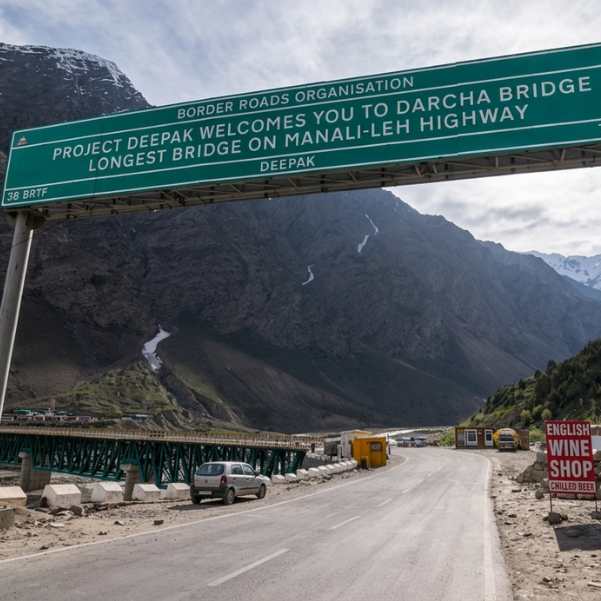
Manali to Leh Highway 2026: Every Pass, Stop and Distance
Plan your Manali to Leh Highway journey in 2026 with a complete guide to major mountain passes, overnight stops, route highlights, and distance. Discover key stops like Jispa, Sarchu, and Pang, along with famous passes including Baralacha La and Tanglang La.
- Road Trips
- How to Reach
 Ladakh
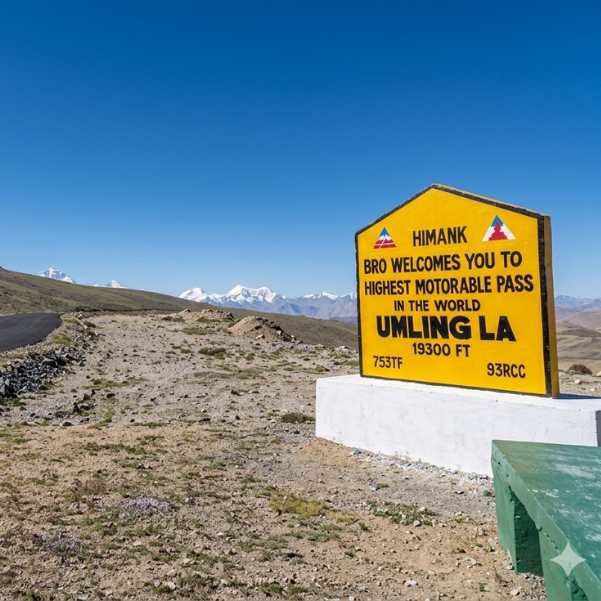
Umling La Ladakh Guide 2026: Route, Altitude, Permit, Safety & Reality Check
Planning to visit Umling La in 2026? This complete guide covers the route, altitude, permit requirements, road conditions, safety tips, and the realities of travelling to one of the world's highest motorable roads.
- Road Status
- Altitude & Health
 Ladakh
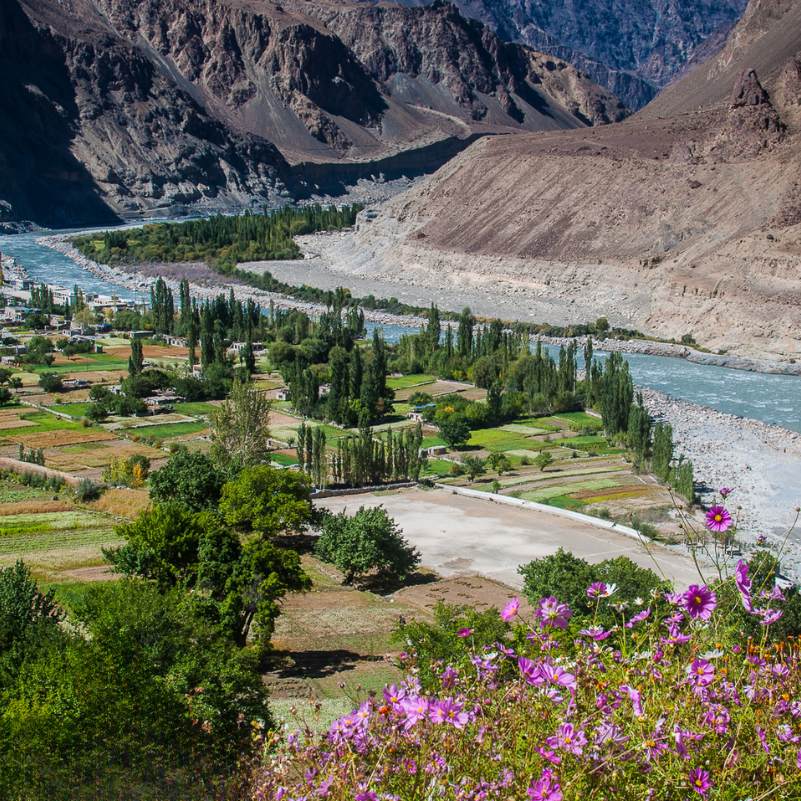
Turtuk Ladakh Travel Guide 2026: Balti Culture, Apricot Orchards and Why It Is Perfect for Families
Planning a trip to Turtuk? This 2026 travel guide explores the village's rich Balti culture, beautiful apricot orchards, top attractions, travel route, and why Turtuk is one of the best family-friendly destinations in Ladakh.
- Places to Visit
- Family Travel