
Zanskar Family Trip 2026: Visiting With Kids or Older Parents
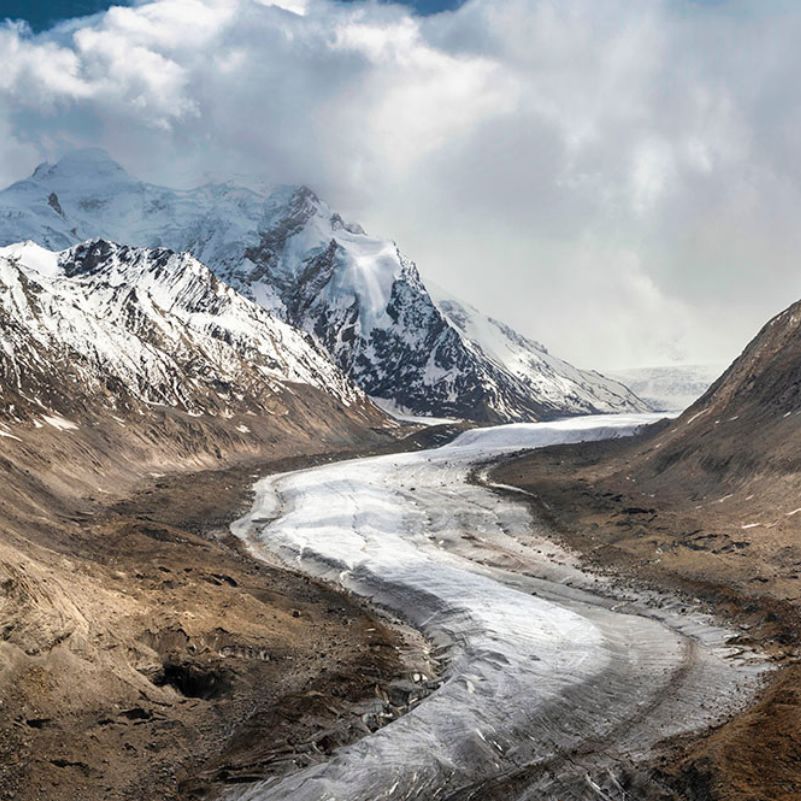
Yes, a Zanskar family trip can work. But it only works when you plan it around the slowest, most tired person in your car, not around a sightseeing list.
Our team wrote this guide for parents planning a trip with young children, and for adult children taking their parents. It helps you decide honestly whether Zanskar fits your family, and how to shape the trip if it does.
Quick Answer: Is Zanskar Suitable for a Family Trip?
Zanskar can work for some families who plan carefully for altitude, long drives and basic facilities. It is not automatically right for every child or every older parent.
Age alone cannot tell you whether someone will handle the altitude. Health, how fast you climb, walking ability and road tolerance matter far more than a number on an Aadhaar card.
Plan slow, stage the long drives, keep the hard sights optional, and talk to a doctor first if anyone in your group has a health concern.
What Makes a Zanskar Family Trip More Demanding Than a Normal Hill Holiday?
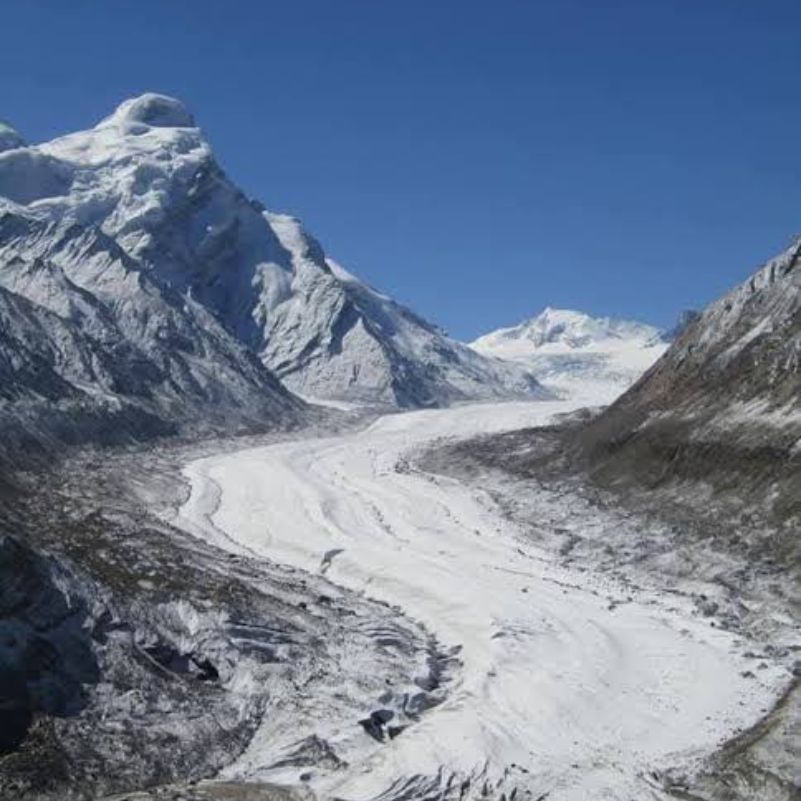
Here is what most families get wrong. They plan Zanskar like a longer version of a Manali holiday. It is not.
Padum, the main town of Zanskar, sits at around 3,650 m. Every road into the valley crosses a pass that goes higher still.
The road days are long. Some sections are rough, and conditions change with snow, rain and repair work. You will not find a clean washroom every hour.
Children who get carsick will feel it here. Parents with knee or back trouble will feel the bumps. Cold mornings and evenings add to the fatigue, even in the main season.
Hotels and homestays are simpler than what you get in Himachal's tourist towns. Medical infrastructure in remote Zanskar is limited, and we cover that honestly further down.
Toilet breaks need real planning. On long stretches, you may find only open ground or a basic roadside setup. Carry wet wipes, tissues and a small bag for waste, and teach kids to go whenever the car stops.
Older parents often drink less water on road days to avoid toilet stops. That backfires at altitude and on long drives. Plan regular stops so nobody feels they have to hold back.
None of this means you should not go. It means a family that treats Zanskar like a weekend run to the Manali hill station usually ends up exhausted and cranky by day three.
How Does Altitude Affect Children and Older Parents in Zanskar?
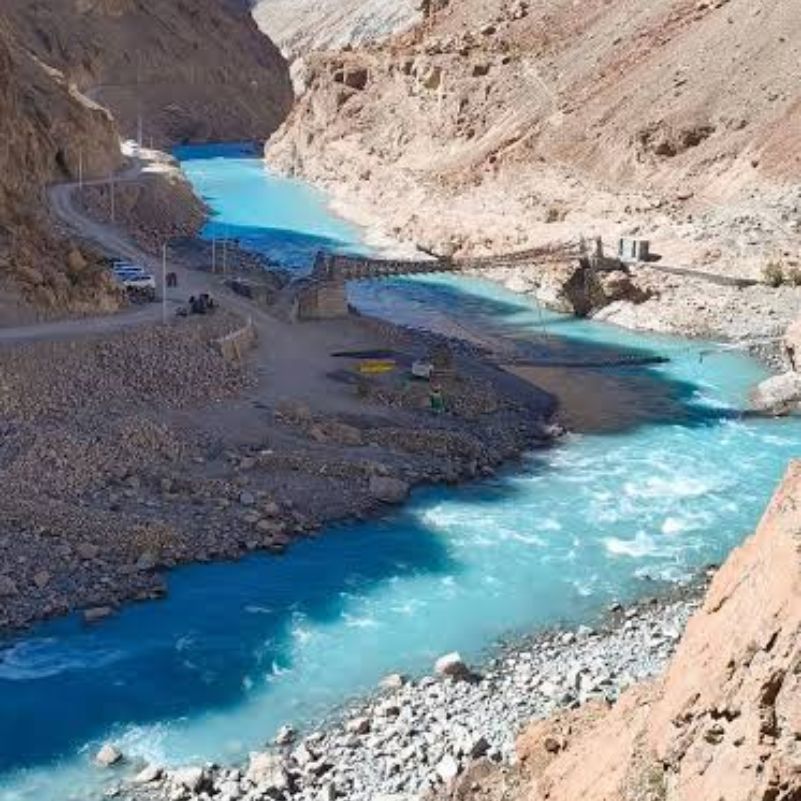
We are a travel company, not doctors. This section shares what the CDC and the Wilderness Medical Society say in their published guidance. It cannot clear or reject anyone in your family for this trip.
CDC's 2026 Yellow Book says any unacclimatised traveller who goes to a sleeping elevation of around 2,450 m or higher can be at risk of altitude illness. Padum sits well above that line.
What families should know about Padum's altitude
Padum sits at about 3,650 m. That is the height where your family will sleep most nights on a typical Zanskar trip.
Where you sleep matters more for your body than where you drive. A quick stop at a high viewpoint and a drive back down is very different from spending the night up high.
So when you compare routes and itineraries, look at the sleeping altitude of each night, not just the highest pass on the map.
Are children more or less vulnerable to altitude sickness?
CDC guidance says children are broadly as susceptible to altitude illness as adults. Being young does not protect a child, and it does not make them automatically weaker either.
The real problem with small children is communication. A toddler cannot tell you "I have a headache" or "I feel sick."
CDC notes that young children can show non-specific signs after ascent. These include unusual irritability, loss of appetite, and changes in sleep or activity.
These signs can have many causes, including a long tiring drive. Watch your child closely after each climb, and get medical advice if something feels off.
Does fitness make an older traveller safe at altitude?
No. CDC says physical fitness does not reliably predict who will get altitude illness.
Your father may walk five kilometres every morning in Delhi. That is great for his general health, but it does not tell you how his body will react to sleeping at 3,650 m.
The reverse also holds. A parent who does not exercise much may handle the altitude fine. Nobody can predict it from fitness alone.
When should someone speak to a clinician?
CDC recommends that people with heart or lung disease discuss high altitude travel with a clinician who understands it. Do this before you book, not after.
If anyone in your family has another significant medical condition, get individual medical advice. Do not rely on a travel blog, a WhatsApp forward, or a relative who "went to Ladakh and was fine."
Any medication question, including for altitude or motion sickness, belongs with your doctor. We will not suggest names or doses here.
If symptoms get worse or turn severe, the person needs proper medical attention. Authoritative guidance treats descent as a key response to severe altitude illness. Do not wait it out at the same height hoping it passes.
Which Route to Zanskar Is Better With Kids or Older Parents?
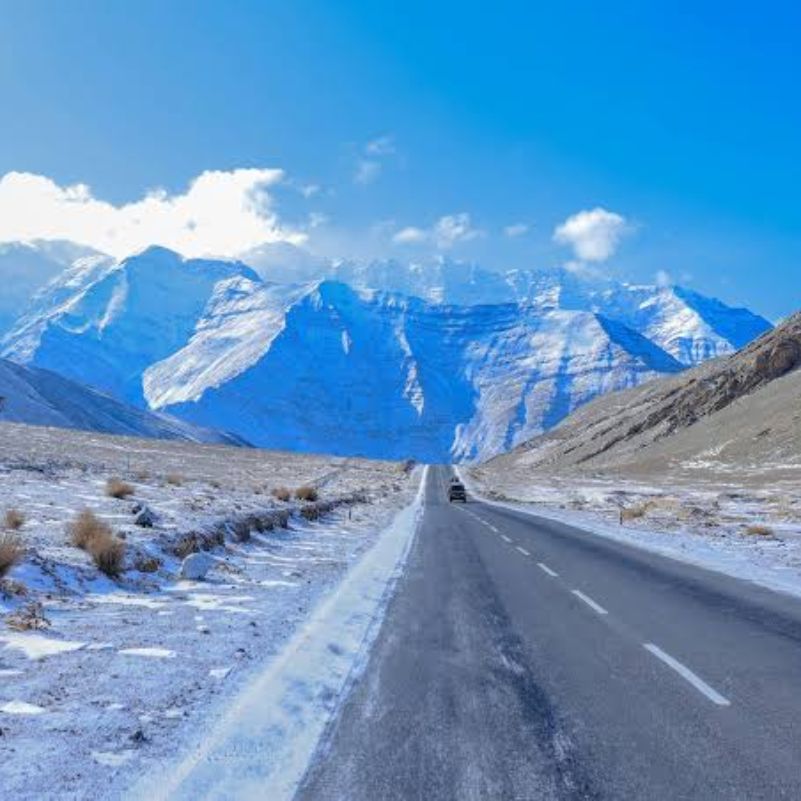
There is no route that is medically safest for everyone. We compare the two main approaches by how tiring they are and how well you can pace them.
Kargil to Rangdum to Pensi La to Padum
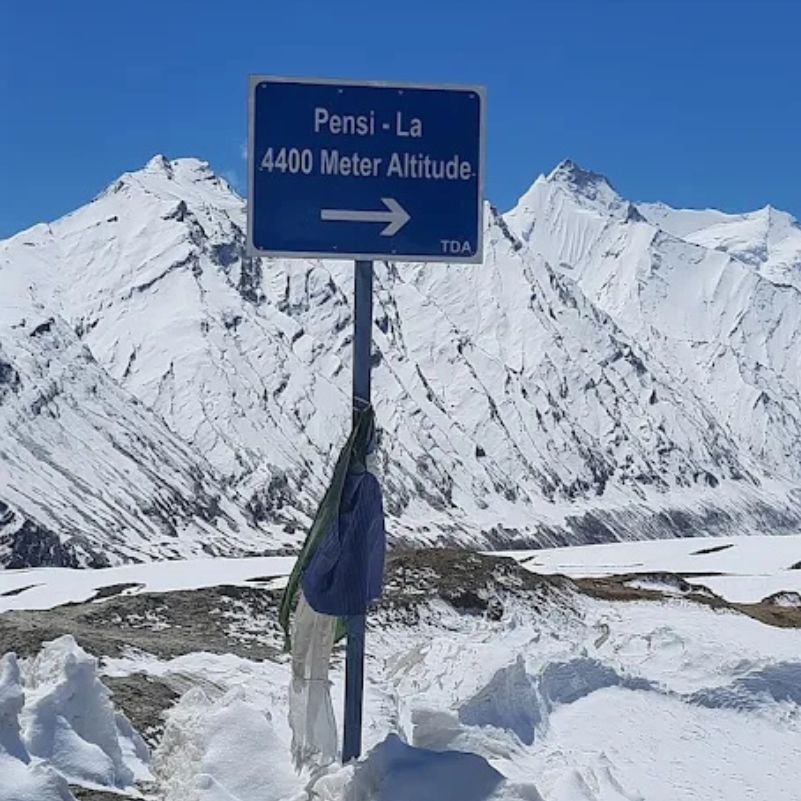
Most sources put the Kargil to Padum road at roughly 230 to 240 km. It crosses Pensi La at around 4,400 m.
Published drive times for this road conflict, because road conditions and stops change everything. So we will not give you a fixed number.
Many travellers break the journey at Rangdum, and we strongly suggest families do the same. Splitting the road turns a punishing endurance day into two manageable ones.
With kids, a split day also means more time for toilet stops, food and a nap in the car. With parents, it means fewer hours of continuous bumping on the back.
Our insider tip: ask your driver to plan meal stops before the rough sections, not in the middle of them. A child who eats on a bumpy stretch is more likely to throw up.
Manali to Darcha to Shinku La to Padum
This route crosses Shinku La at around 5,090 m. That is far higher than Padum, so your family climbs well above the sleeping altitude on the way in.
The Shinku La road stayed weather sensitive through the 2026 season. Snow, ice and road damage kept changing conditions, and vehicle restrictions changed during the opening weeks.
Check the Darcha to Shinku La to Padum road immediately before you travel. A screenshot from a friend or an old blog post saying "OPEN" guarantees nothing.
Families coming from the Himachal side often start in Manali and spend a night or two lower down in Lahaul first. A slower start in a place like Sissu gives everyone time to settle before the big climb.
What about entering from Leh?
Many families fly into Leh and then travel on to Zanskar. The mistake here is landing and rushing straight onward.
CDC guidance says travellers should go up gradually. Above 3,000 m, conservative guidance keeps increases in sleeping altitude to around 500 m per day and builds in acclimatisation time.
Give your family proper rest days in Leh before moving on. Our Ladakh tour packages follow the same principle of resting before going higher.
If a doctor has given someone in your family different advice for their health, follow the doctor. No itinerary should override personal medical guidance.
How Many Days Should You Keep for Zanskar With Family?
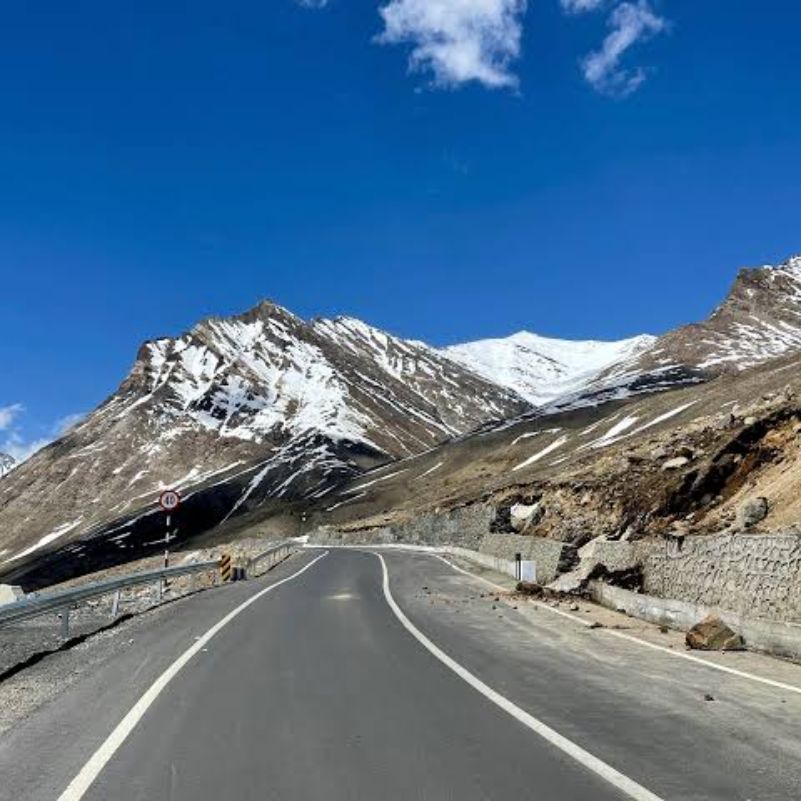
We do not sell rushed Zanskar trips to families, and we would not suggest you plan one yourself.
Slower trips simply work better with kids and parents. You can stage the long road journeys and keep the first day after arrival light.
A slower plan also leaves room when someone feels unwell, the weather turns, or a road closes for repairs. It covers the days when a child or parent just needs to rest.
We will not promise that a certain number of days makes the trip safe. What we can say is this: every extra day of slack reduces pressure on everyone in the car.
Think about what a rushed plan looks like with a family. You land, push onward the next morning, cross a high pass, arrive in Padum late and exhausted, and start sightseeing the next day.
If your child sleeps badly that first night, or your mother wakes up with a headache, the whole plan starts slipping. Then you are making medical and travel decisions while tired, in a remote valley, against the clock.
A slower plan removes that pressure. If someone needs a quiet day, you take it. Nothing falls apart.
When you count days, count three kinds separately. Rest days for acclimatisation, travel days for the long drives, and easy days in Padum. Then add one buffer on top. That gives you a far more honest picture than a single headline number.
What Can Families See Without Long Treks?
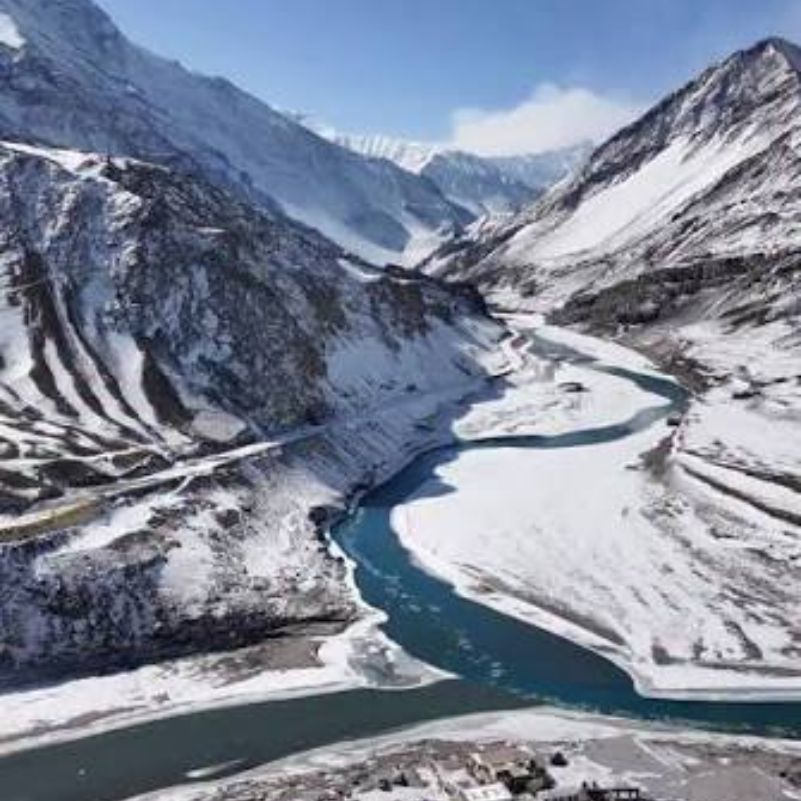
A Zanskar trip does not have to include difficult walking. Plenty of families enjoy the valley without a single long hike.
Padum itself is your easiest starting point. Short local outings from your base, village walks at your own pace, and slow evenings with the valley around you make a full experience on their own.
Sani comes up often as a fairly straightforward sightseeing option. Still, check the current access and how much walking is involved before you promise it to a parent with weak knees.
Karsha and Stongdey monasteries can involve slopes or steps. A child who loves climbing will be fine. A parent with balance issues may struggle.
We do not label any monastery "senior citizen friendly" because every parent is different. Ask your driver or host about the actual climb before you get out of the car.
Should Families Attempt Phugtal Monastery?
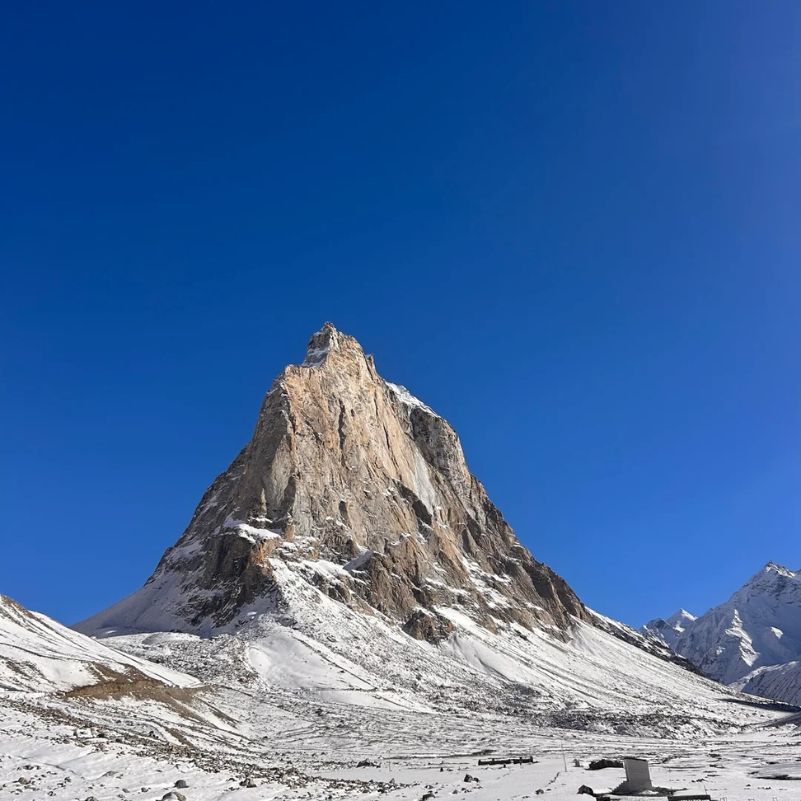
This is the one we want you to read carefully. Many generic Zanskar itineraries include Phugtal Monastery by default, as if you can just drive up to it.
You cannot. Phugtal needs walking or trekking from the road access point.
Some current travel guides put the walk at roughly 2 to 3 hours each way. Access points and trail conditions can change, so confirm this locally before you plan around it.
Here is our honest advice: skip Phugtal if anyone in the group has weak balance or poor walking tolerance. The same goes for unresolved altitude symptoms, a significant health concern, or a child who cannot comfortably manage a walk that long.
Skipping it is not a failure. Your family can have a complete, satisfying Zanskar trip without ever seeing Phugtal.
Sometimes one fit adult in the group walks to Phugtal while the rest of the family rests in Padum. That can be a good compromise if everyone agrees.
Where Should Families Stay in Zanskar?
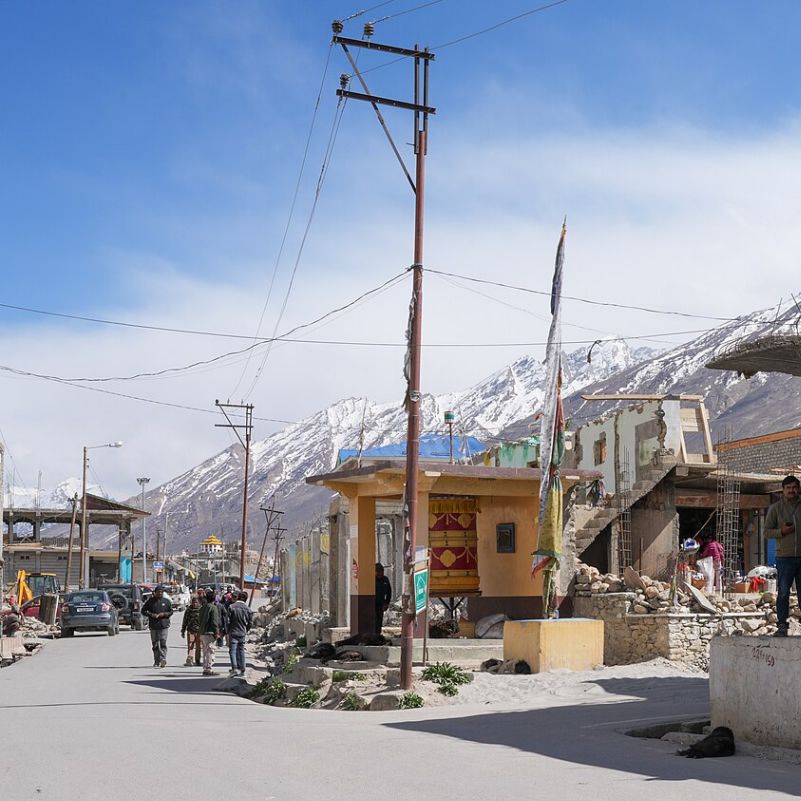
Make Padum your base. It has the broadest spread of visitor accommodation and services in the valley.
We are not naming hotels or quoting prices here, because these change and we only share what we can confirm. Instead, ask every property the same set of questions before you pay.
Ask whether the room has an attached bathroom, and whether it has a western toilet if a parent needs one. Ask how hot water works, whether it is a geyser, a bucket, or only at certain hours.
If a parent struggles with stairs, ask for a ground floor or lower floor room. Ask what blankets or heating they provide on cold nights.
Check what food they serve and whether they can make simple meals for children. Ask about parking for your vehicle, power backup, and how far the property sits from central Padum.
Homestays can be the most rewarding stays of the trip. Your kids get to see real Zanskari home life. But comfort standards vary a lot, so ask the same questions there too.
Our money saving tip: stay several nights in one Padum base instead of shifting rooms every day. You avoid paying for extra transfers, you can negotiate a longer stay directly with the host, and nobody has to repack every morning.
What Medical Facilities Are Available in Zanskar?
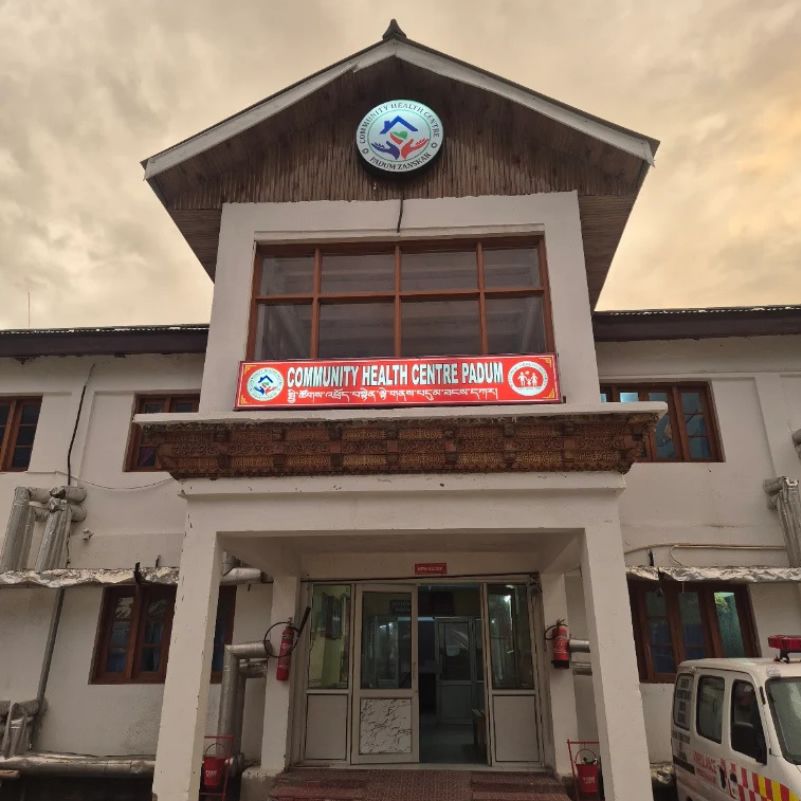
Padum has a Community Health Centre. Ladakh Tourism, the official source, describes medical infrastructure in remote areas including Zanskar as limited.
We cannot confirm which specialist doctors, scans, ICU facilities, ambulance response times or pharmacy stock exist at CHC Padum right now. Do not assume any of them.
UT Ladakh released its first official Zanskar traveller's guide in October 2026. It covers medical facilities and emergency contacts, so read it before you travel.
If anyone in your family depends on quick access to specialist care, factor Zanskar's remoteness into your decision before you book. Do not discover it on day four.
What Should You Pack Differently When Travelling With Children or Parents?
Pack warm layers for everyone, including spares for children who spill things or get wet. Cold creeps in fast once the sun drops.
Carry sun protection for the whole family: sunscreen, hats and sunglasses. Kids and older adults both burn easily at height.
Bring snacks your children already know and like. A long road day is the wrong time to test new food on a fussy eater.
Plan for safe drinking water for the whole trip. Ask your host what they use, and carry enough bottles for the long drives.
Pack every regular prescription medicine in full, with extra for delays. Keep them in a bag you carry, not in the boot under the luggage.
Put together a personal first aid kit based on your family's needs. For motion sickness or altitude medicine, use only what your doctor advises.
Download offline maps and save your route details before you lose signal. We cannot confirm mobile coverage along the way, so do not depend on it.
Comfort items matter on long road days. A neck pillow for a parent, a favourite toy or downloaded cartoons for a child, and a small blanket in the car all help.
What Is the Best Time for a Zanskar Family Trip?
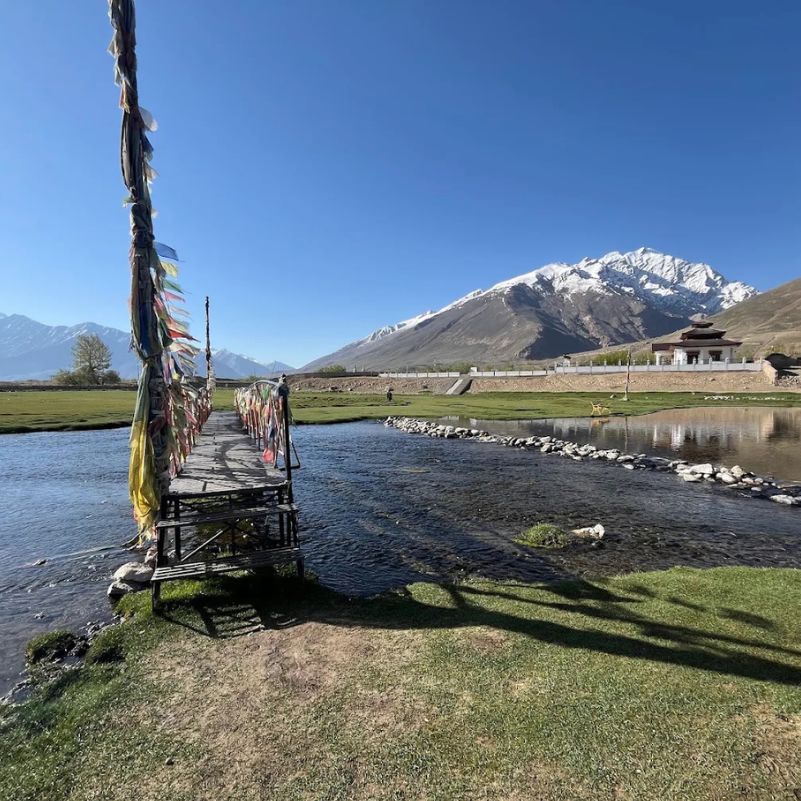
For a family, a reliable road and a comfortable pace matter far more than snow photos.
Pensi La and Shinku La are both weather sensitive. Their opening and closing dates shift every year, so nobody can promise you a fixed season.
In 2026, the Shinku La road opened with changing vehicle restrictions. Snow, ice and road damage kept affecting it through the season.
Here is our timing tip that changes the whole trip: check the exact pass and route status a few days before you leave, and again on the morning of departure. Then make the final call on which route to take.
Who Should Reconsider or Modify a Zanskar Trip?
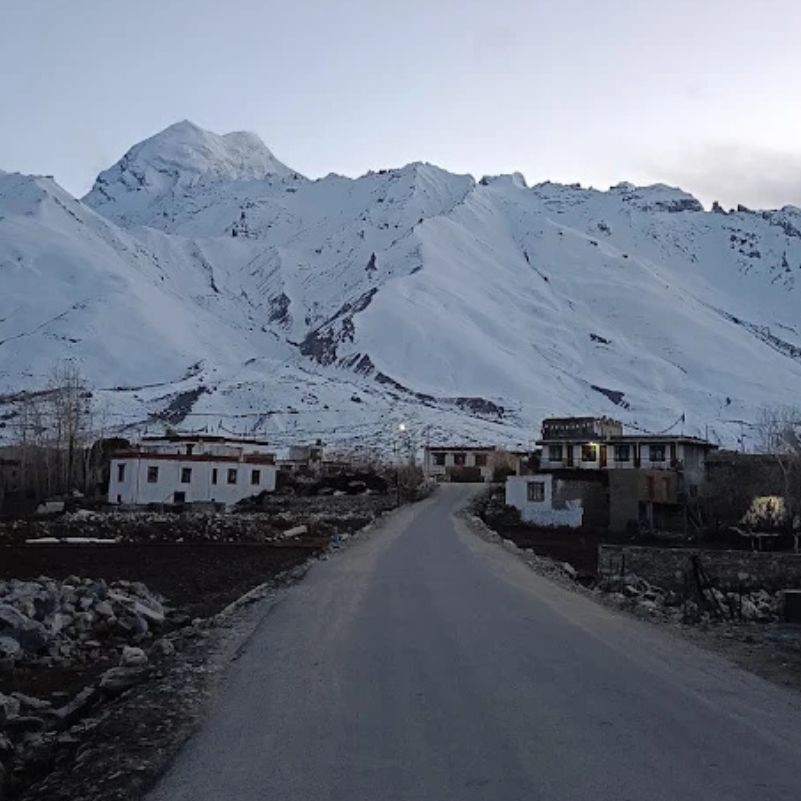
This is not about age. It is about the specific trip you are planning and the specific people in your car.
Rethink your plan if someone in your family cannot handle long hours on rough roads. Rethink it if someone needs readily available specialist medical care.
The same applies if a doctor has not cleared your concerns about high altitude, or if the walking in your sightseeing plan is too much for someone.
Rethinking does not mean cancelling. You can change the route, add acclimatisation days, cut sightseeing, or keep Zanskar for a later trip.
Sometimes an easier Himalayan holiday is the better choice this year. A gentler Ladakh trip with more rest days can give a family the mountains without the hardest roads. A happy trip beats a ticked checklist.
A Comfortable Zanskar Family Itinerary: What Would We Change?
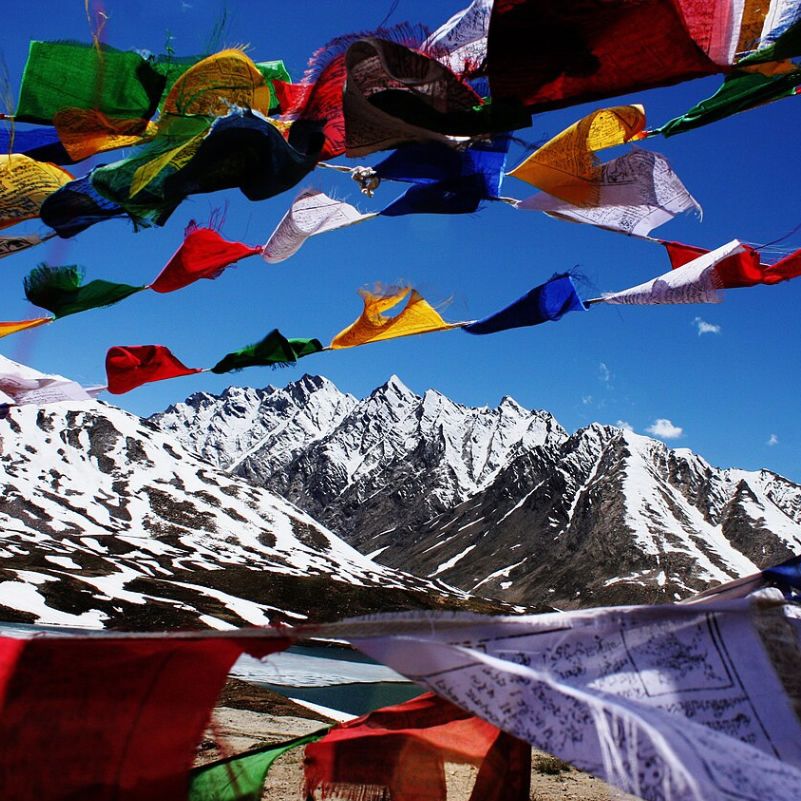
This is a slow travel framework, not a medically guaranteed plan. Adjust it to your family and to your doctor's advice.
Start with proper acclimatisation for whichever entry route you choose. Rest days at the start are not wasted days.
Break the long approach drives wherever you can. On the Kargil side, an overnight at Rangdum does exactly that.
Keep your arrival day in Padum light. Check in, eat, rest, and maybe take a slow evening walk. No sightseeing.
Use Padum as your base for short local outings instead of moving hotels every night. Your parents will thank you for not repacking.
Keep Phugtal and any other demanding outing optional. Our team recommends treating the difficult sights as optional rather than making the whole trip depend on them.
Keep one buffer day for road delays, tiredness or bad weather. If you do not need it, use it for a lazy day in Padum.
In our experience, families enjoy Zanskar more when every day does not become a race against a sightseeing checklist.
How to Make Zanskar More Comfortable for Parents and Children
Book a private vehicle. Shared transport runs on someone else's schedule. With a private car, you stop when a child needs the toilet, a parent needs to stretch, or everyone wants chai.
Keep sightseeing days short. Half day outings with a long lunch work much better than full days in the car.
Stay several nights in one base. Unpacking once makes a big difference to tired kids and older parents.
Choose comfort over cramming every attraction in. Your family will remember a relaxed afternoon by the river longer than a rushed fifth monastery.
Always carry spare time in the plan. When we plan remote Himalayan routes, we prefer keeping one part of the day flexible because roads and energy levels do not always follow the itinerary.
What we tell our travellers with parents: let the parent set the pace of the first two days. If they want to rest, everyone rests.
Our second insider tip: put the parent who gets carsick in the front seat, and seat children on the side away from the drop. It sounds small, but it cuts down a lot of stress on mountain roads.
Explore Our Curated Zanskar Valley Tour Packages
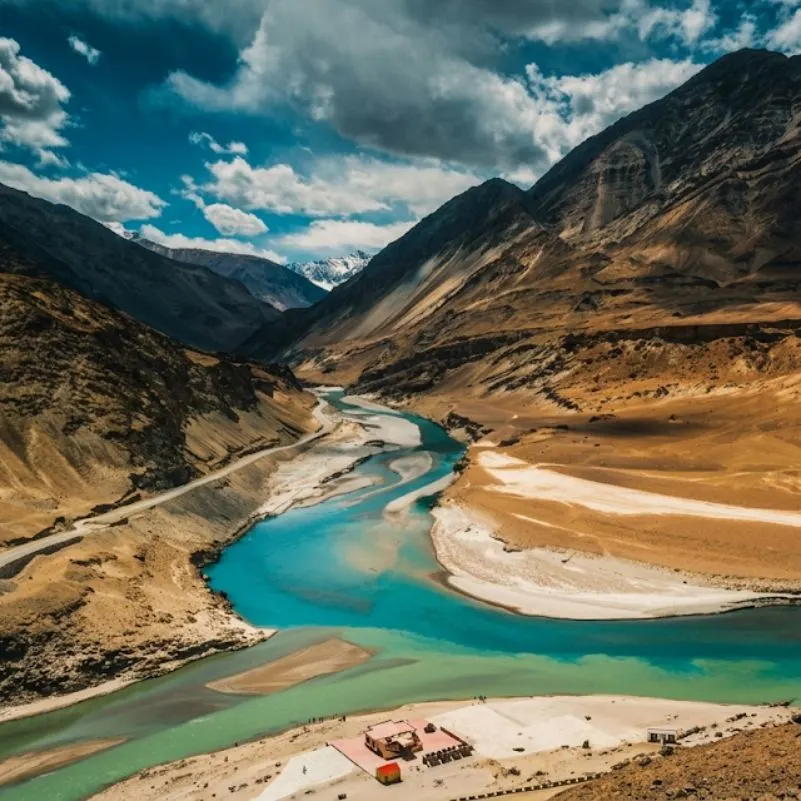 Group Tour8D/7N
Most Loved Zanskar Valley 4x4 Group Expedition
1D Manali•1D Purne / Kargyak / Gonbo Rangjon Side+2
₹32,999/ person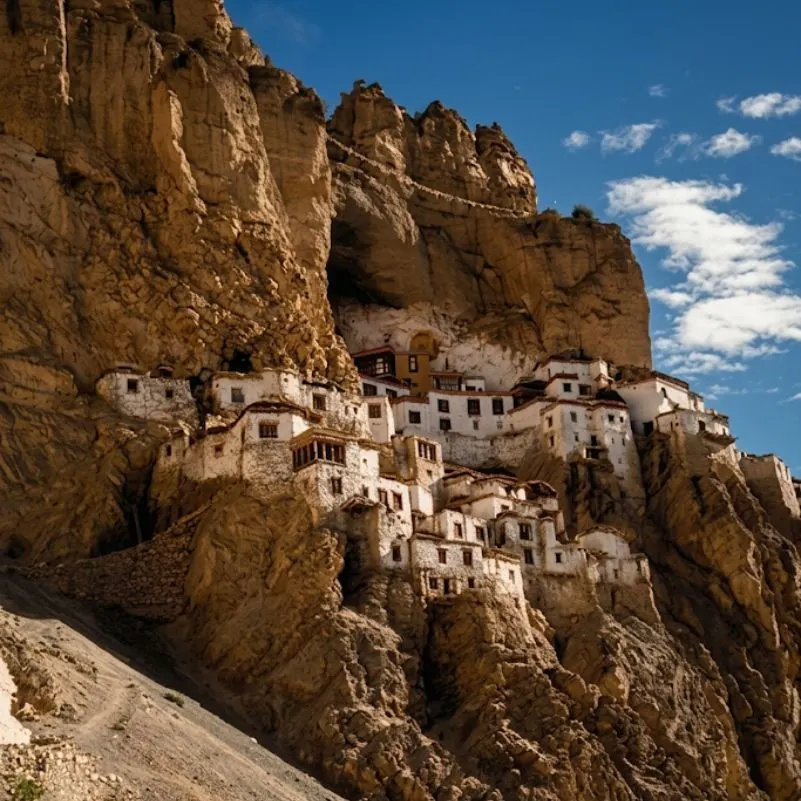 8D/7N
Private Zanskar Valley 4x4 Expedition With Phugtal Gonbo Rangjon and Baralacha La
1D Manali•1D Purne / Kargyak / Gonbo Rangjon Side+2
₹44,999/ person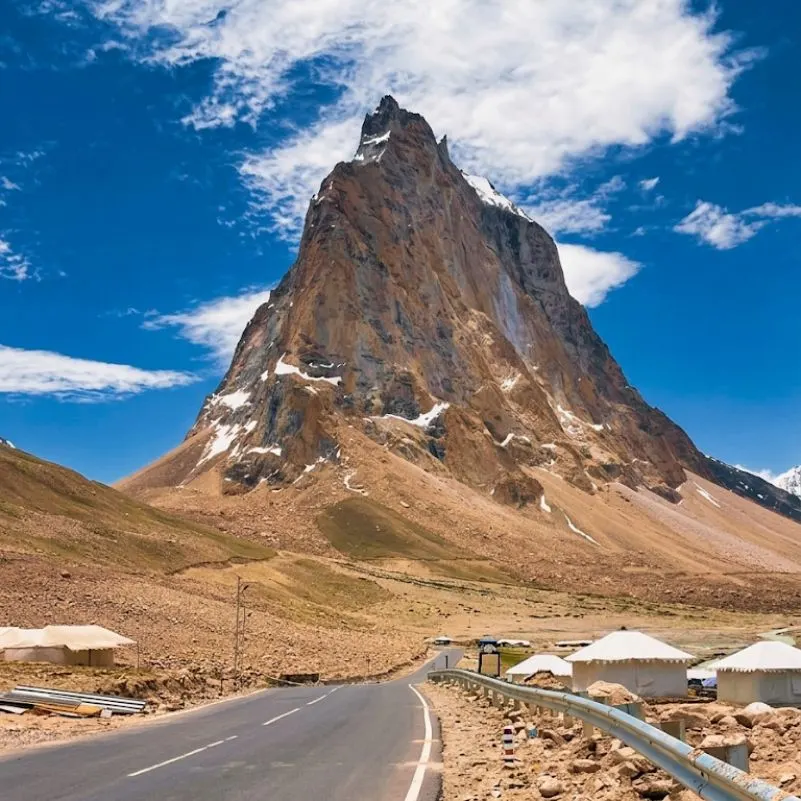 8D/7N
Private Zanskar Valley Tour With Phugtal Gonbo Rangjon and Baralacha La
1D Manali•1D Purne / Kargyak / Gonbo Rangjon Side+2
₹29,999/ person
Frequently Asked Questions
Is Zanskar safe for kids?
Zanskar can be suitable for children with careful planning and gradual acclimatisation. Consider your child's health, altitude tolerance, road travel time and access to medical care before visiting.
Can senior citizens visit Zanskar?
Yes, many senior citizens visit Zanskar, but suitability depends on health, mobility and altitude tolerance. Those with heart or lung conditions should consult a doctor before travelling.
What is Padum's altitude?
Padum is located at approximately 3,650 metres (11,975 feet) above sea level. Allow enough time for acclimatisation before exploring nearby high-altitude areas.
Can a 5-year-old or 10-year-old visit Zanskar?
Children of both ages can visit, but age alone does not determine suitability. Consider their health, gradual acclimatisation and ability to communicate discomfort. Consult a doctor before planning the trip.
Which Zanskar route is easier with parents?
The Kargil route via Pensi La allows an overnight stop at Rangdum to break the journey. The Manali route via Shinku La crosses a higher pass. Choose based on current road conditions and your parents' health.
How many days do we need for a family Zanskar trip?
Allow enough days for gradual acclimatisation, relaxed sightseeing and road delays. Keeping at least one buffer day helps families avoid a rushed itinerary.
Is Phugtal Monastery suitable for older parents?
Phugtal Monastery requires a considerable walk from the road access point. It may not suit parents with limited mobility, so consider their walking ability before including it.
Are good toilets and hot water available in Zanskar?
Facilities vary between hotels and homestays. Confirm attached bathrooms, hot water arrangements and room facilities directly with your property before booking.
Is there a hospital in Padum?
Yes, Padum has a Community Health Centre. However, specialist medical facilities are limited in Zanskar, so families with existing medical needs should plan accordingly.
Do families need permits for Zanskar?
Domestic tourists generally do not need an Inner Line Permit for the standard Zanskar tourist route. Additional permissions may apply to restricted areas and foreign nationals.
Which month is best for Zanskar with children?
Choose a period with relatively stable road conditions, generally during the main summer travel season. Check Pensi La and Shinku La accessibility before confirming your family trip.
Can we visit Zanskar without trekking?
Yes, you can explore Padum, nearby monasteries and scenic valleys without trekking. Phugtal and other remote hikes are optional rather than essential parts of a Zanskar trip.
More about Zanskar Valley
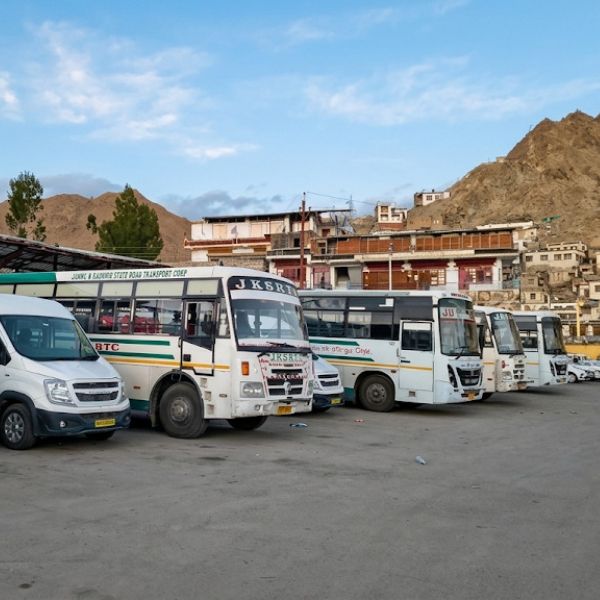 Zanskar Valley
Zanskar by Bus and Shared Taxi 2026: Public Transport, Booking and Backup Plans
Planning a Zanskar trip without a private vehicle? Explore bus routes, shared taxis, transport costs and backup options for travelling to Zanskar in 2026. Learn how to plan connections and manage unexpected delays.
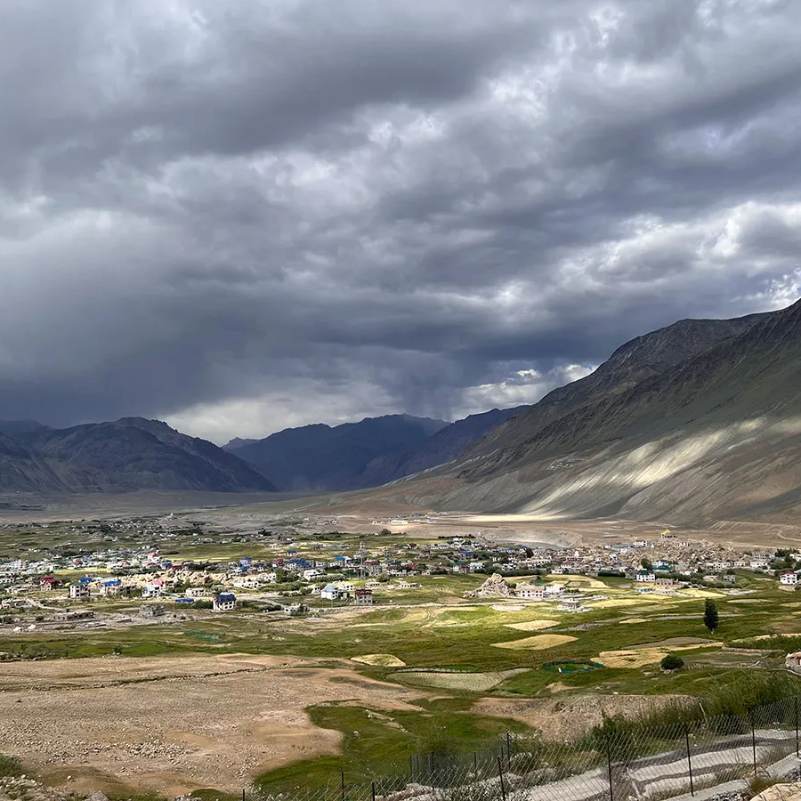 Zanskar Valley
Zanskar in Monsoon 2027: July and August Risks, Roads and Best Routes
Planning a Zanskar Valley trip during monsoon 2027? Explore July and August weather, road conditions, routes from Manali, Leh and Kargil, landslide risks and essential travel tips for a safer Himalayan road trip.
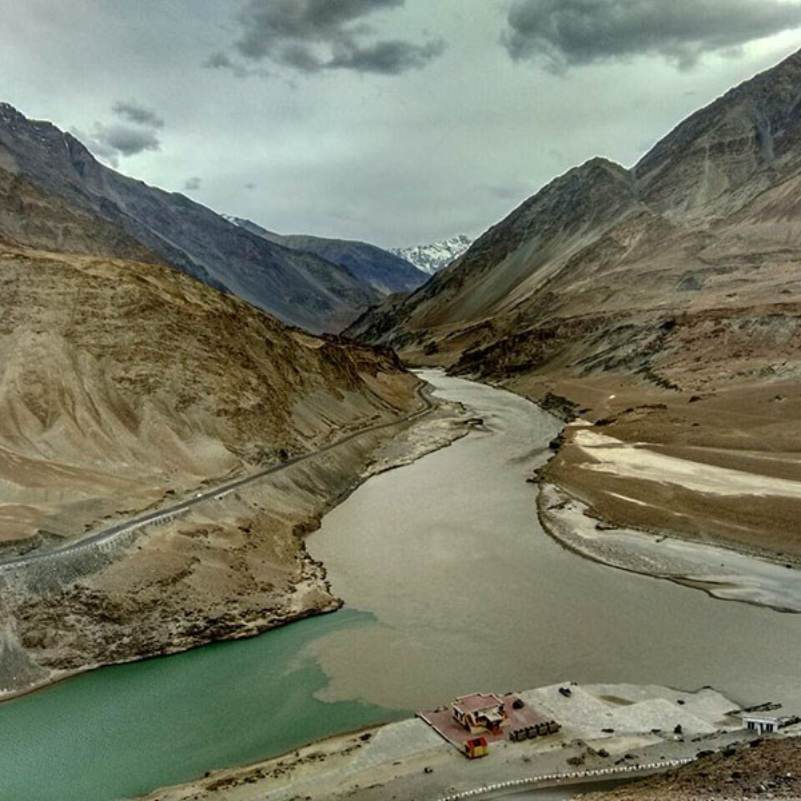 Zanskar Valley
Zanskar in June 2027: Roads, Weather, Stays and Itinerary Choices
Planning a trip to Zanskar in June 2027? Explore expected road conditions, weather, accommodation options and suitable itineraries from Manali, Leh and Kargil. Find out what to expect and how to plan a comfortable summer trip to Zanskar Valley.