
Zanskar in Monsoon 2027: July and August Risks, Roads and Best Routes
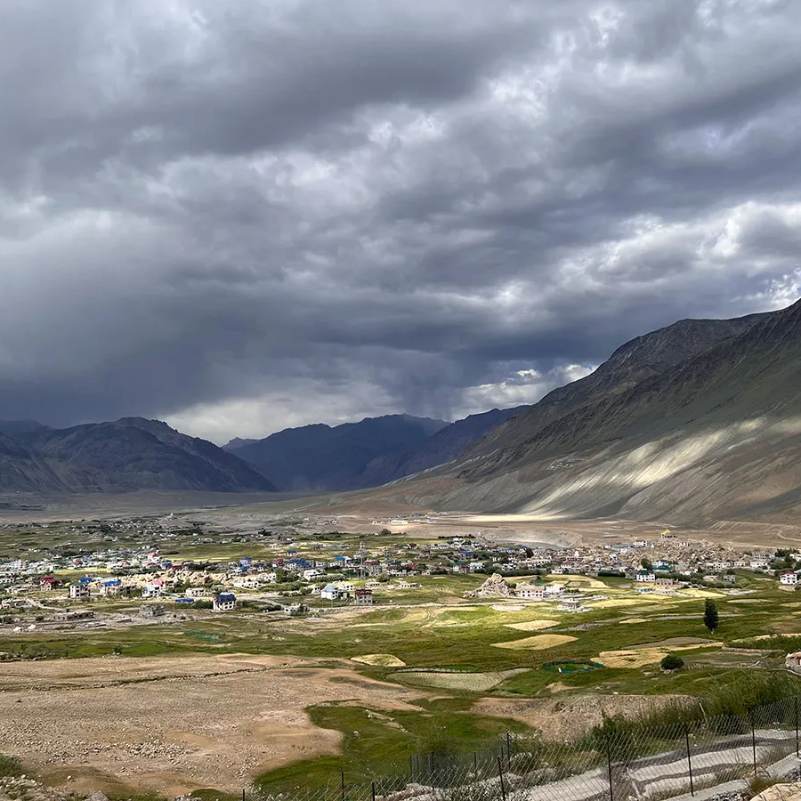
Visiting Zanskar in July or August 2027 can be a rewarding experience, with green valley landscapes, flowing rivers and better access to many high altitude routes. But monsoon travel here needs more planning than you might expect.
Although Zanskar receives less rainfall than many other parts of the Himalayas, the approach roads through Kargil, Manali and surrounding regions can still face landslides, road damage and temporary closures.
If you are planning a monsoon trip, it is important to understand the road risks, route conditions and possible travel delays before booking. This guide by Travel Coffee will explain what to expect and which routes make sense for July and August 2027.
Quick Answer: Can You Visit Zanskar in Monsoon 2027?
Yes. Zanskar in monsoon is a workable plan. July and August are normal road travel months, and the Zanskar Valley itself stays much drier than Manali or Srinagar.
"Zanskar lies in a rain shadow, so it's safe" only tells half the story. To reach Padum, you still have to cross wetter, less stable approach roads in Himachal and Kashmir.
Monsoon 2026 proved it. In July alone, flash floods stopped traffic on both main approaches, the Manali side and the Kargil side, for more than one day. You can still go in 2027. Plan for flexibility, keep a spare day and check the road every morning.
Does Zanskar Actually Get Monsoon Rain?
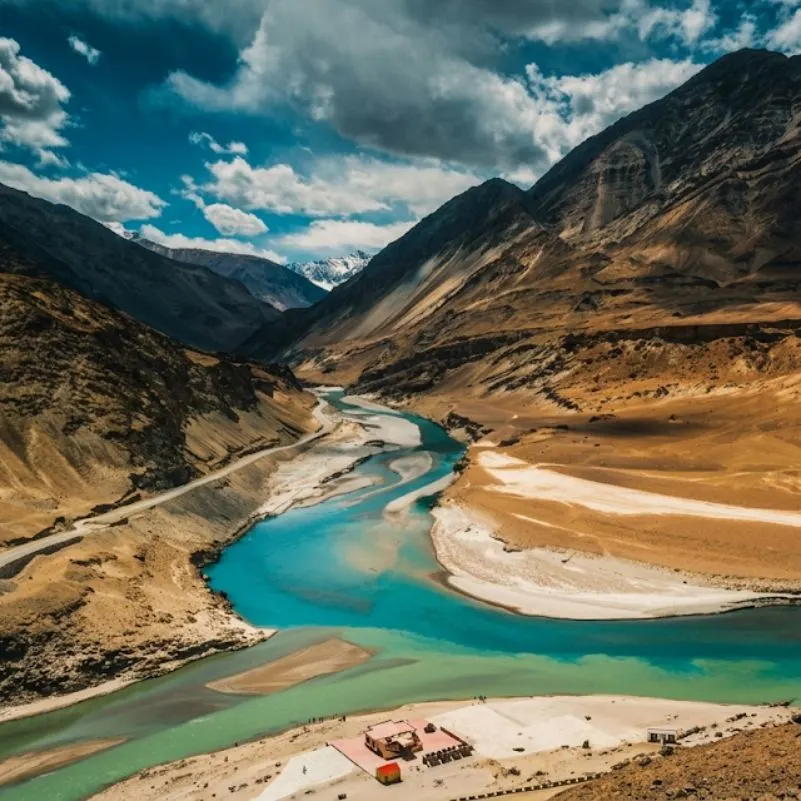
Yes, it gets a little rain. It does not get zero.
Zanskar sits north of the main Himalayan wall. Those mountains wring most of the monsoon moisture out of the clouds over Himachal and Kashmir before the clouds reach the valley. This effect is called the rain shadow.
So Zanskar gets far less rain than Manali, Lahaul or Sonamarg. Less rain still isn't no rain.
What the Climate Data Shows
A 2022 study of the Zanskar valley in Frontiers in Water used CRU climate data averaged from 2000 to 2020. It puts July as the wettest month, at about 60 mm of precipitation, against an average of roughly 40 mm a month across the year. August sits close behind July.
These are regional long term averages. They can't tell you what your particular week will bring. One heavy afternoon storm can matter more than a whole month's average.
The same study notes that summer monsoon rain does reach the Zanskar basin between June and September. The rain shadow weakens the monsoon here. It doesn't stop it.
It also found that snow cover in the valley drops to its lowest point of the year in August, to roughly a third of the area. That's the melt you'll see running across the road as nallahs.
Why Padum Can Be Sunny While Your Road Is Shut
Most tourists get this wrong. They check the Padum forecast, see sunshine and decide the trip is fine.
Your trip doesn't happen only in Padum, though. A Zanskar road trip starts hundreds of kilometres away, in Manali, Srinagar or Leh, on roads that sit much closer to the path of the monsoon.
A flash flood in Lahaul or a landslide near Zoji La can stop you a full day before you reach Zanskar. Meanwhile the sky over the valley can stay blue.
In our experience, travellers who struggle in July and August rarely complain about rain in Padum. They complain about the day they lost at a blocked road on the way in.
If you plan to combine Zanskar with Leh, our Ladakh tour packages show how we leave room for that kind of delay.
What Is Zanskar Like in July?
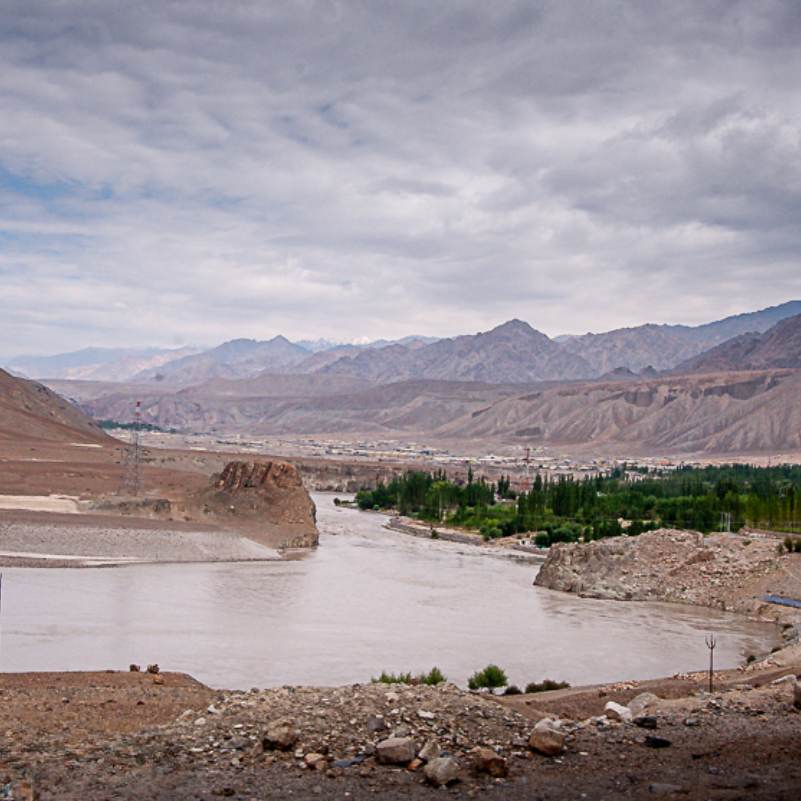
In Zanskar, July is full summer and one of the normal months for road travel. The valley is green in patches, the days are warmer and road trips are in full swing.
That warmth has a side effect you need to plan for. It melts snow and ice fast.
Snowmelt Keeps July Streams High
Active snowmelt means higher streams and fuller nallahs running across the road. A crossing that looks easy in the early morning can run much harder by afternoon.
Add monsoon rain on the approach roads and you get loose slopes, mud and falling stones on top of the meltwater.
July 2026 Showed That "Open" Doesn't Mean "Clear"
On 1 July 2026, a flash flood near Jispa in Lahaul blocked the highway, and police stopped vehicles heading towards the affected stretch.
It was the second flash flood there in two days. It was widely reported as a cloudburst, but officials linked it to glacier melt, because the area hadn't had rain.
Read that twice. A road on the Manali side shut in July without a drop of rain. Meltwater alone was enough.
On the same day, a flash flood at Shafat Nallah dumped debris on the Zanskar Kargil road. Traffic stopped while crews cleared it.
On 19 July 2026, a flash flood hit Sangrah village in the Sankoo area of Kargil district and closed NH 301, the Kargil Zanskar highway.
None of these roads had closed for the season. They were officially open summer routes that shut for a while, and that can happen in any July here, including July 2027.
We don't give daily temperatures for July because they swing with altitude, cloud and wind. Pack for warm afternoons and properly cold nights.
What Is Zanskar Like in August?
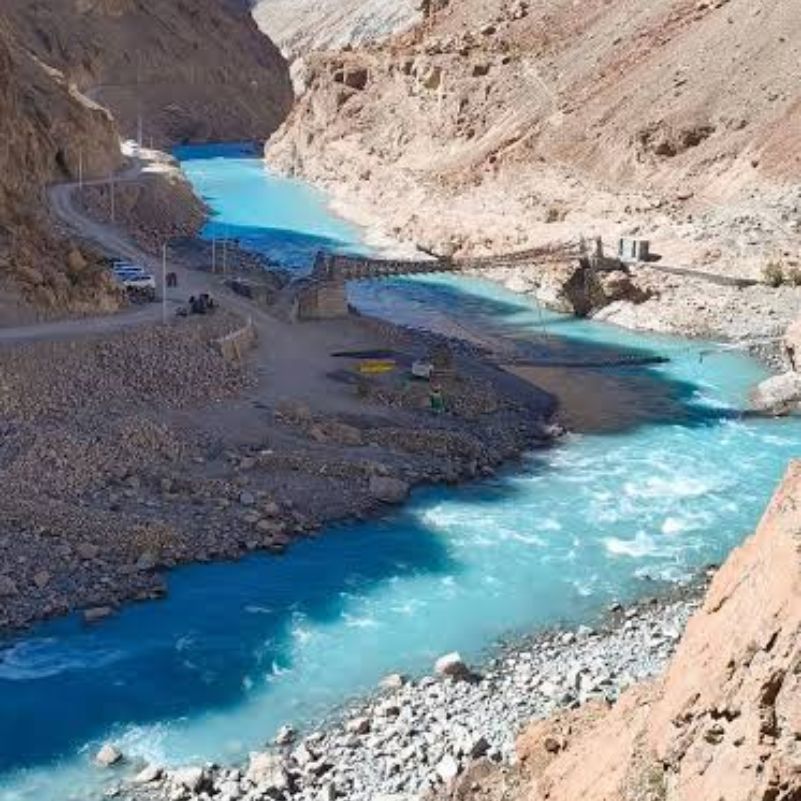
August is still a practical month for Zanskar. People drive in, stay in Padum, visit monasteries and drive out every August.
The monsoon keeps working on the Himachal and Kashmir approaches through the month. Inside Zanskar you may get the odd shower, especially when a strong monsoon system pushes north.
Rockfall and Water Crossings in August
Rain loosens slopes, so rockfall stays a real concern after a wet spell. Slopes that look stable at 10 AM can drop stones after a downpour.
Water crossings also stay part of the trip. After rain, a nallah you crossed easily on the way in can run high on the way out.
August Has Its Own Track Record
On 3 August 2024, a cloudburst damaged both the old and new bridges about 16 km from Darcha on the Darcha Shinkula road. Authorities closed the road to Zanskar, and BRO estimated two to three days of repair work.
On 2 September 2025, just after the monsoon peak, flash floods blocked the Darcha Shinku La Padum road and police stopped traffic at Darcha.
That's three monsoons in a row with at least one closure on the Manali side. Plan 2027 as if it'll have one too.
August Is Neither Safe Nor Off Limits
We've had travellers enjoy a smooth August run into Zanskar while another group in the same month waited a day at a slide. Same month, different week, different luck.
August isn't guaranteed safe, and it isn't a write off either. It suits people who check the road before every leg and don't panic when a plan changes.
Where Is the Real Monsoon Risk on a Zanskar Road Trip?
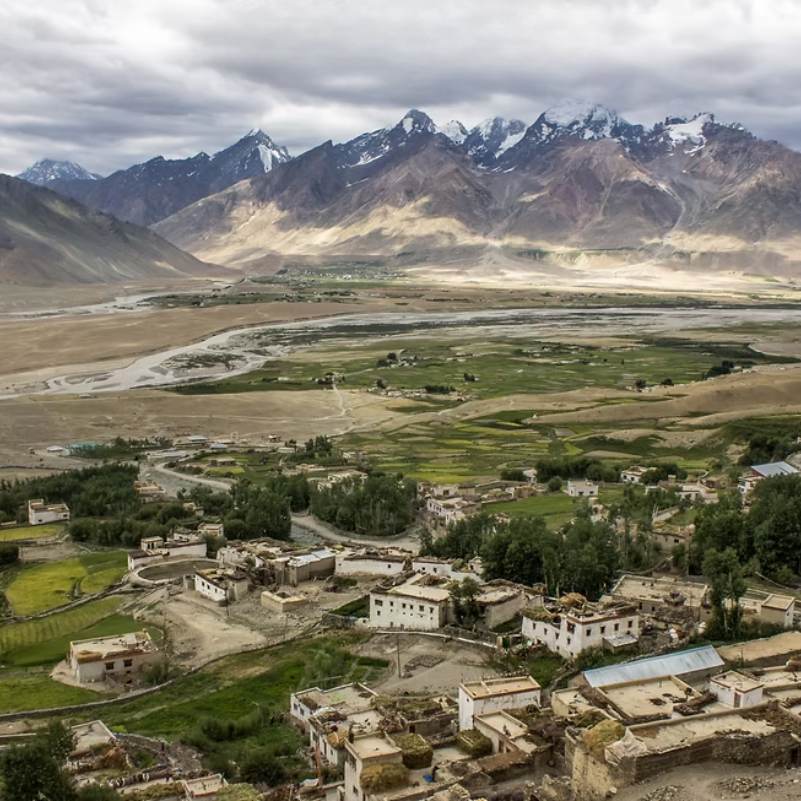
The risk changes depending on where you are on the map. Split your trip into three zones and you'll plan better.
Inside Zanskar Valley
The valley itself is dry compared with the southern Himalayan approaches. Most days you'll see sun and dust, not grey skies.
Rain, flash floods, high water and rockfall can still happen inside Zanskar and on its own road links. Both July 2026 disruptions on the Kargil side hit the highway Zanskar depends on.
"Rain shadow" doesn't mean "rain proof." Treat every flowing nallah with respect, even under a clear sky.
Himachal and the Manali Approach
The southern route runs Manali through the Atal Tunnel to Lahaul, then on to Darcha, over Shinkula Pass and down to Padum.
The problem is that Himachal and Lahaul get far more monsoon rain than Zanskar. Cloudbursts and heavy showers can hit this stretch long before you cross into the drier Zanskar side. Our guide on whether Manali is safe in monsoon covers that first leg in detail.
And as Jispa showed in July 2026, glacier melt can trigger a flash flood here on a dry day. Jispa sits before Darcha, so a block there stops Zanskar traffic as well as Leh traffic.
If you want to spend a quiet first night in Manali before the long drive, our Manali tour packages cover stays and transport.
Some travellers prefer to break the journey in Lahaul instead. Our Sissu tour packages show what a night on that side looks like.
Kashmir and the Srinagar Approach
The western route runs Srinagar to Sonamarg, over Zoji La, then through Drass to Kargil before you turn towards Zanskar.
The Kashmir side gets a strong monsoon. Rain loosens slopes, so landslides and rockfalls around Sonamarg and Zoji La are a real monsoon risk.
Getting past Zoji La doesn't mean the rest of your road is clear. The road from Kargil into Zanskar has its own nallahs and its own flood history, as July 2026 showed.
If you want to start your trip with a few days in the valley, our Kashmir tour packages can feed straight into a Zanskar plan.
Which Route to Zanskar Is Better in July and August 2027?
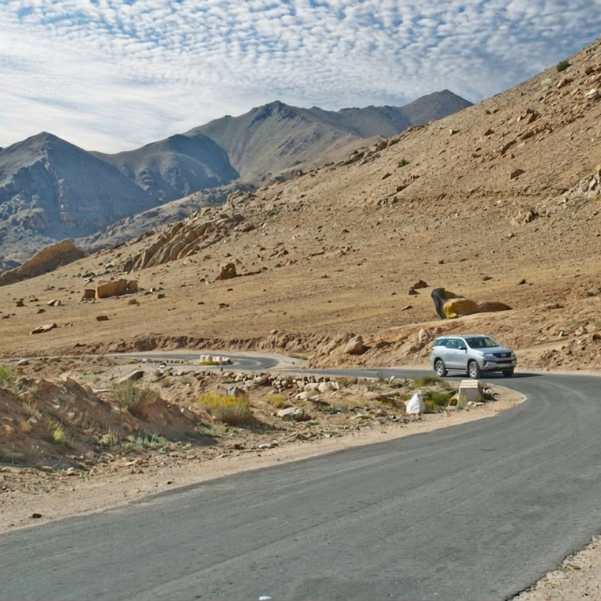
No route is monsoon proof. Each one gives you a different mix of advantages and weak points.
Manali to Darcha to Shinku La to Padum
This is the direct southern approach. It's shorter in days than the Kargil loop, works well for travellers already in Himachal and lets you run Zanskar as a through trip towards Kargil or Leh.
In an active monsoon, its weak spots show up fast. You face Himachal rain, flash floods, slush near the pass, water crossings, falling stones and traffic rules that can change after road damage.
Don't trust anyone who promises this road stays open because "it's July" or "it's August." The calendar doesn't keep a road open. Weather and repair crews decide that.
For the full drive, stop by stop, read our guide on how to reach Zanskar from Manali.
Srinagar to Kargil to Pensi La to Padum
This is the traditional way into Zanskar. You drive from Kargil up the Suru valley, cross Pensi La and drop into the Zanskar valley towards Padum.
You still face monsoon exposure on the Kashmir side and around Zoji La. The road beyond Kargil, NH 301, isn't immune either.
A flash flood blocked the Zanskar Kargil road at Shafat Nallah on 1 July 2026. Another closed NH 301 near Sangrah on 19 July 2026.
So we won't call this route "monsoon safe." It may suit your plan better, but it can still close.
Leh and Nimmu to Padum
Zanskar now has a third official road link. On 15 October 2026, the Prime Minister dedicated the 298 km Nimmu Padum Darcha road, built by the Border Roads Organisation, to the nation.
It connects Nimmu, near Leh, with Darcha in Lahaul, passing through Zanskar and over Shinku La. The government says it cuts a 12 hour journey to about 3 hours. Treat that as an official headline figure, not a number to build a monsoon driving day around.
This gives you a real third option, especially if you start from Leh. For 2027, check current conditions for private and tourist vehicles on the Nimmu to Padum stretch before you count on it.
Our explainer on the new Nimmu Padum Darcha road covers the route section by section.
The new road doesn't make Shinku La an all weather crossing. The 4.1 km Shinku La Tunnel is still under construction, and BRO has told Parliament's Standing Committee the project is due for completion in August 2028. In monsoon 2027 you'll still drive over the top of the pass.
July vs August 2027: Which Month Is Better for Zanskar?
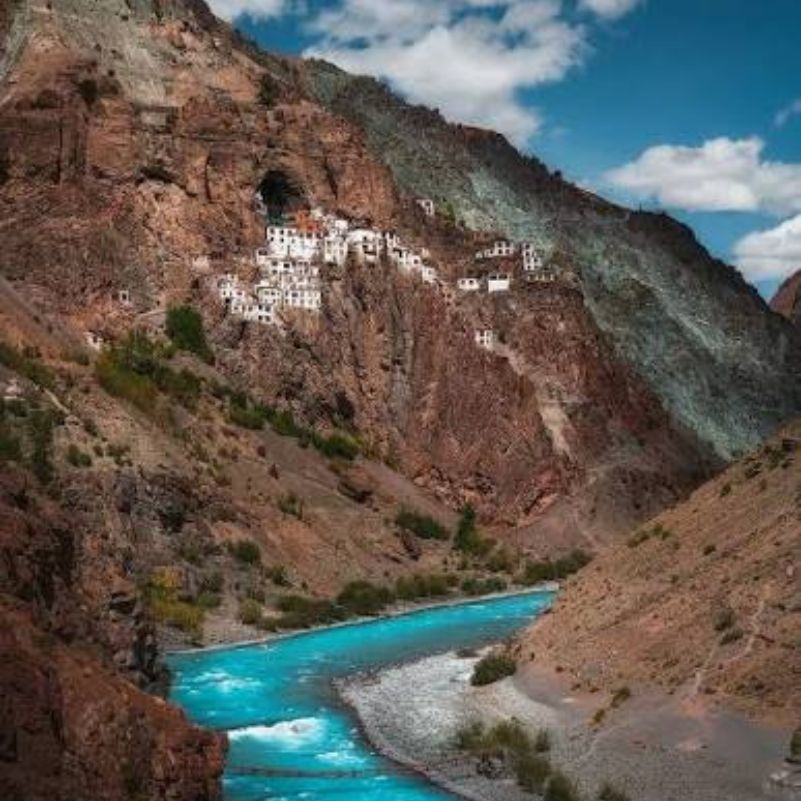
July gives you strong summer conditions, long days and a valley in full season. It also brings the most active snowmelt, fuller streams and monsoon pressure on the approach roads.
August stays a normal travel month. The monsoon can still disrupt the Himachal and Kashmir approaches, and rockfall after rain remains a concern.
So neither month wins outright. July 2026 had disruptions on both approaches within its first three weeks, and early August has its own record of closures near Darcha. Nothing guarantees 2027 will be quieter.
We tell our travellers to stop asking "July or August?" and start asking "Which route, how much buffer, and what does the road look like this morning?"
A fresh forecast and the current road status matter far more than choosing one month and hoping it behaves. For the rest of the year, see our best time to visit Leh Ladakh guide.
How Many Buffer Days Should You Keep for a Zanskar Monsoon Trip?
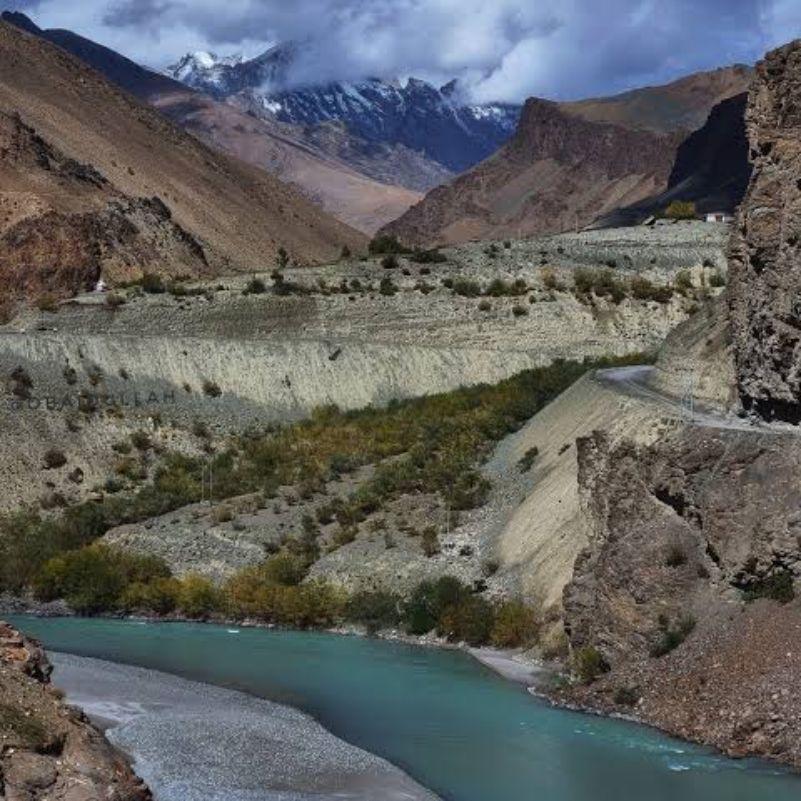
Keep at least one fully flexible day. A flexible day has nothing booked, nothing prepaid and no plan you'd hate to cancel.
If you have a fixed flight home or an important onward booking, add more margin before that date. A flight from Leh or Srinagar the morning after you leave Zanskar is a gamble in monsoon.
One or two buffer days won't always be enough, and we won't pretend otherwise. A serious cloudburst or a washed out bridge can keep a road shut longer than anyone expects.
Buffer days cut your risk. They can't remove it. Plan accordingly, and don't commit to plans you can't change around a remote mountain road.
Here's a money saving tip that ties in: In monsoon, book your first Padum night firmly and keep later nights flexible where you can. Then a road delay won't burn a stack of nonrefundable bookings.
What Should You Do If Your Zanskar Route Closes?
First, stay calm and stay put until you have real information. Most closures end with clearance work, not a crisis.
Never assume an alternative route is open just because your first route closed. Check it independently, the same way you'd check your main road.
Check the Exact Branch You Plan to Use
This insider tip saves a lot of grief. The main Manali to Keylong road being open does not confirm that Darcha to Shinku La to Padum is open.
Likewise, Srinagar to Kargil being clear tells you nothing certain about the Zanskar road beyond Kargil. Verify the exact stretch you plan to drive.
With three road links now, this matters more than ever. A closure on one branch of the Nimmu Padum Darcha road says nothing about the others, in either direction.
Sensible Options When a Road Shuts
You can hold a position in a safe village and wait for clearance news. You can drop a sightseeing day and use it as a delay day.
If conditions allow, you can reverse your circuit and exit from the other side. You can also switch to another route once someone confirms it's open.
Lines You Never Cross
Never drive around a police barricade. Never try to cross a flooded section because "it looks shallow."
The 2026 floods on the Kargil side carried mud, rocks and boulders onto the highway. A stuck car in moving debris can go from inconvenient to dangerous in minutes.
Do You Need a 4x4 for Zanskar During Monsoon?
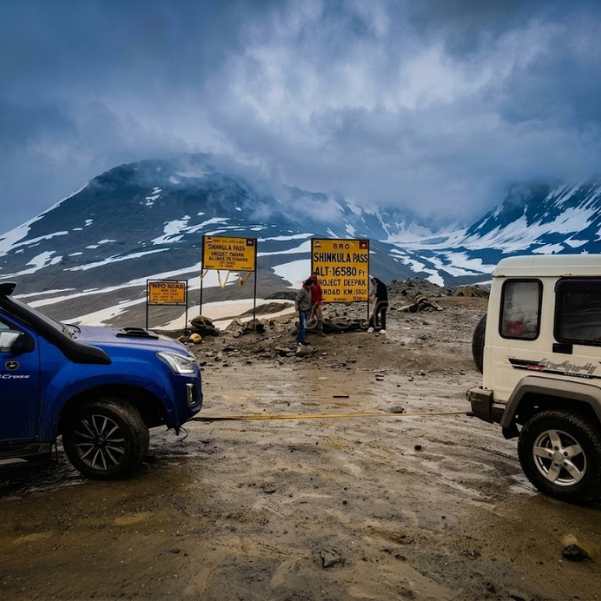
There's no permanent answer that holds every day. What a vehicle can manage depends on that week's road.
Rain, road damage, snowmelt and maintenance work can all change which vehicles authorities allow and which ones can realistically cope.
2026 showed how quickly the rule moves. In late April and early May, only 4x4 vehicles were allowed near Shinku La because snow and ice made the surface slippery, and again for a while after a small bridge collapsed on 1 May. On 10 May 2026, the road reopened to all vehicle categories.
So a 4x4 isn't a fixed monsoon requirement. But after a washout or a hurried bridge repair, temporary restrictions can return at short notice.
Check current vehicle permissions and any traffic hours for Shinku La just before you travel. If you hire a driver, ask what they're allowed to take over the pass that week. Our route-wise guide on whether you need a 4x4 for Ladakh and Zanskar goes deeper.
Our honest view is that a high clearance vehicle with an experienced mountain driver beats a fancy 4x4 with a nervous driver. Skill at water crossings matters as much as the badge on the car.
Practical Monsoon Driving Rules for Zanskar
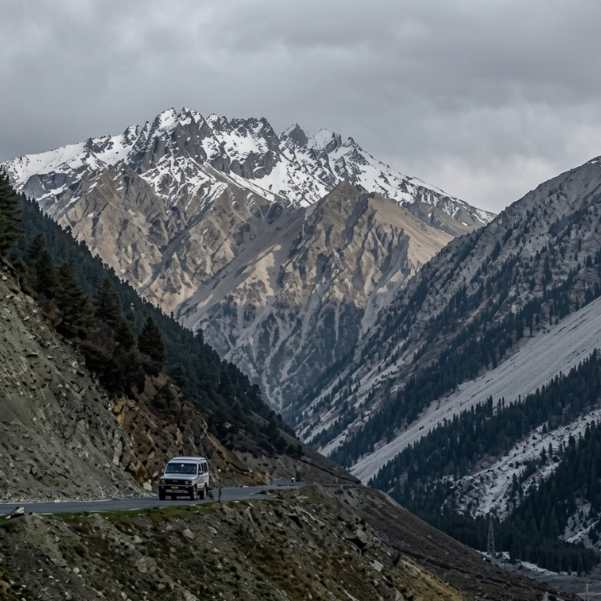
Drive Early, Rest Late
Start your hard mountain sections early. Snowmelt and afternoon weather usually push nallahs higher as the day goes on, so a morning crossing is often far easier.
That timing tip changes the whole experience. Drive the scary bits fresh and in daylight, and spend the afternoon in a guesthouse, not stuck at a swollen stream.
Respect Every Nallah
Never assume a flowing nallah is safe just because another vehicle crossed it. That driver may know the bed better, or may simply have got lucky. Stop, look and wait if you're unsure.
Avoid unnecessary night driving on unstable mountain roads. You can't see falling stones, washed out edges or debris on the road in the dark.
Pack and Prepare
Download offline maps before you leave Manali, Srinagar or Leh. Carry enough cash, because you can't count on card payments or ATMs along these roads.
Pack warm layers even in July, carry drinking water and keep a comfortable fuel margin. We won't give you a number for fuel, because it depends on your vehicle and route. Fill up whenever you get the chance.
Check the Official Advisory Every Morning
Before a major leg, check the latest official advisory for the side you're on. On the Manali side, Lahaul and Spiti Police post closures and reopenings. On the Kargil side, the District Emergency Operations Centre in Kargil reports road blocks and clearance.
A Smarter Monsoon Itinerary Strategy
Don't build a minute by minute plan for Zanskar in July or August. Build a strong structure and leave room for the road to change it.
Start with acclimatisation in Manali, Leh or along the Kashmir side before you climb higher. Then make your approach to Zanskar on whichever route checks out that morning.
Use Padum as your base. It gives you guesthouses, food and a central spot for local sightseeing.
Add the Purne or Phugtal side trip only if conditions allow. If you've already used your buffer, skip Phugtal this time. It deserves an unhurried visit, not a rushed one squeezed in before a flight. Our Phugtal Monastery trek guide explains the days it really needs.
Keep one flexible day. Then exit by the route that's open, not the route you planned months ago.
Treat one sightseeing day as expendable from the start. Then, if a road closes, that day becomes your delay day and your flight stays safe.
If you're coming in from Manali, Darcha is your last proper stop before the climb to Shinku La. Our Darcha base guide covers where to stay, where to fuel up and when to leave.
For ready-made 5 and 7 day plans you can adapt, see our Manali to Zanskar itinerary, or browse our Zanskar Valley tour packages.
Should You Visit Zanskar in Monsoon 2027?
Yes, if you understand remote Himalayan road uncertainty and you can keep your schedule flexible.
The biggest problem usually isn't steady rain across Zanskar. It's getting through the approach corridors in Himachal and Kashmir when the weather turns unstable, or when meltwater surges on a sunny day.
If your schedule has no slack at all, with a fixed flight, a wedding to attend or leave that ends on a set day, understand this risk before you book. Some years it'll go fine. Some years a closure will cost you the connection.
Still deciding between the two? Our Zanskar Valley vs Ladakh comparison can help.
If Zanskar feels like too much uncertainty this summer, our Spiti Valley packages offer another rain shadow trip. Its roads still need monsoon checks too.
Frequently Asked Questions
Is Zanskar safe in monsoon 2027?
It can be, if you plan for road closures and never cross barricades or flooded sections. The valley is fairly dry, but the approach roads carry the real risk.
Does Zanskar receive rain in July?
Yes. Long term data puts July as the wettest month, at about 60 mm of precipitation for the region. That's far less than Manali, but it isn't zero.
Does Zanskar receive rain in August?
Yes. August is close behind July in the same long term data. Showers inside the valley are occasional, and rain on the approach roads matters more.
Is July a good time to visit Zanskar?
Yes, for flexible travellers. July is full summer, but snowmelt and monsoon rain on the approaches can cause short closures, as July 2026 showed on both the Manali and Kargil sides.
Is August a good time to visit Zanskar?
Yes, it's still a practical month. Expect possible disruption on the Himachal and Kashmir sides, and keep a buffer day.
Which route to Zanskar is better during monsoon?
No route is monsoon safe. Choose the one that checks out that morning and fits your plan, whether that's Manali via Shinku La, Kargil via Pensi La or the Nimmu road from Leh.
Is the Nimmu Padum Darcha road open for tourists?
It was formally dedicated to the nation in October 2026, which makes it Zanskar's third official road link. Check its current status and any vehicle rules for the exact stretch you plan to drive before your 2027 trip.
Will the Shinku La Tunnel be open in 2027?
No. BRO's stated completion date is August 2028, so in 2027 you'll still cross Shinku La over the pass.
Does Zoji La get affected by monsoon?
Yes. The Kashmir side gets heavy monsoon rain, and landslides and rockfall around Zoji La are a real risk in July and August.
Is Shinku La open in July and August?
It's a normal summer travel route, but flash floods, slush and road damage can close it for a while. Check current status and vehicle rules on the morning you travel.
Do I need a 4x4 for Zanskar?
Not always, but a high clearance vehicle helps. In 2026, Shinku La went from 4x4 only to all vehicles in May, and rules can tighten again after damage, so check before you travel.
How many buffer days should I keep?
Keep at least one fully flexible day, and more if you have a fixed flight. A serious closure can still outlast your buffer.
What should I do if the Zanskar road closes?
Hold position somewhere safe, drop a sightseeing day, or switch to another route only after someone confirms it's open. Never bypass a barricade.
Is Zanskar less affected by monsoon than Manali and Kashmir?
Yes. Zanskar sits in the rain shadow and gets much less rain. You still have to drive through Manali, Kashmir or Leh side weather to get there.
More about Zanskar Valley
 Zanskar Valley
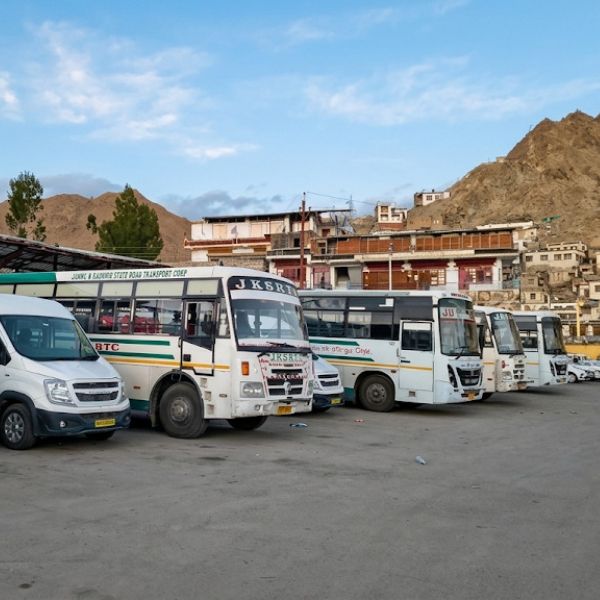
Zanskar by Bus and Shared Taxi 2026: Public Transport, Booking and Backup Plans
Planning a Zanskar trip without a private vehicle? Explore bus routes, shared taxis, transport costs and backup options for travelling to Zanskar in 2026. Learn how to plan connections and manage unexpected delays.
 Zanskar Valley
Zanskar Family Trip 2026: Visiting With Kids or Older Parents
Planning a family trip to Zanskar in 2026 with kids or older parents? Explore suitable destinations, road travel options, accommodation choices, and practical itinerary ideas for different age groups. Understand altitude concerns, travel times, and comfort considerations before planning a family holiday in this remote Himalayan region.
 Zanskar Valley
Zanskar in June 2027: Roads, Weather, Stays and Itinerary Choices
Planning a trip to Zanskar in June 2027? Explore expected road conditions, weather, accommodation options and suitable itineraries from Manali, Leh and Kargil. Find out what to expect and how to plan a comfortable summer trip to Zanskar Valley.