
Best Time to Visit Leh Ladakh in 2026: Month-Wise Guide for Weather, Roads and Crowds
The best time to visit Leh Ladakh is not one fixed month. It depends on whether you want open highways, snow on the passes, empty roads, or the cheapest flights. Most travel blogs give you a single answer. The reality is more useful than that.
Leh sits at 11,520 feet. The air is thin, the sun hits hard, and the landscape looks like nothing else in India.
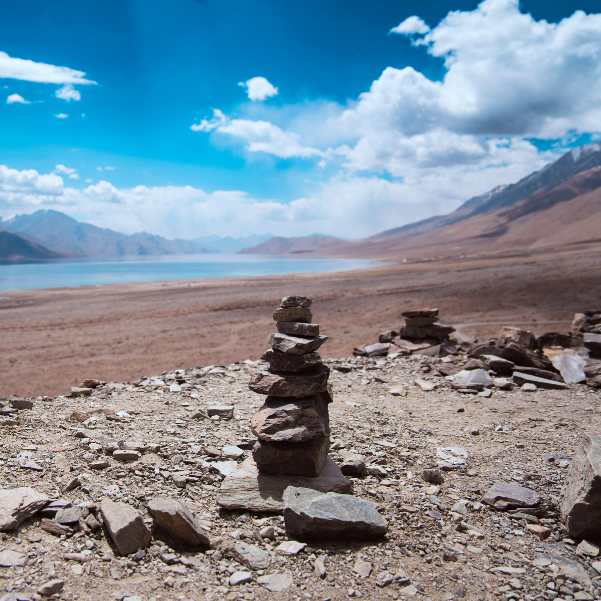
Brown mountains, turquoise lakes, monasteries on cliff edges, and roads that climb higher than most people will ever drive.
But all of this comes with conditions. Roads open and close on nature's schedule, not yours.
What most travellers get wrong is assuming Ladakh works like a regular hill station. You cannot just show up any weekend and expect everything to be accessible.
Your travel month decides which roads are open, which lakes you can reach, and how comfortable your nights will be.
Travel Coffee’s this guide shows you what Ladakh looks like across different months, so you know exactly what will be open, accessible, and worth your time. No confusion. Just clarity before you plan.
Quick Answer
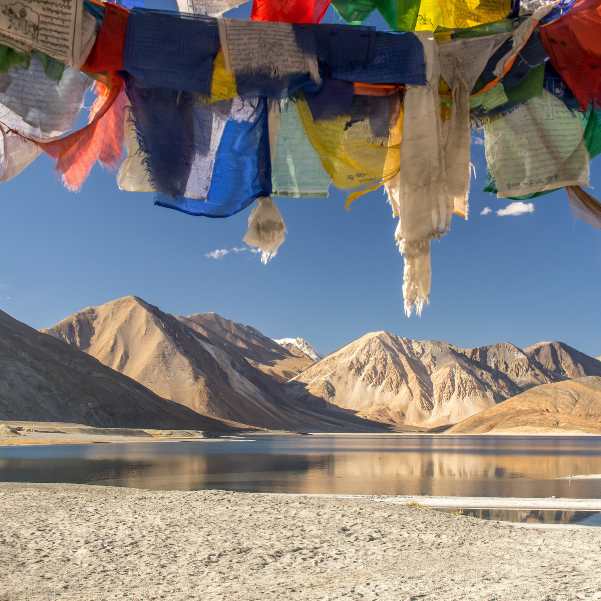
For most travellers, June to September is the best time to visit Leh Ladakh. All major routes and destinations are accessible, camps and guesthouses are running, and the weather is manageable during the day.
June
June is excellent for first-time visitors. Both highways are usually open by then, snow is still visible at high passes, and the tourist rush has not peaked yet.
September
September is excellent for photography, clear skies, and fewer crowds. The landscape turns golden-brown and the air feels sharp and clean.
Winter (December to February)
Winter is only for snow lovers and experienced cold-weather travellers who fly into Leh. Road access from Manali and Srinagar shuts down completely.
Exact road opening dates change every year based on snowfall and clearance work. Always verify before booking.
Why the Best Time to Visit Leh Ladakh Depends on Your Travel Style
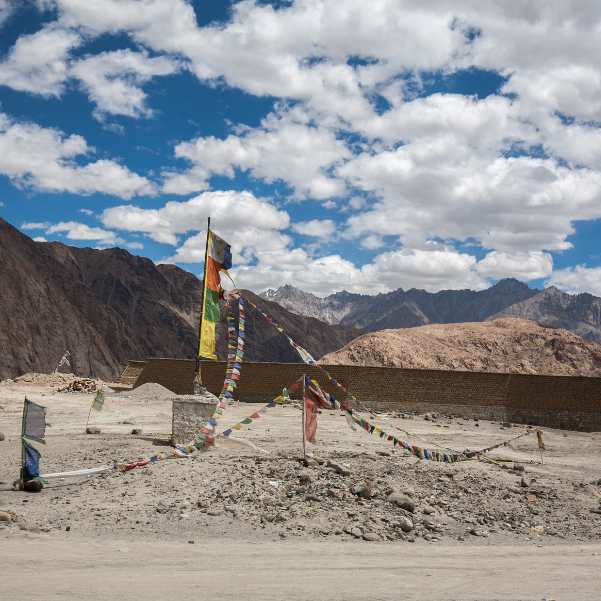
There is no single "best month" because every traveller wants something different from Ladakh.
A biker planning the Manali to Leh highway needs a completely different window than a family flying into Leh for a week.
A photographer chasing clean light at Pangong Lake needs different conditions than a group of college friends who just want to ride through the passes and camp under the stars.
Ladakh is a high-altitude cold desert. It gets around 300 sunny days a year and only about 100 mm of rain annually. So the weather itself is mostly dry and clear.
The real question is not "will it rain?" but "will the roads be open, will I freeze at night, and will my body handle the altitude?"
Acclimatisation matters in every season. At 11,520 feet, even fit people can feel breathless, dizzy, or nauseous on the first day.
We always tell our travellers to spend at least one full day resting in Leh before heading to higher destinations like Khardung La or Pangong.
Skipping that rest day is the single most common mistake people make, and it ruins trips more often than bad roads do.
Which Month Is Best for First-Time Visitors to Leh Ladakh?
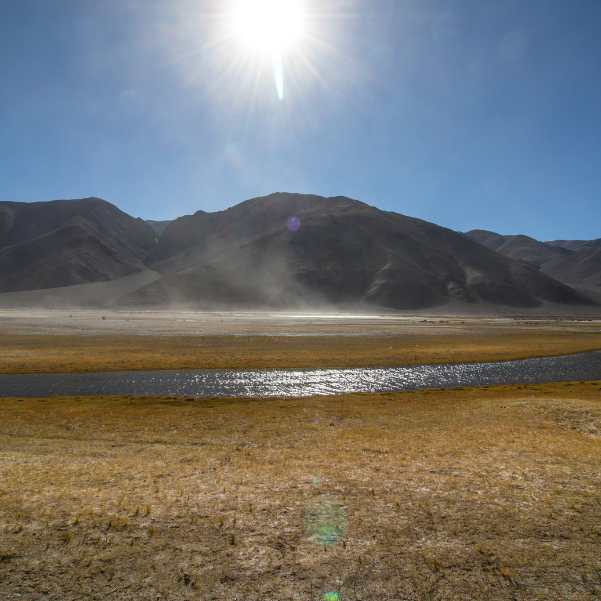
If this is your first Ladakh trip and you want the best balance of comfort, scenery, and accessibility, go in June.
By June, both the Srinagar–Leh and Manali–Leh highways are usually open. The weather is pleasant during the day, with temperatures reaching around 25°C in Leh town.
Snow is still visible on the higher passes, which makes the drives dramatic. And the peak tourist rush of July and August has not started yet, so hotels are easier to book and roads feel less crowded.
July works well too, but the roads get busier, and accommodation prices climb. September is fantastic but colder at night, which can catch first-timers off guard.
In our experience helping travellers plan Ladakh trips, June gives the most forgiving conditions for someone who has never dealt with high altitude, long mountain drives, and cold desert weather all at once.
Leh Ladakh Weather by Month from April to October
April and May
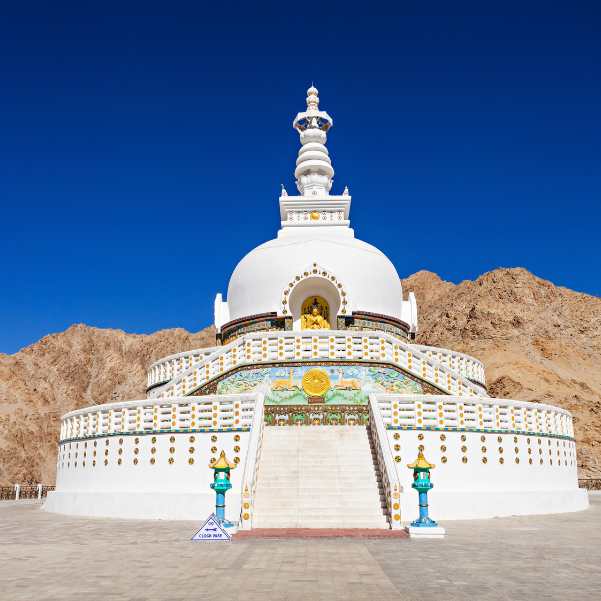
April in Leh is still cold. The town is accessible by flight year-round, but both road routes are closed or uncertain. Snow still covers the higher passes.
Very few tourists visit in April, and most guesthouses and camps outside Leh town are shut.
May is when things start shifting. The Srinagar–Leh highway is usually open by this point, but the Manali–Leh highway is often still under snow clearance.
If you fly into Leh and want a quieter experience with fewer tourists, late May can work well.
But road access to places like Pangong and Nubra Valley may still be limited or require checking permits and road conditions closely.
May suits flexible travellers who are okay with some uncertainty. If your dates are fixed and you cannot adjust, it is safer to plan for June.
June
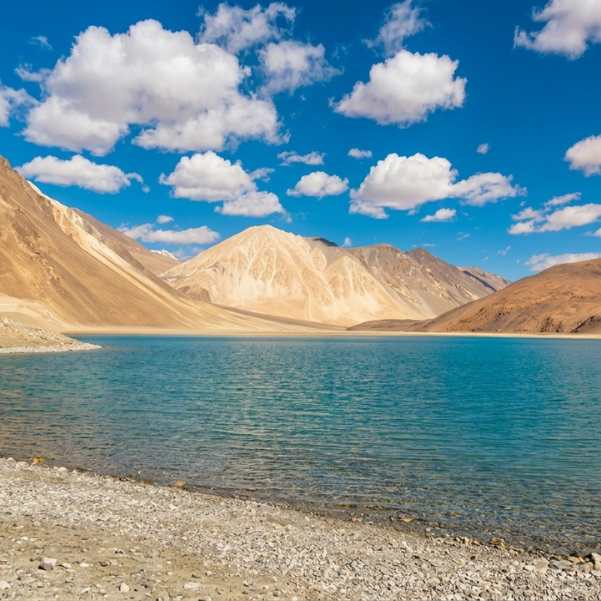
June is when Ladakh fully wakes up. Both highways are generally open. Guesthouses, camps, and tour operators are running at full strength. Days are warm and sunny, nights are cool but manageable with a good jacket.
This is the sweet spot for most travellers. You get snow on the passes, green patches along the Indus, and clear access to Pangong Lake, Nubra Valley, Tso Moriri, and the monastery circuit around Leh.
The first two weeks of June can still see some uncertainty on the Manali side, so if you are driving from Manali, the second half of June is more reliable.
July and August
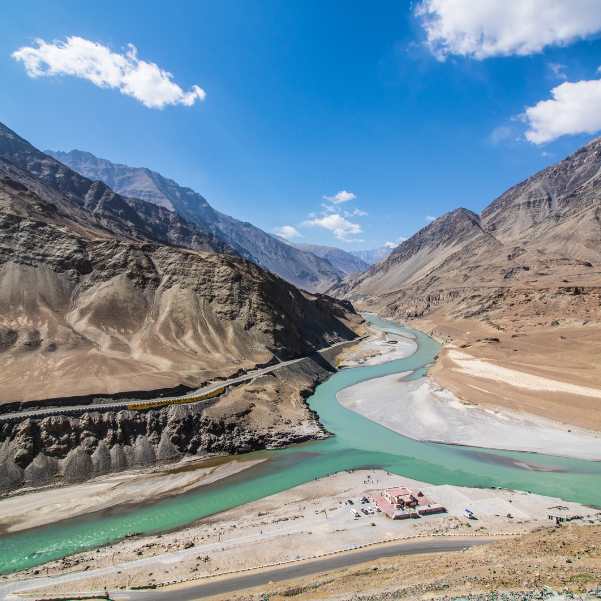
These are the peak months. Maximum tourist footfall, highest hotel prices, and the busiest roads. But they are also the months when everything is fully operational and the weather is at its warmest.
Daytime temperatures in Leh hover around 20 to 25°C. Nights are cool but not harsh. All routes, passes, and destinations are accessible.
The downside is crowds. Pangong Lake can feel like a parking lot on weekends in July. The Manali–Leh highway turns into a convoy of bikes, SUVs, and tourist tempo travellers. If you want solitude, this is not your window.
One thing to know: Ladakh itself barely gets rain. But the approach roads, especially the stretch between Manali and Sarchu, and the Zoji La section on the Srinagar route, can face rain-related disruptions. Landslides and water crossings are more common in late July and August.
September
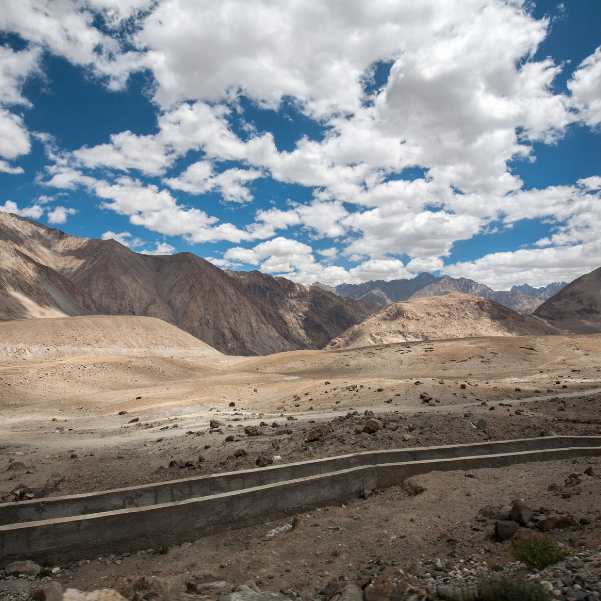
September is when Ladakh gets quieter, cleaner, and sharper. The monsoon has passed, the air is dry, and the sky turns a deep blue that makes every photograph look edited.
The landscape shifts to golden and brown tones. Pangong Lake reflects the mountains with a clarity you will not see in peak summer. Crowds drop significantly. Hotels are easier to negotiate on price.
The trade-off is cold. Nights start dropping toward freezing, especially at higher altitudes. If you are camping at Pangong or Tso Moriri in September, you need serious warm layers. But if you pack right, this is one of the most rewarding months to be in Ladakh.
October
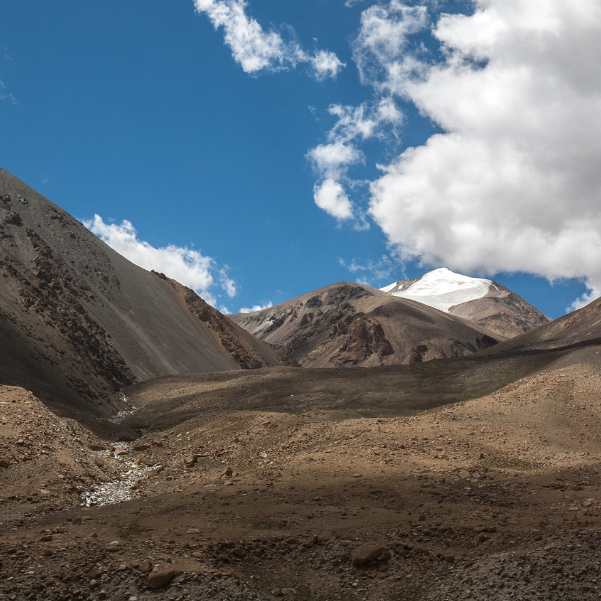
October is shoulder season. The first half can be beautiful. The light is golden, the air is crisp, and you will have many spots almost entirely to yourself.
But the risks go up. Snow can arrive early and close passes without much warning. The Manali–Leh highway usually closes sometime in October. The Srinagar–Leh highway stays open a bit longer but becomes unreliable.
Camps and smaller guesthouses start shutting down. October works for experienced travellers who are comfortable with the cold and flexible with their plans. It is not a good month for first-timers or families with tight schedules.
Is June or September Better for Ladakh?
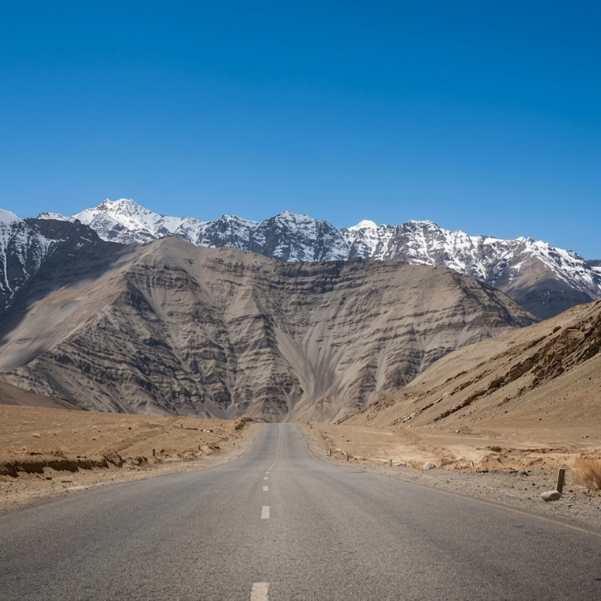
This is the question we hear most often, and the honest answer is: both are excellent, but for different reasons.
June
June is better if you want snow on the passes, warmer nights, and the reassurance that everything is fully open and running. It is the safer choice for first-time visitors and families. You get the full Ladakh experience without needing to worry about sudden closures or freezing camps.
September
September is better if you care about photography, clean skies, fewer tourists, and a more relaxed pace. The landscape is more dramatic in autumn tones.
The tourist rush has died down, and you can actually sit by Pangong Lake without a crowd behind you.
If you are choosing between the two: pick June if comfort and certainty matter most. Pick September if you want the best visuals and do not mind colder nights.
Is May a Good Time to Visit Leh Ladakh?
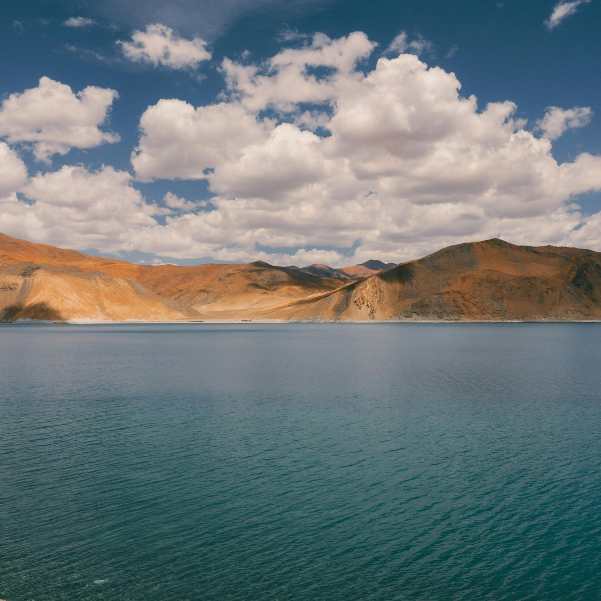
May can work, but it comes with conditions.
If you fly into Leh, late May gives you a head start on the season. Fewer tourists, lower prices, and a quieter town. The Srinagar–Leh highway is usually open by then, so you can fly in and still get a road experience on the way out.
But the Manali–Leh highway is often still being cleared in May. And some high-altitude destinations like Pangong may have road or permit uncertainties.
Our team always tells May travellers to keep their plans flexible and have a backup day or two in case a road is not through yet.
May suits people who are okay with adjusting on the go. If you need everything locked in advance with zero surprises, June is safer.
Is July and August the Best Season for a Leh Ladakh Road Trip?
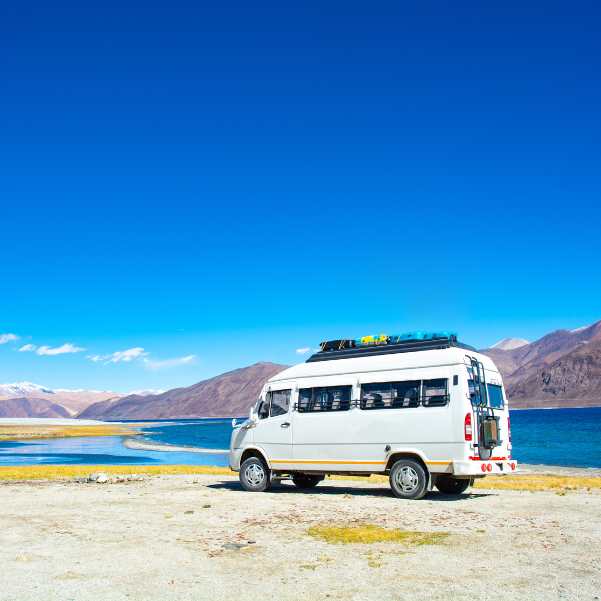
For sheer accessibility, yes. July and August give you the widest route access of any months. Both highways are stable, all internal routes are open, and every camp, guesthouse, and tour operator is running.
This makes July and August strong months for families, group tours, and first-timers who want the lowest chance of a road-related disruption.
If you are doing the Manali to Leh to Srinagar circuit, this is the window where the full loop is most reliable.
The downsides are real, though. Prices peak in July and August. Hotels in Leh, Nubra, and near Pangong charge their highest rates. Shared taxis and group tours fill up fast.
The Manali–Leh highway becomes a long line of vehicles, and the experience feels less like an adventure and more like a busy tourist corridor.
If you want peak-season certainty without peak-season crowds, try the first week of June or the last week of August as shoulder alternatives.
Why September Is One of the Best Months for Leh Ladakh
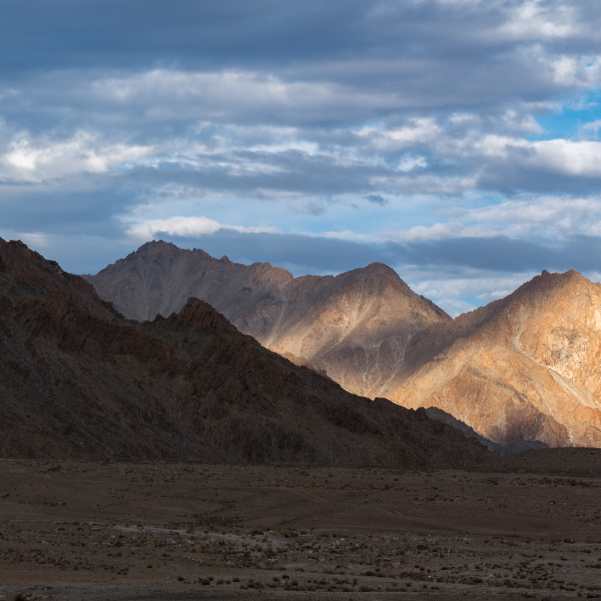
We have sent groups to Ladakh in every month from May to October, and the travellers who come back most excited are almost always the September ones.
The light changes. The haze of summer clears out and the sky goes deep, almost navy blue. The mountains lose their dusty look and turn sharply defined.
Pangong goes from pretty to unreal. If you are at the lake, walk to the eastern end before 6:30 AM.
The first light hits the water at an angle that turns it five different shades of blue. By 9 AM, the tour groups arrive and the light flattens out. That early hour is worth setting an alarm for.
Crowds thin out to a fraction of what you see in July. You can drive the Khardung La road without a traffic jam. You can sit at Pangong without jostling for a photo spot. The monasteries feel peaceful instead of touristy.
The only real trade-off is temperature. September nights at high altitude are cold. At Pangong, you are sleeping near 14,000 feet in temperatures that can drop well below freezing.
A good sleeping bag and proper thermals are not optional. But if you pack for it, September rewards you more than any other month.
Can You Visit Leh Ladakh in October and Winter?
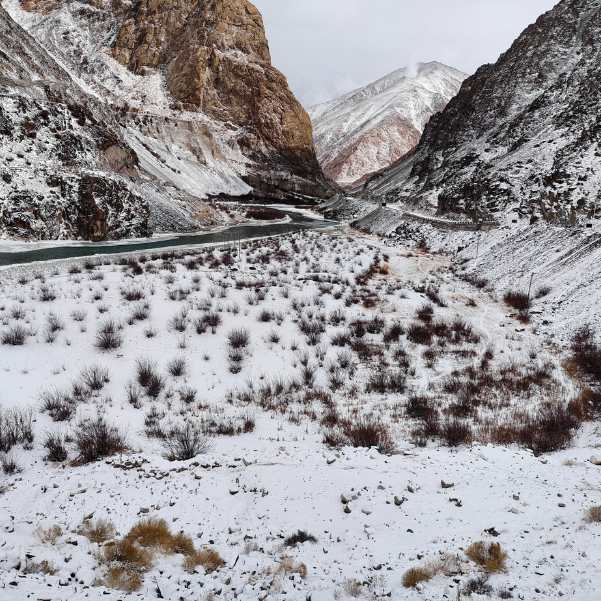
October
Early October can still be beautiful. The landscape is stark and golden, and you will feel like you have the place to yourself. But the window is narrow.
The Manali–Leh highway typically closes sometime in October, and conditions can turn quickly.
If you plan an October trip, fly into Leh and keep your itinerary flexible. Do not commit to road exits via Manali. And carry serious winter gear because nights at this point are genuinely cold.
November to March
Winter Ladakh is a completely different experience. Both highways are closed. The only way in or out is by flight, and even flights get delayed or cancelled due to weather.
Leh in January sees daytime temperatures around -3°C and nights dropping to -15°C. The town is quiet, snow-covered, and stripped down to locals and a handful of travellers.
Winter Ladakh works for people who specifically want the frozen Zanskar River trek (Chadar Trek), snow-covered monasteries, or the raw silence of a cold desert in deep winter. It does not work for anyone expecting a normal sightseeing trip.
If you are planning a winter visit, our Leh Ladakh tour packages include winter-specific itineraries built around what is actually accessible.
When Do the Srinagar–Leh and Manali–Leh Roads Usually Open?
These two highways are the lifelines of road access to Ladakh, and they open on completely different schedules.
Srinagar–Leh Highway
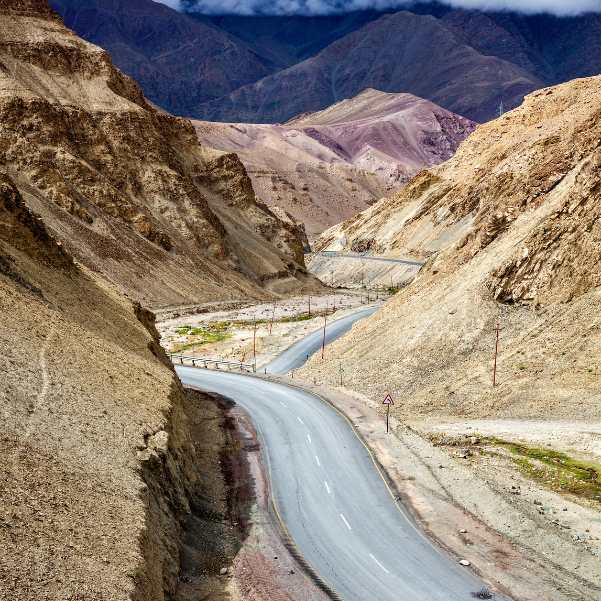
This route runs through Zoji La pass and is usually estimated to open around late March to mid-April, depending on snowfall and clearance.
It is the first highway to open each year and the last to close, making it the more reliable road option for early and late-season travellers.
The drive takes about two days with an overnight stop at Kargil. The road passes through Sonamarg, Drass, and the Zoji La stretch, which can be rough and narrow.
Manali–Leh Highway
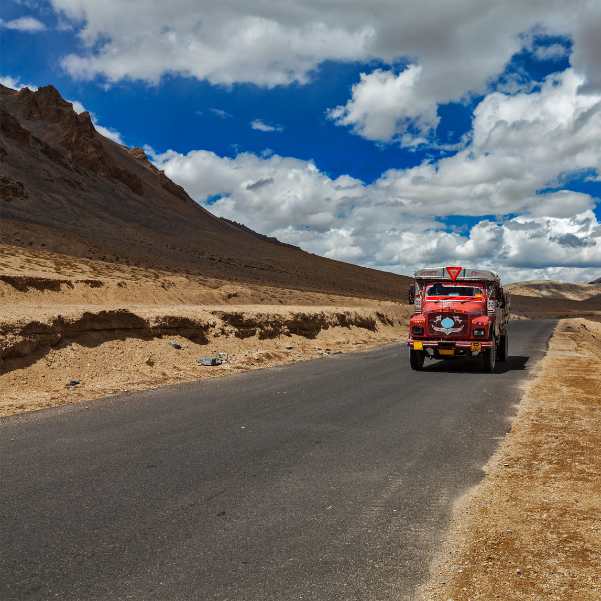
This route crosses multiple high passes including Rohtang, Baralacha La, Lachalung La, and Tanglang La.
It is usually estimated to open around mid-May to late May or early June, depending on snow clearance and weather.
The drive typically takes two days with stops at Jispa or Sarchu. The road is higher, rougher, and more dramatic than the Srinagar route, which is why bikers love it. But it is also less predictable in the early season.
Both these dates are seasonal estimates, not fixed schedules. BRO does the clearance work, and their timeline depends on snowfall, equipment, and weather windows. Always verify the current road status before committing to a route.
If you want to combine Ladakh with a Manali stopover, check our Manali tour packages for options that include the highway drive.
2026 Travel Update: What Road Conditions and Permits Mean for Your Trip Timing
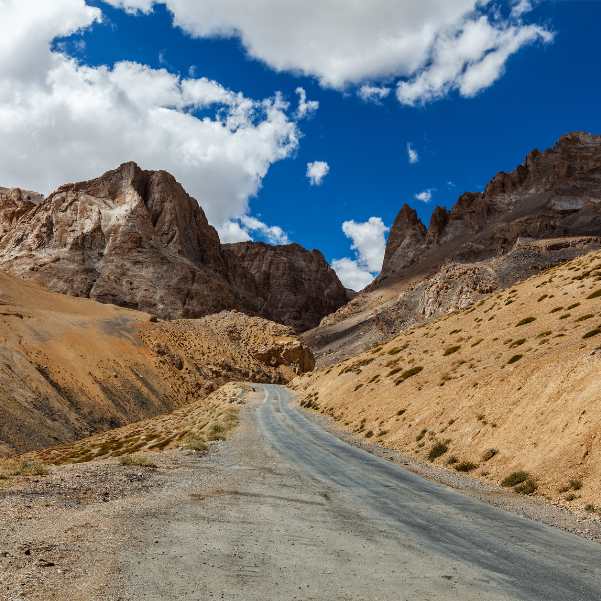
The 2026 season started with a reminder of how unpredictable mountain roads can be. A major avalanche hit Zoji La on March 27, 2026, killing at least 7 people and blocking the Srinagar–Leh highway.
This is not unusual for late winter and early spring, but it underlines why planning around guaranteed dates is risky in this region.
If you are booking a road trip for April or May, build in buffer days and have a Plan B. Flying into Leh and doing the road trip as a one-way exit is often smarter than banking on both highway legs being clear.
On the permit front, the process has become more straightforward. The Leh district portal now allows domestic tourists to complete online payment without needing separate DM office verification of the contribution slip.
You pay online, carry the slip, and show it along with your Leh arrival boarding pass at the check posts.
So, confirm the latest amounts on the portal before you travel. If you need help with permits or are confused about which ones you need for Pangong, Nubra, or Tso Moriri, reach out to our team and we will sort it out for you.
One money-saving tip most blogs will not tell you: the permit application process is the same whether you go through an agent or do it yourself online.
Some agents charge ₹500 to ₹1,000 extra per person just for filling the form. Save that money and do it yourself, or ask your hotel in Leh to help. Most good guesthouses do this for free.
Best Time to Visit Leh Ladakh for Biking, Photography, Snowfall and Family Trips
Best Time for a Ladakh Bike Trip
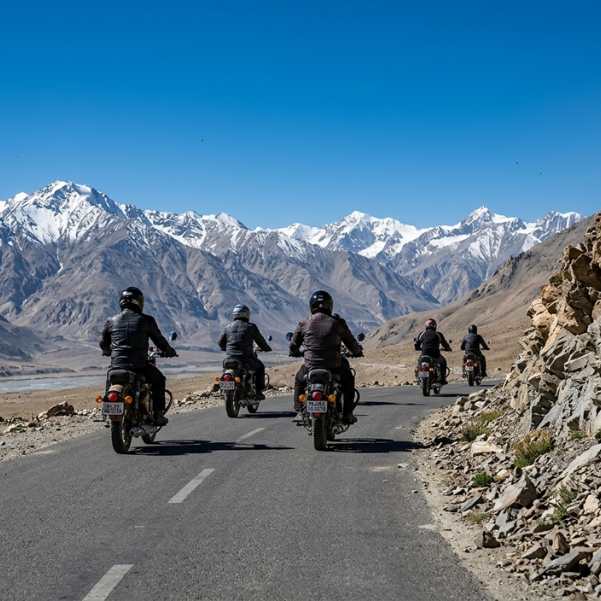
The realistic biking window is late May to September, but the strongest conditions are June to September.
June gives you snow on the passes and cooler riding temperatures. September gives you cleaner roads and better visibility. July and August are fully open but crowded, and the Manali side can get slushy after rain.
What we always tell our bikers: carry a set of dry clothes in a waterproof bag, not just a rain jacket.
When you ride through a water crossing at 15,000 feet and your jeans are soaked, a rain jacket is useless. Dry thermals and socks are what save the evening.
Best Time for Photography in Ladakh
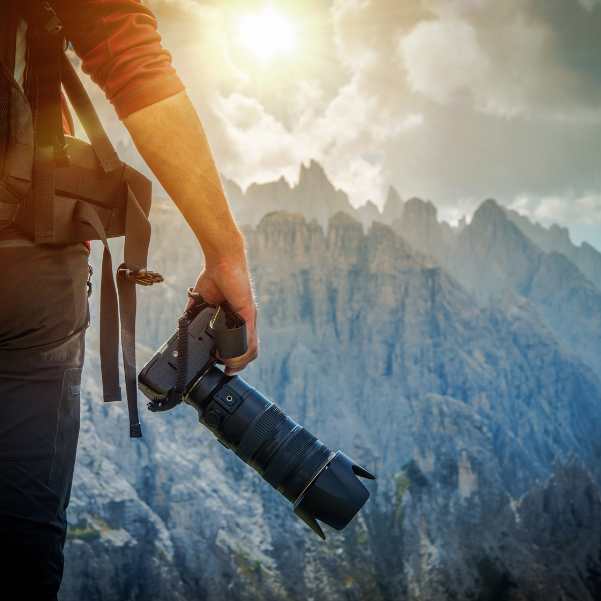
September and early October. No contest. The light is clean, the sky is deep blue, the haze is gone, and the landscape has shifted to golden-brown tones that contrast sharply against the lakes and snow peaks. If you are carrying a camera, this is your window.
Best Time for Snowfall and Winter Landscapes
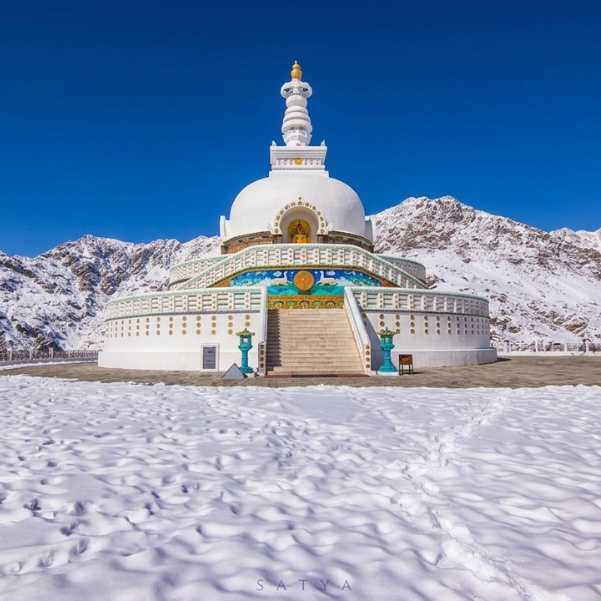
December to February, and only by flight. The highways are closed. Leh is frozen. The Zanskar River turns to ice. This is extreme winter travel and suits only people who specifically want that experience.
Best Time for Family Trips

June to August gives families the most comfortable conditions. Days are warm, roads are stable, and all destinations are accessible.
Avoid the shoulder months with young children because cold nights, uncertain roads, and altitude can make things stressful.
Skip the paid "magnetic hill" experience near Leh. It is a tourist trap that charges you to park your car on a slope that looks like an optical illusion.
Kids get bored in 30 seconds. Spend that time at Shey Palace or the Leh Old Town walk instead, both are free and far more interesting.
When Not to Visit Leh Ladakh
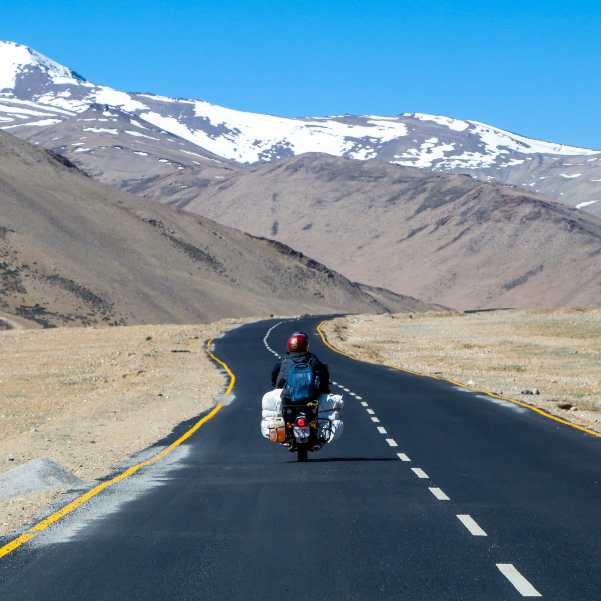
If you have a rigid schedule with zero flexibility, avoid April, May, and October. Roads can open late or close early, and a single blocked pass can rearrange your entire trip.
If you cannot handle cold, avoid anything outside June to August. Even in summer, Ladakh nights are cool. In September and beyond, they are cold. In winter, they are brutal.
If you have serious respiratory or cardiac conditions, talk to your doctor before planning any Ladakh trip regardless of the month.
The altitude is real. Leh is at 11,520 feet, and most destinations you will visit are higher. Acclimatisation is not optional.
If you are booking a trip from Manali and want the highway drive both ways, remember that the Manali–Leh highway has a short season. Going in June and returning in late September or October is risky on the return leg.
Practical Planning Tips Before Choosing Your Month
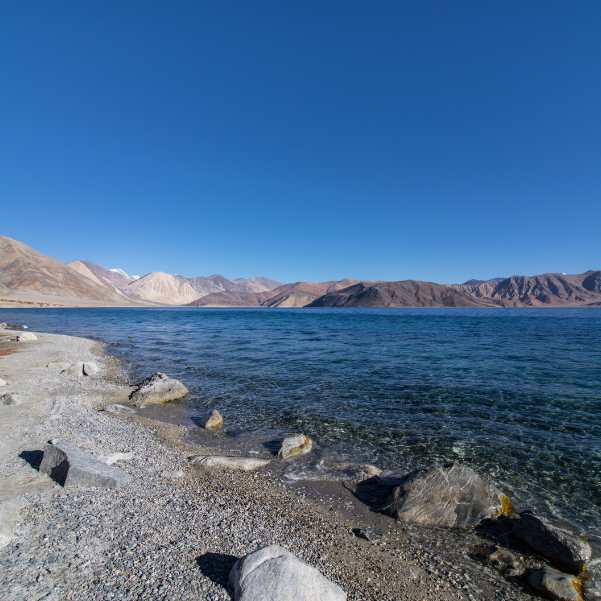
Acclimatisation
Acclimatisation is the most important word in any Ladakh trip plan. Spend at least one full day in Leh doing nothing. Walk slowly, drink water, eat light, avoid alcohol. Do not rush to Khardung La on day one. We have seen it go wrong too many times.
Layer your clothing
Ladakh weather changes within hours. A sunny afternoon at 25°C can turn into a windy evening at 5°C. Carry thermals, a fleece, a windproof jacket, and a warm cap. Even in July.
Book early for peak season
If you are travelling in July or August, book your stays and vehicle at least 4 to 6 weeks in advance. Good hotels in Leh and camps at Pangong fill up fast, and last-minute prices can be double.
Keep buffer days
Mountain weather does not care about your leave application. A landslide, a sudden snowfall, or a road closure can cost you a full day. Build at least one extra day into your plan.
Carry cash
ATMs in Leh work, but beyond Leh town, card machines and UPI are unreliable. Carry enough cash for your entire time outside Leh.
Talk to our team on WhatsApp if you want help picking the right month and route for your group. We plan Ladakh trips every season and can give you a realistic breakdown based on your dates.
👉 WhatsApp us to pick the right month and Ladakh route
How to Choose the Right Ladakh Itinerary for Your Season
Flying In for a Summer Trip (June to August)
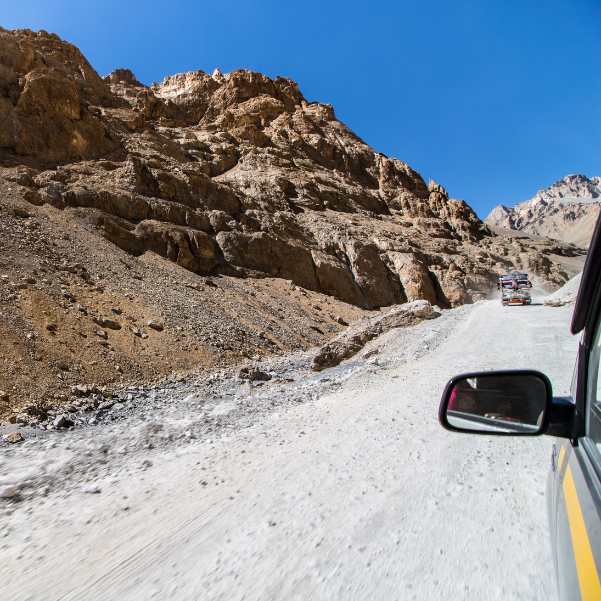
A 5 to 7 day fly-in itinerary works well. Spend a day acclimatising in Leh, then do Nubra Valley (2 days), Pangong Lake (1 to 2 days), and the monastery circuit around Leh. This is the most popular format and gives you a complete Ladakh experience without road-trip fatigue.
Browse our Leh Ladakh tour packages for ready itineraries that include permits, stays, and local transport.
Road Trip from Manali or Srinagar (June to September)
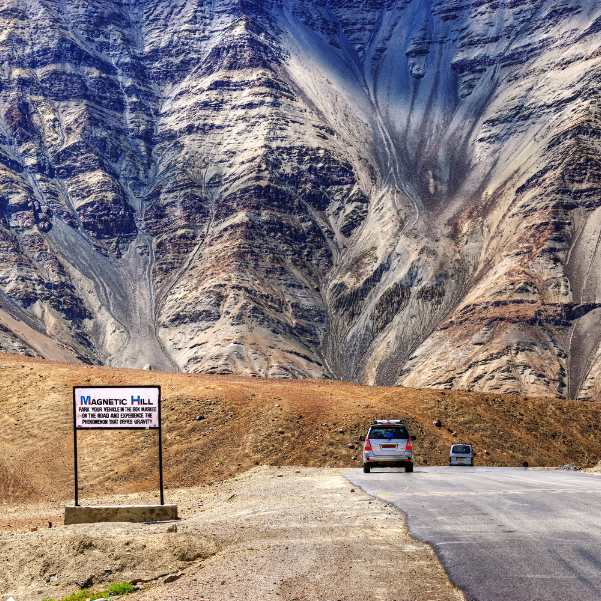
A 10 to 14 day itinerary gives you the full experience. Enter from one highway, explore Ladakh for 5 to 7 days, and exit via the other highway. This is the classic Ladakh road trip and works best in June through September when both routes are stable.
If you are starting from Manali, check our Manali trip options that can be combined with a Ladakh extension.
September Travellers
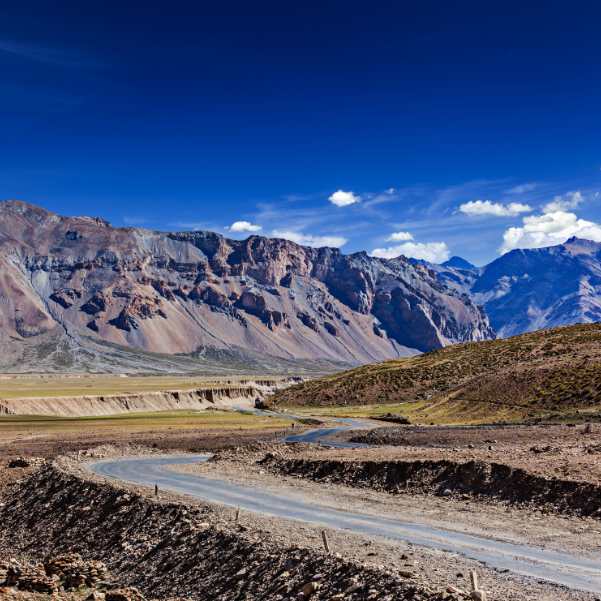
September is perfect for a relaxed, photography-focused trip. Fly in, take your time, and focus on landscapes rather than ticking off a checklist. A 6 to 8 day itinerary with fewer driving days and more time at each stop gives you the best results.
Winter Travellers (December to February)
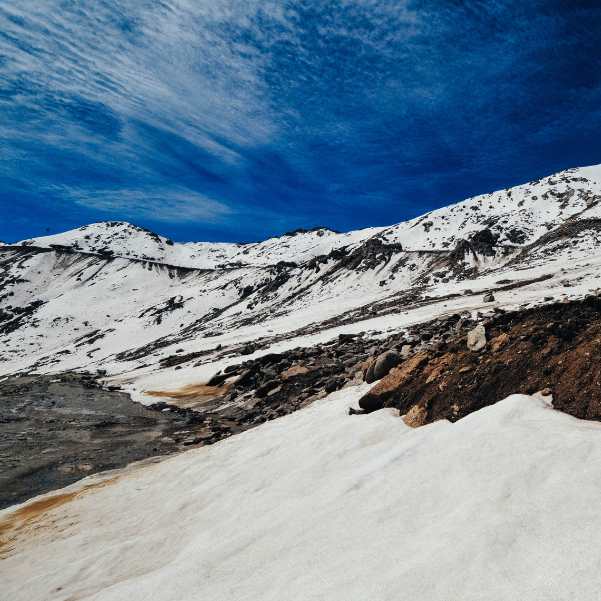
Fly in, stay in Leh, and plan around specific winter experiences like the Chadar Trek or snow-covered monastery visits. Do not expect road access to Pangong or Nubra. Keep your itinerary short and focused.
If you are considering combining Ladakh with a stop in Srinagar or Kashmir, our Kashmir tour packages can be paired with a Ladakh leg. Check our popular tours page for multi-destination options.
Talk to our team on WhatsApp to get a custom itinerary based on your month, group size, and budget.
👉 WhatsApp us for a custom itinerary based on your dates and budget
Explore Our Curated Leh Ladakh Tours
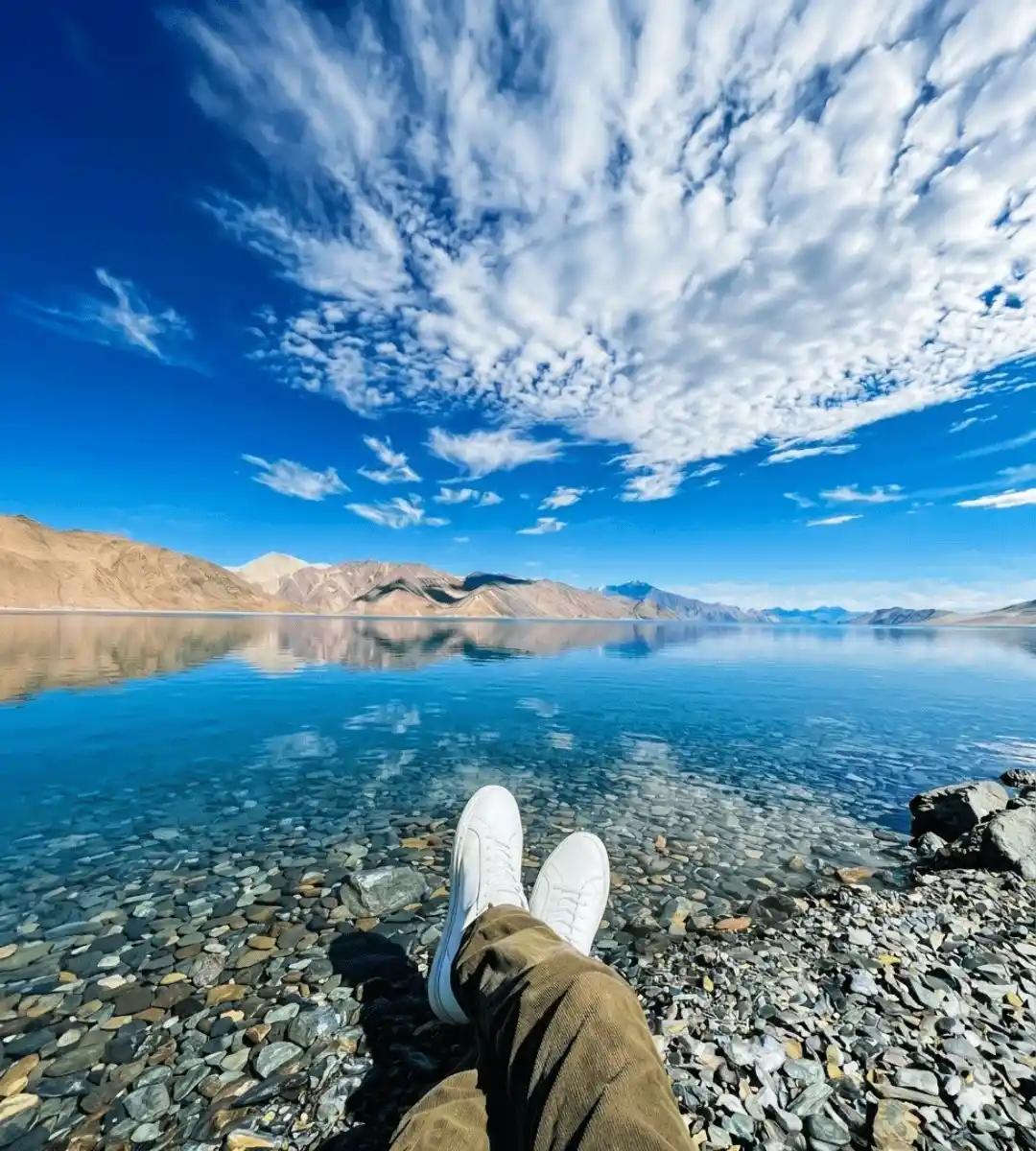 6D/5N
6D/5NUltimate Leh Ladakh Tour Package with Nubra Valley & Pangong Lake
2D Leh•1D Nubra Valley+1
₹28,999₹35,999SAVE INR 7,000/ person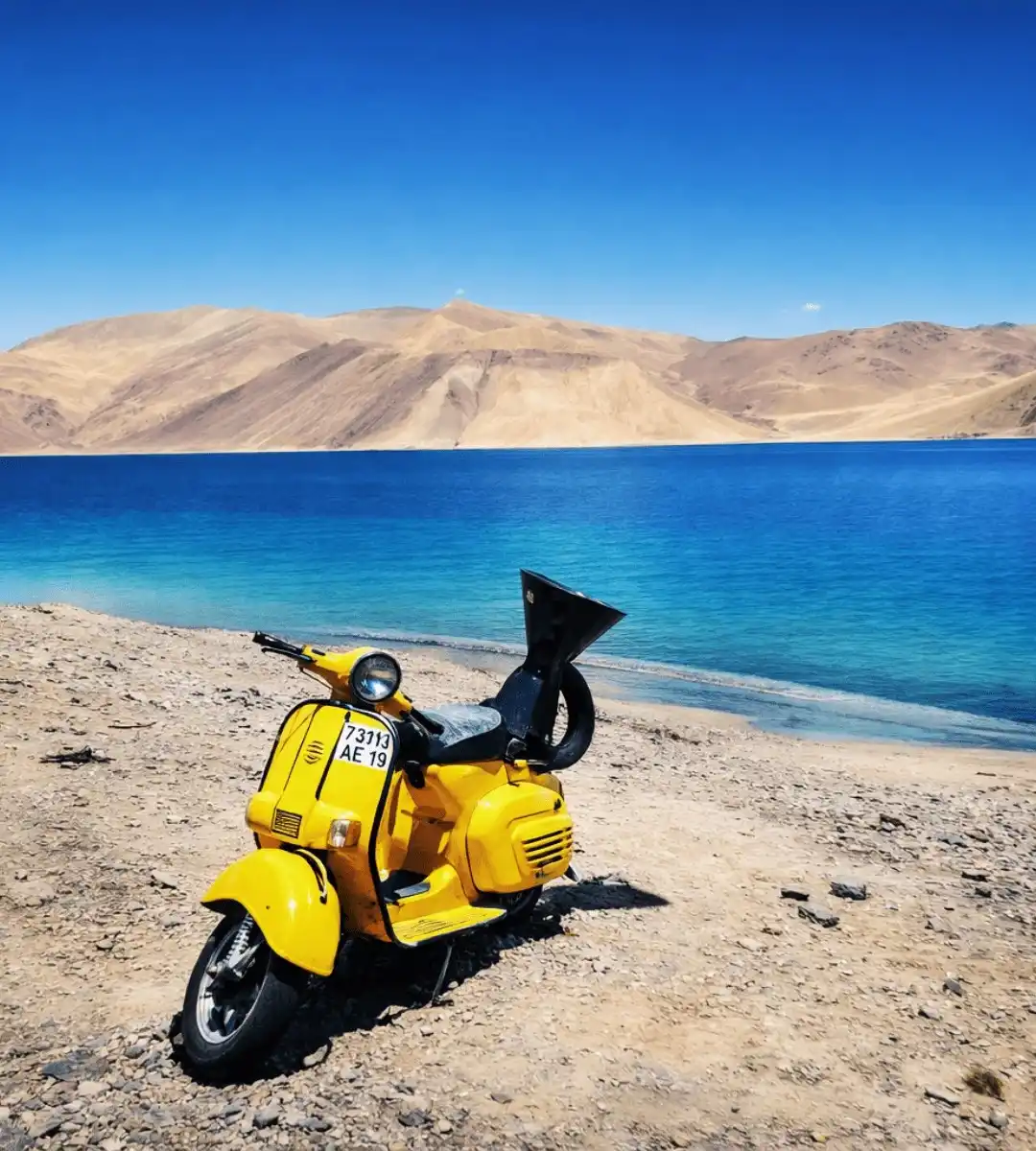 6D/5N
6D/5NBest Selling Leh Ladakh Tour With Nubra Valley and Pangong Lake
2D Leh•1D Nubra Valley+1
₹23,999₹28,599SAVE INR 4,600/ person 4D/3N
4D/3NLeh Ladakh Short Getaway
2D Leh•1D Pangong Lake
₹16,499₹19,999SAVE INR 3,500/ person
Related topics
Frequently Asked Questions
What is the best month to visit Leh Ladakh?
June is the best all-round month for most travellers. Roads are open, weather is pleasant, snow is still visible on high passes, and the peak-season rush has not started yet. September is the best for photography and calm travel.
Is June better than September for Ladakh?
June is better for first-timers, families, and people who want warmer nights. September is better for photography, fewer crowds, and sharper landscapes. Both are excellent months.
Is May too early for Leh Ladakh?
Not if you fly in. Late May can be a great window with fewer tourists and lower prices. But road access from Manali is often uncertain in May, and some internal routes may still be closed. Keep your plans flexible.
Can I visit Ladakh in winter?
Yes, by flight only. Both highways close in winter. Leh temperatures drop to around -15°C at night in January. Winter trips work for the Chadar Trek, snow-covered monasteries, and people who specifically want a cold desert winter experience.
When does the Manali–Leh highway open?
The Manali–Leh highway usually opens around mid-May to late May or early June, depending on snow clearance. The exact date changes every year. Always verify current status before planning a drive.
When does the Srinagar–Leh highway open?
The Srinagar–Leh highway usually opens around late March to mid-April, depending on snowfall and BRO clearance. It is the first highway to open each season and gives earlier road access to Leh.
Is September good for Pangong and Nubra?
September is one of the best months for both. The crowds are gone, the skies are clear, and the lake colours are at their deepest. Nights are cold, so carry proper warm gear, especially for an overnight stay at Pangong.
Which month is best for a bike trip?
June to September is the safest window, with June and September being the most popular among experienced riders. June has snow on the passes and cooler temperatures. September has cleaner roads and better visibility.
Which month is cheapest for Leh Ladakh?
May (by flight) and late September to early October tend to have lower prices for hotels and flights. Peak rates hit in July and August. Booking early for any month helps.
Do I need a permit for Pangong and Nubra?
Yes. You need an Inner Line Permit (ILP) for Pangong, Nubra Valley, and Tso Moriri. Domestic tourists can apply and pay online through the Leh district portal. Carry the payment slip and your Leh arrival boarding pass.
Is Leh Ladakh crowded in July?
Yes. July is one of the busiest months. Popular spots like Pangong Lake, Khardung La, and the Manali–Leh highway are packed with tourists, bikers, and group tours. If crowds bother you, pick June or September instead.
Is October too cold for Ladakh?
Early October is manageable if you have warm gear and flexible plans. But roads start closing, camps shut down, and nights get seriously cold. It is not ideal for first-timers or families. Experienced travellers who can handle the cold and adjust plans on short notice can have a great time.
More about Ladakh
 Ladakh
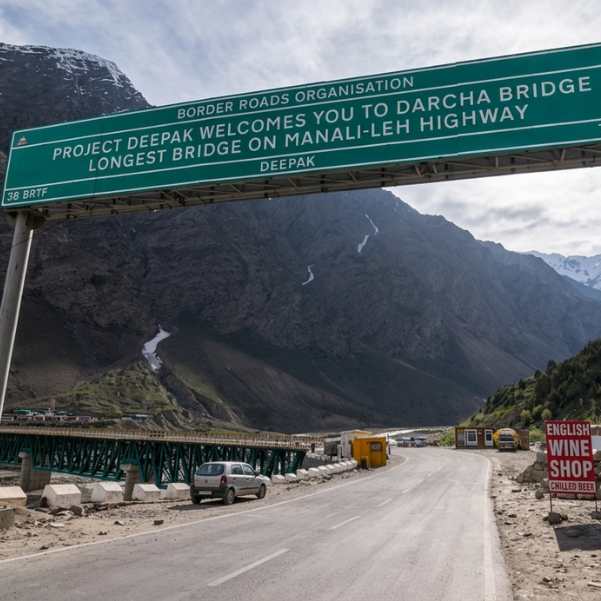
Manali to Leh Highway 2026: Every Pass, Stop and Distance
Plan your Manali to Leh Highway journey in 2026 with a complete guide to major mountain passes, overnight stops, route highlights, and distance. Discover key stops like Jispa, Sarchu, and Pang, along with famous passes including Baralacha La and Tanglang La.
- Road Trips
- How to Reach
 Ladakh
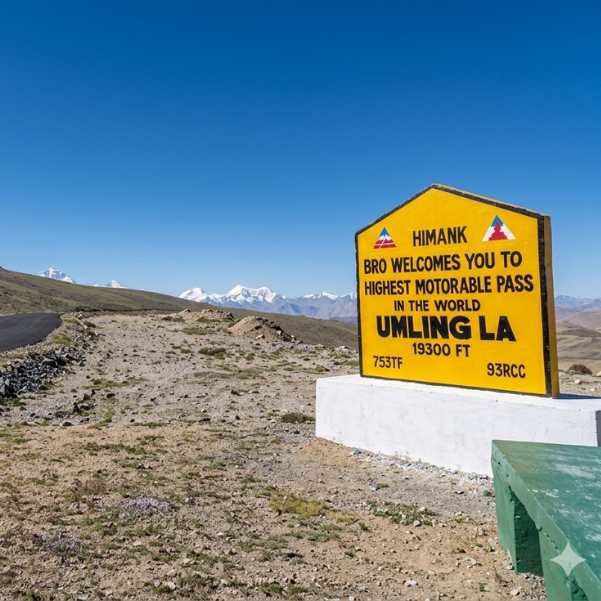
Umling La Ladakh Guide 2026: Route, Altitude, Permit, Safety & Reality Check
Planning to visit Umling La in 2026? This complete guide covers the route, altitude, permit requirements, road conditions, safety tips, and the realities of travelling to one of the world's highest motorable roads.
- Road Status
- Altitude & Health
 Ladakh
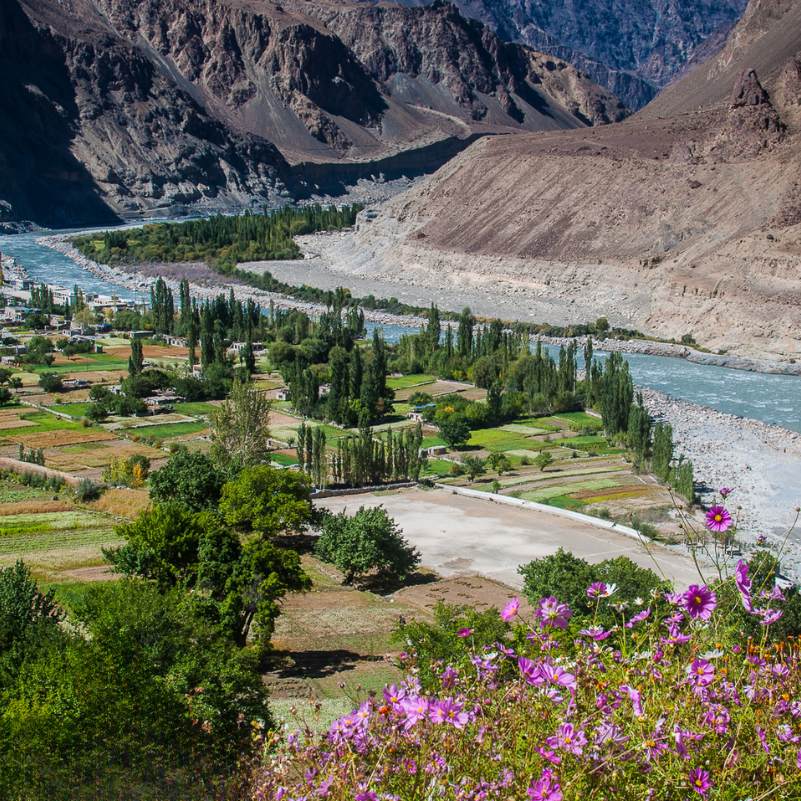
Turtuk Ladakh Travel Guide 2026: Balti Culture, Apricot Orchards and Why It Is Perfect for Families
Planning a trip to Turtuk? This 2026 travel guide explores the village's rich Balti culture, beautiful apricot orchards, top attractions, travel route, and why Turtuk is one of the best family-friendly destinations in Ladakh.
- Places to Visit
- Family Travel