
Is Manali Safe in Monsoon 2026? July-August Roads, Rain, Landslides and Plan B
Every July and August, the same question lands in our inbox from worried travellers. Is Manali safe in monsoon, or should they cancel?
The honest answer is that it depends entirely on your exact travel dates and what the road and weather are doing in the 24 to 48 hours before you leave.
Manali is not automatically unsafe for the whole monsoon. It is also not unconditionally safe. The difference between a good trip and a stuck-in-a-jam-for-a-day trip is usually the quality of your decision, not the month on the calendar.
This is a safety and checklist guide, not a sightseeing list. By the end, you will know how to make a clear go, delay or cancel call for your dates.
Quick Answer: Is Manali Safe in Monsoon?
Manali can be visited during quieter weather windows in monsoon, but you should postpone during severe rain warnings, active flash-flood conditions, repeated highway closures or any official avoid-travel instruction.
The real risk usually sits on the drive up through Mandi, Pandoh, Hanogi, Aut and Kullu, not in central Manali itself.
Make your final call using weather and road reports from the last 24 to 48 hours, not a forecast you read last week.
If you want a trip planned around a stable window with built-in flexibility, our Manali tour packages are built to adjust when the weather does.
What Most Travellers Get Wrong About Monsoon Manali
Most people check the weather for Manali town and book. Then they get stuck for hours near Mandi because a hillside came down 90 km before Manali.
The town can be perfectly fine while the road that gets you there is blocked. These are two separate things, and you have to check both.
In our experience planning Himachal trips, the quality of the decision matters more than the month written on the calendar. A well-timed August trip can be smoother than a badly-timed July one.
Why Is Manali Riskier During July and August?
July and August are the heart of the monsoon. Long or heavy spells of rain soak the Himalayan slopes, and saturated ground gives way more easily.
That saturation is what feeds landslides, rockfall and debris sliding onto the road. It does not take a cloudburst right above you. Rain falling higher up the valley can be enough.
Streams and rivers rise fast in intense rain. A calm-looking nullah in the morning can turn into a fast, muddy channel by afternoon, especially if it is raining upstream where you cannot see it.
On top of that, you get slippery roads, poor visibility, broken road edges, police-controlled traffic and delays that no app can predict. None of this makes Manali a no-go. It just means you plan for disruption instead of assuming a smooth run.
Is Manali Town Unsafe, or Is the Road the Bigger Risk?
Safety Inside Manali Town
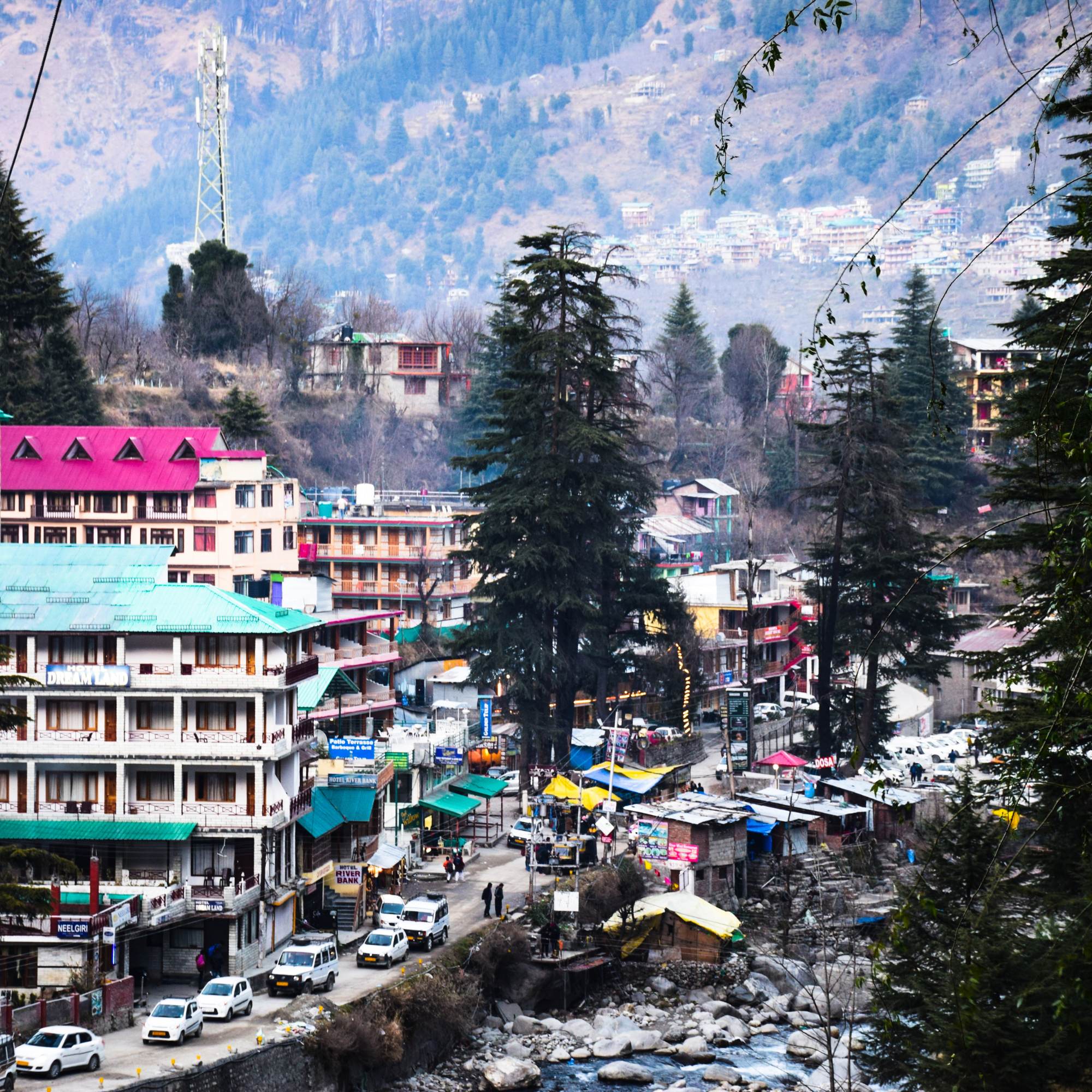
Central Manali usually keeps running during ordinary rain, even on days when some approach roads or day excursions are disrupted. Cafés stay open, Mall Road stays busy, hotels function normally.
The rain-related hazards inside town are smaller but real. Slippery streets, waterlogging in low spots, the odd falling branch and local drainage backing up after a hard downpour.
The bigger danger is water you go looking for. Stay well away from swollen rivers, fast streams, the base of waterfalls and any slope that looks loose or freshly cut. The Beas can rise quickly, and people get into trouble by walking too close for a photo.
Not every riverside hotel is unsafe. It is about the specific site and how close it sits to the water, which we will come back to.
Safety on the Chandigarh-Manali Approach
Your main approach passes through or near Bilaspur, Mandi, Pandoh, Hanogi, Aut and Kullu before you reach Manali. This corridor is where most monsoon trouble shows up.
A landslide on the Mandi side can stop your journey long before you get anywhere near Kullu. We have seen travellers held at Mandi for hours while a blockage between Mandi and Pandoh gets cleared.
Here is the part people miss. A road reported "open" is open at the moment of that report. It is not a promise that the route stays open all day or that you will not hit delays. Debris keeps falling, and a cleared road can close again within hours.
Why Same-Day Information Matters
Overnight rain can make last evening's cheerful update useless by morning. A route that was fine at 8 PM can be blocked at 6 AM.
Ask your hotel, driver or tour operator for a time-stamped update. "The road was used this morning at 9" is worth far more than "the road is open."
Do not trust a forwarded WhatsApp message or an old social media video on its own. Check the original source and the date before you act on it. Our team recommends checking the Mandi corridor as carefully as the forecast for Manali town.
Is Manali Safe in July?
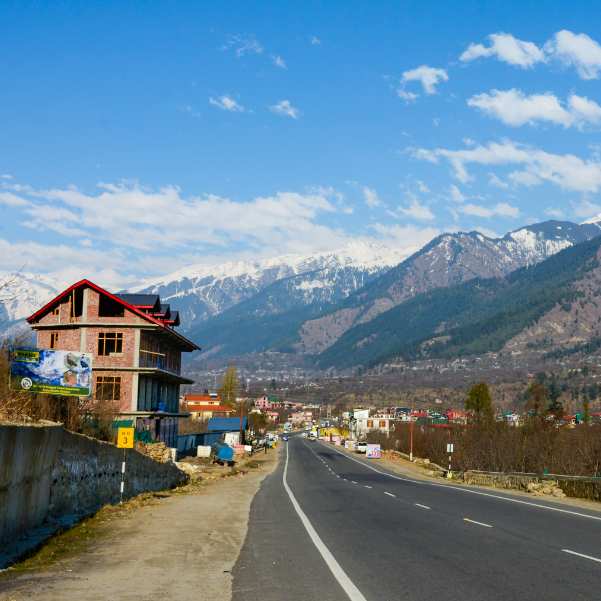
July sits squarely inside the active monsoon. You will get both usable travel windows and disruptive heavy-rain spells, sometimes in the same week.
That is exactly why a month-level verdict is close to useless. "Is July safe" is the wrong question. "Is my July 14 to 18 window safe" is the right one.
Some July days are calm, bright and completely fine for travel. Others bring closures that last a day. Your job is to identify which kind of day your departure falls on.
Is Manali Safe in August?
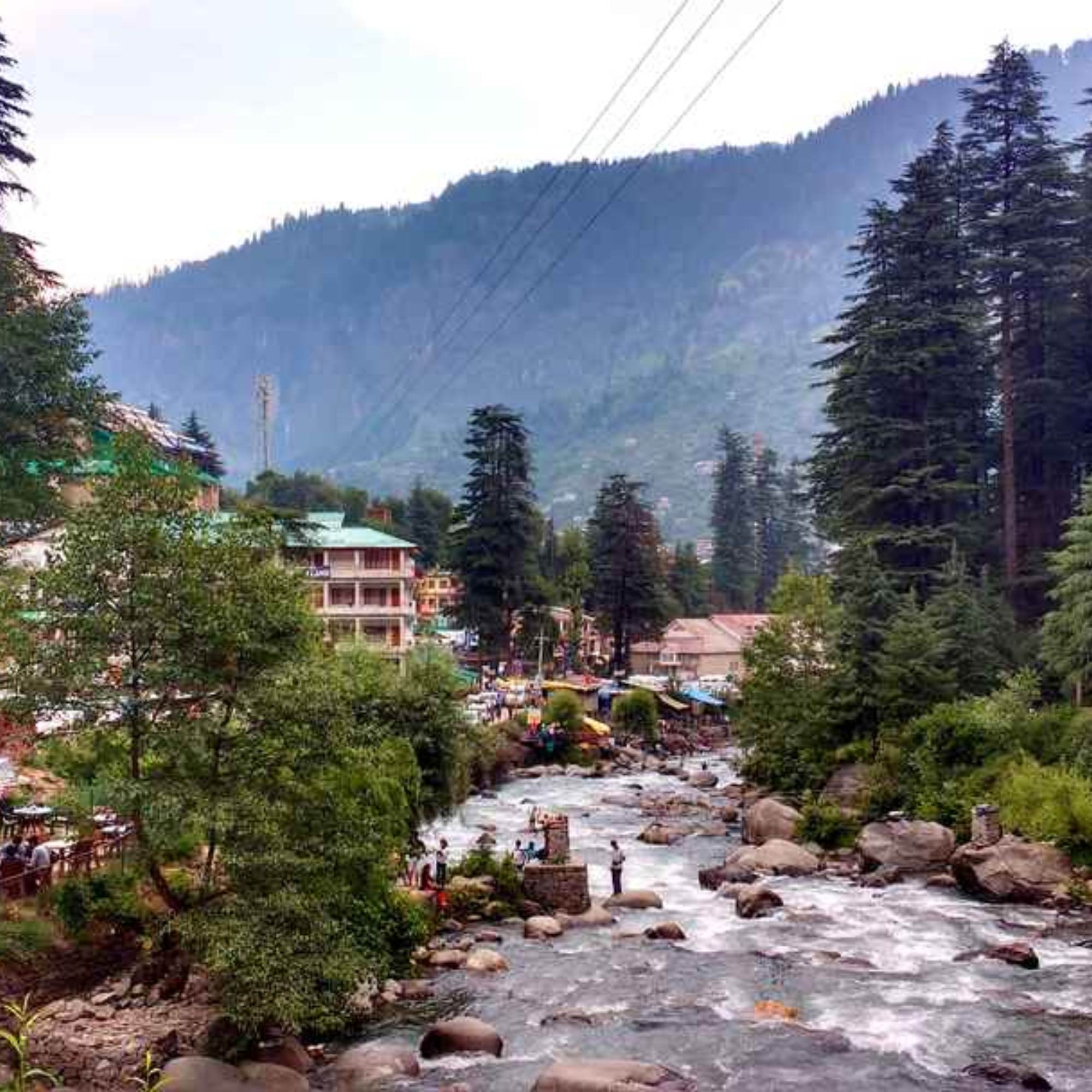
August stays a high-caution month. The rain does not switch off, and the danger does not vanish the moment it stops.
This is the trap. Ground that has soaked up weeks of rain stays vulnerable even during a dry-looking gap. A slope can fail on a clear afternoon because of what fell three days ago.
If you have a fixed flight, train, exam or event right after your trip, keep serious extra flexibility in August. This is not the month to plan a trip with zero buffer before something you cannot miss.
Not every August week is dangerous. Plenty of travellers have smooth August trips. But you plan for the possibility of delay, not against it.
Which Stretches Have the Highest Monsoon Exposure?
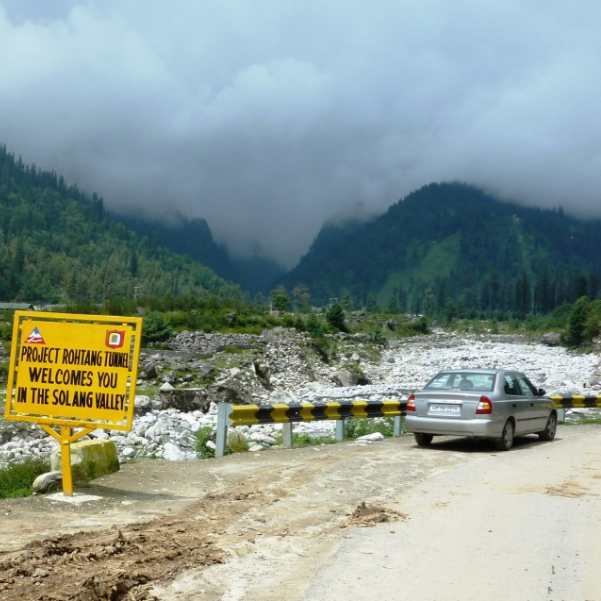
Mandi, Pandoh, Hanogi and Aut
This part of the approach deserves your closest attention in any road check. It is the stretch that closes most often when the rain gets serious.
A report from July 2026 described a landslide near Hanogi in Mandi district that temporarily disrupted traffic on the Chandigarh-Manali national highway. That kind of event is common here in a heavy spell.
A separate 2026 travel alert classified the Mandi-Pandoh-Aut stretch as high risk for active landslides. Treat that as a published assessment for the season, not a permanent government label stamped on every kilometre forever.
Not every metre of this corridor is dangerous all the time. But when Himachal gets a heavy-rain day, this is the stretch that tends to give first.
Kullu to Manali
Closer to Manali, watch for debris on the road, police-controlled traffic, narrowed sections and local diversions. This stretch handles rain better than the Mandi side but is not immune.
Never stop your vehicle right under a cut slope for a photo. That loose face above you is exactly what comes down in rain.
Do not overtake a controlled queue, and never drive around a barrier. Those barriers are placed by people who can see the hazard you cannot.
Solang, Rohtang-Side Roads and Smaller Excursions
Side roads and high-altitude excursions can be suspended or restricted even when central Manali is completely accessible. Solang and the Rohtang-side drives are the first things to close in bad weather.
If conditions are uncertain, drop the excursion. Do not force it. A missed Solang trip is a minor loss. A vehicle stuck on a slippery high road in a downpour is not.
Rohtang permit rules, operating conditions and current access change constantly and must be checked on the official portal before you travel.
For a sense of how these high roads behave, our Rohtang Pass in August guide is a useful background, and our adventure activities in Manali piece covers what runs in and out of season. Just remember that no activity is worth doing when the weather has turned.
How Do You Check Whether Manali Is Safe Today?
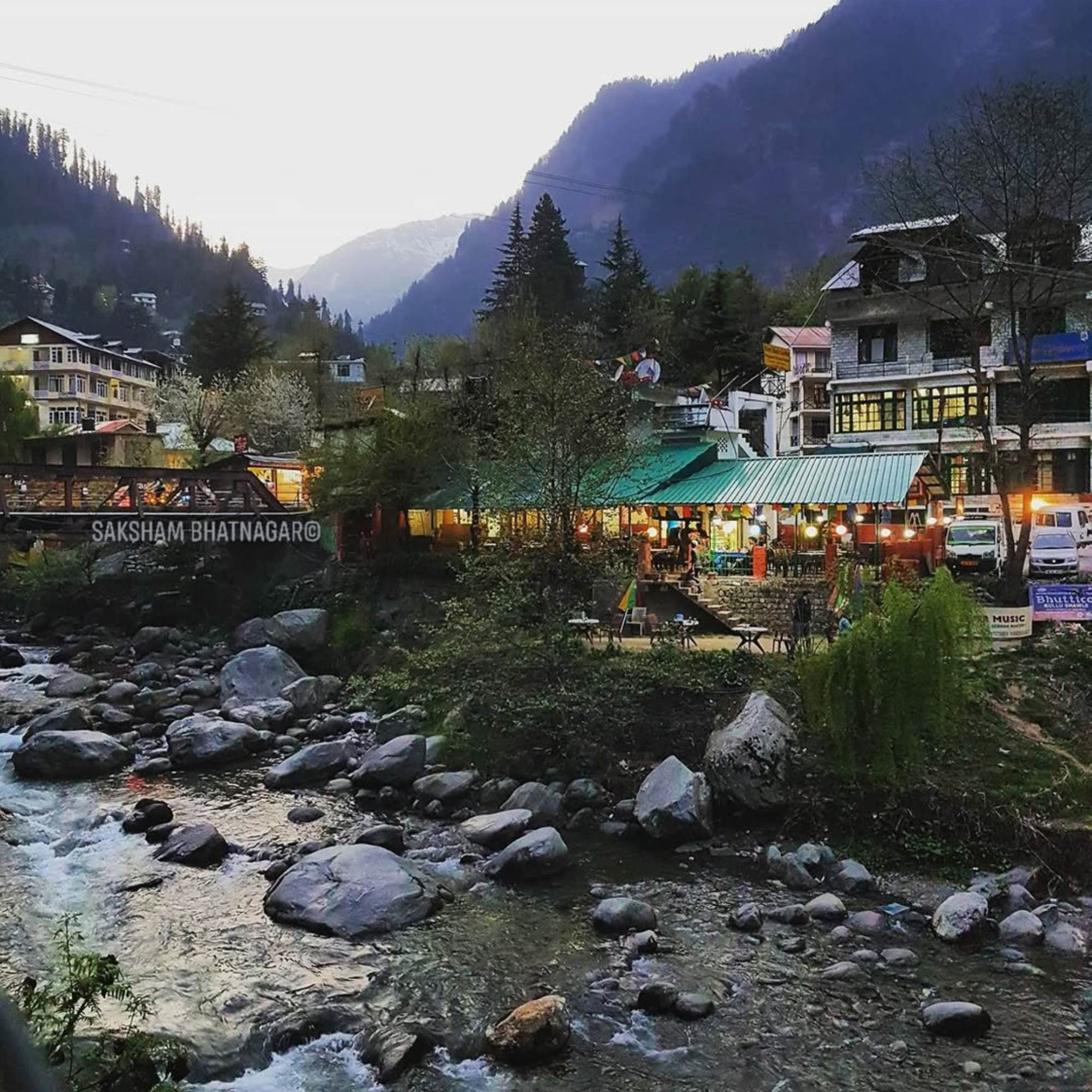
Check the IMD Warning
Check forecasts and warnings for both Kullu and Mandi, because your journey passes through both districts. Checking only Manali town misses half the risk.
Look specifically for heavy-rain warnings, thunderstorms, flash-flood risk and short-term nowcasts for the next few hours.
The IMD uses colour codes. Yellow means watch and stay updated, orange means be prepared for heavy to very heavy rain and possible disruption, and red is the most severe warning where you avoid travel.
IMD warning meanings and recommended actions may be updated, so check the current colour-code guidance on the official IMD website before relying on the exact wording.
An orange alert does not automatically close every road. It tells you the risk is high and you should be ready to change plans, not that the highway is definitely shut.
Check Official Road and District Reports
Check the Himachal disaster-management road-status bulletin, District Kullu notices, District Mandi notices and traffic or police updates. These are your ground truth, above any blog or forwarded message.
Note the date and time on every report you read. A closure list from three days ago tells you nothing about this morning.
Get a Ground Report
Once the official sources are checked, get a human update. Ask your hotel, driver or operator a few direct questions.
Was the Chandigarh-Manali route physically used this morning? Was traffic stopped anywhere between Mandi and Aut? Are buses and taxis reaching Manali normally? Is your hotel's final access road open? Are Solang or other planned excursions running today?
One warning here. A hotel receptionist saying "it should be fine" does not outrank an official closure order. If the administration has restricted a stretch, that is the fact, not the reassurance.
Use This Green, Amber or Red Travel Decision
Green: Travel With Normal Monsoon Caution
Green is when no severe weather warning affects the corridor, the main road has been confirmed open, there has been no recent spell of repeated intense rain, and you can travel in daylight with a flexible arrival time.
Green does not mean zero risk. It means the odds are reasonable and you can go with sensible caution. Mountains in monsoon always carry some uncertainty.
Amber: Travel Only With Flexibility
Amber is a heavy-rain warning in play, a blockage that was only just cleared, uncertain excursion access, or credible reports of long delays on the route.
Travel only if you build in flexibility. Keep at least one buffer day, use refundable bookings where you can, and travel with an experienced driver who knows the corridor. One buffer day is our planning recommendation, not an official rule, but it has saved countless trips.
Red: Postpone the Trip
Postpone when there is a red alert on the route, an active flash-flood or cloudburst warning, an official avoid-travel notice, repeated highway closures, or when you would be forced into unavoidable night movement through severe weather.
Also lean conservative if anyone in your group has serious medical needs, or if you have no flexibility before an important onward connection. A trip you cannot afford to have disrupted is a trip you postpone when the warnings stack up.
We can help review your itinerary and arrange flexibility, but we cannot guarantee weather, uninterrupted roads or the absence of landslides. No honest operator can. What we can do is help you make the go, delay or cancel call with better information.
👉 Not sure if current conditions are worth the risk? Message us on WhatsApp before you book.
Is It Safe to Self-Drive to Manali in Monsoon?
Even experienced hill drivers should avoid intense rain, poor visibility and unnecessary night driving. The road does not care how many times you have driven it before.
Keep a long following distance, drive at low controlled speeds, and give heavy vehicles plenty of room. Trucks and buses need space on these narrow bends.
Never cross moving water, and never trust an unverified shortcut your navigation app suggests. Those "faster" app routes in the hills lead people onto broken or washed-out tracks every season.
Hiring a local driver takes the driving stress off you, but it cannot remove the natural-hazard risk. A good driver reduces mistakes, not landslides.
Should You Take an Overnight Bus to Manali During Heavy Rain?
Night travel gives both the driver and you far less warning of debris, water on the road, a broken road edge or a slope that is starting to move. You simply cannot see the hazard coming in the dark.
An operating bus does not prove the route will stay clear. Buses run right up until a road closes, and then they sit in the same jam as everyone else.
When severe weather is forecast, choose daylight travel or postpone. This does not mean every overnight bus is unsafe or banned. It means a heavy-rain night is the wrong time to be moving blind through the Mandi corridor.
Who Should Be More Conservative About Travelling?
Some travellers should set a higher bar before deciding to go. Families with infants, elderly travellers and pregnant travellers all have less room to absorb a long, cold, uncertain roadside wait.
The same goes for anyone with a heart, respiratory or mobility condition, where a stressful delay at altitude carries more weight. And anyone with an important fixed event right after the holiday, where a lost day genuinely hurts.
None of this is medical advice, and we cannot clear anyone to travel. If you have a health condition, that conversation belongs with your doctor.
Our point is simply that the same amber day that is fine for a flexible group of friends may not be fine for a family with a newborn.
Where Should You Stay in Manali During Monsoon?
Pick an established property with dependable vehicle access, decent drainage, backup power and a local team that actually answers the phone. In monsoon, a responsive team is worth more than a fancy lobby.
Before booking, ask whether the approach road is steep or narrow, and whether access was interrupted during recent heavy rain. A lovely hotel you cannot reach after a downpour is not a good hotel that week.
Do not pick a place just for a close river view without understanding the site and its access. A river view is beautiful right up until the river is not.
We will not tell you that Old Manali, New Manali or any one area is categorically safe or unsafe. It comes down to the specific property and its site, which is exactly what our team helps sort out when we handle Manali packages and stay planning.
What Should You Avoid During Heavy Rain in Manali?
Stay away from swollen riverbanks, fast streams and wet rocks near water. Every monsoon, someone slips or gets caught by a rising river doing exactly this.
Skip the base of waterfalls, unstable cut slopes and forest walks when a thunderstorm warning is active. Skip any road that has been closed, and skip unverified shortcuts entirely.
Cut out unnecessary driving after dark. If you did not need to be on that road at night, do not be.
Two hard rules. Never move a police barrier, and never walk across active landslide debris to "just get past it." That debris is still moving and more can come down. And adventure activities should be dropped the moment authorities or operators suspend them.
What Should You Pack for a Manali Monsoon Trip?
Carry a hooded waterproof jacket and shoes with reliable wet grip. Slippery streets and trails are the everyday hazard, and good grip matters more than looks.
Pack quick-dry clothing and spare socks, plus waterproof storage for your documents and electronics. A charged power bank is essential when power can go out.
Keep your prescribed medicines, some snacks, water and a small torch on you. You want to be self-sufficient for a few hours if you end up waiting out a blockage.
What Is the Best Plan B When Roads or Sightseeing Close?
Plan B 1: Stay in Manali and Reduce Driving
If the excursions are shut, lean into low-driving days. Cafés, Mall Road and suitable established indoor attractions keep a day pleasant without putting you on a risky road, subject to current local access.
Do not try to "make up" a missed excursion with a risky drive later the same day. A calm day in town beats a tense drive to nowhere.
Plan B 2: Drop Higher Excursions
Keep Solang, the Rohtang-side drives and other long optional excursions removable from your plan from the start. Treat them as bonuses, not fixtures.
Hold onto your hotel night and wait for a safer window instead of forcing the route. The lake or the pass will still be there tomorrow.
Plan B 3: Delay Arrival or Departure
A flexible buffer day is your best friend. It turns a stressful closure into a shrug.
If you have a fixed flight or train, plan an extra transit night in Chandigarh or another lower-altitude city when conditions justify it. Better to spend a comfortable night in Chandigarh than to gamble on a broken road to catch a flight.
Plan B 4: Postpone the Complete Trip
During serious warnings, repeated closures, or when your health and schedule leave no room for disruption, postponement is the right call, not a failure.
We would rather remove one excursion than send a traveller onto an uncertain road, and we would rather help you reschedule than push a trip that should not happen.
A 24-Hour Monsoon Safety Checklist
Run this in the day before you leave, in order.
First, check the Kullu and Mandi warnings on the IMD, because your route touches both districts.
Second, check the latest official road report and note the date and time on it.
Third, request a time-stamped ground update from your hotel, driver or operator, ideally "the road was used this morning at X."
Fourth, confirm your hotel's approach road is open and was not cut during recent rain.
Fifth, plan to avoid a night arrival. Aim to reach in daylight.
Sixth, keep your medicines and essential supplies within reach, not buried in a bag on the roof.
Seventh, share your vehicle details with family so someone knows where you are.
Eighth, save emergency contacts offline before you lose signal on the way up.
Emergency Contacts and What to Do During a Roadblock
Save these before you travel. The District Kullu Emergency Operation Centre numbers are 01902-225630 and 01902-225631. These are disaster emergency contacts published by District Kullu.
The SDM Manali office number listed in the District Kullu directory is 01902-254100. This is an office contact, not a 24-hour tourist helpline, so treat it accordingly.
India's national emergency number is 112, which connects police, fire and medical response.
If you hit a roadblock, follow police instructions and wait at a safe settlement or designated holding point. Do not try to walk over fresh debris to get past.
Never stop directly beneath an unstable slope while you wait, and do not crowd the machinery doing restoration work. Give the clearing teams room to do their job so the road opens faster.
Final Verdict: Should You Visit Manali in Monsoon?
A Manali trip can be reasonable during a stable weather window with verified road access and a flexible plan. Thousands of travellers have good monsoon trips every year by timing them right.
It is a poor choice for anyone who needs a guaranteed, interruption-free itinerary. If a lost day would wreck your plans, monsoon is not your window.
The safest monsoon trip uses daylight travel, cancellable excursions and a genuine willingness to postpone. Get those three things right and you have removed most of the avoidable risk.
If you want that kind of flexible plan built for you, our customised Manali tour packages are designed to bend when the weather does.
👉 Not sure whether to travel this monsoon? Send us your dates on WhatsApp and we'll help you decide.
Booking a package does not remove weather or landslide risk. What it does is put people who watch this road daily on your side of the decision.
Related topics
Frequently Asked Questions
Is Manali safe to visit during monsoon?
Manali can be safe during calm weather when roads are open. Avoid travelling during heavy-rain alerts, flash-flood warnings or repeated highway closures.
Is Manali safe in July?
July has active monsoon rain and possible road closures. Check the weather and highway status within 24 to 48 hours of departure.
Is Manali safe in August?
August requires extra caution because rain and unstable slopes may continue. Keep flexible dates and confirm current road conditions before travelling.
Are landslides common on the Chandigarh-Manali highway?
Yes, landslides are a recurring monsoon risk, especially around the Mandi corridor. Road-open updates can change quickly after heavy rain.
Which part of the road to Manali is most vulnerable in rain?
The Mandi-Pandoh-Hanogi-Aut stretch is among the most vulnerable sections. Check this corridor carefully before beginning your journey.
How can I check the Manali road status before leaving?
Check IMD alerts, Himachal disaster-management bulletins and official Kullu and Mandi updates. Also ask your hotel or driver for a same-day ground report.
Should I cancel my trip if IMD issues an orange alert?
Not automatically, but add flexibility and check for closures or flash-flood warnings. Postpone if authorities advise against travel or conditions worsen.
Is it safe to self-drive to Manali in monsoon?
Self-driving is possible during stable weather but risky in heavy rain, poor visibility or darkness. Avoid flooded roads, shortcuts and night driving.
Is an overnight bus to Manali safe during rain?
Overnight travel is riskier during heavy rain because debris and road damage are harder to see. Prefer daylight travel or postpone during severe weather.
Is Manali safe for children and elderly travellers in July?
It can be safe during a confirmed clear-weather window. Families with children or elderly travellers should avoid severe alerts and keep a flexible itinerary.
What can I do if Solang or Rohtang roads close?
Stay around Manali and choose low-driving local activities. Do not force the journey, and wait for authorities to reopen the route safely.
How many buffer days should I keep for a monsoon Manali trip?
Keep at least one flexible buffer day. Consider an additional transit night if you have a fixed flight or train immediately after the trip.
More about Manali
 Manali
What Happens If Snowfall or Road Closures Affect Your Manali Trip in 2026? Refunds, Rescheduling and Plan B
Learn what to do if snowfall or road closures disrupt your Manali trip in 2026, including refund rules, rescheduling options and practical backup plans.
- Manali
How to Choose the Best Manali Tour Operator in 2026: 15 Questions to Ask Before Booking
Choosing the right Manali tour operator in 2026 can make your trip smoother, safer and easier to manage. Check registration, package inclusions, hotel details, transport arrangements, cancellation terms and local support before you book.
- First-Time Travellers
- Manali
How Many Days Should You Book for a Manali Tour Package in 2026? 3N/4D vs 4N/5D vs 5N/6D
Not sure how many days to book for Manali? Compare 3N/4D, 4N/5D and 5N/6D packages to find the right trip length for your sightseeing plans and travel style.
- Itinerary
- First-Time Travellers