
Shipki La Pass
A motorable border pass at 3,930 metres in upper Kinnaur, where the Sutlej enters India from Tibet. Once a thriving Indo-Tibetan trade corridor, Shipki La reopened for domestic border tourism in June 2025. Indian citizens enter with a Government ID at the ITBP post. Foreign nationals are strictly prohibited.
- Border Pass
- 3,930 m
- Pooh · ~30 km
- Jun to Sep
- Govt ID entry
What makes it special
Shipki La sits at 3,930 metres in the far reaches of Kinnaur, right at the Line of Actual Control between India and China. The Sutlej River, called Langqen Zangbo in Tibet, cuts into India through this pass. For most of modern history, you could not visit. After the 1962 war, the pass was shut to civilians. Trade trickled back in 1993, but only for a small number of local traders moving wool, salt, and dry fruits under heavy military escort and restricted permits.
That changed on 10 June 2025, when Chief Minister Sukhvinder Singh Sukhu formally opened Shipki La for domestic border tourism. Indian citizens now present a valid Government ID (Aadhaar card or Passport) at the ITBP check post at Chhopan, collect a travel token, and drive up under monitored access. No Protected Area Permit, no DC office visit, no strings to pull. The token window closes at 2:00 PM sharp. Foreign nationals are strictly prohibited from this border zone.
Be clear about what Shipki La is and what it is not. This is not a destination in the way Chandratal or Chitkul is. There is no lake, no village, no chai stall at the top. What you get is the weathered "Welcome to Shipki La" board, a cluster of army buildings, the Indra Stone marking the old trade gate, and a direct line of sight across into Tibetan territory. On a clear day, you can pick out Tibetan villages on the other side. But you cannot cross. No civilian transit into China is permitted. This is a border viewpoint and a historically charged piece of ground, nothing more and nothing less.
Behind you, the road threads through one of the most dramatic drives anywhere in Kinnaur, with Reo Purgyil (6,816 m, the highest peak in Himachal Pradesh) filling the northern skyline. Most travellers slot this in as a half day side trip from Pooh, Nako, or the Khab area while running a Kinnaur or Kinnaur to Spiti circuit. That is the right way to do it. The drive from the Khab junction takes about 1.5 to 2 hours depending on road conditions. You spend 30 to 45 minutes at the top under army supervision, then drive back down. The entire experience is the road, the altitude, the silence, and the weight of standing at a border that was sealed shut for over sixty years.
Quick answers
- Can you actually visit Shipki La Pass now?
- Yes. Since June 2025, Indian citizens can visit by presenting a valid Government ID (Aadhaar card or Passport) at the ITBP check post at Chhopan. A travel token is issued on the spot. The token window closes at 2:00 PM. There is no advance permit process. Foreign nationals are strictly prohibited from this border zone.
- Is it worth the detour?
- If you are already doing a Kinnaur circuit and the idea of standing at an Indo-Tibetan border post appeals to you, absolutely. The drive itself is half the reward. But set your expectations right: there is no lake, no viewpoint railing, no tourist infrastructure at the top. You look across into Tibet, take it in, and drive back. No cross-border transit into China is permitted. If you need a scenic payoff to feel the trip was worth it, this will not deliver.
- How much time do you need?
- Half a day from Pooh or the Khab area. The drive up is about 1.5 to 2 hours, you spend 30 to 45 minutes at the top under army watch, and the return is the same. Plan your morning around the hard 2:00 PM token cutoff at Chhopan. Arrive late and you will be turned back.
Quick facts
Everything you need to know at a glance.
At a glance
- Altitude
- 3,930 m / 12,894 ft at the pass. The approach road climbs higher, with a spur reaching ~4,720 m
- Location
- Upper Kinnaur, Himachal Pradesh. Sits on the India-China (Tibet) Line of Actual Control
- Nearest town
- Pooh, approx 30 km from the pass
- Open season
- Generally June to September, weather dependent
- Time needed
- Half day side trip from Pooh or Khab area
- Entry fee
- No fee. Valid Government ID (Aadhaar or Passport) required at ITBP Chhopan post
- Effort level
- Motorable but rough road, real altitude, no walking needed at the top
On the ground
- Mobile network
- Zero network at the pass or on the road up. BSNL and Jio may work at Pooh and Nako. Treat the entire drive as completely offline
- ATM
- None anywhere near the pass. Carry cash from Reckong Peo
- Fuel
- Pooh is the absolute last reliable fuel station. Fill your tank completely. Bikers: carry extra fuel. There is nothing beyond Pooh
- Food
- Nothing at the pass. No shops, no dhabas. Carry water, snacks, and a packed meal from your stay
- Access
- Indian citizens: valid Govt ID (Aadhaar/Passport) at ITBP Chhopan post, travel token issued. Cutoff: 2:00 PM sharp. Foreign nationals: strictly prohibited
- Drone
- Absolutely not. Active military border zone. Do not fly a drone anywhere near the pass
- Photography
- Allowed on the approach road. Restricted near the border post. Follow army instructions. Do not photograph military installations or personnel
Seasonal weather
- Jun to Aug15°2°Summer (Jun to Aug)
- Sep to Oct10°-5°Early autumn (Sep to Oct)
- Nov to May0°-20°Winter (Nov to May)
Suitable for
- Couples — suitable
- Families — with some care
- Seniors — with some care
- Solo — suitable
- First-timers — not suitable
- Pet-friendly — not suitable
How to reach Shipki La Pass
3 approach routes, with seasonal access.
From Pooh (via Khab junction)
Generally June to September- Distance
- Approx 30 km from the Khab junction turnoff
- Time
- 1.5 to 2 hours one way
- Road
- Narrow mountain road, gravel and loose sections, steep climbs with hairpin turns
- Last fuel
- Pooh. This is the last reliable fuel station. There is nothing beyond it
The standard approach. From Pooh, head toward Nako on NH 5. About 2 km before Khab bridge, take the right turn toward Shipki La. The road climbs hard through barren ridges with the Khab valley dropping away below and Reo Purgyil filling the skyline. You will reach the ITBP post at Chhopan partway up, where you present your Government ID and collect a travel token. Tokens are not issued after 2:00 PM. The final stretch is rough gravel with some genuinely narrow, exposed sections. Do not attempt this after dark, in rain, or in poor visibility. A vehicle with good ground clearance is non-negotiable. Fill your tank at Pooh before turning off. There is no fuel beyond.
From Shimla (full approach from Delhi)
Generally June to September for the full route- Distance
- Approx 650 km to the pass
- Time
- 3 days minimum, with night halts for acclimatisation
- Road
- NH 5 through Kinnaur, mountain highway throughout
- Last fuel
- Narkanda, Rampur, Reckong Peo, Pooh (last reliable stop)
The realistic plan from Delhi or Chandigarh. Day one: reach Shimla or push to Narkanda. Day two: drive to Reckong Peo or Kalpa and acclimatise. Day three: drive via Pooh to the Khab junction, then up to Shipki La and back. You can also base at Nako and do the pass as a morning trip. Do not try to compress this into fewer days. Rushing from the plains to 3,930 metres in two days is how you get altitude sickness, and there is no medical facility anywhere near the pass to bail you out.
From Kaza (via Nako and Khab)
Roughly mid June to early October, requires Kunzum Pass to be open- Distance
- Approx 170 km from Kaza to the pass
- Time
- 6 to 7 hours plus time at the top
- Road
- Spiti road to Nako, then Kinnaur highway to Khab junction, then mountain road to pass
- Last fuel
- Kaza, then Pooh (last stop before the pass)
If you are running a Spiti to Kinnaur circuit, you can work Shipki La in on the day you cross from Tabo or Nako toward Pooh. The Khab junction is already on your route. This slots in well as a morning side trip before continuing to Kalpa or Reckong Peo. Only possible when the Manali to Kaza road via Kunzum is open, which is typically mid June to early October. Fuel up at Kaza or Pooh.
Best time to visit
Season by season, so you can plan around the weather rather than hope.
- Recommended
Summer
June to August
The main window. Roads open, tokens being issued, the pass is accessible.
- Temperature at pass
- Roughly 2 to 15 C
- Crowds
- Growing since the 2025 opening, weekends busier
- Roads
- Open, rough but passable with good ground clearance
- Token window
- ITBP Chhopan issues tokens until 2:00 PM
Your best bet. Daytime temperatures at the pass hover around 10 to 15 degrees, but the sun at this altitude is fierce. Nights at Pooh or Nako are comfortable with a decent jacket. The road is in its best shape of the year, though loose gravel and the occasional rockfall are always possible. July and August bring some cloud cover lower down, but the pass area itself stays relatively dry. Get to the ITBP post at Chhopan well before 2:00 PM. You want time for the drive and the top without being rushed back down.
Early autumn
September to early October
Colder, windier, fewer people. Best light of the year if you catch it.
- Temperature at pass
- Roughly minus 5 to 10 C
- Crowds
- Very few
- Roads
- Depends on early snowfall. Check with BRO or ITBP before going
- Wind
- Strong and cold in the afternoons. Carry windproof layers
Cleaner air and sharper views than summer, but temperatures drop fast once you are above 3,500 m. Afternoon winds at the pass can be genuinely bitter. Check road status before committing. Snow arrives early in some years and once it lands on the upper sections, the road closes fast. If you catch a clear September day, the light on these mountains is the best you will see all year.
- Closed
Winter
October to May
Closed. Snow and extreme cold shut the road entirely.
- Temperature
- Well below zero. Nights can hit minus 20 C or colder
- Access
- Road closed. No tourist access
- Status
- Pass is sealed for the season
Snow blocks the road to Shipki La from around October or November and it stays shut until the following summer. The approach roads through upper Kinnaur can also be affected by heavy snowfall and ice. Do not plan a visit outside the June to September window unless you have confirmed current road status directly with BRO or ITBP. Even then, be prepared to turn back at short notice.
Things to see & do
5 things worth your time at Shipki La Pass.
Drive the Shipki La road
3 to 4 hours round tripThe drive is the experience. From the Khab junction turnoff, the road climbs through barren ridges, tight hairpin turns, and gravel stretches with sheer drops into the Khab valley. Reo Purgyil (6,816 m, Himachal's highest) appears and disappears behind cloud. Wildflowers line the road in summer. The air thins fast. A vehicle with good ground clearance is non-negotiable. Bikes work if you are an experienced high altitude rider, but this is genuinely not a road for beginners. Fill your tank at Pooh before you turn off. There is no fuel beyond.
Stand at the border
30 to 45 minutesAt the top, you get the welcome board, the old trade gate, the Indra Stone, and a direct line of sight across into Tibetan territory. On clear days, you can pick out villages on the Chinese side. Army personnel are present, generally welcoming, and will point out landmarks and share some of the pass's history. You stay within designated areas under their watch. No cross-border transit into China is permitted. This is a border viewpoint, not a crossing point. Respect the rules. Do not photograph military installations or personnel.
Photograph the Khab valley and Reo Purgyil
Along the driveThe Shipki La road runs through one of the most photogenic high altitude stretches in all of Kinnaur. The Khab valley drops away hundreds of metres beneath you, and Reo Purgyil's snow covered summit fills the northern skyline. Morning light is best. By afternoon, cloud wraps the higher peaks and flattens everything. Carry a charged spare battery and keep your camera accessible. The cold and thin air drain batteries fast. Keep the spare in an inner pocket near your body. Do not photograph military installations or anything the army marks as restricted near the top.
Stop at Khab Sangam
15 to 20 minutesRight at the Shipki La turnoff, the Sutlej and Spiti rivers merge in a deep gorge visible from the road. A five minute stop and well worth the pause. If you are driving back from the pass in the afternoon, the light on the gorge can be excellent.
Visit Tashigang
1 to 2 hours detourA tiny hamlet on the approach, Tashigang sits among the highest permanently inhabited settlements in the region. If you have time and the road is clear, it adds a quiet human dimension to what is otherwise a stark, empty drive.
Know before you visit Shipki La Pass
The practical bits, from people who have been.
History and significanceAn ancient Indo-Tibetan trade route, reopened for domestic tourism in June 2025 after 60+ years
For centuries, Shipki La was one of the busiest trade corridors between India and Tibet. Caravans carried wool, salt, borax, turquoise, and dry fruits south from Tibet, while Indian traders sent grains, spices, tobacco, and copper utensils north. The pass sits on the old Hindustan Tibet Road, built by the British in the mid 1800s and sometimes called an offshoot of the ancient Silk Road. All of this stopped after the 1962 Sino-India war. A limited, heavily restricted trade reopening happened in 1993, but only a handful of local traders were ever permitted to cross. On 10 June 2025, Himachal Pradesh Chief Minister Sukhvinder Singh Sukhu formally opened Shipki La for domestic border tourism. It was the first time since independence that ordinary Indian citizens could visit. The Sutlej River enters India through this pass, one of the few places where a major Himalayan river physically crosses an international border.
Access and entry rules (post June 2025)Indian citizens: valid Govt ID at ITBP Chhopan, token before 2:00 PM. Foreign nationals: strictly prohibited.
Since 10 June 2025, Indian citizens can visit Shipki La by presenting a valid Government ID (Aadhaar card or Passport) at the ITBP check post at Chhopan. A travel token is issued on the spot. No Protected Area Permit. No DC office visit. No military approval letter. This replaced the old system entirely, where even well-connected travellers were routinely turned back. The token window closes at 2:00 PM. Not around 2:00 PM. At 2:00 PM. If you arrive after that, you will be refused entry, full stop. Plan your morning accordingly. Movement at the top is supervised by security personnel and you are restricted to designated areas. No civilian cross-border transit into China is permitted. Foreign nationals are strictly prohibited from entering this border zone. These rules could change with season or security conditions. Confirm current access with a local operator or the Kinnaur district administration before your trip.
Who it suits and who should skip itRoad trippers and history buffs will love it. Families with young kids should not attempt it.
Loves it. Bikers, self-drive road trippers, history and geopolitics enthusiasts, high altitude photographers, and anyone who gets a genuine charge from standing at international borders. If you are running a Kinnaur circuit anyway, the detour is worth every switchback. Will be underwhelmed. Travellers expecting a scenic payoff, a viewpoint platform, a lake, or any infrastructure. There is nothing at the top except the border post, the army, and the mountains. If that does not excite you on its own, skip it. Families with young children. Not recommended. The rough road, altitude above 3,900 m, zero facilities, and no mobile network make this a poor environment for small kids. Senior travellers. Doable for fit, well-acclimatised seniors in a private vehicle with an experienced driver. Anyone with cardiac or respiratory conditions should consult a doctor before attempting any high pass in Kinnaur. Pets. No. This is an active military border zone.
Photography tipsShoot in morning light. Restricted zones at the top. Batteries die fast at altitude.
Morning light is your window. The higher peaks catch first light before anything else in the valley, and by midday, cloud usually wraps Reo Purgyil and kills the contrast. The Khab valley below the road photographs well in warm, low-angle light. At the top, you can shoot the welcome board, the trade gate, and the surrounding terrain, but follow army instructions on what is off limits. Do not photograph military installations, personnel, checkpoints, or any infrastructure the army identifies as sensitive. Camera batteries drain fast in cold, thin air. Carry a spare in an inner pocket close to your body. Drones are completely out of the question. This is an active military border zone and flying anything near it will get you in serious trouble.
Altitude, health, and safetySerious altitude (3,930 m+), zero medical facilities on the road or at the top
The pass sits at 3,930 metres and the approach road climbs even higher on a spur section reaching roughly 4,720 m. That is real altitude. If you have rushed up from the plains without acclimatising, you will know it. Headaches, nausea, and breathlessness hit fast when you skip the adjustment nights. Spend at least one night at Reckong Peo or Kalpa, and ideally another at Pooh or Nako, before attempting the pass. There are zero medical facilities on the road to Shipki La or at the top. None. The nearest hospital is at Reckong Peo, hours away on mountain roads. Carry your own medical kit: painkillers, ORS, sunscreen, lip balm, any prescription medication, and Diamox if your doctor has cleared it. The air is thin, cold, and bone dry. UV intensity is brutal even when it feels cold outside. Drink far more water than you think you need.
Practical tips most people missFuel at Pooh only. 2:00 PM token cutoff. No shops or network on the road. Layer up.
Pooh is the absolute last reliable fuel station before Shipki La. Fill your tank there. If you are on a motorcycle, carry extra fuel. There is nothing beyond Pooh. Start early from your base. The ITBP post at Chhopan stops issuing tokens at 2:00 PM and you need buffer for the drive up, time at the top, and the return. Carry enough water and food for the entire trip. There are no shops, no dhabas, no vendors on the Shipki La road. Tell someone your travel plan before you leave. You will have zero mobile network for the entire drive. Wear layers. Temperatures at the top can be 15 to 20 degrees colder than at Pooh, and wind chill at the pass makes it feel worse. A windproof jacket, gloves, and a warm hat are necessary even in July. Motorcycle riders: full protective gear is not optional on this road. Road conditions and access rules can change with the season and the broader security situation. Reconfirm everything a few days before you go.
Nearby attractions
Other places worth the detour.
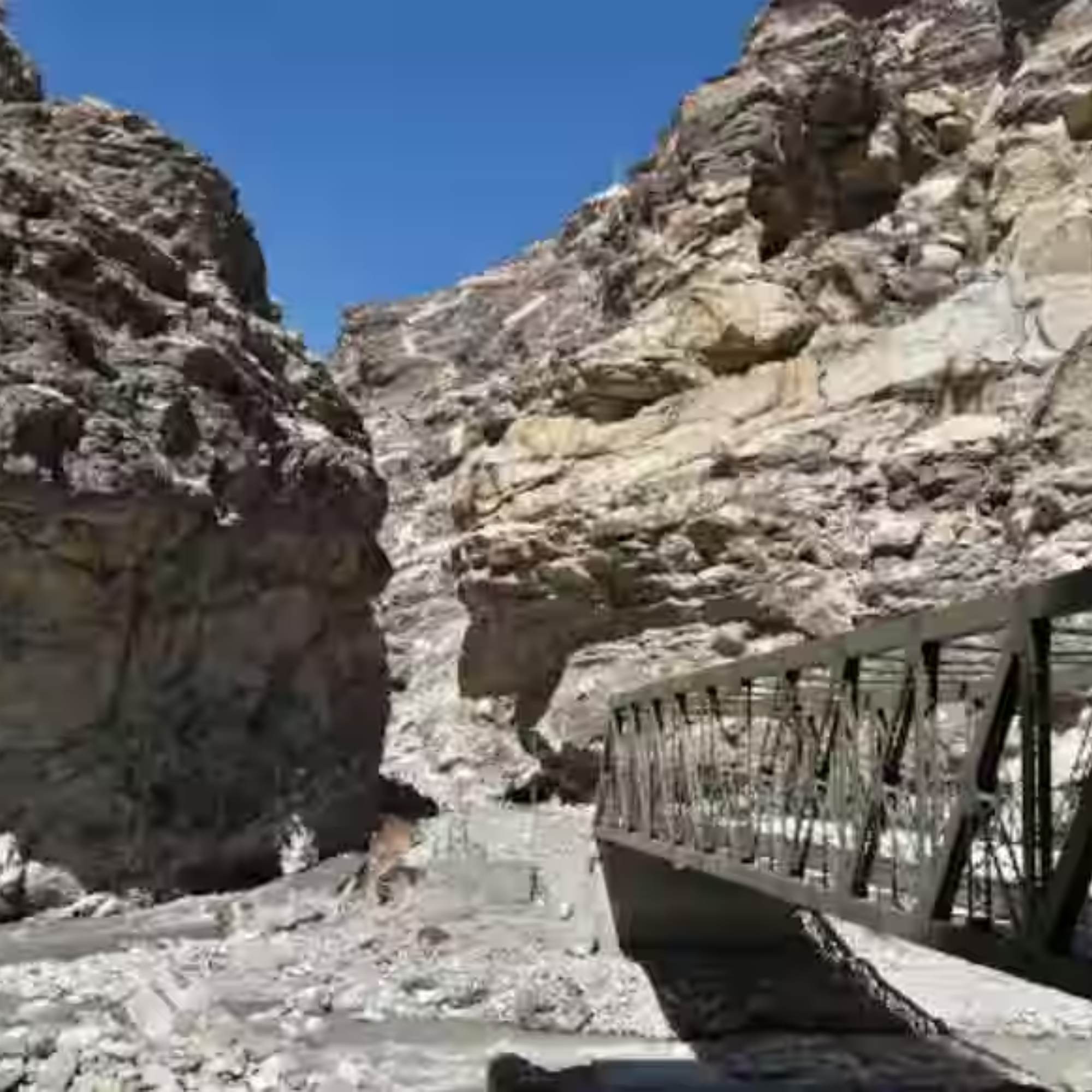
Khab Sangam
At the Shipki La turnoff
The Sutlej and Spiti rivers merge in a deep gorge right at the Shipki La turnoff. Visible from the road. Five minutes and worth the stop.
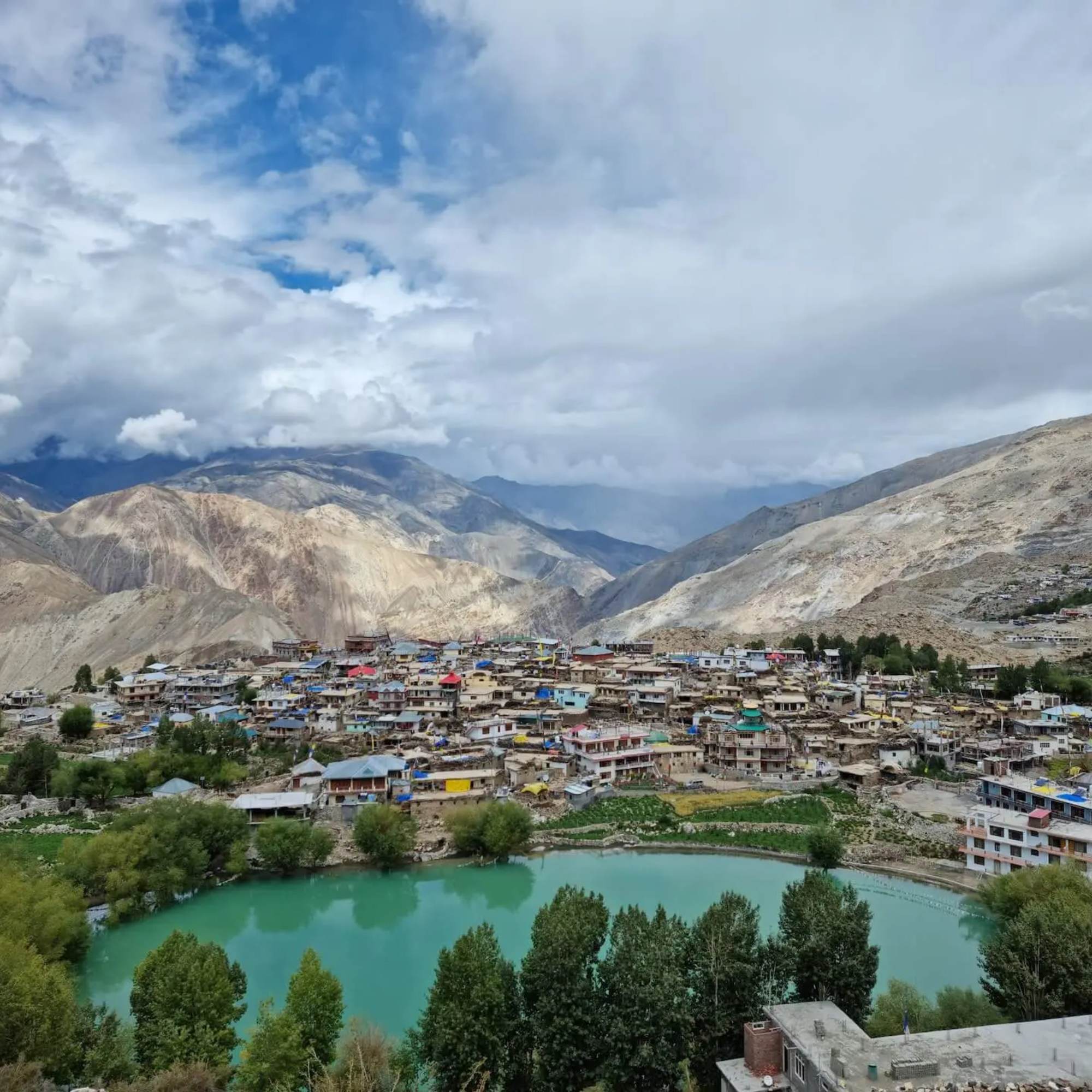
Nako Lake and Village
Approx 30 km from Khab · 1 hour
A Buddhist village at around 3,662 m with a small sacred lake, a monastery dating to 1025 AD, and clean views of Reo Purgyil. The best overnight base if you want to do Shipki La as an early morning trip.
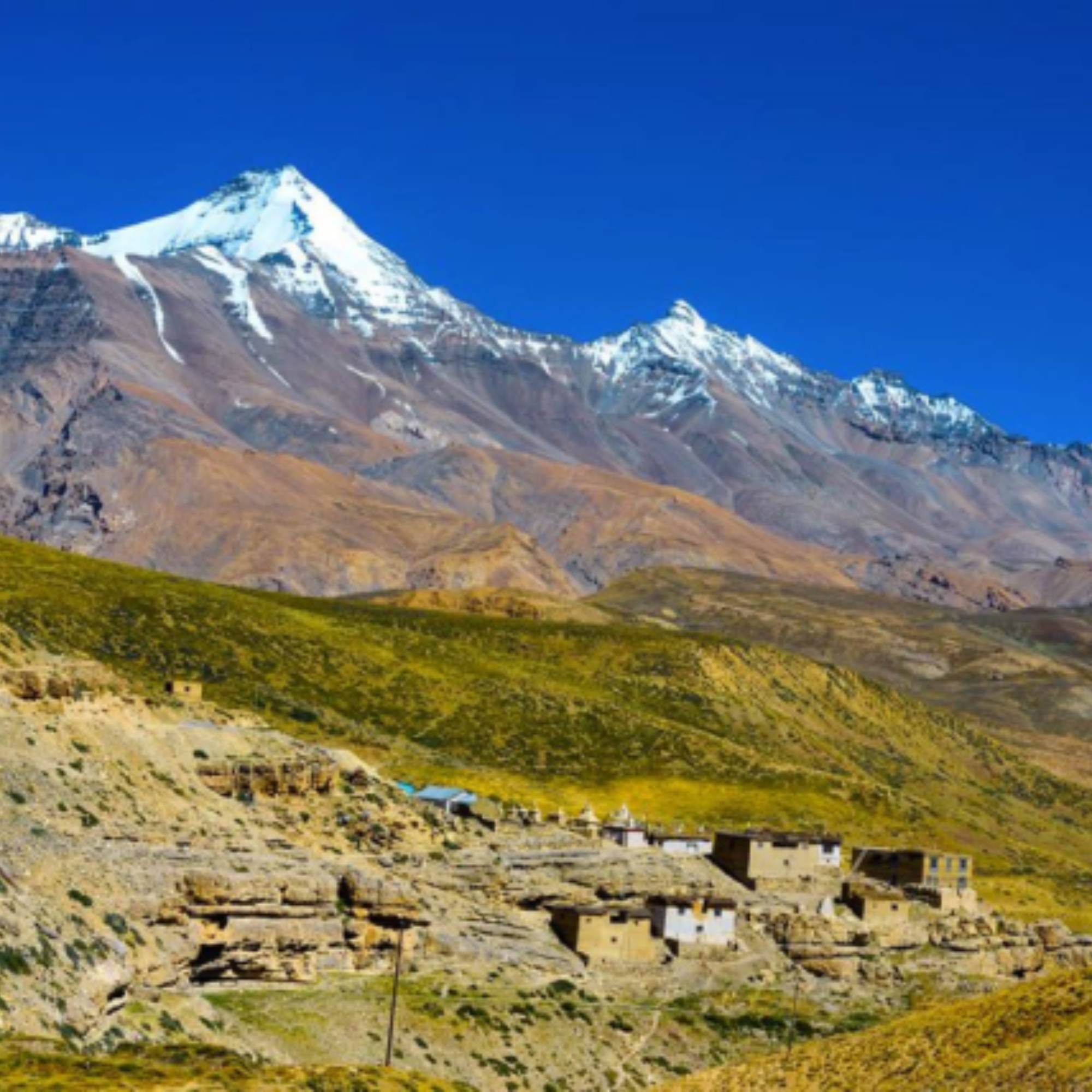
Tashigang
Near the Shipki La route
Among the highest permanently inhabited settlements in the region, with a quiet Himalayan-Tibetan feel. Worth a short stop if you have time on the Shipki La day.
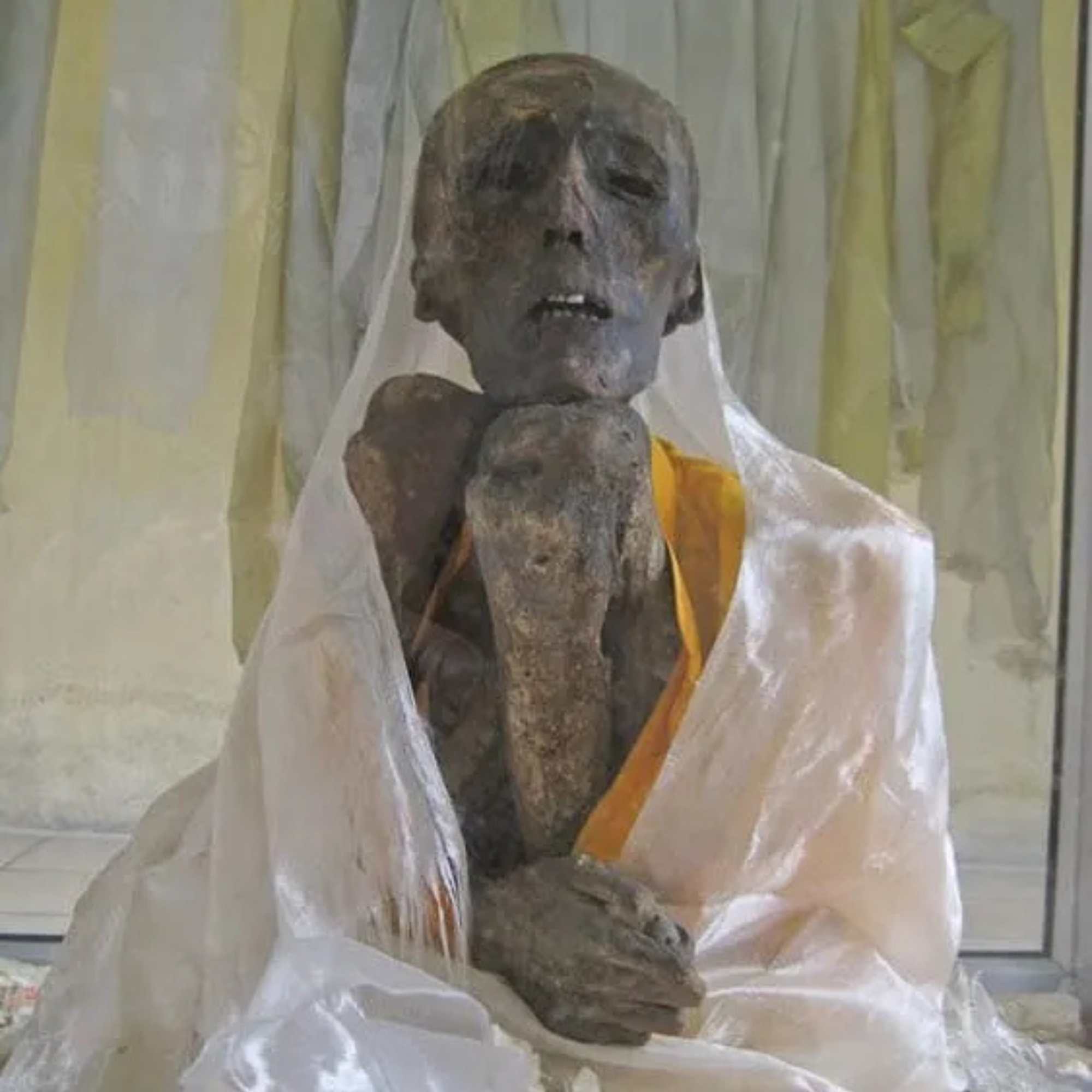
Gue Mummy
Approx 50 km from Khab
A roughly 500 year old naturally preserved monk in a small shrine near the Sumdo road. A quick, quiet detour if heading toward Tabo or Spiti.
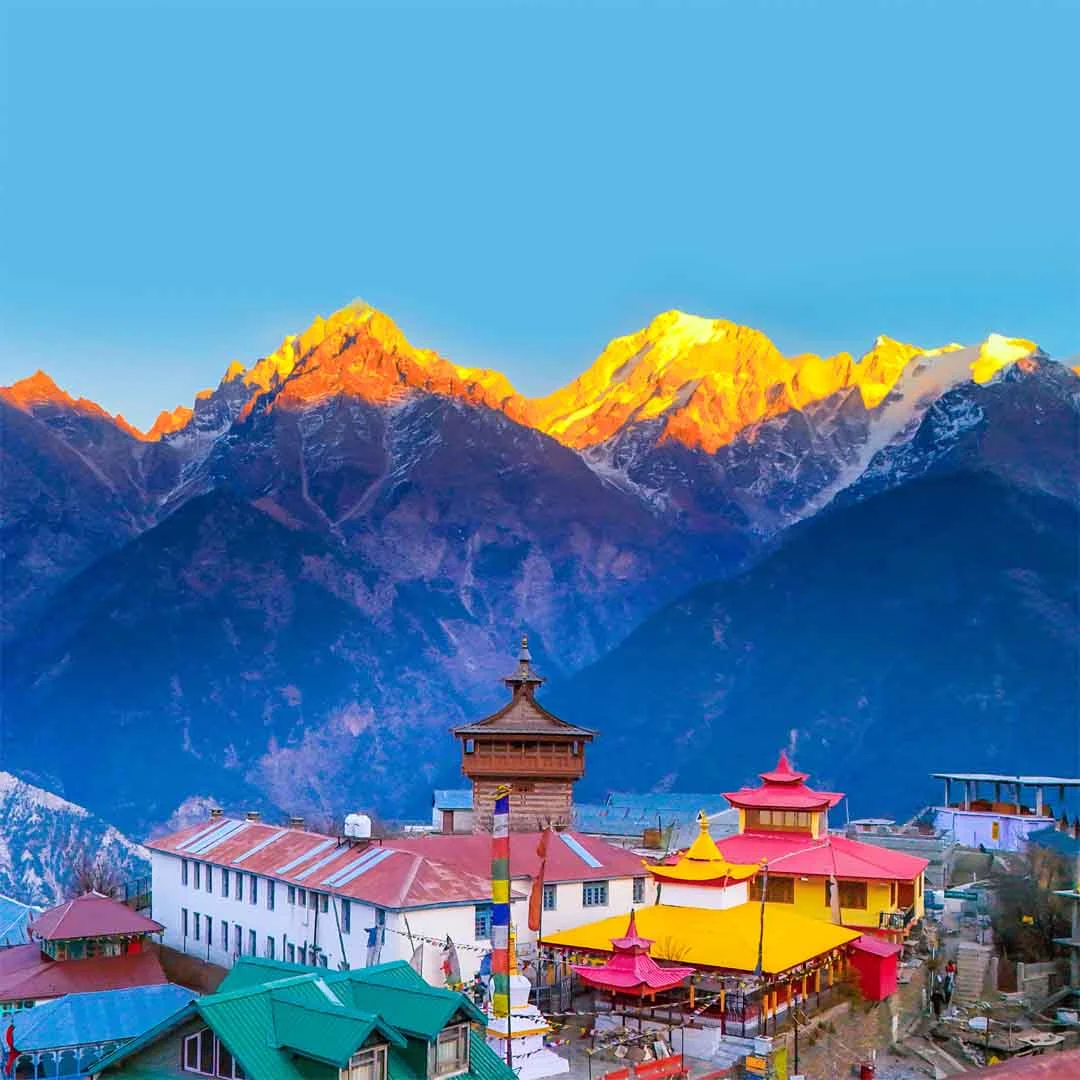
Kalpa
Approx 80 km from Khab · 3 to 4 hours
The classic Kinnaur base with views of the Kinner Kailash range. Most Shipki La travellers pass through Kalpa on the way in or out.
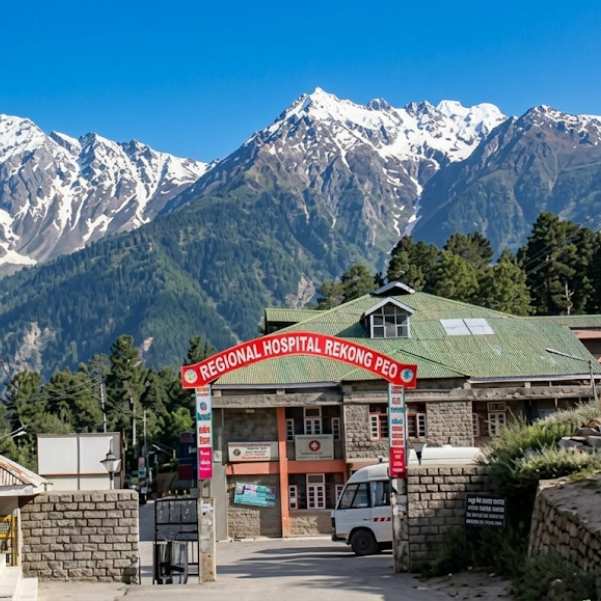
Reckong Peo
Approx 100 km from the pass · 4 to 5 hours
District HQ of Kinnaur. The last reliable town for ATMs, fuel, supplies, and medical facilities before heading into upper Kinnaur.
Our packages with Shipki La Pass
Curated trips that include a visit to Shipki La Pass.
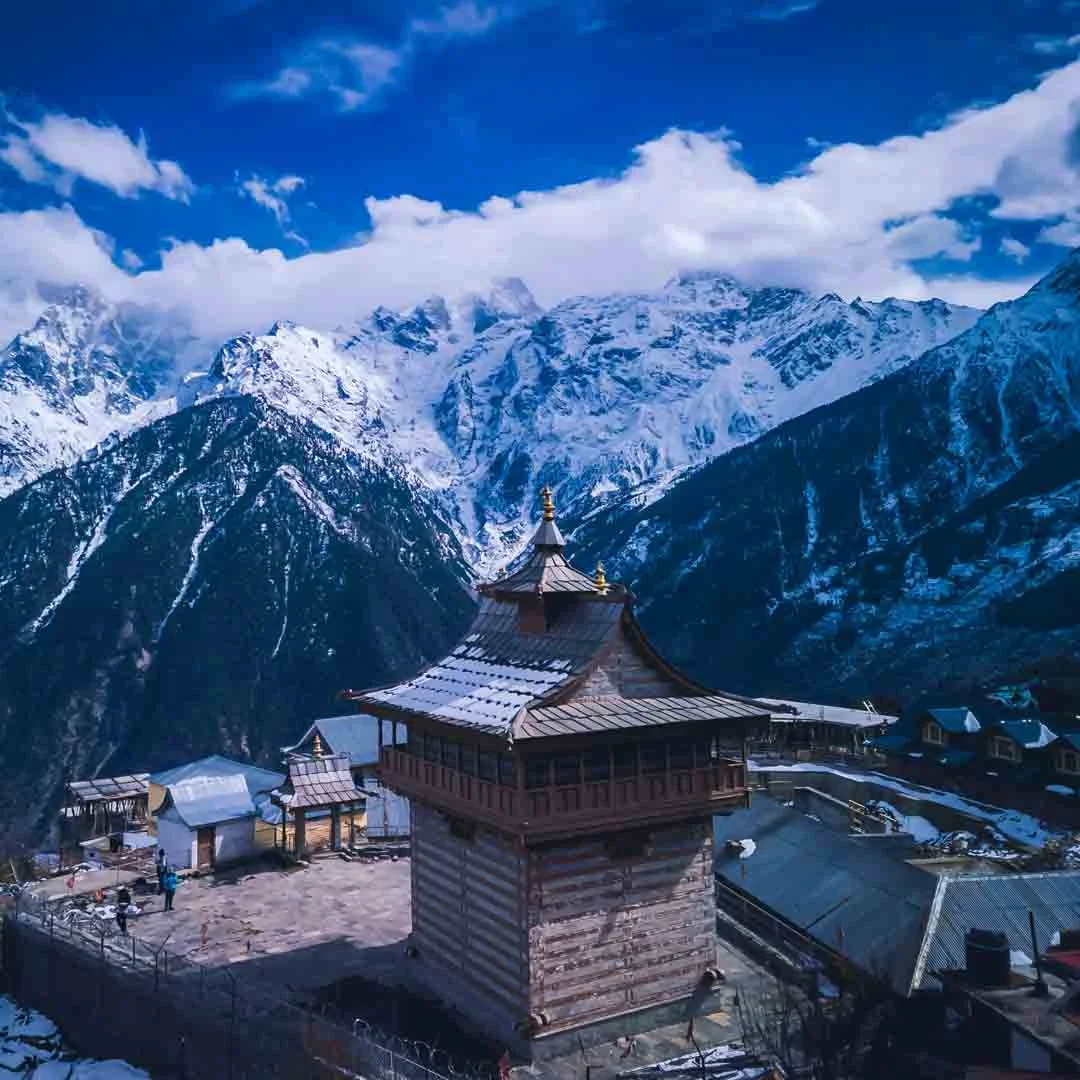 Group Tour8D/7N
Kinnaur Valley Group Tour With Nako and Shipki La
2D Sangla / Rakcham•2D Kalpa+1
₹14,999₹17,999SAVE INR 3,000/ person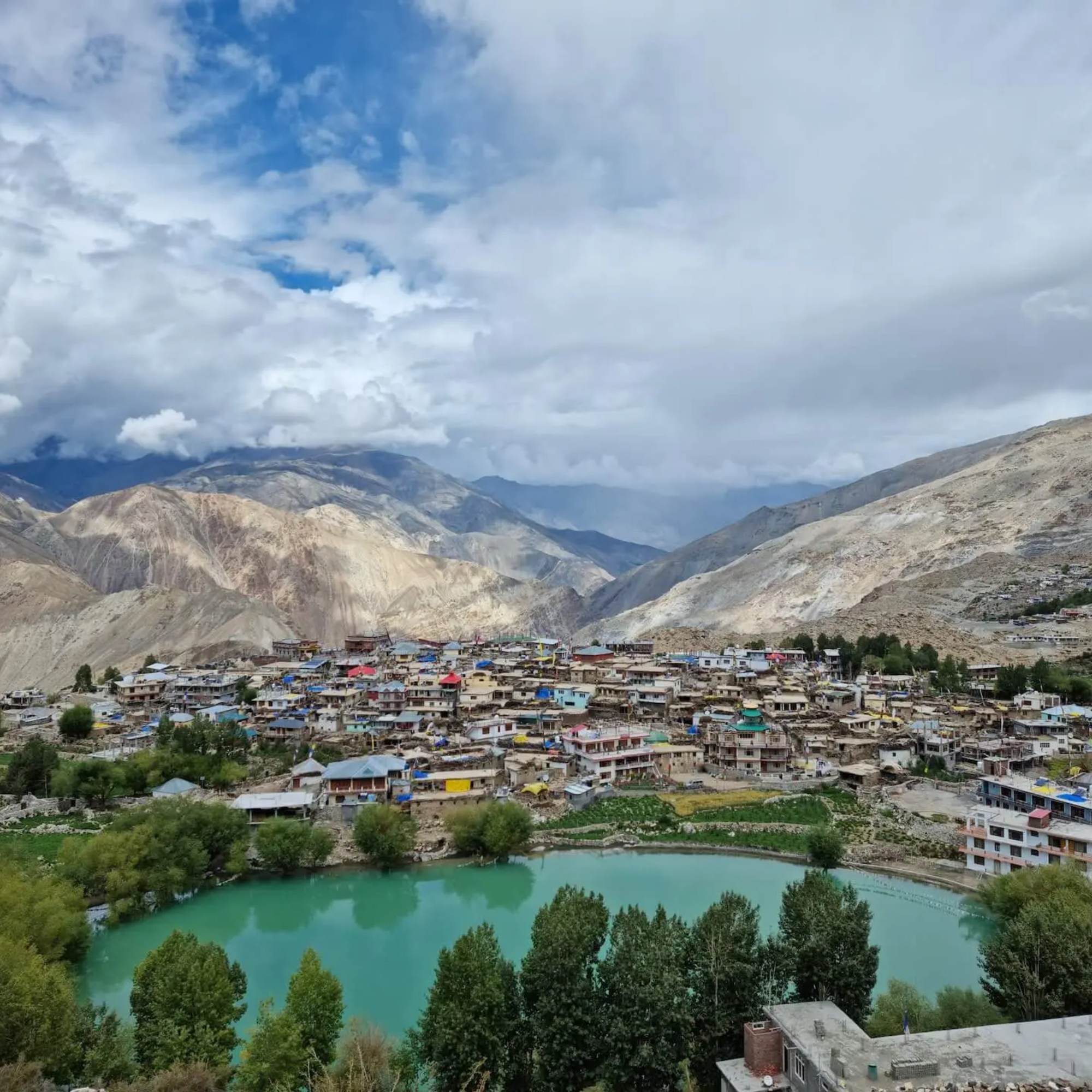 8D/7N
8D/7NMost Loved Kinnaur Valley Tour With Nako and Shipki La
2D Sangla / Rakcham•2D Kalpa+1
₹23,499₹25,999SAVE INR 2,500/ person
Common questions about Shipki La Pass
Can tourists visit Shipki La Pass now?
Yes. Since 10 June 2025, Indian citizens can visit Shipki La for domestic border tourism. Present a valid Government ID (Aadhaar card or Passport) at the ITBP check post at Chhopan. A travel token is issued on the spot. No advance permit, no DC office paperwork. The token window closes at 2:00 PM. Foreign nationals are strictly prohibited from this border zone. This policy is new and could be revised at any time. Confirm current rules before your trip.
What is the altitude of Shipki La Pass?
The pass itself sits at 3,930 metres (12,894 feet). The approach road on the Indian side actually climbs higher, with a spur section reaching roughly 4,720 metres. Different sources cite slightly different figures for the pass, but 3,930 m is the most widely accepted. Regardless of which number you use, it is serious altitude.
What is the best time to visit Shipki La?
June to September. The road is open, the ITBP post at Chhopan is issuing travel tokens, and weather conditions are workable. July and August are the most comfortable months. September can be clear and sharp but colder and windier, with the risk of early snow closing the road. From roughly October to May, the pass is sealed by snow.
How do I reach Shipki La from Delhi?
Most travellers drive from Delhi to Shimla, then Shimla to Reckong Peo or Kalpa, then on to Pooh and the Shipki La turnoff near Khab. Total distance is roughly 650 km. Minimum three days with night halts for acclimatisation. Do not compress this. Rushing from the plains to 3,930 metres is how altitude sickness starts, and there is no hospital anywhere near the pass.
Do I need a permit for Shipki La?
Indian citizens do not need a formal permit. You present a valid Government ID (Aadhaar card or Passport) at the ITBP check post at Chhopan, receive a travel token, and proceed under monitored access. The token window closes at 2:00 PM sharp. Foreign nationals are strictly prohibited from entering this border zone. Rules may be revised at any time. Confirm before travelling.
Is there network or phone signal at Shipki La?
No. Zero mobile signal at the pass or on the road leading up to it. BSNL and Jio may work intermittently at Pooh and Nako. Treat the entire Shipki La drive as a completely offline experience. Tell someone your plan and expected return time before you leave.
Can I ride a motorcycle to Shipki La?
Experienced riders do it regularly. The road is narrow, steep, gravel surfaced, and has loose sections with exposure. A motorcycle with at least 350cc and good ground clearance is the minimum. Fill your tank at Pooh and carry extra fuel. There is nothing beyond. Full riding gear including windproof layers, gloves, and sturdy boots is mandatory, not a suggestion.
Is Shipki La safe for families?
The pass itself is safe under army supervision, but the rough road, altitude above 3,900 m, zero facilities, and complete lack of mobile network make this a poor choice for families with young children. If travelling with older, fit family members, use a private vehicle with an experienced mountain driver and allow proper acclimatisation at lower elevation first.
What can you see at Shipki La?
The border post with the historic trade gate and the Indra Stone. A direct line of sight across into Tibetan territory, including visible settlements on the Chinese side. Reo Purgyil (6,816 m, Himachal's highest peak) dominates the skyline on the drive up. The Khab valley drops away beneath the road for most of the approach. There are no tourist facilities, viewpoint platforms, or amenities at the top.
How long does a trip to Shipki La take?
From Pooh or the Khab area, plan a half day. The drive up takes about 1.5 to 2 hours, you get 30 to 45 minutes at the top under army watch, and the return is the same. From a base like Nako or Kalpa, treat it as a full day trip.
Is Shipki La the same as Shipki village?
No. Shipki village is a small settlement near the pass on the Indian side. Shipki La ("la" means pass in Tibetan) is the actual mountain pass on the border at 3,930 m. The two are close but distinct. When travellers say "Shipki La," they mean the border pass at the top.
Can foreigners visit Shipki La?
No. As of the June 2025 opening, foreign nationals are strictly prohibited from visiting Shipki La. The area is an active military border zone on the Line of Actual Control. This is not a soft restriction. Foreigners travelling in the broader Kinnaur to Spiti region still need an Inner Line Permit (ILP) for certain stretches. Check with the district administration or a registered tour operator for current rules.
Related guides
Posts about Kinnaur
- Yulla Kanda Trek Guide 2026: Route, Best Time, Cost and Planning
- Kinnaur Snowfall Guide 2026: When & Where to Look for Snow
- Christmas & New Year in Kinnaur: A 2026-27 Winter Trip Guide
- Kinnaur in November 2026: Weather, Snow Chances & 7-Day Trip Plan
- Yulla Kanda Trek Distance and Route 2026: Yulla Khas to the Lake
- Yulla Kanda Krishna Temple in 2026: Location, Beliefs & Visiting Etiquette