
Best Time to Visit Kinnaur Valley in 2026: Month-by-Month Guide
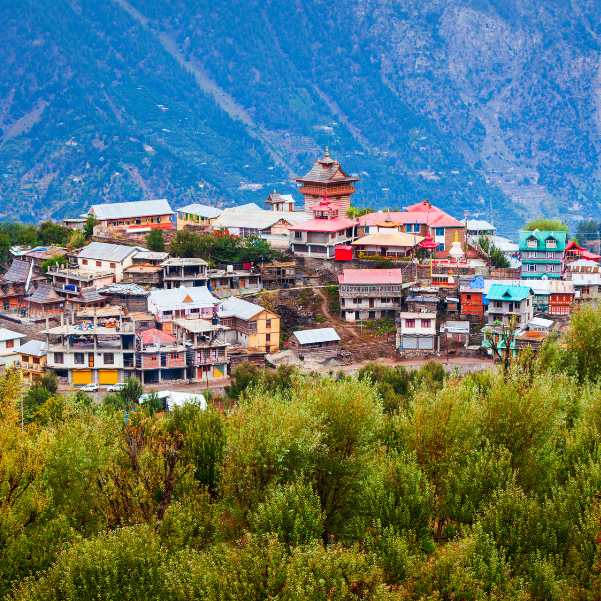
Most travel guides will tell you Kinnaur is beautiful all year round. That is technically true and practically useless.
What you actually need to know is which month gives you open roads, clear views of Kinner Kailash, apple orchards in season, and a trip that does not fall apart because of a landslide on NH-05.
The best time to visit Kinnaur Valley depends on what kind of trip you want and how much uncertainty you can handle.
We have been sending travellers to Kalpa, Sangla, Chitkul and Nako for years, and the honest answer is that two windows stand out above everything else.
Quick Answer
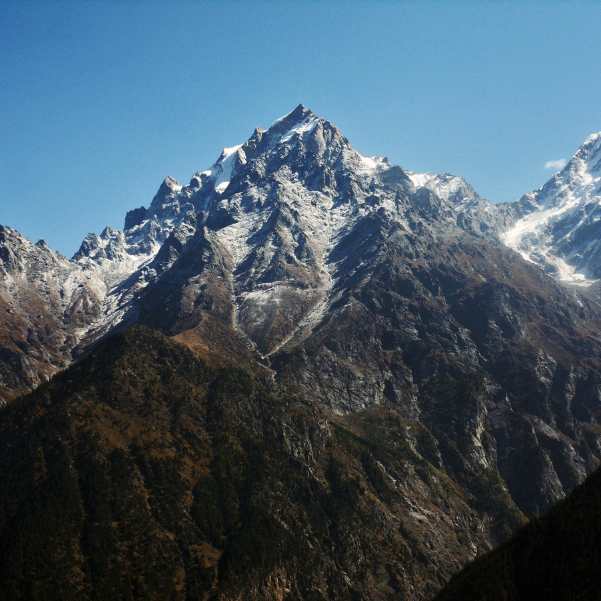
April to June
April to June is the easiest window for most first-time travellers. Roads are open, weather is warming up, and you get fresh mountain views without monsoon stress.
September to October
September to October is the most balanced window overall. Clear skies, autumn colours in the orchards, cooler air, lower crowds and the kind of light that makes every photo look effortless.
July to August
July to August is risky. Landslides, road closures and delays are common on the Shimla to Kinnaur stretch. Not ideal unless you have buffer days and a relaxed attitude.
December to February
December to February is only for people who genuinely want snow and are ready for route disruptions, freezing nights and limited transport.
If you are not sure which window fits your dates and group, talk to our team on WhatsApp and we will help you sort it out.
👉 WhatsApp us today to plan your trip the right way
What Is the Best Month to Visit Kinnaur Valley?
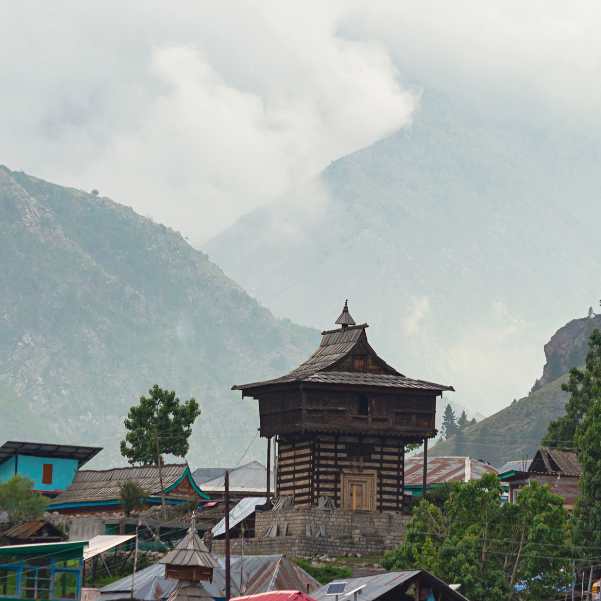
If we had to pick just two months, they would be May and October.
May
It works well for first-timers. The weather is warm during the day, roads from Shimla are in decent shape, apple blossoms are visible across the valley, and you can comfortably cover Kalpa, Sangla and Chitkul without worrying about sudden closures.
Spring temperatures in Kinnaur range from around 2°C at night to 20°C during the day, so layers are enough to keep you comfortable.
October
It is a different kind of magic. The monsoon has cleared out, skies are deep blue, and the apple orchards around Sangla and Kalpa turn gold and red.
The air feels sharper, the Kinner Kailash range looks like it has been freshly painted, and tourist crowds thin out noticeably. Our team always says October is the month that makes people fall in love with Kinnaur.
Here is how to decide between the two. Families with kids do better in May when days are longer and warmer. Couples looking for quiet stays should aim for October.
Photographers will get their best shots in October when the light is cleaner and the colours are richer. Road trippers planning a Kinnaur plus Spiti loop should pick late May or early June when both routes have the best chance of being open.
Which Season Suits Kalpa, Sangla, Chitkul and Nako Best?
What most tourists get wrong about Kinnaur is treating it as one destination. It is not. Each of the four main stops sits at a different altitude, has different access conditions and feels different depending on the season.
Kalpa
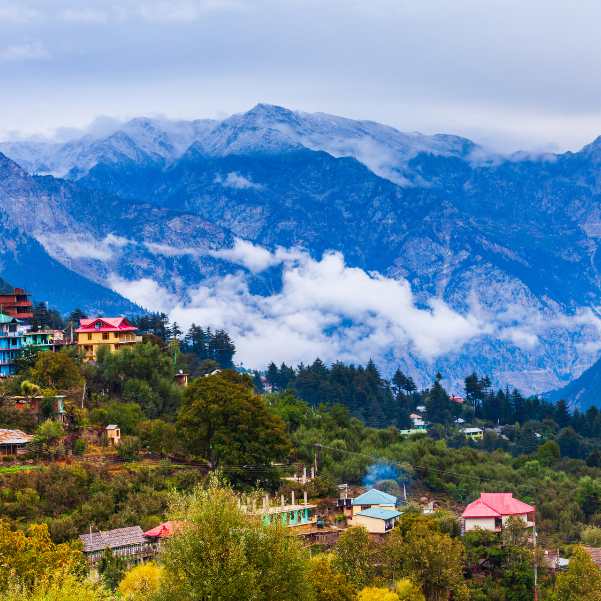
Kalpa sits at 2,759 metres and is 260 km from Shimla, about 14 km from Reckong Peo. It works well across most of the open season because it is on the main highway and relatively easy to access.
The Kinner Kailash views from Kalpa are strongest in spring and autumn when the sky is clear. In our experience, Kalpa is the most forgiving stop in Kinnaur.
Even if weather disrupts plans elsewhere, you can usually settle here for a day or two and still have a great time.
Sangla
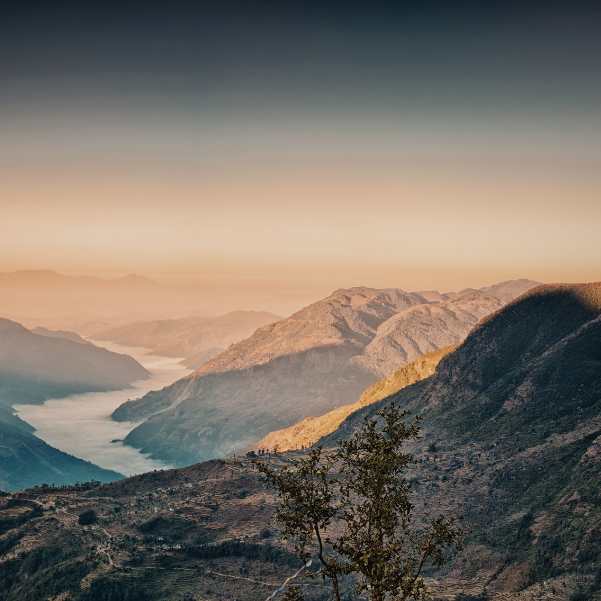
Sangla sits at 2,621 metres, about 17 km from Karcham, tucked into the Baspa Valley. The valley floor is lower, warmer and greener.
It suits comfortable overnight stays and works well for families. Spring brings apple blossoms. Autumn brings harvest season and the local Fulaich celebrations.
Chitkul
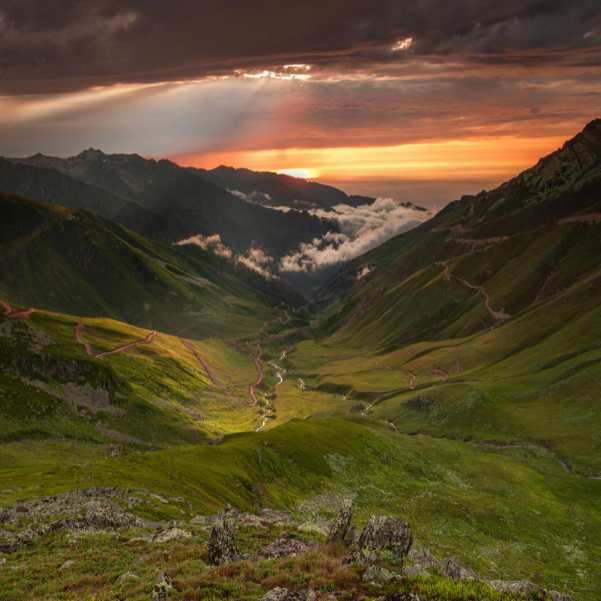
Chitkul is the last village in the Baspa Valley at 3,450 metres. It is the most access-sensitive stop. The road narrows, conditions change fast, and in deep winter the village can get cut off.
Do not plan a Chitkul visit in December or January assuming the road will be open. It sometimes is, but it often is not. We always tell our travellers to treat Chitkul as a bonus in winter, not a guarantee.
Nako
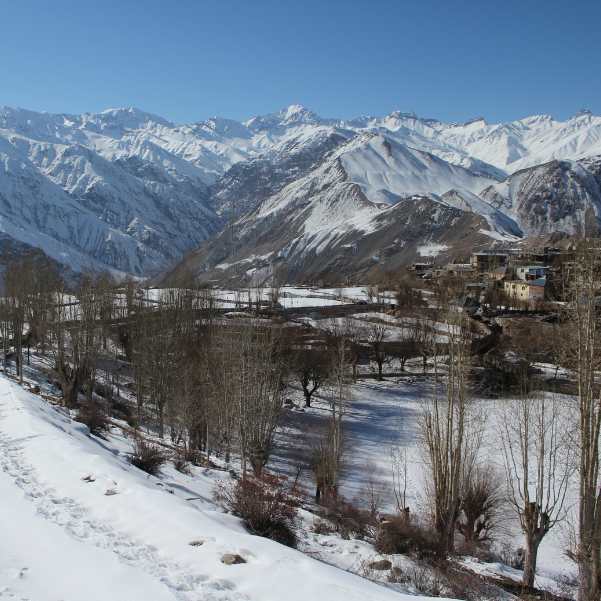
Nako sits higher at 3,663 metres and is 119 km from Kalpa. It feels quieter, colder and more remote. The lake, the monastery and the barren landscape around it are stunning in shoulder season months.
If you are planning to continue toward Spiti from Kinnaur, Nako is usually your last Kinnaur stop before the terrain changes completely.
How Is Kinnaur Valley in Spring from March to May?
March
March is still transitional. Higher roads can have ice patches, some homestays in Chitkul may still be closed, and the weather swings between warm afternoons and genuinely cold mornings.
It works if you are flexible, but we do not usually recommend March for first-time Kinnaur visitors.
April
April is when things start clicking. The orchards begin blooming, the views open up, and the roads from Shimla are mostly clear.
You can do Kalpa and Sangla comfortably. Chitkul opens up by mid to late April in most years, though it is smart to confirm conditions before you head up.
May
May is the strongest spring month. Days are warm enough for light layers, the entire Baspa Valley is in bloom, and the road to Chitkul is reliably open.
Tourist numbers start rising in the second half of May, especially around weekends, but it is nothing compared to the July rush.
Spring suits first-time visitors, families and anyone who wants a straightforward trip without too many surprises. If you are exploring Kinnaur tour packages for the first time, April or May is where we usually point people.
Is Summer from June to Mid July the Safest All-Round Time?
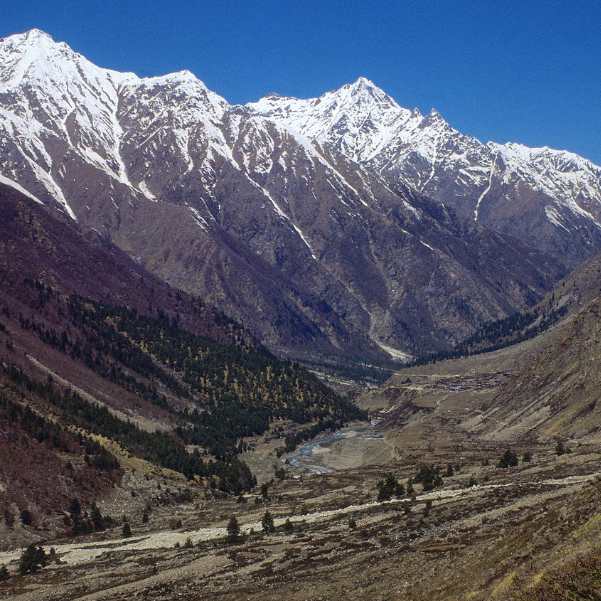
Early June is a good window. Schools break, families travel, and Kinnaur feels lively without being overcrowded. Roads are in reasonable shape, homestays are fully operational, and you get long daylight hours for sightseeing.
Summer temperatures can reach around 8°C to 30°C depending on altitude, so days are pleasant and nights are cool but not cold.
The catch is that late June starts flirting with the pre-monsoon. Cloud cover increases, the odd shower rolls through, and road crews start dealing with fresh damage from snowmelt and early rains. If you are travelling in the last week of June, keep an extra buffer day.
One money-saving tip from our side: if you are booking stays in Sangla or Kalpa during June, book directly with homestays rather than through aggregator apps.
Most homestay owners in Kinnaur prefer direct bookings and will often offer better rates, sometimes ₹500 to ₹800 less per night than what you see on booking platforms. A quick phone call before you leave saves real money.
Is Kinnaur Valley Safe in Monsoon?
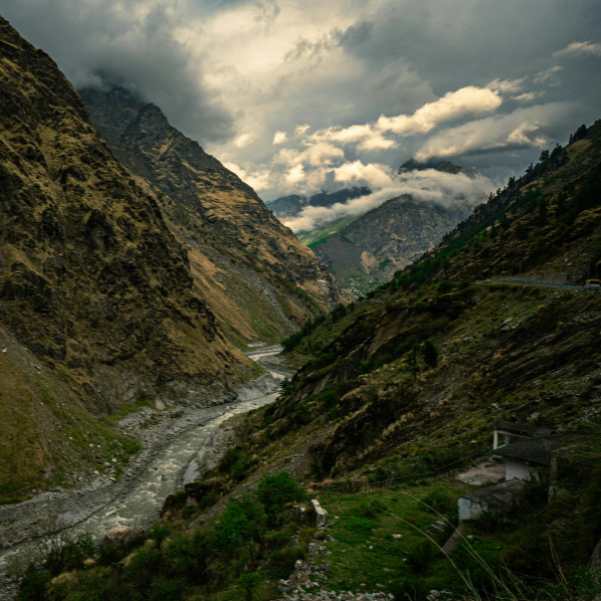
Let us be direct. July to August is the least reliable time to visit Kinnaur.
The Shimla to Kinnaur stretch on NH-05 runs along the Sutlej river and through several landslide-prone zones. Every monsoon, this highway sees closures. Sometimes for hours, sometimes for a full day or more.
In August 2025, the district suspended the Kinner Kailash Yatra on 19 August due to rainfall, rockfall, fog and unsafe conditions.
That yatra originally ran from 15 July to 30 August. If the authorities cancel their own event, it tells you something about the road and weather conditions during this period.
Does that mean you absolutely cannot go? No. Plenty of travellers visit Kinnaur in July and August and have a good time.
But you need buffer days, you need a flexible mindset, and you should not plan tight connections. A one-day road closure can throw a 5-day itinerary completely off track.
This season is not ideal for families with elders, travellers on strict leave schedules, or anyone who gets stressed by uncertainty.
If you must travel in monsoon, focus on Kalpa and Sangla, skip Chitkul if roads are dodgy, and always carry snacks and water for unexpected delays.
The dhabas between Rampur and Reckong Peo are your best bet for a hot meal if you get stuck. The one near Jhakri junction serves solid rajma chawal and stays open through the worst of it.
Why Do September and October Feel Like the Sweet Spot?
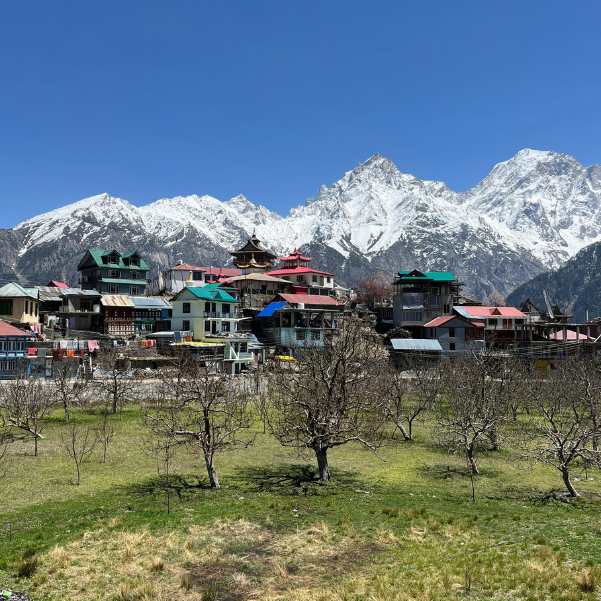
Because everything lines up.
The monsoon pulls back by early September. Skies clear, the dust settles, and suddenly you can see every ridge of Kinner Kailash without a single cloud in the way.
The apple orchards around Sangla and Kalpa turn into a patchwork of gold, red and green. The harvest is underway, and the valleys smell like ripe fruit.
October takes it further. The air gets crisper. Tourist numbers drop. Homestay owners have more time to chat. Local festivals and the Fulaich season bring a cultural texture that you do not get in peak summer.
For photographers, the light in October is genuinely hard to beat. Low-angle sun, clear atmosphere, colourful orchards and snow-dusted peaks in the background.
In our experience running trips during this window, September to October travellers come back the happiest.
They rarely complain about crowds, roads or weather. The only downside is that nights get noticeably cold, especially in Chitkul and Nako, so you need proper warm layers.
This is also the window we recommend for anyone combining Kinnaur with Spiti. The Shimla to Kaza route via Kinnaur is stable, and if you time it right, you can exit via Manali before Kunzum Pass closes for winter. Our Spiti Valley tours that loop through Kinnaur work best in this window.
Can You Visit Kinnaur Valley in Winter from November to February?
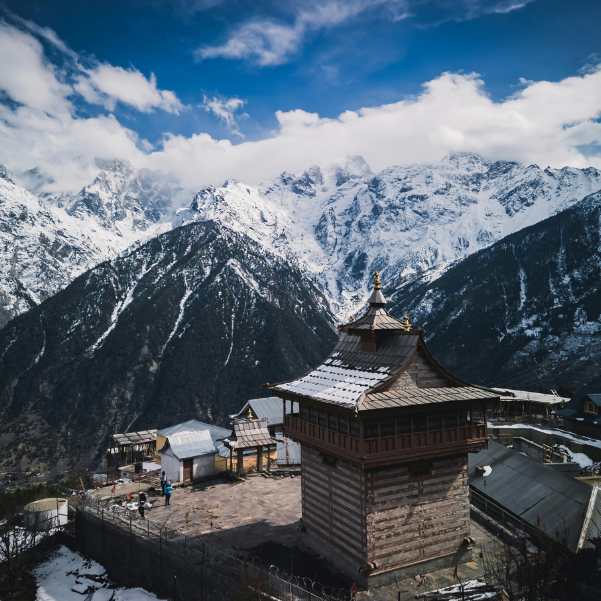
Yes, but with your eyes open.
November
November is early winter. The crowds disappear, the orchards are bare, and the Kinner Kailash views with fresh snow are extraordinary.
Roads from Shimla are usually still open, though delays increase. Nights are cold, but manageable if you pack thermals and a good jacket. This is the most practical winter month for a Kinnaur visit.
December to February
December to February is a different story. Kinnaur gets genuine snowfall during this period. On 27 January 2026, snowfall blocked NH-05 at Kufri, Fagu and Narkanda, cutting off Kinnaur access from the Shimla side entirely.
During that same spell, Kalpa received 5.5 cm of snow and Sangla received 1.8 cm. On 19 March 2026, higher reaches of Kinnaur received fresh snowfall again.
Skip the paid snow viewpoints that spring up near Narkanda during winter. They charge ₹100 to ₹200 for a roped-off patch of snow you can see for free 50 metres further along the road. Save that money for a cup of siddu and chai at a roadside dhaba instead.
Chitkul in deep winter is the big question everyone asks. The village does get snow, and the road can close without much warning. Some homestays stay open, but transport becomes unreliable.
We do not recommend planning a confirmed Chitkul itinerary in January. If you are already in Sangla and the road is open, go for it.
But do not build your entire trip around reaching Chitkul in peak winter. Kalpa and Sangla are more reliable winter bets.
Winter in Kinnaur suits travellers who love snow, can handle cold nights, and are genuinely okay with plans changing. If that sounds like you, the views are worth it. If you need certainty, wait for spring.
What Changed for Kinnaur Travel in 2026?
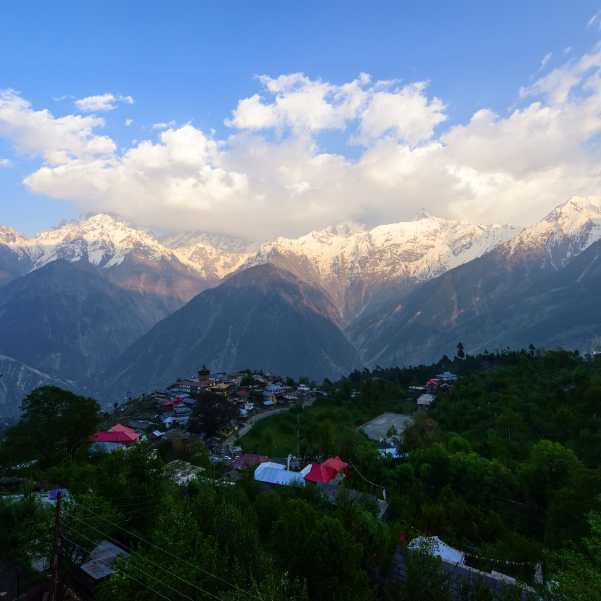
The route into Kinnaur runs through Shimla on NH-05, and Reckong Peo is 235 km from Shimla. That stretch has always been weather-dependent, but 2026 reminded everyone just how quickly conditions shift.
The January 2026 snowfall blocked the highway at multiple points. March brought another round of fresh snow at higher elevations.
Neither of these were catastrophic, but both caused 12 to 24 hour delays that disrupted tight itineraries.
Foreign travellers still need permits for notified protected areas in Kinnaur. The permit fee is Rs 200 per person through the e-Governance Centre. Roads leading to Shipki La and Kaurik remain restricted.
If you are an Indian citizen visiting Kalpa, Sangla, Chitkul and Nako, you do not need any special permit for these stops.
What this means practically: if you are planning Kinnaur in 2026, always keep one buffer day in your plan.
Do not schedule flights or trains on the day you plan to return from Kinnaur. Give yourself a cushion, especially between October and April.
Our Shimla trip ideas often include a night in Shimla or Narkanda on the way back specifically for this reason.
What Route Should You Take, and How Does Timing Affect It?
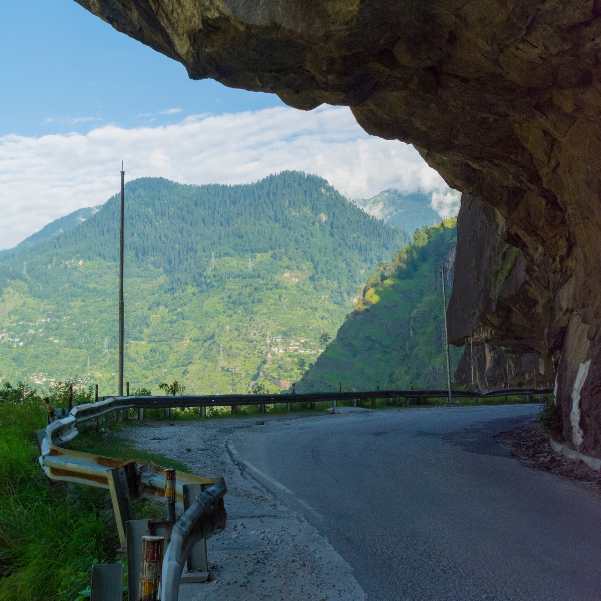
The standard approach to Kinnaur is from the Shimla side on NH-05. You drive through Narkanda, Rampur and Jeori to reach Reckong Peo, and then branch off to Kalpa, Sangla or Nako.
This route is available for most of the year, with winter being the only season where closures become regular.
District guidance says HRTC buses ply regularly on this route, but winter and early spring can impose long breaks in service.
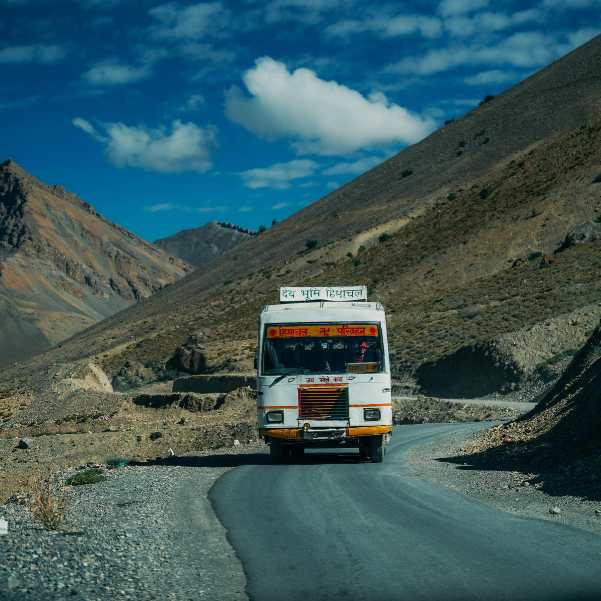
The Shimla to Kaza HRTC bus via the Sutlej Valley takes about 24 hours, so if you are thinking of continuing to Spiti by public transport, you need to be ready for a long haul.
The more interesting route question is whether you can combine Kinnaur with Spiti. The answer depends entirely on timing.
From late May through September, you can enter via Shimla, drive through Kinnaur, continue to Kaza and exit via Kunzum Pass toward Manali.
This is the classic full circuit and our summer Spiti circuit with Chandratal follows this exact loop.
The Manali to Kaza to Reckong Peo route remains closed for most of winter and spring. So if you are travelling between November and April, do not assume you can exit toward Manali after visiting Kinnaur.
You will almost certainly need to return via Shimla. For Chandratal opening updates and Spiti route status, check before locking your plan.
How Many Days Are Enough for a Kinnaur Trip?
4 days
4 days works if you only want to see Kalpa and Sangla.
Day 1: drive from Shimla to Kalpa (full day).
Day 2: explore Kalpa, visit the Kinner Kailash viewpoint and local temples.
Day 3: drive to Sangla, spend the afternoon in the valley.
Day 4: return to Shimla.
5 days
5 days lets you add Chitkul. Same start, but you drive from Sangla to Chitkul on Day 3, stay the night, and return via Sangla the next day before heading back to Shimla. This pace feels much more relaxed and gives you time to actually sit, breathe and enjoy the valley instead of rushing between viewpoints.
6 days
6 days is what we suggest for anyone who wants to include Nako or who wants a slower, more enjoyable pace. You add a night in Nako or an extra night in Kalpa, and the whole trip feels less like a road marathon.
What we always tell our travellers: do not try to cover all four stops in 3 days. You will spend more time in the car than looking at mountains. Kinnaur rewards slow travel. Pick two or three stops, stay longer, and you will enjoy it ten times more than ticking off every village on the map.
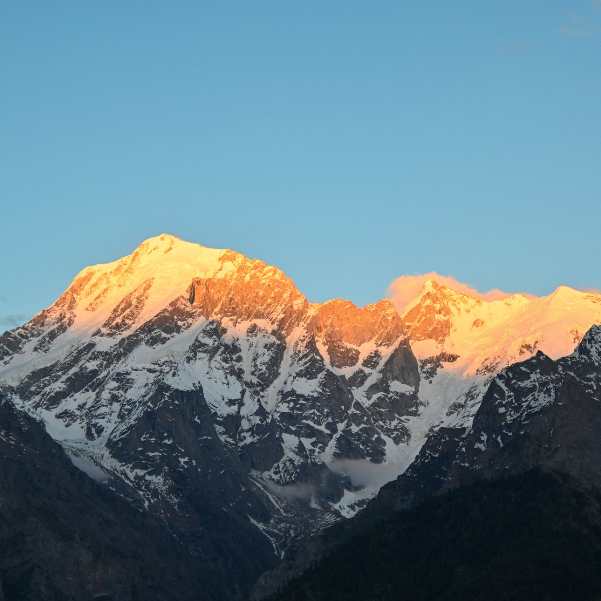
Reach the Kinner Kailash viewpoint in Kalpa before 7 AM. The mountain face catches the first morning light at that hour, and the pinkish glow on the snow peaks lasts about 20 minutes.
By 8 AM the light flattens out and the view looks ordinary. Every single traveller we have sent there who woke up early has said it was the highlight of their trip.
What Should You Pack for Each Season?

Spring and autumn (March to May, September to November)
Layer up. A thermal base layer, a fleece, and a windproof jacket will handle most situations. Mornings and evenings are cold; afternoons can be warm enough for just a T-shirt. Carry sunscreen and sunglasses because the UV at altitude burns fast, even on cool days.
Monsoon (June to August)
Everything from spring packing, plus a compact rain jacket and waterproof bags for your electronics. Carry dry snacks and a water bottle for unexpected road delays. A power bank is essential because you might be stuck somewhere without a charging point for hours.
Winter (November to February)
Thermals (top and bottom), a proper down jacket, warm socks (at least two extra pairs), waterproof boots with grip, gloves and a woollen cap.
Nights in Kalpa and Chitkul can go well below zero. Carry a hot water bottle if your homestay does not have a heater. It sounds old-fashioned but it makes a freezing night bearable.
One thing that applies to every season: carry cash. ATMs in Kinnaur are limited to Reckong Peo and they do not always work. UPI coverage is patchy once you leave the main highway. Keep at least ₹4,000 to ₹6,000 in cash per person for the duration of your Kinnaur stay.
Best Time to Visit Kinnaur by Traveller Type
Families with Children
May to June or July (first half). Warmer days, operational homestays, and the road is at its most predictable. Sangla and Kalpa are the easiest stops for kids. Skip Chitkul if your children are very young. Check our popular Himachal tours for family-friendly options.
Couples Looking for a Quiet Trip
October. Fewer tourists, colourful orchards, cosy homestays with room to spare, and the kind of evening light that makes everything look golden. If you want a Manali add-on before or after Kinnaur, October works for that too.
Photographers
Late September to mid October. The light is clean, the colours are rich, and you get snow-dusted peaks behind golden orchards. Early mornings at Kalpa and sunset at Chitkul are the two shots that will define your Kinnaur portfolio.
Snowfall Lovers
Late December to January. The valley transforms completely. Fresh snow on rooftops, white orchards, and the kind of silence that only winter mountains have. But you need to accept that road closures can happen and your itinerary may change.
Kinnaur Plus Spiti Travellers
Late May to September. This is the only window where the full Shimla to Kaza to Manali circuit is reliably open.
Enter via Shimla, spend two to three days in Kinnaur, continue to Spiti, and exit via Kunzum Pass toward Manali. Our Spiti circuit with Chandratal does exactly this.
If you are planning a combined Kinnaur and Spiti trip and want someone to handle the routing, transport and stays, talk to our team on WhatsApp and we will put together something that fits your dates.
👉 WhatsApp us for a complete Kinnaur and Spiti route
Final Verdict
The best time to visit Kinnaur Valley comes down to two strong windows.
April to May is best for first-timers. Easy roads, pleasant weather, apple blossoms and no monsoon anxiety. If this is your first mountain trip beyond Manali, start here.
September to October is best for the most balanced experience. Post-monsoon clarity, autumn colours, harvest season and fewer crowds.
If you have been to the mountains before and want Kinnaur at its visual peak, this is your window.
July to August is the least recommended period for most travellers. It can work if you have flexibility and patience, but the landslide risk on NH-05 makes it stressful for tight plans.
If you need help picking the right month for your group, contact our Himachal team and we will give you a straight answer based on what the roads and weather are actually doing.
👉 Find the Right Kinnaur Valley Tour Package for Your Dates
Explore Our Handpicked Kinnaur Tour Packages
Related topics
Frequently Asked Questions
When is the best time to visit Kinnaur Valley?
April to June and September to October are the strongest months. May is the best single month for first-timers. October is the best for autumn scenery and fewer crowds.
Is April a good time to visit Kinnaur Valley?
Yes. April is a solid choice. Roads are mostly clear, spring is setting in, and the orchards start blooming. Chitkul may open in mid to late April depending on the year, so confirm before heading up.
Which is the best month to visit Kalpa and Sangla?
May and October are both excellent. May for spring warmth and blossoms. October for autumn colour and quiet. Kalpa is at 2,759 metres and Sangla at 2,621 metres, so both are comfortable in these months without extreme cold.
Can you visit Kinnaur Valley in winter?
Yes, but with caveats. November is the easiest winter month. December to February brings genuine snow and road disruptions. The NH-05 approach can close during heavy snowfall. Kalpa and Sangla are more reliable winter stops than Chitkul.
Is Kinnaur Valley safe during monsoon?
The valley itself is safe, but the roads are not always cooperative. Landslides and closures on the Shimla to Kinnaur highway are common in July and August. If you travel during monsoon, build in buffer days and stay flexible.
Do you need a permit for Kinnaur Valley?
Indian citizens do not need a permit for Kalpa, Sangla, Chitkul or Nako. Foreign travellers need permits for notified protected areas in Kinnaur. The fee is Rs 200 per person through the e-Governance Centre. Roads to Shipki La and Kaurik are restricted for everyone.
How many days are enough for a Kinnaur trip?
4 days covers Kalpa and Sangla. 5 days adds Chitkul comfortably. 6 days lets you include Nako or take a more relaxed pace. Do not try to rush all four stops into 3 days.
What is the temperature in Kinnaur Valley through the year?
Spring temperatures range from around 2°C to 20°C. Summer can reach 8°C to 30°C depending on altitude. Deep winters at higher points like Chitkul and Nako can go well below zero. Layered clothing is essential in every season.
Is Chitkul open in December?
Sometimes yes, sometimes no. Chitkul sits at 3,450 metres and the road can close after heavy snowfall. Some homestays stay open through winter, but access is not guaranteed. Treat it as a possibility, not a plan.
Is September better than October for Kinnaur?
September has slightly warmer nights and the tail end of green in the valleys. October has stronger autumn colours, fewer tourists and cleaner skies. Both are excellent. If you prefer warmer evenings, pick September. If you want the best light and colours, pick October.
Can Kinnaur be combined with Spiti in one trip?
Yes, from late May through September. You enter via Shimla, travel through Kinnaur, continue to Kaza and exit via Manali. The route does not work in winter because the Manali side closes. For the full loop, plan at least 9 to 10 days.
Is October a good time for photographers in Kinnaur?
October is arguably the best month for photography in Kinnaur. Golden orchards, snow-dusted peaks, clear blue skies and low-angle light create conditions that are hard to find at any other time of year.
More about Kinnaur
 Kinnaur
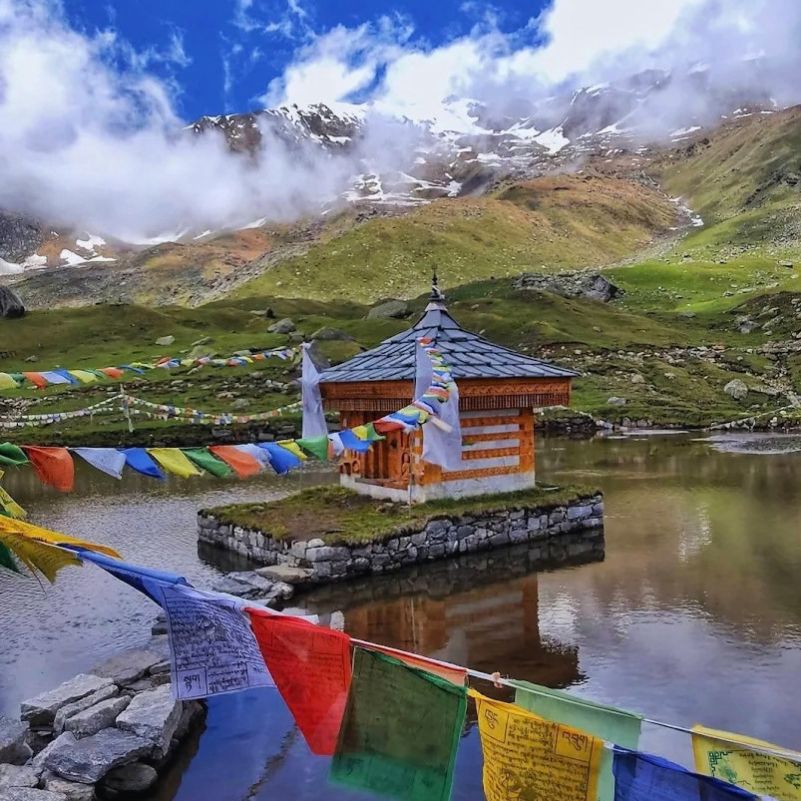
Yulla Kanda Trek Guide 2026: Route, Best Time, Cost and Planning
Planning the Yulla Kanda trek in 2026? This practical guide covers the trekking route from Yulla village in Kinnaur, distance and difficulty, the best time to visit, expected costs, camping options, and essential preparation tips. Discover how to plan this high-altitude Himalayan trek to the sacred Krishna Lake with realistic expectations and local travel insights.
- Things to Do
- How to Reach
 Kinnaur
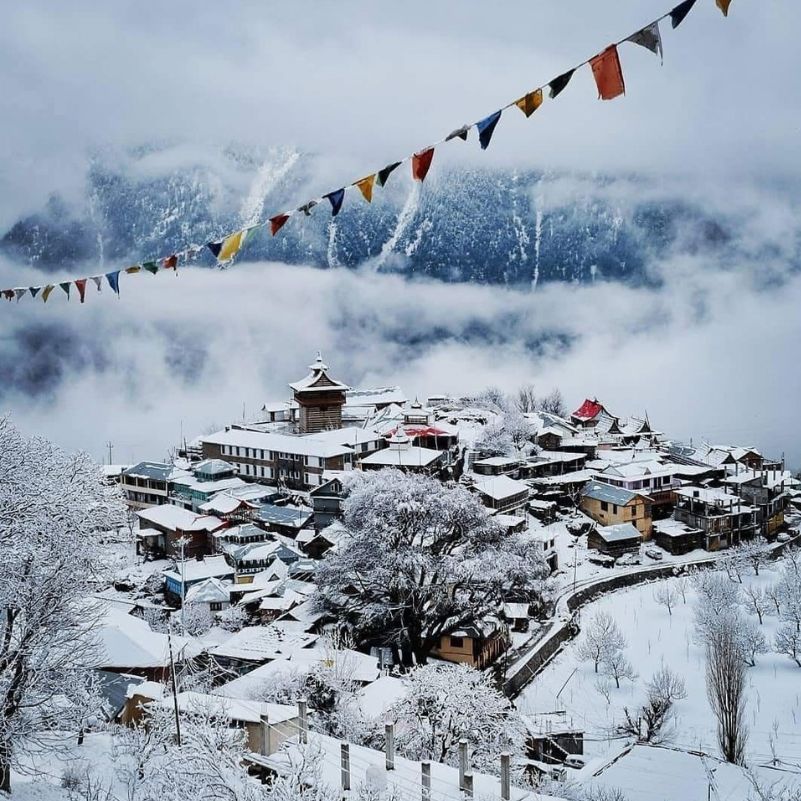
Kinnaur Snowfall Guide 2026: When & Where to Look for Snow
Planning a snow trip to Kinnaur in 2026? This guide explains the best months for snowfall, the top places to find snow in Kalpa, Sangla and Chitkul, and what weather and road conditions to expect during winter.
- Snow Travel
- Best Time to Visit
 Kinnaur
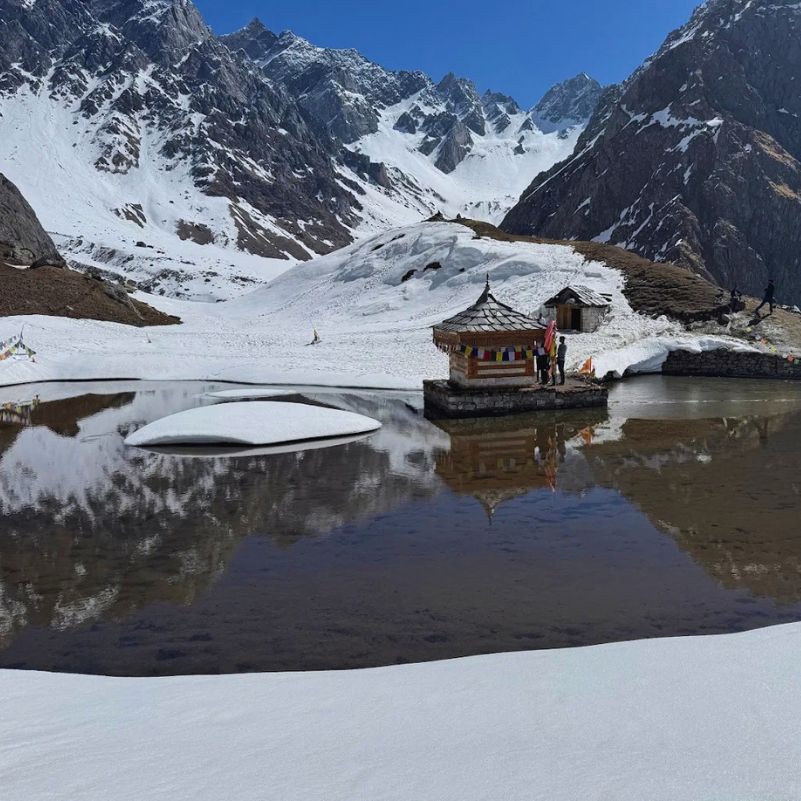
Christmas & New Year in Kinnaur: A 2026-27 Winter Trip Guide
Planning Christmas and New Year in Kinnaur for 2026-27? Explore winter weather, snowfall chances, road conditions, stay options and a practical festive-season itinerary for Kalpa, Sangla and nearby areas.
- Snow Travel
- Itinerary