
Shipki La Pass in July 2026: Road, Permits, Weather and Travel Guide
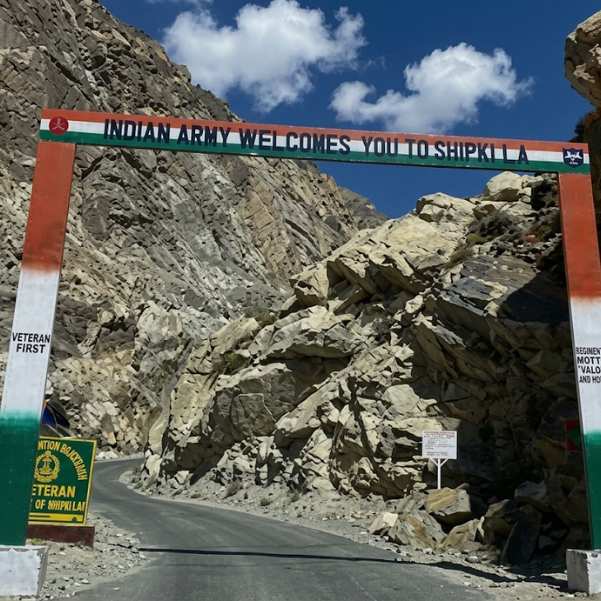
Shipki La Pass in July is one of the most unusual trips you can plan in Himachal right now. It sits at 3,930 metres on the India-China border in Kinnaur, and until June 2025, no regular tourist could even think about going there.
Now Indian travellers can visit with Aadhaar-based verification, but July adds its own complications. Monsoon rains hit Kinnaur hard, landslides shut NH-5 without warning, and the border checkpoint can be closed on any given day.
This guide tells you what is actually possible in July 2026, what is not, and how to plan around the uncertainty. We send travellers on this stretch every season, and the one thing we always say is this: respect the road and respect the rules. The pass is not going anywhere.
Quick Answer: Should You Visit Shipki La Pass in July 2026?
Yes, you can plan Shipki La Pass in July 2026 if you are an Indian traveller, you carry Aadhaar, and you accept that road status and checkpoint access can change week to week. The pass was opened for domestic tourism in June 2025 under regulated access.
July is monsoon time in Kinnaur, so landslides and road closures on NH-5 are common. Keep a buffer day, avoid night driving, and check road status before you leave Kalpa or Reckong Peo. Foreign tourist access remains unclear, so foreigners should not assume permission.
What Makes Shipki La Pass Special?
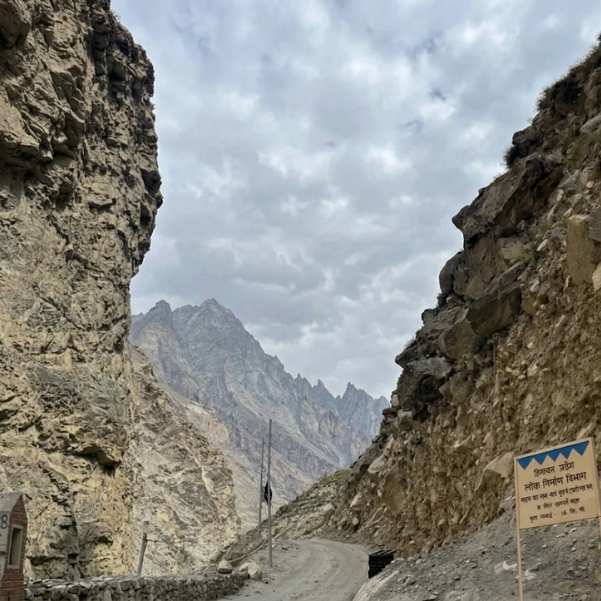
Shipki La is a high-altitude motorable pass in Kinnaur district at 3,930 metres, right on the Line of Actual Control between India and China.
The Sutlej River, called Langqen Zangbo in Tibet, enters India here. So this is not just a pass. It is the doorway through which one of north India's biggest rivers begins its journey down the Himalayas.
Historically, Shipki La was a busy Indo-Tibetan trade route. Mule caravans carried wool, salt, dry fruits and grain across this pass for generations. The trade quietened down over the years and shut completely in 2020.
For decades, ordinary travellers were not allowed anywhere near it. That changed in June 2025, which is why this trip suddenly has so much interest right now.
If you want a structured way to explore the wider region, our Kinnaur tour packages cover the Kalpa, Sangla, Chitkul and Nako belt with options to attempt Shipki La when access is open.
Is Shipki La Pass Open for Tourists in July 2026?
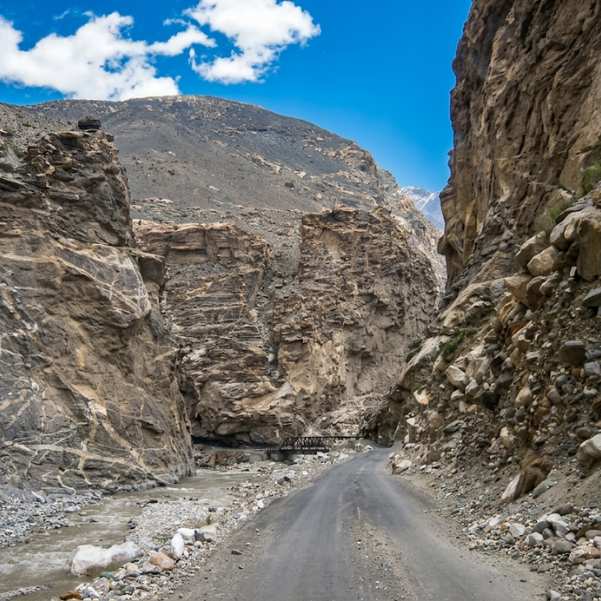
Shipki La was opened for domestic tourists in June 2025 under Himachal's border tourism initiative. The Ministry of Defence cleared tourism activity at Shipki-La, Lepcha, Giu and Rani Kanda.
July 2026 access still depends on three things: weekly road status on NH-5, weather between Pooh and the border, and security instructions from the Army and ITBP at the checkpoint.
In our experience running Kinnaur trips, even a perfectly clear forecast in Shimla can mean nothing once you cross Rampur. We always tell travellers to verify access in Kalpa or Reckong Peo before driving up. A local taxi union or your hotel manager will know the day's situation faster than any website.
Do You Need a Permit, Aadhaar or Token for Shipki La?
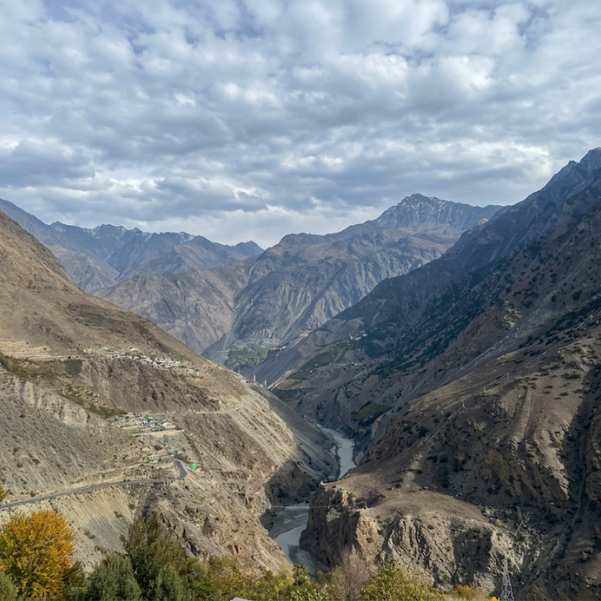
For Indian travellers, current reports show Aadhaar-based verification is the main requirement. You carry your original Aadhaar, get verified at the checkpoint, and proceed only if movement is allowed that day.
The Army, ITBP and local civil authorities control the gate. They can stop, restrict or close visitor movement at any time. There is no online booking system. You show up, you get verified, and you follow what the personnel on duty say.
Economic Times reported an initial plan of 30 tourists per hour and 210 tourists per day. These numbers can change, so do not bank on a fixed slot system.
Foreign tourist access is where things get confusing. District Kinnaur's official tourist page mentions that protected-area permits apply to foreigners, and the same page also states that roads leading to Shipkila and Kaurik from NH-22 are not permitted for foreign tourists.
The Inner Line Permit fee reference on the same page is ₹200 per person plus service charges, but this applies to protected-area access, not necessarily Shipki La itself.
What we tell our foreign travellers honestly: do not assume Shipki La is on the table. Plan Kalpa, Sangla, Chitkul and Nako instead, and treat any Shipki La access as a bonus only if local authorities confirm it on arrival.
What Are the Rules at Shipki La Border Area?
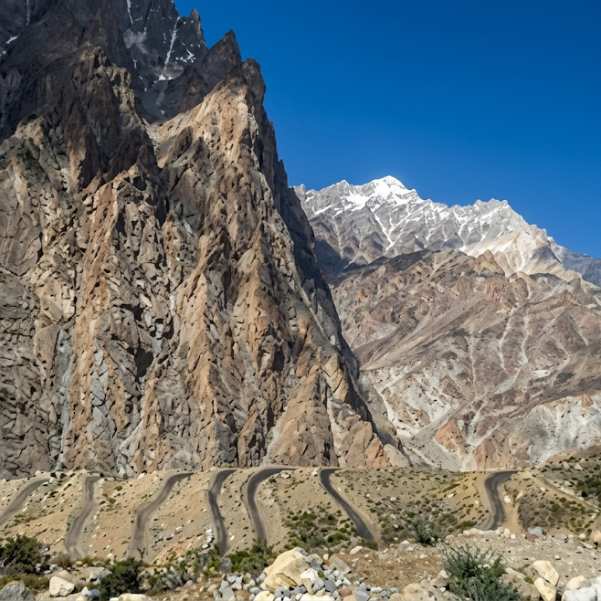
These rules are non-negotiable and the soldiers at the checkpoint enforce them strictly.
No photography of strategic posts, bunkers, signboards or personnel
Even a casual phone photo in the wrong direction can mean your phone gets checked or your visit gets cut short.
No drones
At all. Do not even pack one if you are going up.
No overnight stay at the pass
You go up, you spend your allowed time, and you come back down to Pooh, Kalpa or Reckong Peo for the night.
Carry valid ID at all times
Aadhaar for Indians, and follow every checkpoint instruction without arguing. This is a sensitive border area, not a Himachal viewpoint where you can wander off the road for a better photo.
Our drivers always brief travellers before the final climb
Keep phones in your pocket near the post, listen to the personnel, and do not negotiate with anyone in uniform. The trip works only when you treat it as a privilege, not a tourist activity.
How to Reach Shipki La Pass from Shimla or Chandigarh?
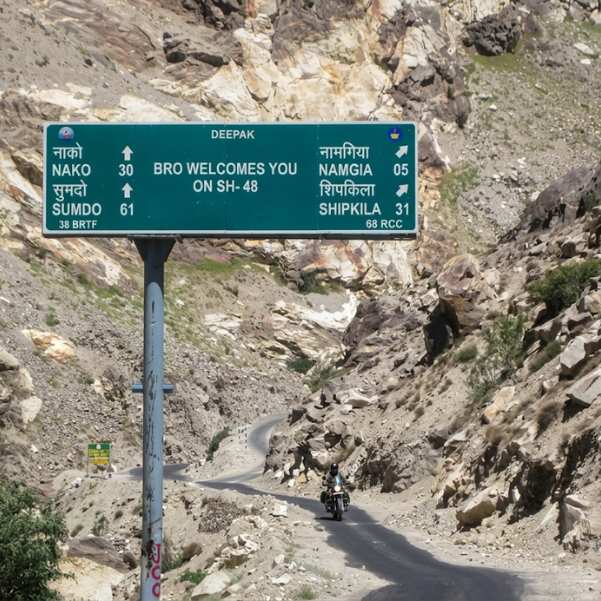
The route follows the old Hindustan-Tibet Road, now called NH-5, the same highway that takes you through most of Kinnaur.
From Chandigarh or Shimla, you drive to Narkanda, then continue to Rampur along the Sutlej. From Rampur, the road climbs into Kinnaur towards Reckong Peo and Kalpa. After Kalpa, you push further to Pooh, and then towards Khab or Namgia side before the final Shipki La access road.
ThePrint reported that tourist access happens via the Shimla-Kinnaur Highway with a detour near Khab village. The cut for Shipki La is reportedly about 27 km from Pooh, so it is not a casual short drive at the end.
There is no direct regular bus to Shipki La. Most travellers either drive their own car, ride a motorcycle, or hire a private taxi from Kalpa or Reckong Peo. The nearest major base is Reckong Peo or Kalpa, around 100 km from the Shipki La side.
What we always tell travellers is do not try to drive from Shimla to Shipki La and back in two days. The road is too long and the altitude gain is too sharp. Break the journey properly. Sleep at least one night in Kalpa or Reckong Peo before going higher.
If you want a comfortable start with stays sorted, look at our Shimla tour packages for the first leg of the route.
How Are the Roads to Shipki La in July?
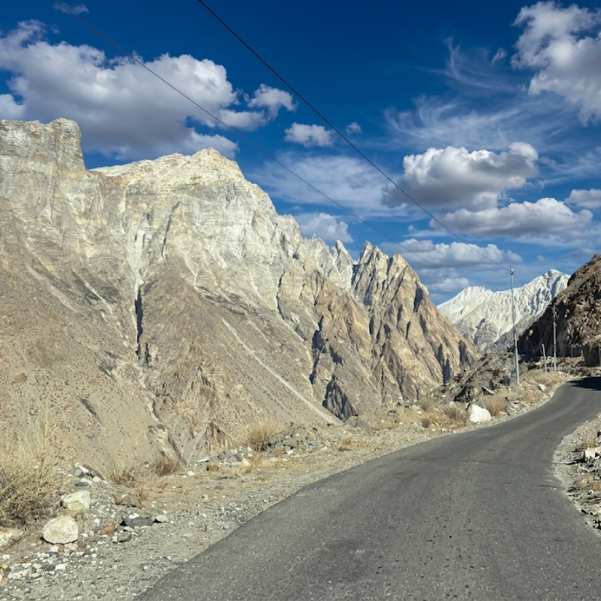
July is monsoon season in most of Himachal, and Kinnaur takes a real hit.
The Kinnaur District Disaster Management Plan states that landslides affect villages and the NH-22 (now NH-5) corridor, and that the highway runs through rugged steep terrain. Travel reports from July and August consistently mention landslides and shooting stones on this stretch.
July 2025 rainfall in Kinnaur was 57.1 mm against a normal of 65.9 mm, which is below average but still enough to cause road damage. One bad afternoon of rain can shut NH-5 for hours, sometimes overnight.
A few practical things from our drivers. Start early every day, ideally by 6 or 7 AM. Avoid driving after sunset because shooting stones and fresh slips are harder to spot.
Skip travel days that start with heavy rain in Kalpa or Reckong Peo. Keep at least one buffer day in the itinerary so a single bad day does not destroy the whole plan.
We do not claim live road status in this guide because it changes every week. Check with your hotel, the local taxi union, or message us before your travel date.
What Is the Weather Like at Shipki La in July?
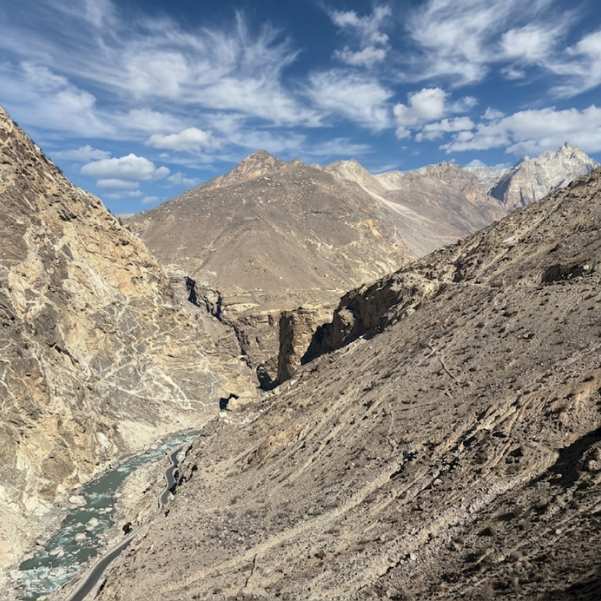
There is no continuous weather station at Shipki La itself, so the closest verified reference is Kalpa.
IMD's climatological data for Kalpa (1971-2000) shows July with a mean maximum of 22.6°C, a mean minimum of 13.1°C, and a mean rainfall of 43.4 mm.
Shipki La sits much higher than Kalpa, so expect it to feel noticeably colder, windier, and harsher than these numbers. Mornings can be sunny and pleasant, then a cloud rolls in and the temperature drops fast. Wind chill at 3,930 metres is real.
Carry layers, a proper rain jacket, waterproof shoes, sunscreen with high SPF, sunglasses, a warm cap, and basic medicines for headache, nausea and stomach issues. The sun at this altitude burns faster than people expect, even on cloudy days.
Where Should You Stay Before Visiting Shipki La?
Kalpa
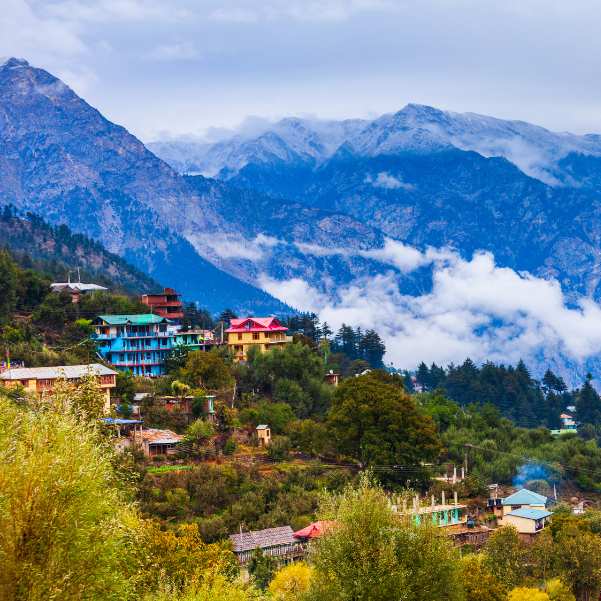
It is our top recommendation. It has the best comfort, the cleanest views of Kinner Kailash, decent food, and enough hotel options. From Kalpa, you can do an early-morning push towards Pooh and Shipki La.
Reckong Peo
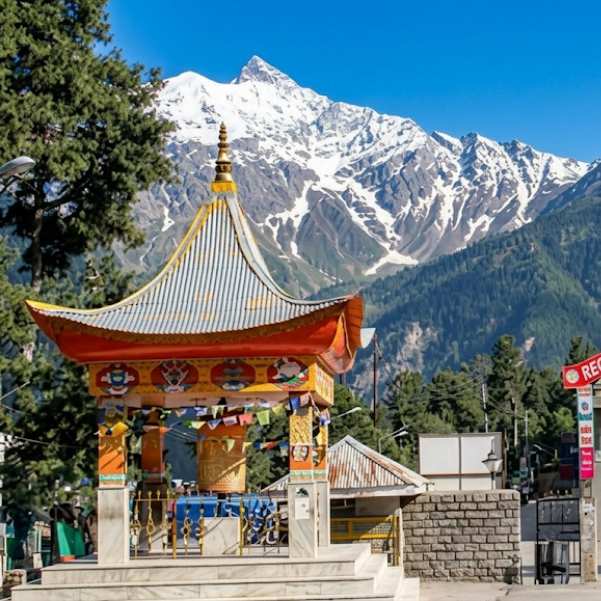
It is the administrative centre of Kinnaur. It has more services, ATMs, fuel stations, supplies, and a hospital. Stay here if you want practical conveniences over views.
Pooh or Nako
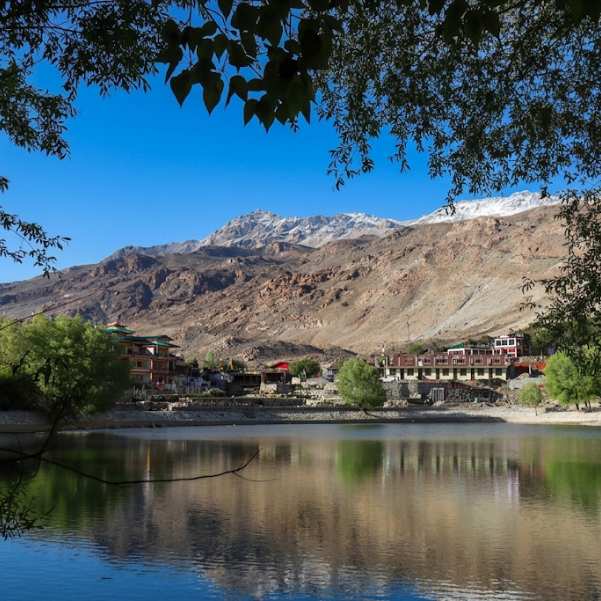
These are closer high-altitude bases. They cut down your driving on the actual Shipki La day, but the stays are simpler and fewer. Choose these only if you are comfortable with basic homestays and unstable road conditions.
Overnight stay at Shipki La is not allowed. You always come back down for the night.
For families, our honest suggestion is to stay in Kalpa or Reckong Peo and attempt Shipki La as a single day move only if conditions look good. Do not drag kids up and down a rough mountain road in marginal weather.
Best 5-Day Itinerary for Shipki La Pass in July
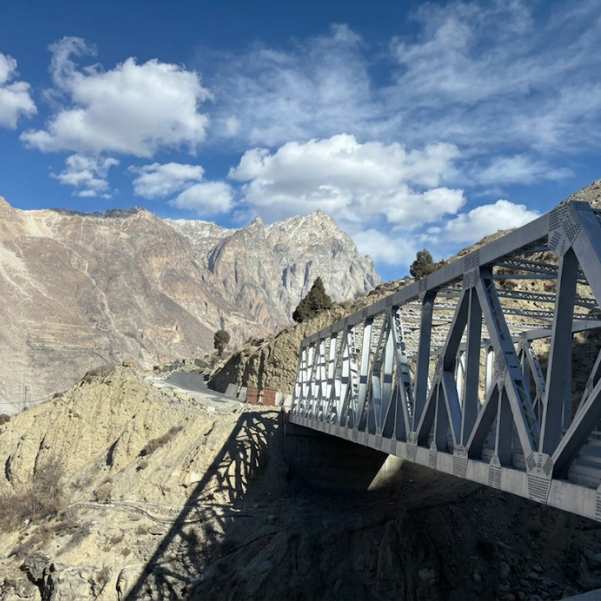
This is the plan we use most often for travellers who want a real shot at Shipki La without rushing.
Day 1
Drive from Chandigarh or Shimla to Narkanda or Rampur. This is a comfortable first day. Reach by evening, eat a hot meal, and sleep well.
Day 2
Continue from Rampur to Kalpa or Reckong Peo. The road climbs along the Sutlej and you start feeling the altitude shift. Reach Kalpa by late afternoon, walk around, and rest.
Day 3
Spend the full day in Kalpa for acclimatisation and local sightseeing. Visit the Kalpa monastery, the apple orchards, and the Suicide Point viewpoint for Kinner Kailash. This day is not optional. Skip it and you risk altitude sickness higher up.
Day 4
Attempt Shipki La. Leave Kalpa by 6 AM, drive via Pooh and Khab, and reach the checkpoint as early as possible. Do this only if road and checkpoint access are confirmed open. If not, use Nako, the Khab confluence viewpoint, or local Kinnaur sightseeing as a fallback. Return to Kalpa or Pooh for the night.
Day 5
Return towards Shimla. If weather is excellent and you have extra days, you can also continue towards Nako, Tabo and Spiti instead.
For travellers wanting to extend the trip towards Spiti, see our Spiti Valley tour packages for stays and route options.
Can You Combine Shipki La with Spiti Valley in July?
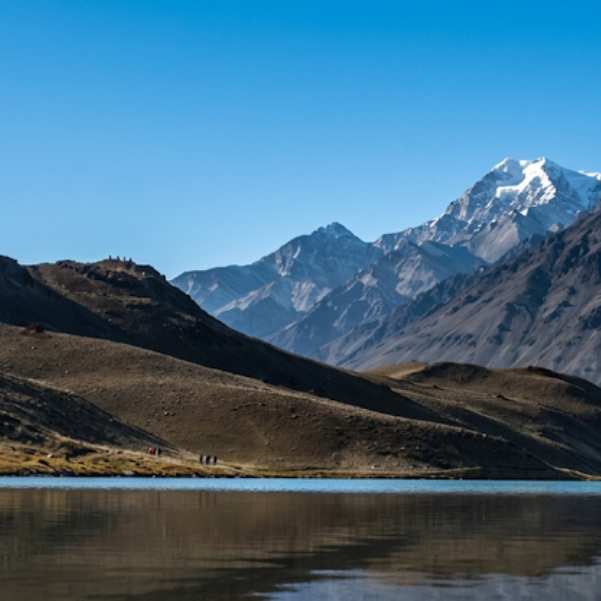
Yes, if the roads cooperate.
Once you are already in upper Kinnaur, Nako is the next logical stop, then Tabo, then Kaza. So the Kinnaur-Spiti circuit fits naturally if you have 9 to 10 days.
The catch in July is the weather. Landslides on the Kinnaur side can stop you before you even reach Nako.
Higher passes like Kunzum and Chandratal access need their own road-status checks, which often differ from the Shipki La side.
We covered the month-by-month picture for Chandratal in our Chandratal opening dates and best time guide. Read it before you commit to a full circuit in July.
If you want a tested Kinnaur-to-Spiti loop with Chandratal already built in, look at our Summer Spiti Circuit with Chandratal. It uses the Shimla side entry, which acclimatises you gradually and gives the safest July routing.
Shipki La vs Lepcha, Nako and Chitkul in July
These four are often compared, but they serve very different trip moods.
Shipki La

It is for border tourism, history, and rare access. You go for the experience of standing at a place that was off-limits for decades, not for comfort or relaxed sightseeing.
Nako
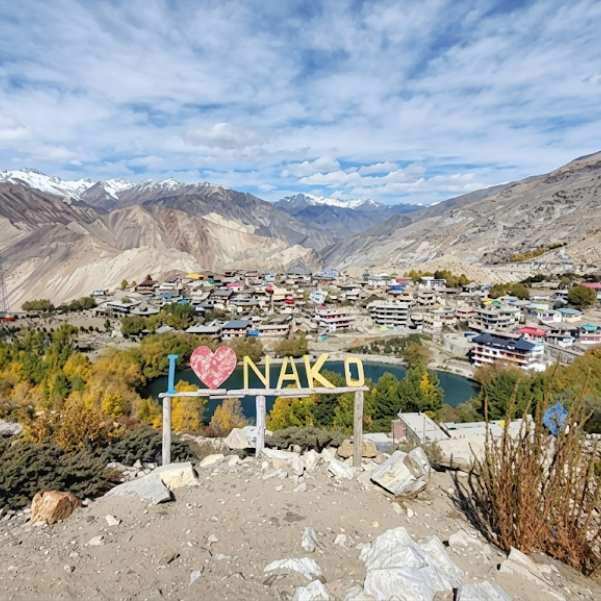
It is a quieter halt with a small lake, an old monastery, and proper stays. It works beautifully as an overnight stop between Kinnaur and Spiti, and it is much easier on the body than Shipki La.
Chitkul
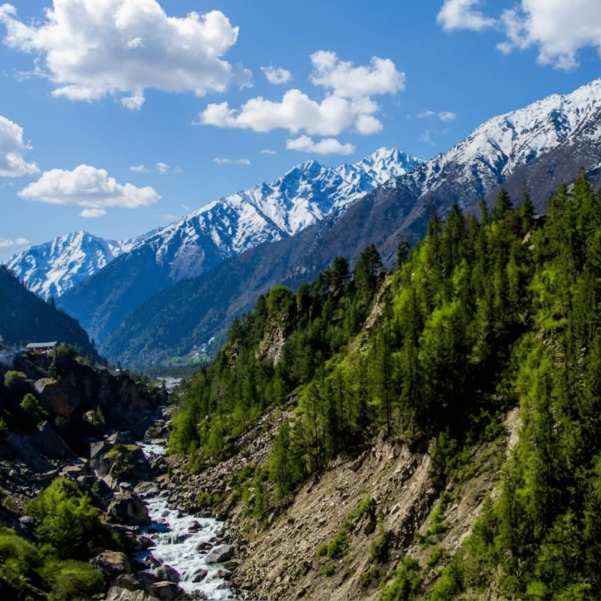
It is the last village before the Indo-Tibet border on the Sangla side, scenic and famous for the Baspa river. It lies on a different branch of Kinnaur from Shipki La, so combining both in a short trip is tight.
Lepcha
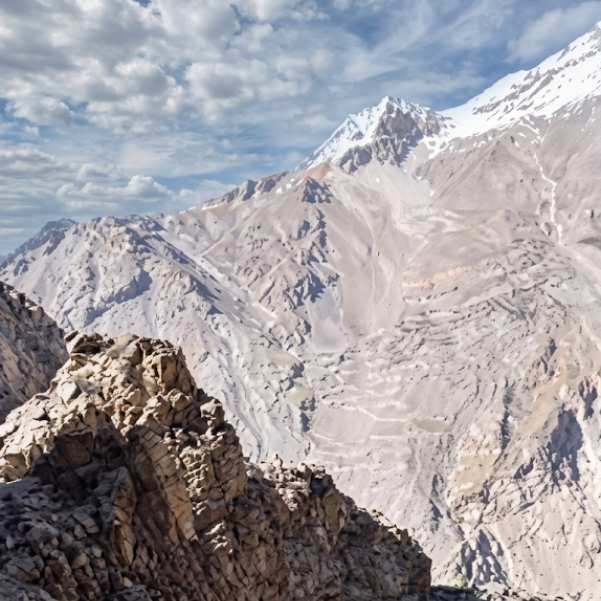
And other border viewpoints may be suggested locally based on the day's access and weather, but we do not recommend assuming permissions without verification on the ground.
Who Should Avoid Shipki La in July?
Travellers with tight return flights should skip Shipki La. One landslide on NH-5 can ruin your schedule.
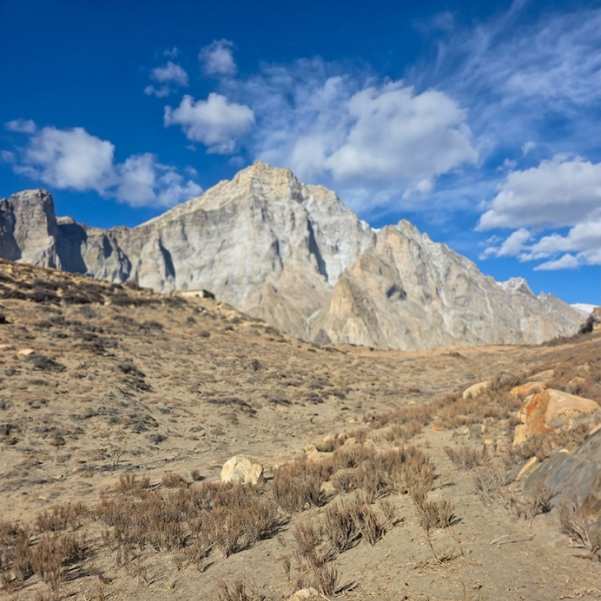
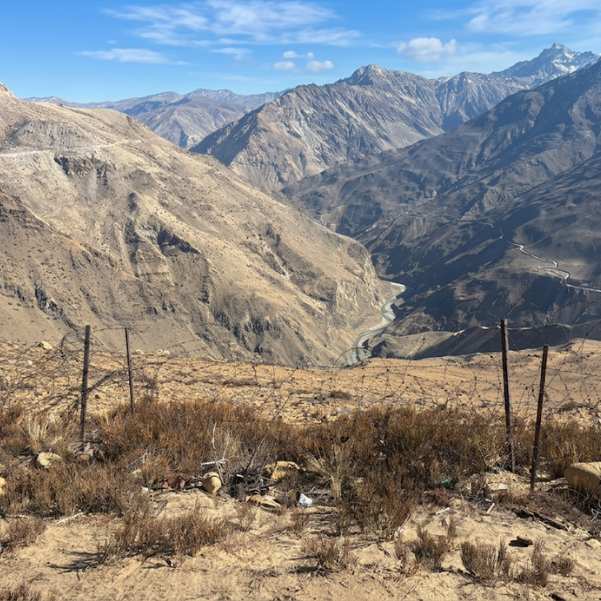
Travellers who are uncomfortable on rough mountain roads will not enjoy this trip. The stretch beyond Pooh is not smooth and the checkpoint area is bare-bones.
Elderly travellers with heart conditions, breathing issues, or blood pressure concerns should avoid the final push to 3,930 metres. There is no medical facility at the pass.
Very young kids (under 8) are better off staying in Kalpa or Sangla. The altitude and rough drive are not worth it for them.
Foreigners without clear permission should not attempt Shipki La. Plan Kalpa, Sangla and Chitkul instead.
Anyone who wants a relaxed monsoon holiday should pick a softer Kinnaur plan. Kalpa, Sangla and Chitkul give you the apple orchards, mountain views and quiet villages without the border-area stress.
2026 Updates: Trade, Kailash Route and Border Tourism
A few important updates worth knowing before you plan.
Reports say Indo-Tibet trade through Shipki La is set to resume from June 2026. Trade policy can change at any time, so verify this close to your travel date.
Trade resumption does not mean tourists can cross into Tibet or China. The border remains closed to general civilian crossing. You can stand at the pass on the Indian side if access is allowed that day, and that is it.
The official Kailash Mansarovar Yatra 2026 routes are Lipulekh Pass and Nathu La Pass. India has requested China for alternate routes including Shipki La, but Shipki La is not an official 2026 Kailash route. Do not plan a Kailash crossing through Shipki La based on news headlines alone.
In our experience, every June and July there is a fresh round of speculation about Shipki La opening for trade or pilgrimage. Treat all of it as news, not as planning material, until you see an official notification.
Final Local Advice for Visiting Shipki La in July
Keep a flexible plan. Do not lock yourself into a fixed return date if you really want Shipki La in the trip.
Carry your Aadhaar in original. Photocopies and digital copies may not always be accepted at the checkpoint.
Start every day early. Mountain roads in Kinnaur reward early starters and punish late ones.
Avoid photography mistakes. No bunkers, no signboards, no soldiers, no posts. Stick to the landscape only, and even then keep the camera away near the actual checkpoint.
Check road status with two sources. Your hotel manager in Kalpa, and a local taxi driver. If both say the road is iffy, do not push it.
Respect security staff. They are doing their job in a sensitive area. A polite traveller gets through. An argumentative one gets sent back.
Keep a backup day in Kalpa or Nako. If Shipki La does not happen, the day is not wasted. There is plenty to see in Kinnaur.
Our team at Travel Coffee builds Kinnaur and Kinnaur-Spiti routes around real road conditions, not against them. If you want help putting this together with the right stays and the right buffer days, write to us.
Explore Our Curated Kinnaur Valley Tours
 8D/7N
8D/7NMost Loved Kinnaur Valley Tour With Nako and Shipki La
2D Sangla / Rakcham•2D Kalpa+1
₹23,499₹25,999SAVE INR 2,500/ person Group Tour8D/7N
Kinnaur Valley Group Tour With Nako and Shipki La
2D Sangla / Rakcham•2D Kalpa+1
₹14,999₹17,999SAVE INR 3,000/ person 4D/3N
4D/3NKinnaur Valley Scenic Circuit With Sangla Chitkul and Kalpa
1D Shimla•1D Sangla+1
₹16,999₹17,999SAVE INR 1,000/ person Group Tour5D/4N
Kinnaur Valley Weekend Group Trip With Sangla Chitkul and Kalpa
1D Sangla•1D Kalpa
₹7,999₹9,999SAVE INR 2,000/ person
Related topics
Frequently Asked Questions
Is Shipki La Pass open in July 2026?
Yes, July 2026 access is possible for Indian travellers under regulated tourism that began in June 2025. Actual access depends on weekly road status, weather, and checkpoint instructions, so verify locally before you drive up.
Do Indians need a permit for Shipki La Pass?
Indian travellers have been reported as needing Aadhaar-based verification at the checkpoint. There is no online permit system right now. Carry original Aadhaar and follow checkpoint instructions on the day of your visit.
Can foreign tourists visit Shipki La?
This is unclear and conflicting. District Kinnaur's official guidance mentions protected-area permits for foreigners and also states that roads leading to Shipkila and Kaurik from NH-22 are not permitted. Foreigners should not assume access and should plan alternative Kinnaur destinations instead.
Is Shipki La safe in July during monsoon?
It can be safe with the right planning, but July brings landslide and shooting-stone risks on NH-5. Travel only in daylight, avoid heavy-rain days, keep a buffer day, and do not push the schedule.
How do I reach Shipki La from Shimla?
Drive from Shimla via Narkanda, Rampur, Reckong Peo and Kalpa, then continue to Pooh and take the Shipki La access road near Khab. Break the journey into at least three or four days for proper acclimatisation.
How do I reach Shipki La from Chandigarh?
From Chandigarh, the route follows NH-5 through Shimla, Narkanda, Rampur, Reckong Peo, Kalpa and Pooh before the final stretch. It is a long drive, so plan at least four days one-way.
Where should I stay before visiting Shipki La?
Kalpa and Reckong Peo are the most comfortable bases with good stays and services. Pooh and Nako work as closer high-altitude halts if you are fine with simpler facilities.
Is photography allowed at Shipki La?
General landscape photography may be allowed, but photography of strategic posts, bunkers, signboards, soldiers and any restricted area is not. Drones are not permitted at all.
Can I visit Shipki La by bike or car?
Yes, by private car, self-drive, or motorcycle. There is no regular direct bus or taxi service to Shipki La. A vehicle with good ground clearance is preferred for the stretch beyond Pooh.
What is the altitude of Shipki La Pass?
Shipki La sits at 3,930 metres in Kinnaur district. The altitude is enough to cause altitude sickness if you have not acclimatised in Kalpa or Reckong Peo first.
Which river enters India through Shipki La?
The Sutlej River, known as Langqen Zangbo in Tibet, enters India near Shipki La. It then flows down through Kinnaur along the same NH-5 route you drive on.
Can Shipki La be used for Kailash Mansarovar Yatra?
Not in 2026. The official Kailash Mansarovar Yatra 2026 routes are Lipulekh Pass and Nathu La Pass. India has requested China for alternate routes including Shipki La, but it is not an approved Kailash route for 2026.
More about Kinnaur
 Kinnaur
Yulla Kanda Trek Itinerary: How Many Days Do You Need in 2026?
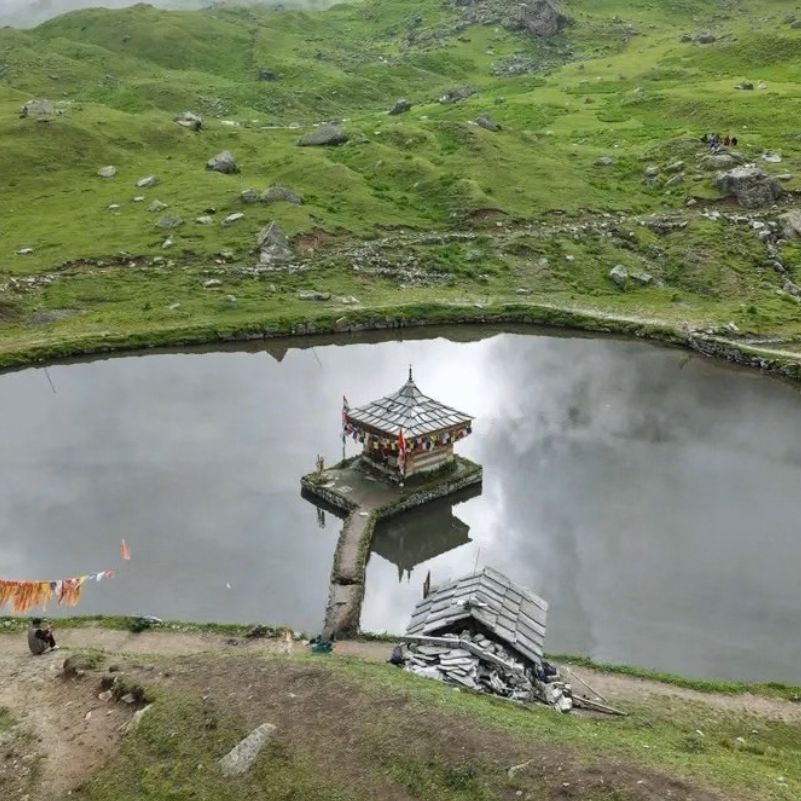
Planning your Yulla Kanda trek in 2026? Find out how many days you need to reach the sacred Krishna Lake in Kinnaur, with practical itinerary options for a short trek or a more relaxed journey. This guide covers trekking time, overnight camping, travel to Yulla Khas, and essential scheduling tips to help you plan around altitude, weather, and mountain road conditions.
 Kinnaur
Yulla Kanda Trek Cost in 2026: DIY Budget vs Group Package
Planning your Yulla Kanda trek in 2026 and comparing costs? This guide breaks down the expected budget for a DIY trek versus an organised group package, including transport to Yulla Khas, local guides, camping, meals, and essential gear. Understand where you can save money, which expenses need careful planning, and when local trekking support is worth the cost.
 Kinnaur
Sangla in October, November & December: Which Month Is Best in 2026?
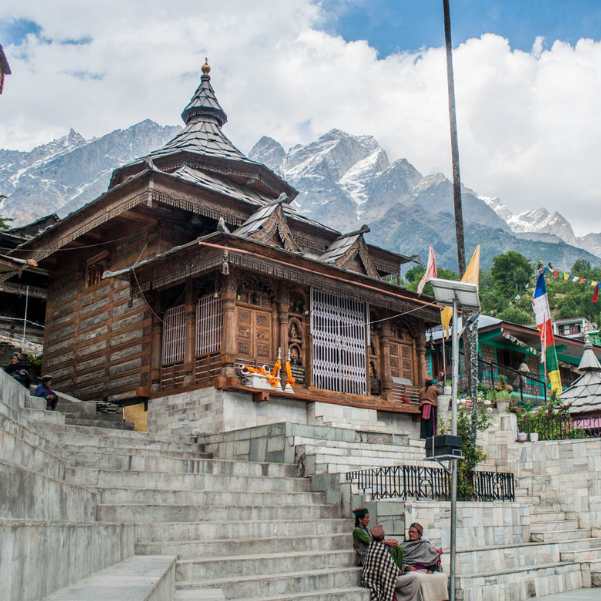
Planning a Sangla trip in 2026? Compare Sangla in October, November and December for weather, snowfall, road conditions, sightseeing and stays. Find out which month suits your travel plans best and what to expect in each season.