
Shipki La Pass in June 2026: Road Status, Permits, Weather and Travel Guide
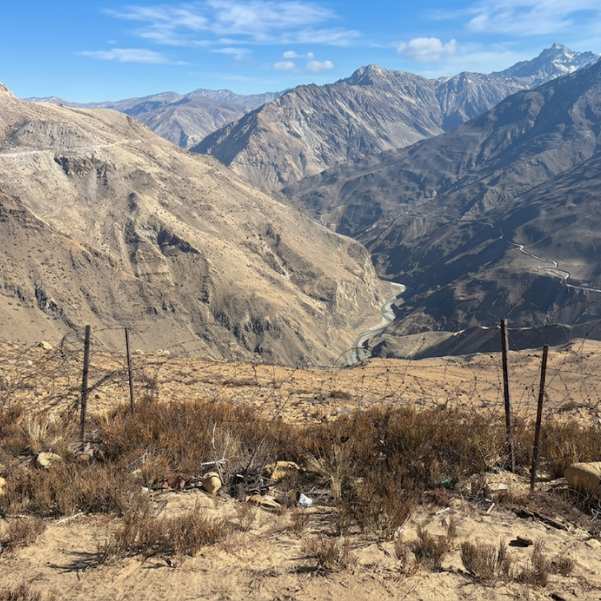
Most travellers planning a Kinnaur trip have never heard of Shipki La. The ones who have heard of it usually have one big question: can you actually go there as a tourist in June 2026, or is it still a closed military zone?
The honest answer is somewhere in the middle. Things have changed in the last two years. But not in a way that makes Shipki La a casual day-trip destination.
This guide covers the real picture. What we know, what is still uncertain, and how to plan a Shipki La attempt without wasting your trip if access does not work out on the day.
Quick Answer: Is Shipki La Pass Worth Visiting in June 2026?
Yes, June is one of the better months to attempt Shipki La. The harsh winter is behind, peak monsoon is still a few weeks away, and Kinnaur roads are generally in their best shape of the early season.
Indian tourists have been reported to access Shipki La under regulated border tourism since June 2025, with Aadhaar or valid ID required at checkposts.
But the official Kinnaur tourist guideline page updated in May 2026 still shows restrictive wording for roads leading to Shipki La from NH-22.
So this is not a guaranteed-open destination. Start early, carry ID, keep a buffer day, and verify access locally before driving up.
Talk to our Himachal team on WhatsApp
Where Is Shipki La Pass and Why Is It Special?
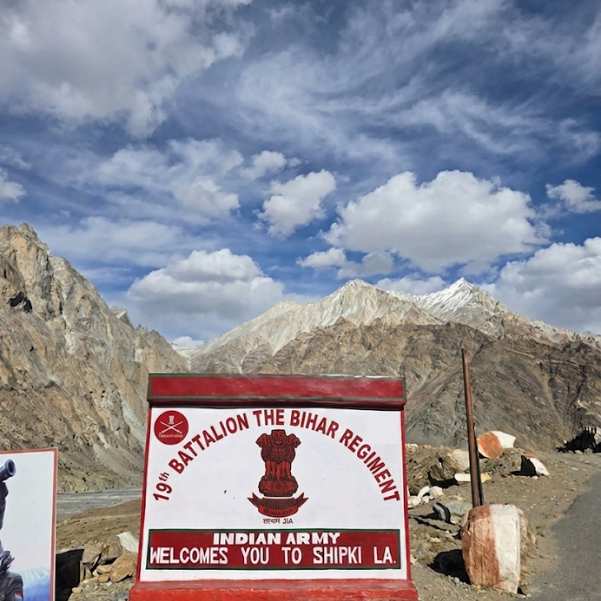
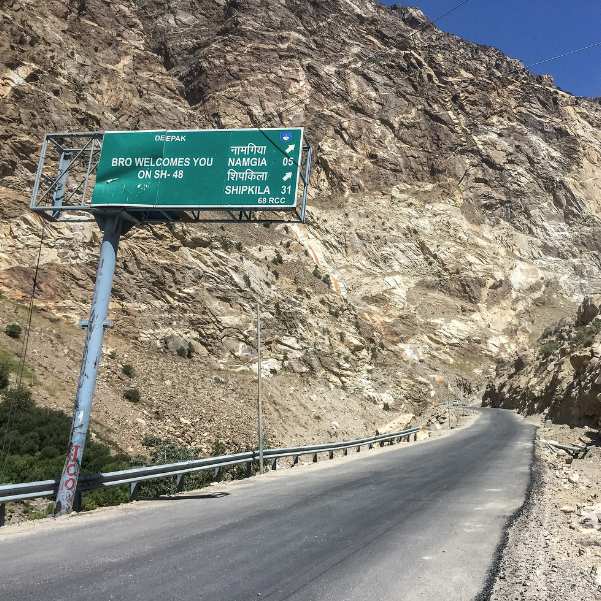
Shipki La sits in Kinnaur district of Himachal Pradesh, right on the India-China border. The pass connects India to Tibet and has been a trade route between the two regions for centuries.
The altitude is 3,930 metres. Some travel sources push the number above 4,000 metres, but 3,930 is the figure we trust for this guide.
What makes Shipki La different from other Himachal passes is the river. The Sutlej enters India through Shipki La before flowing down through Kinnaur and into the plains. Standing at the pass, you are looking at the point where one of north India's biggest rivers crosses an international border.
The old name of the pass was Pema La, which roughly translates to Shared Gate. The name itself tells you what this place was for centuries before it became a sensitive border post.
If you want to explore the wider region around Shipki La, our Kinnaur tour packages cover the routes our team runs every season.
Is Shipki La Open for Tourists in June 2026?
This is where most travellers get confused, and honestly, the confusion is fair.
Multiple news reports from June 2025 said Shipki La opened for regulated domestic tourism. The reports said Indian tourists could visit with Aadhaar or valid ID after token and checkpost compliance.
The Indian Express reported that only Indian nationals would be allowed after showing Aadhaar cards.
But here is the part most travel blogs leave out. The official Kinnaur tourist guideline page, updated in May 2026, still says no access on roads leading to Shipki La and Kaurik from NH-22.
Both things can be true at once. The ground-level access can be opening up under a regulated system, while the official guideline pages still carry older restrictive language. This kind of gap is normal in border areas, but it makes planning tricky.
What we tell our travellers is simple. Do not treat Shipki La as confirmed open until you verify it locally close to your travel date. The civil administration and ITBP on the ground decide what happens that day, not a news article from last summer.
Do You Need a Permit or Aadhaar for Shipki La?
For Indian tourists, the reported requirement is an Aadhaar card or valid identity proof. Movement is regulated by civil administration and security personnel at checkposts.
We are not saying there is no permit at all. We are saying that as of the latest reports, Indian visitors have been allowed under a token and ID-check system rather than a full permit application. This can change because the area is sensitive and rules shift with the security situation.
For foreign tourists, the rules are stricter. Foreigners cannot enter or stay in protected areas without a permit from competent authorities.
If you are travelling with a foreign passport holder in your group, do not assume the same Aadhaar route applies. Check the protected-area permit process separately.
The general Inner Line Permit fee listed for Kinnaur protected areas is ₹200 per person, plus agency service charges if you go through a travel agent. This is the standard ILP figure and not a confirmed Shipki La-specific fee, so verify on the day you apply.
The most important thing to remember is that this is a border area. Rules are not negotiable, paperwork is not optional, and arguing at a checkpost will not help you. Carry the documents, follow the process, and the access usually works.
How Is the Weather at Shipki La in June?
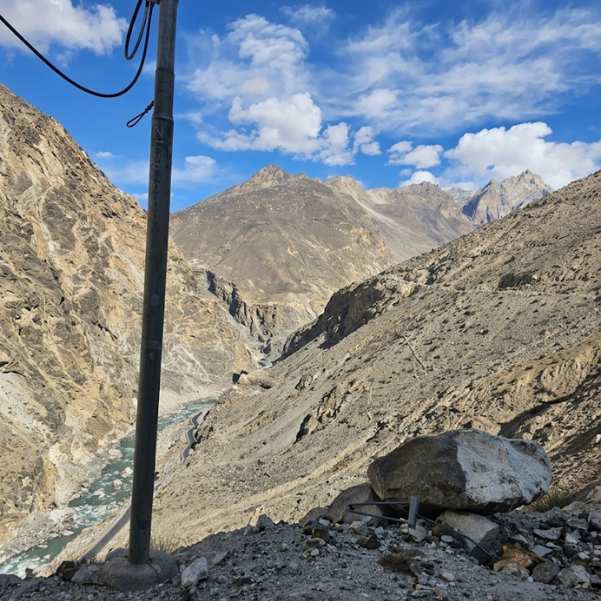
We do not have a verified Shipki La-specific temperature data set, so we will not invent one. The nearest references that matter are Kalpa and Nako, both of which sit on the road to Shipki La.
Kalpa in June averages around 19°C during the day and 6°C at night. Nako in June is colder, with daytime highs around 11°C and nights dropping to around -1°C.
Shipki La sits higher than Nako and is more exposed to wind. So expect it to feel sharper than either Kalpa or Nako, especially in the early morning hours when you will probably be making the attempt.
What this means for packing is straightforward. Layers matter more than one thick jacket. A windproof outer shell makes a bigger difference than people think at this altitude. Sunglasses and sunscreen are not optional because the UV at 3,930 metres burns faster than you expect, even on cool days.
Carry water and snacks. There is no chai stall at the pass itself. The last reliable food stop is usually back near Pooh or Nako depending on the route.
How to Reach Shipki La from Shimla, Kalpa and Reckong Peo?
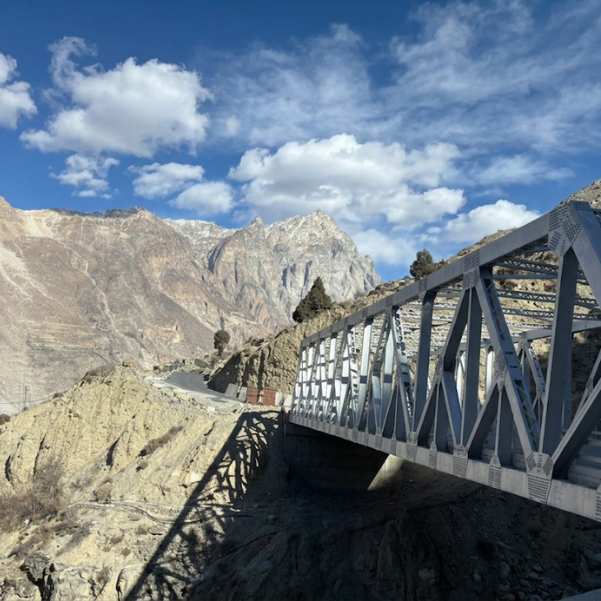
The road journey to Shipki La is long. There is no quick way to do this from Shimla.
Reckong Peo is 235 km from Shimla, and that drive itself is a full day if you start from Shimla in the morning. Most travellers split it by stopping at Rampur or Sarahan overnight before pushing into Kinnaur the next day.
Kalpa is 260 km from Shimla and 14 km from Reckong Peo. It sits slightly higher and works as the more scenic base if you want a quieter overnight than Reckong Peo.
From Kalpa or Reckong Peo, you continue along the Sutlej valley through Pooh and then take the cut towards the Shipki La side after local verification at the checkposts. Some travel sources mention the Shipki La cut at about 27 km from Pooh, but the actual usable road distance varies based on which checkpost you are cleared through.
There is no confirmed direct public transport service to Shipki La itself. A private vehicle or local taxi arrangement is usually how this gets done.
Taxi prices from Pooh or Reckong Peo to Shipki La are not verified by us and change based on season and demand, so settle the rate before you sit in the car.
For travellers coming from the Shimla side, our Shimla tour packages cover the gateway end of this trip if you want a planned start before the Kinnaur drive begins.
Suggested 4-Day Kinnaur Itinerary for Shipki La in June

This is the version we usually suggest for first-time travellers. It is not the fastest, but it is the one that actually works in this terrain.
Day 1
Starts from Shimla or Rampur with the drive to Kalpa or Reckong Peo. Reach by evening, settle into your stay, and rest. Do not plan any sightseeing on this day because the drive itself is long enough.
Day 2
Is for acclimatisation at Kalpa or Reckong Peo and for access verification. Use this day to confirm with local taxi operators and checkposts whether Shipki La access is being granted in the current week. Visit Roghi village or the Suicide Point near Kalpa if you have free hours.
Day 3
Is the Shipki La attempt itself. Start before sunrise from Kalpa or Reckong Peo, drive to Pooh, clear the checkposts with your Aadhaar, and continue towards the pass if permission is granted. If access is not given on the day, do not argue. Drive back via Nako or Chango and treat it as a Kinnaur exploration day instead.
Day 4
Is the buffer. If the Shipki La attempt failed on Day 3 and access opens later in the week, you can try again. Otherwise, use it as a relaxed return drive towards Sarahan or Rampur, breaking the journey back to Shimla.
One more useful reference. The direct Shimla-Kaza HRTC bus via the Satluj valley takes around 24 hours. This is not a Shipki La service, but it tells you something about how long these roads take. Do not plan a tight schedule.
For a wider list of Himachal routes our team runs, see our popular Himachal tours.
Road Conditions and Driving Tips for June
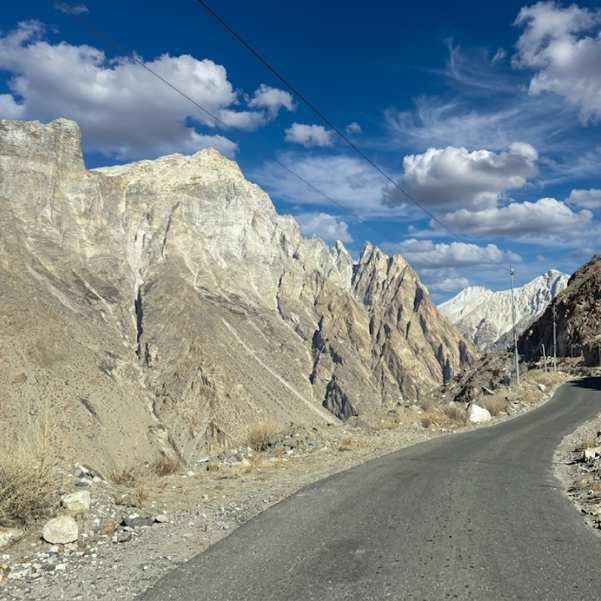
Kinnaur roads are notorious for two things. Landslides during the monsoon and shooting stones any time the mountain decides to drop something. Both can happen in June, though less often than in July and August.
The official Kinnaur guidance is straightforward. Check road conditions before starting, especially after any rain or weather change. In our experience, the Reckong Peo to Pooh stretch is generally stable in June, but the road can have rough patches and checkpost queues that slow you down.
What most tourists get wrong is starting the Shipki La attempt at 9 or 10 in the morning. By then, the sun is harsh, the checkposts are busier, and any unexpected delay pushes your return into the evening when driving these roads gets risky.
Start at 5 or 5:30 AM from Kalpa or Reckong Peo. Fill the fuel tank the night before because pump timings in Upper Kinnaur are unpredictable.
Carry cash because UPI and cards do not work reliably past Pooh. Download offline maps before you lose signal, which happens earlier than you expect.
No night driving. Not on these roads. The combination of narrow turns, loose gravel, and the possibility of livestock or boulders on the road makes night driving genuinely dangerous, not just inconvenient.
Keep a buffer day in your plan. If you have a flight to catch the day after your Shipki La attempt, you have planned wrong.
Where Should You Stay for Shipki La?
There is no accommodation at Shipki La itself. The pass is a day attempt, not an overnight destination.
Reckong Peo
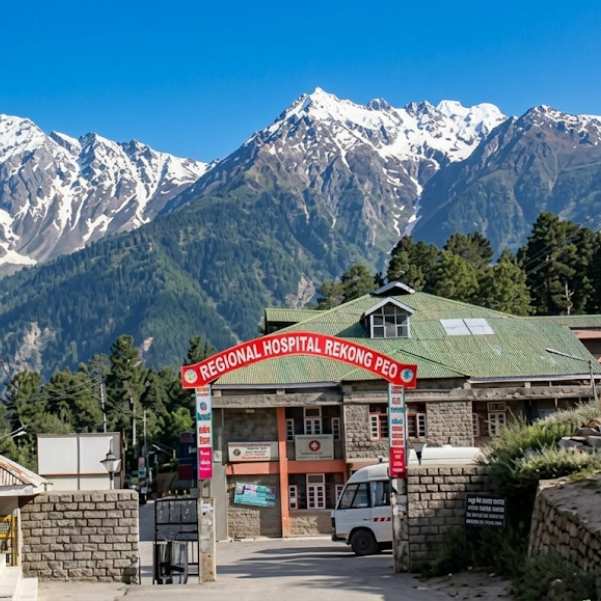
It has the most options. The town has hotels and rest houses across budget ranges and works as the practical base for most Shipki La trips because it sits on the main road and has fuel, ATMs, and food.
Kalpa
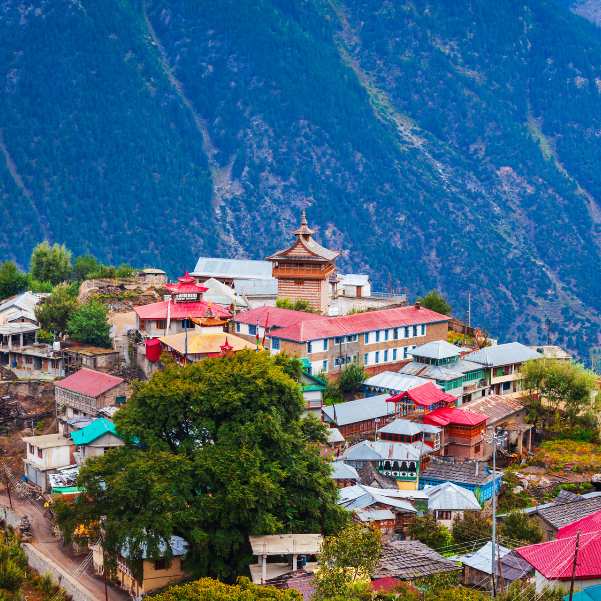
At 2,759 metres and 14 km from Reckong Peo, is the prettier option. The views of Kinner Kailash from Kalpa are some of the best in Himachal. Stays here range from basic guesthouses to a few comfortable boutique properties.
Pooh and Nako
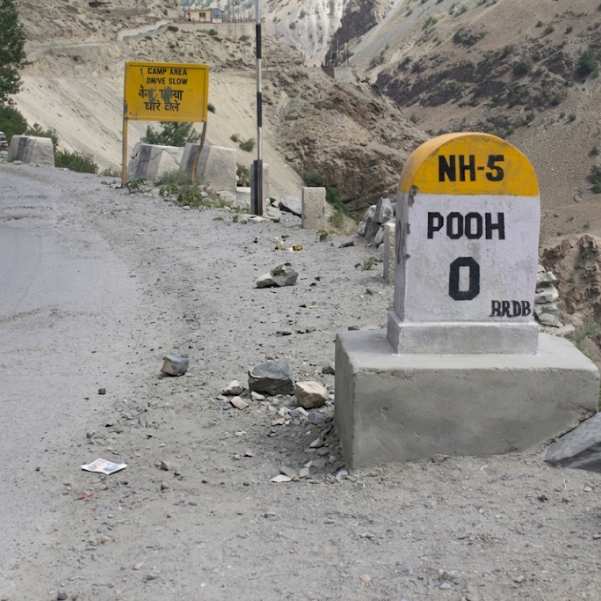
Are further along the route towards Shipki La and have basic homestays and guesthouses. These are useful if you want to cut the drive on the day of your Shipki La attempt by being closer to the checkpost area. Nako is at the higher end with rougher facilities but stunning lake views.
In our experience, the smoothest version is two nights at Kalpa or Reckong Peo for the comfort and acclimatisation, with the Shipki La attempt as a long day trip from there. The fancier homestays in Kalpa sometimes need advance booking in June because that is also when domestic family travellers start arriving.
What to Pack for Shipki La in June?
The packing list is short but non-negotiable.
Carry your Aadhaar card or valid ID and a few photocopies. Pack warm thermals, a fleece mid-layer, and a windproof outer jacket. Sunglasses with UV protection and high SPF sunscreen are essential because the sun at 3,930 metres burns through clouds.
Add a beanie, gloves, and good trekking shoes. Even though you will not be hiking at the pass, the ground is uneven and the wind makes warm head and hand cover important.
Water, dry snacks, and a few electrolyte sachets matter more than people think. There are no shops at the pass. Carry a basic medicine kit with paracetamol, ORS, and any personal prescriptions. A power bank because there is no charging on the road. Offline maps because signal disappears past Pooh.
Cash in small denominations. ATMs are not reliable in Upper Kinnaur and the ones in Reckong Peo sometimes run dry.
About altitude. Go slow and listen to your body. If you feel a sharp headache, nausea, or breathlessness that does not settle with rest and water, do not push on to the pass. Turn around. Shipki La will be there next year. AMS at 3,900 metres in a remote border zone is not the place to test your limits.
Rules You Must Follow at the Border
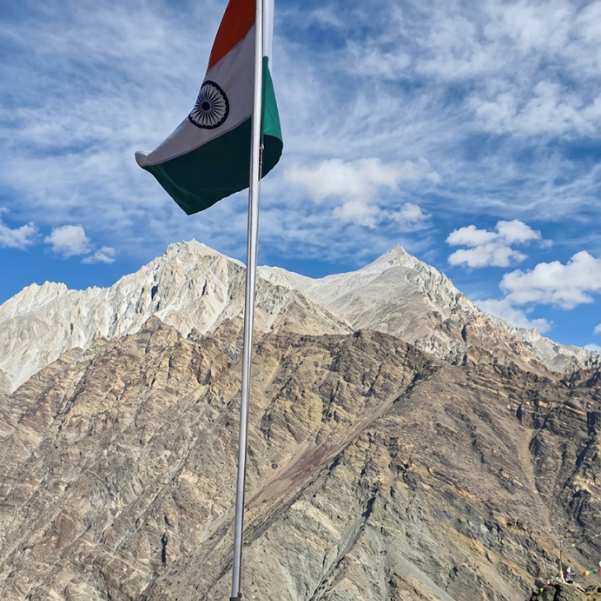
This part is serious. Shipki La is not Rohtang Pass with a few rules tacked on. It is a working border zone.
Military installations, field defences, security establishments, and any locations overlooking them are out of bounds for tourists. Photography of such areas is prohibited, and this is not enforced casually.
You will lose your camera or phone, your trip will end at the checkpost, and there is no negotiating with the personnel on duty.
Follow every instruction given by ITBP, Army, and civil administration officers. Carry your ID at all times and produce it when asked without arguing.
All movement in the notified area is regulated, which means you do not wander off the road, you do not walk towards the actual border line, and you do not climb up to vantage points without permission.
No drones. This is not a discussion. Flying a drone at Shipki La can land you in serious legal trouble.
The taxi drivers and local guides who run trips here know exactly where you can stop, where you can take photos, and where you must keep the camera away.
Trust them. Our team has been on these roads for years, and the one rule that has never changed is that you follow the security personnel without question.
Talk to our Himachal team on WhatsApp
Can Shipki La Be Added to a Spiti or Kinnaur Trip?
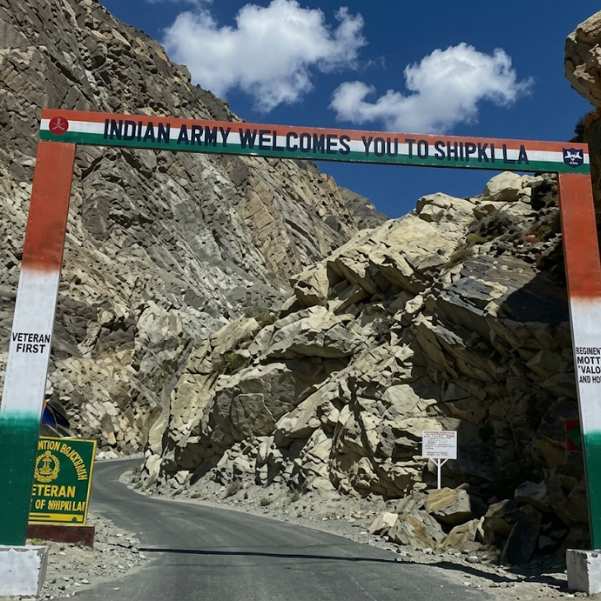
Shipki La works best as an Upper Kinnaur add-on. It does not work as a casual side trip in a Spiti circuit because the access depends on permits, paperwork, and security clearance that you cannot rush.
The natural combination is Kalpa, Reckong Peo, Pooh, Nako, and a Shipki La attempt across four to five days. If road and permit status is favourable, you can continue from Nako or Chango (3,058 metres, 122 km from Kalpa) towards Spiti through Sumdo. This makes for a wider Kinnaur-Spiti circuit, but only if your dates are flexible.
What we tell our travellers is to decide whether the trip's priority is Shipki La or Spiti. If Shipki La is the priority, do Kinnaur properly and treat Spiti as a possible add-on if time and permits allow. If Spiti is the priority, drop Shipki La from the plan because the access uncertainty can derail your whole itinerary.
If you are leaning towards Spiti, we have separate guides that cover the route in detail. Our Spiti Valley tour packages cover the full circuit. Our Chandratal opening dates and best time guide covers the lake access situation. If you are travelling solo, our Spiti solo female safety guide breaks down the realities for solo women on these routes.
In our experience helping travellers plan this combination, the smoother version is to spend four days in Kinnaur with a Shipki La attempt, return to Shimla, and plan Spiti separately. Trying to do everything in one ten-day window usually means rushed days and missed experiences.
Shipki La and Kailash Mansarovar: What Is the 2026 Update?
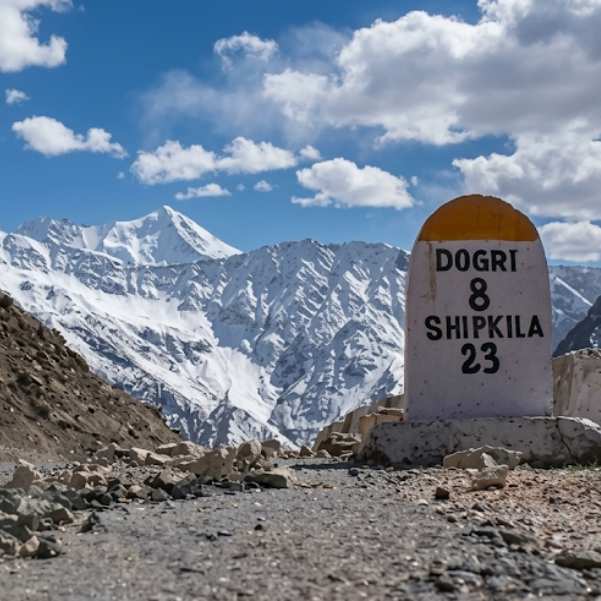
This is the most asked-about topic on Shipki La in 2026, so let us be clear about what is and is not happening.
Shipki La is being discussed as a possible shorter route for Kailash Mansarovar Yatra. Reports estimate around 100 km from the Shipki La side on the Tibetan side to reach the Kailash region, which would make it significantly shorter than the current Lipulekh and Nathu La routes.
But this is a discussion, not a confirmed travel route. As of June 2026, Shipki La is not a regular tourist or yatra crossing. You cannot reach Kailash through Shipki La as a regular traveller. The route discussion is part of broader trade and diplomatic conversations between India and China.
What is confirmed is that trade through Shipki La is reported to resume from June 1, 2026. Preparations include warehouses and shops at Namgya Gram Panchayat, with coordination between the Army, ITBP, and Customs.
This is about trade, not tourism, but it does mean Shipki La will see more official activity in 2026 than it has in recent years.
For yatris specifically interested in Kailash Mansarovar through Shipki La, the honest answer is to wait. Official announcements from the Ministry of External Affairs will confirm if and when this becomes a yatra route. Until then, plan Kailash through the existing approved channels.
Final Verdict: Should You Plan Shipki La in June?
Shipki La in June makes sense if you are an experienced mountain traveller who is comfortable with regulated access, long drives, basic facilities, and the possibility that your plan changes at a checkpost.
Skip it if you are looking for casual sightseeing, if your dates are inflexible, or if the idea of driving 235 km to potentially be turned back at a checkpost feels frustrating rather than acceptable. There are easier passes in Himachal that give you views without the paperwork.
What makes Shipki La worth the effort is what it represents. The Sutlej crossing into India, a centuries-old trade route, the meeting point of two huge countries in a quiet corner of Kinnaur that almost no domestic tourist sees.
If you go in with the right mindset and the right paperwork, it is one of those rare experiences in Himachal that still feels genuinely remote.
If you want help planning the Shipki La attempt as part of a wider Kinnaur trip, our team has been running this region for years.
We know which homestays in Kalpa actually pick up the phone, which taxi drivers in Pooh know the checkpost officers, and which weeks are realistic for access attempts.
Get in touch with us and we will help you put together a trip that fits your dates and your comfort with the uncertainty involved.
Explore Our Curated Kinnaur Valley Tours
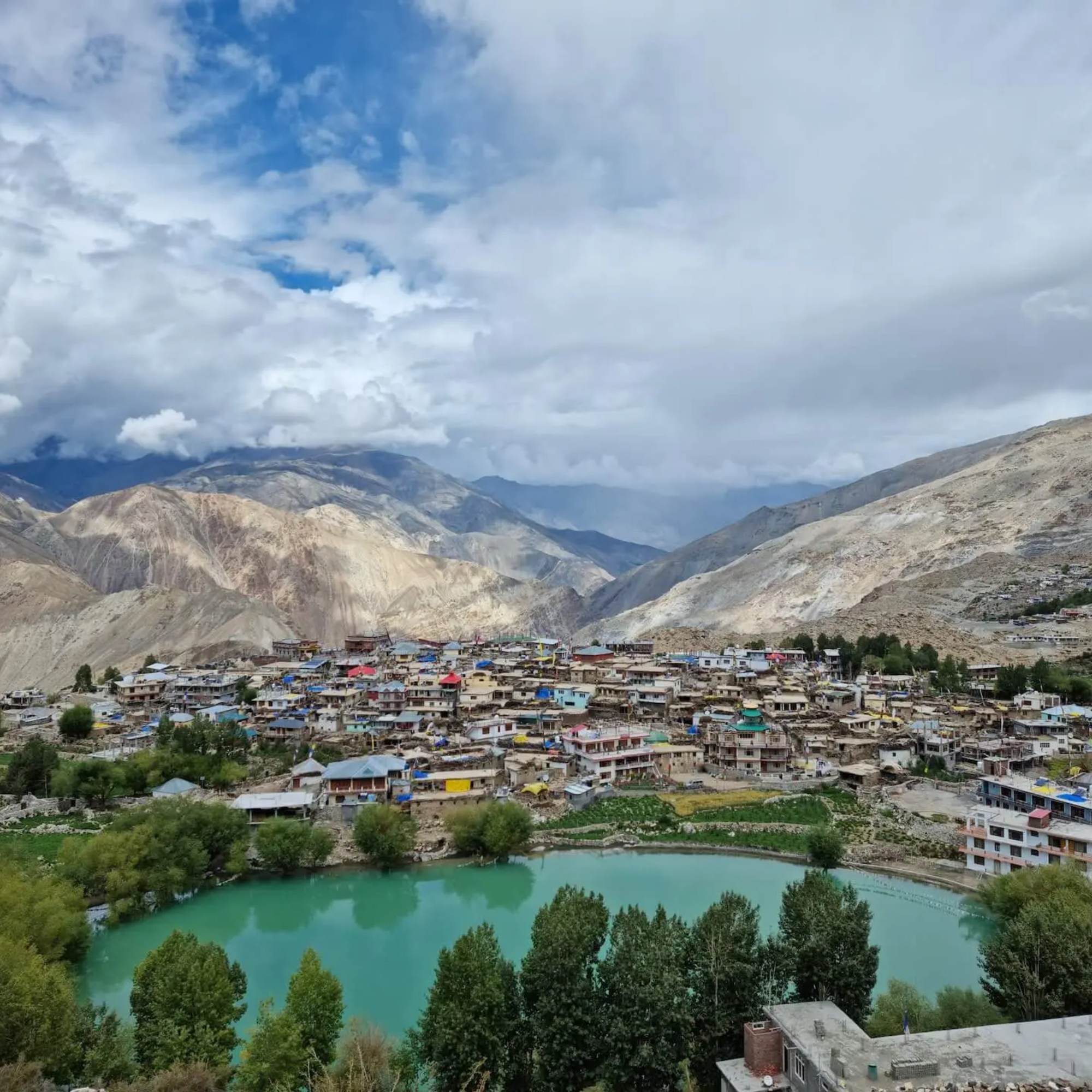 8D/7N
8D/7NMost Loved Kinnaur Valley Tour With Nako and Shipki La
2D Sangla / Rakcham•2D Kalpa+1
₹23,499₹25,999SAVE INR 2,500/ person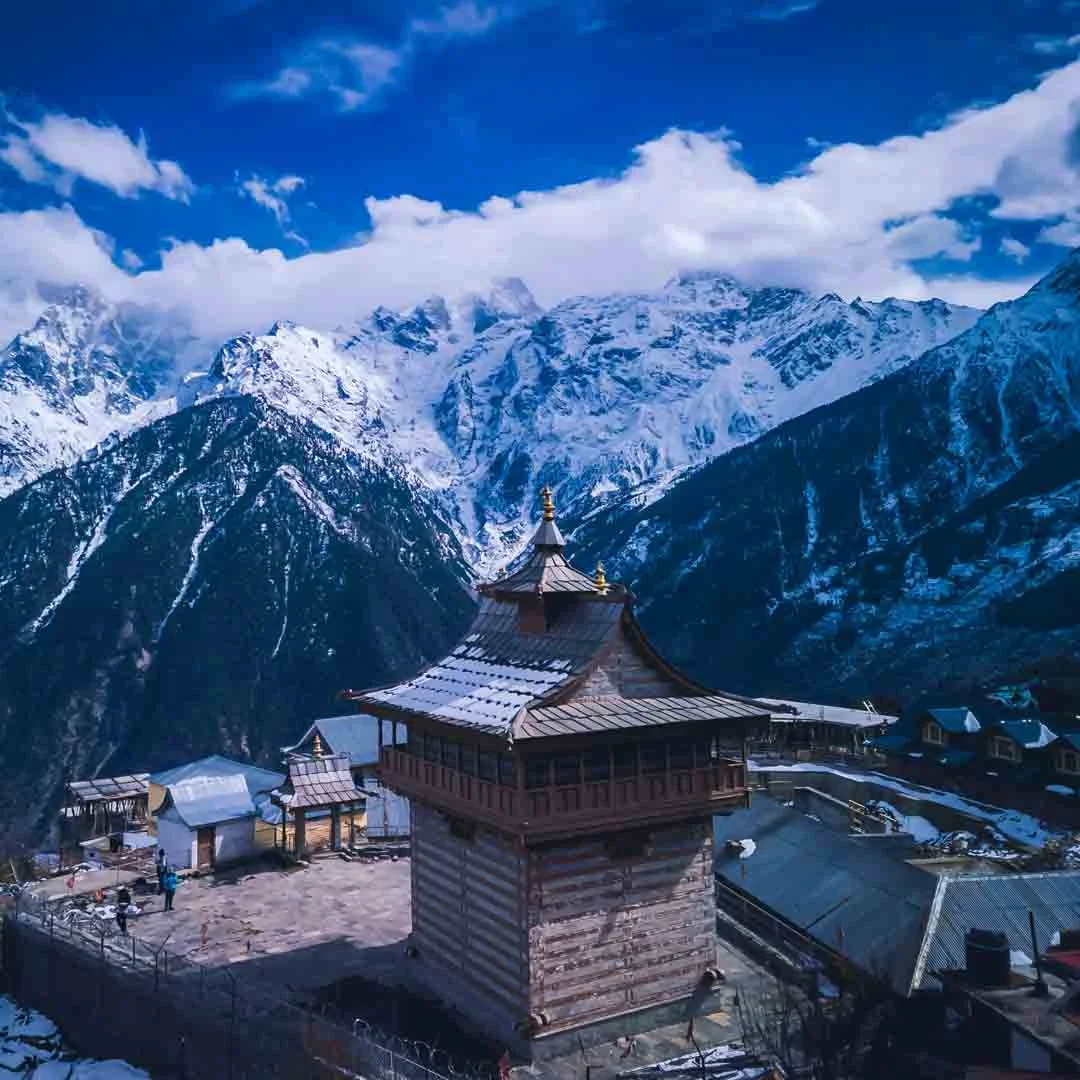 Group Tour8D/7N
Kinnaur Valley Group Tour With Nako and Shipki La
2D Sangla / Rakcham•2D Kalpa+1
₹14,999₹17,999SAVE INR 3,000/ person 4D/3N
4D/3NKinnaur Valley Scenic Circuit With Sangla Chitkul and Kalpa
1D Shimla•1D Sangla+1
₹16,999₹17,999SAVE INR 1,000/ person Group Tour5D/4N
Kinnaur Valley Weekend Group Trip With Sangla Chitkul and Kalpa
1D Sangla•1D Kalpa
₹7,999₹9,999SAVE INR 2,000/ person
Related topics
Frequently Asked Questions
Is Shipki La Pass open in June 2026?
Reports from June 2025 said Shipki La opened for regulated domestic tourism, and June 2026 conditions are similar in terms of season suitability. But official Kinnaur guidelines still show restrictive wording, so verify access with local administration or our team before you travel.
Can tourists visit Shipki La Pass now?
Indian tourists have been reported to access Shipki La with Aadhaar and checkpost compliance since June 2025. This is regulated access, not free movement, and the situation can change. Foreigners face stricter protected-area rules and need separate permits.
Do Indians need a permit for Shipki La?
For Indian tourists, reports indicate that Aadhaar or valid ID and token compliance at checkposts has been the system rather than a separate permit application. The exact process can change, so confirm close to your travel date.
Can foreigners visit Shipki La Pass?
Foreigners cannot enter or stay in protected areas without a permit from competent authorities. Shipki La falls in a sensitive border zone, so the foreigner permit process is stricter and must be handled well in advance.
What is the height of Shipki La Pass?
Shipki La is at 3,930 metres. Some travel sources mention figures above 4,000 metres, but 3,930 metres is the safer verified altitude figure.
Where is Shipki La Pass located?
Shipki La is in Kinnaur district of Himachal Pradesh on the India-China border. The Sutlej River enters India through this pass.
How do I reach Shipki La from Shimla or Reckong Peo?
Reckong Peo is 235 km from Shimla, and Shipki La is further along the route via Pooh after checkpost clearance. Private vehicles or local taxi arrangements are the practical option because no confirmed direct public transport runs to Shipki La.
Is Shipki La safe in June?
June is generally safer than the monsoon months because landslide risk is lower. The main concerns are altitude, regulated access, and changing road conditions, all of which need a buffer day in your plan.
Is photography allowed at Shipki La?
General landscape photography is usually allowed at permitted points, but photography of military installations, field defences, and security establishments is strictly prohibited. Always follow on-ground instructions from ITBP, Army, and civil administration personnel.
What should I carry for Shipki La in June?
Aadhaar or valid ID, warm layers, windproof jacket, sunglasses, sunscreen, water, snacks, basic medicines, power bank, offline maps, and cash. Pack for cold mornings and strong sun in the same day.
Is Shipki La connected to Kailash Mansarovar Yatra?
Shipki La is being discussed as a possible shorter Kailash route with around 100 km on the Tibetan side, but it is not a confirmed yatra crossing as of June 2026. Wait for official announcements before planning Kailash through this route.
Is Shipki La better to visit with Kinnaur or Spiti?
Shipki La pairs better with a Kinnaur itinerary because the access uncertainty does not fit a tight Spiti schedule. Treat Shipki La as the priority for the trip, then add Spiti only if road and permit conditions allow.
More about Kinnaur
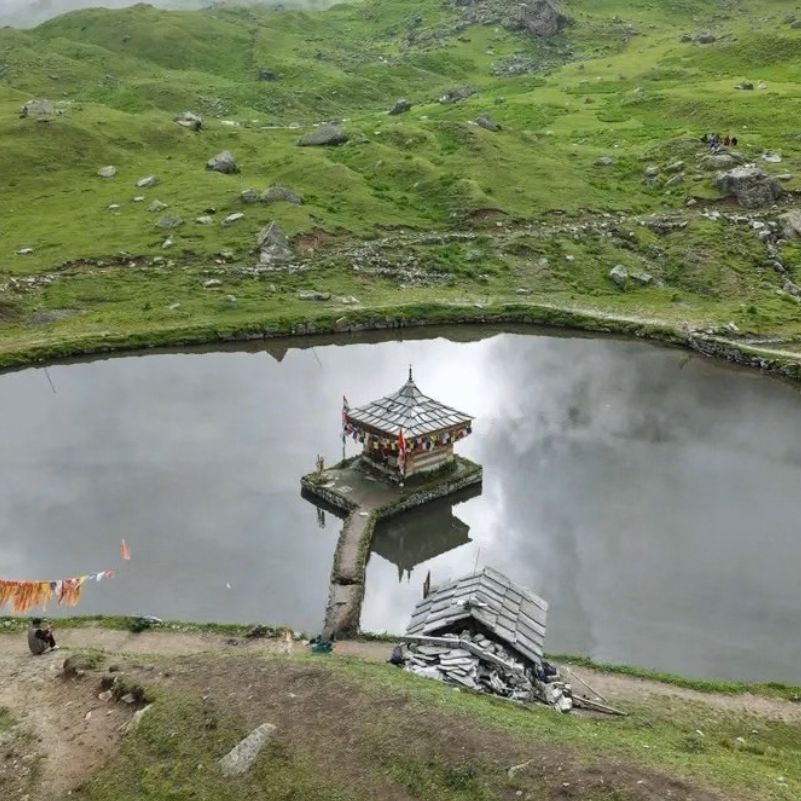 Kinnaur
Yulla Kanda Trek Itinerary: How Many Days Do You Need in 2026?
Planning your Yulla Kanda trek in 2026? Find out how many days you need to reach the sacred Krishna Lake in Kinnaur, with practical itinerary options for a short trek or a more relaxed journey. This guide covers trekking time, overnight camping, travel to Yulla Khas, and essential scheduling tips to help you plan around altitude, weather, and mountain road conditions.
 Kinnaur
Yulla Kanda Trek Cost in 2026: DIY Budget vs Group Package
Planning your Yulla Kanda trek in 2026 and comparing costs? This guide breaks down the expected budget for a DIY trek versus an organised group package, including transport to Yulla Khas, local guides, camping, meals, and essential gear. Understand where you can save money, which expenses need careful planning, and when local trekking support is worth the cost.
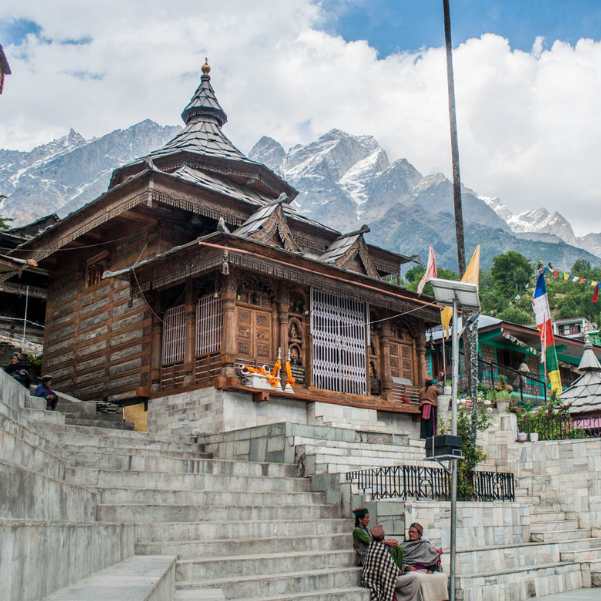 Kinnaur
Sangla in October, November & December: Which Month Is Best in 2026?
Planning a Sangla trip in 2026? Compare Sangla in October, November and December for weather, snowfall, road conditions, sightseeing and stays. Find out which month suits your travel plans best and what to expect in each season.