
Shipki La Pass in August 2026: Weather, Road Status, Permit Rules and Travel Tips

Shipki La Pass in August is one of those trips that sounds simple on paper and gets complicated the moment you start planning seriously.
You are dealing with a border pass that only opened to Indian tourists in mid-2025, monsoon roads through Kinnaur that close without warning, and official guidelines that still contradict media reports about access.
In our experience running Kinnaur trips for years, August is the trickiest month to attempt Shipki La. It is doable, but only if you plan it the right way and treat the pass as a bonus, not the main reason for your trip.
This guide breaks down exactly what to expect, what to verify, and how to plan a Shipki La trip in August 2026 that actually works.
Quick Answer: Should You Visit Shipki La Pass in August?
August is possible but risky. It falls right in the middle of the Himachal monsoon, and the approach roads through Kinnaur see regular landslides and shooting stones.
Indian tourists were allowed under regulated access based on 2025 reports, but the official Kinnaur tourist guideline page still mentions restrictions. August 2026 access must be verified the week you travel.
Our honest advice: keep two buffer days, start every drive early, and do not make Shipki La the only goal of your trip. Treat it as a bonus to a Kinnaur or Spiti circuit, not the centrepiece.
Where Is Shipki La Pass and Why Is It Special?
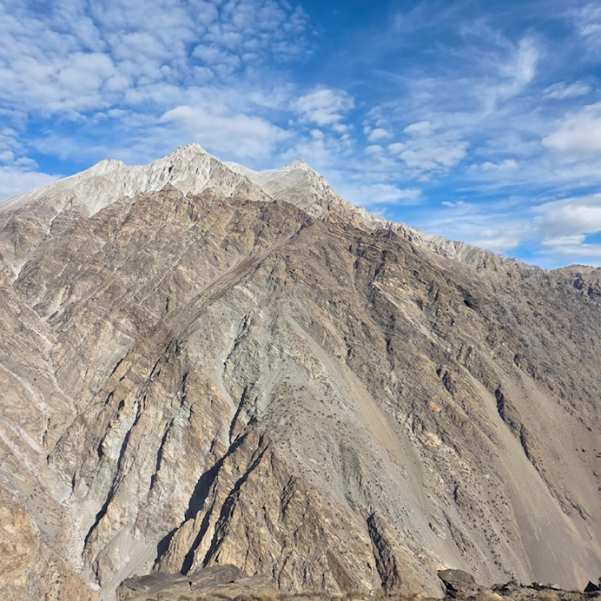
Shipki La is a motorable mountain pass in Kinnaur district of Himachal Pradesh, sitting right on the India China border.
The altitude is 3,930 metres. That is high enough for thin air, sudden weather changes, and cold winds even in summer.
What makes Shipki La interesting historically is that the old Hindustan Tibet Road passes through Kinnaur and crosses into Tibet at this exact spot. Traders, pilgrims, and travellers used this route for centuries before 1962.
The Sutlej river also enters India through this pass. Standing there and knowing the water you crossed in Rampur a day ago came in through Shipki La is one of those small details that sticks with you.
If Kinnaur is on your radar, our Kinnaur tour packages cover the full circuit including the valleys around Reckong Peo and Kalpa.
Is Shipki La Pass Open for Tourists in August 2026?
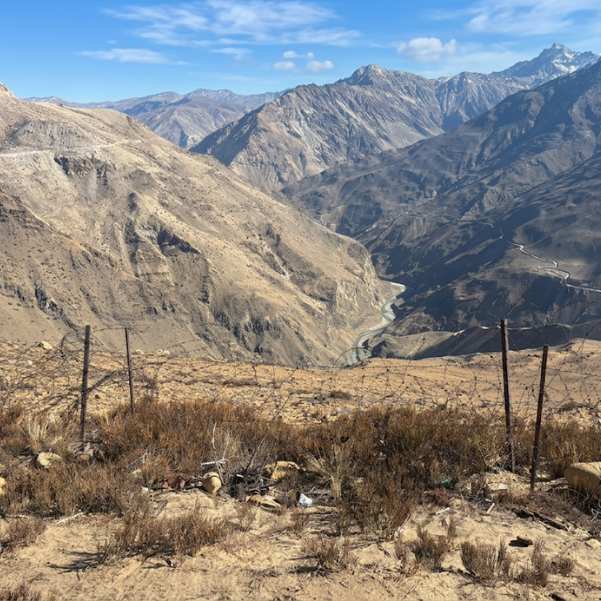
Here is where things get complicated, and you need to read this part carefully.
Shipki La opened for domestic tourism in June 2025 under Himachal's border tourism initiative. According to Indian Express, between June 10 and June 22, 2025, around 1,882 Indian tourists visited Shipki La, with 282 visitors recorded just on June 22.
That sounds promising. But the official Kinnaur tourist guideline page still says no access on roads leading to Shipkila and Kaurik from NH-22. So you have media reports saying tourists are visiting, and official documentation saying access is restricted.
What this means in practice is that access is regulated by security agencies, and ground rules can shift based on the week and the situation at the border. Our drivers who run the Kinnaur route check with local sources every season because nothing is fixed.
For August 2026, do not assume the situation is the same as it was in mid-2025. Verify with the local administration, ITBP checkposts, or a local operator before locking dates.
Talk to our Himachal team on WhatsApp if you want a current ground update before you travel.
Do You Need a Permit for Shipki La Pass?
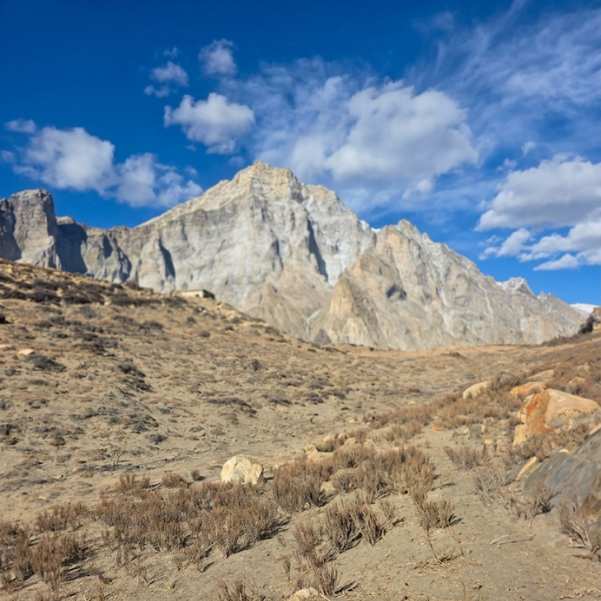
For Indian tourists
Based on 2025 reports, Indian citizens were allowed entry with valid government photo ID such as Aadhaar card or driving licence.
Local token systems or checkpost-controlled access were mentioned in several traveller accounts. Carry your original government photo ID, not a copy. Carry a printed Aadhaar even if you have the digital version.
Do not assume access is guaranteed even with valid ID. It depends on the day, the security situation, and the discretion of the checkpost in charge.
For foreign tourists
Indian Express reported that foreign nationals remained barred for now, though officials indicated possible future access through Protected Area Permit (PAP) or Restricted Area Permit (RAP).
If you are a foreign passport holder planning Kinnaur in August 2026, do not count on Shipki La access. Plan Kalpa, Sangla, and Chitkul as your Kinnaur experience instead.
Why rules can change suddenly
Three reasons. First, this is an active border with regular Army and ITBP presence. Their priorities override tourism. Second, weather closures can shut the road for days during monsoon. Third, district-level instructions from Kinnaur administration can pause or modify access based on local conditions.
What we always tell our travellers is to never lock non-refundable bookings around a Shipki La visit. Build your trip so it works even if the pass is closed the day you reach.
What Is Shipki La Weather Like in August?
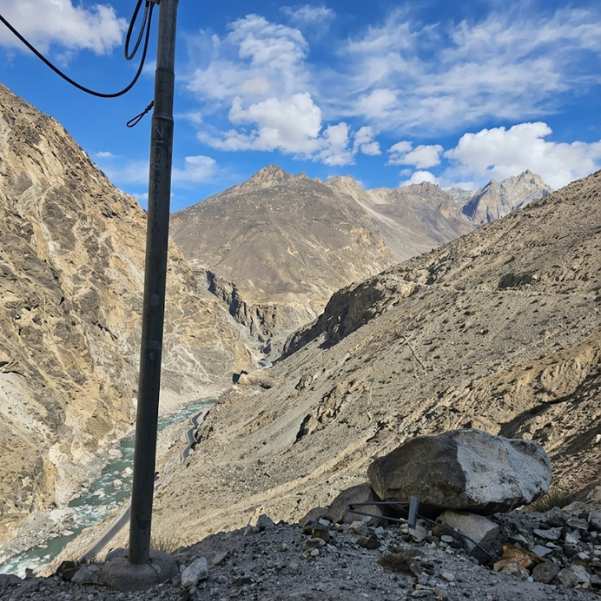
August is full monsoon month in Himachal. The Kinnaur valley sees significant rainfall during this period, especially on the lower stretches up to Reckong Peo.
Expect cloud cover, intermittent rain, wet road surfaces, and reduced visibility on mountain bends. The higher you go, the colder it gets, and at 3,930 metres, even an August afternoon can feel chilly when the sun goes behind clouds.
Carry warm layers regardless of what the forecast says. A fleece, a windproof jacket, and a light raincoat are non-negotiable.
What most tourists get wrong about August weather here is assuming Kinnaur is like the plains in monsoon, where rain comes and goes predictably. In these mountains, a clear morning can turn into a downpour by 2 PM, and that downpour can trigger a landslide that blocks your return route. Plan for unpredictability.
How Are the Roads to Shipki La in August?
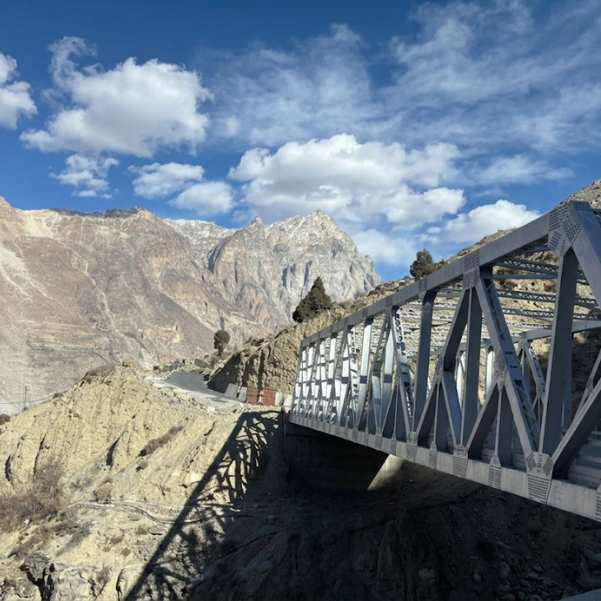
The broad route runs through Shimla, Narkanda, Rampur, Reckong Peo or Kalpa, then onwards to Pooh, Namgia, and finally Shipki La.
NH5, the highway that takes you through most of Kinnaur, has a history of monsoon disruptions. Past August seasons have seen landslides, shooting stones, and temporary closures between Rampur and Pooh.
The final 28 km stretch from Namgia to Shipki La is the one to be careful about. There are no rest stops, no dhabas, no eateries, and no accommodation along this stretch. Once you start, you are committed until you turn back.
Our drivers who run this route always carry a full water bottle, basic snacks, a first-aid kit, and a fuel buffer because there is nothing between Namgia and the pass. Top up your tank in Pooh or Reckong Peo and do not start the Shipki La stretch on less than half a tank.
In our experience, the safest August driving window in Kinnaur is between 6 AM and 1 PM. After that, monsoon clouds build up, rain starts, and the risk of landslides goes up sharply.
How to Reach Shipki La Pass from Shimla, Kalpa and Spiti
Shimla to Shipki La route
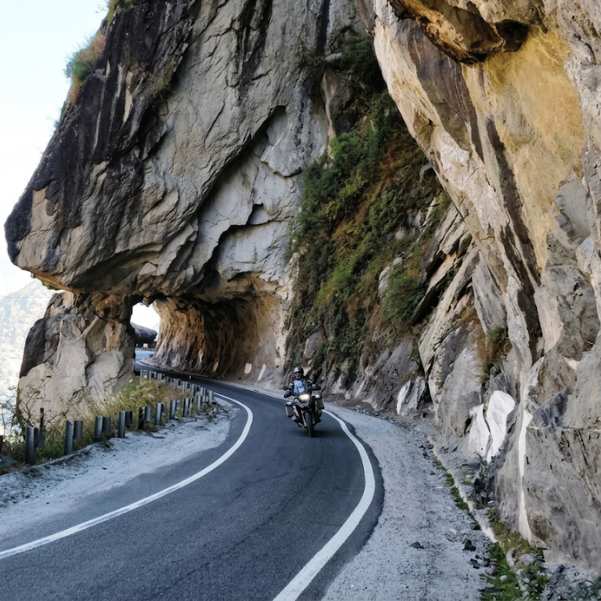
The route runs from Shimla through Narkanda, Rampur, Reckong Peo or Kalpa, Pooh, Namgia, and finally to Shipki La.
According to the official Kinnaur district page, the district is about 235 km from Shimla. The full distance from Shimla to Shipki La itself runs longer once you factor in the Pooh and Namgia legs.
This is not a single-day drive. Most travellers break it at Sarahan or directly push to Reckong Peo or Kalpa for the first night. If you are starting from Shimla, our Shimla tour packages can be combined with a Kinnaur extension that includes the Shipki La leg.
Kalpa or Reckong Peo to Shipki La
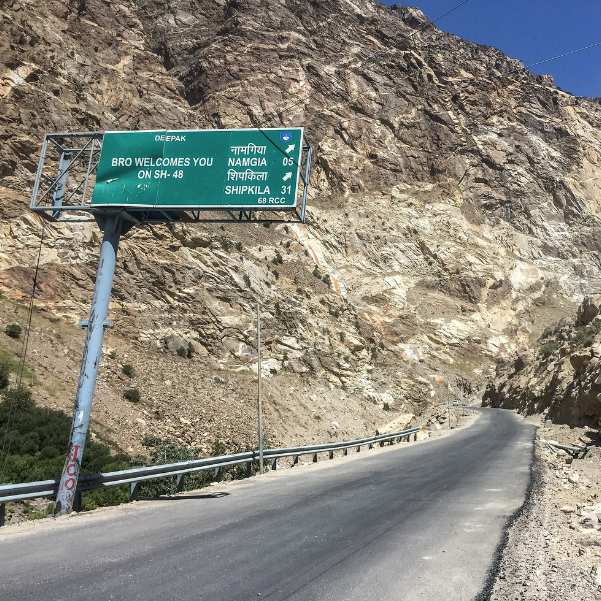
Reckong Peo or Kalpa is the practical base for a Shipki La attempt. According to Himalayan Feet, the distance is around 100 km with map before travel].
On paper, 100 km sounds like a half-day drive. In Kinnaur during monsoon, plan for the full day. The road quality drops after Pooh, and you have permit checks, ID verifications, and possible delays at checkposts.
The Shipki La diversion is about 27 km from Pooh according to Himalayan Feet. From the diversion, you head towards Namgia and then the final 28 km stretch to the pass.
There is no direct public transport to Shipki La according to Himalayan Feet, so you need a private vehicle or arranged cab. HRTC buses run up to Pooh and beyond, but they do not go to the pass itself.
Spiti side route
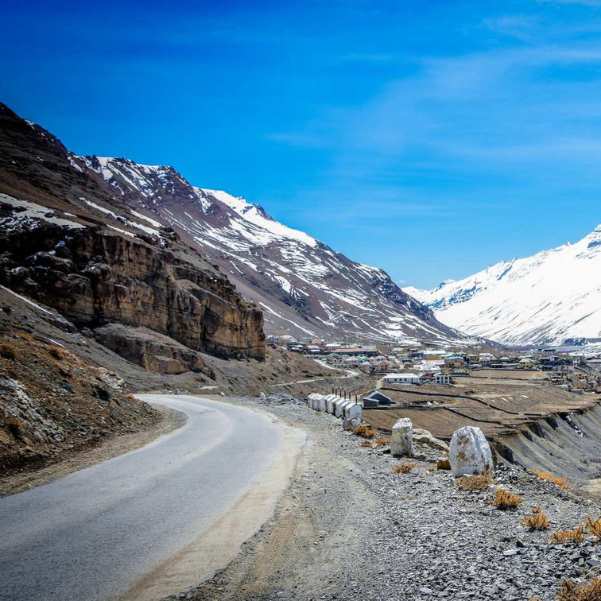
If you are coming from Spiti, Shipki La can be added around Nako and Khab if road conditions and access rules cooperate. The route would come down from Tabo or Nako, hit Khab, and then approach Shipki La via Pooh and Namgia.
This works best as a detour during a full Spiti circuit, not a standalone trip. Our Spiti Valley tour packages cover the broader region and can be customised to include a Shipki La attempt if access is confirmed.
Suggested 4 Day Itinerary for Shipki La in August
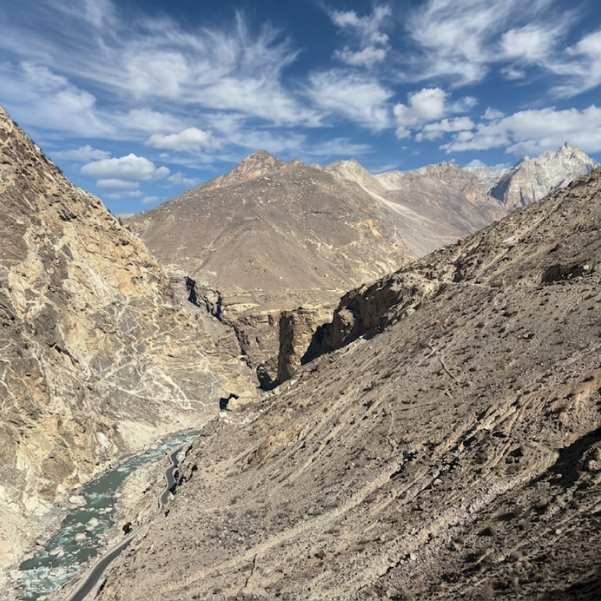
This is the version we recommend for travellers who want a fair shot at Shipki La without burning out.
Day 1: Shimla to Kalpa or Reckong Peo
Start early from Shimla, ideally by 7 AM. The drive takes most of the day with stops at Narkanda for breakfast and Rampur for lunch. Reach Kalpa or Reckong Peo by evening and rest. Kalpa gives you a quieter base with views of Kinner Kailash.
Day 2: Buffer day at Kalpa or Reckong Peo
This is the day most travellers skip and regret. Use it for permits, ID verification, road updates, fuel top-ups, cash withdrawal, and vehicle checks. There is no ATM at Pooh or beyond, so carry enough cash from Reckong Peo.
Spend the evening visiting Kalpa monastery or Roghi village if you have energy. You will appreciate the rest the next day.
Day 3: Shipki La attempt
Start by 5:30 AM from Kalpa. Reach Pooh by mid-morning, complete the checkpost formalities at Namgia, and attempt the pass. If access is granted, you will have one hour at the pass and 15 to 20 minutes at Zero Point in regulated batches.
Return to Kalpa, Pooh, or Nako depending on daylight and your next-day plan. Do not drive after dark in Kinnaur during August.
Day 4: Return or continue
Either head back towards Shimla or continue towards Nako, Tabo, and Kaza if you are connecting with Spiti. The Spiti extension makes more sense if you have already invested four days reaching this point.
Send us your dates and group size on WhatsApp and we can build a route that fits your group and pace.
What to Expect at Shipki La Zero Point
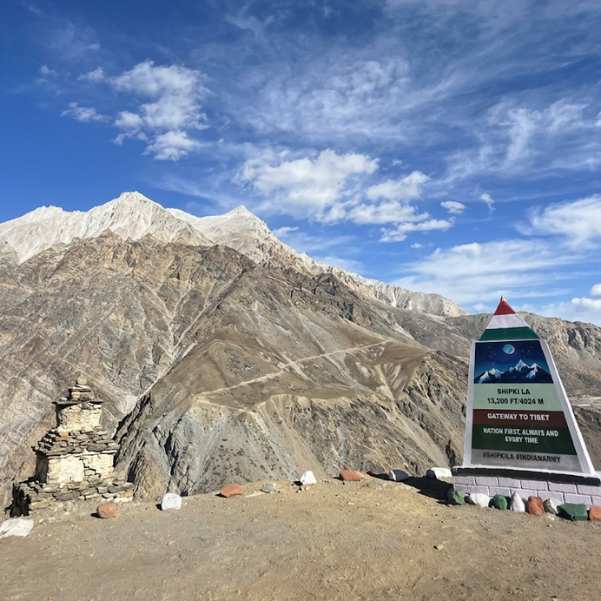
This is not a casual viewpoint where you wander around with a coffee. Access is structured and time-limited.
Based on 2025 reports, tourists were allowed one hour at the pass and 15 to 20 minutes at Zero Point. Movement happens in batches of 10 to 15 visitors under ITBP or Army security escort.
You will see the boundary markers, the Sutlej entering India, the road on the Tibetan side, and the wider mountain view. On a clear day, the landscape stretching into Tibet is visible.
Photography is regulated. Personal photos at the pass and Zero Point were generally allowed in 2025 reports, but military installations, field defences, vehicles, and security personnel are strictly off limits. If a soldier tells you to put your phone away, put it away immediately.
What our team always tells travellers heading here is to treat the soldiers with respect and follow every instruction without arguing. They are doing a job in difficult conditions, and your access depends on their cooperation. A small thank you and a smile go further than any complaint.
Where to Stay Near Shipki La Pass
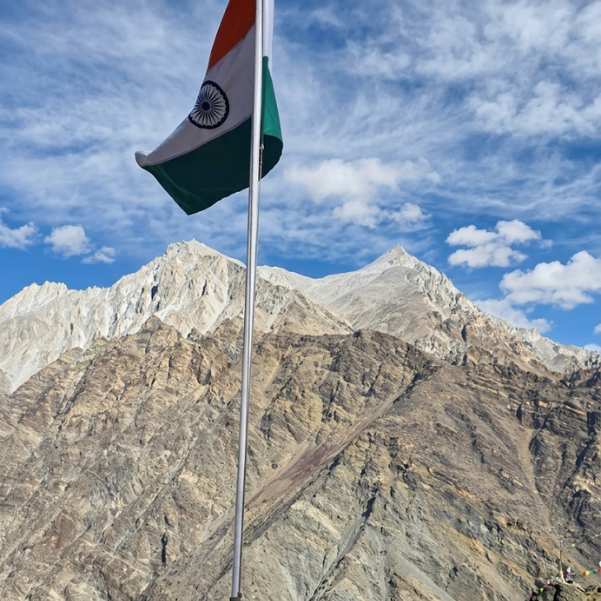
There is no accommodation on the 28 km Namgia to Shipki La stretch, so your stay options are in the surrounding towns.
Kalpa
Is the most comfortable base, with homestays, guesthouses, and a few hotels offering Kinner Kailash views. It is our team's first recommendation for most travellers.
Reckong Peo
Is the administrative headquarters and has more budget-friendly options. It is also where you handle permits and cash withdrawals.
Pooh
Has very basic guesthouses and HPTDC properties. Stay here only if you need to be closer to Shipki La for an early morning attempt.
Nako
Is useful if you are connecting to Spiti or coming down from that side. It has a few small homestays around the lake.
Do not expect luxury anywhere in this stretch. The further you go from Reckong Peo, the more basic the rooms get. Hot water, reliable electricity, and consistent network drop off quickly past Pooh.
Is Shipki La Safe in August?
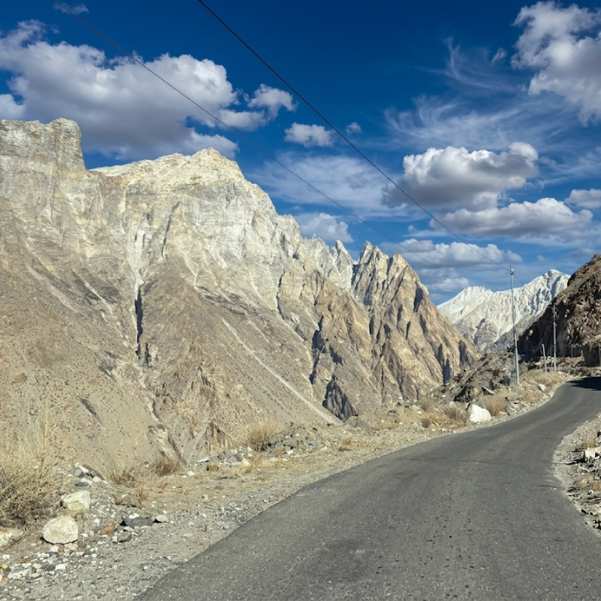
The location itself is not unsafe in a normal tourist sense, especially when authorities are allowing access. The risks come from the road, the weather, and the altitude, not from the destination.
August road conditions are the real concern. Landslides on NH5, shooting stones near the Sutlej gorges, no medical facilities for hours, limited phone network past Pooh, and the high altitude at the pass itself.
If you are a first-time mountain driver, do not push this route in heavy rain. If your group has elderly members or young kids, plan a slower itinerary with extra acclimatisation. If you have any heart or breathing condition, consult a doctor before attempting 3,930 metres.
The biggest local money-saving tip we share with travellers is to skip self-driving on this route in August. A local driver who knows where the landslide-prone stretches are, where to wait it out, and which dhabas are reliable, is worth more than the rental savings. A Shimla to Shipki La self-drive in monsoon is the kind of trip where one bad call costs you the entire vehicle.
August vs September: Which Month Is Better for Shipki La?
Both months have their case, and it depends on what you are willing to trade off.
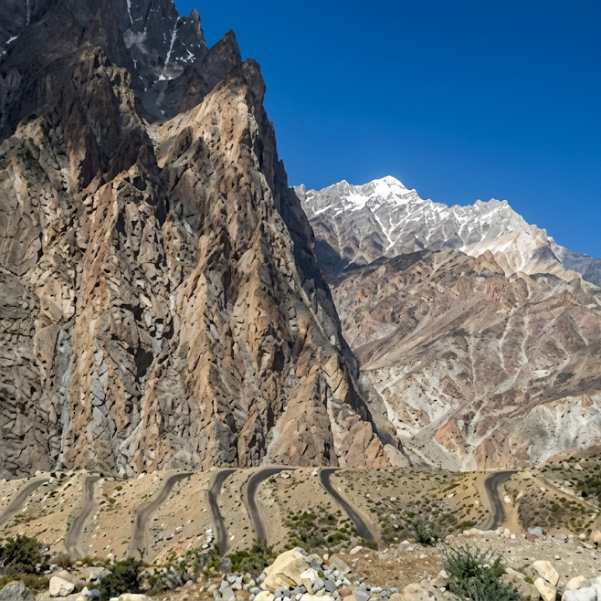
August gives you a greener, more dramatic Kinnaur. The Sutlej runs full, the slopes are covered in vegetation, and the cloud cover makes for atmospheric photographs. The downside is monsoon road risk, which is genuinely significant in this region.
September is usually more practical. The worst monsoon period ends by early September in most years, the roads stabilise, visibility improves, and the chance of a smooth Shipki La attempt goes up. Border access still needs verification, but the road variable becomes easier to manage.
In our experience, September is the better month for first-time visitors and families. August suits experienced mountain travellers who do not mind adjusting plans on the fly.
Can Shipki La Be Added to a Spiti Valley Trip?
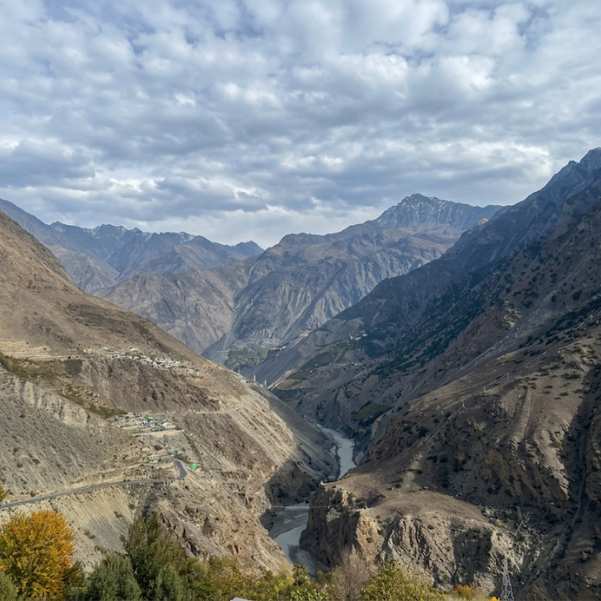
Yes, if road conditions and access rules permit. The route connects naturally with Kinnaur, Nako, Tabo, Kaza, and even Chandratal if you have the days.
A common loop is Shimla to Kalpa, then Shipki La attempt, then onwards to Nako, Tabo, Kaza, Chandratal, and exit through Manali. This is a 9 to 10 day trip and gives you the full Himalayan transition from green Kinnaur to cold desert Spiti.
If this sounds like the trip for you, our summer Spiti circuit with Chandratal is a strong starting framework that we can extend to include Shipki La as a Kinnaur add-on.
Before booking, also check our Chandratal opening 2026 guide so you understand which window works for the full circuit. Chandratal access and Shipki La access do not always align, and that timing matters.
Final Local Advice for Planning Shipki La in August
Do not treat Shipki La as a guaranteed checkbox on your trip in August. The access situation can change overnight, the roads can close for days, and the weather will rarely cooperate fully.
Keep at least two buffer days in your plan. Verify access with local sources the week you travel. Carry original government ID, not just photocopies. Start every drive by 6 or 7 AM at the latest. Avoid driving after dark in Kinnaur during monsoon.
Respect every ITBP and Army instruction at the checkposts and the pass. Do not photograph military installations. Do not argue with security personnel. Your access depends on cooperation, not entitlement.
One timing tip that changes the whole experience: reach the pass between 9 and 11 AM on a clear day. The light is good, the security batches move smoothly, and you still have daylight to get back to Kalpa or Pooh before evening rain rolls in.
Talk to our Himachal team on WhatsApp for current road status, permit confirmations, or to discuss whether August is the right month for your group.
For the broader picture, check our popular Himachal tours or contact our team directly. We have been running Kinnaur routes for years and can tell you honestly when a Shipki La visit is worth attempting and when to save it for next year.
Explore Our Curated Kinnaur Valley Tours
 8D/7N
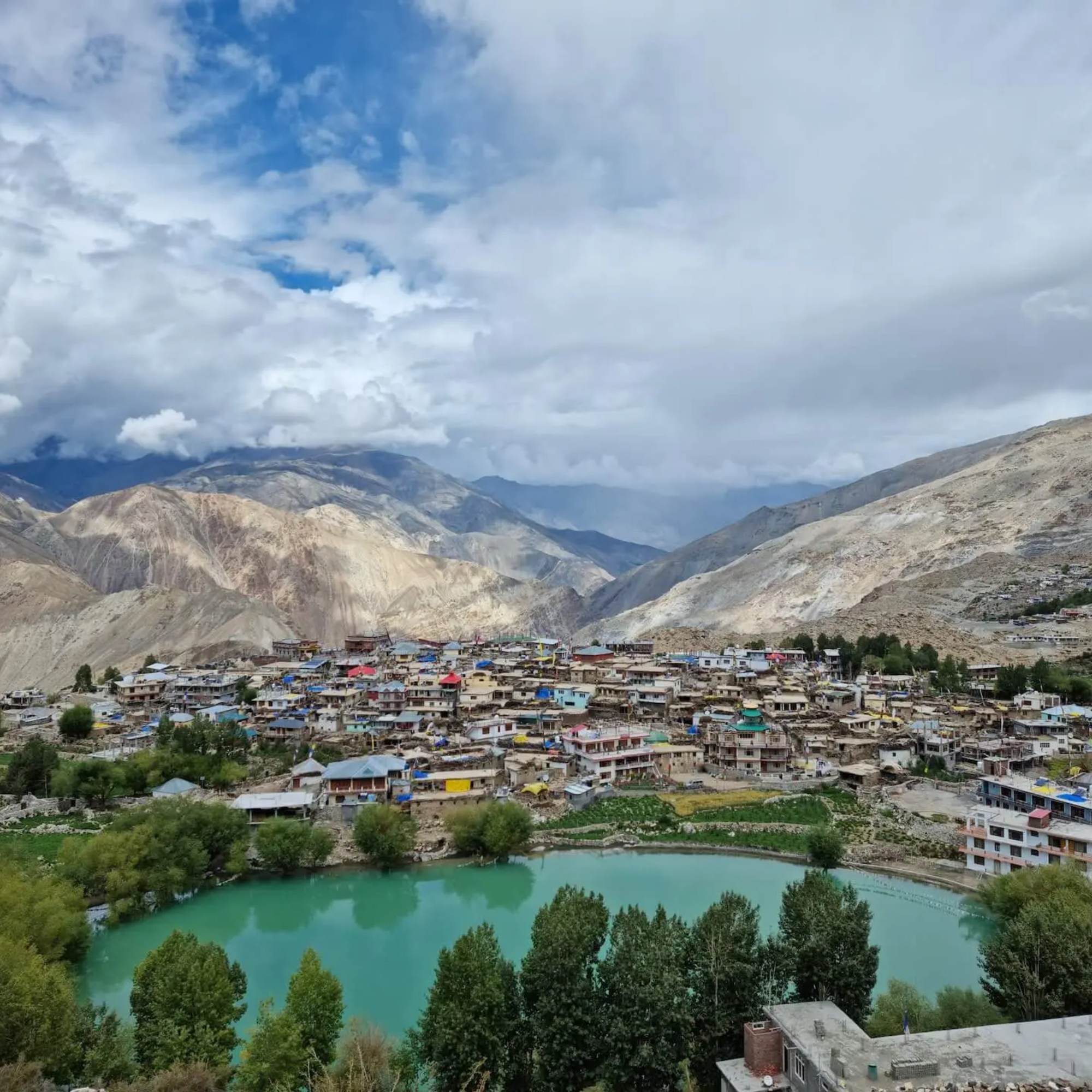
8D/7NMost Loved Kinnaur Valley Tour With Nako and Shipki La
2D Sangla / Rakcham•2D Kalpa+1
₹23,499₹25,999SAVE INR 2,500/ person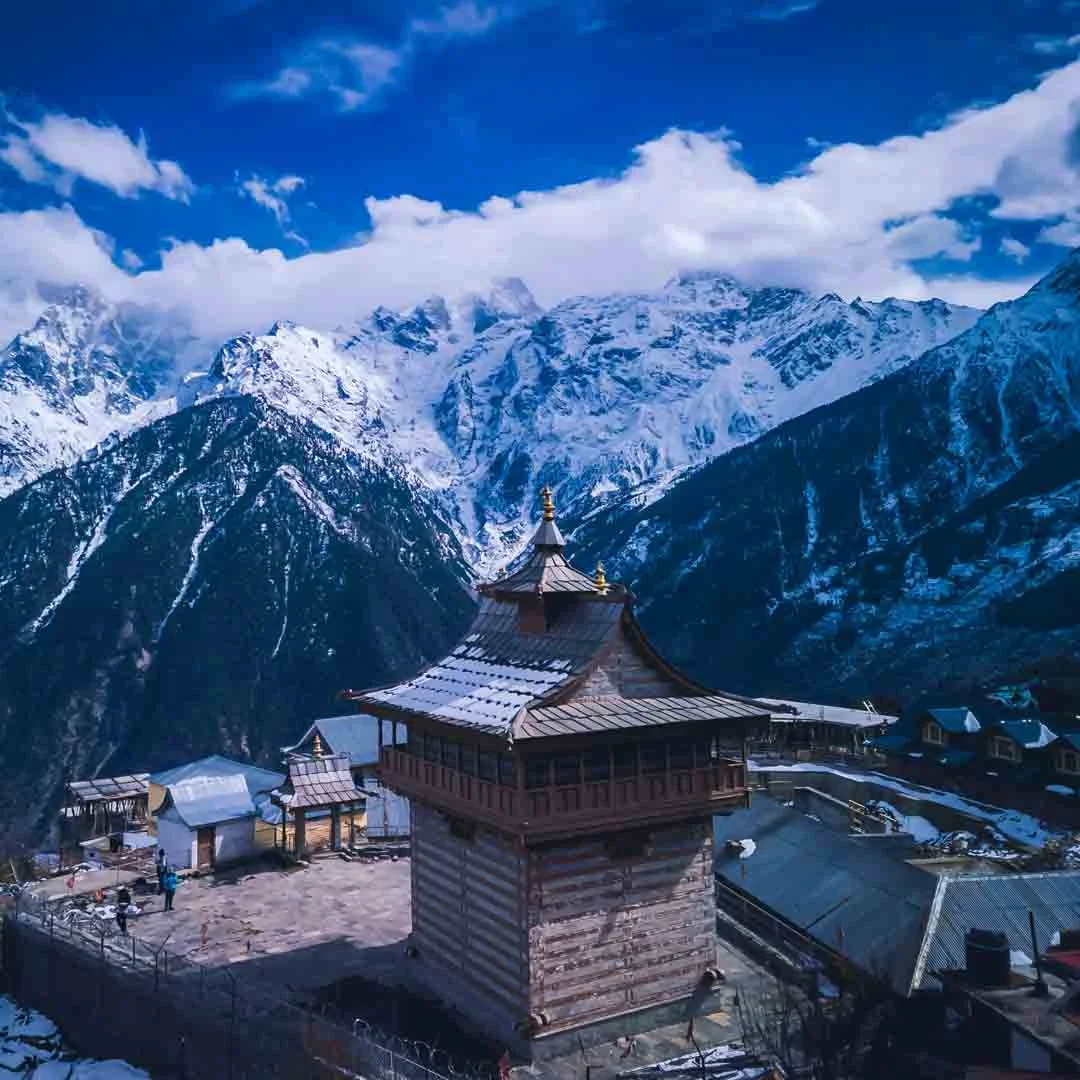 Group Tour8D/7N
Kinnaur Valley Group Tour With Nako and Shipki La
2D Sangla / Rakcham•2D Kalpa+1
₹14,999₹17,999SAVE INR 3,000/ person 4D/3N
4D/3NKinnaur Valley Scenic Circuit With Sangla Chitkul and Kalpa
1D Shimla•1D Sangla+1
₹16,999₹17,999SAVE INR 1,000/ person Group Tour5D/4N
Kinnaur Valley Weekend Group Trip With Sangla Chitkul and Kalpa
1D Sangla•1D Kalpa
₹7,999₹9,999SAVE INR 2,000/ person
Related topics
Frequently Asked Questions
Is Shipki La Pass open in August?
Based on 2025 tourism reports, Shipki La opened for Indian tourists in June 2025 and was operating through the summer season. August 2026 access needs to be verified close to your travel dates, as the official Kinnaur guidelines and media reports do not fully align.
Is August a good time to visit Shipki La Pass?
August is possible but not ideal. It falls in the monsoon, and Kinnaur roads see landslides and shooting stones regularly during this period. September is usually a safer and more practical choice.
Do Indians need a permit for Shipki La Pass?
2025 reports mention that Indian tourists could visit with valid government photo ID such as Aadhaar or driving licence. Some checkpost-controlled access and local token systems were also mentioned.
Can foreigners visit Shipki La Pass?
Indian Express reported that foreign nationals remained barred as of 2025, though future access through PAP or RAP was indicated as a possibility. Foreign passport holders should not plan around Shipki La access in August 2026.
How do I reach Shipki La from Shimla?
The route runs through Shimla, Narkanda, Rampur, Reckong Peo or Kalpa, then Pooh, Namgia, and finally Shipki La. Kinnaur district is about 235 km from Shimla, and Shipki La sits further beyond Reckong Peo.
How far is Shipki La from Kalpa or Reckong Peo?
Around 100 km from Reckong Peo according to Himalayan Feet. The Shipki La cut is about 27 km from Pooh, with the final 28 km stretch from Namgia having no facilities along the way.
Is photography allowed at Shipki La?
Personal photography was generally allowed at the pass and Zero Point in 2025 reports, but military installations, field defences, and security areas are strictly out of bounds. Follow every instruction from ITBP or Army personnel on site.
Can we see China or Tibet from Shipki La?
Yes, on a clear day you can see the road and landscape extending into the Tibetan side. The Sutlej river enters India through this pass, which adds to the location's significance.
Is Shipki La safe during monsoon?
The pass itself is not unsafe when authorities allow access, but the approach roads through Kinnaur are landslide-prone in August. The bigger risks are road conditions, weather, and altitude rather than the destination.
Which is better for Shipki La, August or September?
September is usually better for most travellers because the monsoon eases and roads stabilise. August suits experienced travellers comfortable with adjusting plans for weather and road closures.
Where should I stay near Shipki La?
Kalpa and Reckong Peo are the most practical bases with decent stay options. Pooh has very basic guesthouses for those needing proximity to the pass. There is no accommodation on the 28 km Namgia to Shipki La stretch.
Can Shipki La be added to a Spiti Valley trip?
Yes, if road conditions and border access permit. The route connects naturally with Kinnaur, Nako, Tabo, and Kaza. A 9 to 10 day Shimla to Manali circuit can include Shipki La as a Kinnaur add-on, subject to permissions.
More about Kinnaur
 Kinnaur
Yulla Kanda Trek Itinerary: How Many Days Do You Need in 2026?
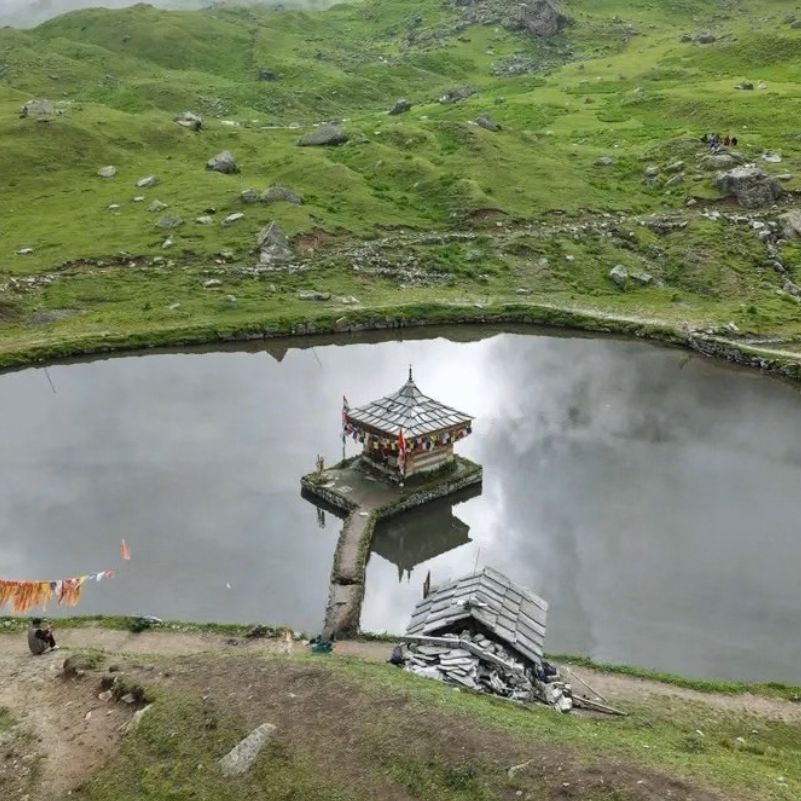
Planning your Yulla Kanda trek in 2026? Find out how many days you need to reach the sacred Krishna Lake in Kinnaur, with practical itinerary options for a short trek or a more relaxed journey. This guide covers trekking time, overnight camping, travel to Yulla Khas, and essential scheduling tips to help you plan around altitude, weather, and mountain road conditions.
 Kinnaur
Yulla Kanda Trek Cost in 2026: DIY Budget vs Group Package
Planning your Yulla Kanda trek in 2026 and comparing costs? This guide breaks down the expected budget for a DIY trek versus an organised group package, including transport to Yulla Khas, local guides, camping, meals, and essential gear. Understand where you can save money, which expenses need careful planning, and when local trekking support is worth the cost.
 Kinnaur
Sangla in October, November & December: Which Month Is Best in 2026?
Planning a Sangla trip in 2026? Compare Sangla in October, November and December for weather, snowfall, road conditions, sightseeing and stays. Find out which month suits your travel plans best and what to expect in each season.