
Shipki La Pass in September 2026: Weather, Permit, Road Status and Travel Guide
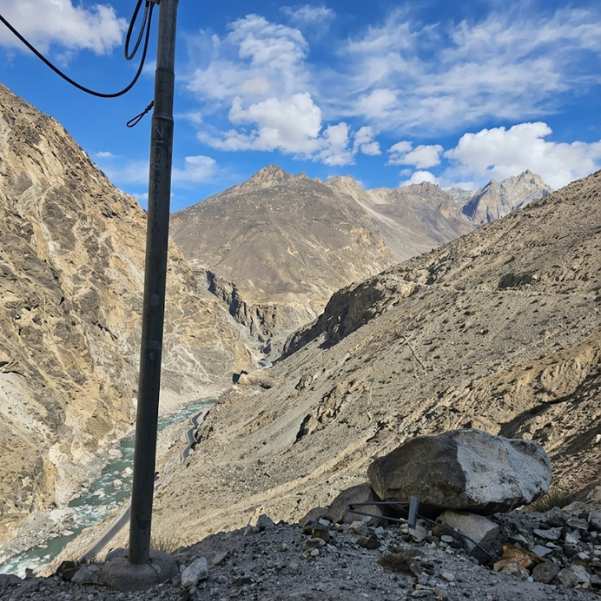
Shipki La is one of those places most Indian travellers have never heard of, even though it sits on the same map as Spiti and Kinnaur.
A motorable border pass at 3,930 m, opened to domestic tourism only in June 2025, looking straight into Tibet across the Sutlej. September is the month we get the most questions about, and for good reason.
The monsoon is winding down, the views start opening up, but the rules around access are still confusing and the roads still play games.
This guide cuts through all of that.
Quick Answer: Is September Good for Shipki La Pass?
Yes, September is one of the better months for Kinnaur and Shipki La Pass. Peak monsoon usually starts easing off, skies get clearer, and the views into the Sutlej gorge become sharp.
But early September can still throw rain, shooting stones, landslides and sudden roadblocks at you, especially on NH-5 in Kinnaur. Late September is usually the safer window, with colder nights and stable weather.
One thing to remember always. Shipki La is a sensitive border area controlled by Army, ITBP and civil administration. Access rules change with very little notice, so you must verify the current status before you leave Reckong Peo or Pooh.
Talk to our Himachal team on WhatsApp
What Makes Shipki La Pass Special?
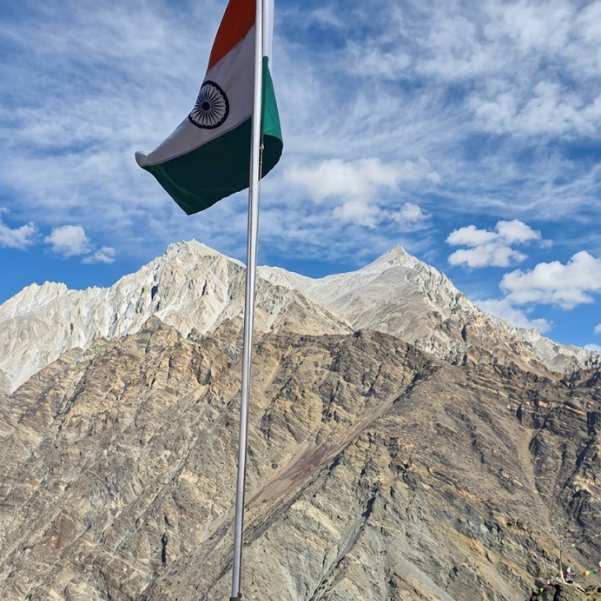
Shipki La sits in Kinnaur district in Himachal Pradesh, right against the India-China border. The pass is motorable, which is rare for a border crossing at this altitude.
What makes it geographically interesting is the river. The Sutlej, which Indians have grown up hearing about, is actually called Langqen Zangbo in Tibet. It crosses into India right around this stretch, near Khab Sangam, where it meets the Spiti river.
Historically, Shipki La was an old Indo-Tibetan trade route. Wool, salt, grain and livestock used to move across this pass between Kinnaur traders and Tibetan villages on the other side. The trade stopped for decades after 1962 but the pass kept its name and its memory.
For travellers, what you get is something most border areas in India do not allow. You get to drive up to a working border post, look across at Tibet, and come back. No trek, no expedition. Just a road that ends where the country ends.
If Kinnaur is new to you, explore Kinnaur with Travel Coffee gives you a sense of how this region fits into a wider Himachal trip.
Is Shipki La Pass Open in September 2026?
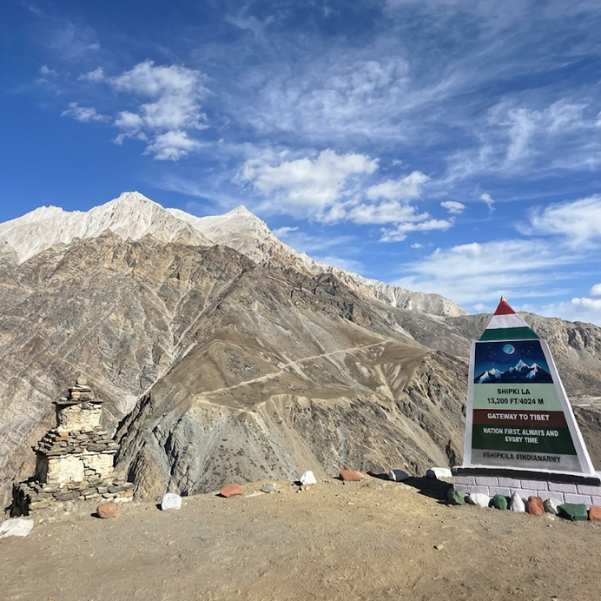
Shipki La opened for domestic tourism in June 2025 under Himachal's border tourism initiative. That was a real shift. For decades, this was a restricted zone, accessible mostly to people with research, work or military reasons. From June 2025, regular Indian travellers could go.
But 2026 access is not automatic. The area is still controlled by Army, ITBP and civil administration protocols, and any of them can pause access for security reasons, weather or local issues. We have seen this happen with other border-area visits in Ladakh and Kinnaur over the years.
Cross-border trade through Shipki La has been reported as set to resume around June 2026. We want to be very clear about what this means for you as a traveller. Trade resumption does not mean tourists can cross into Tibet or China. Treat your Shipki La visit as an Indian-side border tourism stop, where you reach the border post, take in the view, and return.
The most common mistake we see travellers make is assuming "open" means "open all the time." It does not. Access can be paused for a day, a week or longer.
Do You Need a Permit for Shipki La Pass in 2026?
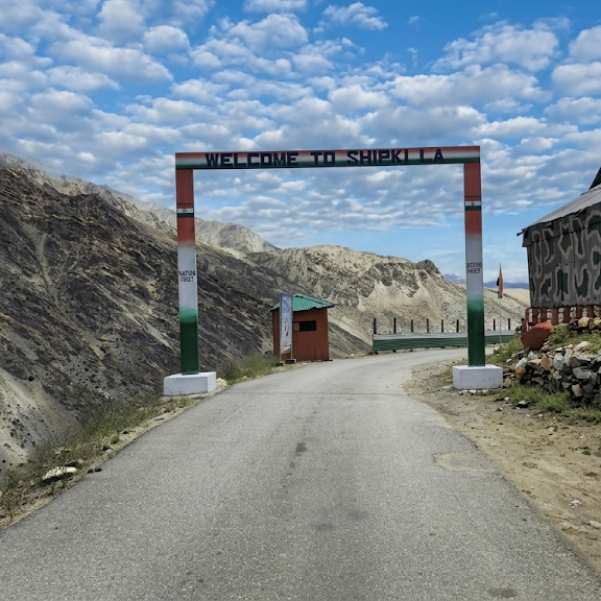
Here is where most online sources contradict each other. We will be honest about that confusion instead of pretending we have a clean answer.
For Indian travellers, access was reported in 2025 as Aadhaar or valid ID based. You show your ID at checkpoints, your details get logged, and you are allowed through if the route is open.
Economic Times reported an initial plan of 30 tourists per hour and 210 tourists per day. This cap may have already changed by 2026, so do not plan your visit around old numbers.
Kinnaur district's official tourist guideline page is where things get tricky. The page says all persons in notified areas need valid identity cards and that movement is regulated by civil administration.
The same page also says no access is allowed on roads leading to Shipkila and Kaurik from NH-22 or NH-5. This directly conflicts with the 2025 border tourism reports.
What we tell our travellers is simple. Do not assume either source is final. Confirm the current rule on the morning you leave Kalpa, Reckong Peo or Pooh, ideally with a local operator or the police checkpoint at Pooh.
For foreign tourists, Protected Area Permit rules apply for restricted zones. The Kinnaur official page mentions ₹200 per person at the e-Governance Centre plus travel agency service charges for Inner Line Permit processing.
Photography of military installations, field defences and strategic posts is strictly prohibited. This is not a soft rule. People have had cameras checked at the post.
What Is the Weather Like at Shipki La Pass in September?
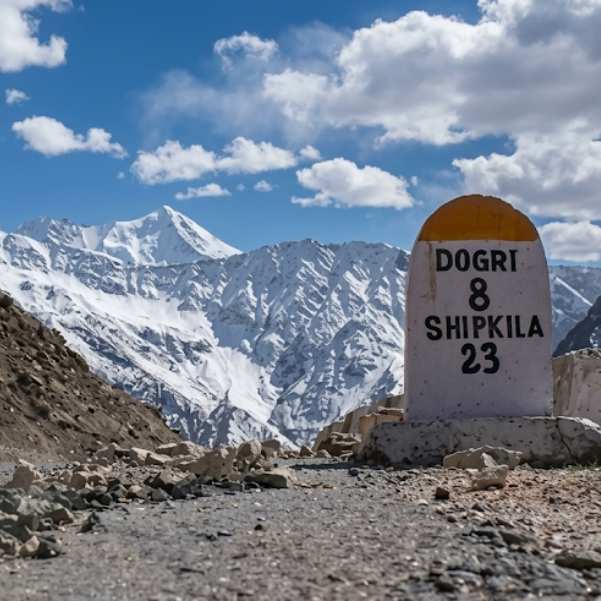
September splits into two very different halves in Kinnaur.
Early September
It can still feel like the tail end of monsoon. The landscape is greener, the rivers are full, and the light has that washed look after rain. The problem is road uncertainty. A clear morning in Kalpa can turn into a blocked highway by 3 PM if rain hits the wrong nallah.
Early September reference for Kinnaur is roughly 14.2°C high and 1.8°C low. Mid September runs around 13.3°C high and -0.9°C low.
Late September
This is when the postcard version of Kinnaur shows up. Skies clear, the air gets crisp, and you can see ridge lines that were hidden in cloud all of August. Nights start dropping below zero in higher villages.
Late September reference for Kinnaur is roughly 8.6°C high and -0.7°C low.
Now, these are Kinnaur town numbers. Shipki La itself sits much higher and is far more exposed. At the pass, the wind cuts through layers in a way the lower villages never feel. Pack as if you are going to be a full 5 to 8 degrees colder than wherever you slept the previous night.
In our experience, travellers from Delhi and Chandigarh underpack for this trip every single time. A hoodie is not enough.
How Safe Is the Shipki La Road in September?
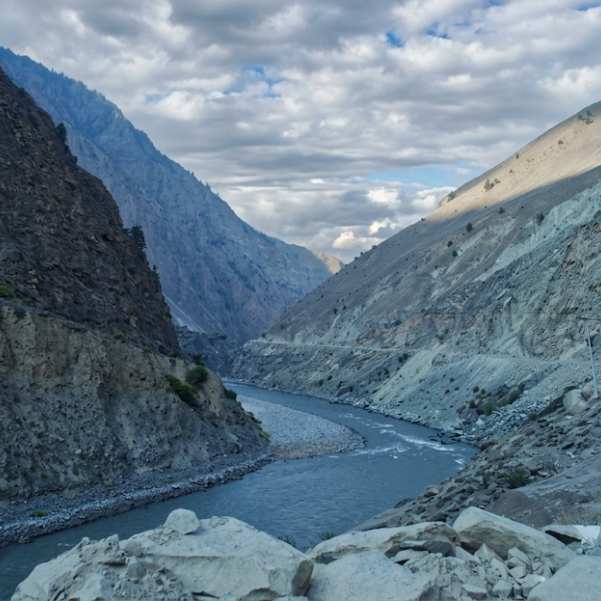
September is better than July and August. But better is not the same as safe. Kinnaur roads have their own personality and you have to respect it.
In August 2025, NH-05 in Kinnaur had monsoon blocks at Ribba Nallah and Malling Nallah. Around the same period, NH-5 also had problems near Ribba rivulet and Nigulsari due to flash floods and shooting stones. These are the spots that fail first when it rains hard, and they take days to clear.
Our practical advice from running this route. Start early. Always. A 6 AM start is normal here, not aggressive. Avoid night driving completely. The roads have blind curves, loose gravel and absolutely no streetlights once you cross Reckong Peo.
Do not drive immediately after heavy rain. Wait two hours minimum, longer if locals are saying the slopes are still moving.
Keep one full buffer day in your itinerary. If you do not need it, great, you get a relaxed day in Kalpa or Nako. If you do need it, you will be glad it was there.
Check the live road status with a local operator or the Kinnaur police helpline the night before and the morning of your drive.
How to Reach Shipki La from Shimla, Reckong Peo, Pooh and Nako
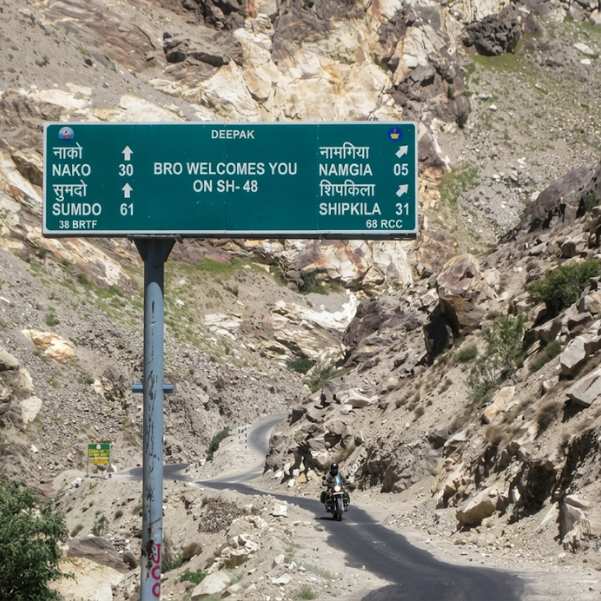
Shimla to Shipki La Route
The standard route is Shimla to Rampur to Reckong Peo or Kalpa to Pooh to the Shipki La side road. This is the same NH-5 corridor that takes you through Kinnaur, just continued further than most travellers go.
Depending on your arrival time in Shimla, you can either push to Narkanda on the same day or take Shimla as your first night halt.
If your flight or train gets you to Shimla after 2 PM, do not try to make it past Narkanda. The road is doable but tired drivers on Kinnaur turns is not a combination we recommend.
Plan your Shimla stay if you want options that work as a Day 1 base.
Reckong Peo or Kalpa to Shipki La
Reckong Peo and Kalpa are the practical bases for this trip. Both towns have more stay options than anywhere further inside Kinnaur, and they have proper markets, ATMs and fuel.
A traveller source places Reckong Peo or Kalpa at around 100 km from the Shipki La side. On Google Maps that looks like a 2.5 hour drive. In reality with Kinnaur road conditions, plan for 4 to 5 hours one way, especially if you are stopping at Khab Sangam.
Pooh to Shipki La
Pooh is the last proper village before the border push. The cut towards Shipki La is reported as about 27 km from Pooh, but this can change depending on which checkpoint is being used in a given season.
Pooh itself is small, but it has basic homestays and a couple of dhabas. If you reach Pooh by mid-morning and access is confirmed, you can do Shipki La and return to Pooh or Nako the same day.
Can You Go from Manali or Spiti Side?
Yes, but it is a much longer commitment. The Manali side route runs Delhi to Chandigarh to Manali to Kunzum Pass to Kaza to Dhankar to Tabo to Nako to Khab Bridge to Shipki La.
A traveller source describes this Delhi-Manali-Kaza-Shipki road trip as around 900 km and at least 3 days. In reality, if you are coming this way, you are doing a full Spiti circuit and Shipki La becomes one piece of it rather than the focus.
Explore Spiti Valley packages for travellers who want to combine both sides in one trip.
Suggested September Itinerary for Shipki La Pass
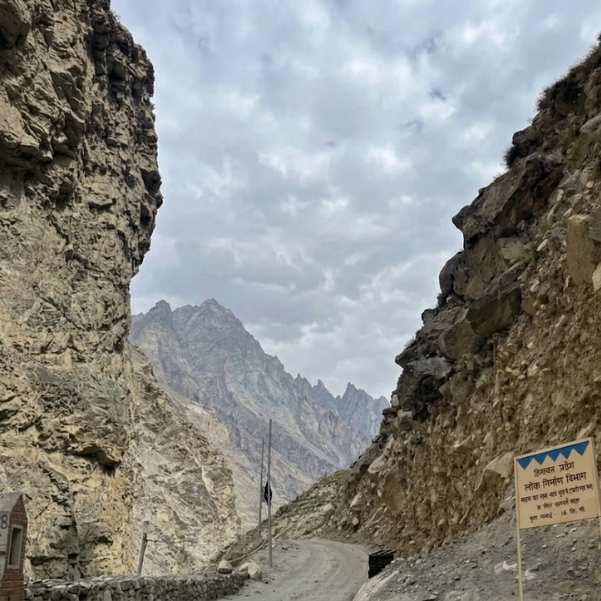
This is a 5-day plan we have refined over multiple trips. It assumes you are starting from Shimla.
Day 1
Reach Shimla or push to Narkanda if you arrive early. Rest, eat properly, and get your warm clothes accessible at the top of your bag. Do not unpack everything.
Day 2
Start by 7 AM from Shimla or Narkanda toward Kalpa or Reckong Peo. The drive is long, with stops at Rampur and Karcham. Reach Kalpa by evening. Watch the sunset hit the Kinner Kailash range from your room window. This is the moment most travellers say the trip already feels worth it.
Day 3
This is the Shipki La day. Start at 6 AM from Kalpa or Reckong Peo toward Pooh. Stop at Khab Sangam to see the Sutlej and Spiti rivers meet. Reach Pooh and check current access for the Shipki La side road.
If access is allowed, drive up, spend time at the viewpoint, and return. Head back to Kalpa, Pooh or continue to Nako depending on road conditions and how much daylight you have left.
Day 4
Use this day to explore. Nako lake, Khab bridge, Kalpa village walk, or a side trip to Chitkul if you went back toward Kalpa. This is also your buffer day if Shipki La was not accessible on Day 3 and you want to retry.
Day 5
Return toward Shimla, or if you have more days and the Spiti circuit is on your wishlist, continue toward Nako and Kaza.
See popular Himachal tours if you want a sense of how these days get bundled into longer trips.
Where Should You Stay Near Shipki La?
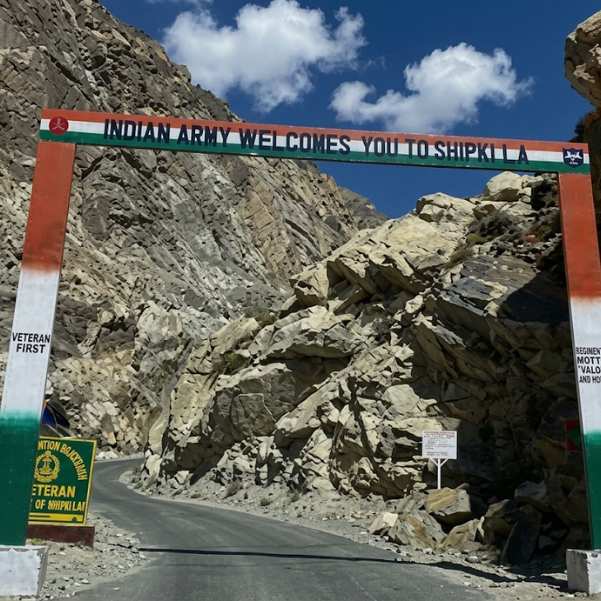
Shipki La itself is not a stay destination. You do not sleep at the pass. You drive up, spend time, and come back.
Your real stay bases are Kalpa, Reckong Peo, Pooh and Nako. Kalpa is the most comfortable, with proper hotels and homestays plus mountain views from the balcony. Reckong Peo is more functional, less scenic, but has everything you need. Pooh is small and basic. Nako has high-altitude charm and a lake at the centre of the village.
A traveller source suggests Nako or Pooh as the nearest stay options for Shipki La, and rates Nako as the better stay.
Our team agrees with this. Nako has more character, slightly better food options, and the morning light on Nako lake is something you will remember long after the trip.
Moneycontrol reported overnight stay in the border area as prohibited. So do not plan to sleep close to the actual pass. Use Kalpa, Reckong Peo, Pooh or Nako as your base and treat Shipki La as a day visit only.
What Should You Pack for Shipki La in September?
The single most important thing is Aadhaar or valid ID. Keep it accessible, not buried inside your suitcase. You will need it at multiple checkpoints.
Pack warm layers including thermals, a fleece, a heavy jacket and a windproof outer shell. September can fool you with sunny afternoons, but the wind at the pass is what you are dressing for, not the sun.
Carry comfortable trekking shoes with grip. Sunglasses and a good SPF 50 sunscreen are non-negotiable because UV at this altitude is brutal even when it feels cool.
Bring personal medicines including painkillers, Diamox if your doctor has cleared it, ORS sachets, and anything you take regularly.
Cash matters here because ATMs are unreliable beyond Reckong Peo. Download offline maps for the full route. Network drops out without warning.
Carry water, dry snacks, biscuits, dry fruits and a power bank. If you are self-driving or biking, carry basic spares including a puncture kit, spare bulbs and engine oil.
In our experience, the one thing travellers always wish they had packed more of is hand cream and lip balm. The dry wind cracks skin within two days.
Is Shipki La Good for Bikers, Families and First-Time Kinnaur Travellers?
For bikers
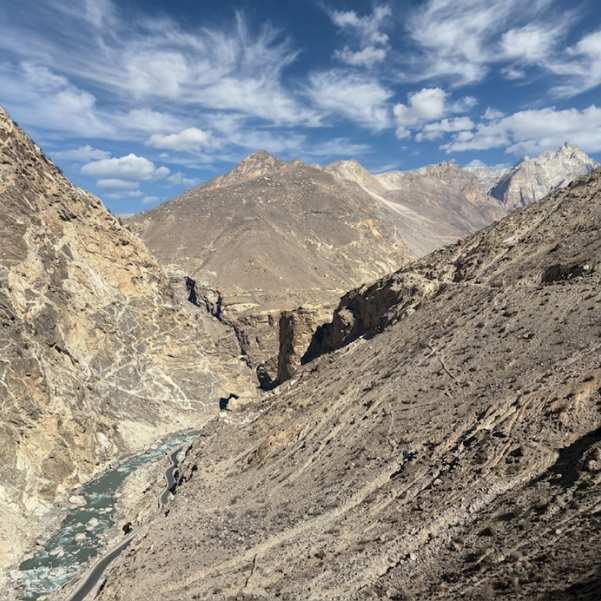
Shipki La is rewarding but demanding. Only experienced riders should attempt it. Narrow roads, altitude gain, side wind near the higher stretches and unpredictable road conditions all add up. If your last Himalayan ride was a smooth Manali-Leh trip with paved roads, do not assume Kinnaur is similar. It is rougher in patches and the consequences of a mistake are bigger because help is far.
For families
It is possible in September if road status is stable and you commit to a slow itinerary. Do not try to do Shimla to the border in one stretch.
Break it across Kalpa or Reckong Peo, give your body time to adjust to the altitude, and skip the day if anyone in the family is feeling off. With kids under 8, we usually suggest stopping at Kalpa instead of pushing all the way to Shipki La.
For first-time Kinnaur travellers
The honest answer is to go with a local driver or a planned operator setup. The route looks simple on a map but the checkpoints, the road condition changes and the access rule confusion can stress out a first-timer.
Our team recommends a guided plan for at least your first Kinnaur trip, then you can do it yourself the second time once you know the rhythm.
Photography, Network, Fuel and Border Etiquette
This is a working border. Treat it that way.
No photography of strategic posts, military installations, ITBP camps or border infrastructure
Cameras and phones may be checked at the post. The penalty for breaking this rule is not just a polite warning. People have had their devices held back. Do not argue at checkpoints, do not negotiate, and do not try to convince anyone in uniform that your case is special. It is not.
Keep your Aadhaar or ID in a pocket that is easy to access
You will be showing it multiple times in a single day.
Network coverage is poor or fully absent near the pass
An older traveller source notes no network at the top and says BSNL had the widest coverage in Kinnaur and Spiti. Inform a family member or friend about your plan before you lose signal.
Fuel planning matters
Tank up properly at Rampur, Reckong Peo or Pooh. We do not list specific pump locations because openings and timings can change. Ask locally on the day you drive.
What Else Can You Combine with Shipki La in September?
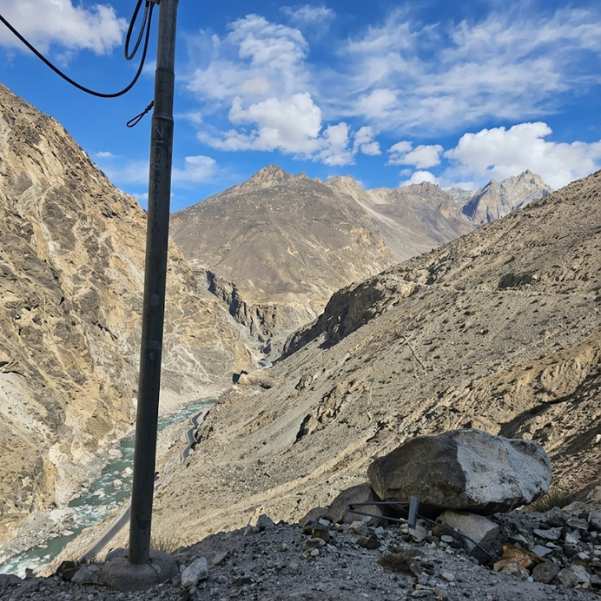
Kinnaur opens up beautifully in September, so build out the trip if you have the days.
Kalpa for the Kinner Kailash sunrise view from your hotel. Reckong Peo as your supply and rest base. Pooh as the final village before the border push.
Nako for its high-altitude lake and Tibetan-style village walk. Khab Sangam for the Sutlej-Spiti confluence. Chitkul as the last village before the Indo-Tibetan border on the Sangla side.
Sangla valley for forests and the Baspa river. Spiti Valley as the natural extension if you have 10 days or more.
Read about Chandratal opening in 2026 if Chandratal is also on your list, because September is one of the best months for that lake too.
See the Chandratal Spiti circuit package if you want to combine Kinnaur, Shipki La and Spiti into one full circuit.
Should You Book Shipki La Through a Local Himachal Operator?
We will be straight about this. Shipki La is not a normal sightseeing stop. It is a border area with access rules that change, roads that fail, and checkpoints that ask questions.
In our experience running Kinnaur trips, the travellers who have the best Shipki La experience are the ones who had someone on the ground checking access two days before, on the morning of departure, and at every checkpoint along the way.
Our team recommends a local operator setup for first-time Shipki La travellers because of three things. Same-week access verification with the right people.
Drivers who have done the route enough times to read the road. Backup plans that activate the moment something fails.
If Shipki La access is paused on your planned day, a local team can pivot you to Chitkul, Nako or Khab without losing the trip.
We usually suggest building the trip around 5 to 7 days minimum if Shipki La is your main goal. Anything shorter forces you into a rush that ruins the experience.
Talk to our Himachal team on WhatsApp if you want a route check and a quick recommendation based on your dates.
Contact Travel Coffee for a longer planning conversation, custom itineraries or group bookings.
Explore Our Curated Kinnaur Valley Tours
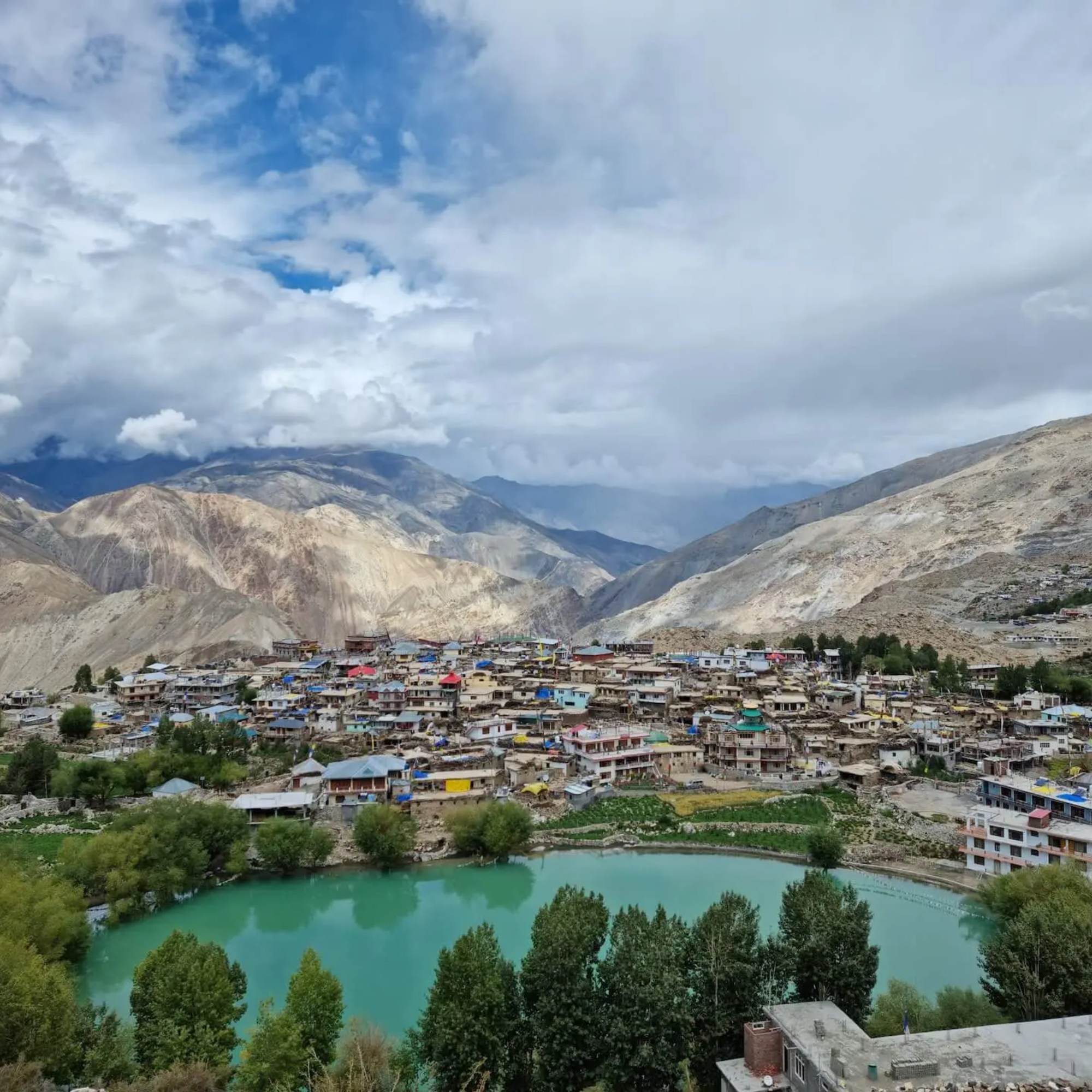 8D/7N
8D/7NMost Loved Kinnaur Valley Tour With Nako and Shipki La
2D Sangla / Rakcham•2D Kalpa+1
₹23,499₹25,999SAVE INR 2,500/ person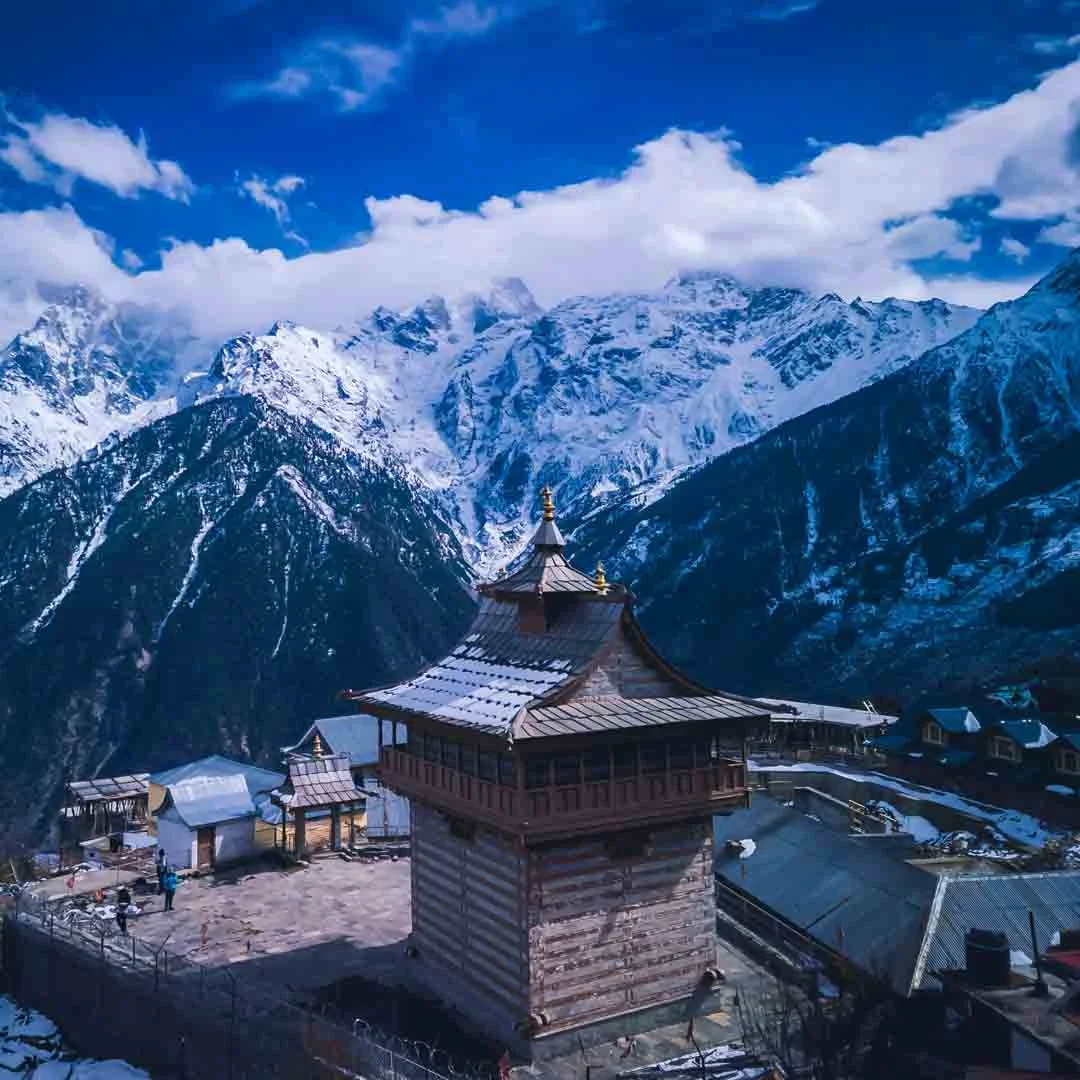 Group Tour8D/7N
Kinnaur Valley Group Tour With Nako and Shipki La
2D Sangla / Rakcham•2D Kalpa+1
₹14,999₹17,999SAVE INR 3,000/ person 4D/3N
4D/3NKinnaur Valley Scenic Circuit With Sangla Chitkul and Kalpa
1D Shimla•1D Sangla+1
₹16,999₹17,999SAVE INR 1,000/ person Group Tour5D/4N
Kinnaur Valley Weekend Group Trip With Sangla Chitkul and Kalpa
1D Sangla•1D Kalpa
₹7,999₹9,999SAVE INR 2,000/ person
Related topics
Frequently Asked Questions
Is Shipki La Pass open in September?
Usually yes. The pass opened for domestic tourism in June 2025 and is generally accessible through September. Access can still be paused by Army, ITBP or civil authorities, so confirm before you leave Reckong Peo or Pooh.
Is September a good time to visit Shipki La?
Yes. September is one of the better months for Kinnaur and Shipki La because the monsoon eases off and views get clearer, especially in late September. Early September can still have rain and road issues.
Do Indians need a permit for Shipki La Pass?
Indian access was reported in 2025 as Aadhaar or valid ID based. There may be additional registration at checkpoints, and rules can change. Verify the current rule on the day you travel.
Is Aadhaar enough for Shipki La?
In 2025, Aadhaar was reported as sufficient identification for Indian travellers. Carry a backup ID like a driving licence or voter ID just in case, and confirm the current rule before leaving Pooh.
Can foreigners visit Shipki La?
Foreign tourists fall under Protected Area Permit rules for restricted zones. The Kinnaur official page mentions a permit fee structure, but applicability to Shipki La in 2026 must be verified separately. Foreign travellers should always check before planning.
How do I reach Shipki La from Shimla?
The route is Shimla to Rampur to Reckong Peo or Kalpa to Pooh, and then the Shipki La side road. It is usually a 3 to 4 day plan with proper night halts at Kalpa or Nako.
How far is Shipki La from Pooh?
A traveller source places the Shipki La cut at about 27 km from Pooh. The exact distance depends on which checkpoint is active and where the road allows civilian vehicles to go.
Where should I stay near Shipki La?
Kalpa, Reckong Peo, Pooh and Nako are the main stay bases. Nako is rated as the better stay option by traveller sources, while Kalpa is more comfortable with better hotels. Overnight stay in the border area is reported as prohibited.
Is photography allowed at Shipki La?
General landscape photography is fine. Photography of military installations, field defences, strategic posts and security personnel is strictly prohibited. Cameras may be checked at the border post.
Is Shipki La safe for bikers in September?
For experienced riders, yes. Narrow roads, altitude wind, and unpredictable road quality make it unsuitable for first-time mountain riders. Late September is safer than early September.
Is there mobile network at Shipki La?
Network is poor or absent at the pass itself. BSNL has historically had the widest coverage in Kinnaur and Spiti, though this changes with infrastructure updates. Download offline maps and inform someone about your plan.
Can I combine Shipki La with Spiti Valley?
Yes, this is one of the most rewarding combinations. You can enter from Shimla via Kinnaur, do Shipki La as a side trip from Pooh, and continue through Nako toward Spiti. Plan for at least 9 to 10 days for this full circuit.
More about Kinnaur
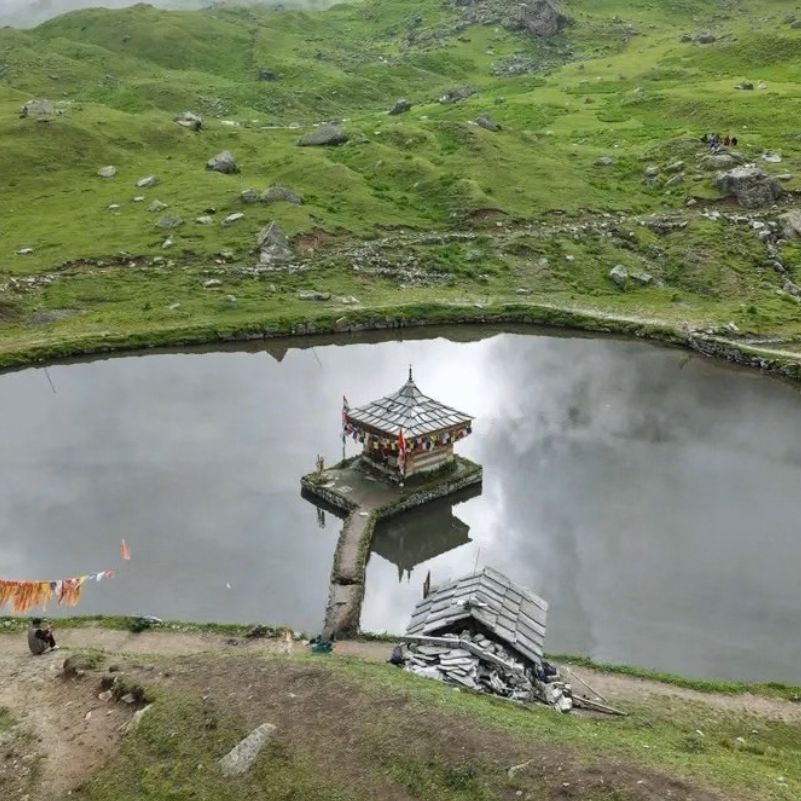 Kinnaur
Yulla Kanda Trek Itinerary: How Many Days Do You Need in 2026?
Planning your Yulla Kanda trek in 2026? Find out how many days you need to reach the sacred Krishna Lake in Kinnaur, with practical itinerary options for a short trek or a more relaxed journey. This guide covers trekking time, overnight camping, travel to Yulla Khas, and essential scheduling tips to help you plan around altitude, weather, and mountain road conditions.
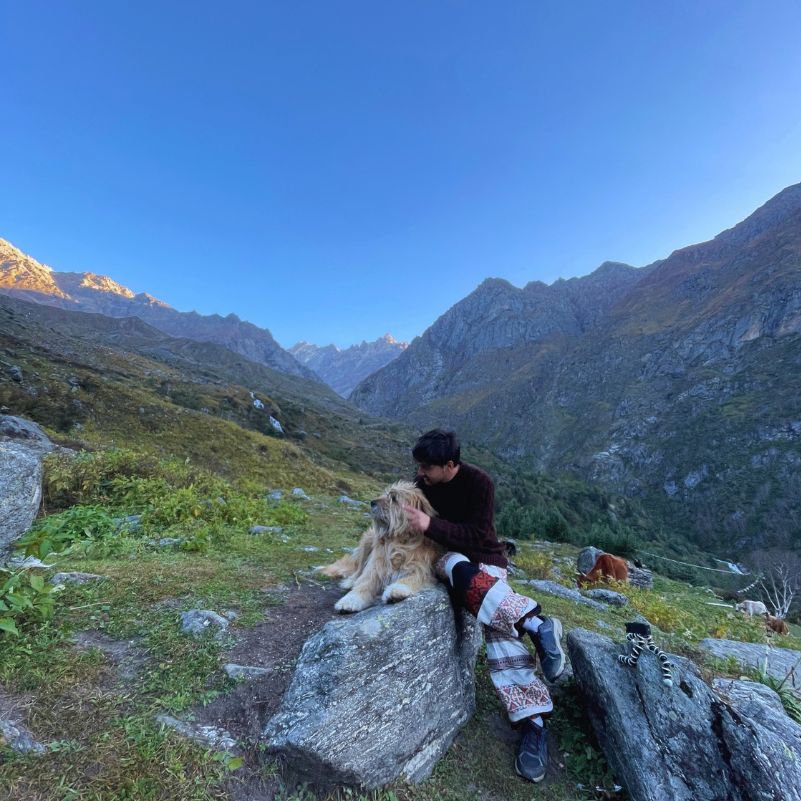 Kinnaur
Yulla Kanda Trek Cost in 2026: DIY Budget vs Group Package
Planning your Yulla Kanda trek in 2026 and comparing costs? This guide breaks down the expected budget for a DIY trek versus an organised group package, including transport to Yulla Khas, local guides, camping, meals, and essential gear. Understand where you can save money, which expenses need careful planning, and when local trekking support is worth the cost.
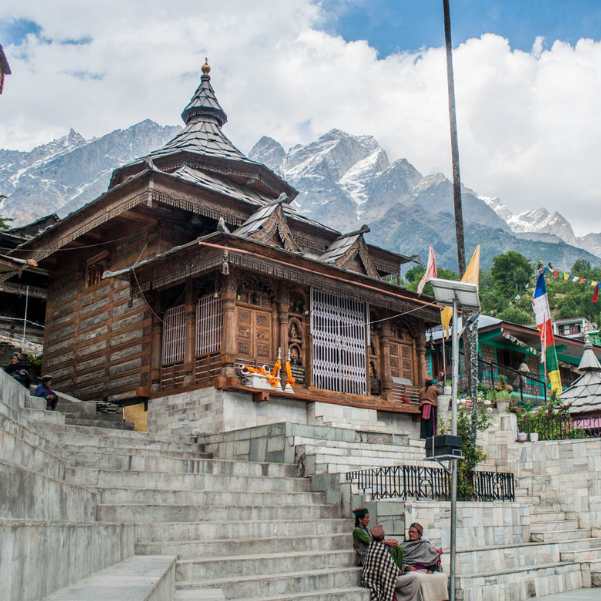 Kinnaur
Sangla in October, November & December: Which Month Is Best in 2026?
Planning a Sangla trip in 2026? Compare Sangla in October, November and December for weather, snowfall, road conditions, sightseeing and stays. Find out which month suits your travel plans best and what to expect in each season.