
Shipki La Pass in May 2026: Road Status, Permits and Honest Travel Advice
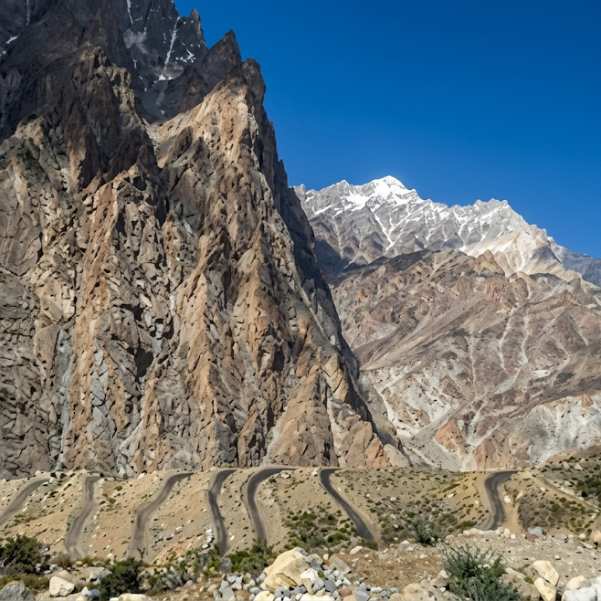
Shipki La is not a regular tourist stop. It is a security-regulated border pass in Kinnaur where access depends on the Army, ITBP, and the district administration on the day you show up.
If you are planning a trip around Shipki La Pass in May, the honest truth is that May is a tricky shoulder month. Kinnaur opens up beautifully, but the pass itself follows its own rules.
In our experience running trips through Kinnaur, the gap between what blogs say and what actually happens at the checkpoint is huge. So let us walk you through exactly what to expect, what to plan, and what to skip.
Quick Answer
Shipki La Pass in May is possible only if authorities allow movement. Early May is mostly out. Late May may work, but only with live local confirmation on the day.
A paramilitary officer quoted in 2025 said Shipki La shuts from mid-September to May every year. Some travel blogs say the season starts in May. Both cannot be right.
If your trip is specifically built around Shipki La, June is safer. If you are doing Kinnaur anyway and Shipki La is a bonus, May can still be a great month to be in the region.
Can You Visit Shipki La Pass in May 2026?
Let us split May into three honest brackets.
Early May
Early may is uncertain. The pass typically stays under the seasonal closure window mentioned by paramilitary sources. Even if Kinnaur is open and lower villages are pleasant, the actual gate to Shipki La is not something you can just drive up to.
Late May
Late May is possible, but only after live confirmation. The Himachal border tourism initiative reopened the pass to Indian tourists in 2025, and similar timing may apply in 2026. You need to call ahead, check with locals in Pooh and Namgia, and stay flexible.
June
June is the safer practical choice. By then, road access stabilises, the security protocol is settled for the season, and you avoid the "we drove all the way and got turned back" scenario.
The conflict is real. A paramilitary officer told reporters Shipki La is shut from mid-September to May. Travel blogs talk about May to October as the season. We trust the on-ground voice more, but rules can also shift year to year.
What we tell our travellers is simple. Do not build your entire holiday around May 12 at Shipki La. Build it around Kinnaur, and treat Shipki La as the bonus.
Talk to our Himachal team on WhatsApp
What Is Shipki La and Why Is It Important?
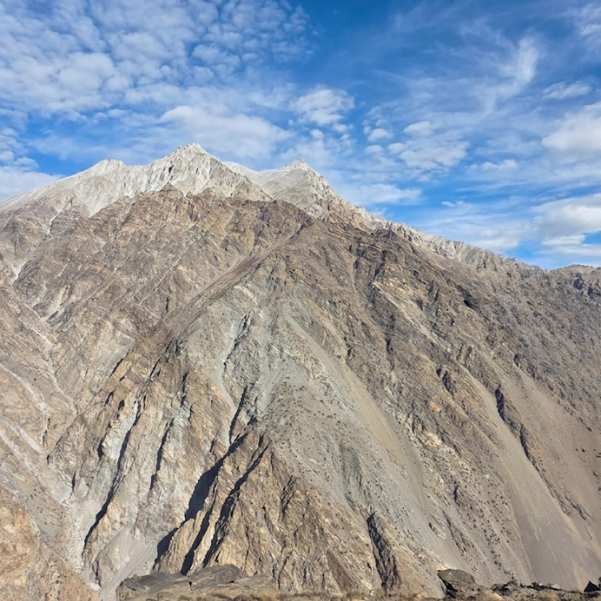
Shipki La sits at 3,930 metres in Kinnaur district of Himachal Pradesh. It marks the India and China border, on what was historically the India and Tibet line.
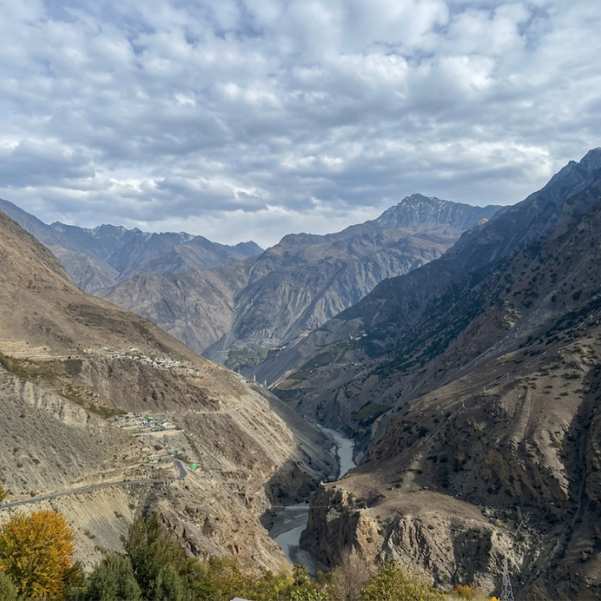
The Sutlej River, called Langqen Zangbo in Tibet, enters India through this region. So when you stand near the pass, you are looking at the point where one of north India's biggest rivers actually crosses over.
For centuries, Shipki La was a working Indo Tibet trade route. Salt, wool, grain, and traders moved through here long before highways existed. That trade was halted in 2020, and there have been reports that traditional trade may resume through Shipki La from June 2026.
It is a sensitive border point. ITBP, the Army, and local administration manage every movement here. Treat it accordingly.
If you are still figuring out the larger region, our Kinnaur tour packages cover the practical circuit most travellers actually do.
Is Shipki La Open for Indian Tourists in 2026?
Yes, with caveats. Himachal opened Shipki La to domestic tourists under its border tourism programme in June 2025.
The reported launch date was June 10, 2025. Indian tourists were allowed in with valid ID, mostly Aadhaar or driving licence, after security verification at the relevant checkpoints.
The response was strong. Between June 10 and June 22, 2025, around 1,882 Indian tourists reportedly visited the pass. June 22 alone saw 282 visitors.
For 2026, do not treat Shipki La like a normal open tourist spot. Public reports confirm the 2025 opening, but daily access still depends on weather, security clearance, road condition and local administration decisions.
Current Kinnaur tourist guidelines also show that movement towards Shipki La remains regulated.
Do You Need a Permit, Aadhaar or Token for Shipki La?

This is where most travellers get confused. Let us split it cleanly.
For Indian travellers
Reports from 2025 mention Aadhaar or valid government ID as the basic requirement. Some reports also mention a token or checkpoint control system that limits how many people enter at a time.
We are not quoting a fixed fee here because we have not seen one confirmed for Indian domestic visitors. If anyone tells you a flat entry price, ask them where they got the number.
For foreign travellers
As of the June 2025 Indian Express report, foreign nationals remained barred from visiting Shipki La. The official Kinnaur district guidance still says foreigners need a Protected Area Permit (PAP) for protected zones.
The official PAP fee is ₹200 per person at the e-Governance Centre, but this is the general PAP guidance for protected areas, not a confirmed Shipki La domestic entry fee.
Current foreign access to Shipki La is not clearly confirmed. If you are travelling on a foreign passport, do not assume you will be allowed entry. Email or call the district administration before booking hotels, taxis or your Kinnaur border-area itinerary.
Photography and drones
Photography is regulated near security zones. Do not point your camera at Army personnel, ITBP posts, checkpoints, gates, or the actual border line.
Drones are a hard no. Do not carry one. Do not fly one. There is no scenario where flying a drone at an active border pass ends well for you.
What Is the Road Condition to Shipki La in May?
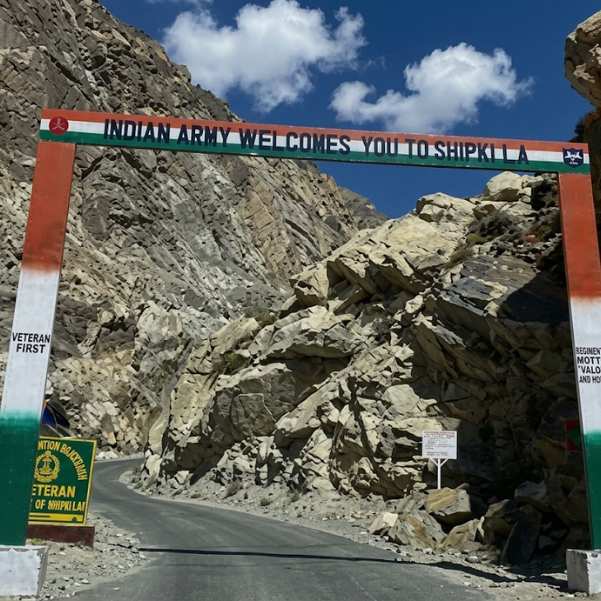
The main approach is via NH5 through Shimla, Rampur, Reckong Peo, Pooh, and onward toward Namgia. This is the practical route for almost everyone.
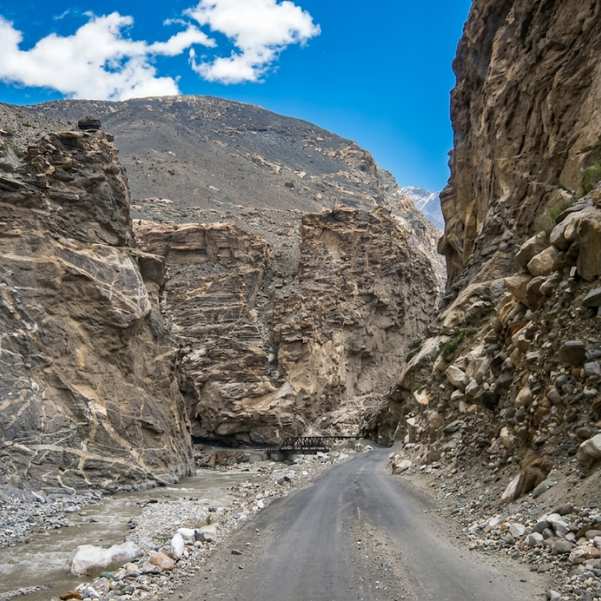
The road itself is decent up to Pooh. After that, it changes. The 28 km Namgia to Shipki La stretch was reported in 2025 as barren, with no rest stops, no eateries, and no accommodation. Plan accordingly.
NH5 is generally the steady approach to Kinnaur, but sections near Wangtu and Tapri can hit road work or short landslide closures, especially in shoulder months. Live road status must be checked the day you travel.
May weather changes fast. A clear sunny morning at Reckong Peo can turn into wind, rain, or even a snow shower up near the pass within hours. Authorities can stop movement at any point.
If you are routing through Shimla on the way in, our Shimla tour packages cover stays and transfers for the first leg of the trip.
How to Reach Shipki La from Shimla, Kalpa, Reckong Peo and Pooh?
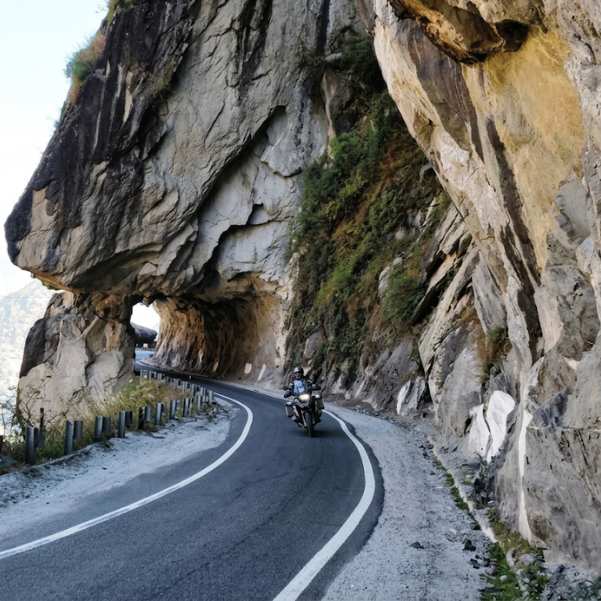
The standard route goes Shimla to Rampur to Reckong Peo or Kalpa, then to Pooh, then Namgia, then the cut to Shipki La.
Some travel references report the cut toward Shipki La as roughly 27 km from Pooh.
Similar route references place Reckong Peo or Kalpa at around 100 km from the Shipki La side, depending on whether the distance is counted up to the highway cut, Namgia side, or the final border approach.
We are flagging both as approximate route figures because these are reported travel distances, not numbers measured by us on the ground.
The honest part most travellers miss
There is no reliable direct public transport to Shipki La. HRTC buses run on the main Kinnaur circuit, but the border stretch is not on a regular bus route.
You need a private taxi or your own vehicle with a driver who has done this road. Our team always sends drivers who know Kinnaur, because the cut roads, water crossings, and altitude make it a route where local experience matters.
Where Should You Stay Before Attempting Shipki La?
You cannot stay at Shipki La. Overnight stay is not allowed at the pass.
So your base will be one of the Kinnaur villages, and our recommendation depends on what you want.
Kalpa
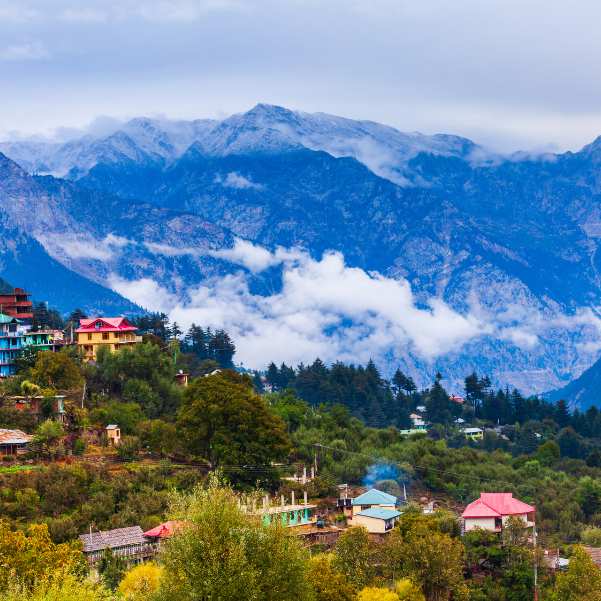
Kalpa is the best for comfort and views. The Kinnaur Kailash range is right in your face from most homestays here, and it has the best feel-good factor of all the options.
Reckong Peo
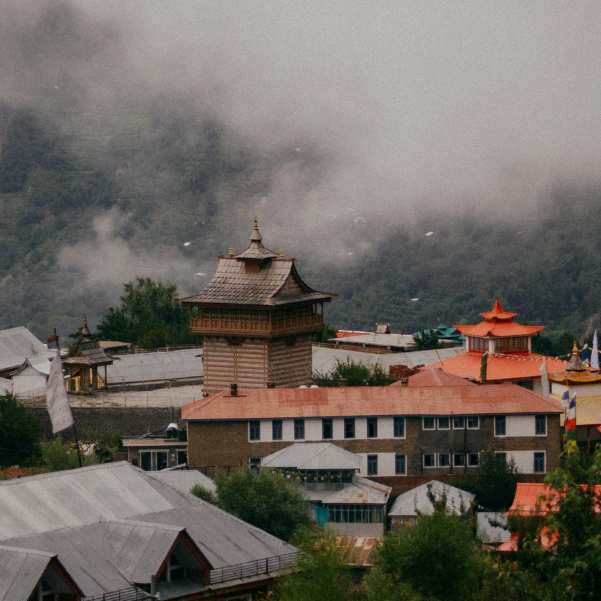
Reckong Peo is the logistics base. It has SBI ATMs, fuel, basic supplies, and the district administration office if you need any clarification on permits or status.
Pooh or Nako
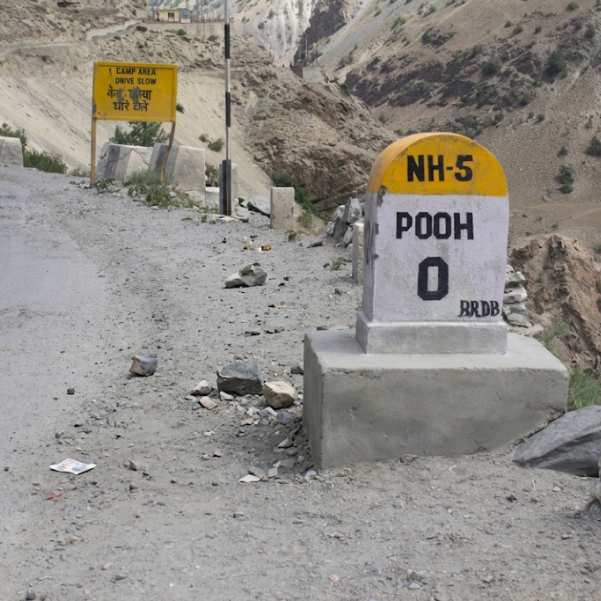
Pooh or Nako make sense if you have already confirmed Shipki La access and want to cut your driving time on the attempt day. Pooh is closer to the actual cut toward the pass. Nako is higher and helps with acclimatisation if you are continuing toward Spiti.
We are not quoting hotel names or prices because the right stay shifts every season. What we tell our travellers is to book a clean homestay over a hotel in Kinnaur. The food is better and the owners actually know the road status.
What Will the Weather Be Like at Shipki La in May?
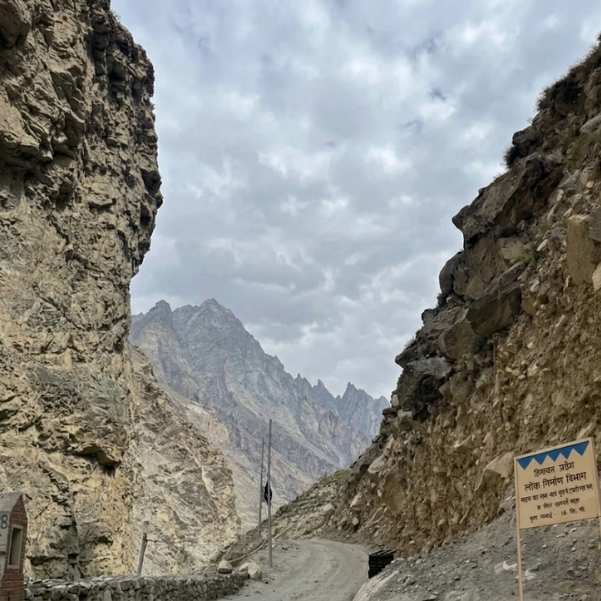
Lower Kinnaur in May is pleasant during the day. Apple blossoms are out, Kalpa is gorgeous, and you can walk around in a light jacket from late morning to evening.
Shipki La itself is a different animal. At nearly 4,000 metres, the wind is sharp, the sun is brutal, and the temperature drops the moment a cloud passes. Higher ridges and upper stretches near the pass can still hold snow patches in May.
We are marking the exact temperature range as because we will not put fake numbers in a blog. What we can tell you is this: do not pack for "May in Himachal." Pack for "May at 4,000 metres on a border ridge." Those are not the same.
What Should You Carry for Shipki La in May?
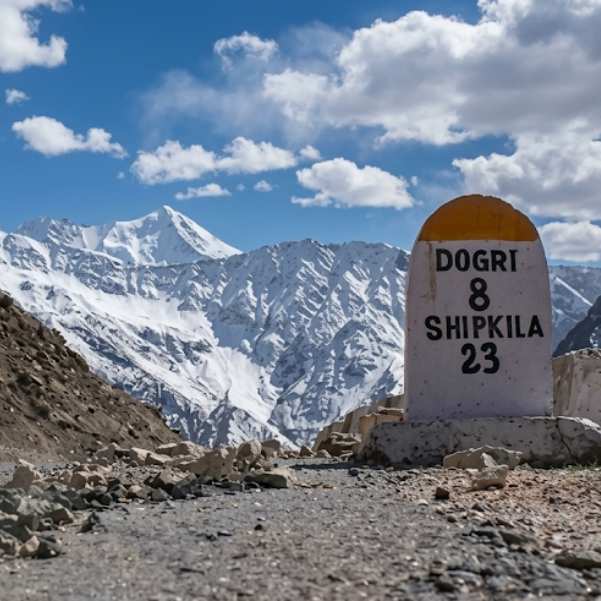
Carry your original Aadhaar plus a photocopy and a digital copy on your phone. If you have a driving licence or voter ID, carry that too as a backup.
Bring warm layers. A thermal base, a fleece, and a proper windproof outer jacket. Sunglasses with UV protection and high SPF sunscreen are not optional at this altitude.
Carry water, dry snacks like nuts and energy bars, and offline maps downloaded before you leave Reckong Peo. Network drops out and Google Maps will not save you on the cut road.
Carry cash. ATMs are unreliable past Reckong Peo, and the small shops in Pooh or Namgia do not always accept UPI.
Plan your fuel carefully. A first-person travel blog mentioned Pooh as the last reliable fuel station before the pass. Top up there. Do not gamble.
Carry your personal medicines, basic painkillers, and ORS. The nearest medical facility is back toward Reckong Peo, so you are on your own up there.
Is Shipki La Safe in May?
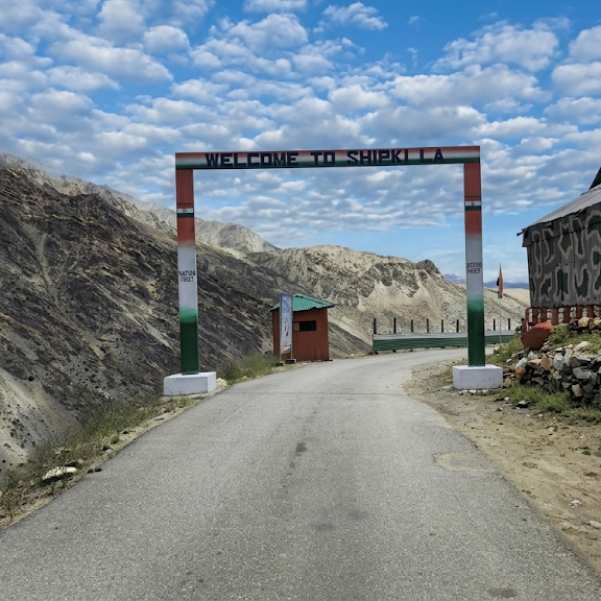
Safety here is not about crime or scams. It is about altitude, weather, road status, and following security instructions.
The 2025 reports mentioned tourists moving in escorted batches of 10 to 15 people, with about one hour at the pass and 15 to 20 minutes at Zero Point. The current system may differ in 2026.
A first-person traveller account mentions the Chhopan ITBP post, Aadhaar verification on entry, and a rule that no permits are issued after 2 PM. If this still holds, an early start is non-negotiable. Reaching the checkpoint by mid-afternoon means you simply will not be allowed in.
The hard rule we always repeat to our travellers: do not argue with ITBP or Army personnel. If they say turn around, you turn around. If they say no photos, you put the phone away. There is no scenario where pushing back at a border checkpoint helps you.
Altitude affects everyone differently. Spend at least one night at Kalpa or Reckong Peo before attempting the pass, drink water, skip alcohol, and listen to your body.
Talk to our Himachal team on WhatsApp
Can You Combine Shipki La with Kinnaur or Spiti in May?
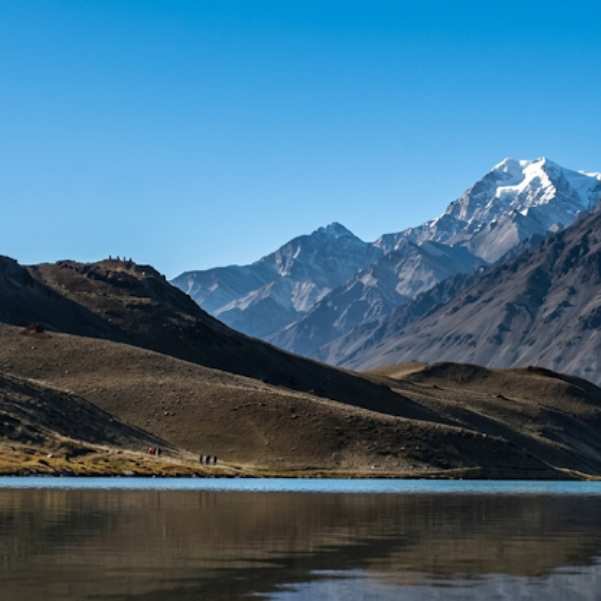
Yes, and this is the version we recommend.
Treat Shipki La as a possible add-on, not the centrepiece. The main Kinnaur experience in May is Kalpa, Sangla, Chitkul, Reckong Peo, and Nako. These villages are usually clear in May, beautiful, and worth the trip on their own.
If Shipki La opens for you, you get a bonus border visit. If it does not, you still have a full, satisfying Kinnaur trip.
For Spiti, the picture in May is mixed. The Shimla side route into Spiti via Kinnaur is usually possible, but Chandratal and the Manali side are typically still closed in early May. If you want the full Spiti picture, our Spiti Valley tour packages cover what is realistic by month.
If you are exiting via the Manali side later in the season, our Manali tour packages cover stays and transfers from there.
What we tell our travellers honestly: do not try to do Shipki La and full Spiti in the same trip in May. Pick one. The roads and the timing do not cooperate.
Suggested 5 to 7 Day Itinerary for Shipki La in May
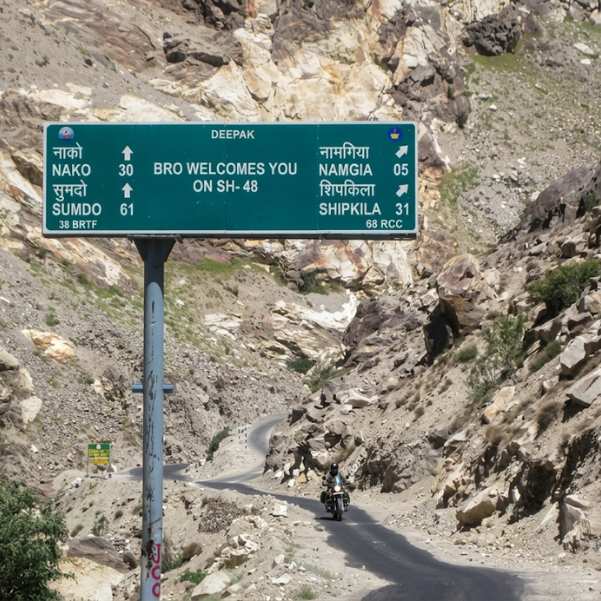
Here is a flowing 5-day version.
Day 1
Day 1 is Shimla to Kalpa or Reckong Peo. It is a long driving day, so start early and accept that you will reach in the evening.
Day 2
Day 2 is for Kalpa local sightseeing and acclimatisation. Walk around the apple orchards, take in the Kinnaur Kailash views from the suicide point, and rest. Do not push for the pass on day 2.
Day 3
Day 3 is the Shipki La attempt, only if local confirmation is positive. Start at 5 or 6 AM from Kalpa, drive to Pooh, then Namgia, then the checkpoint. If the gate is closed, swing to Nako instead.
Day 4
Day 4 is Sangla and Chitkul. The drive in is dramatic and Chitkul is famously the last Indian village on this route, sitting near the Indo Tibet border on a different alignment.
Day 5
Day 5 is the return to Shimla or onward to Chandigarh.
The 7-day version adds Nako and Tabo, and possibly Kaza, but only if the road past Nako is confirmed open. Driving hours on the Spiti side stretch vary heavily by month and condition, so we are not quoting them as fixed numbers.
Common Mistakes to Avoid
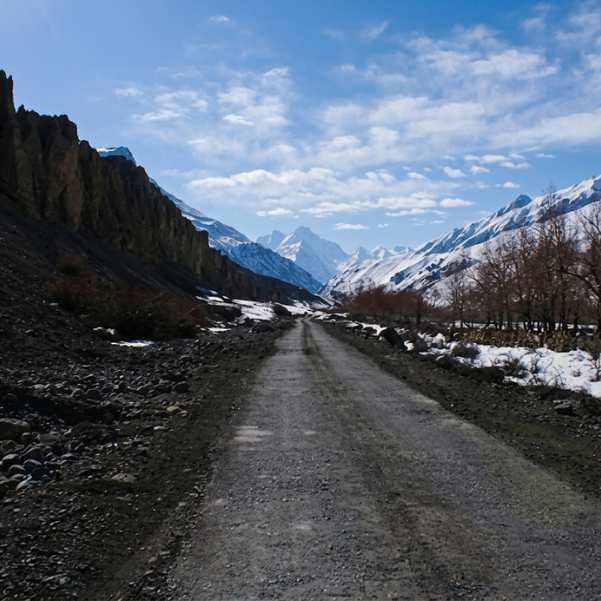
The biggest one is assuming May access to Shipki La is guaranteed because some blog said so. It is not. Check with locals, not search results from 2019.
Driving late in the day is the second mistake
If permits really do stop after 2 PM, leaving Kalpa at 9 AM is too late. You will not make it through the checkpoint window.
Not carrying ID is a trip-ender
No Aadhaar, no entry. No exceptions.
Carrying a drone is another trip-ender, and possibly worse
Do not test this.
Planning an overnight stay at Shipki La is not possible
Build your night halt at Kalpa, Reckong Peo, Pooh, or Nako.
Ignoring altitude catches a lot of first-time mountain travellers
Headache, nausea, and breathlessness above 3,000 metres are real. Acclimatise properly.
And the most common one
Trusting old blogs without checking the current rule. The whole policy shifted in June 2025. Anything written before that about Shipki La access is now outdated.
Responsible Border Tourism at Shipki La
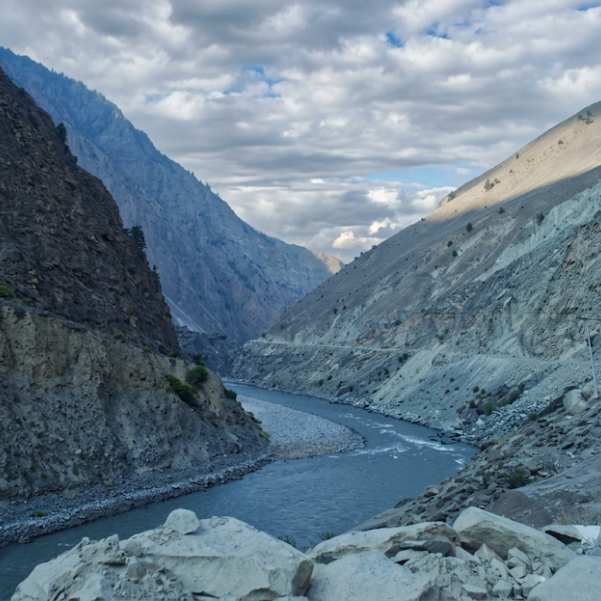
This is not a generic "do not litter" reminder. Shipki La is a sensitive border zone, and how tourists behave here decides whether the access continues.
Do not litter anywhere
Carry your wrappers, bottles, and waste back with you. The villages of Namgia, Khab, Tashigang, and Pooh are small and have no infrastructure to handle tourist garbage.
Do not shout, argue, or get loud at security personnel
Treat ITBP and Army staff with respect even when you are tired and the wait is long.
Do not photograph sensitive locations
No checkpoints, no posts, no gates, no border markers, no soldiers.
Do not drive randomly off the main route looking for "hidden views." Stay on the road
This is not Manali. There are no hidden viewpoints worth getting questioned for.
Respect the local villages
Buy chai from local shops if they are open, ask before photographing anyone, and remember that your one-day visit is somebody's permanent home. Khab, for instance, was reported as around 26 km from the LAC. These people live with a level of sensitivity most tourists never think about.
If you want to plan all of this with someone who actually knows Kinnaur, you can contact Travel Coffee and we will put together a plan that respects both your trip and the region.
Explore Our Curated Kinnaur Valley Tours
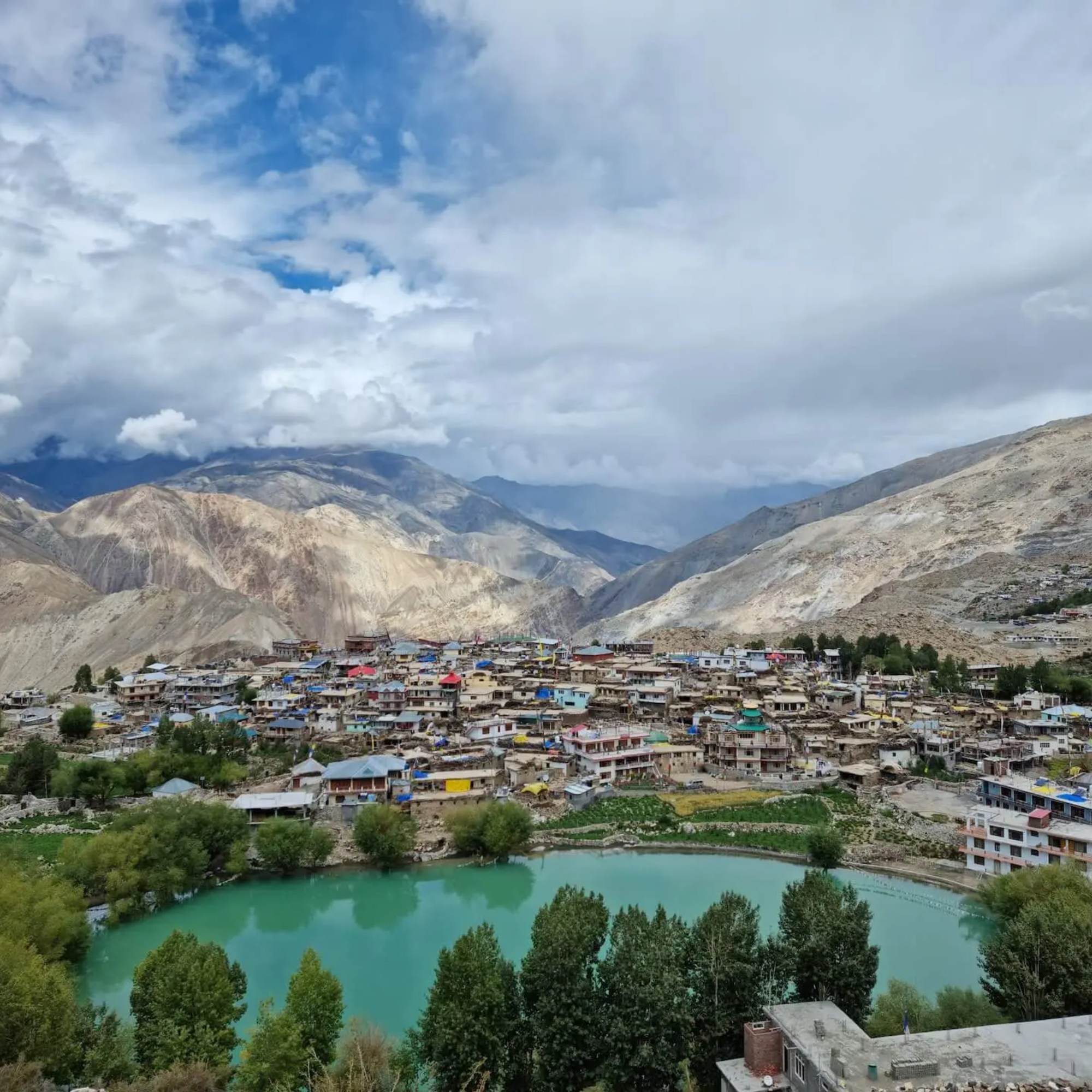 8D/7N
8D/7NMost Loved Kinnaur Valley Tour With Nako and Shipki La
2D Sangla / Rakcham•2D Kalpa+1
₹23,499₹25,999SAVE INR 2,500/ person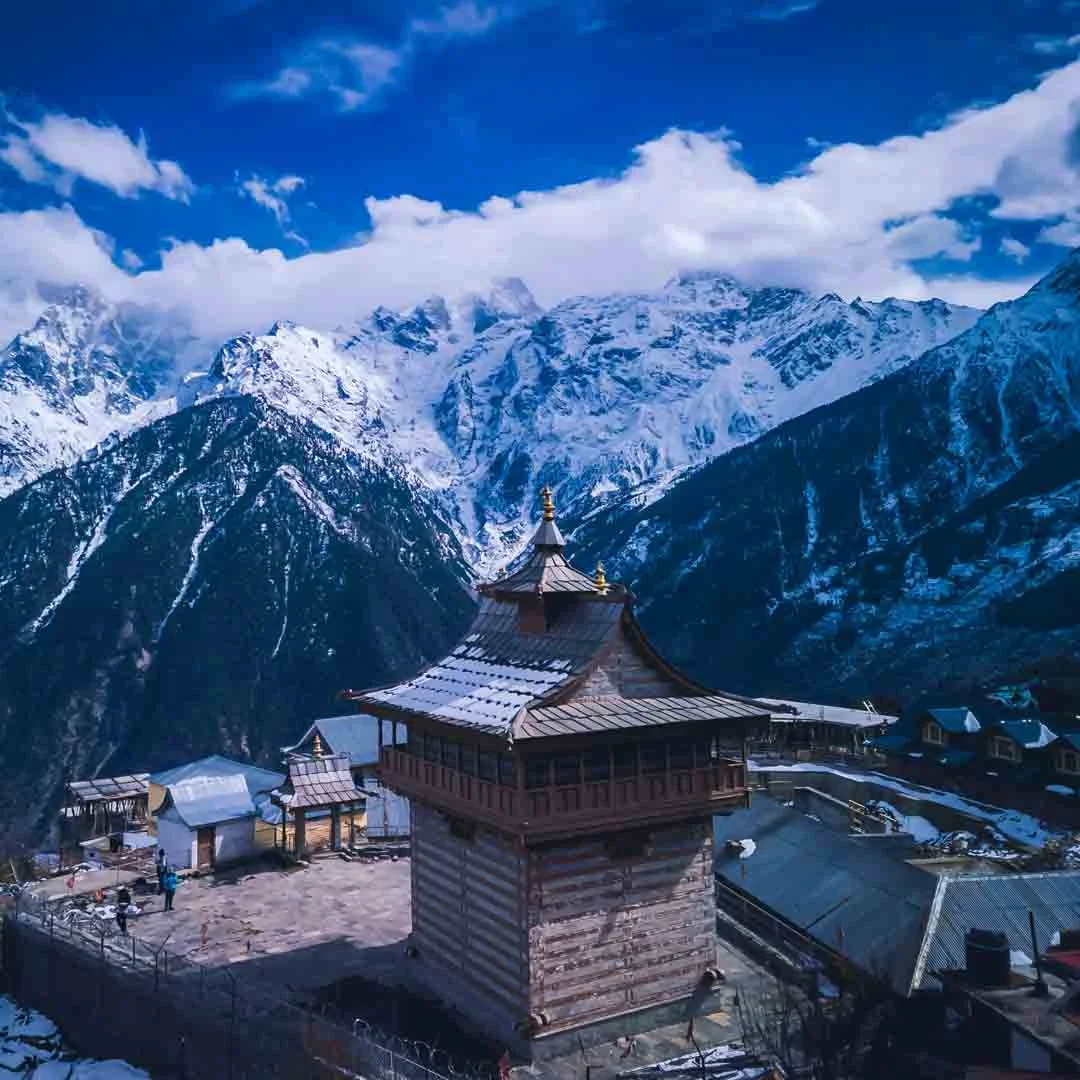 Group Tour8D/7N
Kinnaur Valley Group Tour With Nako and Shipki La
2D Sangla / Rakcham•2D Kalpa+1
₹14,999₹17,999SAVE INR 3,000/ person 4D/3N
4D/3NKinnaur Valley Scenic Circuit With Sangla Chitkul and Kalpa
1D Shimla•1D Sangla+1
₹16,999₹17,999SAVE INR 1,000/ person Group Tour5D/4N
Kinnaur Valley Weekend Group Trip With Sangla Chitkul and Kalpa
1D Sangla•1D Kalpa
₹7,999₹9,999SAVE INR 2,000/ person
Related topics
Frequently Asked Questions
Can we visit Shipki La Pass in May?
Possibly, but only with live local confirmation. Early May is usually closed. Late May may allow access if authorities approve it. June is the safer practical choice.
Is Shipki La Pass open for tourists in 2026?
For Indian tourists, yes, under Himachal's border tourism programme that opened in June 2025. Daily access still depends on security clearance and weather.
Do Indians need a permit for Shipki La?
Reports from 2025 mention valid ID and a checkpoint registration or token system rather than a separate ILP. The exact 2026 process must be confirmed locally.
Is Aadhaar enough for Shipki La?
Aadhaar or driving licence was reported as acceptable in 2025. Carry both as a backup. Also carry a photocopy and a digital copy.
Are foreigners allowed to visit Shipki La?
As of the June 2025 follow-up reports, foreign nationals remained barred. Foreigners still need a PAP for protected areas in Kinnaur. Current Shipki La access for foreigners is.
What is the best time to visit Shipki La Pass?
June to early September is the more reliable window. September gives clearer skies and fewer crowds. May is shoulder season and depends on live status.
How do I reach Shipki La from Shimla or Kalpa?
Drive Shimla to Rampur to Reckong Peo or Kalpa, then Pooh, Namgia, and the cut to Shipki La. There is no direct public transport. A private taxi or own vehicle is needed.
Is the road to Shipki La safe in May?
The road is manageable for experienced mountain drivers but the 28 km Namgia to Shipki La stretch is barren with no facilities. Weather can shift fast and authorities can stop access.
Can I stay overnight at Shipki La?
No. Overnight stay at the pass is not allowed. Stay at Kalpa, Reckong Peo, Pooh, or Nako and do Shipki La as a day visit.
Is photography allowed at Shipki La?
Photography is restricted around security installations, checkpoints, posts, gates, and the border itself. Drones are not allowed. Follow ITBP and Army instructions on the day.
Is Shipki La in Kinnaur or Spiti?
Shipki La is in Kinnaur district, near the India and China border. It is not in Spiti, though Spiti routes share parts of the same approach via Nako.
Can Shipki La be combined with Kinnaur and Spiti in May?
Kinnaur and Shipki La can be combined if access is confirmed. Adding Spiti in May depends entirely on the Kaza side road status and is generally not advisable in the same trip without buffer days.
More about Kinnaur
 Kinnaur
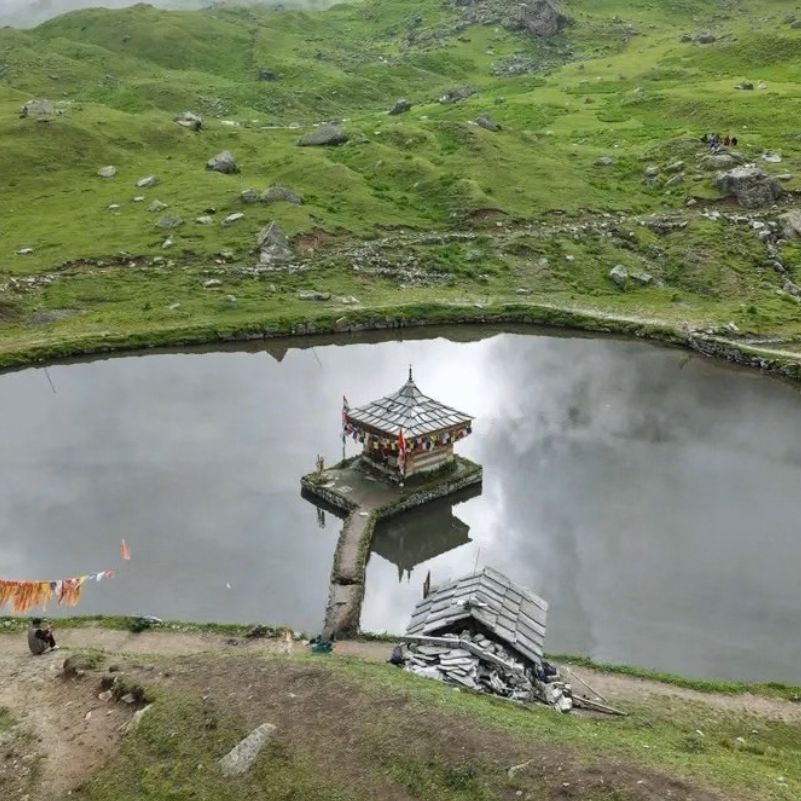
Yulla Kanda Trek Itinerary: How Many Days Do You Need in 2026?
Planning your Yulla Kanda trek in 2026? Find out how many days you need to reach the sacred Krishna Lake in Kinnaur, with practical itinerary options for a short trek or a more relaxed journey. This guide covers trekking time, overnight camping, travel to Yulla Khas, and essential scheduling tips to help you plan around altitude, weather, and mountain road conditions.
 Kinnaur
Yulla Kanda Trek Cost in 2026: DIY Budget vs Group Package
Planning your Yulla Kanda trek in 2026 and comparing costs? This guide breaks down the expected budget for a DIY trek versus an organised group package, including transport to Yulla Khas, local guides, camping, meals, and essential gear. Understand where you can save money, which expenses need careful planning, and when local trekking support is worth the cost.
 Kinnaur
Sangla in October, November & December: Which Month Is Best in 2026?
Planning a Sangla trip in 2026? Compare Sangla in October, November and December for weather, snowfall, road conditions, sightseeing and stays. Find out which month suits your travel plans best and what to expect in each season.