
Great Himalayan National Park
A UNESCO World Heritage wilderness of more than a thousand square kilometres in Kullu, four river valleys reached only on foot, with Tirthan and Sainj as the realistic ways in
- UNESCO World Heritage
- ~1,500 m to over 6,000 m
- Aut · ~30 km to Gushaini
- Best Apr to Jun, Sep to Nov
- Foot access only
What makes it special
The Great Himalayan National Park is the wilderness on the eastern wall of Banjar tehsil in Kullu, the catchment for four rivers that all eventually feed the Beas. The Tirthan, the Sainj, the Jiwa Nal and the upper Parvati rise inside the park boundary, and the long ridges between them top out at over 6,000 metres. There are no roads inside. There is no provision for jeep safaris. Every metre you cover beyond the gate is on foot, and most multi day routes need a permit, a registered guide, and porters.
A few words on the size, because every page on the internet quotes a different number. The national park itself was formally notified in 1999 at about 754.4 sq km. The UNESCO inscription in 2014 covers a property of around 905 sq km (90,540 hectares), which adds the Sainj and Tirthan Wildlife Sanctuaries to the park. The wider Great Himalayan National Park Conservation Area, including the ecozone buffer of around 265 sq km, is the figure usually cited as 1,171 sq km. All three numbers are correct. They just describe different boundaries.
Honest framing most pages skip. Almost no one who says they have been to GHNP has actually been deep into the park. The realistic experience for most travellers is a walk from Gushaini to the Ropa gate in Tirthan, or a walk into Shangarh and the Sainj valley meadows, with a homestay night in the ecozone and a half day inside the buffer. That is plenty for one trip, and it is the right scale of visit for almost everyone. The serious interior, the high passes, the multi day routes to Tirath, Rakti Sar or Sara Umga, are a separate kind of expedition with a real plan, and the rest of this page is honest about that line.
Quick answers
- Is the Great Himalayan National Park worth visiting?
- Yes if you want a quiet protected wilderness, Himalayan birdlife, and walks that start in stone and timber villages. The right way in is a homestay night in Tirthan or Sainj with a day walk into the buffer. Skip it if you want monastery sightseeing, a road trip with viewpoints, or a checklist day. The park rewards slow, on foot travel and gives almost nothing to a rushed visit.
- How much time do you need?
- Two nights minimum to make the trip worthwhile, three or four if you want both the Tirthan side and a Sainj day. A single day from Manali is not really a GHNP visit, it is a long drive with a short stop. For multi day treks like Rolla, Shilt or Tirath, plan four to nine days inside the park with a registered guide and porters, organised well in advance.
- Can you actually drive into the park?
- No. The motorable road ends at the villages on the park's edge, the standard ones being Gushaini in Tirthan, Neuli in Sainj, Siund in Jiwa Nal, and Barshaini in the Parvati side. Beyond those points it is foot access only, by design, to keep the interior intact.
Quick facts
Everything you need to know at a glance.
At a glance
- Altitude range
- About 1,500 m at the river valleys to over 6,000 m at the high peaks
- Location
- Banjar tehsil, Kullu district, Himachal Pradesh; HQ at Shamshi
- Area
- Park ~905 sq km (UNESCO inscribed); wider Conservation Area ~1,171 sq km including the ecozone
- Established
- Notified 1984, formally declared National Park 1999, UNESCO World Heritage 2014
- Nearest road heads
- Gushaini (Tirthan) ~30 km from Aut, Neuli (Sainj) ~40 km from Aut, Barshaini (Parvati) via Manikaran
- Best season
- April to June and September to early November, generally
- Entry
- Permit required for park entry. Modest entry and camera fees, plus separate fees for guides, porters and pack horses on multi day treks. Confirm current rates at the range office before you start.
- Time needed
- 2 to 4 nights for a buffer visit; 4 to 9 days inside the park for a real trek
- Effort
- Easy on the road approaches and short ecozone walks; moderate to very hard for multi day treks
On the ground
- Mobile network
- Patchy in Tirthan villages, almost nothing past the gate. Assume offline once you walk in. BSNL is the most reliable in the area.
- ATMs
- None at the park gates. Nearest reliable ATMs are at Banjar and Aut. Withdraw enough cash in small notes before driving in.
- Fuel
- Banjar and Aut are the last reliable pumps on the Tirthan side; Aut and Bhuntar on the Sainj side. No fuel at Gushaini, Neuli or beyond.
- Food
- Homestay home cooking in the ecozone villages. A few small cafes near Gushaini and in Shangarh, hours are inconsistent. Carry snacks for any walk.
- Permits
- Issued by the Director at Shamshi or by Range Officers at Sairopa (Tirthan side), Ropa Sainj, and Largi. Multi day trekkers need a registered guide. Foreign nationals should reconfirm requirements close to travel.
- Drones
- Not allowed inside the park boundary or in the ecozone without explicit written permission from the forest department. Treat the answer as no for any normal visit.
- Walking surface
- Forest paths, river bank trails, suspension bridges, and steep climbs above the tree line on multi day routes. Trekking shoes with grip are the minimum.
- Guides
- Register at Sairopa or Ropa, or arrange through your homestay or an established operator like Himalayan Ecotourism. Day walks to the gate often go without a formal guide; anything past the first camping point needs one.
- Wildlife rules
- Strictly no plant collection, no fires inside the park, no off trail walking, no playing music. Carry every piece of trash back out.
Seasonal weather
- April to early June22°6°Spring
- July to August24°12°Summer monsoon
- September to early November20°2°Autumn
- Mid November to March8°-10°Winter
Suitable for
- Couples — suitable
- Families — with some care
- Seniors — with some care
- Solo — suitable
- First-timers — suitable
- Pet-friendly — not suitable
How to reach Great Himalayan National Park
4 approach routes, with seasonal access.
From Aut to Gushaini (Tirthan side, the standard approach)
Year round on the road; best for park access April to June and September to early November.- Distance
- ~30 km from Aut to Gushaini, then a 3 km walk to the Ropa gate
- Time
- ~1 to 1.5 hours by road, plus the walk
- Road
- Tarred NH 305 from Aut to Banjar, then a narrower tarred valley road following the Tirthan up to Gushaini.
- Last fuel
- Aut and Banjar
The most common approach. From the Aut tunnel on the Manali highway, take the right turn just before the tunnel onto NH 305, drive 24 km to Banjar, and continue along the Tirthan to Gushaini. The road ends a short distance past the village. The Ropa gate is roughly 3 km past Gushaini on a flat forest path. Park your vehicle at the homestay or in the village and walk in.
From Aut to Neuli (Sainj side)
Year round on the road, with the usual landslide caution in monsoon.- Distance
- ~40 km from Aut to Neuli, then short walks into Shangarh and the Sainj sanctuary
- Time
- ~2 hours by road
- Road
- NH 3 to Larji, then NH 305 branch into the Sainj valley road. Tarred, narrows past Sainj town, rough patches before Neuli.
- Last fuel
- Aut and Bhuntar
The other realistic way in. From Aut, drive south to Larji, then turn off into the Sainj valley road. Sainj town is roughly 25 km in, Neuli another 15 km past that. The roadhead is at Neuli for the deeper Sainj treks; for a softer visit base at Shangarh village and walk into the Sainj sanctuary from there. The Sainj side feels less developed than Tirthan, with fewer homestays and less English.
From Delhi or Chandigarh
Year round on the approach; the park access window is the limiting factor, not the highway.- Distance
- ~500 km from Delhi to Aut, ~270 km from Chandigarh
- Time
- 12 to 14 hours from Delhi, 8 to 9 hours from Chandigarh
- Road
- NH 44 to Chandigarh, NH 3 to Aut, then NH 305 onwards. Decent tar most of the way, slower in monsoon because of landslide risk between Mandi and Aut.
- Last fuel
- Chandigarh, Swarghat, Bilaspur, Sundernagar, Aut, Banjar
Most travellers do this as an overnight Volvo to Aut and a taxi onwards, or a long self drive. The Volvo drops at Aut around 5 to 7 AM, in time for a pre booked taxi to Gushaini or Sainj. A taxi from Aut to a Tirthan homestay runs around 1,500 to 2,500 rupees one way. From Delhi, plan to sleep one night in the ecozone before walking into the park. A same day walk in after a 14 hour drive is a bad idea.
From Bhuntar Airport (Kullu Manali)
Year round on the road. Bhuntar flights are weather sensitive, especially in winter.- Distance
- ~50 to 70 km depending on the side
- Time
- ~2 to 2.5 hours
- Road
- NH 3 through the Aut tunnel for the Tirthan side, or a turn off at Larji for the Sainj side.
- Last fuel
- Bhuntar, Aut, Banjar
Hire a taxi from Bhuntar (Kullu Manali) airport, around 2,500 to 4,000 rupees one way to a Tirthan or Sainj homestay. Allow 2 to 2.5 hours. Most operators will pre book if you tell your homestay your arrival time.
Best time to visit
Season by season, so you can plan around the weather rather than hope.
- Recommended
Spring
April to early June
The cleanest window for both day walks and longer treks
- Day temperature
- 14 to 22 C in the valleys, much colder above the tree line
- Night temperature
- 6 to 10 C at the river, sub zero on multi day camps
- Trails
- Dry and easy in the lower buffer; high passes still snow bound till late May
- Crowds
- Light to moderate
Usually the best window for serious walking inside the park. The high meadows clear of snow through May, the river trails dry out, and the forests show good rhododendron and orchid bloom. Days are warm at the valley floor and crisp higher up. Trout fishing season opens in spring, generally around late February or early March depending on the year. Weekends in May get busy in the Tirthan ecozone, weekdays stay calm.
Summer monsoon
July to August
Wet, slick and prone to landslides on the approach roads
- Day temperature
- 16 to 24 C in the valleys
- Night temperature
- 12 to 16 C at the river
- Trails
- Slippery, river crossings can run high, leeches in the lower forest
- Crowds
- Low
The most skippable window for a casual visit. The road from Mandi to Aut sees regular landslides through July and August, the forest trails turn slick, leeches show up in the lower buffer, and the rivers run high enough that some side crossings get awkward. Many homestays drop rates in monsoon for a reason. Some serious trekkers do still go in for the dramatic cloud and the green meadows, but they plan around weather and budget extra days.
- Recommended
Autumn
September to early November
Sharpest air of the year, the right window for the long routes
- Day temperature
- 12 to 20 C in the valleys
- Night temperature
- 2 to 6 C at the river, well below zero on multi day camps
- Trails
- Dry and bright, the easiest underfoot of any season
- Crowds
- Moderate in October, drops sharply by early November
If you can time it, late September to mid October is the cleanest window of the year. Post monsoon air clears the views toward the high ridges, the forests start to turn, and the trails are at their easiest underfoot. Long routes like Tirath, Rolla to Shilt, or the Sara Umga crossing are mostly attempted in this window. By early November the nights bite hard at altitude and the high passes start to close.
Winter
Mid November to March
Ecozone villages stay accessible, the park interior closes down
- Day temperature
- 4 to 10 C at the river
- Night temperature
- -4 to 2 C, much colder higher up
- Trails
- Snow bound past the first camping points; ecozone walks possible
- Crowds
- Almost none
Cold, quiet, and effectively closed for normal trekking. The high routes are snowed in by late November and stay that way into April or May. The ecozone villages in Tirthan and Sainj continue to take guests through winter, with cold bright days at the river and very few other travellers. Most homestays drop to bucket hot water and basic heating. Wildlife photographers occasionally come into the buffer in the colder months for a chance at lower altitude sightings, but this is a specialist trip with a guide, not a casual visit.
Things to see & do
10 things worth your time at Great Himalayan National Park.
Walk to the Ropa gate from Gushaini
Half day, 4 to 6 hours round tripThe standard low effort introduction. From Gushaini, follow the road past the village to the Ropa gate and walk a flat forest path along the Tirthan into the buffer towards Rolla, the first proper camping point inside. About 6 to 7 km of mostly level walking along the river. No permit needed up to the gate area and the immediate buffer beyond. Carry water, snacks, and good shoes. No shops past the village.
Stay a night at a Tirthan ecozone homestay
OvernightThe right way to actually feel like you have visited the park. Pick a riverside homestay at Gushaini, Nagini or Sai Ropa, walk into the buffer the next morning, and eat what the host cooks. Two nights is better than one. The valley wakes up early and the dawn light on the river is the photograph you came for.
Day walk into Shangarh and the Sainj meadows
Half day to a full dayThe Sainj entry is gentler and feels emptier than the Tirthan side. Base at Shangarh village, walk the high meadow above the village in the morning, and continue on into the Sainj Wildlife Sanctuary if you have a guide arranged. Less developed than Tirthan, more pine forest, fewer travellers. A good half day for slow walkers.
Multi day trek to Rolla and Shilt
3 to 5 daysThe classic shorter trek inside the Tirthan side of the park. Gushaini to Rolla on day one, Rolla to Shilt on day two, Shilt to the high meadow ridge on day three with a return loop. Need a permit, a registered guide, basic camping gear, and prior trekking fitness. Best in May to June and September to mid October. Plan with Himalayan Ecotourism or a similar registered operator.
Trek to Tirath, the source of the Tirthan
6 to 8 days round tripThe longer and more committing route on the Tirthan side, ending at the small high altitude lake the river takes its name from. Requires real fitness, full camping gear, porters, and a registered guide. Window is roughly mid June to early October. This is a real expedition, not a weekend walk.
Bird watching with a naturalist guide
2 to 4 hours at dawnGHNP records around 181 bird species and the buffer pulls in plenty of them. Pheasants including monal and the rarer western tragopan, eagles, vultures, and dozens of smaller forest birds. Dawn is the only window worth showing up for, midday is a waste. Arrange a naturalist through Sairopa or your homestay the night before, around 1,000 to 2,000 rupees per morning.
Visit the Sairopa Tourist Centre and small interpretation museum
1 hourThe range office at Sairopa has a small but useful interpretation centre with maps of the park's four valleys, photos of the wildlife you are unlikely to see, and signage explaining the ecology. Worth a stop on your way in to get a clearer sense of the geography before you walk in. Permits and guide registration also happen here for the Tirthan side.
The Pin Parvati Pass crossing (separate expedition)
9 to 11 daysThe serious high pass that links the Parvati side of the GHNP catchment with Pin Valley in Spiti, crossing at around 5,319 metres. One of the harder trekking circuits in Himachal, it needs prior high altitude experience, full snow gear in the upper sections, and a fully outfitted operator. Best window is roughly mid July to early September. Not something to attempt without a serious plan and acclimatisation.
Trout fishing on the Tirthan, in season
3 to 5 hours, half day morningThe Tirthan along the GHNP boundary holds natural rainbow trout. Fishing is permitted in the buffer below the park gate with a Fisheries Department permit, generally around 100 to 250 rupees per rod per day. Catch and release is the rule on most of the upper river. Hire a local guide for the first morning, around 800 to 1,500 rupees, they know the deep pools.
Stand on a forest bridge at dawn and listen
20 minutesHonestly the moment most walk in visitors remember. Walk out to one of the wooden bridges past Gushaini at first light, sit down, and stop talking. The river runs heavy, the canopy holds the early calls, and for twenty minutes you understand why the place is protected the way it is. No equipment needed, no guide, no plan. Just go quietly.
Know before you visit Great Himalayan National Park
The practical bits, from people who have been.
What the park actually isA foot access only protected wilderness covering the upper catchments of four rivers in Kullu
The Great Himalayan National Park (GHNP) sits in Banjar tehsil of Kullu district. It protects the high catchments of four rivers, Tirthan, Sainj, Jiwa Nal and the upper Parvati, all of which feed the Beas. Elevations inside the park run from about 1,500 metres at the lower river valleys to over 6,000 metres at the high peaks. The park has no roads, no jeep tracks, and no provision for any form of motor safari. Every trail inside the boundary is on foot.
The park's history matters because it explains why the place still feels intact. The intent to declare GHNP was notified in 1984. The final notification as a national park came in 1999, after settlement of rights for the local villages affected. The Sainj and Tirthan Wildlife Sanctuaries were merged into the protected area in 2010. UNESCO inscribed the property as a Natural World Heritage Site in 2014, under criterion (x), for its outstanding significance for biodiversity conservation.
A small honest note. Most travellers who tell you they have been to GHNP have been to a homestay in the Tirthan or Sainj ecozone and walked to the buffer gate. That is a real visit, and it is the right scale for almost everyone. The deep multi day routes are a separate and serious commitment.
The size question, sorted out properly754, 905 and 1,171 sq km are all correct, they describe different boundaries
The numbers across different web pages contradict each other and that confuses everyone. Here is the cleanest reading.
National Park core, 754 sq km. This is the area formally notified in 1999 as the Great Himalayan National Park.
UNESCO inscribed property, around 905 sq km. The 90,540 hectare figure on the UNESCO list, which adds the Sainj and Tirthan Wildlife Sanctuaries to the park itself.
Conservation Area, 1,171 sq km. The wider Great Himalayan National Park Conservation Area (GHNPCA), which includes the ecozone buffer of around 265 sq km. This is the figure the state forest department most often quotes for the total protected landscape.
All three are accurate, depending on which line you draw. If a quiz asks you the area of GHNP, 1,171 sq km is the safest answer. If the question is about the World Heritage property specifically, the answer is the 905 sq km inscribed area.
Which side to enter fromTirthan for first timers, Sainj for the quieter walk, Parvati and Jiwa Nal for serious trekkers
There are four valleys inside the park and roughly four ways in. They are not interchangeable.
Tirthan (Gushaini road head): The most common entry. Riverside homestays, the Sairopa range office for permits, the Ropa gate a short walk past Gushaini, and the easiest day walks into the buffer. Pick this for a first visit, with a family, or if you have only two or three nights. Our detailed Tirthan Valley guide covers the village by village choice, fishing, and where to stay.
Sainj (Neuli road head, with Shangarh as the soft base): Less developed, fewer travellers, the village of Shangarh has a wide alpine meadow that is a destination in itself. Pick this if you have already done Tirthan, want a quieter base, or specifically want to see the Sainj Wildlife Sanctuary.
Jiwa Nal (Siund road head): The least visited side. Suited only to trekkers with a registered guide, no homestay infrastructure to speak of. Skip unless you have a specific reason and a planned route.
Parvati (Barshaini road head, via Manikaran): The Parvati upper catchment is part of the conservation landscape and the standard road head is Barshaini past Manikaran. This side is the launch point for the Pin Parvati Pass and Sara Umga treks, but it is not where most people would do a casual GHNP visit.
Permits, guides and fees, the practical versionSairopa for Tirthan, Ropa Sainj for Sainj, Largi for the wider area, all small and on the spot
Entry to the park beyond the gate needs a permit. The system is simple in practice, even if the paperwork looks elaborate on the official website.
Where permits are issued: Director, GHNP at Shamshi, and the Range Officers at Sairopa (for Tirthan), Ropa Sainj (for Sainj), and Largi. For the Tirthan side, the Sairopa Tourist Centre is the practical place to go.
What you pay: A modest entry fee, generally a small per day amount for Indian nationals and a higher amount for foreign nationals, plus a separate camera fee for video. Multi day treks add fees for guides, porters and pack horses on a per day basis. Most travellers find their homestay or operator handles the permit and the bill is rolled into the trek package.
Foreign nationals: The basic permit process is the same, but rules occasionally change. Confirm requirements close to your travel date through your operator or the GHNP website.
A small recheck reminder: entry fees, camera fees and per day rates change between seasons. Treat any specific number you read online, including this page, as a rough indication. The number that matters is whatever the Range Officer quotes you on the day.
Wildlife you might see, and the snow leopard questionMonal and tahr are realistic; snow leopard sightings are extremely rare even for specialists
GHNP records about 31 mammal species and 181 bird species. The headline animals are the snow leopard, Himalayan brown bear, Himalayan tahr, blue sheep (bharal), musk deer, serow, and the western tragopan, a critically endangered pheasant that the park is one of the better refuges for.
What you actually see in summer: Himalayan monal (the state bird), several other pheasants, langurs, common Himalayan birds, occasionally tahr or bharal on the high slopes if you are out at dawn with binoculars. The big mammals stay deep, the forest is dense, and most casual visitors leave with bird sightings rather than mammal sightings. That is normal and not a failure.
Snow leopard reality check: The park is part of snow leopard habitat. Sightings are extremely rare even for trained spotters who do dedicated winter expeditions in places like Kibber and Pin Valley, and GHNP is not a primary snow leopard tourism destination. If anyone sells you a summer snow leopard safari at GHNP, be skeptical. For a serious chance at a sighting, plan a specialist winter expedition with a Spiti based operator instead, and our Pin Valley National Park guide covers that side.
Who should go, and who should reconsiderGreat for slow walkers and birders; harder for very young kids, low fitness travellers, and pet owners
Honest framing for who this place suits.
Couples and slow travellers: Yes, probably the best fit. The right plan is two to four nights at a Tirthan or Sainj homestay, a day walk into the buffer, a slow morning by the river, and a meal you did not have to think about. Calm, on foot, low schedule.
Solo travellers: Yes for the ecozone and short walks. Solo trekking inside the park beyond the gate is not allowed without a registered guide, and that is for sensible reasons.
Families with kids: The ecozone works well for kids around 7 and up, who can walk a few kilometres and find a forest path interesting. Younger children get bored on the buffer walks and the slow pace tests them. Multi day treks inside the park are not appropriate for kids under 14 or so.
Seniors: Yes for the ecozone, with a riverside homestay where the river is reached by a level walk rather than 50 stairs. Skip the multi day treks, the altitude and the foot only access make rescue logistics difficult.
Pets: Strongly not recommended inside the park boundary. This is a national park with sensitive wildlife, and dogs are a known stressor on native species. Many ecozone homestays welcome dogs, the park itself does not.
Skip the park if: you want monastery sightseeing, a road trip with multiple stops, nightlife, shopping, or any kind of fast paced trip. The park rewards slow travel by foot and gives nothing back to a rushed visit.
Where to stay, and how to plan the visitRiverside homestays in Tirthan or Shangarh in Sainj, two to four nights is the right shape
There is no accommodation inside the park itself, except basic forest huts on the multi day routes that are part of organised trek packages. Plan to base in the ecozone.
Tirthan side (the standard plan): Riverside homestays at Gushaini, Nagini, Sai Ropa or Bathad, with rates roughly 2,500 to 5,000 rupees a night for two with meals. Pick Gushaini for closest gate access. Read recent reviews from the last six months before booking, properties shift quality faster than any guide can keep up with.
Sainj side: Smaller homestays in Shangarh village above the meadow, fewer choices, generally cheaper, less English. Pick this if you specifically want the quieter side and have a basic comfort threshold for simpler stays.
Plan A, two nights in Tirthan: Reach by lunch on day one, slow afternoon, walk to the gate on day two, leave on day three after breakfast. The right minimum.
Plan B, three or four nights split between Tirthan and Shangarh: Two nights at the Tirthan side, two at Shangarh, day walks in both buffers. Much fuller picture of the park's two main approachable valleys.
Plan C, a real trek: 4 to 9 days inside the park with a registered operator, gear and porters arranged. Book ahead, especially for the September window.
Safety, weather and gearReal wilderness, no road rescue inside, weather changes fast above the tree line
The ecozone walks at the river are gentle, around 1,500 to 2,000 metres. Once you start climbing into the buffer or onto the multi day routes, the altitude and the weather both bite quickly. Anything above 3,000 metres needs proper acclimatisation and gear.
Mobile and rescue: Mobile signal is patchy at the ecozone villages and effectively zero past the gate. There is no road inside the park, so any medical evacuation involves walking out, which can mean a full day or more. Tell your homestay your route and your expected return time, every time.
Weather: Even in May or September, afternoon thunderstorms build fast above the tree line. Carry a rain shell and one warm layer on any walk past the gate, even on a clear morning. If you see a storm building, drop into the forest line for shelter and wait it out.
Medical: The nearest proper hospital is at Kullu, around 2 to 3 hours from the Tirthan ecozone. There is a community health centre at Banjar for basic issues. Carry your own regular medicines, a small first aid kit, blister tape, sunscreen, sunglasses, and a headlamp.
Do's and don'ts inside the parkIt is a UNESCO protected wilderness, treat it like one
A few rules that the forest department actually enforces, and a few that just matter as a visitor.
Do: Carry every piece of trash back out, including biodegradable. Stay on marked trails, the alpine meadow vegetation is fragile and slow to recover. Walk in small groups and quietly, especially at dawn. Greet villagers, dhanyavad and namaste both work.
Do not: Pick flowers, plants, mushrooms, or pine cones. The park has many threatened medicinal plants and collection is a real offence. Light open fires inside the park, even on a cold camp. Use plastic bottles, refill from filtered or boiled sources at homestays. Play music on speakers, use whistles, or chase wildlife for a photograph. Fly drones without explicit written permission, the answer is usually no.
A small extra. The villages in the ecozone are conservative working settlements, not tourist towns. Photograph people only after asking, dress modestly when you walk through villages, and do not assume that a friendly response to your camera means an unconditional yes.
Local tips most travellers missEat homestay food, walk early, talk to the Range Officer, leave the schedule loose
Tell your homestay the night before what you want to do. They are far better planners than any web page including this one. They can arrange a guide for the gate walk, confirm permit hours at Sairopa, organise a rod and fishing licence, and tell you whether the buffer trail is dry. Local advice always wins over an itinerary built from blogs.
Walk in the first hour of light. The forest is alive at dawn in a way it just is not at midday. Coffee at the homestay at 5.30 AM, on the trail by 6 AM, back at the homestay for a real breakfast by 9 AM. The walk is the whole point and the morning is when it is good.
Eat what your homestay cooks. The food across the Tirthan and Sainj villages is mostly home cooking by the host family, and the quality is consistently good. Tell them at check in what you cannot eat (alcohol is not always served, vegetarian is the default at many properties) and let them suggest the rest.
A small recheck reminder. Road status into Tirthan and Sainj can shift after monsoon, the Sairopa office hours can change with seasons, and entry fees and permit rules are reviewed by the forest department from time to time. Reconfirm with your homestay or the GHNP office close to your travel date.
Nearby attractions
Other places worth the detour.
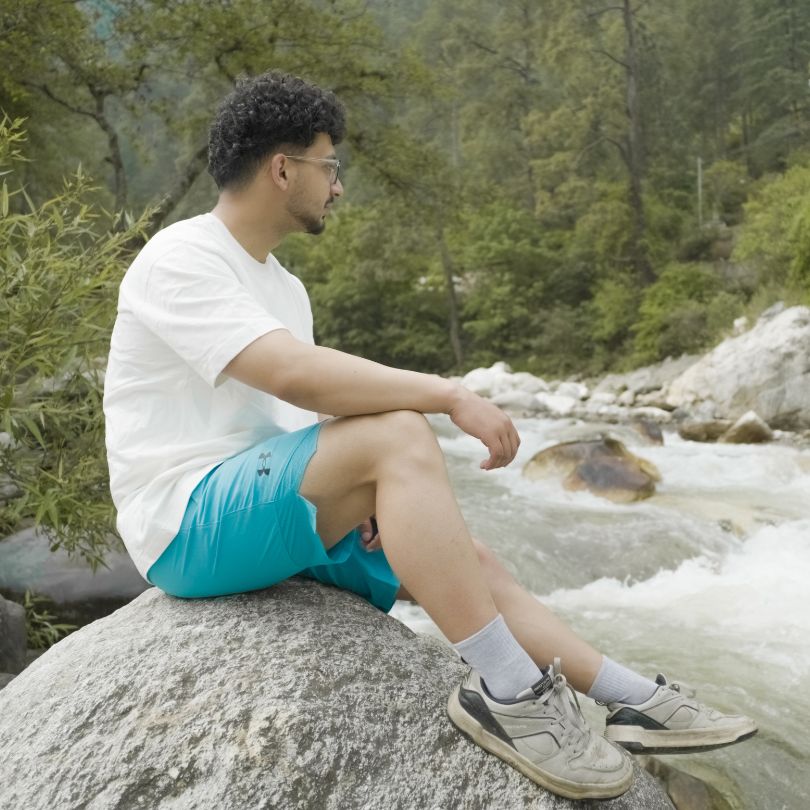
Tirthan Valley
Park gate at Ropa is ~3 km past Gushaini
The standard ecozone base for a GHNP visit. Riverside homestays, trout fishing on the Tirthan, and the easiest day walks into the buffer.
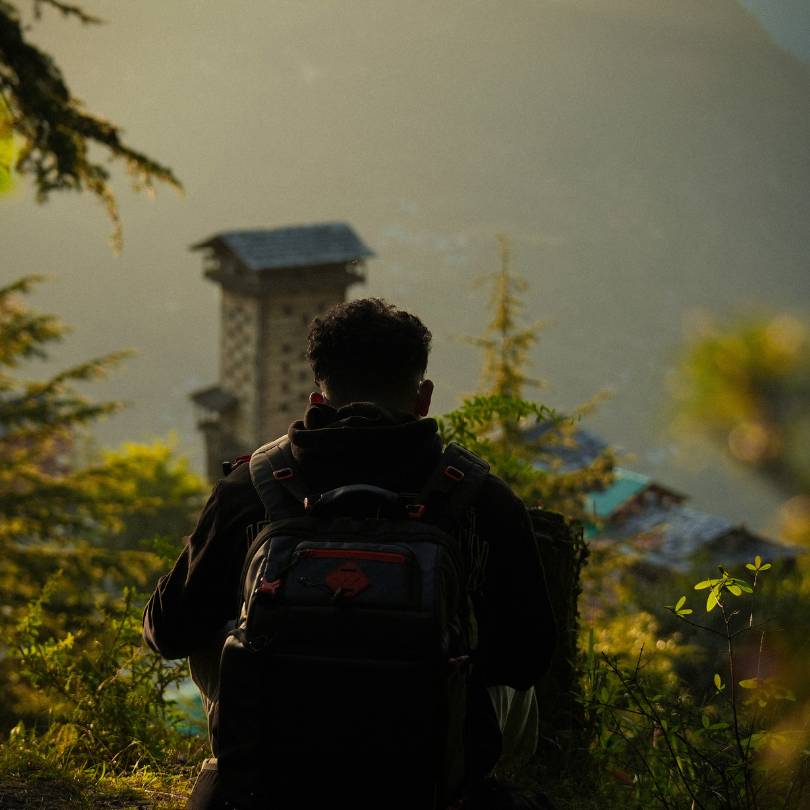
Chehni Kothi
~25 km from Gushaini, 1 hour drive
A several centuries old Kath Kuni stone and wood tower above Banjar, reached by a short uphill walk through orchards.
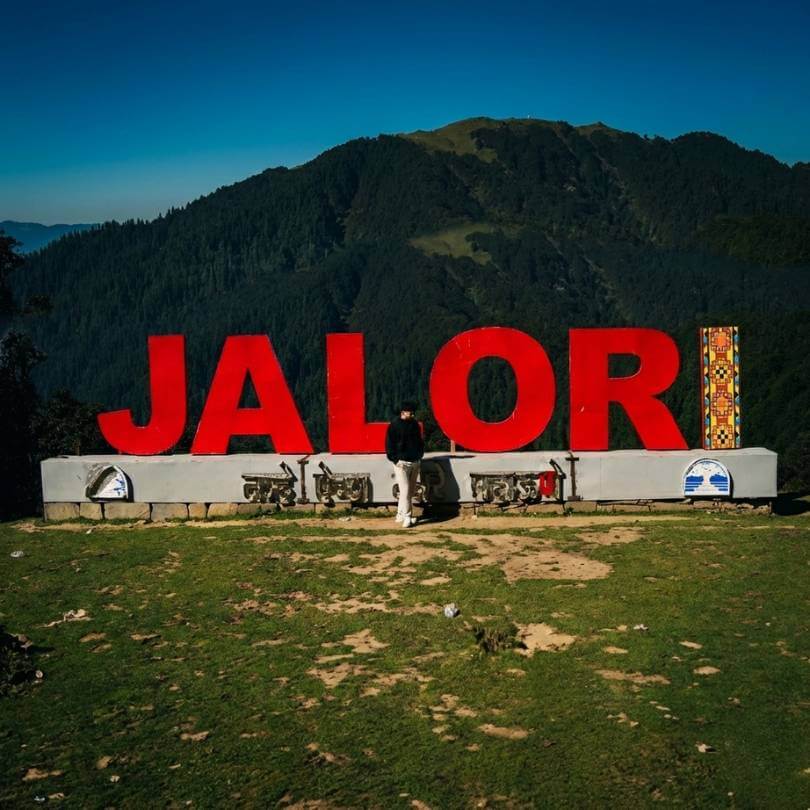
Jalori Pass
~30 km from Gushaini, 1.5 hours drive
The mountain pass on NH 305 above Jibhi and Shoja, the trailhead for the area's classic day walks.
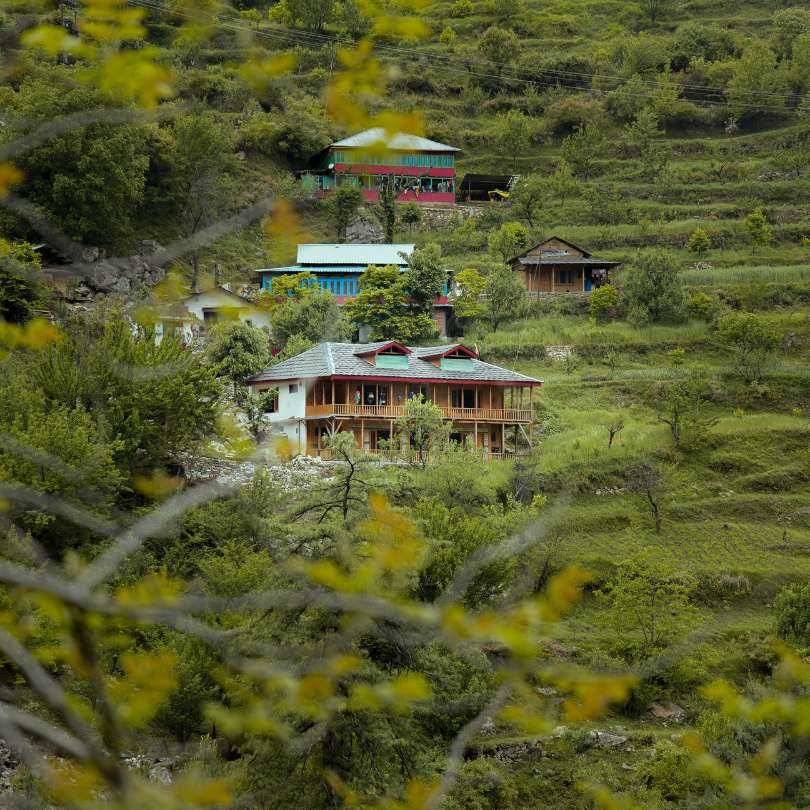
Shoja
~30 km from Gushaini, 1.5 hours drive uphill
A small forest village at around 2,700 m, the highest comfortable base in the broader area and the closest village to Jalori Pass.
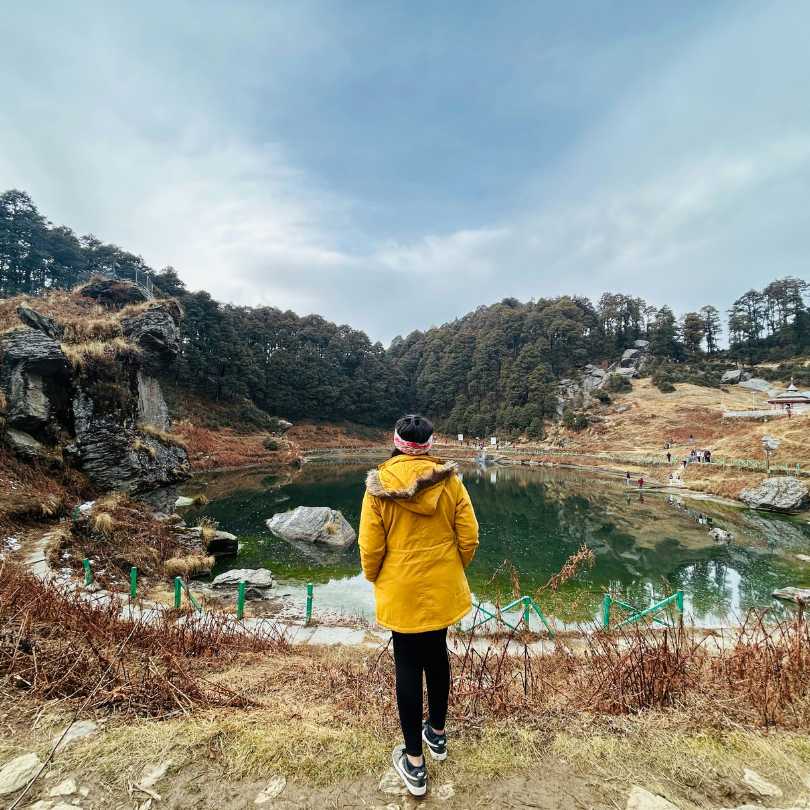
Serolsar Lake
5 km trek from Jalori Pass
A small sacred alpine lake reached by an easy 5 km forest walk from Jalori Pass.
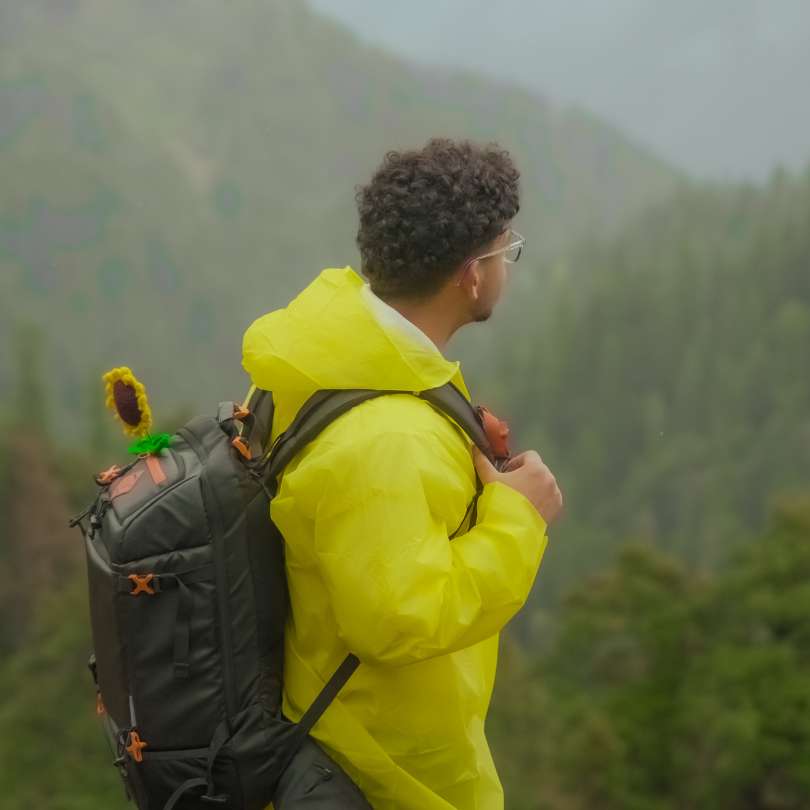
Raghupur Fort Trek
3 km trek from Jalori Pass
A short steep day hike from Jalori Pass to a meadow ridge with old fort walls and a wide panorama.
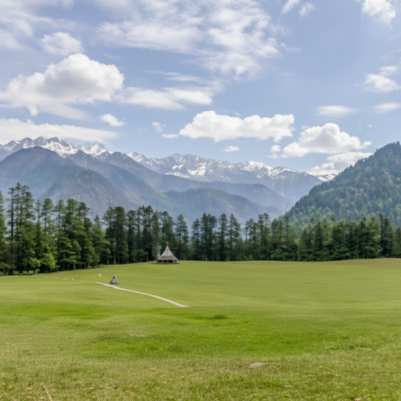
Shangarh and the Sainj Valley
~50 km from Aut, separate approach via Sainj town and Neuli
The other realistic entry to the park, with a wide alpine meadow above Shangarh village. Less developed than Tirthan, fewer travellers.
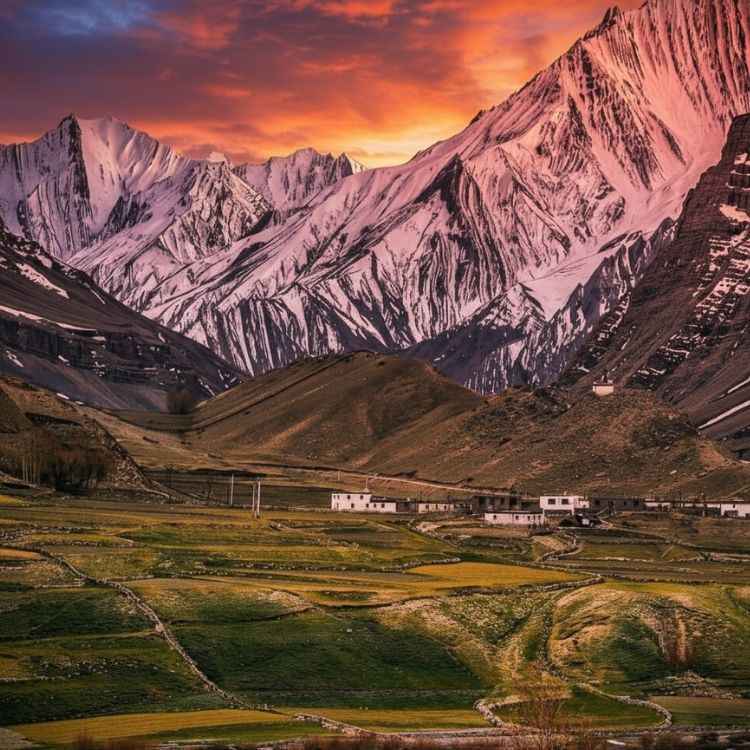
Pin Valley National Park
Linked to GHNP via the Pin Parvati Pass trek (5,319 m)
The cold desert national park on the Spiti side, connected to GHNP via the high Pin Parvati Pass. A separate trip in itself.
Our packages with Great Himalayan National Park
Curated trips that include a visit to Great Himalayan National Park.
 Group Tour5D/4N
Best Jibhi Tirthan Valley & Jalori Pass Weekend Tour From Delhi
1D Delhi •2D Tirthan Valley+1
₹5,999₹6,599SAVE INR 600/ person 6D/5N
6D/5NBest Jibhi Tirthan Valley & Shangarh Meadows Trip
1D Delhi •2D Tirthan Valley+2
₹15,999₹21,900SAVE INR 5,901/ person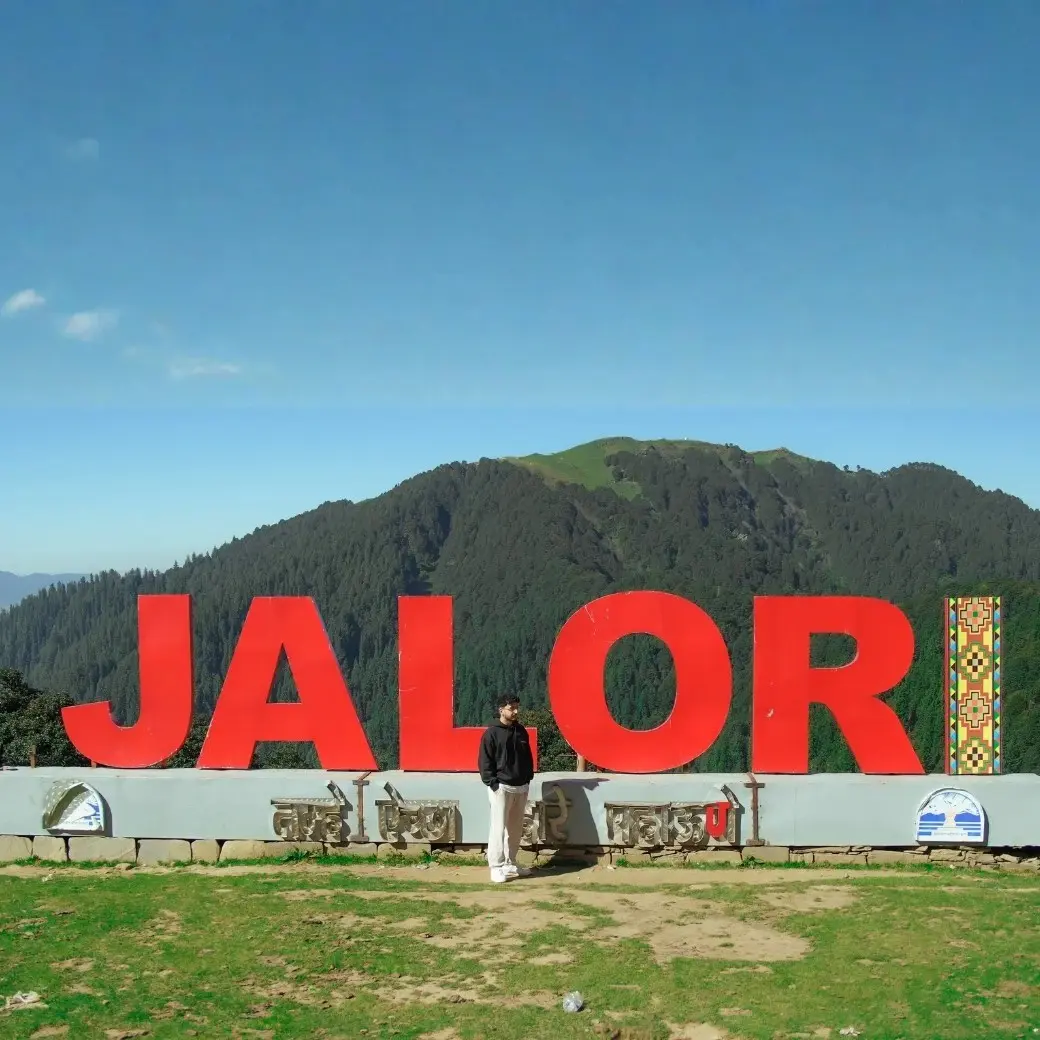 5D/4N
5D/4NWeekend Jibhi & Tirthan Valley Riverside Escape
1D Delhi •2D Jibhi / Tirthan Valley+1
₹12,900₹19,999SAVE INR 7,099/ person
Frequently Asked Questions
Where is the Great Himalayan National Park?
In Banjar tehsil of Kullu district, Himachal Pradesh. The park covers the high catchments of four rivers, the Tirthan, Sainj, Jiwa Nal and the upper Parvati. The two practical entry sides for most travellers are the Tirthan side at Gushaini, around 30 km from the Aut tunnel on the Manali highway, and the Sainj side at Neuli or Shangarh, around 40 to 50 km from Aut.
How big is the Great Himalayan National Park?
Three numbers are commonly quoted, all correct for different boundaries. The national park core declared in 1999 is about 754 sq km. The UNESCO World Heritage inscribed property, including the Sainj and Tirthan Wildlife Sanctuaries, is about 905 sq km (90,540 hectares). The wider Great Himalayan National Park Conservation Area, including the ecozone buffer, is about 1,171 sq km.
Is GHNP a UNESCO World Heritage Site?
Yes. The Great Himalayan National Park Conservation Area was inscribed on the UNESCO World Heritage list in June 2014 under criterion (x), for its outstanding significance for biodiversity conservation.
When was the park established?
Notification of intent to create GHNP was issued in 1984. The final notification declaring it a national park came in 1999, after the settlement of rights for affected villages. The Sainj and Tirthan Wildlife Sanctuaries were merged with the park in 2010, and UNESCO inscription followed in 2014.
When is the best time to visit the Great Himalayan National Park?
April to early June and September to early November are the clean windows. Spring brings dry trails in the lower buffer and the rhododendron bloom, autumn brings the sharpest air of the year and the right conditions for the longer treks. Skip July and August, monsoon brings landslides on the approach roads and slick trails. Winter is open at the river but the high routes are snowed in.
Do you need a permit for the Great Himalayan National Park?
Yes, for entry past the gate. Permits are issued by the Director at Shamshi or by Range Officers at Sairopa (for Tirthan), Ropa Sainj and Largi. Multi day trekkers also need a registered guide and, for longer routes, porters and camping arrangements. Most homestays and operators handle this for you. Foreign nationals should reconfirm requirements close to travel.
Can I drive into the park?
No. The motorable road ends at the villages on the park's edge. The standard road heads are Gushaini in Tirthan, Neuli in Sainj, Siund in Jiwa Nal, and Barshaini for the Parvati side. Beyond those points it is foot access only, by design.
How do I reach the Great Himalayan National Park from Delhi?
Most travellers take an overnight Volvo bus from Delhi to Aut, around 12 to 14 hours, arriving early morning. Pre book a taxi from Aut to your homestay in Tirthan or Sainj, around 1,500 to 2,500 rupees one way. Self drive is the alternative and runs the same time with a stop in Mandi if you are travelling with kids. The nearest airport is Bhuntar, about 2 to 2.5 hours from the Tirthan side by road.
How many days do I need for a GHNP visit?
Two nights minimum at a Tirthan or Sainj homestay to make the trip worthwhile, three or four if you want to do both sides. For a real multi day trek inside the park (Rolla, Shilt, Tirath, or the longer crossings) plan four to nine days inside the park with a registered operator. A single day from Manali is not really a GHNP visit, it is a long drive with a short stop.
Can I see snow leopards or western tragopans in GHNP?
Both species exist inside the park. Sightings are extremely rare. Snow leopards are deep in the high backcountry and rarely seen even by trained spotters; the western tragopan is critically endangered and elusive. Most casual visitors leave with bird sightings, langurs, occasional tahr or bharal at dawn. Treat any big mammal sighting as a bonus, not a plan.
What is the Tirthan side and what is the Sainj side?
Two of the four valleys inside the park, with the two practical entry points for visitors. The Tirthan side has more developed homestays at Gushaini, Nagini and Sai Ropa, and the easiest park gate access at Ropa, 3 km past Gushaini. The Sainj side is quieter, with Shangarh village and its alpine meadow as the soft base and Neuli as the road head for deeper treks. Tirthan is the standard first visit; Sainj is better for a second trip or for a quieter base.
Is GHNP good for families?
Yes for the ecozone, with kids around 7 and above. The riverside homestays in Tirthan have space, the buffer walks are flat and forested, and short outings to nearby waterfalls work for most kids. Younger children get bored on the slow walks. Multi day treks inside the park are not appropriate for kids under about 14.
Is camping allowed inside the park?
Camping inside the park is part of multi day treks organised through registered operators, with set camping points like Rolla, Shilt and others. You cannot just walk in and pitch a tent. Open fires are forbidden inside the park, and waste must be carried back out. The ecozone villages outside the park boundary do allow informal camping in some properties, ask your homestay.
Where can I stay near the park?
Riverside homestays in Tirthan villages (Gushaini, Nagini, Sai Ropa, Bathad) on one side, smaller homestays at Shangarh in the Sainj valley on the other. Rates are roughly 2,500 to 5,000 rupees a night for two with meals on the Tirthan side, generally cheaper at Shangarh. There is no accommodation inside the park itself other than basic camping points used on guided treks.
Are drones allowed in the Great Himalayan National Park?
No, not without explicit written permission from the forest department, which is rarely granted. The park is a UNESCO protected area and noise overhead disturbs wildlife. Drone enforcement is taken seriously here. Plan to leave the drone in the car for this trip.
Is there a Forest Rest House inside the park?
Forest rest houses and basic huts exist at some camping points along the multi day routes inside the park, used as part of organised trek packages. They are not bookable as a casual visitor. The PWD and forest rest houses at Aut, Sainj, Sairopa and Banjar in the ecozone are bookable through the relevant department, but for most travellers a homestay is the easier option.
Related guides
Posts about Jibhi
- Jibhi in December 2026: Snowfall, Weather, Road Status and Winter Guide
- Jibhi in October 2026: Weather, Road Conditions, Places and Trip Plan
- Jibhi in August 2026: Weather, Road Safety, Itinerary and Honest Advice
- Jibhi for Honeymoon in 2026: Why Couples Choose It Over Manali
- Best Things to Do in Jibhi for Couples in 2026: Romantic Places, Walks and Hidden Gems
- Jibhi or Kasol — Which Is Better? An Honest, No-Fluff Comparison