 Group Tour
6D/5N
Best Jibhi Tirthan Valley Tour With Shangarh Meadows
2D Tirthan Valley•1D Shangarh (Sainj Valley)
₹9,999₹12,999SAVE INR 3,000/ person
Best Jibhi Tirthan Group Tour Packages Curated By Experts
Group Tour2D Tirthan Valley•1D Shangarh (Sainj Valley)
 Group Tour
3D Shangarh
 Group Tour
1D Delhi •2D Tirthan Valley+1
There is a particular kind of trip that only happens in places like Jibhi and Tirthan Valley. The van pulls into a clearing surrounded by pine and deodar. The air hits you, cold and clean. Your group climbs out, looks around, and someone says: this is it? And then, over the next few days, you walk to a waterfall together, sit by a river, drive up a mountain pass at 3,120 metres, eat trout and rajma with desi ghee in a wooden cottage, and stay up around a bonfire talking about things you never talk about at home. By the time you leave, your group is different. Quieter together. Closer.
Jibhi and Tirthan Valley are not the Himachal you see on tourism posters. No mall roads, no traffic queues. What there is, instead, is a pair of valleys where wooden cottages sit under deodar trees, rivers run cold and clear, forest paths lead to waterfalls without a ticket counter, and the loudest sound after sunset is the fire crackling outside your stay. This is an offbeat Himachal group trip for people tired of hill stations that feel like the city with better air.
The best Jibhi Tirthan group tour packages give your group mornings with mist, afternoons split between a café and a forest walk, evenings around a bonfire, and the kind of shared memory that a beach weekend or a Manali Mall Road trip cannot produce.
Travel Coffee is a Himachali travel company based in Shimla. Jibhi, Tirthan, Banjar, Gushaini, Shoja, and the roads between them are routes we have driven many times, in every season, in spring warmth and in January snow. We know which stays actually deliver the bonfire and cottage experience they advertise. We know which trails work for groups where half the people have never walked on a mountain path before. We know when Jalori Pass is open and worth the drive and when the weather says stay in the valley and enjoy the river instead.
When we plan Jibhi Tirthan group travel, we start with how groups actually behave. Not everyone wakes up at the same time. Not everyone wants every trek. Some people want café time while others want the waterfall walk. A good group trip builds room for both. It does not try to force fifteen stops into three days. It gives your group the right mix of shared activity and breathing space, so the trip feels social without feeling exhausting. That is what we build.
Group-friendly pacing that builds breathing room into every day, not just activity after activity.
Locally chosen stays with character, wooden cottages with balconies, bonfire setups, and riverside access.
Realistic route planning that does not promise more than the road and weather allow.
Safe and social mountain travel where the group energy stays high without the logistics getting chaotic.
Easy coordination from Delhi or Chandigarh so your group does not start the trip already tired from planning.
Balanced sightseeing that gives you the pass, the waterfall, the river, and the village without burning the group out.
Quiet time built into the trip, because the best group moments often happen when nothing is scheduled.
On-ground support from a Himachali team that knows these valleys from the inside.
Most group trips to Himachal involve crowded towns, long transfers, and the feeling that you spent more time in the vehicle than in the mountains. Jibhi Tirthan is different. The region is compact. You can walk to a waterfall in the morning, sit by a river after lunch, drive to a 3,120-metre pass in the afternoon, and be back at your cottage for a bonfire by evening. The outings are short, the views are earned without exhaustion, and the whole valley has a pace that makes groups slow down together instead of racing from stop to stop.
What makes it work for groups is the variety in a small area. River, waterfall, high pass, sacred lake, village paths, ancient towers, forest trails, riverside cafés, and a national park gateway, all within a day's reach. And the stays are not hotel rooms on a highway. They are wooden cottages with sloping roofs, balconies facing the valley, and the smell of pine. Your group eats together at long tables. You sit around a fire at night. You sleep to the sound of water.
Jibhi Tirthan does not try to impress you with scale. It impresses you by slowing your group down and letting the setting do the rest. For friend groups tired of loud hill stations and office trip groups tired of template weekends, this is the reset.
Offbeat group energy: the destination is popular enough to have good stays and cafés but quiet enough that your group feels like it has the valley to itself.
Easy adventure with big payoff: Jalori Pass, Serolsar Lake, and the Raghupur Fort trail give groups a genuine mountain experience without requiring serious fitness or gear.
Forest and river calm: the Tirthan River, Jibhi's waterfall walks, and the pine-and-deodar forest paths give the trip a natural rhythm that city weekends cannot.
Shared stay and bonfire moments: wooden cottages, group dinners, and bonfire evenings turn a trip into a memory. The social moments here happen naturally, not because someone scheduled a "team activity."
Village character and heritage: Chehni Kothi, local deity traditions, Kath Kuni architecture, and the village paths around Banjar add depth that most weekend destinations lack.
A short trip that still feels full: two to three days is enough for a strong Jibhi Tirthan experience. Your group does not need a week of leave to feel like they went somewhere real.
Our weekend group trips cover the essential Jibhi Tirthan experience. A cottage stay, Jibhi Waterfall, riverside time, a café stop, and a bonfire evening. Compact and well-paced. Best for friend groups and office circles from Delhi or Chandigarh who want the full valley feeling within a weekend frame.
The longer Jibhi Tirthan Shoja escape adds Jalori Pass, Serolsar Lake, and the quieter upper villages. This is our recommended format for groups who want the adventure highlight alongside the slow valley days. The extra night makes the trip feel earned instead of rushed.
Shared group departures from Delhi or Chandigarh run on fixed dates through the season. Solo travellers, pairs, and small groups can join a managed batch with shared transport, stays, and a trip captain. Social energy, shared costs, and zero planning hassle. Especially good for solo travellers looking for mountain community.
Private friend-group trips let your circle set the dates, choose the cottage, and travel at your own pace. We handle route planning, stays, driver coordination, and permits. You bring the people and the playlist. For groups who want the trip to feel like their trip, not someone else's batch.
Jalori Pass and Serolsar focused scenic trips suit groups who want the high-point experience. The drive to Jalori at about 3,120 metres, the trek to Serolsar Lake through dense forest, and the Raghupur Fort trail for wider views. This format works for groups with some walking comfort and the desire for a genuine mountain day.
Nature and stay-based trips for groups who want less rushing and more river. Stay near the Tirthan River, do short nature walks, visit the Great Himalayan National Park entry zone, eat trout, and let the trip breathe. No pass. No long trek. Just forest, river, food, and the group being together somewhere quiet.
Jibhi and Tirthan are road destinations. Most groups travel from Delhi (roughly 480 to 510 km, about ten to twelve hours with breaks) or Chandigarh (roughly 260 to 280 km, about seven to eight hours). Overnight Volvo buses to Aut or Bhuntar are popular for budget groups, with a local taxi or pre-arranged cab completing the last stretch through Banjar to Jibhi or Gushaini.
The Aut to Banjar to Jibhi route is the standard and most reliable approach. The road is well-maintained for the majority, and a sedan works in normal conditions. For groups travelling in winter or wanting rougher village access roads, higher ground clearance is better. This is the route most groups take and the one we recommend for first-timers.
The Shimla to Narkanda to Jalori to Shoja to Jibhi route is longer and more dramatic, crossing Jalori Pass at about 3,120 metres. It is season-dependent. When the pass is open (usually April to November), it is extraordinary. When it is not, the Aut route is the reliable choice.
Bhuntar airport near Kullu is the nearest useful airport, but flights are limited. Train travellers usually reach Chandigarh or Ambala and complete the journey by road. For groups, pre-arranged transport from Delhi, Chandigarh, or Bhuntar gives you the smoothest start.
Mobile connectivity: patchy. BSNL and Jio have the best coverage in the valley, but do not expect reliable data everywhere. Tell your group before the trip so nobody panics when they lose signal.
Cash: ATMs are limited around Banjar and Jibhi. Carry enough with you. Digital payments work at some stays but not all.
Languages: Hindi and English are understood at tourist-facing stays. Pahari and Kulluvi are commonly heard locally.
March to June: the most comfortable window for Jibhi Tirthan group tour packages. Pleasant weather, open trails, accessible roads, and the valley at its greenest. Jalori Pass is usually open. This is when most groups visit.
September to November: crisp air, cleaner mountain views, fewer visitors, and the particular autumn light that makes everything look sharper. Often the best window for groups who want the valley at its quietest and clearest.
Winter (December to February): colder and quieter. Snow possible in higher areas. Jalori Pass may close. The lower valley stays accessible and the wooden cottages feel cosier. Good for groups who enjoy the cold and do not need every trail open.
Monsoon (July to August): lush but risky. Landslides, slippery trails, and route delays are real possibilities. Not recommended for most group trips.
Two to three days for a strong weekend Jibhi group trip covering the valley essentials. Three to four days for a fuller experience including Shoja, Jalori, Serolsar, or the Tirthan side. The destination rewards a relaxed pace more than an aggressive checklist.
This page covers our fixed departures and group formats. If you want private trips, weekend options, itineraries by duration and the complete price breakdown in one place, explore all Jibhi tour packages on our main Jibhi page.
3 packages found
Group Tour1D Delhi •2D Tirthan Valley+1
Group Tour3D Shangarh
Group Tour2D Tirthan Valley•1D Shangarh (Sainj Valley)
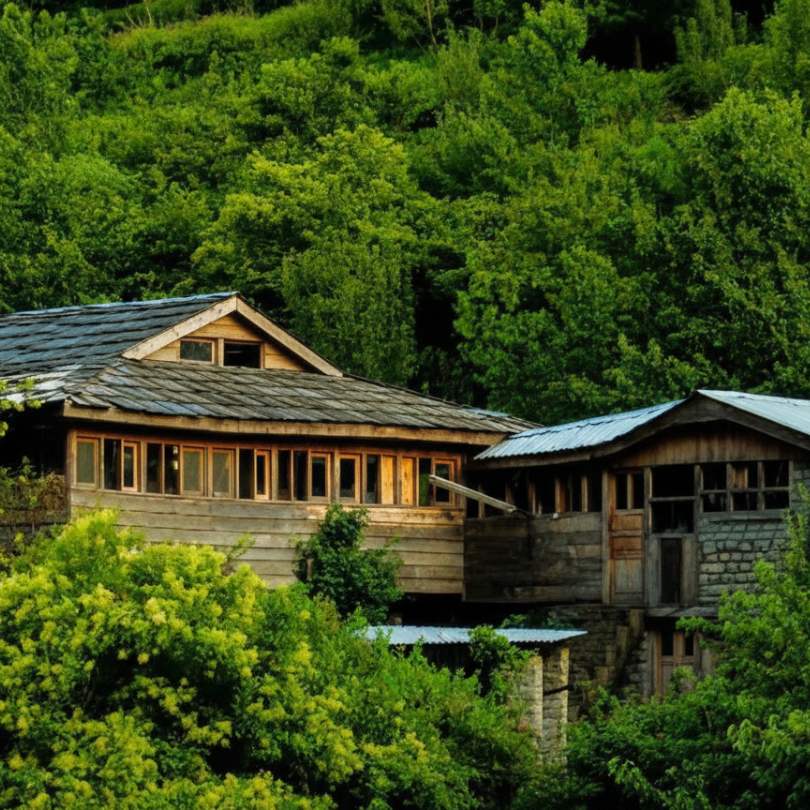
Gushaini is a small riverside village in Banjar tehsil of Kullu district, sitting at around 1,500 m on the Tirthan river, with the Falachan nala joining just upstream. It is the last real road head on the Tirthan side of the Great Himalayan National Park, the most popular base for riverside homestays in Tirthan Valley, and the closest village to the GHNP gate at Ropa. Most travellers come here for two or three slow nights, a walk to the park gate, and a morning of trout fishing on the river.
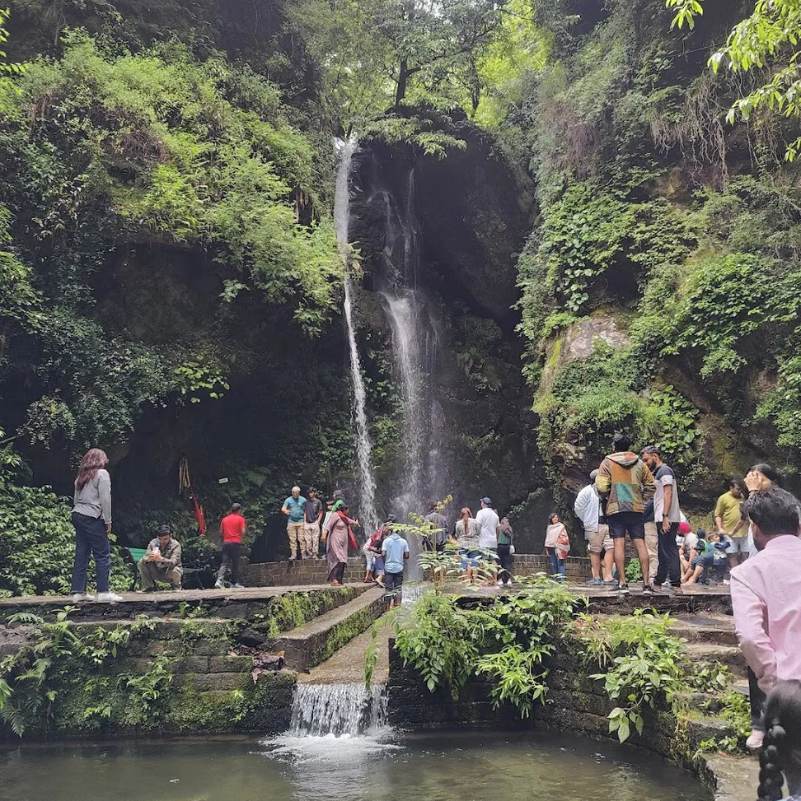
Jibhi Waterfall is a small forest waterfall a short walk from Jibhi village market in Kullu district, Himachal Pradesh. A stone and wooden bridge path through pine and deodar leads to a modest cascade with a shallow pool at the base, maintained by the forest department. Plan it as a 45 minute to 1 hour stop, pair it with the boulder pool at Mini Thailand for the standard slow Jibhi morning.
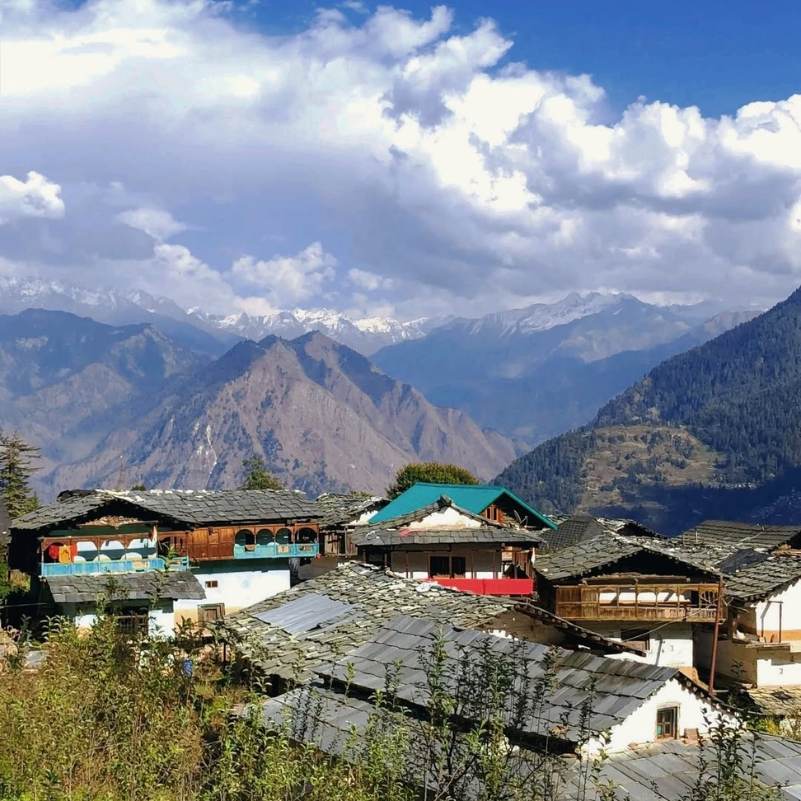
Bahu is a small village in Banjar tehsil of Kullu district, sitting on a ridge roughly 7 to 10 km above Jibhi by a road of tight hairpins. Traditional Kath Kuni stone and timber homes, the Bahu Nag temple at the upper end of the village, and pine and deodar forest on every slope. The standard pick for travellers who want a quieter, higher base than Jibhi for two slow nights.
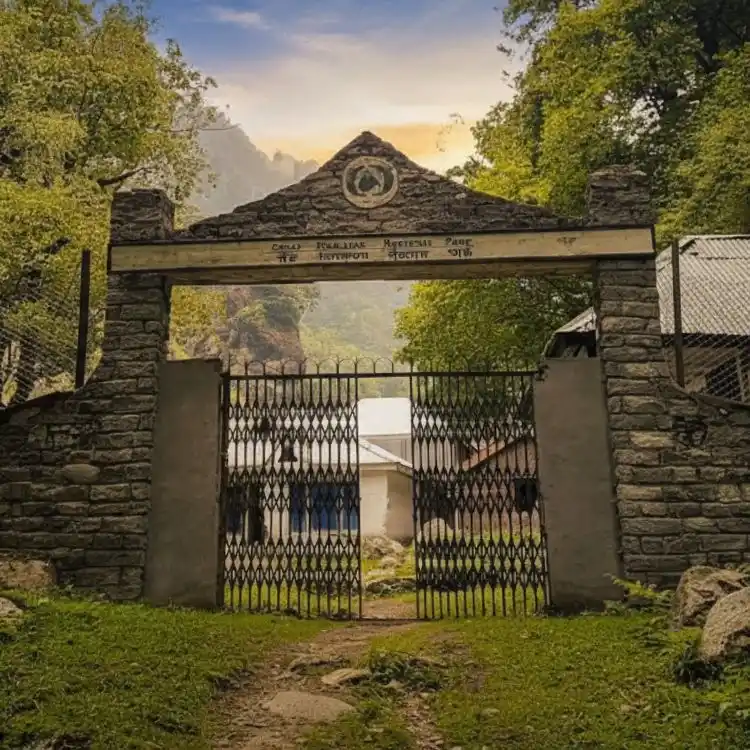
Great Himalayan National Park (GHNP) is a UNESCO World Heritage protected area in Kullu district of Himachal Pradesh, covering the high catchments of the Tirthan, Sainj, Jiwa Nal and Parvati rivers. The park itself is roughly 905 sq km, and the wider Conservation Area with the Sainj and Tirthan sanctuaries and the ecozone runs to about 1,171 sq km. There are no roads inside, only foot trails, with permits issued at the range offices at Sairopa, Ropa Sainj and Largi.
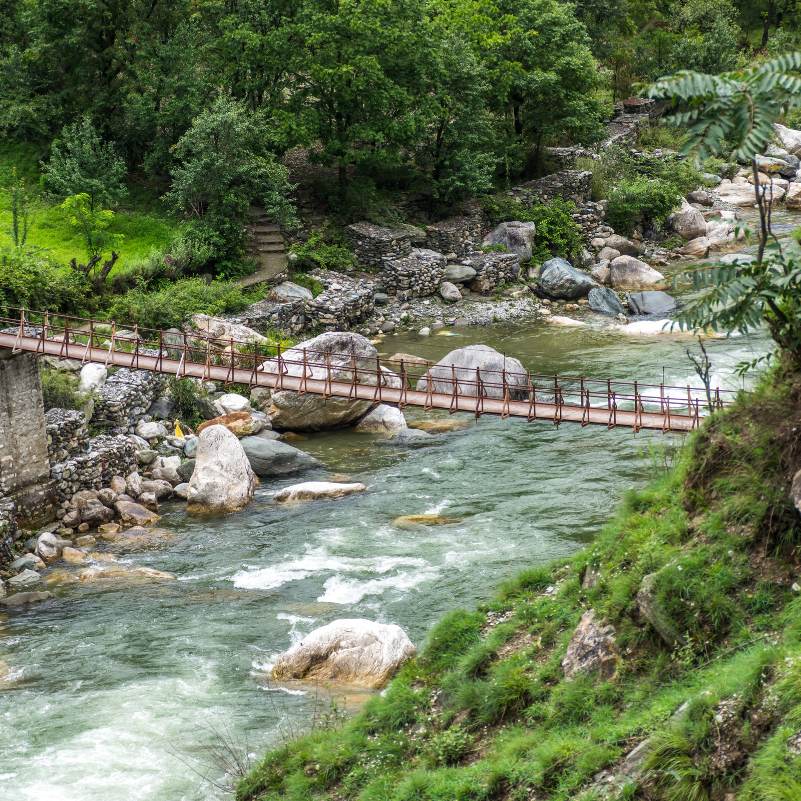
Tirthan Valley is a 25 to 30 km river valley in Banjar tehsil of Kullu district, running along the Tirthan River from Banjar town up to Bathad on the edge of the Great Himalayan National Park. The main villages are Sai Ropa, Nagini, Gushaini, and Bathad, and most travellers base in a riverside homestay for two to four slow nights. Quieter than Jibhi and Shoja next door, the valley draws travellers who want the river, the trout, the GHNP treks, and the slowest pace in Kullu.
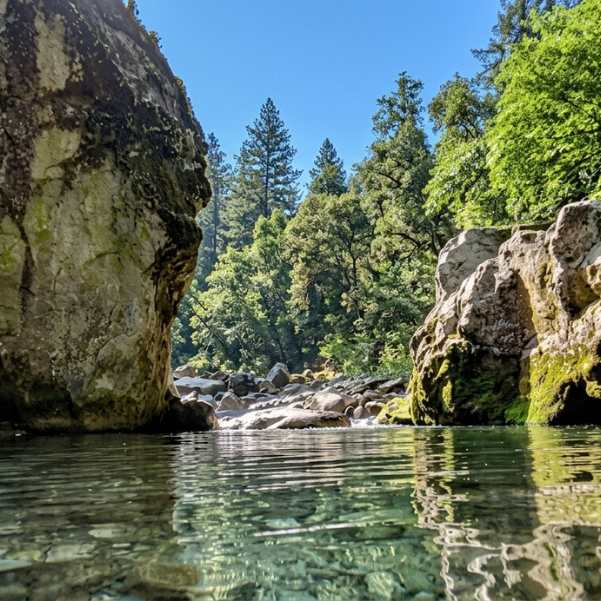
Mini Thailand is the tourist nickname for Kulhi Katandi, a small spot on the Pushpabhadra stream a short walk off the road from Jibhi village towards Jalori Pass. Two large boulders form a natural arch over a clear pool, which is the photo people came for. Plan it as a 30 to 45 minute morning stop, not a destination day.
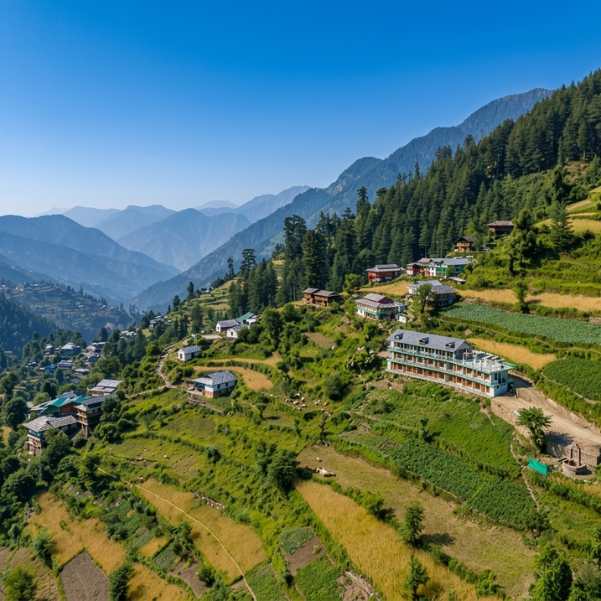
Shoja is a small forest village at around 2,700 metres in Banjar tehsil of Kullu district, sitting on the road between Jibhi and Jalori Pass. About 5 km below the pass and 7 to 10 km above Jibhi, higher and quieter than its neighbour, with a handful of homestays, a few small cafes, and deodar forest at every edge. The standard high altitude base for travellers who want silence after dark and a short drive to the Jalori day walks.
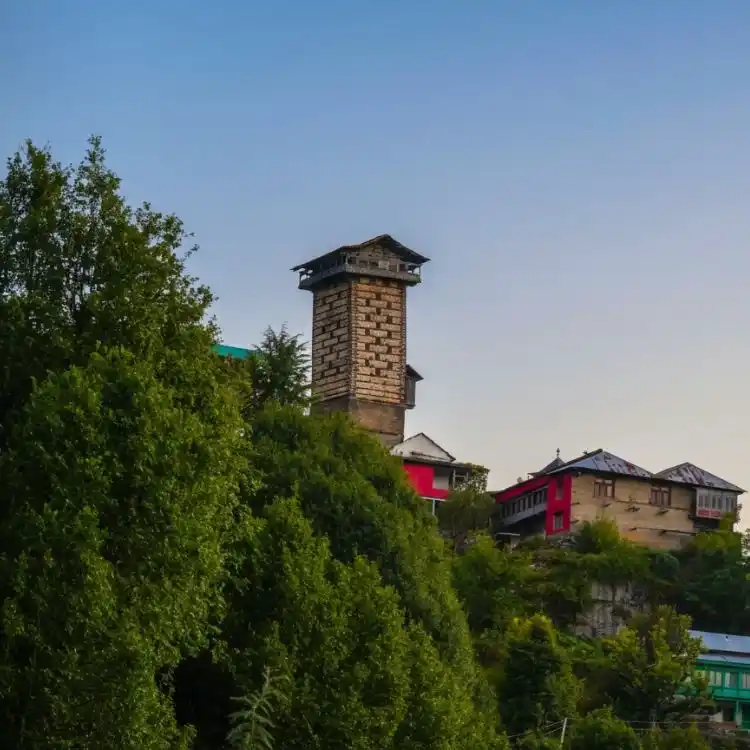
Chehni Kothi is a tall stone and wood tower in Chehni village above Banjar in Kullu district, built in the Kath Kuni style with no cement, nails, or metal fasteners. Several centuries old and partly damaged in the 1905 Kangra earthquake, it stays one of the tallest surviving wooden towers of its kind in the western Himalaya. Most travellers visit as a half day from Jibhi or Tirthan, walking up through apple orchards from Bagi or Bihar village.
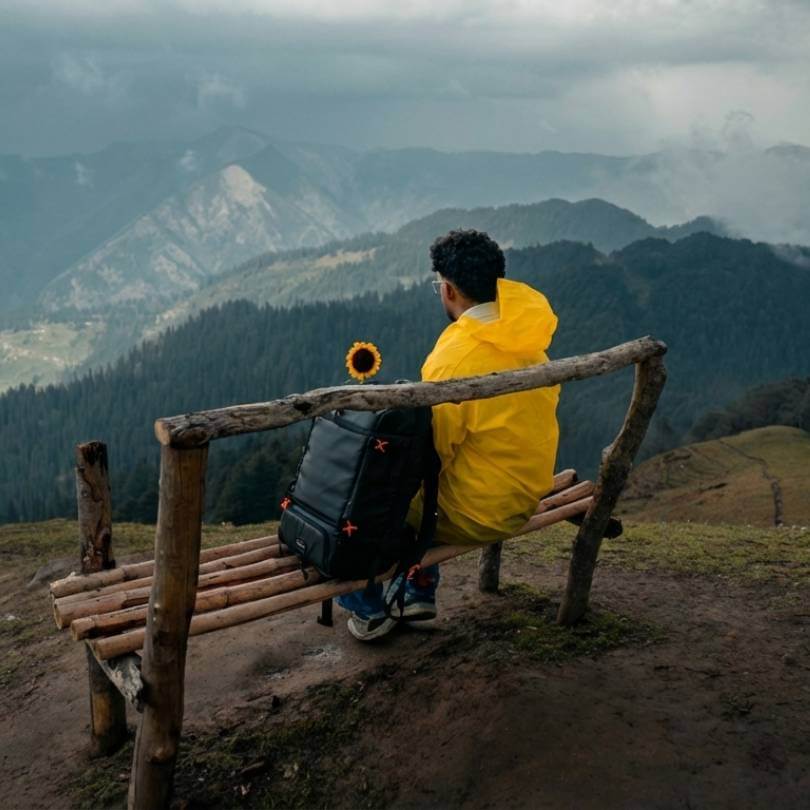
Raghupur Fort Trek is a short, steep walk that starts at Jalori Pass, climbs roughly 3 km through oak and rhododendron forest, and tops out on a grassy ridge at around 3,300 metres with the ruined walls of an old hill fort. From the meadow you get an open view across the Pir Panjal and the Great Himalayan Range. Most travellers do it as a 2 to 3 hour day hike from Jibhi or Shoja.
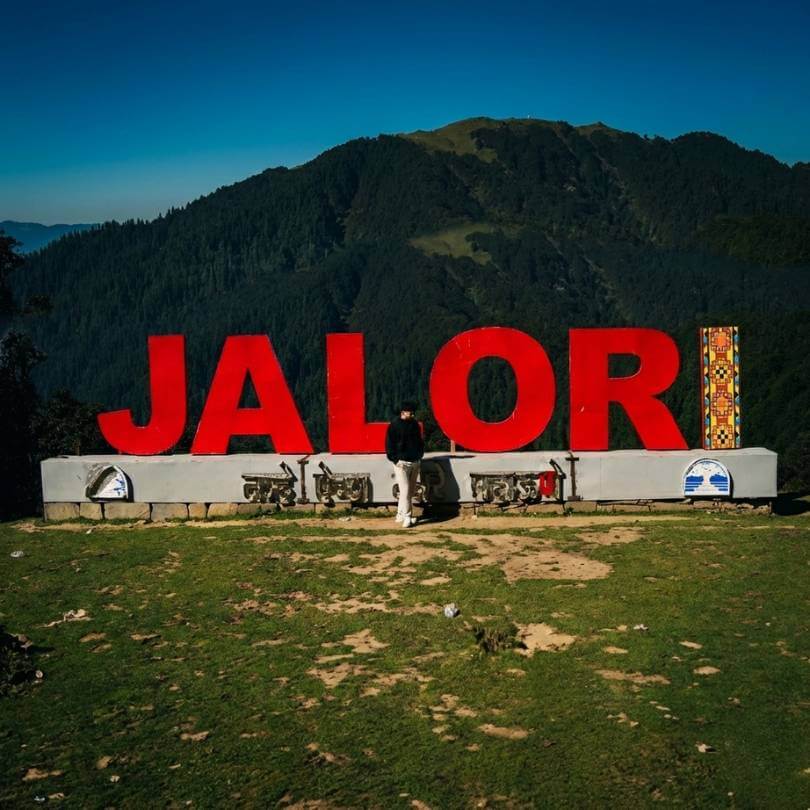
Jalori Pass tops out at 10,800 ft on NH 305, the highway branch that crosses from the Banjar valley into Outer Seraj. At the top you get a small Mata Jalori temple, four or five dhabas, and the trailheads for Serolsar Lake (5 km one way) and Raghupur Fort (3 km one way). The road is seasonal — generally open April to November on BRO snow clearance, and firmly shut through peak winter from January to March.
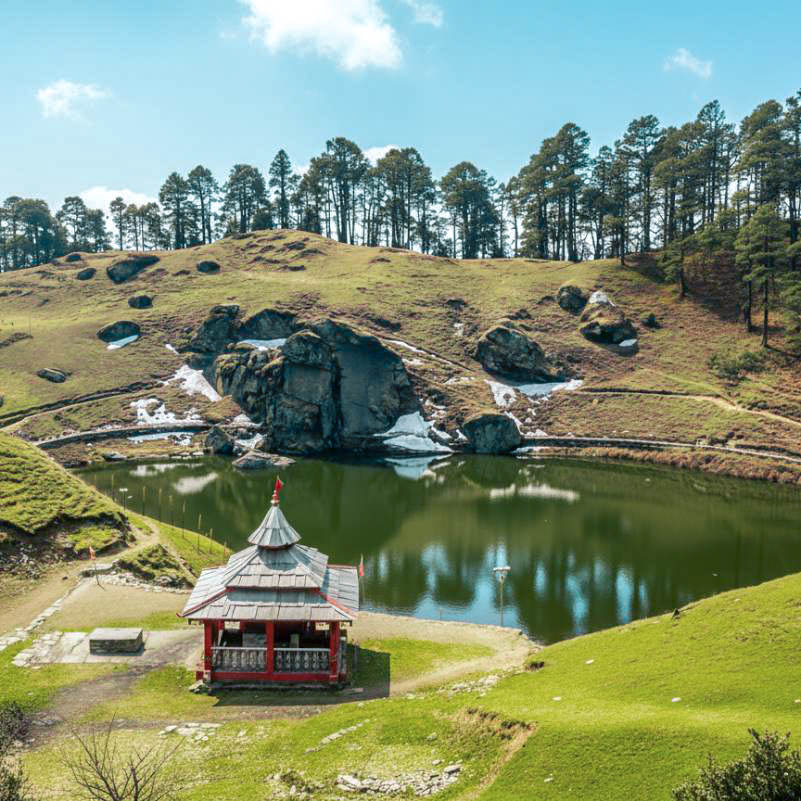
Serolsar is a small alpine lake in the Seraj Valley of Kullu district, sitting at roughly 3,100 metres, about the same altitude as Jalori Pass itself. You reach it by an easy 5 km walk from the pass through oak and deodar forest, and a small Budhi Nagin temple stands on its bank. The most popular day hike from the Jibhi and Shoja area.
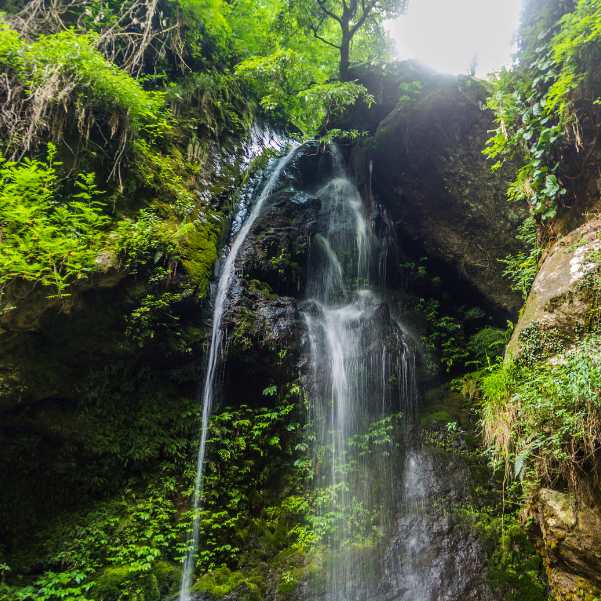
Pine air. Soft ground. The sound of water growing louder. Your whole group walking a forest path that takes less than an hour. The kind of start that makes the trip feel real.
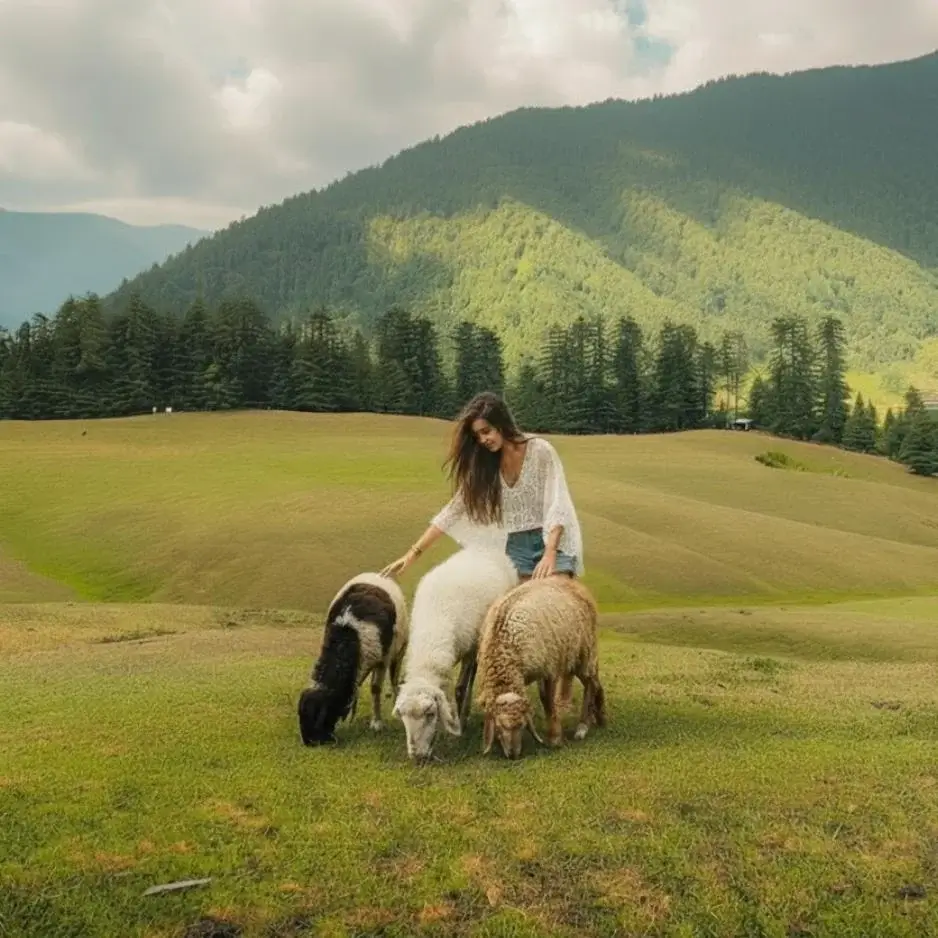
Scatter. Find a spot. Let people sit, take photos, skip stones. Regroup when everyone is ready. This is the kind of unstructured group stop that becomes a favourite.
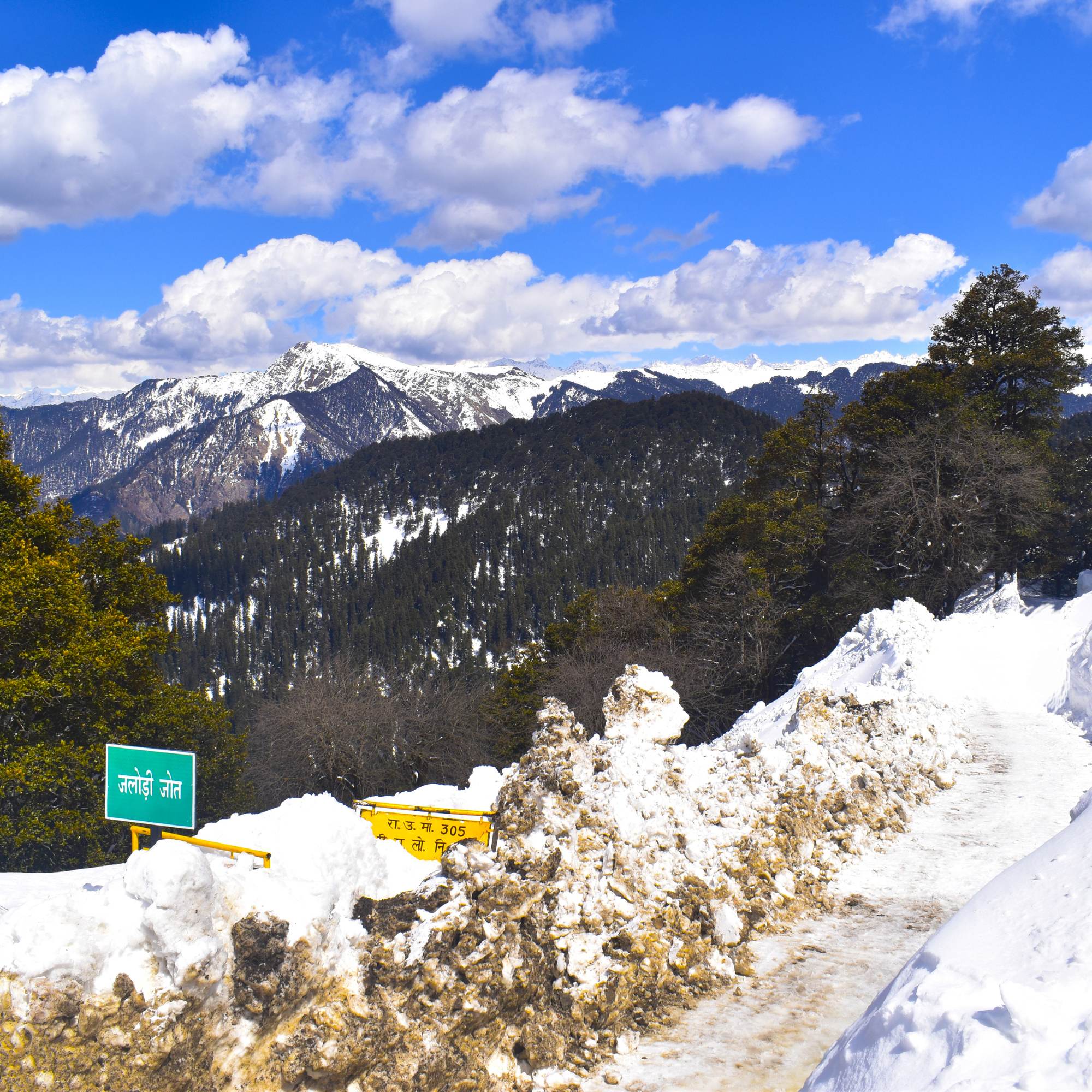
The switchbacks climb through deodar. The air cools. The view opens. At 3,120 metres, the group gets out, feels the altitude in their chest, and takes the photo that becomes the profile picture.
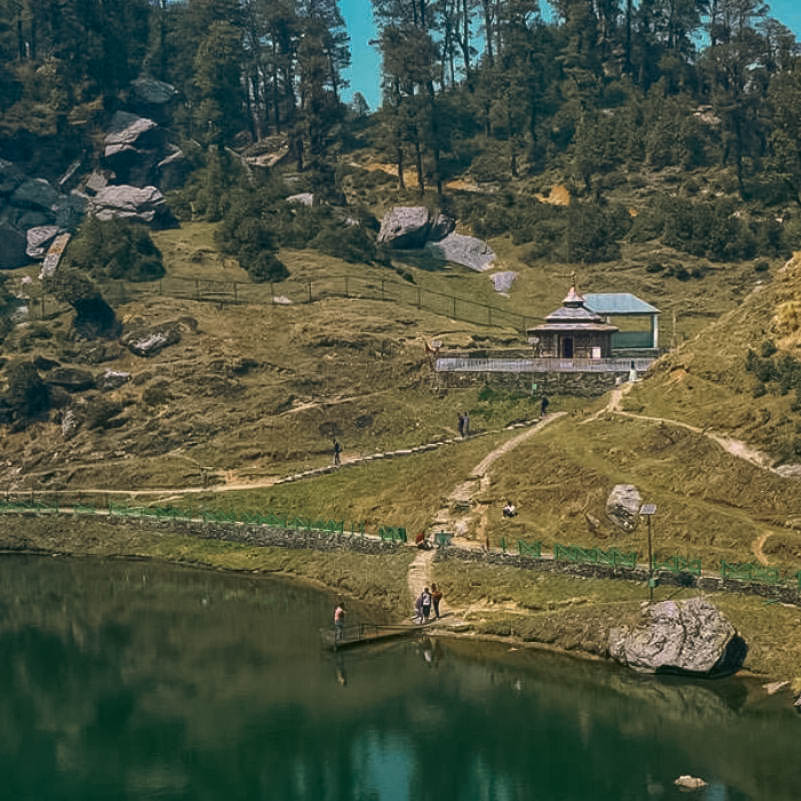
Five kilometres through forest. Moderate effort. The lake appears in a clearing with the Budhi Nagin temple beside it. For most groups, this is the adventure highlight. The walk back feels faster because everyone is talking about what they just saw.
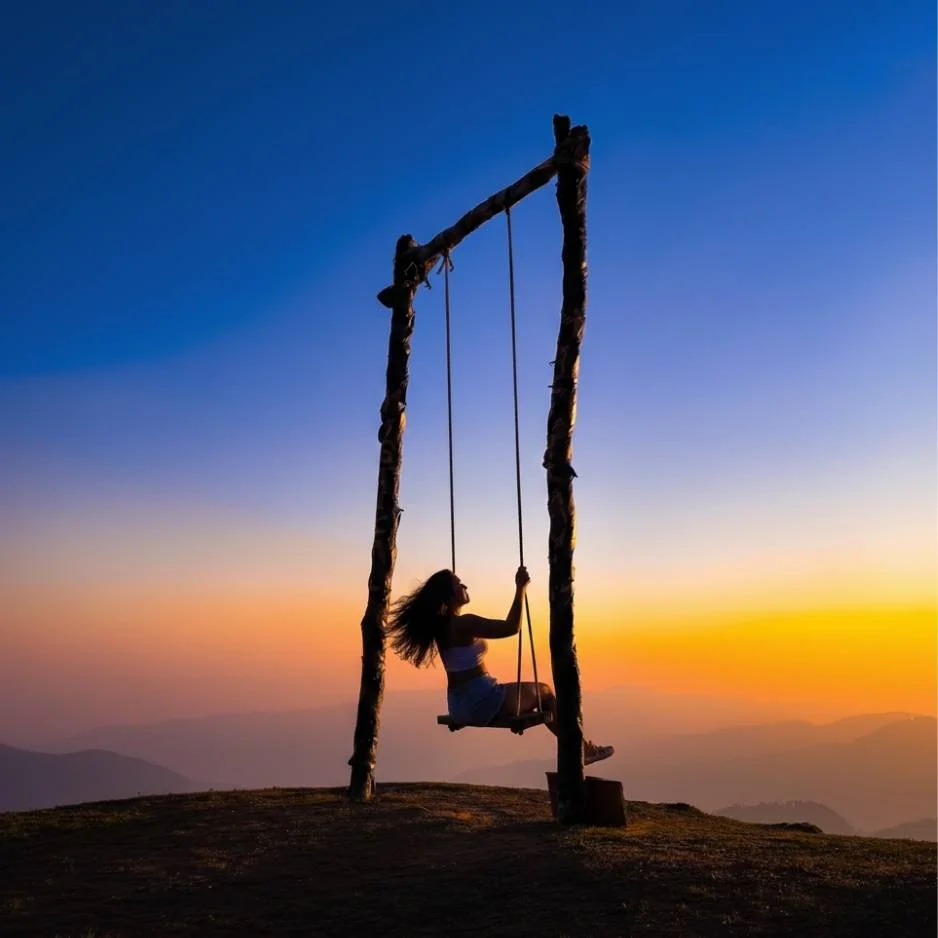
Small cafés with wooden tables and mountain views. Hot chai. Maybe rhododendron juice if you find it. An afternoon where the group splits into pairs and trios and regroups over food. Café hopping in Jibhi is not a luxury. It is part of the trip.
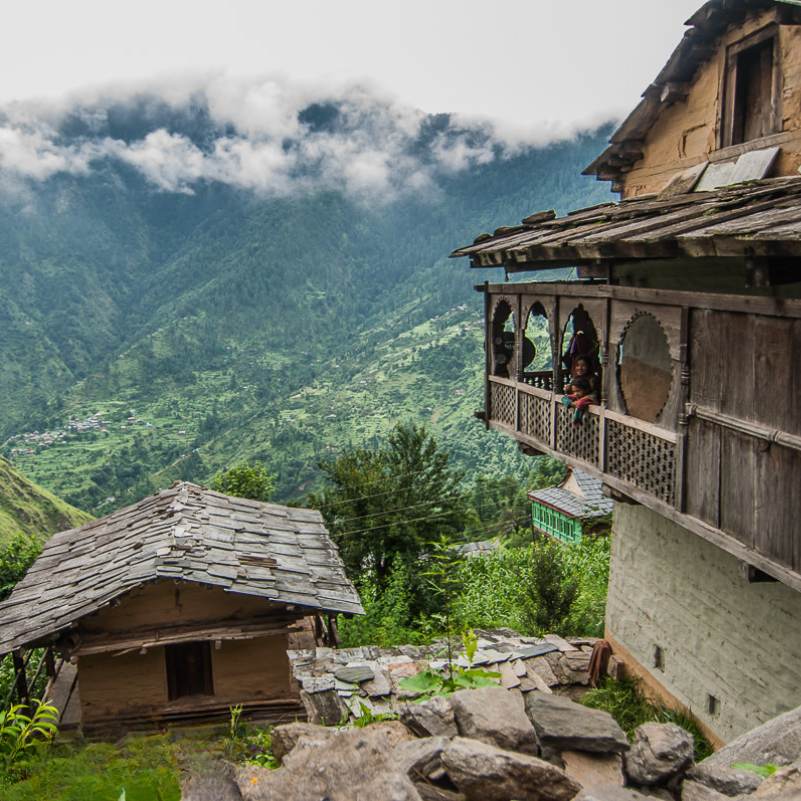
Fresh river trout. Siddu with ghee. Rajma with desi ghee. Dham if the timing is right. Eating together at a long table in a wooden cottage after a full day in the mountains. Simple food. Unforgettable moment.
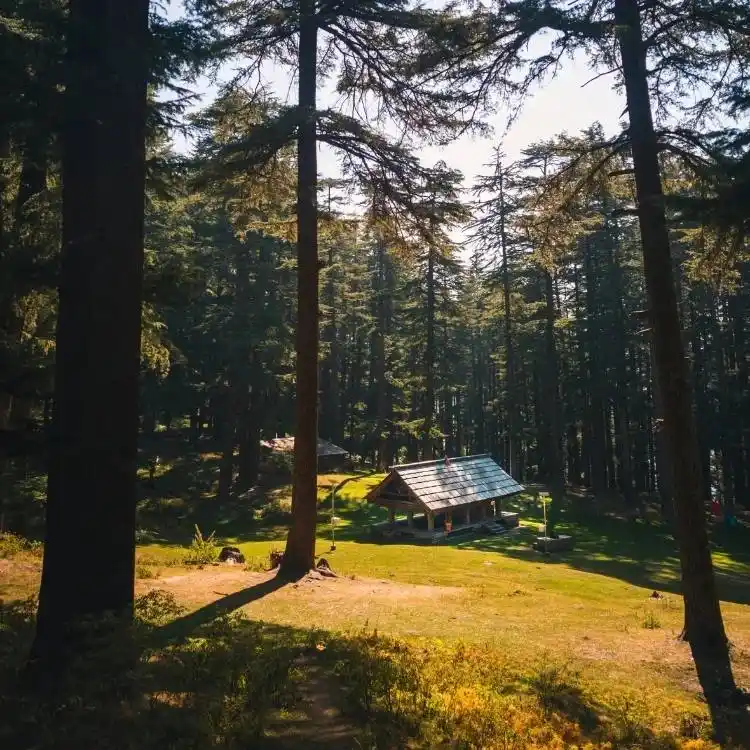
The stay is part of the experience. Wooden rooms. Sloping roofs. A balcony facing the valley. Morning mist. The kind of accommodation that makes the group feel like they are inside the mountain, not just visiting it.
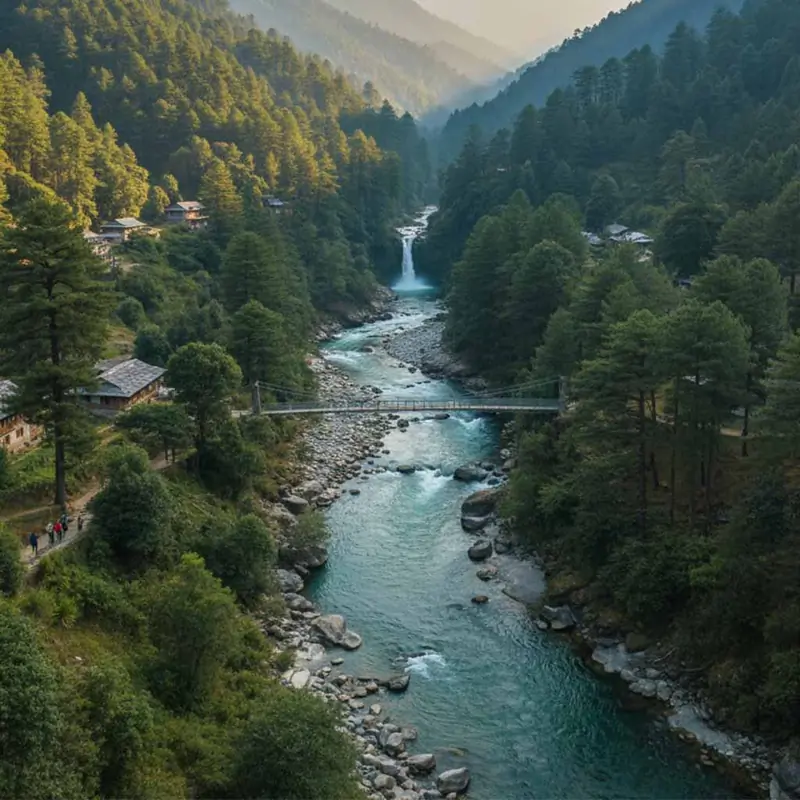
Many stays offer bonfires. The sky away from city glow is dense with stars. Sitting around a fire with your group, cold air on your back, warmth on your face, and conversations that go places they would not go in a restaurant. This is the evening the trip is remembered by.
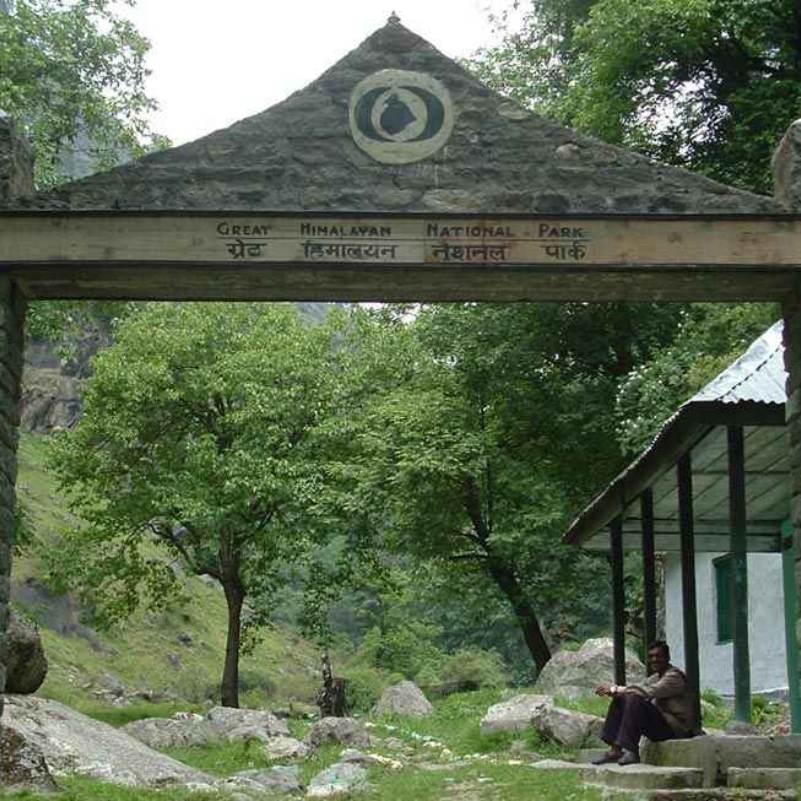
Near Gushaini, the trails are gentler and the forest thicker. River sounds everywhere. A walk that does not need a destination. The group walks, talks, and breathes differently. That is the point.

“Travel Coffee truly went above and beyond. Even though we booked from Indonesia without meeting them, we always felt secure — their team was available 24/7 and took care of every detail. Shubham personally ensured our comfort throughout the Himachal trip, from hotel checks to small gestures like bringing lotion and altitude pills. Their sincerity and local expertise made the journey unforgettable.”
Andre & Angel
March to June for the most accessible and pleasant conditions. September to November for fewer crowds and sharper views. Winter works for groups who enjoy cold weather and do not need Jalori open. Monsoon is best avoided because of landslide risk and unpredictable roads.
Two to three days for a weekend group trip covering Jibhi essentials and one or two outings. Three to four days if you want Jalori, Serolsar, the Tirthan side, and time that does not feel rushed. We recommend the longer window for groups who want the trip to feel like a trip, not a checklist.
One of the best offbeat group destinations in Himachal. The combination of wooden stays, bonfires, easy treks, café hopping, riverside time, and the absence of commercial tourist noise makes it ideal for friend groups. The best Jibhi Tirthan group tour packages leave room for both shared activity and unstructured time. A Jibhi group trip is the kind of weekend that makes your group closer, not just busier.
By road from Chandigarh (about seven to eight hours) or Delhi (about ten to twelve hours) via Mandi, Aut, and Banjar. Overnight Volvo buses to Aut or Bhuntar are popular for groups, with a local taxi finishing the last stretch. The Shimla to Jalori route is scenic but season-dependent. Private cab gives groups the most flexibility.
No. Jalori Pass is typically open from April to November, depending on snow and clearance. In winter, it can close. We always check current conditions before including Jalori in a group itinerary. If the pass is closed, the lower valley has more than enough for a strong group trip.
Wooden cottages, homestays, and riverside guesthouses. Expect character, not luxury. Rooms may be shared on triple or quad basis. Bonfires, long dining tables, and balconies are common. Hot water is usually available. Heating varies by season. The stays are part of the experience.
Yes. Jibhi Waterfall and Mini Thailand are short walks suitable for everyone. The Serolsar Lake trek is about five kilometres round trip and manageable for most reasonably fit adults. Raghupur Fort is slightly harder. Chhoie Waterfall involves moderate walking. None of these require gear or prior trekking experience.
Not entirely. BSNL and Jio have the best coverage, but signal drops in valleys and forested areas. Expect limited data and dead zones. Set expectations with your group before the trip. Most stays have some WiFi. The patchy signal is part of what makes the trip feel like an escape.
Layers: a warm jacket year-round for evenings, thermals in winter. Comfortable walking shoes with grip. Sunscreen for higher trails. A power bank and a headlamp. Cash, because ATMs are scarce. Rain gear if travelling near monsoon season. And pack lighter than you think. The stays are casual and the trails are forest-grade.
Monsoon (July to August) carries real risks: landslides, slippery trails, and unpredictable roads. We do not recommend it for group trips. Winter (December to February) is safe with the right preparation. Lower valley stays remain accessible. Some higher trails and Jalori Pass may close. Pack heavy layers and accept that the trip will focus on the valley, not the pass. Winter groups love the quiet and the cold.
Real experiences shared by Travel Coffee travellers in Jibhi Tirthan Group Tour.
6 traveller reviews
Based on Google reviews.
Real photos and videos shared by travellers from recent trips.
I had an amazing experience with Travel Coffee. I booked tirthan-jibhi-manali tour and travel coffee team was super quick and swift in planning the entire trip. Ishita Sood was super indulgent and efficient in taking care of my preferences. … More
We recently completed a Shimla–Kufri–Manali trip with my partner, and our driver, Vinod, truly made the journey exceptional. He navigated icy mountain roads—especially while heading towards Jibhi—with great skill and care, always … More
Just got back from an amazing trip to Jibhi and Shoja, and overall it was a really refreshing experience 🌄✨ … More
Thanks to Travel Coffee team for arranging a perfect jibhi manali trip for us. Everything was smooth and hassle free. Definitely booking again with them and special thanks to mr saurabh for taking care and always checking with us.
We booked our Manali–Jibhi–Kasol–Shangarh trip with Travel Coffee and it honestly felt like travelling under the care of someone who genuinely knows the mountains. Every part of the route had its own charm, but what made the trip truly … More
Our group booked the Manali–Jibhi trip through Travel Coffee and we were genuinely impressed. The itinerary felt relaxed and well-planned, and we actually got time to enjoy everything without rushing. The hotels they gave us were clean, … More