
Best Things to Do in Jibhi for Couples in 2026: Romantic Places, Walks and Hidden Gems
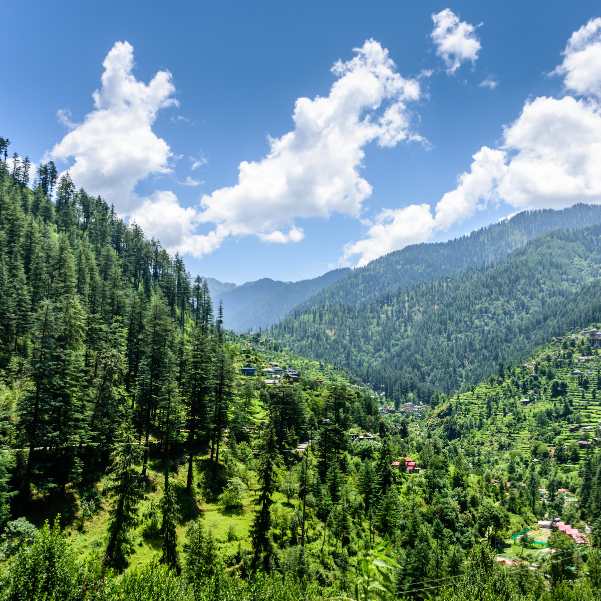
Jibhi is not the kind of place where you tick off tourist spots from a list. It is the kind of place where you sit on a wooden balcony with coffee, watch clouds move across the valley, and realise three hours passed without you checking your phone.
If you are searching for the best things to do in Jibhi for couples, the honest answer is this: slow down. The magic of Jibhi is not in rushing from one attraction to another. It is in doing less, together.
Quick Answer
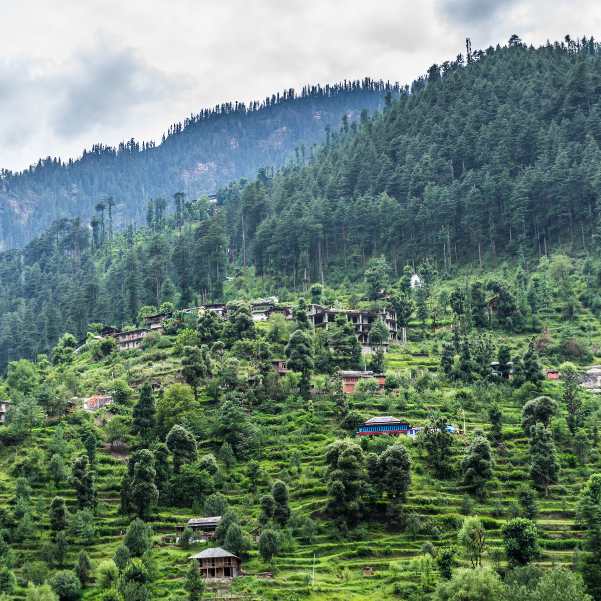
Jibhi works best for couples who want quiet cafés, forest walks, waterfalls, scenic drives, and a slow mountain stay without the chaos of places like Manali or Kasol.
The best experiences here are Jibhi Waterfall, Mini Thailand, Jalori Pass when the road is open, the Serolsar Lake trek, riverside cafés, and a private stay with valley views.
One thing to note: Jalori Pass is seasonal. The upper road is often blocked by snow until mid to late May, so always check road status before building your plan around it.
Why Is Jibhi a Good Destination for Couples?
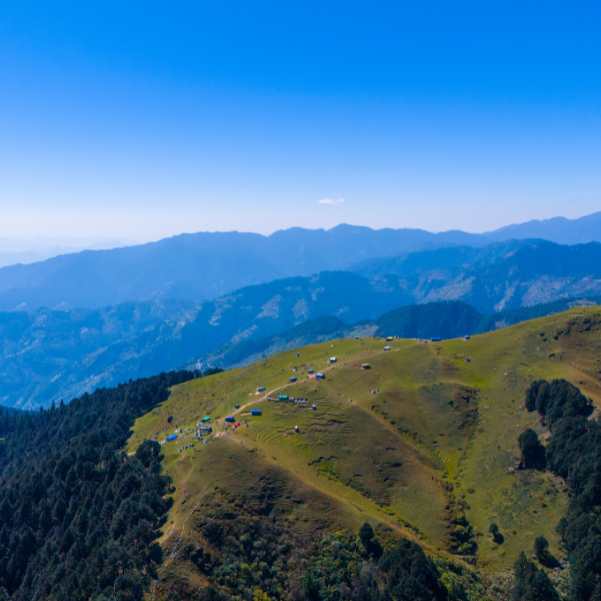
Jibhi is not a nightlife destination. There are no clubs, no shopping streets, and no crowded tourist markets. If that sounds boring to you, Jibhi is probably not your place.
But if your idea of a good couple trip is sitting by a river with nobody around, walking through forests where the only sound is water, and eating warm food in a wooden café while it rains outside, then Jibhi is exactly right.
What most tourists get wrong about Jibhi is treating it like a checklist trip. They drive in, rush to the waterfall, take a selfie at Mini Thailand, and leave the same day. That completely misses the point. Jibhi rewards you when you stay put and let the place come to you.
The stay experience here matters as much as the sightseeing. A balcony with a river view, a quiet room with no construction noise, a host who brings you chai without asking. These are the things couples remember about Jibhi long after the trip.
In our experience running trips to the Tirthan and Banjar valley, couples who spend 2 to 3 nights in Jibhi consistently rate it higher than those who try to squeeze it into a 1-night stop. If you want help putting together a Jibhi plan that actually works, check our Jibhi and Tirthan Valley packages.
What Are the Best Things to Do in Jibhi for Couples?
Walk to Jibhi Waterfall Together
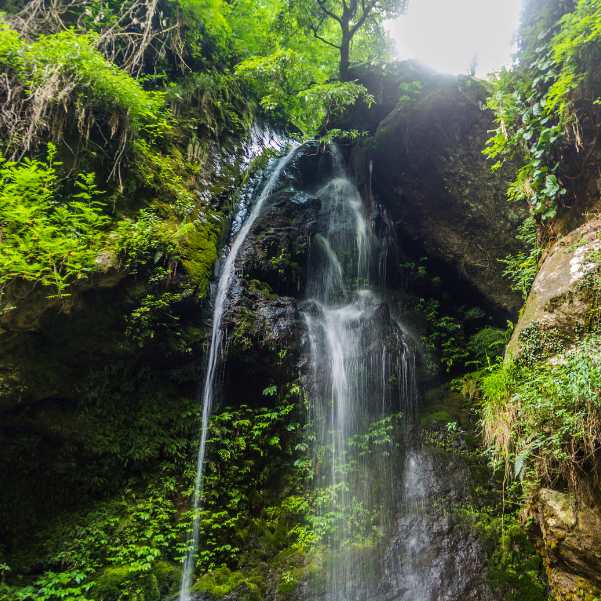
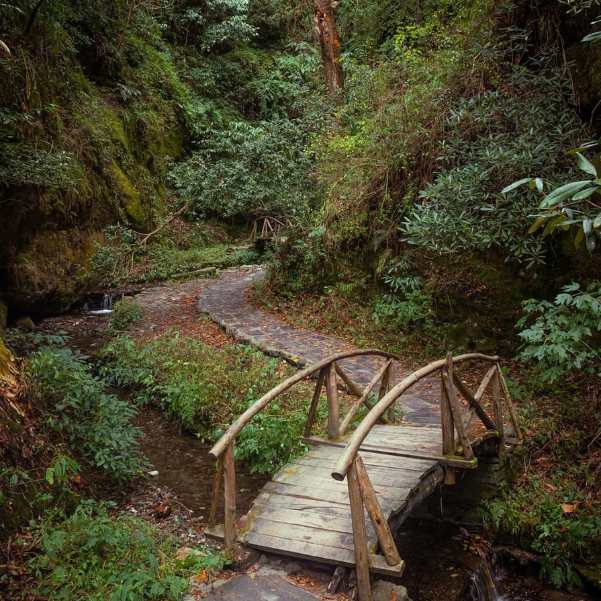
Jibhi Waterfall is about a 10 to 15 minute walk from the main market area. It is small, it is not dramatic, and that is exactly why it works. The path goes through a short stretch of forest, and the waterfall itself sits in a quiet, shaded spot surrounded by trees.
This is the perfect thing to do on arrival day. You are tired from the drive, your bags are in the room, and you just need something gentle to ease into the place. Walk to the waterfall, sit for a while, take a few photos, and head back for chai.
The entry ticket is around ₹20. Go before 9 AM or after 4 PM for softer light and fewer people. On weekdays, you might have the entire spot to yourselves.
Visit Mini Thailand for a Quiet Riverside Date
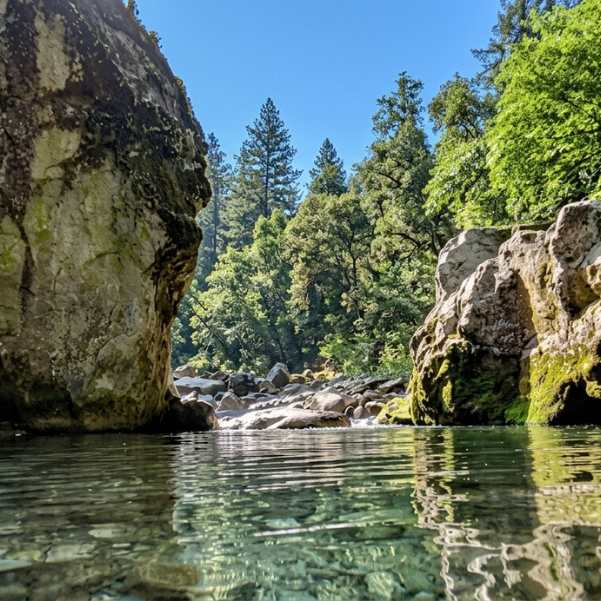
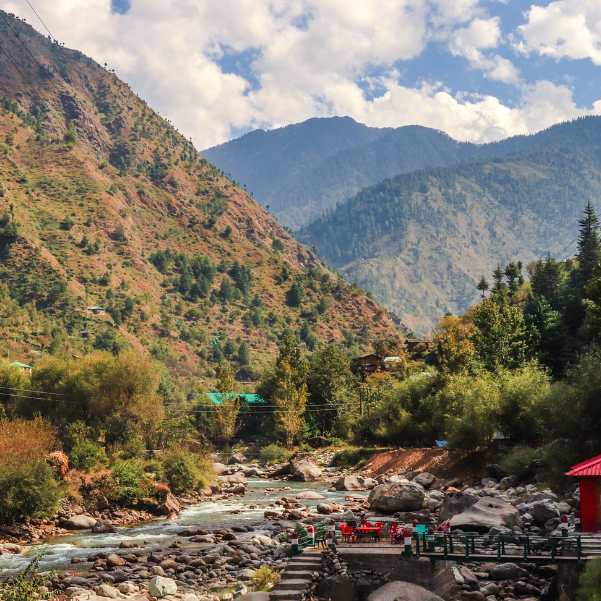
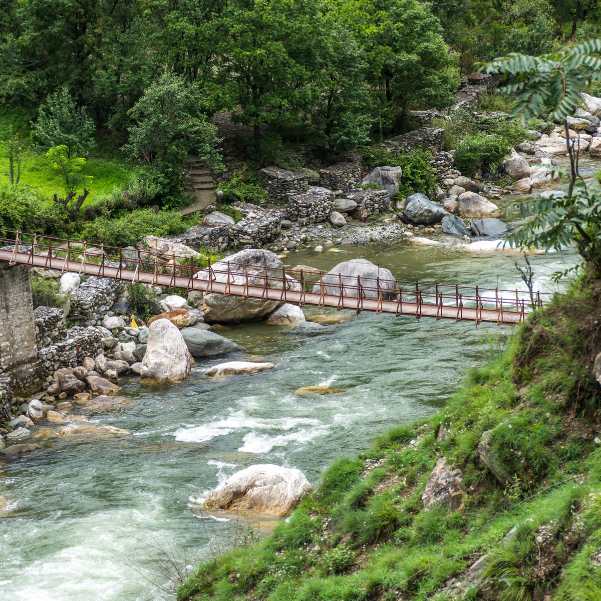
Mini Thailand is a stretch of the river with natural rock pools, shallow turquoise water, and flat boulders perfect for sitting. It is about 30 minutes from Jibhi on the road towards Bahu. Entry is generally free.
The name is a bit dramatic, but the place is genuinely pretty. Couples love it because there is nothing to do here except sit, talk, and watch the water. No vendors, no ticket counters, no rush. Bring a small picnic if you want.
One honest warning: during monsoon, the water level rises and the rocks get slippery. We do not recommend visiting Mini Thailand in heavy rain. It is best between March and June or September to November when the water is calmer and the rocks are safe to sit on.
Drive to Jalori Pass When the Road Is Open
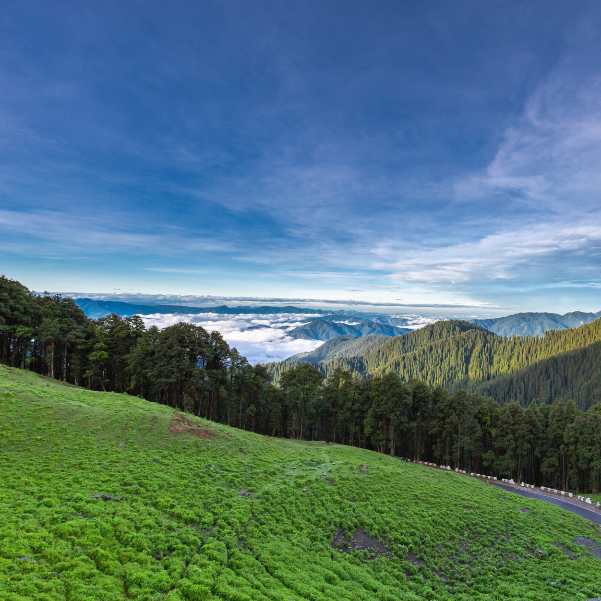
Jalori Pass is about 14 km from Jibhi and sits at an altitude commonly cited between 10,236 ft and 10,800 ft. The drive up is through dense forest, with views getting more dramatic as you climb.
On a clear day, the pass gives you wide, open mountain views that feel completely different from the valley floor.
Here is what most blogs skip: Jalori Pass is seasonal. The road to the top is usually not accessible in peak winter and often opens around mid to late May depending on snow clearance.
In late March 2026, local updates confirmed that the main Jibhi road was open, but the upper stretch to Jalori Pass was still blocked by snow.
If the road is open during your visit, the drive up is one of the best things you can do as a couple. If the road is closed, do not try to force it. Plenty of couples have a wonderful trip without ever going to the pass. Just shift your plan to include Mini Thailand and village walks instead.
Trek to Serolsar Lake
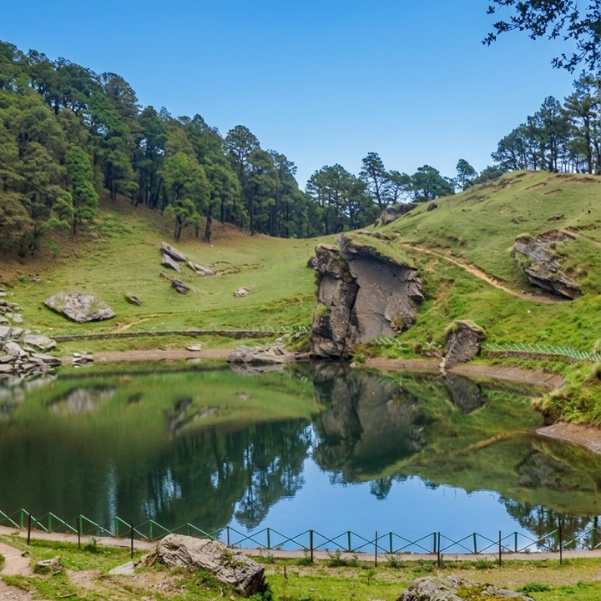
The Serolsar Lake trek starts from Jalori Pass and covers about 5 km one way through a beautiful forest trail. It is a soft trek, not technical, not exhausting, and genuinely enjoyable even if you do not trek regularly.
The trail is mostly flat with gentle inclines. Dense trees line the path, and the lake at the end sits quietly in a clearing surrounded by forest. It is one of those places where you arrive, sit down, and just breathe for a while.
For couples, this trek works as a shared experience without the pressure of a hardcore mountain adventure. Carry water, a light snack, and a jacket because the forest gets cool even on warm days. Start early from Jalori Pass to avoid afternoon clouds.
Explore Chehni Kothi and Nearby Heritage Villages
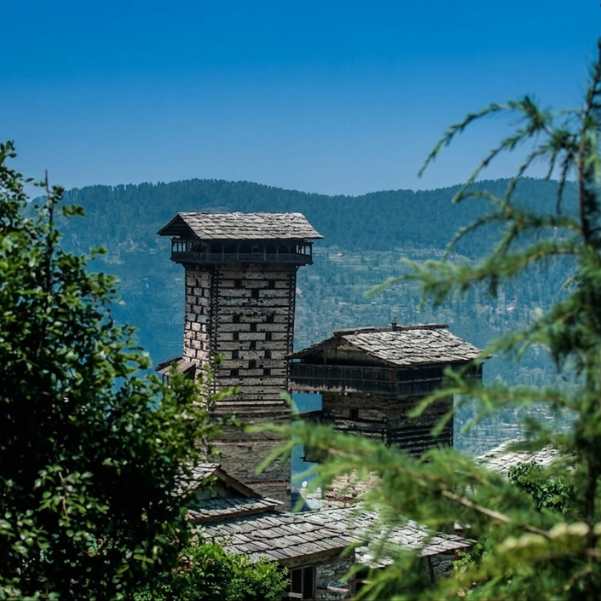
Chehni Kothi is a centuries-old tower built in traditional Himachali style, standing several storeys tall in a small village. The walk to reach it is through a quiet trail with views of the valley below.
The architecture itself is worth seeing, but the real value is in the walk: slow, quiet, through a landscape that feels untouched.
This is a better date idea than packing five stops into one afternoon. Walk together, take photos of the old wooden houses, talk to a local if you find one sitting outside, and just enjoy moving through a place that has not been turned into a tourist zone.
Spend an Unplanned Afternoon in a Riverside Café
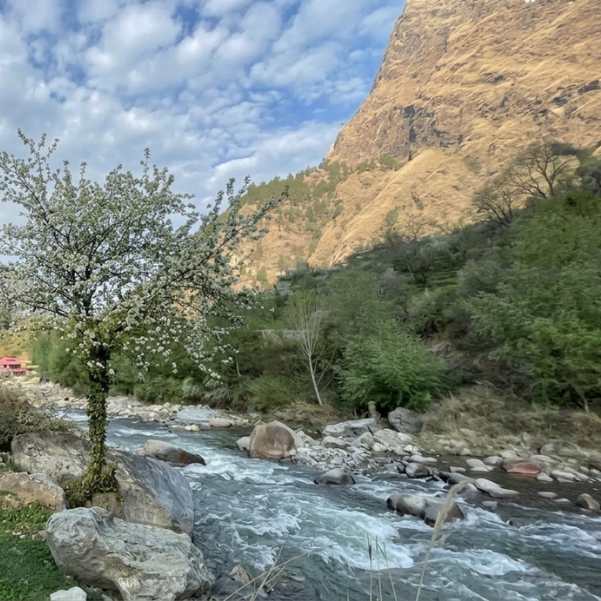
Jibhi has a handful of small cafés, most of them run out of homestays or small wooden buildings near the river. We are not going to rank them because they change every season. New ones open, old ones close, menus shift.
What does not change is the experience. You sit at a table with a mountain view, order coffee or Maggi, and watch the river. If it rains, even better. The sound of rain on a tin roof with hot chai in your hands is one of the most underrated experiences in Himachal.
Our team always tells couples to keep at least one afternoon completely free. No plan, no destination, just find a café that feels right and stay there. That unstructured time is often the part people talk about most when they come back.
Book a Stay with Valley or River Views
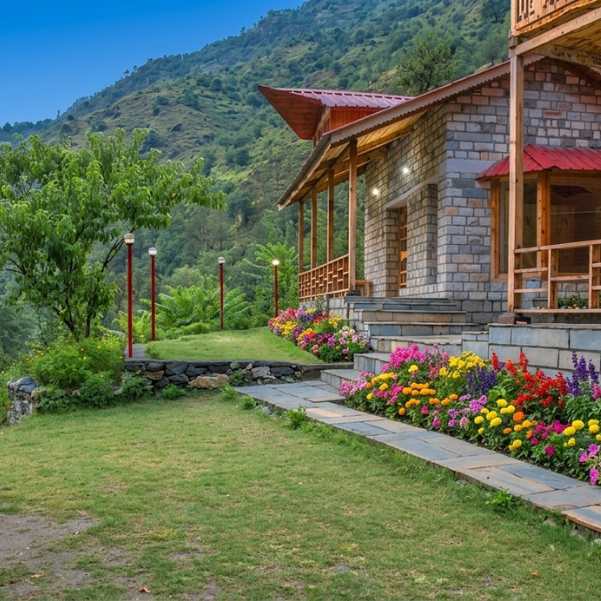
Where you sleep matters more in Jibhi than in most places. The right stay can make the trip. The wrong one can flatten the whole experience.
For couples, look for these things when booking: privacy (not a dorm or a shared cottage), a balcony with a view (river or valley), heating or a bukhari in cold months, parking if you are driving, and power backup because outages happen.
Do not book based on Instagram photos alone. Ask the property directly about the view from your specific room, noise from construction or other guests, and hot water availability. These small details make the real difference.
Do a Slow Village Walk in Shoja, Banjar, or Nearby Hamlets
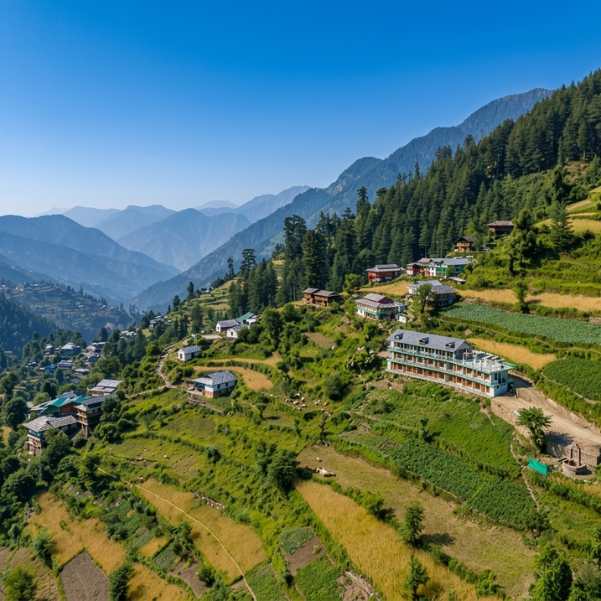
Shoja is about 8 to 9 km from Jibhi on the road towards Jalori Pass, and it is quieter than Jibhi itself. Banjar is the larger town nearby and useful for supplies, but even Banjar has quiet lanes worth wandering through.
For couples who like easy walks and local colour, these village strolls are gold. Old wooden temples, apple orchards, narrow paths between houses, and the occasional dog that follows you for half a kilometre. No entry fees, no queues, no tourist infrastructure. Just a walk.
2-Day Jibhi Itinerary for Couples
Day 1
Arrive in Jibhi by late morning or early afternoon. Check into your stay, freshen up, and walk to Jibhi Waterfall. Spend 30 to 45 minutes there. Come back and find a café near the river for a late lunch. Spend the evening on your balcony or explore the small market area on foot. No rush.
Day 2
If Jalori Pass road is open, drive up early and do the Serolsar Lake trek. Return by afternoon and head back towards Aut for your onward journey.
If Jalori Pass is closed, drive to Mini Thailand in the morning, walk around the riverside rocks, and then explore a nearby village like Shoja or Chehni Kothi before heading out.
Two days are enough to get a feel for Jibhi, but the trip may still feel a little rushed. You will likely wish you had a third morning to experience it more fully.
3-Day Jibhi Itinerary for Couples
Day 1
Same as above. Arrive, waterfall, café, rest.
Day 2
Jalori Pass and Serolsar Lake if road is open. If not, Mini Thailand and Shoja village. Return to Jibhi by late afternoon.
Day 3
This is your slow day. Walk to Chehni Kothi in the morning if you have not already. Or do nothing. Sit in a café, read a book, take a nap. Leave by afternoon if you have onward plans, or stay another night if your schedule allows.
The third day is what separates a good Jibhi trip from a great one. Use it as a flex day based on weather and energy. If it rains, the cafés become even more romantic. If the sun comes out, the valley views are worth a long walk.
We plan Jibhi trips that leave space for weather, mood, and real downtime. Reach out to us on WhatsApp.
Which Places in and Around Jibhi Are Most Romantic?
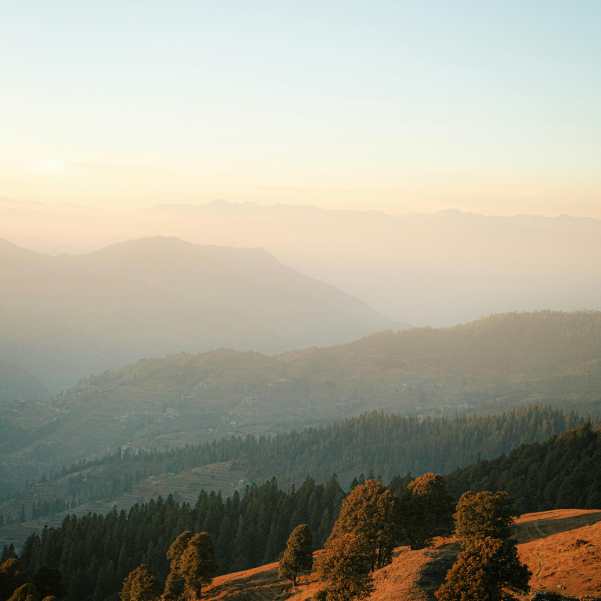
For the best views, Jalori Pass on a clear day and the balcony of a well-placed stay are hard to beat. The views from Shoja towards the valley also deserve a mention.
For quiet time, Mini Thailand on a weekday morning and the Jibhi Waterfall trail early in the day are the calmest spots. The river stretches near most homestays are equally peaceful.
For soft adventure together, the Serolsar Lake trek is the clear winner. It is just challenging enough to feel like you did something, and just easy enough that you can talk and enjoy the walk without gasping for air.
If you want more ideas on quieter spots in this area, our guide on offbeat places to visit in Jibhi covers a few that most tourists skip entirely.
Is Jibhi Good for a Honeymoon or Anniversary Trip?
Yes, but with the right expectations. Jibhi is not Shimla or Manali where you can shop, eat at fancy restaurants, and visit well-known tourist spots between spa sessions. It is an offbeat, low-key mountain village that suits couples who want peace, nature, and quality time over luxury and activity.
If your idea of a honeymoon is walking through quiet forests, sitting by a river, drinking chai in the rain, and coming back to a cosy room with a view, Jibhi will feel perfect. If you want room service, hot tubs, and nightlife, you will be disappointed.
Jibhi works best for 2 to 4 nights. Any shorter and you barely settle in. Any longer and you might start looking for things to do unless you are genuinely happy doing nothing.
Not sure whether Jibhi or Kasol is a better fit for your trip? We broke down the comparison honestly in our Jibhi or Kasol: which is better guide.
What Is the Best Time to Visit Jibhi for Couples?
The general best season for Jibhi is commonly described as March to June and September to November. Each window has a different feel.
March to April
March to April gives you spring blossoms and cool weather, but Jalori Pass is likely closed during this time. Late March 2026 updates confirmed the main Jibhi road was open while the upper Jalori stretch was still snow-blocked.
May to June
May to June is when Jalori Pass usually opens, wildflowers start appearing, and the weather is warm during the day and cool at night. This is the sweet spot if you want to include the pass and the Serolsar Lake trek in your plan.
September to November
September to November brings clear skies, golden light, and thinner crowds. October is especially beautiful with autumn colours in the valley. Nights get cold, so carry proper layers.
Winter
Winter (December to February) is only for couples who are comfortable with cold weather, possible snowfall, and road uncertainty. Jalori Pass will be closed. But if you like snow and silence, winter Jibhi has a charm that summer cannot match.
Our team's pick for a Jibhi couple trip? Late September to mid-October. The crowds have thinned, the weather is crisp, the valley is golden, and you feel like the entire place exists just for you. You can read more about conditions earlier in the year in our Jibhi in May guide.
How Much Does a Jibhi Trip for a Couple Cost?
Getting to Jibhi from Delhi by Volvo bus to Aut and then a local taxi costs about ₹1,000 to ₹1,500 per person one way.
A private cab from Delhi to Jibhi is usually quoted as an approximate figure and can vary a lot depending on the vehicle, season, and whether it is a one-way drop or a round trip.
For local sightseeing inside and around Jibhi, cab rates are best confirmed locally, and trips that include Jalori Pass usually cost more because of the steep uphill stretch and seasonal road conditions.
Accommodation costs vary widely by season and stay type. A basic room can be affordable, while a private cottage with a view during peak season will cost more. Always confirm the rate, inclusions, and whether heating or hot water is extra before booking.
Here is the money-saving tip most travel agents will not share: if you are travelling as a couple on a budget, book your Volvo to Aut instead of hiring a private cab the full way.
The bus drops you at Aut, and a shared or private taxi from there to Jibhi costs a fraction of a Delhi cab. That alone can save you thousands.
Send us your dates and group size on WhatsApp
How to Reach Jibhi Easily from Delhi and Chandigarh
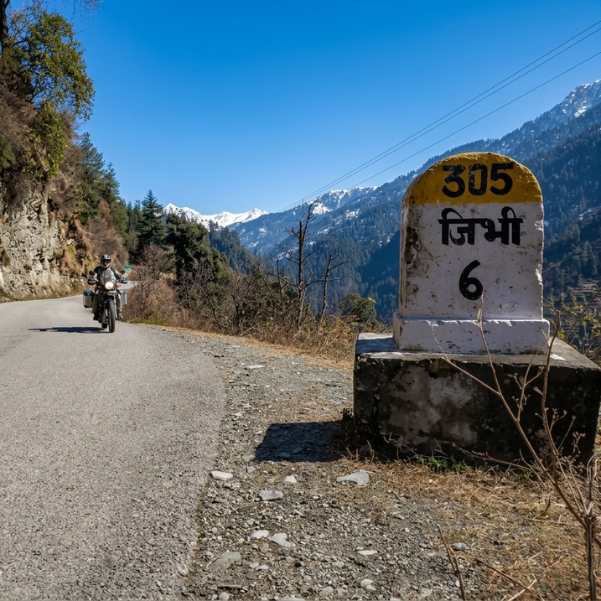
From Delhi, take an overnight Volvo bus to Aut (on the Manali highway). The bus drops you right on the highway at Aut, and from there you take a local taxi to Jibhi. The Aut to Jibhi drive is about 1 to 1.5 hours through a winding mountain road along the river.
From Chandigarh, you can drive to Aut directly in about 6 to 7 hours and then continue to Jibhi. Or take a bus to Aut and taxi from there.
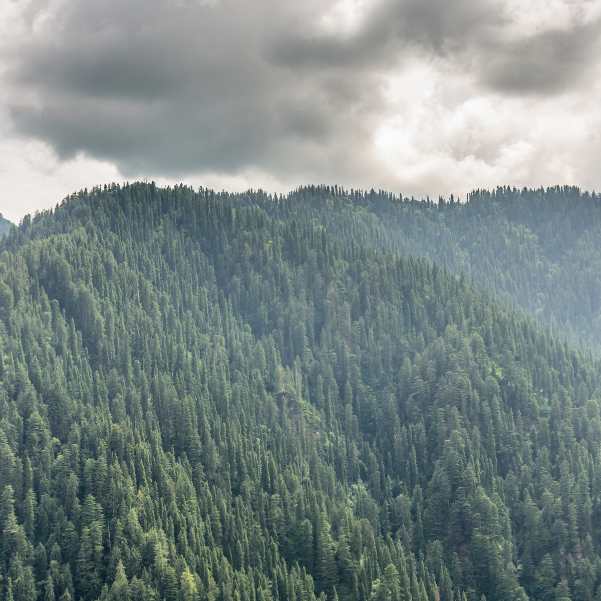
The final stretch of road to Jibhi is narrow, mountainous, and beautiful. It follows the Tirthan River for part of the way, and the scenery shifts quickly from highway to deep valley.
If you need help arranging transport from Aut or planning the full journey, reach out to our team. We can sort the taxi, the stay, and the daily plan so you do not spend your couple trip on logistics.
Jibhi Travel Tips for Couples
Carry cash
ATM access in Jibhi is limited and unreliable, Withdraw what you need in Banjar or Bhuntar before heading up. Many small cafés and homestays do not accept UPI reliably, especially when the network drops.
Mobile networks in Jibhi are patchy
BSNL is often considered the most reliable, Airtel works in many areas, and Jio can be inconsistent. Do not depend on a stable internet.
Download your maps offline and let people back home know you may be unreachable for stretches.
Always check road status before planning around Jalori Pass
A quick call to a local taxi driver or operator gives you the most current information. Official updates are helpful but can lag behind reality by a day or two.
Do not over-plan every hour
This is probably the most important tip for a Jibhi couple trip. The place is best enjoyed slowly. If you schedule every 2-hour block, you will miss the whole point of being here.
And one thing we always tell our travellers: skip the paid viewpoint near the Jibhi Waterfall parking area if someone tries to charge you extra for a spot that offers the same view you get for free from the trail a short distance away. Save that money for a proper meal at a riverside café.
Final Verdict: Is Jibhi Worth It for Couples in 2026?
If you are a couple looking for mountain peace without the tourist noise, Jibhi is one of the best choices in Himachal right now. It is not for everyone.
If you need constant activity, shopping, and nightlife, skip it. But if you want a place where you can genuinely disconnect and just be together, Jibhi delivers that in a way very few destinations can.
It is best for 2 to 4 nights. Go in late May for wildflowers and Jalori Pass, or in late September for golden light and empty trails.
Book a stay with a view, carry enough cash, and leave at least one day completely unplanned.
That unplanned day? It will probably be the one you remember most.
Looking for curated Jibhi and Tirthan tours?
>> Explore our Jibhi page for handpicked trip options.
Explore Our Curated Jibhi Tours
 Group Tour5D/4N
Best Jibhi Tirthan Valley & Jalori Pass Weekend Tour From Delhi
1D Delhi •2D Tirthan Valley+1
₹5,999₹6,599SAVE INR 600/ person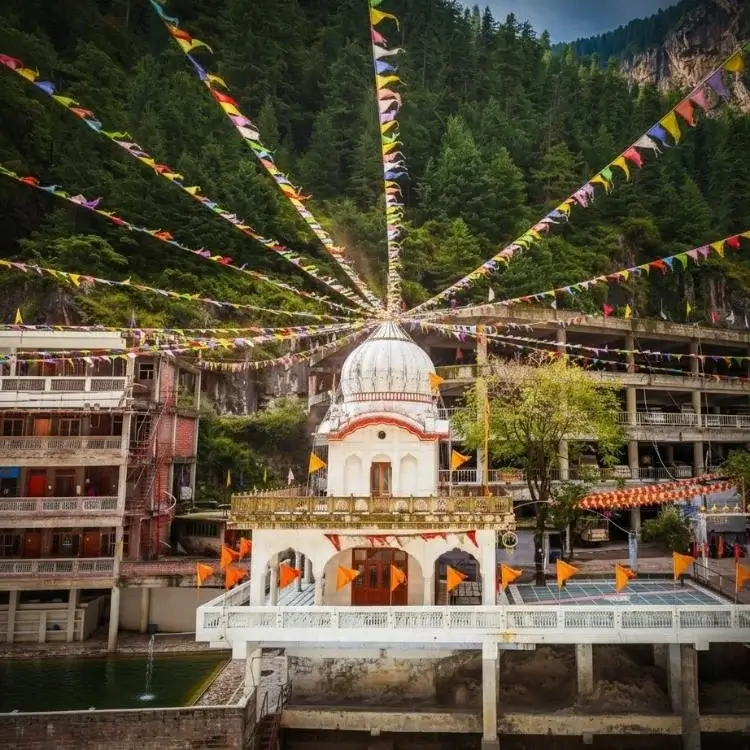 7D/6N
7D/6NManali Kasol Jibhi Backpackers Trip
1D Delhi•2D Manali+3
₹17,999₹22,999SAVE INR 5,000/ person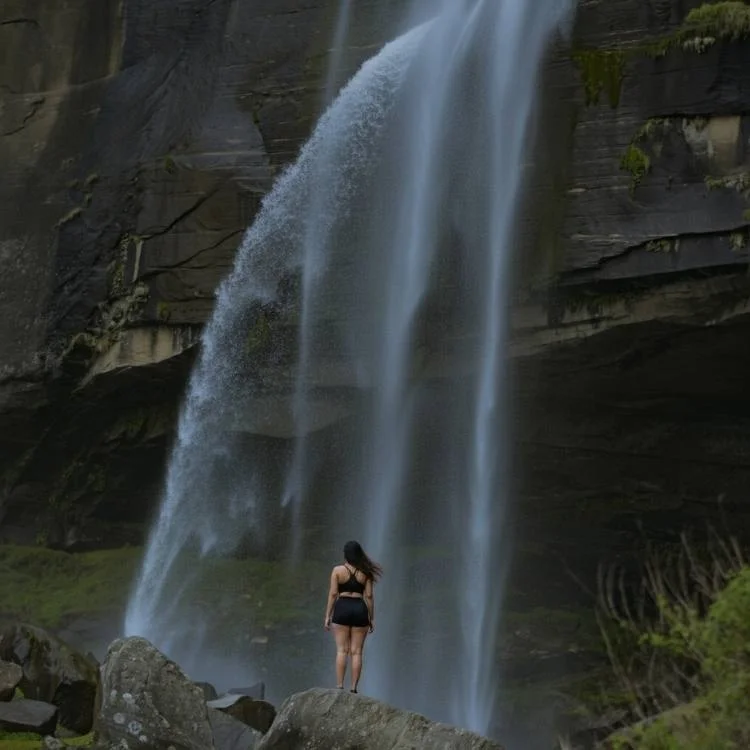 7D/6N
7D/6NManali Kasol Jibhi Luxury Escape
1D Delhi•2D Manali+3
₹35,790₹44,999SAVE INR 9,209/ person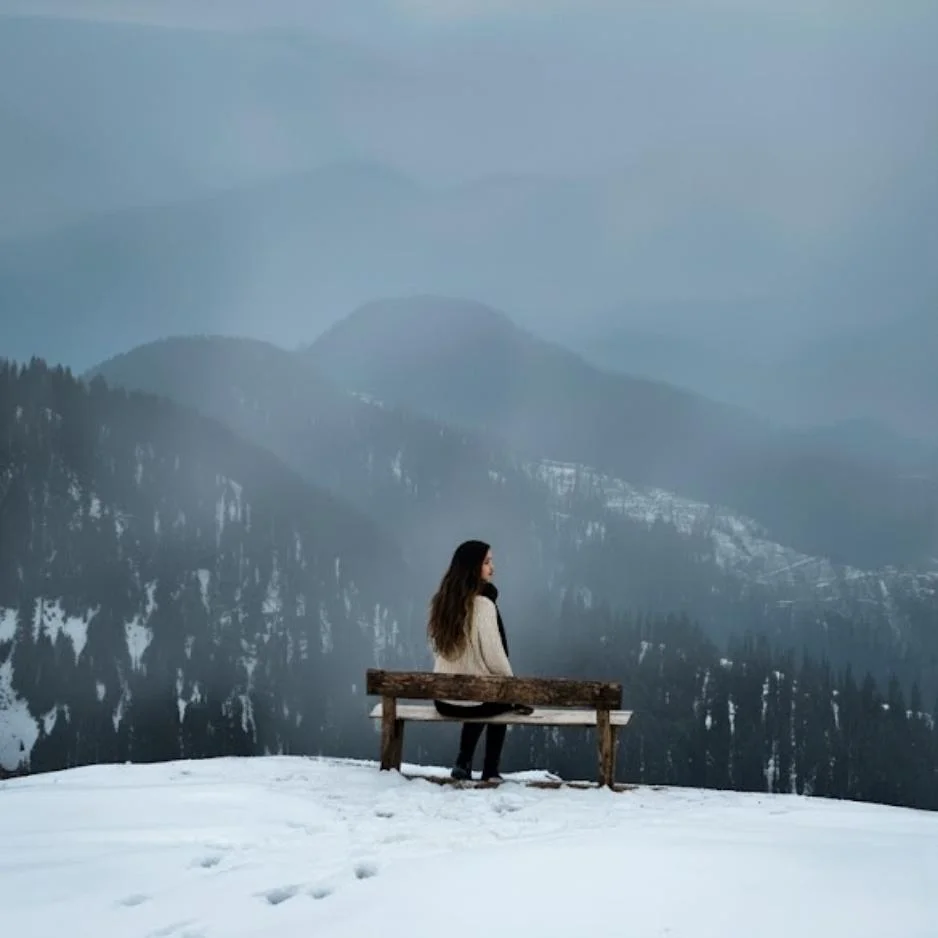 7D/6N
7D/6NManali Kasol Jibhi Valley Trip
1D Delhi•2D Manali+3
₹25,799₹32,999SAVE INR 7,200/ person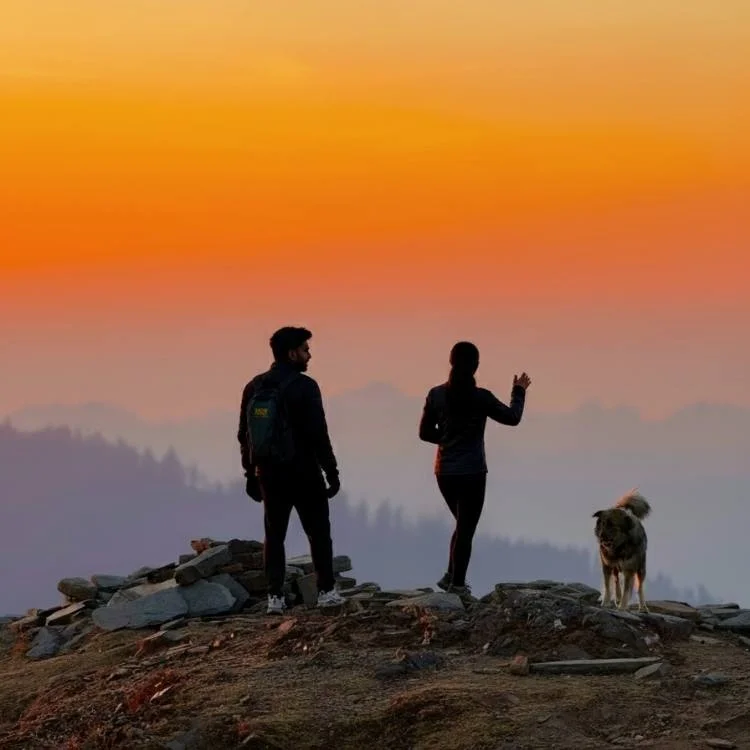 7D/6N
7D/6NManali Kasol Jibhi Trails
1D Delhi•2D Manali+3
₹19,999₹25,999SAVE INR 6,000/ person 6D/5N
6D/5NBest Jibhi Tirthan Valley & Shangarh Meadows Trip
1D Delhi •2D Tirthan Valley+2
₹15,999₹21,900SAVE INR 5,901/ person
Related topics
Frequently Asked Questions
Is Jibhi good for couples?
Yes. Jibhi is one of the best offbeat destinations in Himachal for couples who want quiet forests, riverside time, and a slow pace. It suits couples who prefer nature and peace over tourist crowds and nightlife.
Is Jibhi good for a honeymoon?
It works well for honeymoons if your style is low-key and nature-focused. Do not expect luxury resorts or room service. Expect cosy stays, valley views, and uninterrupted time together.
How many days are enough for Jibhi?
Two days is the minimum for a quick visit. Three days is the sweet spot. Four days works well if you want to include Jalori Pass, Serolsar Lake, and a full slow day with no plan.
Is Jalori Pass open in April?
Usually not. The upper road to Jalori Pass is often blocked by snow until mid to late May. In late March 2026, local updates confirmed the road was still closed. Always check with a local operator before planning around the pass.
What is the best month for Jibhi?
May and June for warm days and Jalori Pass access. September to October for golden landscapes and fewer tourists. Both windows are equally good for couples. It depends on whether you prefer spring green or autumn gold.
How to reach Jibhi from Delhi?
Take an overnight Volvo bus to Aut on the Manali highway, then hire a local taxi from Aut to Jibhi. The Aut to Jibhi drive is about 1 to 1.5 hours. You can also hire a private cab directly from Delhi to Jibhi.
Is Jibhi better than Kasol for couples?
Jibhi is quieter, greener, and less commercialised. Kasol has more cafés and a backpacker vibe. For couples who want peace and privacy, Jibhi wins. For couples who like café culture and a more social atmosphere, Kasol might suit better.
Can beginners do the Serolsar Lake trek?
Yes. The trek is about 5 km from Jalori Pass on a mostly flat forest trail. It is easy enough for anyone with basic fitness. You do not need trekking experience or special gear. Just good shoes and water.
Are cafés and stays couple-friendly in Jibhi?
Yes. Most homestays and cafés in Jibhi welcome couples without any issues. Some homestays also offer private cottages, which work well for couples who want their own space.
Is network and UPI reliable in Jibhi?
Not always. Airtel and BSNL work better than Jio in this area. UPI payments can fail when the network drops. Carry cash as your primary payment method and withdraw in Banjar or Bhuntar before heading to Jibhi.
Can couples visit Jibhi in monsoon?
You can, but with caution. The valley is lush and beautiful during monsoon, but roads can get slippery and some areas like Mini Thailand become unsafe due to rising water levels. If you visit in July or August, stay flexible with plans and avoid river-edge spots during heavy rain.
More about Jibhi
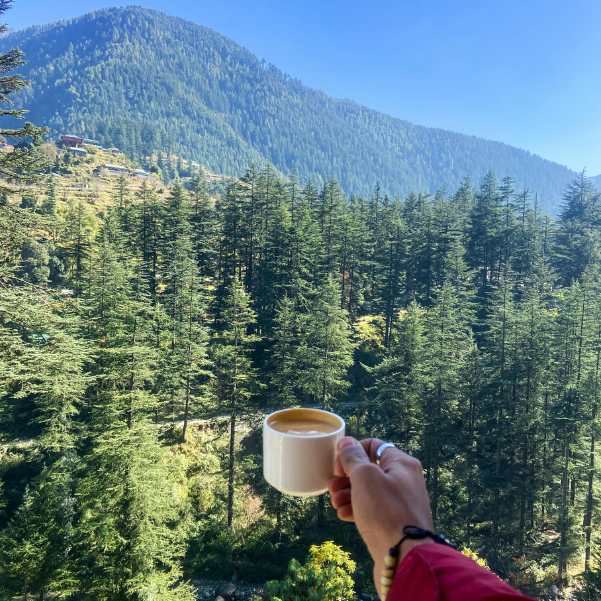 Jibhi
JibhiJibhi in December 2026: Snowfall, Weather, Road Status and Winter Guide
Planning a trip to Jibhi in December 2026? Discover the latest updates on snowfall, weather, temperature, and road conditions. Find out when to expect snow, what to pack, and whether the roads to Jibhi are safe for a memorable winter getaway.
- Best Time to Visit
- Snow Travel
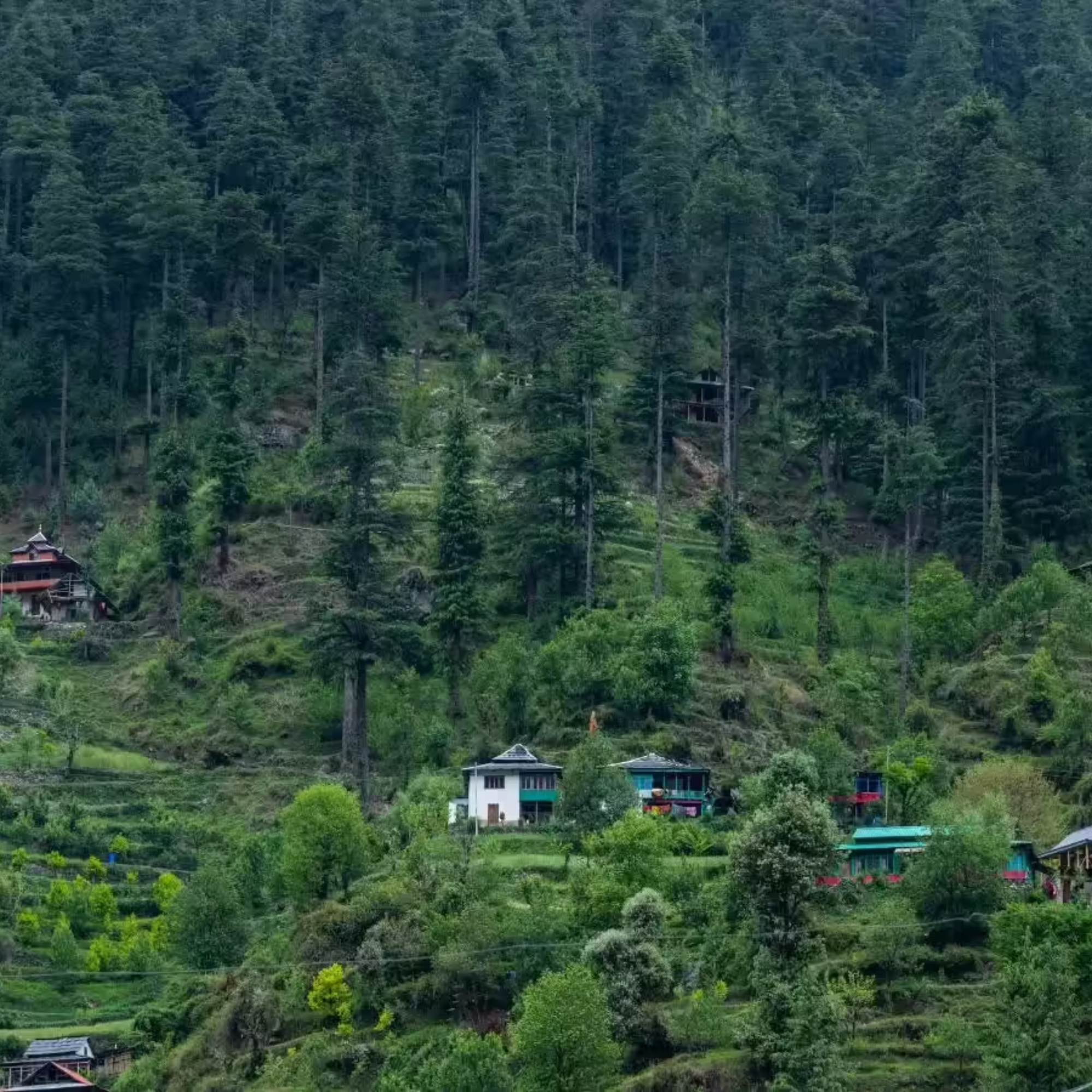 Jibhi
JibhiJibhi in October 2026: Weather, Road Conditions, Places and Trip Plan
Planning a trip to Jibhi in October 2026? Expect cool autumn weather with temperatures between 8°C and 20°C, clear skies, colorful forests, and comfortable trekking conditions. Roads are generally in good condition after the monsoon, making it an excellent time to explore Jalori Pass, Serolsar Lake, Chehni Kothi, and Tirthan Valley. Discover the latest weather, road updates, travel tips, and a perfect 2–3 day itinerary for an unforgettable Jibhi getaway.
- Best Time to Visit
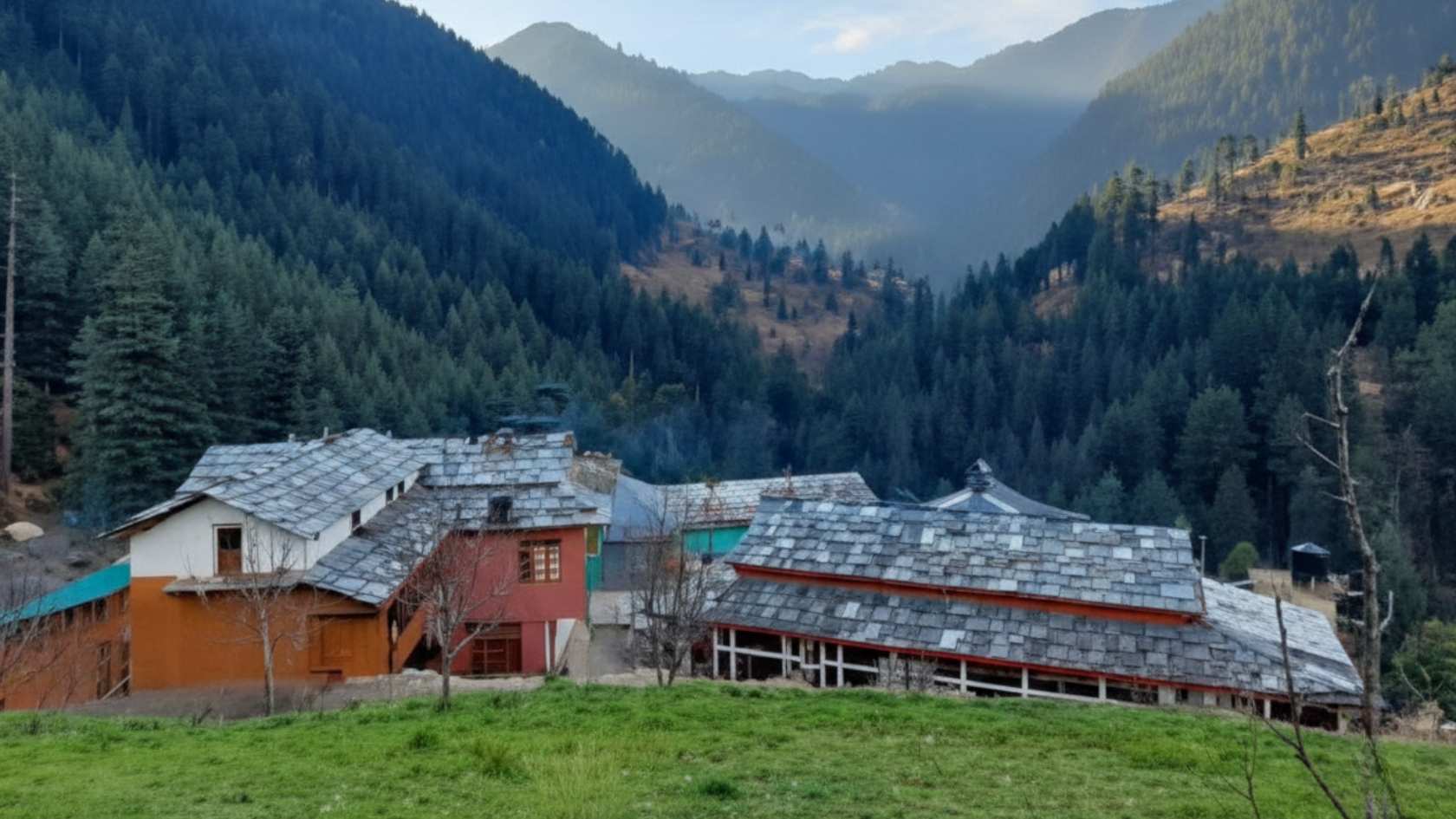 Jibhi
JibhiJibhi in August 2026: Weather, Road Safety, Itinerary and Honest Advice
Planning a trip to Jibhi in August 2026? Discover the latest weather conditions, road safety tips, suggested itinerary, places to visit, and practical travel advice. This guide will help you decide whether August is the right time to experience Jibhi's lush monsoon beauty while traveling safely.
- Best Time to Visit
- Monsoon Travel