
Jibhi or Kasol — Which Is Better? An Honest, No-Fluff Comparison
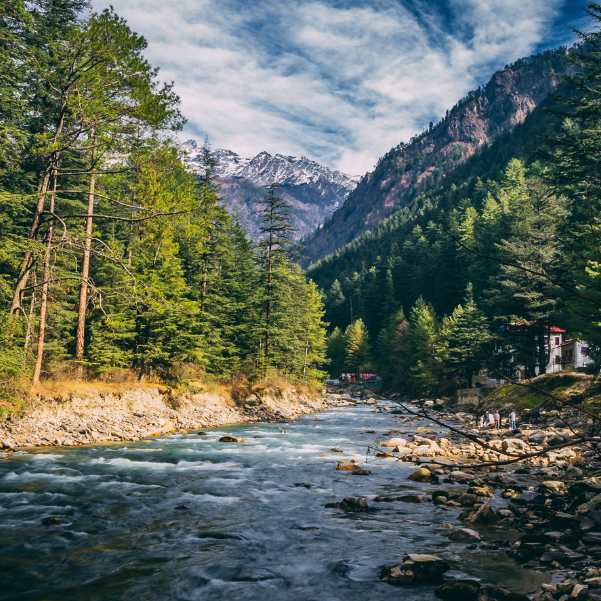
You have a long weekend. Or maybe five days off that you did not see coming.
You know you want mountains. You know you want Himachal. And now you are stuck between two names that keep showing up everywhere — Jibhi and Kasol.
Here is the thing.
Both are beautiful. Both are in Himachal. But they are not even slightly the same trip.
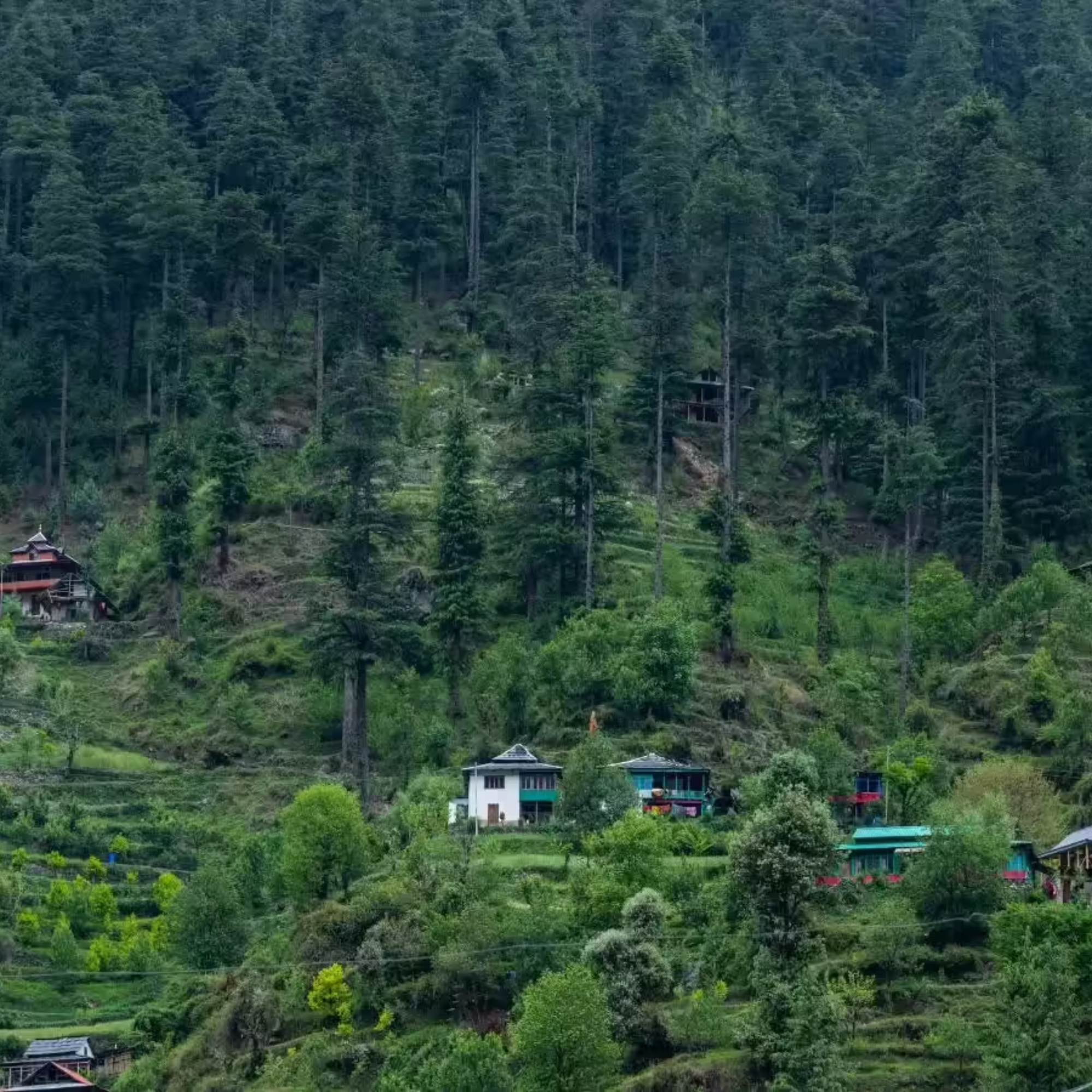
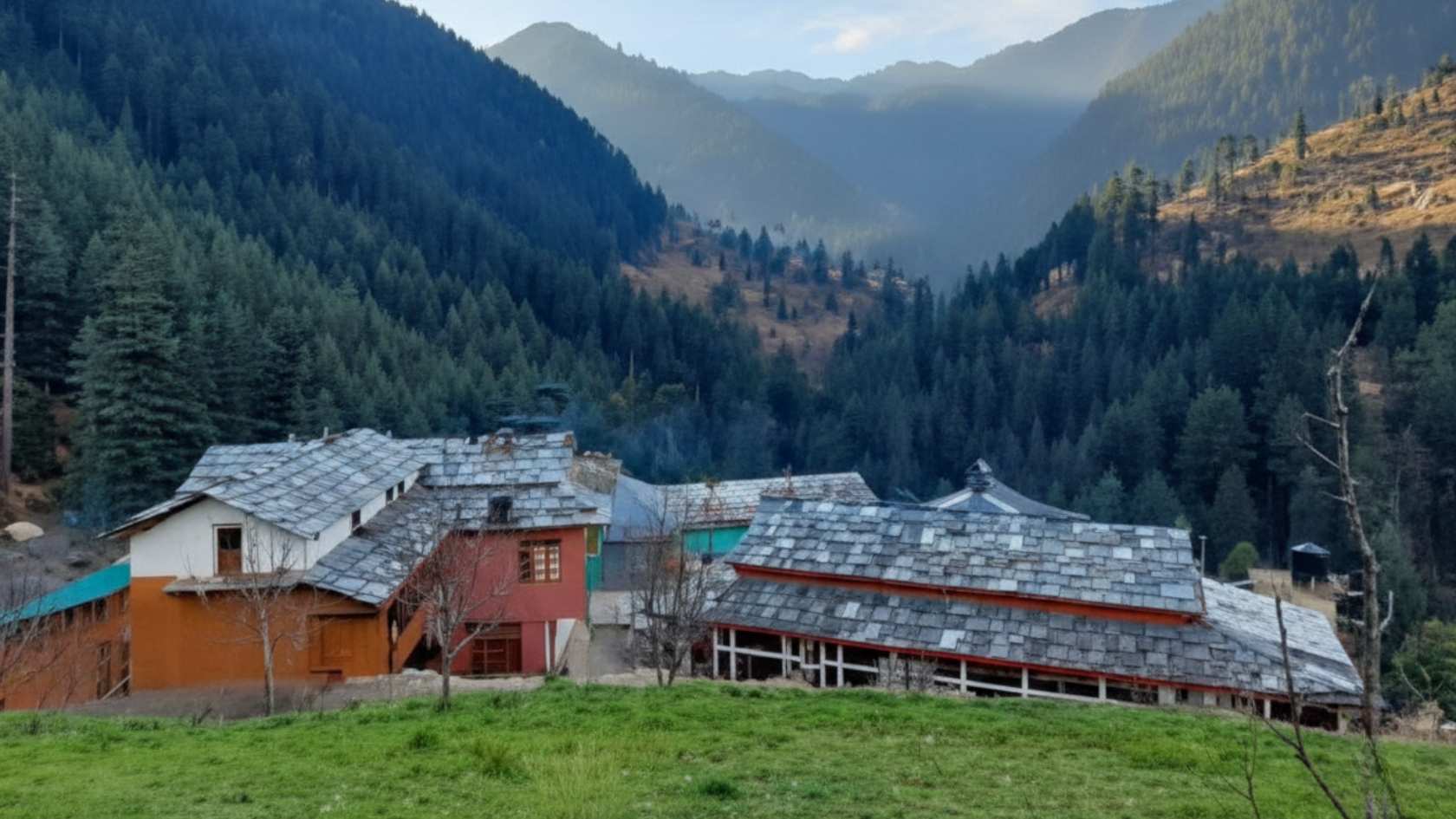
Jibhi is the quiet one. Wooden cabins, deodar forests, mornings where the loudest thing you hear is a bird you cannot name. It sits in the Tirthan–Banjar belt, tucked away from the main highway buzz.
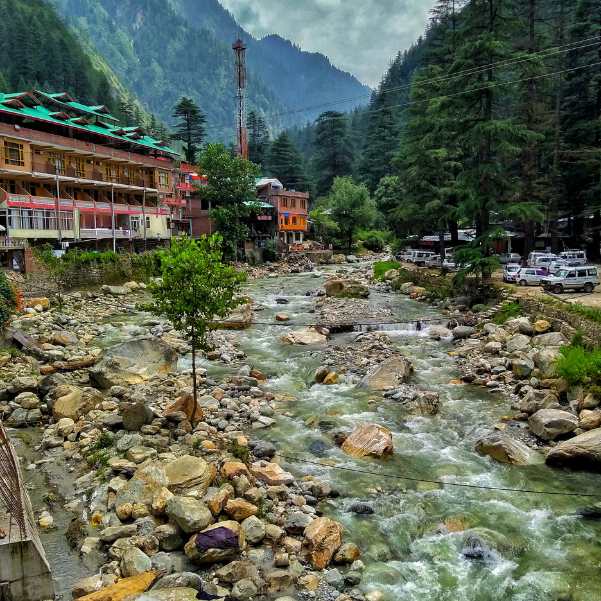
Kasol is the loud one. Cafes that stay open late, backpackers from everywhere, the Parvati River rushing past while someone plays guitar on a hostel rooftop. It has been on the map for over a decade — and it knows it.
This guide will help you stop scrolling and start packing.
No fluff. No filler. Just an honest breakdown of what each place actually feels like, what you will do there, and who it is best for.
Quick Answer — Jibhi or Kasol?
If you are in a hurry, here is the short version.
- Choose Jibhi if you want silence, forests, private cabins, and a trip that feels like a reset button — best for couples, families, and first-timers
- Choose Kasol if you want treks, cafes, social energy, and a proper backpacker experience — best for solo travellers, friend groups, and trekkers
- Best pick for first-time Himachal visitors? Jibhi — simpler to plan, far less chaotic, and delivers that mountain magic without any stress
Jibhi vs Kasol — How They Actually Compare
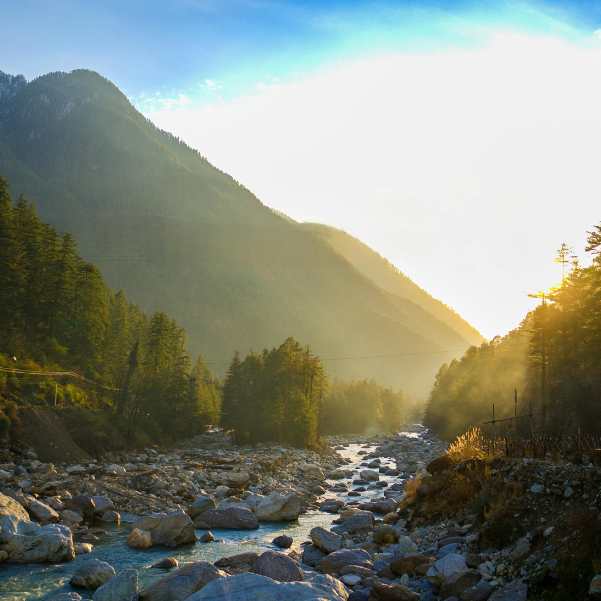
Instead of a generic table, here is what each place feels like across the things that actually matter when you are planning.
Vibe
- Jibhi: Slow, forested, introspective. Think cabin mornings and bonfire evenings.
- Kasol: Social, buzzy, backpacker-friendly. Think cafe-hopping and trail conversations with strangers.
Crowd Level
- Jibhi: Low to moderate. Rising in peak season, but still breathable — especially if you stay slightly outside the main village toward Shoja, Gushaini, or deeper Tirthan.
- Kasol: High. Long weekends turn the main road into a slow shuffle. Midweek and shoulder season are noticeably better.
Scenery
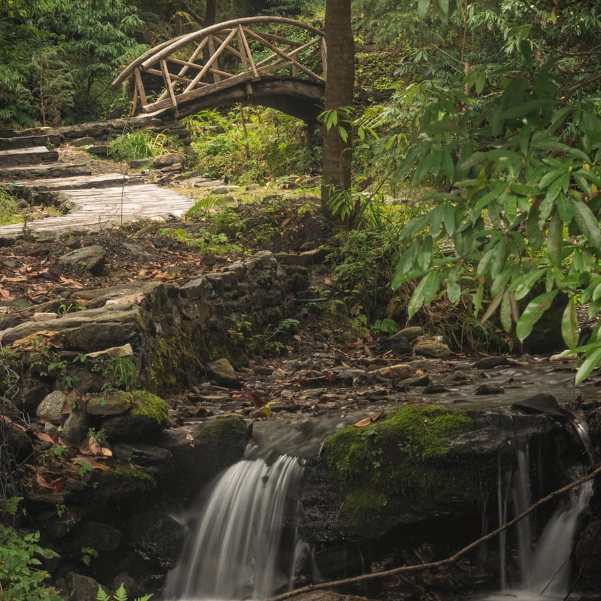
- Jibhi: Thick deodar forests, waterfalls tucked into trails, alpine meadows once you climb toward Jalori Pass. It feels enclosed, green, and deeply quiet.
- Kasol: Rocky river valley, snow-capped peaks visible deeper into Parvati, wide open views at higher villages like Tosh and Grahan.
Cafes and Night Scene
- Jibhi: A handful of cosy spots. Chai by a wood stove. Quiet by 9 PM.
- Kasol: Dozens of cafes — Israeli food, Italian, wood-fired pizza, banana pancakes. Some stay open late. Music drifts out of most of them.
Treks
- Jibhi: Jalori Pass, Serolsar Lake, Raghupur Fort, waterfall trails, and GHNP (Great Himalayan National Park) access from the Tirthan side.
- Kasol: Kheerganga (the big one), Chalal, Grahan, Rasol, and deeper routes like Pin Parvati for experienced trekkers.
Family Friendliness
- Jibhi: Excellent. Calm, safe, easy terrain, homestay culture where you eat with families. Works beautifully for kids and older parents.
- Kasol: Mixed. Fine for adventurous families, but the crowd and energy can overwhelm younger children or elderly travellers.
Couple Friendliness
- Jibhi: Top tier. Private forest cabins, scenic walks without crowds, bonfire dinners with no one else around. Made for couples who want to disconnect together.
- Kasol: Good for adventurous couples. But the hostel-heavy social vibe can feel less intimate if that is what you are after.
Budget Feel
- Jibhi: Mid-range. Homestays and wooden cottages dominate. You pay a bit more but get a different kind of comfort — private, forested, home-cooked.
- Kasol: Wide range. Dorm beds for very little, guesthouses for moderate budgets, cheap eats everywhere. Built for backpacker budgets.
Best Time to Visit
- Jibhi: March to June, September to November. Post-monsoon October is the hidden gem.
- Kasol: April to June, September to October. Monsoon and deep winter are best avoided.
Ideal Trip Length
- Jibhi: 2 to 3 nights is the sweet spot.
- Kasol: 2 to 4 nights — more if you are trekking Kheerganga or heading deeper into Parvati Valley.
Network and Connectivity
- Jibhi: Patchy. BSNL works in a few spots, Jio is improving. Do not rely on stable internet.
- Kasol: Slightly better in the main town. Still not great. Neither place is built for back-to-back video calls.
Travel Hassle
- Jibhi: Narrow roads after Aut. The last stretch needs patience. Worth it once you arrive.
- Kasol: Road from Bhuntar can get congested in season. But it is a shorter drive from the highway than Jibhi.
Choose Jibhi If…
This is your section if you are leaning toward the quieter side but need a final push.
- You want mornings where the loudest sound is mist moving through deodar trees
- You are a couple looking for privacy, a cabin with a view, and zero crowd anxiety
- You are travelling with parents or young kids and need somewhere gentle and safe
- You love the idea of Himachal but cannot stand the "tourist town" feeling
- You prefer short, scenic walks over strenuous treks — Serolsar Lake is a perfect example
- You are visiting Himachal for the first time and want an easy, no-overthinking experience
- You would rather read by a bonfire than scroll through cafe menus
- Jalori Pass is on your list — Jibhi is the best base for it
Choose Kasol If…
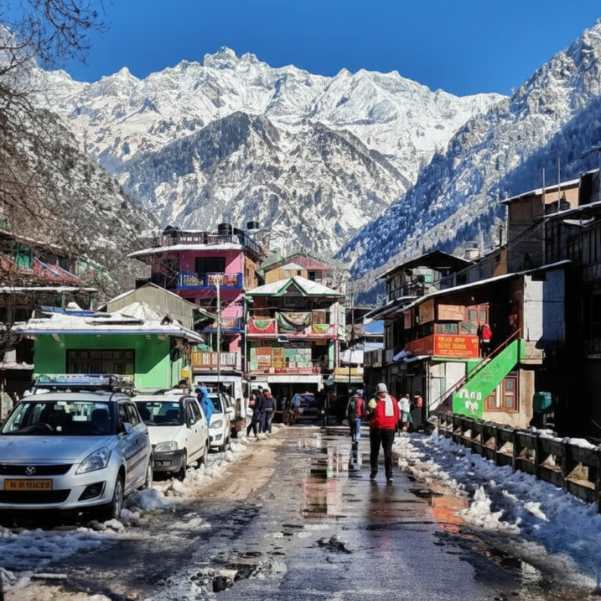
This is your section if the backpacker in you is already leaning Parvati Valley.
- You thrive on meeting new people, swapping stories, and ending up at a communal hostel table at midnight
- Trekking is the whole point — Kheerganga, Grahan, and Rasol are all doable from here
- You love food from everywhere — Israeli shakshuka, Italian pizza, Tibetan momos, all within a 10-minute walk
- You want to visit Manikaran Sahib, the hot springs, and the Gurudwara
- You are solo and want a place where meeting people takes zero effort
- A bit of chaos does not bother you — it is part of the charm
- You want Kasol as your base to go deeper into Parvati Valley — Tosh, Malana, Pulga, Kalga
- Budget is tight and you want the cheapest stays and meals available
What You Will Actually Do There
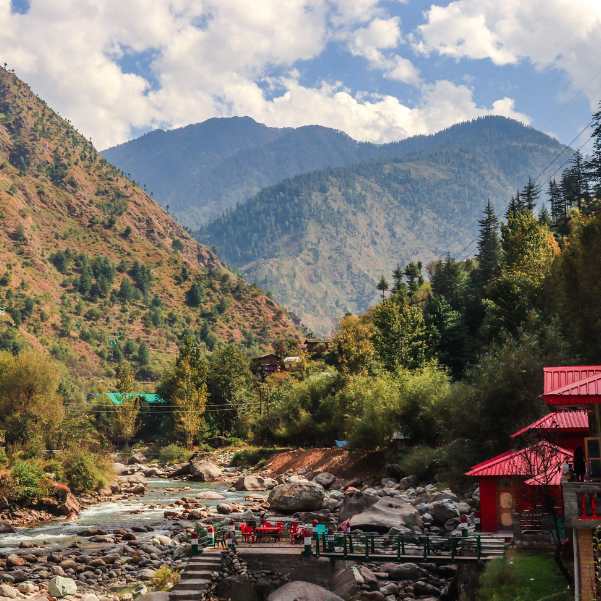
Forget generic lists. Here is what real days look like in each place.
Best Things to Do in Jibhi
Walk to Jibhi Waterfall. A short, easy forest trail. Nothing dramatic — just the right amount of pretty for a morning stroll when you do not want to "do" anything but still want to move.
Drive up to Jalori Pass. One of Himachal's most accessible high-altitude passes. Road conditions vary by season, so always check locally before heading up. When it is open, the views from the top are wide and worth every hairpin.
Trek to Serolsar Lake. A gentle 5 km trail from Jalori Pass through dense forest leads to a small, sacred lake. It is quiet, beautiful, and the kind of place where you end up sitting much longer than you planned.
Explore Raghupur Fort. Another short trek from Jalori. The fort is ruins now, but the panoramic views of the Greater Himalayan range from the top are the real reason you climb.
Visit Shringa Rishi Temple in Banjar. Traditional wooden architecture, intricate carvings, a courtyard that feels centuries old. One of those quiet cultural stops that stays with you.
Spend a day in Tirthan Valley. Drive toward the GHNP entry gates. Even without entering the park, the river, the villages, and the silence are worth half a day. Gushaini and the areas around it have a beauty that sneaks up on you.
Do absolutely nothing on purpose. This is not a joke. Jibhi is one of those rare places where sitting on your cabin deck with chai, staring at trees, and letting time dissolve counts as the best thing you did all trip.
Best Things to Do in Kasol
Walk to Chalal. A 30-minute riverside trail from Kasol to a tiny village with a completely different pace. Most people go, sit for an hour, and come back. Simple, but it shifts your energy.
Trek to Kheerganga. The big one. Hot springs at the top, forested trail, incredible views. Doable in a long day if you start early, but an overnight stay at the top is always the better call.
Visit Manikaran Sahib. About 4 km from Kasol. A major Sikh and Hindu pilgrimage site with natural hot springs and a langar that feeds thousands daily. Worth it even if you are not religious.
Eat your way through the cafes. Not a side activity in Kasol — it is a main event. The food scene is genuinely good and surprisingly diverse. Try at least three or four different places. You will not regret the time spent.
Trek to Rasol or Grahan. Both are shorter treks than Kheerganga, leading to small mountain villages with very few tourists and a pace of life that quietly makes you question your own.
Cross the bridge to the other side. The Parvati River splits Kasol in two. Walk across the footbridge to the quieter far bank and the whole feel of the place shifts. A 2-minute walk, a completely different mood.
Day trip to Tosh. A short drive or trek from Kasol, Tosh sits higher and gives you better mountain views, fewer people, and a calmer slice of Parvati Valley life.
Best Time to Visit Jibhi and Kasol
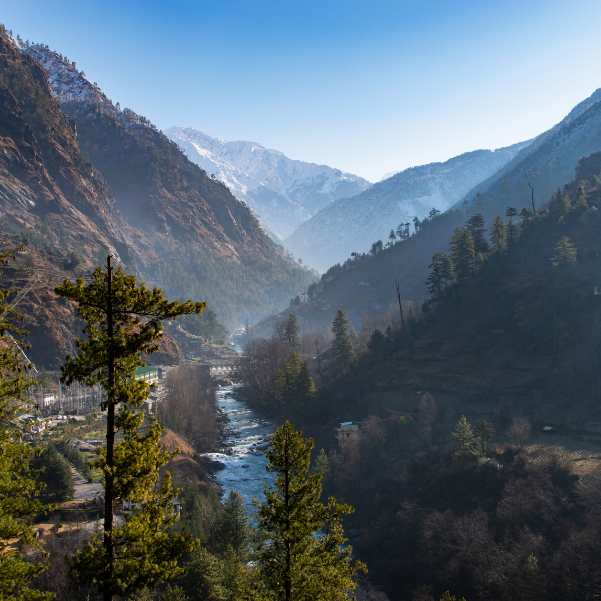
Timing matters more than most people think. The same place can feel like two different destinations depending on when you show up.
When to Visit Jibhi
March to June. Spring into early summer. Forests turn vivid green, weather is pleasant, and Jalori Pass usually opens by late March or April — though it varies every year, so always confirm before building your trip around it.
July to August. Monsoon. Stunning to look at, risky to drive through. Landslides are real and roads get disrupted. Only go if you are genuinely flexible with your plans.
September to November. The window many people miss. Post-monsoon clarity, golden light, crisp mornings, and significantly fewer tourists. If you can travel in October, that is the move.
December to February. Snow season. Some roads may close. Beautiful if you are prepared for serious cold and limited accessibility.
When to Visit Kasol
April to June. Peak season. Comfortable weather, treks are open, cafes are buzzing. But expect crowds, especially on weekends and holidays.
July to August. Monsoon. The Parvati River rises, trails get slippery, Kheerganga can be genuinely risky. Not the best time unless you have done this before.
September to October. Sweet spot. Crowds thin, weather holds, the valley looks its absolute best. This is when Kasol feels most like itself.
November to March. Cold and quiet. Many cafes and guesthouses shut down. Only for those who genuinely enjoy solitude and biting cold.
Crowd, Cost, and Comfort — The Reality Check
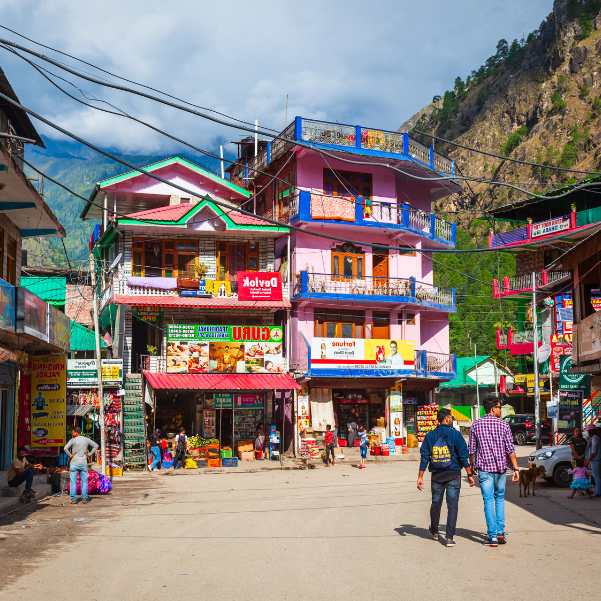
This is the part where we skip the marketing language and tell you what it actually feels like on the ground.
Crowds — Be Honest With Yourself
Kasol gets packed. There is no gentle way to say it.
Long weekends and holidays turn the main street into something that feels more like a market lane than a mountain town. If you go on a Saturday in May, set your expectations now.
Jibhi is catching up — Instagram did its thing — but it still has noticeably more room to breathe. Especially if you stay a few kilometres outside the main village toward Shoja, Gushaini, or deeper Tirthan.
Where You Will Sleep
Kasol is hostels, guesthouses, and budget rooms. Dorm beds, shared bathrooms, common rooms where everyone ends up talking to everyone. Social by design.
Jibhi is wooden cottages, homestays, and a growing set of boutique cabins. Private, forested, often run by local families. You eat what they cook. You sleep when the valley goes quiet.
If "cabin in the woods" is the dream — Jibhi does it better.
If "cheap dorm and instant friends" is the dream — Kasol does it better.
Food — What to Expect
Kasol has more variety. Israeli, Italian, Tibetan, Indian — and some genuinely excellent bakeries. You will not run out of things to try.
Jibhi keeps it simpler. Homestay meals (often the single best thing you eat on the whole trip), a few cafes, local Himachali food. Less choice, but what is there is warm and real.
What About Cost?
Neither place will hurt by hill-station standards.
Kasol can be done on a shoestring — dorm beds and street food keep costs very low.
Jibhi sits a notch higher because the stays tend toward mid-range cottages instead of dorms. But the value is excellent — you are paying for privacy, setting, and home-cooked food that tastes like someone actually cares.
How to Reach Jibhi and Kasol
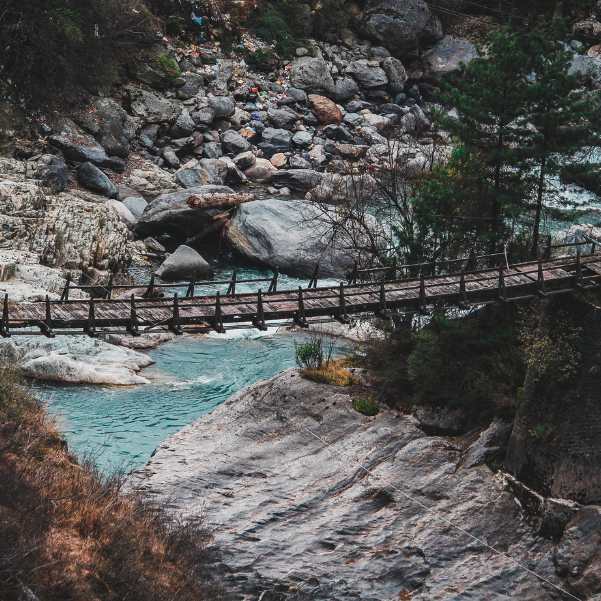
Both valleys branch off the Chandigarh–Manali highway. The split happens earlier than most people expect, which is useful if you are planning to visit both.
How to Reach Jibhi
By air: Bhuntar (Kullu–Manali Airport) is the nearest — about 2 to 2.5 hours from Jibhi by road. Chandigarh airport has better flight connectivity but adds 8 to 10 hours of driving.
By road from Delhi: Drive or bus to Aut (roughly 10 to 12 hours). From Aut Tunnel, take the turn toward Banjar and continue to Jibhi — about 1.5 hours more on a winding hill road.
By bus: HRTC buses run to Aut. From there, local buses or shared taxis go to Banjar and onward to Jibhi. You can also bus to Kullu/Manali and backtrack from Aut.
How to Reach Kasol
By air: Bhuntar airport is just 30 to 40 minutes from Kasol. Closest you will get to a mountain destination by flight in Himachal.
By road from Delhi: Drive or bus to Bhuntar (roughly 10 to 12 hours), then continue along the Parvati Valley road — Kasol is about 30 to 40 minutes from Bhuntar.
By bus: Direct HRTC and private buses from Delhi run to Bhuntar or Kullu. From Bhuntar, local buses or shared cabs reach Kasol easily.
Quick Planning Tips
- If you plan to do both, route through Aut — it connects both valleys without unnecessary backtracking
- Bhuntar is the common junction. Kasol is 30 to 40 minutes from there, Jibhi is about 2 to 2.5 hours via Banjar
- Road conditions change by season and sometimes by week — always check locally before locking plans, especially for Jalori Pass
Day-Wise Itineraries That Actually Work
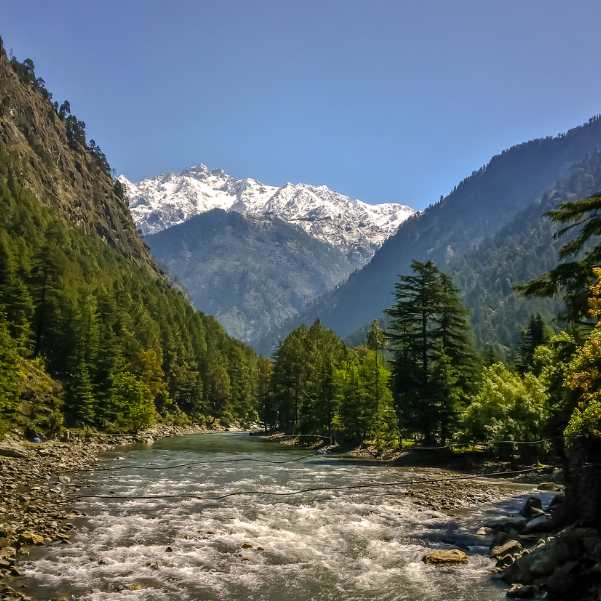
Most comparison articles stop before this point. We are not stopping here.
Five ready-to-use itineraries below. Pick the one that matches your days, your group, and your energy level.
2 Days in Jibhi — The Reset Trip
Day 1: Arrive in Jibhi by early afternoon. Check into your cabin or homestay. Walk to Jibhi Waterfall before sunset — short, easy, lovely. Homestay dinner. Bonfire if they have one. Sleep early.
Day 2: Morning drive to Jalori Pass (if accessible). Trek to Serolsar Lake or Raghupur Fort — pick one based on energy and weather. Back by afternoon. If time allows, stop at Shringa Rishi Temple in Banjar on your way out.
Why it works: You see the highlights without rushing a single thing. Jibhi rewards slowness, and two days is enough to feel the shift.
2 Days in Kasol — The Quick Backpacker Run
Day 1: Arrive in Kasol. Settle in, walk along the Parvati River. Cross the footbridge to the quieter side. Evening cafe-hopping — try two or three places. Let the night stretch a little.
Day 2: Morning at Manikaran Sahib (4 km away). Back for lunch. Afternoon walk to Chalal village. Hike further up the trail if energy allows. Return, eat well, head out.
Why it works: You get the core Kasol experience — cafes, river, Chalal, and Manikaran — without overloading a short trip.
3 Days in Jibhi + Tirthan Valley — Going Deeper
Plan A — If Jalori Pass is accessible:
Day 1: Arrive Jibhi. Settle in. Evening waterfall walk.
Day 2: Full day at Jalori. Trek to Serolsar Lake in the morning. Walk to Raghupur Fort if energy and daylight allow. Back to the cabin by evening.
Day 3: Drive to Tirthan Valley. Walk along the Tirthan River, explore Gushaini or nearby villages, visit the GHNP gate area. Depart by late afternoon.
Plan B — If Jalori Pass road is closed:
Day 2 (alternative): Spend the day in Tirthan Valley instead. River walks, explore Jibhi village on foot, do a local nature trail your host recommends.
Why it works: Three days lets you experience both the alpine side (Jalori) and the riverside calm (Tirthan). Plan B ensures your trip does not fall apart if the pass is not open.
3 Days in Kasol + Parvati Valley — Pick Your Style
Version A — Trek-Light:
Day 1: Arrive Kasol. Evening cafe time and Chalal walk.
Day 2: Day trip to Tosh. Explore, eat, take in the views. Return by evening.
Day 3: Morning at Manikaran Sahib. Afternoon river walk. Depart.
Version B — Trek-First:
Day 1: Arrive Kasol. Light dinner, rest, prep.
Day 2: Trek to Kheerganga. Start early. Stay overnight — hot springs, stars, the works.
Day 3: Descend in the morning. Quick Manikaran stop if time allows. Depart.
Why it works: Version A is for people who want the valley without the altitude gain. Version B is for people who came specifically for Kheerganga. Both cover the essentials of Parvati Valley.
5 Days — Do Both Jibhi and Kasol (The Best of Both)
This is the trip for people who cannot choose. And if you have five days, you should not have to.
Day 1: Arrive in Jibhi (via Aut). Check in. Evening waterfall walk. Homestay dinner.
Day 2: Jalori Pass day — Serolsar Lake and/or Raghupur Fort.
Day 3: Morning in Tirthan Valley. After lunch, drive from Jibhi to Kasol via Aut and Bhuntar (about 3 to 3.5 hours). Check into Kasol by evening. Explore the cafes.
Day 4: Trek to Kheerganga (overnight at the top) OR do the Tosh day trip for a lighter day.
Day 5: Return from Kheerganga by midday. Visit Manikaran Sahib. Depart from Kasol in the afternoon.
Why it works: You get the stillness of Jibhi and the energy of Kasol in one trip. The contrast between the two valleys is genuinely one of the best parts. The transfer on Day 3 is smooth, and routing through Aut keeps everything efficient.
If you want a custom version of any of these itineraries adjusted for your dates, your group, and your pace, message Travel Coffee on WhatsApp. We will help you plan a trip that fits the way you actually like to travel.
>> WhatsApp Us Now For a Customized Itinerary
Who Should Pick What? A Quick Decision Guide
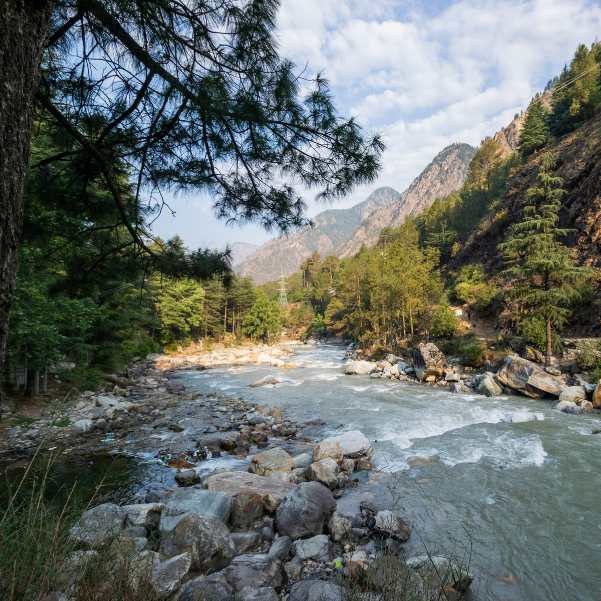
Couples
Pick Jibhi. Private forest cabins. No crowds on your morning walk. Bonfire dinners where it is just the two of you and the stars. Kasol can work for adventurous couples, but the hostel-heavy social scene can dilute the romance.
Families with Kids
Pick Jibhi. Safe terrain, gentle trails, homestay meals cooked with care. Kasol's crowds and pace can genuinely overwhelm young children.
Parents or Older Travellers
Pick Jibhi. Comfortable walks, warm homestays, zero nightlife noise. Tirthan Valley is especially kind to older travellers who want beauty without physical strain.
Solo Travellers
It depends on what kind of solo you want.
Want to meet people? Kasol. The hostels and cafes make it effortless to find company.
Want to be alone on purpose? Jibhi. A notebook, a cabin, three days of silence — an underrated kind of reset.
Friends or Backpacker Groups
Pick Kasol. The cafes, the treks, the evening energy — Kasol is built for groups who want to hike by day and talk until 2 AM. Jibhi works for a chill group retreat, but Kasol matches backpacker energy better.
First-Time Himachal Travellers
Pick Jibhi. Easier to plan. More forgiving if you have never done mountain travel. Delivers that classic Himachal feeling without chaos or confusion. Save Kasol for trip number two, once you know what kind of mountain traveller you are.
The Verdict — So, Jibhi or Kasol?
There is no wrong answer. Only a better fit for the trip you need right now.
Pick Jibhi if you are craving stillness. If your version of a perfect morning is stepping onto a misty deck, hearing nothing but birds and wind, and realising you have nowhere to be. Jibhi does one thing — it slows you down — and it does that better than almost anywhere else in Himachal.
Pick Kasol if you want energy and movement. If your ideal trip involves a real trek, a great meal you did not expect, a conversation with a stranger that turns into a plan, and a valley that hums with life. Kasol delivers all of that — crowds included.
Pick both if you have five days. Start with Jibhi for the quiet. Move to Kasol for the buzz. The contrast between the two is half the magic, and the drive between them through Aut is completely doable without feeling rushed.
Either way, you are headed to Himachal. That is already a good decision.
Need help putting it together? WhatsApp Travel Coffee — we will plan it around your dates, your people, and how you actually like to travel. No templates.
Related topics
Frequently Asked Questions
Is Jibhi better than Kasol?
It depends on what you want. Jibhi is better for peace, privacy, and a slow escape. Kasol is better for treks, cafes, and meeting people. Neither is objectively better — they serve very different trips.
Which is more crowded — Jibhi or Kasol?
Kasol, by a clear margin. It has been a backpacker hub for years and gets heavily packed on weekends and holidays. Jibhi is growing but still feels significantly calmer, especially midweek.
Which is cheaper — Kasol or Jibhi?
Kasol is easier on a shoestring budget — dorm beds and cheap eats are everywhere. Jibhi leans mid-range with its cottage and homestay culture, but gives you excellent value for what you pay.
Can I do both Jibhi and Kasol in 4 to 5 days?
Yes. Two nights in Jibhi, two nights in Kasol, with a transfer through Aut and Bhuntar. Five days is ideal because you can add a trek or a valley day without rushing.
Kasol or Jibhi for couples?
Jibhi. The private cabins, forested setting, and thin crowds make it much better for couples looking for a quiet, romantic escape.
Kasol or Jibhi for family?
Jibhi. Calm pace, gentle terrain, warm homestays, and a safe environment — ideal whether you are with young kids or older parents.
What is the best time to visit Jibhi?
March to June and September to November. October is particularly special — clear skies, golden light, very few tourists.
What is the best time to visit Kasol?
April to June and September to October. Avoid monsoon months due to landslide and flood risk along the Parvati River.
Is the Kheerganga trek open all year?
No. It is generally accessible from May to November, but dates change every year. Always confirm locally and check for permit requirements before planning.
Is Jibhi safe for solo female travellers?
Yes. Jibhi is widely considered safe for solo travellers, including women. The homestay culture means you are often staying with local families, which adds a layer of comfort.
Do I need a car to explore Jibhi?
A vehicle or hired cab makes things easier, especially for Jalori Pass and Tirthan Valley day trips. Within Jibhi village, walking works fine. Local taxis are available but not frequent.
How far is Jibhi from Kasol?
About 80 to 90 km by road, roughly 3 to 3.5 hours via Aut Tunnel and Bhuntar.
Is Kasol still worth visiting?
Yes — with the right expectations. The cafe scene is still excellent, Parvati Valley is still stunning, and Kheerganga remains a world-class trek. Go midweek or in the shoulder season for the best experience.
Can I work remotely from Jibhi or Kasol?
Connectivity is unreliable in both. Some Jibhi stays offer decent Wi-Fi, and Kasol has slightly better mobile coverage in town. Neither is ideal for heavy video calls — check with your accommodation before booking.
More about Jibhi
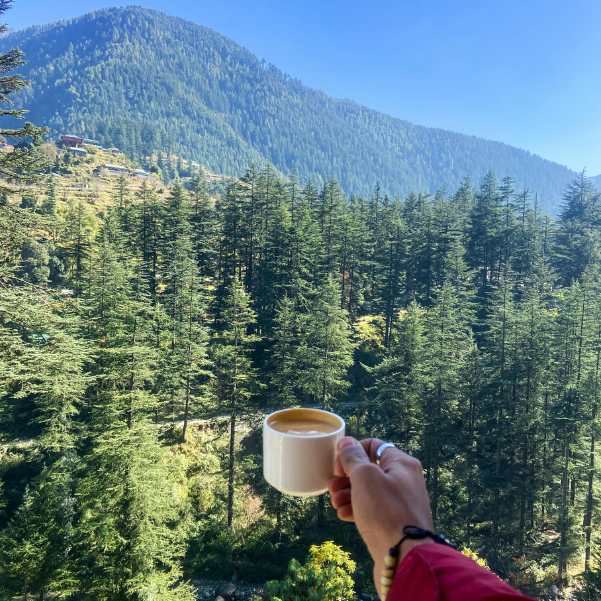 Jibhi
JibhiJibhi in December 2026: Snowfall, Weather, Road Status and Winter Guide
Planning a trip to Jibhi in December 2026? Discover the latest updates on snowfall, weather, temperature, and road conditions. Find out when to expect snow, what to pack, and whether the roads to Jibhi are safe for a memorable winter getaway.
- Best Time to Visit
- Snow Travel
 Jibhi
JibhiJibhi in October 2026: Weather, Road Conditions, Places and Trip Plan
Planning a trip to Jibhi in October 2026? Expect cool autumn weather with temperatures between 8°C and 20°C, clear skies, colorful forests, and comfortable trekking conditions. Roads are generally in good condition after the monsoon, making it an excellent time to explore Jalori Pass, Serolsar Lake, Chehni Kothi, and Tirthan Valley. Discover the latest weather, road updates, travel tips, and a perfect 2–3 day itinerary for an unforgettable Jibhi getaway.
- Best Time to Visit
 Jibhi
JibhiJibhi in August 2026: Weather, Road Safety, Itinerary and Honest Advice
Planning a trip to Jibhi in August 2026? Discover the latest weather conditions, road safety tips, suggested itinerary, places to visit, and practical travel advice. This guide will help you decide whether August is the right time to experience Jibhi's lush monsoon beauty while traveling safely.
- Best Time to Visit
- Monsoon Travel