
Jibhi in April: Weather, Jalori Pass Status, Best Itinerary and What to Pack (2026 Guide)
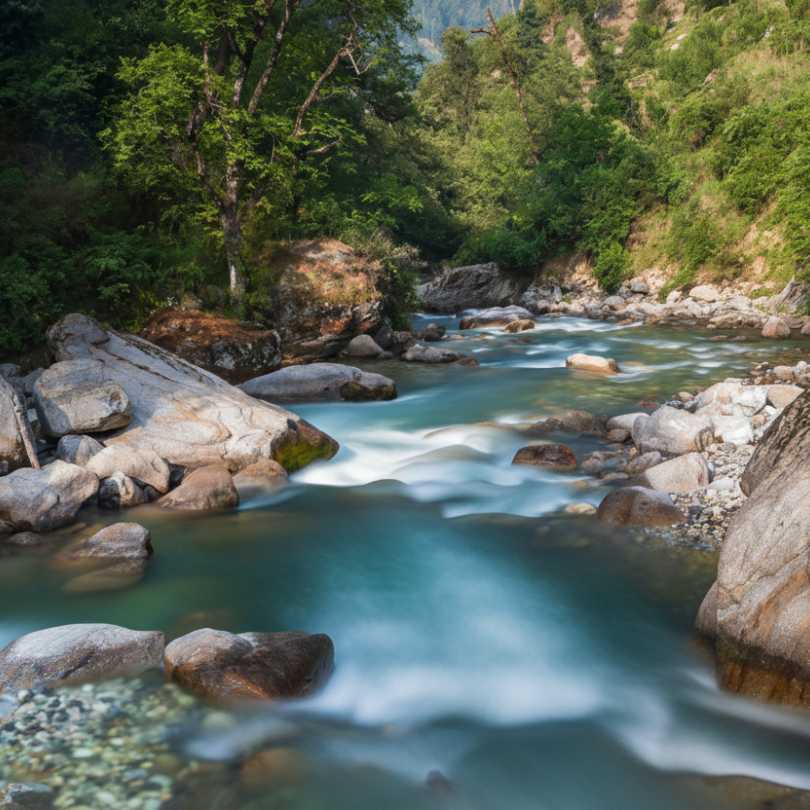
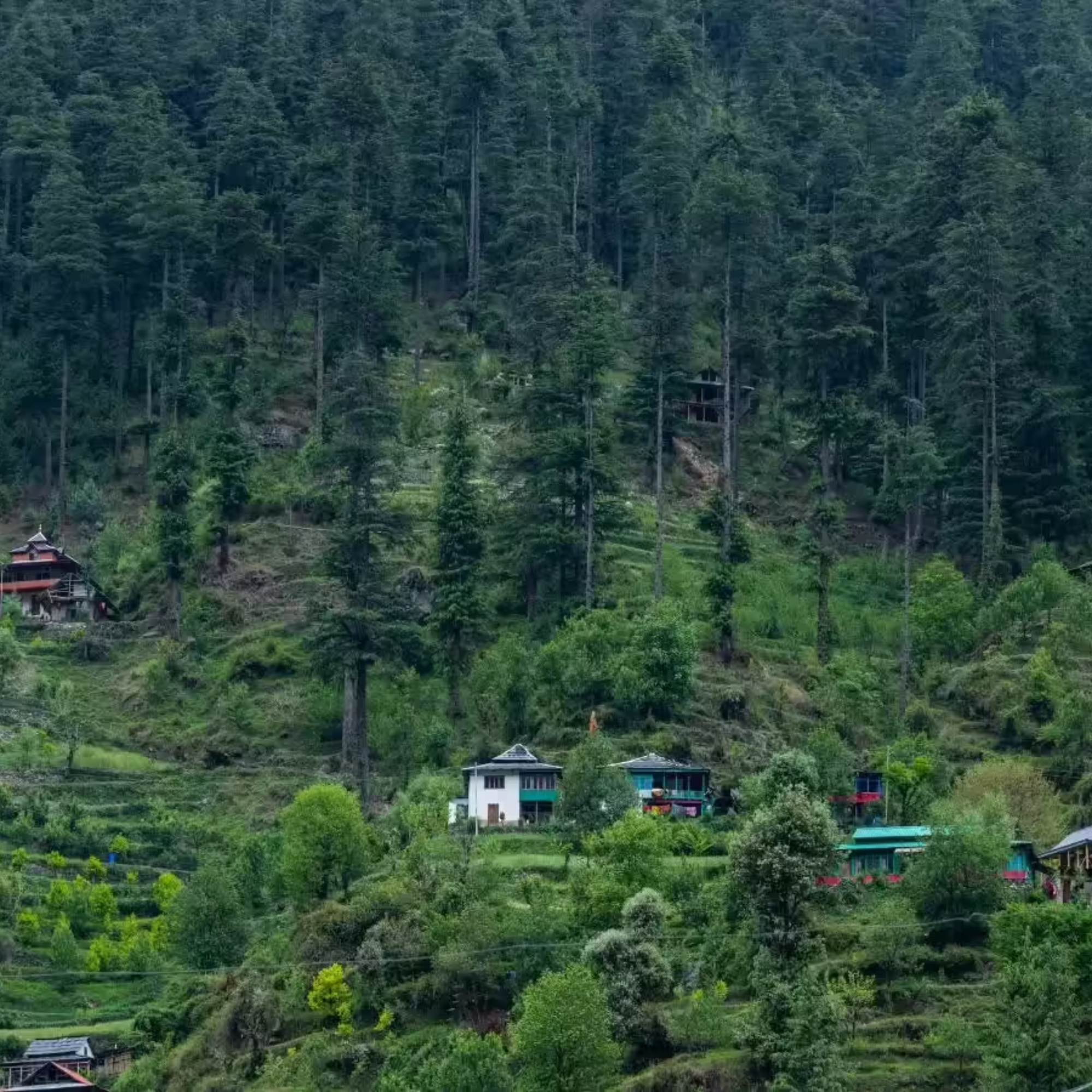
April in Jibhi feels like the mountains finally exhaling. Winter's done its thing, snow's mostly gone from the village, and the trails smell like wet pine and wet earth. Everything feels more alive. The river's louder. The birds are back.
That said, April isn't predictable. Some weeks feel like early summer, clear skies and warm afternoons. Others bring surprise cold snaps or late snow at Jalori. One day you're comfortable in a T-shirt by noon. The next morning has you reaching for thermals. Your plans need breathing room.
This guide tells you what April actually looks like in Jibhi. The weather reality, which places are worth your time, how to structure your days, and what to pack.
How Jibhi Feels in April
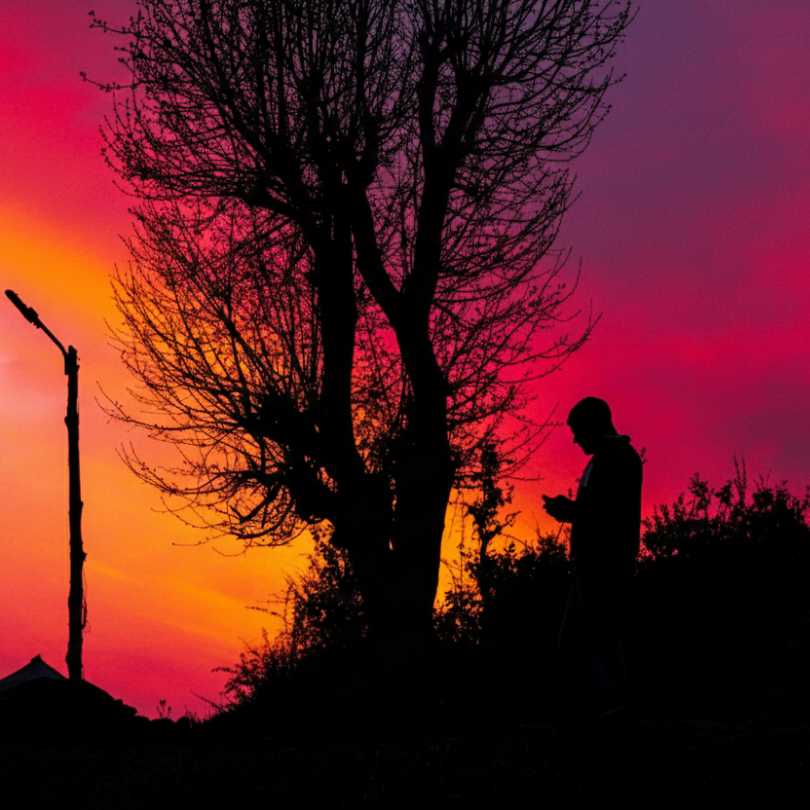
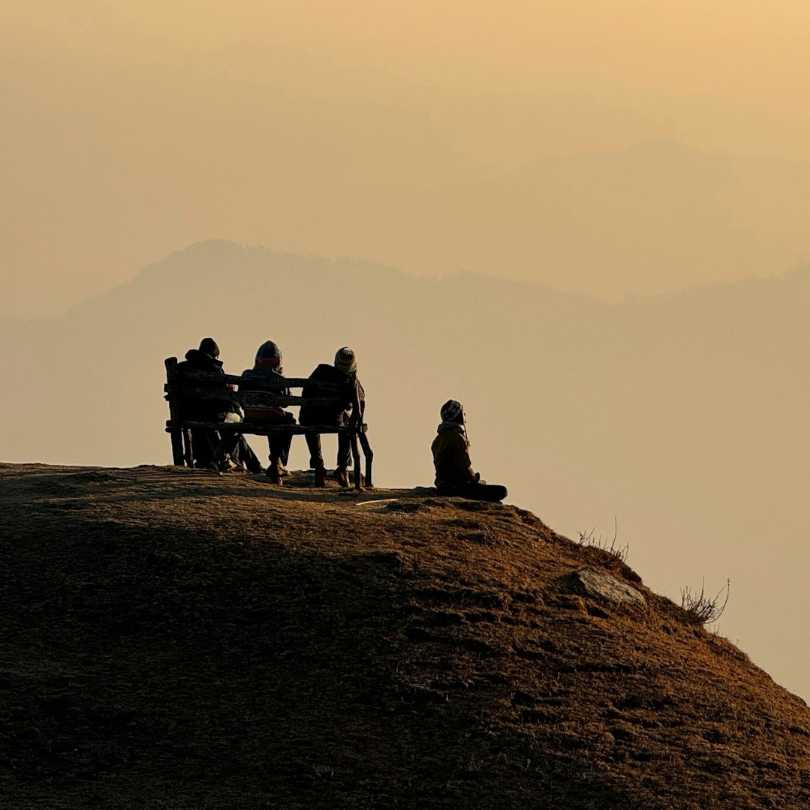
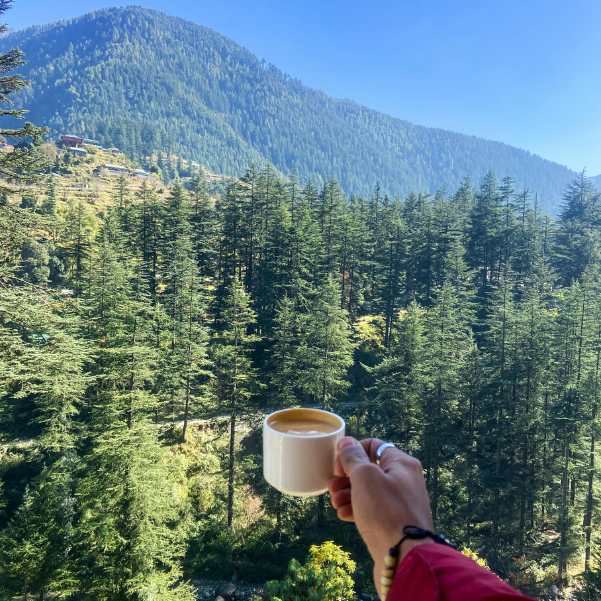
Mornings are the best part. Mist over the valley, birds going crazy in the pines, air that makes you want to just sit outside with chai. If your homestay has a balcony or any outdoor seating, use it. Don't check your phone. Just sit there.
Afternoons warm up nicely. Light jacket weather, good for walking around, sitting by the river, exploring the village.
By evening the temperature drops fast, and nights are genuinely cold. Heater in your room matters. If your homestay doesn't have one, ask for extra blankets. April nights in Jibhi don't mess around.
Jibhi Weather in April
No matter when you come, you must almost always expect a versatile experience!
Temperature: Day vs Night
Days run between 15 to 22 degrees. Comfortable, good for being outside. Nights drop to 5 to 10 degrees. Early April can go lower after rain. Layers are not optional here.
What To Actually Expect In April
First week
Still wintry. Cold nights. Jalori may have snow. Pack warmly.
Second week
Clearing up. Better trekking. Comfortable afternoons.
Third week
Proper spring. Nice days. You can pack a little lighter.
Last week
Warmest part of April. Watch for occasional showers.
Will It Snow in April?
In Jibhi village, unlikely. By April, winter snow is done. At Jalori Pass (10,800 feet), early April can still have patches. Mid to late April is usually clear but mountains do what they want. Check with your homestay or driver a day before heading up.
Is Jalori Pass Open in April?
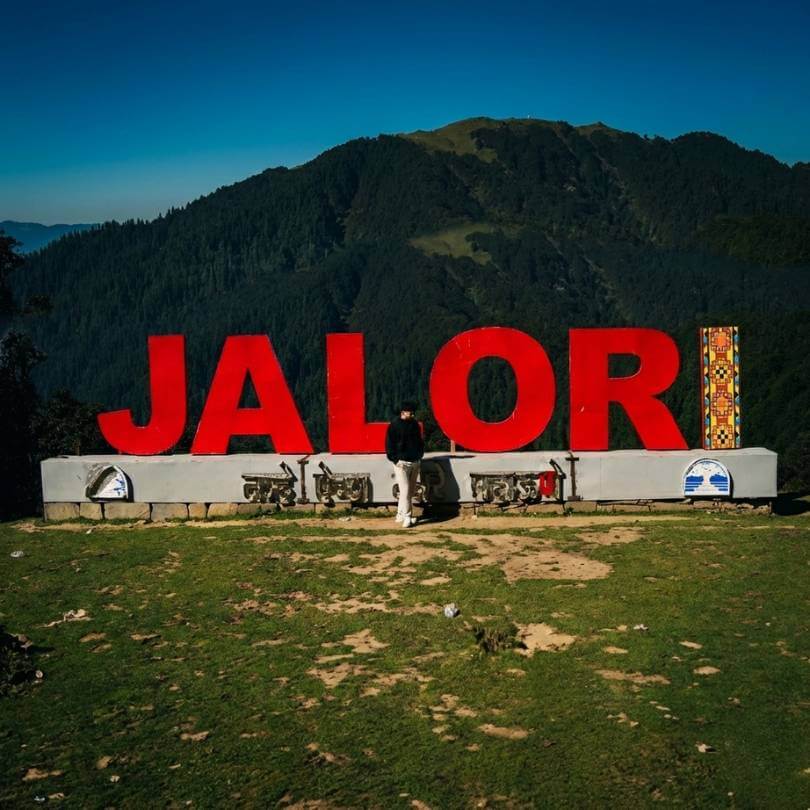
Most of the time, yes. Especially from mid April onward. But conditions depend on the week. Rain makes the road slippery. Late snow can create tricky patches. Early mornings may have ice. Don't assume it's open because someone said so last week. Check locally, always.
Do You Need a 4x4?
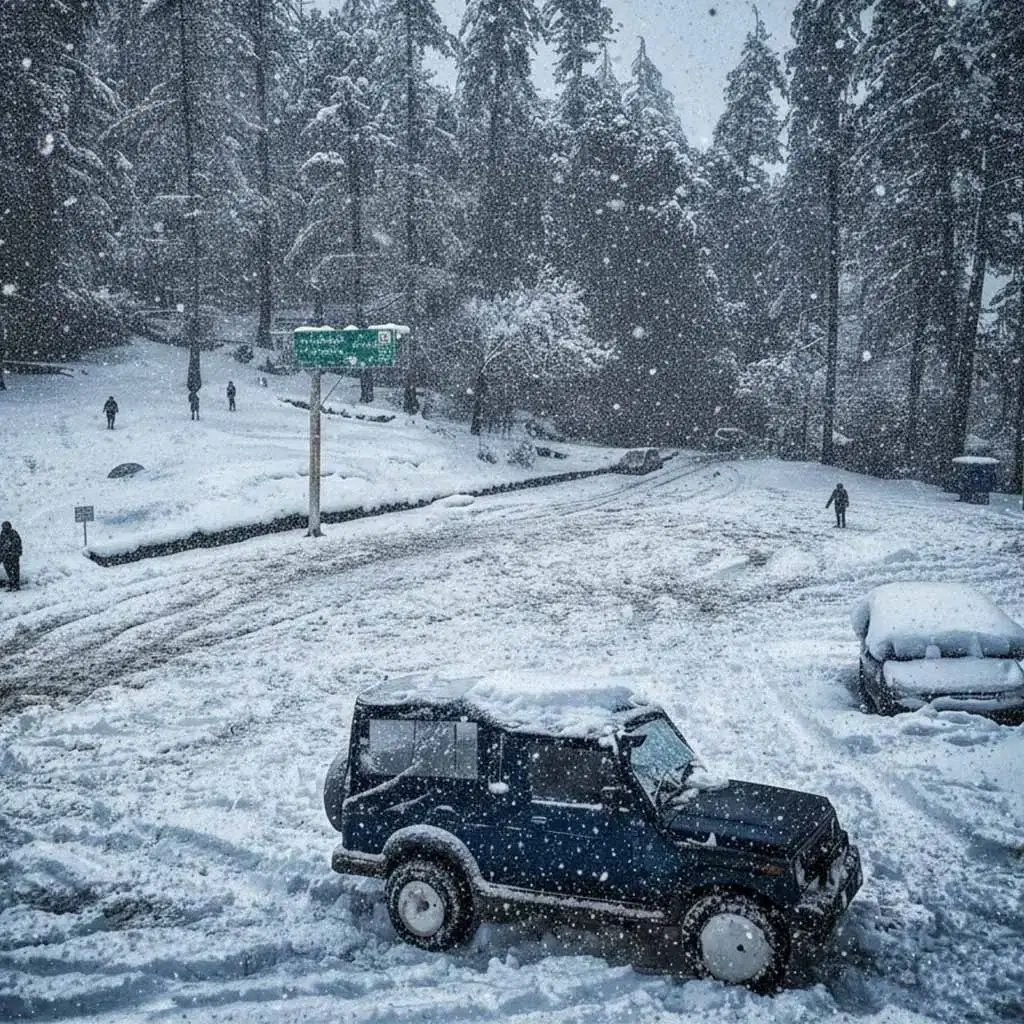
Sometimes yes, sometimes no. A 4x4 helps when there's been recent snow or rain, or if you're going in the first week. A normal car usually works fine in mid to late April on clear, dry days.
Best advice: hire a local driver. They know the current road, they've driven it a hundred times, and they'll have the right vehicle for the conditions.
Best Places to Visit in Jibhi in April
April's good for getting around. Trails are mostly dry, weather's pleasant, no winter closures.
Jibhi Waterfall
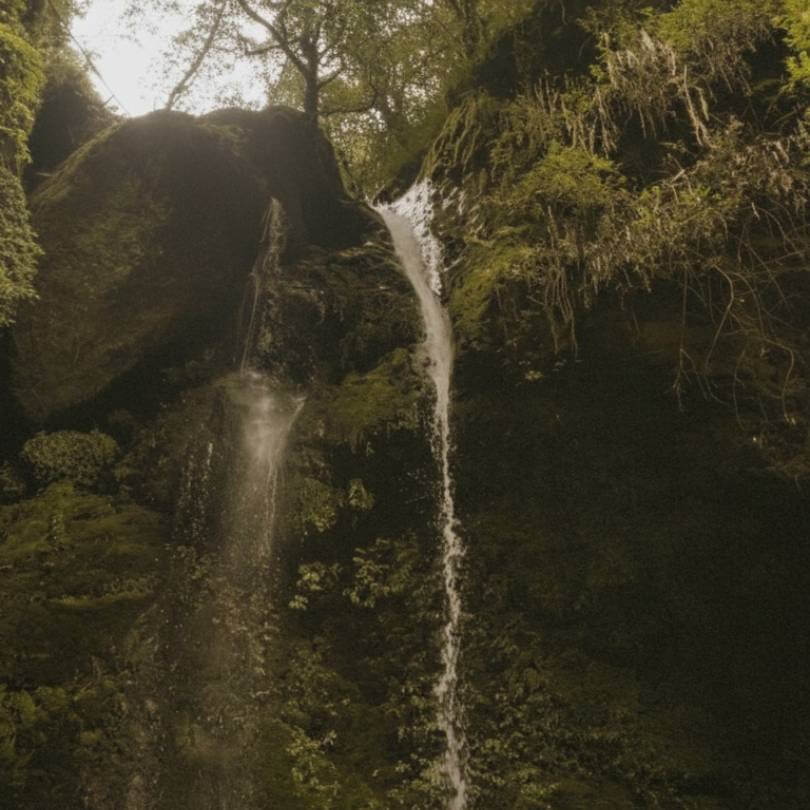
10 to 15 minute walk from the village. Peaceful, surrounded by pine forest. Morning light is best for photos. Spend 30 to 45 minutes here.
Riverside Walk
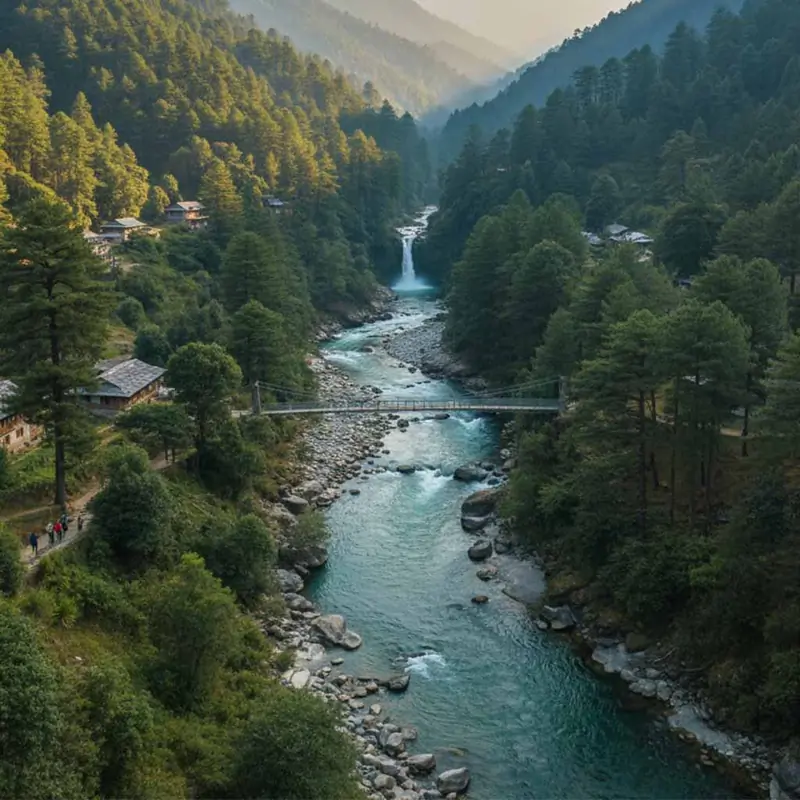
Walk downstream along the Tirthan. Flat, easy, beautiful. Little bridges, calm pools, spots to sit. Take an hour or two. Bring a book.
Chehni Kothi
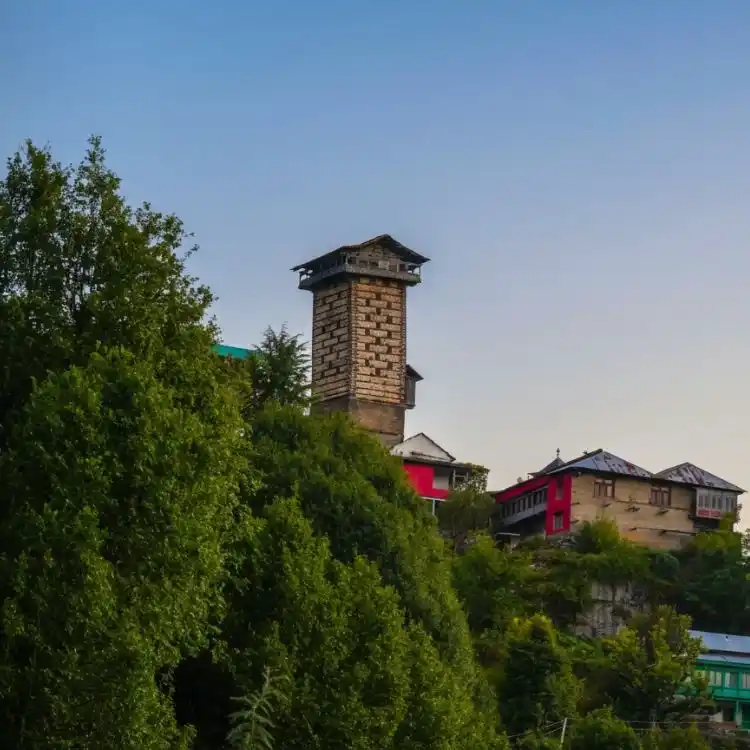
Old wooden fort about 5 km away. Incredible architecture, no nails, built centuries ago. Good views from the top. Trail is clear in April. Budget 2 to 3 hours total.
Shoja
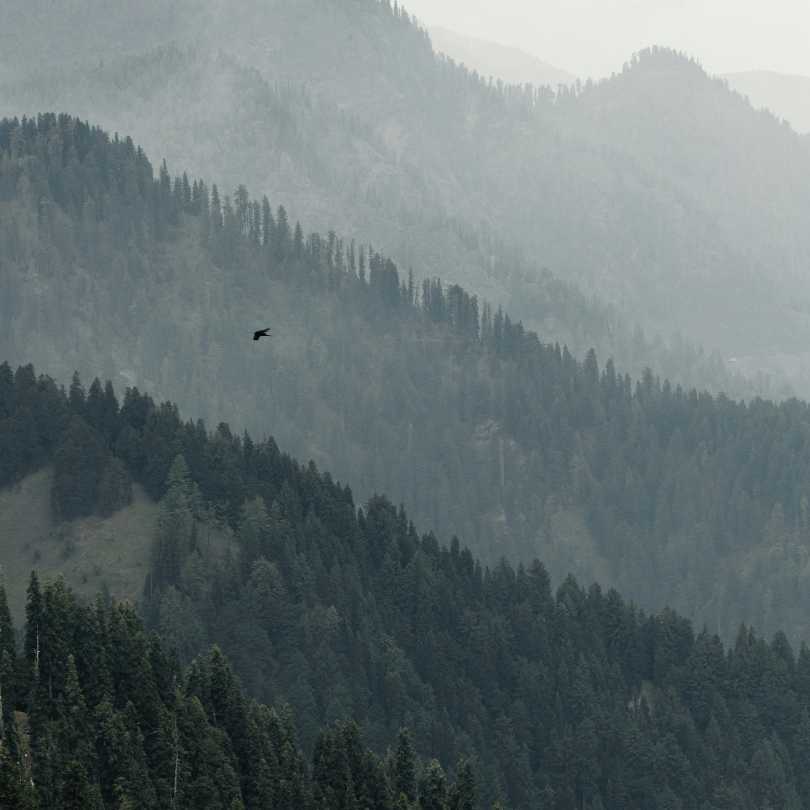
Small village 15 km toward Jalori. Very quiet. Forest walks and meadows. April it's empty and peaceful. Good for a half day trip or overnight if you want real solitude.
Jalori Pass Viewpoint
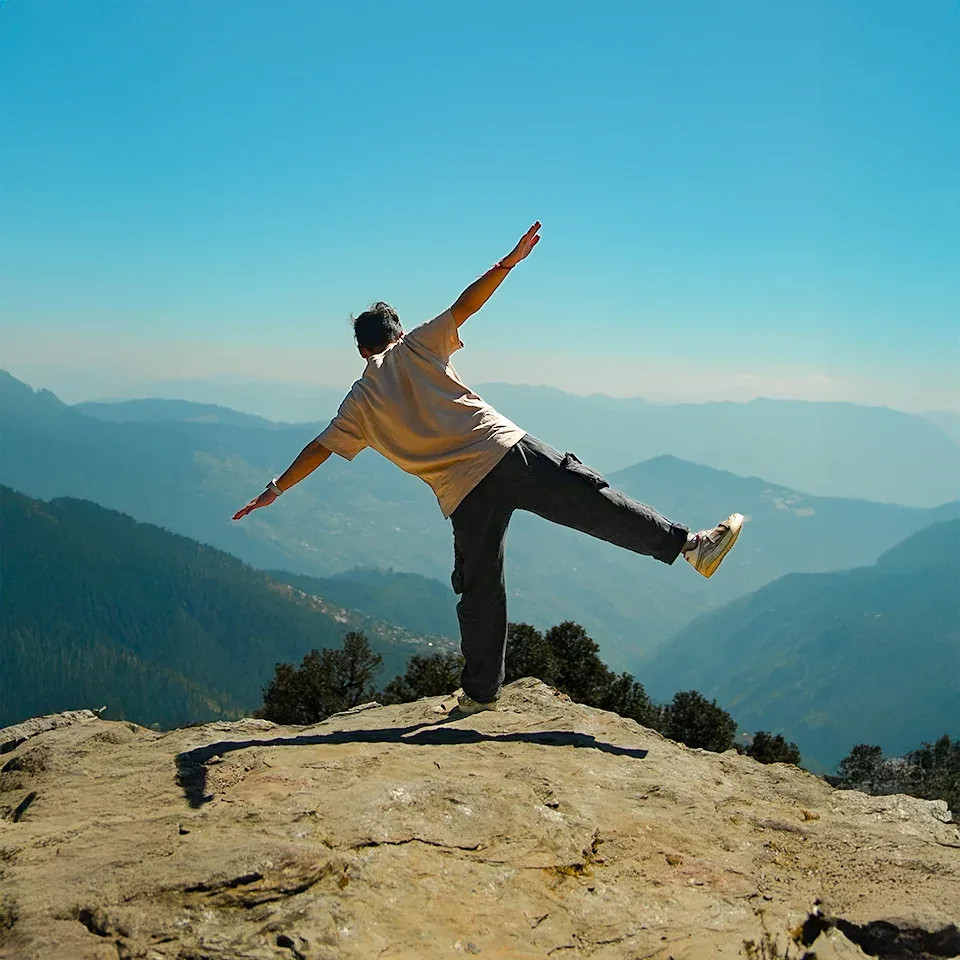
10,800 feet. On clear days the view is insane. Drive most of the way, walk the last stretch. Also where the Serolsar trek starts.
Serolsar Lake Trek
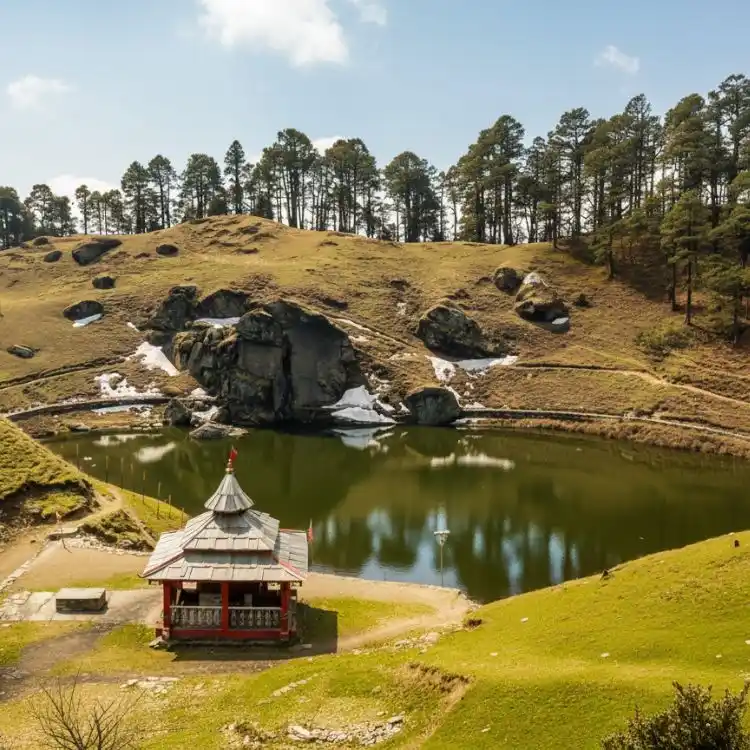
5 km trek from Jalori through dense forest to an alpine lake. April is great for this. Trail's usually clear. Start by 7 or 8 AM. Takes 4 to 5 hours round trip.
GHNP Trails
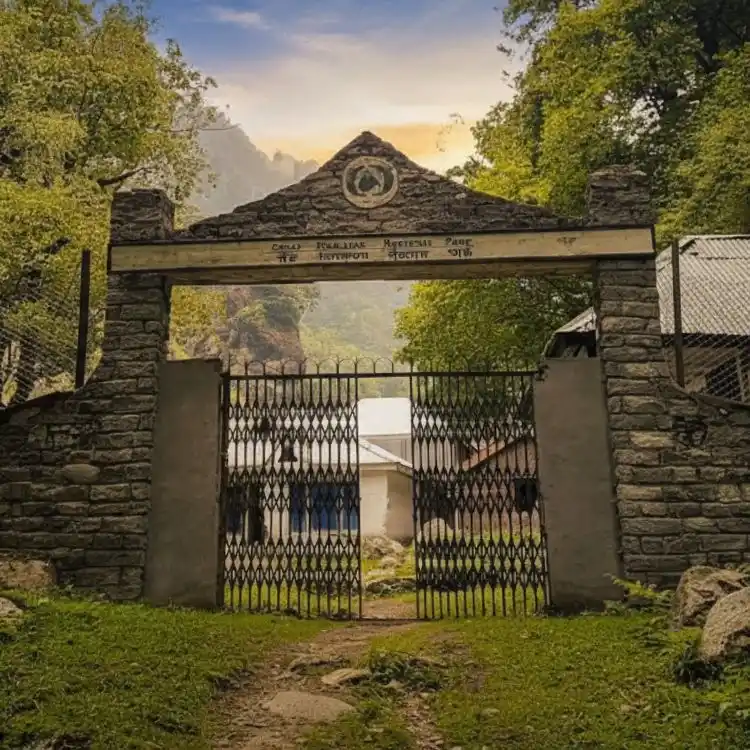
Good month for shorter trails and birdwatching. You need a permit, which your homestay can help arrange. Half day works well.
Things to Do in Jibhi in April
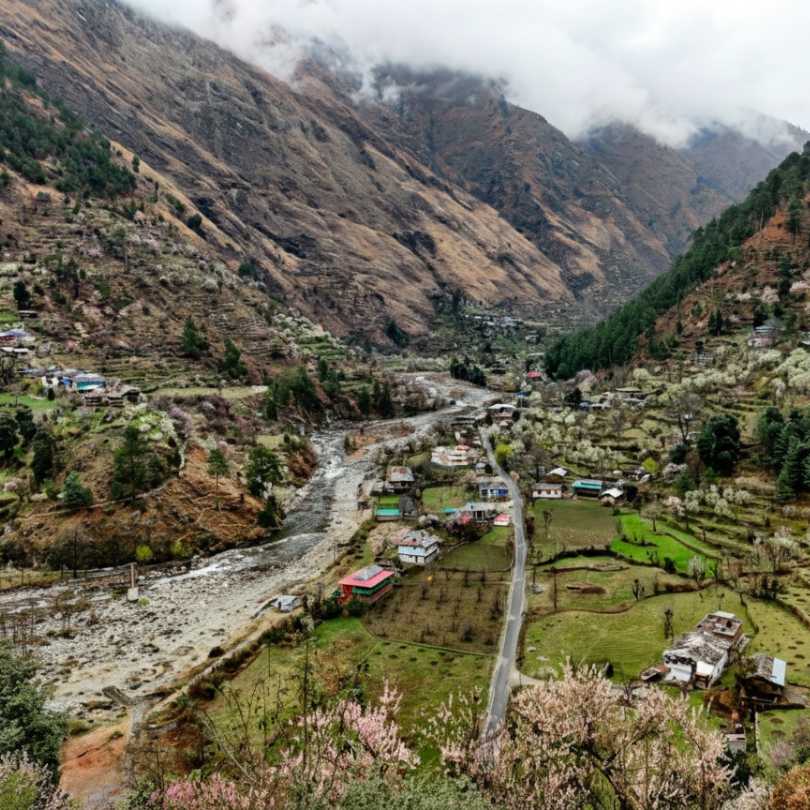
Treks and forest walks.
The Serolsar Lake trek and Raghupur Fort trek are the main hikes, but shorter trails around Jibhi and Shoja work well if you don’t want a full day out. The best time for walking is early morning (7–10 AM) or late afternoon (around 3–5 PM). Midday can get warm in direct sun, especially by late April.
Slow mornings and café sitting, yes. Jibhi has genuinely nice cafés with river views and good coffee.
Siddu, the local steamed bread stuffed with walnuts or poppy seeds and served with ghee, is worth having. Fresh trout from the Tirthan River is also good if you eat fish. Ask your homestay where to find it.
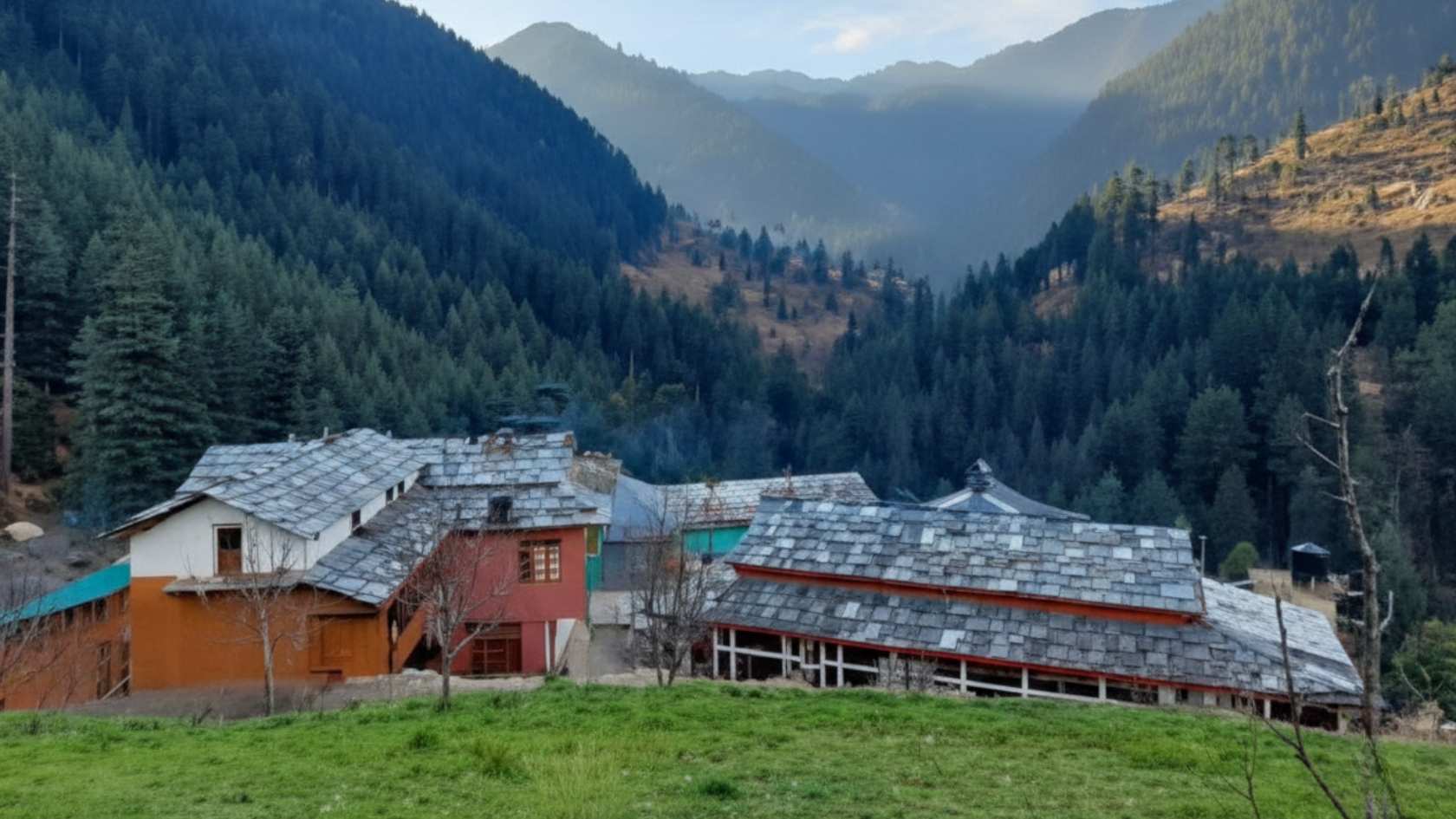
Photography, of course! April light is soft, especially in the mornings. Wooden bridges, pine forest with mist, water reflections, traditional Himachali houses. You don't need to plan shots. Just walk around with your camera out.
Jibhi in April Itineraries
You could go for the one that best suits your needs.
2D/1N (Quick Escape)
- Day 1: Arrive, check in. Waterfall, riverside walk, café in the evening. Easy day.
- Day 2: Shoja if you want quiet. Jalori if it's open and weather's good. Head out by afternoon.
3D/2N (Best Balance)
- Day 1: Arrive, explore Jibhi. Waterfall, riverside walk, cafés. Don't rush anything.
- Day 2: Active day. Leave by 7 AM. Jalori Pass then Serolsar Lake trek. You'll be tired by evening. Worth it.
- Day 3: Chehni Kothi in the morning. Slow lunch. Pack up and leave when you want.
4D/3N (Slow Travel)
- Day 1 and 2: Same as above.
- Day 3: GHNP half day. Arrange permits through your homestay. Birdwatching and forest trails. Spend the afternoon at a café.
- Day 4: Shangarh meadow or Sainj Valley for quiet riverside time. Leave at your own pace.
> > Explore our curated Jibhi Valley itineraries
How to Reach Jibhi
Jibhi sits deep inside the Banjar Valley of Himachal Pradesh, so the final stretch always involves a scenic mountain drive after reaching the nearest highway town.
From Delhi
Overnight Volvo bus to Aut (10 to 12 hours), then taxi to Jibhi (1.5 to 2 hours). About Rs 1,000 to Rs 1,500 per person total. Or hire a private cab from Delhi, 12 to 14 hours, Rs 12,000 to Rs 18,000 for the car. Comfortable but pricier.
From Chandigarh
Around 240 km. Takes 6 to 7 hours by car via Mandi and Aut. Good roads for most of it. Stop at Mandi for food.
Jibhi Trip Cost in April
Budget: Hostel or basic homestay (Rs 800 to Rs 1,500 per night), local food (Rs 500 to Rs 800/day), shared taxi. Total for 3 days: Rs 5,000 to Rs 8,000 per person.
Comfortable: Good homestay (Rs 2,000 to Rs 4,000 per night), cafés and variety for food. Total: Rs 12,000 to Rs 18,000 per person.
Premium: Best stays (Rs 5,000+ per night), private car, everything arranged. Rs 25,000+ per person.
Weekends cost more. Long weekends especially. If you're going on a Saturday or Sunday, book accommodation early. Prices at good homestays go up and availability goes down fast on holiday weekends.
What to Pack for Jibhi in April
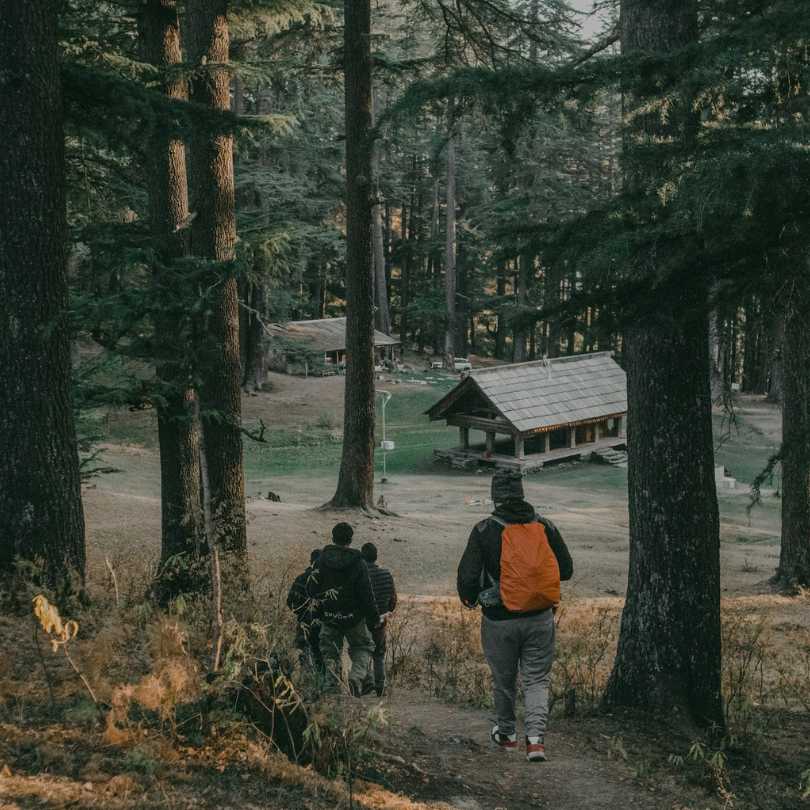
- Layers: thermal base, fleece or sweater, windproof jacket on top. You can adjust through the day.
- Rain jacket or poncho. April showers happen, especially late in the month.
- Trekking shoes or sturdy sneakers with good grip. Waterproof if possible. Decent socks.
- Warm jacket or hoodie for evenings. April nights are cold.
- Sunscreen and sunglasses. The mountain sun is strong.
- Power bank. Power cuts happen.
- Basic medicines: headache, motion sickness if you need it, personal prescriptions.
- Cash. No reliable ATMs in Jibhi. Nearest are in Aut or Banjar.
>> Read the full packing guide here
Where to Stay in April
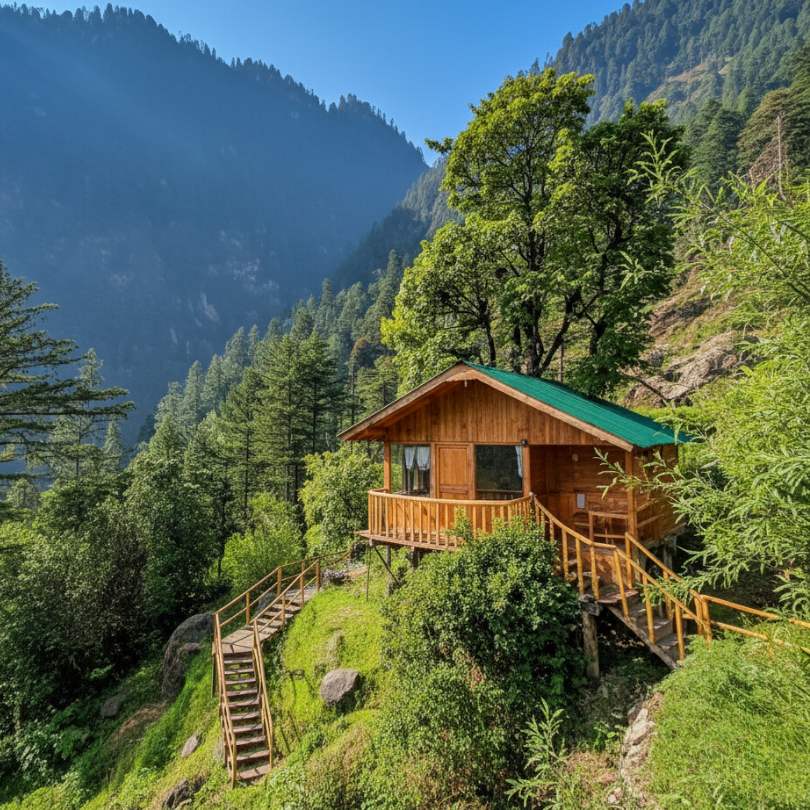
River facing homestays are the most popular, and for good reason. Waking up to the Tirthan River outside your window is a different experience. Book these early if you're going on a weekend.
Forest stays slightly outside the village are quieter, more private, better if you want peace over access to cafés. Shoja is worth considering if your main goal is trekking, since it sits much closer to Jalori Pass.
Always call or message homestays directly. Third party booking sites charge more, and a direct conversation lets you ask what actually matters: is the heater working, is there a river view, what are the road conditions right now.
Common Mistakes in April
- Assuming Jalori is open without checking. Always verify locally.
- Underpacking for cold nights. Bring warm layers even if the forecast looks mild.
- Starting Serolsar trek late. Leave by 7 or 8 AM. Starting at 10 AM means hiking back in fading light.
- Not carrying cash. ATMs are not reliable here.
- Packing too much into your itinerary. Jibhi is about slowing down.
Want Jibhi Planned Properly?
There are real decisions to make for an April Jibhi trip. Should you attempt Jalori based on current conditions? Which homestay has actual river views and a working heater? What's a realistic timeline for the Serolsar trek?
We plan Jibhi trips regularly. We know the April variables, which roads are actually drivable, the right local drivers, and the stays worth booking.
Jibhi in April rewards slow travelers. Show up, settle in, and let the valley do its thing. The mornings alone are worth the journey.
Related topics
Frequently Asked Questions
Is April a good time to visit Jibhi?
Yes. One of the best months. Pleasant weather, trails open, not crowded. Spring without winter cold.
What is the temperature in Jibhi in April?
Days: 15 to 22 degrees. Nights: 5 to 10 degrees. Pack layers.
Does it snow in Jibhi in April?
In the village, unlikely. At Jalori Pass, possible in early April.
Is Jalori Pass open in April?
Usually yes, especially after the first week. Always check locally before going up.
Can we do Serolsar Lake trek in April?
Yes. Trail is usually clear. Start early, by 7 or 8 AM.
How many days are enough?
3 days, 2 nights is ideal. 2 days if short on time. 4 days to really relax.
What are the best places in Jibhi?
Jibhi Waterfall, riverside walk, Chehni Kothi, Shoja, Jalori Pass, Serolsar Lake, GHNP trails.
What to pack for Jibhi?
Layers, rain jacket, trekking shoes, warm clothes for night, sunscreen, power bank, cash, medicines.
How to reach from Delhi?
Overnight bus to Aut, then taxi. Or private cab from Delhi. 12 to 14 hours total.
What is the budget?
Budget: Rs 5,000 to Rs 8,000 per person for 3 days. Comfortable: Rs 12,000 to Rs 18,000 per person. Premium: Rs 25,000+ per person.
Is Jibhi crowded in April?
Weekdays are quiet. Weekends are busy. Book ahead for weekends.
Is Jibhi better than Kasol in April?
Different energy. Jibhi is quieter, nature focused, and family friendly. Kasol has a more social and backpacker vibe.
ATMs, network, UPI in Jibhi?
No reliable ATMs in the village. Carry cash. Network is patchy, BSNL works best. UPI sometimes works but don't depend on it.
Is GHNP possible in April?
Yes. Good time for shorter trails and birdwatching. Arrange permit through your homestay.
Best stays in April?
River view homestays, forest stays near the village, Shoja for Jalori access. Call Travel Coffee team for better rates.
Normal car for Jalori?
Usually fine in mid to late April. Early April or after rain, a 4x4 is better. Ask your driver.
Is Jibhi good for couples?
Yes. Very. Peaceful, scenic, good for slow travel. River views, cozy cafés, quiet walks.
Delhi to Jibhi: cab vs bus cost?
Bus to Aut plus taxi: Rs 1,200 to Rs 2,500 per person. Private cab: Rs 12,000 to Rs 18,000 for the car.
Serolsar trek duration and difficulty?
5 km one way. About 2 to 3 hours each way. Moderate, mostly uphill through forest. Doable for beginners with decent fitness.
More about Jibhi
 Jibhi
JibhiJibhi in December 2026: Snowfall, Weather, Road Status and Winter Guide
Planning a trip to Jibhi in December 2026? Discover the latest updates on snowfall, weather, temperature, and road conditions. Find out when to expect snow, what to pack, and whether the roads to Jibhi are safe for a memorable winter getaway.
- Best Time to Visit
- Snow Travel
 Jibhi
JibhiJibhi in October 2026: Weather, Road Conditions, Places and Trip Plan
Planning a trip to Jibhi in October 2026? Expect cool autumn weather with temperatures between 8°C and 20°C, clear skies, colorful forests, and comfortable trekking conditions. Roads are generally in good condition after the monsoon, making it an excellent time to explore Jalori Pass, Serolsar Lake, Chehni Kothi, and Tirthan Valley. Discover the latest weather, road updates, travel tips, and a perfect 2–3 day itinerary for an unforgettable Jibhi getaway.
- Best Time to Visit
 Jibhi
JibhiJibhi in August 2026: Weather, Road Safety, Itinerary and Honest Advice
Planning a trip to Jibhi in August 2026? Discover the latest weather conditions, road safety tips, suggested itinerary, places to visit, and practical travel advice. This guide will help you decide whether August is the right time to experience Jibhi's lush monsoon beauty while traveling safely.
- Best Time to Visit
- Monsoon Travel