
Jibhi and Tirthan Valley in March 2026: Weather, Jalori Pass, Best Places, Itinerary, and Local Tip
March is one of the most unpredictable months to visit Jibhi and Tirthan Valley. That is also what makes it interesting.
Some years, early March still carries winter snow on the upper passes. Other years, the valley is already warming up by the first week. Jalori Pass access changes year to year depending on snowfall patterns. Some seasons it opens by mid March. Some seasons it stays shut until early April.
This means you need a flexible plan. Not a rigid itinerary built around Jalori Pass alone. The good news is that Jibhi and Tirthan Valley in March 2026 have more than enough to offer even without the pass. The villages, waterfalls, riverside walks, short treks, and temple trails all stay accessible through the month.
This post gives you a clear picture of what to expect, what to plan around, and what to do if the pass is closed. Read it before you book anything.
Quick Answer: Is March a Good Time to Visit Jibhi and Tirthan Valley?
Yes. March is a solid month for Jibhi and Tirthan Valley if you plan with flexibility. Early March can be cold with occasional snow at higher points. Late March warms up and feels pleasant during the day.
Base yourself in Jibhi or Gushaini for the best access to local sights. If Jalori Pass is closed, shift your days toward Tirthan Valley side activities like the Chhoie waterfall trek, riverside walks, and Great Himalayan National Park buffer zone trails. The trip still works well.
Jibhi and Tirthan in March at a Glance
Best for: Couples looking for a quiet valley trip. Families who want easy walks and cosy stays. First time Himachal travellers who want mountains without extreme conditions.
Crowd level: Low to moderate. March is not peak season. Weekdays are especially quiet. You will not face the summer rush that hits from April onward.
How days feel: Mornings are crisp and cold. Afternoons are sunny and comfortable for short walks. By evening the temperature drops quickly, so plan to be indoors after sunset.
How nights feel: Cold. Expect temperatures to drop close to zero in early March at higher points. Even in late March, nights stay chilly. Ask your stay about room heating before you book.
One planning rule that saves the trip: Do not build your entire itinerary around Jalori Pass. Treat it as a bonus. Build your base plan around Jibhi village, Tirthan Valley, and nearby treks. If Jalori opens, it becomes a great add on. If it does not, your trip still holds up.
Jibhi Weather in March
Jibhi in March sits in a transition zone between winter and spring. Early March mornings can drop to 2 to 5 degrees Celsius. Daytime temperatures hover between 12 and 18 degrees. Late March feels warmer, especially in the sun, with days touching 20 degrees on clear afternoons.
Light rain is possible, especially in the second half of the month. Snowfall at Jibhi village level is unlikely but not impossible in early March. Higher areas around Jalori and Serolsar can still hold snow.
If you are visiting Jibhi in March, pack for both cold mornings and mild afternoons. Layering is the safest approach.
Tirthan Valley Weather in March
Tirthan Valley weather in March is similar to Jibhi with slight differences. Tirthan sits at a marginally lower elevation in some sections, particularly around Gushaini. This makes daytime temperatures a touch warmer.
Expect mornings around 5 to 8 degrees and daytime highs around 15 to 22 degrees depending on where you are in the valley. The Tirthan River runs strong and cold through March, fed by snowmelt from the upper ranges.
Evenings cool down fast. If your stay is along the river, expect it to feel even cooler near the water after dark.
What to Pack for March
Pack in layers. A warm fleece or light down jacket is essential for mornings and evenings. During the day, a light full sleeve layer is usually enough when the sun is out.
Carry a rain jacket or a compact windcheater. Waterproof shoes or sturdy walking shoes with good grip are important for trails that may still be damp or muddy. Thermals are recommended for early March nights, especially if your stay does not have heating.
Sunscreen and lip balm are easy to forget but very useful at this altitude. A small daypack for short treks rounds out the packing list.
Jalori Pass in March 2026
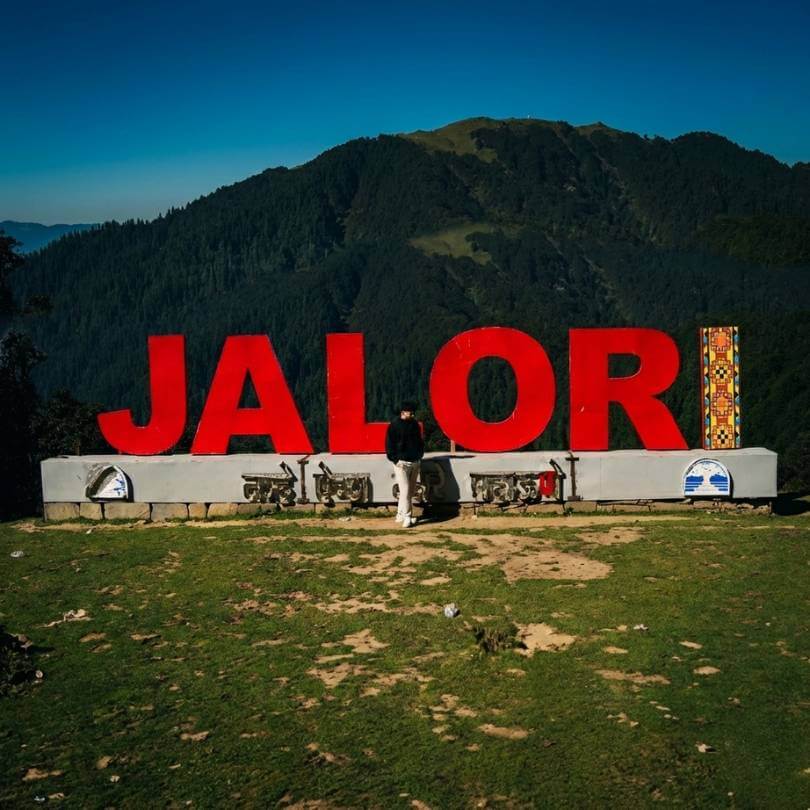
Jalori Pass is the highlight most travellers plan around when visiting Jibhi in March. But it is also the one thing you cannot confirm until close to your travel date. Here is what you need to know so your trip does not depend on a single road opening up.
Is Jalori Pass Open in March
This is the most common question travellers ask about a March trip. The honest answer is that it depends entirely on the snowfall that year.
Jalori Pass sits at about 10,300 feet. In heavy snowfall years, the road to Jalori stays blocked well into late March or even early April. In lighter snowfall years, the road can clear by mid March and vehicles start moving again.
There is no fixed opening date. The BRO (Border Roads Organisation) clears the road based on conditions. Some years local vehicles manage to get through before official clearance, but that is risky and not recommended for travellers, especially with families.
The Serolsar Lake trek in March is only possible if Jalori Pass road is open, since the trek starts from the pass. Similarly, the Raghupur Fort walk also depends on pass access.
Do not assume the pass will be open. Plan as if it might be closed and treat any access as a bonus.
How to Check Jalori Pass Status Before You Leave
There is no single official website that gives daily updates. Here is a simple checklist that works:
One week before your trip: Call your stay or homestay owner in Jibhi or Tirthan. They have the most reliable ground information. Ask them directly if vehicles are going up to Jalori.
Three to four days before: Confirm again with your driver or cab operator. Drivers who run the Aut to Jibhi route know the current road conditions.
Check local travel groups: Some Facebook groups and Instagram pages run by Himachal based travel operators share road condition updates during the season change.
On the day: Your stay owner or local driver can confirm morning conditions. Weather can shift overnight, so a final check on the morning you plan to go is always smart.
Do not rely on old blog posts or forum threads from previous years. Snow patterns change every season.
WhatsApp us to check the current Jalori Pass status before you book.
Best Places to Visit in Jibhi in March
Jibhi Waterfall
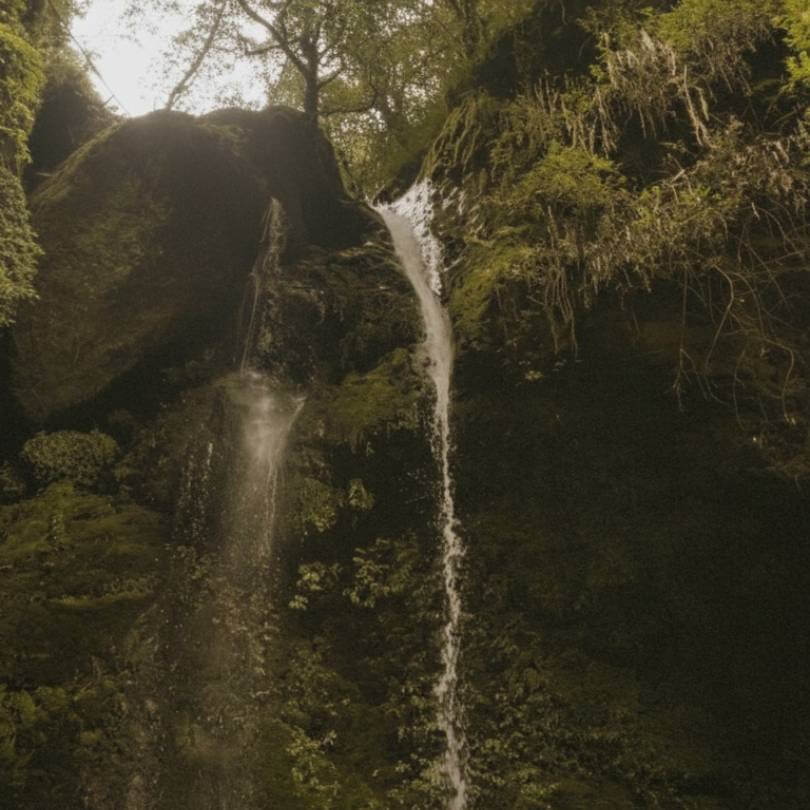
A short and easy walk from the main village. The trail is about 15 to 20 minutes through the forest and stays accessible in March. The waterfall itself is a small but pretty cascade. It is a good first day activity to ease into the pace of the hills. Best visited in the morning when the light comes through the trees.
Mini Thailand (Kulhi Katandi)
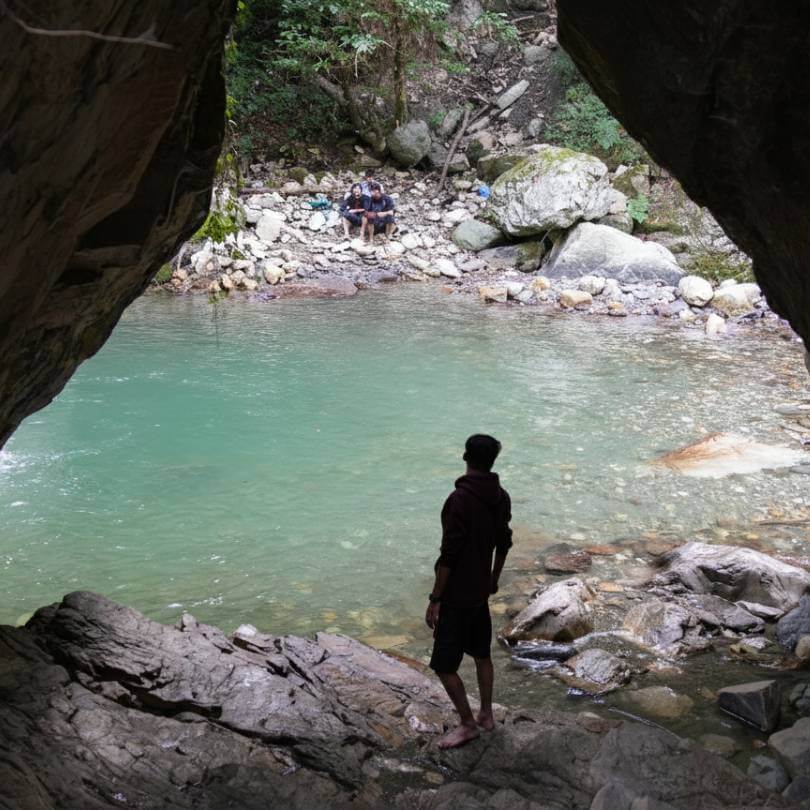
Mini Thailand Jibhi is a set of natural rock pools and smooth stone formations near the Jibhi River. The pools look dramatic in photos but water levels in March can vary.
The access involves a short walk from the road. It is a good stop for photography and a relaxed hour by the river. Ask locally for the current trail condition before heading down.
Chehni Kothi
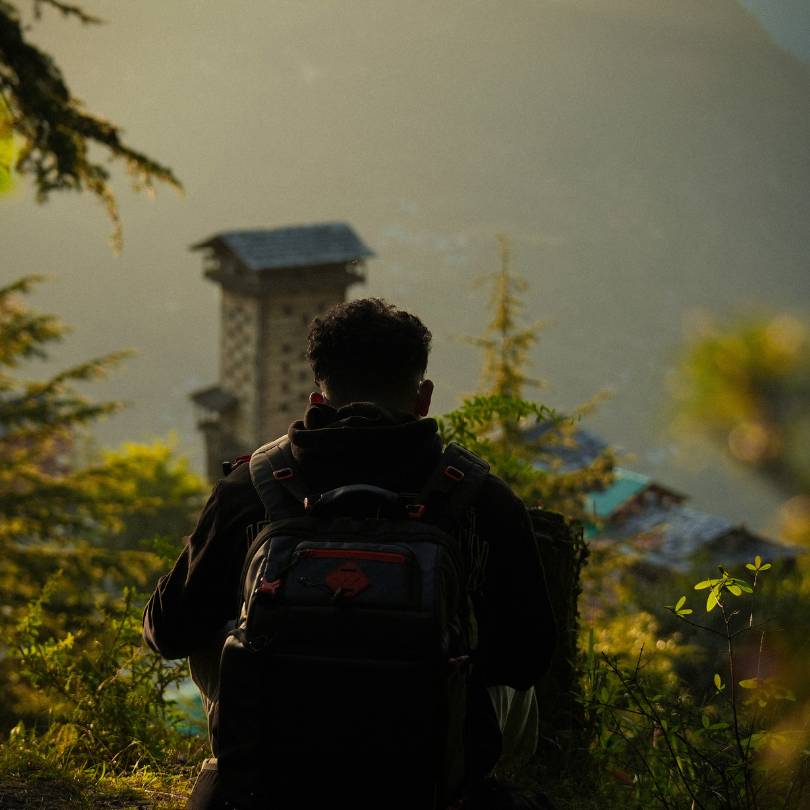
The Chehni Kothi trek is a moderate uphill walk to a striking 1500 year old tower built without cement or steel. The trek starts near Shringa Rishi temple and takes about 45 minutes to an hour one way.
The trail passes through beautiful forest and village sections. March conditions make this walk comfortable as the weather is cool but not freezing at this altitude.
Shoja Viewpoints
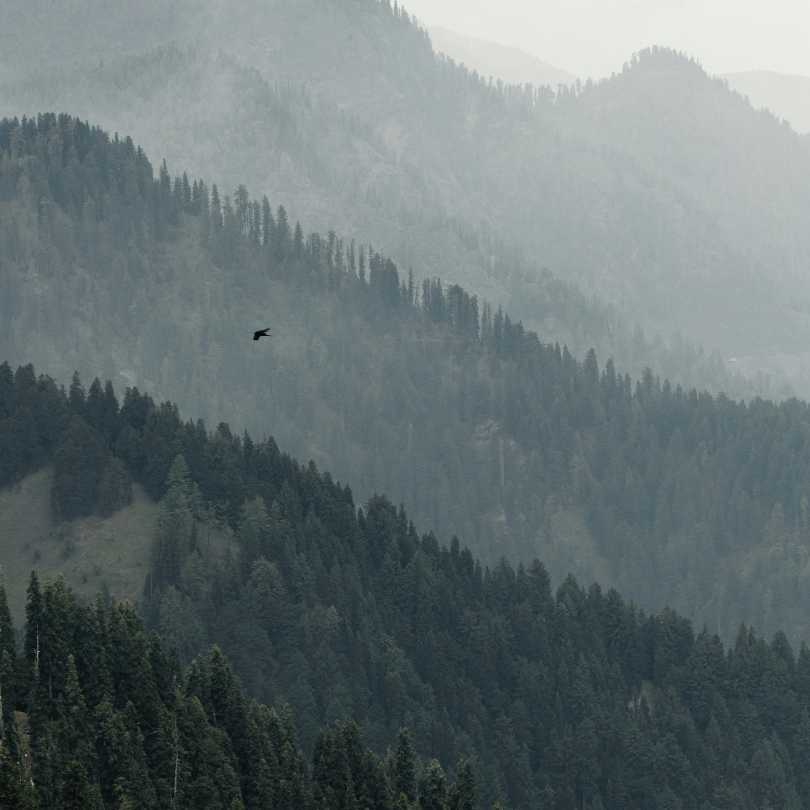
If the road toward Jalori side is partially open, Shoja village is about 30 minutes from Jibhi. Even if you cannot reach Jalori Pass itself, the viewpoints around Shoja offer wide valley views and quiet forest walks. In March, the forests start showing early spring colours.
Shringa Rishi Temple
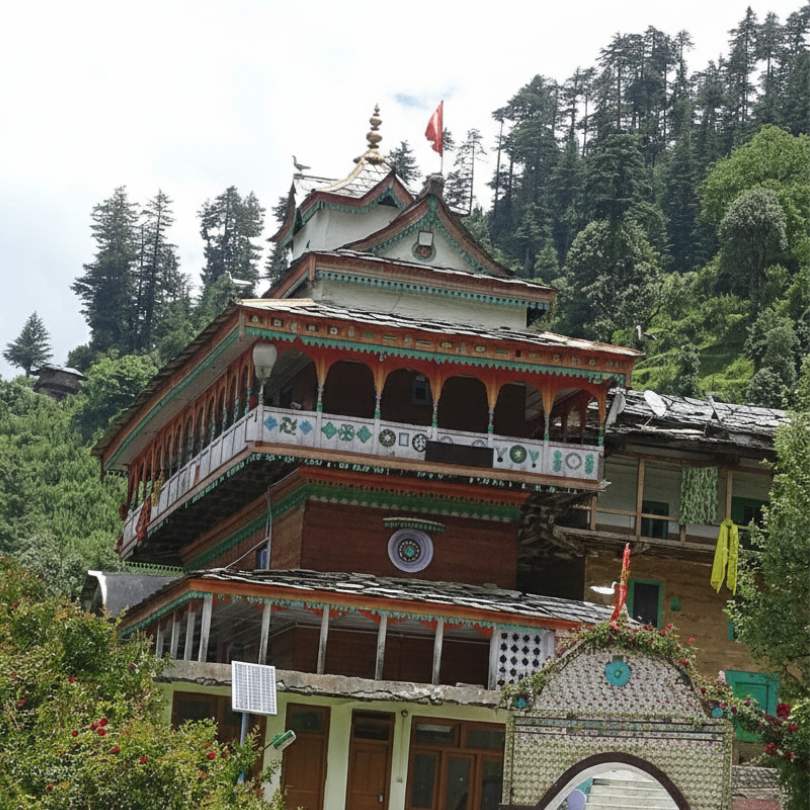
This is the starting point for the Chehni Kothi trek and also worth visiting on its own. The wooden architecture and mountain setting make it a peaceful stop. It is just a short drive from Jibhi village.
Lambri Arts and Local Cafes
March is quiet enough that Jibhi's small cafes and art spaces are not crowded. If you have a slow day, exploring the village on foot, sitting at a riverside cafe, and visiting any local art or handicraft shops can make for a genuinely relaxing afternoon.
Best Places to Visit in Tirthan Valley in March
Great Himalayan National Park (Buffer Zone Walks)
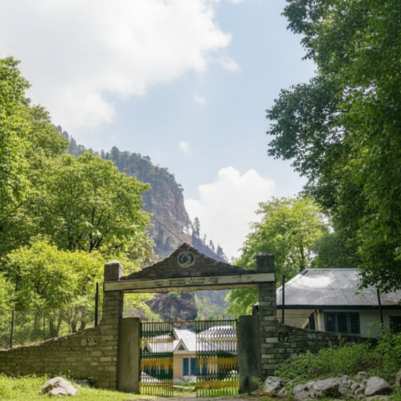
You do not need to do a multi day trek to enjoy the Great Himalayan National Park from Tirthan. The buffer zone around the park entrance near Gushaini offers easy day walk options through beautiful forests.
In March, the trails are quiet and the river sections are scenic. Check locally for any seasonal access restrictions before heading out.
Chhoie Waterfall
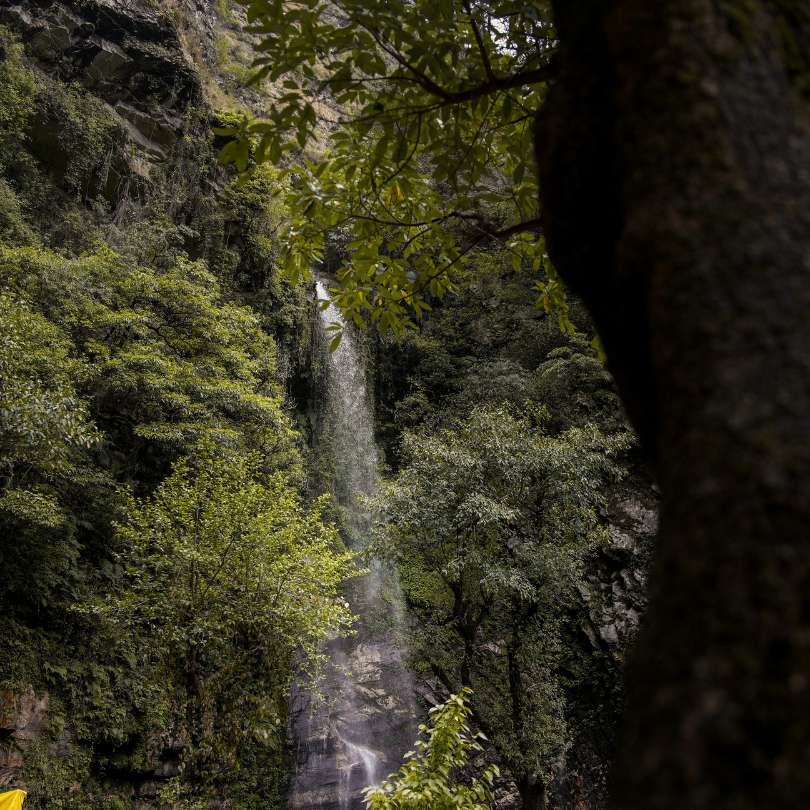
The Chhoie waterfall Tirthan trek is one of the best half day walks in the valley. The trail starts near Nagini village and passes through forest before reaching the waterfall.
In March, the waterfall has good flow from snowmelt. The trek is moderate and takes about 2 to 3 hours round trip. Carry water and wear proper walking shoes.
Gushaini Riverside Slow Day
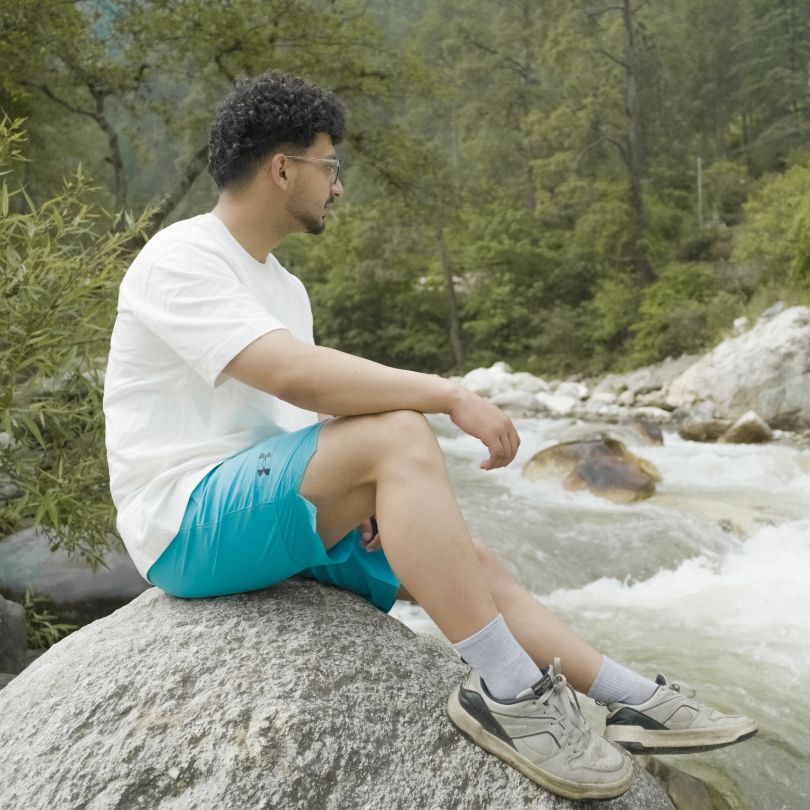
Gushaini is the heart of the Tirthan Valley stay experience. Several stays here sit right along the river. A full day spent doing nothing but reading, walking along the water, and eating local food is one of the best things you can do in March. The crowds are thin and the river sounds fill the silence.
Fishing on the Tirthan River
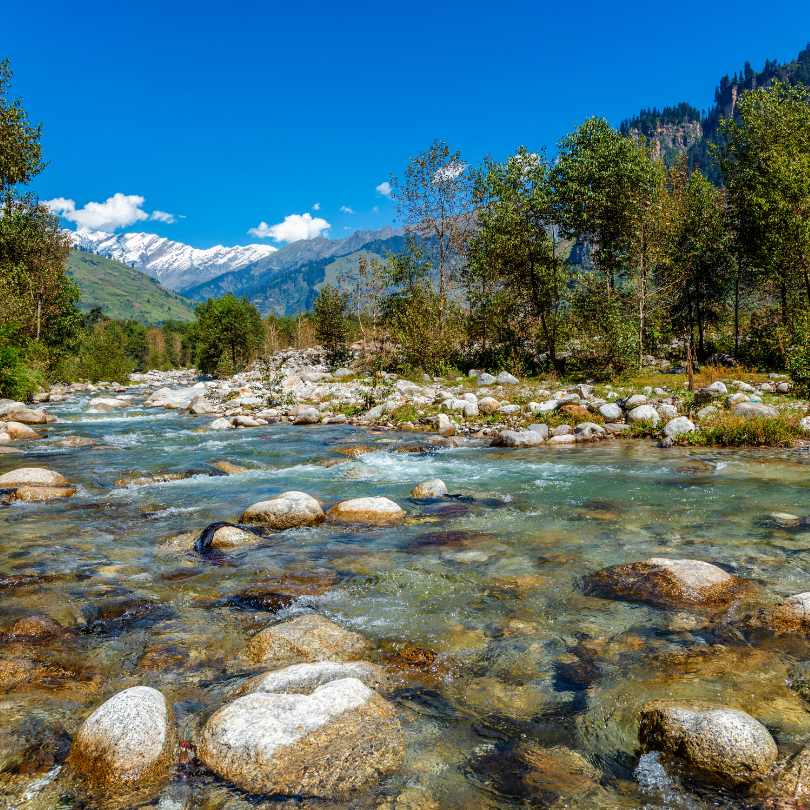
If you are interested, trout fishing is a popular activity in Tirthan Valley. March conditions can be good for fishing depending on water levels. Check locally for permit requirements and seasonal availability.
Nagini Village Walk
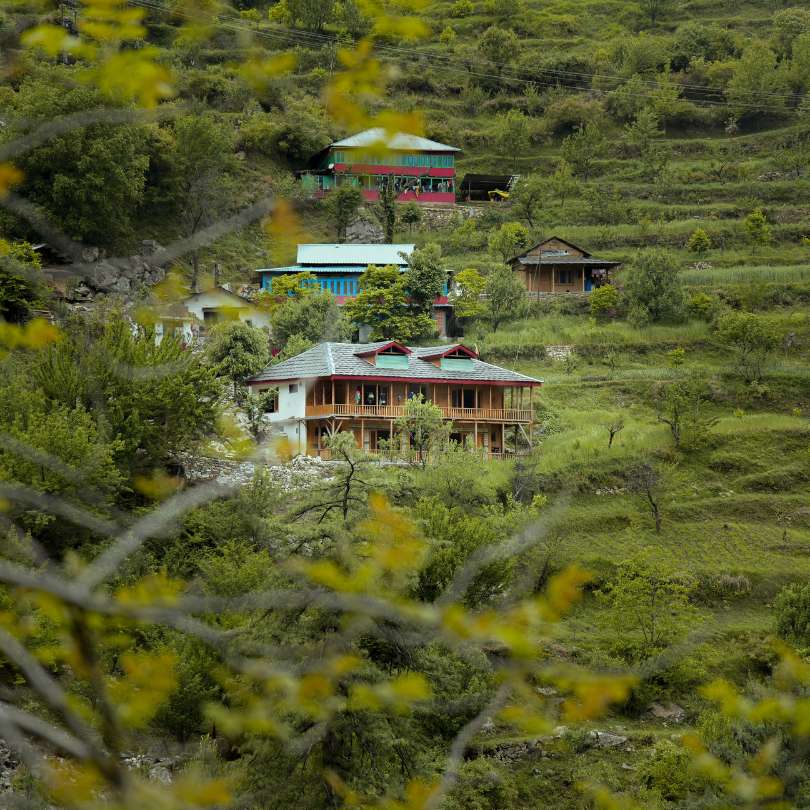
A short walk through Nagini village gives you a taste of daily Himachali life without any trekking effort. The village sits close to Gushaini and is an easy addition to any Chhoie waterfall day.
Decision Guide for March Planning
If you are travelling with kids: Stay in Tirthan Valley near Gushaini. The riverside stays are comfortable, the walks are short, and you do not need Jalori Pass to keep the days interesting. Jibhi Waterfall and Chhoie Waterfall are both easy enough for children.
If you are travelling with parents: Pick a stay with heating, hot water, and easy road access. Avoid planning anything that depends on long uphill walks.
The village exploration in Jibhi and the riverside at Gushaini work well. Skip Jalori unless you have confirmed road access and your parents are comfortable with mountain roads.
If you want snow chances: Visit in the first week of March. Higher areas around Jalori and Shoja may still have snow patches. Jibhi village itself may not have snow, but the surrounding hills might. No guarantees though.
If Jalori Pass is blocked: Shift your plan toward the Tirthan Valley side. Do the Chhoie waterfall trek, the GHNP buffer zone walk, and the Gushaini riverside day. Add Chehni Kothi trek from the Jibhi side. You will not run out of things to do.
If you want calm photos without crowds: March weekdays are your best window. Visit Jibhi Waterfall and Mini Thailand in the morning. Walk through Nagini village in the afternoon. Most spots will be nearly empty.
3 Day Jibhi and Tirthan Itinerary
Day 1: Arrive in Jibhi Reach Aut by morning (overnight bus from Delhi or drive from Chandigarh). Drive to Jibhi, about 1.5 to 2 hours. Check into your stay. After rest and lunch, walk to Jibhi Waterfall. Spend the evening at a local cafe or by the river. Early dinner and rest.
Day 2: Jalori Pass or Chehni Kothi and Tirthan Valley If Jalori Pass is open, drive up for the views and attempt the Serolsar Lake trek (about 5 km one way). Return to Jibhi by afternoon.
Plan B: If Jalori is closed, swap Day 2 with this plan. Do the Chehni Kothi trek from Shringa Rishi temple in the morning. After lunch, drive to Tirthan Valley (Gushaini side) and check in. Enjoy the riverside evening.
Day 3: Tirthan Valley and Departure Morning walk to Chhoie Waterfall or a GHNP buffer zone trail. Return for lunch. Drive back to Aut for your onward bus or continue by road.
>> Explore Our Curated Tirthan Valley & Jibhi Tour Packages
4 Day Jibhi Tirthan Itinerary
Day 1: Arrive in Jibhi Reach Aut by morning. Transfer to Jibhi. Rest, settle in. Afternoon walk to Jibhi Waterfall or Mini Thailand. Quiet evening.
Day 2: Jibhi Exploration Morning Chehni Kothi trek via Shringa Rishi temple. Afternoon at leisure in the village. Visit Shoja viewpoints if the road allows.
Day 3: Jalori Pass or Tirthan Valley If Jalori Pass is open, spend the morning at the pass. Try the Serolsar Lake trek or Raghupur Fort walk. Afternoon transfer to Tirthan Valley for an overnight stay near Gushaini.
Plan B: If Jalori is closed, swap Day 3 with this plan. Transfer to Tirthan Valley in the morning. Do the Chhoie waterfall trek. Afternoon at the riverside. Stay overnight in Gushaini.
Day 4: Tirthan Valley and Departure Morning GHNP buffer zone walk or Nagini village stroll. After lunch, drive to Aut for departure.
>> Explore Our Curated Tirthan Valley & Jibhi Tour Packages
5 Day Itinerary
Day 1: Arrive in Jibhi Overnight travel from Delhi. Arrive Aut, transfer to Jibhi. Rest and settle in. Light evening walk.
Day 2: Jibhi Full Day Morning trek to Chehni Kothi. Afternoon visit to Mini Thailand or Jibhi Waterfall. Evening at a local cafe.
Day 3: Jalori Pass or Shoja If Jalori Pass is open, full day at the pass with Serolsar Lake trek. Return to Jibhi by evening.
Plan B: If Jalori is closed, swap Day 3 with this plan. Drive to Shoja for forest viewpoints and village walk. Return to Jibhi by lunch. Afternoon at leisure.
Day 4: Transfer to Tirthan Valley Morning drive to Gushaini. Check into riverside stay. Afternoon Chhoie waterfall trek. Evening by the river.
Day 5: Tirthan Valley and Departure Morning GHNP buffer zone walk or fishing enquiry. After lunch, drive to Aut for departure.
>> Explore Our Best Selling Jibhi Tour packages from Delhi
How to Reach Jibhi from Delhi
The most common route is an overnight Volvo or semi sleeper bus from Delhi to Aut. Aut is a small town on the Kullu Manali highway. The journey takes roughly 10 to 12 hours depending on traffic and road conditions.
From Aut, Jibhi is about 1.5 to 2 hours by taxi or pre arranged cab. The road climbs through Banjar and reaches Jibhi village.
If you prefer driving, the route goes through Chandigarh, Bilaspur, Mandi, and then Aut. The total drive is around 500 km and takes 10 to 13 hours depending on stops.
Book your Aut to Jibhi transfer in advance. Local taxis are available at Aut but having a confirmed pickup saves time, especially if you arrive early morning.
How to Reach Jibhi from Chandigarh
Drive or cab from Chandigarh to Jibhi takes about 7 to 9 hours via Mandi and Banjar. This route is scenic and the road is generally in decent condition.
You can also take a bus from Chandigarh to Aut and then a local cab to Jibhi.
>> Plan Your Jibhi Trip From Chandigarh
How to Reach Tirthan Valley from Aut
From Aut, Tirthan Valley (Gushaini area) is about 1 to 1.5 hours. The road branches off the main highway at Aut and follows the Tirthan River upstream.
The drive is narrow in sections but manageable for small cars and SUVs. If you are arriving by bus at Aut, a pre booked taxi is the easiest way forward.
Local Transfers Between Jibhi and Tirthan
Jibhi and Tirthan Valley are about 30 to 45 minutes apart by road, depending on exactly where you are staying. Most stays can arrange a local taxi for the transfer.
If you have your own vehicle or a hired cab for the full trip, moving between the two is straightforward. This makes a combined Jibhi and Tirthan itinerary practical even on short trips.
Budget and Costs in March
March is not the peak season in Jibhi and Tirthan Valley. This means stay prices are often lower than what you would pay in May or June. Many homestays and guesthouses offer better rates during this shoulder period.
Your main costs will be the stay, transport from Aut, food, and any local activities. Stays range from budget homestays to comfortable riverside cottages. The price gap between these categories is significant, so decide your comfort level first.
Transport costs depend on whether you are sharing a cab, hiring a private vehicle, or using a package that includes transfers. Private cabs from Delhi are more expensive than the bus plus local taxi combination, but far more convenient for families.
Food is generally affordable. Most stays include meals or offer them at reasonable rates. Eating at local dhabas is cheaper than eating at your stay.
One cost to watch out for: do not book add ons or activities that depend on Jalori Pass being open until you confirm access on the ground. Some operators include Jalori day trips in their packages without clearly stating that it is weather dependent.
Ask your travel planner or stay owner for a realistic cost breakdown based on your travel dates and group size.
Plan Your March Trip with Travel Coffee
Tell us your trip dates, starting city, number of travel days, who is travelling (couple, family, friends), and your comfort preference. We will build a custom March plan based on current Jalori Pass access and your group needs.
Every itinerary we plan includes a clear Plan B, so your trip stays enjoyable regardless of weather or road conditions.
Related topics
Frequently Asked Questions
Is Jibhi worth visiting in March?
Yes. Jibhi in March is quieter than the summer months and offers pleasant daytime weather. The waterfalls, forest trails, and village walks are all accessible. If you enjoy a calm mountain trip without large crowds, March works well. Just carry warm clothing for the evenings.
What is Jibhi weather in March and what should I pack?
Jibhi weather in March ranges from about 2 to 5 degrees at night to 15 to 20 degrees during the day. Pack thermal layers for mornings and evenings, a warm jacket, waterproof shoes, and a rain jacket. Sunscreen is useful as the sun is strong at altitude even when the air feels cool.
What is Tirthan Valley weather in March?
Tirthan Valley weather in March is similar to Jibhi. Daytime temperatures sit between 15 and 22 degrees in the sun. Nights are cold, dropping to around 5 to 8 degrees. The river runs cold and strong with snowmelt. Pack layers and expect cool evenings, especially near the water.
Is Jalori Pass open in March?
Jalori Pass in March may or may not be open. It depends on snowfall that year. In heavy snow years, the road stays blocked until late March or April. In lighter years, it opens by mid March. There is no fixed date. Always confirm with your stay owner or local driver before planning a Jalori day trip.
Can we do the Serolsar Lake trek in March?
The Serolsar Lake trek in March is only possible if Jalori Pass road is open, because the trek starts from the pass. If the road is open and conditions are clear, the trek is doable. There may be snow patches on the trail in early March. Check locally before starting.
How long is the Chhoie waterfall trek?
The Chhoie waterfall trek takes about 2 to 3 hours round trip. It starts near Nagini village in Tirthan Valley. The trail goes through forest before reaching the waterfall. It is moderate in difficulty and suitable for most people with basic fitness. Carry water and wear proper walking shoes.
How do I reach Mini Thailand Jibhi?
Mini Thailand (Kulhi Katandi) is near Jibhi village. You can reach the spot by a short walk from the main road. Ask your stay owner or a local for the current access point, as trail markings are informal. The walk to the rock pools takes about 10 to 15 minutes from the road.
What is the Chehni Kothi trek difficulty?
The Chehni Kothi trek is moderate. It is an uphill walk of about 45 minutes to one hour from the Shringa Rishi temple area. The trail is clear and passes through forest and a small village. Anyone with average fitness can do this trek. It is not suitable for very young children or those with serious knee issues.
What is the best 3 day itinerary for Jibhi and Tirthan?
A good jibhi itinerary 3 days looks like this. Day 1: Arrive in Jibhi, walk to Jibhi Waterfall. Day 2: Chehni Kothi trek in the morning, transfer to Tirthan Valley by afternoon. Day 3: Chhoie waterfall trek or GHNP buffer zone walk, then depart from Aut. This covers both areas without rushing.
Where should I stay, Jibhi or Tirthan Valley?
Both work well. Jibhi is better if you want village cafes, easy treks, and proximity to Jalori Pass side sights. Tirthan Valley (Gushaini area) is better for riverside stays, nature walks, and GHNP access. On a 4 day or longer trip, stay in both. On a 3 day trip, pick one based on what matters more to you.
Is March good for a couple trip to Jibhi and Tirthan?
Yes. March is one of the better months for couples because the crowds are low and the stays feel private. The riverside cottages in Tirthan and forest stays in Jibhi offer quiet, scenic settings. Evenings are cold, which works well for indoor time. Book a stay with heating for comfort.
Can families with kids visit Jibhi and Tirthan in March?
Families can visit, but pack well for the cold. Young children will need warm layers for mornings and evenings. Stick to easy activities like Jibhi Waterfall, riverside walks in Gushaini, and short village strolls. Avoid planning anything that requires long uphill treks with small children. Choose a family friendly stay with good food options.
What should I do if Jalori Pass is closed in March?
If Jalori is closed, shift your plan to the Tirthan Valley side. Do the Chhoie waterfall trek, explore the GHNP buffer zone, and spend time at the riverside in Gushaini. On the Jibhi side, the Chehni Kothi trek, Mini Thailand, and Jibhi Waterfall are all accessible. The trip does not depend on Jalori Pass alone.
Is it safe to drive to Jibhi in March?
The main road to Jibhi via Aut and Banjar is generally fine in March. The Aut to Jibhi section is a mountain road but well travelled. Avoid driving at night. If you are going toward Jalori Pass, check road conditions before starting. Snow or ice on the upper sections can make driving risky.
Do I need to book stays in advance for March?
Advance booking is recommended but not as critical as in peak summer months. March is a shoulder season, so you will find availability. Booking in advance helps you secure a stay with heating and your preferred location. Last minute options exist but may not match your comfort needs.
More about Jibhi
 Jibhi
JibhiJibhi in December 2026: Snowfall, Weather, Road Status and Winter Guide
Planning a trip to Jibhi in December 2026? Discover the latest updates on snowfall, weather, temperature, and road conditions. Find out when to expect snow, what to pack, and whether the roads to Jibhi are safe for a memorable winter getaway.
- Best Time to Visit
- Snow Travel
 Jibhi
JibhiJibhi in October 2026: Weather, Road Conditions, Places and Trip Plan
Planning a trip to Jibhi in October 2026? Expect cool autumn weather with temperatures between 8°C and 20°C, clear skies, colorful forests, and comfortable trekking conditions. Roads are generally in good condition after the monsoon, making it an excellent time to explore Jalori Pass, Serolsar Lake, Chehni Kothi, and Tirthan Valley. Discover the latest weather, road updates, travel tips, and a perfect 2–3 day itinerary for an unforgettable Jibhi getaway.
- Best Time to Visit
 Jibhi
JibhiJibhi in August 2026: Weather, Road Safety, Itinerary and Honest Advice
Planning a trip to Jibhi in August 2026? Discover the latest weather conditions, road safety tips, suggested itinerary, places to visit, and practical travel advice. This guide will help you decide whether August is the right time to experience Jibhi's lush monsoon beauty while traveling safely.
- Best Time to Visit
- Monsoon Travel