
Jibhi for Honeymoon in 2026: Why Couples Choose It Over Manali
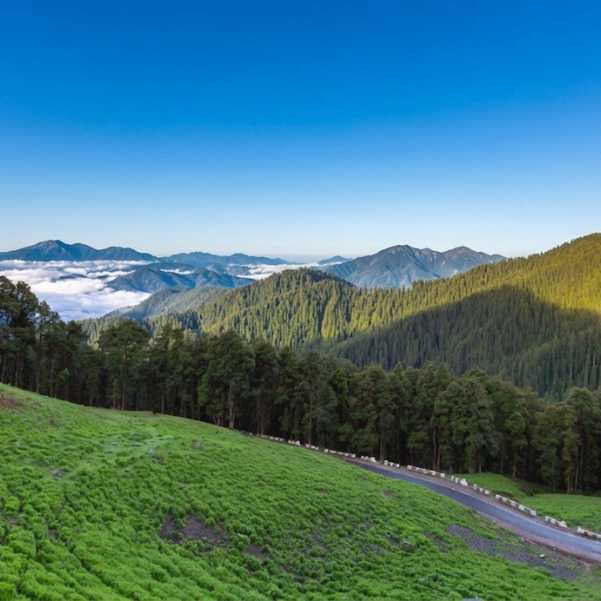
Jibhi does not try too hard to impress you, and that is exactly why so many couples end up loving it more than Manali. It feels quieter, softer, and far more personal, especially when all you want is time together in the mountains.
We have seen many couples skip the busy cafes, traffic, and tourist rush of Manali and choose Jibhi for its wooden stays, forest views, riverside corners, and slower pace.
It suits honeymooners who want calm mornings, long conversations, and a place that feels private without trying to be flashy.
This guide by Travel Coffee explains why Jibhi works so well for a honeymoon in 2026 and which kind of couple will enjoy it more than Manali.
Quick Answer
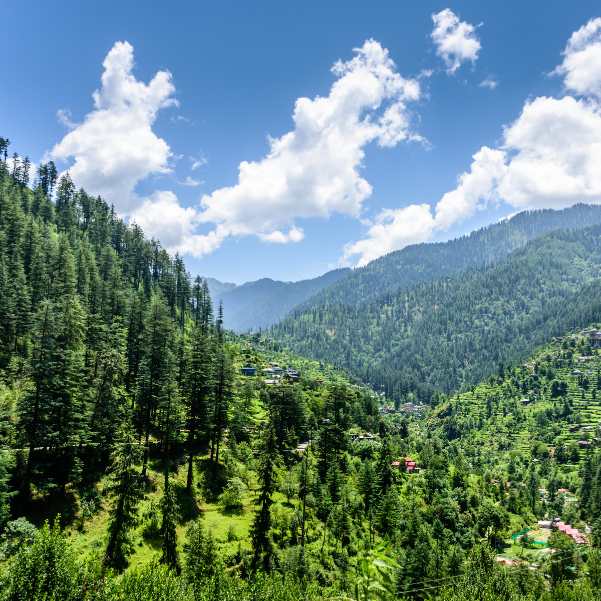
Jibhi for honeymoon works better for couples who want peace, privacy, slow mountain time, wooden stays, and nature-led romance without the crowd noise.
Manali still wins for couples who want action, easier access, classic sightseeing, and that bigger holiday feel with shopping streets and packed cafés.
If your idea of a honeymoon is long breakfasts with river sounds outside the window, Jibhi is the call. If it is snow activities, Mall Road walks, and more plug-and-play logistics, stick with Manali.
In our experience planning honeymoon trips across Himachal, around 7 out of 10 couples who pick Jibhi after a proper conversation never regret it. The other 3 usually wanted more buzz and would have been happier in Manali.
👉 WhatsApp our Jibhi team in Himachal and build your trip the right way.
Why are couples comparing Jibhi and Manali in the first place?
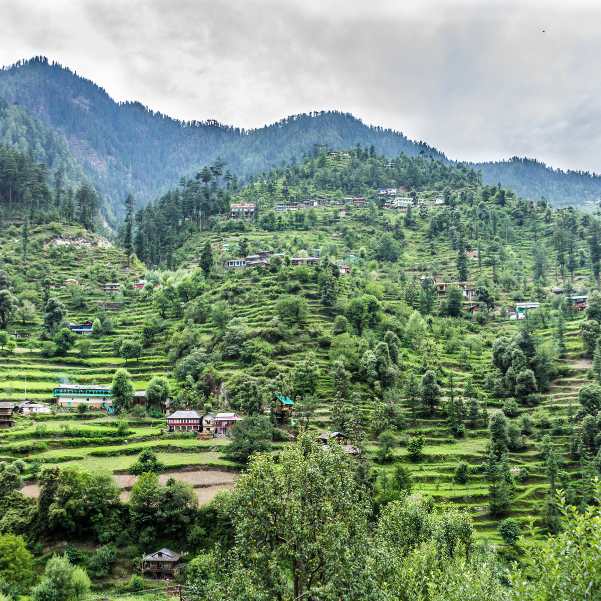
For years, Manali was the default honeymoon answer in north India. If you searched for a Himachal honeymoon, every list started and ended with Manali.
But something shifted in the last three or four seasons. Couples started asking us for something quieter, slower, less hotel-lobby and more wooden-balcony. Jibhi kept coming up in those conversations.
The comparison is not really Jibhi vs Manali. It is a classic honeymoon versus a slow honeymoon.
A classic honeymoon looks like snow points, gondola rides, a packed day plan, and hot photos from Solang. A slow honeymoon looks like waking up at 9, coffee on the balcony, a walk to a waterfall, and an early dinner with nothing scheduled after.
This article is a decision guide, not a generic destination write-up. By the end of it, you should know which of the two actually fits your relationship and your idea of a good first trip together.
Our Jibhi and Tirthan Valley tour packages lean fully into the slow mood, while our Manali tour packages still work brilliantly for couples who want the full-stack mountain holiday.
What makes Jibhi feel more romantic than Manali?
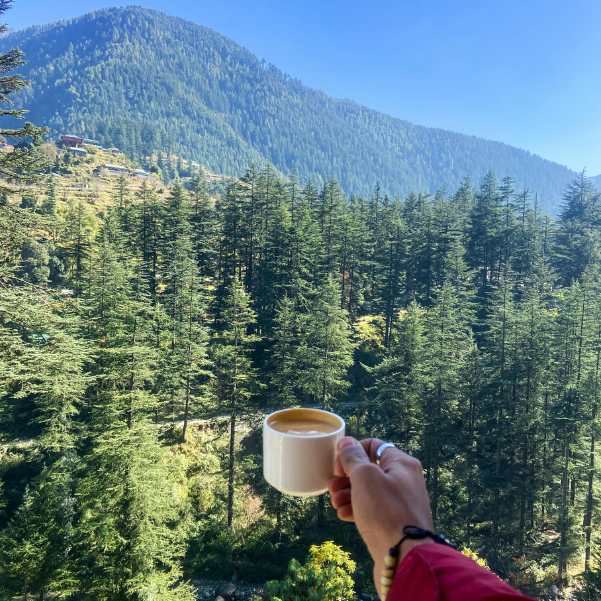
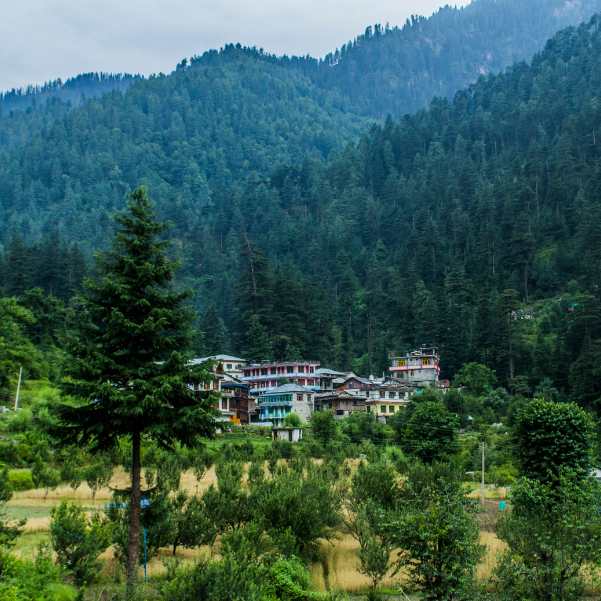
The first thing you notice in Jibhi is the scale. The village is small. You can walk most of it in 20 minutes. There is no Mall Road chaos, no honking jams, no touts.
The second thing is the sound. At night, you mostly hear the stream. Sometimes a dog. That is it.
Most stays in Jibhi are wooden. Old-style Himachali houses converted into homestays and cottages, or proper tree-house rooms built around pine trees. That kind of stay does something to a honeymoon that a concrete hotel cannot.
Mornings are slow here. There is no pressure to rush out by 8 AM because of a long sightseeing list. You can stay in, order parathas to the room, sit on the balcony, and do nothing for two hours. That is the whole point.
The forest and river atmosphere also matters. Jibhi sits inside a pine belt, and the Tirthan and Jibhi streams are close enough that their sound becomes the background track of your trip.
Here is something we have noticed after years of running honeymoon trips. The quieter the place, the longer the conversations get. Couples who do Manali usually remember the photo spots. Couples who do Jibhi usually remember what they talked about on the third evening.
Cafés in Jibhi are tiny, often run by the owner or a single cook, and the food comes slow. That is a feature, not a bug, on a honeymoon.
Is Jibhi actually better than Manali for every honeymoon?
Honestly, no. This part we always say out loud because it saves couples from a disappointing trip.
Jibhi is not better for first-time Himachal travellers who want to see a lot of things. There is simply less stuff to tick off.
Jibhi is not better for couples who love activity-heavy trips. There is no gondola, no mass paragliding, no big adventure park. Manali has all of that within 30 minutes of town.
Jibhi is not better for shopping lovers. The market here is basic. You get Maggi, chai, a few shawls, and not much else. Manali's Mall Road and Old Manali give you way more.
Jibhi is not better for café hoppers either. There are some lovely spots, but you can cover most of them in a single afternoon. Manali and Old Manali have a much bigger café and bar culture.
And Jibhi is not better if your plans keep shifting. Last-minute logistics are easier in Manali because there is a bigger supply of taxis, hotels, and drivers. In Jibhi, the good stays book out, and backup options are limited.
In our experience, when couples tell us they want "peace but also a lot to do," they usually want Manali. When they say "peace and I do not care if we do much," Jibhi is the answer.
What can couples actually do in Jibhi?
Jibhi Waterfall
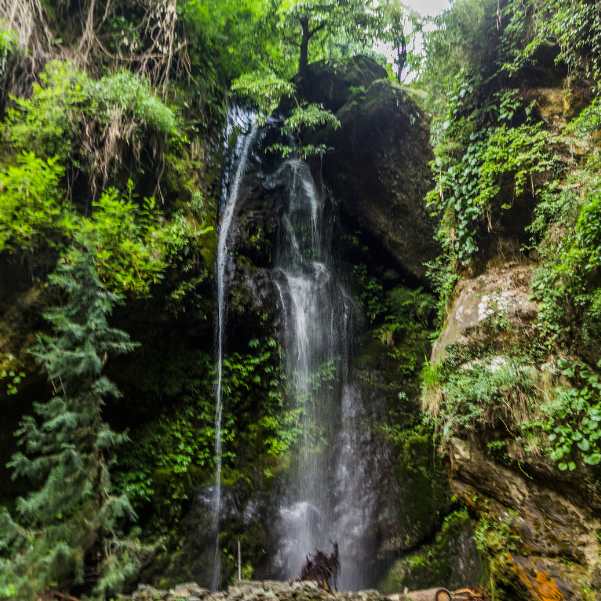
The Jibhi Waterfall is around a 15 minute walk from the village center, through a short wooden gate and a little trail in the trees. It is not the biggest waterfall you will see in Himachal. It is probably not even in the top 20.
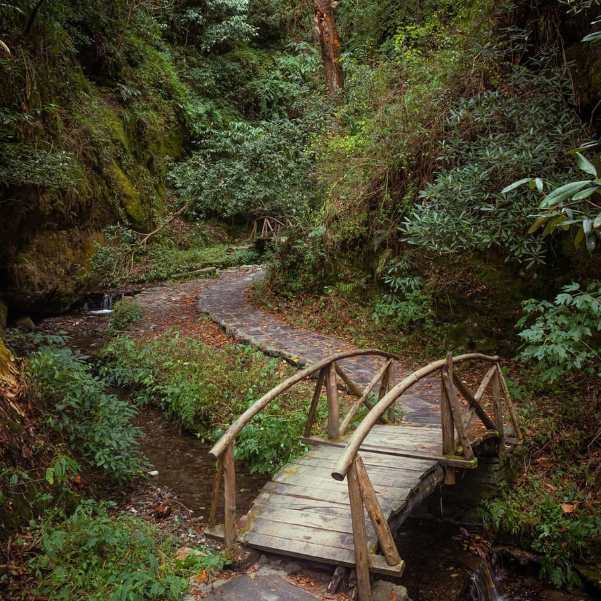
But for a honeymoon, the appeal is different. The walk is easy, the spot is small and tucked away, and for most of the day there are barely any people there. A cold-water pool, a wooden bridge, a log bench, and your partner. That is the whole thing.
Reach it early, before 9 AM, and you often get it to yourself. After 11 AM, small day-trip groups start coming in.
Mini Thailand
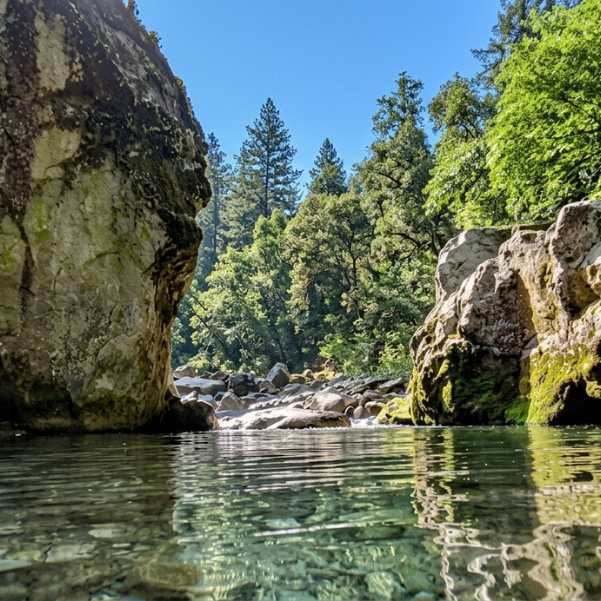
Mini Thailand is a stretch of the Jibhi stream with large rocks and clean pools. It earned its nickname because of the look of the water.
For couples, it works as a lazy afternoon spot. Pack a few snacks, sit on a flat rock, dip your feet if the weather allows, and do not plan anything after it. This is not a sightseeing stop. This is a sit-and-stare stop.
Jalori Pass when open
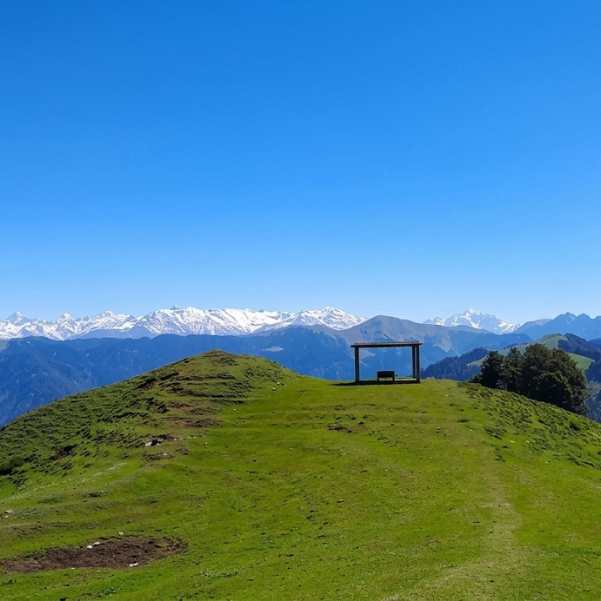
Jalori Pass is 14 km from Jibhi. In a car, on good road, that is about an hour of steady climbing through dense forest.
When it is open, the drive itself is the honeymoon moment. The road spirals through deodar and oak, and the top opens up into wide meadows.
Jalori Pass is not an all-year route. It often shuts down in peak winter due to heavy snow, so don’t plan your trip assuming it will be open. Always check the latest local updates for 2026 before locking your route.
Serolsar Lake trek when trail conditions allow
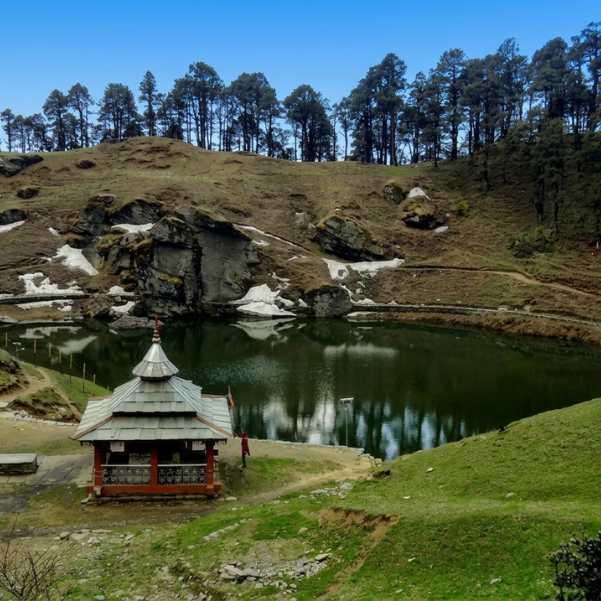
From Jalori Pass, the Serolsar Lake trek is about 5 km one way. It is gentle, forested, and not technical.
This trek is one of the nicer honeymoon walks we have seen in Himachal because it is more stroll than climb. Two people, one shared water bottle, a packed sandwich, and enough forest cover that conversations happen easily.
Beginners can manage it if they take breaks. Go only when the trail is dry and clear. Snow cover or muddy conditions turn it into a miserable walk.
Chehni Kothi
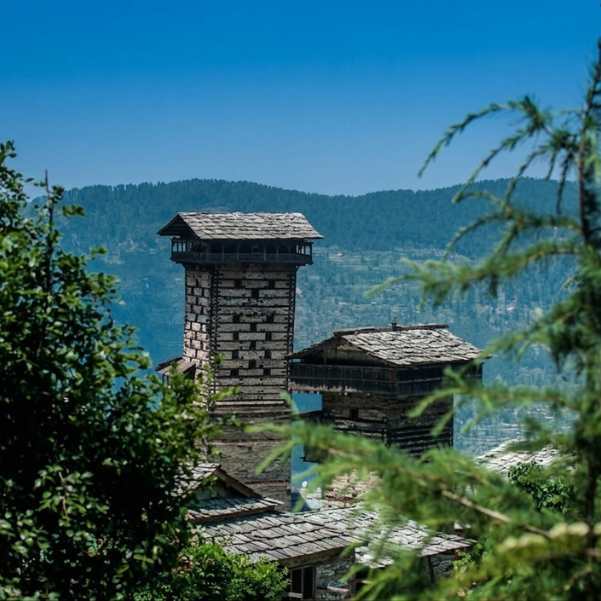
Chehni Kothi is an old tower-temple structure built in traditional Himachali kath-kuni style. The drive plus short walk combo makes it a quiet half-day option.
For couples, the value is the atmosphere. Old wood, old stone, barely any tourists, and sweeping views of the lower Banjar Valley.
Shoja
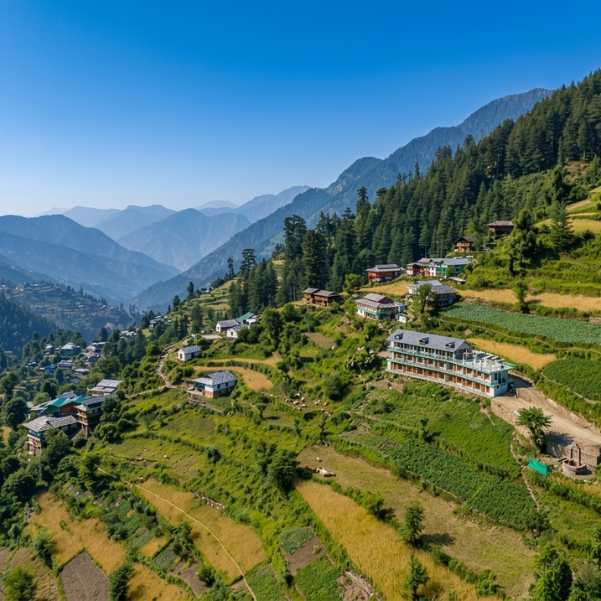
Shoja is a tiny hamlet above Jibhi on the way to Jalori. If Jibhi feels small, Shoja feels even smaller.
A few couples every season tell us they wish they had booked Shoja instead of Jibhi for their final night. Fewer people, bigger views, and an even quieter mood.
Tirthan Valley
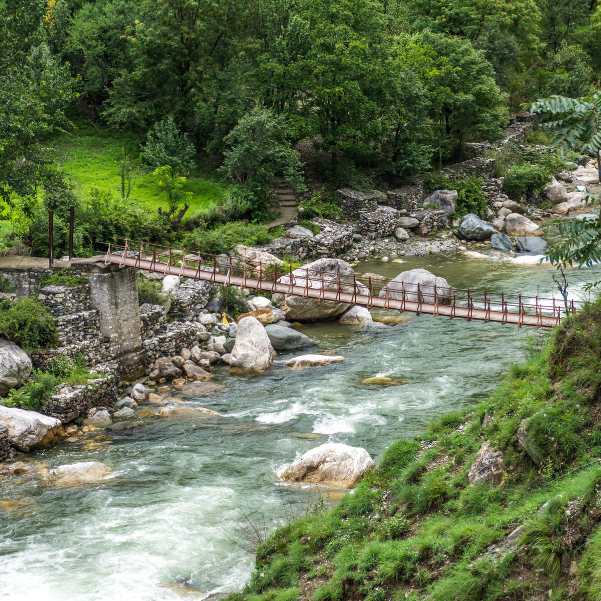
Tirthan Valley is next door and absolutely belongs in a Jibhi honeymoon plan. Riverside stays, trout streams, slow walks, and one of the cleanest rivers you will see in Himachal.
One proper day in Tirthan, either at the start or the end of your Jibhi trip, lifts the whole experience. We cover the seasonal detail in our Jibhi in May guide if you want the month-level picture.
How much does a Jibhi honeymoon cost compared with Manali?
The honest answer is that Jibhi is usually better value for what a honeymoon actually needs. Less movement, fewer tickets, one beautiful stay, slow days.
On the stay side, current Jibhi homestay examples visible online sit around ₹1,816 to ₹2,983 per night. These are changing prices and seasonal, but that range is a fair starting point for couples who want something clean and wood-forward without going luxury.
A current Jibhi tree-house example online is around ₹4,650 plus taxes and fees per night. Again, prices shift season to season, but this gives you a sense of the upper-middle bracket.
For comparison, the official HPTDC Manali honeymoon package benchmark is ₹27,950 with transport or ₹15,100 without transport in season. In off season, it is ₹25,500 with transport or ₹12,600 without.
HPTDC's season period includes April to June, October, New Year, Christmas, special events, and long weekends.
Food spend in Jibhi stays low because there are fewer options and most cafés are home-kitchen style. Two meals a day for a couple in a good café usually costs less than one sit-down meal in a Manali tourist restaurant.
Movement costs are where Jibhi really saves you. There is not much to shuttle between. One local taxi day to Jalori Pass and Serolsar, plus easy walks in and around the village, is often the entire transport bill.
If you are driving your own car to Manali, the official green tax for non-Himachal vehicles is ₹100 for bikes, ₹200 for LMV, ₹300 for passenger vehicles, and ₹500 for goods vehicles, valid for 7 days. Small amount, but worth knowing.
A well-planned 3-night Jibhi honeymoon usually feels like better value than an identical-length Manali honeymoon, especially if what you care about is a nice stay and slow time rather than ticking off a long list of sights.
Here is a local money-saving tip most couples miss. Avoid HPTDC long weekends, Christmas, and New Year windows even for Jibhi, because homestay rates jump and the quiet itself gets thinner.
A Sunday-to-Wednesday trip in a non-peak week often costs 20 to 30 percent less than a Friday-to-Sunday plan, and the village feels calmer.
👉 WhatsApp us and get a realistic Jibhi plan for your dates.
What is the best time to visit Jibhi for honeymoon couples?
March to May
This is our favourite window for a first-time Jibhi honeymoon. The forest wakes up, the cold thins out, wildflowers come up along the trails, and most days are bright.
By late April and May, Jalori Pass and the Serolsar Lake side often become more doable, but in 2026 this should not be treated as guaranteed.
Late March and early April updates around Jalori reported snow blockage and changing road conditions, so it is best to confirm the latest status with your stay or local driver before you travel.
September to November
This is the second strong window and in some ways the best one. Post-monsoon skies are clear, the river runs clean, and the crowd thins out massively after the main holiday rush.
October is quiet and golden. November feels sharper, with cold evenings creeping in, but very few tourists, which honeymoon couples love.
December to February
This is the winter honeymoon window. Days are short, evenings are properly cold, and Jalori Pass often shuts after heavy snow.
If you want snowfall, Jibhi and Shoja do get it, though not as heavily or as often as higher parts of Himachal. A good wooden cottage with a bukhari or heater becomes the entire experience.
Winter honeymoons here are not about activities. They are about staying in, long breakfasts, one short walk, and that is the day.
Monsoon
July and August are genuinely risky. The roads through Aut and Banjar see rain-related damage, landslides are possible, and a stuck day in Jibhi is not the same as a stuck day in a larger town.
If your dates fall in monsoon, we usually push couples toward Manali instead or suggest a different valley.
The season matters, but so does the kind of honeymoon you want once you get there. Read our guide to the best things to do in Jibhi for couples to see what a real Jibhi honeymoon can look like.
3 day Jibhi honeymoon itinerary for couples
Day 1: Arrive, settle, and slow down
You will most likely drive in from Aut, which is 33 km away and around 1.5 hours by car. Aim to reach Jibhi by 1 or 2 PM.
Check in, eat at your homestay if they cook, and sleep for an hour. Altitude and the drive do tire you out even if you do not feel it right away.
In the late afternoon, walk to Jibhi Waterfall. It is 15 minutes from the village center and makes for an easy first stop. Stop at one of the small cafés on the way back for chai and pakoras.
Evening is for the room. Balcony, a good dinner, early sleep. Do not plan a big activity on day one.
Day 2: Jalori Pass and Serolsar Lake
Leave the homestay by 8 AM. The drive to Jalori Pass is 14 km of winding forest road. Take breaks, roll down the windows.
If the pass is open and the trail is in good shape, start the Serolsar Lake trek from the top. It is 5 km one way, gentle, and very doable for beginners if you give yourselves time.
Pack lunch or buy from the small dhabas at Jalori. There is no proper café on the way to the lake.
If Jalori is closed or Serolsar is snowed in, the fallback is Shoja. Drive there instead, have a long lunch, and come back slowly. Shoja is a legitimate plan B, not a downgrade.
Back in Jibhi by early evening. Dinner at a different café from yesterday. Sleep.
Day 3: Tirthan Valley or Chehni Kothi, then checkout
Start late. The whole point of day 3 is to not rush.
If you want the bigger valley experience, drive into Tirthan Valley for the day. A riverside lunch spot, a slow walk along the Tirthan, and maybe dipping your feet if weather allows.
If you want something more cultural and less driving, head to Chehni Kothi instead. Old Himachali architecture, tiny trails, great for slow photos.
Back to Jibhi by 3 PM, pack, checkout, and start the drive back. Our Popular tours page has a few starting points if you want us to build this itinerary around your exact dates.
What we always tell our honeymoon couples is to never overschedule day 3. The memory of a good last day in Jibhi is not what you saw. It is that you left feeling relaxed instead of rushed.
How to reach Jibhi and what should couples know in 2026?
The common route is via Aut and Banjar. You exit the main Kullu-Manali highway before the Aut tunnel, and then take the Banjar-Jibhi road.
Aut to Jibhi is 33 km and around 1.5 hours by car on normal days. It can stretch to 2 hours in bad weather or heavy tourist days.
Manali to Jibhi is 145 km and around 4 to 5 hours on a good day. Factor in traffic and food stops and you are looking at a half-day drive either way.
The nearest airport is Bhuntar, also known as Kullu-Manali airport. Flights are limited and weather-sensitive. Most couples find it easier to fly into Chandigarh or Delhi and drive up.
Delhi to Jibhi direct buses do run, but availability, timings, and exact drop points vary a lot, so please confirm with a local operator close to your travel dates instead of booking blind. The safer route for most couples is to take a Volvo to Aut and arrange a pickup from there.
Also worth knowing for 2026 is the Bhuntar-Manikaran Road in district Kullu, which has tourist-season traffic restrictions from April 14 to August 31, 2026. This does not hit the Jibhi route directly, but if you are combining Manikaran or Kasol with your trip, plan around it.
Always verify road and weather status two or three days before travel. Our team on Contact Travel Coffee can share the current situation based on what our drivers are seeing that week.
Here is a scam-type warning worth repeating. Drivers sometimes offer to drop you from Aut to Jibhi for ₹2,500 to ₹3,000, which is overpriced. A reasonable rate for a sedan on that stretch is ₹1,500 to ₹2,000. Decide the price before you sit in the car.
Where should couples stay in Jibhi?
Main Jibhi village
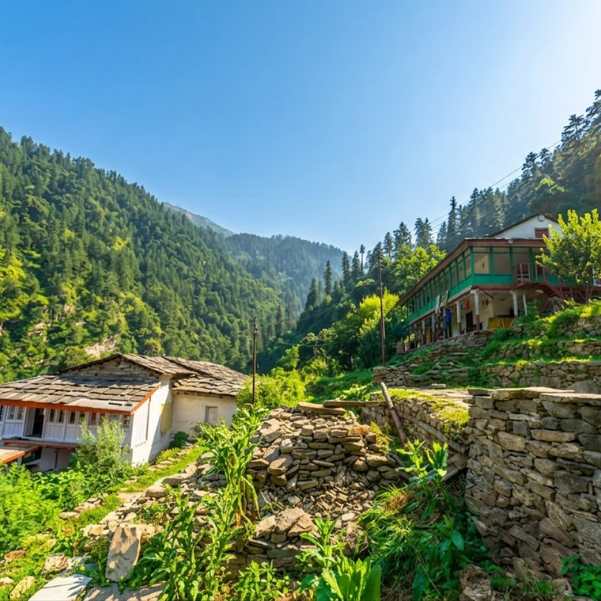
Best for couples who want to walk to cafés and the waterfall without needing a taxi. Tree-house stays and wooden cottages here tend to book fast for weekends and long weekends.
A good tree-house room in main Jibhi delivers what most honeymooners picture. Pine trees, a small balcony, the sound of the stream, one bukhari in winter.
Shoja
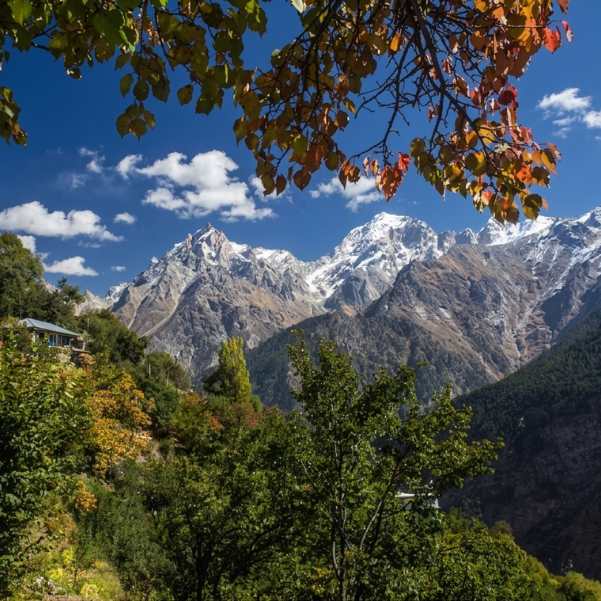
Best for couples who want the quietest possible experience. Shoja is smaller than Jibhi, colder at night, and the views are bigger.
The trade-off is walkability. You will need a taxi or your own vehicle for almost everything outside your stay. If that is fine for you, Shoja beats Jibhi on atmosphere.
Tirthan side
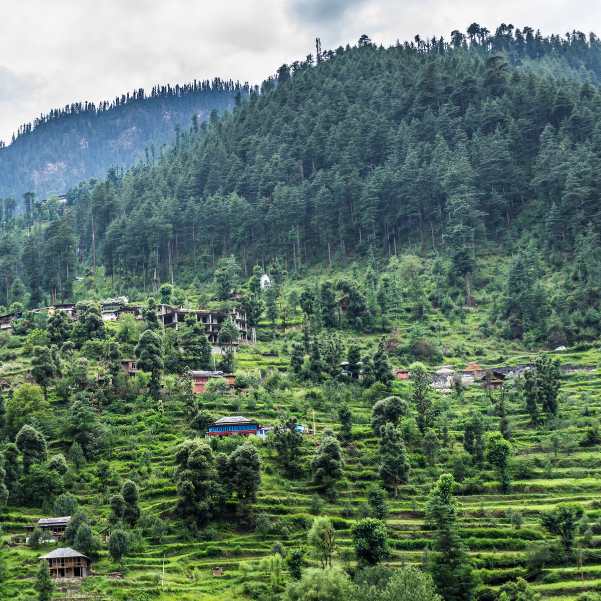
Best for couples who love rivers. Tirthan homestays sit right along the stream, and many have balconies that open to the water.
Pick Tirthan if you see yourselves reading, eating, and walking by the river rather than doing multiple outings. It is less convenient for Jalori Pass day trips, so plan your itinerary accordingly.
For honeymoon fit, the three things we always ask couples to confirm before booking are room heating in winter, whether the stay serves meals, and how far you have to walk from the parking point.
A beautiful room that needs a 10-minute uphill walk with luggage is a different experience than a beautiful room with easy access.
Is Jibhi safe and comfortable for couples?
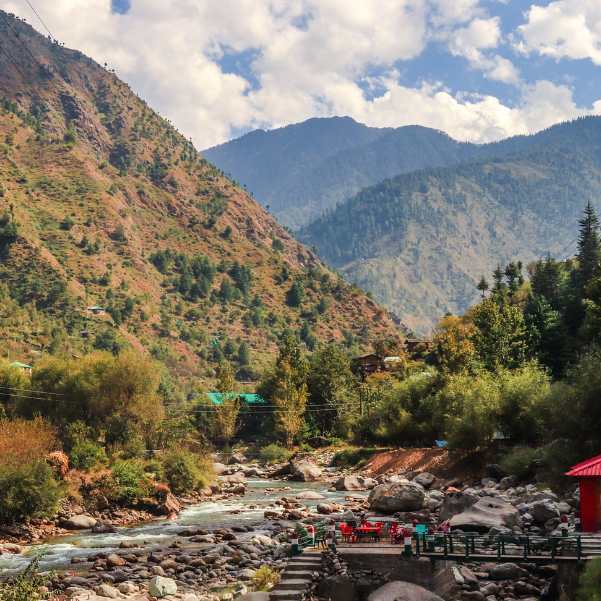
Safe, yes. Comfortable, depends on what you booked.
Jibhi is a small village, crime against tourists is rare, and the local community is used to travellers. As a couple, you will not feel watched or out of place.
The discomfort, if any, comes from the basics. The market is small, so carry toiletries and any medicines you need. ATMs are few and sometimes empty, so carry cash from Aut or Kullu.
Mobile network is patchy. Jio and Airtel work in parts of Jibhi but drop out around Jalori and Serolsar. Tell a family member your plan before you head up.
Roads are narrow and mountain-style. If either of you gets motion sickness, carry tablets. The bends between Banjar and Jibhi are not extreme, but they are constant.
For emergencies, the official Kullu helplines are 108 for ambulance, 100 for police, 1077 for the emergency operations cell, and 1091 for the women helpline. Save these before you leave the main highway network.
If you plan properly, none of this becomes a problem. We have sent many honeymoon couples to Jibhi who travelled in Himachal for the first time. The feedback is almost always the same. Calmer than they expected, colder than they expected, more beautiful than the photos.
Should you split your honeymoon between Jibhi and Manali?
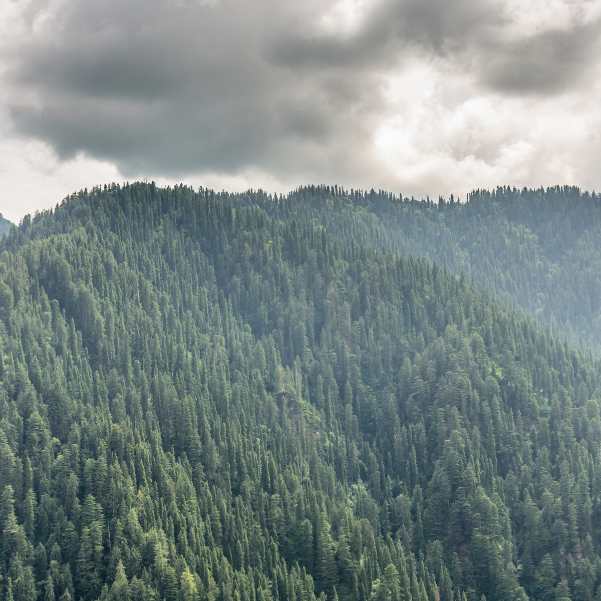
For a 5 to 6 day honeymoon, splitting makes a lot of sense. You get two very different moods in one trip.
A 2-night Manali start plus a 3-night Jibhi finish is a format we have run many times. Manali first gives you the energy, the snow points if in season, the shopping, and the easy arrival. Jibhi after slows everything down for the back half.
The reverse order also works. Some couples prefer Jibhi first to decompress, then Manali to close out. It depends on how you arrive and how much driving you want on the way home.
This split does not work for everyone. If your total trip is 4 nights or less, do not split. You will spend too much of that time on the road. Pick one destination, go deep.
It also does not work if either of you dislikes long drives. The Jibhi-to-Manali stretch is not brutal, but it is still 4 to 5 hours of winding road.
If you are still torn between Jibhi and Kasol instead, we compare them honestly in Jibhi or Kasol, which is better. And for the activity side of a split honeymoon, Top adventure activities in Manali covers what Manali actually delivers on the adventure front.
One honest negative to keep in mind. Jibhi has become more popular every year, and weekends in peak months are noticeably busier than they were even two seasons ago.
It is still calmer than Manali by a wide margin, but it is not the secret hideout it was pre-2020. Plan mid-week stays if you can.
Final verdict
If you want your honeymoon to feel slow, private, and nature-led, Jibhi is the better choice. You will eat late breakfasts, walk to a quiet waterfall, spend hours on a balcony, and take home memories that are more about each other than about landmarks.
If you want your honeymoon to feel like a proper holiday with more activity, more choice, easier logistics, and the full mountain-town experience, Manali still delivers. It is the better fit for first-time Himachal couples and for anyone who gets bored without a full plan.
Either way, the trick is to pick based on how you both actually relax, not on what is trending on Instagram.
Our team has planned enough of these trips to know that the best honeymoons are the ones where the destination matches the couple, not the other way around.
If you want help figuring out which of the two fits you better, just drop us a message on WhatsApp. We would rather spend 15 minutes asking the right questions than send you on a trip that does not suit you.
👉 WhatsApp us and get a realistic Jibhi plan for your dates.
Explore Our Handpicked Jibhi Tour Packages
 6D/5N
6D/5NBest Jibhi Tirthan Valley & Shangarh Meadows Trip
1D Delhi •2D Tirthan Valley+2
₹15,999₹19,999SAVE INR 4,000/ person Group Tour6D/5N
Best Jibhi Tirthan Valley Tour With Shangarh Meadows
2D Tirthan Valley•1D Shangarh (Sainj Valley)
₹9,999₹12,999SAVE INR 3,000/ person 6D/5N
6D/5NJibhi Tirthan Valley & Shangarh Meadows Experience
1D Delhi•2D Jibhi+2
₹21,799₹27,999SAVE INR 6,200/ person
Related topics
Frequently Asked Questions
Is Jibhi good for honeymoon couples?
Yes. Jibhi is quiet, forested, full of wooden stays, and built for slow days. It works especially well for couples who want privacy and nature over nightlife and shopping.
Is Jibhi better than Manali for couples who want peace?
Yes, clearly. Jibhi has a fraction of the crowd, far less noise, and smaller cafés with slower service that suit honeymoon days perfectly.
How many days are enough for a Jibhi honeymoon?
Two to three days is the ideal Jibhi trip duration. Two nights cover the basics. Three nights let you add Tirthan Valley or a proper Jalori day without rushing.
What is the best time to visit Jibhi for honeymoon couples?
March to May and September to November are the best broad seasons. For snow-chance winter honeymoons, December to February works but brings colder nights and possible pass closures.
Does Jibhi get snowfall in winter?
Yes, but not heavily every year. Shoja and Jalori Pass see snow more reliably than the village itself. A good winter with a wooden stay and a warm room can feel magical.
Is Jibhi crowded like Manali?
No, not at all. Jibhi is generally quieter and less crowded than Manali. Weekends in peak season see more visitors, but weekdays still feel calm.
How far is Jalori Pass from Jibhi?
Jalori Pass is 14 km from Jibhi and takes about an hour by car depending on road conditions. The drive itself is a scenic forest climb.
Can beginners do the Serolsar Lake trek?
Yes. The trek is about 5 km one way from Jalori Pass, gentle, and walkable for first-time trekkers when conditions are dry and clear. Avoid it in snow or heavy mud.
Is Jalori Pass open all year?
Jalori Pass commonly closes after heavy snow in winter and reopens in late spring. Always confirm locally close to your travel date.
Are there direct buses from Delhi to Jibhi?
Delhi to Jibhi direct buses do run, but availability, timings, and exact drop points vary a lot. Most travellers take a Volvo to Aut and a taxi from there. Confirm current bus options with a local operator before booking anything.
Is Jibhi safe for couples and first-time Himachal travellers?
Yes. Jibhi is a small, friendly village and safe for couples. Carry cash, basic medicines, and save official helplines like 108, 100, 1077, and 1091 before you leave the highway.
Should we combine Jibhi and Manali in one honeymoon?
Only if your total trip is 5 to 6 days or longer. Shorter than that and you will waste time on the road. For 4-night trips, pick one and go deep.
More about Jibhi
- Jibhi
Jibhi in December 2026: Snowfall, Weather, Road Status and Winter Guide
Planning a trip to Jibhi in December 2026? Discover the latest updates on snowfall, weather, temperature, and road conditions. Find out when to expect snow, what to pack, and whether the roads to Jibhi are safe for a memorable winter getaway.
- Best Time to Visit
- Snow Travel
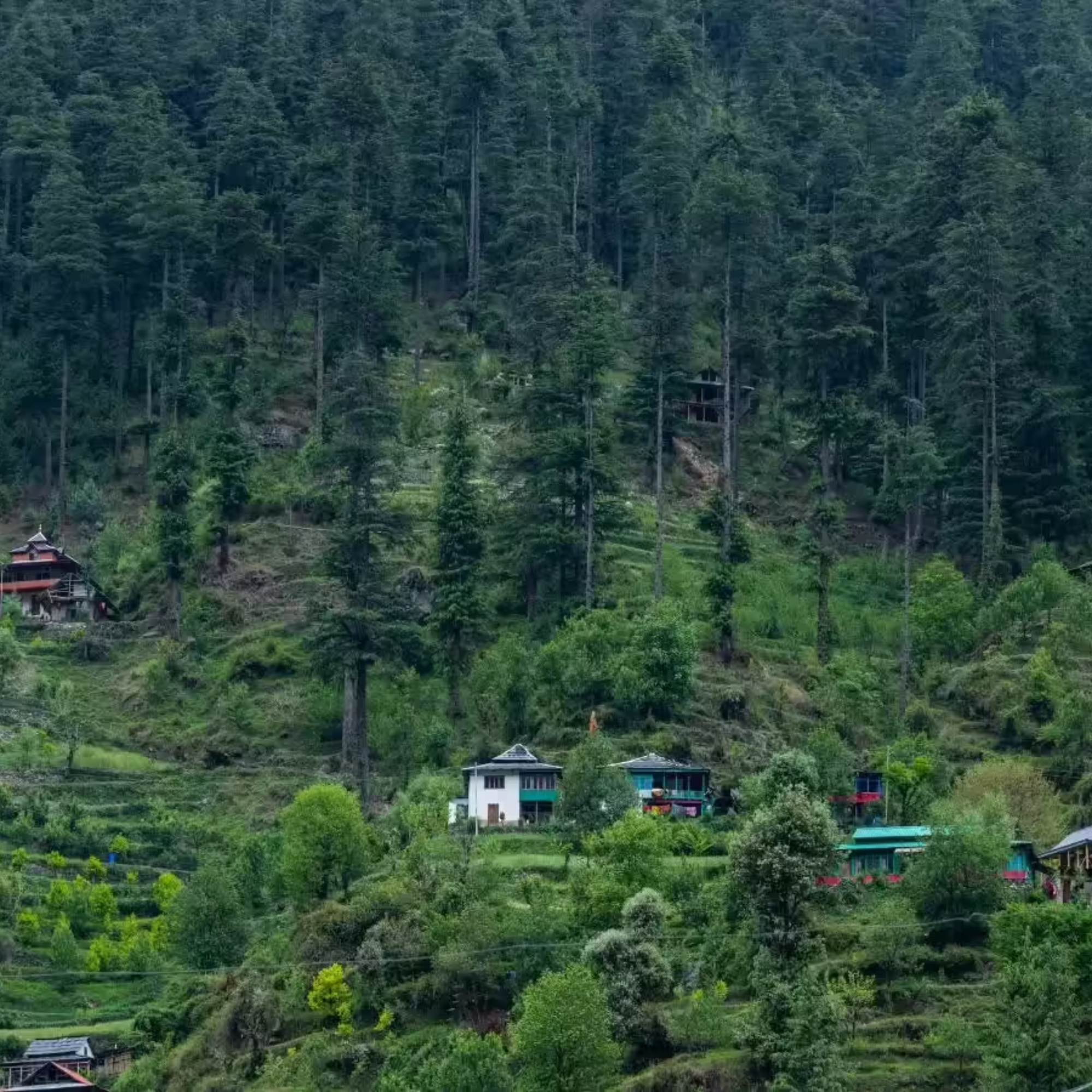 Jibhi
JibhiJibhi in October 2026: Weather, Road Conditions, Places and Trip Plan
Planning a trip to Jibhi in October 2026? Expect cool autumn weather with temperatures between 8°C and 20°C, clear skies, colorful forests, and comfortable trekking conditions. Roads are generally in good condition after the monsoon, making it an excellent time to explore Jalori Pass, Serolsar Lake, Chehni Kothi, and Tirthan Valley. Discover the latest weather, road updates, travel tips, and a perfect 2–3 day itinerary for an unforgettable Jibhi getaway.
- Best Time to Visit
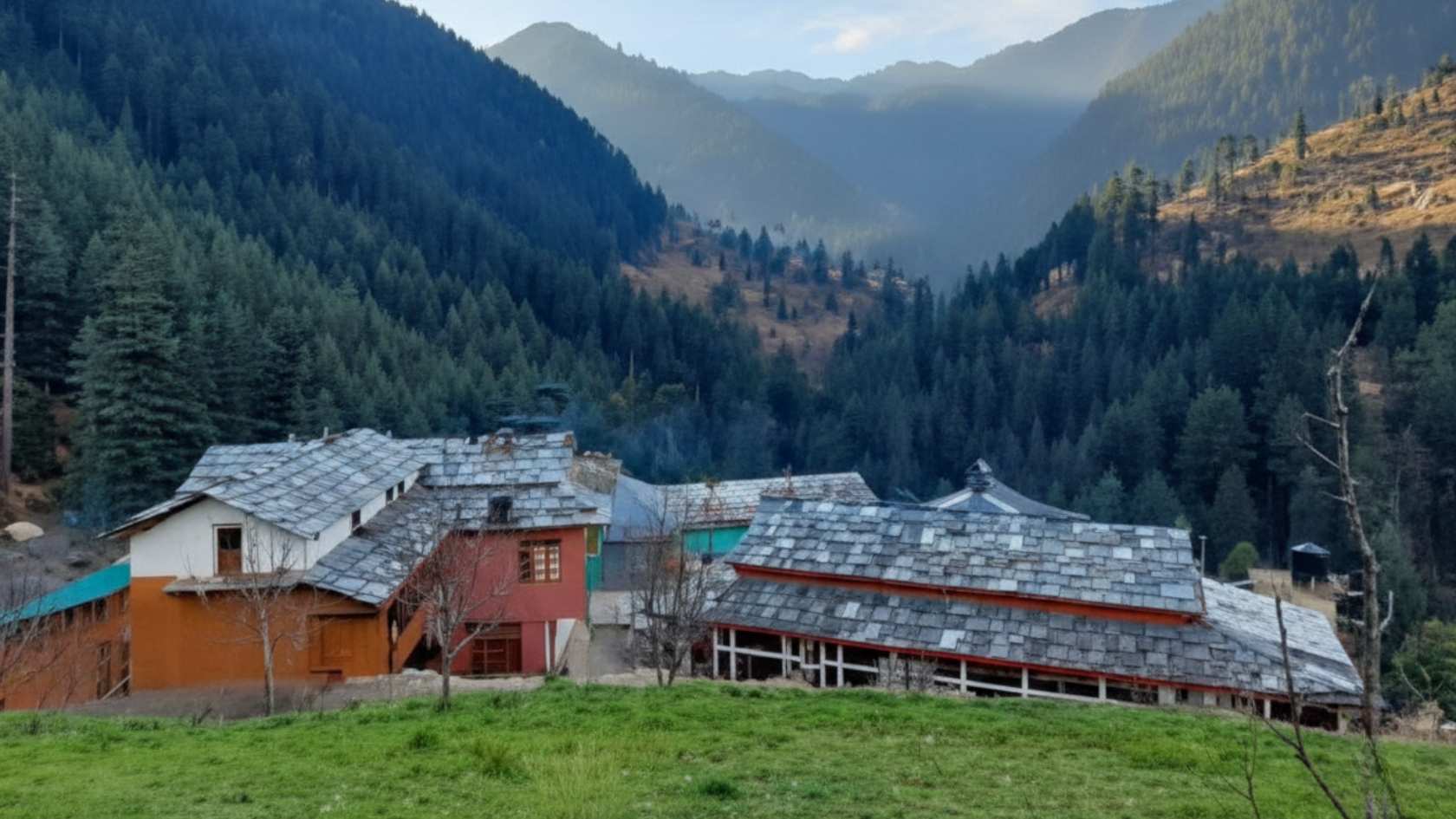 Jibhi
JibhiJibhi in August 2026: Weather, Road Safety, Itinerary and Honest Advice
Planning a trip to Jibhi in August 2026? Discover the latest weather conditions, road safety tips, suggested itinerary, places to visit, and practical travel advice. This guide will help you decide whether August is the right time to experience Jibhi's lush monsoon beauty while traveling safely.
- Best Time to Visit
- Monsoon Travel