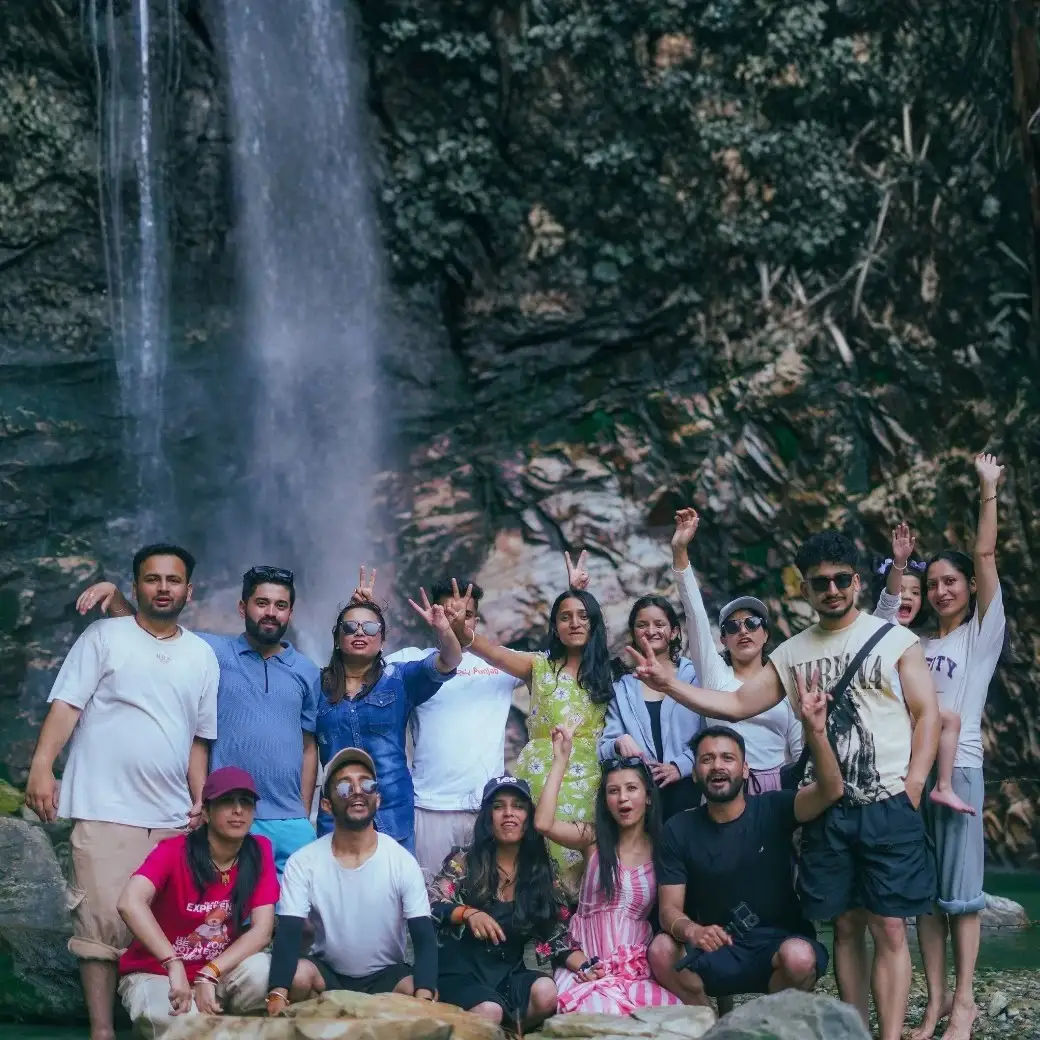
 Group Tour
6D/5N
Best Jibhi Tirthan Valley Tour With Shangarh Meadows
2D Tirthan Valley•1D Shangarh (Sainj Valley)
₹6,899₹9,699SAVE INR 2,800/ person
Best Pune To Jibhi Tour Packages Curated By Experts
Group Tour2D Tirthan Valley•1D Shangarh (Sainj Valley)
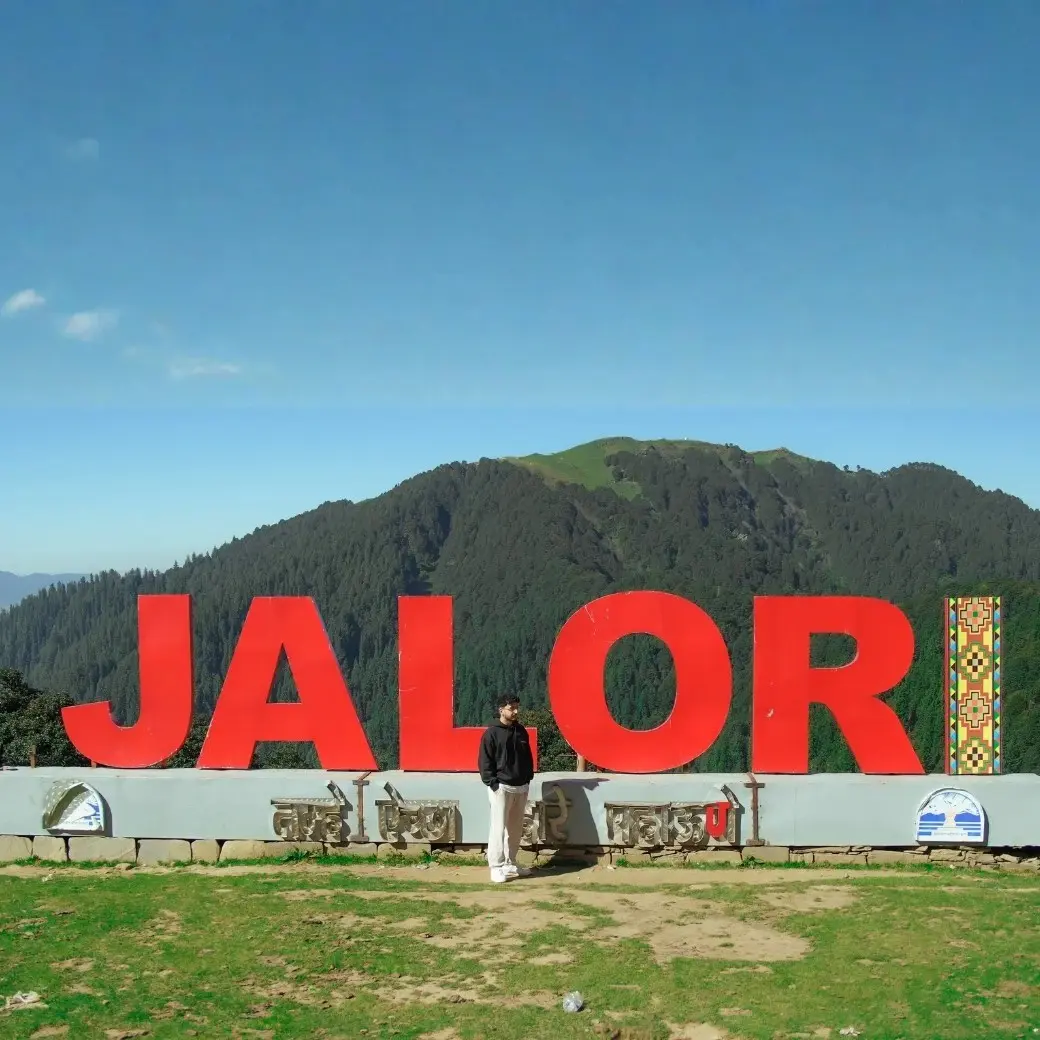
1D Delhi •2D Jibhi / Tirthan Valley+1
1D Delhi •2D Tirthan Valley+2
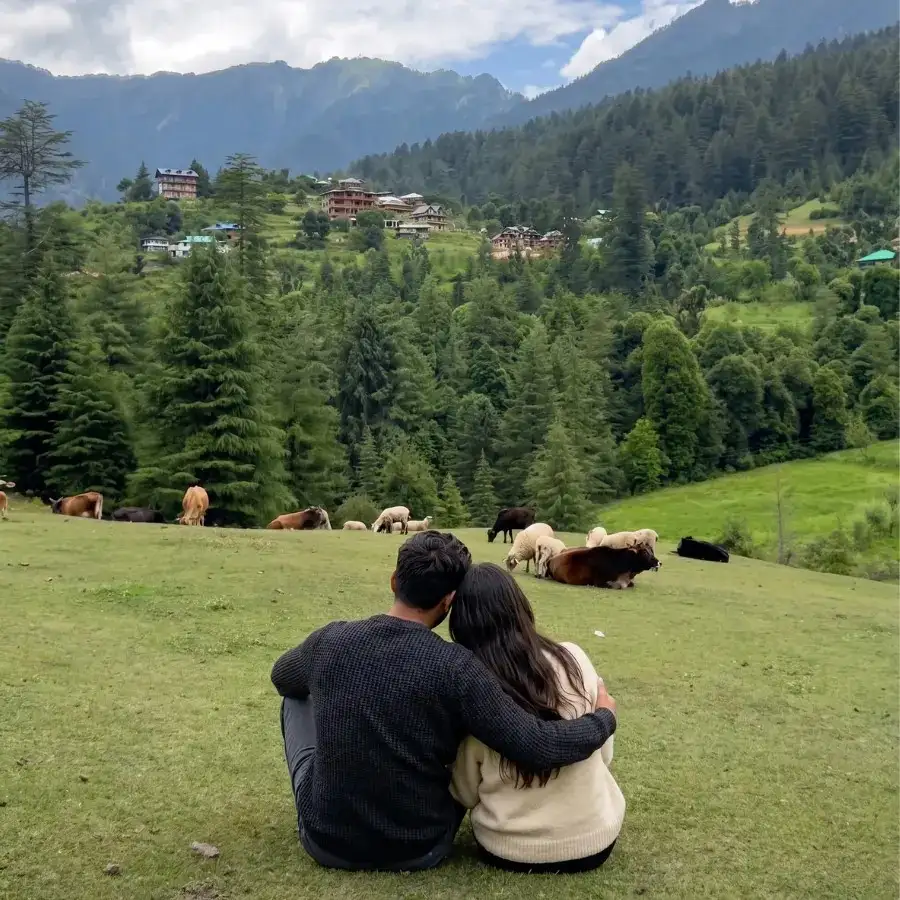
1D Delhi•2D Jibhi+2
Imagine replacing the traffic, noise, and heat of Pune with cool cedar-scented mornings, wooden homestays tucked under pine canopies, and rivers that speak only in whispers.
Travel Coffee’s Jibhi tour packages from Pune are your invitation to disconnect from the routine and reconnect with nature, deep in one of Himachal’s most peaceful valleys.
Total journey time: ~14–18 hours depending on route
To make your Pune to Jibhi journey seamless, we offer optional pre-trip travel add-ons including return flight tickets, train tickets, and airport transfers from Pune to Delhi/Chandigarh. These add-ons are customised as per availability and charged at actual rates to help you comfortably reach the pickup point before your Jibhi itinerary begins.
Ideal: 4–6 days for full exploration and rest
Start your day early and hike to the waterfall near Jibhi before breakfast. It’s quiet, uncrowded, and the morning light through the trees makes it feel like your own secret spot. Carry some chai in a flask, locals do it too.
Because we curate slow journeys that feel like poetry. With handpicked local stays, custom travel routes, and personal touches, we make sure your Jibhi experience feels less like a typical, monotonous Jibhi tour package from Pune and more like a peaceful return to yourself.
6 packages found
1D Delhi •2D Tirthan Valley+2
 Group Tour
1D Delhi •2D Tirthan Valley+1
1D Delhi•2D Jibhi+2
Group Tour2D Tirthan Valley•1D Shangarh (Sainj Valley)
1D Delhi •2D Jibhi / Tirthan Valley+1
1D Delhi•2D Jibhi+1
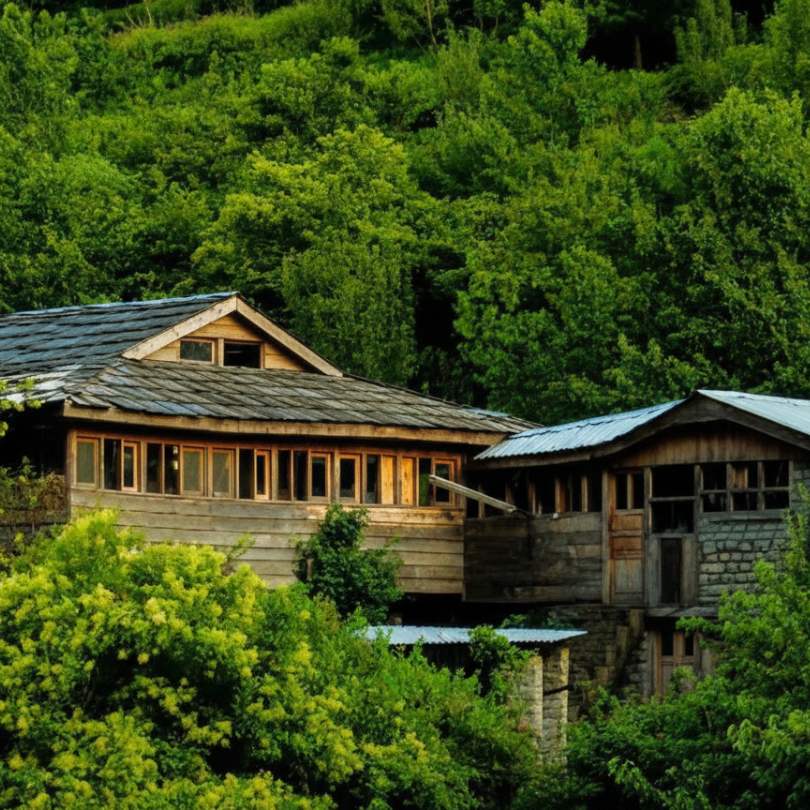
Gushaini is a small riverside village in Banjar tehsil of Kullu district, sitting at around 1,500 m on the Tirthan river, with the Falachan nala joining just upstream. It is the last real road head on the Tirthan side of the Great Himalayan National Park, the most popular base for riverside homestays in Tirthan Valley, and the closest village to the GHNP gate at Ropa. Most travellers come here for two or three slow nights, a walk to the park gate, and a morning of trout fishing on the river.
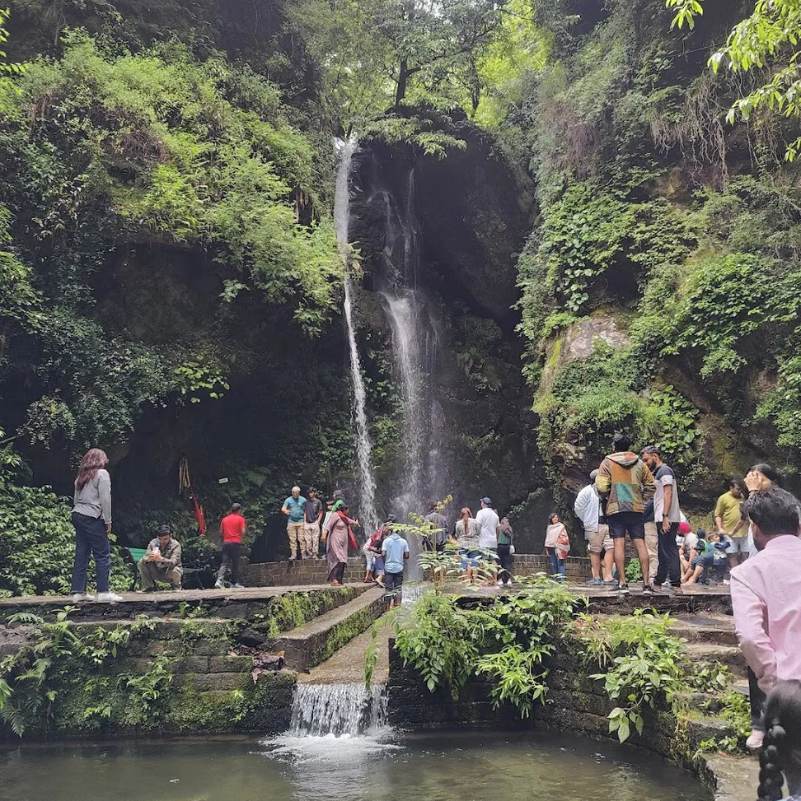
Jibhi Waterfall is a small forest waterfall a short walk from Jibhi village market in Kullu district, Himachal Pradesh. A stone and wooden bridge path through pine and deodar leads to a modest cascade with a shallow pool at the base, maintained by the forest department. Plan it as a 45 minute to 1 hour stop, pair it with the boulder pool at Mini Thailand for the standard slow Jibhi morning.
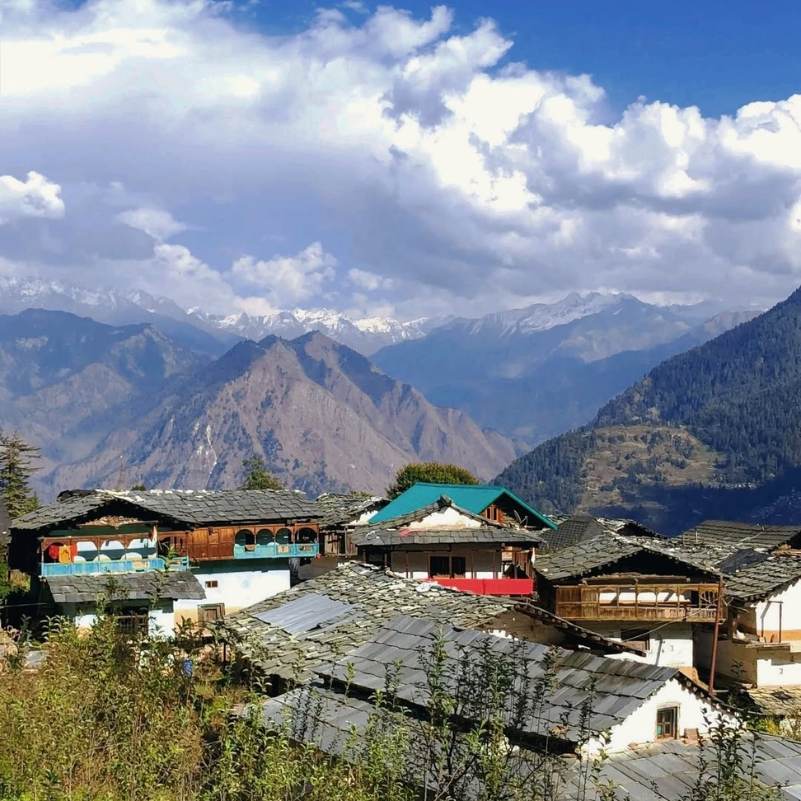
Bahu is a small village in Banjar tehsil of Kullu district, sitting on a ridge roughly 7 to 10 km above Jibhi by a road of tight hairpins. Traditional Kath Kuni stone and timber homes, the Bahu Nag temple at the upper end of the village, and pine and deodar forest on every slope. The standard pick for travellers who want a quieter, higher base than Jibhi for two slow nights.
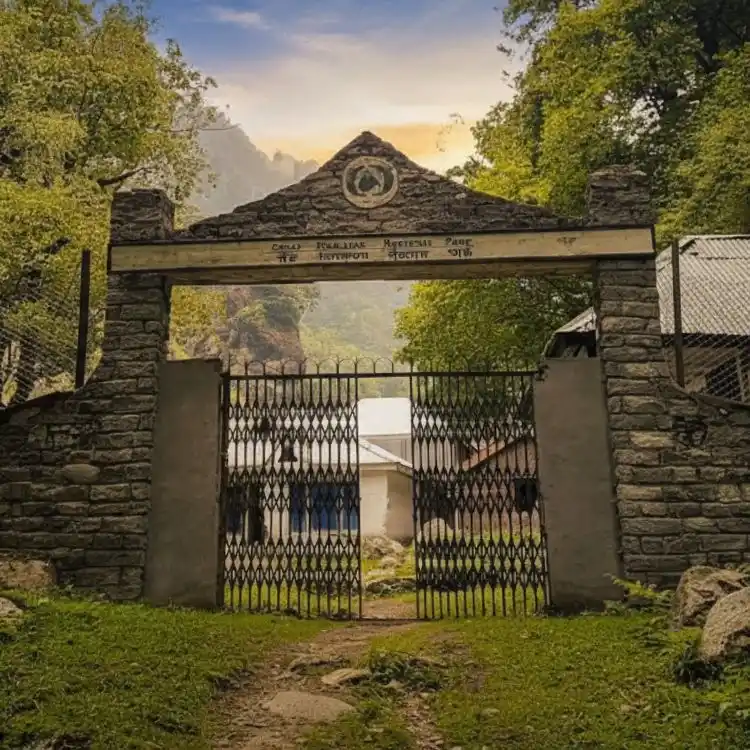
Great Himalayan National Park (GHNP) is a UNESCO World Heritage protected area in Kullu district of Himachal Pradesh, covering the high catchments of the Tirthan, Sainj, Jiwa Nal and Parvati rivers. The park itself is roughly 905 sq km, and the wider Conservation Area with the Sainj and Tirthan sanctuaries and the ecozone runs to about 1,171 sq km. There are no roads inside, only foot trails, with permits issued at the range offices at Sairopa, Ropa Sainj and Largi.
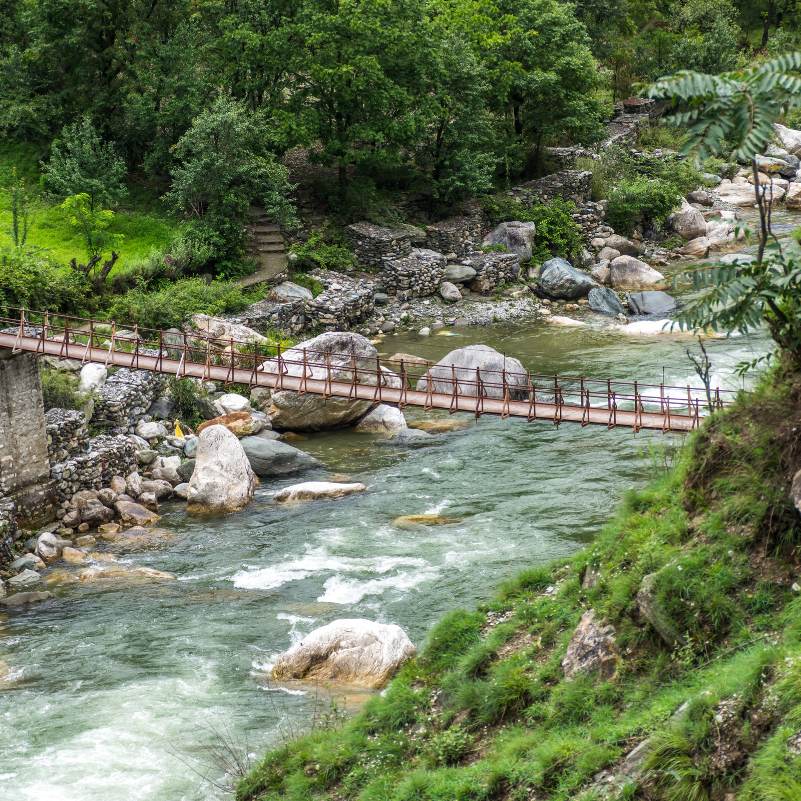
Tirthan Valley is a 25 to 30 km river valley in Banjar tehsil of Kullu district, running along the Tirthan River from Banjar town up to Bathad on the edge of the Great Himalayan National Park. The main villages are Sai Ropa, Nagini, Gushaini, and Bathad, and most travellers base in a riverside homestay for two to four slow nights. Quieter than Jibhi and Shoja next door, the valley draws travellers who want the river, the trout, the GHNP treks, and the slowest pace in Kullu.
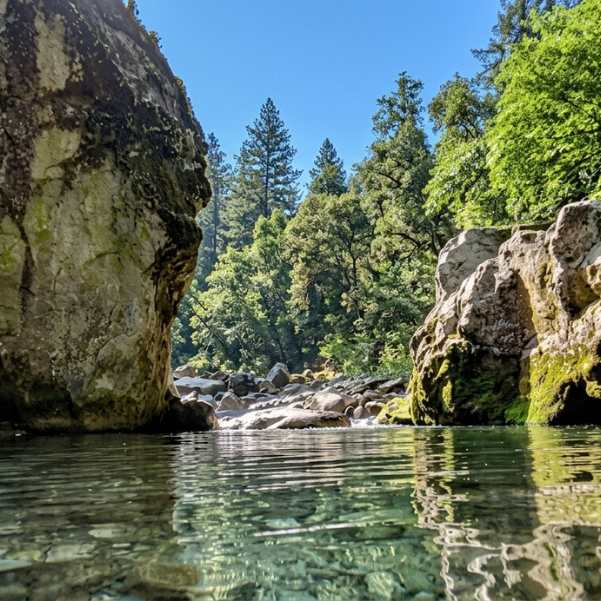
Mini Thailand is the tourist nickname for Kulhi Katandi, a small spot on the Pushpabhadra stream a short walk off the road from Jibhi village towards Jalori Pass. Two large boulders form a natural arch over a clear pool, which is the photo people came for. Plan it as a 30 to 45 minute morning stop, not a destination day.
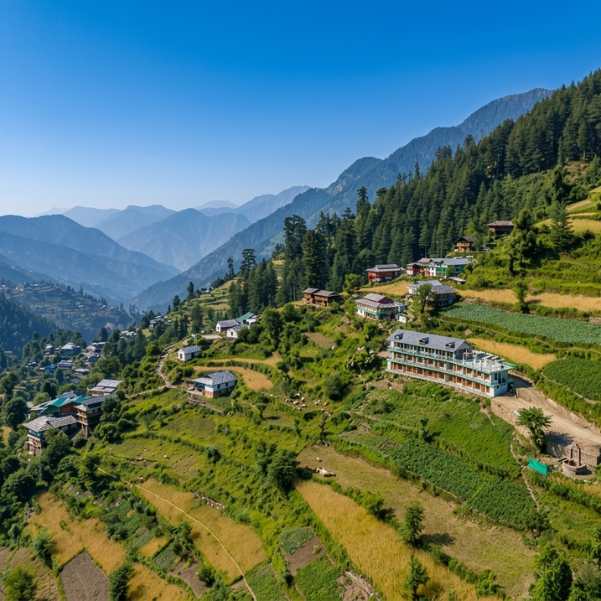
Shoja is a small forest village at around 2,700 metres in Banjar tehsil of Kullu district, sitting on the road between Jibhi and Jalori Pass. About 5 km below the pass and 7 to 10 km above Jibhi, higher and quieter than its neighbour, with a handful of homestays, a few small cafes, and deodar forest at every edge. The standard high altitude base for travellers who want silence after dark and a short drive to the Jalori day walks.
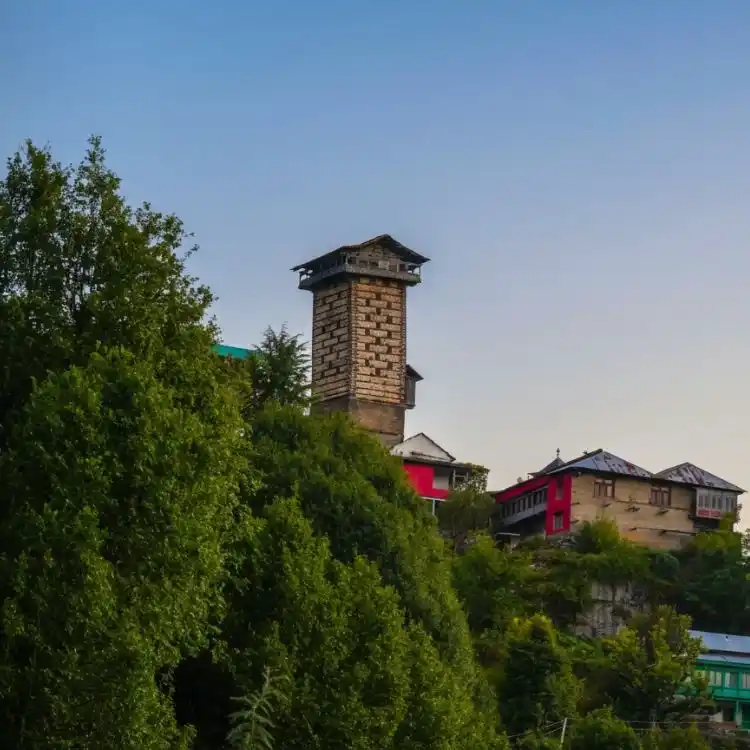
Chehni Kothi is a tall stone and wood tower in Chehni village above Banjar in Kullu district, built in the Kath Kuni style with no cement, nails, or metal fasteners. Several centuries old and partly damaged in the 1905 Kangra earthquake, it stays one of the tallest surviving wooden towers of its kind in the western Himalaya. Most travellers visit as a half day from Jibhi or Tirthan, walking up through apple orchards from Bagi or Bihar village.
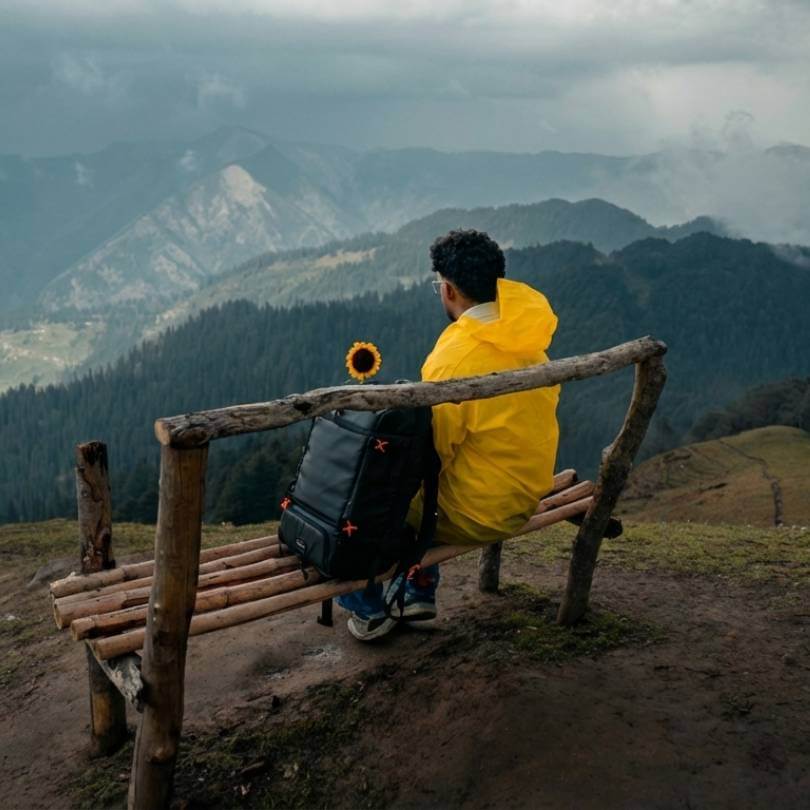
Raghupur Fort Trek is a short, steep walk that starts at Jalori Pass, climbs roughly 3 km through oak and rhododendron forest, and tops out on a grassy ridge at around 3,300 metres with the ruined walls of an old hill fort. From the meadow you get an open view across the Pir Panjal and the Great Himalayan Range. Most travellers do it as a 2 to 3 hour day hike from Jibhi or Shoja.
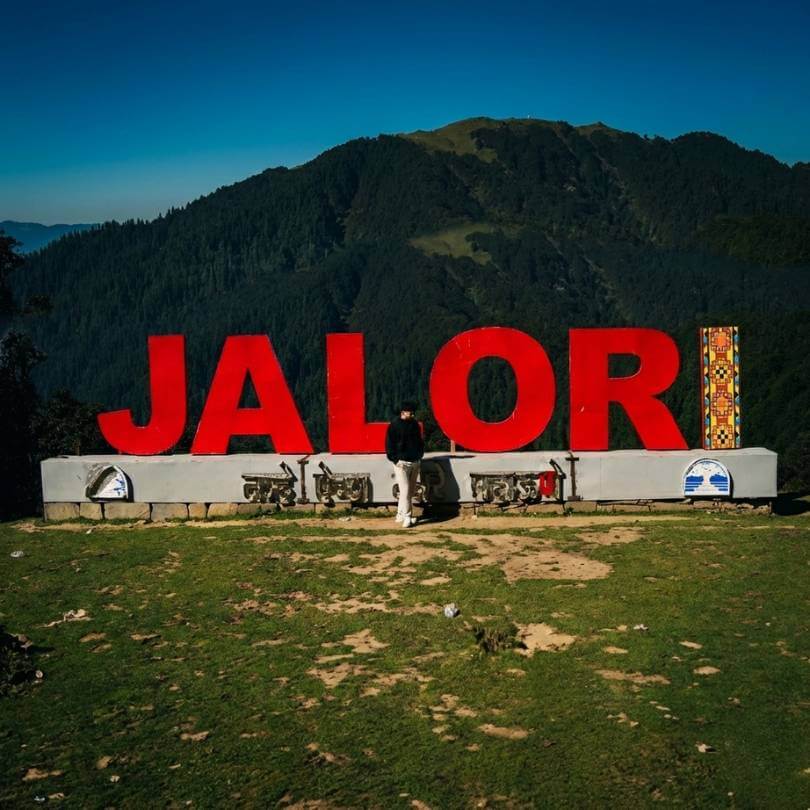
Jalori Pass tops out at 10,800 ft on NH 305, the highway branch that crosses from the Banjar valley into Outer Seraj. At the top you get a small Mata Jalori temple, four or five dhabas, and the trailheads for Serolsar Lake (5 km one way) and Raghupur Fort (3 km one way). The road is seasonal — generally open April to November on BRO snow clearance, and firmly shut through peak winter from January to March.
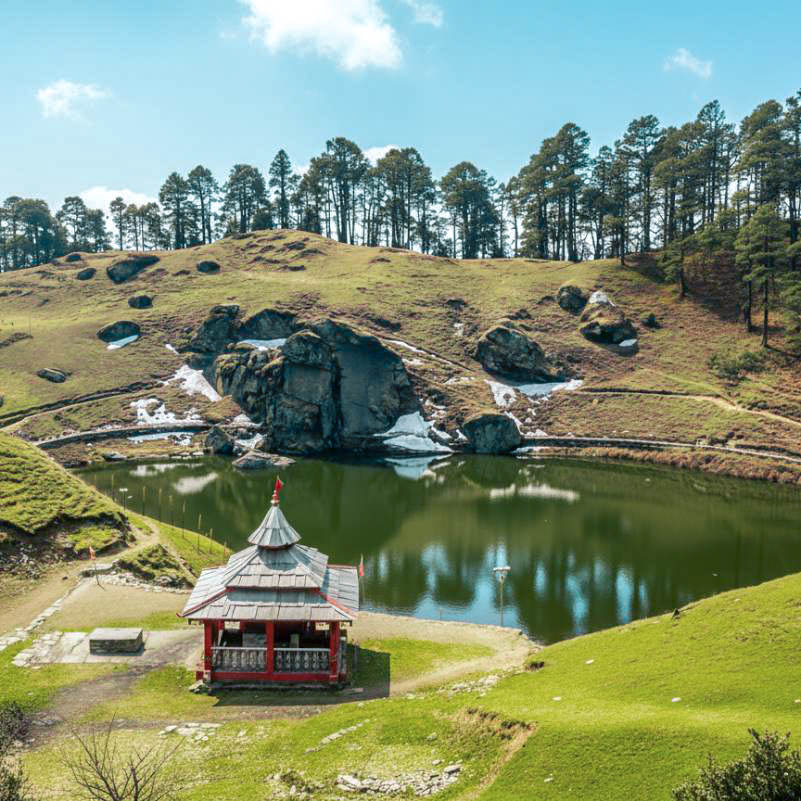
Serolsar is a small alpine lake in the Seraj Valley of Kullu district, sitting at roughly 3,100 metres, about the same altitude as Jalori Pass itself. You reach it by an easy 5 km walk from the pass through oak and deodar forest, and a small Budhi Nagin temple stands on its bank. The most popular day hike from the Jibhi and Shoja area.

“Travel Coffee truly went above and beyond. Even though we booked from Indonesia without meeting them, we always felt secure — their team was available 24/7 and took care of every detail. Shubham personally ensured our comfort throughout the Himachal trip, from hotel checks to small gestures like bringing lotion and altitude pills. Their sincerity and local expertise made the journey unforgettable.”
Andre & Angel
A 4 to 5-day Jibhi tour from Pune typically ranges between ₹18,000 to ₹30,000 per person, including flights, stays, and cab transfers. Off-season deals or group bookings can reduce the cost.
The easiest route is to fly to Chandigarh or Delhi, then take a scenic road trip to Jibhi via Aut (6–9 hours). You can also take a train to Delhi, followed by a Volvo or a cab.
That depends on your vibe! - Choose Jibhi for peace, nature trails, and offbeat charm. - Choose Manali for lively crowds, adventure sports, and markets. - Many travellers prefer starting with Jibhi and ending in Manali for a balanced Himachal circuit.
3–4 days are sufficient to explore Jibhi, Jalori Pass, Chehni Kothi, and relax in local homestays. Add 1–2 days if you want to include Tirthan Valley or combine with Kasol.
Absolutely. With private riverside cabins, pine-covered cafés, and zero network distractions, Jibhi offers the perfect mountain romance, quiet, real, and far from tourist traps.
Yes. Jibhi is known for its welcoming locals and traveller-friendly vibe. Whether you're exploring trails or staying in a homestay, it's one of Himachal’s safest offbeat destinations.
Yes. Travellers coming from Pune can request optional return flights, train bookings, or airport transfers to reach Delhi/Chandigarh before starting their Jibhi trip. These are customised on request and charged at actual rates.
Real experiences shared by Travel Coffee travellers in Pune To Jibhi.
7 traveller reviews
Based on Google reviews.
Real photos and videos shared by travellers from recent trips.
I had an amazing experience with Travel Coffee. I booked tirthan-jibhi-manali tour and travel coffee team was super quick and swift in planning the entire trip. Ishita Sood was super indulgent and efficient in taking care of my preferences. … More
We recently completed a Shimla–Kufri–Manali trip with my partner, and our driver, Vinod, truly made the journey exceptional. He navigated icy mountain roads—especially while heading towards Jibhi—with great skill and care, always … More
Just got back from an amazing trip to Jibhi and Shoja, and overall it was a really refreshing experience 🌄✨ … More
Thanks to Travel Coffee team for arranging a perfect jibhi manali trip for us. Everything was smooth and hassle free. Definitely booking again with them and special thanks to mr saurabh for taking care and always checking with us.
We booked our Manali–Jibhi–Kasol–Shangarh trip with Travel Coffee and it honestly felt like travelling under the care of someone who genuinely knows the mountains. Every part of the route had its own charm, but what made the trip truly … More
⭐ Worst Travel Experience Ever – Felt Like a Punishment Our trip to Jibhi, Himachal Pradesh with this travel agency was a total nightmare. We paid in advance for a soothing, luxurious stay but ended up suffering. The hotel was under construction, full of dust and noise, which badly affected my husband’s dust allergy. There was no room heater unless we paid extra, no complimentary clean water, no tea or coffee options, and our 8-year-old daughter didn’t even get hot milk. The meal menu was the same every day, making the experience even worse. The agency ignored all our messages, and to make it worse, they have no refund or compensation policy. Completely unprofessional, careless, and heartless — they turned our family holiday into a punishment. Avoid this agency at all costs.
Our group booked the Manali–Jibhi trip through Travel Coffee and we were genuinely impressed. The itinerary felt relaxed and well-planned, and we actually got time to enjoy everything without rushing. The hotels they gave us were clean, … More