
Where to See Snow Near Manali in 2026: Month-by-Month Snow Points and Honest Chances
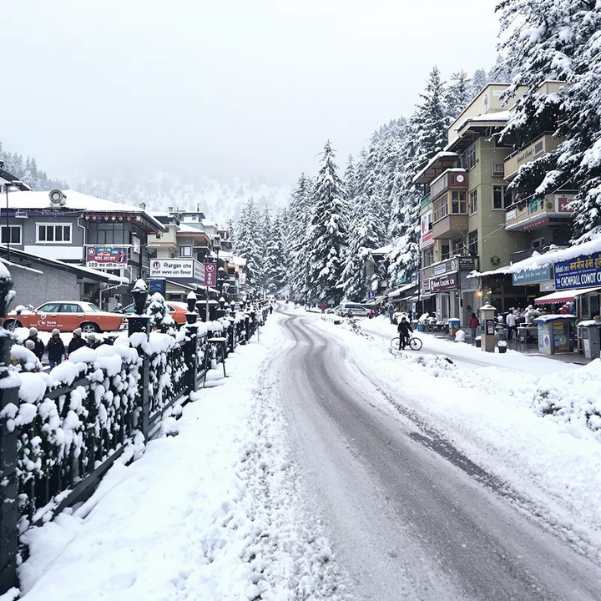
If you are searching for where to see snow in Manali, here is the truth most blogs will not tell you: no one can promise you fresh snow on a fixed date.
Snow depends on weather, road clearance, and where the police barrier sits that morning. What we can do is tell you which snow point actually works in your travel month and how honest your chances really are.
We run trips on these roads every winter. We have stood at Solang when the base was slush and the upper slope was white. We have sent travellers to Sethan when Rohtang was locked under three feet of snow. This guide is that experience, month by month.
Quick Answer: Where Should You Go for Snow Near Manali?
For the most dependable natural snow, plan your trip between December and March. That is the broad window when you will find snow lying somewhere near Manali, though never at every location on every day.
Do not plan Rohtang Pass as a January or February snow trip. It stays closed through peak winter. It is a late-spring and early-summer destination, not a mid-winter one.
Your practical winter choices are Solang Valley, Gulaba, Sethan, the Atal Tunnel corridor, Sissu, and Koksar, depending on which roads are open that day.
For May and June snow, you usually have to travel towards Rohtang or another officially opened high point. And from July to September, your chance of reaching ground snow is very low.
If you want someone to handle the planning around all this uncertainty, our Manali tour packages come with local drivers who check road status daily and switch your snow point if the first one has no snow.
👉 Want to know where you can find snow on your dates? Message us on WhatsApp for practical guidance.
What Does "Seeing Snow in Manali" Actually Mean?
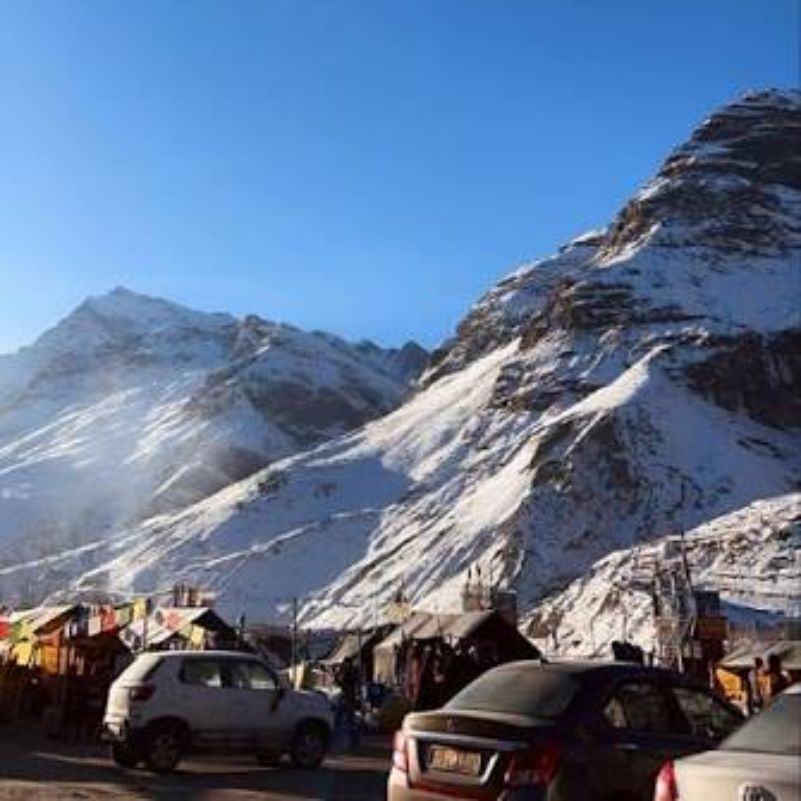
Most tourists get this wrong. They see one white photo online and book fixed dates expecting the same. Then they arrive to green slopes and feel cheated.
Here is what "snow" can actually mean, and why the difference matters.
Fresh snowfall
This is snow falling from the sky during your stay. It needs an active weather system to line up with your exact dates.
No one can promise this weeks in advance. Anyone who does is guessing or lying.
Snow lying on the ground
This is settled snow that stayed after the weather cleared. It lasts longer at higher elevations.
This is the most realistic kind of snow to plan for. You are not chasing snowfall, you are chasing places where old snow still sits.
Snow-covered peaks
You can see white mountains from Manali town on a clear day almost any winter month.
But a white peak in the distance does not mean you can reach it or play in it. This is the trap that fools first-timers the most.
Gathered or artificial snow patches
At some tourist spots, a small patch of snow is maintained or piled up for photos and sledging.
A tiny patch is not proof that the whole place is under natural snow. Do not judge a destination by one carefully framed reel.
Where Are the Main Snow Points Near Manali?
Solang Valley
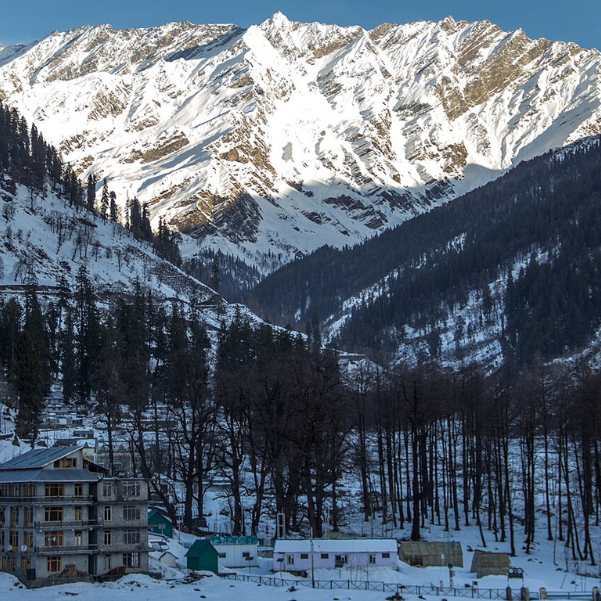
Solang Valley is the easiest mainstream snow outing near Manali. It sits about 14 km from town, at roughly 2,560 to 2,590 metres.
Most people start here, and for good reason. It has activities, food stalls, and a road that clears fast after snow.
One honest catch: the base loses snow before the upper slopes do. In late season you might reach Solang and find the lower area muddy while the top still holds white.
Ropeway operations and access change with conditions, so check locally before you go. What we tell our travellers is to ask the driver that same morning whether the base has snow or only the upper ride does.
Solang suits families and first-timers well. Just know it gets crowded, especially on weekends and holidays.
Gulaba and the Authorised Rohtang-Side Snow Barrier
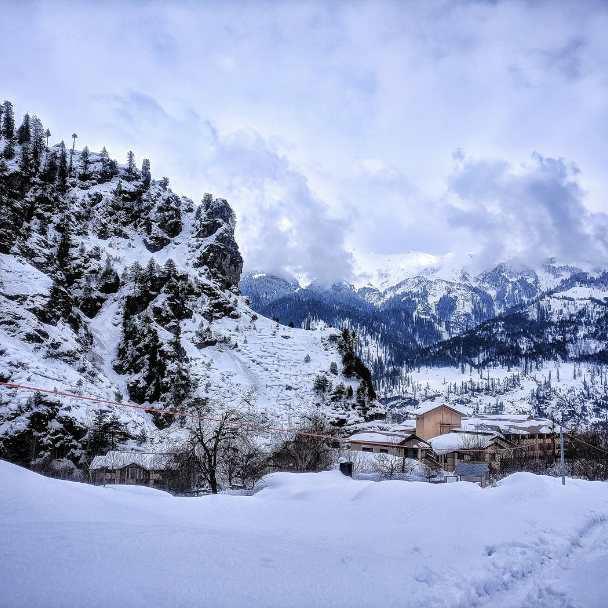
Gulaba often becomes the go-to snow point while Rohtang stays shut. It sits on the road towards the pass and holds snow well in season.
The important thing: the last legal tourist point on this road keeps changing. It shifts with snow clearance, police barriers, and safety rules.
Never try to continue past an official barrier. The barrier is there because of avalanche or road risk, not to annoy you. Ask the police or your driver where the barrier sits that day.
Rohtang Pass
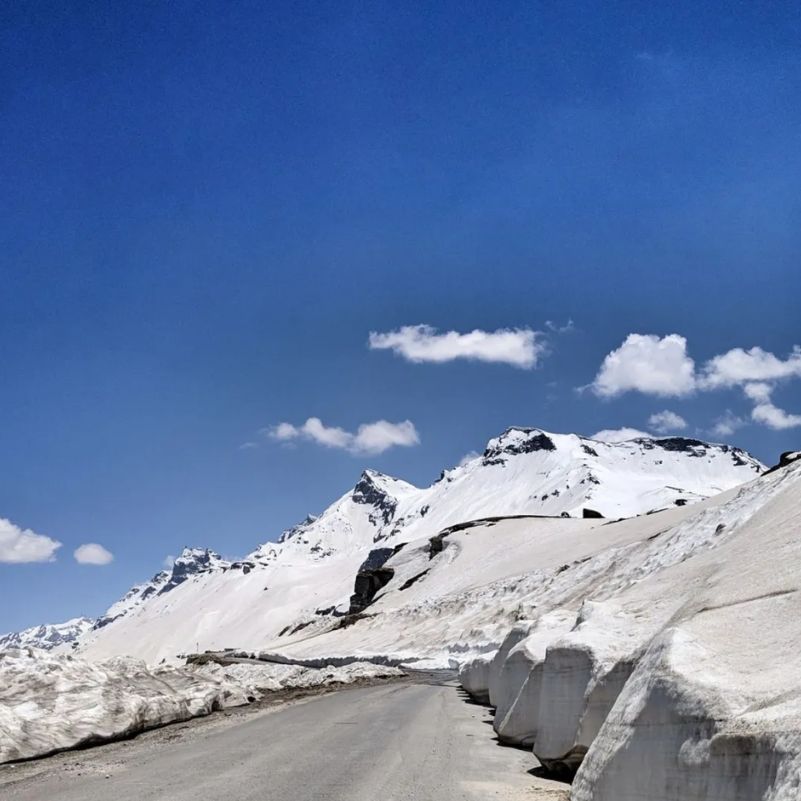
Let us be clear about Rohtang Pass, because this is where most plans go wrong.
Rohtang is a late-spring and early-summer snow destination for tourists. It is normally closed in January, February, and March.
It generally reopens in late May or June, once snow clearance finishes and the government approves it. There is no fixed annual opening date. Some years it is late May, some years it slips into June.
Permits and vehicle rules can apply. Permit fees and vehicle rules can change, so check the official Rohtang permit portal close to your travel date.
For the seasonal detail, see our Rohtang Pass in September piece and our best time to visit Rohtang Pass guide. We also break down the full route in our Rohtang Pass travel guide.
Sethan
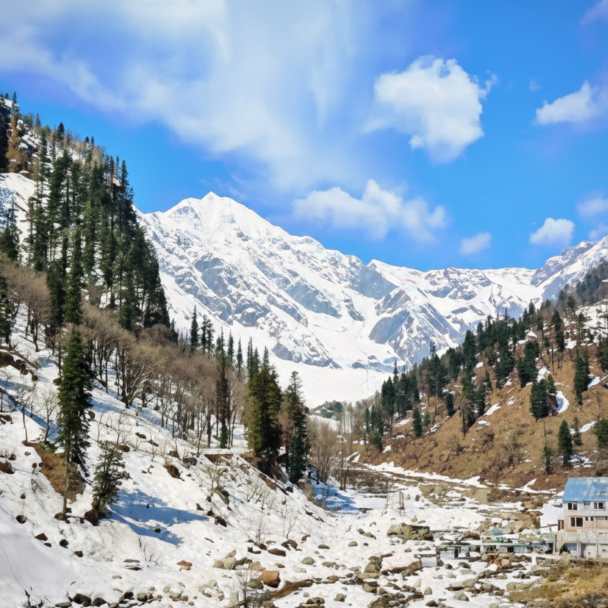
Sethan is our quiet favourite. It sits about 12 km from Manali at roughly 2,700 metres.
Because it is higher and gets fewer crowds, it often holds snow through winter and into early spring when other spots start melting.
The final road is narrow. After heavy snowfall it can need a suitable local vehicle. We will not tell you a 4x4 is always legally required, because the rule changes. Check the current vehicle requirement before you drive up.
What most tourists miss about Sethan is the silence. No queues, no touts, just snow and a handful of homestays.
Atal Tunnel South and North Portal Areas
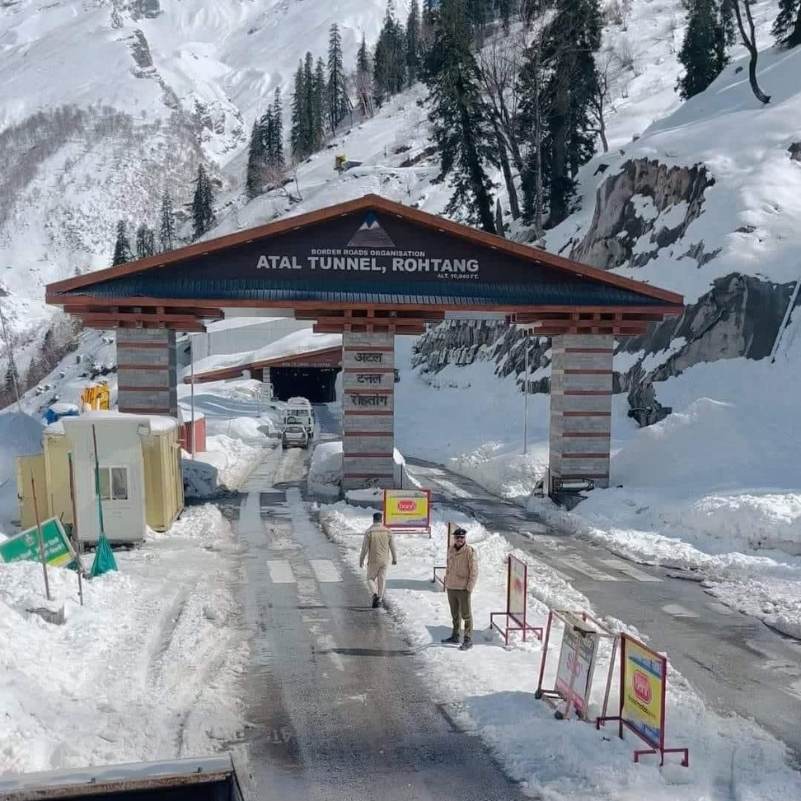
The Atal Tunnel lets you skip the Rohtang crossing entirely when heading towards lower Lahaul. That is a huge deal in winter.
But access is not guaranteed. Authorities can stop tourist traffic before or beyond the tunnel after snow, during heavy congestion, for security arrangements, or when there is avalanche risk.
One firm rule: you cannot stop inside the tunnel. It is a passage, not a photo spot, and the tunnel itself is not a snow-play destination. People forget this and get waved on fast by the guards.
Sissu
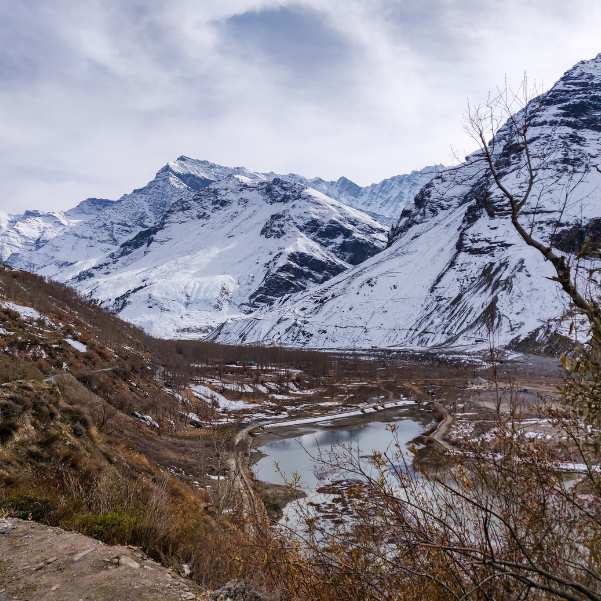
Sissu sits on the colder Lahaul side, past the tunnel. It often has better winter snow than Manali town itself.
The main Sissu snow window runs roughly December to February. March and April can still hold snow depending on the year and the exact spot.
By June, lower Sissu usually turns into a green summer valley. So do not picture a snow field there in early summer.
More on timing in our best time to visit Sissu guide.
Koksar
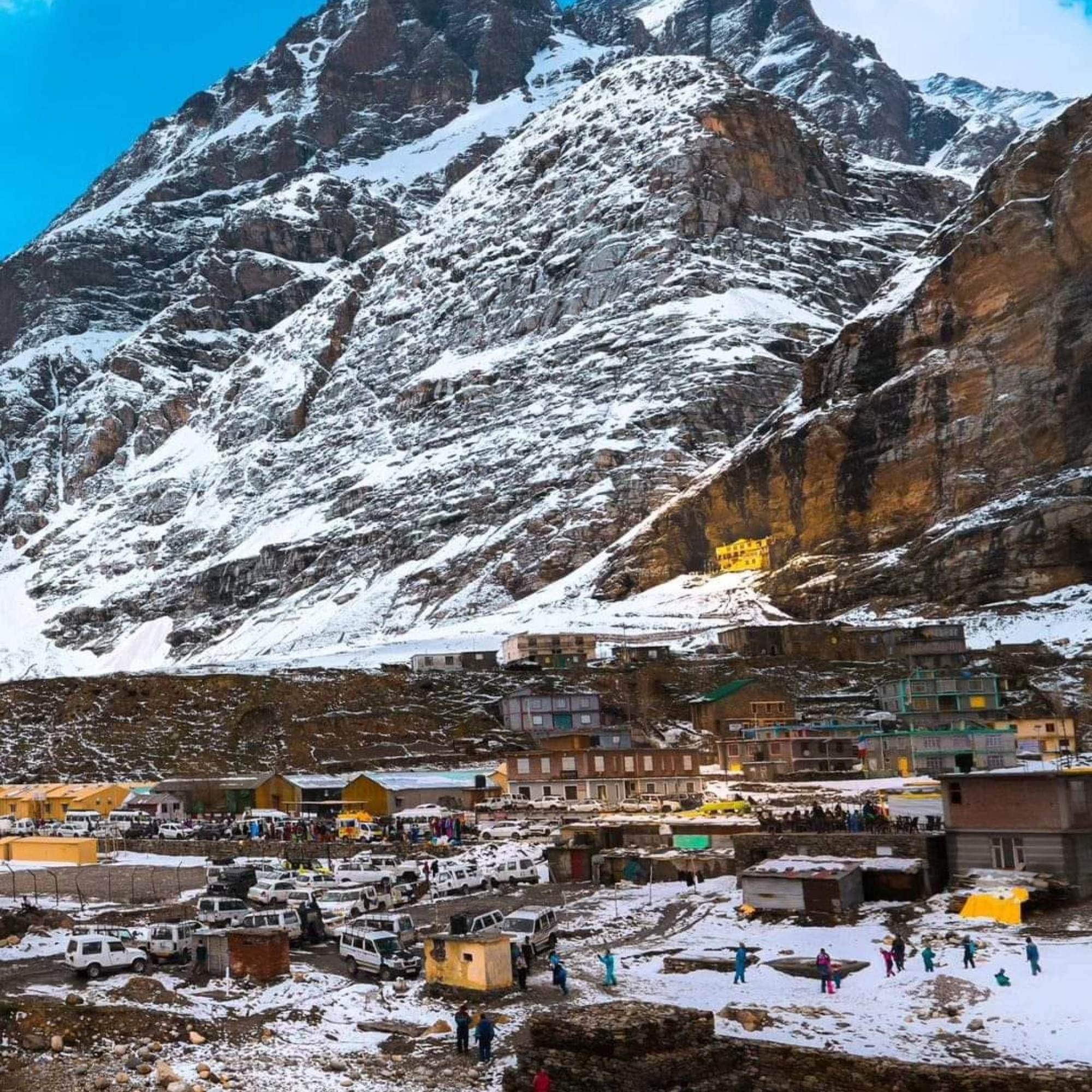
Koksar is colder and higher on the Lahaul side, and it can hold snow well.
Treat it as a road-dependent extension, not a guaranteed excursion. It only works when the tunnel corridor is open and conditions allow.
Services here can be limited during harsh weather, so do not count on hot food or shelter being open. Carry your own snacks.
Manali Town and Old Manali
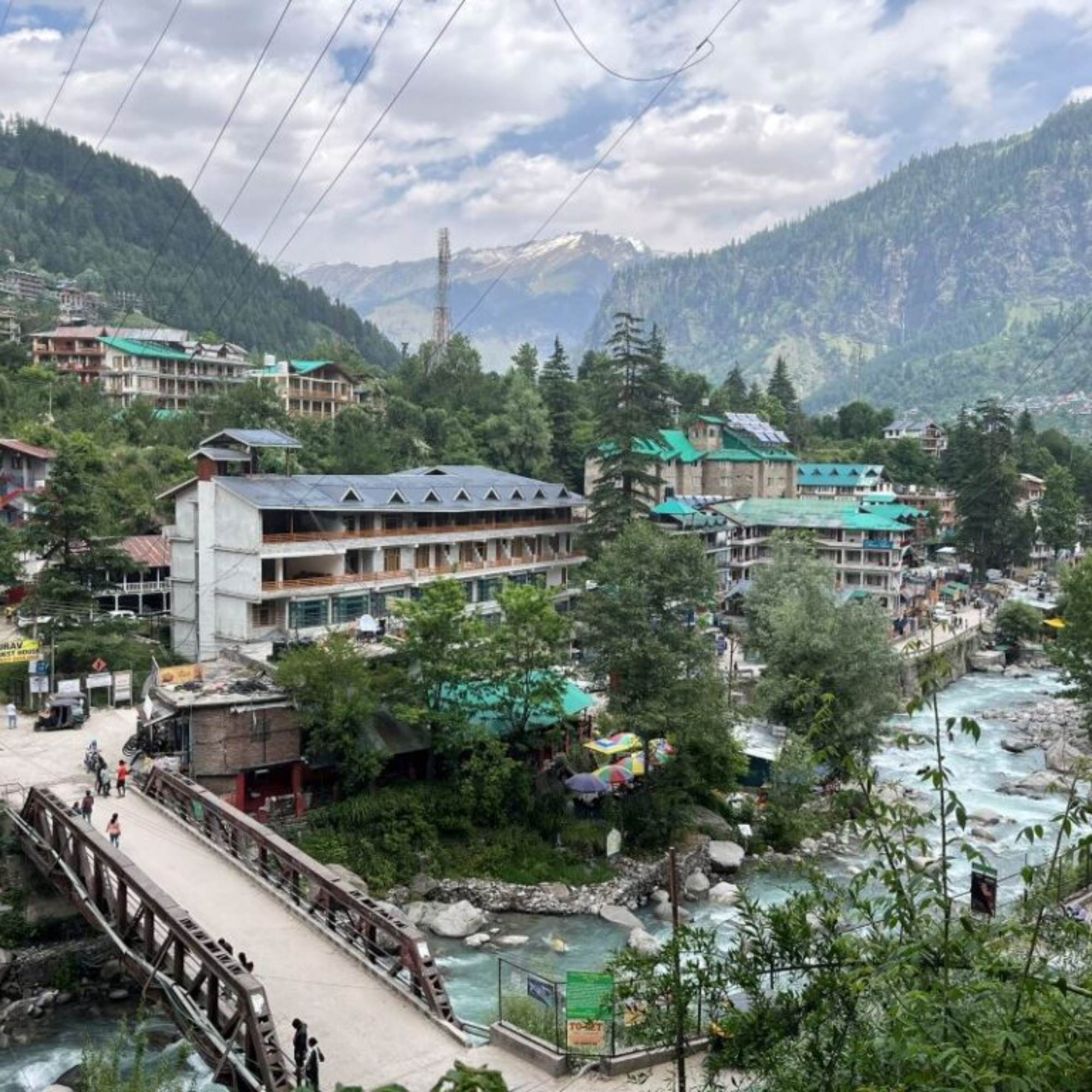
Manali town can get snow during a strong winter storm. When it happens, it is magical and the whole place goes white.
But town snow melts faster than snow at higher points. And it is never guaranteed for Christmas, New Year, or any fixed date.
We have seen green New Years in Manali town while Solang and Sethan sat under fresh snow. Manage your expectations for the town itself.
Where Can You See Snow Near Manali in January?
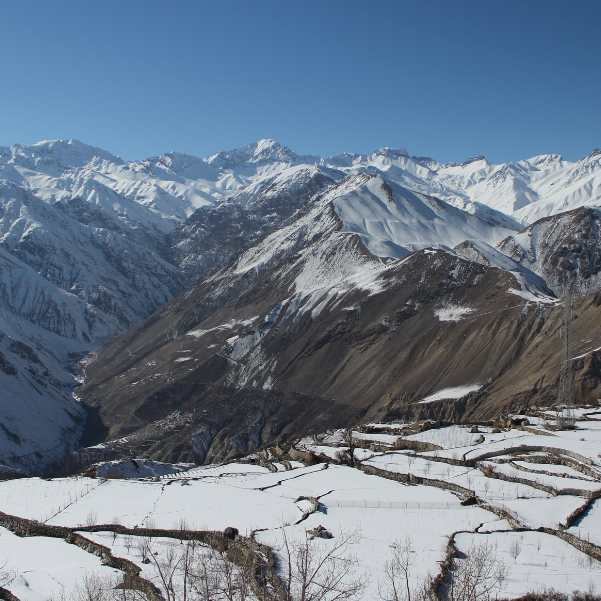
January is a very high chance month for finding snow somewhere around Manali. That is not a guarantee every location will be reachable, though.
Your best nearby bets are Solang and Sethan. Both usually hold good snow this month.
Consider Sissu and Koksar only when the Atal Tunnel road is officially open. Rohtang stays closed, so do not plan around it.
Watch out for black ice, temporary road closures, and traffic jams after heavy snow. After a big storm, the smart move is to wait a day for clearance rather than crawling up an icy road on snowfall day itself.
Where Can You See Snow Near Manali in February?
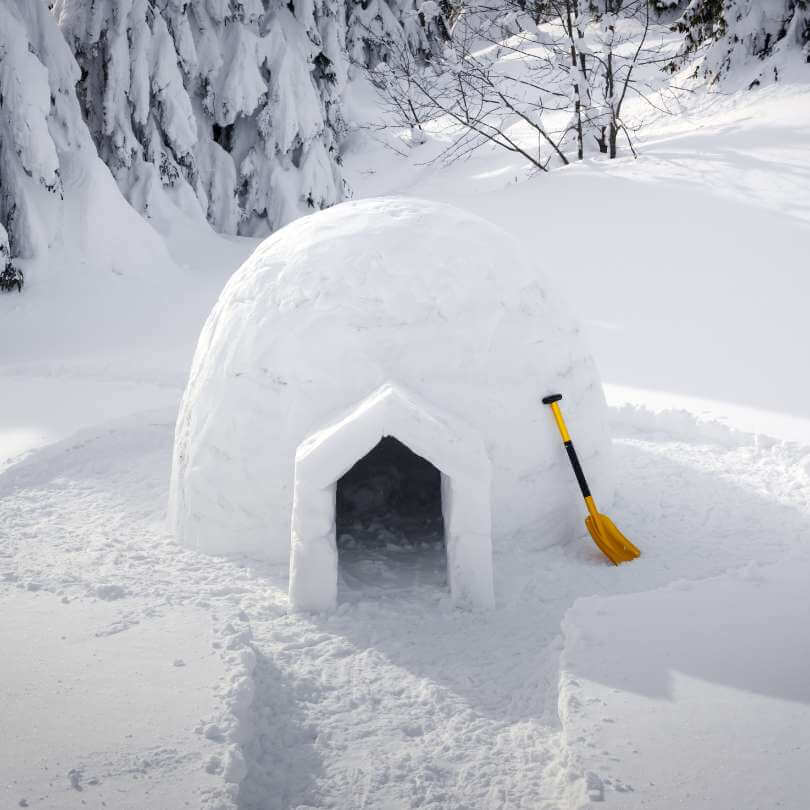
February is another very high chance month, often the most reliable of all.
You usually get good settled snow at Solang, Sethan, the authorised Gulaba-side points, and the Lahaul corridor.
Fresh snowfall still cannot be promised. But settled snow is very likely.
Here is a timing tip we always share
A clear day right after a storm often gives you better road access than the snowfall day itself. You get the white landscape without the closures.
Where Can You See Snow Near Manali in March?
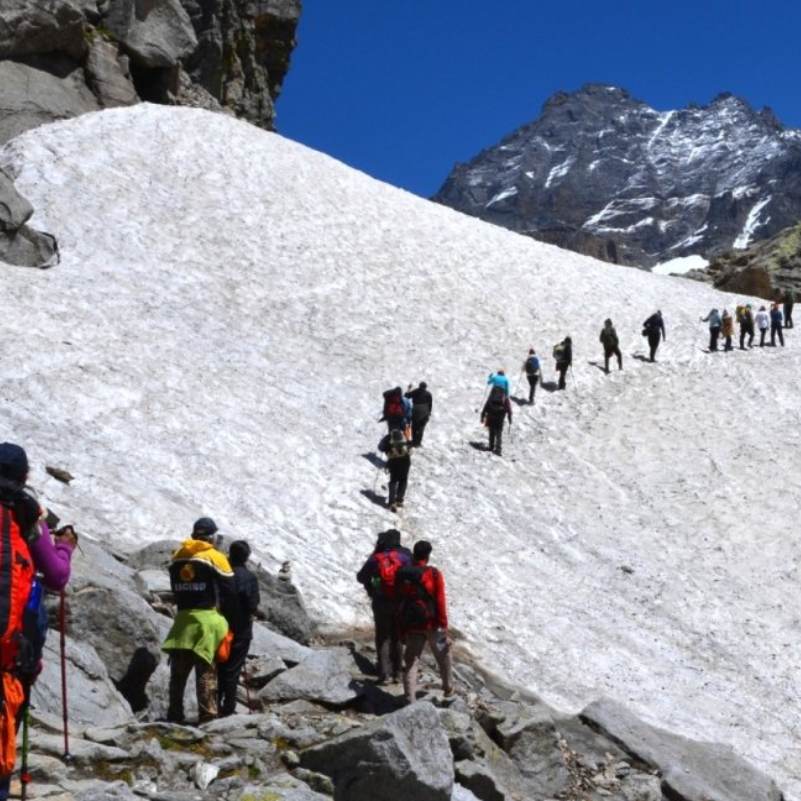
Early March is a high chance month. Late March drops to high to moderate, depending on elevation.
Focus on Solang, Sethan, Gulaba, the Atal Tunnel corridor, Sissu, and Koksar.
Rohtang normally stays closed in March, even though the pass itself is buried under heavy snow. Do not confuse "there is snow at Rohtang" with "you can drive to Rohtang."
Where Can You See Snow Near Manali in April?
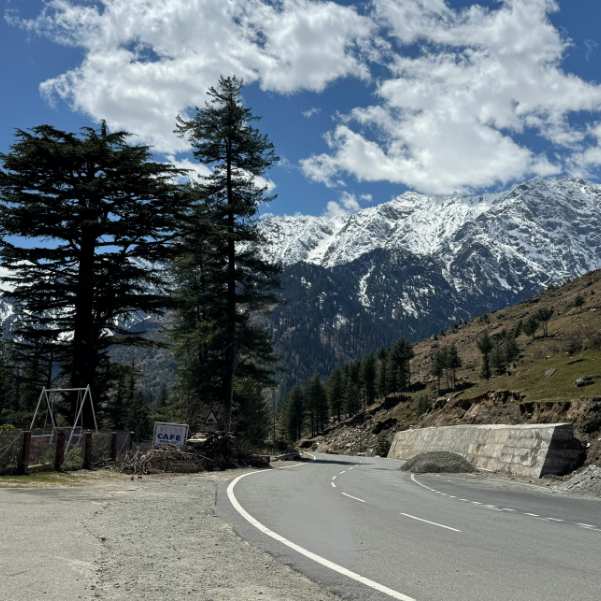
Early April is moderate to high. Later April slides to moderate.
The Solang base may start losing snow while upper Solang holds it longer. So aim high.
Your better options this month are upper Solang, Gulaba, Sethan, Koksar, and suitable Lahaul-side spots, depending on access. Manali town itself is usually in spring by now, not under snow.
Where Can You See Snow Near Manali in May?
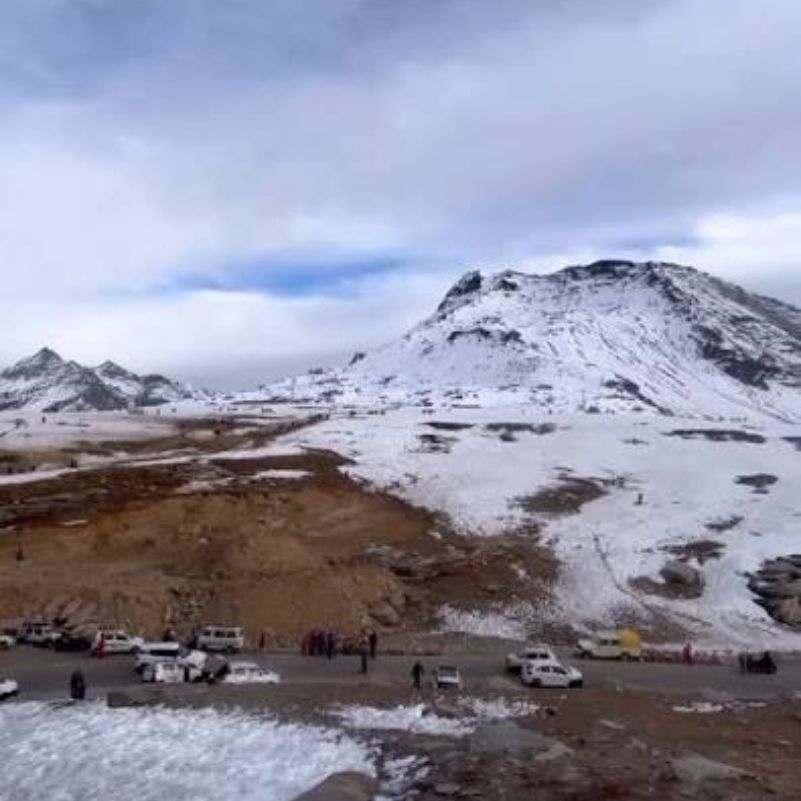
May is moderate overall, but it swings a lot with the date and the altitude.
Lower locations may already be green and done with snow. You have to go higher.
Rohtang is generally closed in early May. It may open in late May or June after clearance and official approval. Until the full pass opens, the current authorised snow barrier is usually your practical destination.
Can You See Snow Near Manali in June?
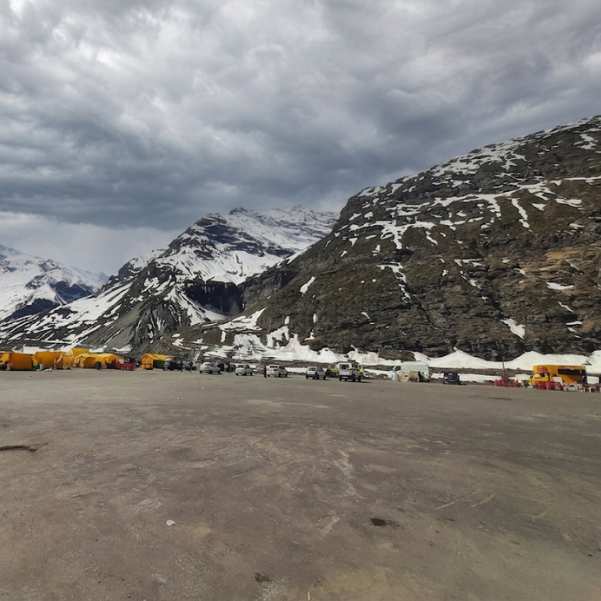
June is moderate for Rohtang after it opens, and low everywhere else.
June snow usually means old roadside snow walls or leftover patches around Rohtang. It is not fresh snowfall in Manali.
Do not let anyone sell Solang, Sethan, or lower Sissu as guaranteed June snow points. The snow shrinks through the month and varies with how the winter went.
Is There Snow Near Manali from July to September?
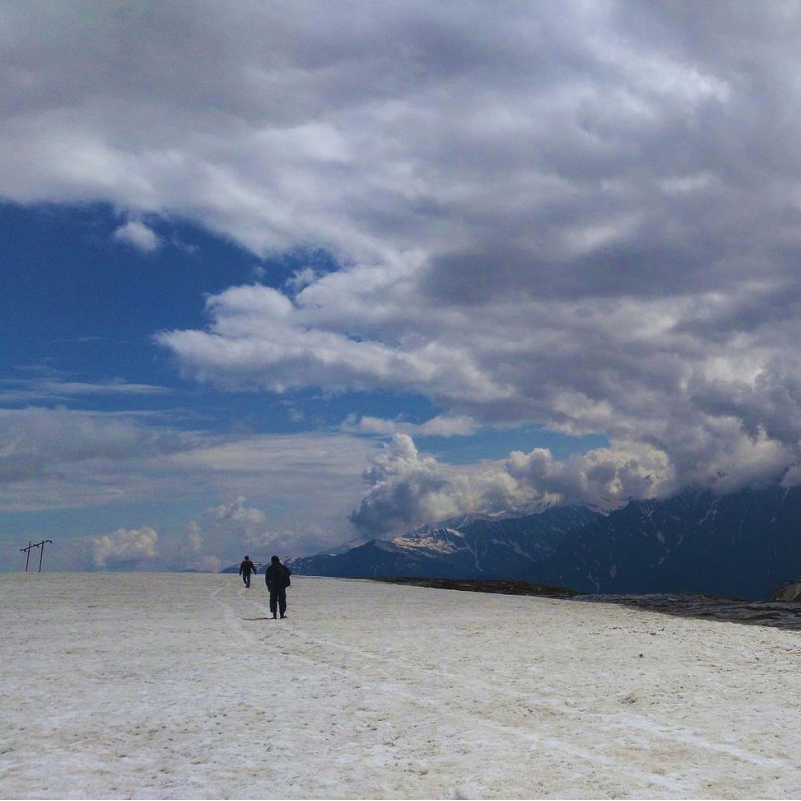
For reachable ground snow at normal tourist spots, July, August, and September are very low chance. Be honest with yourself about this.
July and August bring monsoon rain, fog, landslide risk, and rockfall. August is not a dependable snow month in Sissu or Rohtang, whatever the reels suggest.
September can give you clearer mountain views, but ground-snow chances stay very low.
Plan these months for green valleys, waterfalls, and big open views instead of snow. That is genuinely what shines then.
Can You Find Snow Near Manali in October?
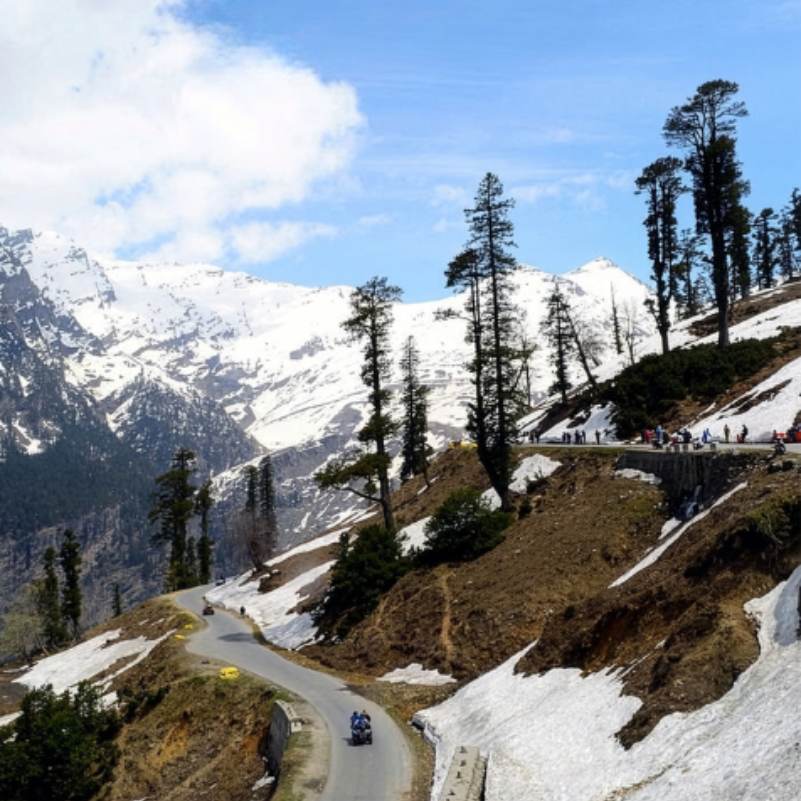
October is a low chance month.
The old summer snow is usually gone from standard tourist areas by now.
Early-season high-altitude snowfall is possible but unpredictable, and it can melt within days. Do not book October specifically for snow. You will likely be disappointed.
Where Can You See Snow Near Manali in November?
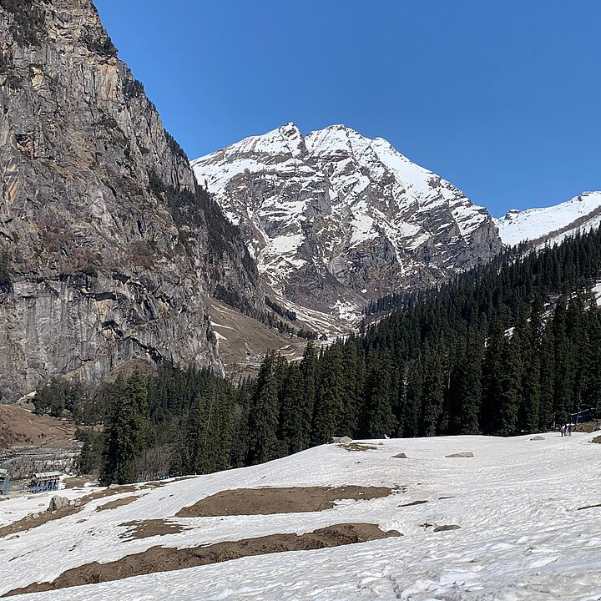
Early November is low chance. Late November moves to low to moderate.
Early snow can reach Solang, the Gulaba approaches, or the Lahaul side after a western disturbance rolls in.
High roads can start closing this month because of snow and black ice. Verify the current barrier and road status right before you travel, not a week earlier. Conditions flip fast in November.
Where Can You See Snow Near Manali in December?
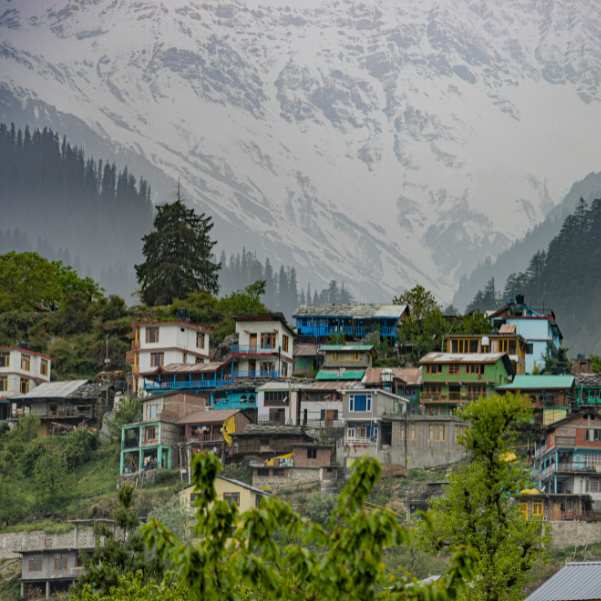
December is high chance overall, though the first half is more variable than the second.
Do not assume Manali town will be white for Christmas or New Year. It might be. It might be green while the high points are snowed in.
Prioritise Solang, Sethan, authorised Gulaba-side points, the tunnel corridor, Sissu, and Koksar, based on what the roads permit that day.
Holiday traffic is brutal this month. Leave early, like really early, or you will spend your snow day stuck in a jam near Solang.
Which Month Is Best for Snow in Manali?
Best for the Strongest Overall Chance
January and February give you the best odds of finding real snow. The trade-off is that road disruptions are also more likely after heavy snowfall, so keep a buffer day.
Best for Easier Family Travel
Late February to early March is a practical sweet spot. You still get good snow with slightly calmer conditions. Just confirm that particular year's snow before you commit.
Best for Snow with Milder Weather
March and early April at higher accessible points give you snow without the harshest cold. Days feel pleasant while the upper slopes stay white.
Best for Rohtang Snow
Late May to June, but only after the pass officially opens. This is your window for that classic high-altitude roadside snow.
Worst Months for a Snow-Focused Trip
July, August, and September. These are the weakest for accessible ground snow. Come for greenery, not snow.
Solang, Rohtang, Sissu or Sethan: Which Snow Point Should You Choose?
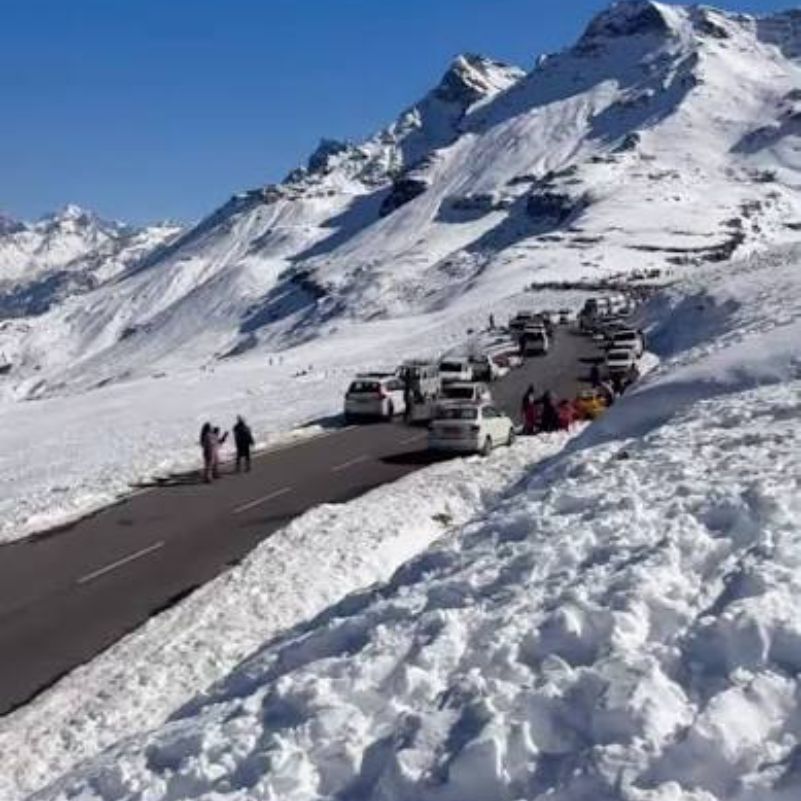
Choose Solang When…
You want the closest mainstream option, you are travelling with family or first-timers, and you want organised snow activities in one place. Accept the crowds as the price of convenience.
Choose Rohtang When…
The pass has officially opened for the season and you want a high-altitude road trip with roadside snow. Never before the opening.
Choose Sissu or Koksar When…
The Atal Tunnel corridor is open and recent reports show better snow on the Lahaul side than around Manali. This side often wins in deep winter.
Choose Sethan When…
You want a quieter village feel, fewer crowds, and you can arrange suitable transport for the narrow final road.
The simple rule we give travellers
pick by month first, then road status that morning, then your group. In deep winter go Solang or Sethan and add Lahaul if the tunnel is open.
In late spring, Rohtang, once it opens. And whatever the month, let the day's road report decide the final spot, not a plan you made three weeks ago.
How Far Should You Travel from Manali to Find Snow?
There is no fixed distance to "the snow point." It moves with the season and the barrier.
The usual progression goes from Manali town, out to Solang, up towards the Gulaba side, through the tunnel corridor to Sissu, on to Koksar, and finally Rohtang once it opens. You go as far as that day's snow and clearance allow.
Remember the police barrier can shift after every big snowfall. So the honest thing to do is ask, on the morning you travel, for the last legally accessible natural snow point.
We are not inventing drive times here, because on snow days they are meaningless. A short stretch can take hours after a storm.
Do You Need a Permit for Snow Points Near Manali?
Good news for most travellers: Solang, Sethan, and the Atal Tunnel route to Sissu do not use the same sightseeing permit system as Rohtang.
Rohtang Pass is different. Its permit fees, quotas, vehicle rules, and closure days can all change. The official permit service has moved from its old website to a newer Himachal government portal, so use the current one.
Permit fees can change, so check the current amount on the official Himachal government portal close to your travel date.
How Can You Check Today's Snow and Road Conditions?
Start with three things: the weather forecast, the police or district road advisory, and current local reports from the ground.
Then do the one thing most people skip. Ask your hotel or driver for a dated photo or video from the actual destination that day. Not last week's, that day's.
Confirm the last tourist barrier and the vehicle requirement before you set off. And do not trust undated reels, recycled snow videos, or vague "snow available" claims from someone trying to sell you a ride.
What Should Families Carry for a Snow Day?

Wear water-resistant shoes with grip, warm socks, gloves, and layered clothing. Carry spare clothes, because wet clothes plus cold plus altitude is a miserable combination.
Also pack sunglasses, sunscreen, water, and light food. Snow glare burns your skin and eyes faster than you expect.
Get children and older travellers out of wet clothes quickly, and do not linger at a high point if anyone feels uncomfortable. Head down and warm up.
What Are the Biggest Mistakes Snow Travellers Make?
The first mistake is booking fixed dates expecting guaranteed snowfall. Snow does not run on your calendar.
The second is planning Rohtang in January or February, when it is firmly closed.
The third is confusing distant white peaks with snow you can actually reach and touch.
The fourth is driving past official barriers or taking an unsuitable car onto black ice. That is how accidents happen up here.
The last is paying for a tiny maintained snow patch without checking the wider conditions. Always ask what the real situation is beyond that one photo spot.
A Flexible Three-Day Manali Snow Plan
Day 1: Manali and the Closest Accessible Snow Point
Head to Solang or Sethan, chosen by that same day's snow and road reports. Keep it simple and close on day one while you settle in.
Day 2: Atal Tunnel, Sissu or Koksar
Cross to the Lahaul side for Sissu or Koksar, but only after weather and police clearance. If the tunnel is restricted, do not push it.
Day 3: Flexible Weather Buffer
Save this for Gulaba or the authorised Rohtang-side snow point. If the mountain roads close, spend the day on local Manali sightseeing instead of taking risks. A buffer day is not wasted, it is what saves the whole trip.
If you would rather not juggle all this yourself, our Manali tour packages build in exactly this flexibility.
Explore Our Curated Manali Tour Packages
 5D/4N
5D/4NBest Value Manali Volvo Package with Rohtang Pass
3D Manali
₹9,999₹13,999SAVE INR 4,000/ person 5D/4N
5D/4NPremium Manali Tour Package with Private Cab and Rohtang Pass
4D Manali
₹14,999₹19,999SAVE INR 5,000/ person 7D/6N
7D/6NComplete Shimla Manali Volvo Package with Rohtang Pass
2D Shimla•2D Manali
₹15,999₹19,499SAVE INR 3,500/ person
Related topics
Frequently Asked Questions
Where can I see snow near Manali right now?
It depends on the day and month. In deep winter, Solang and Sethan are the closest reliable spots, with Sissu and Koksar available when the Atal Tunnel is open. Always confirm the current road barrier and same-day snow report before you leave, since conditions change fast after any storm.
Which is the nearest snow point to Manali?
Sethan is about 12 km from Manali and Solang is about 14 km. Sethan is quieter and often holds snow longer, while Solang is the busier mainstream choice with activities. Both are close enough for an easy day trip in the winter months.
Which month is best for snowfall in Manali?
January and February give you the strongest overall chance of real snow, though road disruptions are more likely then. Late February to early March is a good family-friendly balance. No month can guarantee fresh snowfall on your exact dates, so keep your plans flexible.
Can I find snow in Manali in April?
Yes, but you have to go higher. Early April is moderate to high, and later April is moderate. Upper Solang, Gulaba, Sethan, and Koksar hold snow longer than the lower areas. Manali town itself is usually in spring by April, not under snow.
Can I see snow near Manali in May?
May is moderate and depends heavily on the date and altitude. Lower spots may already be green. Rohtang is generally closed in early May and may open late May or June. Until then, the authorised snow barrier towards Rohtang is usually your practical option.
Is there snow at Rohtang Pass in June?
Yes, if the pass has officially opened. June snow at Rohtang is mostly old roadside snow walls and patches, not fresh snowfall. The amount shrinks as the month goes on and varies with the winter. Always confirm the pass is open before planning around it.
Is Solang Valley covered in snow throughout winter?
Not evenly. Solang usually has snow in peak winter, but the base can lose snow before the upper slopes, especially in late season. Some winter days it is fully white, others the lower area is slushy. Check the same-day report and ask whether the base or only the upper area has snow.
Is Rohtang Pass open in January?
No. Rohtang is normally closed in January, February, and March. It generally reopens in late May or June after snow clearance and official approval, with no fixed annual date. Do not plan a January or February trip around Rohtang. Use Solang, Sethan, or the Lahaul side instead.
Is Sissu better than Solang for snow?
In deep winter, Sissu on the colder Lahaul side often has better snow than areas around Manali. But it depends entirely on the Atal Tunnel being open. Solang is closer and more accessible. Choose Sissu when the tunnel is open and reports show good snow there.
Can children safely play in snow near Manali?
Yes, with sensible preparation. Dress kids in waterproof shoes, gloves, and layers, and carry spare clothes. Get them out of wet clothes quickly and do not linger at high altitude if anyone feels unwell. Solang and Sethan are the more family-friendly choices for a snow day.
Do private cars need a permit for Rohtang Pass?
Rohtang uses a permit system with vehicle rules and quotas that can change each season, and it only applies once the pass opens. The permit service has moved to a newer Himachal government portal. Check the current rules and fee there before travelling, since they are updated regularly.
How can I verify snow before booking my Manali trip?
Check the weather forecast, official road advisories, and current local reports. Then ask your hotel or driver for a dated photo or video from the actual spot that day. Avoid undated reels and generic "snow available" claims. Keeping your dates flexible is the single best insurance against a snowless trip.
More about Manali
 Manali
Shimla First or Manali First? Best Himachal Route from Delhi & Chandigarh in 2026
Planning a Shimla and Manali trip from Delhi or Chandigarh in 2026? This practical route guide compares Shimla first vs Manali first, with travel times, road routes, ideal sequencing, and return options to help you plan a smoother Himachal road trip.
 Manali
Shimla Manali Trip Cost 2026-27: Realistic Budget for Couples, Families and Groups
Plan your Shimla Manali trip for 2026-27 with a realistic budget guide covering hotel, transport, food, sightseeing and estimated costs for couples, families and groups.
- Manali
Manali from South India in Winter 2026-27: A First-Snow Guide for Bengaluru, Chennai & Hyderabad Travellers
Planning your first Manali snow trip from South India? This 2026–27 winter guide covers the best time for snow, routes, costs, clothing, weather, stays and practical tips for travellers experiencing a Himalayan winter for the first time.
- How to Reach
- Snow Travel