
Rohtang Pass Travel Guide 2026: How to Visit, Permits, Costs and Itinerary
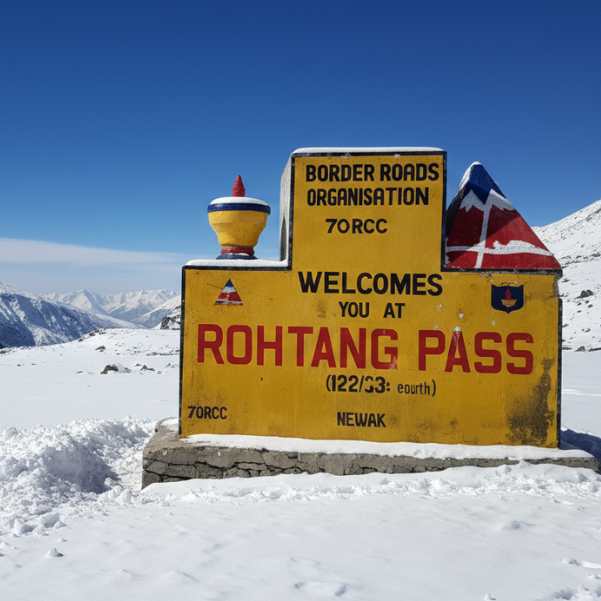
Planning a trip to Rohtang Pass in 2026 requires the right information about permits, transport, road conditions and travel costs.
Located near Manali, Rohtang Pass is one of Himachal Pradesh’s most popular high-altitude destinations, known for its mountain views, snow activities and scenic drive.
This guide by Travel Coffee explains how to visit, where to apply for the required permit, expected costs and the best itinerary options. It will help you plan your journey safely, avoid common booking mistakes and make the most of your Rohtang Pass trip.
Quick Answer: How Do You Visit Rohtang Pass in 2026?
Rohtang Pass sits 51 km from Manali and you need a valid vehicle permit to cross the controlled checkpoint.
Book the permit online at https://rohtangpermits.hp.gov.in/, pay ₹550 for a car, jeep or MUV, and plan a full day for the trip.
Access is seasonal and completely weather dependent. The road opens after snow clearance and closes without warning when snowfall, rain or landslides hit.
The latest road update confirmed that Rohtang Pass was open to tourists on 14 July 2026, but travellers should check the current road and weather conditions before departure.
Check the permit portal and the local road update the morning you leave. Not a week before.
This rohtang pass travel guide covers what actually matters when you are sitting in a Manali hotel room at 9 PM trying to figure out whether tomorrow is going to work.
We run trips on this route every season. The questions we get are always the same. Which permit do I need? Is my car allowed? Why does the taxi guy want ₹5,000 for 51 km? Is there snow right now?
Most of the confusion comes from old blogs quoting a permit website that no longer exists, and from travellers who assume Rohtang Pass and Atal Tunnel are the same thing. They are not.
Here is the honest version. What you can control, what you cannot, and where people waste money.
One thing we will say upfront
Rohtang is not a guaranteed snow experience. If your entire Manali trip depends on playing in snow at the top, you are setting yourself up for disappointment. Plan it as a mountain drive with a chance of snow, and you will enjoy it far more.
What Is Rohtang Pass and Why Is It Famous?
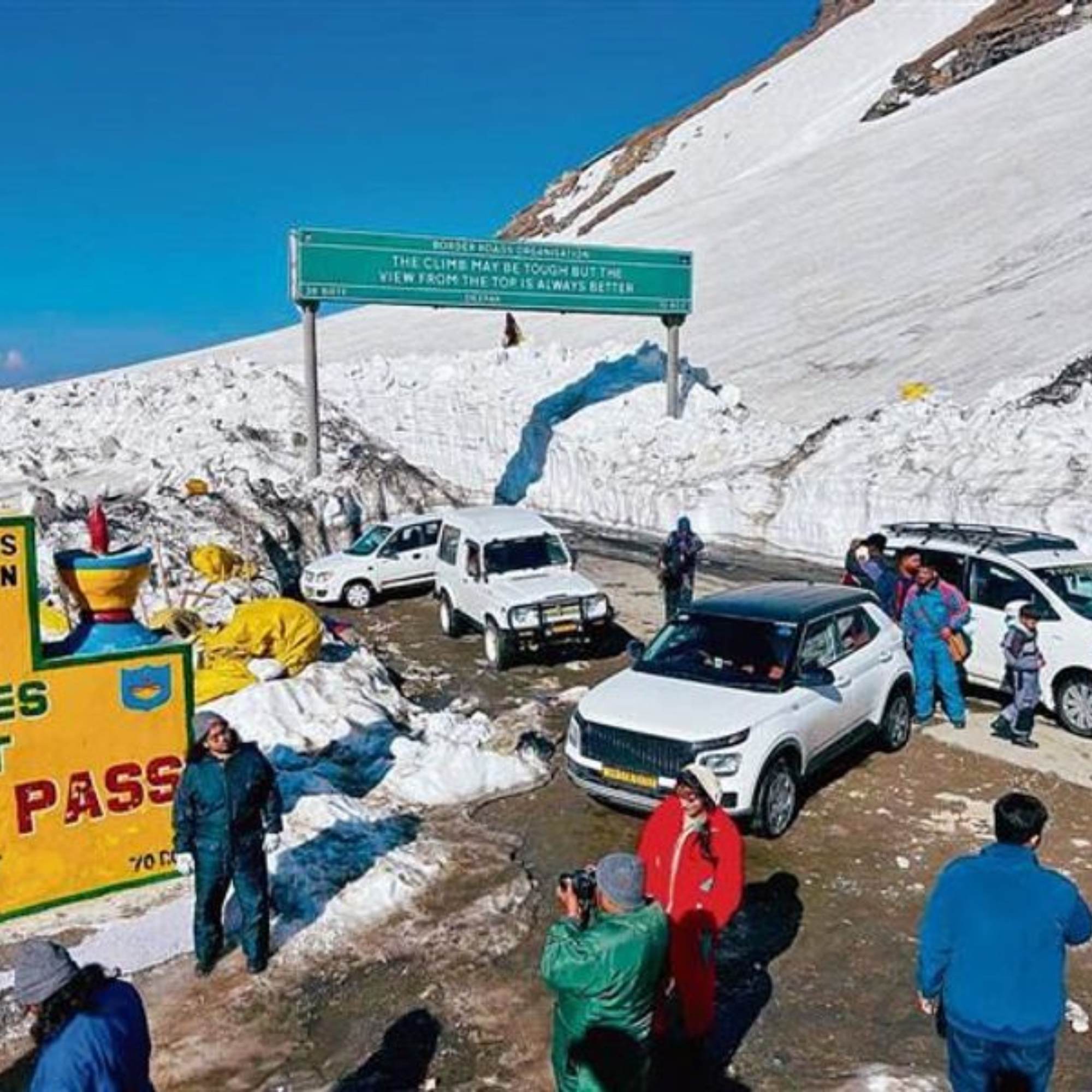
Rohtang Pass lies on the eastern Pir Panjal range at roughly 3,978 metres, about 51 km from Manali.
It is the old link between the Kullu side and Lahaul and Spiti. Before the Atal Tunnel opened, every truck, bus and traveller heading north crossed this pass.
That history is part of why people still go. The other part is the drive itself.
The landscape changes completely as you climb. Pine forest near Kothi, then bare grassy slopes around Gulaba, then rock and snowfields near the top.
You leave green valleys behind and end up somewhere that looks like a different country entirely.
If you want to know the best time to visit, current permit rules and how to plan the journey, explore our complete Rohtang Pass Tour packages before you book your trip.
If you want a full Manali plan with Rohtang built in properly, our Manali tour packages include the permit work and a driver who knows which days are worth attempting.
Is Rohtang Pass Open in 2026?
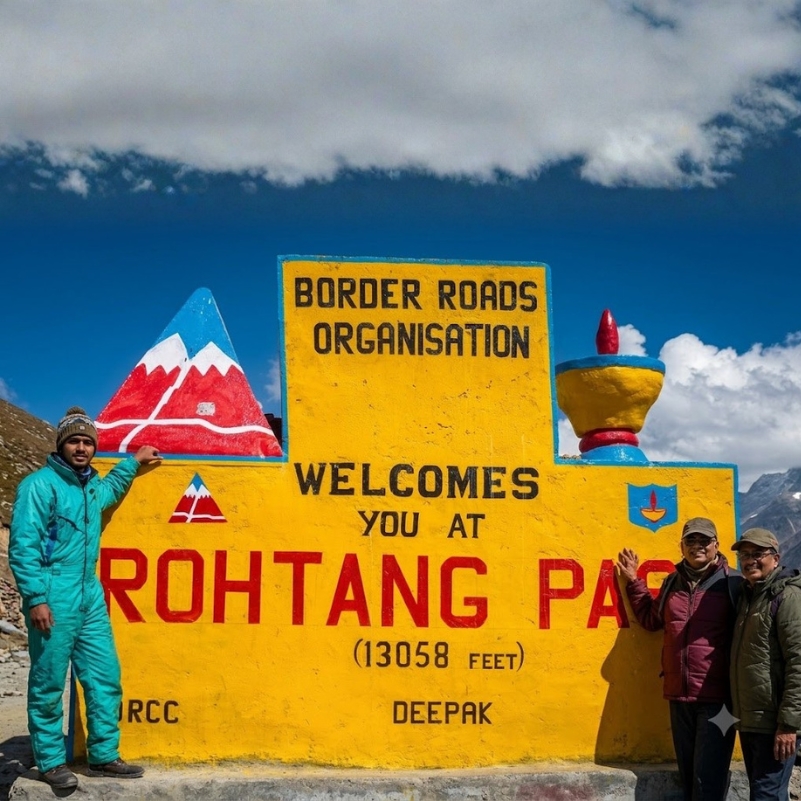
The latest available road update reported that Rohtang Pass was open to tourists on 14 July 2026.
However, road conditions can change quickly due to snowfall, rainfall, landslides, or maintenance, so always check the latest updates before planning your trip.
The pass reopened for the 2026 tourist season in mid-May 2026. While different reports mentioned opening dates of 15 May and 17 May, travellers should rely on the latest announcements from the local authorities for the most up-to-date information before travelling.
Here is what most tourists get wrong: they read "Rohtang opened in May" and assume it stays open every day after that.
A seasonally open road can shut for a day because of fresh snowfall, heavy rain, a landslide, poor visibility, road maintenance work or a district safety order.
We have had groups turned back at Gulaba on a clear sunny morning in Manali. The weather at 3,978 metres has nothing to do with the weather at your hotel.
How to Check Today's Rohtang Pass Status
Start with the official permit portal at https://rohtangpermits.hp.gov.in/.
If travel dates are live and permits are available, that is a good sign. It is not a promise.
A permit issued yesterday means nothing if the police close the barrier this morning.
Also check District Kullu notifications, and then reconfirm with your driver or local operator before you leave Manali.
Our drivers call ahead every single morning. That five-minute call has saved plenty of travellers a wasted 3 AM start.
How Can You Visit Rohtang Pass from Manali?
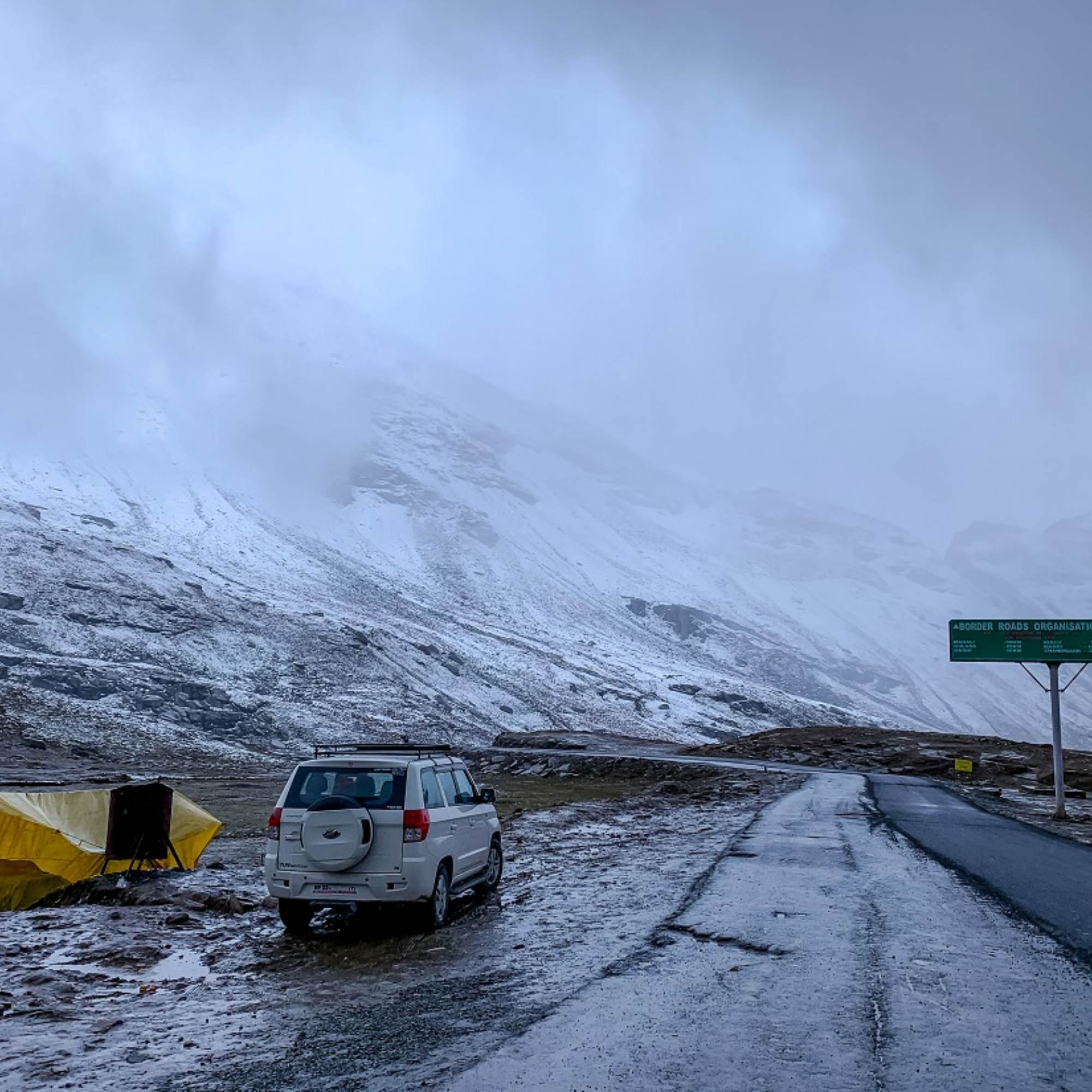
Manali is the normal base and Rohtang is about 51 km away.
Fifty-one kilometres sounds like a two-hour round trip. It is not.
Treat this as a full day mountain excursion. Between the permit checkpoint, traffic control, queues, road quality and weather, the day fills up fast.
We deliberately do not quote a fixed driving time, because it changes week to week and sometimes hour to hour.
Possible stops on the way include Kothi, Gulaba, Marhi, Rahala Falls and the Rani Nallah area.
Parking and stopping instructions change. Some days you can pull over at a viewpoint. Other days the police wave everyone through.
Visiting Rohtang Pass by Local Taxi
For a family or a first-time mountain traveller, a permitted local taxi is the simplest option.
The driver handles the permit, the queue, the road and the decision about when to turn back.
Before you agree on a price, confirm exactly what is included: the Rohtang vehicle permit, congestion charge, pickup and drop from your hotel, waiting time at the snow point and the route stops.
This is where people get caught. A quote that sounds cheap often excludes the permit, and then there is an argument at the checkpoint.
Online 2026 taxi quotations generally start from around ₹4,500, while the final cost commonly ranges between ₹4,000 and ₹6,000 or more depending on the vehicle type, season, route stops and included permit charges.
These are not official fixed fares. There is no government rate card for Rohtang taxis, so treat this as a market range and settle the number before you sit in the car.
Visiting Rohtang Pass in Your Own Private Car
Private cars go through the official special Rohtang permit category. This is separate from the regular tourism permit.
The special-permit quota is 60 petrol and 40 diesel vehicles per day.
Sixty and forty. That is a very small number for a destination this popular, which is why self-drive travellers often end up disappointed.
The official special-permit information says the vehicle must not be more than 10 years old.
A printed permit is compulsory. Not a screenshot on your phone.
Your driver should be comfortable with tight mountain bends, long queues on a slope, slush and weather that turns while you are still climbing.
We are not going to tell you an SUV or 4x4 is always compulsory, because that depends on the road condition and any restrictions in force on your travel date. Check for your specific date.
Can You Visit Rohtang by Bus or Shared Vehicle?
Seasonal government buses, tourism department vehicles and shared services may operate on this route.
Their fares, departure points and operating dates can change, so confirm the latest details locally in Manali before travelling.
The trade-off is control. You stop where the vehicle stops, for as long as it stops.
Can You Ride a Motorcycle to Rohtang Pass?
We are not giving you a straight yes or no here, and be suspicious of any blog that does.
Two-wheeler rules for Rohtang have changed across different periods, and online sources contradict each other constantly.
Confirm the current rule on the official permit portal and with the Manali administration before you hire a motorcycle.
Do not rely on a bike rental shop telling you it is fine. They want the rental. They are not the ones getting turned back at Gulaba.
How Do You Get a Rohtang Pass Permit in 2026?
The permit is issued for the vehicle, not per person.
This confuses a lot of travellers who expect an entry ticket per head. There isn't one. One permit covers the car and everyone in it.
The old rohtangpermits.nic.in domain has been retired. If a blog sends you there, that blog is out of date and probably wrong about other things too.
The correct official portal is https://rohtangpermits.hp.gov.in/.
Remember that the regular tourism permit and the special private-vehicle permit are two different categories. Do not mix them up.
Step-by-Step Online Permit Process
Open the official portal first, and make sure you are on the hp.gov.in address.
Choose the permit category that matches your vehicle and the purpose of your trip.
Enter the registration and traveller information exactly as it appears on your documents. A single wrong digit in the registration number causes problems at the checkpoint.
Provide the required identity, PUC and vehicle information.
Select an available date. This is where the quota bites, especially on weekends.
Pay the permit fee and congestion charge.
Download and print the permission slip. Print it. Do not plan to show it on a phone at 3,978 metres where your battery is dying and there is no signal.
We are not going to claim that an uploaded RC, insurance certificate, driving licence or hotel booking is mandatory, because the live form is the only thing that decides that. Fill it and see what it asks for.
What Documents Are Required?
You need valid identity proof for the travellers.
You need a valid Pollution Under Check (PUC) certificate for the vehicle.
You need your vehicle-registration details.
You need the printed permit in the car.
The special-permit page also asks for traveller address details, so keep that handy while filling the form.
How Much Does the Rohtang Permit Cost?
For a car, jeep or MUV, the official charge is ₹500 permit fee plus ₹50 congestion charge, so ₹550 total.
For a bus or heavy motor vehicle, the researched charge is ₹500 plus ₹100 congestion charge, so ₹600 total.
That is the permit. Nothing else.
Your taxi fare, the Manali green tax, food, rented winter clothing and any snow activities are all separate.
What Is the Daily Vehicle Limit?
The regular tourism quota is 1,200 vehicles per day, split into 800 petrol and 400 diesel vehicles.
Permits release in two windows, at 10:00 AM and 4:00 PM, with 400 petrol and 200 diesel permits in each release.
Here is the money-saving tip most travellers never hear: sit at your laptop at exactly 10:00 AM and book it yourself for ₹550.
Agents in Manali will happily "arrange" your permit for a fee on top. If you can handle an online form, you do not need them. Our team tells walk-in travellers this constantly, and it saves them real money.
The special private-vehicle quota is entirely separate at 60 petrol and 40 diesel vehicles per day. Do not add these to the 1,200 figure.
Is Rohtang Pass Closed on Tuesday?
Tuesday is normally the maintenance day, and tourist permits are not issued for regular Rohtang sightseeing.
Do not build a non-refundable Rohtang-only plan around a Tuesday. We have seen people book flights and hotels around this mistake.
If Tuesday is the only day you have, use it for Solang Valley, the Atal Tunnel, Sissu or local Manali sightseeing instead, subject to road conditions that day.
Is the Manali Green Tax Different from the Rohtang Permit?
Yes, completely separate.
According to the official portal, the green tax applies to vehicles not registered in Himachal Pradesh, and it is valid for seven days.
The official rates shown during our research were ₹100 for a bike, ₹200 for an LMV, ₹300 for a passenger vehicle and ₹500 for a goods vehicle.
You pay one of these, not all four. Which one depends on your vehicle category.
What Is the Best Time to Visit Rohtang Pass?
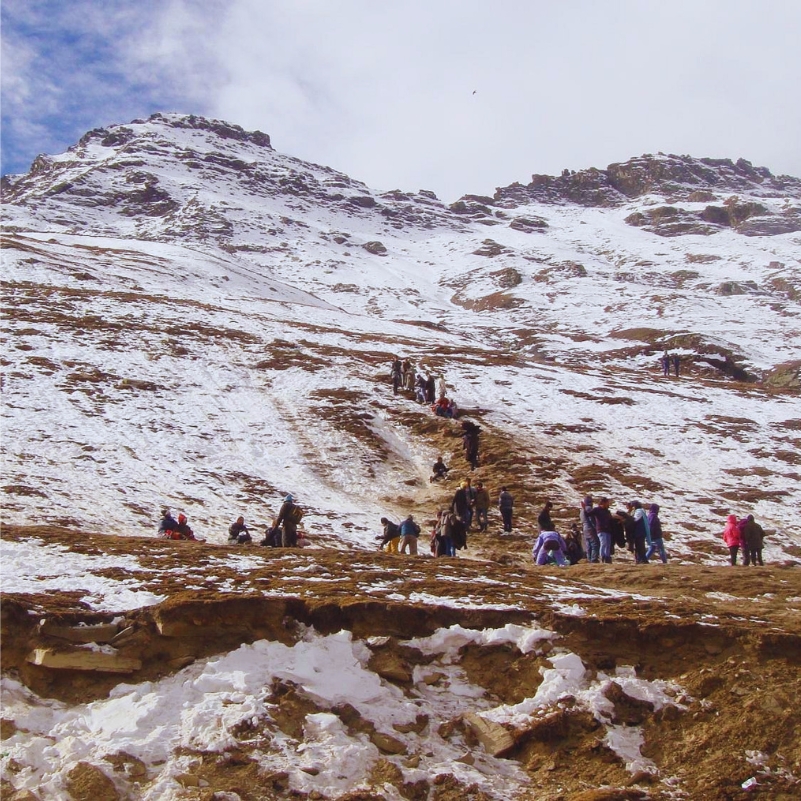
The pass usually becomes accessible after snow clearance in May or June, and stays part of the summer and autumn season.
There are no fixed annual opening and closing dates. Anyone quoting them is guessing.
May and June are the most popular months because leftover winter snow is still around after the pass opens. This is also when the crowds are worst.
September and early October give you clearer mountain views and usually smaller crowds, though old snow is limited by then.
July and August are monsoon-sensitive. Rain, landslides, slush and temporary road restrictions all become likely.
When Can You See Snow at Rohtang Pass?
No honest travel company can promise you natural snow on a specific future date. If someone does, they are selling you something.
Your best odds for roadside snow are soon after the seasonal opening.
The authorised snow point also shifts. Depending on snowmelt, clearance work and safety orders, it can move lower down the route or further up.
What we always tell travellers who are chasing snow: book the Rohtang day early in your Manali trip, not on the last day. If it closes, you still have a day or two left to try again.
Month-by-Month Planning Advice
In March and much of April, Rohtang top is normally inaccessible, though lower snow points on the route may be operating.
May and June bring the opening and the peak of snow tourism.
July and August need monsoon flexibility and buffer time.
September and October offer cleaner landscapes with less old snow.
November and winter access is highly weather dependent and usually restricted.
Rohtang is not a year-round attraction. Any site telling you otherwise has never been there in January.
What Is the Best One-Day Rohtang Pass Itinerary?
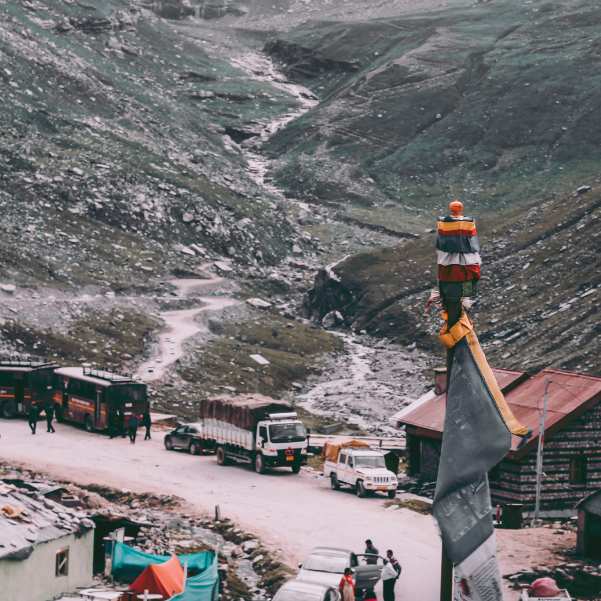
Leave Manali early. We are not going to invent a mandatory departure time, because it depends on your permit slot, the season and the traffic control in force that day. Ask your driver the night before.
A workable progression looks like this.
You climb out of Manali and pass Nehru Kund, then reach Kothi where the valley starts to narrow and the drop below the road gets serious.
Then Gulaba, which is where police often hold or turn back vehicles. Watch what happens here.
A tea or breakfast halt around Marhi breaks the climb. This is your last realistic hot food stop.
The dhabas at Marhi serve simple food. Hot Maggi, omelettes, rajma chawal and endless chai. Eat here on the way up, not on the way down when everyone descending stops at the same time and the queue doubles.
From there you reach the authorised Rohtang or snow-viewing area, spend your time, and start back toward Manali before the afternoon weather or traffic worsens.
A full-day Rohtang Pass trip from Manali generally takes around 10 to 14 hours, depending on traffic, permit checks, road conditions, weather and the time spent at each stop. Keep your evening free, as delays are common on busy days.
Here is the timing tip that changes the whole day
Get to the snow point in the first half of the morning. By midday the same patch of snow has been walked over by hundreds of people and turned into grey slush, and the queue of vehicles behind you keeps growing.
Places to See on the Manali to Rohtang Route
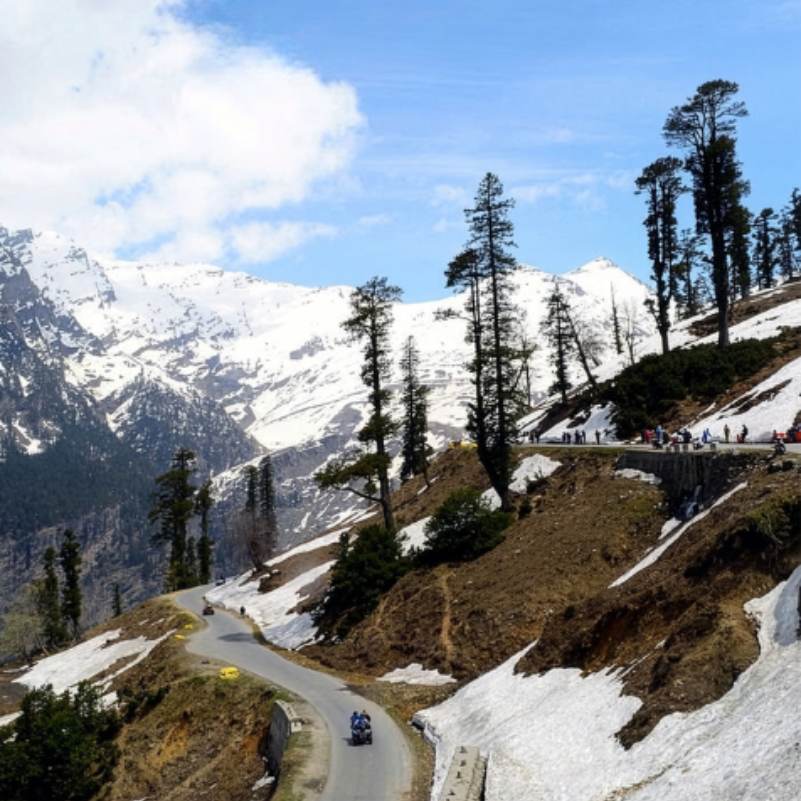
Nehru Kund is a roadside spring stop near the start of the climb.
Kothi gives you the gorge views, and Rahala Falls is a short stop where the water comes down beside the road.
Gulaba and Marhi are the working stops where vehicles gather, and the Rani Nallah area sits closer to the top.
You may not be allowed to stop or park at every one of these on every day. Traffic control decides.
Skip this
Roadside "photo point" stalls where someone offers to photograph you in a rented Himachali outfit for a fee. The same view is available fifty metres up the road for nothing, and the rented outfits at Rohtang cost more than the identical ones in Manali market.
If you want the adventure side of the valley too, we have covered it in our guide to adventure activities in Manali.
How Much Does a Rohtang Pass Trip Cost in 2026?
Start with the permit. For a car, jeep or MUV that is ₹550, made up of the ₹500 fee and the ₹50 congestion charge.
If your vehicle is not registered in Himachal Pradesh, add the Manali green tax for your vehicle category. It covers you for seven days, so it is not a per-trip cost if you are in the area a while.
For a taxi, expect to pay around ₹4,500 to ₹6,000 or more, depending on the travel date, vehicle type, seasonal demand and what is included in the quoted price.
On top of that, budget for food on the route, rented winter clothing if you do not carry your own, and any snow activities you decide to do at the top.
We are not going to quote you prices for sledging, skiing, clothing rental, parking or guides, because those change constantly and vary by operator. Ask before you commit, and agree on the number first.
Here is a safety and money warning worth taking seriously
The winter clothing rental at the top will always cost more than the same jacket and boots rented in Manali town. Rent in Manali before you leave. And whatever the activity, fix the price before you start, not after.
Rohtang Pass or Atal Tunnel: Which Should You Visit?
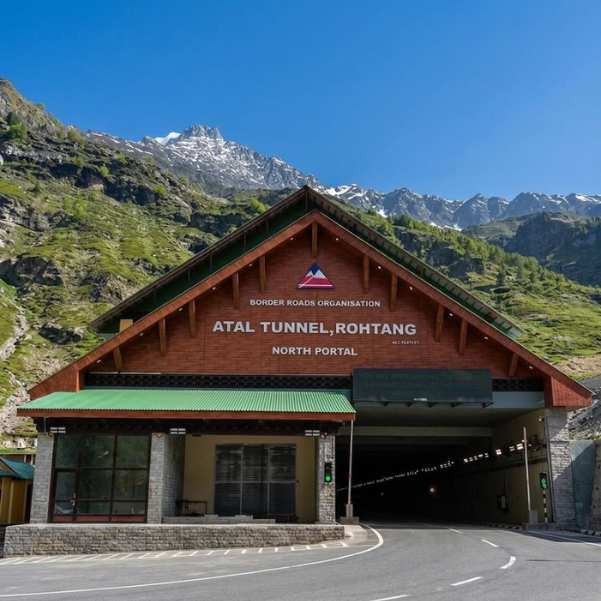
These are two different experiences and travellers constantly confuse them.
Rohtang Pass gives you the classic high-pass road, the viewpoints, the climb and the seasonal snow at the top.
The Atal Tunnel gives you a fast, direct route toward Sissu and the wider Lahaul region, cutting under the mountain instead of over it.
No Rohtang permit is normally required just to use the Atal Tunnel or travel to Sissu. Weather and traffic restrictions can still apply though.
If Lahaul is what you actually want, our Sissu tour packages work better than forcing a Rohtang day into your plan.
Can Rohtang Pass and Sissu Be Covered on the Same Day?
Possible under good conditions. Usually rushed.
You spend the day in the car, eat lunch in a hurry and reach your hotel after dark.
For families, children, senior citizens and anyone who likes to stop and actually look at things, use separate days.
The final call belongs to current traffic control, the weather and your driver's read of the road that morning.
What Can You Do at Rohtang Pass?
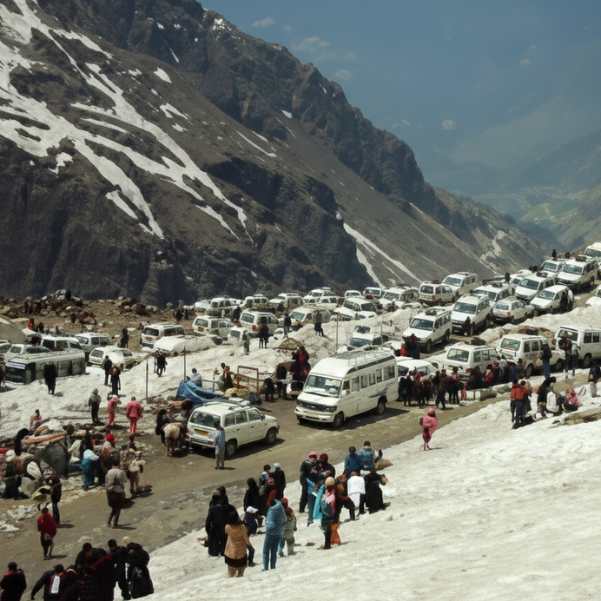
Photography is the main one. The designated viewpoints on the way up often give better shots than the top itself.
You can take short walks in the safe, authorised areas.
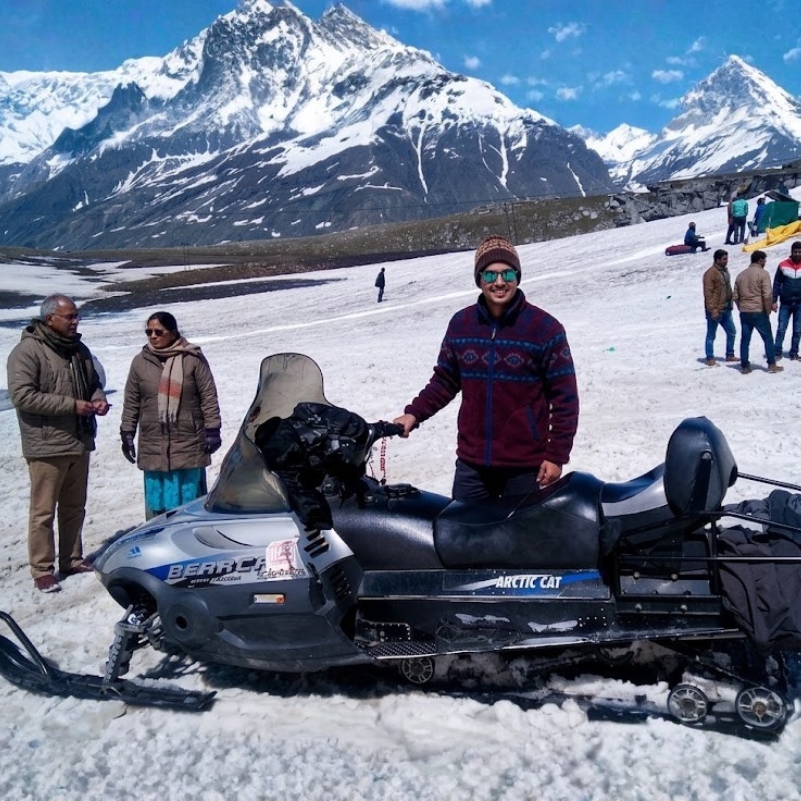
Tourism sources list seasonal snow activities including sledging, skiing and snow bikes.
Every one of these depends on actual snow, weather, whether the operator is running legally, and the safety instructions in force. Nothing is guaranteed on any given day.
Is Rohtang Pass Safe for Families, Children and Elderly Travellers?
You climb from Manali to roughly 3,978 metres in a matter of hours. That is a fast gain.
Common altitude symptoms include headache, nausea, dizziness, loss of appetite and unusual tiredness.
If symptoms get worse, stop going higher and descend. Descending is the fix.
Confusion, severe breathlessness, loss of coordination or rapidly worsening symptoms need urgent medical help and immediate descent. Do not wait it out at the top.
We are not doctors and we are not going to recommend any medicine. If you have medical concerns, talk to your own doctor before the trip.
Who Should Seek Medical Advice Before Visiting?
Get medical advice if you have a heart or lung condition, if you have had a serious altitude reaction before, or if you have significant mobility or health concerns.
Pregnancy and serious chronic conditions need a proper conversation with your doctor rather than a blanket rule from a travel blog.
What Should You Pack for a Rohtang Day Trip?

Layers beat one thick jacket. A thermal, a fleece and a windproof outer layer will handle the cold better than a single heavy coat.
Carry gloves and a cap. The wind at the top does more damage than the temperature.
Wear shoes with grip. Slush and wet rock are the reality, not clean white snow.
Sunglasses and sunscreen matter more than people expect. UV at this altitude is harsh, and snow reflects it straight back at your face.
Carry drinking water, light food and your personal medicines.
Keep the printed permit, photo identity, PUC and vehicle documents together in one place, not scattered across three bags.
Mobile connectivity is limited on the route. Carry some cash, because you cannot count on UPI working at a Marhi dhaba.
Where Should You Stay for a Rohtang Pass Trip?
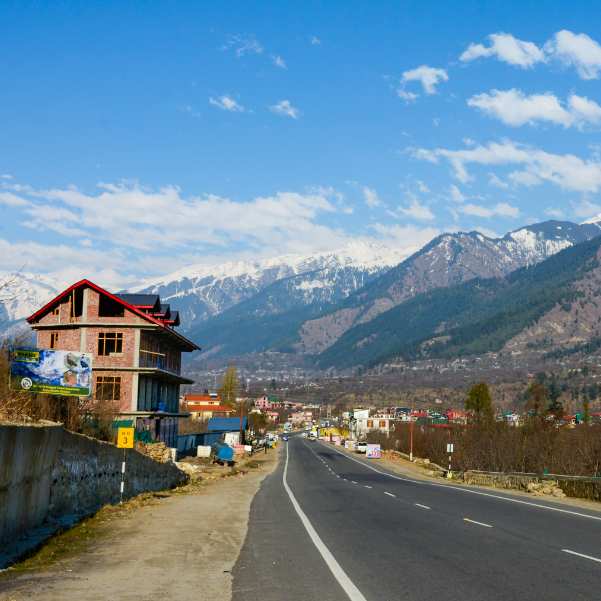
Manali is the practical base. Hotels across every budget, taxis, cafés, chemists, medical help and an easy early start.
Solang and the villages along the route are alternatives if you want to be closer to the climb.
There is no normal tourist accommodation at Rohtang top. Do not plan to stay up there.
If Rohtang is part of a bigger northern trip, our Spiti Valley tour packages take the same road further into Lahaul and Spiti.
What Should You Do If Rohtang Is Closed or Permits Sell Out?
The Atal Tunnel and Sissu work well when the road is safe, and no Rohtang permit is needed for that.
Solang Valley is the easy fallback close to Manali.
Gulaba or whichever lower snow point is currently authorised can still give you snow without the full climb.
Local Manali sightseeing fills a day comfortably if the weather is bad everywhere.
Check your backup destination for weather and road restrictions too. A closed Rohtang often means the whole upper valley is having a rough day.
Never bypass a barrier, take an unofficial route or push your driver to ignore police instructions. Drivers lose their permits over this, and travellers get stuck in places with no help nearby.
How Can You Visit Rohtang Responsibly?
Carry your waste back down with you. There are no bins at 3,978 metres and whatever you leave stays there.
Skip single-use plastic where you can. Fill a bottle in Manali instead of buying three on the way up.
Stay inside the authorised parking and activity areas. They exist because of erosion and safety, not to annoy you.
Do not drive or walk over the alpine grass off the road. It takes years to grow back at this altitude.
Share a vehicle when it is practical. Fewer cars on the road is the single biggest thing that helps this route.
If you are planning a trip to Rohtang Pass, explore our Rohtang Pass tour packages for help with permits, transport and planning your journey responsibly.
Explore Our Curated Rohtang Pass Tour Packages
 5D/4N
5D/4NPremium Manali Tour Package with Private Cab and Rohtang Pass
4D Manali
₹14,999₹19,999SAVE INR 5,000/ person 5D/4N
5D/4NBest Value Manali Volvo Package with Rohtang Pass
3D Manali
₹9,999₹13,999SAVE INR 4,000/ person 7D/6N
7D/6NComplete Shimla Manali Volvo Package with Rohtang Pass
2D Shimla•2D Manali
₹15,999₹19,999SAVE INR 4,000/ person
Related topics
Frequently Asked Questions
Is Rohtang Pass open now in 2026?
The most recent road update we researched showed Rohtang open to tourists on 14 July 2026. That is not a promise for today. Check the official portal at rohtangpermits.hp.gov.in and District Kullu notifications on the morning you plan to travel. Even a road that is officially open can close within hours because of snowfall, rain, landslides or a safety order.
How far is Rohtang Pass from Manali?
Rohtang Pass is approximately 51 km from Manali. The distance sounds small but the drive is nothing like a 51 km run on a plain road. Between the climb, the permit checkpoint, traffic control, queues at Gulaba and the road surface, this is a full day trip. Plan your whole day around it rather than squeezing it between other activities.
Is a permit required for every passenger?
No. The Rohtang permit is issued for the vehicle, not per person. One permit covers the car and everyone travelling in it. This is different from an attraction entry ticket. For a car, jeep or MUV the total is ₹550, which includes the ₹500 permit fee and the ₹50 congestion charge, regardless of how many people are in the vehicle.
What is the Rohtang Pass permit fee in 2026?
For a car, jeep or MUV, you pay ₹500 as the permit fee plus a ₹50 congestion charge, so ₹550 in total. For a bus or heavy motor vehicle, the researched charge is ₹500 plus a ₹100 congestion charge, making ₹600. This covers only the permit. Taxi fare, Manali green tax, food, clothing rental and snow activities are all separate costs.
Can I visit Rohtang Pass in my private car?
Yes, through the special Rohtang permit category, which is separate from the regular tourism permit. The quota is small at 60 petrol and 40 diesel vehicles per day, so book early. The official information says the vehicle must not be more than 10 years old, and a printed permit is compulsory. Check any vehicle restrictions in force for your specific travel date.
Why is Rohtang Pass closed on Tuesday?
Tuesday is normally reserved for road maintenance, and tourist permits are not issued for regular Rohtang sightseeing on that day. Do not build a non-refundable Rohtang plan around a Tuesday. If Tuesday is your only free day, use it for Solang Valley, the Atal Tunnel, Sissu or Manali sightseeing instead, depending on road conditions.
Which month is best for snow at Rohtang Pass?
May and June usually give you the best odds, because leftover winter snow is still around soon after the pass opens. That said, nobody can guarantee natural snow on a specific future date. The authorised snow point also moves lower or higher during the season depending on snowmelt, clearance work and safety orders in place.
Can Rohtang and Atal Tunnel be visited on the same day?
Sometimes, under good conditions, but it usually makes for a rushed day with most of it spent inside a vehicle. We suggest separate days for families, children, senior citizens and anyone who likes proper stops. The final route call should come from current traffic control, the weather and your driver's judgement on the day.
Is a permit needed for Atal Tunnel and Sissu?
No Rohtang permit is normally required just to travel through the Atal Tunnel or head toward Sissu. Weather and traffic restrictions can still apply though, and the tunnel route closes at times for its own reasons. If your vehicle is registered outside Himachal Pradesh, the separate Manali green tax may still apply.
Is Rohtang Pass safe for children and senior citizens?
It can be, with care. The concern is the fast altitude gain from Manali to roughly 3,978 metres. Watch for headache, nausea, dizziness, loss of appetite and unusual tiredness, and descend if symptoms worsen. Travellers with heart or lung conditions, previous altitude problems or significant health concerns should speak to their doctor before planning the trip.
How many hours are needed for a Rohtang day trip?
Plan for most of the day. One commercial itinerary estimates 10 to 14 hours, and the real duration swings a lot based on permit queues, traffic control, road conditions and weather. Keep your evening free and do not book anything for that night. Trying to fit Rohtang around a train or flight the same day is asking for trouble.
What should I do if the pass closes after I book my Manali trip?
Switch to the Atal Tunnel and Sissu if the road is safe, or spend the day at Solang Valley, the currently authorised lower snow point, or on local Manali sightseeing. Check the weather and restrictions for your backup too. Never bypass a barrier or push your driver to ignore police instructions, whatever the plan cost you.
More about Rohtang Pass
 Rohtang Pass
Rohtang Pass Altitude Sickness in 2026: Symptoms, Prevention and When to Turn Back
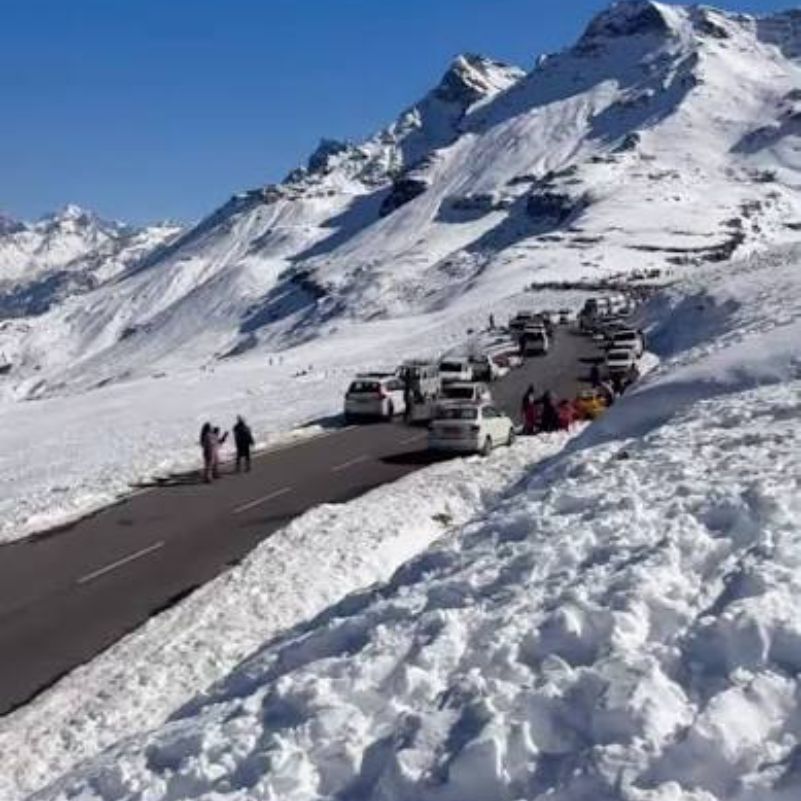
Planning a trip to Rohtang Pass in 2026? Learn the symptoms of altitude sickness, prevention tips, and when to turn back for a safe mountain journey.
- Altitude & Health
- First-Time Travellers
 Rohtang Pass
Best Places to Visit on the Way to Rohtang Pass in 2026
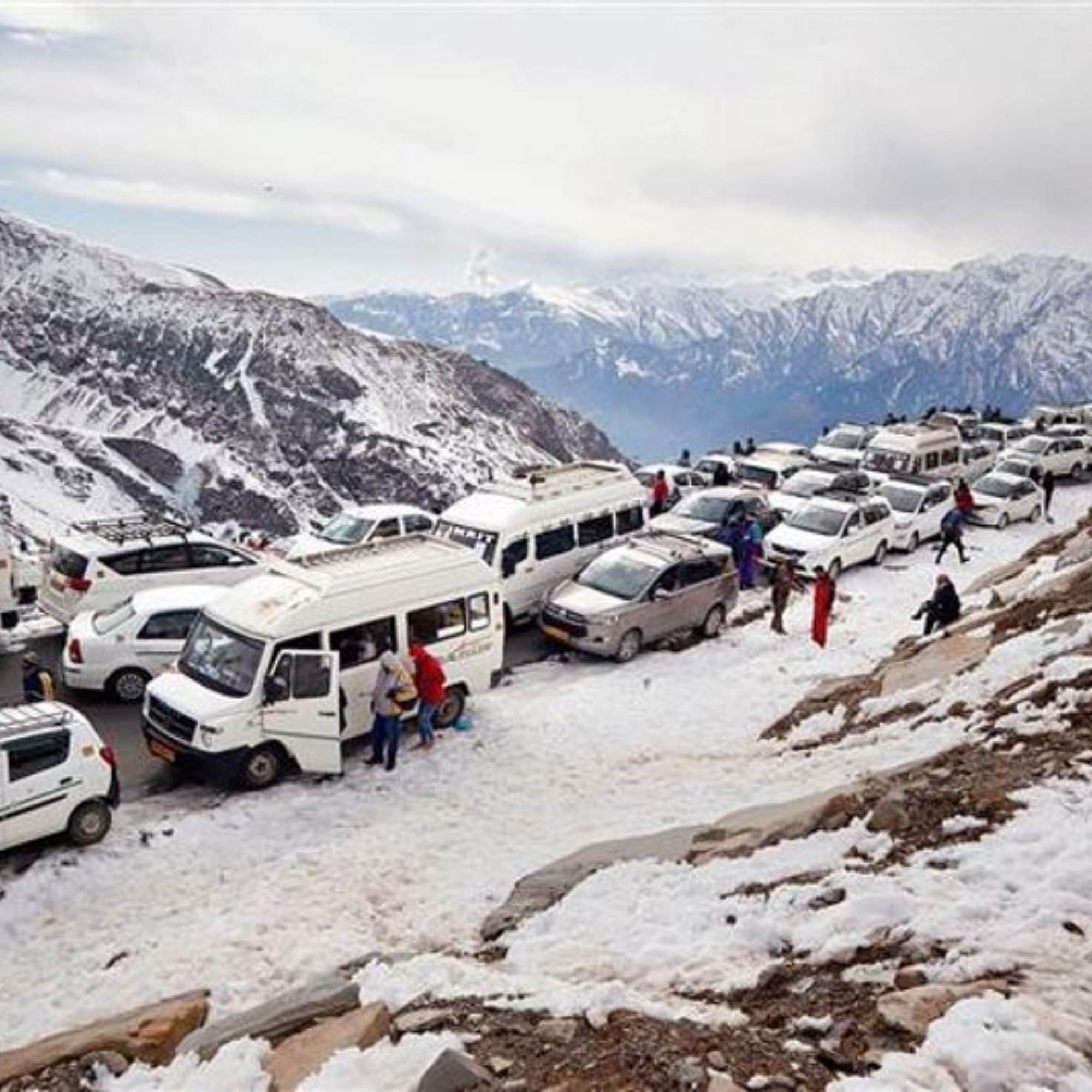
Discover the best places to visit on the way to Rohtang Pass in 2026, including Solang Valley, Rahala Waterfalls, Gulaba, Marhi, and more for an unforgettable Himalayan road trip.
- Places to Visit
- Road Trips
 Rohtang Pass
15 Rohtang Pass Mistakes to Avoid in 2026: Permits, Taxi Scams, Timing and Snow Rentals
Planning a Rohtang Pass trip in 2026? Discover 15 common mistakes to avoid, from permits and weather to packing and safety, for a smooth mountain adventure.
- First-Time Travellers
- Permits & Fees