
Best Time To Visit Sissu in 2026: Month Wise Weather, Snow and Road Guide

If you are trying to figure out the best time to visit Sissu, the honest answer is that it depends entirely on what you want to see. Snow, waterfalls, autumn colours, and easy family travel all happen in different months here.
Sissu is not one of those places that looks the same all year. The same village that gives you green meadows and a roaring waterfall in June turns into an icy, half-shut snow zone by December.
We send travellers to Sissu every season, and the feedback always comes down to one thing: people who picked the right month loved it, and people who picked the wrong one spent half the trip stuck on a closed road.
So let me break it down properly, month by month, with the real road and weather situation.
Quick Answer: What Is the Best Time To Visit Sissu?
The safest all-round windows are May to June and September to October. Roads are usually stable, weather is comfortable, and you get the best mix of greenery and clear views.
For snow lovers, December to February is the main window, but winter travel needs same-day road checks and local closure checks before you even leave Manali.
If you want the Sissu Waterfall at full force, aim for May to July when the snowmelt feeds it. October is the month for golden autumn colours and the best photos.
Why Sissu's Best Time Depends on What You Want
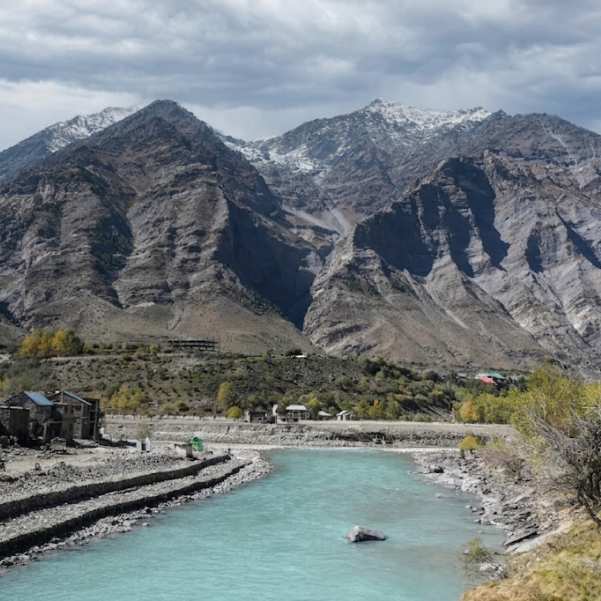
Sissu sits in Lahaul Valley at around 3,100 metres, right near the north end of the Atal Tunnel. At that height, the weather swings hard between seasons, and that single fact decides everything about your trip.
In winter you get snow but unreliable roads. In summer you get green slopes and a strong waterfall. In autumn you get those famous golden poplar trees and crisp mountain air.
The waterfall flow, the crowd levels, the road comfort, and whether the trip suits your kids or your elderly parents all shift month to month. There is no single "best" month that wins on everything.
Most tourists get this wrong. They see one viral reel of Sissu in fresh snow and book a December trip, then find out the police have restricted movement and half the cafes are shut.
If you want a trip planned around the right window for your group, our Sissu tour packages are built around the seasons that actually work.
Sissu Month Wise Guide: January to December
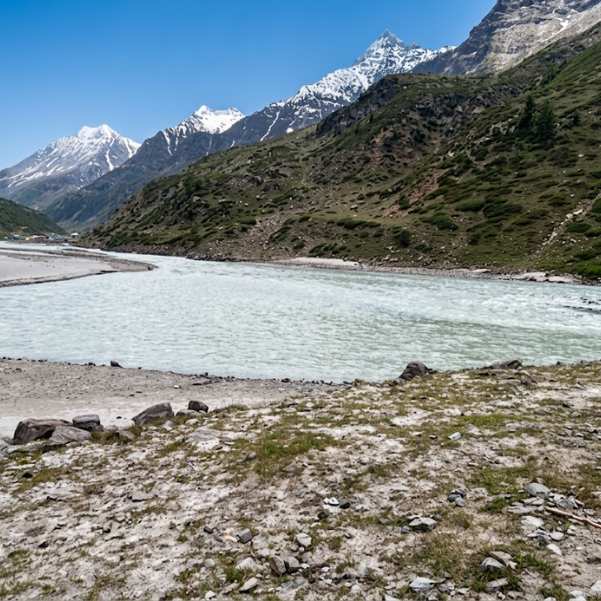
Here is the real picture for each month, based on what we see on the ground and what the road reports tell us.
Sissu in January
January means deep snow, freezing cold, and icy roads. The drive can be beautiful but also genuinely risky if conditions turn.
There is one big thing to know for 2026. Tourism activities in Sissu were reported suspended from 20 January to 28 February 2026 for local religious and cultural observances.
Some reports also mentioned broader Koksar and Sissu restrictions running from 14 January until the first week of March 2026.
So January is only for experienced winter travellers, and only if access is officially open on your dates. Do not assume the road being clear means the village is welcoming tourists.
Sissu in February
February is full-on winter. Cold, snow, and short days.
The 2026 tourism suspension continued through February, ending on 28 February. During village restrictions like these, please respect the local rituals and do not push for entry.
We always tell travellers this plainly: a closed window is closed for a reason. Forcing your way in during a religious observance is not just risky, it is disrespectful to the people who live there.
Sissu in March
March is the messy in-between month. Snow patches linger, mornings stay cold, but access slowly starts improving.
Here is a real example of how unpredictable it gets. In March 2026, heavy snowfall stranded vehicles around Sissu, Keylong, and the Atal Tunnel area. More than 300 tourist vehicles had to be brought back to Manali.
So treat March as a flexible-only month. If you can move your dates around bad weather, it can work. If you have a fixed plan with no buffer, skip it.
Sissu in April
April is a transition month. The snow starts melting, roads are usually in better shape than peak winter, but sudden weather can still mess with your movement.
This is a good month for travellers who stay flexible and do not panic if a plan shifts by a day.
It is not the month for someone who wants zero uncertainty and a perfectly smooth trip. The mountains are still shaking off winter.
Sissu in May
May is one of the best balanced months for Sissu, and it is the one we recommend most often for first trips.
Roads are usually more stable by now. The weather is cool and pleasant. The waterfall flow starts picking up, and the valley properly opens up after winter.
You get greenery starting to show, comfortable daytime temperatures, and far fewer road headaches than the winter months. For most people, this is the sweet spot.
We covered this month in detail in our Sissu Valley in May guide if you want the full breakdown.
Sissu in June
June brings warmer days, greener views, and more active local services. Cafes are open, stays are running properly, and the whole valley feels alive.
This is a strong month for family travel. The weather is comfortable, the roads are usually good, and there is enough open everywhere to keep everyone happy.
One small heads-up. Late June can bring more clouds or early pre-monsoon moisture, so the crisp clear views are not guaranteed every day.
Sissu in July
July is lush. The slopes are green, and the Sissu Waterfall is at strong flow thanks to the snowmelt.
But July also brings the rain risk. The approach roads, especially if you are coming up from lower Himachal, can face landslides and slowdowns.
The Lahaul side stays drier than Manali, but the journey to get there is where the trouble usually shows up. Build in buffer time.
Sissu in August
August keeps the green landscapes but adds a lot of cloudy days. You will not get the sharp, clear mountain views you see in September or October.
This is fine for slow travellers who just want to relax in a green valley and are not chasing photos.
If you are a photographer hoping for clear-sky shots of the peaks, August will frustrate you. The haze and clouds sit around more than you would like.
Sissu in September
September is one of the best months for road trips and photography. The monsoon risk starts dropping, the air clears up, and the views open out.
Roads settle after the rains, the crowds thin a little, and you get those clean post-monsoon mountain views that make the whole drive worth it.
In our experience, September trips have the fewest complaints. The weather cooperates, the roads behave, and people come back happy.
Sissu in October
October is when Sissu turns golden. The poplar trees change colour, the evenings get cold, and the photography is genuinely beautiful.
This is the autumn window everyone talks about. Crisp air, golden trees, blue skies, and that quiet end-of-season feel.
Just remember that early snow can start in the higher areas this month, so warm layers are still essential even if the days feel pleasant.
Sissu in November
November is quiet. The roads are emptier, the nights get properly cold, and there is a pre-winter stillness to the place.
This suits offbeat travellers who like the solitude and do not mind the cold.
It is not the month for first-time family travellers with young kids or elderly members. Services start winding down and the cold gets serious.
Sissu in December
December is for snow lovers, plain and simple. If fresh snow is your dream, this is when it happens.
But I will not oversell it. December comes with icy roads, possible police restrictions, fewer open services, and high road uncertainty.
The snow is real and beautiful, but so are the risks. Only plan December if you are comfortable with cold, ready for plans to change, and willing to check road status the same morning you travel.
Best Time To Visit Sissu for Snowfall
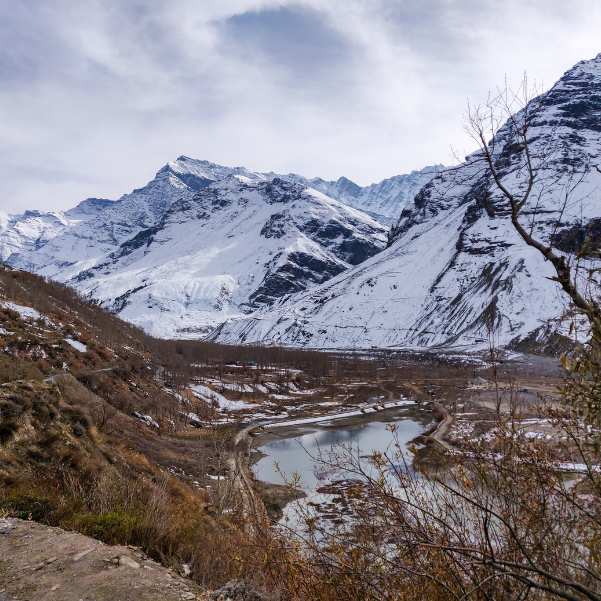
The main snowfall window is from December to February. This is when Sissu gets its proper winter coat.
Snow can also linger into March and sometimes early April depending on how the season plays out. So a March trip can still get you snow patches without the deepest winter risk, though as we saw in 2026, March can throw its own surprises.
Here is the thing about winter in 2026 specifically. The local tourism restrictions and weather disruptions made the whole season sensitive. Between the religious observance closures and the snowfall that stranded over 300 vehicles, winter was not a simple "just drive up" situation.
Best Time To Visit Sissu Waterfall
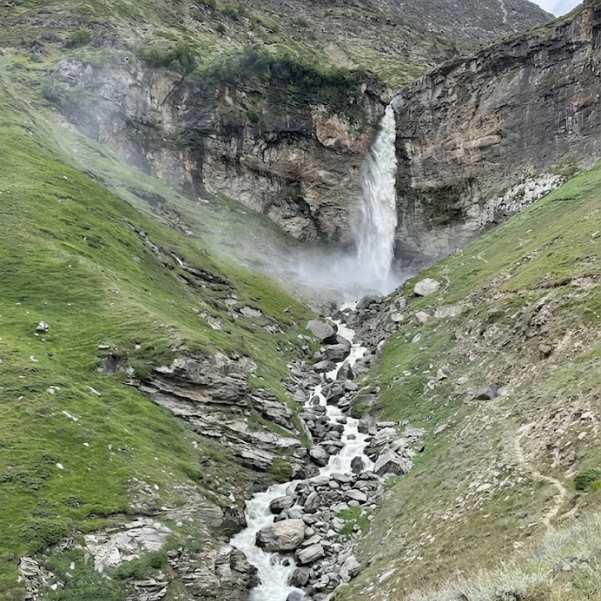
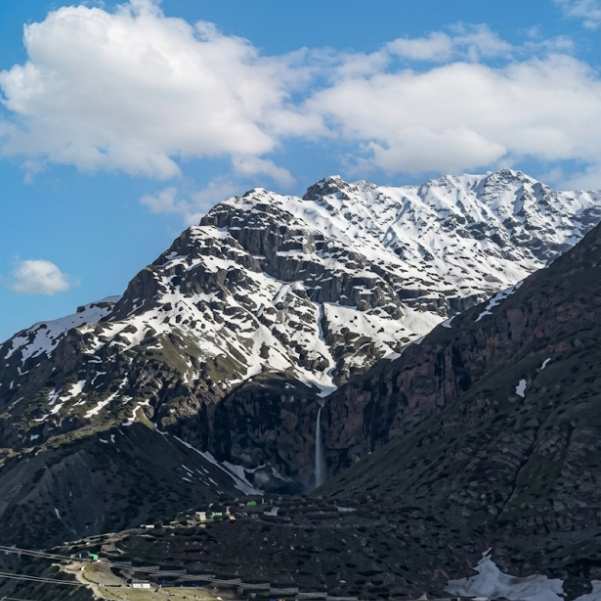
For the strongest flow, go between May and July. This is when the snowmelt feeds the waterfall and it really comes alive.
The wider access-friendly window for the waterfall is May to October, so you can still see it outside the peak-flow months, just with less force.
Sissu Waterfall is also commonly referred to as Khagling Waterfall in travel listings. You may hear other local names for it on the ground, but unless they are confirmed by local signage, guides, or official sources, treat them as unverified.
Reaching it is a short walk or hike from the viewpoint, though the exact distance and time depend on which route you take and how close you can drive. Wear shoes with grip rather than slippers.
One local tip most guides skip. The waterfall looks far more powerful in the morning when the previous night's melt has built up. By late afternoon on a hot summer day the flow can look thinner.
For more on what is worth seeing around the village, our best places to visit in Sissu guide covers the spots people actually enjoy.
Best Time To Visit Sissu for Families, Couples and Solo Travellers
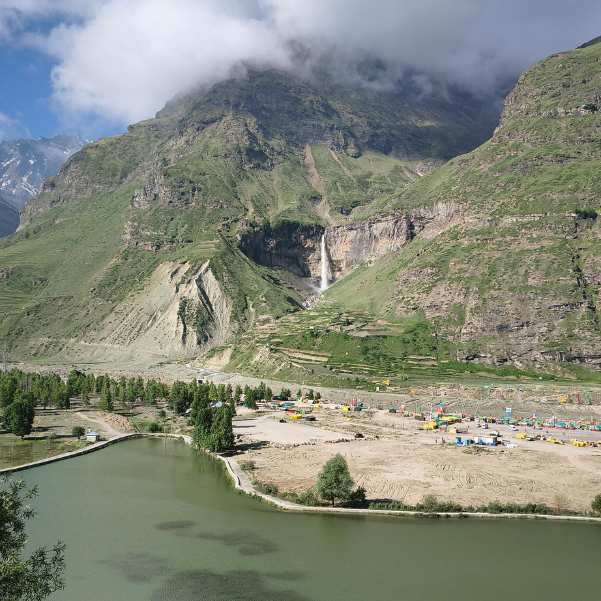
For families
For families, the best months are May, June, and September. Stable roads, comfortable weather, and enough services open to keep everyone fed and warm.
For couples
For couples, go for May, June, or October. May and June give you green comfort, while October gives you those golden trees and cold romantic evenings.
For solo and adventure travellers
For solo and adventure travellers, March, April, November, and December can all work if you are comfortable with cold and a bit of road uncertainty. These months are quieter and more raw.
What we always tell our travellers is simple. If it is your first time and you are bringing family, avoid peak winter unless the road status is clearly open on your exact dates. The snow is not worth a stranded car with kids inside.
Is Sissu Open Throughout the Year? Road Status and Atal Tunnel Reality
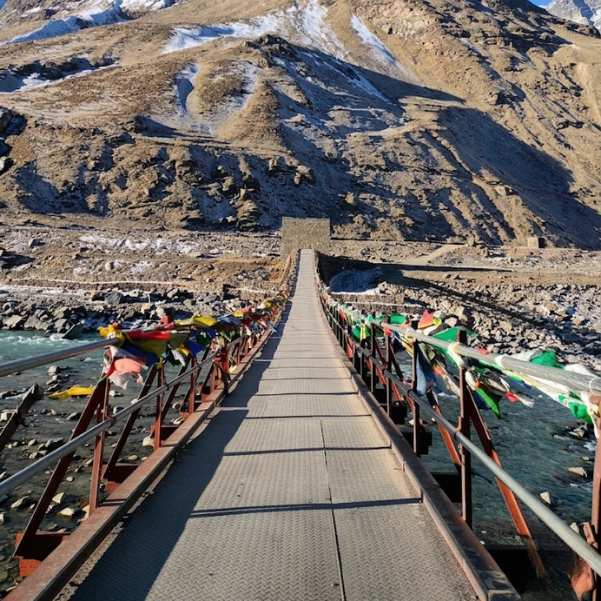
The Atal Tunnel changed everything for Sissu travel. Before it, reaching Lahaul meant crossing Rohtang Pass, which shut for months in winter. Now the tunnel keeps the door open for much longer.
The tunnel is 9.02 km long and connects Manali to the Lahaul-Spiti valley. Its north portal sits right near Teling, Sissu, which is why the village suddenly became so reachable.
But "reachable" does not mean "always open." Snow and official restrictions can still close or limit tourist movement, exactly like we saw in early 2026.
Here is a real reference point. The official Lahaul-Spiti road status page, last updated 20 March 2026, listed Delhi to Manali open and Manali to Keylong open. On that same update, Keylong to Kaza was closed and Keylong to Leh was open.
The lesson is to check that same official page on the morning you travel. A road that was open last week can shut overnight. Do not plan blind.
If you want the Manali end of your trip sorted properly, our Manali packages include local drivers who know these roads day to day.
How To Reach Sissu from Manali in the Best Season
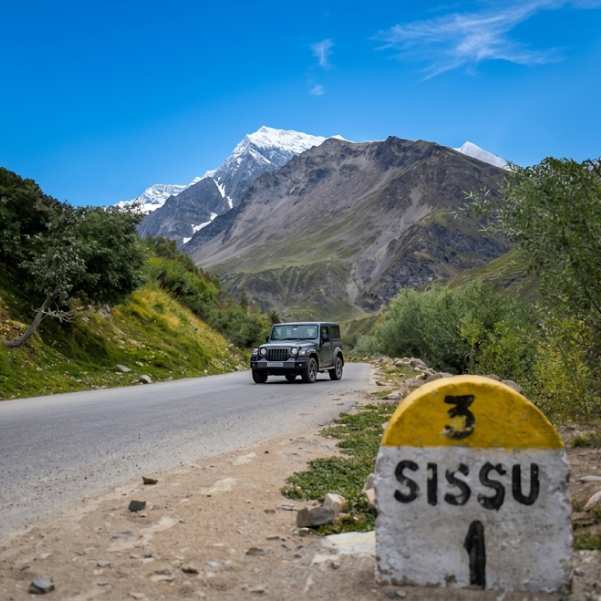
The route is straightforward. You drive from Manali, go through the Atal Tunnel, and come out at Sissu.
The distance is about 40 km from Manali. In good conditions it takes around 1 hour, but traffic at the tunnel, snow, or police checks can stretch that out a lot. Do not plan your day assuming a clean one-hour run.
You have a few options to get there. You can take a local bus, share a cab with other travellers, hire a private taxi, or self-drive if you are confident on mountain roads.
On rough cost guidance, a local Manali to Sissu bus is usually the cheapest option, but the fare should be checked at the Manali bus stand on the day of travel.
Shared cabs generally start around ₹500 to ₹800 per seat, while a private taxi can start from around ₹3,000, depending on the vehicle, season, pickup point, road conditions, and demand.
Always confirm the rate before boarding, because local transport prices on this route can change quickly.
One money-saving tip our drivers always share. Shared cabs from the Manali taxi stand fill up fast in the morning. Get there early and you split the cost instead of paying full private taxi rates.
If you are also looking at the higher reaches, our Rohtang Pass in May guide is worth a read for how that side opens up.
One Day Sissu Itinerary from Manali
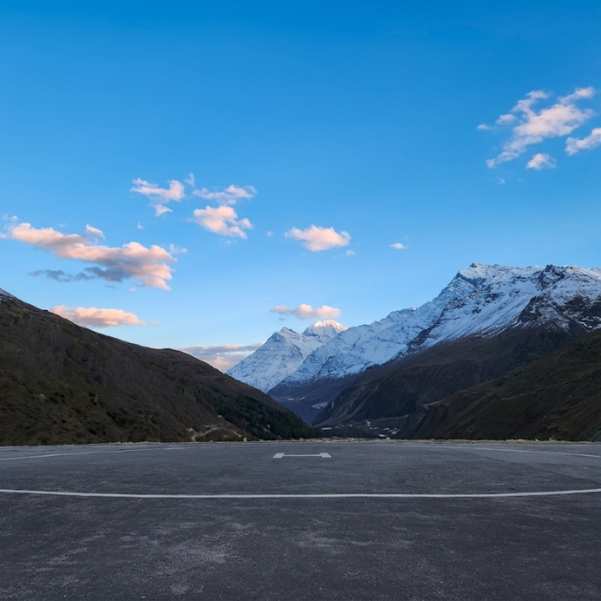
Leave Manali early. The earlier you cross the Atal Tunnel, the less traffic you fight and the more of the day you keep.
Once you come out near Sissu, head to the waterfall viewpoint first while the morning flow is strongest and the light is good for photos.
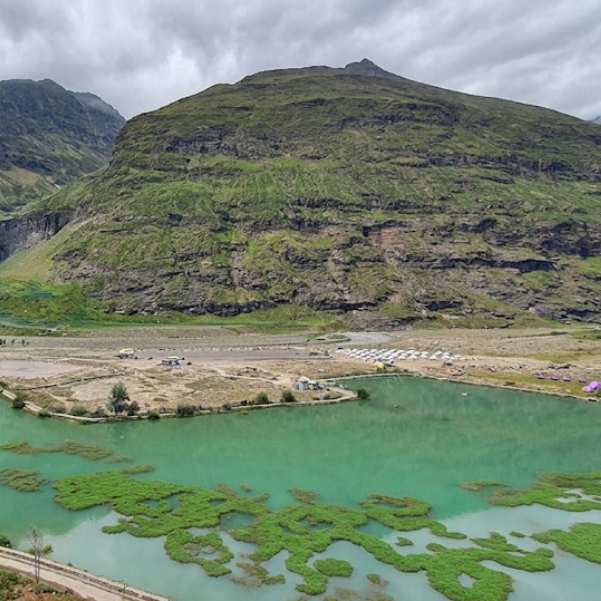
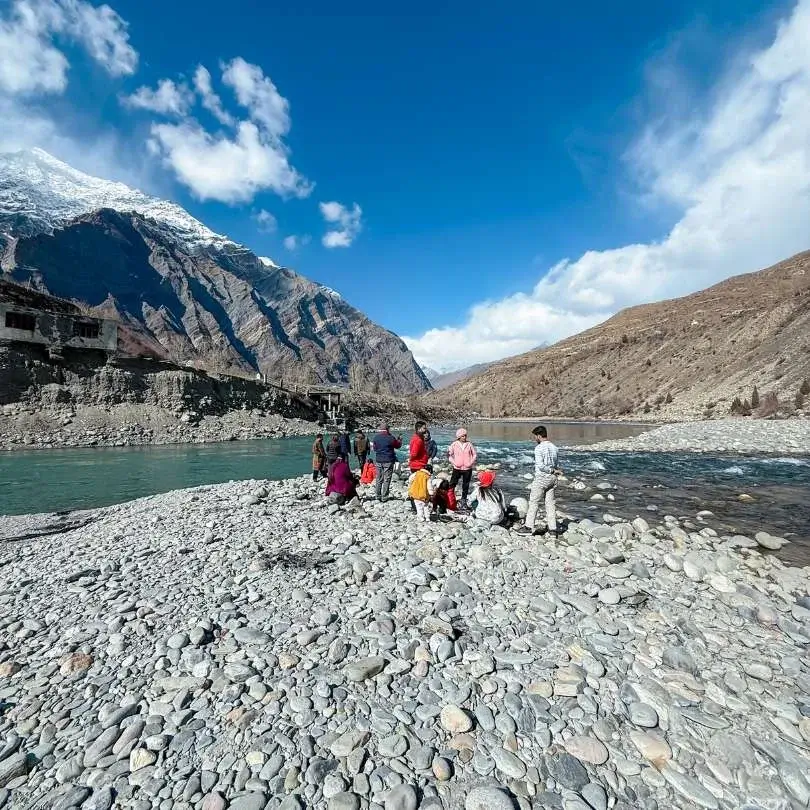
After that, spend time at Sissu Lake and walk down to the Chandra River banks. The water is freezing but the setting is gorgeous, with mountains rising on both sides.
Stop at a local cafe for chai and a hot meal. The small places near the village serve simple, warm food that hits perfectly after the cold riverside.
Head back before dark. The tunnel and the road are far safer in daylight, and you do not want to be navigating mountain roads at night.
One important note
If you want to stop near the tunnel mouth or the helipad, only do it where the local authorities allow it. These spots get restricted, and parking randomly can get you moved on or fined.
A good Sissu trip depends more on timing and road planning than a packed itinerary. Our Sissu Tour Packages help you get those details right.
What To Pack for Sissu by Season
For spring
Carry layers, a windcheater, and waterproof shoes. The weather flips between sunny and cold within hours.
For summer
Pack light woollens, sunscreen, a cap, and a reusable water bottle. The sun at this altitude is strong even when the air feels cool.
For autumn
Bring a proper jacket and warm evening wear. The days can be pleasant but the evenings turn cold fast once the sun drops behind the peaks.
For winter
You need thermals, gloves, snow-friendly shoes, spare socks, and a power bank. The cold drains phone batteries fast, and dry feet make a huge difference to how much you enjoy the snow.
Best Time To Combine Sissu with Nearby Places
Sissu works well as part of a bigger Lahaul trip. Depending on the season, you can pair it with Keylong, Jispa, Lahaul, Spiti, and even Ladakh.
In the warmer months, the road north opens up and these combinations become realistic. In winter, your range shrinks fast as the higher passes shut down.
Just know that once you go beyond Sissu toward the higher passes, road access gets far more sensitive and weather-dependent. Plan those longer loops with buffer days.
For the full circuit, our Lahaul and Spiti Valley trips are built around the seasons, and if you are dreaming bigger, our Ladakh packages cover the route north.
Final Recommendation: Which Month Should You Choose?
Let me make this simple, the way I would tell a friend over chai.
Choose May for the most balanced first trip. The roads behave, the weather is comfortable, and the valley is fresh after winter.
Choose June for relaxed family travel with everything open and running. Choose September if you are doing a road trip and want clear views and settled roads.
Choose October for the golden autumn colours and the best photos of the season. And only choose December to early January if snow is the whole point, and only with proper road checks done the same day.
>>Confused about when to visit Sissu? WhatsApp Travel Coffee for local travel guidance.
Explore Our Curated Sissu Tour Packages
 6D/5N
6D/5NMost Loved Sissu Valley Escape With Jispa Riverside Stay
2D Sissu•1D Jispa
₹15,999₹19,999SAVE INR 4,000/ person 5D/4N
5D/4NClassic Sissu Valley Trip
2D Sissu•1D Manali
₹12,799/ person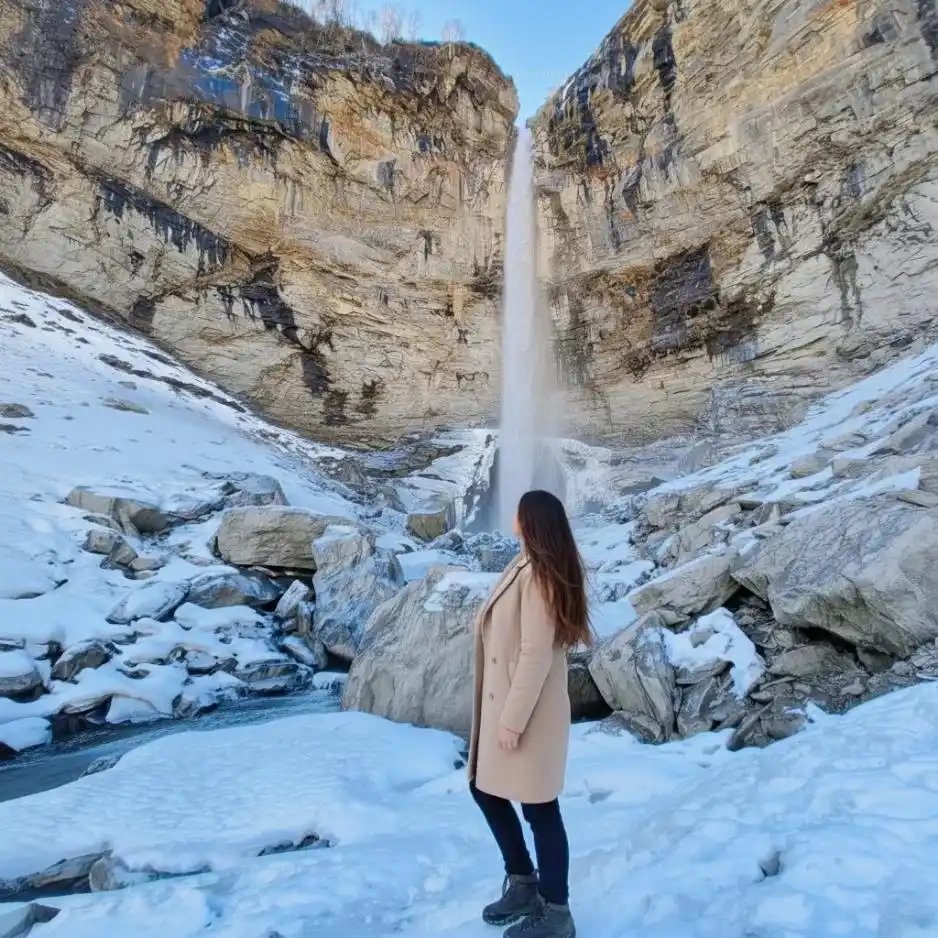 6D/5N
6D/5NManali Solang Sissu Sethan Snow Adventure
1D Delhi•3D Manali+2
₹15,999₹21,999SAVE INR 6,000/ person
Related topics
Frequently Asked Questions
What is the best time to visit Sissu?
May to June and September to October are the safest all-round windows. They give you stable roads, good weather, and a strong mix of greenery and clear views.
Which month is best for snowfall in Sissu?
December to February is the main snowfall window. Snow can also linger into March and sometimes early April depending on the season.
Is Sissu open in winter?
Often yes, thanks to the Atal Tunnel, but snow and local restrictions can close or limit access. Always check the official road status on the day you travel.
Can we visit Sissu in December or January?
You can, but December and January come with icy roads, possible police restrictions, and fewer open services. In 2026, tourism was suspended from 20 January for local observances, so winter dates need careful checking.
Is Atal Tunnel open for Sissu?
The Atal Tunnel is the main route to Sissu and is usually open, but heavy snow can shut it temporarily. Its north portal sits right near Teling, Sissu.
How far is Sissu from Manali?
Sissu is about 40 km from Manali. The drive takes around 1 hour in good conditions, but traffic, snow, or police checks can make it longer.
Can Sissu be done as a one-day trip from Manali?
Yes. Leave Manali early, cross the Atal Tunnel, see the waterfall and lake, stop for chai, and return before dark. It makes for a comfortable day trip.
What is the best time to visit Sissu Waterfall?
May to July gives the strongest flow because of snowmelt. May to October is the wider access-friendly window if you just want to see it.
Is May a good time to visit Sissu?
Yes, May is one of the best balanced months. Roads are usually stable, the weather is cool, and the valley opens up properly after winter.
Is October good for Sissu autumn colours?
October is the best month for autumn. The poplar trees turn golden and the photography is beautiful, though early snow can begin in higher areas.
Is Sissu safe for family travel?
Yes, especially in May, June, and September when roads and weather are reliable. Avoid peak winter with kids or elders unless the road status is clearly open.
Was Sissu closed for tourists in 2026?
Tourism activities were reported suspended from 20 January to 28 February 2026 for local religious and cultural observances. Some reports mentioned broader restrictions into early March.
More about Sissu
 Sissu
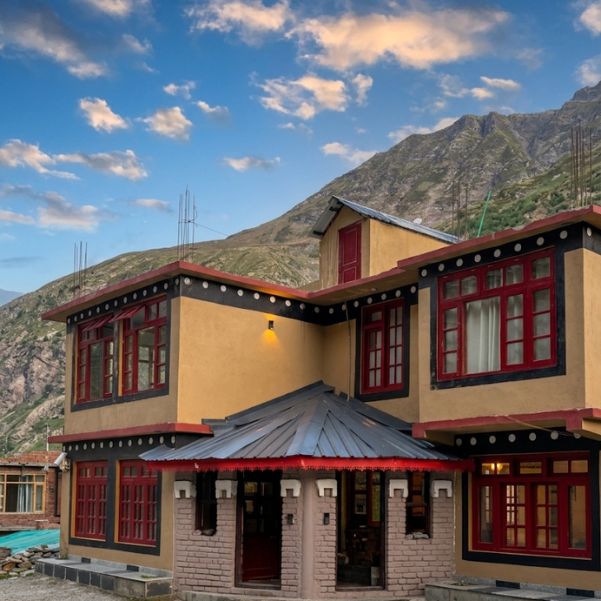
SissuWhere to Stay in Sissu in 2026: Best Hotels, Homestays & Areas for Every Budget
Planning an overnight stay in Sissu? This 2026 guide covers the best hotels, homestays, budget stays and convenient areas to help you choose the right accommodation for your trip.
- First-Time Travellers
- Places to Visit
 Sissu
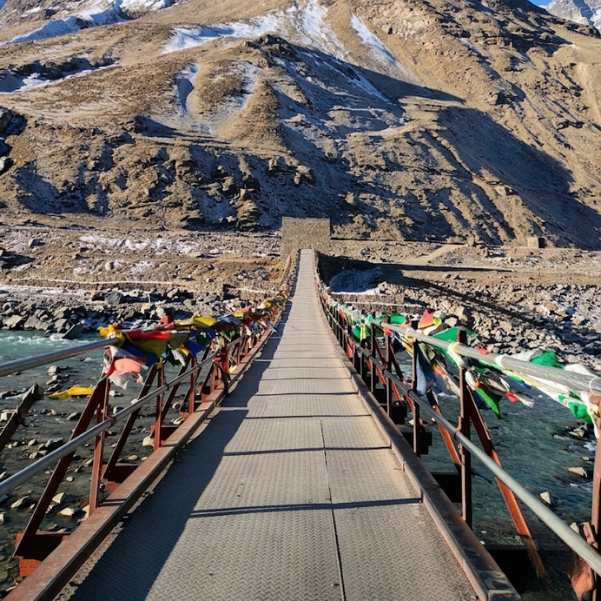
SissuSissu in October 2026: Weather, Snow Chances, Road Status & Autumn Travel Guide
Planning a trip to Sissu in October 2026? Here’s what to expect from the weather, temperatures, autumn colours, snow chances and Manali to Sissu road conditions, plus practical tips on what to pack and how to plan your visit.
- Best Time to Visit
- Road Status
 Sissu
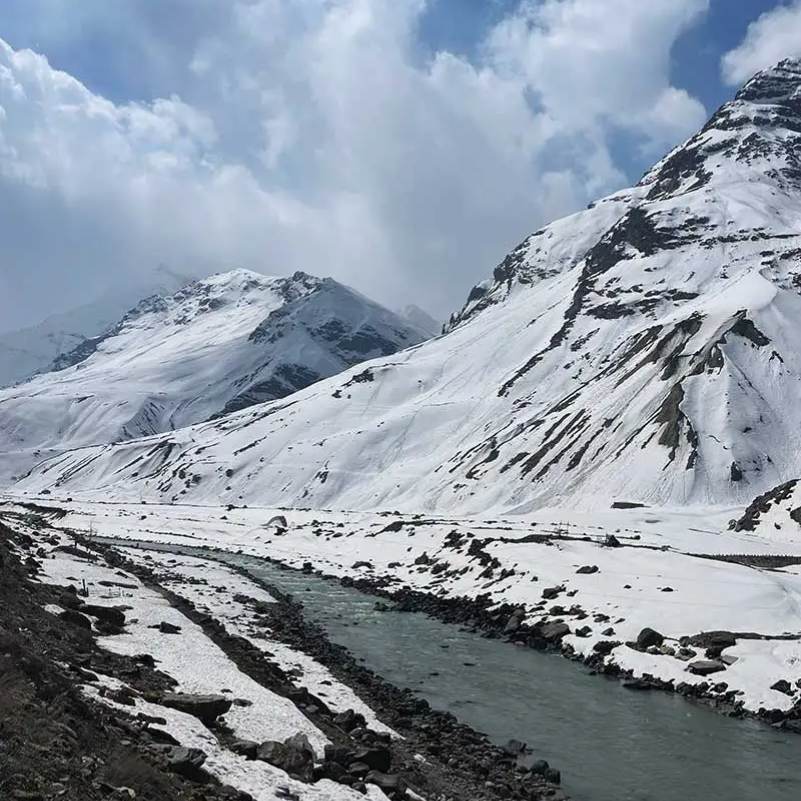
SissuSissu in December 2026: Snowfall, Weather, Road Status & Winter Travel Guide
Planning a Sissu trip in December 2026? This guide covers expected snowfall, temperatures, Manali to Sissu road conditions, Atal Tunnel access, what to pack, and practical winter travel tips for a safer snow trip.
- Snow Travel
- Road Status