
Best Time to Visit Rohtang Pass in 2026: Snow, Weather, Road Status and Permits
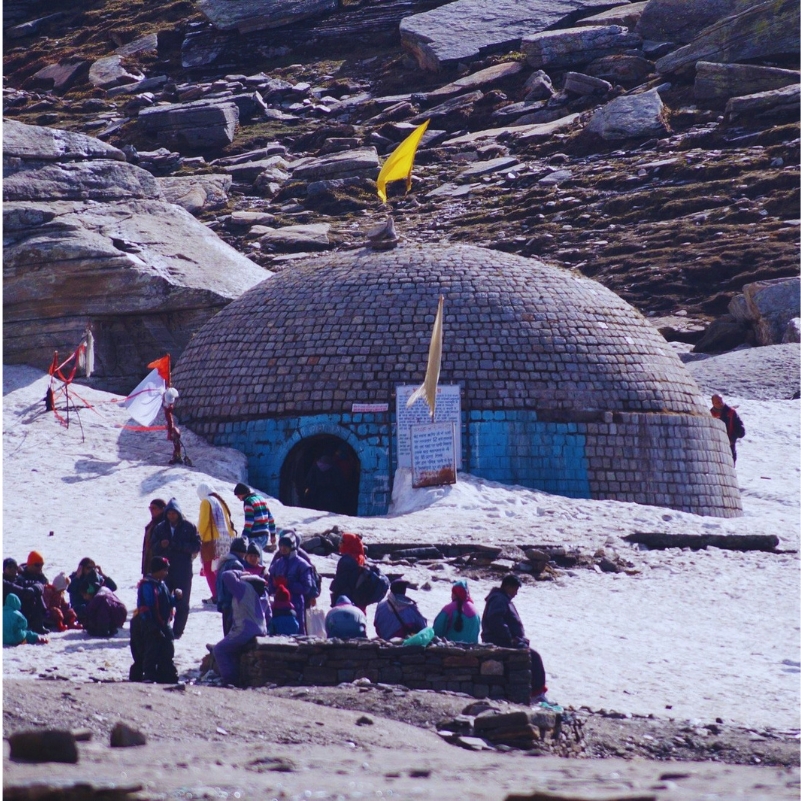
The best time to visit Rohtang Pass in 2026 is generally from late May to June for snow activities and from September to early October for clearer weather and mountain views.
However, the opening and closing dates depend on snowfall, road clearance and official safety updates.
This guide by Travel Coffee explains the best months to visit Rohtang Pass, expected weather conditions, chances of seeing snow, current road status considerations and permit requirements.
It will help you choose the right travel period and plan your Rohtang Pass trip with fewer last-minute surprises.
Quick Answer
The best time to visit Rohtang Pass is late May to June if you want roadside snow, and September to mid-October if you want clear mountain views with thinner crowds.
Snow is heaviest soon after the road opens. Autumn gives you cleaner air and better photos, but far less dependable snow.
Rohtang has no fixed opening or closing date. Snow, rain, landslides, maintenance days and police restrictions can change access on any given day.
What Is the Best Time to Visit Rohtang Pass?
Most official tourism pages describe May to October as the broad visiting season for Rohtang.
Some years the road stays usable into early November. Nobody can promise you that in advance, so never build a trip around it.
Here is the part most blogs skip. There is no single best time. There are two, and they suit completely different travellers.
If snow is the whole reason you are going, aim for late May and June.
If you want clear views of the mountains, cleaner skies and fewer vehicles crawling up the road, September and early October are better.
If you want to build Rohtang Pass into a properly timed Himachal trip, explore our Rohtang Pass tour packages and see how we plan the journey around the season and road conditions.
We plan both versions differently, and you can see how they fit into a wider trip in our Manali tour packages.
What Most Travellers Get Wrong About Rohtang
They book flights and hotels first, then check permits.
Do it the other way round. The permit quota is limited and the portal only opens bookings a couple of days ahead, so your dates need slack built in from the start.
When Should You Visit Rohtang Pass for Snow?
Snow is never guaranteed. Not in May, not in June, not ever.
What changes is the probability, and that probability is highest right after the road opens.
Late May
Rohtang may begin opening in the second half of May, once snow clearance finishes and the district administration gives safety approval.
The exact date changes every single year.
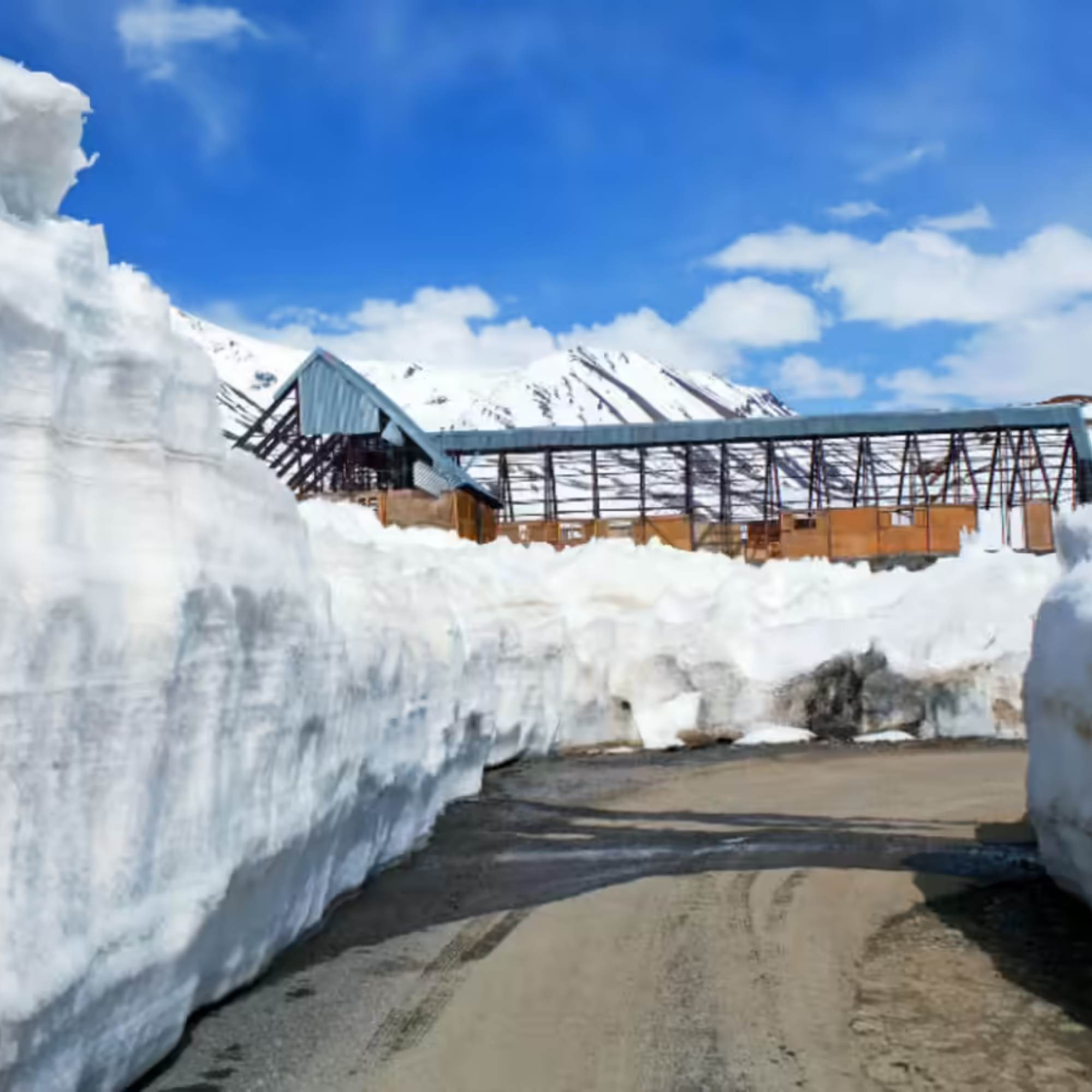
Snow banks along the road are usually at their most dramatic soon after opening. Big white walls on both sides, the kind of thing people come for.
But which tourist points actually open, and how much snow you can walk on, varies a lot.
We covered the full picture in our guide to Rohtang Pass in May if you are locking dates in that window.
One honest warning. A snowstorm on 22 May 2026 stranded several vehicles at Rohtang. Early season is beautiful and unpredictable in equal measure.
June
June is the sensible compromise. Decent chance of lingering snow, and a road that is usually properly operational by then.
That is also the problem. June is peak season.
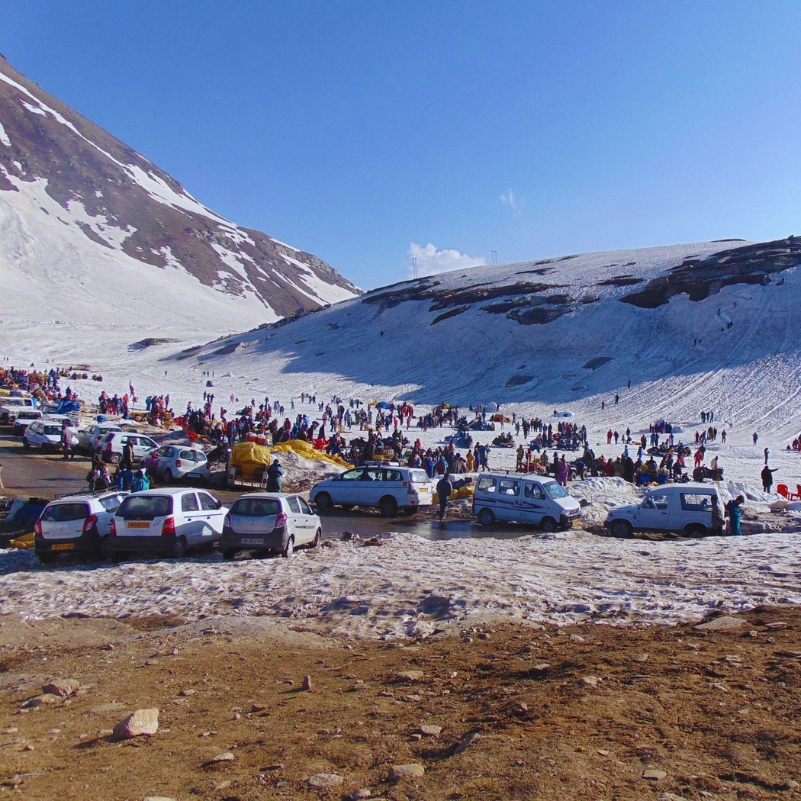
Permits get taken fast, traffic on the climb can be heavy, and the popular snow points get crowded by late morning.
In our experience running trips through June, the travellers who enjoy it most are the ones who left Manali before sunrise.
When Is Rohtang Pass Best for Clear Weather and Fewer Crowds?
September
September comes after the main monsoon. The haze lifts, the mountains sharpen, and the summer rush has mostly gone home.
This does not mean dry weather is guaranteed. Rain still happens.
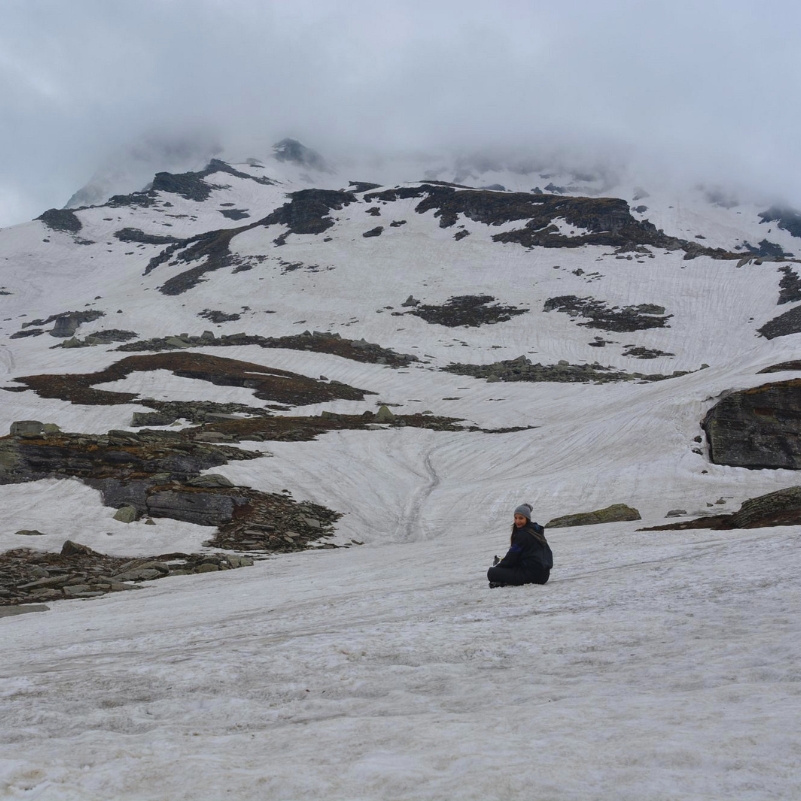
What you will not find is large snowfields. Compared to May or June, snow in September is much less dependable.
Early to Mid-October
Early to mid-October is cold, quiet and genuinely good for scenery.
Crowds are usually lighter than the June peak.
The catch is fresh snowfall. An early spell can shut the road with almost no warning.
If you are travelling in October, keep a backup day. Not optional.
What Is Rohtang Pass Like Month by Month?
Rohtang Pass in May
Early May is commonly too early for the top. Snow clearance is often still underway.
Opening dates shift year to year, so treat any date you read online as a guess until the district confirms it.
If the pass is not open, Solang Valley, Gulaba and the Atal Tunnel route are your alternatives. All three are worth a day on their own.
Rohtang Pass in June
Lingering snow, peak demand, permit competition and slow traffic. That is June in four words.
Book the vehicle permit the moment your date becomes eligible on the official portal. Waiting even a few hours can cost you the slot.
Rohtang Pass in July
Snow generally reduces as summer moves on.
Monsoon rain brings fog, poor visibility, road damage and temporary restrictions on some days.
The pass does not close for the whole month. It just becomes less predictable.
Rohtang Pass in August
August is not our first recommendation for a Rohtang-focused trip.
Rain, fog, landslide risk and reduced visibility all stack up in the same month.
If August is your only window, plan Rohtang as a maybe and build the rest of your Manali trip around things that do not depend on it.
Rohtang Pass in September
Post-monsoon views, cleaner skies, and usually fewer vehicles than the June peak.
Snow is still not guaranteed. Go for the mountains, not the snowballs.
Rohtang Pass in October
The weather turns properly cold and fresh snowfall becomes possible.
As winter gets closer, the chance of a temporary or seasonal closure keeps rising.
We are not going to give you a 2026 closing date, because nobody honestly has one.
Rohtang Pass from November to April
Rohtang Pass is normally inaccessible through the main winter snow period.
Atal Tunnel, Solang Valley and Sissu may still be options, subject to police restrictions and winter road conditions.
Plenty of our winter travellers end up loving Lahaul more than they expected. Our Sissu tour packages cover that side.
Is Rohtang Pass Open in 2026?
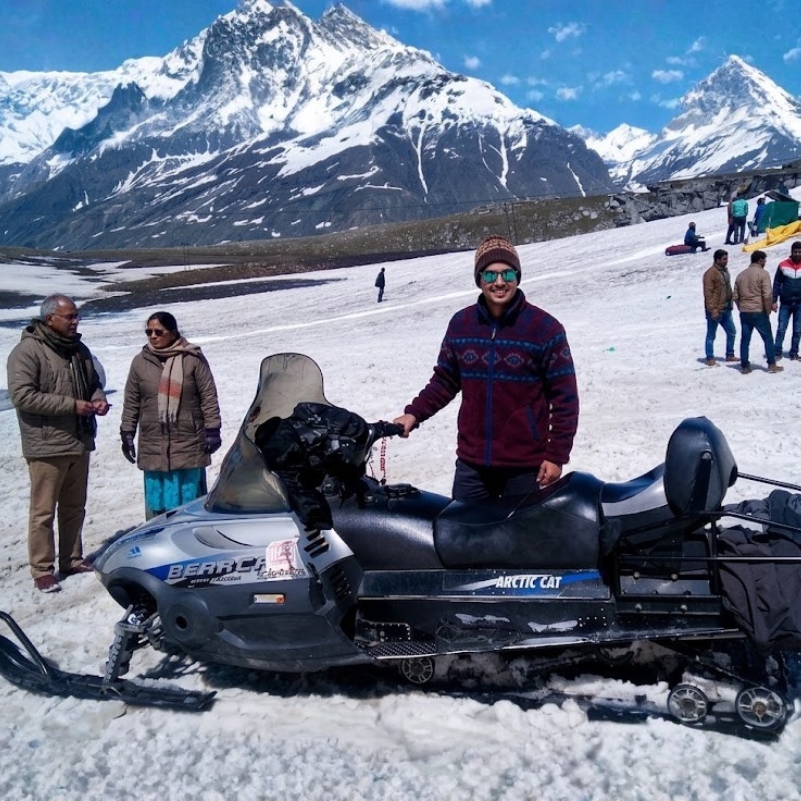
Rohtang Pass reopened for the 2026 tourist season in mid-May 2026, with published reports placing the reopening between 15 and 17 May. The exact reopening date varied across sources.
A local road update also reported the pass open to tourists with permits on 14 July 2026. Treat this as a historical update rather than the current road status.
Before you travel, check the latest road conditions the evening before your trip and again on the morning of departure, as weather and road conditions can change overnight.
Where Should You Check the Latest Status?
The official permit portal is https://rohtangpermits.hp.gov.in/
Also look at the District Kullu website and any current police or administration notices.
If you cannot get a permit, it does not automatically mean the road is shut. The quota may have sold out, the date may not have opened for booking yet, a maintenance restriction may apply, or the road may genuinely be closed.
Do You Need a Permit for Rohtang Pass?
Yes. The vehicle travelling beyond the controlled checkpoint for Rohtang tourism needs a permit.
Passengers do not normally buy an individual permit each. The driver or vehicle operator handles it.
The ordinary daily quota shown by the official permit system is 800 petrol vehicles and 400 diesel vehicles.
Here is something most travel agents will not mention. If you are hiring a local taxi from Manali, the permit is usually already part of the operator's job. Ask before you pay anyone extra for arranging it.
How Much Does the Rohtang Permit Cost?
The currently listed charge for a car, jeep or MUV is ₹500 permit fee plus ₹50 congestion charge, normally ₹550 in total.
Confirm the final amount on the payment page because government charges can change.
When Are Permits Released?
Guides commonly list two release windows, at 10:00 AM and 4:00 PM.
The official portal currently says applications can be made only for the next two days from the current date.
Treat the live portal as the final authority. Not a blog, not a forum post, not your driver's cousin.
Which Documents Are Required?
Carry valid identification, your vehicle registration details, a valid Pollution Under Control certificate and a printed copy of the permit.
The printed copy matters more than people expect. Network coverage on that road is unreliable, and a phone screenshot that will not load helps nobody at a checkpoint.
Is Rohtang Pass Closed on Tuesday?
Tuesday has historically been treated as the road-maintenance day.
A recent official portal snippet displayed the maintenance-day setting as "NONE".
So do not assume a universal Tuesday closure. Check the maintenance day shown on the portal for your specific date.
What Is the Best Time of Day to Visit Rohtang Pass?
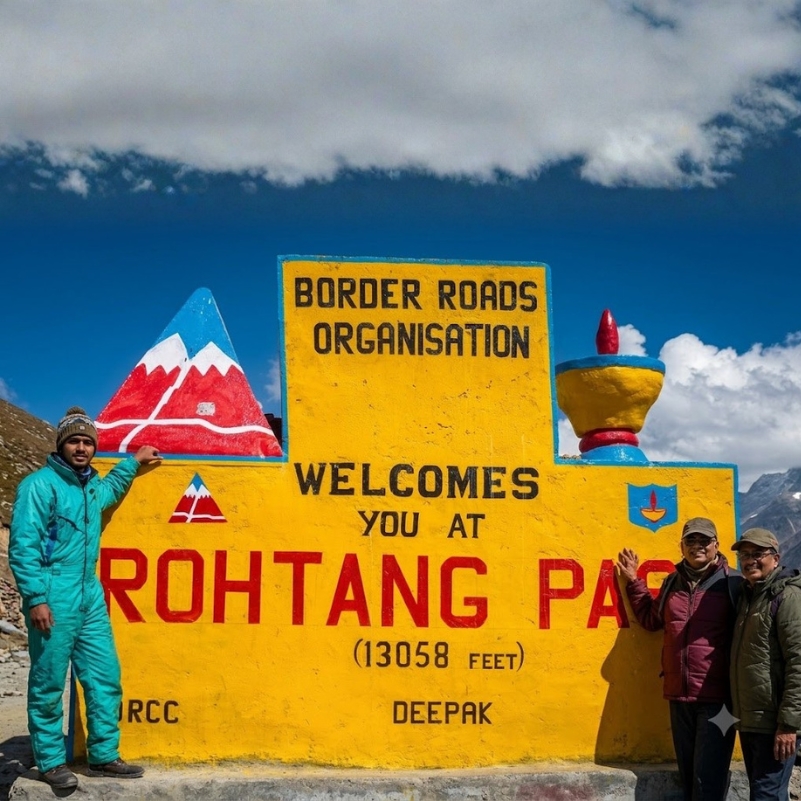
Leave Manali early. This is practical local advice, not a promise of an empty road.
Rohtang is approximately 51 kilometres from Manali, but that number tells you very little. Congestion, weather or a checkpoint delay can stretch the journey a lot.
Keep the whole day free. Do not stack Rohtang on top of a packed Manali itinerary and expect both to work.
If you are filling the rest of your Manali days, our guide to adventure activities in Manali covers what is actually worth your time.
Is Snow Guaranteed at Rohtang Pass?
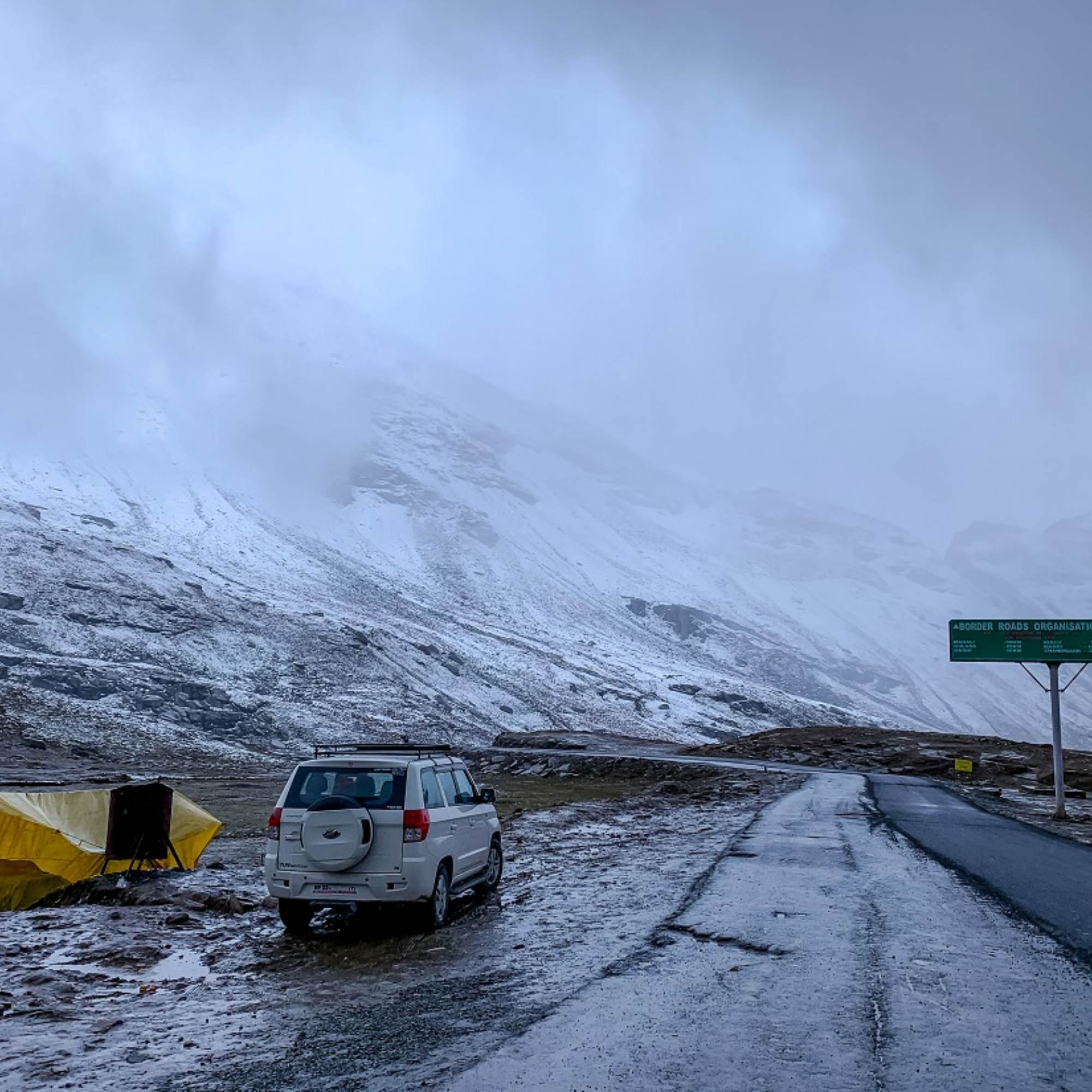
No.
Snow depends on last winter's accumulation, spring temperatures, fresh weather systems, how the clearance went, and which exact tourist points the administration has opened.
There is also a difference people miss. Fresh snowfall is one thing. Old snow lying in banks beside the road is another, and that is what most May and June visitors actually see.
If any tour seller promises you guaranteed snow three months in advance, walk away. They are guessing.
Reports have documented both surprise fresh snowfall and seasons where Rohtang had far less snow than visitors expected.
We usually advise our guests to treat snow as a bonus rather than a guarantee.
What Weather and Clothing Should You Expect?

Rohtang can feel cold and windy even when Manali is perfectly comfortable in a T-shirt. The wind is the part that catches people out.
Carry layered warm clothing, a wind-resistant or waterproof outer layer, gloves, sunglasses, sunscreen and shoes with good grip.
Rented snow suits are optional. And renting one does not prove there is deep snow up there.
Skip the roadside photo props if money is tight. The same view is free two hundred metres along the road, and your own jacket photographs better anyway.
Is Rohtang Pass Safe for Children and Senior Citizens?
Rohtang Pass sits at 3,978 metres.
Travellers who have not acclimatised can get headaches, nausea, unusual tiredness, dizziness or breathlessness at this elevation.
Spend a relaxed day or night in Manali before the excursion when you can. It genuinely helps.
Avoid running, sledding hard or doing heavy snow activity in the first hour after you arrive.
If someone's symptoms get worse even while resting, take them down to a lower elevation and get medical help.
Anyone with a heart or lung condition should talk to a doctor familiar with high-altitude travel before the trip.
We will not tell you Rohtang is automatically safe or unsafe for every child, every pregnant traveller or every senior citizen. It depends on the person and the day.
What Can You See on a Manali to Rohtang Day Trip?
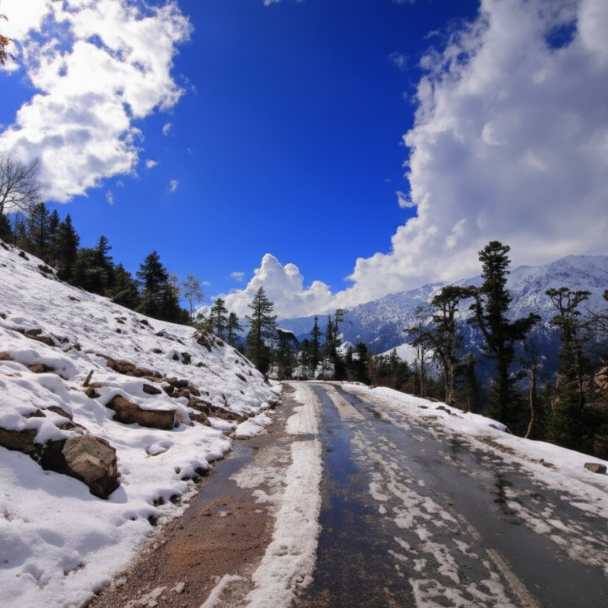
The scenery changes properly as you climb. Pine forest gives way to open slopes through areas like Gulaba and Marhi, and the treeline drops away behind you.
Not every stop will be open on every day, so hold your plans loosely.
There are panoramic viewpoints along the way, and accessible snow areas when snow is present.
Snow activities depend on weather, snow conditions and local permissions on the day.
Our drivers always tell first-timers the same thing. Stop at Marhi for hot chai and Maggi on the way up, not the way down. On the way down everyone is tired and the queues are worse.
What Should You Visit If Rohtang Pass Is Closed?
Solang Valley
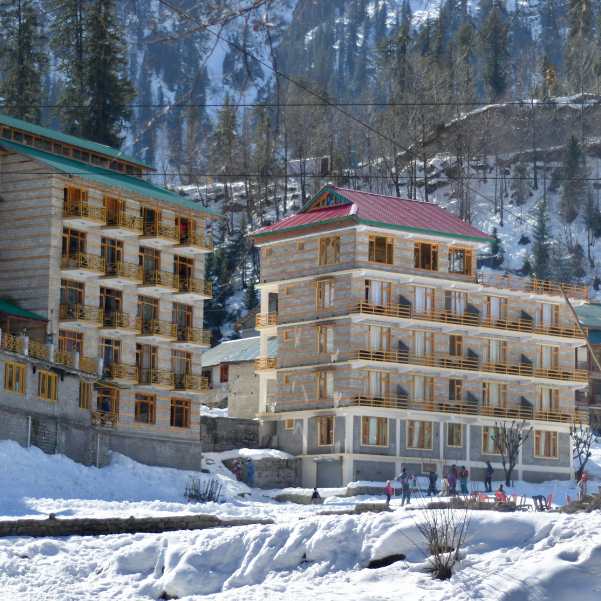
Solang Valley is the easiest nearby alternative for scenery and seasonal activities.
We are not promising snow here either. But it is close, it is accessible, and it saves a wasted day.
Atal Tunnel and Sissu
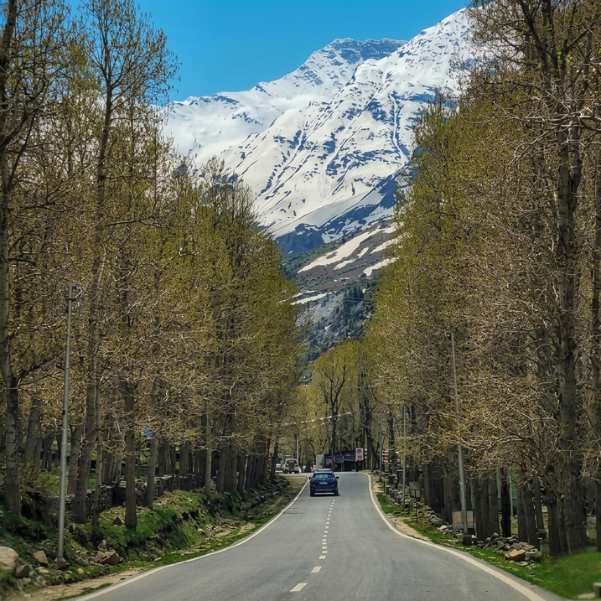
The Atal Tunnel skips the climb over Rohtang Pass entirely and takes you towards Lahaul.
This route is also subject to police restrictions, snowfall and road-safety decisions, so it is not a guaranteed fallback.
If Lahaul appeals, our Sissu tour packages cover the stays and timings on that side.
Gulaba or the Highest Permitted Snow Point
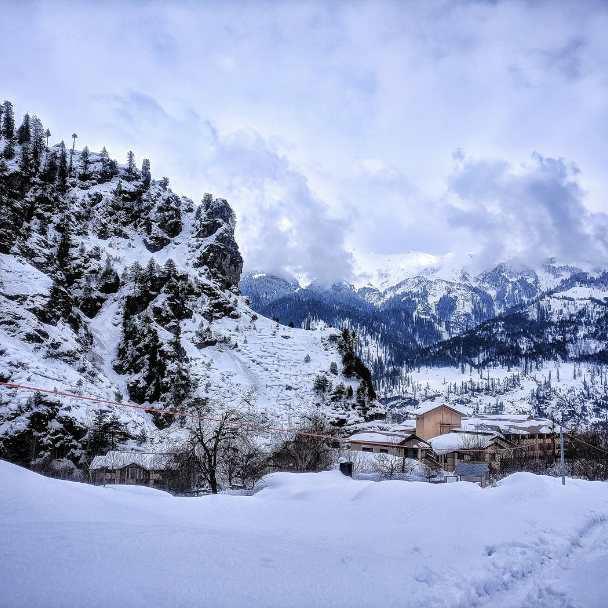
Some days the administration allows tourist vehicles only up to a lower point like Gulaba.
Follow the checkpoint instructions. Do not argue, do not try to push further. The police there are not making it up as they go along.
A Longer Spiti Valley Trip
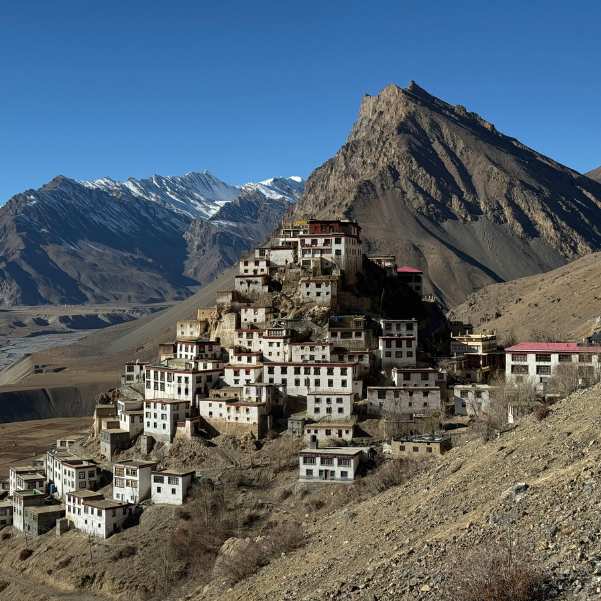
Spiti is a separate multi-day journey. It is not a substitute for a closed Rohtang day trip, and treating it as one is how people end up sick at altitude.
If you have the days for it, our Spiti Valley tour packages are built with proper acclimatisation stops.
How Many Days Should You Keep for Manali and Rohtang?
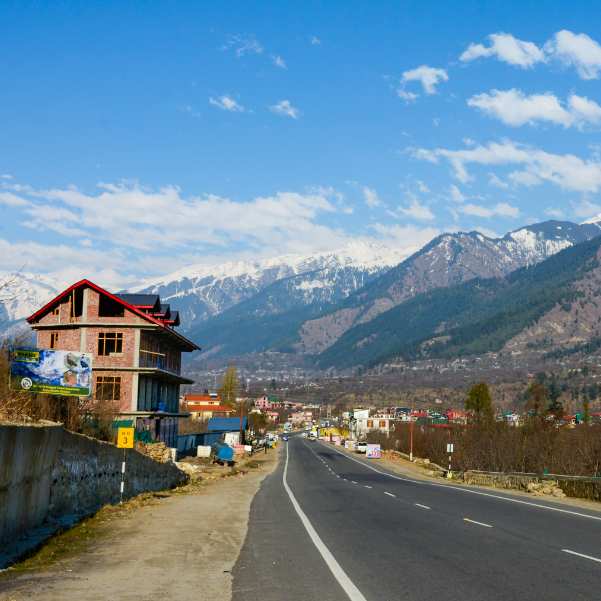
Keep one full day for Rohtang.
Then keep at least one flexible day for Solang Valley, the Atal Tunnel or Sissu.
That backup day protects your whole trip from permit shortages and weather closures. It is the cheapest insurance you can build into an itinerary.
Practical Tips From Our Himachal Travel Team
Leave early. Not "reasonably early", genuinely early, before the Manali traffic wakes up.
Our Himachal team recommends checking the permit portal before leaving the hotel, even if you booked days ago. Restrictions change overnight.
Print your permit and carry your ID, vehicle registration and PUC certificate as physical copies.
Dress in layers and add a windproof outer shell. The wind at the top is what makes people miserable, not the temperature.
Carry water and light snacks. Options up there are limited and you will not want to hunt for food at altitude.
Go easy physically for the first hour. Walk slowly, skip running around, let your body settle.
Follow police and checkpoint instructions exactly. They close roads for reasons you cannot see from your car window.
In our experience, a flexible day makes a Rohtang plan far less stressful.
If you want to know what to expect before you head out, take a look at our Rohtang Pass Tour Packages and plan your day around the latest practical information.
Final Word
If snow is what you are after, plan the trip for late May to June and accept that even then it is a probability, not a promise.
If you want clear mountains, honest light and a road that is not packed, September to mid-October is the best time to visit Rohtang Pass.
Either way, book the permit early, check the portal the morning you leave, and keep one spare day in your plan. That single spare day is what turns a stressful Rohtang trip into a good one.
Explore Our Curated Rohtang Pass Tour Packages
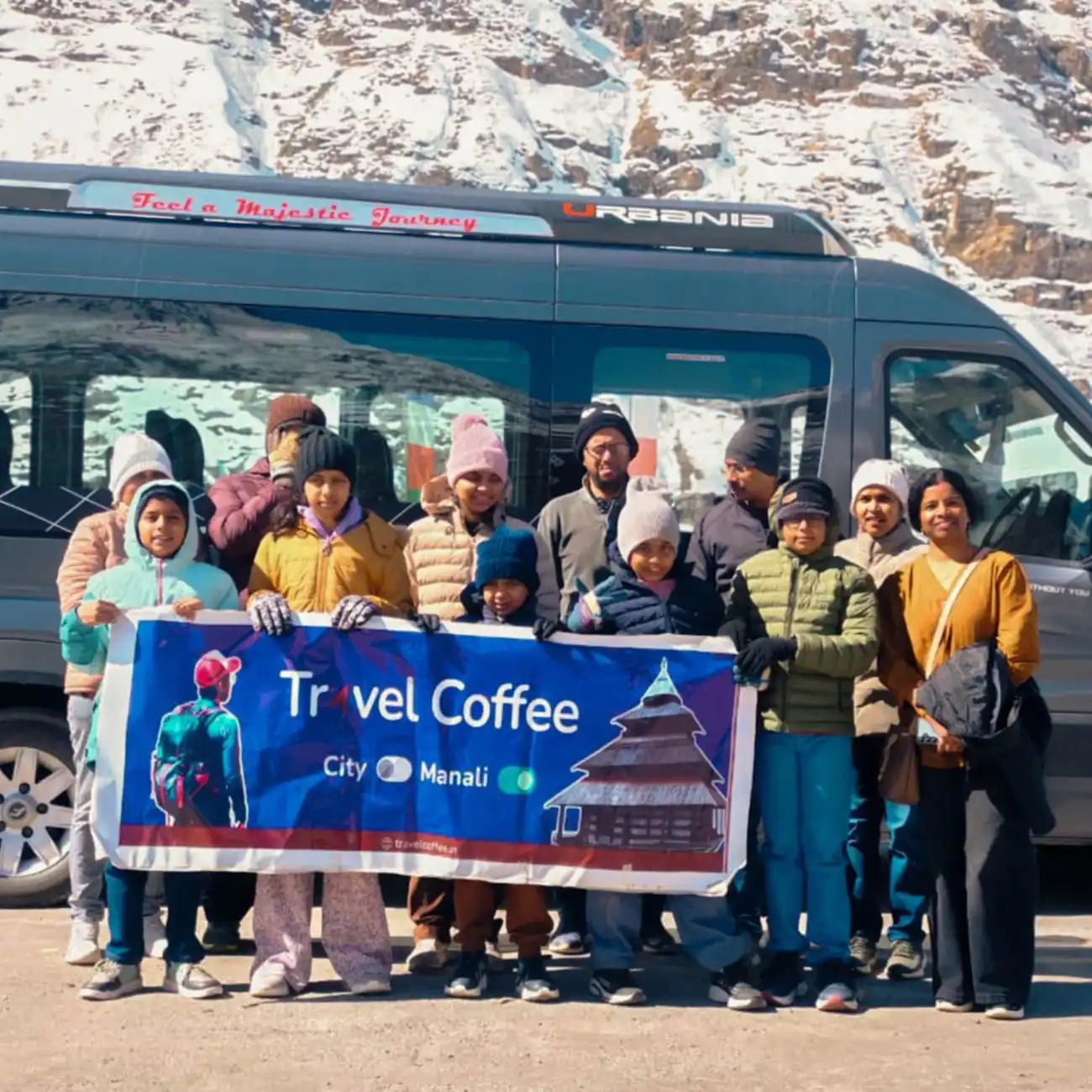 5D/4N
5D/4NPremium Manali Tour Package with Private Cab and Rohtang Pass
4D Manali
₹14,999₹19,999SAVE INR 5,000/ person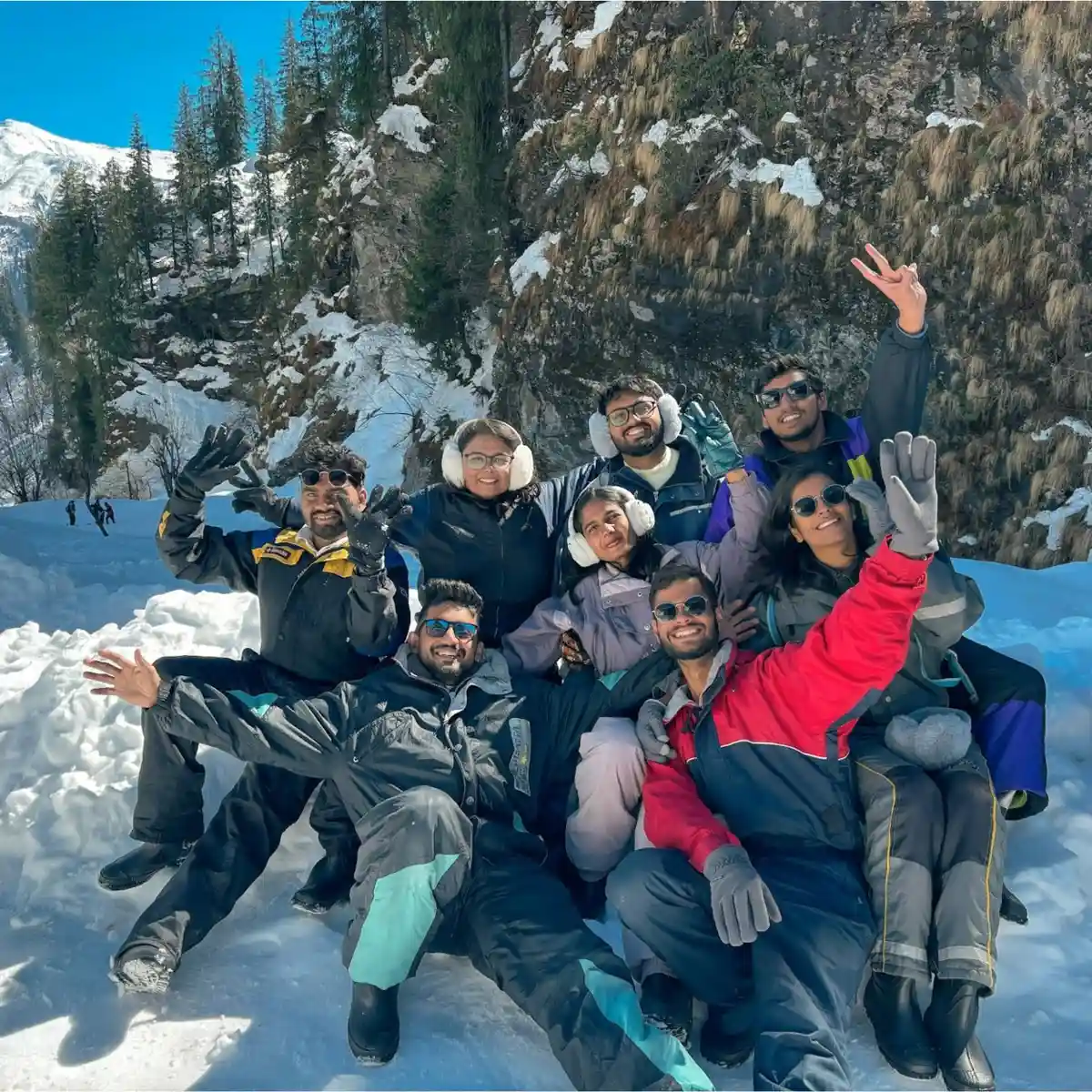 5D/4N
5D/4NBest Value Manali Volvo Package with Rohtang Pass
3D Manali
₹9,999₹13,999SAVE INR 4,000/ person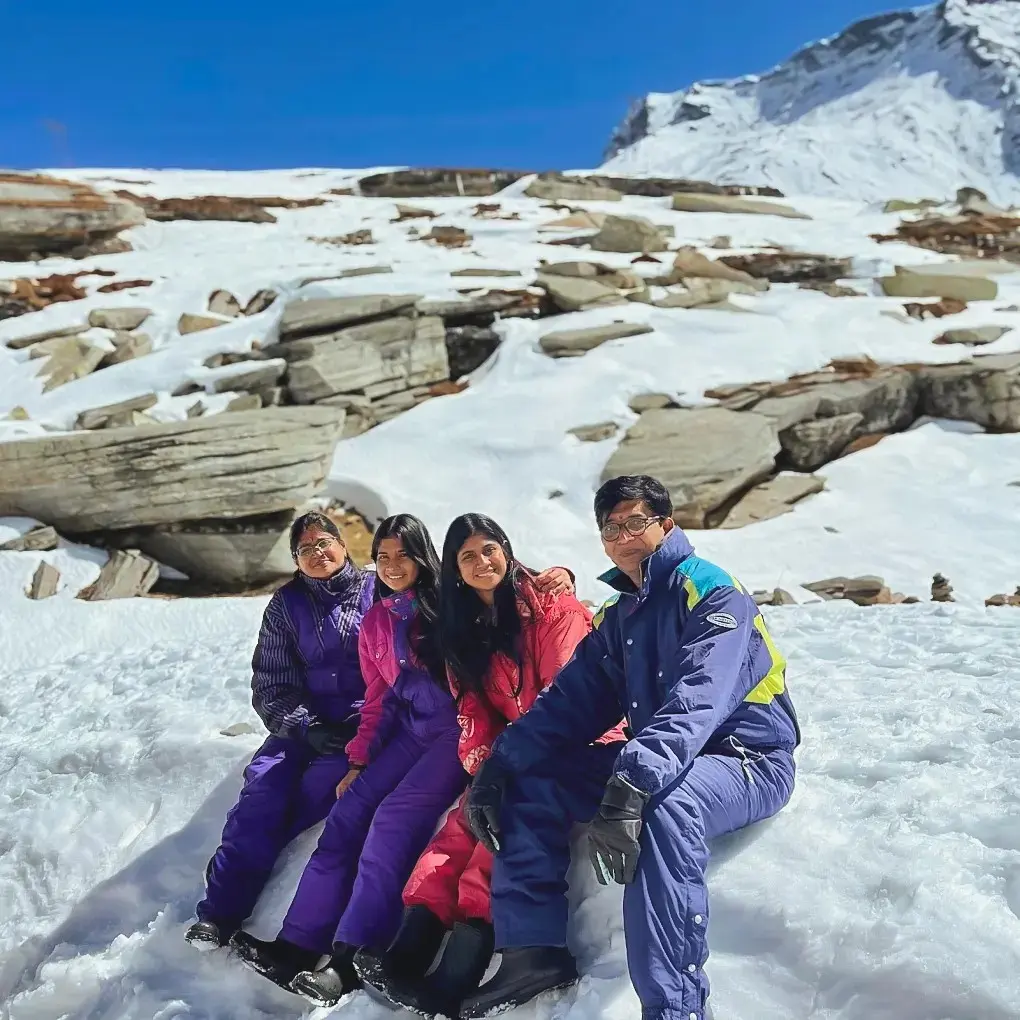 7D/6N
7D/6NComplete Shimla Manali Volvo Package with Rohtang Pass
2D Shimla•2D Manali
₹15,999₹19,999SAVE INR 4,000/ person
Related topics
Frequently Asked Questions
Which is the best month to visit Rohtang Pass?
June is the most practical single month for most travellers. The road is usually properly operational, there is often lingering snow, and the weather is settled. The trade-off is crowds and permit competition. If you would rather have clear mountain views than snow, September is the better pick with lighter traffic.
What is the best time to visit Rohtang Pass for snow?
Late May to June, right after the road opens following snow clearance. Snow banks beside the road are usually at their most substantial then. Even so, snow is never guaranteed. How much you see depends on the previous winter, spring temperatures and which tourist points the administration has opened that season.
Will there be snow at Rohtang Pass in June?
Often, but nobody can promise it. June usually has lingering snow from the winter, especially in the earlier half of the month. What you see is mostly old snow beside the road rather than fresh snowfall. Treat it as a likely bonus rather than a guaranteed part of your trip.
Is July a good time to visit Rohtang Pass?
It is workable but less reliable. Snow generally reduces as summer advances, and monsoon rain brings fog, poor visibility, road damage and occasional temporary restrictions. The pass does not close for the whole month. Just keep your plans flexible and check the road status the night before you travel.
Should travellers avoid Rohtang Pass in August?
We would not make August your first choice for a Rohtang-focused trip. Rain, fog, landslide risk and reduced visibility all peak in the same month. If August is your only window, plan Rohtang as an optional day and build the rest of your Manali itinerary around things that do not depend on the pass being open.
Is September a good time to visit Rohtang Pass?
Yes, if you want views rather than snow. September follows the main monsoon, so the air is clearer and the summer crowds have thinned out. Dry weather is not guaranteed and large snowfields are much less dependable than in May or June. Go for the mountains, not the snowballs.
Is Rohtang Pass open in October?
Usually in early to mid-October, and it is a cold, scenic window with lighter crowds. But fresh snowfall becomes possible and the chance of a temporary or seasonal closure rises as winter approaches. There is no fixed closing date for 2026, so keep a backup day in your plan.
Is a permit required for every tourist?
No. The permit is tied to the vehicle, not to each passenger. Your driver or vehicle operator normally handles it. The official system shows an ordinary daily quota of 800 petrol vehicles and 400 diesel vehicles, so the limit applies to cars on the road rather than heads in the car.
Can a private car go to Rohtang Pass?
Yes, with a valid vehicle permit from the official portal. The listed charge for a car, jeep or MUV is ₹500 permit fee plus ₹50 congestion charge, normally ₹550 in total. Confirm the amount on the payment page. Carry your ID, vehicle registration, PUC certificate and a printed permit.
Is Rohtang Pass closed every Tuesday?
Not necessarily. Tuesday was historically treated as the road-maintenance day, but a recent official portal snippet showed the maintenance-day setting as "NONE". Do not assume a universal Tuesday closure. Check the maintenance day displayed on the permit portal for the exact date you plan to travel.
Is Rohtang Pass safe for children and senior citizens?
It depends on the individual. Rohtang is at 3,978 metres, and unacclimatised travellers can get headaches, nausea, dizziness or breathlessness. Spend a relaxed day in Manali first, avoid strenuous activity on arrival, and descend if symptoms worsen at rest. Anyone with heart or lung conditions should consult a doctor familiar with high-altitude travel.
More about Rohtang Pass
 Rohtang Pass
Rohtang Pass Altitude Sickness in 2026: Symptoms, Prevention and When to Turn Back
Planning a trip to Rohtang Pass in 2026? Learn the symptoms of altitude sickness, prevention tips, and when to turn back for a safe mountain journey.
- Altitude & Health
- First-Time Travellers
 Rohtang Pass
Best Places to Visit on the Way to Rohtang Pass in 2026
Discover the best places to visit on the way to Rohtang Pass in 2026, including Solang Valley, Rahala Waterfalls, Gulaba, Marhi, and more for an unforgettable Himalayan road trip.
- Places to Visit
- Road Trips
 Rohtang Pass
15 Rohtang Pass Mistakes to Avoid in 2026: Permits, Taxi Scams, Timing and Snow Rentals
Planning a Rohtang Pass trip in 2026? Discover 15 common mistakes to avoid, from permits and weather to packing and safety, for a smooth mountain adventure.
- First-Time Travellers
- Permits & Fees