
Rohtang Pass in September 2026: Weather, Snow, Permit and Travel Guide
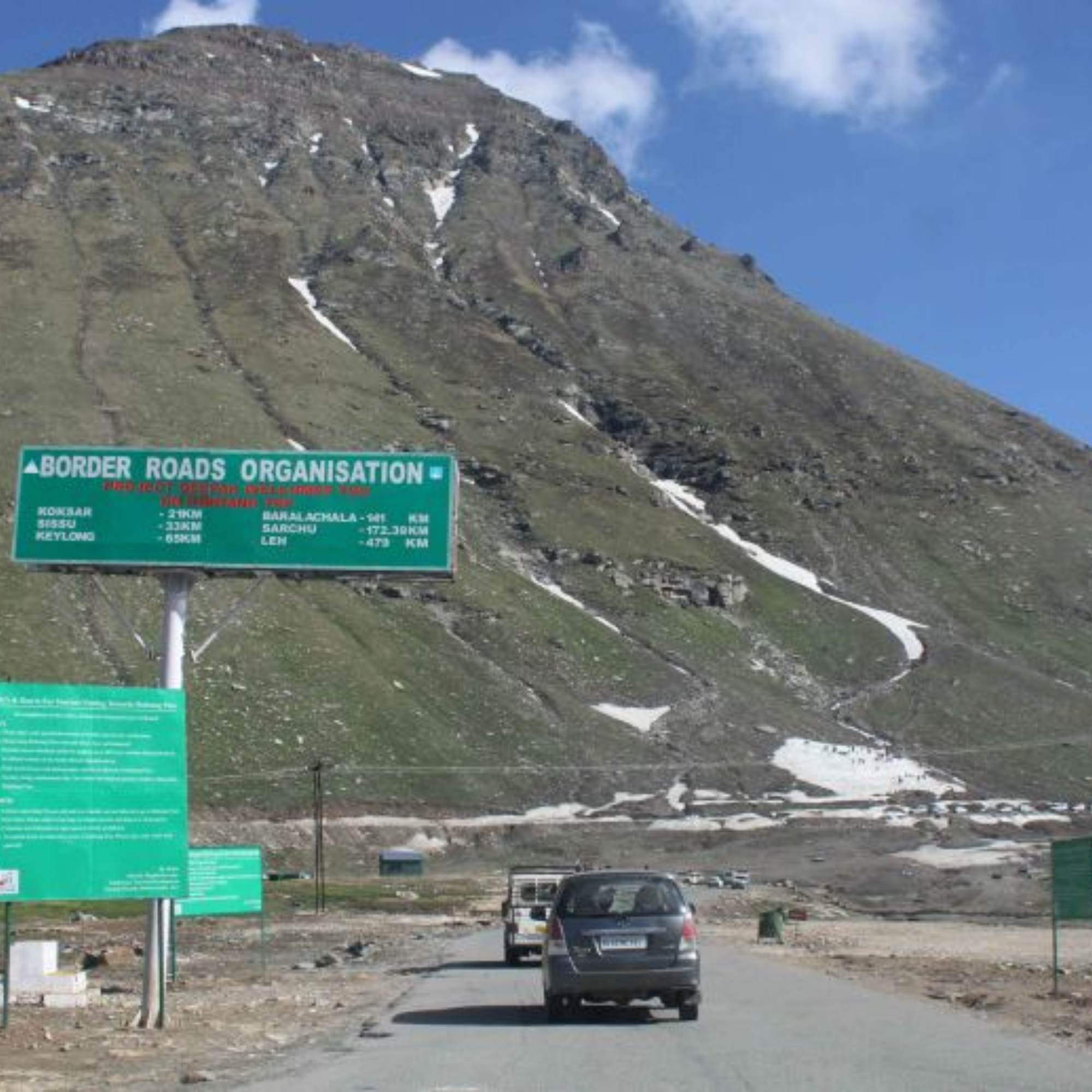
If you are planning Rohtang Pass in September 2026, here is the honest picture before you book anything. September gives you cool weather, clearer post-monsoon mountain views, and fewer crowds than the June rush.
But snow is a gamble, permits change without notice, and the road can shut for a day with no warning.
In our experience running trips here, September travellers who come for the views leave happy. The ones who come only for guaranteed snow often leave disappointed. Set your expectations right and this is one of the best months to see the pass.
Quick Answer: Is Rohtang Pass Worth Visiting in September?
Yes, Rohtang Pass is usually worth visiting in September when weather, road safety and district orders allow tourist vehicles through.
September often brings cleaner air, sharper mountain views and thinner crowds than peak summer. That alone makes it a strong month for photography and a calmer trip.
But snow is not guaranteed. Old snow may be limited or gone, and fresh snow is possible later in the month but nobody can promise it.
Always check the live road status and current permit rules before you leave Manali. Conditions here change fast.
Is Rohtang Pass Open in September 2026?
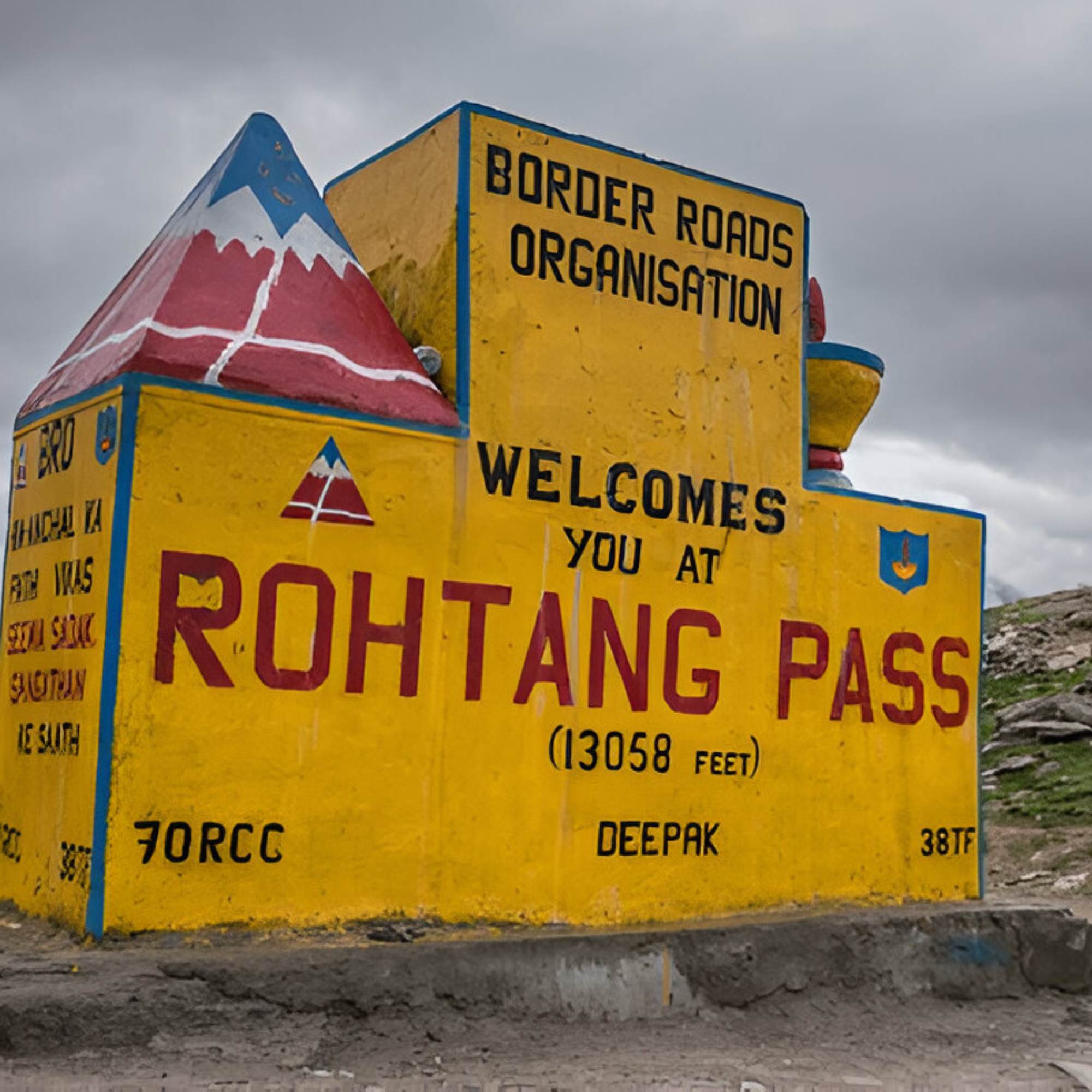
Rohtang Pass is normally accessible in September during the regular tourist season. Most years the road stays open through the month for permitted vehicles.
But "normally" is doing a lot of work in that sentence. Fresh snow, landslides, road maintenance and safety orders can stop tourist vehicles at any point, sometimes for a few hours, sometimes for a full day.
We cannot confirm the exact September 2026 status this far in advance. Nobody can. Anyone who promises you a guaranteed open date is guessing.
District Kullu issued changing access orders during the 2026 opening period, moving the permitted travel points after inspections. That is proof the rules can shift even after the season starts, so treat every "confirmed" plan as provisional until you check close to your travel date.
If you want someone to handle the logistics and keep an eye on live conditions for you, our Manali tour packages come with a local team that actually tracks this stuff daily.
What Is Rohtang Pass Weather Like in September?
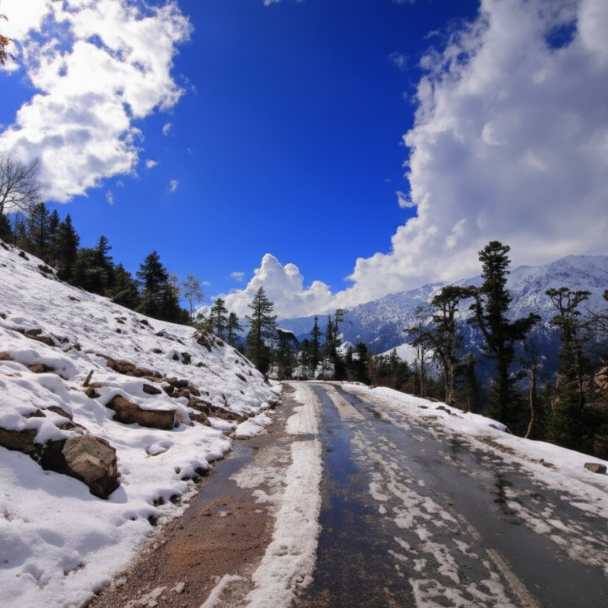
The single thing most tourists get wrong about September is assuming the whole month feels the same. It does not. Early, mid and late September are almost three different trips.
Early September Weather
Early September still carries some monsoon mood. Slopes are green, clouds can roll in without warning, and you may hit a quick shower on the way up.
The wind at the pass stays cold even when Manali feels mild. Carry a proper jacket. We won't give you a guaranteed temperature because early-September weather swings too much to trust a single number.
Mid-September Weather
By mid-September the monsoon usually starts backing off. Visibility improves, mornings turn cooler, and the mountains show up clearly against the sky.
This is the sweet spot for photography when the weather holds. Clean light, fewer clouds, and the crowd thinner than summer.
Late September Weather
Late September brings colder mornings and shorter daylight. The autumn feel is real and the views can be superb.
This is also when the first fresh snowfall of the season becomes possible. It is not certain, and it can arrive as a quick disruption rather than a photo-perfect dusting, so keep your plan flexible.
A long-range weather page lists a broad September average of about 12°C in the day and 3°C at night. Treat that as background only. Check a short-range forecast a day or two before you travel because the actual day can be much colder or wetter than the average suggests.
Will You Find Snow at Rohtang Pass in September?
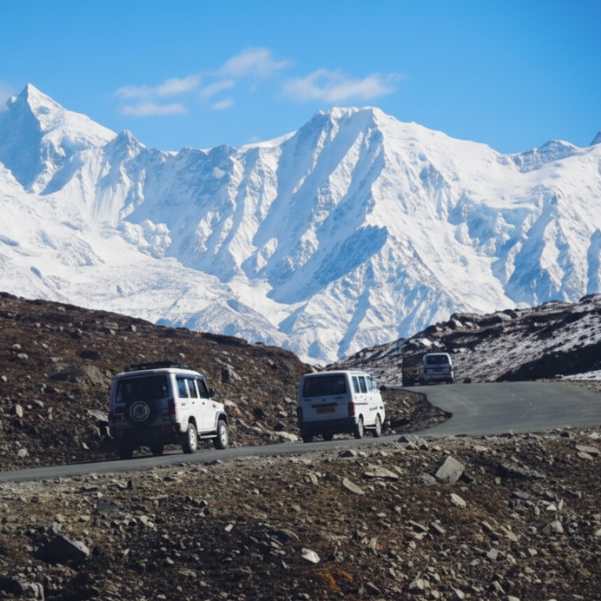
Let me be straight with you. Snow at Rohtang Pass in September is not guaranteed. Full stop.
Any old snow you see depends on how much fell in winter and how much survived the summer melt. Some years there are patches, some years there is nothing at the roadside.
Fresh September snowfall is possible, mostly later in the month, but it cannot be scheduled or promised. It comes when it comes.
Here is the honest warning most blogs skip
A huge number of "Rohtang snow" photos on Instagram were shot in May or June, not September. People see those photos, expect walls of snow in September, and feel cheated. Do not plan your whole trip around a photo that was taken in a different season.
On skiing, sledging or snowboarding, we won't promise these run in September. Availability depends entirely on whether there is usable snow, and that changes year to year.
Is Early or Late September Better for Rohtang Pass?
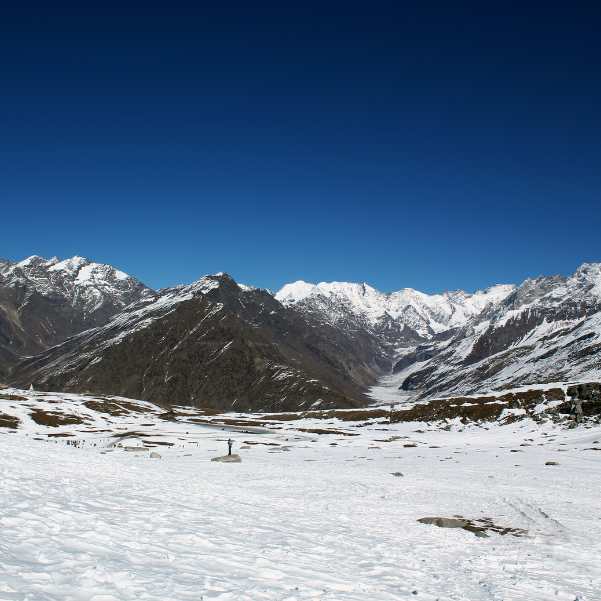
Early September
Early September is greener and slightly milder. If you like the valley looking lush, this is your window.
The trade-off is a higher chance of rain, cloud cover, or a monsoon-related road block that eats into your day.
Late September
Late September is usually colder with a clearer autumn atmosphere. The air feels crisp and the mountain views often sharpen.
Fresh snow becomes possible now, but it stays unpredictable. You might get lucky, you might not.
For most travellers chasing clear views, mid to late September works best, as long as the short-range forecast looks stable when you check it. In our experience, travellers enjoy September most when they come for the views rather than guaranteed snow.
How Do Rohtang Pass Permits Work in 2026?
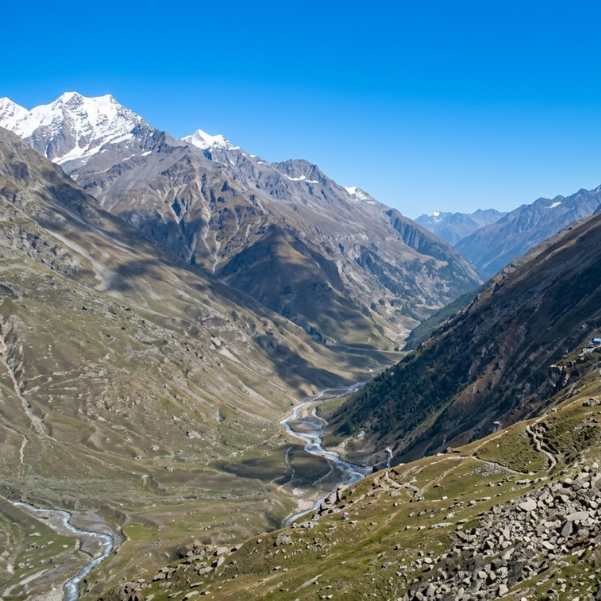
Applicable tourist vehicles need a permit to travel on the regulated Rohtang road. This is not optional and the checkposts do enforce it.
You apply through the official portal, which handles tourism permits, special permits, Hamta permits, permit validation and permit reprinting. The official permit portal is https://rohtangpermits.hp.gov.in/
One thing that confuses almost everyone: ordinary tourism permits and special permits are two separate categories. Do not mix them up.
The special-permit page says applications for that category open for the next two days and allows only 60 petrol and 40 diesel vehicles daily.
Those numbers apply to the special category only, not to the ordinary tourist quota, so ignore anyone who quotes them as the general limit.
A secondary 2026 road-status source reports a normal daily limit of 1,200 vehicles. Check this before you rely on it, because these caps get revised.
For cars, Jeeps and MUVs, the official charge is ₹550, consisting of a ₹500 permit fee and a ₹50 congestion charge. Buses and heavy vehicles pay a ₹500 permit fee plus a ₹100 congestion charge.
Tuesday is commonly reported as a maintenance closure day. Administrative orders change, so confirm the current Tuesday rule before you build your plan around it.
Keep both a digital and a printed copy of your permit where the current instructions ask for them. Our drivers always carry both, because a dead phone at a checkpost is a bad place to be.
Can You Take a Private Car or Bike to Rohtang Pass?
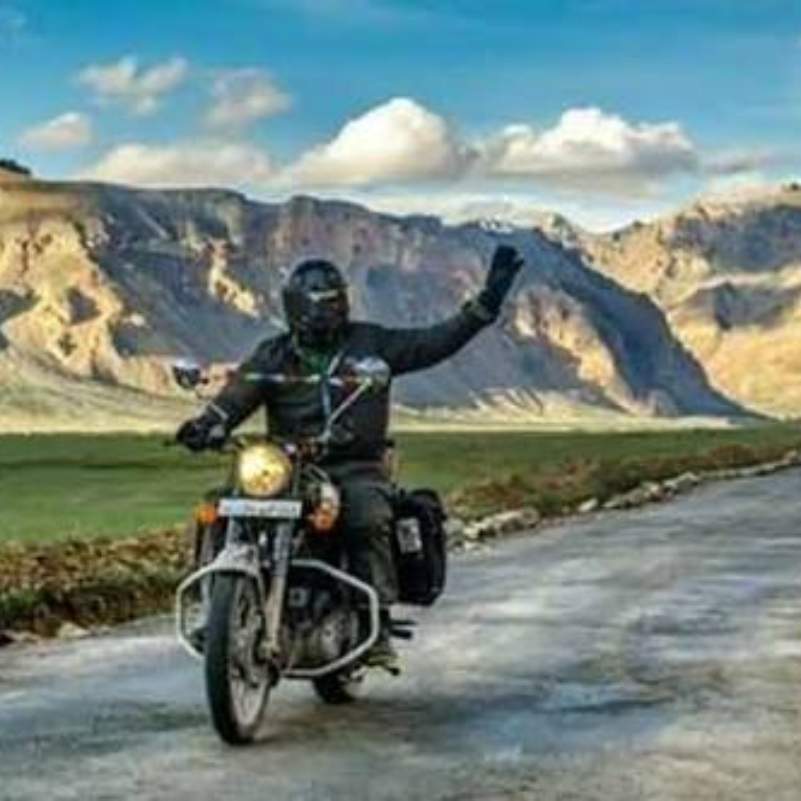
Yes, but your private vehicle must follow the current permit, emission and traffic restrictions. These are checked on the road.
Carry your registration certificate, pollution certificate and an identity document. Requirements get updated, so confirm the exact list with the permit office before you go.
Two-wheeler rules may differ from car rules, so bikers should verify their requirements separately with the current permit office rather than assuming they match.
If you do not want to manage permits, paperwork and steep mountain driving on your first visit, a Rohtang Pass tour package is the easier choice.
We usually steer first-timers toward a driver who knows the road, because the last thing you want is to learn hairpin bends and permit rules on the same day.
How Can You Reach Rohtang Pass from Manali?
Rohtang Pass is roughly 51 km from Manali. On the map that looks short. On the road, with traffic and permit stops, it is a proper half-day outing.
By Local Taxi
A local taxi is the most relaxed option for families, senior travellers and first-time mountain visitors. The driver handles the road, the parking and the permit-related stops while you look out the window.
We won't invent a fare for you. Always fix the price before you sit in the car.
By Private Vehicle
Driving yourself works if you are confident on mountain roads and have your permit sorted. Watch the weather, leave early, and do not push it in low visibility.
By Shared Taxi or Bus
Shared taxis and buses exist but availability and departure times vary a lot through the season.
Suggested Manali to Rohtang Pass Day Itinerary
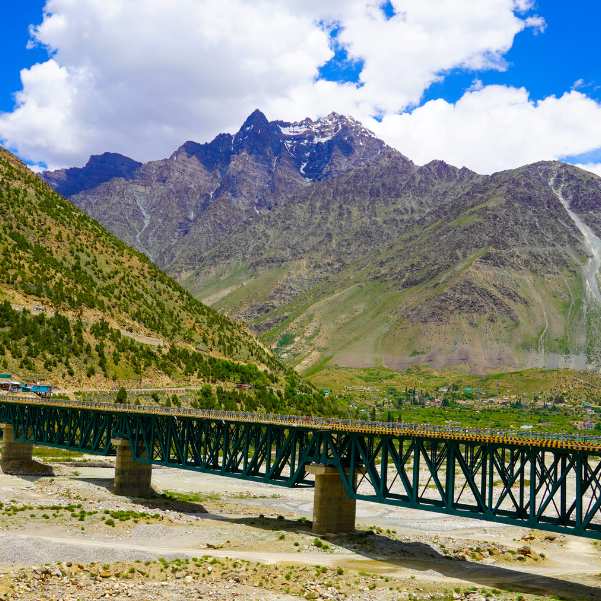
Early Morning Departure from Manali
Leave early to beat the traffic and enjoy the best morning views. A departure between 5:30 AM and 6:00 AM is generally recommended, although weather, traffic and local advisories may affect the best time to leave.
Confirm the road status the night before and again in the morning. A clear evening means nothing if a landslide blocks the route overnight.
Scenic Stops on Rohtang Road
Gulaba, Rahala Waterfall and Marhi are the usual stops on the way up. Whether you can stop depends on the open route, traffic and parking restrictions that day.
Marhi is your last real chance for a hot meal and tea before the top. In our experience, a warm plate of Maggi and chai here does more for the mood than any roadside photo stop.
Time at Rohtang Pass
Keep it easy at the top. Light walking, photos, and taking in the views is enough.
Do not sprint around or do anything strenuous right after reaching the pass. The altitude hits harder when you push yourself in the first hour.
Return to Manali
Start heading back before the late-afternoon weather turns. Mountain weather in September can flip from bright to grim in an hour.
Keep buffer time for traffic on the way down. We won't promise a fixed journey time because it swings with traffic and stops.
What Should You Wear at Rohtang Pass in September?
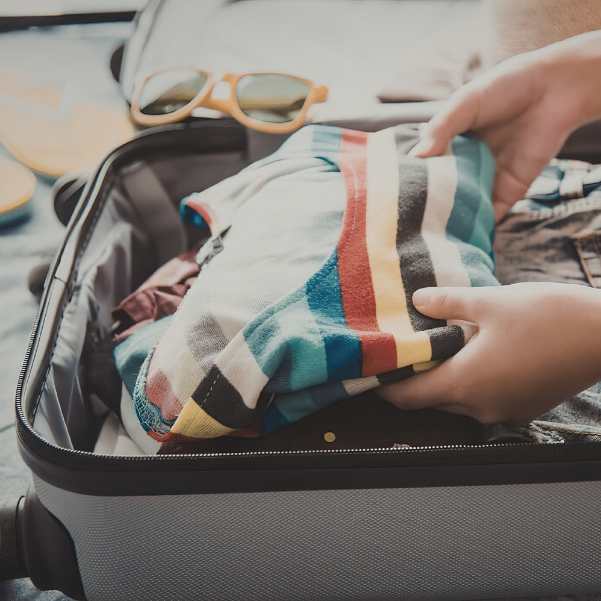
Dress in layers. A warm inner layer, a wind-resistant jacket, full trousers and closed shoes with good grip are the base kit.
Add a woollen cap, gloves and sunglasses. The sun at altitude is strong even when the air is cold, so sunscreen is not optional.
In early September, pack a rainproof outer layer too. A quick shower on the way up is common that early in the month.
You do not need to rent a snow suit. Those rental stalls will push them hard, but they are not compulsory, and in a snowless September you will just be paying to look the part.
Is Rohtang Pass Safe for Children, Seniors and First-Time Travellers?
Rohtang Pass sits at about 3,978 metres above sea level. That is high enough for your body to notice.
Some visitors feel a headache, dizziness, nausea or breathlessness up there. It can hit anyone, fit or not, so do not assume you are immune.
Move gently, drink water, and avoid heavy exertion right after you arrive. What we always tell families is to leave early, take it slow at the top, and skip the running around that kids naturally want to do.
If you have a heart condition, a lung condition or any serious medical issue, get personal medical advice before the trip. This is not the place to test your limits.
If symptoms turn severe or keep getting worse, descend and get help. Going down even a few hundred metres usually helps fast.
How Much Does a Rohtang Pass Trip Cost?
The total cost depends on how you travel and what you add on, so here is the honest breakdown without made-up numbers.
There is a permit and congestion charge to factor in. For a car, Jeep or MUV, the current total is ₹550, including a ₹500 permit fee and a ₹50 congestion charge.
A private taxi from Manali is usually the biggest single cost. Current published rates start at around ₹4,500 for a small car and can rise to approximately ₹7,500 for an Innova Crysta, depending on the vehicle category, route, travel date and whether the permit is included.
Shared transport works out cheaper if it is available on your travel date.
Then come the small stuff: meals and tea stops, warm clothing rental if you decide to grab any, and optional activities where available.
Snow dresses and boots generally start at around ₹250 per person, while activity prices vary according to the activity, season, snow conditions and the operator.
Before you commit to a taxi, get a written quote that spells out the route, parking, waiting time and included stops. This one habit saves the most arguments at the end of the day, because "I thought that was included" is a conversation nobody enjoys at 4 PM on a cold road.
Rohtang Pass or Atal Tunnel: Which Should You Visit?
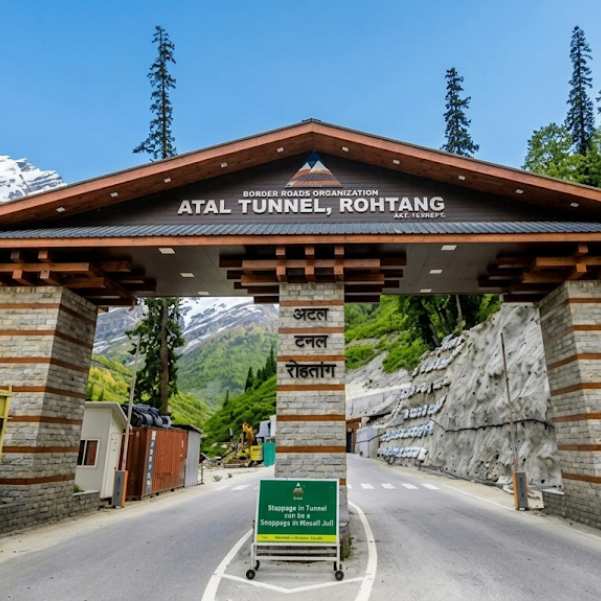
These two get confused constantly, so let me clear it up. Rohtang Pass is the high-altitude sightseeing spot you reach on the old mountain road.
Atal Tunnel is a fast link toward Lahaul that bypasses the pass road entirely. It gets you to the other side quickly, but it goes under the mountain, not over it.
Driving through Atal Tunnel does not mean you visited Rohtang Pass. Plenty of travellers think they have "done Rohtang" when they have actually just driven through the tunnel to Sissu.
If you want the traditional high-pass experience with the views and the altitude, go to Rohtang Pass. If you want quick access to Sissu and Lahaul, take the tunnel route.
Planning to see the Lahaul side too? Our Sissu tour packages cover the tunnel route and the villages beyond it.
What Can You Do if Rohtang Pass Is Closed?
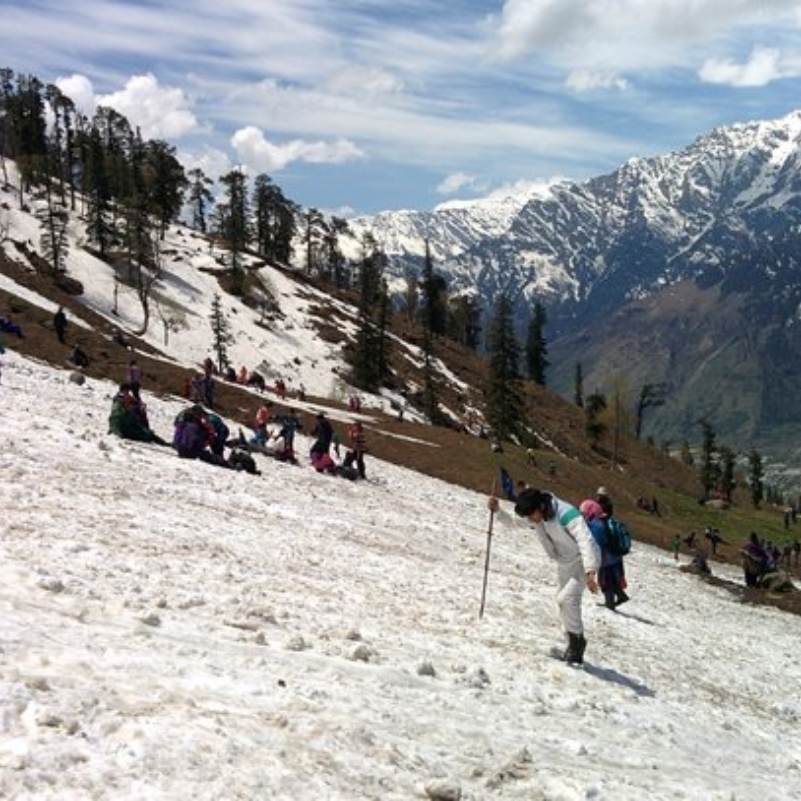
If the pass shuts on your day, you still have solid options. Solang Valley is close to Manali and packed with activities.
You can also drive up to the highest legally accessible point on Rohtang Road, take the Atal Tunnel toward Sissu when permitted, or spend the day on local Manali sightseeing.
Every one of these backups still depends on weather and traffic restrictions, so check before you set out. For ideas on filling a spare day, read our guide to adventure activities in Manali.
Places to Combine with a September Rohtang Trip
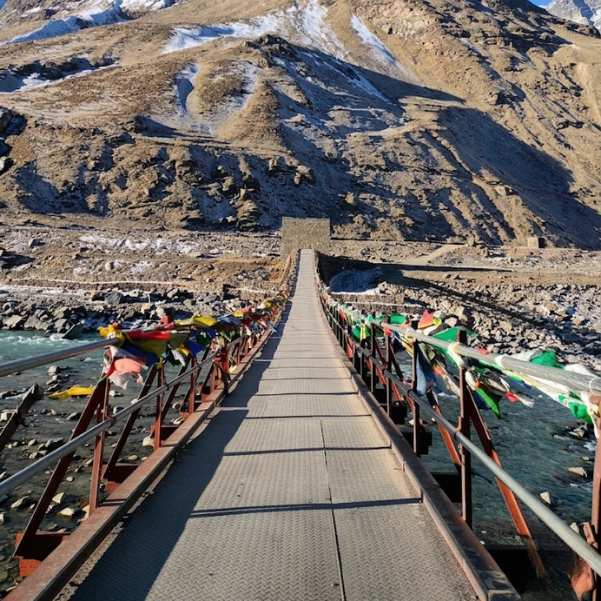
Rohtang works well as one piece of a larger Himachal trip rather than a standalone dash. Manali itself deserves a day or two.
Solang Valley, Atal Tunnel and Sissu all pair naturally with a Rohtang day. Kasol adds a different, chilled-out flavour if you have more time and want a change of pace.
Spiti is a separate beast. It is a longer road journey that needs more days, careful planning and current road-status checks, so treat it as its own trip rather than a quick add-on.
For more, look at our Kasol packages or the full Spiti Valley packages if the long road is calling.
Practical Tips for Visiting Rohtang Pass in September
Check the forecast, the district orders and the permit availability 24 to 48 hours before you leave. Conditions this close to travel are far more reliable than anything you read a month out.
Do not plan your trip around old snow photos. That May-shot Instagram reel is not what September looks like.
Our team recommends keeping one flexible day in Manali so a sudden closure does not wreck your whole plan. Carry water and snacks, get that written taxi quote, and go easy on your body at altitude.
Carry your own trash back down and skip the banned plastic items. The pass stays beautiful only because some people bother to do this.
Final Verdict: Should You Visit Rohtang Pass in September?
September is a strong month for Rohtang if you know what you are signing up for. You get cool weather, clearer mountain landscapes and usually smaller crowds than the summer peak.
It is not the month for anyone whose only goal is guaranteed snow. That expectation leads to disappointment more often than not.
For flexible travellers who care about scenery, photography and the high-altitude road experience, September is a genuinely good call. Come for the views, stay open to whatever the weather gives you, and you will have a good day.
Explore Our Curated Manali Tour Packages
 6D/5N
6D/5NManali Solang Sissu Sethan Snow Adventure
1D Delhi•3D Manali+2
₹15,999₹21,999SAVE INR 6,000/ person 6D/5N
6D/5NManali Solang Sissu Sethan Snow Trip With Kasol
1D Delhi•3D Manali+2
₹25,999₹33,999SAVE INR 8,000/ person 7D/6N
7D/6NManali Kasol Jibhi Valley Trip
3D Manali•1D Kasol+2
₹25,799₹32,999SAVE INR 7,200/ person
Related topics
Frequently Asked Questions
Is Rohtang Pass open in September 2026?
It is normally accessible in September, but the exact 2026 status cannot be confirmed far ahead. Snow, landslides, maintenance and district orders can close it, so check live status before you go.
Is snow guaranteed at Rohtang Pass in September?
No. Old snow may be limited or gone, and fresh snow is possible but never certain. Do not plan your trip assuming you will see it.
Can it snow at Rohtang Pass in late September?
Yes, fresh snowfall becomes possible later in the month. It stays unpredictable and can arrive as a quick disruption rather than a clean, photo-friendly dusting.
What is the temperature at Rohtang Pass in September?
A long-range source shows broad averages of about 12°C by day and 3°C at night. The actual day can be colder or wetter, so check a short-range forecast close to travel.
Is a permit required for Rohtang Pass?
Yes, applicable tourist vehicles need a permit for the regulated Rohtang road. You apply through the official portal at rohtangpermits.hp.gov.in.
Is Rohtang Pass closed every Tuesday?
Tuesday is commonly reported as a maintenance closure day, but orders may change. Confirm the current rule before planning around it.
Can I visit Rohtang Pass in my own car?
Yes, if you follow the current permit, emission and traffic rules. Carry your registration certificate, pollution certificate and ID, and confirm the exact requirements with the permit office.
Is Rohtang Pass safe for children?
It can be, with care. At about 3,978 metres, kids may feel the altitude, so move gently, keep them hydrated and avoid exertion in the first hour. Descend if anyone feels seriously unwell.
How many hours are needed for a Rohtang Pass trip?
Plan for a full-day outing from Manali. The exact time swings with traffic and permitted stops, so keep buffer time and start early.
Is early or late September better?
Early September is greener but rainier. Mid to late September usually gives clearer views and crisper air, with a chance of fresh snow. Check the short-range forecast to decide.
What should I wear at Rohtang Pass in September?
Layers: a warm inner layer, a wind-resistant jacket, full trousers, closed shoes with grip, a cap, gloves, sunglasses and sunscreen. Add a rainproof layer in early September.
What should I do if Rohtang Pass closes suddenly?
Switch to Solang Valley, the highest legally accessible point on Rohtang Road, Atal Tunnel and Sissu when permitted, or Manali sightseeing. All backups still depend on weather and traffic.
More about Rohtang Pass
 Rohtang Pass
Rohtang Pass Altitude Sickness in 2026: Symptoms, Prevention and When to Turn Back
Planning a trip to Rohtang Pass in 2026? Learn the symptoms of altitude sickness, prevention tips, and when to turn back for a safe mountain journey.
- Altitude & Health
- First-Time Travellers
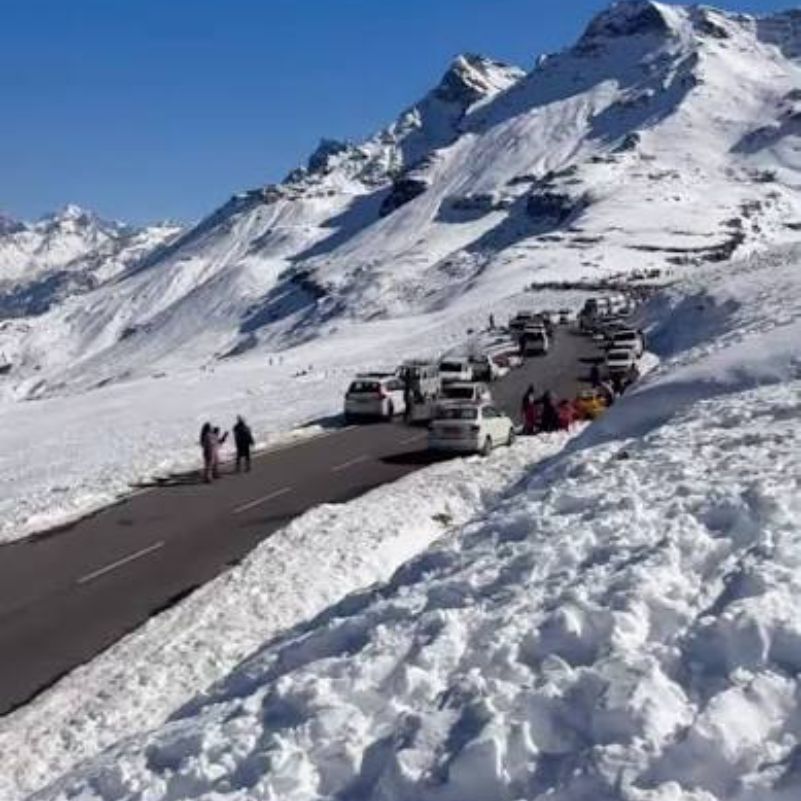 Rohtang Pass
Best Places to Visit on the Way to Rohtang Pass in 2026
Discover the best places to visit on the way to Rohtang Pass in 2026, including Solang Valley, Rahala Waterfalls, Gulaba, Marhi, and more for an unforgettable Himalayan road trip.
- Places to Visit
- Road Trips
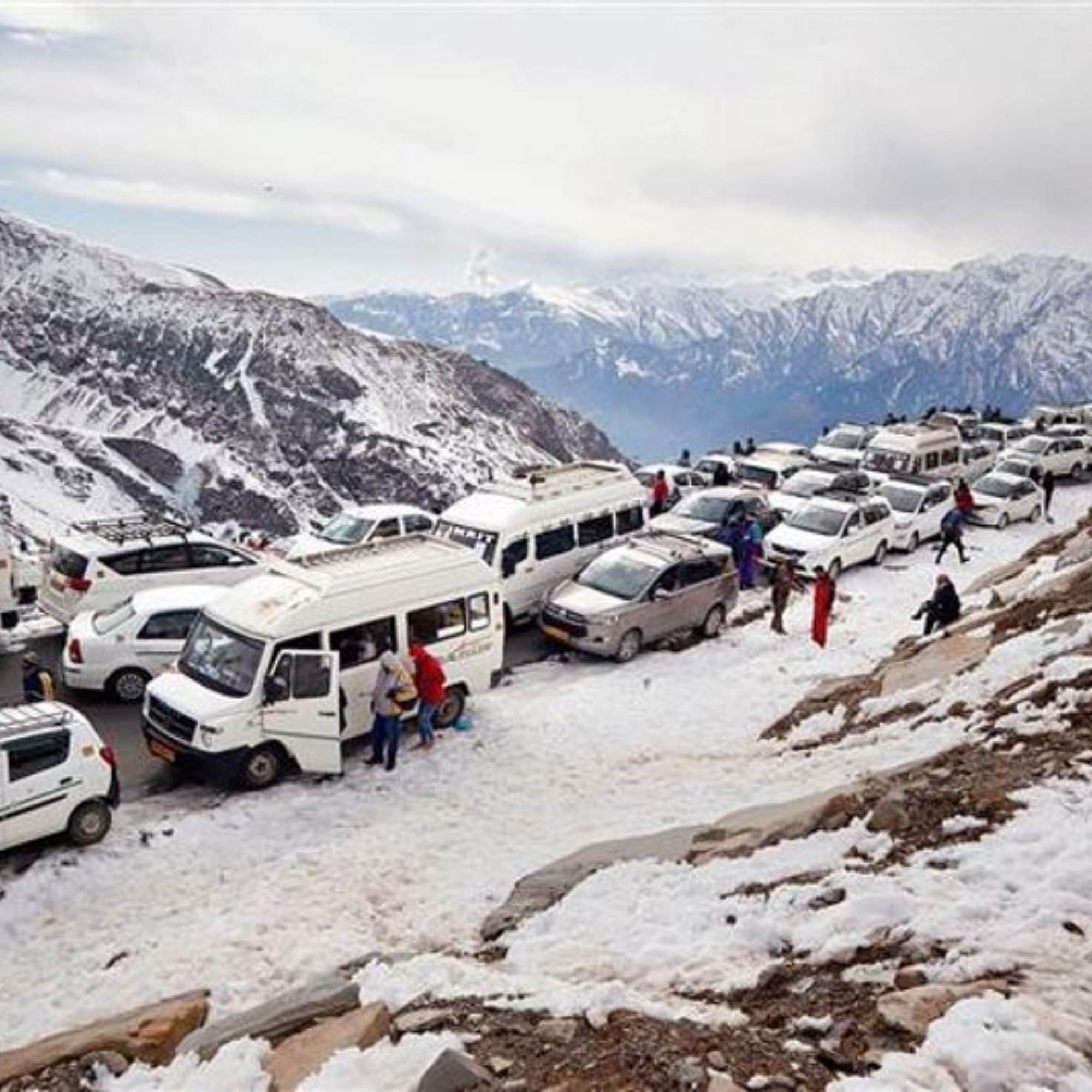 Rohtang Pass
15 Rohtang Pass Mistakes to Avoid in 2026: Permits, Taxi Scams, Timing and Snow Rentals
Planning a Rohtang Pass trip in 2026? Discover 15 common mistakes to avoid, from permits and weather to packing and safety, for a smooth mountain adventure.
- First-Time Travellers
- Permits & Fees