
What to Wear in Rohtang Pass in 2026: Complete Packing List for Every Month
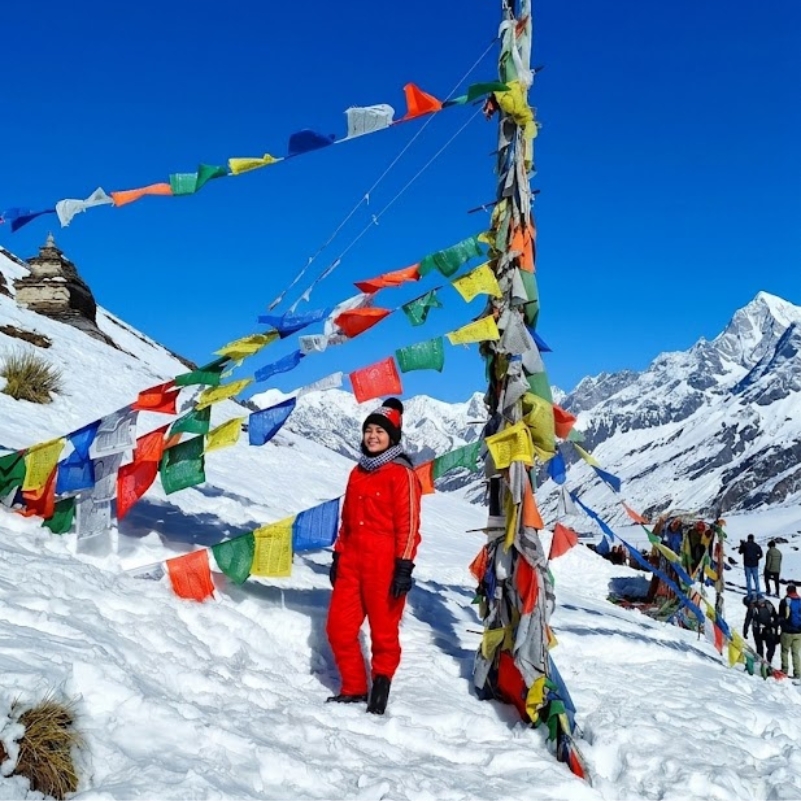
If you are trying to figure out what to wear in Rohtang Pass, here is the honest truth most blogs skip: the weather up there does not match Manali town at all.
You can leave Manali under a bright blue sky and hit snow, wind, and wet slush by the time you reach the top. We have seen it happen to travellers dozens of times.
This guide by Travel Coffee breaks down exactly what to pack, month by month, plus the truth about whether you actually need to rent a snow dress.
Quick Answer: What Should You Wear to Rohtang Pass?
Wear three layers you can adjust: a comfortable base, a warm fleece or light insulated mid layer, and a windproof or waterproof outer jacket.
Add covered shoes with grip, gloves, a cap that covers your ears, sunglasses, and sunscreen.
A rented snow suit is not compulsory for every visit. It mainly helps if you plan long snow play, if the snow is deep and wet, or if you do not own waterproof outerwear.
If you would rather have the whole day sorted, our Rohtang Pass tour packages come with a local driver and a team that actually picks up the phone.
Why Does Rohtang Pass Need Different Clothing from Manali?
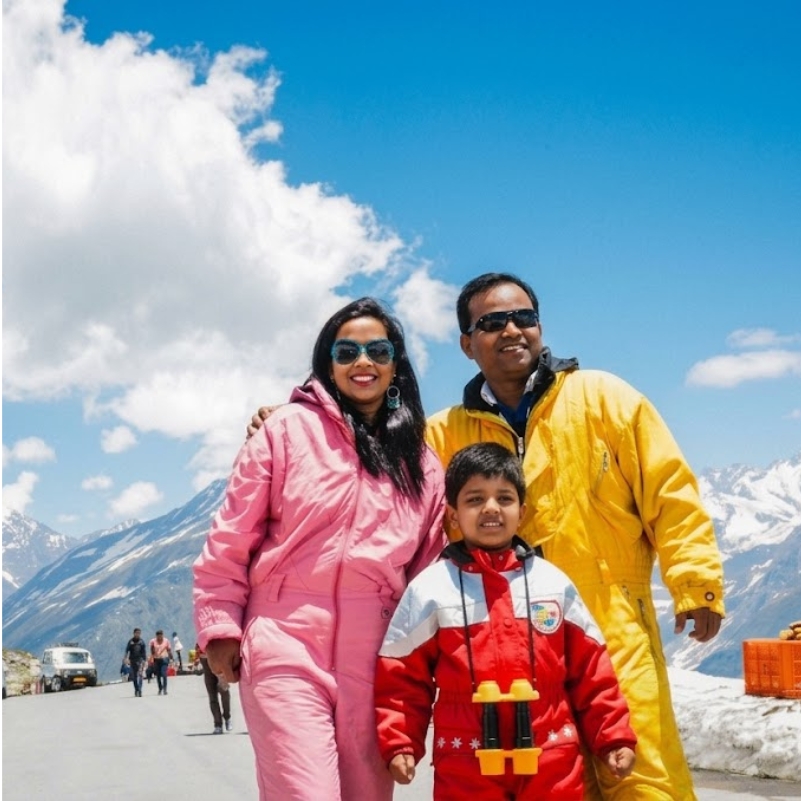
Rohtang Pass sits about 51 kilometres from Manali at roughly 3,978 metres. That altitude changes everything.
Up there the wind is exposed, the ground is often wet, and snow can appear even when Manali looked dry all morning.
Manali town might feel pleasant in a hoodie. Rohtang can feel bitterly cold within minutes once wind and moisture hit you.
Here is a real example. A sudden snowstorm caught tourists and vehicles at Rohtang on 22 May 2026. Many of them had dressed for a warm day.
That is the whole reason we tell every traveller to carry a waterproof and windproof outer layer, even when the morning sky looks perfect.
Most tourists get this wrong. They pack for Manali weather and freeze at the top. Pack for Rohtang, not for the town you started in.
Which Items Are Essential and Which Are Optional?
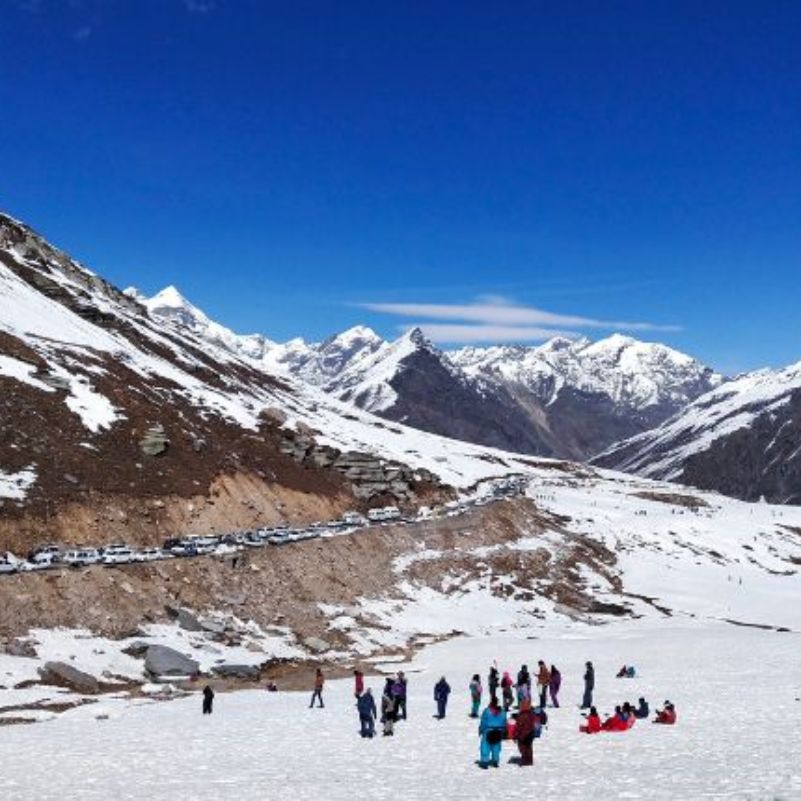
Gear almost everyone should carry
Some things you should carry no matter what the day looks like. A windproof or waterproof outer layer comes first, then a warm mid layer like fleece.
Wear full length lower clothing, covered shoes with grip, and gloves. Add a cap that covers your ears, sunglasses, sunscreen, and lip balm.
These items handle wind, sun, and cold in almost any season Rohtang is open. Skip any of them and you will feel it.
Gear that depends on the day's conditions
Some gear only makes sense on certain days. Thermals, waterproof trousers, heavy gloves, gaiters, spare shoes, and rented gum boots fall in this group.
Whether you need them depends on the snow, slush, rainfall, wind, and how long you plan to stay outside.
A dry, short visit needs far less than a day of deep snow play. Check the current conditions before you overpack.
Items that are usually unnecessary
You do not need everything the rental shops try to sell you. Fashion boots, oversized rental suits, expedition grade clothing, ski goggles, and three thick sweaters are usually too much for a short sightseeing stop.
Unless the day's conditions genuinely call for heavy gear, this stuff just weighs you down and empties your wallet. Carry what works, leave the rest.
What Should You Wear at Rohtang Pass Every Month?
January
January
Normal tourist access to Rohtang Pass is generally unavailable during this period, so plan around the nearest officially accessible snow point.
Dress for whichever snow point is officially open, not for Rohtang top. Assume you may not reach the top at all.
For an accessible snow point, wear thermal innerwear, fleece, an insulated waterproof jacket, gloves, an ear covering cap, warm socks, and waterproof boots.
February
Use the same winter layering as January and plan your trip around the snow point officially open on the day.
Rented snow trousers or gum boots can help if you plan to play in deep or wet snow.
Keep your layers adjustable so you can strip down when the sun is out and pile back on when the wind picks up.
March
Rohtang Pass is normally inaccessible in March while snow clearance work continues, although the accessible endpoint can vary with weather and road conditions.
Wear full winter layers for whichever snow point is officially open. Do not assume the top is reachable.
We covered the ground reality of this month in detail in our Rohtang Pass in March guide if you want the full picture.
April
The pass commonly stays closed during at least part of April, with access depending on snow clearance, weather and official road-opening decisions.
For accessible high altitude snow areas, wear thermals, a fleece or wool mid layer, a waterproof outer jacket, gloves, a cap, and waterproof boots.
Our Rohtang Pass in April article walks through what April usually looks like on the ground.
May
May is an early season month. After the road opens, you can still hit snow walls, melting snow, wet ground, and even sudden snowfall.
Wear a light thermal or full sleeve base, fleece, a waterproof and windproof jacket, gloves, and a beanie. Add waterproof grippy footwear and spare socks.
Remember the 22 May 2026 snowstorm. A clear morning does not promise a dry day. That is not a scare story, it is just how this altitude works.
Read our Rohtang Pass in May guide for a closer look at early season conditions.
June
Wear a full sleeve base layer, fleece or light insulated mid layer, a windproof outer shell, gloves, and covered shoes with grip.
Snow quantity changes through June, so we never promise snow. Some days it is everywhere, some days it is patchy.
Gum boots help most when the current snow point is deep, wet, or heavily trampled by crowds. On a dry day you may not need them at all.
July
Make a waterproof jacket your priority in July, along with quick drying trousers, a light fleece, covered waterproof shoes with grip, and a dry spare pair of socks.
Heavy denim and canvas shoes turn miserable once they get wet. They stay soaked for hours and dry slowly.
A bulky snow suit is normally unnecessary in July unless the current snow conditions actually call for one.
August
Wear quick drying clothing, a light fleece, a waterproof outer layer, covered anti slip shoes, and spare socks. Carry waterproof protection for your documents and electronics too.
A heavy rented snow suit is usually unnecessary in August. Skip it unless fresh snow or unusually wet conditions are confirmed on that specific day.
Our Rohtang Pass in August article walks through what August usually looks like on the ground.
Our team always reminds August travellers to keep a plastic pouch for their phone and permit. Wet paper and a dead phone can ruin an otherwise good day.
September
Wear a full sleeve base, fleece or a light insulated jacket, a windproof shell, hiking shoes, and light gloves.
Even under clear skies, the exposed wind can feel sharply cold. Do not let a sunny photo fool you into leaving the jacket in the car.
Our Rohtang Pass in September article walks through what September usually looks like on the ground.
October
Wear thermals, fleece, an insulated windproof jacket, a beanie, gloves, and sturdy covered shoes.
Fresh snowfall and late-season access restrictions are possible in October, so check the official road status before setting out.
The temperature swing between sun and shade is wide this month, so layers you can add and remove matter more than one heavy coat.
We covered the ground reality of this month in detail in our Rohtang Pass in October guide if you want the full picture.
November
Seasonal closure can happen during November, so your plans must follow the official road status. Do not lock in dates assuming the pass is open.
For an officially accessible high altitude point, wear thermal base layers, a fleece, an insulated waterproof outer jacket, gloves, a cap, warm socks, and waterproof footwear.
We will not promise whether Rohtang is open or closed on any given November date. It swings year to year.
December
Rohtang Pass is normally inaccessible to tourists in December, so plan your trip around the nearest officially open snow point rather than the pass top.
Pack for the snow point you are actually visiting, not for Rohtang top. Full winter layers and waterproof boots are the baseline.
How Should You Layer Clothes for Rohtang Pass?
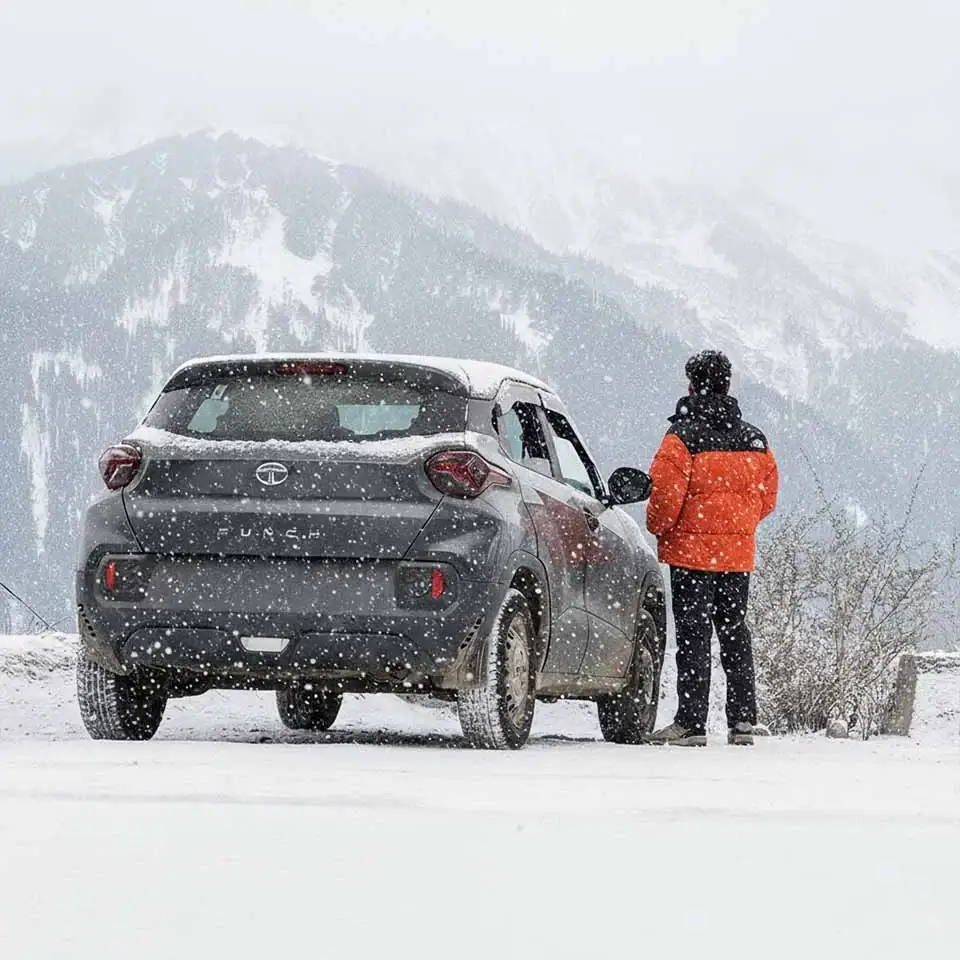
Base layer
Your base layer should sit comfortably against your skin. Thermals earn their place during early season snow, October cold, and winter visits to accessible snow points.
On a warm, dry summer day, a simple full sleeve base is often enough. Match the base to the season, not to fear.
Mid layer
Wear a fleece or light insulated jacket you can pull off easily. When the sun comes out or you warm up walking around, you will want to shed it fast.
This middle layer does most of the temperature work. It is the one you will add and remove all day.
Outer layer
Blocking wind and moisture usually beats adding another thick sweater. Wind is what makes Rohtang feel colder than the number on the thermometer.
There is a real difference between a jacket that only handles a quick drizzle and one built for sustained wet weather. If you expect deep snow or steady rain, carry the stronger shell.
Which Shoes Are Best for Rohtang Pass?
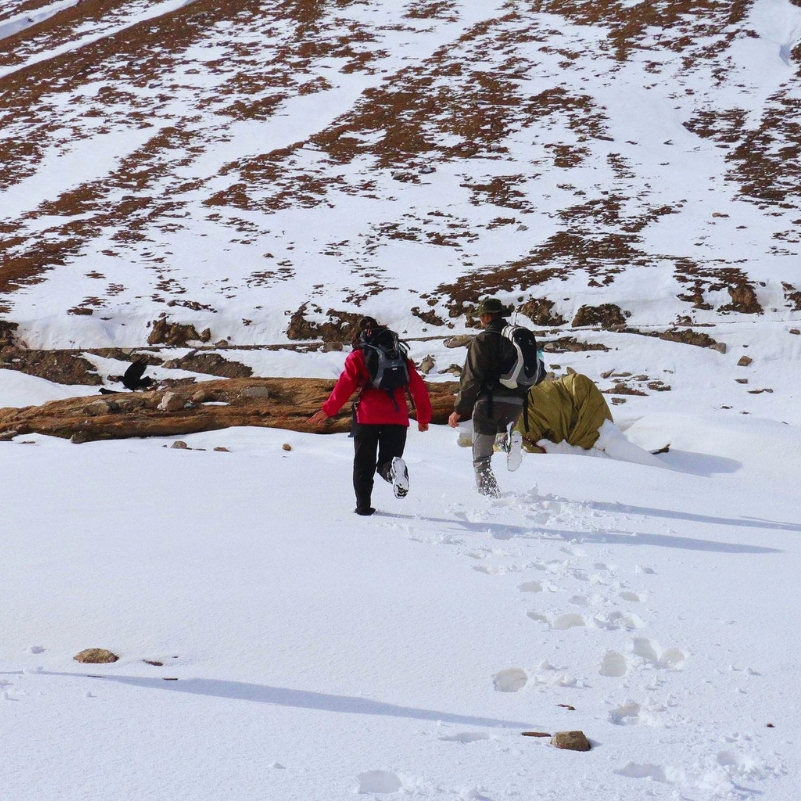
Shoes for snow and slush
Wear waterproof hiking shoes or rented gum boots with a grippy sole. Wet ground and slick slush are the norm at snow points.
If you rent boots, check that they fit securely, have usable tread, hold no standing water inside, show no cracks, and leave room for socks without your heel sliding around.
A boot that leaks or slips is worse than your own dry shoes. Inspect before you pay.
Shoes for dry conditions
When the road and visitor area are dry, sturdy walking or hiking shoes with grip are usually enough. You do not always need gum boots.
Save the rental cost for a hot chai if the ground is dry that day.
Shoes to avoid
Skip smooth soled fashion shoes, open sandals, canvas sneakers, heels, and brand new shoes you have never worn.
New shoes cause blisters. Smooth soles slip on ice. Sandals and canvas soak through in seconds. We see travellers regret these choices every single season.
Socks and spare footwear
Wear warm or moisture managing socks and keep at least one dry spare pair in your daypack.
In our experience, dry socks are the single most underrated item for a Rohtang day. Wet feet turn a fun trip into a cold, miserable one within an hour.
Is Rohtang Pass Snow Dress Rental Necessary?
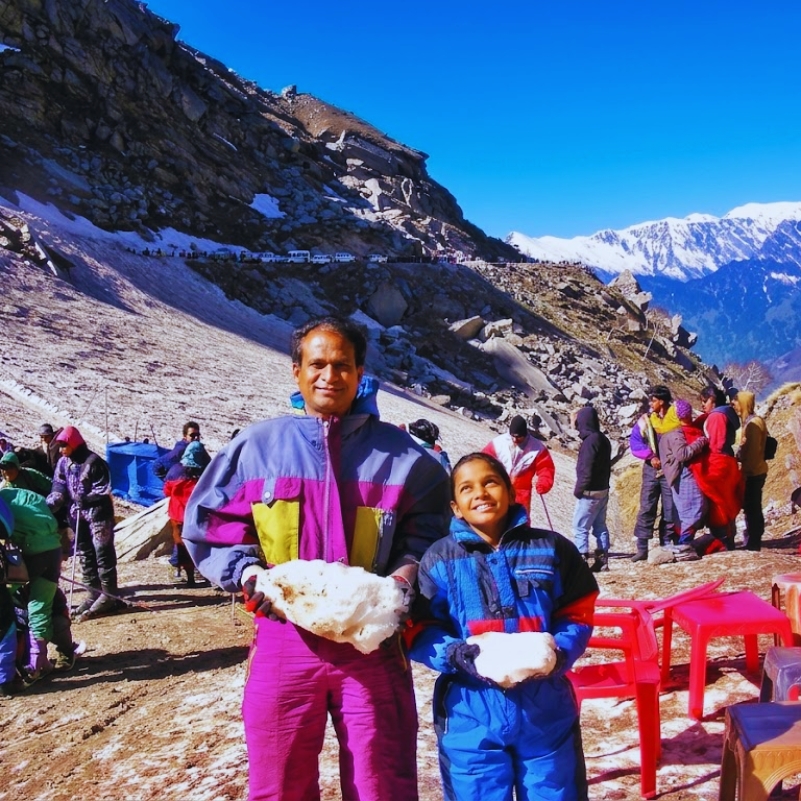
Straight answer: a full rental suit is not compulsory for every Rohtang visit. Plenty of travellers do fine in their own layers.
When renting a snow dress is worthwhile
A snow dress can be worth it for long snow play, deep wet snow, children who are likely to sit or kneel in the snow, or travellers who do not own waterproof trousers and jackets.
If you will be in and out of deep snow for hours, the suit keeps you dry in a way ordinary clothes cannot.
When you can skip the rental
You can normally skip the full suit when your stop is short, the ground is mainly dry, your own layers already block wind and moisture, or you only really need better footwear.
Renting just gum boots is a smart middle path. You get dry, gripped feet without paying for a whole suit you barely use.
What does snow dress rental cost?
One current vendor advertises a starting price of ₹250 per person, with snow dress and snow boots included for one day.
That is an advertised starting price, not a guaranteed market rate. Prices, garment quality, shop location and inclusions vary, so compare the full rental package locally before paying.
Here is an honest warning. One traveller account described a bundled quote of ₹3,000 for clothing, boots, gloves, and a guide, negotiated down to ₹2,500. The same person said similar clothing was available elsewhere for ₹500 to ₹1,000.
Treat that only as a caution about bundled packages, not a standard rate. Bundles get padded fast when a guide and activities are folded in.
What to inspect before paying
Check the sizing, look for broken zips, feel for damp interiors, and test the boot tread. Look for visible damage, ask about the return time and deposit, and confirm whether gloves, guide charges, and any activities are included.
Agree on the final total before you change clothes. Once you are in their suit, your bargaining power drops to zero.
What Should Children, Seniors and Cold Sensitive Travellers Wear?
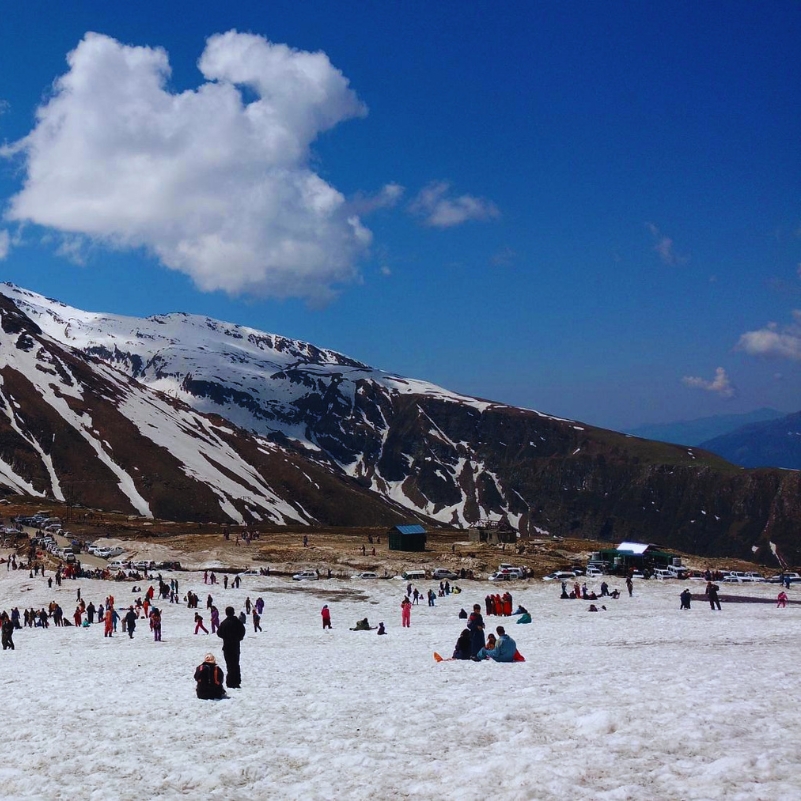
For children, prioritise dry gloves, a warm ear covering cap, waterproof footwear, and spare socks. Kids are far more likely to sit or kneel in the snow, so they get wet faster.
For seniors, go with adjustable layers and stable footwear rather than a heavy restrictive suit. Easy movement and sure footing matter more than bulk.
For cold sensitive travellers, add thermals and warmer hand protection. A little extra insulation goes a long way at this altitude.
We do not give medical clearance. If you have any health conditions, talk to a qualified doctor before high altitude travel.
What Should You Keep in Your Rohtang Daypack?
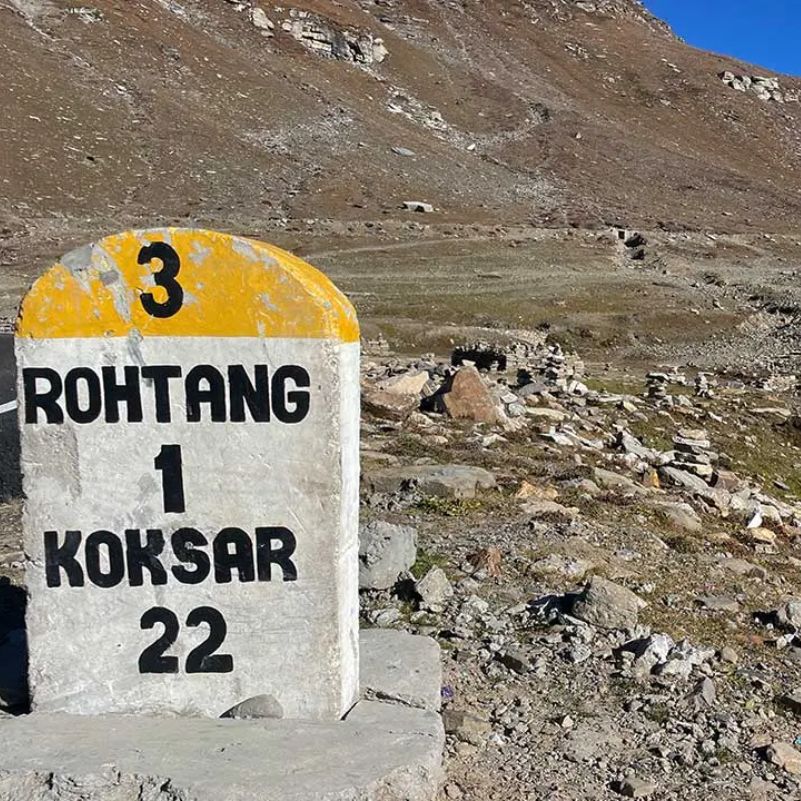
Pack a dry pair of socks, a spare inner layer, gloves, a compact rain shell, sunglasses, sunscreen, and lip balm. Add water, snacks, personal medicines, tissues, a small towel, and a power bank.
Carry a waterproof pouch for your ID, the printed permit, your phone, and vehicle documents. Wet documents cause real problems at checkpoints.
Ultraviolet exposure rises with altitude, and fresh snow reflects a lot of it back at you. That is why sunglasses and sunscreen matter even when it is cold. Your skin and eyes burn faster up there than you expect.
What Should You Avoid Wearing or Renting?
Heavy denim is a bad idea. Once it gets wet it stays heavy, cold, and takes forever to dry.
Several thick cotton layers without a windproof shell will still feel uncomfortable in exposed wind. Cotton traps damp and the wind cuts right through.
Do not accept a combined snow dress, guide, and activity package without checking the full price and every inclusion first. Bundles are where the padding hides.
Never rent wet, damaged, or badly fitting boots. And remember, the colourful one piece rental suit is optional gear, not an official dress code for Rohtang Pass.
What Are the 2026 Permit and Road Rules?
Access remains subject to weather, road conditions and local orders, so check the official permit portal and District Kullu updates for your travel date.
The official daily tourism quota is 1,200 vehicles, split into 800 petrol and 400 diesel vehicles.
Permits release in two batches, at 10:00 and 16:00, and you can request them only for the next two days.
The tourism permit is valid for one day for the return journey. The permit printout is compulsory, so print it before you leave.
For a car, jeep, or MUV, the official fee is ₹500 plus a ₹50 congestion charge.
You need valid identification, a valid PUC certificate, and vehicle registration details. The official portal says the vehicle must not be more than ten years old.
The official portal currently shows no fixed maintenance day, so check the live permit calendar before booking instead of assuming Tuesday is closed.
If you want a wider Manali plan, our guide to adventure activities in Manali pairs well with a Rohtang day. Many travellers also add a night in Sissu, and our Sissu tour packages cover that side of the tunnel.
Explore Our Curated Rohtang Pass Tour Packages
 5D/4N
5D/4NPremium Manali Tour Package with Private Cab and Rohtang Pass
4D Manali
₹14,999₹19,999SAVE INR 5,000/ person 5D/4N
5D/4NBest Value Manali Volvo Package with Rohtang Pass
3D Manali
₹9,999₹13,999SAVE INR 4,000/ person 7D/6N
7D/6NComplete Shimla Manali Volvo Package with Rohtang Pass
2D Shimla•2D Manali
₹15,999₹19,499SAVE INR 3,500/ person
Related topics
Frequently Asked Questions
What should I wear to Rohtang Pass in summer?
Wear a full sleeve base, a light fleece, and a windproof or waterproof jacket, with covered grippy shoes. Even in summer the wind and wet ground make it far colder than Manali town.
Do I need thermals at Rohtang Pass in May?
A light thermal or full sleeve base is a good idea in May. Early season snow, wet ground, and sudden snowfall are all possible, as the 22 May 2026 storm showed.
Is a snow suit compulsory for Rohtang Pass?
No. A full snow suit is not compulsory. Your own layers are often enough for a short, dry visit. Rent one mainly for long snow play or deep wet snow.
How much does snow dress rental cost near Rohtang Pass?
One vendor advertises a starting price of ₹250 per person for one day, including snow dress and boots. That is a starting ad rate, not a fixed market price, so check locally.
Can I wear sneakers at Rohtang Pass?
Only on dry days, and only sturdy grippy ones. Canvas sneakers soak through fast and smooth soles slip. On snow or slush, waterproof shoes or gum boots are much better.
Are gum boots available for rent in Manali?
Yes, gum boots are commonly available to rent. Renting just the boots is a smart move if the rest of your clothing already handles wind and moisture.
What should children wear while playing in snow?
Give kids dry gloves, a warm ear covering cap, waterproof footwear, and spare socks. They sit and kneel in snow a lot, so they get wet faster than adults.
Are jeans suitable for Rohtang Pass?
Not really. Heavy denim stays wet, cold, and heavy for hours once it soaks through. Quick drying trousers work far better.
What should I wear at Rohtang Pass during the monsoon?
Prioritise a waterproof jacket, quick drying trousers, a light fleece, and covered waterproof shoes with grip. Carry a dry spare pair of socks and a pouch to protect documents.
Is Rohtang Pass open from January to April?
Access during these months is usually unavailable or restricted while snow clearance is pending, and it changes yearly. Always check the official road status before planning.
Does Rohtang Pass have snow in June?
Sometimes, but we never promise it. Snow in June varies a lot from day to day and year to year.
What should I carry besides clothes for a Rohtang day trip?
Carry water, snacks, sunglasses, sunscreen, lip balm, personal medicines, a power bank, a small towel, and a waterproof pouch for your ID and printed permit.
More about Rohtang Pass
 Rohtang Pass
Rohtang Pass Altitude Sickness in 2026: Symptoms, Prevention and When to Turn Back
Planning a trip to Rohtang Pass in 2026? Learn the symptoms of altitude sickness, prevention tips, and when to turn back for a safe mountain journey.
- Altitude & Health
- First-Time Travellers
 Rohtang Pass
Best Places to Visit on the Way to Rohtang Pass in 2026
Discover the best places to visit on the way to Rohtang Pass in 2026, including Solang Valley, Rahala Waterfalls, Gulaba, Marhi, and more for an unforgettable Himalayan road trip.
- Places to Visit
- Road Trips
 Rohtang Pass
15 Rohtang Pass Mistakes to Avoid in 2026: Permits, Taxi Scams, Timing and Snow Rentals
Planning a Rohtang Pass trip in 2026? Discover 15 common mistakes to avoid, from permits and weather to packing and safety, for a smooth mountain adventure.
- First-Time Travellers
- Permits & Fees