
Rohtang Pass in October 2026: Snow, Weather, Permit and Road Status
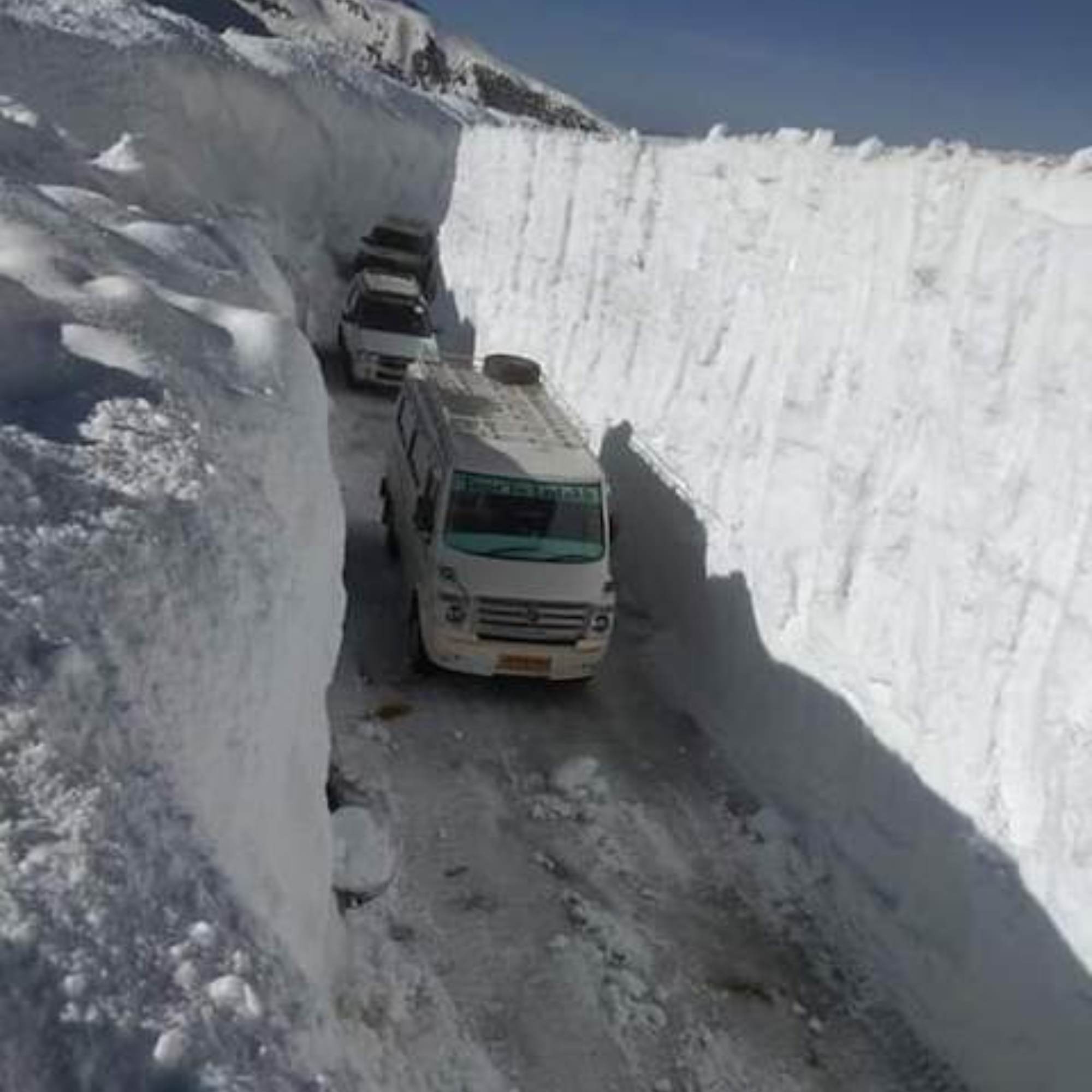
If you are trying to figure out whether Rohtang Pass will be open in October, the honest answer is: it usually is for part of the month, but nobody can promise you a fixed date.
October is the month when the mountain starts turning from autumn to winter, and one heavy snowfall can change everything overnight.
We run trips through Manali every season, and October is the one month where we tell travellers to stay flexible.
This guide by Travel Coffee gives you the real picture on Rohtang Pass in October, covering snow, weather, permits, road status and what to do if the road is shut on your travel day.
Quick Answer: Is Rohtang Pass Open in October?
Rohtang Pass is normally accessible during at least part of October, but no October date is guaranteed. Early October generally gives you a better planning window than late October.
Fresh snowfall can cause a temporary closure, or in some years it ends sightseeing access for the whole season. Access depends fully on weather and road clearance, not on the calendar.
So plan, but do not lock everything around the pass. Check the live road status one day before you leave, and again on the morning of travel. Conditions here can flip between an evening and the next sunrise.
What Is Rohtang Pass Like in October?
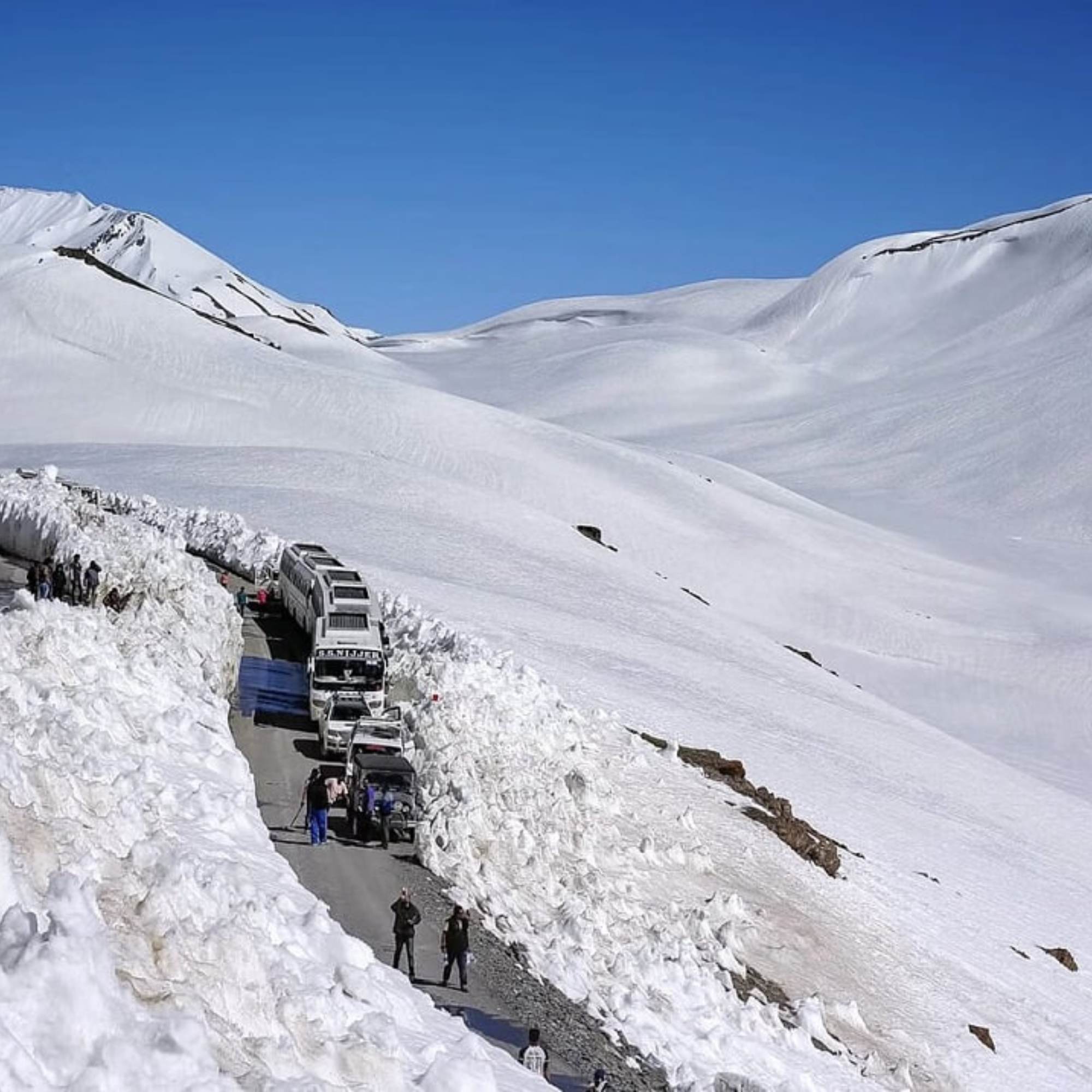
October at Rohtang Pass is the handover between autumn and early winter. The lower slopes still hold some autumn colour, but up top the air already bites.
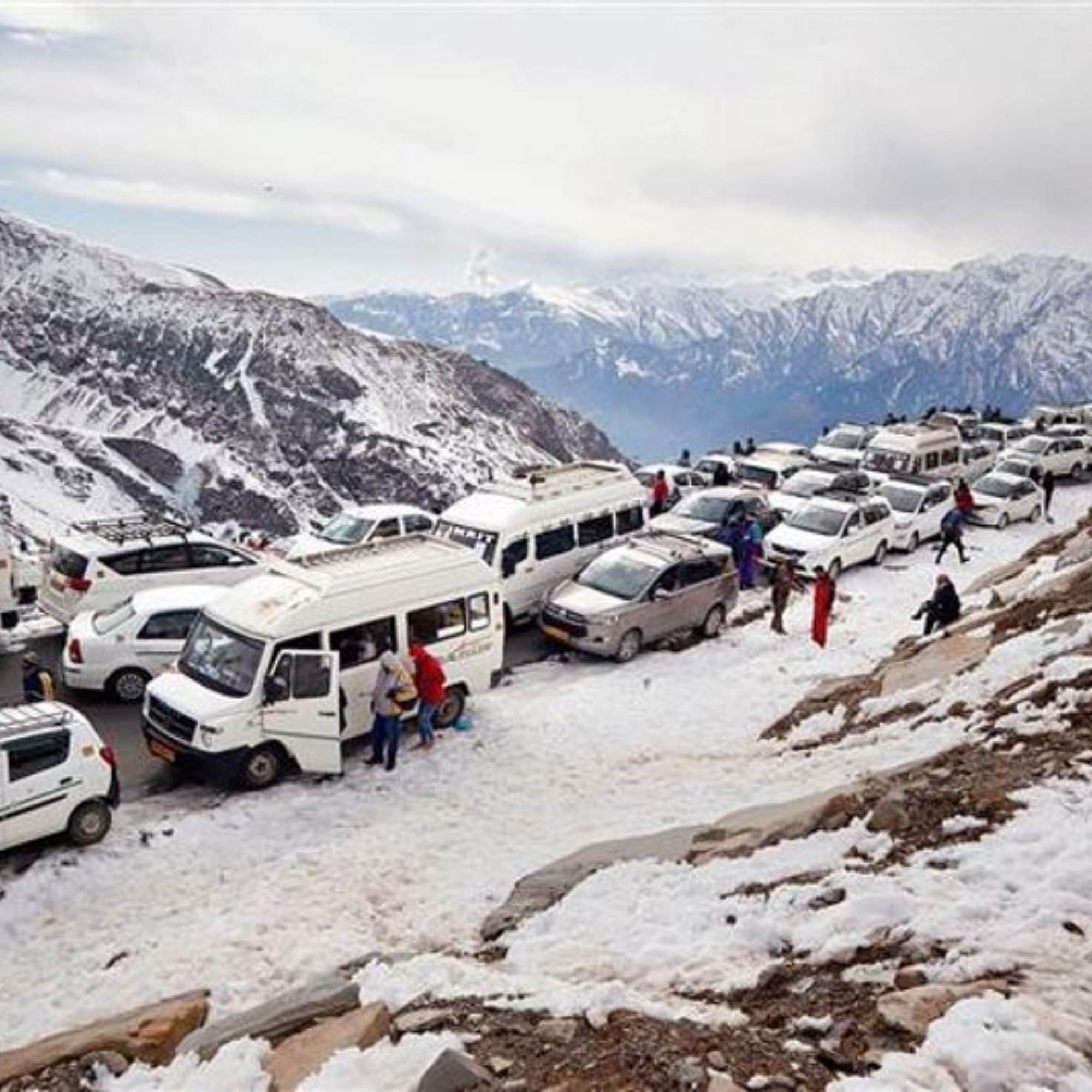
The road is often quieter than the peak summer rush. That sounds great, and it can be. But quieter does not mean easier, because the weather up here is far less predictable now.
On a good October day you get sharp mountain views, clean air and cold sunshine. On a bad one you get freezing wind, thick clouds, rain, sleet or fresh snowfall.
The one thing most tourists get wrong is treating October like a guaranteed snow month. It is not. Some days are dry and bare, some days dump snow. You take what the mountain gives you.
Is Rohtang Pass Open in Early and Late October?
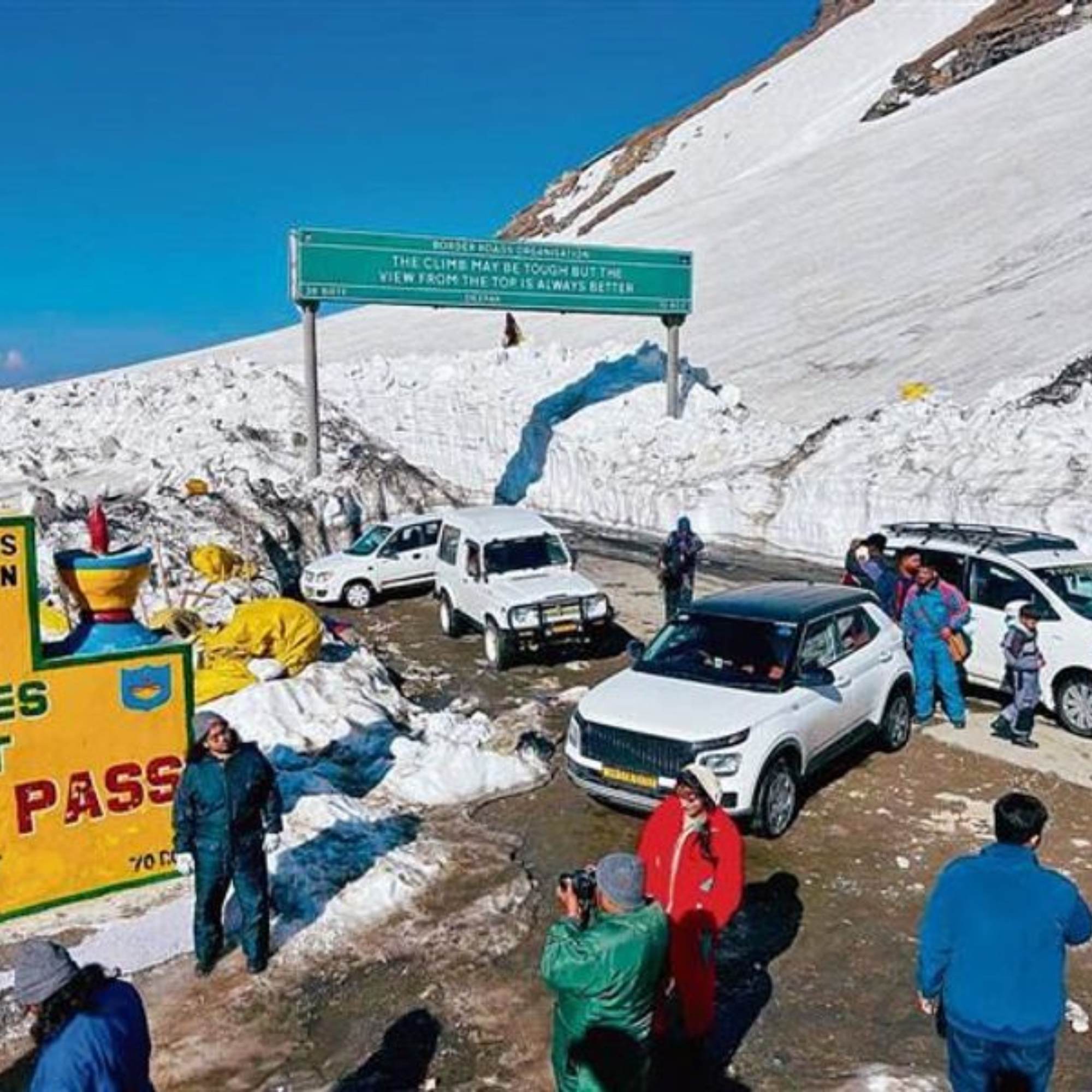
The month is not one single season. Early, mid and late October behave very differently, so let us split them.
Rohtang Pass in Early October
Early October is usually the more practical part of the month to plan a visit. The road is more likely to be open, and the weather is often still workable. Still, access always depends on current road and weather conditions.
Snowfall can happen even in early October. It is less likely than later in the month, but it is never off the table at this altitude.
In our experience, keeping one flexible day in Manali saves the whole trip. If the pass is shut on day one, you still have day two.
Rohtang Pass in Mid October
By mid October, freezing conditions and fresh snow become more likely. The mountain is clearly heading into winter now.
If light snow falls, the road may reopen once authorities clear it and consider it safe. But do not assume it reopens the same day. Sometimes it takes longer.
Our Himachal team recommends checking status separately for each day of your trip rather than assuming a single opening covers your whole stay.
Rohtang Pass in Late October
Late October carries the most uncertainty of the month. This is where plans get risky if you are rigid.
A significant snowfall in late October can temporarily close the road, or end sightseeing access for the season entirely. There is no way to know in advance which year you will get.
We usually advise travellers not to build a non-refundable trip that depends entirely on reaching the pass in late October. Have a backup ready.
Can You See Snow at Rohtang Pass in October?
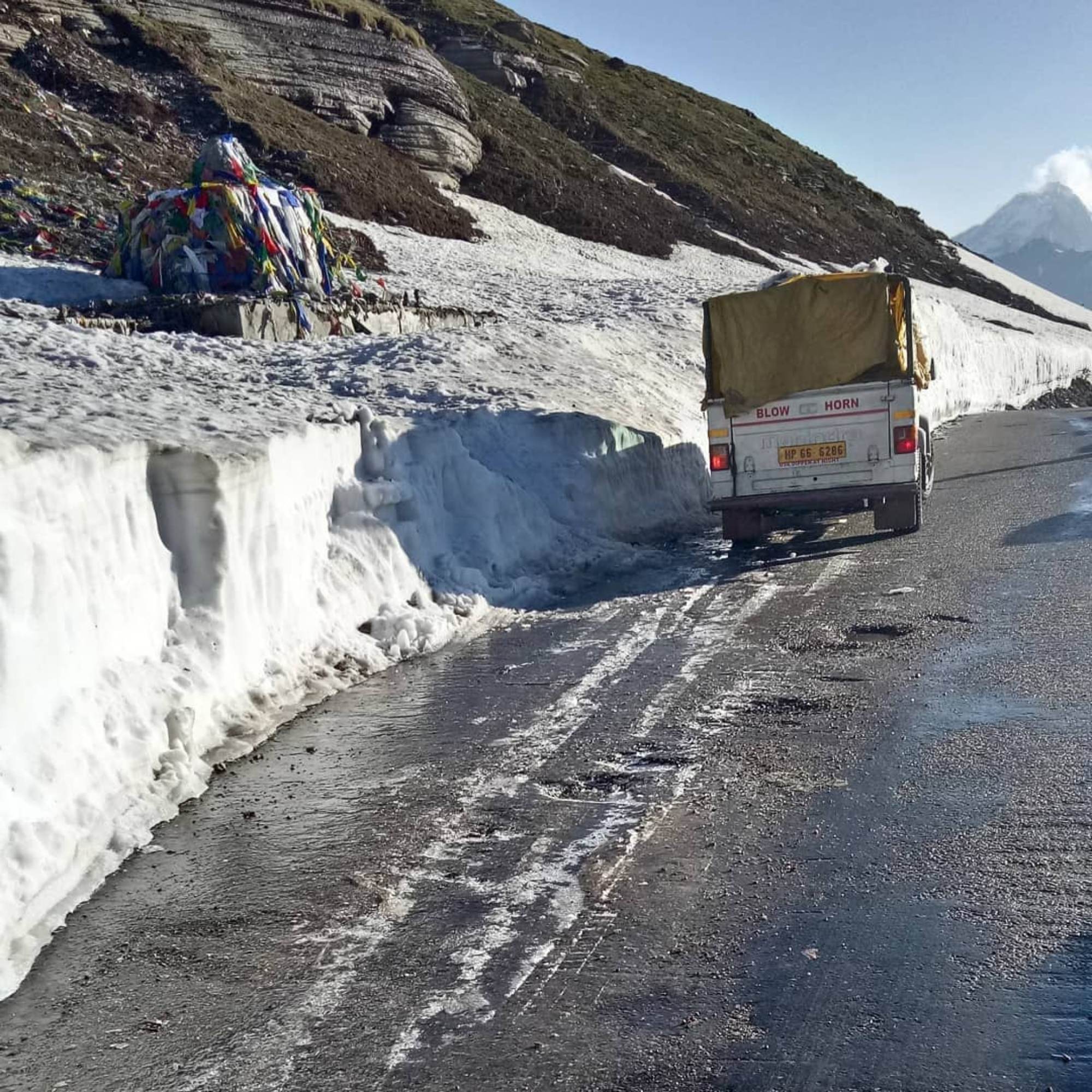
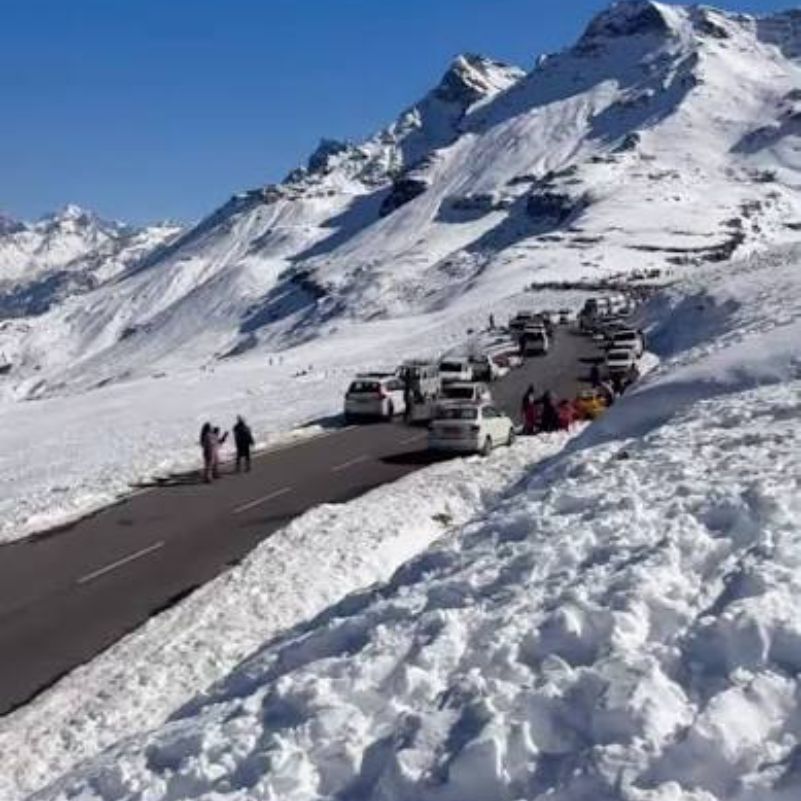
Fresh snowfall is possible in October, but it is not guaranteed. This is the single biggest source of disappointment we see, so let us be clear.
There is a difference between snow falling while you are there and old snow already lying on the ground. Both are possible, neither is promised.
Early October can show bare brown slopes after a dry spell. Another year, the same week gets a fresh white coat. It genuinely changes year to year.
Those snow reels you see on Instagram are from previous years and previous days. They prove nothing about your travel date. Do not plan around them.
For the record, October 2025 saw reported snowfall at Rohtang during both early and later October. That is history, not a forecast. It does not predict what October 2026 will do.
What Is the Weather at Rohtang Pass in October?
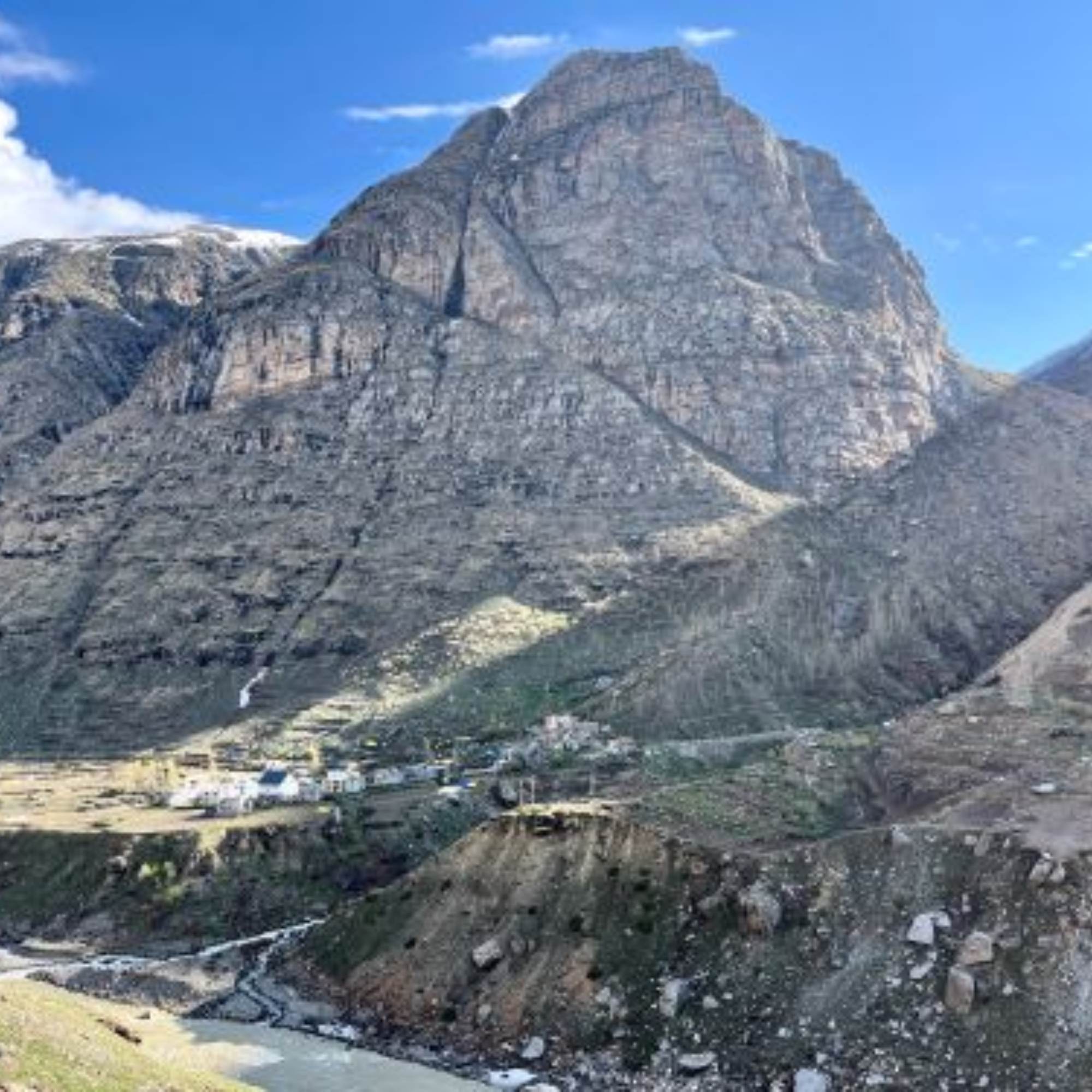
Rohtang Pass sits at nearly 4,000 metres above sea level. It is much colder and windier than Manali, even when Manali feels pleasant.
We are not going to hand you an exact temperature range, because reliable official pass-level monthly figures were not available to us, and we do not invent numbers. Check a current weather forecast and local advisory close to your date for the real figure.
What matters more than the number is how it feels. Wind at this height cuts straight through you. Add cloud and wet clothing, and a cold day feels much colder than the thermometer says.
Rohtang Pass October Road Status and Closing Date
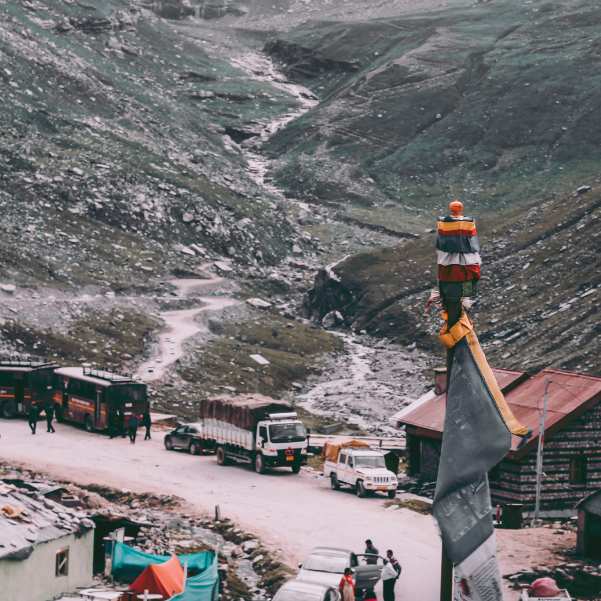
There is no permanently fixed closing date for Rohtang Pass. Anyone quoting you a guaranteed date is guessing.
Access is controlled by snow, ice, visibility, avalanche risk, road clearance progress and police or district instructions. All of these can change fast.
The exact October 2026 closing date is unknown. Last year's closing date is not confirmation for this year. Please do not use it that way.
Verify the status in the evening before you travel, and again on the morning of departure. Two checks, every time. That habit has saved our travellers more than once.
Do You Need a Permit for Rohtang Pass in October?
Yes. Eligible private petrol and diesel vehicles visiting Rohtang Pass for tourism need an online tourism permit under the current official system.
One thing to be clear about: getting a permit does not guarantee the road stays open. The permit and the road status are two separate things. Authorities can still close the route for weather even if your permit is valid.
You apply through the official Rohtang Pass permit portal. Always treat the portal as the final word on rules and fees.
Current Permit Charges
The current tourism permit fee shown on the official portal is ₹500 per eligible vehicle.
The current congestion charge is ₹50 for cars, jeeps and MUVs, and ₹100 for buses and heavy vehicles.
Fees get revised from time to time, so confirm the live amounts on the portal before you plan your budget around them.
Vehicle Quota and Booking Window
The ordinary Rohtang tourism permit currently has a daily quota of 800 petrol vehicles and 400 diesel vehicles, making a total of 1,200 vehicles per day.
Permits are released in two booking windows. At 10:00 AM, permits are released for 400 petrol and 200 diesel vehicles. The remaining 400 petrol and 200 diesel permits are released at 4:00 PM.
The smaller quota of 60 petrol and 40 diesel vehicles applies only to the Special Rohtang Pass Permit and should not be confused with the ordinary tourism permit.
Permits can currently be requested only for the next two days, so you cannot book them several weeks in advance.
The tourism permit is valid for one day and covers a same-day to-and-fro visit to Rohtang Pass. Plan your journey within that single-day validity period.
Documents Required
The official portal currently asks for valid identity proof, a valid Pollution Under Control certificate, your vehicle registration details and the tourist's address.
The portal currently states the vehicle must not be more than ten years old. If your car is older, this rule affects you directly.
A printed copy of the permit is compulsory. Carry the printout with the original supporting documents because incorrect or mismatched vehicle and identity details may result in the vehicle being stopped at the barrier.
Can You Visit Rohtang Pass in a Private Car?
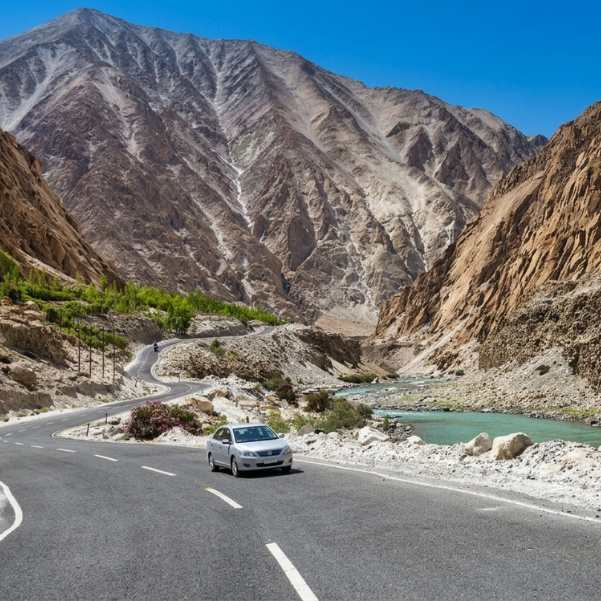
Yes, eligible private vehicles can apply through the official permit system and drive up themselves.
But a permit does not override a weather closure or a police instruction. If the road is shut, your permit does not open it. Nobody, including us, controls that.
If you are not confident on steep, narrow, wet or icy mountain roads, take an authorised local taxi instead. A driver who knows this road in October is worth it. We are not quoting a fare here because no reliable current tariff was supplied, so confirm the rate locally before you sit in the car.
How Far Is Rohtang Pass from Manali?
Rohtang Pass is approximately 51 km from Manali. On a map that looks like a quick drive.
In reality, the journey time swings a lot. Traffic, permit checks, weather, road conditions and your own sightseeing stops all stretch it. We will not promise you a fixed driving time, because in October that promise breaks easily.
If you want the logistics handled for you, our Manali tour packages come with a local driver and stays sorted, so you are not guessing about any of this.
Suggested Manali to Rohtang Pass October Day Plan
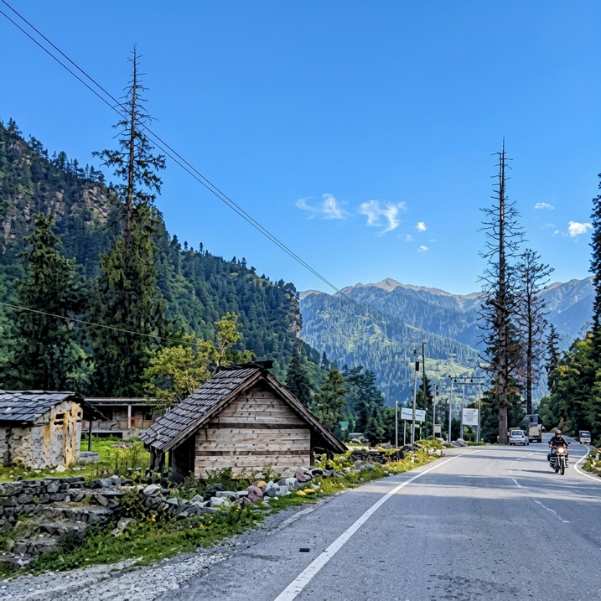
Here is a sensible way to shape the day when access is allowed.
Early Morning Departure from Manali
Before you leave the hotel, check the latest road status. Not last night's status. This morning's.
Carry the printed permit, valid ID, PUC certificate and your vehicle documents. A checkpoint is a bad place to realise something is missing.
Eat breakfast before you head into the upper mountain road. Services up there can be limited, and you do not want to be cold and hungry at altitude. We will not invent a departure time for you, but earlier is safer for daylight.
Stops Along the Route
The route runs through Palchan, then Kothi, then Gulaba, then Marhi, before reaching Rohtang Pass when access is officially allowed.
Palchan is where the climb really begins, a good spot to settle in. Kothi sits deeper in with valley views as the road narrows.
Gulaba is often a snow point earlier or later in the season and sometimes the turnaround if the top is shut. Marhi is the last real cluster of dhabas before the pass, so it is your last easy chai and food stop.
Return Before Conditions Deteriorate
High-altitude weather changes quickly here. A clear morning can turn into cloud and snow by afternoon.
Follow the police, BRO and checkpoint instructions without arguing. They are reading the mountain in real time, and they are right to be cautious.
Turn back while visibility and road conditions are still safe. Do not wait for sunset to start your descent. Coming down in bad light on a wet mountain road is exactly what you want to avoid.
What Should You Wear at Rohtang Pass in October?

Dress in layers, because the cold up here is a different animal from Manali. Start with a thermal base layer that sits close to your skin and holds warmth.
Over that, add a fleece or wool middle layer to trap heat. On top, wear a wind-resistant outer jacket, because it is the wind, not just the temperature, that gets you.
Carry gloves, a warm cap, thick socks and shoes with good grip. Wet, slippery ground is common, and normal sneakers will let you down.
Also pack sunglasses, sunscreen, drinking water and a fully charged phone. The sun at this height is strong even when the air is freezing.
One honest note
Rented snow suits are not needed on every October day. Do not treat them as compulsory unless the conditions on the day actually justify one.
Are Snow Activities Available in October?
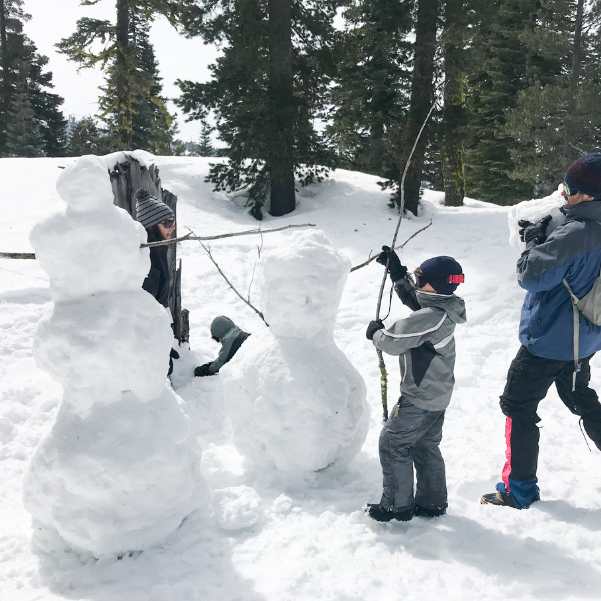
Skiing, sledging, snow scooters and similar activities all depend on enough usable snow, local permissions and safe conditions. In October, none of that is a given.
We cannot guarantee any snow activity in October. Some days have the snow and the setup, many days do not.
If an operator offers you an activity, agree on the activity, the duration and the final price before you pay anything. That one habit prevents most of the arguments we hear about. We are not quoting rates here because no verified activity price was supplied.
Is Rohtang Pass Safe in October?
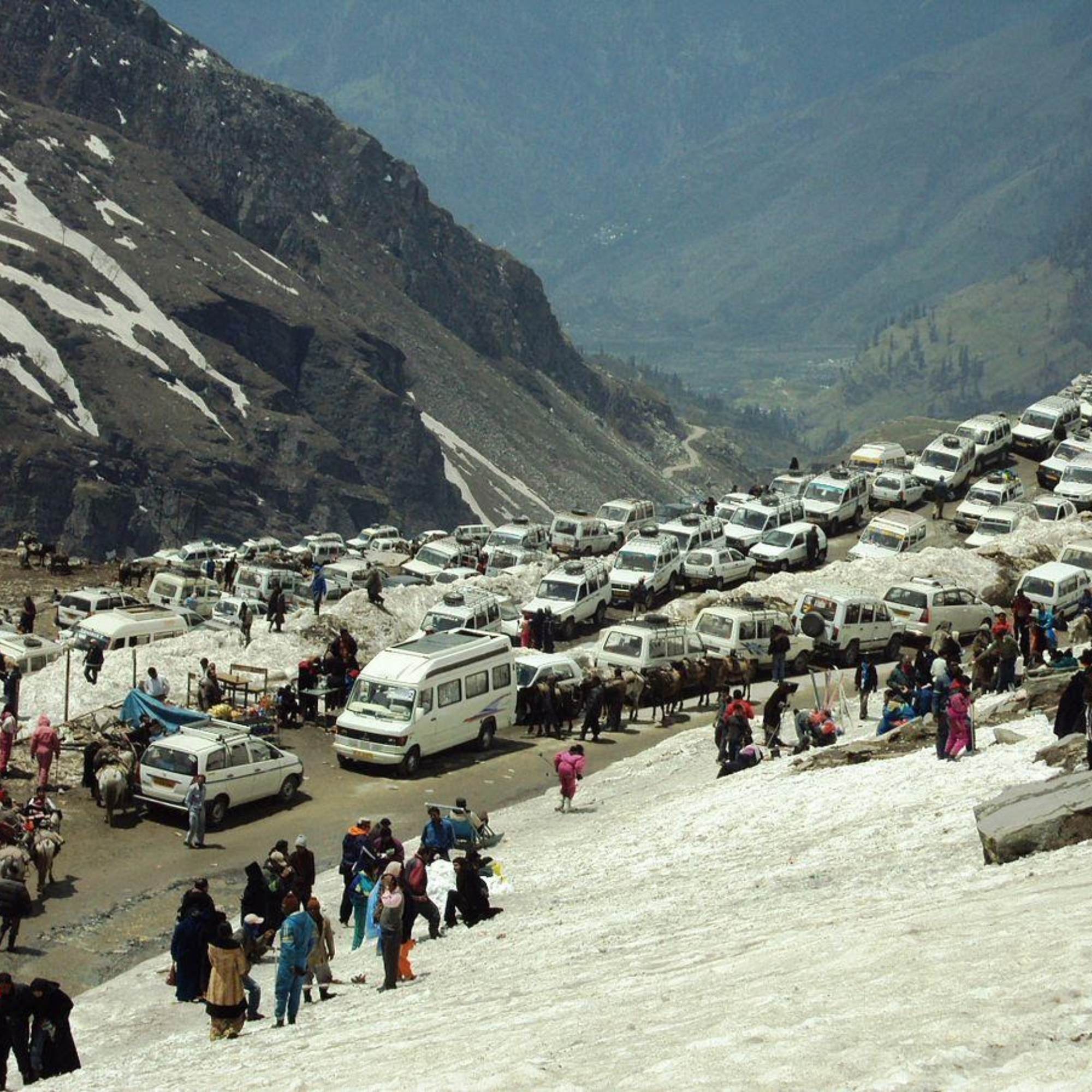
The main risks are sudden snowfall, ice, low visibility, strong wind and altitude discomfort. Respect all of them and you will be fine.
When you arrive up top, walk slowly and avoid heavy exertion straight away. Your body needs a little time at this height, so do not sprint around for photos the moment you step out.
Children, older travellers and anyone with heart or breathing concerns should get proper medical advice before high-altitude travel. We are a travel team, not doctors, so we will not give you a medical clearance. Please ask a professional.
Rohtang Pass or Atal Tunnel and Sissu in October?
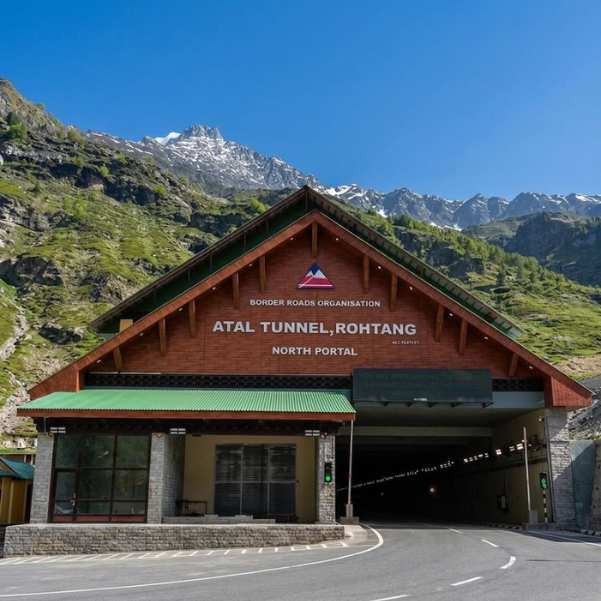
Rohtang Pass
These two are not the same thing, and people mix them up constantly. Rohtang Pass is a high-altitude sightseeing road that goes over the top of the mountain.
Atal Tunnel
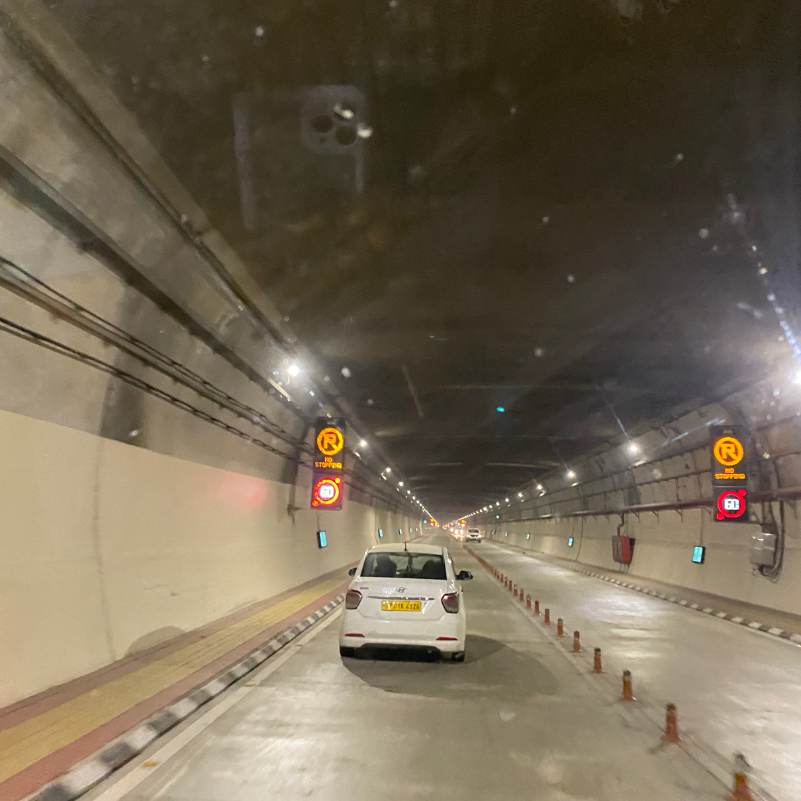
The Atal Tunnel is a different route towards Lahaul that goes through the mountain, so you do not cross the top of the pass at all. When the pass is shut for sightseeing, the tunnel route can still be a way through.
Sissu
Sissu, on the Lahaul side beyond the tunnel, is a useful alternative when Rohtang sightseeing is off. Just remember its access can also be disrupted in severe weather, so check that too. Our Sissu tour packages are a good backup plan when the top is closed.
What to Do If Rohtang Pass Is Closed
A closed pass does not have to wreck your day. Weather permitting, point the trip towards Solang Valley, the Atal Tunnel and Sissu instead.
If the upper mountain weather is genuinely poor, do local Manali sightseeing as the safer fallback. The old town, the market and the riverside spots fill a day easily.
Do not sit waiting indefinitely at a closed checkpoint hoping it opens. It might not, and you will have burned your day. You can read about adventure activities in Manali for backup ideas.
Is October a Good Time to Visit Rohtang Pass?
It depends on what kind of traveller you are, so let us be balanced about it.
October suits people who enjoy autumn scenery, thinner seasonal crowds, cold clean weather and the chance of early snow. If that sounds like you, you will probably love it.
October does not suit anyone who needs guaranteed road access, guaranteed snowfall or guaranteed snow activities. If you need certainty, this is the wrong month.
Our take
Early October is generally the more practical planning window, while late October needs a flexible itinerary and a calm attitude if the mountain says no.
Practical Tips from Our Himachal Team
In our experience, keeping one extra day in Manali prevents a sudden closure from ruining the full trip. That buffer day is the cheapest insurance you can buy.
Our Himachal team recommends checking the official permit portal and the live road status separately. They are two different systems, and a valid permit tells you nothing about whether the road is open.
We usually advise travellers not to rely on last year's videos or opening dates. Every October writes its own story up here.
Carry food, water, cash and a fully charged phone. Networks get patchy and card machines are not a thing up on the mountain.
And when road or police authorities tell you to turn back, turn back immediately. No photo is worth arguing with someone reading live avalanche and ice conditions.
For a sense of how the pass behaves across the year, our guides on Rohtang Pass in March, Rohtang Pass in April and Rohtang Pass in May show how different each month really is.
Plan Your October Manali and Rohtang Trip
Travel Coffee is based in Himachal Pradesh, and we plan customised Manali and Himachal itineraries for families, couples and groups.
We handle itinerary planning, local coordination and backup options for changing weather, which matters a lot in a month like October. We will not claim to control permits or road openings, because nobody honestly can. What we do is plan smart around the uncertainty.
Explore Our Curated Manali Tour Packages
 6D/5N
6D/5NManali Solang Sissu Sethan Snow Adventure
1D Delhi•3D Manali+2
₹15,999₹21,999SAVE INR 6,000/ person 6D/5N
6D/5NManali Solang Sissu Sethan Snow Trip With Kasol
1D Delhi•3D Manali+2
₹25,999₹33,999SAVE INR 8,000/ person 7D/6N
7D/6NManali Kasol Jibhi Valley Trip
3D Manali•1D Kasol+2
₹25,799₹32,999SAVE INR 7,200/ person
October is the month the pass can close for the season while you are still planning, which is exactly why the day needs to sit loosely inside your trip rather than fixed to a date. If you would rather not track the road status and the permit portal yourself, our Rohtang Pass tour packages include permit handling in the vehicle's registration number, a Manali driver who works this road all season, and a plan B we will describe honestly instead of quietly swapping into your itinerary.
Related topics
Frequently Asked Questions
Is Rohtang Pass open in October 2026?
Rohtang Pass is normally accessible for at least part of October, but no date is guaranteed for 2026. Early October is usually the more practical window. Fresh snowfall can cause a temporary or season-ending closure at any point in the month. Check the live road status the evening before you travel and again on the morning of departure.
Is Rohtang Pass open in late October?
Late October is not guaranteed to be closed, but it carries the most uncertainty of the month. A significant snowfall can shut the road temporarily or end sightseeing access for the season. Do not build a non-refundable trip that depends entirely on reaching the pass in late October. Keep a flexible itinerary and a backup plan ready.
Can we see snow at Rohtang Pass in October?
Maybe. Fresh snowfall is possible in October but never guaranteed. Some years show bare brown slopes in early October, while others get fresh snow. There is also a difference between snow falling during your visit and old snow lying on the ground. Social-media reels from past years do not prove current conditions on your travel date.
Does snowfall happen at Rohtang Pass in October?
It can. Snowfall was reported at Rohtang during both early and later October 2025, but that is history, not a prediction for 2026. Snowfall becomes more likely as the month moves toward late October. Treat any snow as a bonus rather than a certainty, and never plan your trip assuming it will definitely snow on your date.
What is the October temperature at Rohtang Pass?
We are not giving an exact range, because reliable official pass-level monthly figures were not available and we do not invent numbers. Rohtang sits at nearly 4,000 metres, so it is much colder and windier than Manali. Check a current weather forecast and local advisory close to your travel date, and remember wind and wet clothing make it feel colder.
Is a permit required for Rohtang Pass?
Yes. Eligible private petrol and diesel vehicles visiting Rohtang for tourism need an online tourism permit under the current official system. You apply through the official Rohtang Pass permit portal. Getting a permit does not guarantee the road stays open, since authorities can still close the route for snow, ice, visibility or safety reasons.
How much is the Rohtang Pass permit?
The current tourism permit fee on the official portal is ₹500 per eligible vehicle. The current congestion charge is ₹50 for cars, jeeps and MUVs, and ₹100 for buses and heavy vehicles. These can be revised, so confirm the live amounts on the official portal before you travel.
Can a private car go to Rohtang Pass?
Yes, eligible private vehicles can apply through the official permit system and drive up. A permit does not override weather closures or police instructions, though. If you are not confident on steep, narrow, wet or icy mountain roads, an authorised local taxi with an experienced driver is the safer choice, especially in October conditions.
How far is Rohtang Pass from Manali?
Rohtang Pass is approximately 51 km from Manali. The journey time varies a lot because of traffic, permit checks, weather, road conditions and sightseeing stops, so we will not promise a fixed driving duration. In October especially, plan for the day to take longer than the distance suggests and start early.
What clothes should I carry in October?
Wear layers: a thermal base, a fleece or wool middle layer, and a wind-resistant outer jacket. Add gloves, a warm cap, thick socks and shoes with good grip for wet, slippery ground. Carry sunglasses, sunscreen, water and a charged phone. A rented snow suit is not needed on every October day, so only take one if the day's conditions justify it.
What can I visit if Rohtang Pass is closed?
Weather permitting, head towards Solang Valley, the Atal Tunnel and Sissu instead. If the upper mountain weather is poor, local Manali sightseeing is a safer fallback. Do not wait indefinitely at a closed checkpoint hoping it reopens. Having one flexible day and a backup route keeps the trip enjoyable even when the pass says no.
Is Atal Tunnel open when Rohtang Pass is closed?
Often, yes, because the Atal Tunnel is a different route towards Lahaul that goes through the mountain instead of over the top of the pass. This makes it a useful alternative when Rohtang sightseeing is unavailable. But access beyond the tunnel can also be disrupted by severe weather, so check the tunnel and Sissu status separately before you go.
More about Rohtang Pass
 Rohtang Pass
Rohtang Pass Altitude Sickness in 2026: Symptoms, Prevention and When to Turn Back
Planning a trip to Rohtang Pass in 2026? Learn the symptoms of altitude sickness, prevention tips, and when to turn back for a safe mountain journey.
- Altitude & Health
- First-Time Travellers
 Rohtang Pass
Best Places to Visit on the Way to Rohtang Pass in 2026
Discover the best places to visit on the way to Rohtang Pass in 2026, including Solang Valley, Rahala Waterfalls, Gulaba, Marhi, and more for an unforgettable Himalayan road trip.
- Places to Visit
- Road Trips
 Rohtang Pass
15 Rohtang Pass Mistakes to Avoid in 2026: Permits, Taxi Scams, Timing and Snow Rentals
Planning a Rohtang Pass trip in 2026? Discover 15 common mistakes to avoid, from permits and weather to packing and safety, for a smooth mountain adventure.
- First-Time Travellers
- Permits & Fees