
Rohtang Pass in August 2026: Weather, Snow, Permit and Road Guide
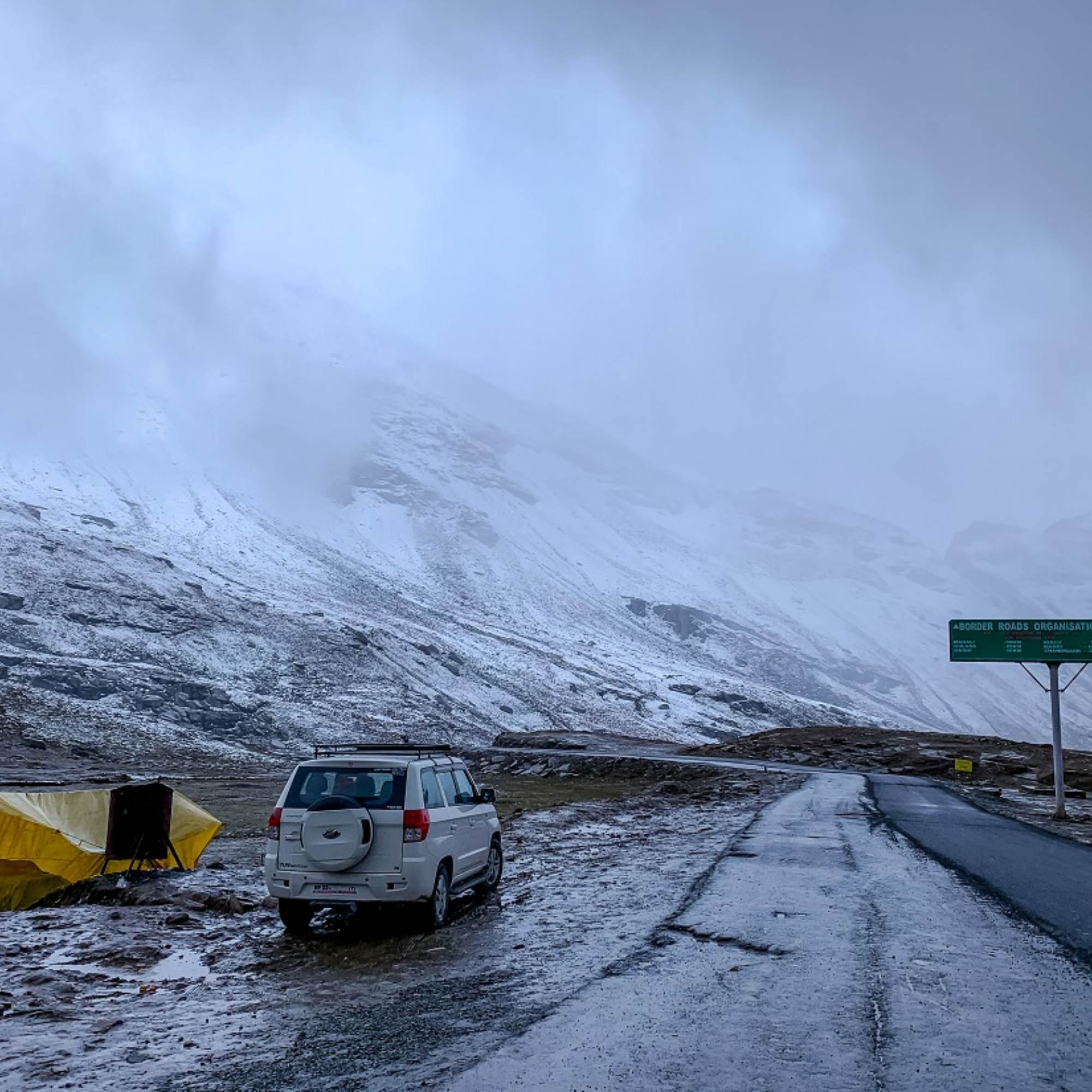
If you are planning Rohtang Pass in August, the biggest thing to get straight is this: August is monsoon month up here, and monsoon changes everything about how this trip works.
The road is usually open. The snow is usually gone. And the weather can flip from bright sun to thick fog to hard rain in the same hour.
We run trips on this route every season, and August is the month where flexibility matters more than any packing list. Get that right and it can be a beautiful, green, quiet drive. Get it wrong and you spend the day stuck behind a landslide clearance.
Quick Answer: Is Rohtang Pass Worth Visiting in August 2026?
Yes, Rohtang Pass is normally accessible in August, but the road can close temporarily because of monsoon rain, landslides, falling rocks or poor visibility. These closures are short and unpredictable.
August is not a dependable snow month. Come for the green valleys, the waterfalls, the moving cloud and the high mountain drive, not for guaranteed snow.
Always check the road and permit status the evening before you leave, and again on the morning of travel. Conditions change overnight up here.
Is Rohtang Pass Open in August?
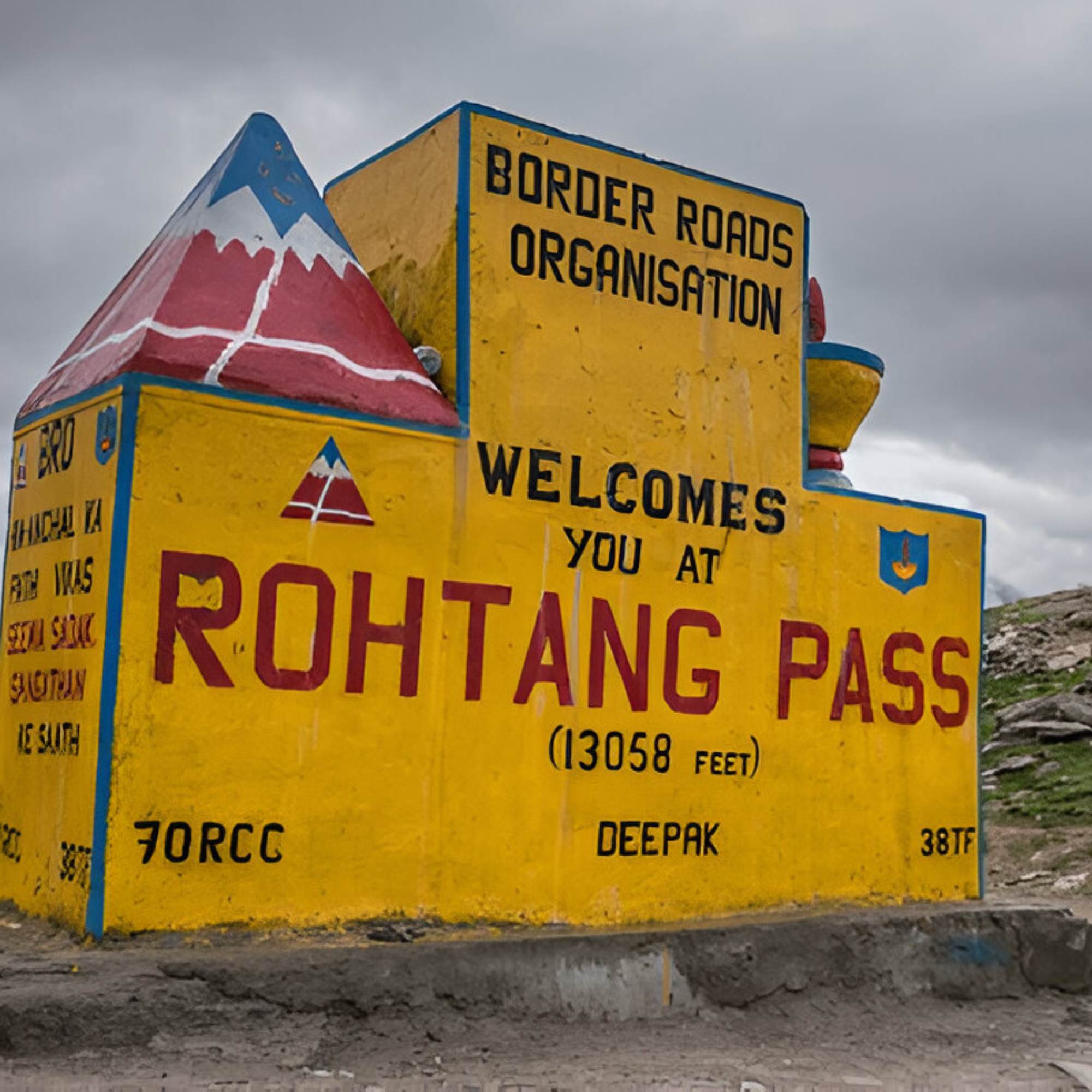
August falls inside the normal seasonal access window, so the pass is usually reachable. But "seasonally open" and "open on your date" are two different things.
The road can shut for a few hours or a full day when heavy rain hits, when a slope slides, when rocks fall onto the road, or when fog drops visibility to near zero.
We cannot promise the road will be open on the exact day you pick. Nobody can. What most tourists get wrong is treating a "Rohtang is open" headline from June as a guarantee for their August date. It is not.
How to check the road before leaving Manali
Check the official Rohtang permit portal first, since permit availability itself tells you a lot about whether the road is running.
Then look at district and traffic updates, and get a fresh word from your driver or a local Himachal operator who actually knows the ground situation that day.
Recheck on the morning you travel. A route that looked fine last night can be blocked by an overnight landslide, and your driver will usually know before any website updates.
What Is Rohtang Pass Weather Like in August?
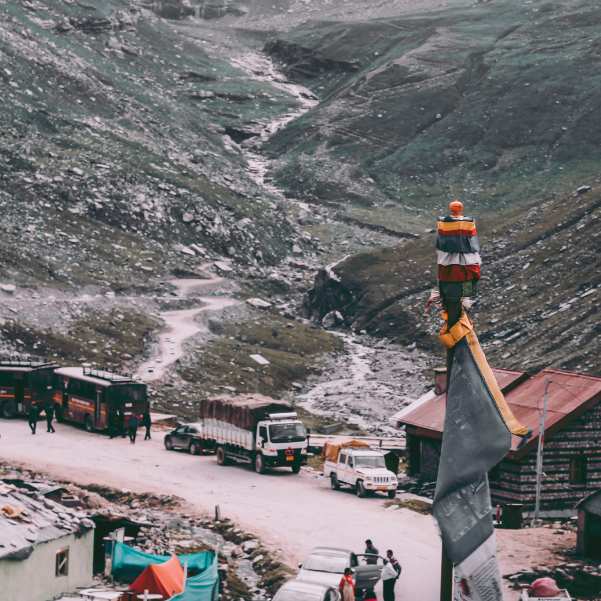
August at the top is cool, damp, windy and changeable. You can get sunshine, fog, rain and low clouds all in one visit.
Remember that Rohtang Top sits far higher than Manali town, so the weather up there is often nothing like what you saw when you left. Manali can be sunny while Rohtang is buried in clouds.
The exact August temperature varies significantly with cloud, rain, wind and time of day. Do not trust a single forecast number. Dress for the worst of the day, not the best.
Early August versus late August
Early and mid-August usually sit inside the active monsoon. Rain is more likely, and so are road interruptions.
Late August can still be wet, so do not assume the end of the month will be dry. Judge your trip on the short-range forecast and current road updates, not on the calendar date.
What time of day has the clearest views?
Start early. Mornings generally give you a better operational window before cloud builds, traffic thickens and afternoon showers roll in.
We cannot promise clear views at any hour. The point of an early start is to build a buffer against weather and traffic, so a delay or a rain break does not eat your whole day.
Will You Find Snow at Rohtang Pass in August?
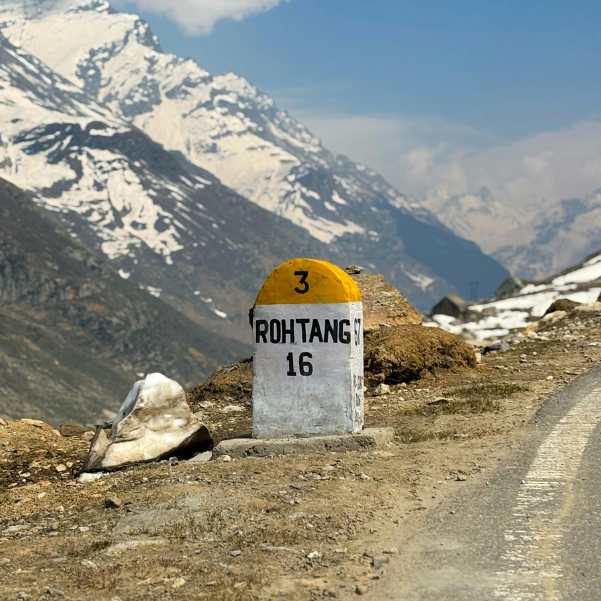
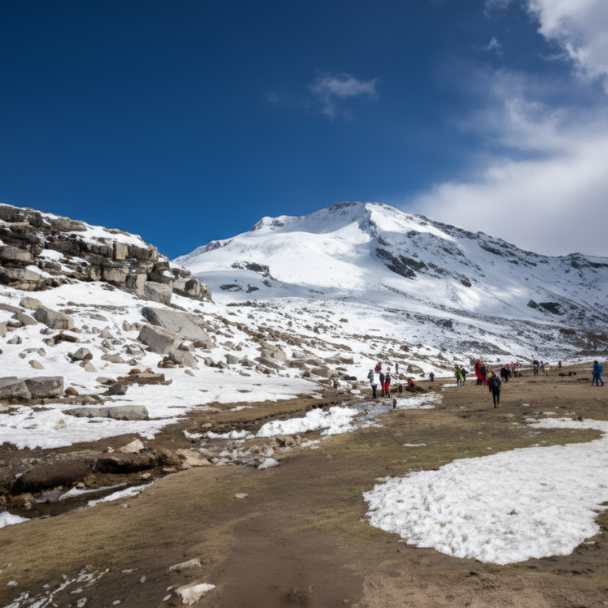
Let me be direct: fresh snow is unlikely during a normal August. If snow is the reason for your trip, August is the wrong month.
Old snow patches sometimes survive in shaded or higher sections. But whether they are there, whether they are clean, and whether you can reach them, none of that is guaranteed.
Do not plan the whole visit around skiing, sledging, snow walls or snowball fights. You will likely be disappointed.
The real August draws are the green slopes, the waterfalls running full, the clouds moving across the peaks, and the drama of the mountain road itself. That is what this month does well.
Where can travellers find snow near Manali in August?
Honestly, no easily reachable spot near Manali should be sold to you as guaranteed natural snow in August. Anyone promising that without a current on-ground update is selling you a story.
Be careful with operators who guarantee snow. In our experience, the ones who overpromise snow in August are the same ones who leave you standing on a muddy slope wondering where it went.
If you want activity instead of snow, look at adventure activities in Manali, which hold up much better in the monsoon than a snow hunt.
Is It Safe to Visit Rohtang Pass During the Monsoon?
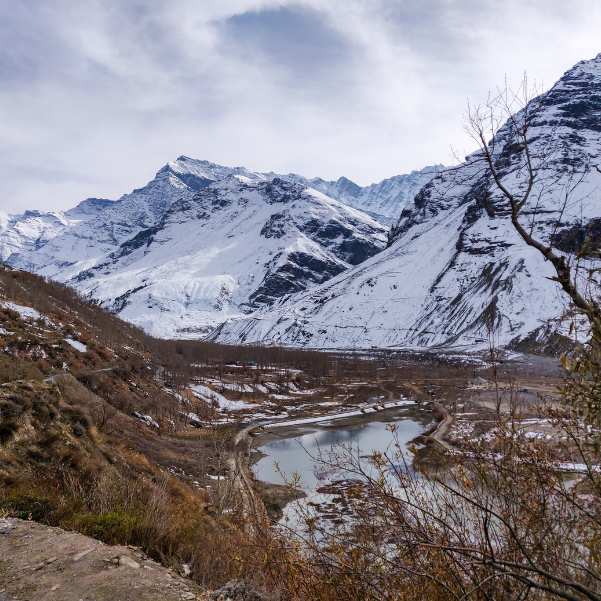
You can do this trip safely during a stable weather window, but August asks for more flexibility than May, June or September.
The real risks are landslides, falling stones, slippery roads, fog, sudden rain and temporary roadblocks. None of these are constant, but any of them can appear on a wet day.
Never bypass a barricade or ignore instructions from police, road authorities or the local administration. Those barriers go up for a reason, usually one you cannot see from where you are standing.
When should you postpone the trip?
Postpone when a heavy-rain warning is active for the area, or when an overnight landslide has already been reported on the route. Both are clear signals to wait a day.
Also postpone if authorities restrict movement, if your driver judges the road unsafe, if visibility is extremely poor, or if anyone in your group is already unwell. A day lost to caution beats a day lost to being stuck at altitude in bad weather.
Safety advice for families and senior citizens
Keep the stay at the top shorter, walk slowly, drink water regularly, and carry any prescribed personal medicines. The altitude here is real and it tires people faster than they expect.
Keep children dry and warm. A wet, cold kid at altitude is a miserable kid, and it turns your whole day around.
Do not ignore headache, nausea, dizziness or unusual breathlessness. If it shows up, come down to a lower altitude and get proper help. For anything altitude or health related, talk to a qualified doctor before your trip rather than relying on roadside advice.
Rohtang Pass Permit Rules and Price in 2026
You need a permit, and the fees are set officially, so nobody at the barrier should be inventing numbers on you.
The tourism permit fee is ₹500 per vehicle. The congestion charge is ₹50 for a car, jeep or MUV. So the combined listed amount for these vehicles is ₹550.
Buses and heavy vehicles pay a ₹100 congestion charge on top of the ₹500 permit fee.
The tourism permit is valid for one day, covering your return trip to and from Rohtang.
Daily quota and release timings
The official portal lists a daily tourism quota of 800 petrol vehicles and 400 diesel vehicles. Once those fill, that is it for the day.
Permits release in two batches, at 10:00 AM and 4:00 PM. Set a reminder, because popular dates go fast.
The portal only lets you apply for the next two days, so you cannot lock this in weeks ahead. It also allows a maximum of three standard tourism permits for one vehicle during a Tuesday to Monday week.
Documents required
The official portal asks for valid ID proof, a valid Pollution Under Control certificate and your vehicle registration details. Sort the PUC out before you leave home, not at the last minute.
The vehicle registration age must not be more than 10 years old, according to the portal. An older vehicle will not qualify.
A printed permit is compulsory according to the official page. Carry a physical printout, not just a screenshot on your phone, especially since network drops out on this road.
Tourism permit versus special permit
The portal has different permit categories, and you must pick the one that fits your vehicle and your actual journey. Choosing the wrong category creates problems at the barrier.
The special-permit page currently lists a quota of 60 petrol vehicles and 40 diesel vehicles per day, and it says this type of permit is issued once per vehicle during the season. Beyond these official details, we will not guess.
Is Rohtang Pass closed on Tuesday?
Here is where things get messy. Many travel websites still describe Tuesday as a maintenance closure day. But the official permit page, viewed during this research, currently shows "NONE" against the maintenance closure day.
Because local access rules can change through administrative orders, do not automatically assume that Rohtang Pass will be closed or open on a Tuesday.
Check permit availability and the latest official road advisory for your exact travel date before finalising your itinerary.
Can You Take a Private Car or Hired Taxi to Rohtang?
Yes, but the permit is tied to the vehicle and category you use, so your car has to meet the rules.
Private vehicles must clear the official document, permit and vehicle-age requirements. If your car is over 10 years old or your PUC is expired, you will be turned back.
If you are not used to steep Himalayan roads in the wet, an experienced local driver is worth it in August. What we tell our travellers is that the monsoon is exactly when local road knowledge pays for itself, because a good driver reads a slope and a sky differently from an app.
Best One-Day Itinerary from Manali to Rohtang Pass in August
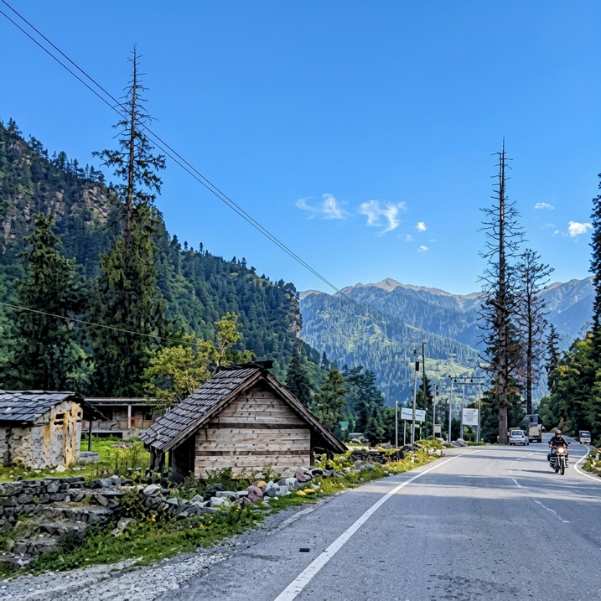
Rohtang sits about 51 km from Manali, and it works well as a single full day if the weather cooperates.
Early morning departure from Manali
Leave early, subject to the current barrier, permit and traffic rules for that day. An early start is your buffer against everything the monsoon might throw at you.
Confirm the weather and road before you pull out, and carry water and light food in case you get held up on the way.
Suggested stops on the route
The familiar points on the route are Gulaba, Rahala Falls, Marhi and Rohtang Top. The falls run strong in August, which is one of the quiet joys of a monsoon trip here.
Whether you can actually stop and park at each one depends on the instructions and road conditions running that day. In the wet, some pull-offs get closed for safety.
How long to stay at Rohtang Top
Keep it a moderate visit, not a long lingering one. The weather turns fast at this altitude, and you want margin to get down comfortably.
Leave earlier if rain, wind or fog picks up, or if anyone feels unwell.
Return journey
Keep extra time in hand for slow traffic and rain delays on the way back. August afternoons are when the road tends to bunch up.
Do not make unnecessary roadside stops in sections exposed to falling rocks or slope movement. Those are the spots to drive through, not photograph.
If you would rather someone else handle the driver, permits and timing, our Manali tour packages come with a local driver and a team that actually picks up the phone.
What Should You Wear at Rohtang Pass in August?

Layer up and plan for wet. A waterproof outer layer goes on top, a light fleece or warm mid-layer under it, quick-drying trousers, and shoes with good grip for muddy ground.
Carry spare socks and a dry change of clothing. Getting soaked at altitude is the fastest way to feel awful, and dry clothes fix it instantly.
Bring waterproof protection for your phone, camera, permit copies and documents. A simple zip-lock bag saves your printed permit from turning to pulp.
A heavy rented snow suit is usually unnecessary in August, unless the current conditions on the day specifically call for it.
What Should You Carry for the Trip?
Keep your permit printout, valid vehicle documents and ID together and easy to reach, because you will need them at the barrier.
Pack a rain jacket, water, snacks, your personal medicines, a small towel, spare clothing, a power bank and some backup cash. ATMs and reliable network both thin out fast once you leave Manali.
If you get motion sick on winding roads, plan for that as a personal travel matter. For anything medical, including altitude, speak to a qualified doctor rather than taking advice off a blog.
Rohtang Pass or Atal Tunnel and Sissu in August?
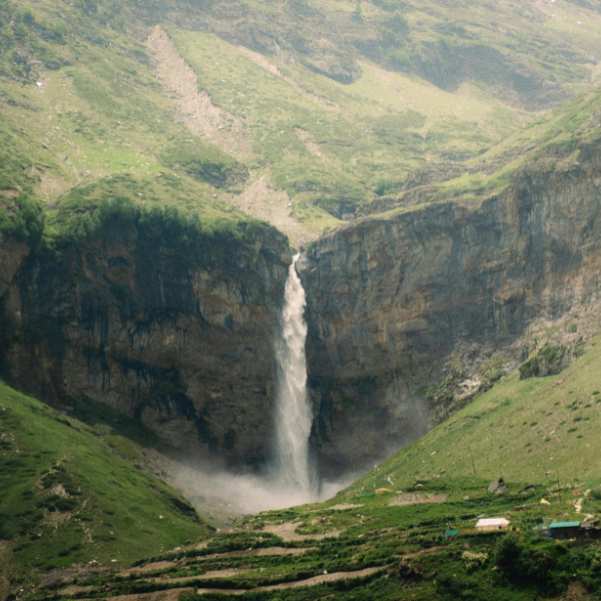
Rohtang gives you the classic high-pass experience, the big mountain views and the feel of the old road toward Lahaul. It is the atmospheric choice.
The Atal Tunnel and Sissu route offers a different Lahaul experience, and it can be a good alternative on days when Rohtang sightseeing is disrupted by weather.
That said, the tunnel and Sissu route is not always open either. Weather and traffic restrictions can affect that road too, so do not treat it as a guaranteed backup.
If Lahaul is calling you, look at our Sissu tour packages, and if you are dreaming bigger, our Spiti Valley packages cover the wider circuit.
What Can You Do if Rohtang Pass Is Closed?
August closures happen, so have a plan B ready before you need it.
Solang Valley
Solang Valley sits closer to Manali and works as a scenic, activity-friendly fallback. On a decent day it fills an afternoon nicely.
Which activities are actually running depends on the weather and on operator availability that day. In heavy rain, a lot of it pauses.
Atal Tunnel and Sissu
When the road is officially open, this is a strong alternative to a blocked Rohtang. You get Lahaul scenery on the far side and seasonal waterfalls along the way.
We cannot guarantee the tunnel or Sissu will be open on your date, so check before you commit to it as your backup.
Local Manali sightseeing
If everything up high is shut, Manali itself has enough for a good day. Vashisht, Old Manali and the Hadimba Temple are all close, and a run toward Naggar works too, road conditions permitting.
Is August a Good Month for a Manali Holiday?
The good side of August is real: green hills, waterfalls at full flow, misty landscapes, and a quieter feel than the packed May and June weeks.
The trade-offs are just as real: rain, road uncertainty, little to no snow, and the chance your plan needs to shift on the day.
August works best for flexible travellers, not for people following a rigid checklist. If you can roll with a changed plan, you will enjoy it. If a single closed road ruins your mood, pick a different month.
Final Verdict
Rohtang Pass can be a genuinely rewarding trip in August when the forecast and road conditions are stable. The green, wet, cloud-draped version of this landscape has its own quiet beauty.
Just do not book it purely for snow, because a normal August will not deliver that.
Keep a buffer day in Manali and choose a Rohtang Pass tour package that can switch to Sissu, Solang Valley or local sightseeing when the mountain has other plans. That one habit is what separates a good August trip from a frustrating one.
Explore Our Curated Manali Tour Packages
 6D/5N
6D/5NManali Solang Sissu Sethan Snow Adventure
1D Delhi•3D Manali+2
₹15,999₹21,999SAVE INR 6,000/ person 6D/5N
6D/5NManali Solang Sissu Sethan Snow Trip With Kasol
1D Delhi•3D Manali+2
₹25,999₹33,999SAVE INR 8,000/ person 7D/6N
7D/6NManali Kasol Jibhi Valley Trip
3D Manali•1D Kasol+2
₹25,799₹32,999SAVE INR 7,200/ person
Related topics
Frequently Asked Questions
Is Rohtang Pass open in August 2026?
Rohtang Pass is normally accessible in August 2026, since the month falls within the regular seasonal opening period. However, short-term closures can still occur because of heavy rain, landslides, rockfall, dense fog or road-clearing work. Check the latest road status, weather forecast and permit availability the evening before your trip and again on the morning of travel, as conditions in the mountains can change quickly.
Is Rohtang Pass safe during August?
It can be safe during a stable weather window, but August needs more flexibility than drier months. The main risks are landslides, falling stones, slippery roads and low visibility. Postpone if a heavy-rain warning is active or a landslide has been reported, and never bypass a barricade or ignore instructions from the authorities.
Will there be snow at Rohtang Pass in August?
Fresh snow is unlikely in a normal August. Some old snow patches may survive in shaded or higher spots, but you cannot count on them being there, clean, or reachable. Do not plan your trip around snow activities. Come instead for the green slopes, waterfalls and the mountain drive.
Does it rain heavily at Rohtang Pass in August?
August sits in the monsoon, so rain is common and can be heavy at times. Early and mid-August are usually the wettest, and late August can still be wet. Rain is the main reason for temporary road closures this month, which is exactly why an early start and a buffer day both matter so much.
How much is the Rohtang Pass permit in 2026?
The tourism permit fee is ₹500 per vehicle. For a car, jeep or MUV, the congestion charge is ₹50, so the combined listed amount is ₹550. Buses and heavy vehicles pay a ₹100 congestion charge on top of the ₹500 permit fee. The permit is valid for one day for the return trip.
How do I apply for a Rohtang Pass permit?
Apply through the official Rohtang permit portal. You need valid ID proof, a valid PUC certificate and vehicle registration details, and the vehicle must not be more than 10 years old. Permits release at 10:00 and 16:00, only for the next two days, and you must carry a printed copy.
Can I take my own car to Rohtang Pass?
Yes, if your car meets the official rules. It must not be more than 10 years old, must have a valid PUC, and you need the permit and ID documents in order. In August's wet conditions, many travellers still prefer an experienced local driver who knows how these roads behave in the rain.
How far is Rohtang Pass from Manali?
Rohtang Pass is about 51 km from Manali. The drive usually takes around 2 to 3 hours under normal conditions, but travel time depends heavily on traffic, weather, road conditions and any temporary restrictions in place. In August, always allow extra time for rain-related delays, landslides, slow-moving traffic and congestion, especially on the return journey.
What clothes should I carry in August?
Pack a waterproof outer layer, a light fleece or warm mid-layer, quick-drying trousers and shoes with good grip. Bring spare socks and a dry change of clothes, plus waterproof cover for your phone, camera and documents. A heavy snow suit is usually unnecessary in August unless the day's conditions specifically call for it.
What is the best alternative if Rohtang is closed?
Solang Valley is the closest fallback for scenery and activities. The Atal Tunnel and Sissu route is a strong option when it is officially open, giving you Lahaul scenery and seasonal waterfalls. If everything up high is shut, local Manali spots like Vashisht, Old Manali, Hadimba Temple and Naggar fill the day well.
More about Rohtang Pass
 Rohtang Pass
Rohtang Pass Altitude Sickness in 2026: Symptoms, Prevention and When to Turn Back
Planning a trip to Rohtang Pass in 2026? Learn the symptoms of altitude sickness, prevention tips, and when to turn back for a safe mountain journey.
- Altitude & Health
- First-Time Travellers
 Rohtang Pass
Best Places to Visit on the Way to Rohtang Pass in 2026
Discover the best places to visit on the way to Rohtang Pass in 2026, including Solang Valley, Rahala Waterfalls, Gulaba, Marhi, and more for an unforgettable Himalayan road trip.
- Places to Visit
- Road Trips
 Rohtang Pass
15 Rohtang Pass Mistakes to Avoid in 2026: Permits, Taxi Scams, Timing and Snow Rentals
Planning a Rohtang Pass trip in 2026? Discover 15 common mistakes to avoid, from permits and weather to packing and safety, for a smooth mountain adventure.
- First-Time Travellers
- Permits & Fees