
Best Places to Visit on the Way to Rohtang Pass in 2026
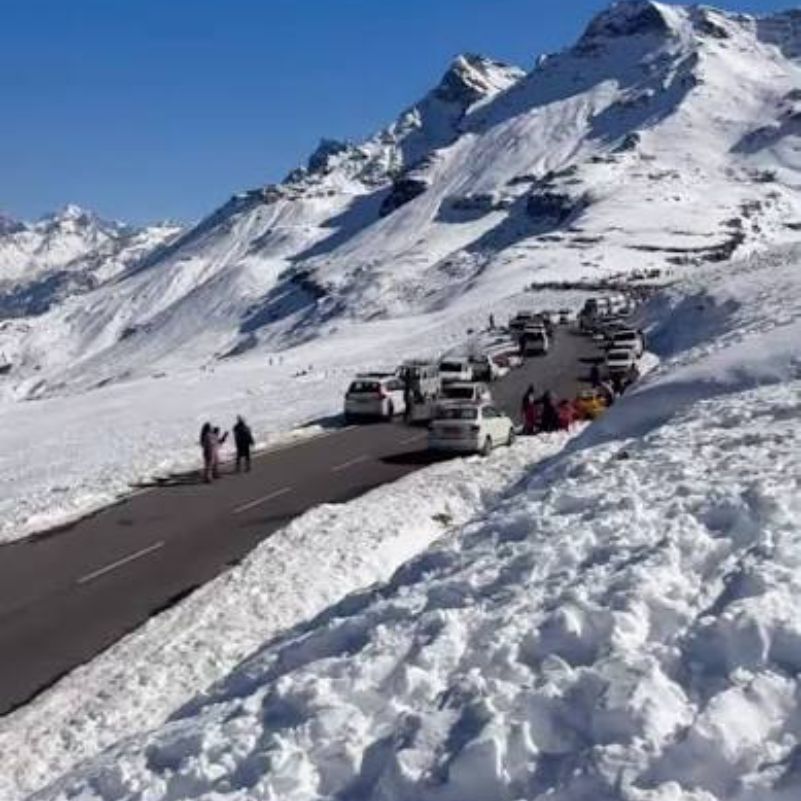
The Manali to Rohtang Pass road is one of those drives where the stops matter as much as the destination. Most people rush straight up, spend two hours stuck in a snow-point queue, and miss the quiet spots that make this route worth doing.
We run this route every season, and the travellers who enjoy it most are the ones who pick their stops smartly instead of trying to hit every single one.
Here is the honest, stop-by-stop guide to the places to visit on the way to Rohtang Pass, in the right order, with real timings and what actually deserves your attention.
Quick Answer: Which places should you stop at between Manali and Rohtang Pass?
Driving up from Manali, you pass Nehru Kund, then Palchan, Kothi, Gulaba, Rahala Falls, Marhi, Rani Nala, and finally Rohtang Pass.
The four stops worth real time are Kothi, Gulaba, Rahala Falls and Marhi. Palchan and Rani Nala are usually just short pauses.
Anything beyond Gulaba depends on a valid permit, the road being open, the weather, and official traffic control on the day.
If you would rather not juggle permits and timings yourself, our Rohtang Pass tour packages handle the whole day with a local driver who knows the checkpoints.
What is the Manali to Rohtang Pass route in the correct order?
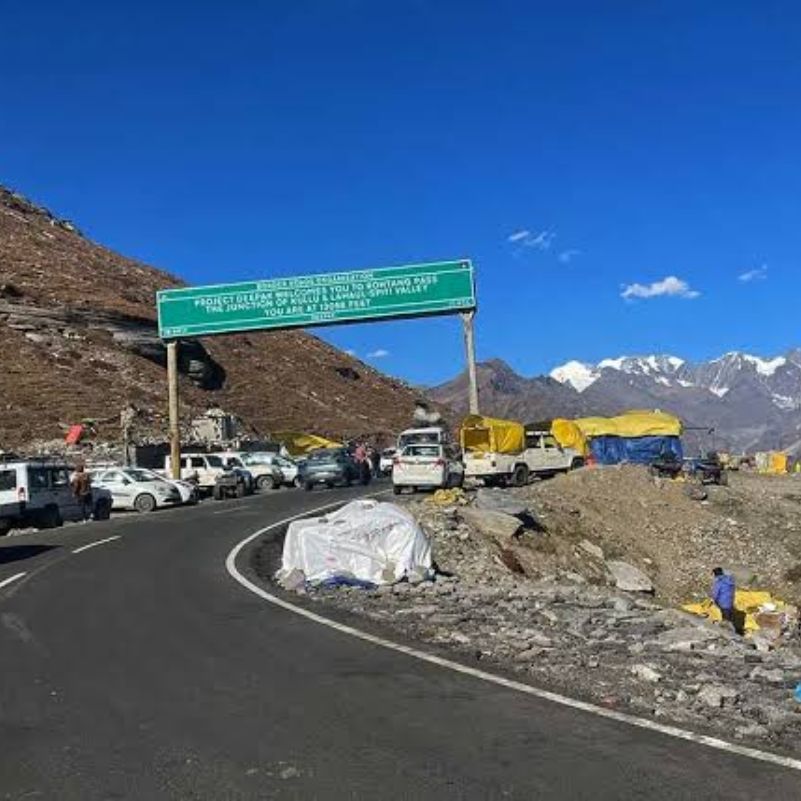
The route at a glance
The drive is roughly 51 km from Manali to Rohtang Pass.
Basic driving time is around 2 to 3 hours one way. But permit checks, traffic, weather and sightseeing turn it into a full day trip, so plan for that.
The landscape shifts as you climb. You start in Manali's green valley and pine forests, pass the deep gorge at Kothi, move onto the higher open slopes near Gulaba, then reach Marhi's bare terrain before the final climb to the pass.
Should you stop on the way up or while returning?
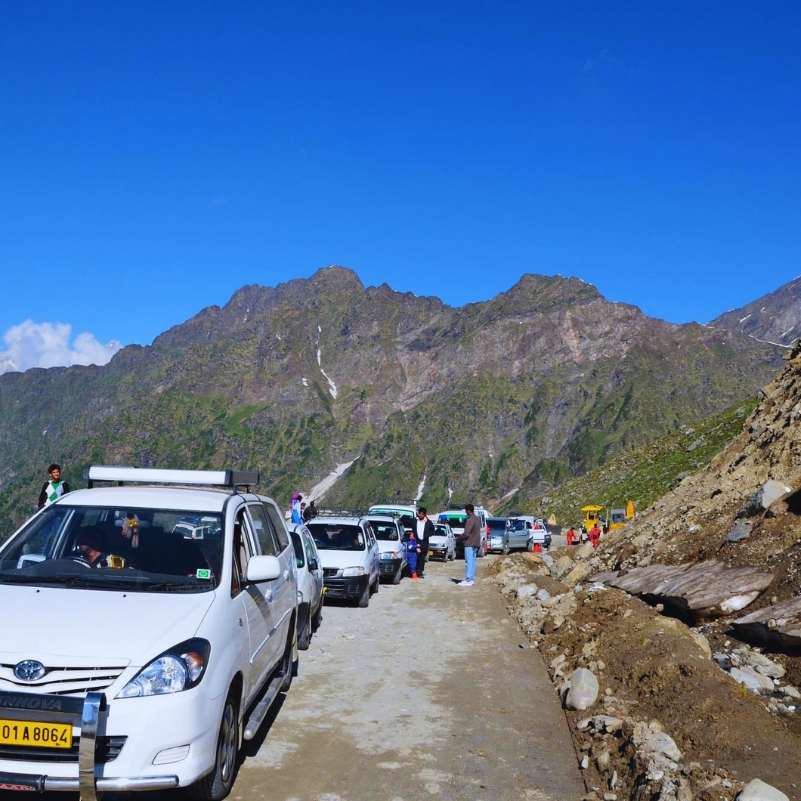
Do not spend too long at the lower stops early in the morning. Every minute you lose at the bottom is time the upper road gets more crowded.
Try to reach the higher road before the heaviest congestion builds up.
Save Kothi or Nehru Kund for the return, once you have already cleared the permit-controlled section and the pressure is off. If you want the wider Manali trip sorted too, our Manali tour packages cover stays and transport for the full stay.
Which are the best places to visit on the way to Rohtang Pass?
Nehru Kund: a quick first stop outside Manali
Nehru Kund is a natural spring just after you leave Manali. It makes a nice first pause to stretch your legs.
Give it 10 to 15 minutes, and only when there is safe parking. You do not need to spend an hour here, whatever some guides say.
Palchan: the junction for Solang Valley and the Rohtang road
The road to Solang Valley branches off near Palchan. This is where a lot of people get confused.
Solang is a detour. It is not on the classic Kothi, Gulaba and Marhi road to Rohtang.
The two feel very different. Solang is about activities like paragliding and rides, while the old Rohtang road is mainly a scenic mountain drive with viewpoints and seasonal snow. If activities are your thing, read our guide on adventure activities in Manali before deciding.
Kothi Village and Kothi Gorge: the quiet viewpoint most people miss
Kothi is about 12 to 15 km from Manali and normally takes 30 to 40 minutes to reach in regular conditions.
It sits at roughly 2,500 metres, though some sources report around 2,600 metres.
The draw here is the deep Beas gorge cutting through the forested slopes. There is a quiet village setting, the PWD rest house area, and the Shuwang Chandika temple worth a look.
You do not need any Rohtang permit or entry ticket for Kothi itself. That makes it easy and free.
Keep it to 20 to 30 minutes as a route stop. Park only where the road is wide and you can see clearly. Never stop on a blind curve here, the gorge drop is real.
In our experience, Kothi works best as a calm return stop after the busier snow points.
Gulaba: viewpoint, checkpoint and seasonal snow area
Gulaba is roughly 20 to 23 km from Manali, depending on where you measure from.
This is the main controlled checkpoint for tourist vehicles heading higher toward Rohtang.
You need a Rohtang tourism permit to move past here into the regulated upper route. No permit, no going up.
When the road to Rohtang is shut, Gulaba often becomes the highest point tourists can reach. But do not treat snow as a guarantee. It depends entirely on the season and recent weather.
Plan for 20 to 40 minutes here, depending on road access, police instructions, and how far you need to walk from the parking.
Rahala Falls: a short roadside waterfall stop
Rahala Falls is a snowmelt or glacier-fed cascade right beside the Rohtang road.
It comes after the Gulaba section and before Marhi.
The distance shown online varies significantly, so check the current map pin before travelling. Some sources say around 16 km, others closer to 29 km, so we would rather you verify than trust one number.
Its altitude is around 2,500 to 2,590 metres.
Stop for 10 to 20 minutes when parking and traffic control allow. It is a roadside pause, not a trek, and the water flow depends on the month, so do not expect a roaring waterfall every time.
Marhi: the practical food and rest halt
Marhi is about 33 to 35 km from Manali.
It is a seasonal roadside settlement with dhabas, tea stalls and basic traveller facilities.
For chai or a light meal, Marhi is the most practical stop on the upper route. This is your proper break point.
Give it 30 to 45 minutes for food and a comfort stop. Food and washroom availability changes with the season, so confirm on the spot rather than assuming.
Our team recommends keeping the Marhi meal light because the road continues climbing sharply.
Rani Nala: dramatic terrain before the final climb
Rani Nala sits after Marhi and before Rohtang Pass.
The landscape here gets dramatic, with snow walls, streams, exposed slopes and visible road engineering holding it all together.
The safest place to pull off changes with roadwork, melting snow, water crossings and traffic control. Stop only where your driver, the police or road authorities tell you to.
Rohtang Pass: the final destination
Rohtang Pass stands at roughly 3,978 metres or 13,058 feet.
It is about 51 km from Manali.
From the top you get a wide high-altitude view, with a clear contrast between the green Kullu side and the barer Lahaul side beyond.
We will not promise snow. Where it sits and how much there is changes with the month and recent weather.
The wind and cold up here can feel much harsher than anything you felt in Manali, so keep your warm layers handy.
How much time should you spend at each Rohtang route stop?
Here is a simple way to plan your day.
Keep Nehru Kund to about 10 to 15 minutes, and Kothi to around 20 to 30 minutes.
Gulaba needs 20 to 40 minutes depending on access, while Rahala Falls is a quick 10 to 20 minute pause.
Save your longest stop for Marhi, roughly 30 to 45 minutes, since that is where the food and rest are.
These are planning ranges, not guaranteed stop allowances. Police, traffic, road conditions and your driver may need you to move on sooner.
If you are travelling with young children or senior citizens, pick fewer stops and build in more rest time instead.
What is the best one day Manali to Rohtang sightseeing plan?
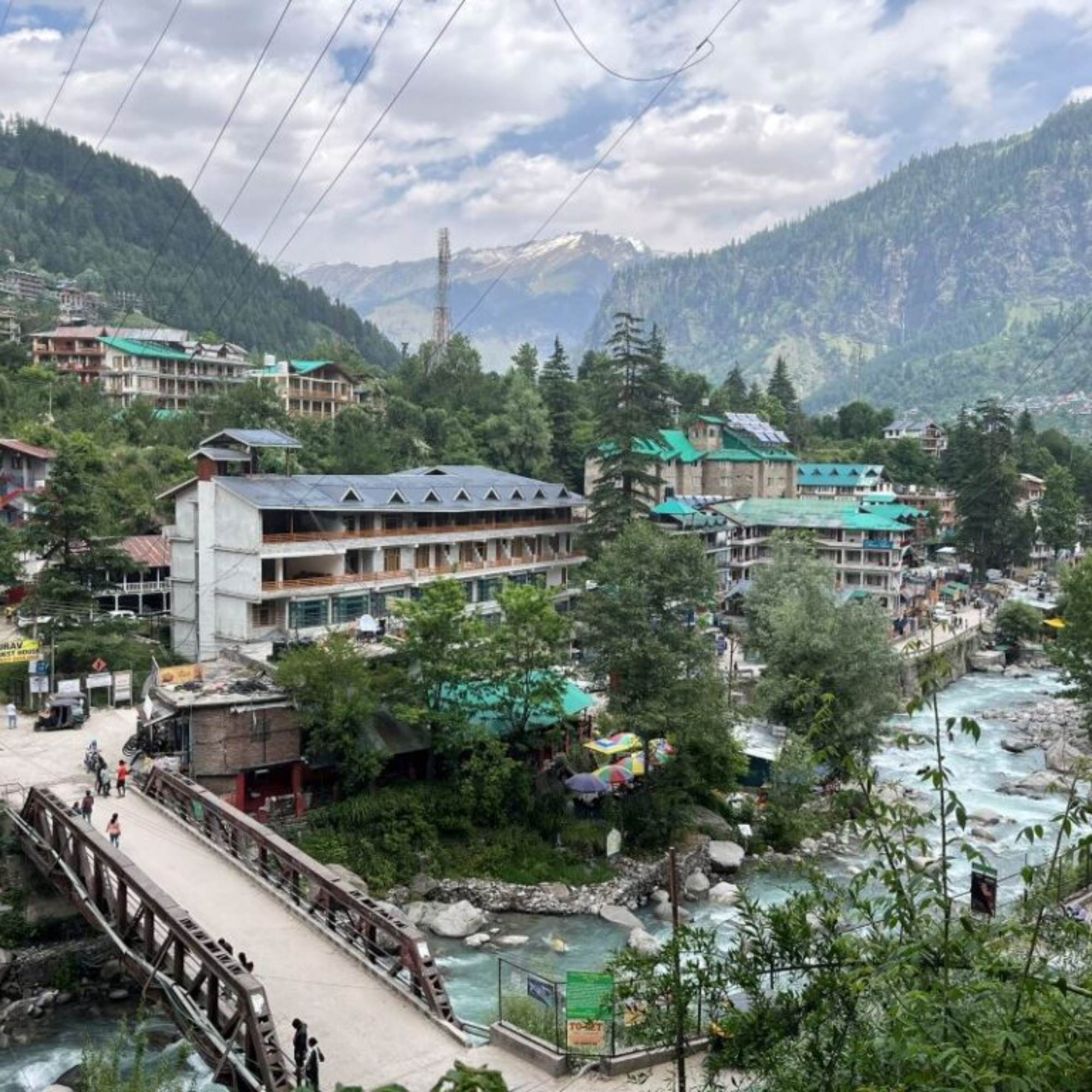
Early morning departure from Manali
During busy periods, aim to leave around 5:00 to 6:00 AM. But let your permit timing, hotel location and local traffic instructions decide the exact hour.
Before you leave, sort out fuel, cash, water and warm clothing. There is no filling up properly once you are climbing.
Outward journey strategy
On the way up, skip long pauses at the lower attractions. Get to the permit-controlled upper road first.
Only stop briefly at Kothi on the way up if the road is quiet. Otherwise leave it for the return.
Use Rahala Falls as a quick photo pause and make Marhi your main break.
Return journey strategy
On the way back, hit Kothi or Nehru Kund if you skipped them earlier.
Do not try to combine Rohtang with Kasol, Manikaran, Jibhi or Tirthan Valley on the same day. It just does not work, and you will spend the whole time in the car.
Do you need a permit for the places on the Manali to Rohtang route?
Places before the regulated checkpoint
You can visit Kothi without any Rohtang tourism permit.
The permit only becomes necessary for tourist travel beyond the Gulaba controlled section, heading up toward Rohtang.
Official Rohtang permit fee and quota in 2026
The tourism permit fee for a car, jeep or MUV is ₹500.
The congestion charge is ₹50 for a car, jeep or MUV, and ₹100 for a bus or heavy vehicle.
The daily quota is 800 petrol vehicles and 400 diesel vehicles.
Permits are released at 10:00 AM and 4:00 PM. Each window has 400 petrol and 200 diesel permits.
You can only apply for the next two days. A single vehicle can get a maximum of three permits in a Tuesday to Monday week.
The permit is valid for your selected day and one round trip.
Documents and vehicle conditions
You need valid identity proof, a valid PUC certificate and correct vehicle-registration details.
The vehicle must not be more than ten years old, according to the official portal.
A printed permit is compulsory under the official rules.
The official FAQ says an issued permit cannot be cancelled, so double-check your date before you apply.
Is Rohtang closed every Tuesday?
A lot of older articles repeat a Tuesday closure rule.
When we checked the official portal on July 25, 2026, it showed no fixed maintenance closure day.
Check the live official portal before you travel, because the maintenance schedule can change. Do not assume Rohtang is open every Tuesday.
Can private cars, rental cars, bikes and scooters go to Rohtang?
Private vehicle eligibility depends on registration age, PUC, permit availability and current administrative rules.
If you are renting, get it in writing that the vehicle and rental agreement qualify for the permit. This saves a nasty surprise at the checkpoint.
Two-wheeler access depends on current administrative orders and checkpoint rules, so confirm eligibility through the official permit portal or SDM Manali before planning the trip.
Is Solang Valley on the way to Rohtang Pass?
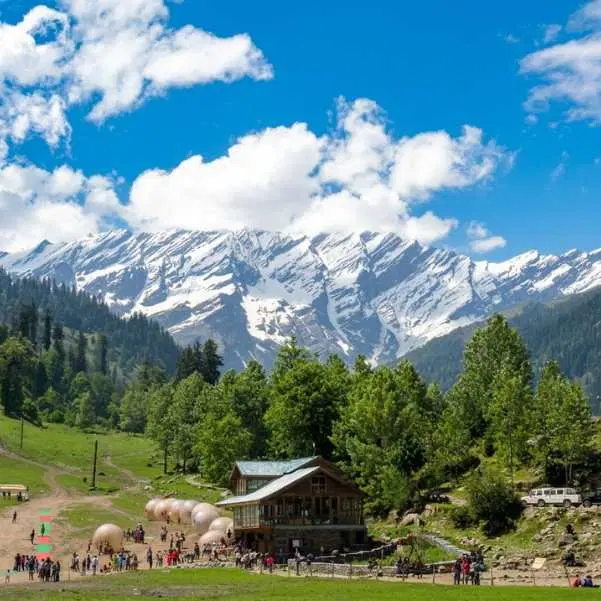
The turn toward Solang Valley is near Palchan.
Solang is a side trip, not a direct stop on the classic Kothi, Gulaba, Marhi route.
Trying to do both Solang and Rohtang in one day usually turns into a rushed, stressful mess during peak traffic.
When the pass is your main goal, focus on the Rohtang route stops and keep a separate half or full day for Solang's activities. Our guide on adventure activities in Manali covers what Solang offers if you want to plan it right.
Is Atal Tunnel on the same route as Rohtang Pass?
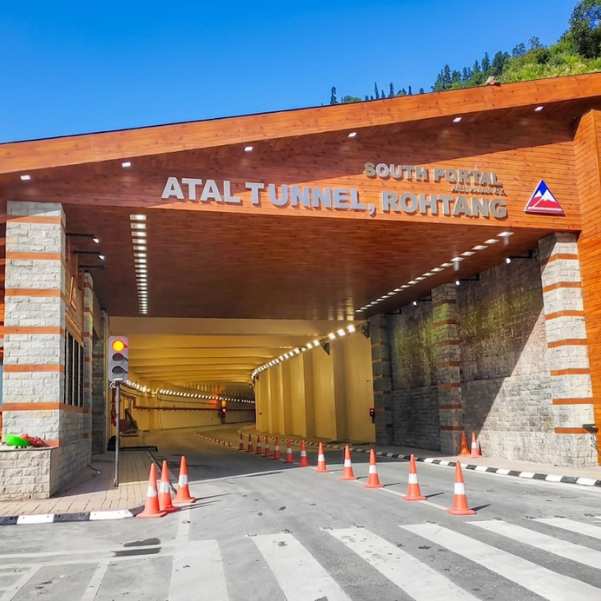
No. The Atal Tunnel bypasses Rohtang Pass entirely.
Driving through the tunnel toward Lahaul does not take you through Kothi, Gulaba, Rahala Falls, Marhi or Rohtang Pass.
When the Rohtang road is closed or permits run out, Sissu through the Atal Tunnel works as a solid alternative. Our Sissu tour packages are handy if you want a backup plan ready.
When is the best time for the Manali to Rohtang route?
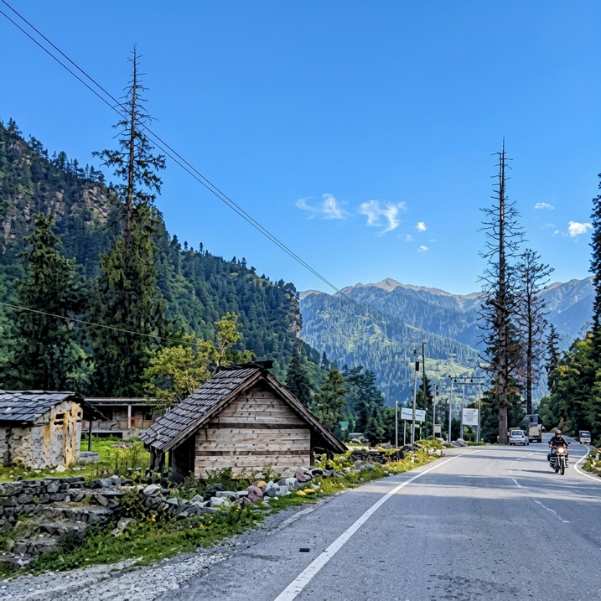
May and June
The seasonal opening depends on snow clearance and a formal administrative decision, so it shifts year to year.
Multiple 2026 reports placed the tourist reopening on May 17, but the exact opening date should always be based on the official District Kullu order for that season.
This is when everyone wants snow, so demand peaks, permits get tight and traffic is heavy. For a fuller month picture, read our guide on Rohtang Pass in May.
July and August
The slopes turn green, waterfalls run stronger, but you also get cloud, rain and slippery sections that bring temporary restrictions.
Do not expect snow at the pass or at Gulaba in these months.
Check the road and weather on the morning you travel, because it changes fast.
Read our detailed guide to Rohtang Pass in August to learn about road conditions, rain, landslide risks, snow chances and what to expect before you travel.
September and October
You get clearer views, colder mornings and generally less rain. It is a lovely window if the weather holds.
But early snowfall or the official seasonal closure can affect access later in autumn, so stay flexible.
Planning your trip for September or October? Read our detailed guides on Rohtang Pass in September and Rohtang Pass in October to compare weather, road conditions, crowds and snow chances before you decide when to visit.
November to April
The upper Gulaba to Rohtang road is generally shut through the main winter.
Depending on the current advisory, Kothi, Gulaba, Solang Valley, the Atal Tunnel or Sissu may still be reachable.
Where can you find food, washrooms, fuel and mobile network?
Sort out fuel, cash, water and essential supplies in Manali. Do not count on finding them higher up.
Marhi is the main seasonal cluster of dhabas on the upper route, and your best bet for a hot meal.
Toilets and food here are basic, and may be shut entirely when the upper road is closed.
Mobile signal gets weaker the higher you climb, so do not rely on it. Download or print your permit before leaving and carry some cash.
Is the Manali to Rohtang road safe for families and senior citizens?
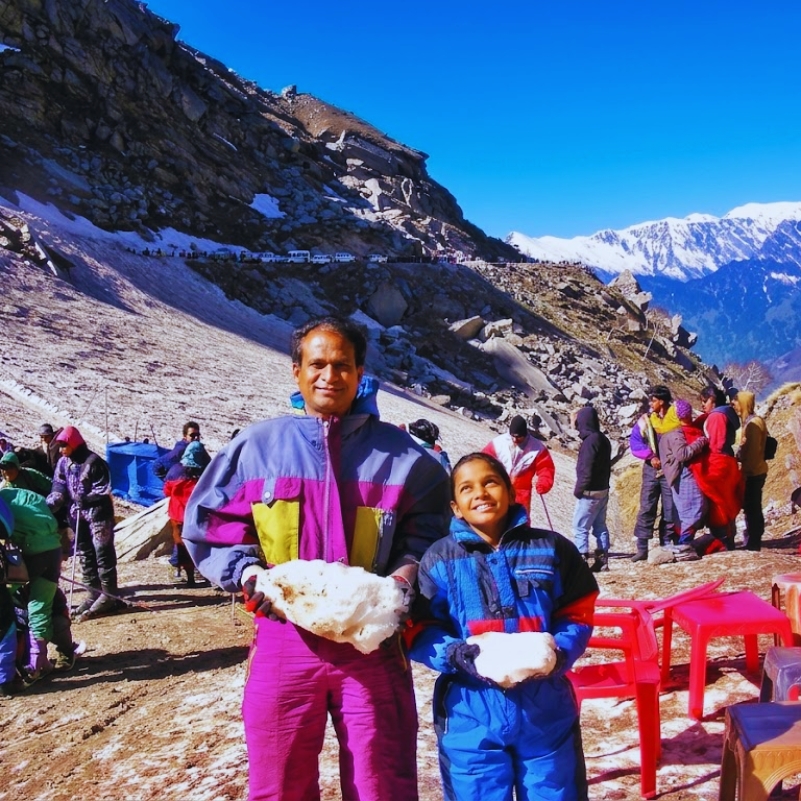
The road has sharp curves, heavy traffic, cold wind and a quick altitude gain, so motion sickness and tiredness are common.
Eat a light meal, drink water, and carry layered warm clothes, sunglasses, sun protection and any medicines your doctor has already prescribed.
When you reach the pass, do not go running around or jump straight into snow activity. Give your body a minute.
If anyone gets badly breathless, confused, has a severe worsening headache or their health drops fast, head down and get medical help. Do not wait it out.
In our experience, families enjoy this route more when they choose four meaningful stops instead of trying to stop at every bend.
What should you do when Rohtang Pass is closed?
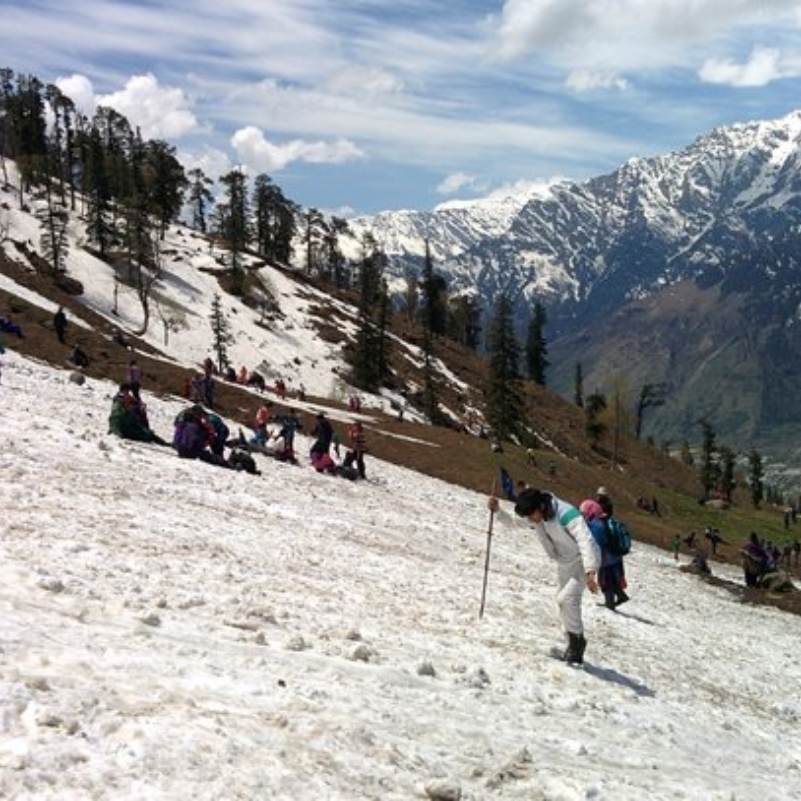
There is a fallback ladder worth knowing.
Kothi often stays accessible even when the higher sections are shut.
Gulaba may be the highest tourist point when the administration allows it.
Sometimes the road opens only as far as Marhi before the pass itself opens.
Beyond that, Solang Valley or Sissu through the Atal Tunnel give you a good mountain day instead. Just do not expect guaranteed snow at any of these.
Common mistakes travellers make on the Rohtang route
The biggest one is starting late and hitting the road after the main traffic has built up. That single mistake eats your whole day.
Many assume they can just buy a permit at Gulaba on arrival. You cannot count on that, so arrange it in advance.
People also waste time lingering at Nehru Kund or lower viewpoints before reaching the upper route, then run out of time up top.
Stopping on narrow bends for photos is both dangerous and a traffic problem, so resist it.
Do not trust old articles that claim the road is always closed on Tuesday, and do not assume Solang Valley and the Atal Tunnel are direct stops on this road.
Two more common ones: expecting guaranteed snow every month, and trying to squeeze Rohtang together with Kasol, Manikaran, Jibhi or Tirthan Valley in a single day. Both end in disappointment.
Explore Our Curated Rohtang Pass Tour Packages
 5D/4N
5D/4NPremium Manali Tour Package with Private Cab and Rohtang Pass
4D Manali
₹14,999₹19,999SAVE INR 5,000/ person 5D/4N
5D/4NBest Value Manali Volvo Package with Rohtang Pass
3D Manali
₹9,999₹13,999SAVE INR 4,000/ person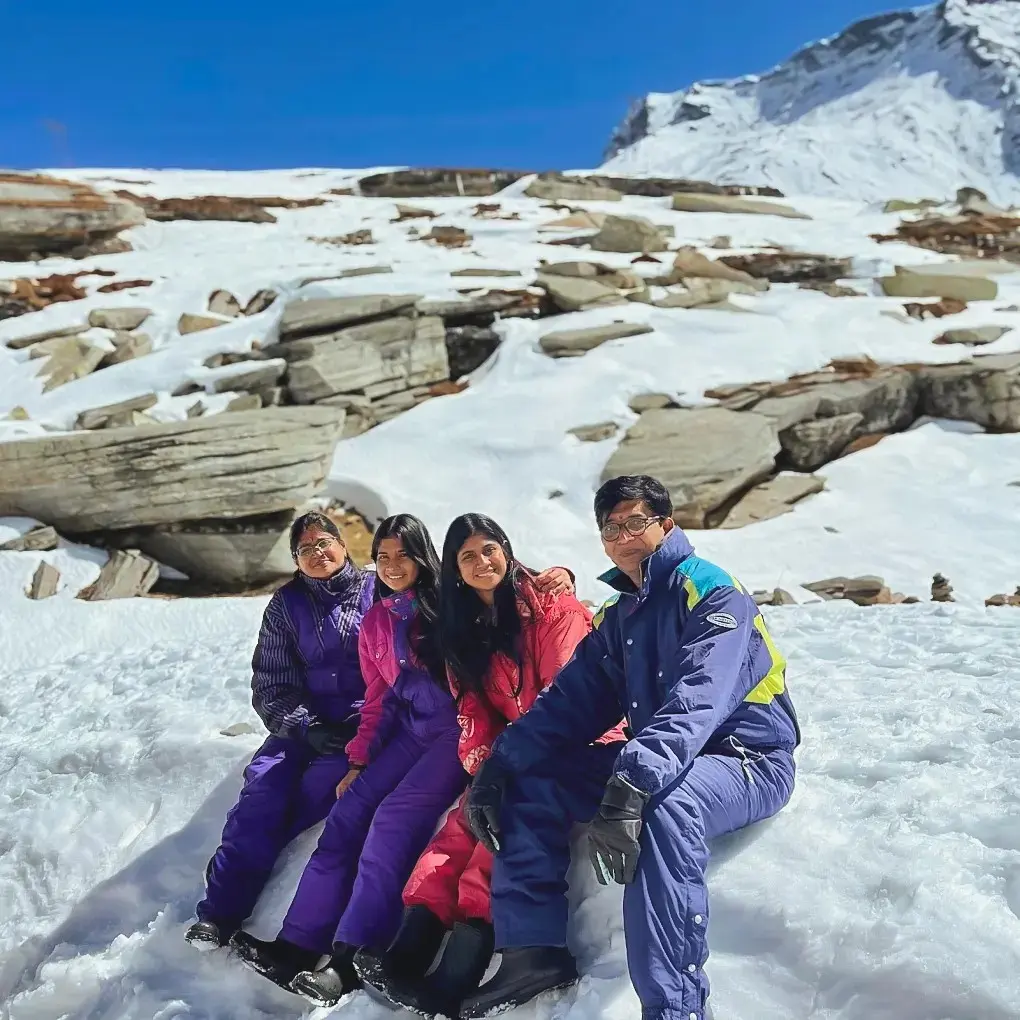 7D/6N
7D/6NComplete Shimla Manali Volvo Package with Rohtang Pass
2D Shimla•2D Manali
₹15,999₹19,499SAVE INR 3,500/ person
Related topics
Frequently Asked Questions
What are the main places to visit on the way to Rohtang Pass?
The main stops are Nehru Kund, Palchan, Kothi, Gulaba, Rahala Falls, Marhi and Rani Nala before you reach Rohtang Pass. Of these, Kothi, Gulaba, Rahala Falls and Marhi deserve the most time. Palchan and Rani Nala are usually short pauses rather than proper stops.
What is the correct order of stops from Manali to Rohtang Pass?
Driving up from Manali, the order is Nehru Kund, then Palchan, Kothi, Gulaba, Rahala Falls, Marhi and Rani Nala, finishing at Rohtang Pass. Access beyond Gulaba depends on a valid permit, the road being open and official traffic control on the day.
How far is Rohtang Pass from Manali?
Rohtang Pass is approximately 51 km from Manali. The basic driving time is around 2 to 3 hours one way, but permit checks, traffic, sightseeing and weather mean you should treat it as a full day trip rather than a quick drive.
How long does a Manali to Rohtang Pass sightseeing trip take?
Plan for a full day. The drive alone is about 2 to 3 hours each way, and once you add permit checks, traffic, and stops at Kothi, Gulaba, Rahala Falls and Marhi, the day fills up quickly. An early start makes the whole thing far smoother.
Do I need a permit to visit Kothi or Gulaba?
You do not need a Rohtang tourism permit for Kothi itself. Gulaba is the main controlled checkpoint area, and the regulated permit becomes necessary for tourist travel beyond the Gulaba section toward the upper Rohtang road.
Is a permit required to go beyond Gulaba?
Yes. To travel beyond the Gulaba controlled section toward Rohtang Pass, you need the official Rohtang tourism permit. For a car, jeep or MUV the fee is ₹500 plus a ₹50 congestion charge, with daily quotas and fixed release times, so arrange it in advance.
Is Rahala Falls open throughout the year?
Rahala Falls is a snowmelt or glacier-fed roadside cascade, so its flow changes through the season and it depends on the upper road being open. It is not a year-round guaranteed stop, and the distance shown online varies, so check the current map pin before you go.
Where is the best food stop on the Rohtang road?
Marhi, about 33 to 35 km from Manali, is the most practical food and rest halt on the upper route. It has seasonal dhabas and tea stalls. Keep your meal light because the road climbs sharply after, and confirm availability locally since it is seasonal.
Can Solang Valley and Rohtang Pass be visited on the same day?
You can, but it usually turns rushed during peak traffic. Solang is a side trip near Palchan, not a direct stop on the Rohtang road. When the pass is your main goal, focus on the Rohtang route and keep Solang for a separate half or full day.
Are Atal Tunnel and Rohtang Pass on the same route?
No. The Atal Tunnel bypasses Rohtang Pass. Driving through the tunnel toward Lahaul does not take you through Kothi, Gulaba, Rahala Falls, Marhi or Rohtang Pass. Sissu via the Atal Tunnel works as an alternative when the Rohtang road is closed or permits are unavailable.
Can bikes or scooters go to Rohtang Pass in 2026?
The current official fee table does not show a separate two-wheeler category, and recent traveller reports conflict. Confirm the latest rule on the official portal before planning a two-wheeler trip, and do not assume access based on older blogs.
What can I visit when Rohtang Pass is closed?
Kothi may stay accessible when higher sections are shut. Gulaba may be the upper tourist point when the administration allows it, and sometimes the road opens only as far as Marhi. Solang Valley or Sissu through the Atal Tunnel are good alternatives, though none guarantee snow.
More about Rohtang Pass
 Rohtang Pass
Rohtang Pass Altitude Sickness in 2026: Symptoms, Prevention and When to Turn Back
Planning a trip to Rohtang Pass in 2026? Learn the symptoms of altitude sickness, prevention tips, and when to turn back for a safe mountain journey.
- Altitude & Health
- First-Time Travellers
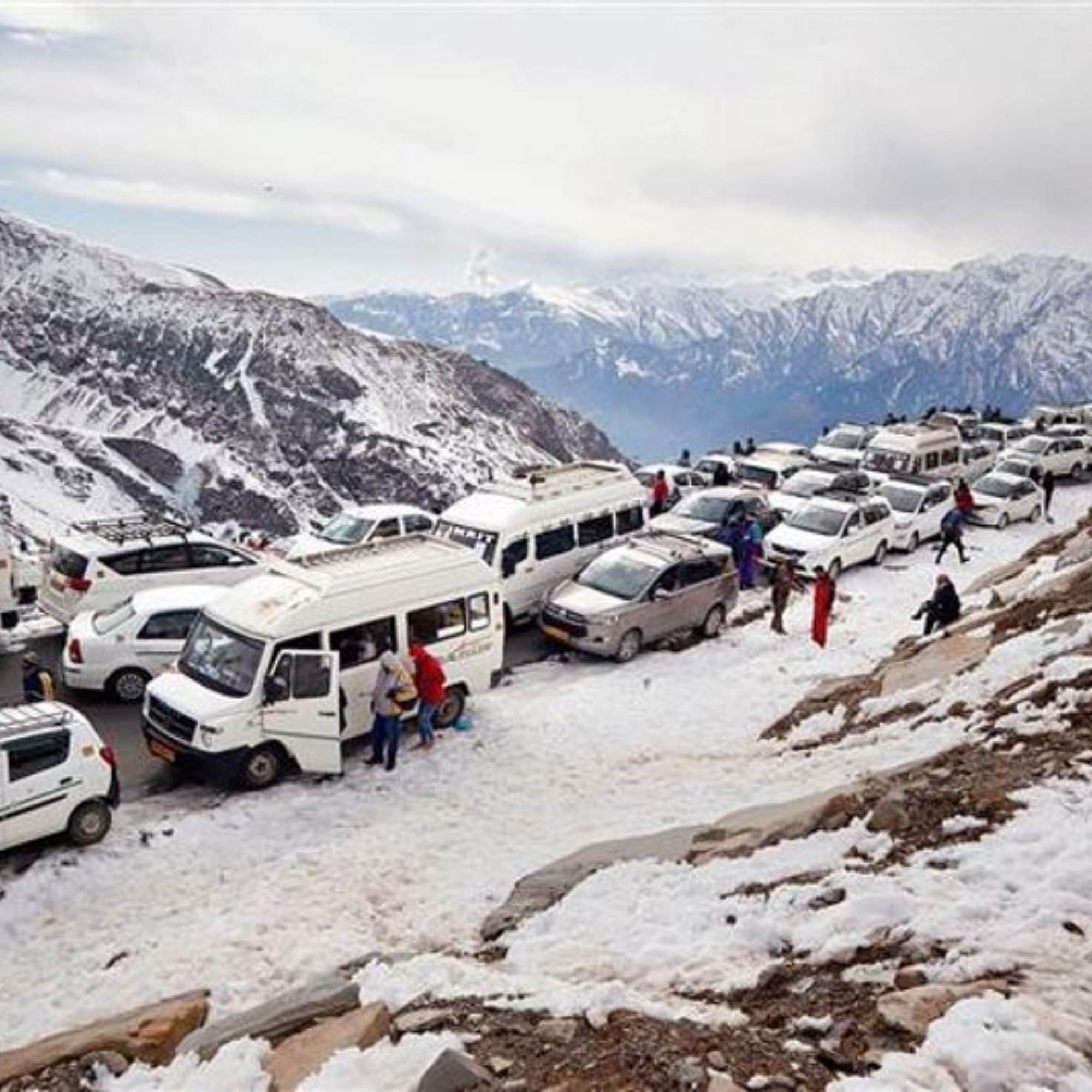 Rohtang Pass
15 Rohtang Pass Mistakes to Avoid in 2026: Permits, Taxi Scams, Timing and Snow Rentals
Planning a Rohtang Pass trip in 2026? Discover 15 common mistakes to avoid, from permits and weather to packing and safety, for a smooth mountain adventure.
- First-Time Travellers
- Permits & Fees
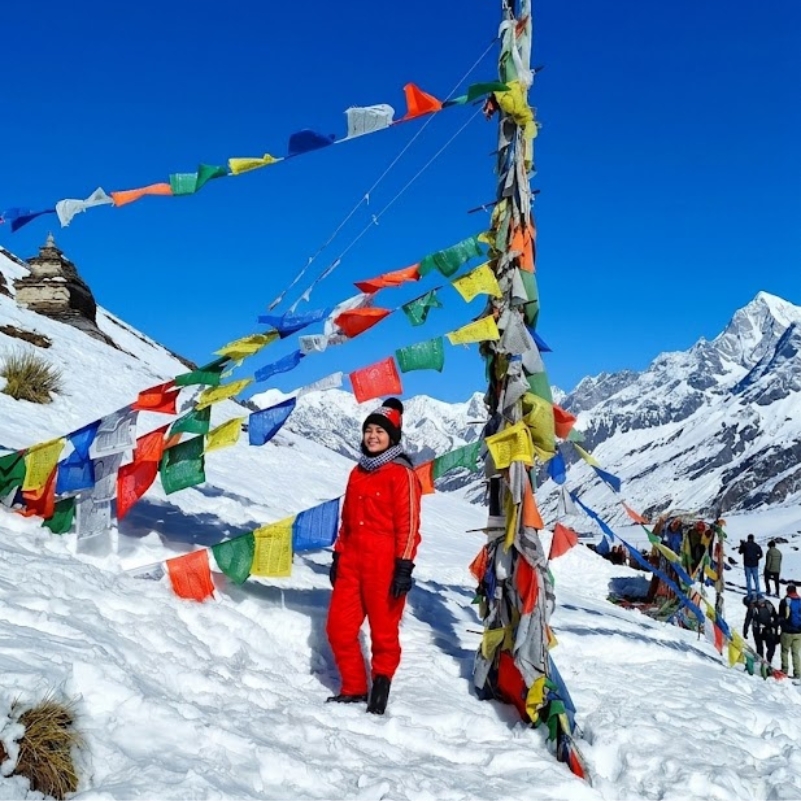 Rohtang Pass
What to Wear in Rohtang Pass in 2026: Complete Packing List for Every Month
Planning a trip to Rohtang Pass in 2026? Discover the complete packing list, essential clothing, footwear, and travel tips to stay warm, comfortable, and prepared for changing mountain weather.
- First-Time Travellers
- Best Time to Visit