
Things to Do in Rohtang Pass in 2026: Snow Activities, Prices and Safety Tips
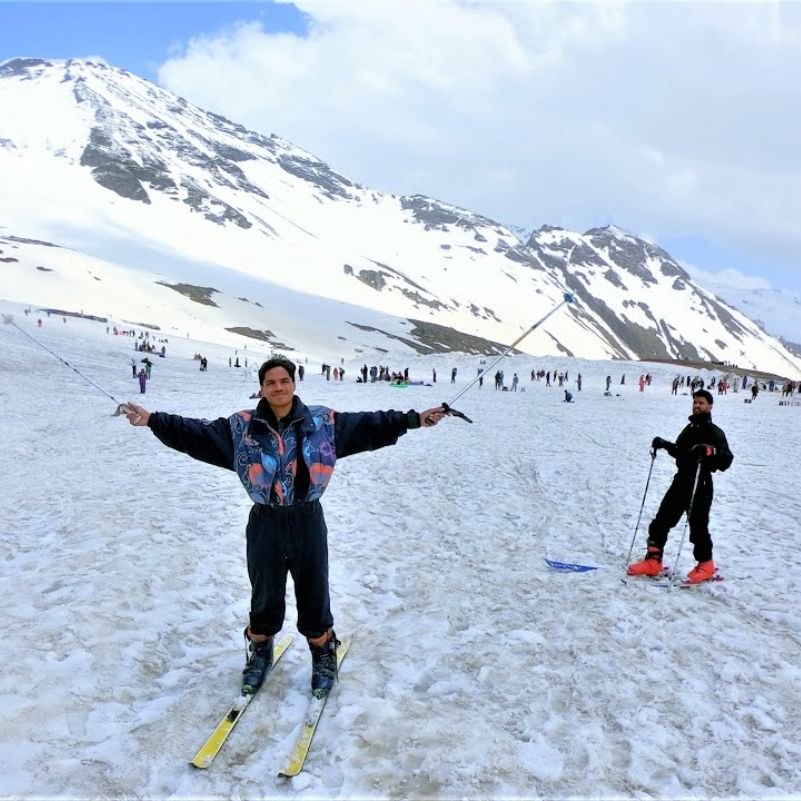
The best things to do in Rohtang Pass are simple: play in the snow, try a beginner ski run, take a sledge ride, and stand somewhere at nearly 13,000 feet with mountains on every side. That is what most people actually come for.
But here is what nobody tells you upfront. Rohtang is not a snow theme park that runs on a fixed schedule. What you can do depends entirely on the snow, the weather, and how much of the road the administration decides to open that day.
We run trips on this route every season, and the one thing we tell every traveller is the same. Rohtang gives you a great day when you plan around its rules, not against them.
Quick Answer: What Are the Best Things to Do at Rohtang Pass?
The most popular things to do in Rohtang Pass are playing in the snow, beginner skiing, sledging, tube sliding, short snow scooter rides, mountain photography, and the scenic drive up from Manali. Those are the reliable ones.
Whether you get all of them on your day depends on the snow, the weather, which section of road is open, and which vendors are operating. Some days everything runs. Some days half of it does not.
One rule matters more than the rest. Before you start any activity, agree on the price, how long it lasts, and exactly what is included. Do this while you are still standing on solid ground, not mid-ride.
If you want the whole thing handled without the haggling, our Rohtang Pass tour packages sort the vehicle, permit help and a backup plan for closed-pass days.
What Are the Best Things to Do at Rohtang Pass?
Think of Rohtang as a high altitude viewpoint that turns into a snow playground for a few months a year. It is not a permanent adventure park with rides running all year.
The activities appear when the snow and the road allow them. When they do, here is what is genuinely worth your time.
Play in the Snow and Build a Snowman
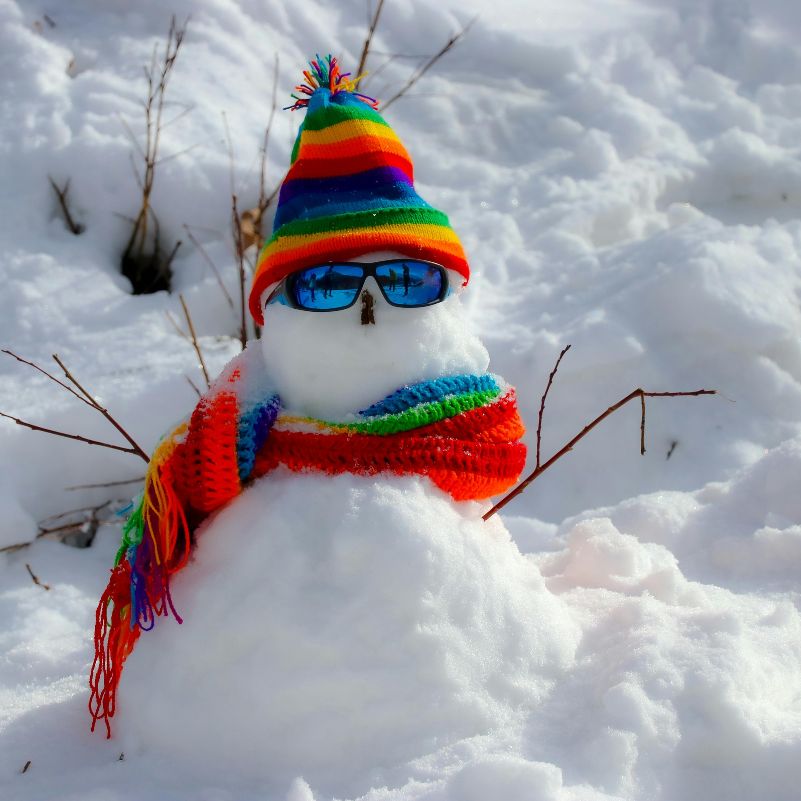
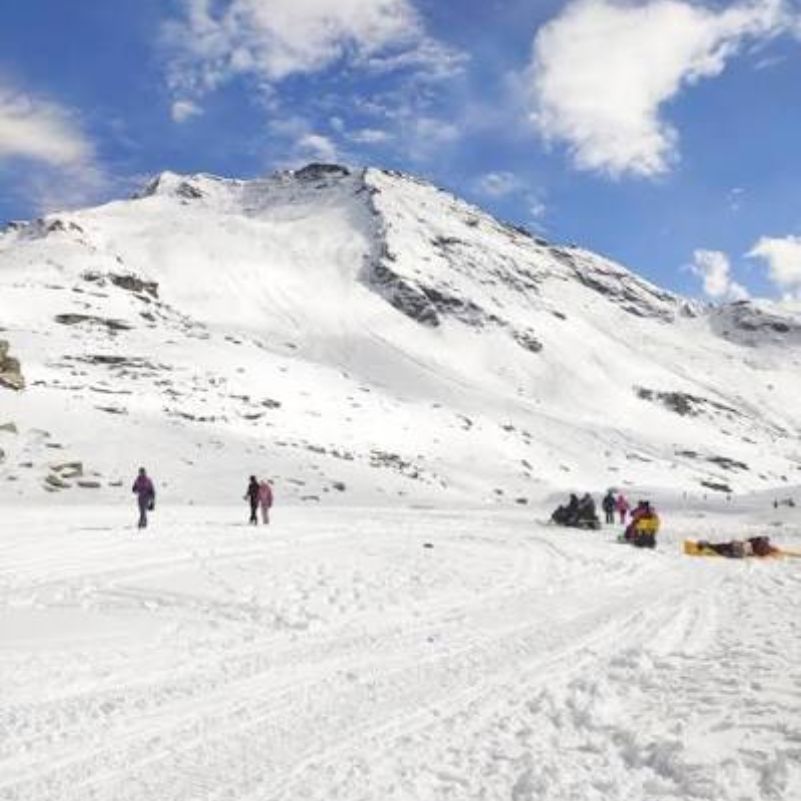
This is the simplest and most reliable thing to do at Rohtang. Snowball fights, short walks across the snowfields, building a snowman, and family photos in the white.
You do not need any gear or vendor for this. Just find a safe patch and enjoy it.
But stay off the roads, away from restricted slopes, and well back from snow edges. In our experience the snow near the surface often hides rocks or flowing meltwater underneath, and people twist ankles stepping where they should not.
One honest thing. The snow is not always clean or deep. Late in the season or on crowded days, the popular patches get slushy and grey. Do not expect fresh powder every time.
Try a Beginner Skiing Session
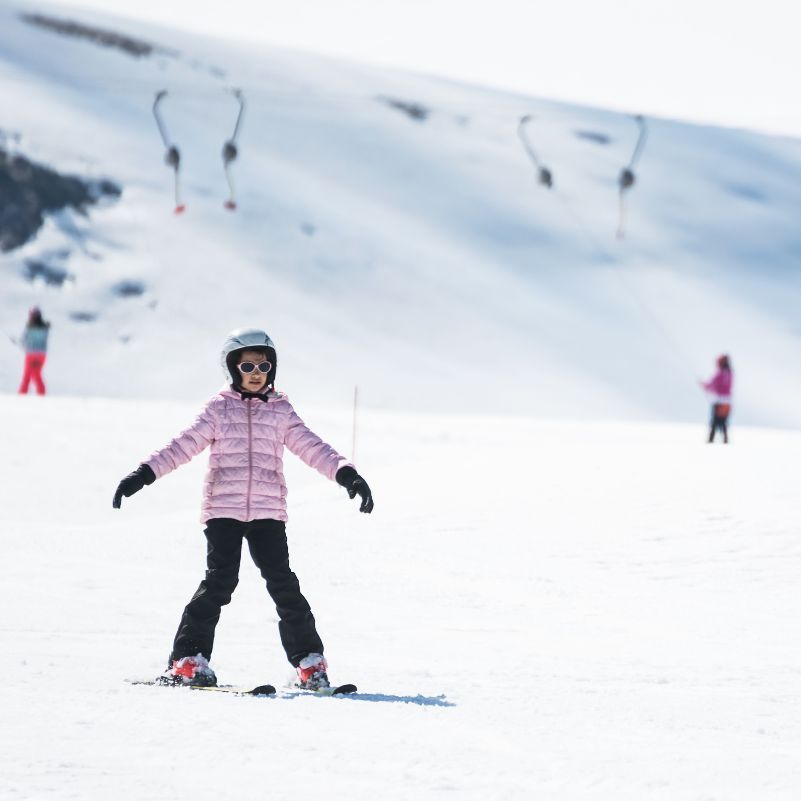
A basic tourist skiing session usually gives you skis, boots, poles, and a few minutes of guidance from a local instructor. It is not a proper lesson, more of a taste.
If you are a first-timer, stick to the gentle slope, listen to the instructor, and do not wander off to steeper snow. Check that the boots fit and the bindings hold before you push off.
Ask one thing clearly before you pay. Does the amount include both the equipment and the instructor, or just the gear? These get quoted separately sometimes.
Take a Sledge Ride
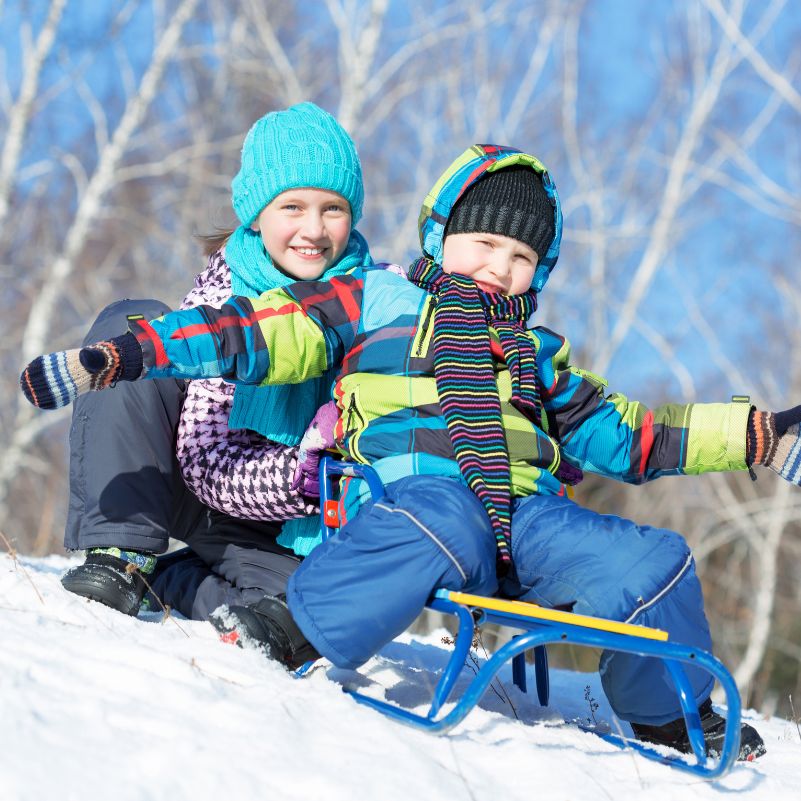
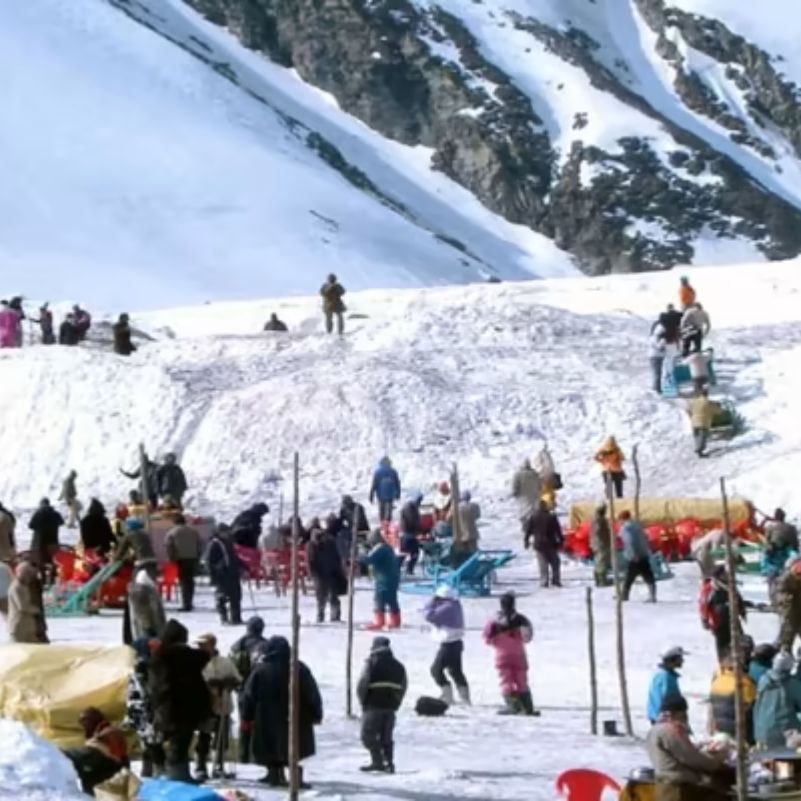
A sledge ride is easier than skiing. Someone pulls or guides a wooden sledge across a short snow slope while you sit on it. Kids love this one.
Agree on the number of runs and the distance before you start. Also ask whether the vendor will pull the sledge back up the slope or whether that is on you. "One ride" means different things to different vendors.
Go Tube Sliding
Tube sliding is a short downhill slide on an inflatable tube or tyre. Quick, fun, and needs zero skill.
Before you go, look at where you will land. The bottom of the slide should be clear of rocks, parked vehicles, and other visitors. A crowded landing zone is how people get hurt.
Ride a Snow Scooter or Snowmobile
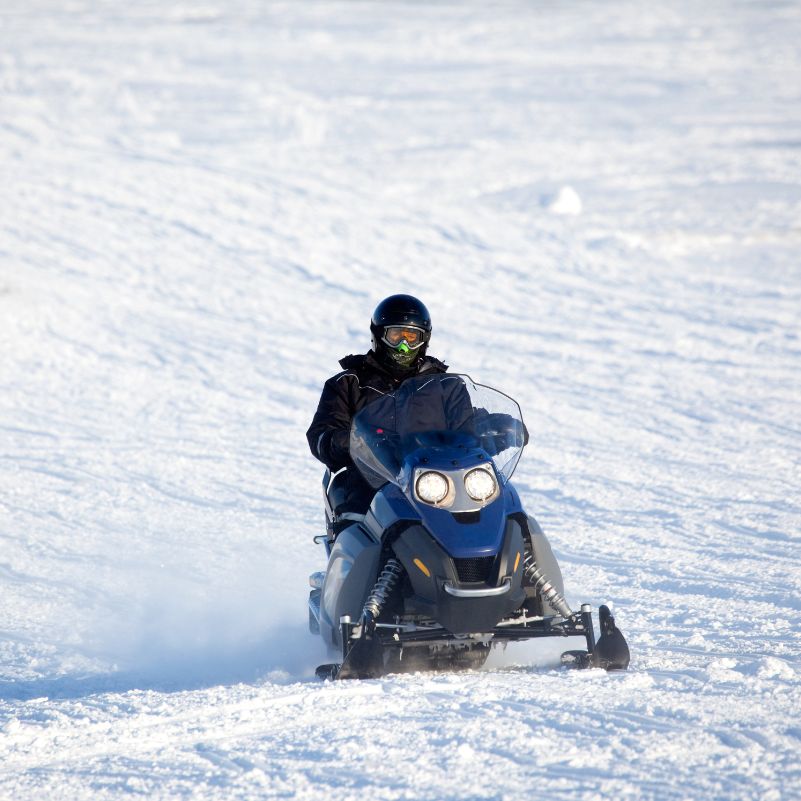
The snow scooter rides at Rohtang are short and vendor operated or guided. You are not getting an open field to drive around freely, so do not expect that.
Ask four things before you sit on it. Is the price per person or per vehicle? How long does the ride last? How many people sit on the machine at once? And is a helmet available? Sort all four before money changes hands.
Consider Yak, Pony or ATV Rides Only When Available
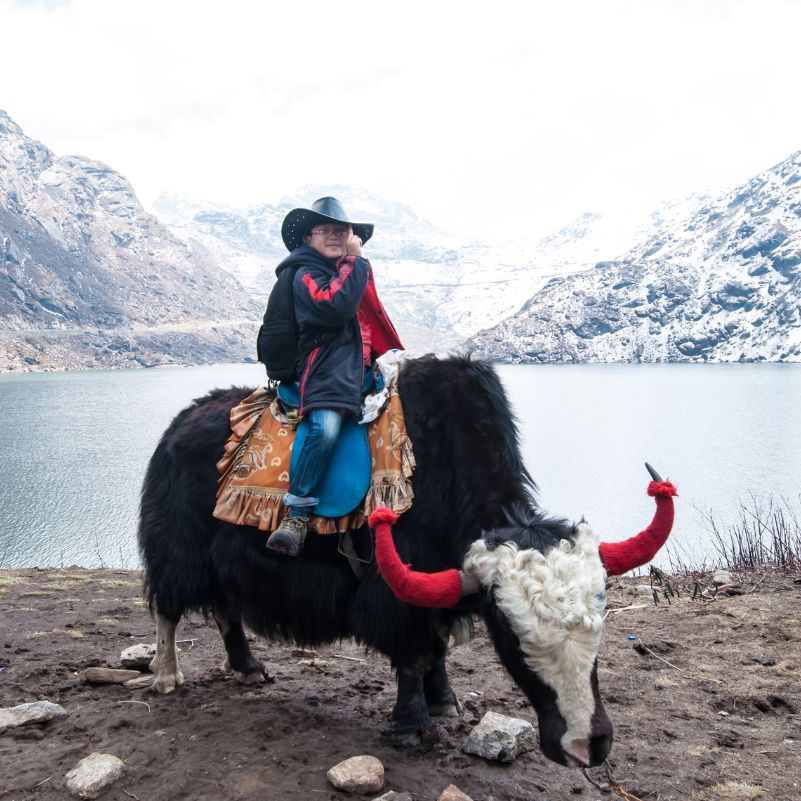
These are not guaranteed at Rohtang top. They might run at a lower snow point or a nearby spot instead, and some days they do not run at all.
Availability varies by season, weather, operating location and local restrictions, so check what is running at the accessible snow point on your travel day.
Capture Snow Photographs and Short Videos
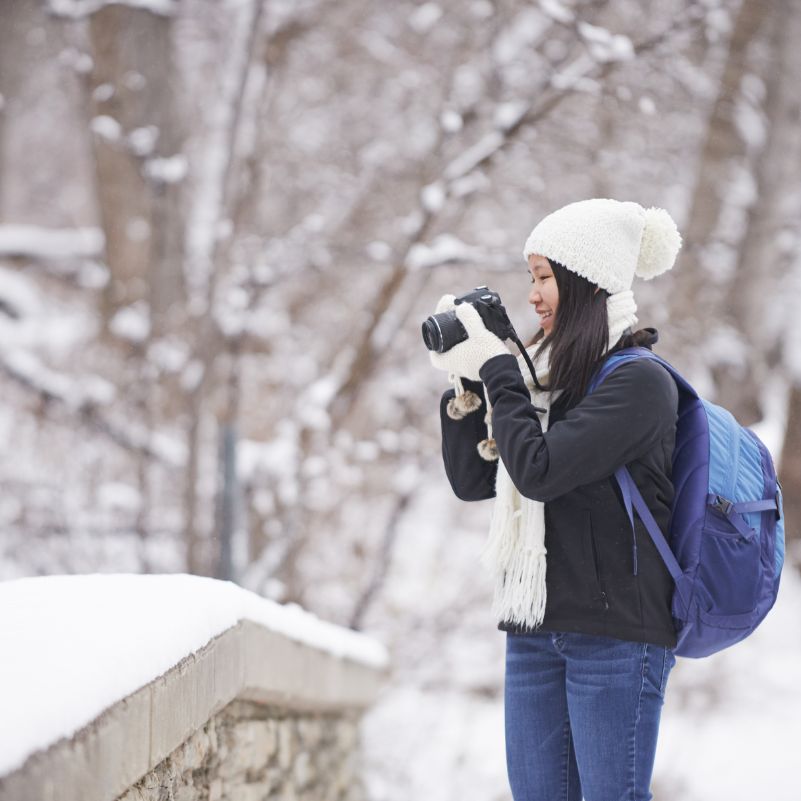
The photos here are genuinely good. Go for wide shots of the mountains, action clips while someone is sledging, and family portraits with the snow behind you.
Here is a fun one our travellers love. Shoot a short before-and-after video, one clip of the green forest near Manali and one at the open white terrain up top. The contrast in ten minutes of footage is the whole trip in a nutshell.
Keep your phone dry, carry a power bank, and tuck the phone into an inside pocket between shots. The cold drains batteries fast, and a dead phone at the top of the pass is a real letdown.
Enjoy the Scenic Drive from Manali
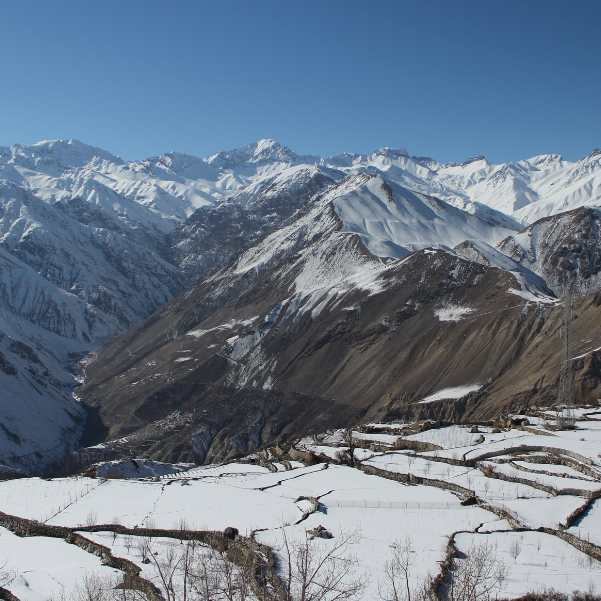
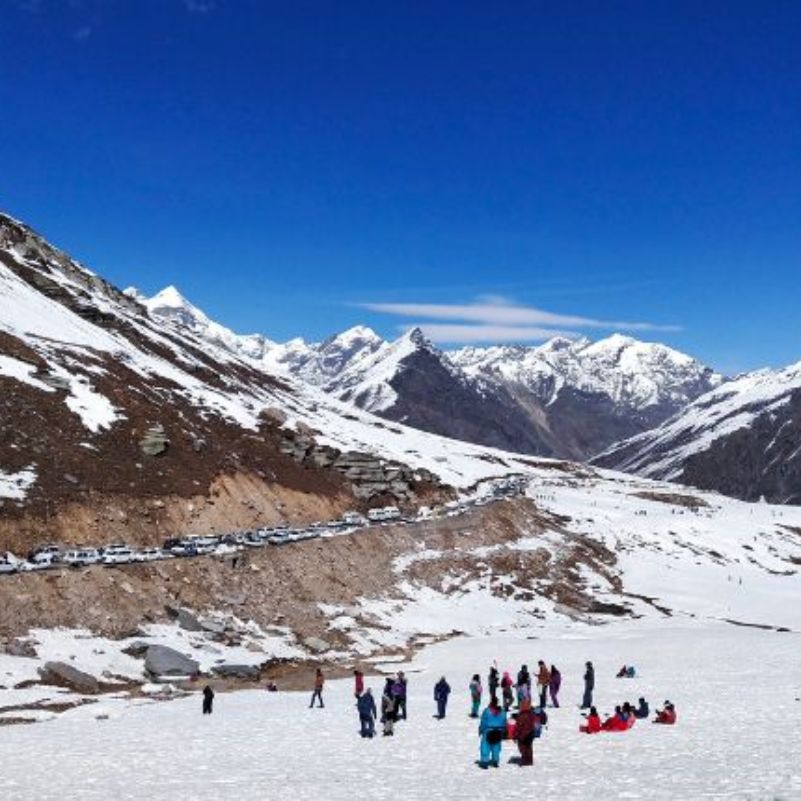
Rohtang Pass is about 51 kilometres from Manali, and honestly the drive is half the experience. You start on forested slopes and slowly climb into open, treeless, high altitude terrain.
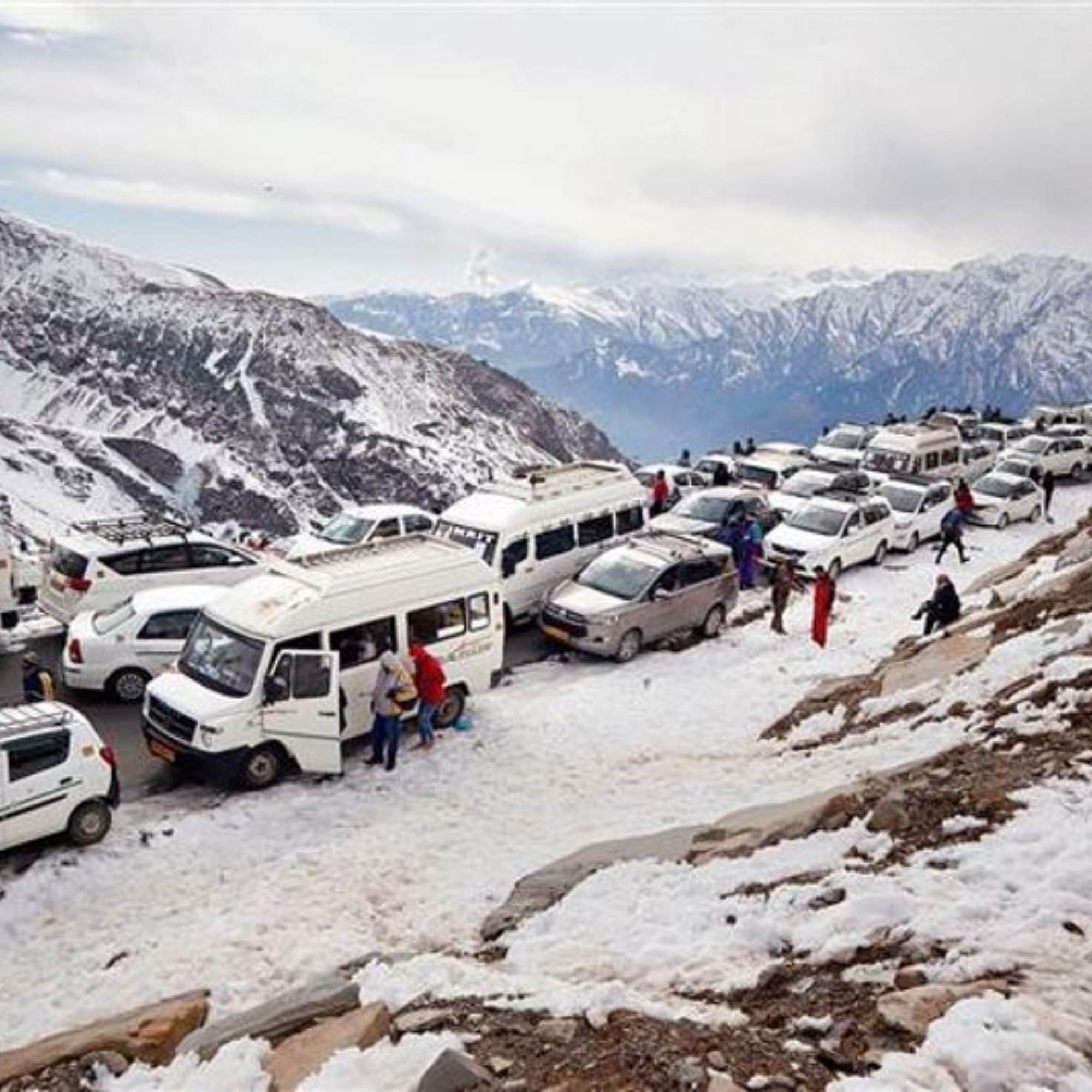
You will pass Gulaba and Marhi on the way, both common route landmarks. But the final point you can actually reach changes with police barriers, weather, and road conditions, so the "top" is not always the same spot.
If you want the wider Manali plan built around this drive, our Manali tour packages cover stays, snow points and a day-wise route.
How Much Do Activities at Rohtang Pass Cost in 2026?
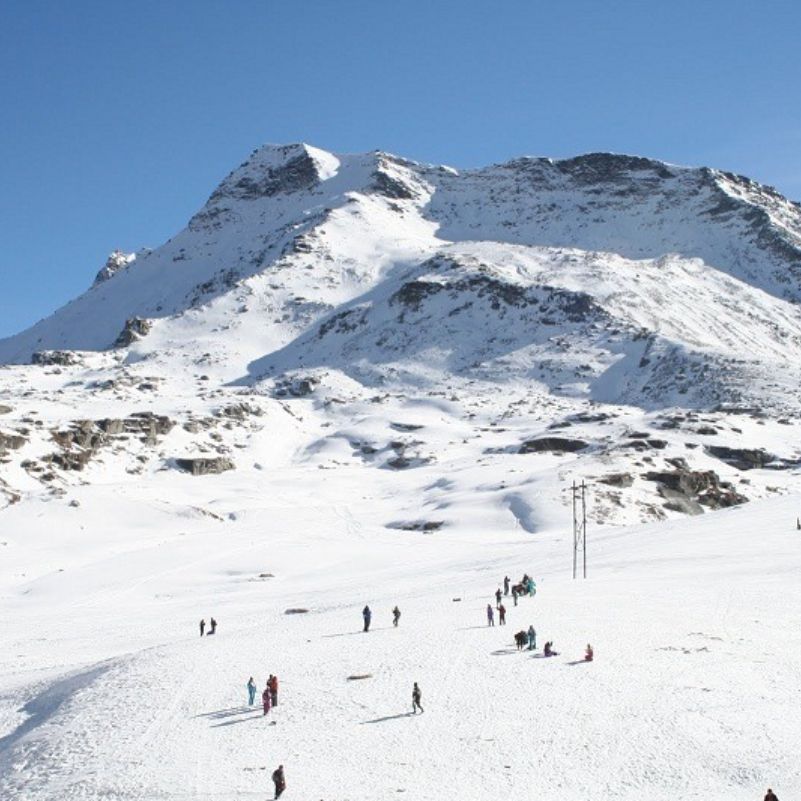
Let me be straight with you. We did not find an official government tariff for these activities in the sources we reviewed. Prices come from individual vendors, and they shift with duration, snow location, how busy the day is, and the number of runs.
So treat every figure below as an approximate market range, not a fixed rate, and confirm the price, duration and inclusions with the vendor before booking.
Snow sledging runs about ₹100 to ₹300.
A short snow scooter or snowmobile ride is about ₹300 to ₹800.
Basic skiing with equipment and guidance is about ₹500 to ₹800.
A tube or tyre slide is about ₹150 to ₹400.
A yak ride has been quoted at about ₹200 to ₹600, but other vendor lists show much higher amounts. This price is genuinely conflicting, so do not lock it in your head.
An ATV or quad bike ride: Approximately ₹500 to ₹1,500 per person, depending heavily on the track and ride duration. Current listings show short ATV rides around ₹600, while another Manali operator lists ATV rides at ₹1,500.
Snow jacket and boot rental has been quoted at about ₹300 to ₹600.
None of these are official Rohtang rates. They are what vendors have quoted, and quotes change.
How to Avoid Activity Price Disputes
The disputes always come from the same thing. Nobody agreed on the total before they started.
Confirm the final amount, the duration, the number of people, the number of runs, whether equipment and an instructor are included, and whether they will help you back up the slope. All of it, before the activity begins.
Remember that "one ride" means different distances to different vendors. What one guy calls a full ride, another calls half of one.
And keep this clear in your head. An activity price has nothing to do with the government vehicle permit, unless your written package says otherwise. They are two separate payments.
Which Rohtang Pass Activities Are Available in Each Month?
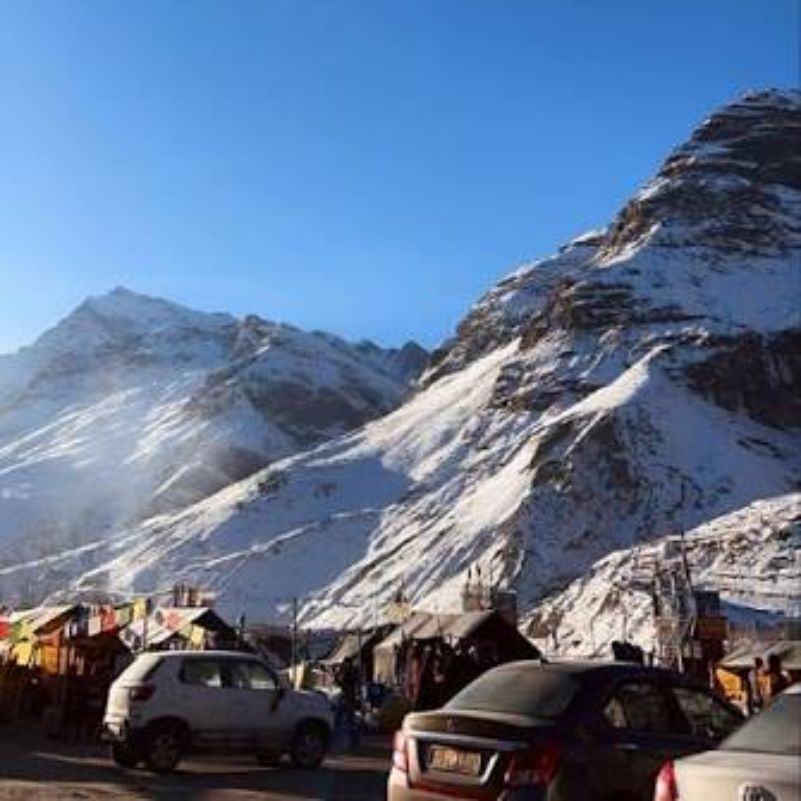
March and April
Rohtang top normally stays inaccessible in March and April because of winter snow. The road over the pass is usually not open yet.
You can still find snow lower down though, at smaller snow points, at Solang Valley, on the Atal Tunnel side, or in Lahaul, depending on what is open. We cover both months in detail in our Rohtang Pass in March and Rohtang Pass in April guides.
Late May and June
This is the strongest window. Late May and June are normally when you get the cleared snow walls and the tourist snow activities, once the authorities open the road.
But the opening date changes every year. Nobody can promise it in advance, and anyone who does is guessing. Expect heavy permit demand, traffic, and crowded snow points in this window too, because everyone else wants the same thing.
Our Rohtang Pass in May guide breaks down what the early season actually looks like.
July and August
The road may be running in July and August, but this is monsoon. Rain, fog, rockfall, landslides, and melting snow can change conditions in an afternoon.
Do not expect guaranteed snow during the monsoon. Check the road, permit, and weather status the evening before you travel, then check again in the morning. Things move overnight here.
Read our detailed guide to Rohtang Pass in August to learn about road conditions, rain, landslide risks, snow chances and what to expect before you travel.
September and October
These months can give you clearer mountain views and thinner crowds, which some travellers prefer over the June rush.
The catch is snow. Unless there is fresh snowfall, the snow can be limited or gone. You come for the scenery in these months, not for a guaranteed snow day.
Planning your trip for September or October? Read our detailed guides on Rohtang Pass in September and Rohtang Pass in October to compare weather, road conditions, crowds and snow chances before you decide when to visit.
November and Winter
The road over Rohtang normally closes once snow, ice, and low temperatures make it unsafe. This is the part where competitor articles keep getting wrong.
Skiing and snow scooters do not routinely operate at Rohtang top from December to April. If a blog tells you they do, that blog is wrong. The pass is closed.
What Can You See During Rohtang Pass Sightseeing?
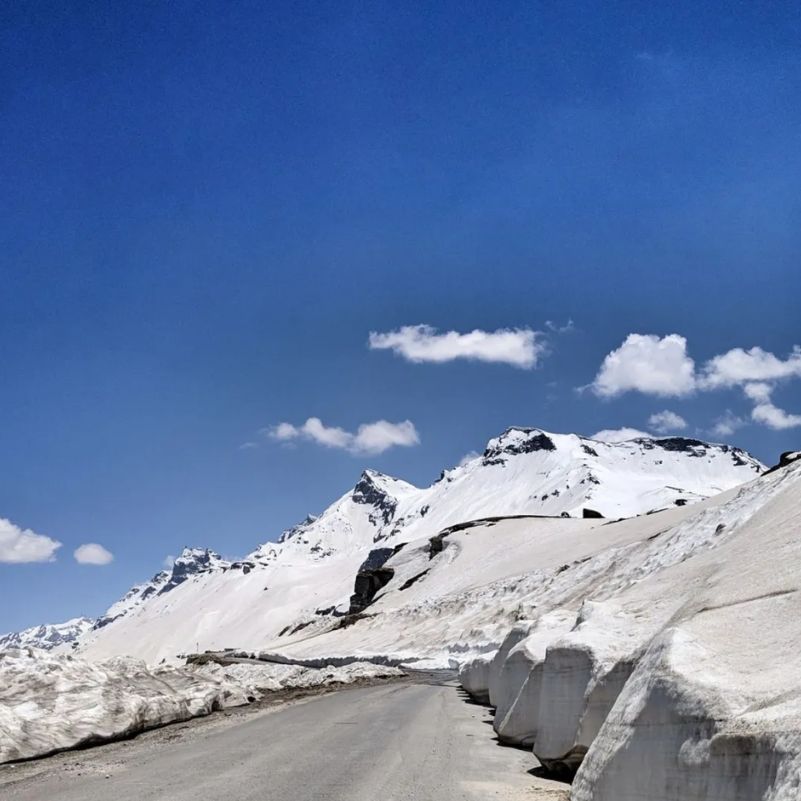
The views are the real reason to come. Panoramic mountains, snow walls when the season is right, deep valleys, and open high altitude terrain that looks like nothing near Manali.
The best part is the contrast between the green Kullu side and the bare, brown Lahaul side. You feel like you crossed into a different country in one drive.
Your actual stops depend on the road section that is open, police barriers, parking, weather, and traffic.
And no, places like Hampta Pass, Bhrigu Lake or Chandratal are not quick sightseeing stops on a normal Rohtang day trip. Those are separate trips entirely, and anyone bundling them into a single day is overselling.
How Should You Plan a Rohtang Pass Day Trip from Manali?
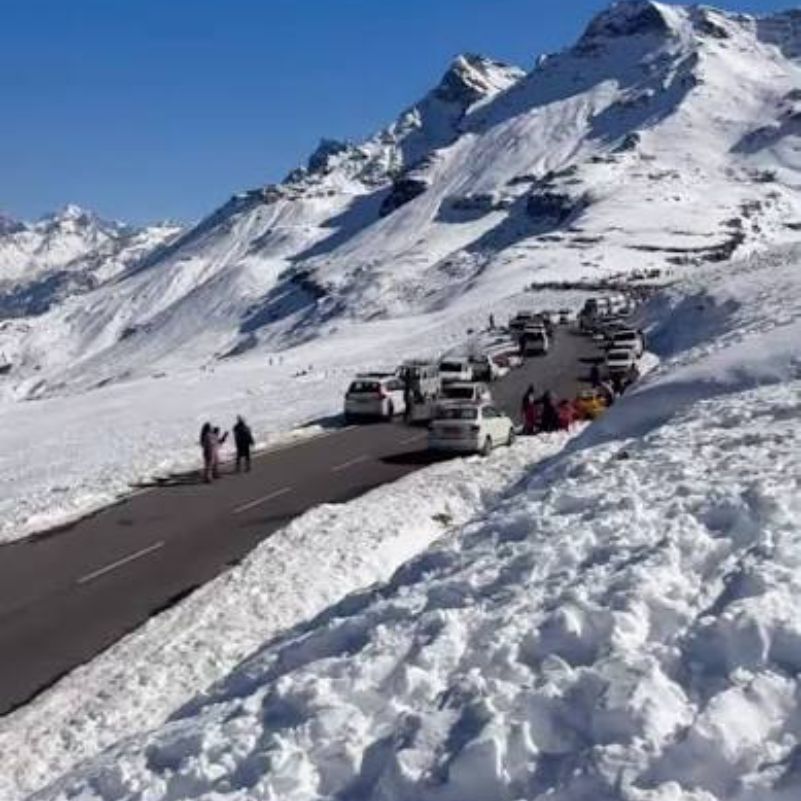
The distance is about 51 kilometres, which sounds like a quick hop. It is not. Traffic, barriers, photo stops, and weather can stretch it into a full-day outing.
I am not going to give you a guaranteed drive time, because there isn't one. It depends on the day.
Confirm your departure time with your authorised driver the evening before. Start early, take a short tea or breakfast stop if the route allows, pick one or two snow activities, do your photography, and turn back before the weather turns.
Here is the mistake we see constantly
People try every single activity because vendors keep approaching them, and they burn the whole day and a lot of money doing everything badly instead of two things well. Pick your two and enjoy them.
If you want the fuller picture of what else is around, our guide to adventure activities in Manali covers the options beyond the pass.
Do You Need a Permit for Rohtang Pass in 2026?
Yes, and this trips up a lot of first-timers. The permit is charged per vehicle, not per passenger.
For a car, jeep or MUV, the current official fee is ₹500 per vehicle plus a ₹50 congestion charge. For a bus or heavy motor vehicle, it is ₹500 plus a ₹100 congestion charge.
The tourism permit is valid for one day and covers both the outward and return journey. One permit, one day, up and back.
The government portal lists a daily tourist quota of 800 petrol vehicles and 400 diesel vehicles. Permits release at 10:00 AM and 4:00 PM, and you can apply for the next two days only.
A single vehicle can get no more than three permits during the portal's Tuesday to Monday week. You will also need a valid ID, a valid Pollution Under Control certificate, and your vehicle registration details.
Two more things. The vehicle must not be more than ten years old, and the current portal says a printed permit is compulsory. Carry the printout.
Apply through the current government portal at rohtangpermits.hp.gov.in. The old rohtangpermits.nic.in domain has been retired, so ignore any link pointing there.
Is Rohtang Pass Closed on Tuesday?
This is genuinely confusing right now, so I will give you the honest version. The information is conflicting.
The official portal currently shows no fixed maintenance day, so check the live permit calendar before travelling rather than assuming Rohtang Pass is closed every Tuesday.
Do not trust an old blog on this. Check the government portal yourself and confirm with your driver before you plan around a Tuesday.
Is Rohtang Pass Safe for Snow Activities?
Altitude and Breathlessness
Rohtang Pass sits at about 3,978 metres, or 13,058 feet. That is high enough for altitude to affect you, even if you are fit and young.
Watch for headache, dizziness, unusual tiredness, loss of appetite, nausea, and vomiting. These are the common signs of acute mountain sickness.
If symptoms show up, stop what you are doing, tell your driver or group, and move to a lower altitude if they get worse. Do not push through it. I am not going to name any medicines here, so if you have medical concerns, get individual advice from a doctor before you travel.
Snow and Activity Safety
Beginners should use an instructor for skiing. Do not learn by trial and error on a slope you cannot control.
Check your gear before every activity. Inspect the boots, the bindings, the helmet, and the snow scooter seating. And never slide towards rocks, vehicles, crowds, or an unprotected edge.
The rule we give every traveller is simple. The safest activity is the one you can stop comfortably without losing control. If you cannot stop it, do not start it.
Weather and Road Safety
Fog, rain, snow, black ice, rockfall, and congestion can trigger sudden restrictions with almost no warning. The mountain does not care about your plan.
Vehicles were reportedly stranded during a sudden Rohtang snowstorm in May 2026, which tells you how fast things change up here.
When the police, BRO, administration, or your driver say turn back or skip something, do it, even if you already paid for an activity. A refund is cheaper than a rescue.
Safety for Children, Seniors and Travellers With Medical Conditions
Children are just as likely to get altitude illness as adults. Do not assume kids handle it better, because they often handle it worse.
A young child may not say "I have a headache." Instead they get irritable, go off their food, look pale, or seem unusually tired. Watch for those signs.
For kids and older travellers, keep the stay shorter, dress them warm, supervise closely, and keep exertion low. Rohtang is not automatically safe for every child, senior citizen, or pregnant traveller.
If anyone in your group has significant heart, lung, or pregnancy related concerns, get individual medical advice before booking.
What Should You Wear and Carry at Rohtang Pass?

Dress in warm layers with a wind resistant outer layer, gloves, dry socks, sunglasses, sunscreen, and footwear with grip. The wind at the top is the thing that gets people, not just the temperature.
Hired snow suits and boots help when the snow is deep or wet. But inspect them before you pay. Check that they are reasonably clean, that the size fits, and that the soles have grip. A cheap rental with worn soles is worse than your own shoes.
Carry water, simple snacks, your personal medicines, tissues, sunscreen, a power bank, and a waterproof phone pouch. And bring all your waste back down with you.
Do not leave plastic or food wrappers at the pass. This place stays beautiful only if visitors carry their trash out.
Is Rohtang Pass or Solang Valley Better for Snow Activities?
They are different things, so it depends on what you want and what is open.
Rohtang is a seasonal high altitude pass, best known for mountain scenery and snowfields after the road is cleared. It is spectacular, but it is weather-dependent and often closed.
Solang Valley is a more established adventure hub, and it can stay an option when Rohtang is inaccessible. Paragliding, ropeway rides, and zorbing are more consistently associated with Solang Valley than with Rohtang top, so if those are on your list, Solang is your answer.
Do not assume the same activities run at both places on the same date. They operate independently.
What Can You Do When Rohtang Pass Is Closed?
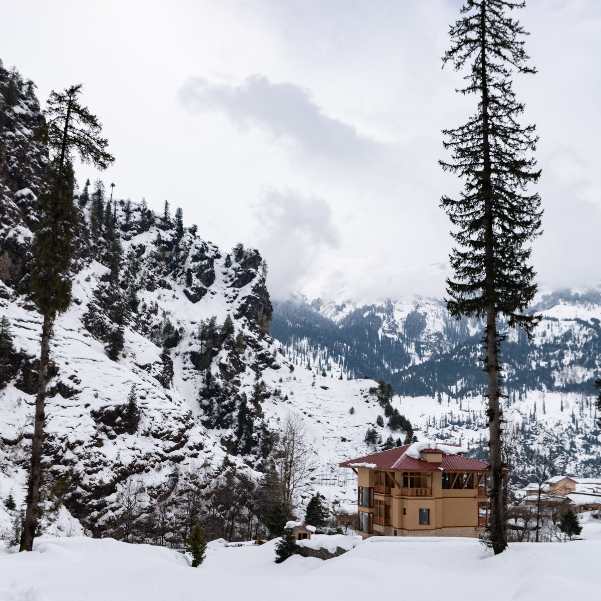
You still have good options. Solang Valley, the Atal Tunnel, and Sissu are the usual backups, each subject to its own weather and road restrictions.
Here is a point people get wrong. The Atal Tunnel runs beneath the Rohtang mountain system, but an open tunnel does not mean the road over Rohtang Pass is open.
They are two separate routes. You can drive through the tunnel to Sissu on a day the pass itself is shut.
If Sissu becomes your plan B, our Sissu tour packages cover the stays and route on that side.
How Can You Book a Rohtang Pass Tour Package?
A good Rohtang package should be clear on four things. The vehicle arrangement, whether the permit charge is included, what happens if the pass closes, and which activities are optional versus included.
Travel Coffee packages may arrange a seasonal Rohtang excursion when the road is open and a permit is available. When Rohtang cannot run, an alternative Solang Valley, Atal Tunnel and Sissu excursion may be used instead, depending on your confirmed package.
One thing to be clear about. Snow clothes, skiing, scooters, tube rides and similar activities are normally optional and paid separately, unless they are explicitly written into your booking. Do not assume they are covered.
You can look at our Rohtang Pass tour packages to build something around your dates. Or just WhatsApp our Himachal team and we will tell you honestly what your dates can and cannot deliver.
Explore Our Curated Rohtang Pass Tour Packages
 5D/4N
5D/4NPremium Manali Tour Package with Private Cab and Rohtang Pass
4D Manali
₹14,999₹19,999SAVE INR 5,000/ person 5D/4N
5D/4NBest Value Manali Volvo Package with Rohtang Pass
3D Manali
₹9,999₹13,999SAVE INR 4,000/ person 7D/6N
7D/6NComplete Shimla Manali Volvo Package with Rohtang Pass
2D Shimla•2D Manali
₹15,999₹19,499SAVE INR 3,500/ person
Related topics
Frequently Asked Questions
What are the best things to do at Rohtang Pass?
Playing in the snow, beginner skiing, sledging, tube sliding, short snow scooter rides, mountain photography, and the drive up from Manali. Availability depends on snow and which road section is open.
What snow activities are available at Rohtang Pass?
Snow play, basic skiing, sledge rides, tube sliding, and short guided snow scooter rides are the common ones. Yak, pony and ATV rides may appear at nearby snow points but are not guaranteed.
How much does skiing cost at Rohtang Pass?
Basic skiing with equipment and guidance is about ₹500 to ₹800. This is a vendor quote, not an official rate, so confirm what is included before you start.
How much does a snow scooter ride cost?
A short snow scooter or snowmobile ride is about ₹300 to ₹800. Ask whether it is priced per person or per vehicle and how long the ride lasts.
Is snow guaranteed at Rohtang Pass in May or June?
No. Late May and June are the strongest months for snow, but the road opening date changes every year and nobody can promise snow in advance. Always check current conditions.
Can children and senior citizens visit Rohtang Pass?
They can, but with care. Children get altitude illness as easily as adults, and older travellers need shorter stays and low exertion. Anyone with heart, lung or pregnancy concerns should get medical advice first.
What should I do if I feel breathless or dizzy?
Stop what you are doing, tell your driver or group, and move to a lower altitude if it gets worse. Do not push through worsening symptoms.
Do I need a permit if I travel in a taxi?
The permit is per vehicle, so your taxi needs one. If you book a package or an authorised taxi, the operator usually handles this, but confirm whether the charge is included.
Can I drive my own car to Rohtang Pass?
Yes, if your vehicle is not more than ten years old and you have a permit, valid ID, a valid PUC certificate and registration details. Apply at rohtangpermits.hp.gov.in and carry a printed permit.
Is Rohtang Pass closed every Tuesday?
The official portal currently shows no fixed maintenance day, although some sources still mention a Tuesday closure. Check the live government permit calendar and confirm with your driver before travelling.
Is Rohtang or Solang Valley better for snow activities?
Rohtang has better high altitude scenery and snowfields when open. Solang is a more reliable adventure hub with paragliding, ropeway and zorbing, and stays an option when Rohtang is closed.
What is the best alternative when Rohtang Pass is closed?
Solang Valley, the Atal Tunnel, and Sissu, each subject to their own conditions. Remember an open Atal Tunnel does not mean the road over Rohtang is open.
More about Rohtang Pass
 Rohtang Pass
Rohtang Pass Altitude Sickness in 2026: Symptoms, Prevention and When to Turn Back
Planning a trip to Rohtang Pass in 2026? Learn the symptoms of altitude sickness, prevention tips, and when to turn back for a safe mountain journey.
- Altitude & Health
- First-Time Travellers
- Rohtang Pass
Best Places to Visit on the Way to Rohtang Pass in 2026
Discover the best places to visit on the way to Rohtang Pass in 2026, including Solang Valley, Rahala Waterfalls, Gulaba, Marhi, and more for an unforgettable Himalayan road trip.
- Places to Visit
- Road Trips
 Rohtang Pass
15 Rohtang Pass Mistakes to Avoid in 2026: Permits, Taxi Scams, Timing and Snow Rentals
Planning a Rohtang Pass trip in 2026? Discover 15 common mistakes to avoid, from permits and weather to packing and safety, for a smooth mountain adventure.
- First-Time Travellers
- Permits & Fees