
Snow in Rohtang Pass in 2026: Best Months, Snow Conditions and What to Expect
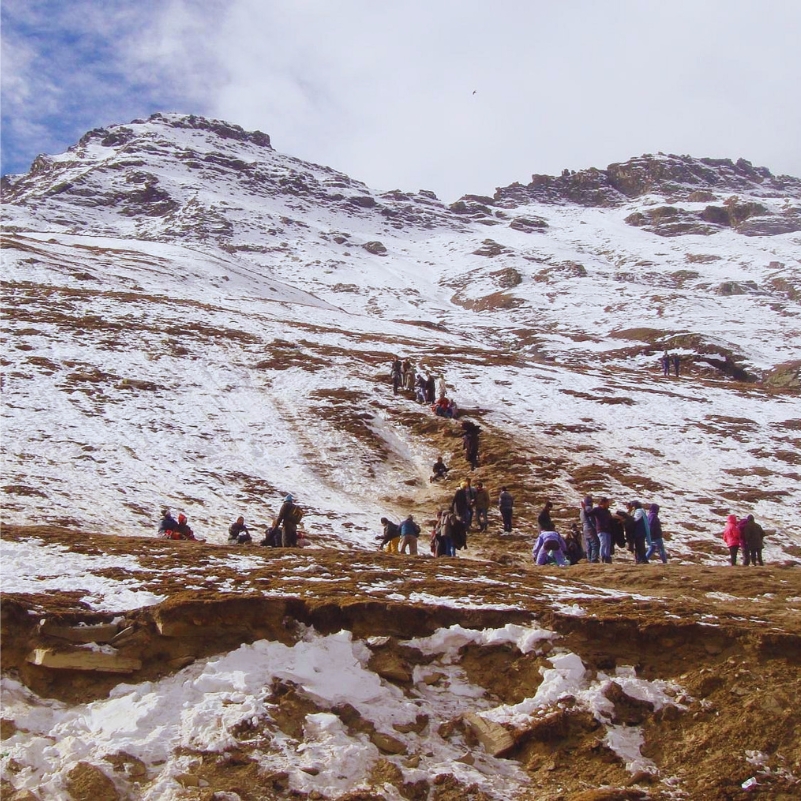
If you are searching for snow in Rohtang Pass, you want one straight answer: which month actually gets you standing in snow. The tricky part is that the months with the most fresh snowfall are often the months you cannot even reach the top.
We have sent hundreds of travellers up this road over the years, and the same confusion comes up every single time. So let us clear it up properly.
Quick Answer: When Can You See Snow at Rohtang Pass?
Fresh snowfall is most common from November to March. But here is the catch: Rohtang Top is usually closed for much of that period, so you cannot just drive up and play in it.
For most travellers, May and early June give the best mix of open roads and real snow still lying on the ground.
Snow is never guaranteed. Quantity, opening dates and stopping points change every year with weather and road clearance. Always check conditions right before you travel.
If you want the trip handled end to end, our Rohtang Pass tour packages come with a local driver who knows the day-to-day road situation.
What Is the Best Month for Snow in Rohtang Pass?
Why May is usually the strongest choice
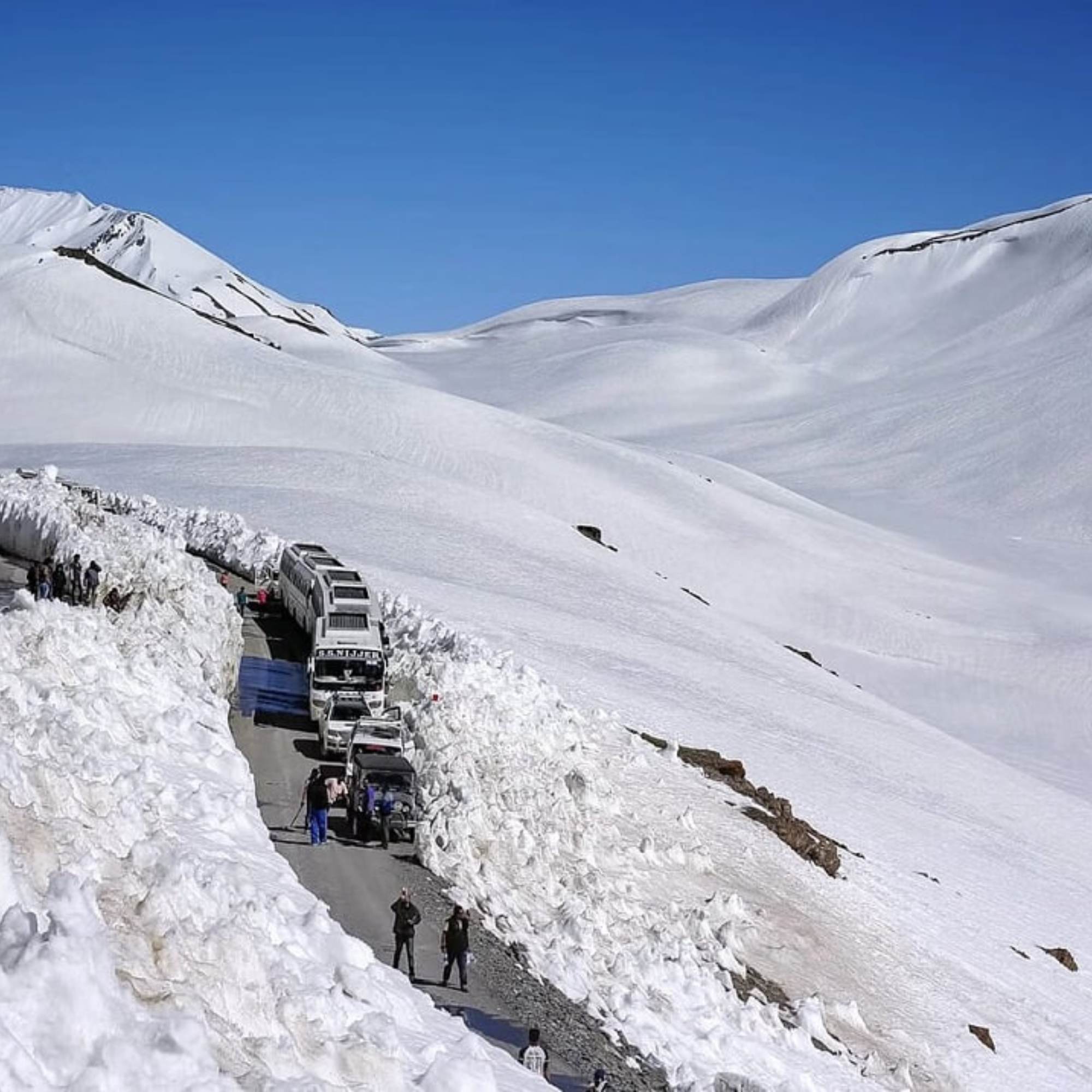
When the road clears in spring, the machines cut through months of piled-up winter snow. That exposes tall snow on both sides of the road and big white patches you can actually walk into.
This is why May usually wins for accessible snow. The winter accumulation is still there, but the road is finally open.
One honest warning: Early-May access is never certain. The pass opens only after clearance finishes and the district gives official permission. Some years that happens early, some years it slips.
We break down the full month in our guide on Rohtang Pass in May if you want the deeper picture.
Is June still good for snow?
Early June is usually better than late June. The snow keeps melting as the month goes on, so the earlier you go, the more you are likely to find.
Set your expectations right, though. What you find in June is often compacted, wet or slushy snow, not fresh powder. It is still snow. It just will not look like a fresh snowfall postcard.
Are October and November reliable for snow?
Fresh snow is possible in these months, but you cannot plan around it. It might snow the day before you arrive, or it might stay dry for weeks.
Read our detailed guide to Rohtang Pass in October to learn about road conditions, rain, landslide risks, snow chances and what to expect before you travel.
Closure risk also climbs as the weather turns. You could make the whole drive up and find no usable snow at the top, or find the road shut for the day. In our experience, betting your trip on October snow is a gamble more often than not.
Does Rohtang Pass Have Snow Throughout the Year?
You will see white peaks in the distance almost any time of year. That does not mean there is snow you can touch.
There is a big gap between the snow in a photo and the snow you can safely reach. Those far peaks stay white while the roadside tourist area near the top can be brown and bare in mid-summer.
Do not assume year-round snow just because Rohtang sits high. Altitude alone does not keep playable snow on the ground. The season and recent weather decide that.
What Is the Difference Between Snowfall and Snow on the Ground?
This is the single thing most tourists get wrong, so let us slow down here.
Fresh snowfall
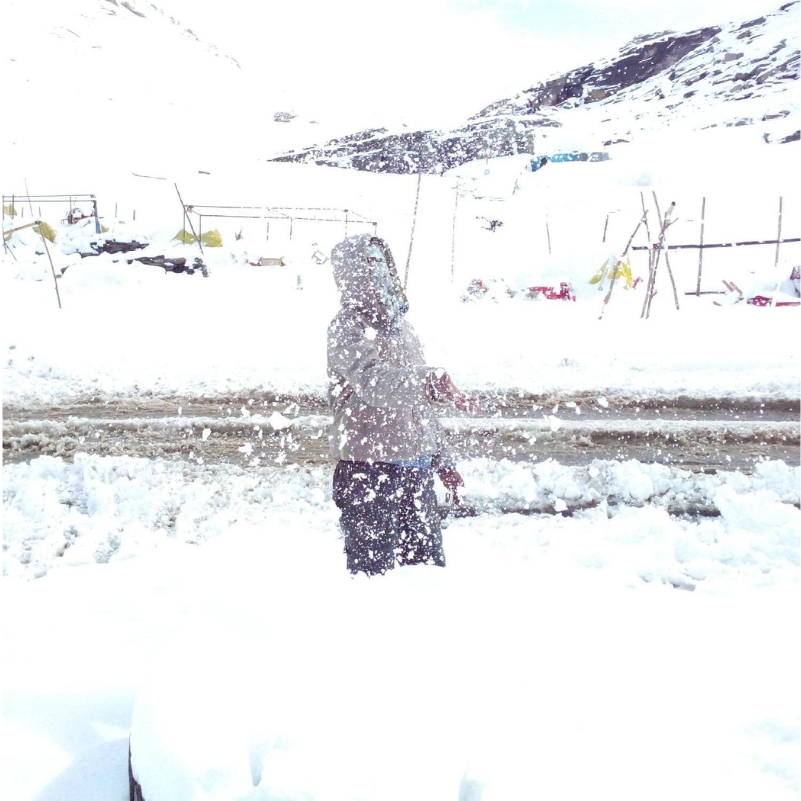
This is snow falling while you are there. It looks magical but it comes with lower visibility, slippery roads and a real chance of movement restrictions. When it is actively snowing hard, the authorities can stop tourist traffic completely.
Old and compacted snow
Most of the snow you see after the pass opens is not fresh. It is winter snow that piled up for months and got exposed when the road was cleared. It is packed down and harder, but it is still plenty of snow to enjoy.
Snow walls and roadside snow
Those tall walls of snow on either side of the cleared road change hugely by year, date and section. Some years they tower over cars. Some years they are modest. We never promise a specific height, and you should be wary of anyone who does.
Melting and slushy snow
As things warm up, snow turns to slush, the edges get muddy, and hidden patches go hard and icy. This is exactly why waterproof shoes matter. Wet feet at altitude ruin a day fast.
What Are Rohtang Pass Snow Conditions Month by Month?
January and February
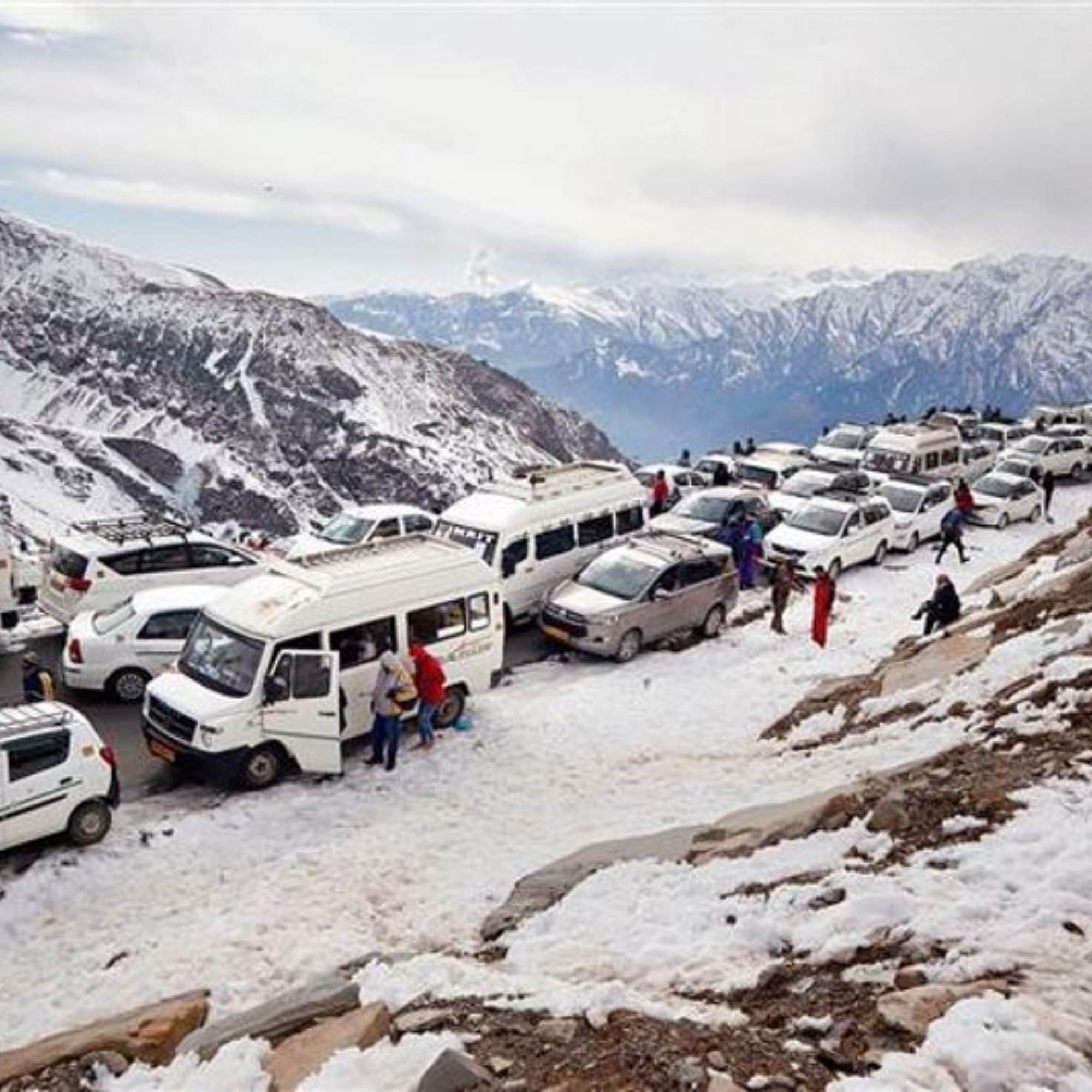
Winter snow is almost certainly at the pass. But normal tourist access to Rohtang Top is usually closed during these months.
So no, you cannot simply drive up to the pass for winter snow in deep winter. Plan for snow closer to Manali instead.
March
Rohtang usually stays shut under winter accumulation through March. The clearance work is often still ongoing or not yet finished.
Look at accessible spots closer to Manali for this month. Our Rohtang Pass in March guide covers what actually works.
April
Clearance may begin in April, but full tourist access stays uncertain. Some years part of the road opens, some years it does not.
Solang, Gulaba or the tunnel side can work as conditional backups. See Rohtang Pass in April for the realistic month-by-month view.
May
Opening depends on two things: clearance finishing and an administrative order allowing tourists up.
Once that access is permitted, May usually gives the strongest accessible snow experience of the whole year. This is the month we point most snow-focused travellers toward.
June
Snow melts steadily through June. Early June is generally more promising than the last week or two.
You will likely still find snow patches and walls early in the month. Just do not expect fresh, deep powder.
July and August
Snow in the tourist area may be limited, patchy or gone entirely. This is not a snow season.
The landscape turns greener and wetter. If you go now, treat it as a mountain-scenery trip, not a snow trip.
Read our detailed guide to Rohtang Pass in August to learn about road conditions, rain, landslide risks, snow chances and what to expect before you travel.
September
Roads are often relatively settled in September, which is nice for the drive. But snow should not be your main expectation.
Go for the views and the clear air, and treat any snow as a bonus.
October
Fresh snow is possible but unpredictable. A good early snowfall can transform the pass, or it can stay dry.
Weather-related restrictions get more likely later in the month. Keep your plans flexible.
Read our detailed guides on Rohtang Pass in September and Rohtang Pass in October to compare weather, road conditions, crowds and snow chances before you decide when to visit.
November and December
The fresh-snow season starts up again here. But this is also when direct access to Rohtang Top commonly gets restricted or closes for winter.
So you have snow falling and the door closing at the same time. Frustrating, but that is the reality of this pass.
Is Rohtang Pass Open When It Is Snowing?
Not always. Heavy snowfall, ice, poor visibility and avalanche concerns can all stop tourist traffic. Safety comes first up there, and rightly so.
The road opens only after clearance work and administrative approval. An open pass is not a permanent thing. It can shut again within hours.
2026 update
Published reports placed the 2026 tourist reopening between May 15 and May 17, reflecting differences in when access was announced and when regular tourist movement began.
There was also a reported May 2026 snowstorm that disrupted tourist vehicles around Rohtang. That is a perfect example of an open pass closing temporarily with little warning.
How Should You Check Rohtang Snow and Road Status?
Check the official permit portal before you make this excursion the centrepiece of your trip. If you build your whole itinerary around it and it is shut, that is a bad day.
Then check again the evening before and the morning of travel. Conditions here flip overnight.
Old Instagram reels, travel photos and hotel claims cannot confirm today's snow. A reel from last May tells you nothing about this week. In our experience, this is where travellers get misled most.
One more thing. Getting a permit does not protect you from a same-day weather suspension. The road can still close after you have your permit in hand.
Official permit portal: https://rohtangpermits.hp.gov.in/Home/InformatoryScreen
District website: https://hpkullu.nic.in/
What Are the Rohtang Pass Permit Rules in 2026?
The tourism permit is valid for one return visit on your chosen day. One day, to and fro.
Cars, jeeps and MUVs pay a ₹500 permit fee plus ₹50 congestion charge, so ₹550 in total. Buses and heavy vehicles pay ₹500 plus ₹100, making ₹600.
The official daily limit is 800 petrol vehicles and 400 diesel vehicles. Once those fill, that is it for the day.
Permits are released at 10:00 and 16:00, and you can only request one for the next two days. You cannot book weeks ahead.
You can get a maximum of three permits per vehicle in one week. Keep that in mind if you are planning multiple runs.
You need a valid ID, a valid PUC and your vehicle-registration details. The portal also states the vehicle must not be more than ten years old.
A printed permit is compulsory. Carry the physical printout, not just a screenshot.
One correction to a common myth
Do not assume Rohtang is always closed on Tuesday. Many commercial guides say Tuesday, but during our research the official portal showed its maintenance day as "NONE". Check the portal for your exact date rather than trusting the old Tuesday rule.
If you would rather not juggle the portal at all, our Manali tour packages include a team that sorts the permit logistics for you.
What Should You Expect on a Rohtang Snow Day Trip?
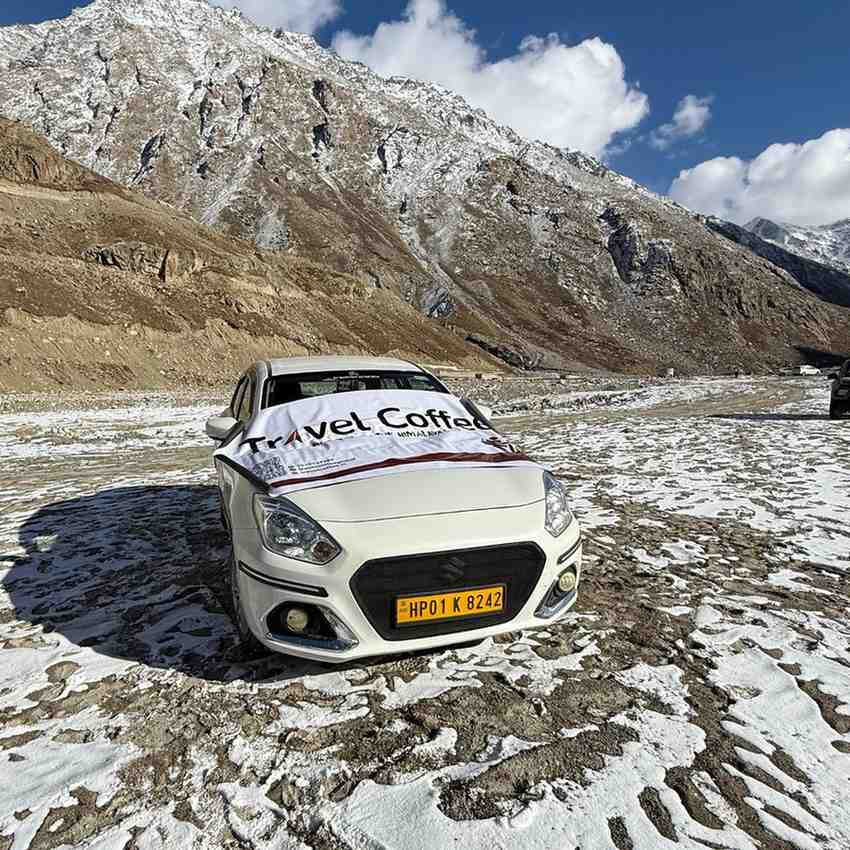
The road from Manali
Rohtang Pass is about 51 km from Manali and sits at roughly 3,978 metres. On the map that looks quick.
In reality, treat it as a full-day mountain outing. Traffic, checkpoints and weather all stretch the timing, so we do not promise any fixed two-hour drive.
Crowds and changing snow points
The authorised stopping point and the active snow area shift as clearance moves forward and snow melts. Where you stopped last month may not be where you stop today.
Do not trust anyone promising a specific snow wall or exact snow point weeks before your trip. Nobody can know that in advance. This is a real thing our drivers see every season.
Clothing and footwear
Carry warm layers, gloves and sunglasses. The sun at altitude is brutal on your eyes off the snow.
Waterproof shoes matter more than anything else here. Slush and hidden ice will soak ordinary sneakers in minutes.
Snow activities
Sledging, skiing and snow scooters may run when there is enough snow and local permission allows. They are not always operating, so do not count on them.
For a fuller idea of what you can add to the trip, see our list of adventure activities in Manali.
Is Rohtang Pass Safe for Children and Older Travellers?
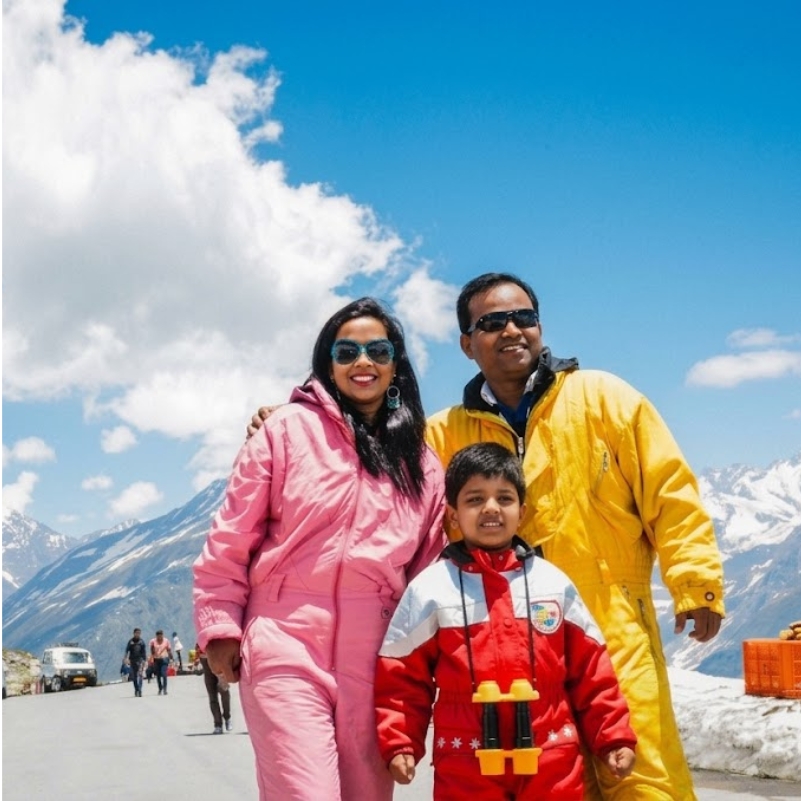
The pass sits around 3,978 metres, high enough that some people feel headache, tiredness, nausea, loss of appetite or dizziness. This can hit anyone, fit or not.
Walk slowly at the top and keep the visit reasonably short. Rushing around up there makes symptoms worse.
If symptoms get worse despite resting, come back down. Descending is the reliable fix.
We do not recommend any altitude medication here. If you or anyone in your group has relevant health concerns, speak to a doctor before the trip.
Rohtang Pass, Solang Valley or Sissu: Where Is Snow More Likely?
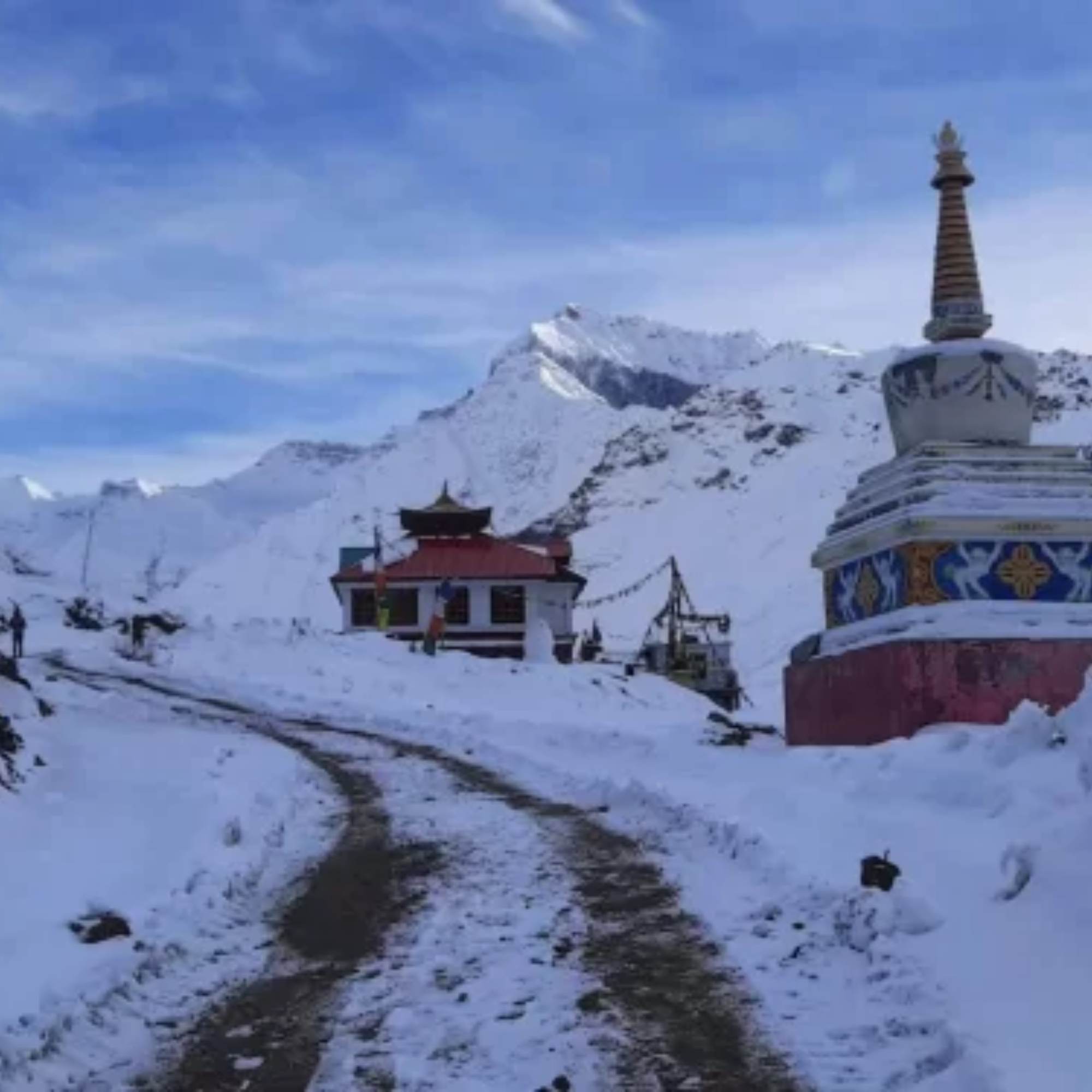
Choose Rohtang for accessible summer snow
In May and early June, once access is officially permitted, Rohtang is usually your strongest bet for real snow you can reach and play in.
Choose Solang for easier access
When the upper Rohtang road is closed, Solang is often the more practical choice. Snow there is also weather-dependent, but it is easier to get to.
Choose the Atal Tunnel and Sissu side during winter
Here is a point people constantly miss. Driving through the Atal Tunnel does not mean you have visited Rohtang Top. They are different places.
Access beyond the tunnel can also be restricted in severe weather. For winter snow on this side, our Sissu tour packages are built around what is actually reachable.
What Should You Do if Rohtang Pass Is Closed?
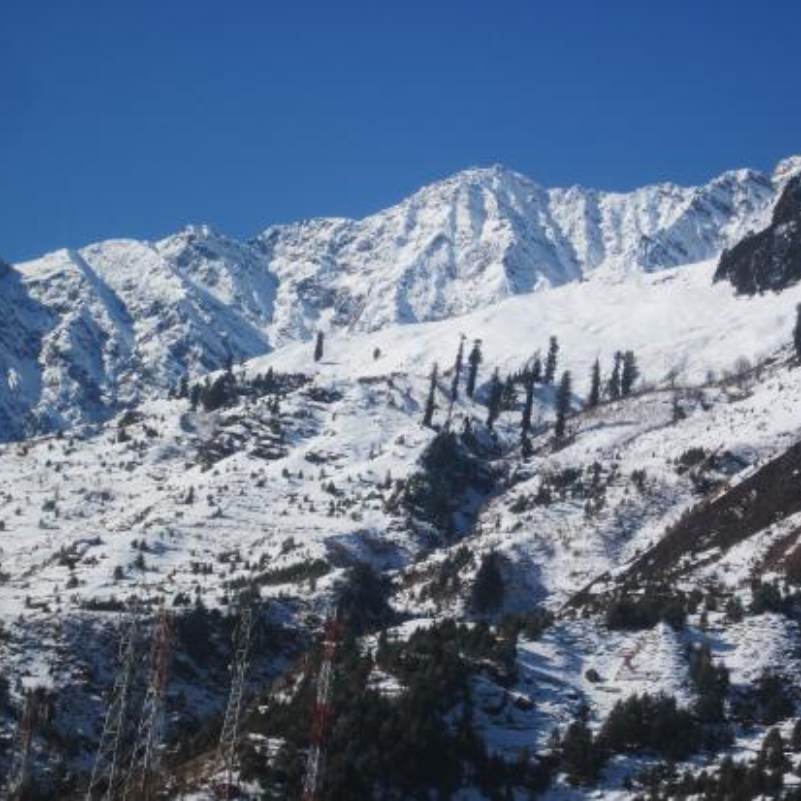
You still have solid options. Solang Valley, the highest legally accessible point on Rohtang Road that day, the Atal Tunnel and Sissu can all work when the authorities allow movement.
The key is picking your backup from same-day road information, not from a plan you locked in months ago. What is open changes daily up here.
How Should You Plan a Manali Trip Mainly for Snow?
Keep the Rohtang day flexible inside your Manali stay. Never put it on your final morning, because if the weather turns, you have no second chance.
A three-night or longer stay gives you room to shift the excursion around bad weather. This one tweak saves more snow trips than any other.
For the best shot at snow at Rohtang, aim for May or early June. That window balances open roads with snow still on the ground.
If you are travelling in winter, plan around Solang, the Atal Tunnel side or Sissu instead of assuming Rohtang Top will be open.
Final Verdict
Fresh snowfall broadly runs from November to March, but that is not when you can reach the top. For actually standing in snow at Rohtang, May and early June give you the best practical chance once the road opens.
Just remember that snow levels, opening dates and road permissions change every single year. Nothing here is fixed, so check status right before you travel.
If you want this planned properly, look at our Rohtang Pass tour packages or message our local Himachal team and we will help you time it right.
Explore Our Curated Rohtang Pass Tour Packages
 5D/4N
5D/4NPremium Manali Tour Package with Private Cab and Rohtang Pass
4D Manali
₹14,999₹19,999SAVE INR 5,000/ person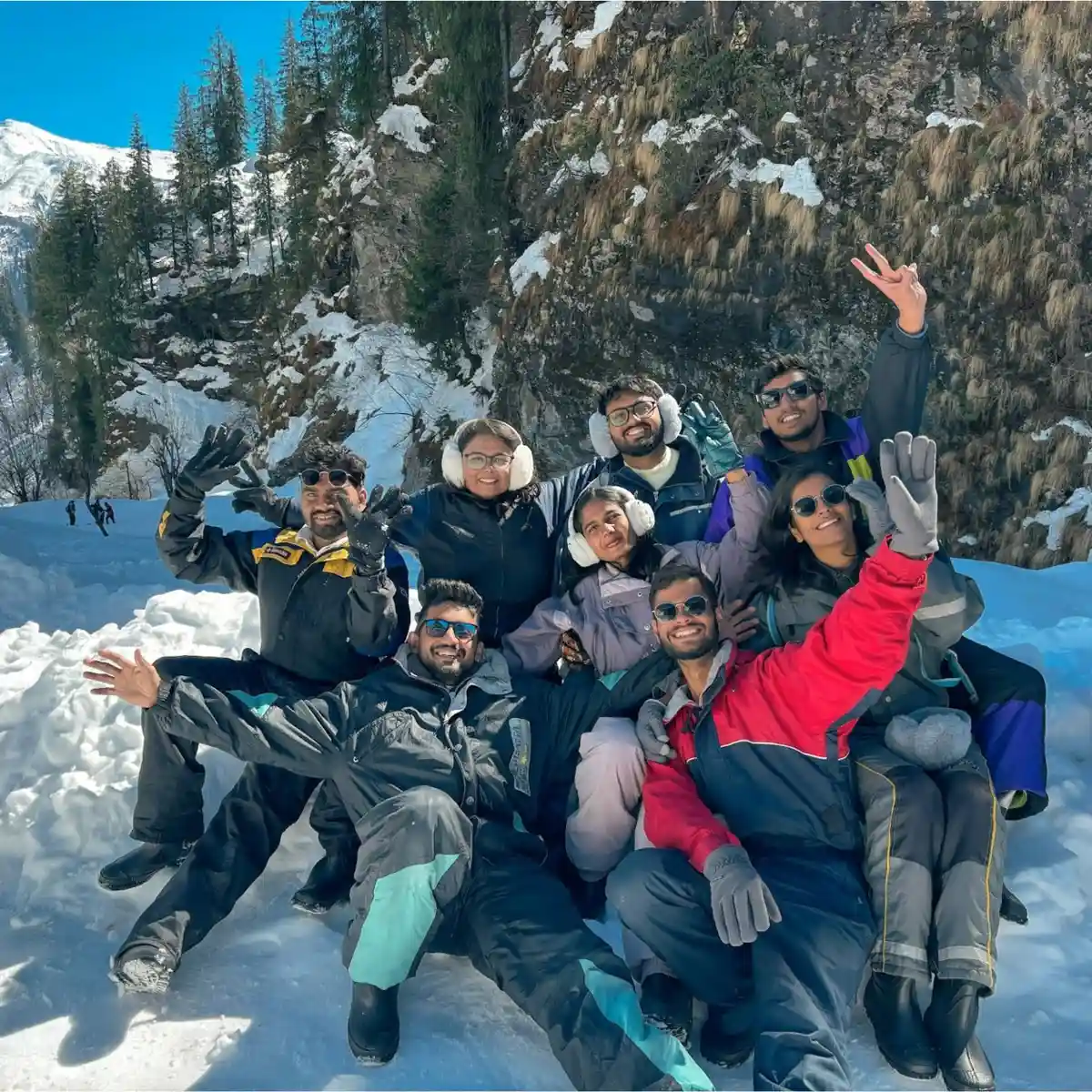 5D/4N
5D/4NBest Value Manali Volvo Package with Rohtang Pass
3D Manali
₹9,999₹13,999SAVE INR 4,000/ person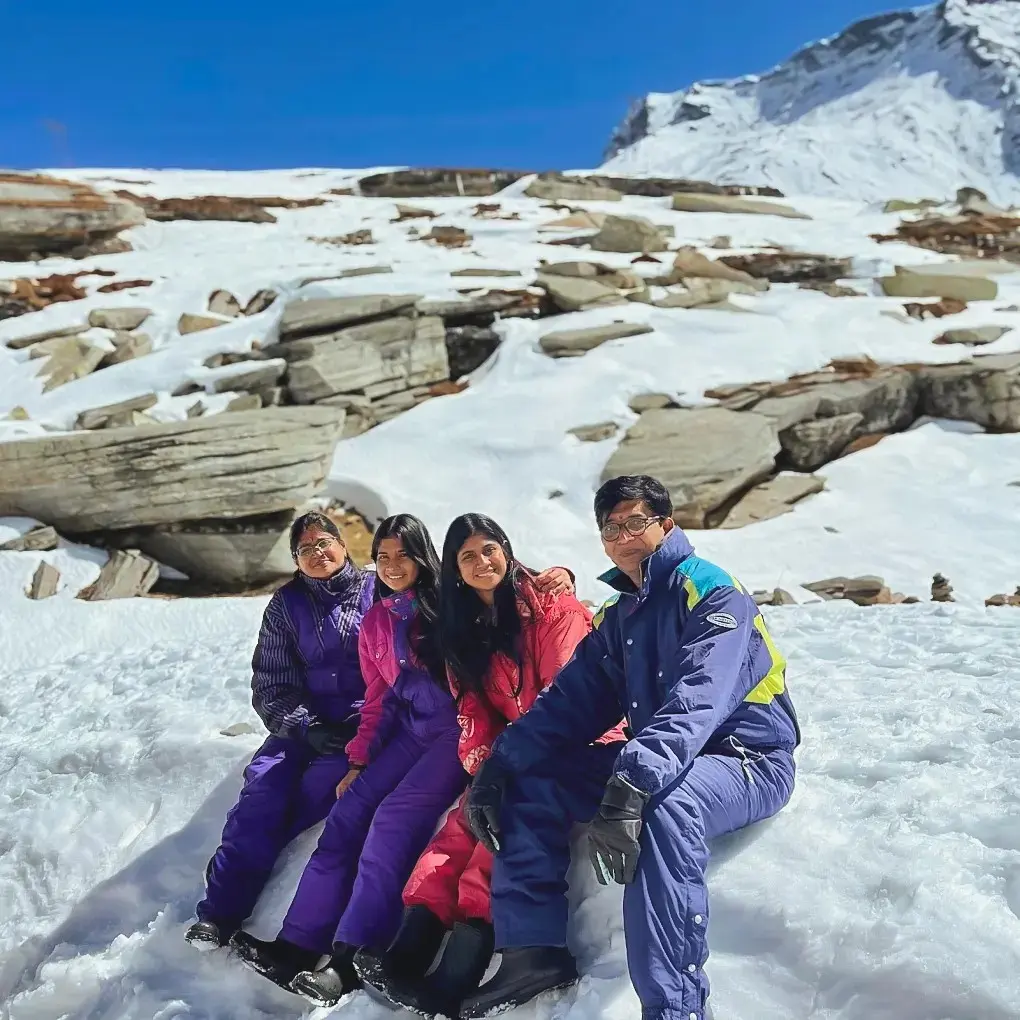 7D/6N
7D/6NComplete Shimla Manali Volvo Package with Rohtang Pass
2D Shimla•2D Manali
₹15,999₹19,499SAVE INR 3,500/ person
Related topics
Frequently Asked Questions
Which month is best for snow in Rohtang Pass?
May is usually the best month. When the road opens after clearance, months of winter snow are still lying on the ground, giving you tall roadside snow and big white patches. Early June is a close second before the melt takes over. Fresh snowfall is more common from November to March, but the pass is normally closed to tourists then, so those months rarely help for a snow visit.
Does Rohtang Pass have snow all year?
Distant peaks look white most of the year, but the roadside tourist area does not have playable snow year-round. In July and August the accessible zone can be green and bare while far peaks stay white. Do not assume snow you can touch just because photos show white mountains. The season and recent weather decide what is actually on the ground near the top.
Can I see snow at Rohtang Pass in May?
Usually yes, and May is often the best month for it. Once clearance finishes and the district permits access, you will likely find deep roadside snow left over from winter. The catch is early-May access is uncertain and depends on the official opening. Snow is still never guaranteed, so check conditions right before you go rather than assuming.
Is snow available at Rohtang Pass in June?
Often yes in early June, less so by late June. The snow melts steadily through the month, so the earlier you go, the better your chances. Expect compacted, wet or slushy snow rather than fresh powder. It is still a proper snow experience early in the month. By the end of June, playable snow near the top can shrink a lot depending on the year.
Is there snow at Rohtang Pass in July?
Usually not much in the tourist area. July snow near the top can be patchy, isolated or gone entirely. The landscape turns green and wet instead. If you travel in July, treat it as a mountain-scenery trip rather than a snow trip. You will still see white peaks in the distance, but reliable snow you can play in is unlikely.
Can it snow at Rohtang Pass in October?
Yes, fresh snow is possible in October, but you cannot plan around it. It might snow right before you arrive or stay dry for weeks. Weather-related closures also get more likely later in the month. You could make the full drive and find no usable snow, or find the road shut. Keep plans flexible and check status daily if October is your window.
Is Rohtang Pass open in December?
Direct tourist access to Rohtang Top usually becomes restricted or closes for winter around this time, even though fresh snow is falling. For December snow near Manali, plan around Solang, the Atal Tunnel side or Sissu instead of Rohtang Top. Always check the official portal and district updates, since exact closure timing shifts every year with the weather.
Can tourists visit Rohtang during active snowfall?
Not always. Heavy snowfall, ice, low visibility and avalanche concerns can stop tourist traffic entirely. When it is snowing hard, authorities may suspend movement for safety. Even if you already hold a permit, the road can close the same day. This is why you should never build your whole trip around a single fixed Rohtang date.
Do I need a permit to see snow at Rohtang Pass?
Yes. You need a tourism permit valid for one return trip on your chosen day. Cars, jeeps and MUVs pay ₹550 total, buses and heavy vehicles pay ₹600. Permits release at 10:00 and 16:00 for the next two days only, with daily limits of 800 petrol and 400 diesel vehicles. Carry a printed permit, valid ID and valid PUC.
Is Rohtang Pass or Solang Valley better for snow?
It depends on the season. In May and early June, once Rohtang is officially open, it usually offers the strongest accessible snow. When the upper Rohtang road is closed, Solang becomes the more practical choice since it is easier to reach. Snow at Solang is still weather-dependent. Pick based on same-day road conditions rather than a fixed assumption.
What are the best alternatives when Rohtang is closed?
Solang Valley, the highest legally accessible point on Rohtang Road that day, the Atal Tunnel and Sissu are all solid backups when authorities permit movement. The important part is choosing from same-day road information, not a plan locked in months ago. What is open changes daily. Our local team can tell you what is reachable on your exact travel date.
Is Rohtang Pass safe for children?
It can be, with care. The pass is around 3,978 metres, so some visitors feel headache, tiredness, nausea or dizziness. Walk slowly, keep the time at the top short, and descend if symptoms get worse despite rest. For young kids or older travellers with health concerns, speak to a doctor before the trip. We do not suggest any altitude medication on our own.
More about Rohtang Pass
 Rohtang Pass
Rohtang Pass Altitude Sickness in 2026: Symptoms, Prevention and When to Turn Back
Planning a trip to Rohtang Pass in 2026? Learn the symptoms of altitude sickness, prevention tips, and when to turn back for a safe mountain journey.
- Altitude & Health
- First-Time Travellers
 Rohtang Pass
Best Places to Visit on the Way to Rohtang Pass in 2026
Discover the best places to visit on the way to Rohtang Pass in 2026, including Solang Valley, Rahala Waterfalls, Gulaba, Marhi, and more for an unforgettable Himalayan road trip.
- Places to Visit
- Road Trips
- Rohtang Pass
15 Rohtang Pass Mistakes to Avoid in 2026: Permits, Taxi Scams, Timing and Snow Rentals
Planning a Rohtang Pass trip in 2026? Discover 15 common mistakes to avoid, from permits and weather to packing and safety, for a smooth mountain adventure.
- First-Time Travellers
- Permits & Fees