
Rohtang Pass vs Gulaba 2026: Snow, Altitude, Access and Which One to Visit
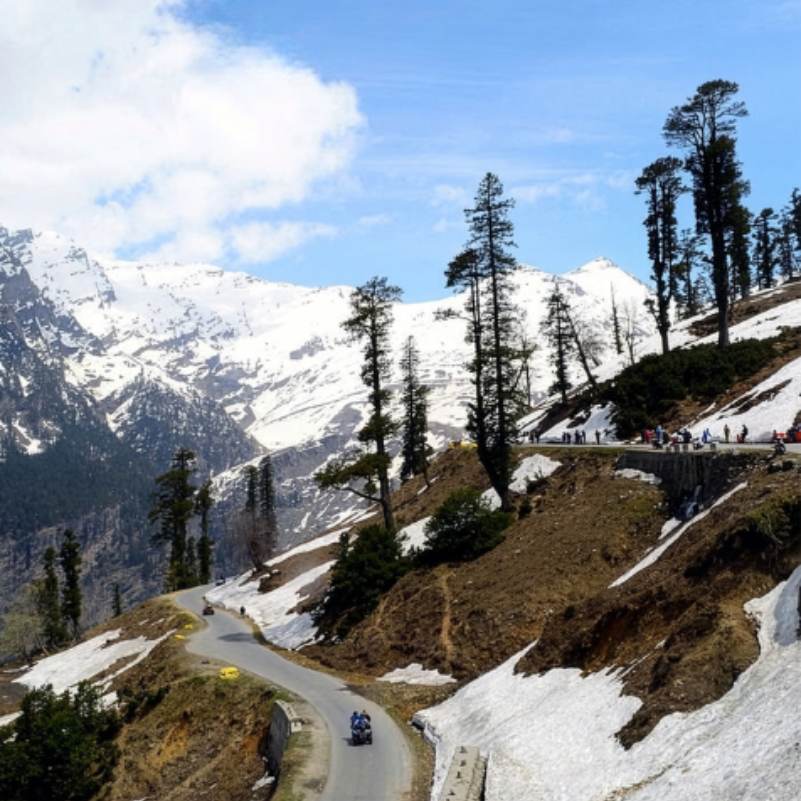
If you are stuck choosing between rohtang pass vs gulaba, the honest answer depends on one thing most blogs skip: what the road is actually doing on your travel date. A month printed on an old post means nothing if the barrier is shut that morning.
We run trips on this exact stretch every season, and the question comes up almost daily. Here is how we actually help travellers decide.
Quick Answer: Should You Visit Rohtang Pass or Gulaba?
Rohtang Pass wins when the full road is officially open, a permit is available, and you are fine with a longer high-altitude drive. You get the complete top-of-the-pass experience there.
Gulaba wins when Rohtang is closed or partly restricted, when you have limited time, or when you want a simpler outing on the same mountain road.
Neither place guarantees snow. Snow depth and fresh snowfall change with the date, the weather, and road-access orders.
The one rule that matters most: live road access and current snow conditions beat any month printed on a two-year-old blog. Check before you go.
If you would rather have someone handle the logistics and permit side, our Rohtang Pass tour packages come with a local driver who knows the road and the barrier situation.
What Is the Difference Between Rohtang Pass and Gulaba?
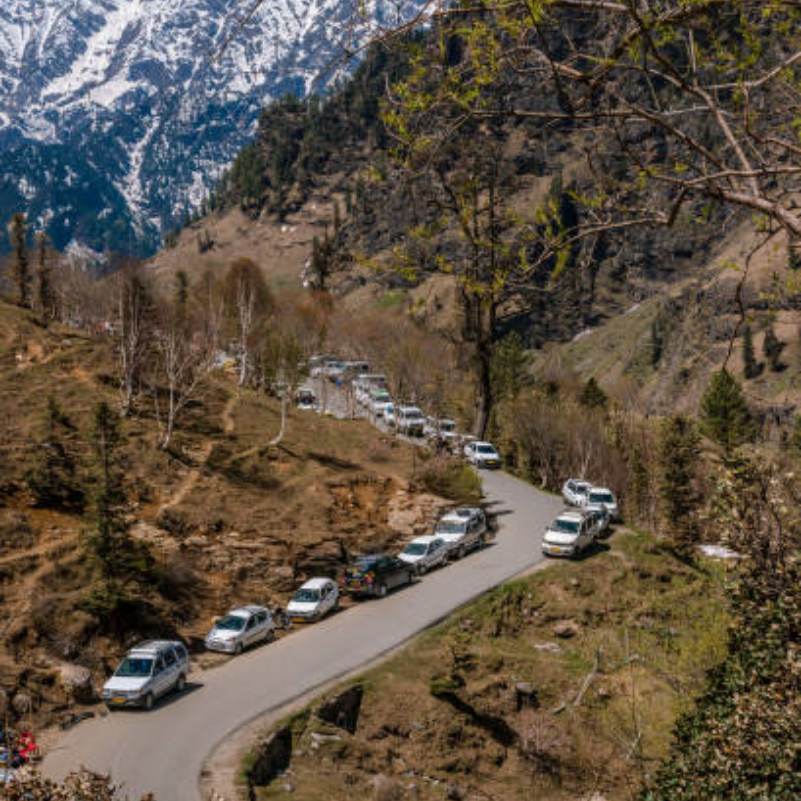
Rohtang Pass is the full high-mountain destination
Rohtang Pass sits about 51 km from Manali and stands at 3,978 m. This is the real high-pass experience.
The drive climbs through Kothi, then Gulaba, then Marhi, before you finally reach Rohtang Top.
People pick Rohtang for the full ascent, the wider alpine views, and that feeling of standing on an actual Himalayan pass.
Gulaba is an accessible stop on the Rohtang road
Gulaba lies roughly 20 to 27 km from Manali, depending on which reference point you use. It comes much earlier on the same road.
One thing that confuses everyone: people use the word Gulaba for the village, the nearby slopes, the snow points, and the checkpoint. All of them get called Gulaba.
This matters because it changes permit advice, which I will explain further down.
Published elevation figures for Gulaba vary widely, so it is best described as a high-altitude stop on the Rohtang road rather than relying on one exact figure.
Gulaba is an alternative, not a duplicate
At Gulaba you can still get a good mountain drive, valley views, short walks, and snow when recent weather has left some behind.
What you do not get is Rohtang Top, the complete ascent, or the full high-pass landscape. Gulaba is a backup that works, not a copy of Rohtang.
Which Has Better Snow, Rohtang Pass or Gulaba?
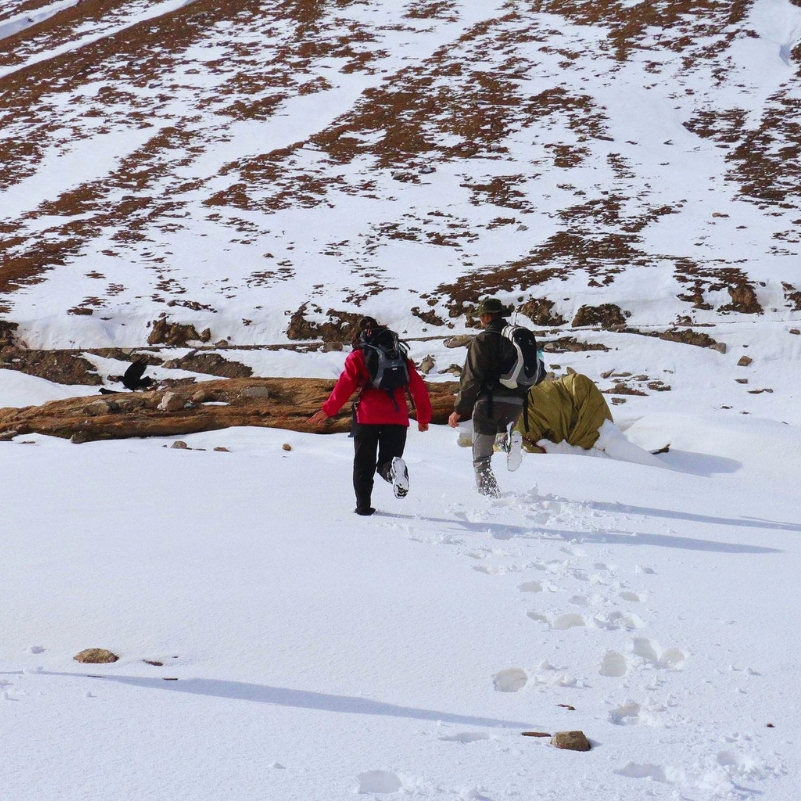
When Rohtang Pass is open
Rohtang sits higher, and that verified extra elevation can improve the chance of snow sticking around on the roadside early in its operating season.
But I want to be clear: nobody can promise snow in May, June, or any month. Snow is weather, not a schedule.
There is also a difference worth knowing. Fresh snowfall is one thing. Old roadside snow is another. Snow walls carved by clearing machines are different again, and small leftover patches are the most common thing you will actually see.
When Rohtang Pass is closed
When the top is shut, Gulaba often becomes the accessible fallback on the same road. This is its main job for most travellers.
The authorities may stop traffic at Gulaba, Marhi, or some other point, depending on snow clearance, weather, and safety orders. The stopping point is not fixed.
And reaching Gulaba does not mean you will find deep snow waiting. Some days it is there, some days it is not.
Which is better if snow is the only priority?
Simple rule we give travellers: go to the highest point that is both legally open and confirmed to have snow on your date.
Do not trust old social media videos. That reel showing waist-deep snow could be from a different week or a different year.
Check road and snow conditions the evening before you leave, then check again in the morning. Conditions here flip overnight.
How Do the Altitudes of Rohtang Pass and Gulaba Compare?
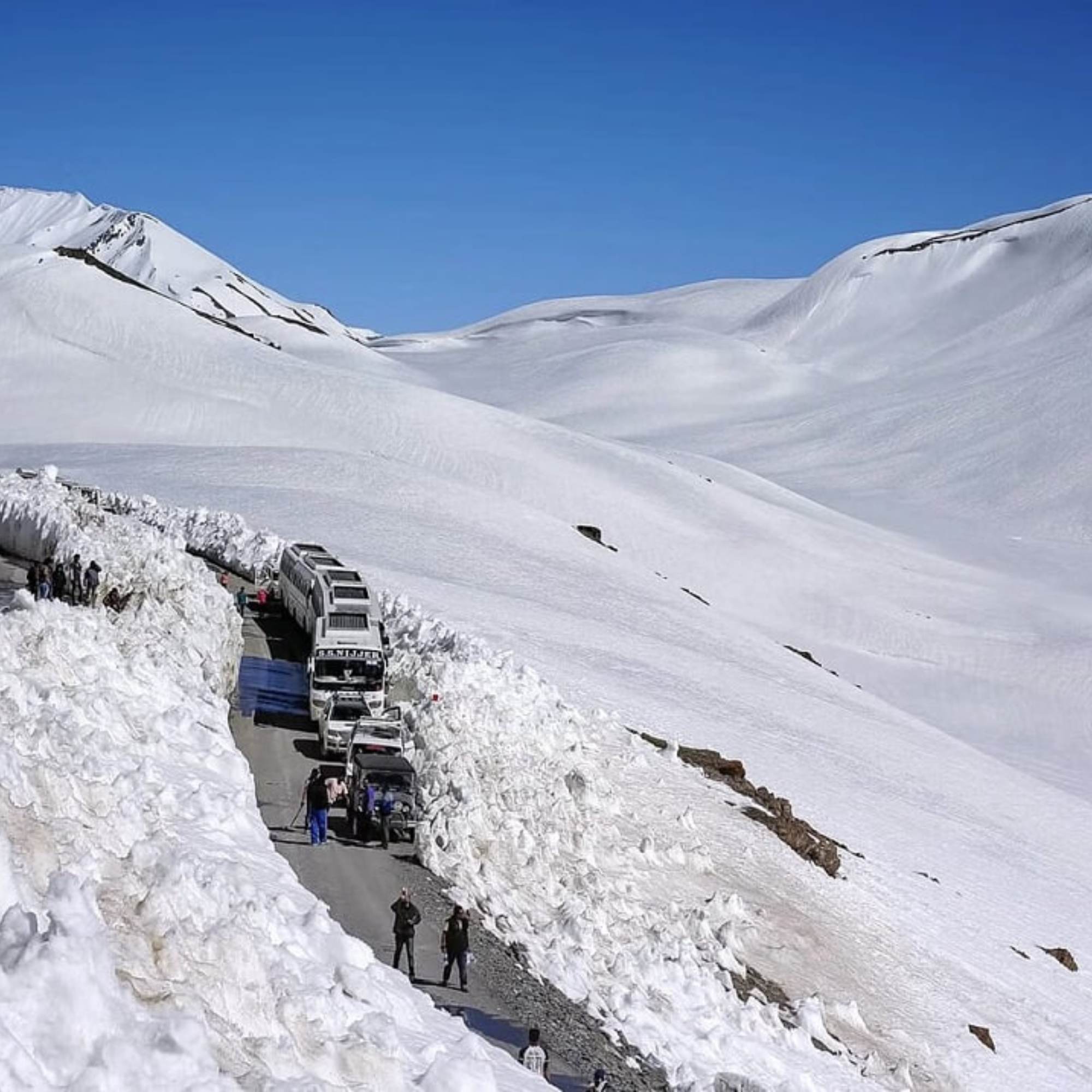
Rohtang Pass stands at a verified 3,978 m. That number is solid.
For Gulaba, I am not going to publish a single figure because the sources genuinely disagree. Being honest about that is more useful than pretending one blog got it right.
What you can count on: the full Rohtang journey puts you at greater altitude for longer, with a longer climb to get there.
What altitude symptoms should travellers watch for?
Watch for headache, dizziness, nausea, unusual tiredness, and losing your appetite. These are the common early signs your body is not happy with the height.
If symptoms get worse, stop climbing and go down. I am not going to recommend any medicine here, altitude tablets included. That is a conversation for your doctor, not a travel blog.
Which is better for children, seniors and altitude-sensitive travellers?
Gulaba can be the safer, more conservative pick when your group wants a shorter outing or feels unsure about a full Rohtang day.
That said, I am not claiming every child or senior will struggle at Rohtang. Plenty do fine.
How a person actually feels matters more than their age. Watch the individual, not the birth certificate.
Which Is Easier to Access from Manali?
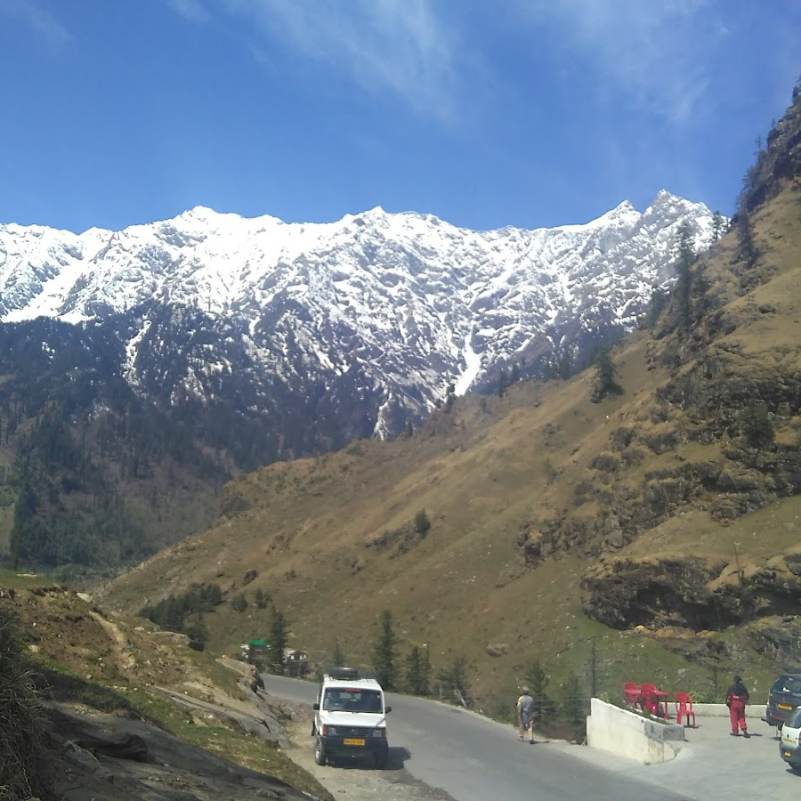
Accessing Gulaba
Gulaba comes earlier on the Rohtang road, so it usually means less driving than going all the way to Rohtang Top.
But reaching an open Gulaba-side area is not the same as crossing the Gulaba checkpoint. Those are two different things.
The barrier position can shift after snowfall, rain, road clearance, or an administrative order. Where it sat last week tells you nothing about today.
Accessing Rohtang Pass
To reach Rohtang, the whole road has to be officially open. No partial workaround gets you to the top.
Tourist vehicle movement runs through the permit system, so you cannot just drive up freely.
If you are not comfortable with steep mountain roads or fast-changing weather, get an experienced local driver. In our experience, this one decision saves people the most stress on this route.
If you want a base plan sorted around Manali first, our Manali tour packages cover stays, transport, and day trips like this one.
Do You Need a Permit for Gulaba or Rohtang Pass?
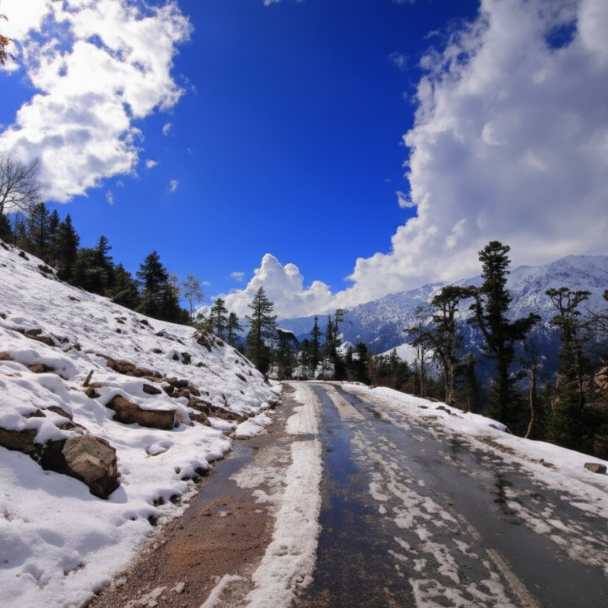
A tourism vehicle permit is required for a Rohtang Pass visit. No permit, no Rohtang Top.
Gulaba is where it gets nuanced. You may be able to reach an authorised open area below or around Gulaba without a Rohtang tourism permit. But going through the controlled checkpoint toward Marhi and Rohtang needs the proper permit or authorisation.
Do not assume any particular Gulaba snow slope is permanently permit-free. The checkpoint and the permitted endpoint can move, so what worked for someone last season may not apply now.
Current official Rohtang permit rules
The official website is https://rohtangpermits.hp.gov.in/. The old rohtangpermits.nic.in domain has been retired for applications, so ignore it.
The official indexed information currently sets a daily limit of 800 petrol vehicles and 400 diesel vehicles.
Permit batches release at 10:00 and 16:00. You can only apply for the next two days.
One vehicle can get no more than three permits during a Tuesday-to-Monday period. A printout is compulsory, so do not rely on a phone screenshot.
The visible official requirements include valid ID and a valid PUC certificate.
On cost, current secondary research points to a ₹500 permit fee plus a ₹50 congestion charge, usually shown as ₹550 total for a light passenger vehicle.
Because charges can change and the official portal may not always display the complete amount clearly, confirm the final payable fee during the live application process before making payment.
One more thing. Do not assume Tuesday is always closed. The official indexed page currently shows "NONE" as the maintenance closure day, while several third-party guides still say Tuesday. Check the live portal rather than trusting either.
Rohtang Pass or Gulaba: Which Is Better by Month?
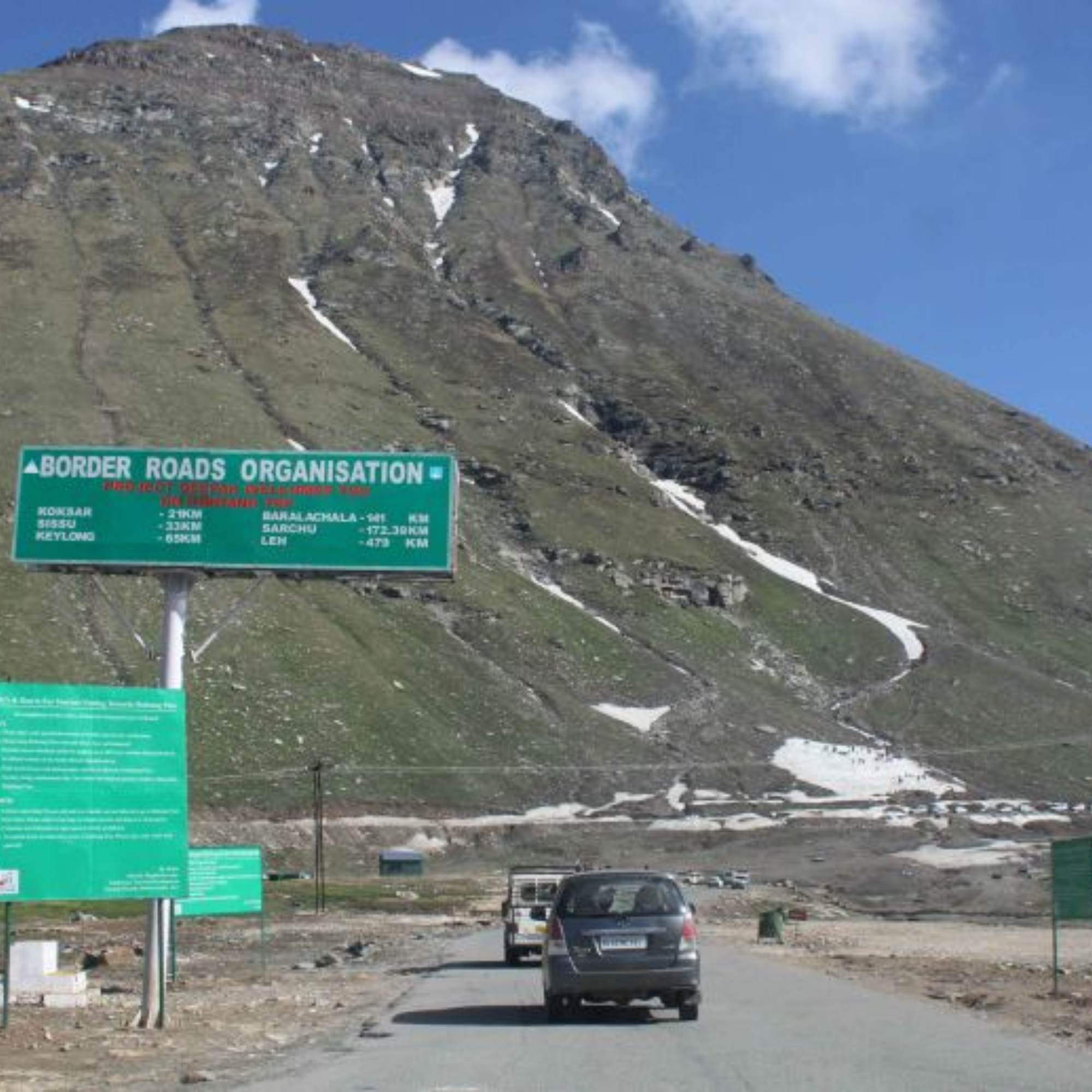
December to March
Rohtang Top is normally closed to tourist vehicles through the snowbound winter. This is not a maybe, it is the usual state of things.
Gulaba may be the more realistic side of the route in these months, but even Gulaba is not guaranteed after heavy snowfall.
The police barrier and the road condition decide how far your vehicle actually gets. Some days that are further than others.
Our Rohtang Pass in March guide covers what that shoulder period is really like.
April and early May
Rohtang is commonly closed or only partly accessible while snow clearance is still going on. This is normal for the season.
Gulaba or Marhi may become the highest authorised point during this window. But I will not tell you the barrier is always at Gulaba or always at Marhi, because it moves.
For a closer look at this exact month, read our Rohtang Pass in April guide.
Late May and June
Rohtang has a better chance of opening once snow clearance and administrative approval come through.
This is a popular stretch for travellers hoping to see roadside snow and snow walls. It pulls big crowds.
I cannot give you a guaranteed opening date or a guaranteed snow depth. What I can tell you is permit demand and traffic both get heavy here, so plan for queues.
July to September
An open road does not mean snow at the tourist stopping area. Plenty of July visitors reach the top and find bare ground.
Expect rain, fog, poor visibility, and the odd road disruption in these months. Gulaba is not a dependable summer snow point, so do not go up expecting a snowfield.
October and November
Fresh snowfall can make the scenery genuinely better, but the same snowfall can also trigger closures. It cuts both ways.
Gulaba often becomes the fallback when traffic above the checkpoint gets stopped. As always, verify conditions on your actual travel date, not on a forecast from three days earlier.
Want to know what Rohtang Pass is really like each month? Check out our guides on Rohtang Pass in August, Rohtang Pass in September, and Rohtang Pass in October before planning your trip.
Which One Should Different Travellers Choose?
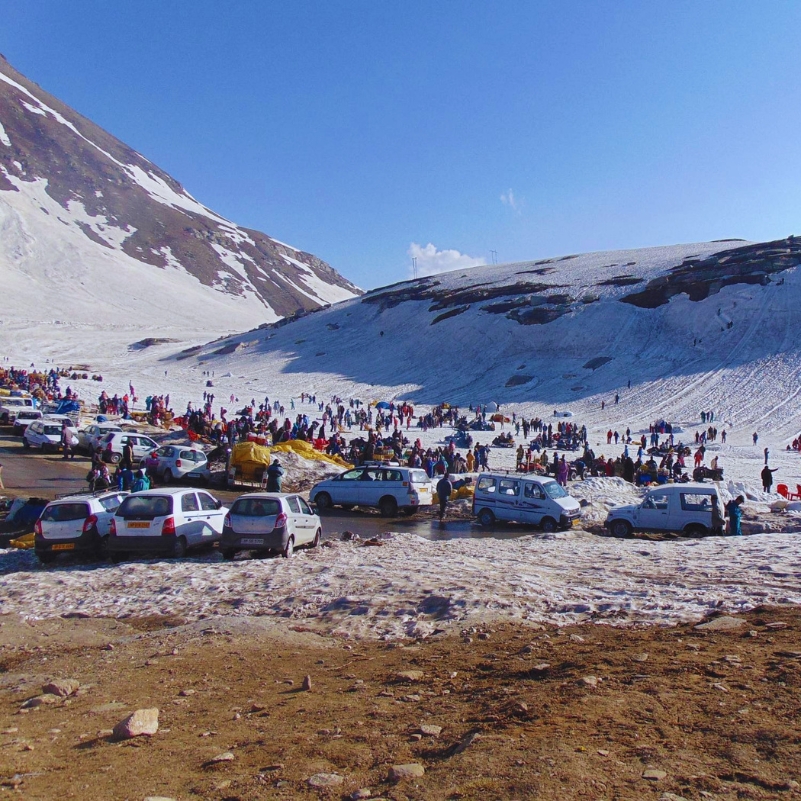
First-time snow visitors
Go to Rohtang when it is officially open and current reports confirm useful snow. That is the fuller experience for a first timer.
When Rohtang is unavailable, take Gulaba, but only after local confirmation that there is snow near the accessible area.
Families with young children
A shorter Gulaba outing is often easier when road or weather conditions look uncertain. Less time in the car, less altitude, less stress.
And do not force a Rohtang visit just because you already paid for transport or a permit. Chasing sunk cost up a mountain with a cranky toddler helps nobody.
Senior citizens and altitude-sensitive travellers
Keep the stay short and watch symptoms closely. A quick visit beats a long lingering one.
If someone feels off, descend. Do not sit at a higher point hoping it passes.
Couples and photographers
Rohtang gives you the broader high-pass scenery, which is what most photographers are after.
Gulaba suits couples who want a shorter scenic outing without making the whole day hinge on a permit coming through.
Travellers with only half a day
If you have half a day, Gulaba is the realistic choice. Full stop.
Rohtang is a full-day excursion once you account for the distance, the stops, permit checks, and unpredictable traffic. Do not try to squeeze it into an afternoon.
What Should Your Plan A and Plan B Look Like?
Plan A when Rohtang is open
Run the route as Manali, Kothi, Gulaba checkpoint, Marhi, and Rohtang Pass.
Secure the correct permit and check live weather before you leave. Both, not one.
Head back before the weather or traffic turns. The return is where people get caught out, so give yourself margin.
Plan B when Rohtang is closed
Go from Manali to Kothi and up to the highest legally accessible Gulaba-side point.
Instead of sitting at a closed barrier all day, pair the shorter outing with Solang Valley. You will get far more out of your day.
Sissu is another option, but only when the Atal Tunnel side is open and you have checked current Lahaul entry rules first. Our Sissu tour packages are handy if you decide to swing that way.
What Should You Wear and Carry?

Bring waterproof shoes with grip, warm layers, gloves, sunglasses, sunscreen, water, and some light food. The sun burns fast at this height even when the air is cold.
If you rent snow clothing, rent it for the actual conditions on the day rather than automatically taking a full bundle you may not need. A local tip most rental guys will not volunteer.
And carry your waste back down. Do not leave plastic on the mountain. The amount of trash we see near these snow points every season is genuinely depressing.
If you want to add a bit more to the day, our guide to adventure activities in Manali has options nearby.
What Are the Other Snow Alternatives Near Manali?
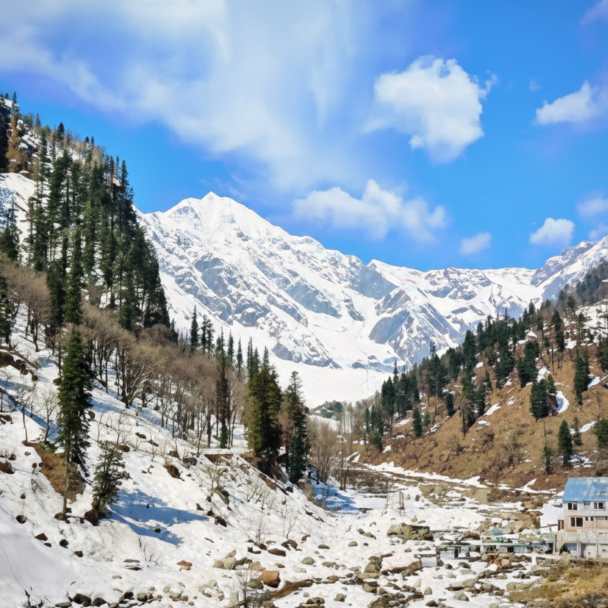
Solang Valley
Solang Valley has more established visitor infrastructure than Gulaba, which makes it an easier day out.
Snow there still depends on the season and recent snowfall. No guarantees, same as everywhere else on this mountain.
Sethan
Sethan can be a winter snow option when local access is safe. It stays quieter than the big-name spots.
I will not quote road or vehicle rules for it, because those change and I would rather you check than trust a stale number.
Sissu and Koksar
Sissu and Koksar sit on the Atal Tunnel and Lahaul side, not on the Rohtang tourism route. Different road, different logic.
A Rohtang tourism permit is not the relevant permission here. Check current Lahaul registration, vehicle, and weather requirements instead.
Final Verdict: Is Gulaba Worth Visiting Instead of Rohtang Pass?
Here is the clear conditional answer. Rohtang Pass is better for the complete experience when it is officially open. That is the trip most people picture when they think of snow near Manali.
Gulaba is better for convenience, shorter access, and as a realistic backup when the pass is closed. It is not a lesser version to be ashamed of, it is the smart move on the wrong day.
The principle to carry with you: the best snow destination is the highest point that is both safe and legally accessible on your day of travel.
When we plan trips, a closed Rohtang is not a wasted day. We build seasonal alternatives around it so you still get snow, views, and a good outing. That is the difference between a fixed itinerary and one that actually works on the ground.
If you want that handled for you, our Rohtang Pass tour packages are built around exactly this kind of flexibility.
Explore Our Curated Rohtang Pass Tour Packages
 5D/4N
5D/4NPremium Manali Tour Package with Private Cab and Rohtang Pass
4D Manali
₹14,999₹19,999SAVE INR 5,000/ person 5D/4N
5D/4NBest Value Manali Volvo Package with Rohtang Pass
3D Manali
₹9,999₹13,999SAVE INR 4,000/ person 7D/6N
7D/6NComplete Shimla Manali Volvo Package with Rohtang Pass
2D Shimla•2D Manali
₹15,999₹19,499SAVE INR 3,500/ person
Related topics
Frequently Asked Questions
Gulaba or Rohtang Pass, which is better?
Rohtang is better when it is officially open and reports confirm snow, because you get the full high-pass experience. Gulaba is better when Rohtang is closed, time is short, or you want a simpler outing.
Is Gulaba the same as Rohtang Pass?
No. Gulaba is an earlier stop on the same road, roughly 20 to 27 km from Manali. Rohtang is the high pass at 3,978 m, about 51 km from Manali.
Does Gulaba have snow throughout the year?
No. Snow at Gulaba depends on the season and recent snowfall. Some days you will find it, some days you will not, so never treat it as a guaranteed snow point.
Can we visit Gulaba when Rohtang Pass is closed?
Often yes. Gulaba is the common fallback on the same road. But how far you get depends on the barrier position, which can move after snowfall, rain, or an official order.
Do we need a permit to visit Gulaba?
You may reach an authorised open area around Gulaba without a Rohtang tourism permit. Going through the controlled checkpoint toward Marhi and Rohtang needs the proper permit. The permitted endpoint can change, so confirm locally.
How far is Gulaba from Manali?
Gulaba is roughly 20 to 27 km from Manali, depending on the reference point used.
How far is Gulaba from Rohtang Pass?
Sources place Gulaba about 22 to 25 km below Rohtang Pass on the same road.
What is the altitude of Gulaba?
Published sources conflict on this, ranging from around 3,000 m to nearly 4,000 m. Published elevation figures for Gulaba vary, so it is safer to describe it as a high-altitude area on the Rohtang road rather than rely on one exact number.
Is Rohtang Pass open in 2026?
It has operated during the 2026 season, but status changes constantly. An independent report noted it open on July 14, 2026, though that is a dated report. Do not assume it is open today without live verification.
How can I check today's Rohtang Pass status?
Use the official permit portal at https://rohtangpermits.hp.gov.in/ and check current local road updates before you travel. You can also message our team for a same-day read on conditions.
Is Gulaba safe for children and senior citizens?
It can be, especially as a shorter outing. Keep the visit brief, watch for altitude symptoms like headache or nausea, and descend if anyone feels worse rather than waiting it out.
Can private cars and bikes go to Rohtang Pass?
Private vehicles must follow the live permit, document, and vehicle-category rules through the official portal. Two-wheeler conditions are not fully clarified in the accessible official information, so confirm current rules before planning a bike trip.
More about Rohtang Pass
 Rohtang Pass
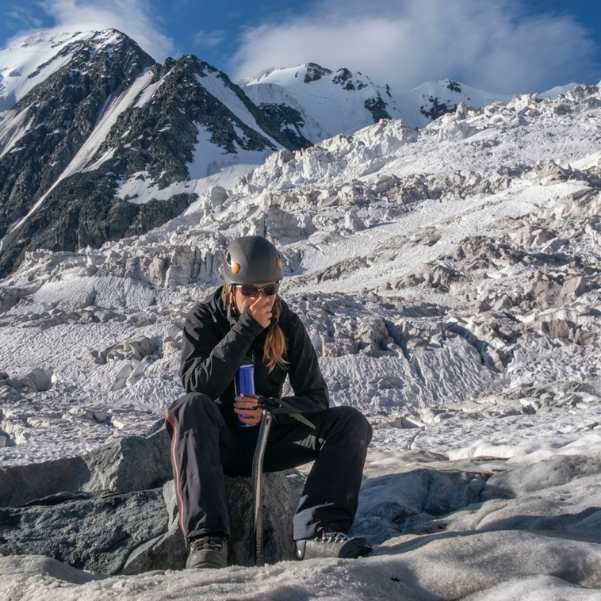
Rohtang Pass Altitude Sickness in 2026: Symptoms, Prevention and When to Turn Back
Planning a trip to Rohtang Pass in 2026? Learn the symptoms of altitude sickness, prevention tips, and when to turn back for a safe mountain journey.
- Altitude & Health
- First-Time Travellers
 Rohtang Pass
Best Places to Visit on the Way to Rohtang Pass in 2026
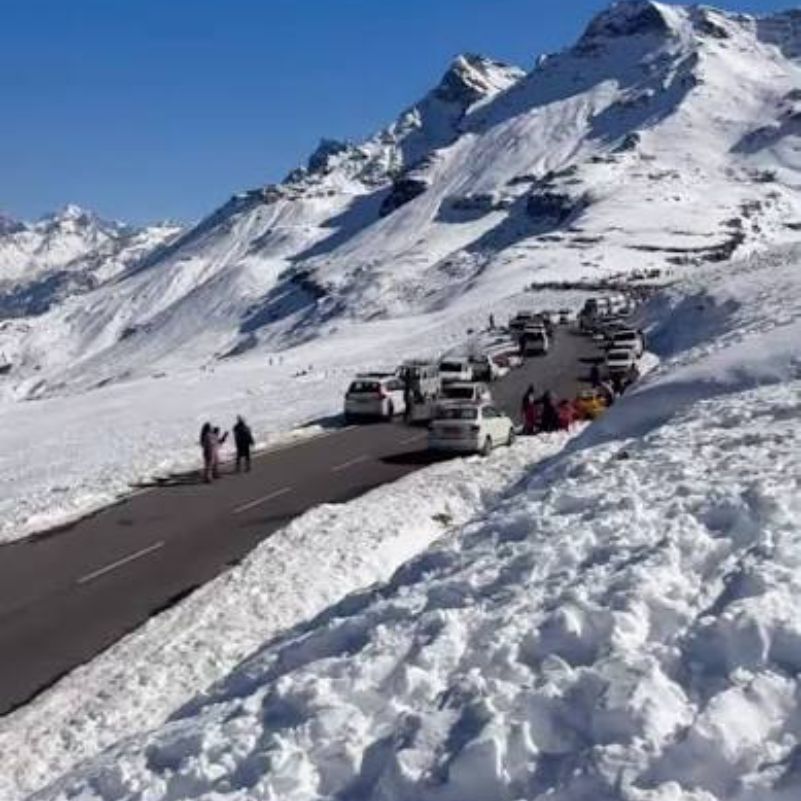
Discover the best places to visit on the way to Rohtang Pass in 2026, including Solang Valley, Rahala Waterfalls, Gulaba, Marhi, and more for an unforgettable Himalayan road trip.
- Places to Visit
- Road Trips
 Rohtang Pass
15 Rohtang Pass Mistakes to Avoid in 2026: Permits, Taxi Scams, Timing and Snow Rentals
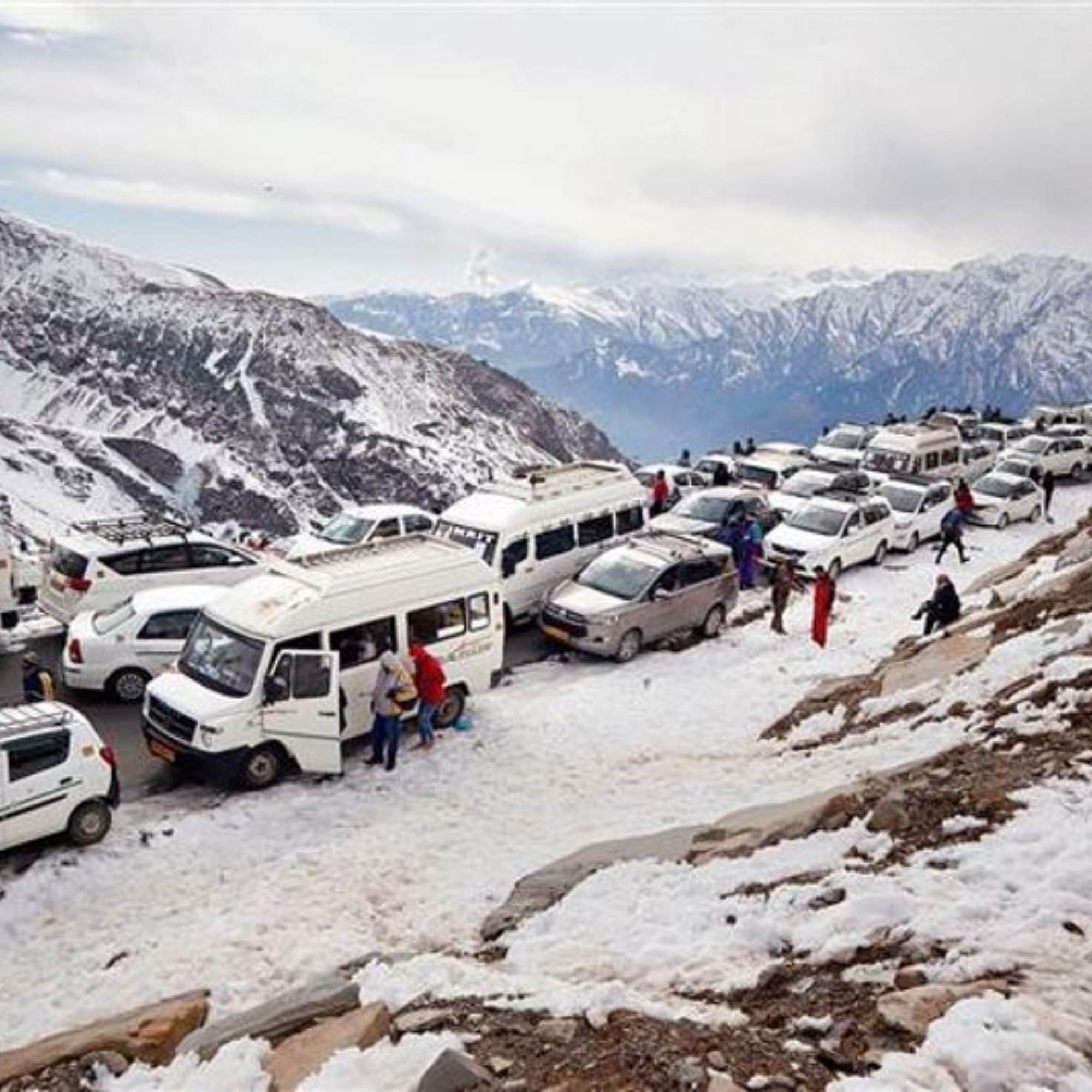
Planning a Rohtang Pass trip in 2026? Discover 15 common mistakes to avoid, from permits and weather to packing and safety, for a smooth mountain adventure.
- First-Time Travellers
- Permits & Fees