
Delhi to Rohtang Pass Trip 2026: Distance, Itinerary and Cost
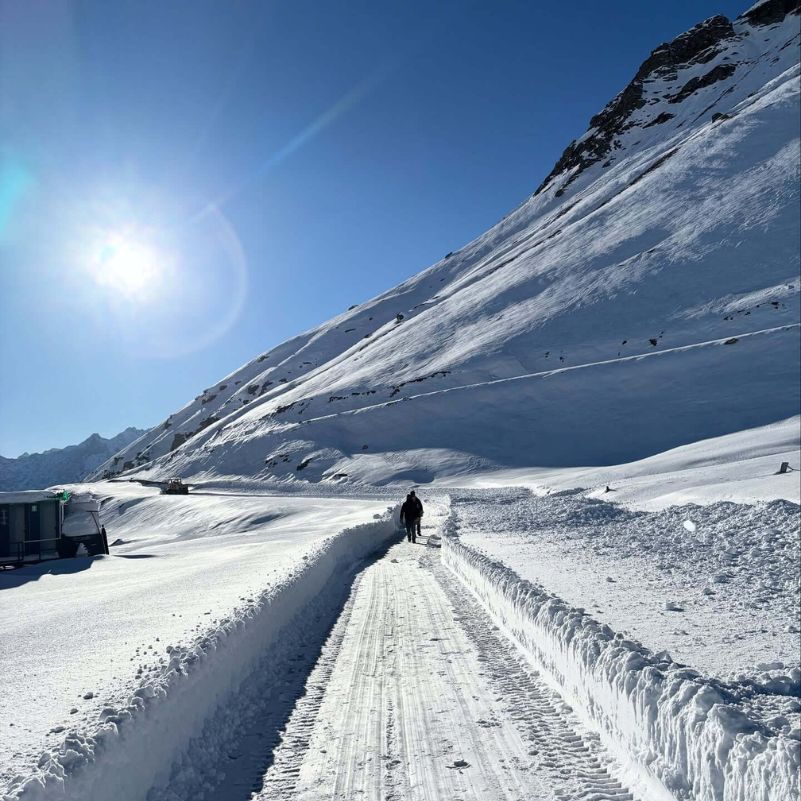
If you are searching for a delhi to rohtang pass trip, the first thing to fix in your head is this: you do not drive straight from Delhi to the top of Rohtang and back. It does not work like that.
Rohtang sits above Manali as a separate mountain excursion, with permits, snow clearance, and weather controlling everything.
In our years of sending travellers up this road, the ones who plan it as "Delhi to Manali first, Rohtang later" always have a smoother trip than the ones who try to rush it.
Here is exactly how the distance, days, cost, and permits actually work in 2026.
Quick Answer
Delhi to Rohtang Pass is roughly 550 to 600 km by road, depending on where in Delhi you start and how the Rohtang point gets pinned on your map.
The sensible plan is to travel from Delhi to Manali, stay the night in Manali, and then do the Rohtang trip as a separate 51 km excursion the next day.
Keep at least four days for this. Five days gives you room to breathe and see more.
Vehicle permits and road access change with the weather, so check both before you travel. Never assume the pass is open just because it was open last week.
If you want someone to handle the stays and transport, our Manali tour packages and Rohtang Tour Packages come with a local driver and handpicked hotels.
What Is the Delhi to Rohtang Pass Distance and Travel Time?
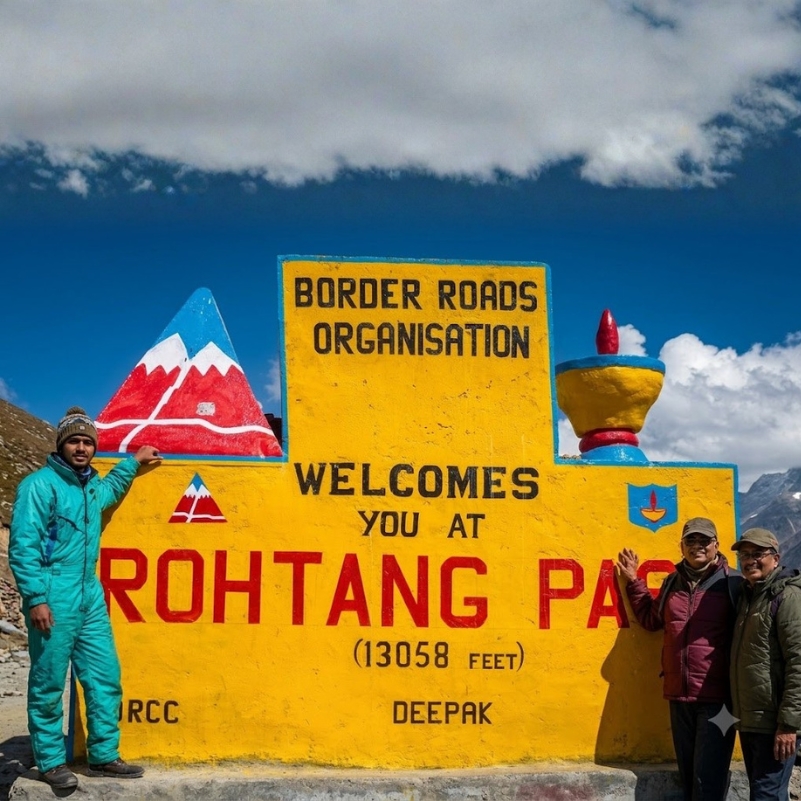
Delhi to Manali distance
Current bus route data lists Delhi to Manali as about 548 km. Most tour operators round it off to 550 km, which is close enough for planning.
The Delhi to Manali drive normally takes about 11 to 14 hours in normal conditions, before any big traffic jams or weather trouble.
We never promise an exact arrival time on this route. A single slow patch near Mandi can add two hours without warning.
Manali to Rohtang Pass distance
Rohtang Pass is about 51 km from Manali.
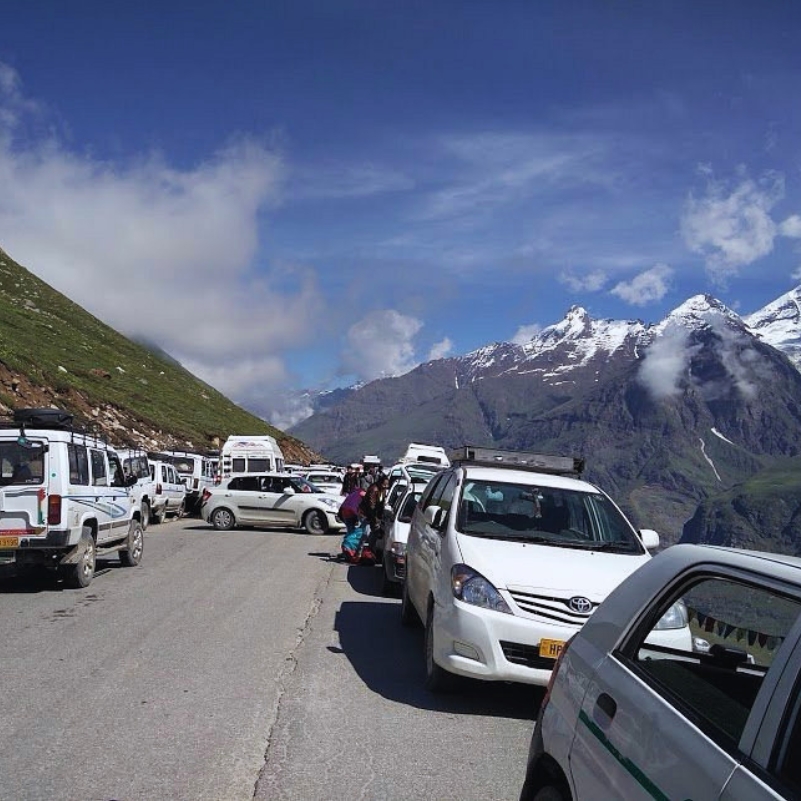
A current online cab estimate shows around 1 hour 30 minutes in clear conditions. In real life, permit checks, traffic, photo stops, and mountain weather stretch this out. Plan for longer, not shorter.
Why do different websites give different distances?
You will see figures like 547.3 km, roughly 550 km, and 602 km thrown around online. All from the same trip.
The difference comes from where you start in Delhi, which route the calculator picks, and how the Rohtang endpoint gets pinned on the map.
Treat 550 to 600 km as your working answer. Chasing one exact number is a waste of time here.
Which Road Route Should You Take from Delhi to Rohtang Pass?
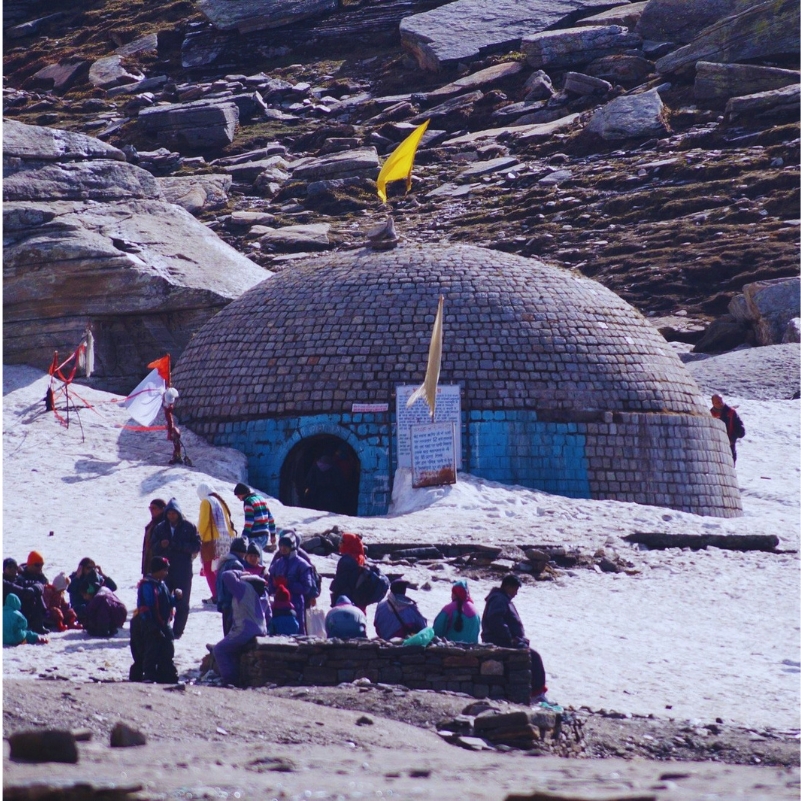
Delhi to Manali route
The normal route runs through Delhi, Panipat, Ambala, Chandigarh, Bilaspur, Mandi, Kullu, and Manali.
The plains stretch moves fast. Once you enter the hills after Bilaspur and Mandi, everything slows down.
Keep extra time in your head for congestion, rain, and road works. This road is under repair somewhere almost every season.
Manali to Rohtang route
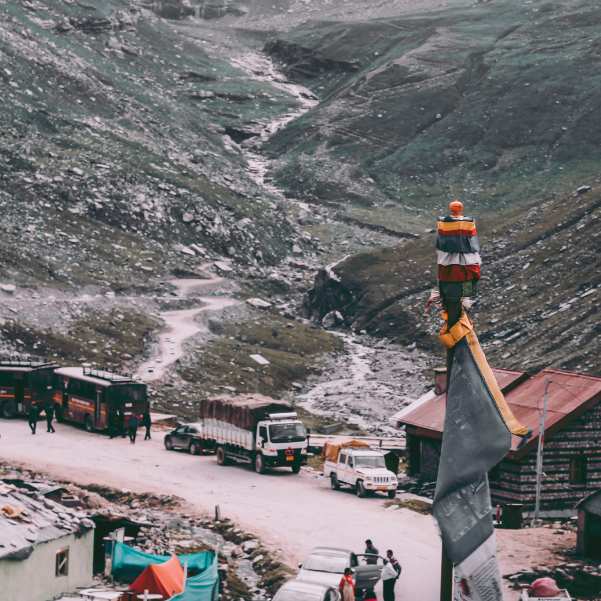
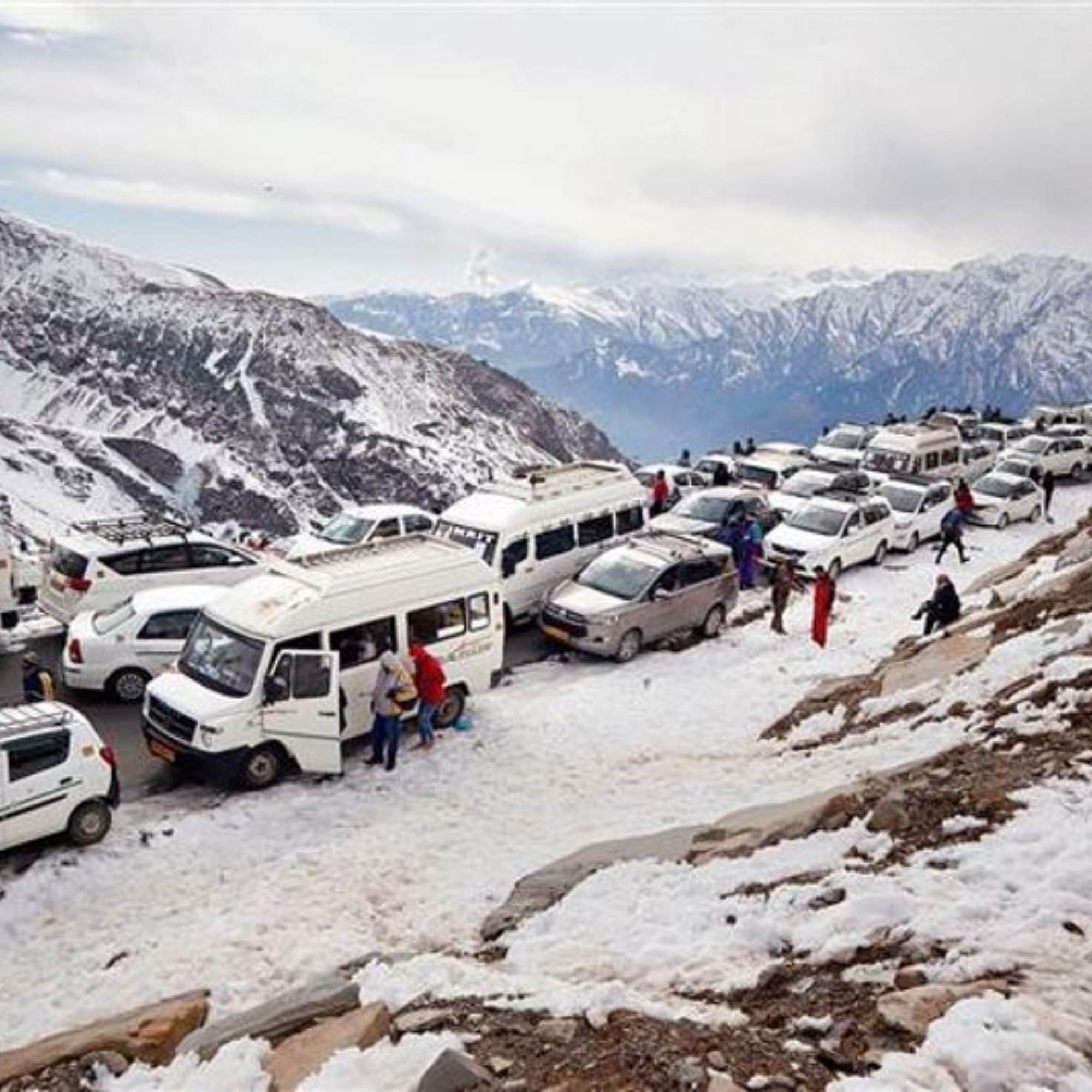
From Manali, the road climbs through Kothi, Gulaba, Marhi, and then Rohtang Pass.
When the road above is unsafe, the administration stops tourist traffic at a lower snow point instead of letting everyone up to the top.
So do not assume every one of these stops will always be open. On some days you get Marhi, not Rohtang.
Can You Drive Directly from Delhi to Rohtang Pass?
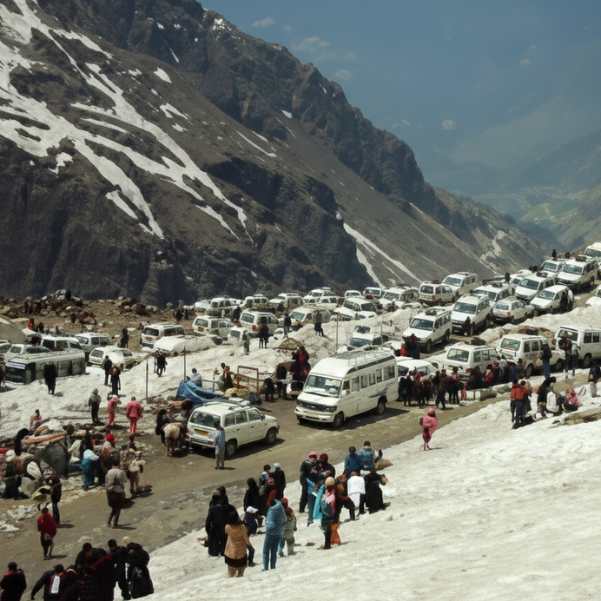
No, and please do not try. The same day Delhi to Rohtang sightseeing drive is a bad plan.
Delhi to Manali is already a long haul on its own. Adding the Rohtang section piles on mountain driving, sudden altitude gain, permit checks, and traffic you cannot predict.
The right move is simple. Sleep in Manali first, then visit the pass the next day when you are rested.
There is no normal tourist accommodation at Rohtang Pass itself. Manali is your base. Full stop.
Every group is different, so the exact plan depends on your dates, your vehicle, and how many of you are travelling. Our team can match all of that for you.
👉 Want to plan Rohtang from Delhi the smart way? Message us on WhatsApp for a practical trip plan.
What Is the Best Delhi to Rohtang Pass Itinerary?
Four day quick itinerary
Day one is your overnight journey from Delhi to Manali. You leave in the evening and travel through the night.
Day two is arrival. Check into your hotel, rest, and then do relaxed Manali sightseeing. Places like Hadimba Temple, Old Manali, and Mall Road work well for an easy first day.
Day three is your full Rohtang Pass day. Start early. Kothi, Gulaba, and Marhi are your route stops when they are accessible.
Day four is check out and the return drive to Delhi.
We will be honest with you. This plan packs in two overnight travel sectors and suits people who are short on leave. It works, but it is tiring.
Five day comfortable itinerary
Day one is Delhi to Manali overnight, same as before.
Day two is arrival, rest, and Manali local sightseeing.
Day three is your dedicated Rohtang Pass day.
Day four is Solang Valley, with optional Atal Tunnel and Sissu if the roads allow.
Day five is your return to Delhi.
This version is what we usually push our travellers towards. That extra day is the difference between remembering the mountains and remembering the traffic.
If you want to add the Lahaul side, our Sissu tour packages cover that stretch properly.
Can Rohtang, Solang Valley and Sissu be covered in one day?
Travellers try this all the time. The plan looks neat on paper and falls apart on the road.
Cramming all three into one day leaves you rushed and completely at the mercy of traffic and permit queues.
Keep Rohtang as one full day on its own. Save Solang Valley, Atal Tunnel, and Sissu for a separate day when your schedule has room. We will not promise you all three fit into a fixed number of hours, because they usually do not.
How Can You Travel from Delhi to Rohtang Pass?
By overnight bus
Do not waste time hunting for a direct Delhi to Rohtang tourist bus. It is not the practical route.
The normal way is an overnight Delhi to Manali bus, then a local permitted cab or seasonal bus service for the pass day.
A July 2026 redBus listing showed one-way Delhi to Manali fares ranging from ₹399 to ₹5,900, depending on the operator and bus category.
This is an observed online range, not a fixed government fare, so check the live price for your travel date before booking.
By self drive car
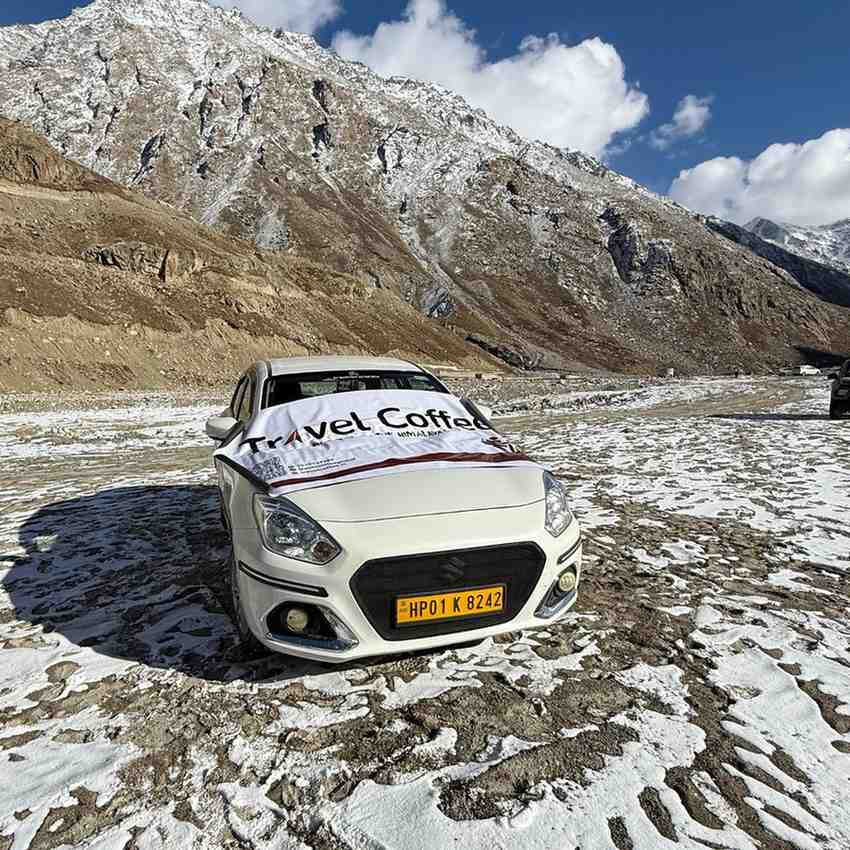
A private vehicle needs the correct Rohtang tourism permit before crossing the controlled barrier. No permit, no entry.
You will need valid identification, a valid PUC, and your vehicle registration details ready.
The official portal says the vehicle must not be more than ten years old. And do not trust Google Maps timing during rain, snow, or peak season. It has no idea about permit queues.
By private cab
You can book Delhi to Manali separately, then arrange a Manali to Rohtang vehicle just for the pass day.
An online booking search for travel on 28 July 2026 showed approximately ₹4,333 to ₹8,438 per vehicle for the Manali-to-Rohtang route. This was a booking-platform estimate, not an official taxi-union tariff, so confirm the latest fare and inclusions before booking.
By flight
The nearest practical airport is Kullu Manali Airport at Bhuntar.
After landing, you will still need a road transfer to Manali, followed by a permitted taxi or seasonal transport service to Rohtang Pass.
Flight schedules, fares and operating frequency can change frequently at mountain airports. Check the latest flight status before finalising this option.
How Does the Rohtang Pass Permit Work in 2026?
Permit cost
The official tourism permit fee is ₹500 per eligible vehicle.
Cars, Jeeps, and MUVs also pay a ₹50 congestion charge, so the current official total is ₹550 per vehicle.
Buses and heavy vehicles pay a ₹100 congestion charge, making their total ₹600 per vehicle.
Remember, this charge is per vehicle, not a separate charge for every passenger sitting inside.
Daily quota
The official daily tourism quota is 800 petrol vehicles and 400 diesel vehicles.
During busy periods this quota fills up. A confirmed hotel booking does not get you a Rohtang permit, so never assume the two go together.
Permit booking times and validity
Permits are released at 10:00 and 16:00.
You can only apply for the next two days, not weeks in advance.
The tourism permit is valid for one day for a return sightseeing journey. The official portal wants a printed copy, so carry a printout.
One more limit most people miss. You can get only three permits for the same vehicle during each Tuesday to Monday week.
Documents required
Keep valid ID, a valid PUC, and your correct vehicle registration details handy.
The portal lists a maximum vehicle age of ten years.
Wrong or mismatched details can get you turned away right at the barrier. Check everything twice before you drive up.
Is Rohtang Pass closed every Tuesday?
Handle this one carefully, because the answer is not clean.
Several travel websites and package pages list Tuesday as the maintenance day. During our research, though, the live official portal showed the maintenance day as "NONE" instead of naming Tuesday.
Tuesday is commonly listed as Rohtang Pass’s maintenance day, but check the live official portal before finalising your itinerary because the displayed maintenance day can change.
Is Rohtang Pass Open in 2026?
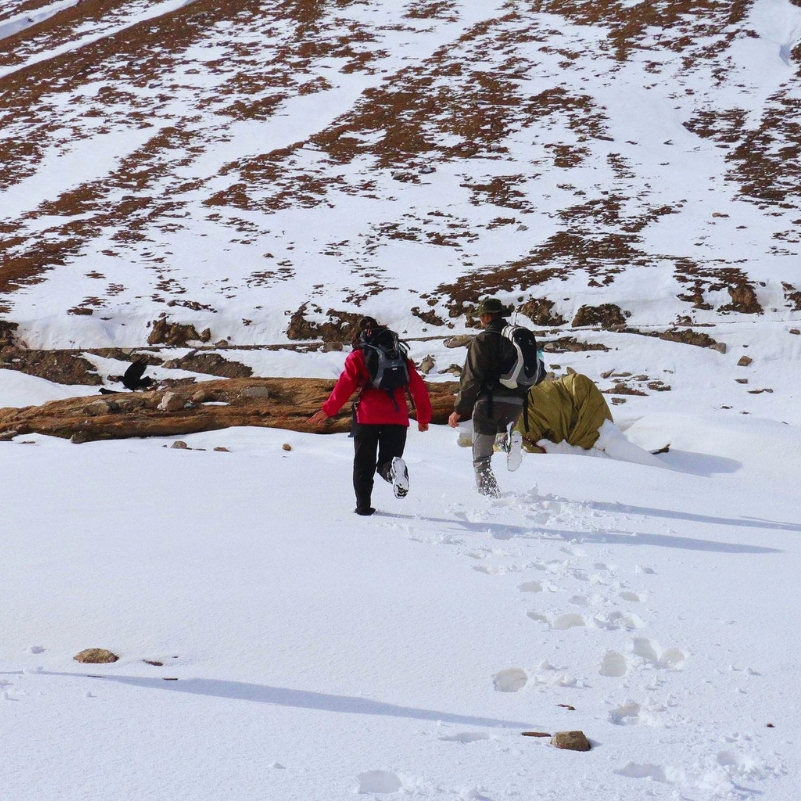
A route status source reported Rohtang open for tourists on 16 May 2026. A separate update described the pass as open on 14 July 2026.
Neither date guarantees access on your travel day. These are old snapshots, not a live green light.
July 2026 also brought heavy rain, flash flood warnings, and road disruption in parts of Himachal Pradesh. Conditions there flip fast.
Check the official permit portal and current local road advisories on the morning you travel. We never tell a traveller "Rohtang is open today" without a fresh check, and neither should any blog.
What Is the Best Time for a Delhi to Rohtang Trip?
March and April
The Rohtang top is normally shut while winter snow clearance is still going on.
You might find snow at lower accessible points, but do not book a March or April trip expecting to reach the pass summit. Manage your expectations here.
Our month guides for Rohtang Pass in March and Rohtang Pass in April explain what is actually open in those weeks.
May and June
The road generally opens after snow clearance, though the exact date shifts every year.
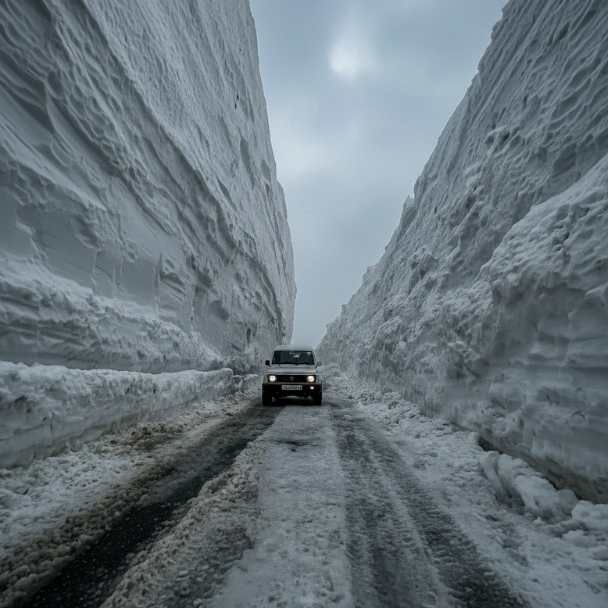
This is the classic season for tall snow walls and it brings peak tourist demand with it.
Because of that rush, permits and cabs get hard to grab at the last minute. Book ahead.
July and August
The pass may stay open, but monsoon rain raises the odds of landslides, low clouds, traffic controls, and sudden road closures.
Keep one flexible day in your plan during these months. You will likely need it.
Read our detailed guide to Rohtang Pass in August to learn about road conditions, rain, landslide risks, snow chances and what to expect before you travel.
September and October
These months often give you clearer mountain views and less monsoon rain.
Do not count on fresh snow or snow activities in this window, though.
Planning your trip for September or October? Read our detailed guides on Rohtang Pass in September and Rohtang Pass in October to compare weather, road conditions, crowds and snow chances before you decide when to visit.
The Government of India tourism page describes May to October as the broad best time, but the real opening and closing dates always depend on the weather.
How Much Does a Delhi to Rohtang Pass Trip Cost?
Budget bus based trip
Start with the observed one way Delhi to Manali online bus range of ₹399 to ₹5,900.
On top of that, add your shared portion of the Manali to Rohtang vehicle, plus accommodation, food, and any activities you choose.
We will not hand you a final per person figure without knowing your group size and hotel type, because that number would be made up.
Private cab trip
Use the observed Manali to Rohtang cab range of ₹4,333 to ₹8,438 per vehicle for the pass day.
Before you book, ask clearly whether the permit, congestion charge, waiting time, parking, and route stops are included.
Do not assume the ₹550 permit is always extra, because some cab operators fold it into their quote. Always ask what is inside the price.
Package price examples
One competitor publishes standard adult prices of ₹9,000 to ₹10,000 and deluxe prices of ₹14,500 to ₹15,000, but their Rohtang or snow point vehicle is excluded from that.
Another competitor lists ₹9,999 per person on quad sharing, including Delhi to Delhi transport, accommodation, Rohtang taxi, two breakfasts, and two dinners, with 5 percent GST extra.
These are competitor examples, not Travel Coffee quotes. We share them so you know the market.
The trick with packages is never to compare headline prices. Compare inclusions, occupancy, meals, permit handling, and whether the Rohtang vehicle is actually inside the price.
Tell us your travel month, group size, hotel preference, and transport mode, and we will build a customised cost around it.
Is Atal Tunnel the Same as Rohtang Pass?
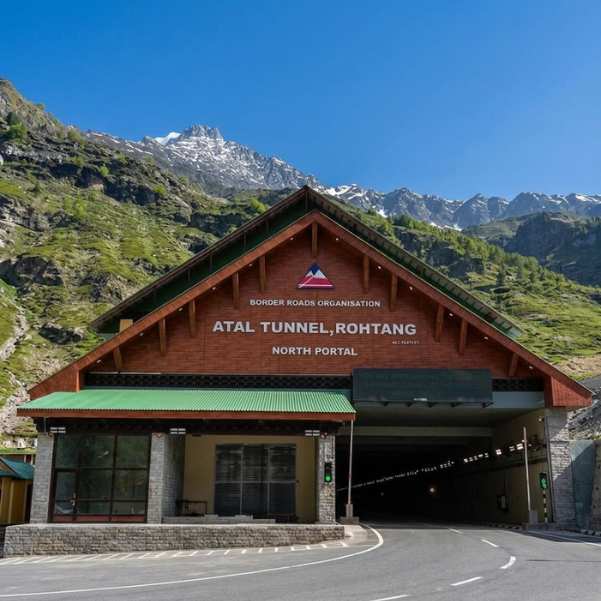
No, and this confuses a lot of travellers. Atal Tunnel passes under the Rohtang mountain area and gives you quicker access towards Lahaul and Sissu.
Driving through Atal Tunnel does not take you to the Rohtang Pass summit. Different destination entirely.
Atal Tunnel and Sissu make a good backup excursion when the Rohtang top is shut. Just remember their roads also need a weather check during snow or monsoon.
What Should You Pack and How Should You Prepare?
Carry warm layers, a waterproof outer layer for the monsoon, sturdy shoes, personal medicines, water, valid ID, your vehicle documents, and a charged phone or power bank.
Rohtang Pass sits at roughly 3,978 metres. That is high enough for your body to notice.
Headache, nausea, dizziness, and unusual tiredness can all be signs of altitude illness.
Do not climb higher when these symptoms show up. If they get worse, turn around and head down. We are not doctors, so treat this as general caution, not personal medical advice.
If you want to add some fun around Manali, our guide to adventure activities in Manali covers the good stuff.
What Should You Do If Rohtang Pass Is Closed?
A permit you cannot get usually means one of a few things: the quota is full, it is a maintenance day, the weather has shut the road, or the administration has put a temporary restriction in place.
Check the official source for the real reason. Do not trust an agent's verbal promise that "it will be fine."
When Rohtang is out, Solang Valley, Atal Tunnel, and Sissu make a solid flexible alternative, as long as their own roads are open.
Explore Our Curated Rohtang Pass Tour Packages
 5D/4N
5D/4NPremium Manali Tour Package with Private Cab and Rohtang Pass
4D Manali
₹14,999₹19,999SAVE INR 5,000/ person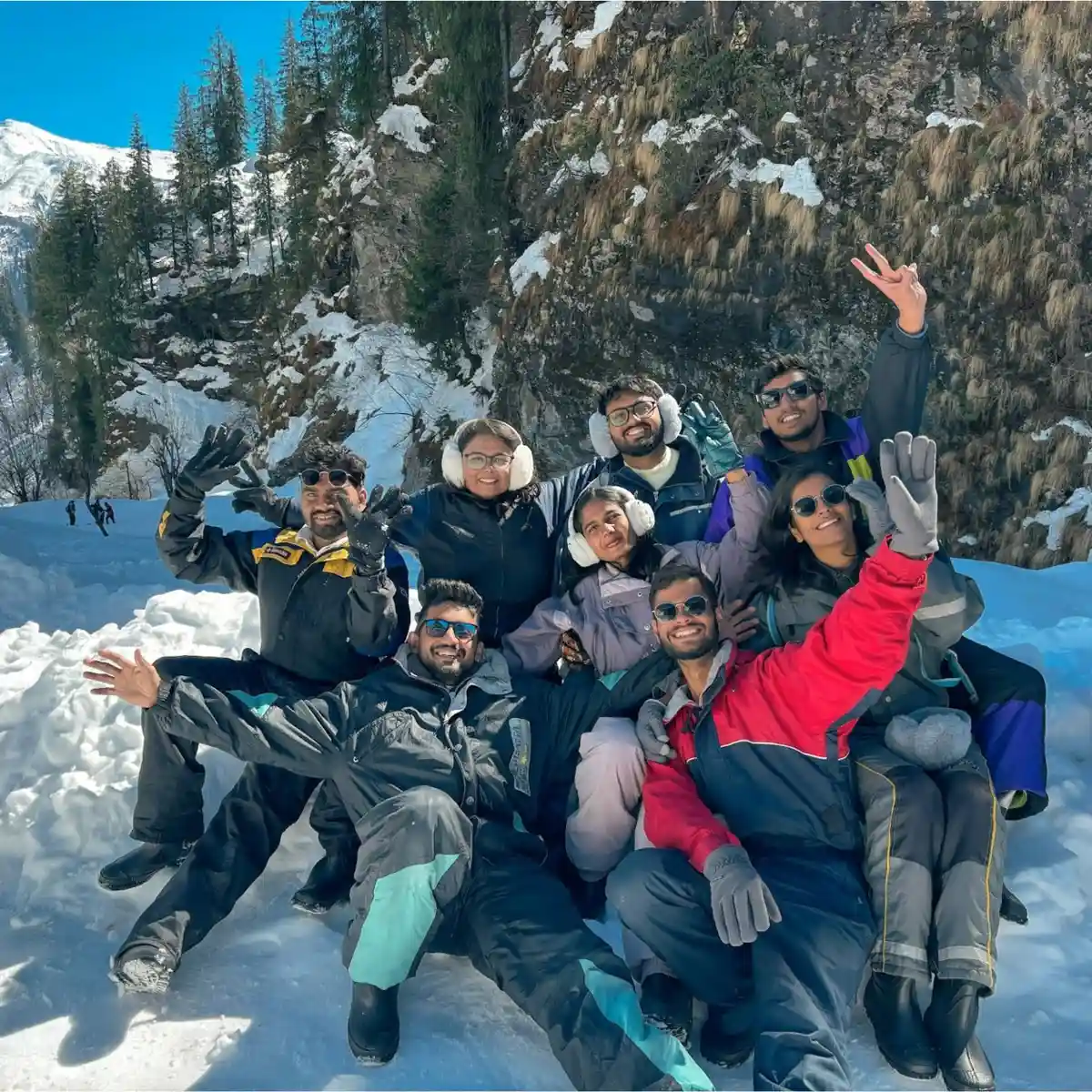 5D/4N
5D/4NBest Value Manali Volvo Package with Rohtang Pass
3D Manali
₹9,999₹13,999SAVE INR 4,000/ person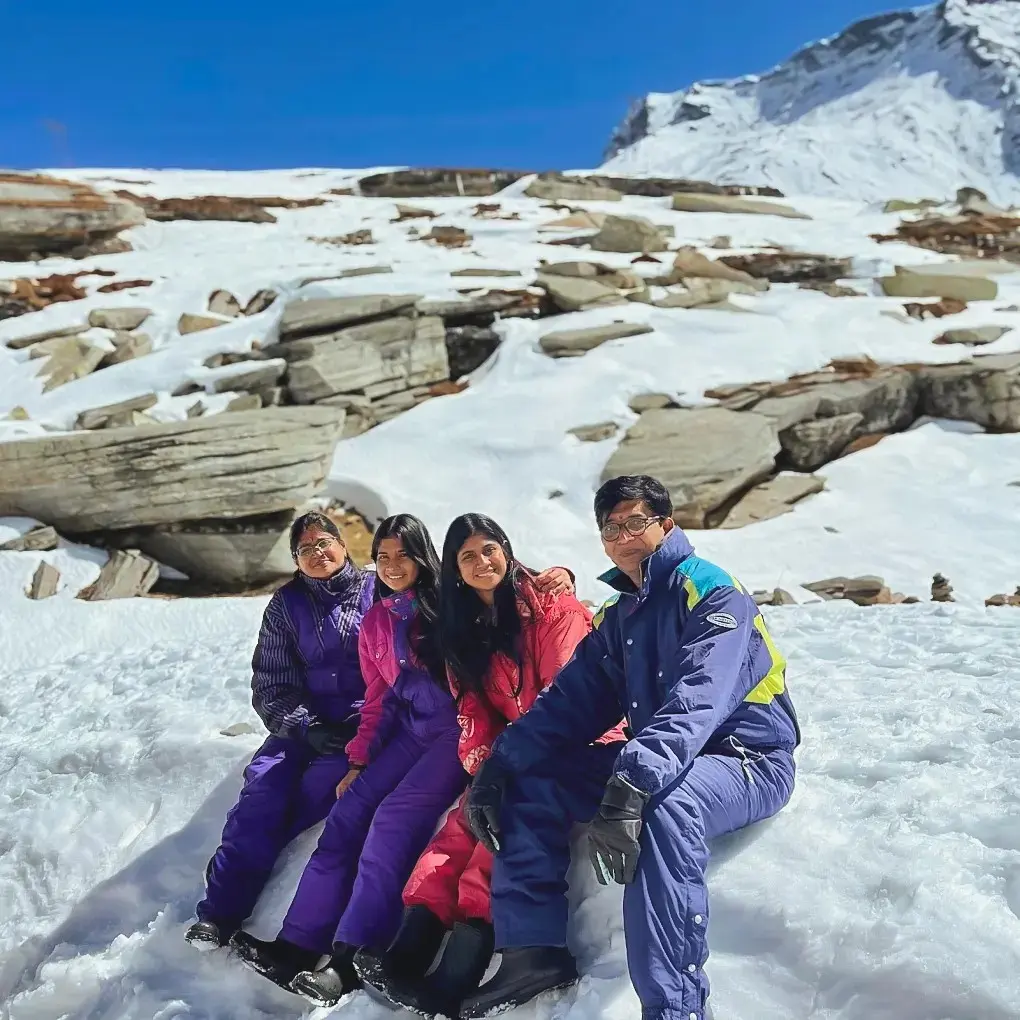 7D/6N
7D/6NComplete Shimla Manali Volvo Package with Rohtang Pass
2D Shimla•2D Manali
₹15,999₹19,499SAVE INR 3,500/ person
Related topics
Frequently Asked Questions
What is the Delhi to Rohtang Pass distance by road?
It is roughly 550 to 600 km depending on your starting point in Delhi and how the Rohtang point is pinned. Published figures range from 547.3 km to 602 km, which is why you see different numbers everywhere.
How long does Delhi to Rohtang Pass take by car?
Delhi to Manali alone takes about 11 to 14 hours in normal conditions. The Manali to Rohtang leg adds around 1 hour 30 minutes in clear weather, but permit checks and traffic often stretch it out.
Can I travel directly from Delhi to Rohtang Pass without staying in Manali?
We do not recommend it. Delhi to Manali is already long, and there is no tourist accommodation at Rohtang. Sleep in Manali first, then do the pass as a day trip.
How many days are enough for Delhi, Manali and Rohtang Pass?
Four days is the minimum and it includes two overnight travel sectors. Five days is far more comfortable and lets you add Solang Valley or Sissu without rushing.
How much does a Delhi to Rohtang Pass trip cost per person?
It depends entirely on your group size, hotel, and transport. Bus fares run from ₹399 to ₹5,900 one way, cabs from ₹4,333 to ₹8,438 per vehicle, and competitor packages start around ₹9,999 per person.
Is the Rohtang permit per person or per vehicle?
It is per vehicle, not per passenger. Cars, Jeeps, and MUVs pay ₹550 total, while buses and heavy vehicles pay ₹600 total.
Can a Delhi registered private car go to Rohtang Pass?
Yes, as long as you get the Rohtang tourism permit and your vehicle is not more than ten years old. Carry valid ID, a valid PUC, and your registration details.
Is Rohtang Pass closed every Tuesday?
Many travel pages say Tuesday is the maintenance day, but the live official portal showed "NONE" during our research. Check the official portal before you fix your dates.
Can Rohtang Pass, Solang Valley and Sissu be covered in one day?
It is possible but rushed and easily wrecked by traffic. Keep Rohtang as one full day and save Solang, Atal Tunnel, and Sissu for another.
Is Atal Tunnel the same as Rohtang Pass?
No. Atal Tunnel runs under the Rohtang area towards Lahaul and Sissu. It does not take you to the Rohtang Pass summit.
What should I visit if Rohtang Pass is closed?
Solang Valley, Atal Tunnel, and Sissu are the usual alternatives, subject to their own road status. Check current conditions before heading out.
Is Rohtang Pass suitable for children and senior citizens?
The pass sits at 3,978 metres and altitude affects everyone differently. Families with young kids, elderly members, or anyone with health concerns should talk to their own doctor before travelling.
More about Rohtang Pass
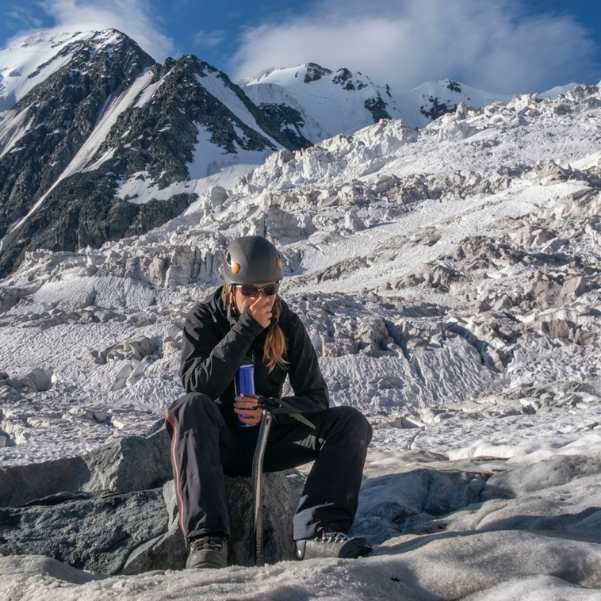 Rohtang Pass
Rohtang Pass Altitude Sickness in 2026: Symptoms, Prevention and When to Turn Back
Planning a trip to Rohtang Pass in 2026? Learn the symptoms of altitude sickness, prevention tips, and when to turn back for a safe mountain journey.
- Altitude & Health
- First-Time Travellers
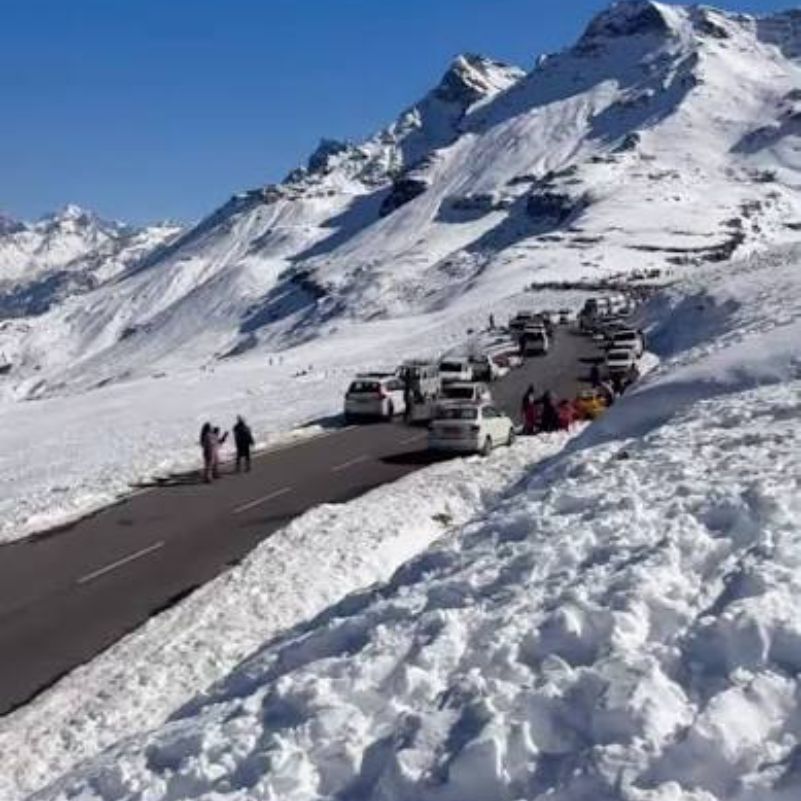 Rohtang Pass
Best Places to Visit on the Way to Rohtang Pass in 2026
Discover the best places to visit on the way to Rohtang Pass in 2026, including Solang Valley, Rahala Waterfalls, Gulaba, Marhi, and more for an unforgettable Himalayan road trip.
- Places to Visit
- Road Trips
 Rohtang Pass
15 Rohtang Pass Mistakes to Avoid in 2026: Permits, Taxi Scams, Timing and Snow Rentals
Planning a Rohtang Pass trip in 2026? Discover 15 common mistakes to avoid, from permits and weather to packing and safety, for a smooth mountain adventure.
- First-Time Travellers
- Permits & Fees