
15 Best Things to Do in Srinagar in Winter 2026-27: Snow, Food and Experiences
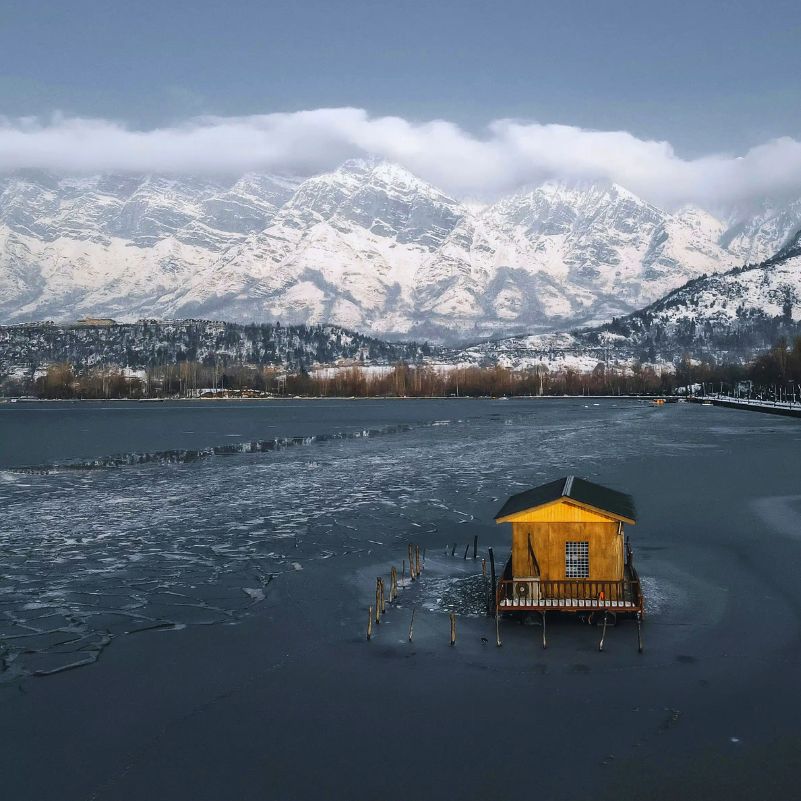
Most people book Srinagar for winter expecting snow on the Boulevard the day they land. It does not always work like that. Some winters the city stays cold and clear with no real snow at all.
That is not a problem, because the best things to do in Srinagar in winter barely involve snow. A quiet Shikara ride through the mist, a night on a heated houseboat, hot Harissa at dawn, and the old downtown lanes most tourists drive straight past.
Quick Answer: What Are the Best Things to Do in Srinagar in Winter?
Take a Shikara ride on Dal Lake, sleep a night on a heated houseboat, eat Kashmiri winter food like Harissa, Kahwa and Noon chai, walk the old city, visit a couple of Mughal gardens, see Hazratbal, and shop at Lal Chowk. For snow, add a separate Gulmarg day trip.
No winter guarantees snow inside the city, so plan around food, lakes and heritage first, and treat snow as a bonus if it falls.
Why Is Srinagar Worth Visiting in Winter?
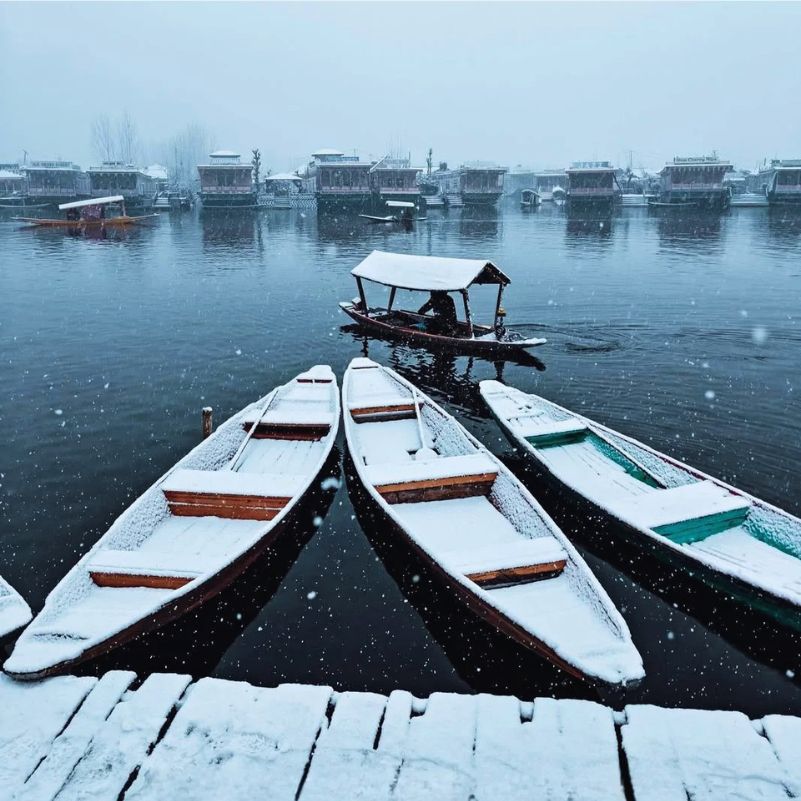
Winter strips away the crowds. The same Dal Lake that is packed in July can feel almost empty in January, with mist on the water and clean mountain lines behind it on a clear morning.
The food shifts to its cold-weather best. Harissa, Kahwa, Noon chai and fresh bakery bread do more for a Kashmiri morning than anything else. The shrines, the old city and the gardens all get quieter too.
The cold is real. Average lows sit below freezing in December and January, and short days mean you lose light early. Pack layers and keep sightseeing to the middle of the day.
In our experience, the travellers who enjoy a Srinagar winter most are the ones who come for the slow version of the city, not a snow-sports holiday.
The most common mistake we see is treating Srinagar and Gulmarg as one trip. They are not. Srinagar has lakes, food and heritage. Gulmarg is snowy. Plan them as two separate experiences and you will not be let down.
What Are the 15 Best Things to Do in Srinagar in Winter?
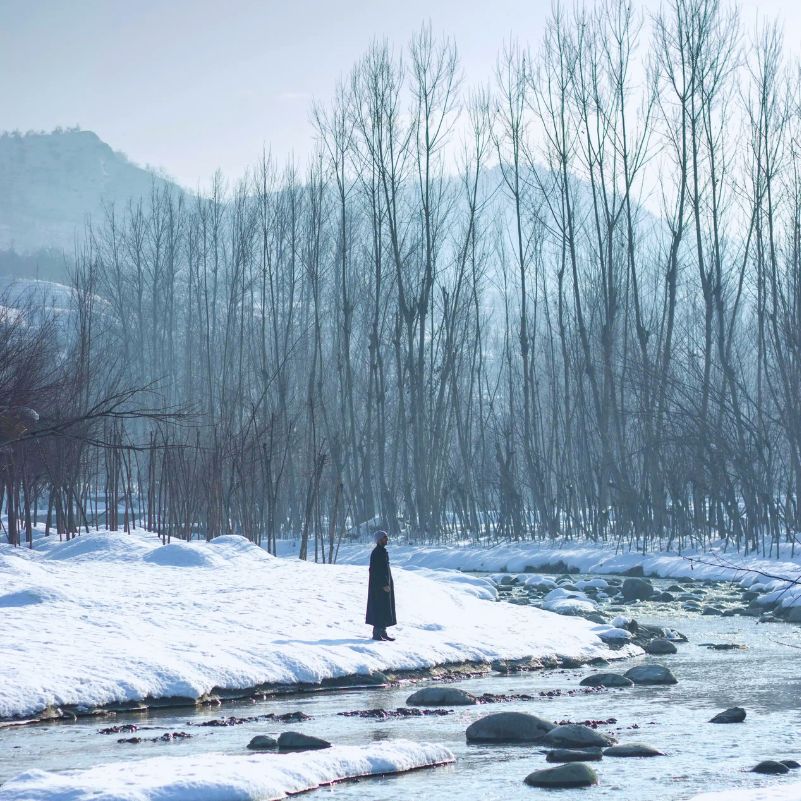
Here are fifteen winter experiences worth your time, from the obvious lake rides to the quieter food and heritage stops. Some depend on the weather, and we have flagged those.
Take a Winter Shikara Ride on Dal Lake
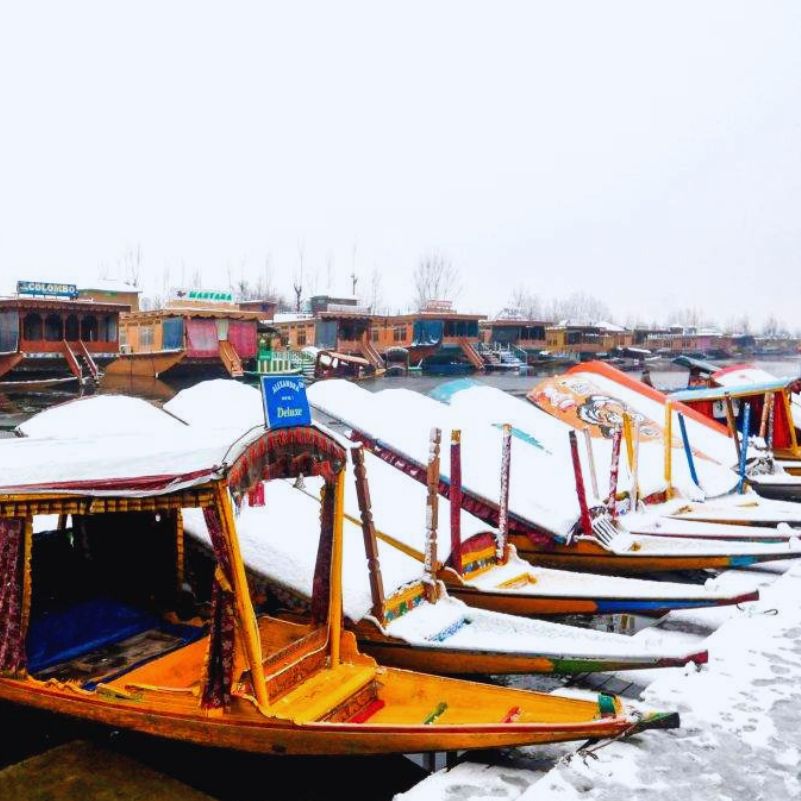
A winter Shikara ride is slower and quieter than in summer. The mist sits low, the boats are few, and on a clear morning the mountains show up clean behind the water.
A short lake circuit near the Boulevard is easy most days. Going deep into the inner channels depends on how much the water has frozen, so never treat the full interior route as a sure thing.
Agree the complete boat price and the exact route before you sit down, not a vague per-hour rate you argue over later.
One more thing to check: an interim High Court order from October 2026 restricts fuel-powered motorboats and jet skis on Dal Lake. It does not ban the traditional hand-rowed Shikara, but court orders change, so confirm the current position before you plan any boating.
Spend a Night in a Traditional Kashmiri Houseboat
A good houseboat in winter is one of the nicer ways to sleep in Srinagar. Carved walnut interiors, a heater, and the lake outside your window. On Nigeen Lake it is quieter and the water cleaner, which many winter travellers prefer over the busier Dal.
Not every houseboat handles freezing nights well. Before you pay, confirm the boat carries Tourism Department registration, and ask about the heating, hot water, power backup for grid cuts, the bathroom, and how you get on and off in the cold.
In our experience, winter houseboat comfort comes down to two things: a heater that actually works and a backup for the hours the power drops. We walk through exactly what to check in our Kashmir houseboat stay guide before you book.
A cheap houseboat with no proper heating is a miserable place to spend a January night. Pay a little more for a registered, heated boat.
Experience the Floating Vegetable Market
The floating vegetable market on Dal Lake is a real thing, not a tourist show. Growers paddle out before dawn and trade vegetables boat to boat on the open water.
It happens very early, around first light, so arrange a boat the night before with your houseboat or a boatman. In deep winter, when the water freezes or the weather turns, it may not run on a given morning, so check the night before and keep the plan loose.
Take a Peaceful Walk Along Dal Lake Boulevard
The Boulevard road runs along the edge of Dal Lake and costs nothing. Early morning gives you mist on the water and the Zabarwan hills behind.
Pick daylight hours and a day when the footpath is not iced over. One firm rule: never step onto the frozen lake surface, however solid it looks. Lake ice is not safe to walk on, and people have come to harm trusting it.
Explore the Quieter Side of Nigeen Lake
Nigeen Lake sits at the edge of the Dal Lake system and feels calmer than the main lake. Fewer boats, cleaner water, a slower pace. It is not deserted, but it is a gentler version of the Dal Lake scene.
It is a good spot for quiet photos, and several winter travellers choose a Nigeen houseboat for the calm.
Try Authentic Kashmiri Harissa on a Winter Morning
Harissa is the winter breakfast of Srinagar. Cooks slow-cook mutton and rice overnight into a thick, rich paste, and people queue for it from early morning. Eaten hot with fried onion and fresh bread, it is one of the best things you will eat in Kashmir in the cold.
The old Harissa shops sit in the downtown lanes of Old Srinagar and open early. The popular ones sell out by mid-morning, so go early, not at 11.
We are not naming a shop here because the good ones change, and asking locals that morning beats chasing an outdated name.
Warm Up with Kahwa, Noon Chai and Fresh Kashmiri Bread
Kahwa is the green tea Kashmiris drink all winter, brewed with saffron, cardamom, cinnamon and crushed almonds. Noon chai is the pink, salty tea you see in every home, usually with bread.
Pair them with fresh bread from a local bakery, the kandur. Girda is the everyday round loaf, and there are flaky ones too. This is the easiest cultural experience in the city, and it works whether or not a single flake of snow falls.
Explore Old Srinagar on a Heritage Walk
The old city is the part of Srinagar most tourists skip on the way to the gardens. That is a mistake, because the city's real character lives here.
Walk the lanes and you see old wooden houses leaning over narrow streets, copper beaters hammering trays, bakeries pulling bread from the oven, and the Jhelum running through it with old bridges crossing over.
Take your time, and ask before you photograph people or shops. A winter morning, with woodsmoke in the air and few crowds, is the best time for this walk.
Visit Jamia Masjid and Khanqah-e-Moula
Jamia Masjid in the heart of the old city is one of Srinagar's most important mosques, with its rows of tall deodar wood pillars and a big open courtyard. Nearby, Khanqah-e-Moula sits on the Jhelum, a wooden shrine covered in fine papier-mache and carved work.
Dress modestly, cover your head if asked, and take your shoes off where required. Both are active places of worship, so the timings can tighten around prayer times and security restrictions apply on some days. Check locally and photograph with care.
Experience the Peaceful Setting of Hazratbal Shrine
Hazratbal shrine sits on the northern shore of Dal Lake, a white marble mosque right at the water's edge. It is one of the most revered shrines in Kashmir, and the lakeside setting keeps it calm even by Srinagar standards.
Dress modestly and follow the local rules on entry and photography. Check visitor arrangements before you go, especially on Fridays and religious days when it gets busy.
Visit Shankaracharya Temple for Winter Views
Shankaracharya Temple sits on a hill above the city and gives you the widest view over Srinagar, the lakes and the valley. On a clear winter day you can see snow on the far mountains from the top.
There is a long flight of steps and a security check, and both the road and the steps can ice over in winter. If you or anyone with you has knee trouble or limited mobility, look at the climb honestly first. Bags and phones face restrictions at the top, so check the rules on the day.
Explore Nishat Bagh and Shalimar Bagh in Winter
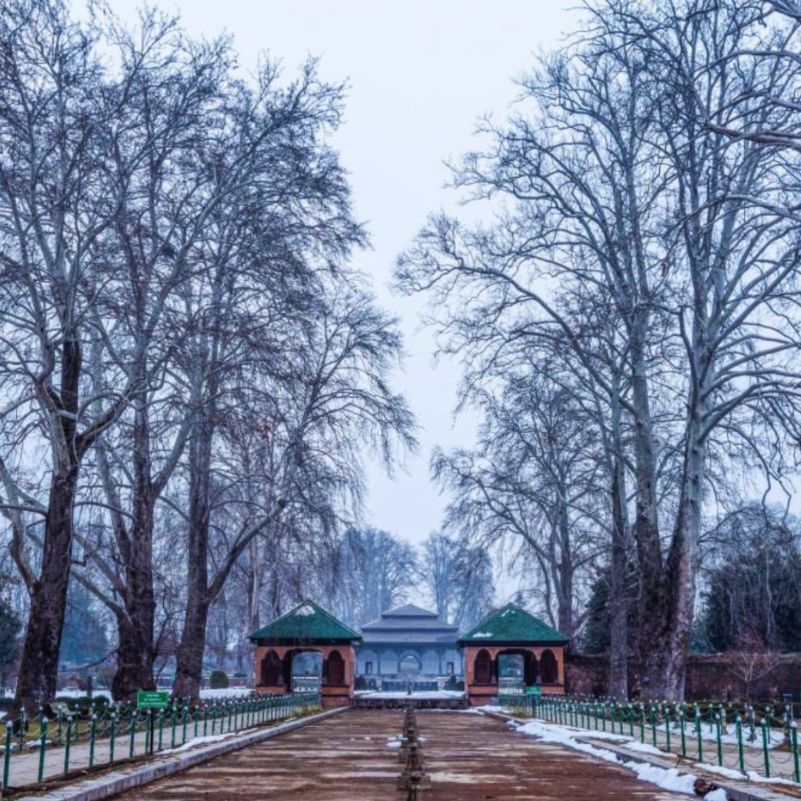
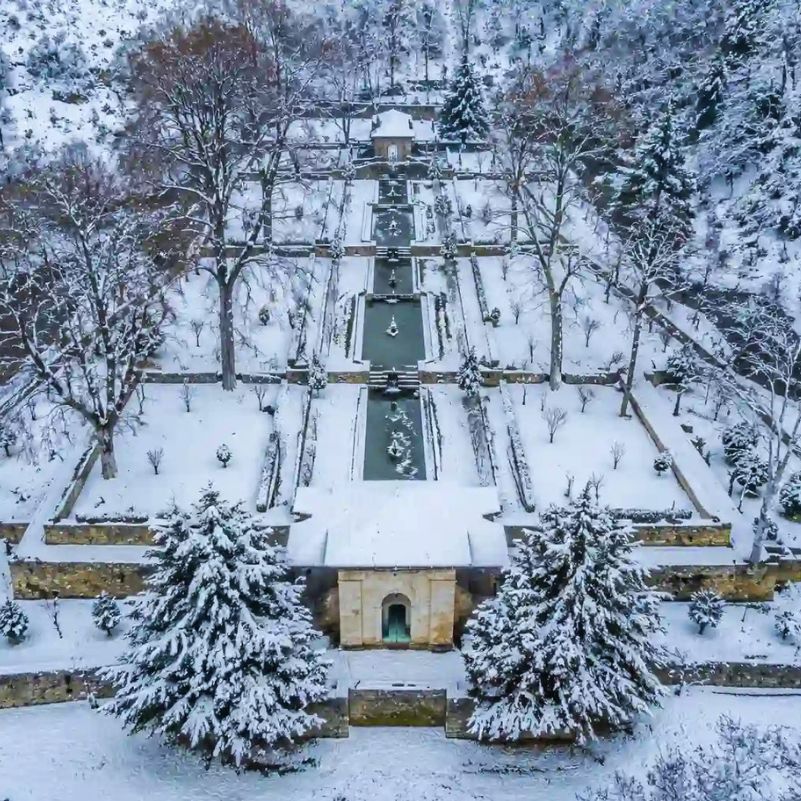
The two big Mughal gardens, Nishat Bagh on the eastern side of Dal Lake and Shalimar Bagh a little further along, are worth a winter visit for their bones: the stone terraces, the water channels, and the huge bare Chinar trees against the hills.
Set your expectations right. No flowerbeds in bloom, and the fountains sit dry in winter. What you get is clean lines, few people, and on a good day, snow on the mountains behind the terraces.
Visit Pari Mahal for Panoramic Winter Photography
Pari Mahal is a seven-terraced old garden built into the hillside above the Chashme Shahi area, and it gives you a clean view over Dal Lake and the city. The late afternoon light here is good for photos.
The hillside road, security checks and opening arrangements can change in winter weather, so confirm access before you drive up, especially after snow.
Enjoy a Traditional Kashmiri Dinner
A proper Kashmiri dinner is a warm way to end a cold day. Wazwan is the grand multi-course Kashmiri meal, heavy on slow-cooked mutton, with dishes like Rogan Josh, Rista and Gushtaba. A full Wazwan is a feast, usually for groups and occasions.
If you do not eat meat, you still eat well. Kashmiri cooks do wonderful things with Nadru (lotus stem), Haak greens, rajma and dum aloo. We are not quoting rates here, as they vary a lot, so confirm the menu and price when you book.
Shop for Pherans, Pashmina and Kashmiri Handicrafts
Winter is the right season to buy a Pheran, the long wool cloak Kashmiris live in through the cold, and it doubles as a genuinely useful souvenir. The main shopping areas are Lal Chowk, Polo View, Residency Road and the older Zaina Kadal in the downtown.
Look at Pashmina shawls, hand-knotted carpets, papier-mache, copperware and walnut carving. For anything expensive, ask for the quality certification and always take a full receipt. If a seller shows no paperwork, treat a "pure Pashmina" claim with doubt.
What Can You Do in Srinagar When There Is No Snowfall?
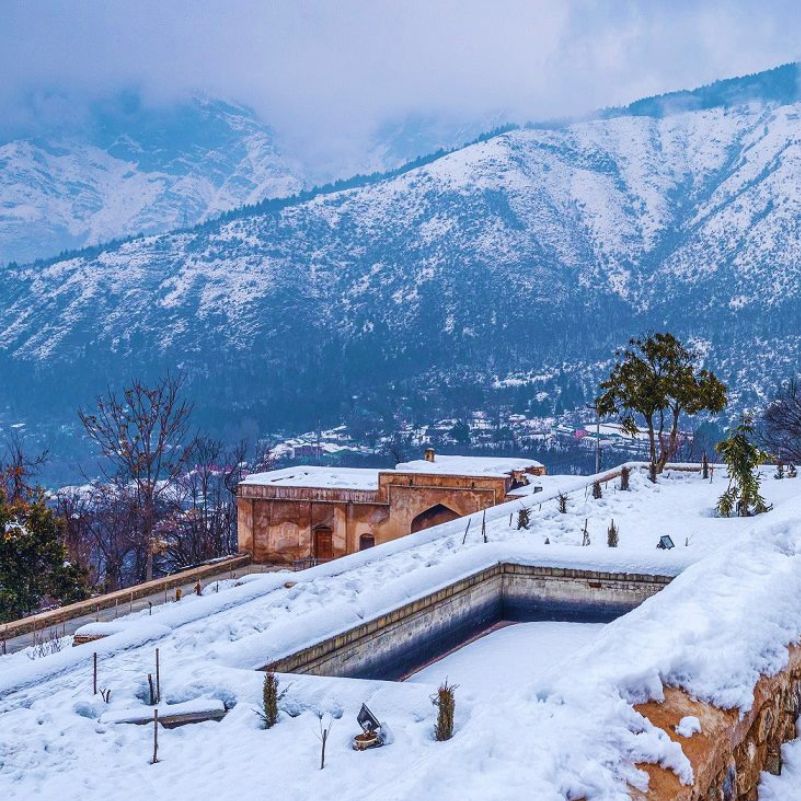
Plenty of winters, the city turns cold and grey with no real snow. If that is your luck, do not sulk, because almost everything good about Srinagar still works.
The lakes still sit there with their morning mist, and the old city, the food, the markets and the shrines do not need snow at all. A no-snow day suits a long heritage walk, a Harissa breakfast and a warm cafe afternoon.
If you want the full rundown of the city's sights, our guide to the best places to visit in Srinagar covers them in detail.
One thing not to pin hopes on: the Tulip Garden is a spring attraction, not a winter one. It stays shut through the cold months, so leave it off a December or January plan.
Which Srinagar Tourist Attractions Are Open in Winter?
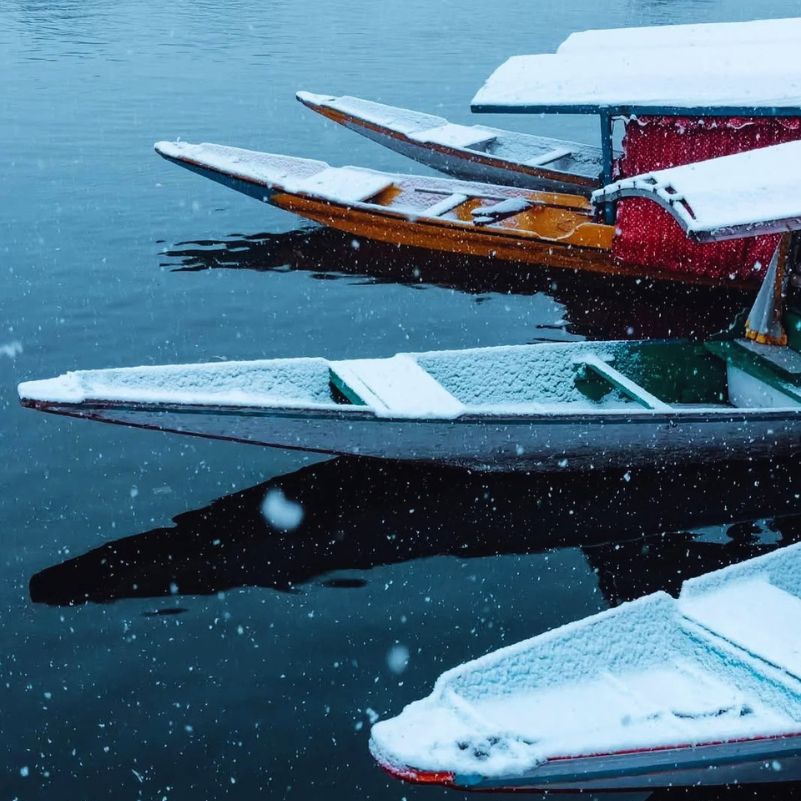
Attractions Usually Accessible During Winter
Most headline sights stay open through winter, with conditions. Dal Lake and Nigeen Lake are there year round, weather permitting for boating. The old city lanes, shrines like Hazratbal, and gardens such as Nishat Bagh and Shalimar Bagh generally stay accessible.
Opening hours shrink in winter because the days are short, and heavy snow can shut things for a day or two. So read "open" as "usually open, unless the weather says otherwise."
What About Chashme Shahi and the Tulip Garden?
Here is where a lot of blogs get it wrong: Srinagar District lists Chashme Shahi's visitor season as March to November. A December, January or February visit is not something anyone can promise, so confirm directly before you count on it.
The Indira Gandhi Tulip Garden is the same story, more firmly. It opens for a short window in spring, not in winter. It is not a normal winter sightseeing stop, full stop.
Which Activities Depend on Weather?
The weather calls the shots a fair bit here. Boating into the inner lake channels, the hill roads up to Shankaracharya and Pari Mahal, temple access, garden visits and any trip to higher ground all depend on snow and road conditions on the day.
Build slack into your plan. A morning of fresh snow can close a hill road or delay a drive, and a rigid schedule in a Kashmiri winter only stresses you out.
Where Can You See Snow Near Srinagar?
Gulmarg for Snow Activities
If snow is what you came for, Gulmarg is the answer, not the city. It sits higher, holds snow far more reliably, and is Kashmir's main snow destination. It is a separate road day trip from Srinagar, longer after a fresh fall.
Gulmarg is where you ride the Gondola cable car, try skiing, or sit a child on a sledge, all of it weather and operator dependent on the day.
One date to plan around: the Jammu and Kashmir Cable Car Corporation currently closes the Gondola for maintenance on the second and fourth Monday of every month. Reconfirm before you book, because the schedule can change.
Is Sonamarg a Good Winter Excursion?
Sonamarg is trickier in deep winter. Reaching the town itself is one thing; reaching the sights above it is another. Thajiwas Glacier, Zero Point and the Zoji La road sit higher up, and snow often cuts them off in the core winter months.
So do not book a Sonamarg day in January assuming you will stand at Zero Point. You might reach the lower areas and no further. Treat anything above the town as weather-dependent and unconfirmed.
Srinagar or Gulmarg: Which Is Better for Snow?
Straight answer: for snow, Gulmarg wins every time. For culture, food, lakes and comfortable sightseeing, Srinagar wins.
They are not rivals, but two halves of a good Kashmir winter trip. Base yourself in Srinagar for the city, and take one full day out to Gulmarg for the snow. We always suggest keeping Gulmarg as a separate excursion rather than squeezing it into a city day.
We break down where and when the snow falls across the region in our guide to snowfall in Kashmir, and if you are still choosing a base, our round-up of the best places to visit in Kashmir in winter compares the main options.
Is December, January or February Better for Winter Experiences in Srinagar?
Srinagar in December
December is when winter settles in properly. The days get short, the cold deepens, and the first proper snow often arrives, though no one can promise it on your exact dates.
On the India Meteorological Department normals for 1991 to 2020, December days average a high near 9.9°C and nights around minus 1.6°C. These are long-term averages, not a forecast. December also brings Christmas and New Year demand, so book stays and flights early.
Srinagar in January
January is the coldest stretch, the deep-winter period locals call Chillai Kalan. Parts of Dal Lake can ice over in a hard cold spell, though the whole 18 square kilometre lake freezing solid is rare, not a given.
January averages a high near 7.1°C and a low around minus 1.9°C on the IMD normals. Expect the odd disruption, a closed hill road or a delayed flight after snow. It is a fine month for the indoor and cultural side: food, shrines, markets and the old city.
Srinagar in February
February eases off a little. The averages creep up, with highs around 10.5°C and lows near 0.7°C on the IMD normals, but it still feels like winter and snow is very much possible.
Higher up, around Gulmarg and the passes, snow often holds well into February, though again, nobody can guarantee it. For a winter feel with slightly kinder city temperatures, February is a solid pick.
If you are deciding between the shoulder and core season, our comparison of Kashmir in November versus December lays out the trade-offs.
How Can You Plan One or Two Days in Srinagar During Winter?
One-Day Srinagar Winter Itinerary
With one day, keep it to the city and do not try to add Gulmarg. Start late morning once the light is up, and take in a viewpoint or a garden first, Shankaracharya or Nishat Bagh, while you have daylight.
Through the afternoon, move to Dal Lake for a Shikara ride in the softer light, then finish with an evening wander and shopping around Lal Chowk or Polo View. A warm Kashmiri dinner closes the day.
Two-Day Srinagar Winter Itinerary
Two days let you slow down. Spend day one on the water and the gardens: a morning Shikara ride on Dal Lake, Nishat Bagh and Shalimar Bagh, and a sunset viewpoint at Pari Mahal or Shankaracharya if the roads are clear.
Start day two early with a Harissa breakfast, then give the morning to an Old Srinagar heritage walk, the shrines and the copper and bread lanes. Keep the afternoon for shopping and a long lunch. This pace suits winter, where short days punish an over-packed plan.
What Is the Backup Plan After Heavy Snowfall?
Heavy snow is part of a Srinagar winter, and it can shut hill roads, delay flights and close the higher sights for a day. When it hits, shrink the plan rather than fight it.
Keep the day close to base: a short Shikara ride if the water allows, a houseboat afternoon with Kahwa, a covered market or a long lunch.
Check the weather and road updates each morning, and leave your outbound flight a buffer day if snow is in the forecast. Not every road or attraction stays open after a big fall, so flexibility is the whole game.
How Much Do Winter Activities in Srinagar Cost?
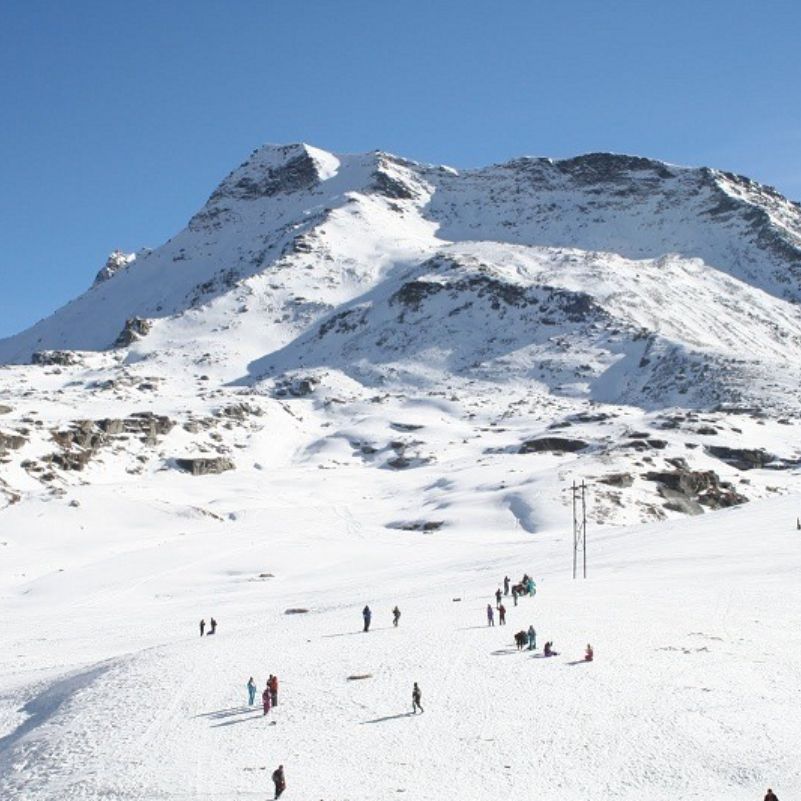
Costs swing with the season, the operator and your bargaining, so treat any figure online as rough. We are not quoting fixed rates here because winter prices move and some sources flatly disagree.
For a Shikara, fix the total boat price and the route before you step in. Garden entry tickets are small where they apply. Local taxis for a day of city sightseeing or a Gulmarg run cost more than you expect in winter, so agree the fare in advance.
If a boatman or taxi tries to overcharge or push you, note the Srinagar Tourist Police helpline, 1363.
One winter cost people forget is heating. Some hotels and houseboats charge for a heater or hot water on top of the room rate, so ask whether the rate includes heating before you judge a room as cheap.
On the upside, winter is off-season, so room rates sit below the summer peak and you can often negotiate a better deal, especially for longer stays.
For a clear sense of what a planned trip usually covers, our breakdown of Kashmir winter tour package inclusions shows what sits inside a package and what costs extra.
Where Should You Stay in Srinagar During Winter?
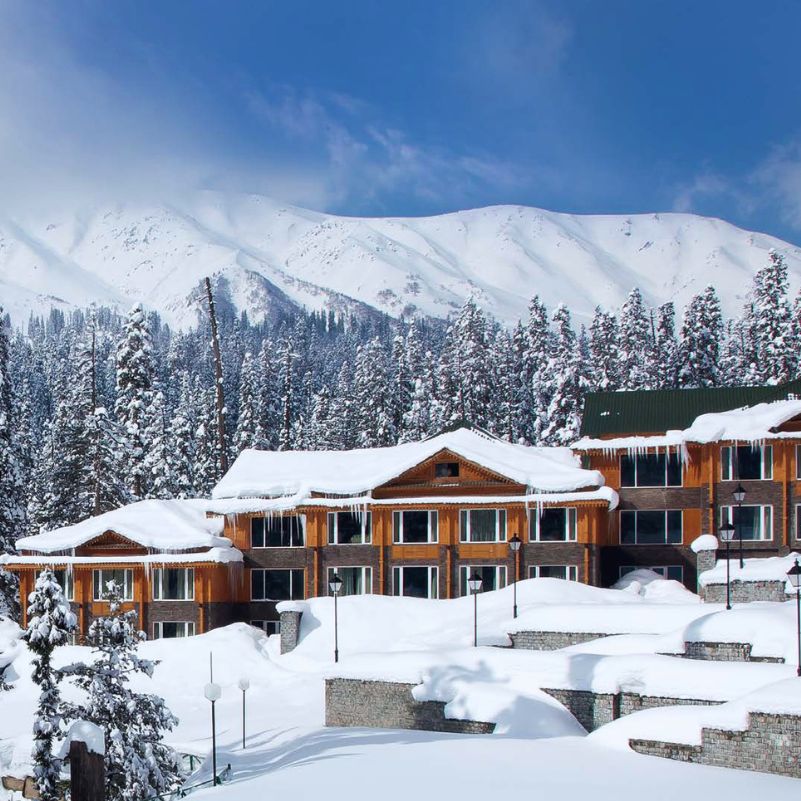
Where you sleep shapes a winter trip more than in summer. A houseboat on Dal Lake or Nigeen Lake is the atmospheric choice, but comfort depends entirely on the heating and backup power on that boat.
Boulevard-area hotels put you right by the lake with easier access and usually more reliable heating and hot water. Hotels in central Srinagar sit closer to the markets and the old city and can be easier to reach after snow.
Whatever you pick, confirm the real facilities, not the website photos: a working heater, hot water through the day, power backup for grid cuts, and how you reach the door in snow. Our team recommends getting the heating and backup power confirmed in writing before you pay.
For families with small children or older travellers, a hotel with lift access and dependable heating usually beats a houseboat in deep winter.
What Should You Pack for Srinagar in Winter?
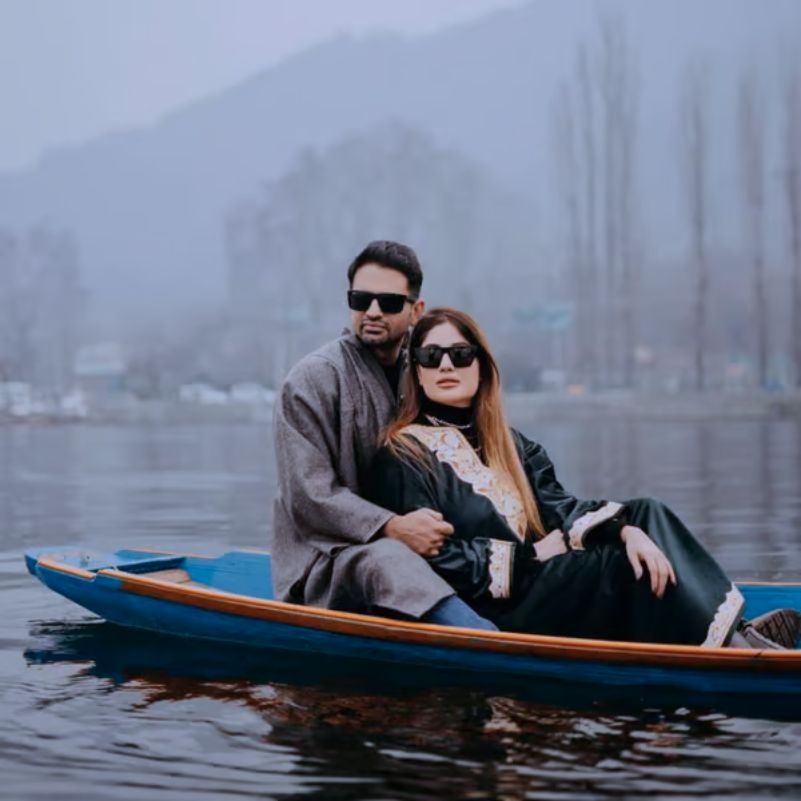
Pack for real cold. Thermals as a base layer, a proper insulated jacket, a warm hat, gloves and thick socks are the basics. The one thing people skimp on and regret is footwear: waterproof shoes with good grip, because wet, icy pavements are everywhere.
Carry any personal medication with you rather than in checked bags, along with a small first-aid kit and your usual essentials.
Families with kids and older travellers should add extra warm layers, lip balm and moisturiser for the dry cold, and any mobility aids they need on icy ground.
Build spare days into the trip. Winter weather delays flights and closes roads without warning, and a buffer day keeps one snow day from wrecking the whole schedule.
Is Srinagar Worth Visiting in Winter?
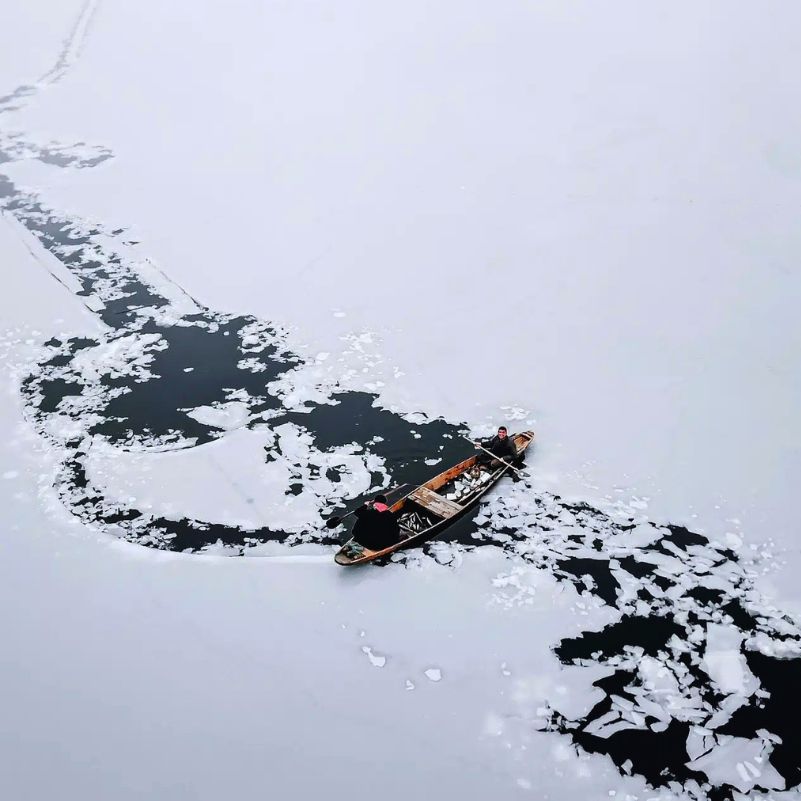
Yes, with your eyes open. Srinagar in winter is a city of still lakes, warm food, old lanes and quiet heritage, and it delivers all of that even in a winter with no city snow. If you come for the slow, cultural side of Kashmir, you will love it.
If your heart is set on snow and snow sports, do not rely on the city. Add Gulmarg as a separate day or two, and you get the best of both: the character of Srinagar and the snow of Gulmarg.
If you would like us to handle the logistics, our customized Kashmir winter tour packages come with local drivers and handpicked stays, and our Snow and Mist Kashmir Wilderness Escape is a ready winter itinerary that pairs the city with the snow.
Explore Our Curated Kashmir Tour Packages
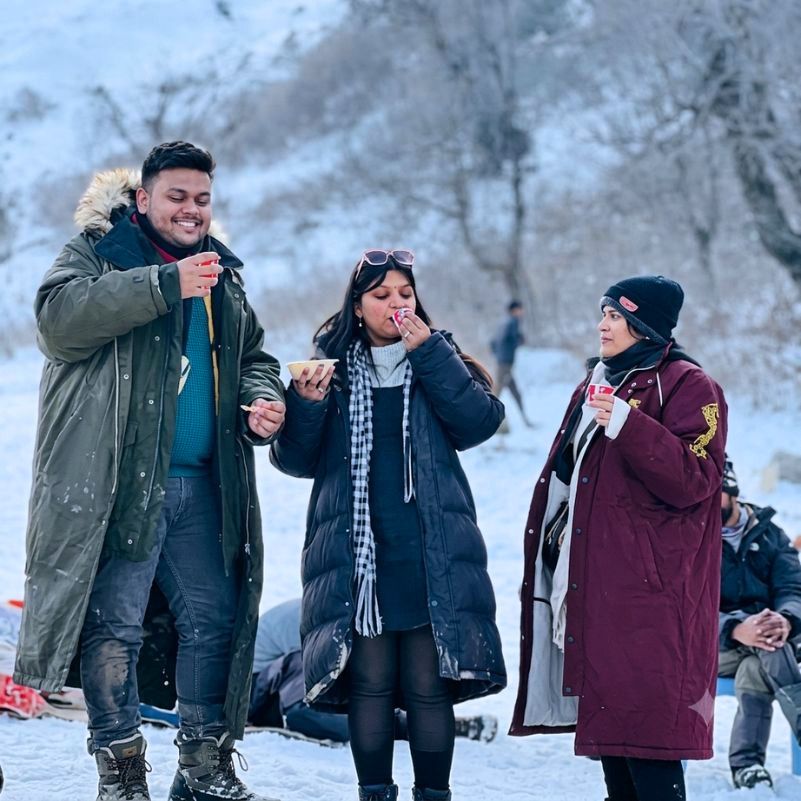 5D/4N
Best Of Kashmir – Srinagar, Gulmarg & Pahalgam Tour Package
3D Srinagar•1D Pahalgam+1
₹11,499₹16,999SAVE INR 5,500/ person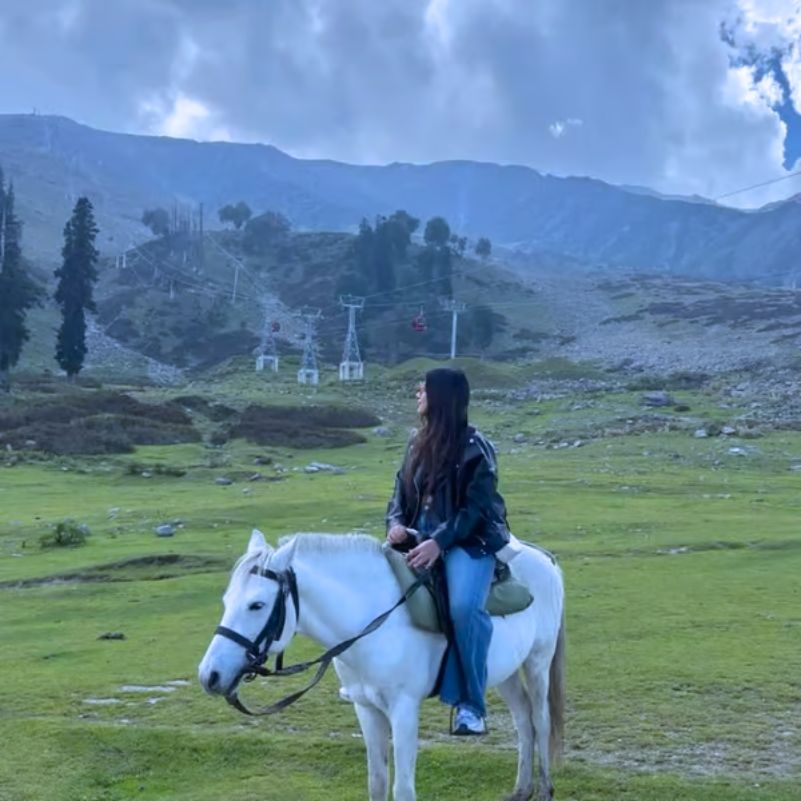 6D/5N
The Complete Kashmir Tour Package
3D Srinagar•1D Sonamarg+2
₹13,999₹20,999SAVE INR 7,000/ person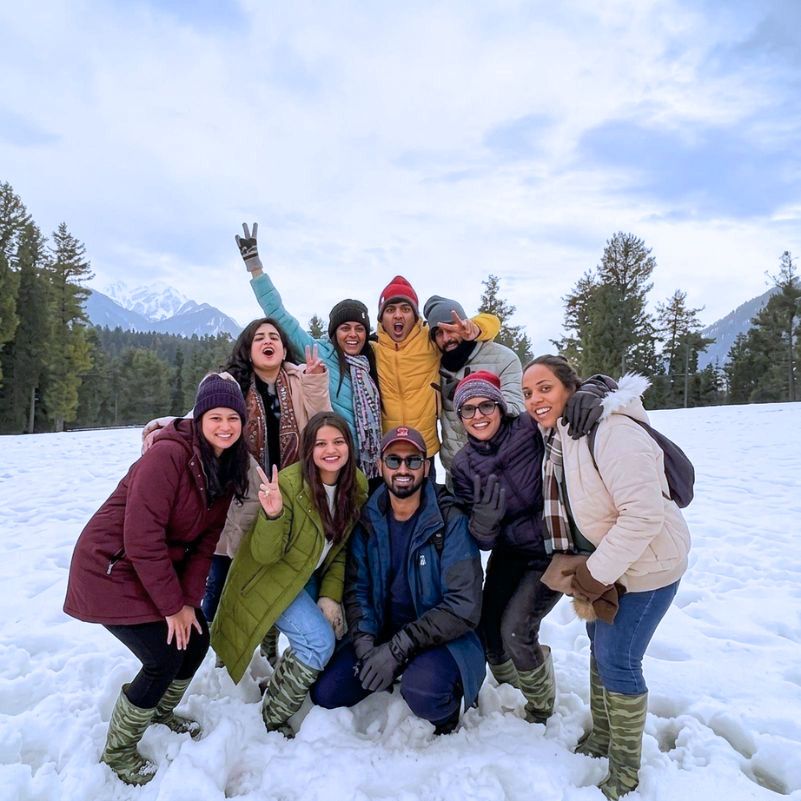 Group Tour5D/4N
Best Selling Kashmir Group Tour Package
3D Srinagar•1D Pahalgam+1
₹15,499₹19,999SAVE INR 4,500/ person
Frequently Asked Questions
What are the best things to do in Srinagar in winter?
A quiet Shikara ride on Dal Lake, a night on a heated houseboat, Harissa and Kahwa, an Old City heritage walk, the Mughal gardens, Hazratbal and shopping at Lal Chowk. For snow, add a separate Gulmarg day, since the city may not get any.
Does Srinagar receive snowfall in December and January?
Often, but never on a guarantee. December and January are the likeliest months for city snow, and some winters bring heavy falls. Other winters stay cold and dry. Plan your trip around food, lakes and heritage, and treat snow as a bonus.
Is a Shikara ride available on Dal Lake in winter?
Usually yes, weather permitting. Hand-rowed Shikara rides run through most of winter, and a misty morning on Dal Lake is lovely. When a hard cold spell ices the channels, rides into the interior may stop. Fix the total boat price and route before you board.
Does Dal Lake completely freeze in January?
Rarely. In a severe cold spell parts of the lake can ice over, but the whole 18 square kilometre lake freezing solid is unusual, not something to expect. Never walk on the frozen surface, however thick it looks, because lake ice is not safe.
Is it worth staying on a houseboat in winter?
Yes, if the boat has proper heating. A good winter houseboat with a working heater, hot water and power backup is memorable. A cheap, unheated one is miserable in the cold. Check Tourism Department registration and ask about heating and backup before you book.
Are Srinagar's Mughal Gardens open in winter?
The main gardens like Nishat Bagh and Shalimar Bagh generally stay open, but you see bare Chinar trees and dry fountains, not spring flowers. Chashme Shahi lists its season as March to November, so confirm before you count on a winter visit there.
Is the Srinagar Tulip Garden open in December or January?
No. The Indira Gandhi Tulip Garden is a spring attraction that opens only for a short window in spring. It stays shut through December, January and February, so leave it off any winter plan.
What can tourists do in Srinagar without snowfall?
Almost everything. Shikara rides, houseboat stays, the Old City heritage walk, Harissa and Kahwa, the shrines, the Mughal gardens and shopping all work without snow. A no-snow day is perfect for a long old-city walk and a warm cafe afternoon.
What is the best traditional food to try in Srinagar in winter?
Harissa, the slow-cooked mutton and rice breakfast, is the winter classic, best eaten hot and early before shops sell out. Pair your days with Kahwa and Noon chai, fresh Girda bread, and a Kashmiri Wazwan dinner if you can.
Are two days enough to explore Srinagar in winter?
Two days cover the city well. Day one for Dal Lake and the Mughal gardens, day two for an early Harissa breakfast, the Old City and shopping. For snow at Gulmarg, add a third day.
Can families with children and older travellers enjoy Srinagar in winter?
Yes, with sensible planning. Keep days short, pick a hotel with reliable heating and easy access over a cold houseboat, and pack warm layers and grippy footwear. Build in a buffer day in case snow delays flights or roads.
Can tourists visit Gulmarg from Srinagar during January?
Usually yes, as a day trip, and January is the prime snow season there. The Gondola closes for maintenance on the second and fourth Monday of each month, so check the dates and road conditions first.
More about Kashmir
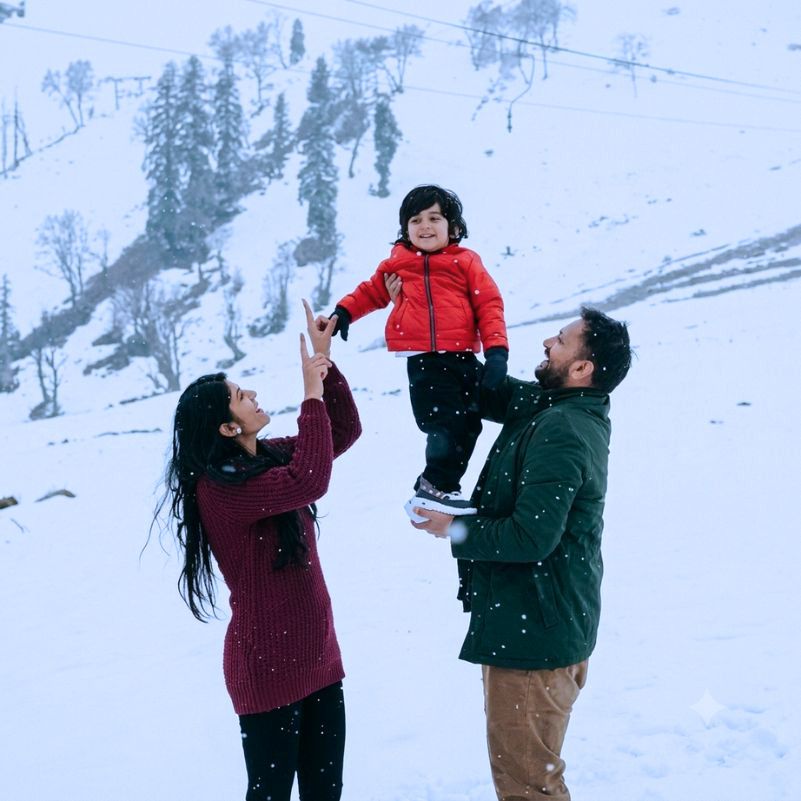 Kashmir
 Winter Trip with Kids 2026-27: Snow Activities, Hotels & Family Itinerary
Planning a Kashmir winter holiday with kids in 2026-27? Explore family-friendly destinations, snow activities, suitable hotels, and a practical itinerary for a comfortable trip. Get helpful tips on cold weather, transport, and travel planning to make your family holiday easier and more enjoyable.
 Kashmir
Vaishno Devi with Kashmir Tour 2026-27: Best Itinerary, Train, Cost and Winter Travel Guide
Planning a Vaishno Devi with Kashmir tour in 2026-27? This practical guide covers the best itinerary, train connections, travel routes, estimated trip costs, and winter conditions for combining the Vaishno Devi pilgrimage with Srinagar, Gulmarg, and Pahalgam. Learn how to plan your journey efficiently, account for weather-related disruptions, and make the most of your time in Jammu and Kashmir.
 Kashmir
Gulmarg Without Gondola (2026-27): Best Things to Do If It’s Closed
Planning a trip to Gulmarg in winter 2026-27 but worried about a Gondola closure? Discover the best things to do in Gulmarg without the cable car, including snow walks, skiing, local sightseeing, and winter photography. Learn about alternative activities, weather conditions, and practical travel tips to make the most of your visit even when the Gondola is not operating.