
Kashmir Houseboat Stay: Dal Lake vs Nigeen Lake, Prices and Booking Guide
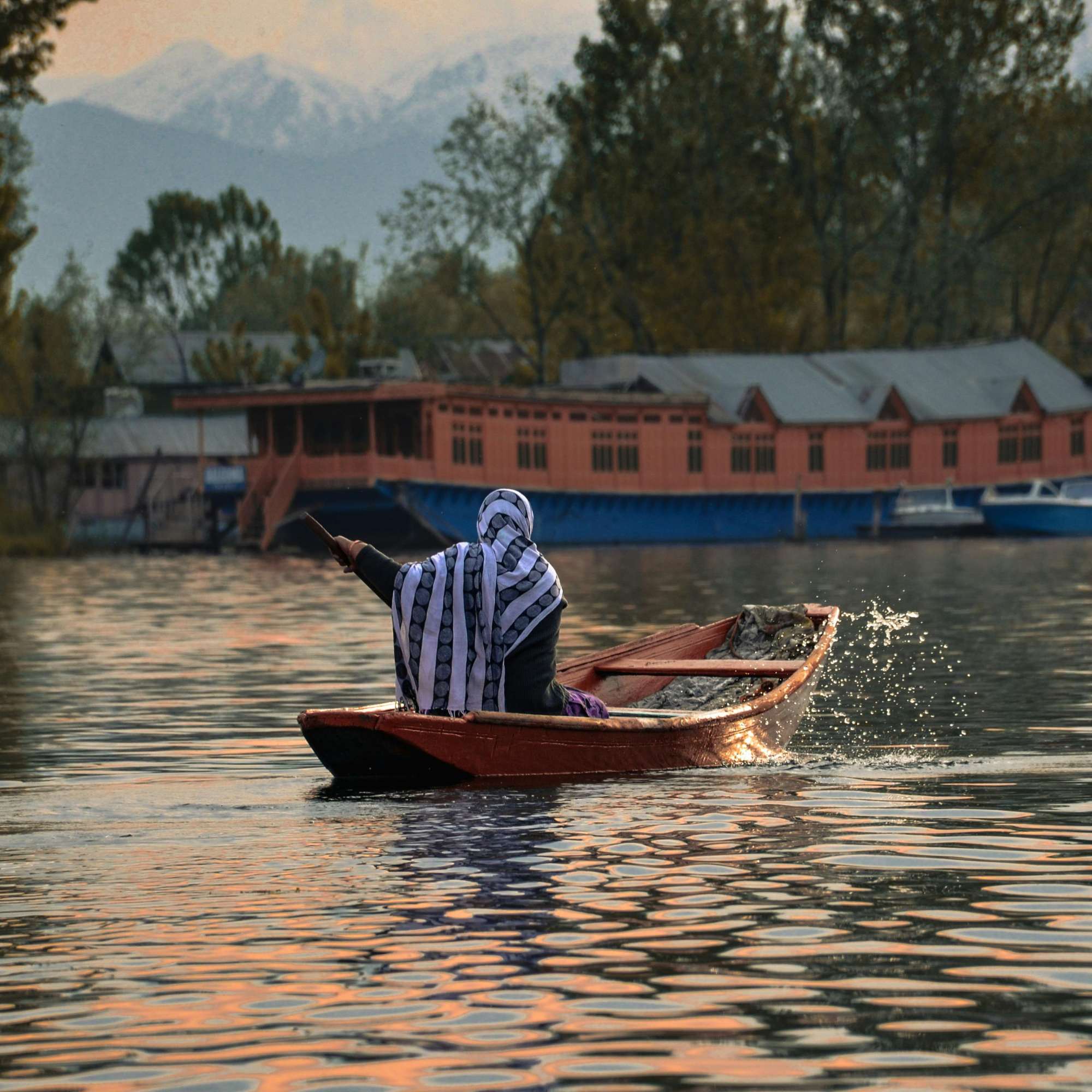
If you are trying to figure out whether a Kashmir houseboat is actually worth booking, or whether the whole thing is just a photo opportunity that costs too much, this guide by Travel Coffee gives you the honest version.
We plan Kashmir trips every season, and the houseboat question comes up in almost every conversation. Here is what we tell people.
Quick Answer
A Kashmir houseboat is a stationary wooden accommodation moored in one place. It does not cruise anywhere, unlike the Kerala boats most people picture.
You will find them mainly on Dal Lake and Nigeen Lake, and you reach them by a short shikara ride from a ghat on the shore.
One night is enough for most first-time travellers. Dal Lake gives you the iconic, busy, classic Srinagar setting. Nigeen gives you quiet and privacy.
Indicative 2026 prices run from around ₹2,500 to ₹20,000-plus per room per night, depending on category, season, meals, location and facilities. These prices move constantly, so confirm live rates for your actual dates.
If you want the houseboat night slotted properly into a full trip, our Kashmir tour packages handle the sequencing so you are not dragging luggage back and forth.
What Is a Kashmir Houseboat, and Does It Move?
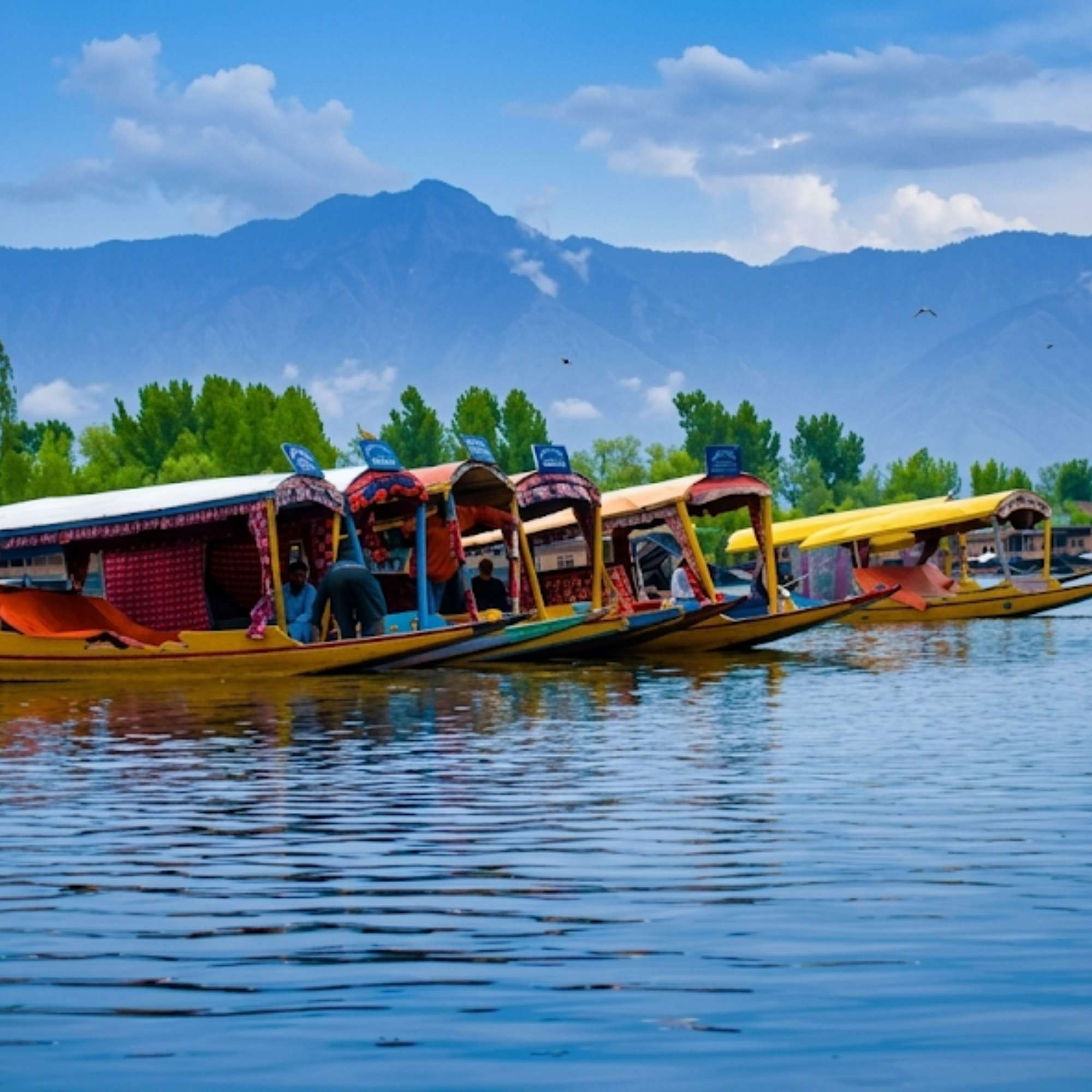
This confuses more travellers than anything else. A Kashmir houseboat stays exactly where it is moored. It does not sail.
Kerala houseboats cruise through backwaters. Kashmir houseboats sit still on the water and you live on them like a small wooden hotel.
The boats are built from wood, usually cedar, with carved panelling inside. Most have a sitting or dining room at the front, bedrooms behind it, and a deck facing the water.
Room count, bathroom quality and facilities change completely from one boat to the next. Two boats parked beside each other can be wildly different inside.
The main recognised houseboat locations are Dal Lake, Nigeen Lake, the River Jhelum and Chinar Bagh.
For lake-based boats you park at the road, walk to a ghat, and a shikara takes you across. That transfer is part of the deal, and it matters more than people expect.
Is Staying in a Kashmir Houseboat Worth It?
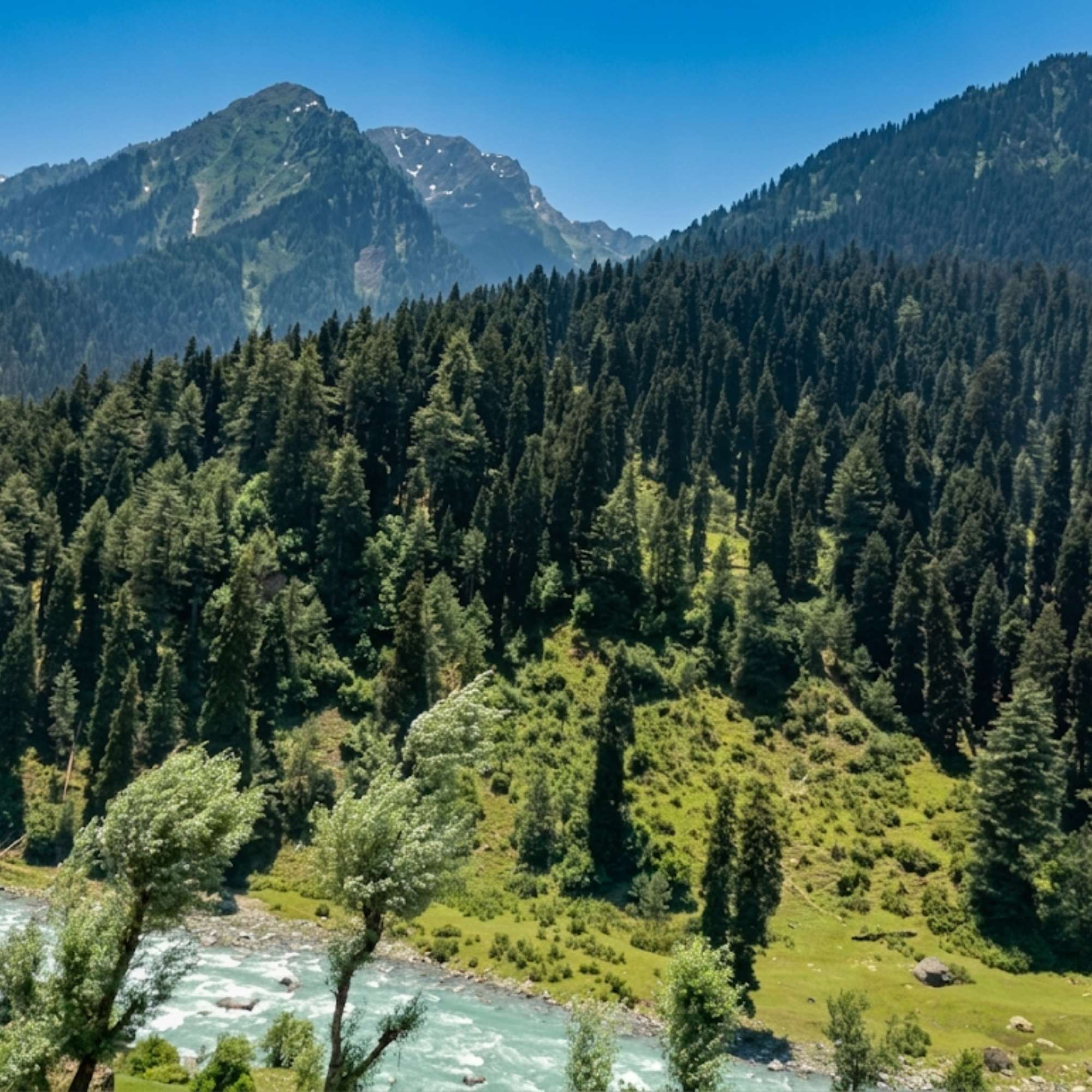
Yes, for the right traveller. No, if you want hotel convenience.
It works well for first-timers, couples, photographers, and anyone genuinely curious about Kashmiri hospitality and the carved woodwork that these families have maintained for generations.
The food on a good houseboat is home-style and often better than what you get at an average Srinagar restaurant. Morning light on the water is worth waking up for.
Now the honest part. You depend on a boat to reach the road. Want a late dinner somewhere in the city? That is a shikara ride each way.
Maintenance varies a lot. Some boats are immaculate. Some have not seen a serious repair in years, and the photos will not tell you which is which.
Merchants in shikaras approach some Dal Lake boats through the day selling saffron, shawls and papier-mâché. Some travellers enjoy it. Others find it tiring by the second visit.
Wooden walls do not block sound well. If someone in the next room is having a conversation, you will hear it.
Heating is uneven, restaurant choice is limited to whatever your boat serves, and you cannot just walk out for a snack.
In our experience, one carefully chosen houseboat night gives most travellers the atmosphere they want without making the full Srinagar stay inconvenient.
Is Dal Lake or Nigeen Lake Better for a Houseboat Stay?
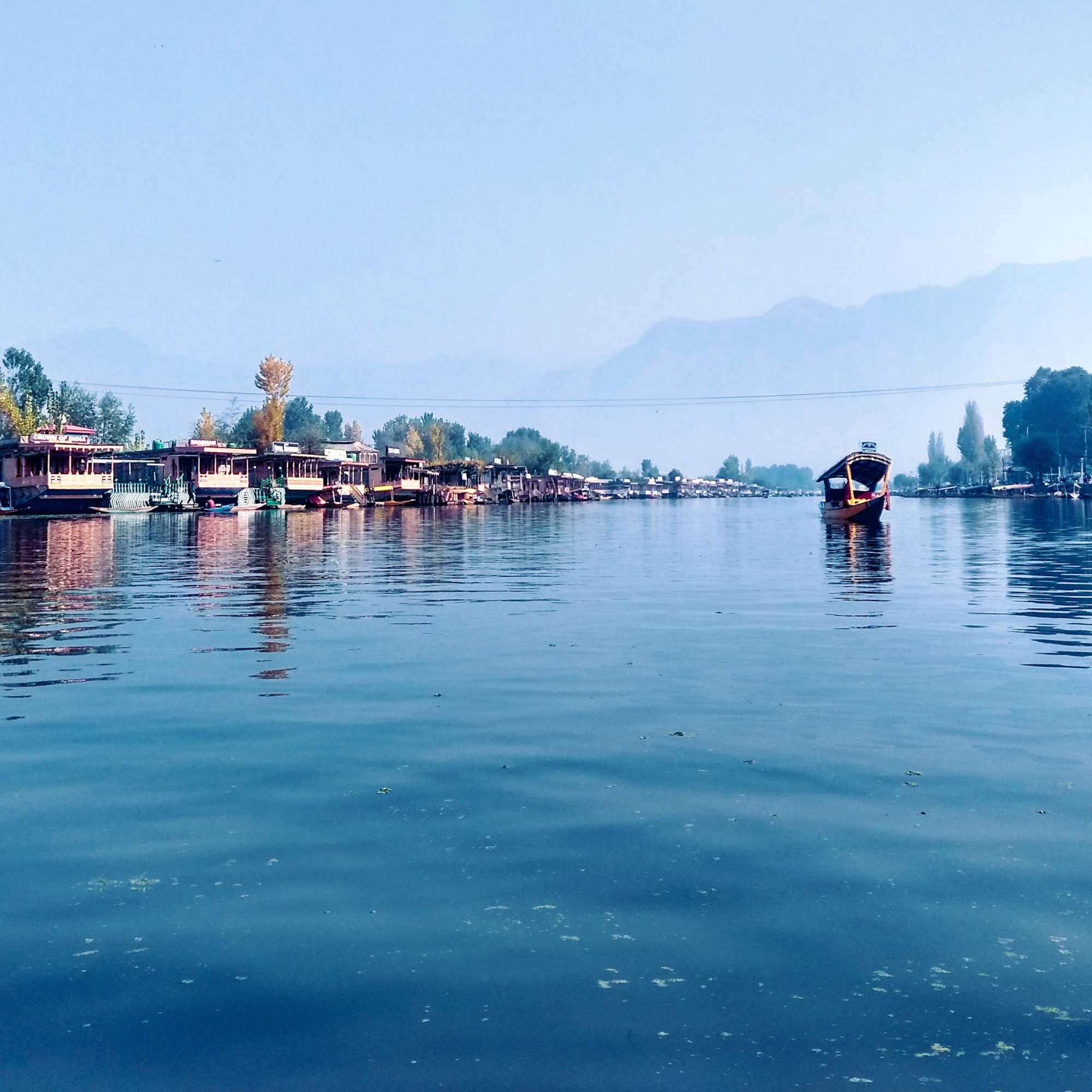
There is no universal answer here, and anyone who gives you one is selling something.
Choose Dal Lake for the Classic Srinagar Experience
Dal is the famous one. It is bigger, better known, and generally busier.
If you have seen a photo of Kashmir, you have seen Dal Lake. Most first-time visitors want exactly this: the shikaras, the floating vendors, the visible life on the water.
It also connects more easily to Boulevard Road and the sightseeing most people have on their list.
But do not assume the whole lake is loud. Dal is enormous, and the specific ghat, channel and direction your boat faces changes everything.
A boat tucked into an inner channel can be quieter than one on a supposedly peaceful lake facing an active stretch. Ask about the exact position, not just the lake name.
Choose Nigeen Lake for Quiet and Privacy
Nigeen is generally calmer with noticeably less tourist traffic.
Couples, honeymooners, repeat visitors and anyone who wants slow mornings usually prefer it. Fewer vendor boats, fewer engines, more stillness.
The trade-off is convenience. You are further from the central tourist zone, so every outing takes a bit more effort and planning.
If your Srinagar day is packed with sightseeing, Nigeen adds friction. If your plan is to sit on a deck with tea and do very little, it is the better call.
Which Lake Suits Families, Couples and Senior Travellers?
Families usually value easier shore access and a short, simple transfer with kids and bags.
Couples generally do better on a quieter positioning, wherever that happens to be.
Senior travellers should focus on one thing above all: a short, stable transfer with safe boarding. Stepping from a moving shikara onto a wooden deck is not trivial if your balance is not what it was.
Do not pick based on the lake name alone. Ask about the specific boat, the ghat, the boarding steps and how far the ghat sits from where your car can park.
That single question tells you more than any lake comparison.
How Much Does a Kashmir Houseboat Cost?
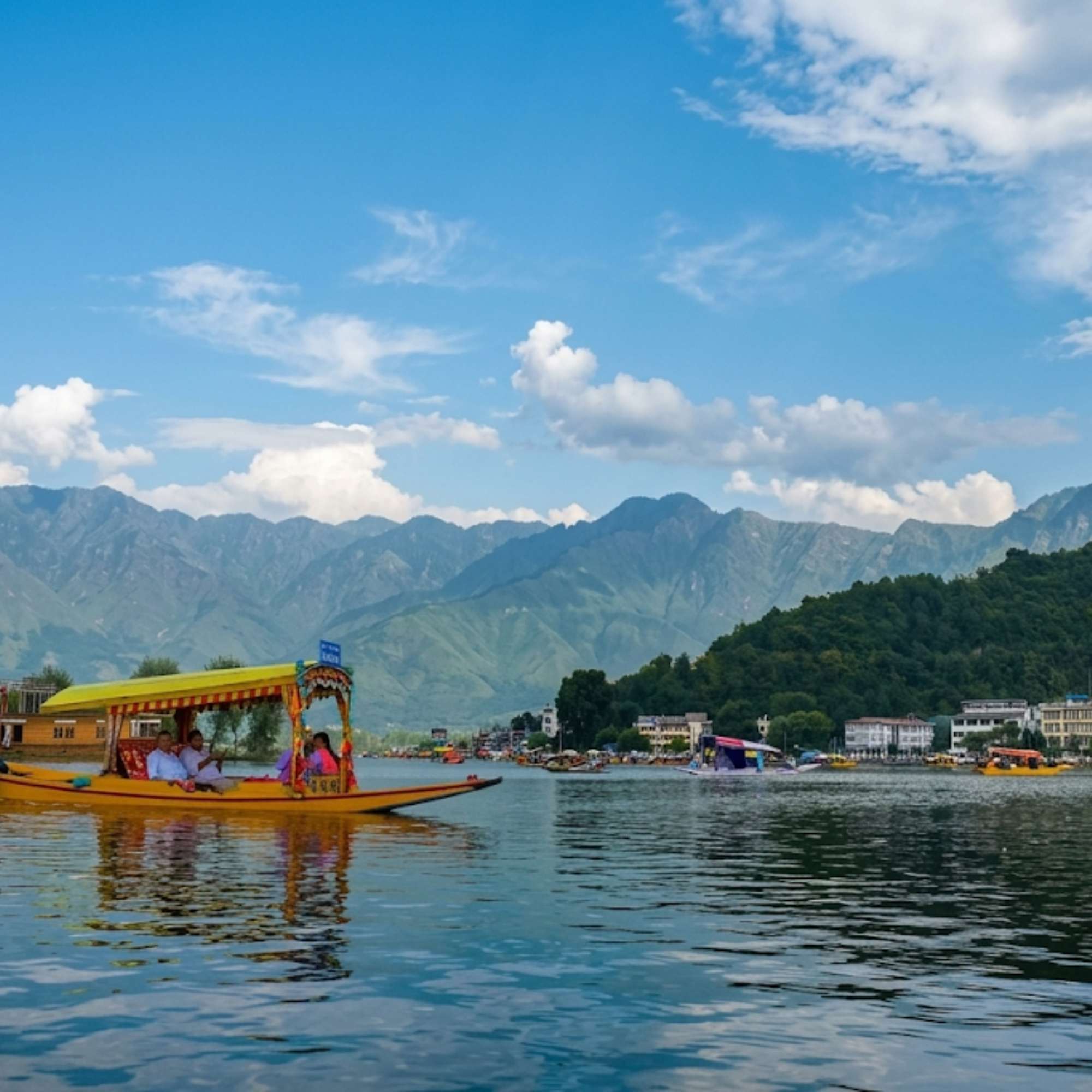
First thing to understand: almost all quotes are per room per night, not for the whole houseboat.
People get caught out by this constantly. A family of six assuming ₹4,000 covers everyone will find out otherwise at checkout.
Budget Houseboat Prices
Indicative range is ₹2,500 to ₹4,000 per room per night.
A very cheap quote usually means something is missing. Breakfast, dinner, taxes, heating, sightseeing shikara rides and transfers are the usual exclusions.
Ask for recent, unedited video of the actual room and bathroom before you pay anything. Not the sitting room. The room you are sleeping in.
Deluxe and Super-Deluxe Prices
Indicative range is ₹4,500 to ₹8,000 per room per night.
Here is the thing about these labels: nobody standardises them. One operator's "super deluxe" is another's "deluxe."
Ignore the word and look at what actually matters. The view, cleanliness, bathroom condition, food quality and heating arrangement decide whether you enjoy the night.
Luxury and Heritage Houseboat Prices
Indicative range is ₹9,000 to ₹20,000-plus per room per night.
Premium pricing can reflect a quieter position, a larger room, a better deck, genuine heritage woodwork, an upgraded bathroom, stronger service or included meals.
But paying more does not automatically get you every facility. Confirm what the price actually includes, item by item.
What Extra Charges Should You Ask About?
Get these confirmed in writing before you pay. Taxes, breakfast, dinner, full-board meals, the ghat transfer, sightseeing shikara, airport transfer, winter heating, hot water hours, extra bed charges and the cancellation policy.
The ghat transfer catches people most often. Some boats include it as a matter of course. Others charge every single trip, and if you go in and out three times a day that adds up.
Also ask what happens if you cancel four days out versus fourteen. Verbal assurances mean nothing when you are asking for money back.
👉 Planning a Kashmir houseboat stay? WhatsApp us for the right options within your budget.
How Do You Choose a Clean, Licensed and Safe Houseboat?
Start by asking for the current tourism registration details and the registered boat name. A legitimate operator answers this in one message.
Then ask for the exact lake, the ghat number or a map pin, and recent unedited videos of the room and bathroom.
Official policy requires registration, fire-safety equipment and compliance with environmental and sewage-management rules.
But registration is a floor, not a promise. A registered boat can still be poorly maintained. Do not treat the licence as a quality guarantee.
Check the physical safety items yourself when you board. Railings that feel solid, stable boarding steps, life jackets for the transfer, a visible fire extinguisher, clear emergency access.
Ask about the electrical condition, hot water availability and whether there is backup power. Srinagar power cuts are routine.
If you are travelling with a toddler, ask specifically about railings and direct deck access. The water starts where the wood ends. There is no garden, no lawn, no buffer.
What Are the Biggest Houseboat Booking Red Flags?
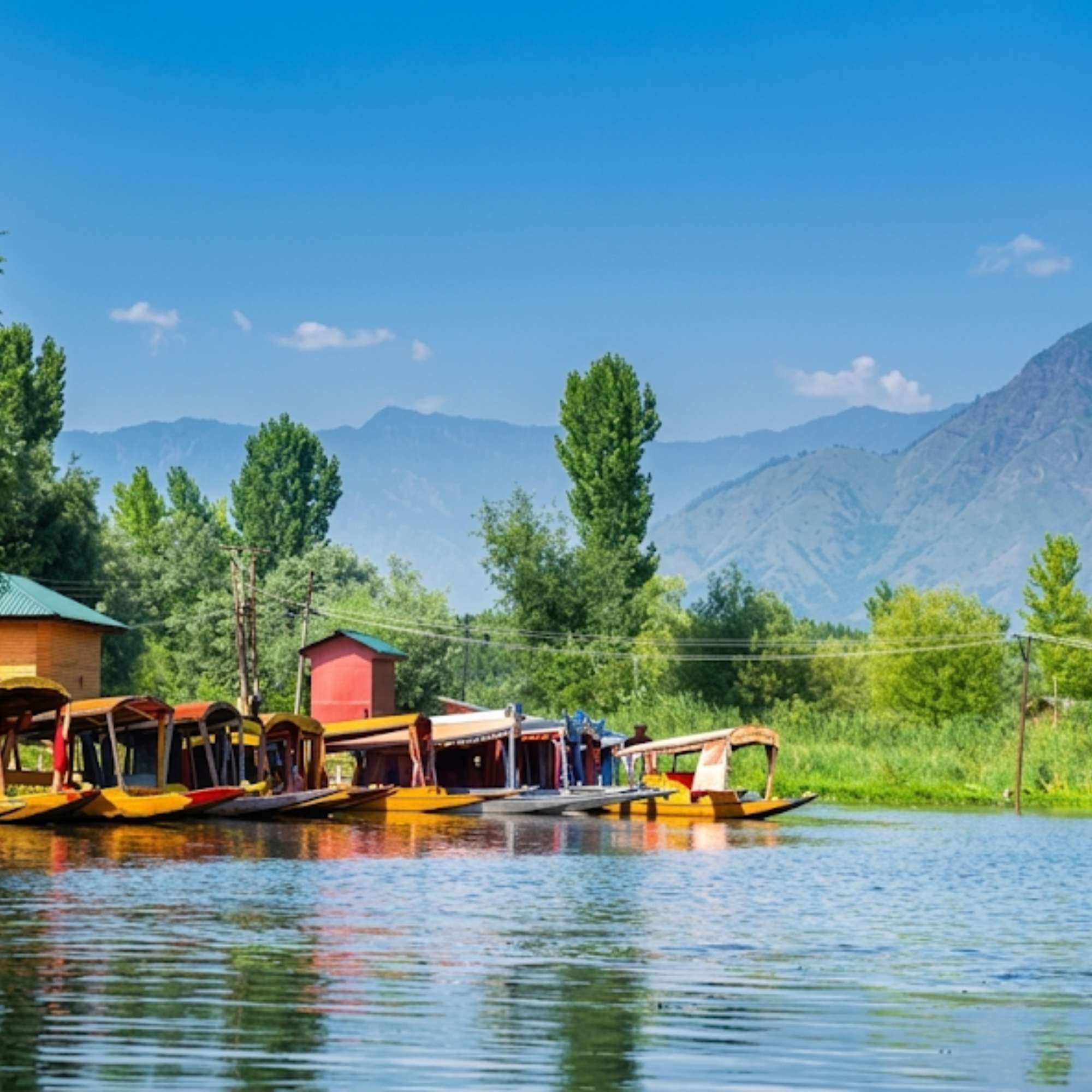
If an operator will not tell you the exact houseboat name, walk away. There is no good reason to hide it.
Generic photographs are the second warning sign. The same three interior shots appear across dozens of listings. Ask for a video shot today with the date visible.
Vague lake location is a problem too. "Dal Lake houseboat" is not an address. Dal is huge.
The ghat, the channel and which way your window faces decide your view, how much road noise reaches you and how long the transfer takes.
Pressure for full advance payment should make you slow down. So should a price that sits noticeably below everything else you have seen.
No written inclusions means no inclusions. If meals and transfers are only described over a phone call, they do not exist.
Get a written booking confirmation and a payment receipt. Every time. No exceptions.
What Is Usually Included in a Houseboat Stay?
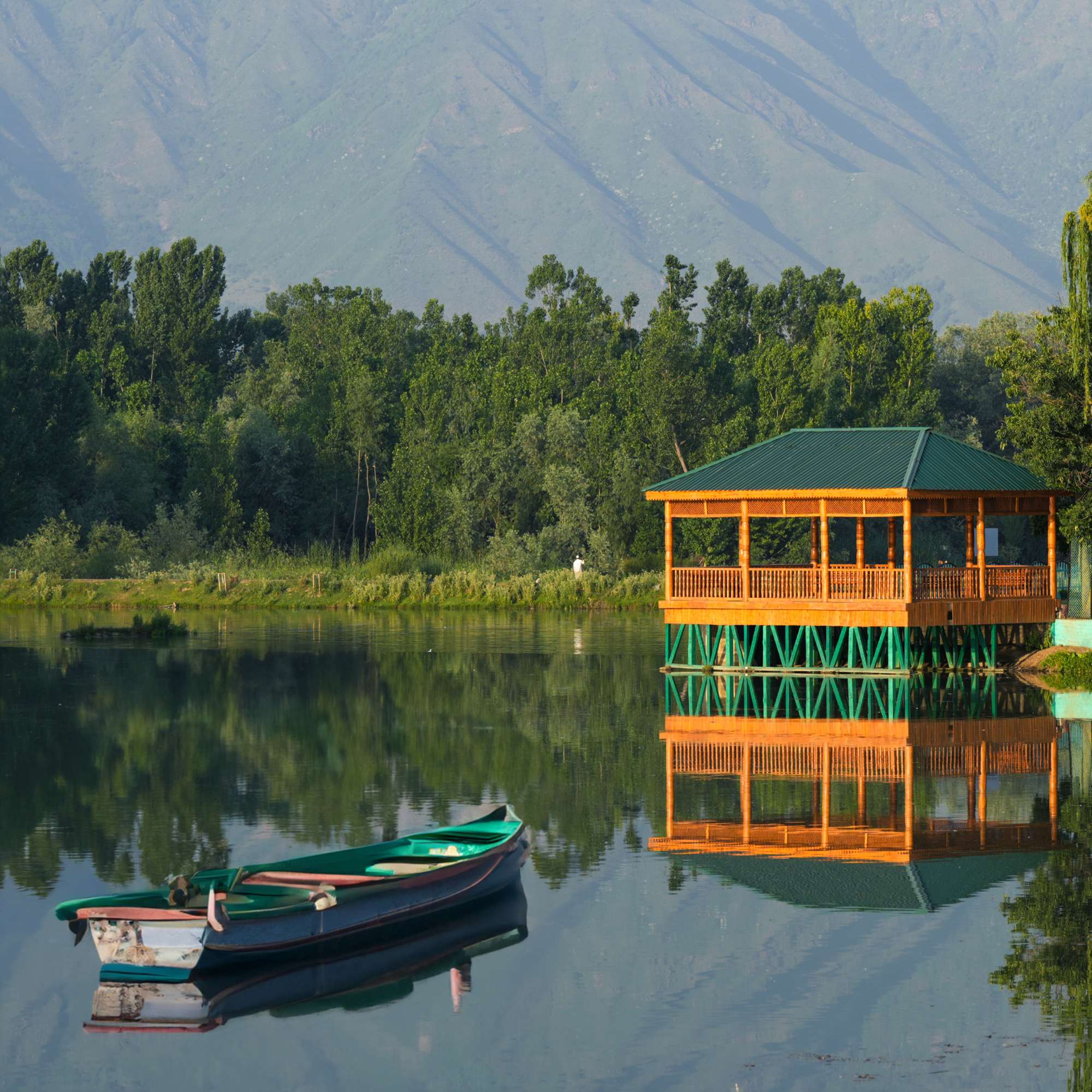
Inclusions swing wildly. Some rates are room-only. Others cover breakfast, or breakfast and dinner, or all meals.
You will see the codes CP, MAP and AP thrown around. Do not assume they mean the same thing at every property, because they do not.
Ask the operator to write the actual meals in plain language. "Breakfast and dinner, vegetarian and non-vegetarian, served in the dining room" tells you something. "MAP" tells you almost nothing.
There are also two completely different shikara things, and operators blur them constantly.
One is the short transfer that gets you from the ghat to your boat and back. The other is a proper sightseeing ride around the lake.
Confirm both separately, with prices for both. Assuming your "included shikara" covers a sunset tour is how people end up in an awkward conversation on the water.
What Is It Really Like to Spend a Night on a Kashmir Houseboat?
You arrive at the ghat with your bags. A shikara pulls up, someone loads your luggage, and you sit low on the cushions while the boatman poles you across.
The water is close. Closer than you expect. That is when it starts feeling different from a hotel.
You step onto the deck and into a carved wooden sitting room. Walnut panelling, papier-mâché work, heavy curtains, carpets that have been there a while.
Someone brings kahwa almost immediately. That first cup, on the deck, with the mountains behind the lake, is the moment people book this for.
The rooms are usually comfortable in a slightly old-fashioned way. Wooden furniture, thick blankets, a bathroom that is either well-kept or clearly not.
Dinner is home-style Kashmiri cooking, served in the dining room. On a good boat this is one of the better meals of the trip.
Now the realistic bits. Vendor shikaras approach some Dal Lake boats through the day. Politely saying no three times is a normal afternoon.
Wooden walls carry sound. Conversations, footsteps on the deck, doors. Light sleepers should know this going in.
Some locations get early boat activity, so a sunrise you did not plan for is possible.
And you are always dependent on the transfer. Nothing is a two-minute walk away.
Our team recommends checking in during daylight so you can inspect the room, bathroom, deck and boarding point before settling in. Arriving after dark means accepting whatever you get.
What Is the Best Time for a Kashmir Houseboat Stay?
April to June and September to November are the widely recommended windows.
Spring and early summer suit people who want pleasant sightseeing weather with long usable days.
Autumn brings cooler air and the seasonal colour change that photographers plan trips around.
Winter can be beautiful, genuinely. But your comfort depends entirely on heating, insulation, hot water and power backup, not on the scenery.
Nobody can promise you snow, flowers, lotus blooms, a frozen lake or clear skies on specific dates. Anyone who does is guessing.
Watch weather, road and local administration updates in the days before you leave. Heavy rain and road disruption develop fast in this region and plans change quickly.
Are Kashmir Houseboats Warm and Safe in Winter?
Not all of them. Do not assume.
Better-equipped boats provide room heaters, a traditional bukhari, electric blankets, or a combination. Arrangements differ enormously between properties.
Ask direct questions. How many hours does the heating run? When is hot water available? Is there backup power during cuts? Is the bathroom heated at all? Are the dining and sitting areas heated, or only the bedroom?
That bathroom question matters more than people realise. A warm bedroom attached to a freezing bathroom is still a bad night.
If you feel the cold badly, are travelling with an infant, or have senior members in the group, either book a well-reviewed premium boat with confirmed heating or take a land-based hotel during a severe cold.
There is no shame in the hotel. A miserable, sleepless night does not make a better story.
How Many Nights Should You Stay on a Houseboat?
One night, for most first-time Kashmir itineraries. That is our standard recommendation.
You get the full experience, the food, the deck, the morning light, without the logistics becoming a burden.
Two nights make sense for honeymooners, photographers, and anyone planning a genuinely slow Srinagar day built around a shikara ride, lakeside sightseeing and possibly an early floating-market visit.
Spending every Srinagar night on a houseboat usually backfires. Dining choices shrink, shopping becomes a project, and an early morning road departure turns into a scramble with luggage on a shikara before sunrise.
A Practical One-Night Srinagar Houseboat Itinerary
Arrival and First Evening
Arrive and check in while it is still light. This is the single most useful thing you can do.
Inspect the room, the bathroom, the railings and the transfer route before you commit to staying.
Then spend time on the deck. That is what you paid for.
A sunset shikara ride is worth doing, but confirm the route and price before you push off from the boat. Sort the number out on the deck, not on the water.
Sunset timing shifts through the year, so plan around the actual sunset for your dates rather than a fixed hour.
Morning on the Lake
An early floating-market visit is optional and genuinely atmospheric when it is running.
Confirm three things first: whether it is currently operating, how the departure is arranged, and what it costs. Do not assume it happens every morning.
Come back for breakfast on the deck. Morning light on the lake is better than evening light for photographs, and there are fewer boats moving.
After Checkout
Continue with Srinagar sightseeing, or move on to the next stop in your Kashmir plan.
Here is a planning tip worth more than it sounds: put the houseboat night at the very start or the very end of your Srinagar stay.
Sandwiching it between hotel nights means moving all your luggage by shikara twice for no reason.
Kashmir Houseboat or Srinagar Hotel: Which Is Better?
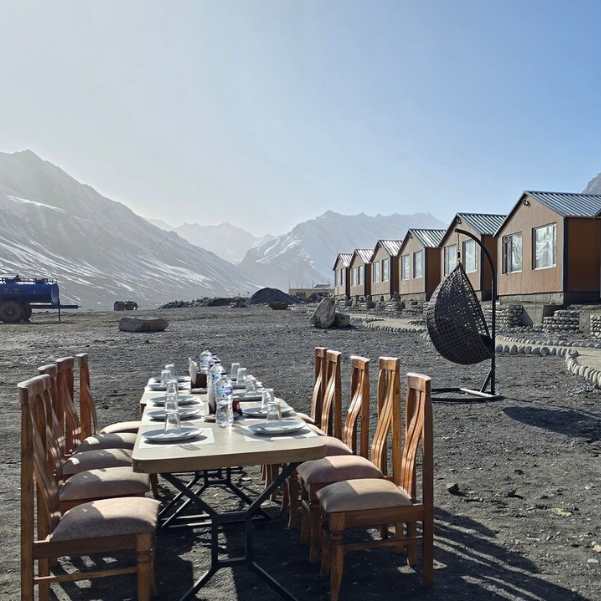
Both, honestly. That is not a dodge, it is the actual answer.
The houseboat gives you atmosphere, lake life, carved interiors and a cultural character no hotel replicates.
The hotel gives you road access, more predictable heating, a wider choice of restaurants and much simpler movement in and out.
One houseboat night plus one or more hotel nights works well for most first-time travellers. You get the experience without the daily friction.
Neither option is always better. It depends on how you like to travel and what your Srinagar days look like.
Who Should Reconsider a Houseboat Stay?
If you have serious mobility limitations, think carefully. The transfer involves stepping into and out of a boat that moves.
People who feel uncomfortable around open water often do not enjoy it either. Water is on all sides, all night.
Unsupervised toddlers are a real risk. Deck access is direct and the water is right there.
Very light sleepers should expect to hear things through wooden walls.
And if you need predictable central heating, a houseboat is not the reliable option in cold months.
None of this rules out a houseboat entirely. Many of these travellers stay comfortably after confirming short or direct access, secure railings, staff assistance for boarding and reliable utilities.
Just confirm before booking rather than hoping.
What Changed for Kashmir Houseboats in 2026?
Houseboat and shikara registration and licence renewal were reported as fully online in March 2026. That should reduce delays for owners.
The government also stated in March 2026 that no licence-fee revision was proposed at that time.
The official houseboat policy caps the number of houseboats on Dal and Nigeen lakes at 910, and restricts new construction unless the government decides otherwise.
Repairs and renovations are not completely banned, which is a common misconception. They require approval.
Separately, a proposed inland water transport and dredging project on the Jhelum has raised heritage concerns among river-houseboat owners.
This is a Jhelum-specific matter. It does not automatically affect a Dal Lake or Nigeen Lake booking.
On the general situation: we are not going to tell you Kashmir is universally safe or universally unsafe, because neither statement is useful for planning.
Check official tourism updates, local administration notices, weather reports and road and security advisories close to your departure. Conditions in this region can change quickly.
How Are Kashmir and Kerala Houseboats Different?
The core difference is movement. Kashmir houseboats are normally stationary wooden accommodations that stay moored.
Kerala houseboats are commonly designed as cruising experiences that move through the backwaters.
The settings could not be more different either. Kashmir gives you mountains around a lake, cold air, wooden interiors and cedar.
Kerala gives you tropical backwaters, palms, humidity and a slow drift past villages and paddy fields.
In Kashmir, the stay itself is the experience and a shikara handles all your movement. In Kerala, the cruise is usually the main activity.
If the cruising version appeals more, look at our Kerala tour packages instead.
Can You Combine Kashmir with Ladakh?
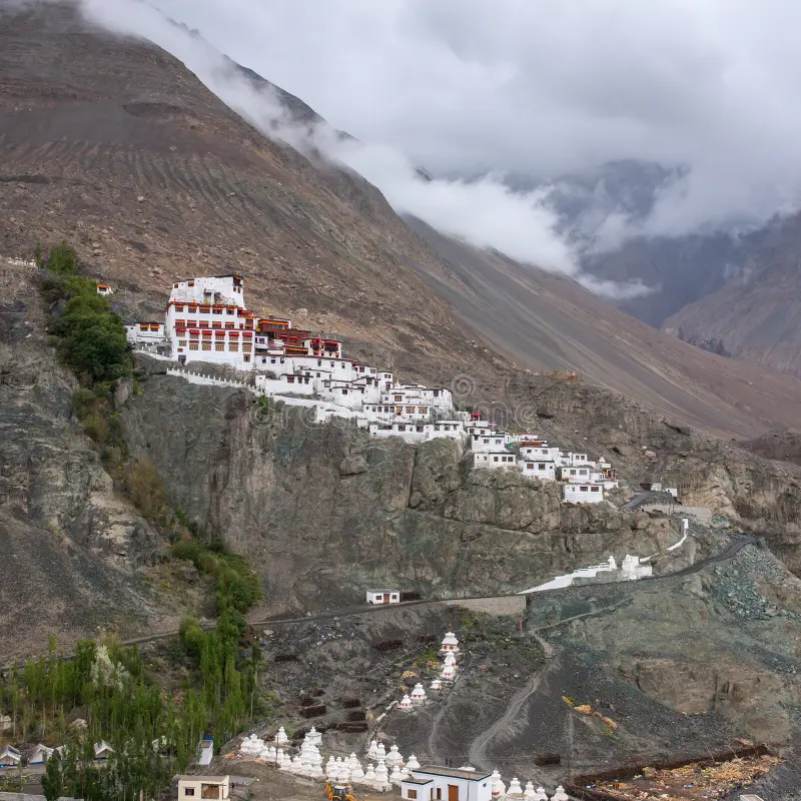
Yes, and it makes a strong longer northern itinerary. Many travellers do exactly this.
But road access, weather, permit requirements and current road status all need checking for your specific dates.
We are not going to quote you a route duration or road-opening date here, because those change year to year and a wrong number could wreck your plan.
If Ladakh is on your list, our Leh Ladakh tour packages cover the routing properly with current conditions factored in.
Final Kashmir Houseboat Booking Checklist
Confirm the exact lake and the ghat, the registered boat name, the room category and the room view. Get recent photographs and video of that specific room and its bathroom.
Then sort the money side. Meals in plain language, taxes, whether the ghat transfer is included, and the price of a sightseeing shikara as a separate item.
For comfort and safety, confirm heating arrangements and hours, hot water hours, backup power, life jackets for the transfer and the condition of the railings.
Finally get the paperwork. Cancellation policy in writing, a payment receipt, and a working emergency contact number for someone who will actually answer.
One more thing about shikara. A 2023 notified rate was ₹700 per hour for three kilometres with ₹400 for each extra hour, but commercial 2026 pages quote roughly ₹770 to ₹790 for an hour, which conflicts with it.
Shikara rates may differ between notified tariffs and current commercial listings, so check the displayed government rate card at the ghat before boarding and agree on the total price in advance.
Uber Shikara also launched with one-hour rides for up to four passengers, bookable at least 12 hours and up to 15 days ahead. Verify it is still running on your dates before relying on it.
In our experience, a ten-minute video call with the operator can prevent most unpleasant surprises.
Explore Our Curated Kashmir Tour Packages
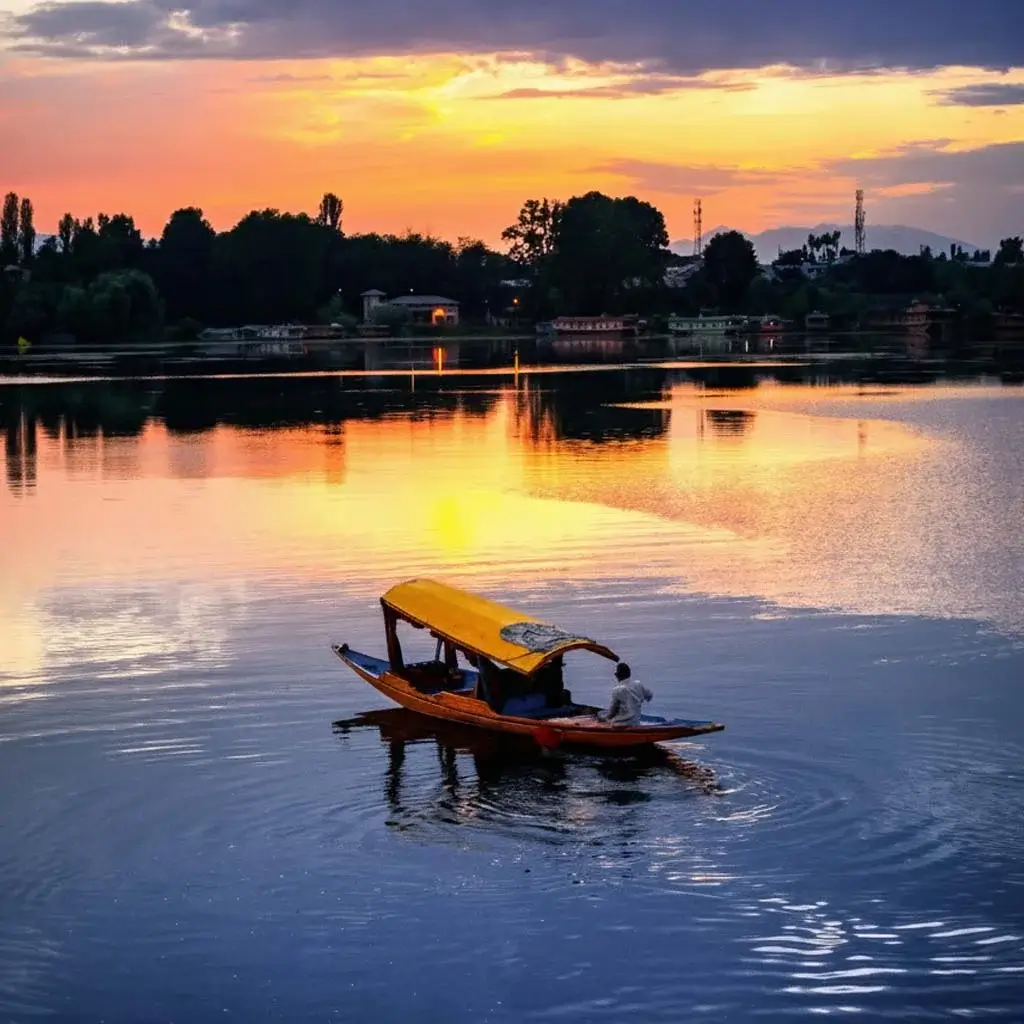 4D/3N
4D/3NThe Perfect 4 Day Kashmir Getaway
4D Srinagar•1D Gulmarg+1
₹9,999₹14,499SAVE INR 4,500/ person 5D/4N
5D/4NBest Of Kashmir – Srinagar, Gulmarg & Pahalgam Tour Package
5D Srinagar•1D Pahalgam+1
₹11,499₹16,999SAVE INR 5,500/ person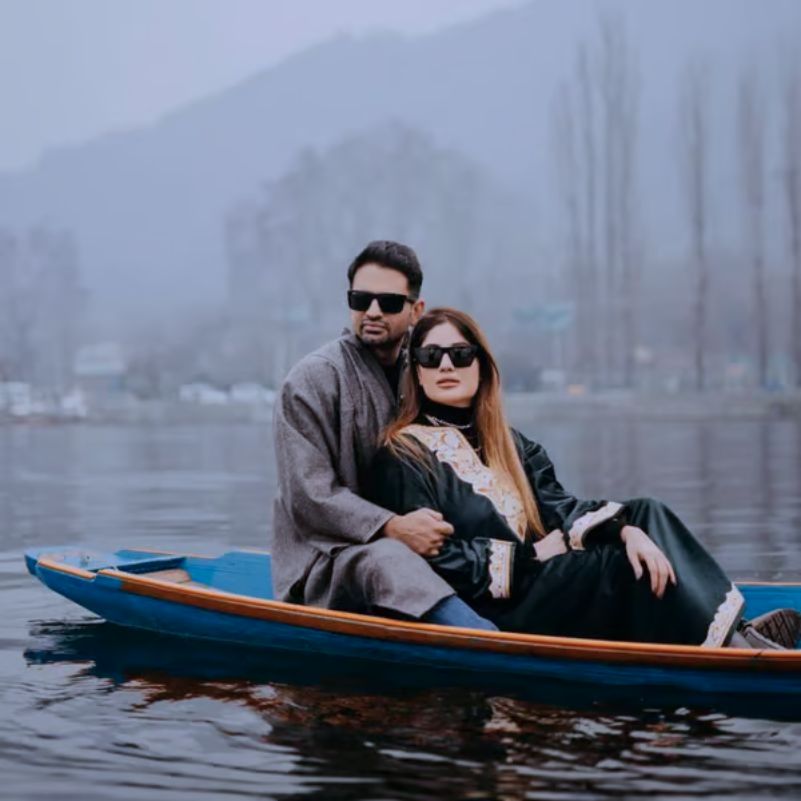 5D/4N
5D/4NKashmir Honeymoon Experience – Srinagar, Gulmarg & Pahalgam
5D Srinagar•1D Pahalgam+1
₹14,499₹21,499SAVE INR 7,000/ person
Related topics
Frequently Asked Questions
How much does a Kashmir houseboat cost per night?
Indicative 2026 rates run from ₹2,500 to ₹20,000-plus per room per night. Budget rooms sit around ₹2,500 to ₹4,000, deluxe and super-deluxe around ₹4,500 to ₹8,000, and luxury or heritage boats from ₹9,000 upward. Remember these are per room, not for the whole boat. Prices move with season, meals, taxes and lake position, so confirm live rates for your dates.
Is a Kashmir houseboat worth staying in?
For most first-time visitors, yes, for one night. You get carved wooden interiors, home-style Kashmiri food, deck views and a genuinely different way to experience Srinagar. The downsides are real too: boat-dependent access, variable maintenance, weak soundproofing and limited dining options. It suits people who want atmosphere over convenience.
Is Dal Lake or Nigeen Lake better?
Dal is busier, more iconic and better connected to central sightseeing. Nigeen is quieter with less tourist traffic and suits couples and slow mornings. Neither is automatically better. The exact position of your boat, the ghat and which way the room faces matter more than which lake you pick.
Do Kashmir houseboats move?
No. Kashmir houseboats stay moored in one place. They are wooden accommodations, not cruising vessels. The confusion comes from Kerala houseboats, which do cruise through backwaters. In Kashmir, a shikara handles all your movement between the boat and the shore.
Is one night enough on a Srinagar houseboat?
For most first-time itineraries, yes. One night gives you the deck, dinner, morning light and the full atmosphere without the logistics becoming annoying. Two nights work well for honeymooners, photographers or anyone planning a deliberately slow Srinagar day.
Are houseboats suitable for children?
They can be, with supervision. Deck access is direct and water sits immediately beside the accommodation, so toddlers need constant watching. Confirm railings, boarding safety and life jackets before booking. Families often prefer boats with easier shore access and a short transfer.
Are Kashmir houseboats warm in winter?
It depends entirely on the property. Better-equipped boats offer room heaters, a bukhari or electric blankets, but arrangements vary a lot. Ask about heating hours, hot water hours, backup power and whether the bathroom and sitting areas are heated. Cold-sensitive travellers may do better in a land-based hotel during severe cold.
Are meals included in the booking price?
Sometimes. Some rates are room-only, others include breakfast, breakfast and dinner, or all meals. Codes like CP, MAP and AP are not applied consistently across properties. Ask the operator to write out the actual meals in plain language rather than relying on the abbreviation.
Is the shikara transfer included?
It varies. Some boats include the ghat transfer, others charge for each trip. Also note that the short transfer and a longer sightseeing shikara ride are two different things. Confirm both separately with prices, in writing, before you book.
How can I check whether a houseboat is licensed?
Ask for current tourism registration details and the registered boat name. Official policy requires registration, fire-safety equipment and environmental and sewage-management compliance. Registration does not guarantee good maintenance, so still ask for recent unedited videos of the room and bathroom.
Is a houseboat better than a hotel in Srinagar?
Neither wins outright. A houseboat gives atmosphere, lake life and cultural character. A hotel gives easier road access, more predictable heating, better dining choice and simpler mobility. Most first-time travellers do best combining one houseboat night with hotel nights.
What is the best month for a Kashmir houseboat stay?
April to June and September to November are the widely recommended windows. Spring and early summer suit pleasant sightseeing weather, autumn brings cooler air and seasonal colours. Winter is beautiful but comfort depends on heating and power backup. Weather is never guaranteed on specific dates.
More about Kashmir
 Kashmir
Kashmir Taxi Guide 2026: Local Union Rules, Cab Routes & Current Fare Logic
Planning to use taxis in Kashmir in 2026? Understand local union rules, popular cab routes, sightseeing restrictions and how taxi fares are generally structured across Srinagar, Gulmarg, Pahalgam and Sonamarg.
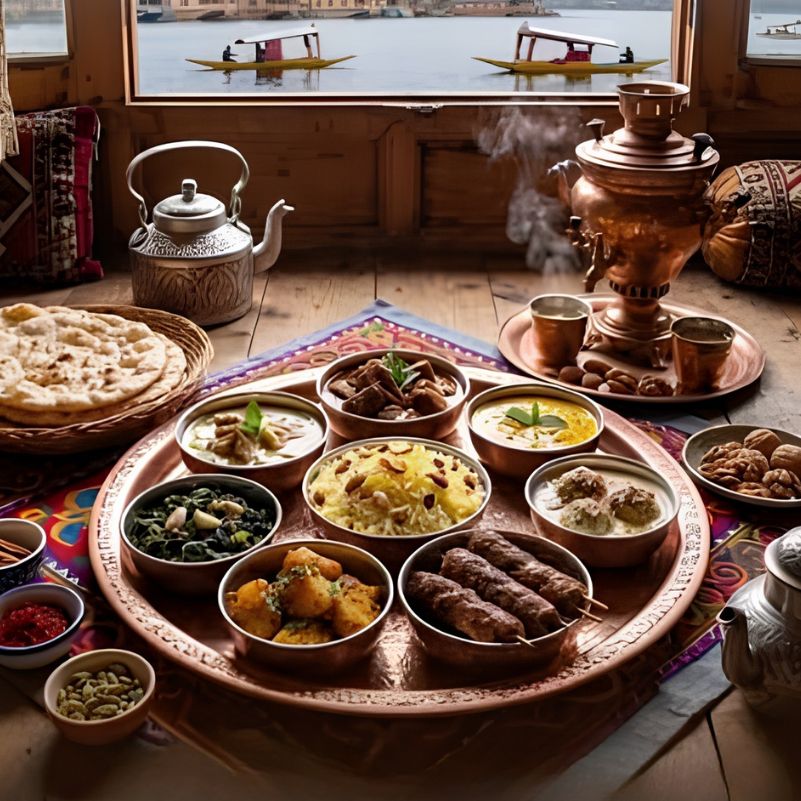 Kashmir
Kashmiri Food Guide 2026: What to Eat in Srinagar, Pahalgam & Gulmarg
Discover what to eat in Kashmir in 2026, from traditional Kashmiri dishes and Wazwan to local snacks, breads and drinks. This guide covers food experiences in Srinagar, Pahalgam and Gulmarg for first time visitors.
- Things to Do
- Places to Visit
 Kashmir
SIM Cards in Kashmir 2026: Internet, ATMs, IDs & Tourist Essentials
Travelling to Kashmir in 2026? Learn about SIM card access, mobile internet, ATM availability, accepted ID documents and other essentials tourists should arrange before visiting Srinagar, Gulmarg, Pahalgam and Sonamarg.
- First-Time Travellers