
Vaishno Devi with Kashmir Tour 2026-27: Best Itinerary, Train, Cost and Winter Travel Guide
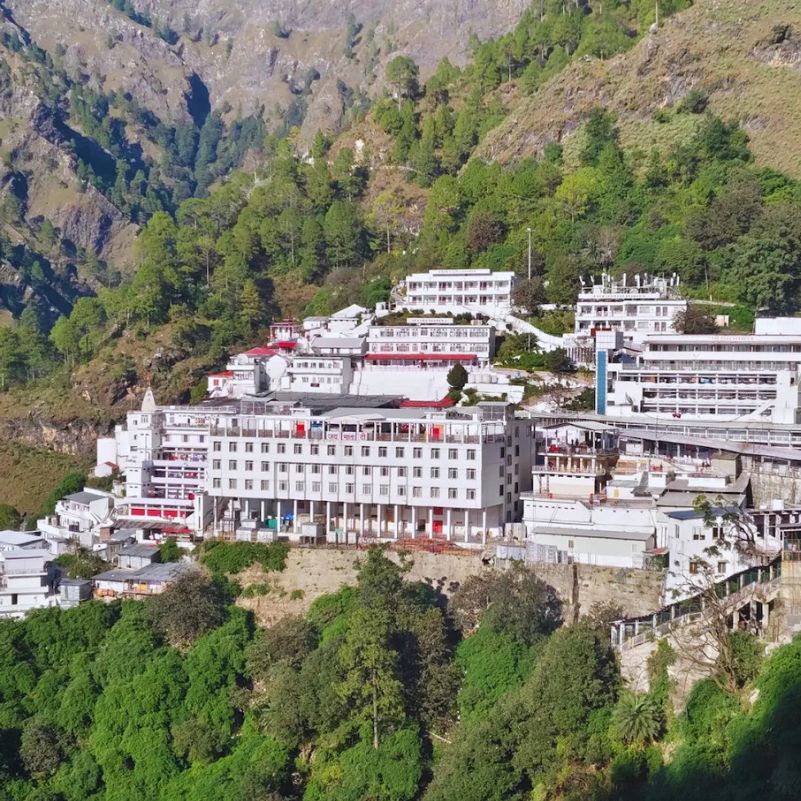
A Vaishno Devi Kashmir tour pairs two very different trips: a pilgrimage to Mata Vaishno Devi from Katra, and a Kashmir holiday based in Srinagar. They sit in different regions, so the real planning is about time and transfers, not just a list of sights.
Most blogs stitch the two together on paper and make it look quick. On the ground it needs a proper darshan day and a real transfer day. Here is how to plan it without rushing either side.
Quick Answer: Can You Visit Vaishno Devi and Kashmir on One Trip?
Yes. Base your pilgrimage in Katra for the Mata Vaishno Devi Yatra, then move to Srinagar for Kashmir sightseeing like Dal Lake, Gulmarg and Pahalgam. Katra and Srinagar are separate regions, so you need a real transfer day between them.
Give the Yatra a full darshan day of its own, and treat the Katra to Srinagar move as a separate day. We suggest seven days for a compact trip and eight for a more relaxed one. These are our planning recommendations, not fixed tour lengths.
Should You Visit Vaishno Devi First or Kashmir First?
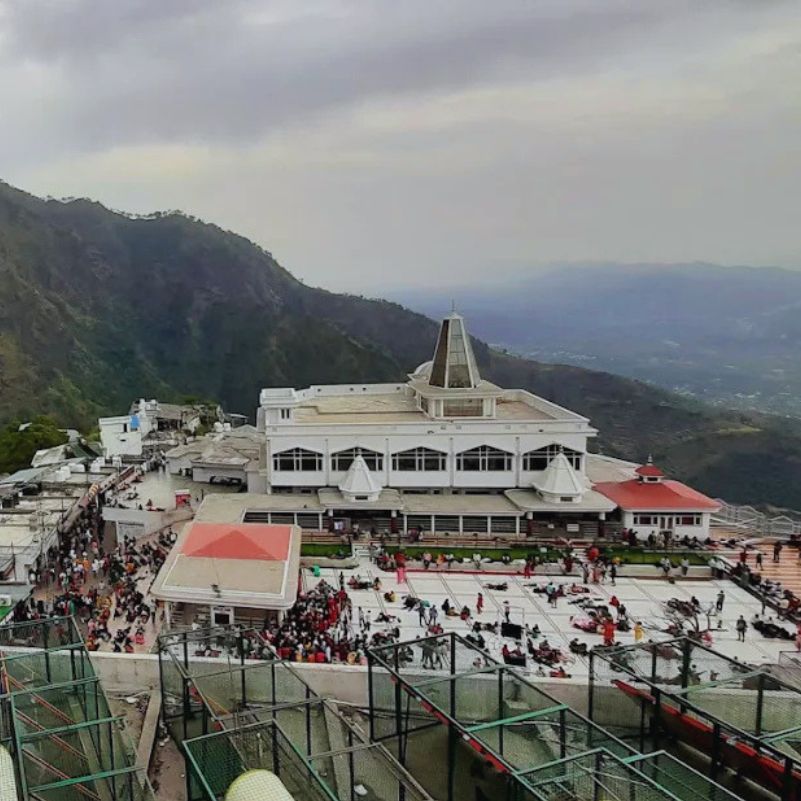
Most travellers do Vaishno Devi first and Kashmir second, arriving at Jammu or Katra and flying out of Srinagar. It avoids backtracking and ends the trip on the relaxed Kashmir leg.
The reverse works too if your flights or trains suit it better, landing in Srinagar first and finishing at Jammu. The best order comes down to where your transport arrives and departs.
One practical point
Jammu has wider train and flight connectivity from the rest of India, so arriving there and doing the Yatra first is often the simpler entry. Finishing in Srinagar then lets you fly out straight after the Kashmir leg.
If you book a round trip into Srinagar instead, you will cross to Katra and back, which adds travel. For most people, the one-way Jammu-in and Srinagar-out shape is the cleaner plan.
Remember that Katra and Srinagar are different regions with a real journey in between. Whichever way you go, build in a transfer day rather than assuming you can do both in one morning.
How Many Days Are Required for Vaishno Devi and Kashmir?
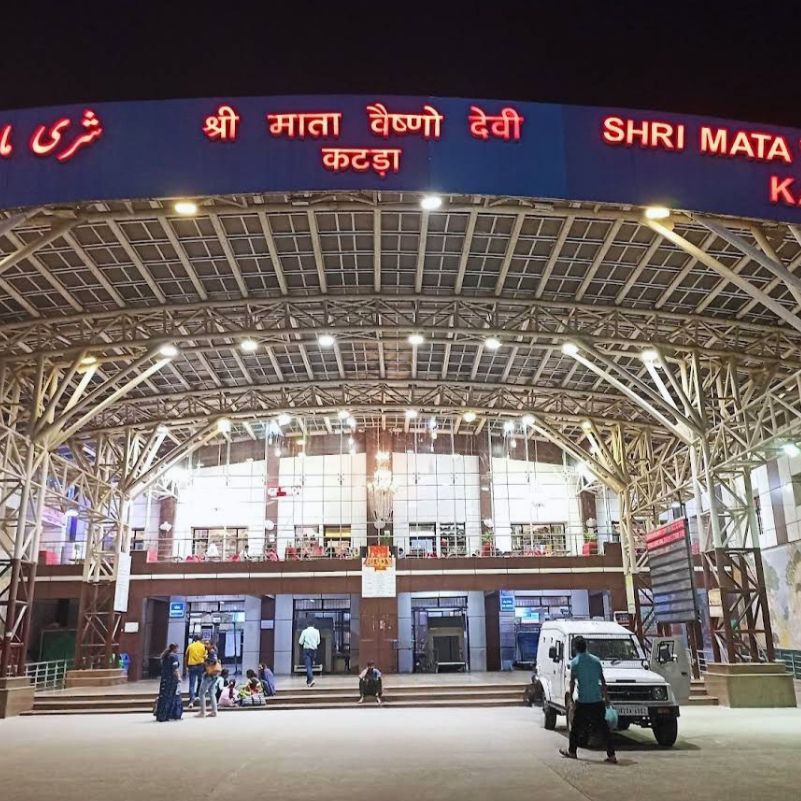
Six days is tight. You can technically do the Yatra and a short Srinagar visit, but you lose rest time and any weather buffer, and one closed road can unravel the whole plan.
We would not recommend six days for first-timers or anyone travelling with elders. There is simply no slack if a train runs late or snow shuts a road for a day. One disruption and you end up cutting the pilgrimage or the Kashmir side short.
Seven days is the compact option that still works: two nights in Katra for the pilgrimage and rest, a transfer day, and four nights in Srinagar for Dal Lake, a Gulmarg day and a Pahalgam or flexible day.
Eight days adds breathing room, usually an overnight in Pahalgam so it is not a rushed day trip, plus more recovery after the trek. You feel the difference most on the Yatra day and the Pahalgam leg.
For elderly travellers and anyone visiting in winter, we lean towards eight days. The trek is demanding, winter travel is slow, and an extra day takes the pressure off.
Think of it this way. Seven days sees everything at a steady pace. Eight days sees the same things with time to actually rest in between.
What Is the Best 7-Day Vaishno Devi Kashmir Itinerary?
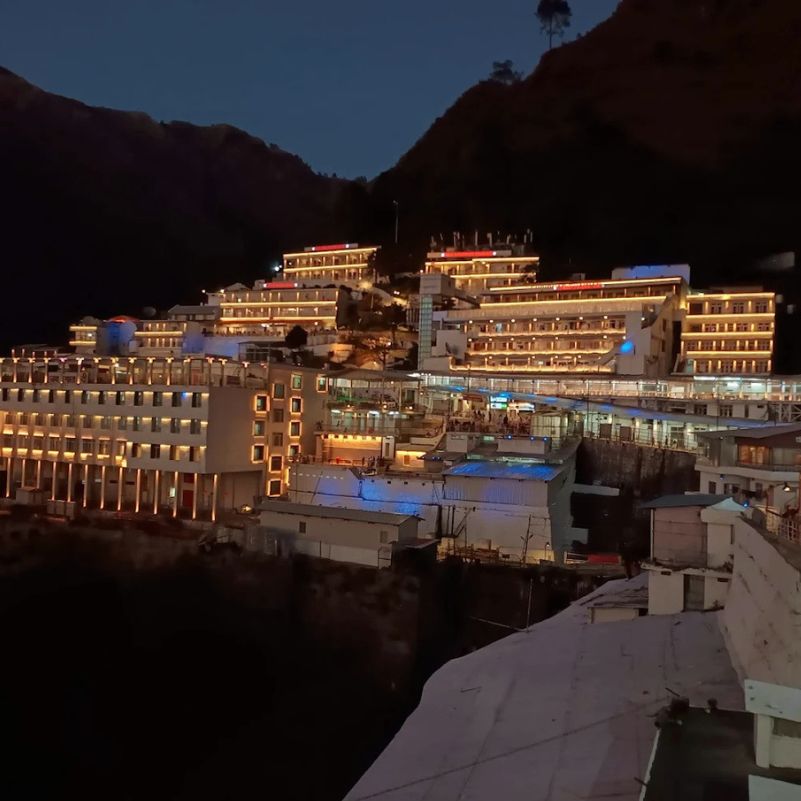
Here is a realistic seven-day plan with two nights in Katra and four in Srinagar. Treat the sightseeing as weather and access dependent, not a guarantee, especially in the cold months.
Day 1: Arrive in Jammu or Katra
Fly or take the train to Jammu, then transfer to Katra, the base town for the Yatra. Katra sits a short road transfer from Jammu.
Use the rest of the day to settle in, complete your Yatra registration, and eat early. An early night matters, because the smart move is to start the trek before the midday crowd.
Day 2: Vaishno Devi Yatra and Darshan
Give the whole day to the pilgrimage. The trek to the Bhawan is about 13 km one way from Katra, passing well-known stops like Banganga and Ardhkuwari on the paved path up.
You can walk it or use authorised pony, palki, battery car or helicopter options, each subject to eligibility and availability on the day. Carry water, a light snack and your RFID card.
Darshan timings and queues change with the crowd and the season, so no one can promise a fixed darshan slot. Start early and keep the day clear. After you return to Katra, rest. This is not a day to also travel to Srinagar.
Day 3: Travel from Katra to Srinagar
Move to Kashmir today, by Vande Bharat train or private taxi. Reach Srinagar, check into your houseboat or hotel, and take it easy after the transfer.
Keep the rest of the day light in case the journey runs long. A gentle evening on the Boulevard or a short Shikara ride is plenty after a travel day.
Day 4: Explore Srinagar and Dal Lake
Spend the day in and around Srinagar. A Shikara ride on Dal Lake, the Mughal gardens like Nishat Bagh and Shalimar Bagh, the old city lanes and the lakeside Hazratbal shrine fill a comfortable day.
Everything here is weather permitting. On a clear winter day the light on the lake is lovely; after heavy snow, keep the plan flexible and closer to base.
Day 5: Gulmarg Day Trip
Take a day trip to Gulmarg for the snow and mountain views. The Gondola cable car, skiing and sledging are the big draws, all weather and operator dependent.
Treat a Gondola ride as a hope, not a certainty. Snow, wind and maintenance days can stop it, so have a backup plan and dress properly for the cold up top. Even if the cable car is shut, the snow, the meadows and the mountain views still make the day worthwhile.
Day 6: Pahalgam Day Trip or Flexible Srinagar Day
Pahalgam is a long day trip from Srinagar and back, which can tire you out. The drive passes the saffron town of Pampore and the old Avantipora ruins, both worth a short stop.
Several of Pahalgam's headline spots, Baisaran, Chandanwari and Tulian Lake, appear on the Anantnag closure notice, so do not count on them.
If the drive or the closures do not appeal, keep this a flexible Srinagar day instead: more of the old city, some shopping, or a slow houseboat afternoon.
Day 7: Departure from Srinagar
Fly out of Srinagar. Leave a comfortable buffer to the airport, because winter weather and security checks can slow the morning.
If an early snow shower rolls in, that buffer is what saves your flight. Do not plan a tight morning connection out of Srinagar in winter.
If you are still working out flights and trains into the region, our guide on how to reach Kashmir covers the main routes in and out.
What Is the Best 8-Day Vaishno Devi Kashmir Itinerary?
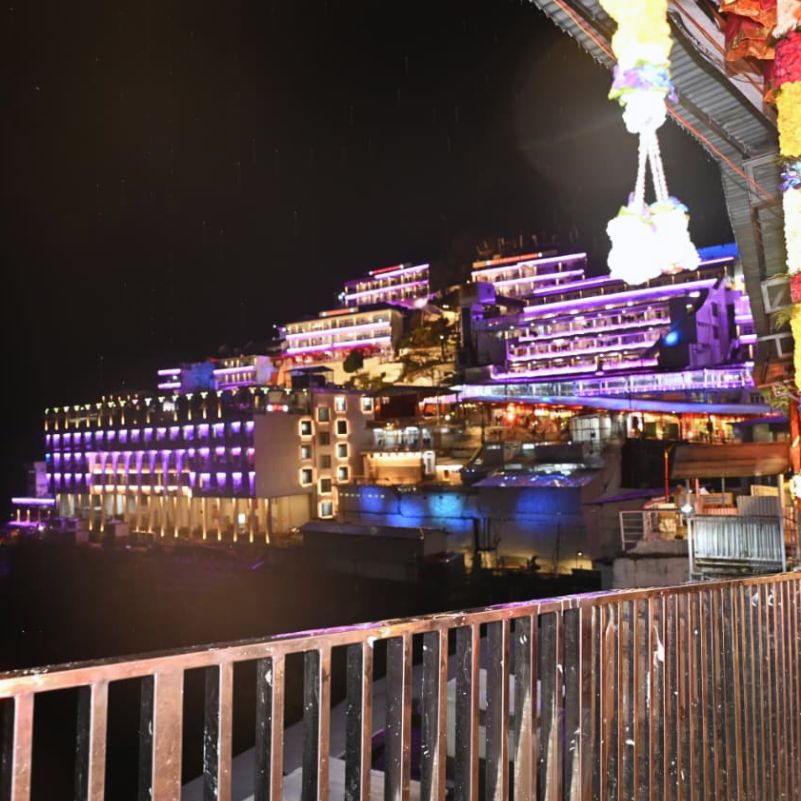
The eight-day version keeps the same start but gives Pahalgam an overnight, so it is not a rushed day trip, and leaves more recovery time after the Yatra.
Day one you arrive in Katra, day two is the Yatra and darshan, and day three you transfer to Srinagar. Day four is Srinagar sightseeing and Dal Lake, and day five is a Gulmarg day trip.
On day six you drive to Pahalgam and stay overnight, day seven you return to Srinagar, and day eight you depart. That works out to two nights in Katra, one in Pahalgam and four in Srinagar.
The overnight means you travel at a calmer pace and get an evening by the Lidder river, rather than racing back to Srinagar the same day. Mornings in Pahalgam are quiet and worth the stop.
The Pahalgam closures still apply, so confirm what is open before you book that night. The town, the river and the drive are the draw if the meadows stay shut.
This extra day is the one we most often add for families and older travellers. It turns the busiest stretch of the trip into something comfortable.
You can see how we shape the Kashmir days in our Kashmir tour packages, which you can build around your pilgrimage dates.
How Do You Travel from Katra to Srinagar?
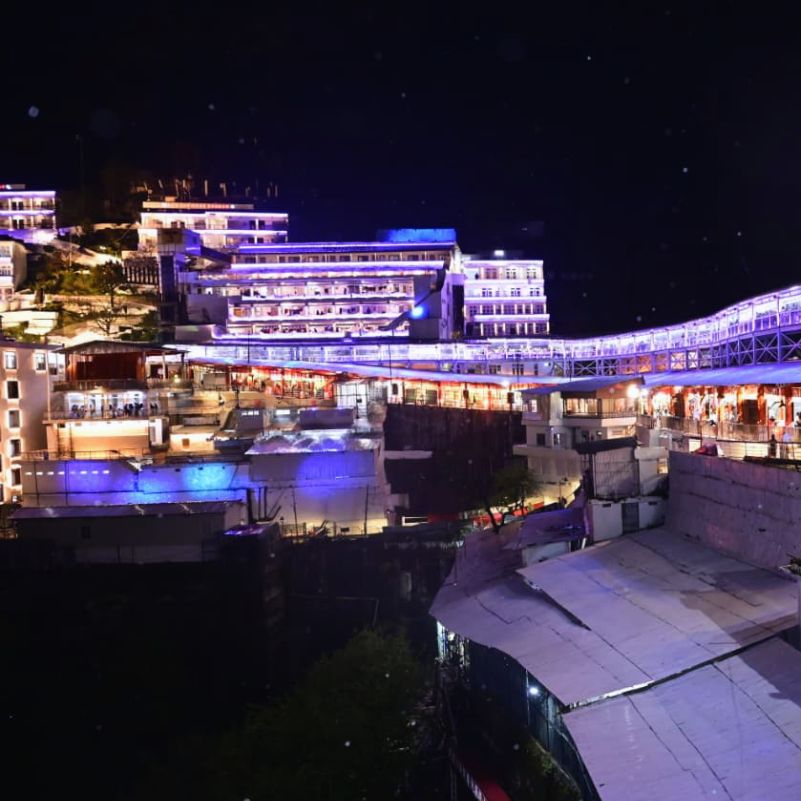
Katra to Srinagar by Vande Bharat
The Vande Bharat makes the Katra to Srinagar run in about three hours, and the service now runs through to Jammu Tawi after a 2026 extension, with the full Jammu to Srinagar journey published at around 4 hours 50 minutes.
This is the most comfortable way to cross. You sit in a heated, reserved coach and skip the long mountain road, which matters a lot in winter.
Reserve your seats well ahead, because this is a busy route and it fills up. Reach Katra station with time to spare for luggage and security.
Remember you arrive at Srinagar's railway station, which sits outside the main lake area, so arrange a separate vehicle for your transfer and your Kashmir sightseeing.
The published services include trains 26401 and 26402, listed as not running on Tuesday, and 26403 and 26404, listed as not running on Wednesday. Days, timings and numbers change, so check the live IRCTC schedule before you plan.
Katra to Srinagar by Private Taxi
A private taxi takes you door to door, handles your luggage, and lets you stop along the way. The route runs on NH-44 through the mountains, where landslides, snow and roadworks can slow or close the road in winter.
It is the flexible option, and good if you want to break the journey or travel on your own schedule. The trade-off is more hours on a mountain highway.
We are not quoting a fixed drive time or fare here, because both move with the season, the conditions and the vehicle. Agree the full rate and route with the operator before you set off.
Which Option Is Better for Families?
The train is steady, comfortable and easy on the budget, with no long road hours, though you still need a transfer at each end. For most families, especially with elders, the train wins on comfort.
A taxi is flexible and door to door, which helps with small children, heavy bags and anyone who struggles with a station changeover. It costs more and keeps you on the road longer.
In extreme weather, neither the train nor the road is a sure thing, so whichever you pick, keep a buffer day. Our team usually suggests the train for comfort and the taxi for flexibility, and we match the choice to who is travelling.
Whatever you choose, book it well ahead in peak season and keep that buffer, because a missed train or a blocked road should not cost you your darshan or your flight home.
How Does Vaishno Devi Yatra Registration Work?
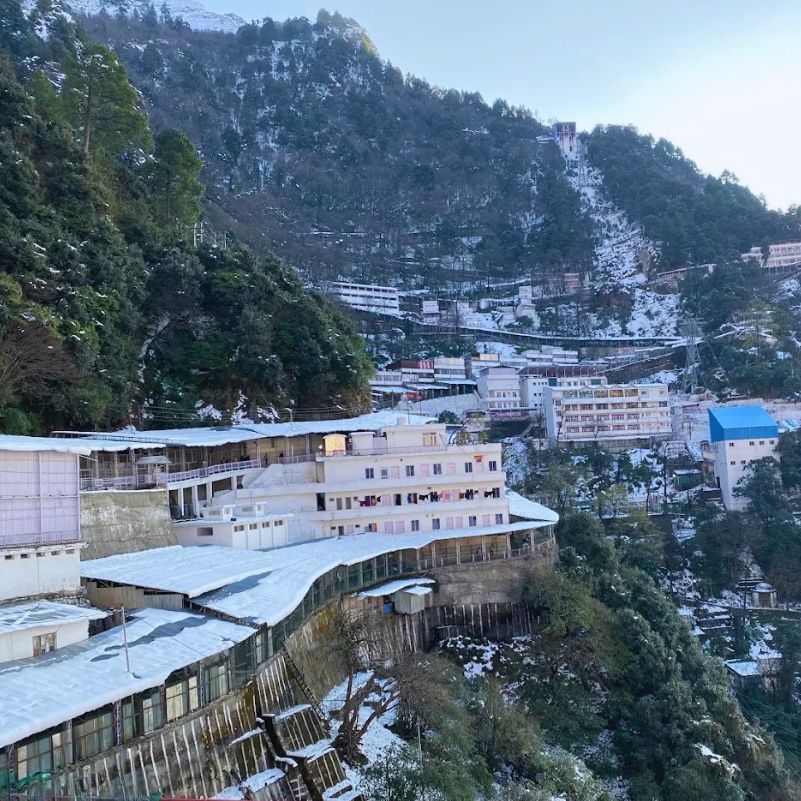
Yatra registration is free and mandatory, and you get an RFID card that you must carry for the trek. You cannot start the Yatra without it, and there is no charge for the card itself.
You can register online on the Shrine Board's official portal before you travel, or at the registration counter in Katra on arrival. Carry a valid photo ID, and register everyone in your group.
The trek between Katra and the Bhawan is about 13 km one way. You can walk, or use authorised pony, palki or battery car assistance, or the helicopter service, each subject to eligibility, official rules and real availability on the day.
All of these official services, the registration, the helicopter and the on-route assistance, go through the Shrine Board and its official portal. We can help with your hotels and transport, but we cannot book or guarantee the Shrine Board's services for you.
If someone offers to arrange guaranteed registration or a confirmed helicopter seat for a fee outside the official system, treat that as a warning sign. The official portal is the only place to book them, and genuine registration never costs money.
Can You Visit Vaishno Devi and Kashmir in December or January?
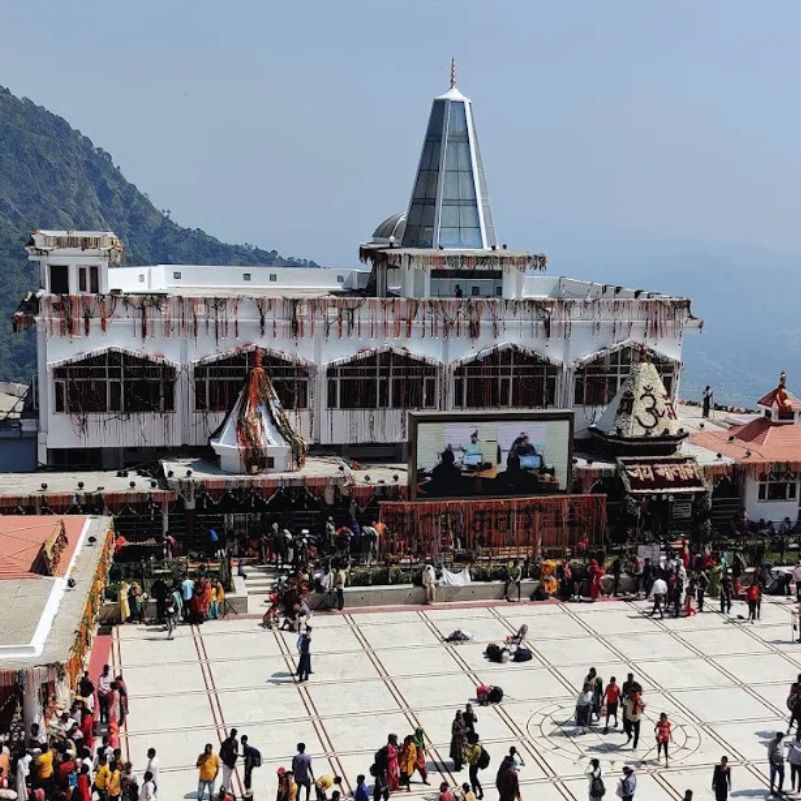
Yes, but plan for real cold and slower travel. Both Katra and Kashmir get freezing, so pack warm layers, gloves and waterproof walking shoes with good grip for the trek and the icy ground.
December and January are also the most likely months to see snow in Kashmir, which is why many people want this trip in winter. Snow is a bonus, though, not something anyone can promise on your dates.
Pick hotels with proper heating, travel in daylight, and expect transport to depend on the weather. Short winter days mean you lose light early, so start sightseeing earlier than you would in summer.
On the Kashmir side, the Anantnag notice dated 7 July 2026 lists Baisaran, Chandanwari and Tulian Lake among closed destinations. The website's 31 December administrative end date does not guarantee they reopen after it.
So confirm the current status before counting on Pahalgam's meadows. We cover the cold-season picture in our guide to Kashmir winter destinations, and what the town is actually like in our Pahalgam in December guide.
For Gulmarg, the operator's site reports the Gondola reopened as of October 2026, with maintenance closures and weather-dependent running. Treat a ride as possible, not assured, and reconfirm before you travel.
The biggest winter risk is time. Flights run late, the highway can shut after snow, and a tight plan falls apart fast. Keep a buffer day on both the pilgrimage and the Kashmir side, and avoid booking an onward connection for the same evening you fly out.
How Much Does a Vaishno Devi Kashmir Tour Cost?
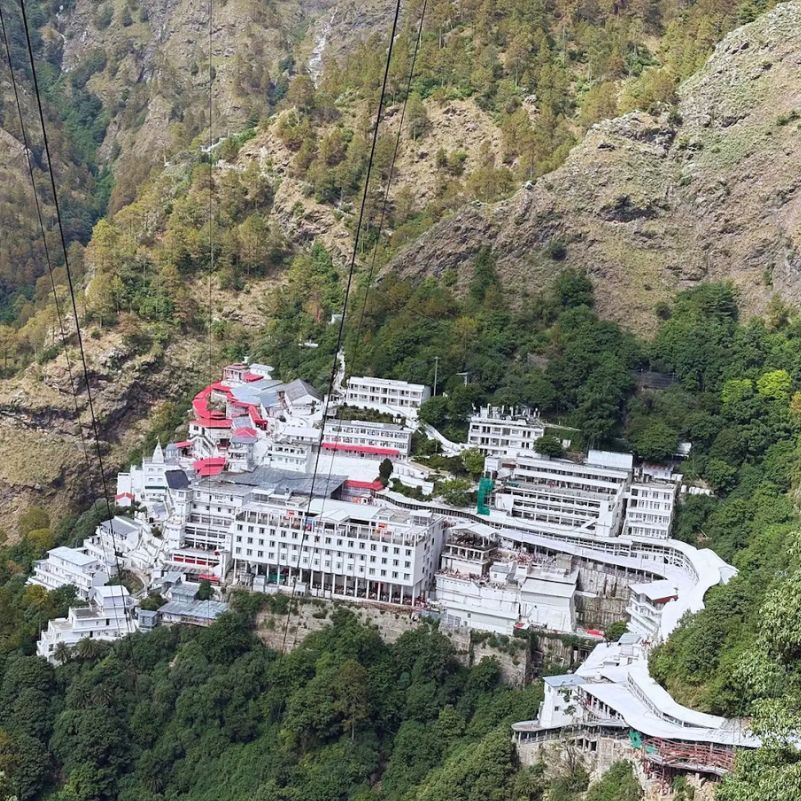
The cost depends on your dates, hotel category, the number of rooms and how many share each room, so there is no single figure that fits everyone. Peak dates and festival weeks cost more.
The main pieces are your Katra hotels, your Kashmir hotels, the Katra to Srinagar train or taxi, your main Kashmir sightseeing vehicle, and local union vehicles in places like Pahalgam and Gulmarg.
Hotel choice moves the price the most. A simple Katra room and a mid-range Srinagar hotel sit at one end; a lake-view houseboat and premium hotels sit at the other. Then add meals, sightseeing and personal extras.
Some costs sit outside most packages. Helicopter tickets for the Yatra, the Gulmarg Gondola, Pahalgam union taxis, winter snow transfers and various entry fees are usually separate, so budget for them.
These local charges add up more than people expect. In Gulmarg and Pahalgam, sightseeing often runs on local union taxis and ponies with fixed-point rates, which sit on top of your main vehicle cost.
News reports have mentioned a Yatra helicopter fare of around ₹2,700 one way from November 2026, but we have not confirmed this against the Shrine Board's official order, so treat it as unconfirmed and check the portal.
We do not publish a fixed Vaishno Devi Kashmir tour price here, because it changes with every plan. Some operators list indicative prices, but they are not comparable unless the inclusions match line for line.
For a fuller breakdown of the Kashmir side, see our Kashmir trip cost guide.
What Is Included and Excluded in a Vaishno Devi Kashmir Tour Package?
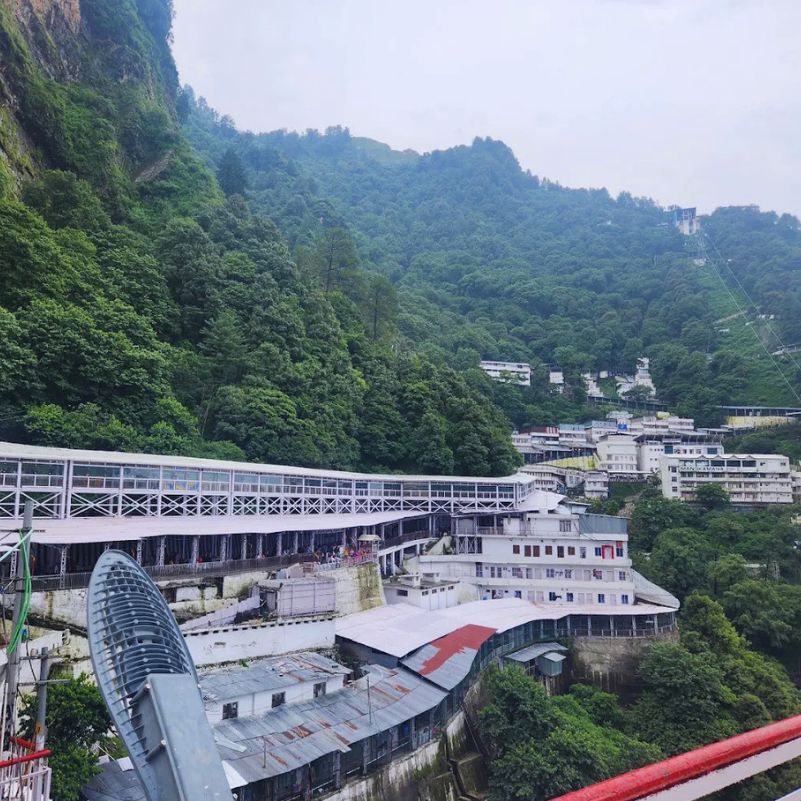
A customized package usually covers your hotels in Katra and Kashmir, daily breakfast and often dinner, airport or station pickup and drop, and a vehicle for your Kashmir sightseeing.
The vehicle usually covers your Srinagar days and the day trips, but the fine print matters. Ask whether the Gulmarg and Pahalgam day trips, and the Katra to Srinagar transfer, sit inside the quote or cost extra.
What sits outside it matters just as much. Official pilgrimage services, helicopter tickets, the Gulmarg Gondola, Pahalgam union taxis, winter snow vehicles, monument entry fees, activities and personal expenses are normally separate.
Our team always puts the full inclusions and exclusions in writing before you pay, so there are no surprises on the ground. Ask for that written quote and read it line by line.
We explain this in detail in our Kashmir winter tour package inclusions guide, and the transport side in our Kashmir taxi guide.
Is the Vaishno Devi Kashmir Trip Suitable for Senior Citizens and Families?
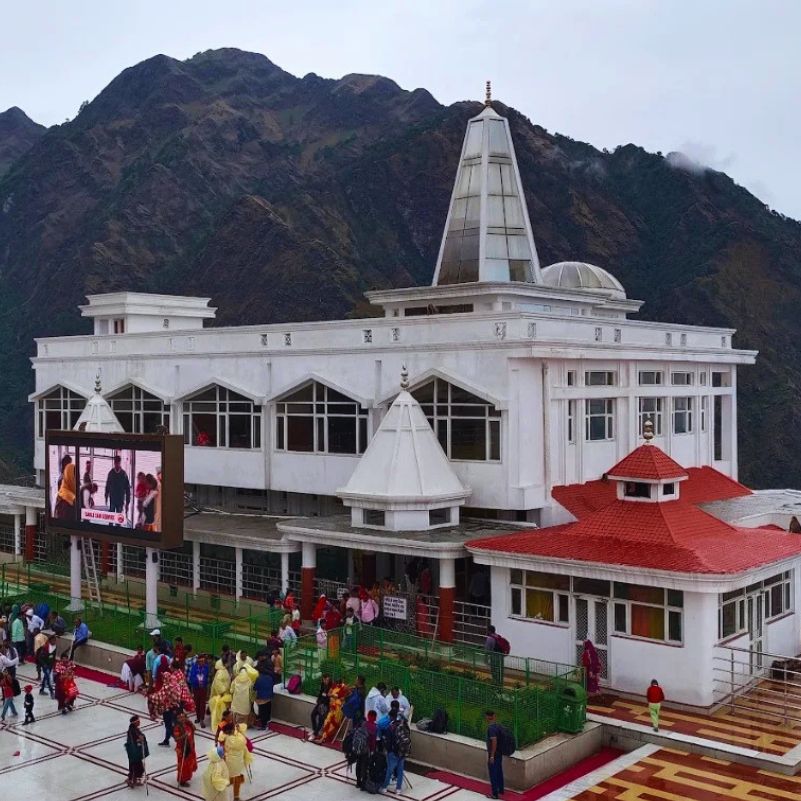
It can be, with honest planning. The Yatra is a real trek of about 13 km one way, so anyone with mobility or health concerns should check their suitability with a doctor first.
The helicopter helps, but it does not remove every step; there is still a stretch to cover on foot or by assistance to reach the Bhawan. Plan for rest after darshan rather than a same-day transfer.
Pony, palki and battery car assistance make the trek easier for those who cannot walk the full distance, again subject to official rules and availability. Book nothing on blind faith; confirm what is actually running on your dates.
On the Kashmir side, pick hotels and vehicles with easy access, keep days short for elderly travellers, and leave buffer time for weather. Families with young children do fine here as long as the pace stays relaxed.
The eight-day plan, with its Pahalgam overnight and extra rest, is usually the kinder choice for seniors and for families with little ones.
Why Plan a Customised Vaishno Devi and Kashmir Tour with Travel Coffee?
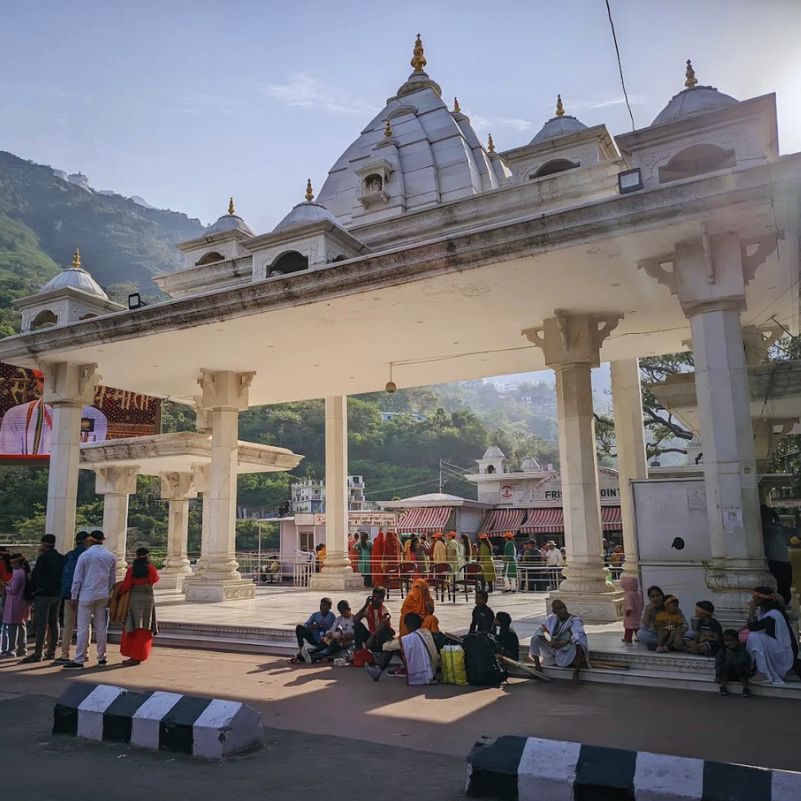
This trip has a lot of moving parts: a pilgrimage, a region change, train or taxi handoffs, weather-dependent sightseeing and services you must book officially. A customised plan keeps all of it feasible.
We help you pick a workable route and sequence, the right hotel category, sensible transport handoffs between Katra and Srinagar, and a clear list of what is and is not included. We also plan around winter uncertainty rather than ignoring it.
We are a custom tour planner, not an official Shrine agency. So we stay honest about what we can and cannot do: we handle your stays, transfers and Kashmir sightseeing, and we point you to the Shrine Board for the pilgrimage services.
What we tell travellers is simple
Give the darshan its own day, keep a buffer for weather, and book the official Shrine services yourselves through the Shrine Board. We handle the rest of the Vaishno Devi Kashmir tour around that.
For the Kashmir leg, our Best of Kashmir itinerary through Srinagar, Gulmarg and Pahalgam shows how those days fit together. It is a Kashmir-only package, not a ready-made combined Vaishno Devi trip, so we build the pilgrimage around it for you.
Explore Our Curated Kashmir Tour Packages
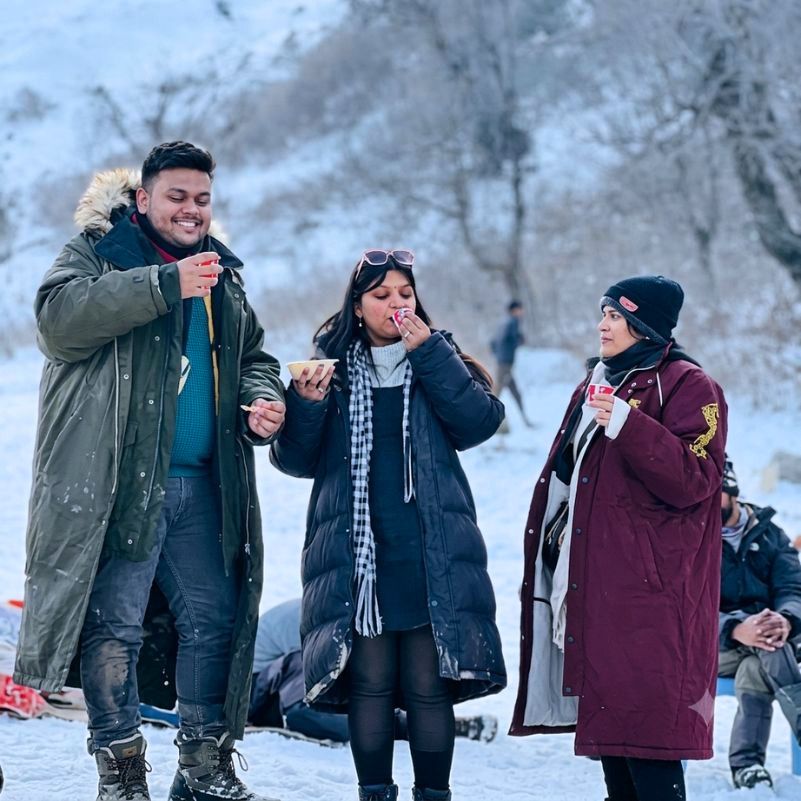 5D/4N
Best Of Kashmir – Srinagar, Gulmarg & Pahalgam Tour Package
3D Srinagar•1D Pahalgam+1
₹11,499₹16,999SAVE INR 5,500/ person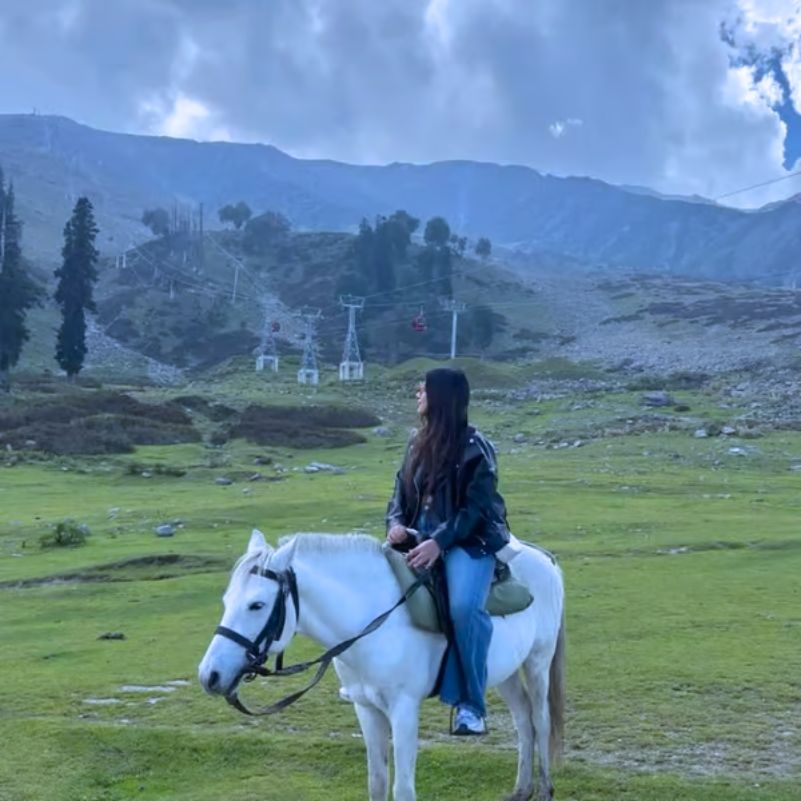 6D/5N
The Complete Kashmir Tour Package
3D Srinagar•1D Sonamarg+2
₹13,999₹20,999SAVE INR 7,000/ person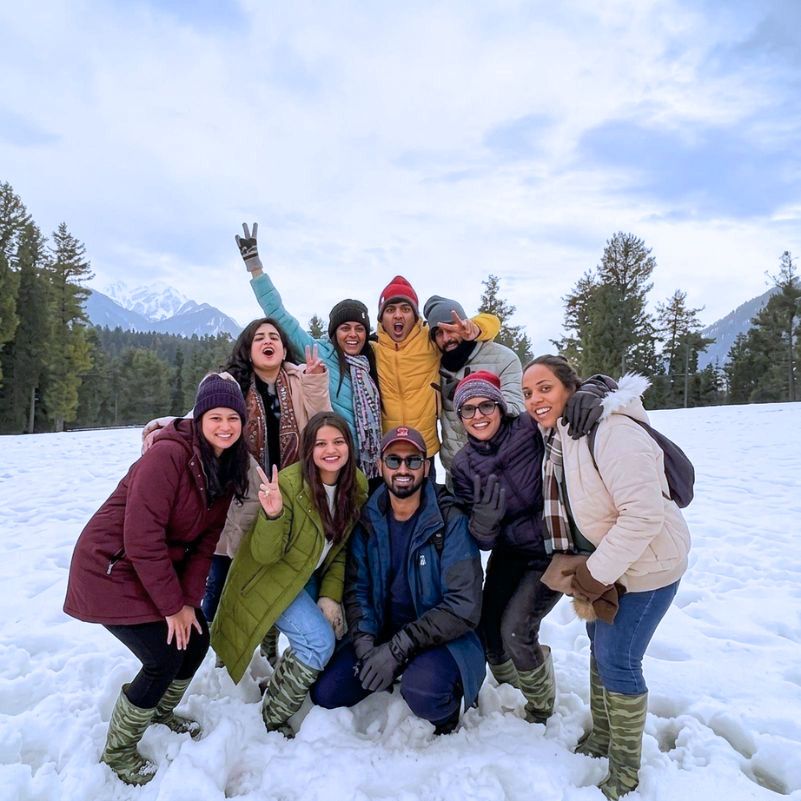 Group Tour5D/4N
Best Selling Kashmir Group Tour Package
3D Srinagar•1D Pahalgam+1
₹15,499₹19,999SAVE INR 4,500/ person
Frequently Asked Questions
Can I cover Vaishno Devi and Kashmir in seven days?
Yes, seven days works as a compact trip: two nights in Katra for the Yatra and rest, a transfer day to Srinagar, and four nights for Dal Lake, Gulmarg and a Pahalgam or flexible day. It is our recommendation, not a fixed tour length, and winter travellers may prefer eight.
How many days should I reserve for darshan and Kashmir sightseeing?
Keep a full day for the Yatra and darshan, a separate day for the Katra to Srinagar transfer, and three to four days in Kashmir. Seven days covers it comfortably, and eight gives more rest plus an overnight stay in Pahalgam.
Is it better to visit Katra before Srinagar?
Usually yes. Most travellers do the pilgrimage first and finish on the relaxed Kashmir leg, which avoids backtracking. The reverse is fine too if your flights or trains suit it better. The best order depends on where your transport arrives and departs.
Is there a direct train from Katra to Srinagar?
Yes, the Vande Bharat runs on the Katra to Srinagar route, and the service now reaches Jammu Tawi after a 2026 extension. Days, timings and train numbers change, so check the live IRCTC schedule before you plan.
How long does Katra to Srinagar take by Vande Bharat?
About three hours for the Katra to Srinagar leg, with the full Jammu to Srinagar run published at around 4 hours 50 minutes. These come from the published schedule, so confirm the current times on IRCTC before booking.
Is a private taxi better than the train?
It depends on your group. A taxi is door to door and flexible, which helps with luggage, children and elderly travellers, but means more hours on NH-44. The train is faster and steadier but needs a transfer at each end. In bad weather, neither is a sure thing.
Can I combine Vaishno Devi and Kashmir in December or January?
Yes, with warm layers, waterproof grippy shoes, heated hotels and daylight travel. Snow is possible but not guaranteed, transport can be slow, and several Pahalgam spots are on the Anantnag closure list, so confirm what is open and keep a buffer day.
Is the journey suitable for senior citizens?
It can be, with care. The Yatra is a real 13 km trek one way, so check medical suitability with a doctor and plan rest after darshan. Authorised assistance and the helicopter help, but some journey to the Bhawan remains. Keep the Kashmir pace relaxed.
Is Vaishno Devi Yatra registration free?
Yes. Registration is free and mandatory, and you receive an RFID card you must carry to start the trek. You arrange it through the Shrine Board's official system, not through a travel agent, and no operator can guarantee it on your behalf.
Are helicopter tickets included in tour packages?
Usually not. Helicopter tickets are an official Shrine Board service, booked through the official portal and subject to eligibility and availability. A travel agent cannot guarantee them, so most packages list them as a separate, extra cost you arrange yourself.
What extra charges should travellers expect in Gulmarg and Pahalgam?
Budget for the Gulmarg Gondola, pony rides and sledging, Pahalgam union taxis to the valleys, any entry fees, and winter snow transfers. These local charges usually sit outside a tour package, so keep some cash aside for them.
Can I start at Jammu and finish at Srinagar?
Yes, and many travellers do exactly that. You arrive at Jammu or Katra for the Yatra, then transfer to Srinagar and fly out from there. It avoids backtracking and ends the trip on the Kashmir leg. Just build in a proper transfer day between the two.
More about Kashmir
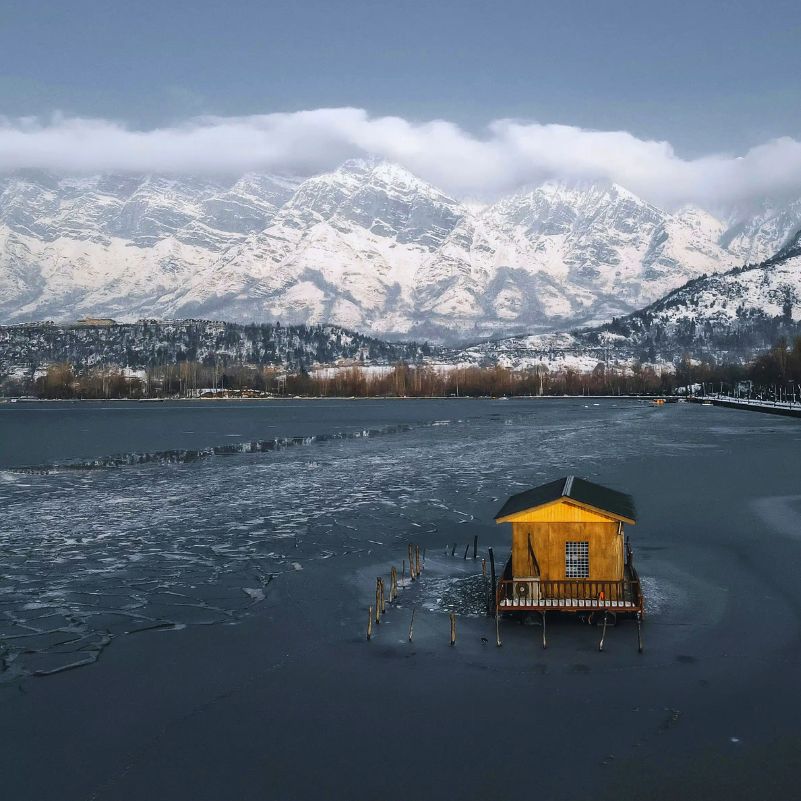 Kashmir
15 Best Things to Do in Srinagar in Winter 2026-27: Snow, Food and Experiences
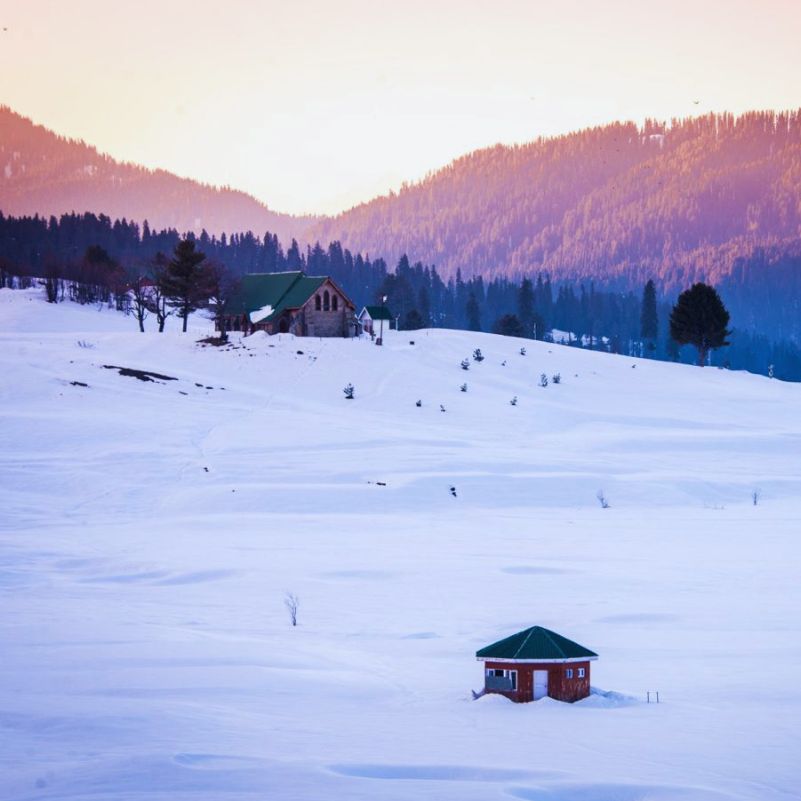
Planning a winter trip to Srinagar in 2026-27? Discover 15 things to do in Srinagar, from enjoying snow-covered Mughal gardens and Shikara rides on Dal Lake to trying authentic Kashmiri wazwan, kahwa, and local winter delicacies. Get practical tips on snowfall, sightseeing, weather, and seasonal experiences to plan your trip with confidence.
 Kashmir
 Winter Trip with Kids 2026-27: Snow Activities, Hotels & Family Itinerary
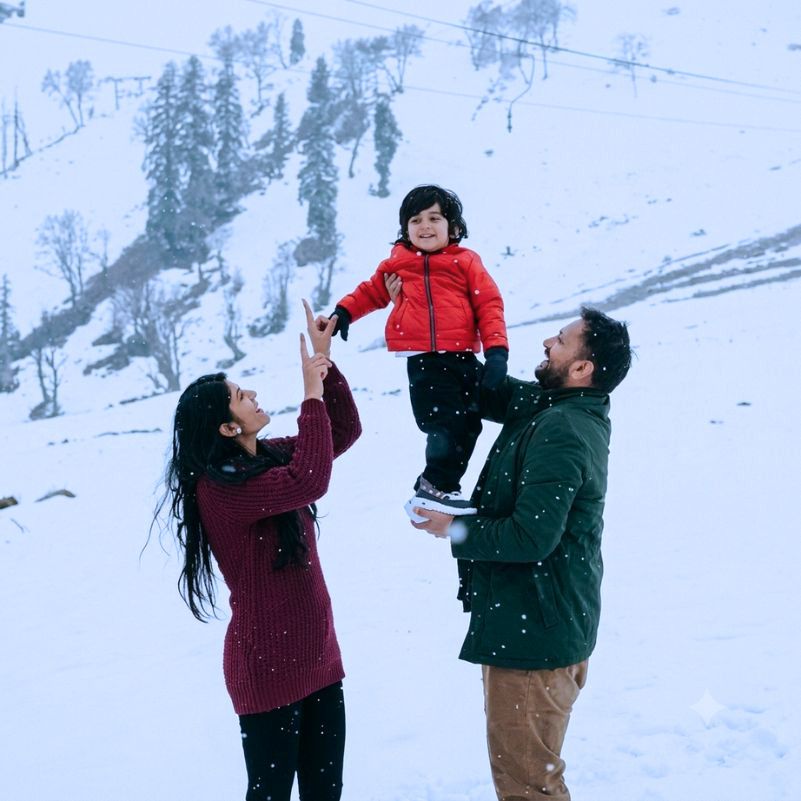
Planning a Kashmir winter holiday with kids in 2026-27? Explore family-friendly destinations, snow activities, suitable hotels, and a practical itinerary for a comfortable trip. Get helpful tips on cold weather, transport, and travel planning to make your family holiday easier and more enjoyable.
 Kashmir
Gulmarg Without Gondola (2026-27): Best Things to Do If It’s Closed
Planning a trip to Gulmarg in winter 2026-27 but worried about a Gondola closure? Discover the best things to do in Gulmarg without the cable car, including snow walks, skiing, local sightseeing, and winter photography. Learn about alternative activities, weather conditions, and practical travel tips to make the most of your visit even when the Gondola is not operating.