
Best Places to Visit in Srinagar in 2026: Tourist Places, Things to Do and Sightseeing Guide
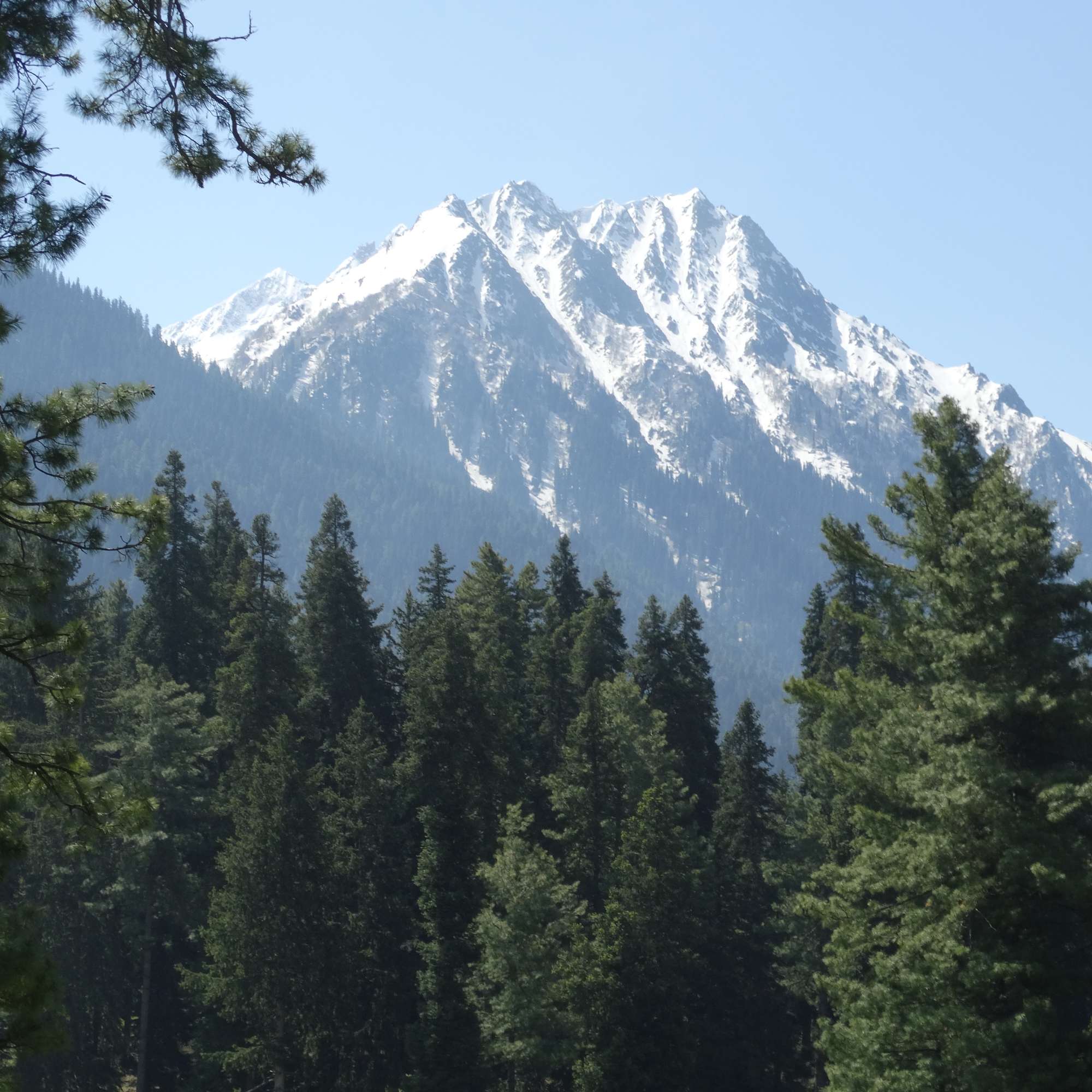
Srinagar brings together peaceful lakes, Mughal gardens, historic neighbourhoods and memorable local experiences.
This guide by Travel Coffee covers the best places to visit in Srinagar in 2026, along with popular tourist attractions, sightseeing ideas and things to do.
Use it to plan your time efficiently and choose the places that best suit your trip duration and interests.
Quick Answer
The main places to visit in Srinagar are Dal Lake, the Mughal Gardens (Nishat Bagh, Shalimar Bagh, Chashme Shahi), Pari Mahal, Shankaracharya Temple, Hazratbal Shrine, Nigeen Lake and Old Srinagar.
One full day covers the highlights, but you will be rushing between stops with no time to sit anywhere.
Two full days let you do a proper shikara ride, walk through the Old City slowly, and see the gardens without checking your watch every ten minutes.
The Tulip Garden is seasonal, not year-round. Check current attraction and road status before you travel because things change fast in the valley.
If you want the logistics handled, our customised Kashmir tour packages come with a local driver and stays we have actually checked ourselves.
[MAP: Srinagar tourist places grouped into Dal Lake, Zabarwan, Old City and outer-nature clusters]
Which Srinagar tourist places should first-time visitors prioritise?
Srinagar attractions sit in four practical clusters. Once you understand this, planning becomes simple.
Cluster one is Dal Lake and Boulevard Road, which covers shikaras, houseboats and the floating market.
Cluster two is the Zabarwan range, which holds Pari Mahal, Chashme Shahi, Shankaracharya Temple and the Tulip Garden area.
Cluster three is Old Srinagar, with Jama Masjid, Khanqah-e-Moula, the Jhelum waterfront and Hari Parbat.
Cluster four is outer nature: Harwan Garden and Dachigam National Park, both on the northeastern side.
Here is what most tourists get wrong. They book one Srinagar day and try to squeeze Gulmarg into it.
Then they spend six hours in a car, reach the gardens after closing, and go home saying Srinagar was disappointing. It was not. Their plan was.
With one day, stick to cluster one and cluster two only.
With two days, add Old Srinagar on day two.
With three days, keep day three for Harwan and Dachigam, or use it as a full day trip to Gulmarg or Pahalgam.
Wular Lake, Gulmarg, Pahalgam and Sonamarg are not Srinagar city attractions. They need their own day or an overnight stay.
Dal Lake
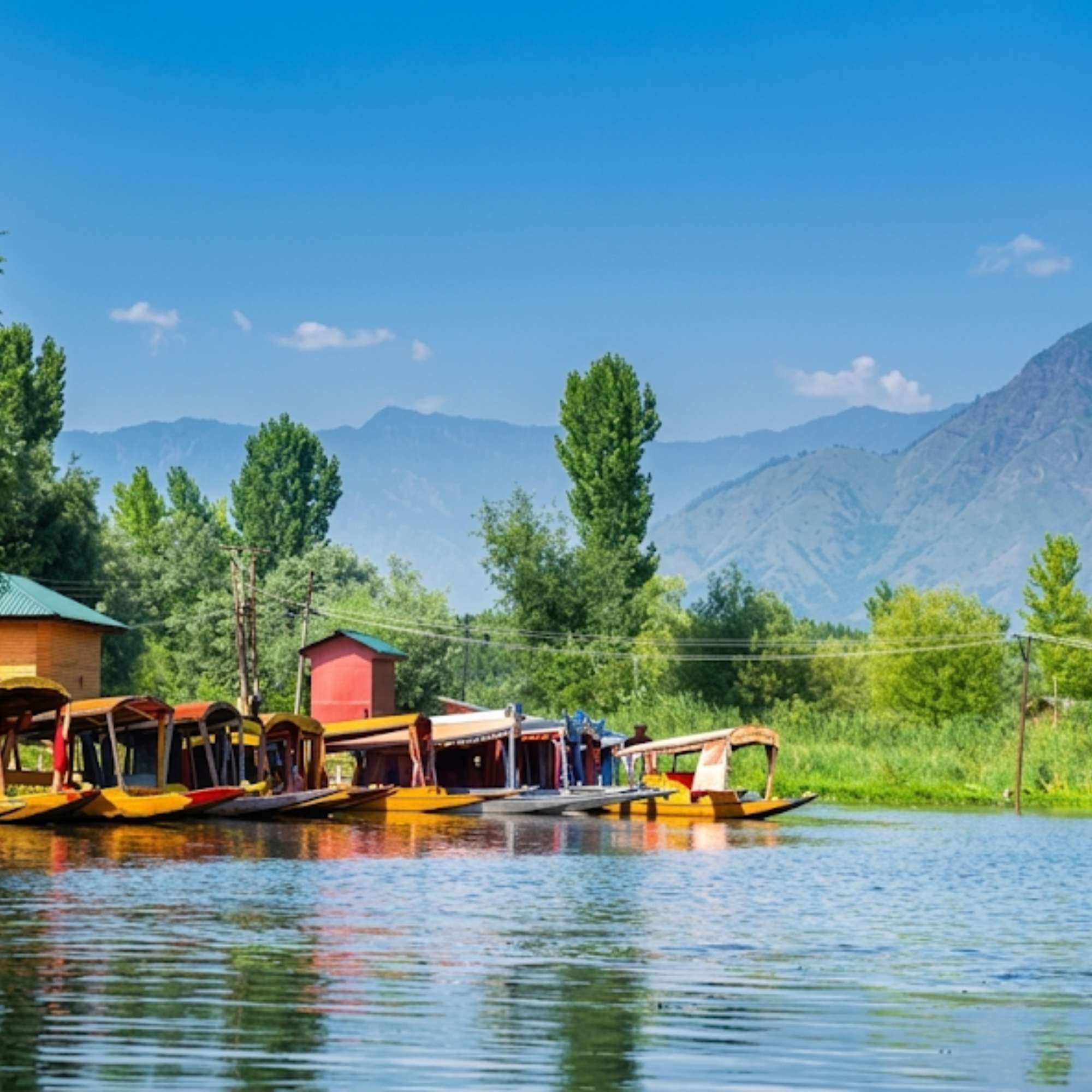
Dal Lake is the reason most people come to Srinagar. It sits right inside the city, which is unusual for a lake this size.
Shikaras, houseboats, floating gardens and the floating vegetable market all happen here.
Before you sit in a shikara, settle four things: how long the ride is, which route it takes, which stops are included, and the total price for the boat.
Not per person. Total. This one sentence saves more arguments than any other advice in this article.
Shikara fares change by route and duration, and the rates we found while researching this article do not agree with each other. Ask two or three boatmen before you commit.
One request from us. Do not throw plastic bottles, wrappers or leftover food into the lake.
Dal Lake is already struggling with pollution and weed growth. Carry your waste back to shore.
Nigeen Lake
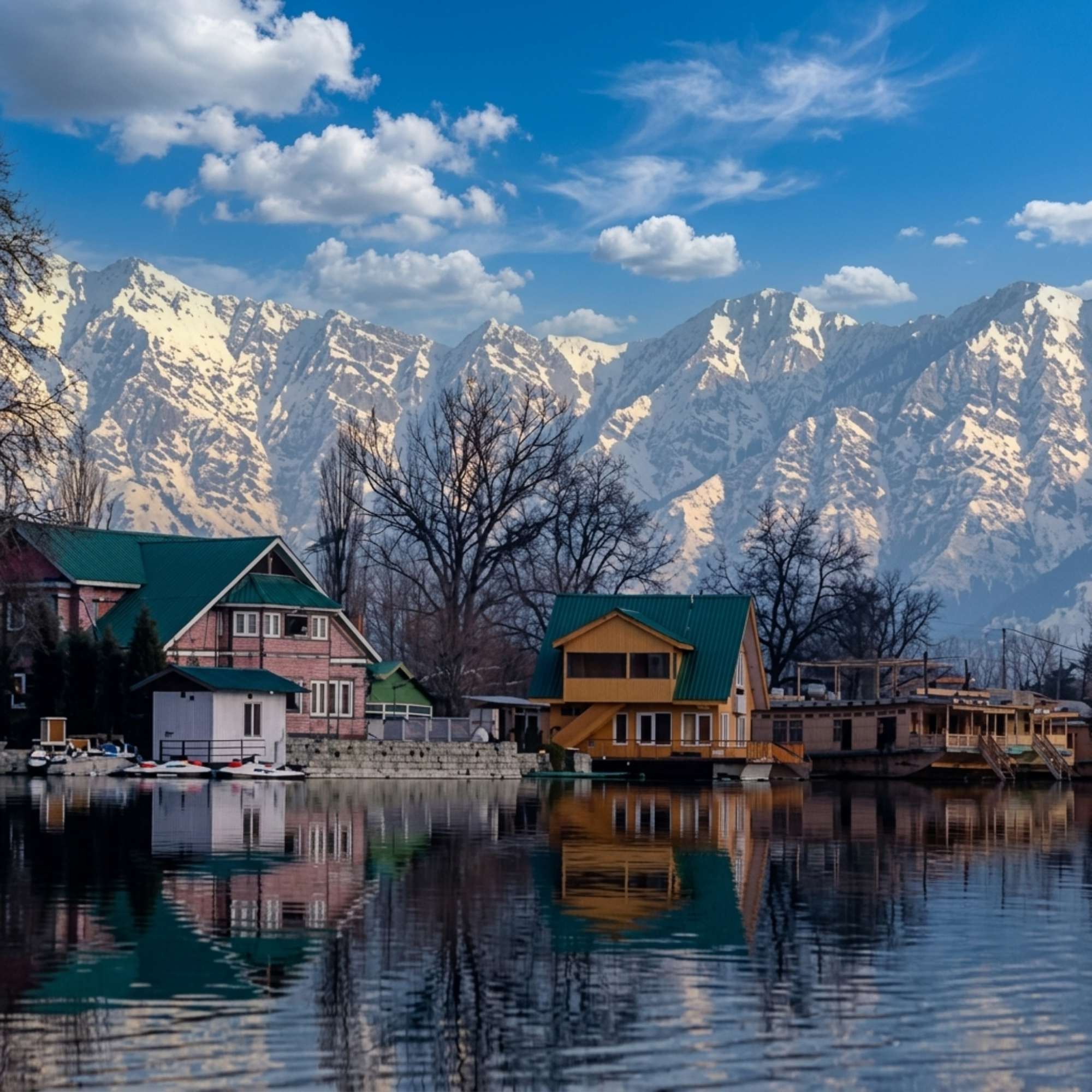
Nigeen Lake connects to Dal Lake through a narrow strait. Many people treat both as one lake system.
The setting is different though. Nigeen usually feels calmer and the boat traffic is lighter, which is why some travellers pick it for a houseboat stay.
We will not tell you it is empty or crowd-free. During peak season it fills up too. It is quieter, not deserted.
Nishat Bagh
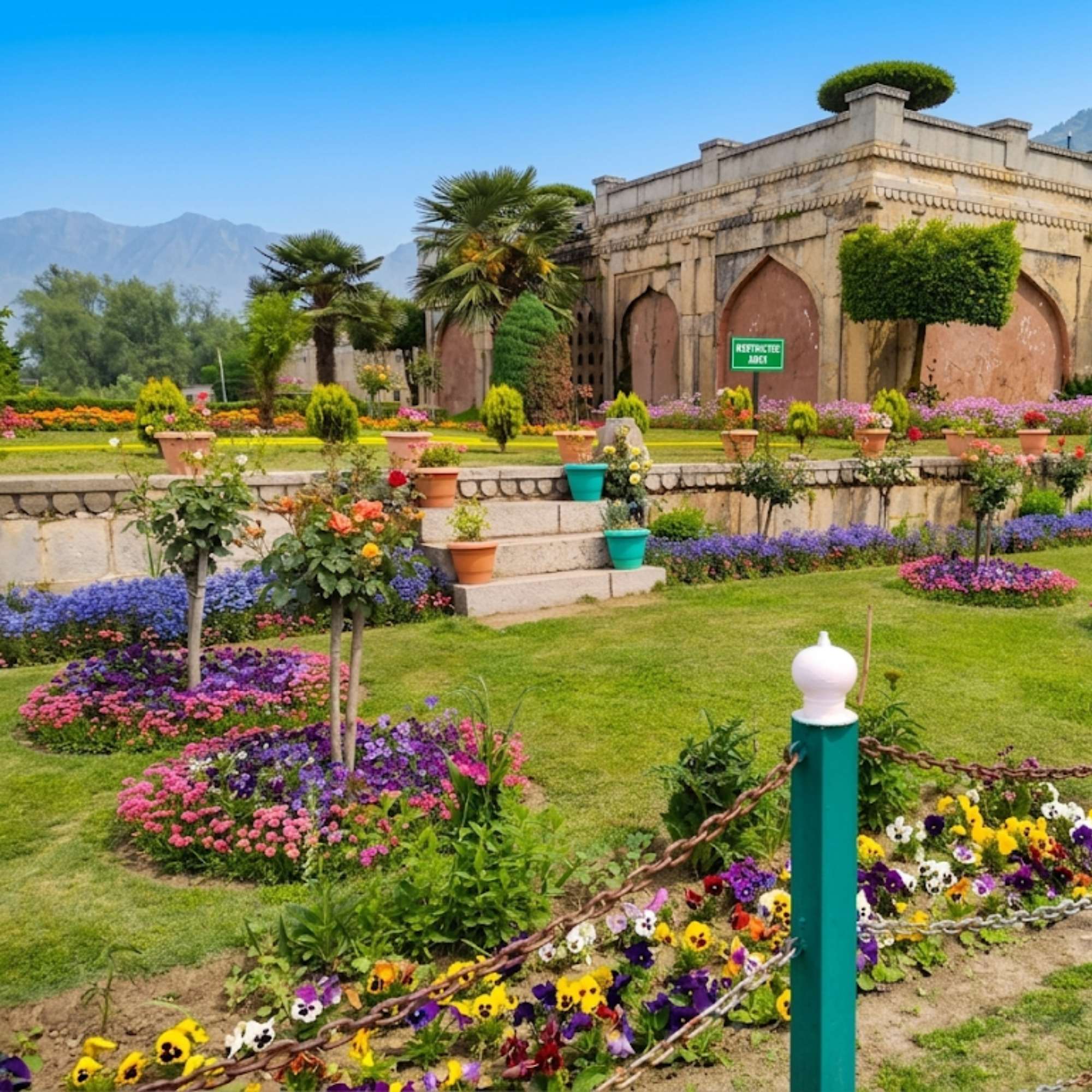
Nishat Bagh belongs in every first-time Srinagar sightseeing circuit. It is one of the largest Mughal gardens in the city and sits right along Dal Lake.
The terraces climb up towards the Zabarwan hills, and from the upper levels you get the lake spread out below you.
Group it with Shalimar Bagh and Hazratbal since all three sit on the eastern side of Dal Lake. Doing them in one loop saves you an hour of driving.
Shalimar Bagh
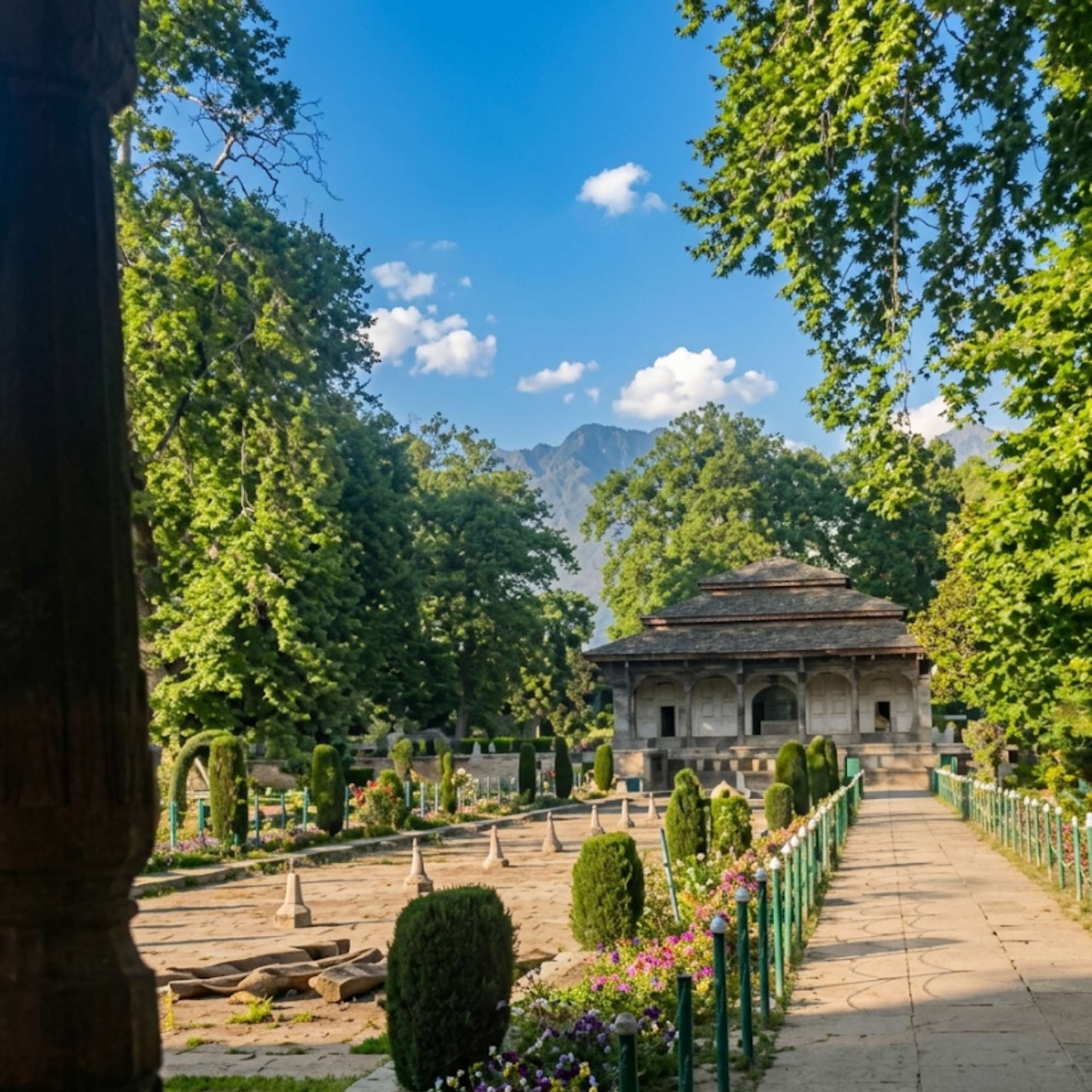
Shalimar Bagh is the garden everyone photographs. It is the signature Mughal garden of Srinagar and the water channels running down the centre are the whole point.
Spring brings flower beds and fresh green. Summer is fuller and busier.
Autumn turns the chinar trees, which is when photographers love it most. Winter strips it bare, and honestly it looks a bit sad then unless snow has fallen.
We are not going to promise you flowers or autumn colors on a fixed date. Nature does not work on booking calendars.
Chashme Shahi
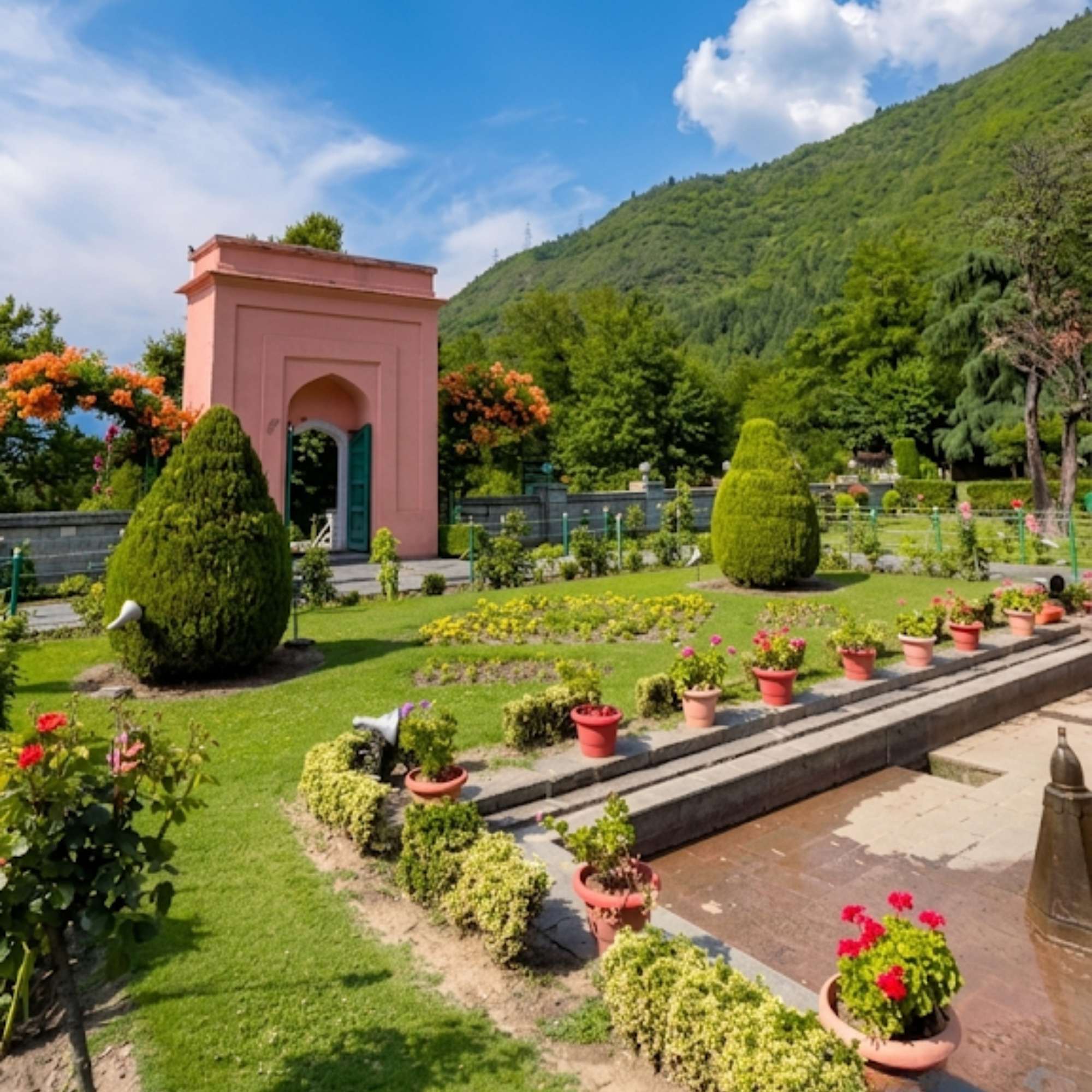
Chashme Shahi is the smallest of the three main Mughal gardens, and it fits perfectly into the route between Pari Mahal and the Tulip Garden area.
It is built around a natural spring and takes far less time than Nishat or Shalimar. Thirty to forty minutes is enough.
Pari Mahal
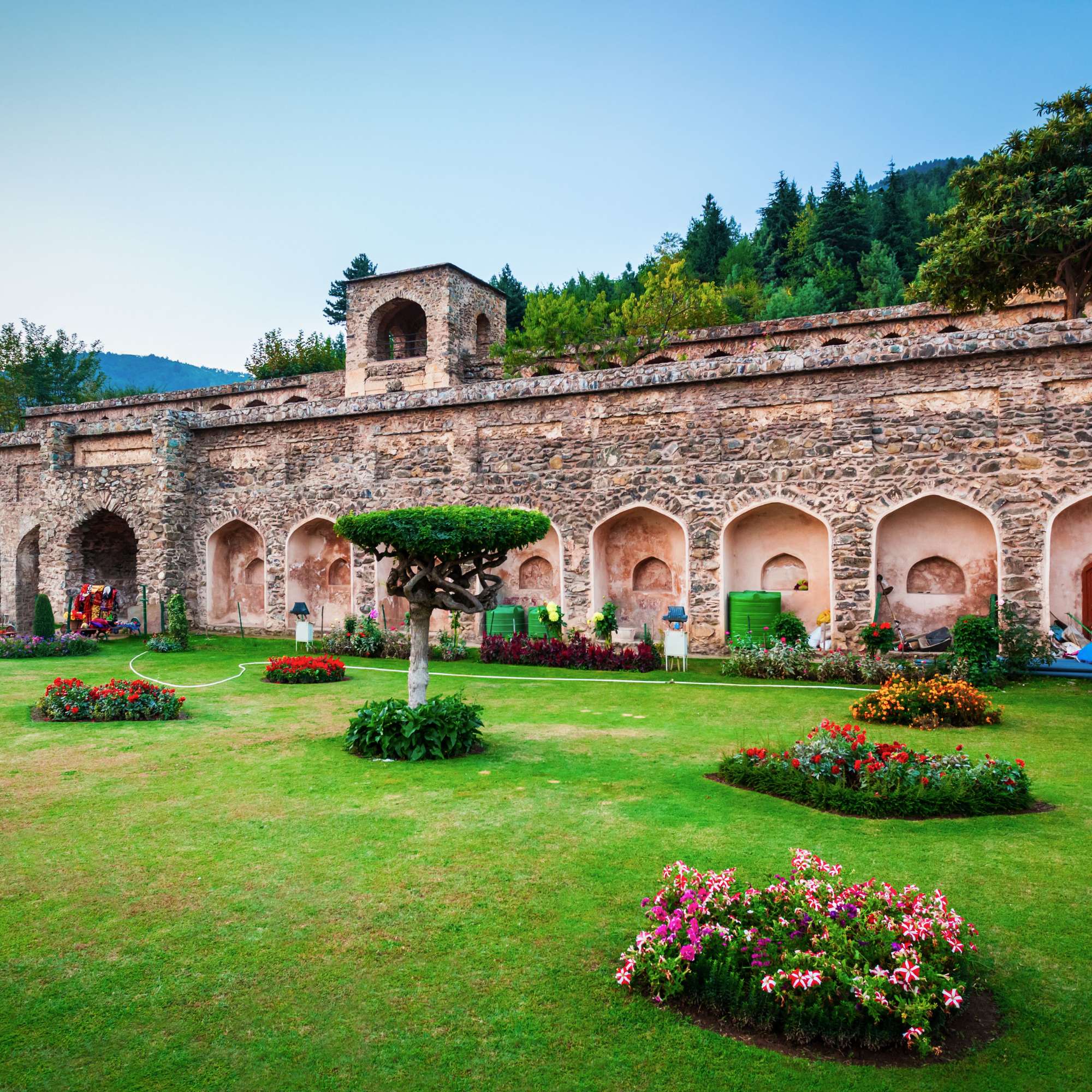
Pari Mahal is a seven-terraced garden on the Zabarwan range, looking down over Srinagar and the southwestern side of Dal Lake.
The terraces are the attraction. Each level gives you a slightly different angle over the city and the water.
Our team recommends late afternoons here. The light gets softer, the heat drops, and the view over the lake is at its best just before sunset.
Entry fees and closing times may change, so confirm the latest details before visiting. Do not arrive close to dusk without checking that the garden is still open.
Shankaracharya Temple
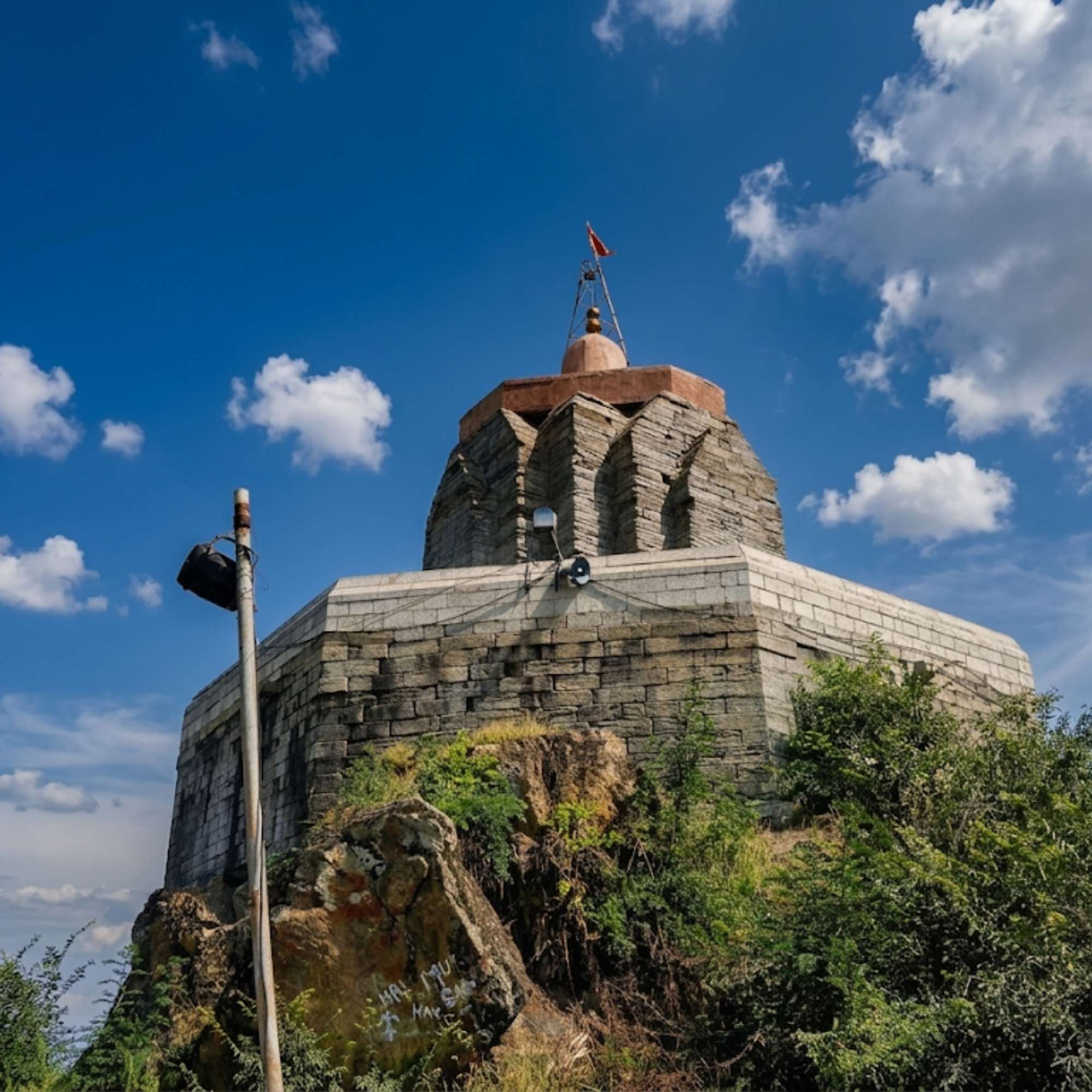
Shankaracharya Temple sits on a hilltop above the city, and the view across Srinagar and Dal Lake is the widest you will get anywhere in town.
There are steps and a walk involved, plus security checks. Vehicle access rules can change.
For senior citizens or families with small children, this matters. Check the current stair count, security rules and vehicle access on the day.
Hazratbal Shrine
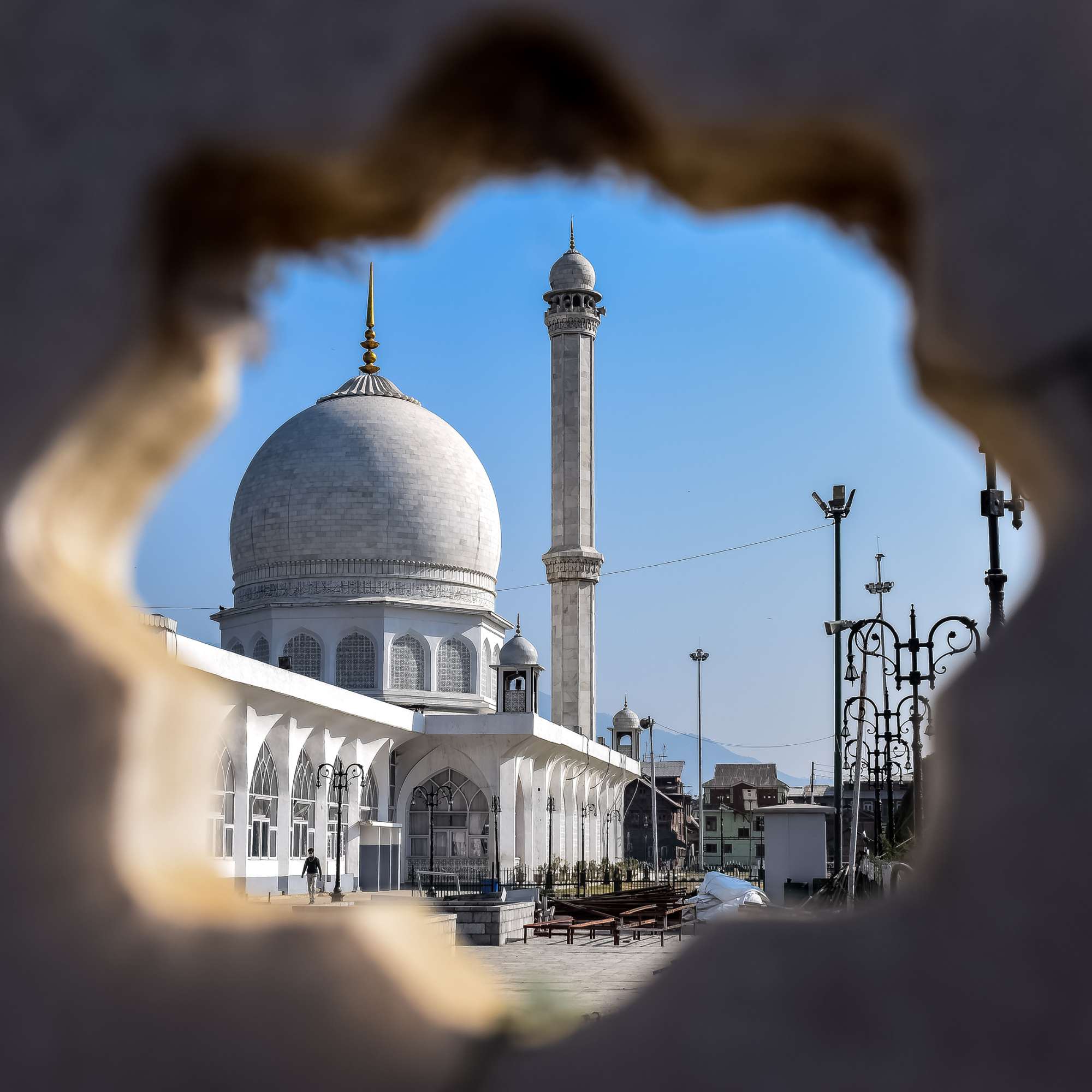
Hazratbal is an important religious site on the northern shore of Dal Lake. The white marble structure against the water is one of the most recognisable images of Srinagar.
Dress modestly, cover your head where required, and remove your shoes where you are asked to.
Be careful with photography. Ask first, and do not photograph people praying.
We are not going to state gender-access rules for the prayer hall because these need local confirmation.
Jama Masjid and Old Srinagar

Jama Masjid in the old city is built around wooden pillars, and the scale of the interior surprises people who expect something smaller.
The lanes around it are the real Old Srinagar. Narrow streets, old wooden houses, spice shops, bakeries, and a pace that has nothing to do with the Boulevard.
Do not walk through during prayer times taking photos. Wait, or come back later.
Ask before photographing people. Ask before photographing religious interiors. Most people say yes if you ask.
Khanqah-e-Moula and the Jhelum waterfront
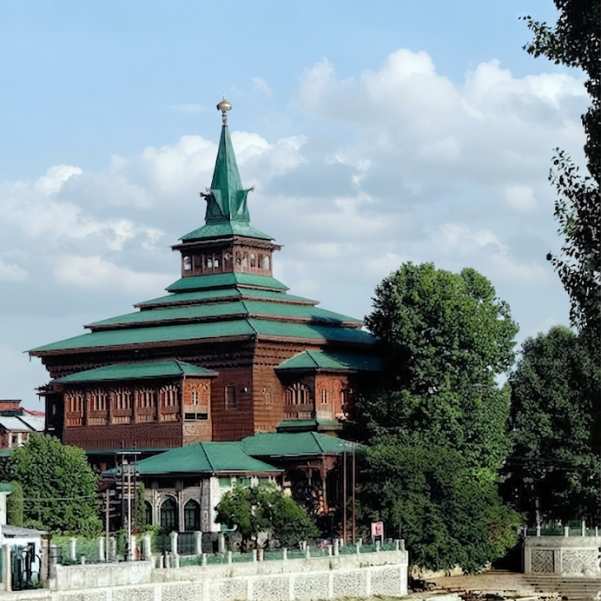
Khanqah-e-Moula sits on the banks of the Jhelum, and the wooden facade with its carved detail is genuinely different from anything else in the city.
Treat this as part of a slow heritage walk, not a five-minute photo stop. Walk the waterfront, look at the old buildings along the river, take your time.
Dress respectfully. Photography restrictions may apply inside.
Hari Parbat
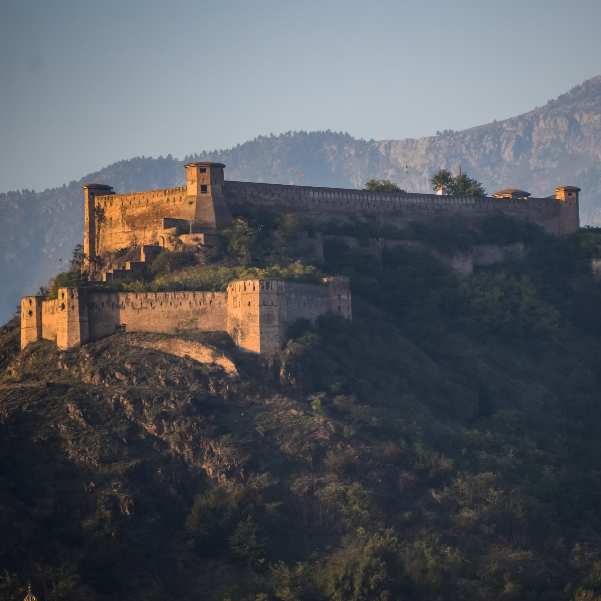
Hari Parbat lies west of Dal Lake and the hill is visible from most parts of the old city.
The official district page connects the fort structure with eighteenth-century Afghan governor Atta Mohammed Khan, and states that Emperor Akbar built a long wall here in 1590.
Fort entry rules, vehicle access and security procedures may change, so confirm the latest requirements before visiting.
Indira Gandhi Memorial Tulip Garden
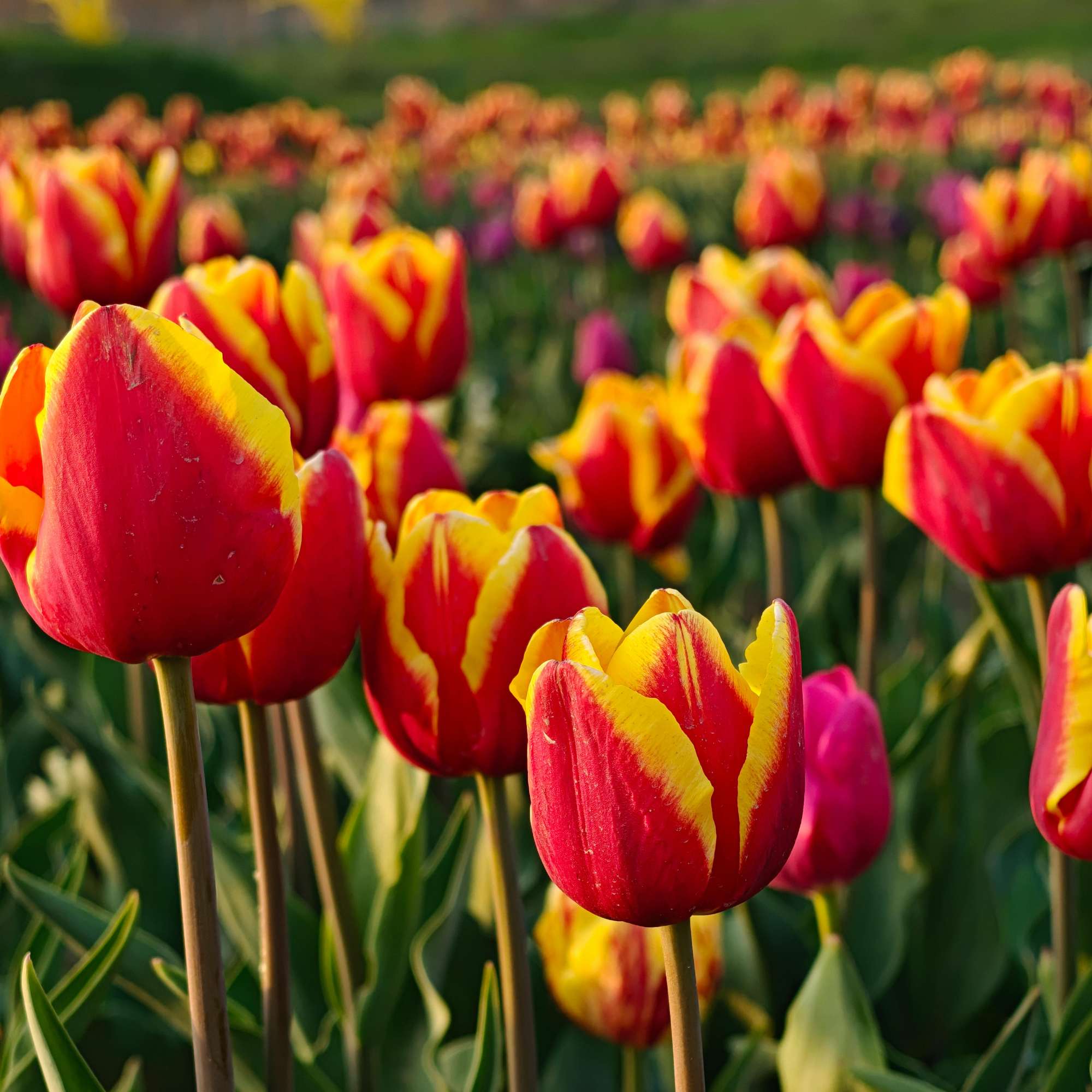
The Tulip Garden covers about 30 hectares and the Srinagar district administration describes it as Asia's largest tulip garden. It opened in 2007.
The 2026 Tulip Show opened on 16 March 2026, and reports mentioned nearly 18 lakh tulips across more than 70 varieties.
Here is the part people miss. This garden is seasonal. It is not open all year.
If your trip falls outside the bloom window, the garden may be closed. Check the latest opening status before planning your visit around it.
Badamwari Garden
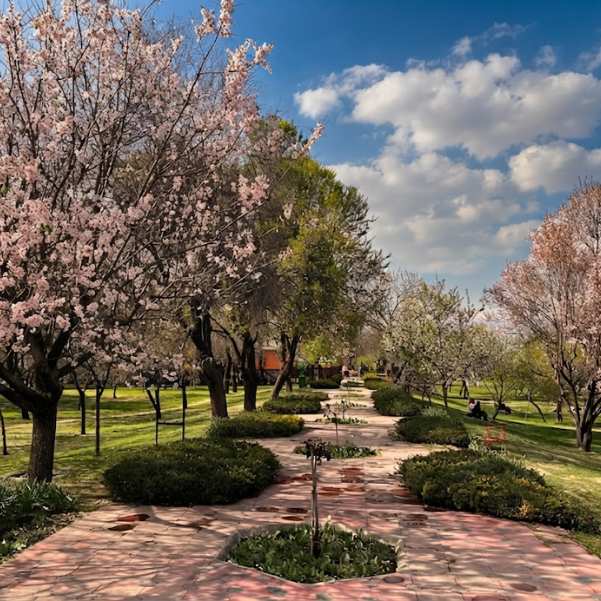
Badamwari is the almond blossom garden, and it flowers in early spring before most other gardens wake up.
Bloom dates shift with the weather every year. A warm February pulls it forward, a cold one pushes it back.
We will not promise you blossoms in any specific week. Check locally before you go.
Lal Chowk, Polo View and Residency Road
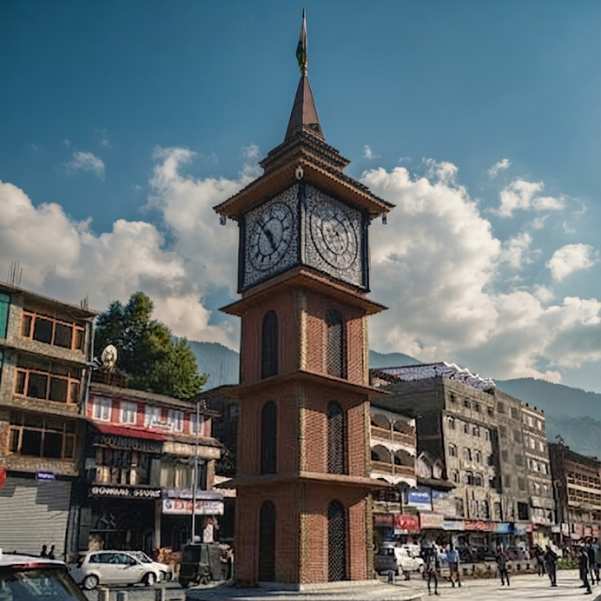
This is where you go in the evening for shopping, food and cafés. Polo View is the most walkable stretch of the three.
The shopping categories here are pashmina, carpets, papier-mâché, walnut woodwork and saffron.
Compare quality, ask about certification, and compare prices across at least three shops before buying anything expensive.
SPS Museum
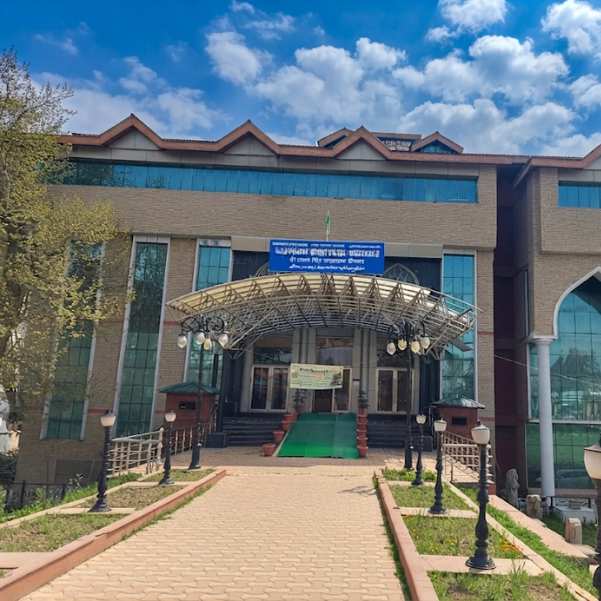
If you care about Kashmiri history, textiles and crafts, the SPS Museum is worth an hour. If you do not, skip it and use that hour on the lake instead.
Harwan Garden
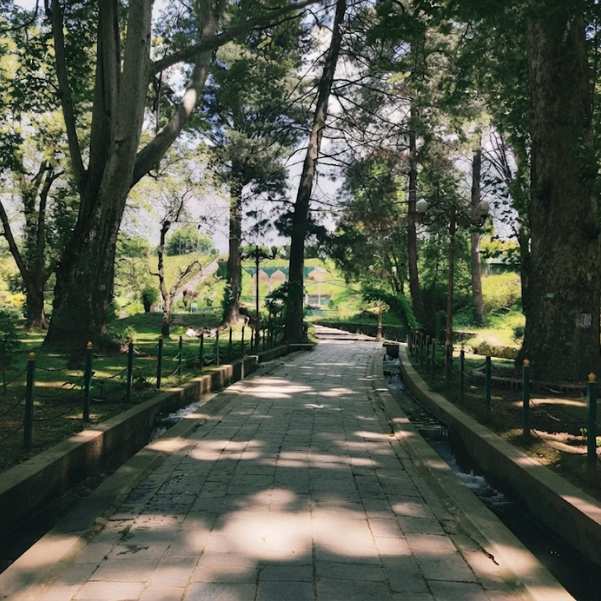
Harwan Garden is approximately 19 km from Srinagar according to the district administration.
It works best paired with Dachigam or as part of the northern garden circuit rather than as a standalone trip.
We are not going to give you a drive time because road conditions and traffic decide that on the day.
Dachigam National Park
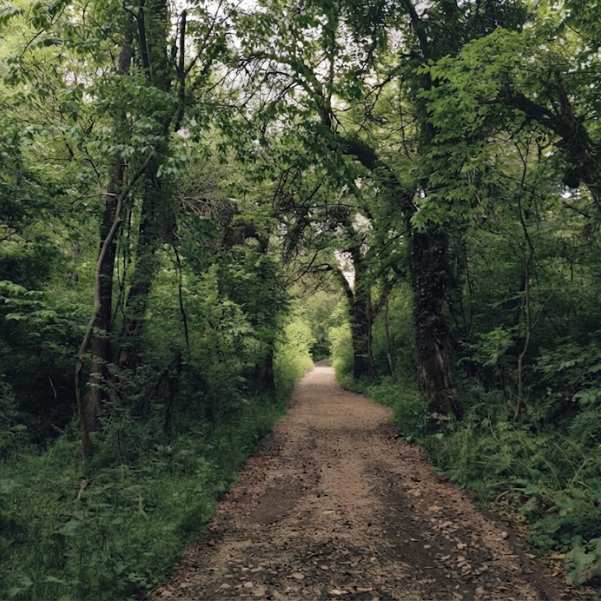
Dachigam National Park lies approximately 22 km from Srinagar and covers 141 sq km.
Booking procedures, entry rules, guide requirements and permits may change by season, so confirm the latest requirements before planning your visit.
And no, nobody can promise you a hangul sighting. It is a wild park, not a zoo.
Best things to do in Srinagar besides visiting monuments
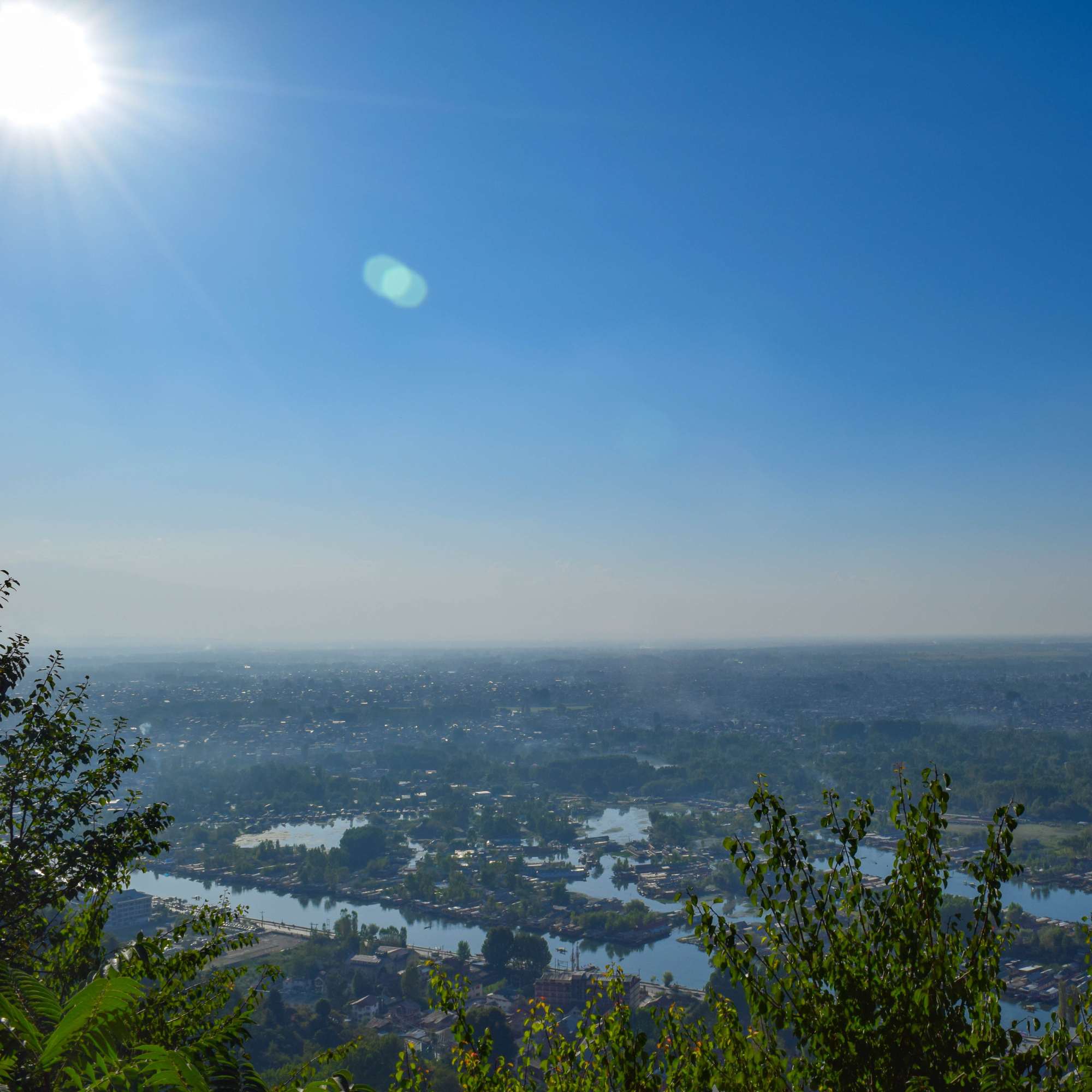
Take a shikara ride at sunrise or sunset
A basic shikara ride keeps you on the open water near the Boulevard. It is pleasant, and it is what most day tourists get.
The longer route takes you through the inner channels, past the floating gardens and the houseboat colonies. That is the ride worth paying for.
Agree on duration, route, stops and total boat price before you step in. Every single time.
Shikara rates can vary by route, duration and season, so treat online prices as a general guide and confirm the total fare before boarding.
Spend one night on a registered houseboat
Dal Lake houseboats put you in the middle of the action. Nigeen Lake houseboats give you a quieter night with less boat traffic outside your window.
All houseboats are registered with the Tourism Department. Ask to see the registration before you pay anything.
This is the single biggest money mistake we see travellers make in Srinagar. They pay an advance to someone who approached them on the Boulevard, and then find the boat is nothing like the photos.
Book through a registered operator or verify the registration yourself. No exceptions.
See the floating vegetable market
The floating vegetable market happens early in the morning on Dal Lake, where sellers trade produce boat to boat.
You need to arrange the shikara the previous evening because it starts before most boatmen are on duty.
Fix the total price the night before. Doing this at 4 AM in the dark is not a negotiation you will win.
Walk through Old Srinagar
Old Srinagar is where the city actually lives. Wooden houses, spice markets, copper shops, bakeries pulling fresh Kashmiri bread out of the oven at dawn.
A knowledgeable local guide adds a lot here because the buildings have stories you will never guess from outside.
You do not need a guide to walk these lanes. It is just better with one.
Try Kashmiri food and tea
Wazwan is the big one, the multi-course Kashmiri meal that people plan trips around. It is heavy, so do not plan a garden circuit right after.
Kahwa is the saffron and almond tea you will be offered everywhere. Noon chai is the pink salt tea, and it splits opinion completely. Try both.
Vegetarian Kashmiri food is properly good too. Ask for nadru, haak and dum aloo rather than assuming everything here is meat.
The local breads deserve a mention. Find a bakery in the old city early in the morning and buy whatever is coming out hot.
Here is the food tip we give everyone. Eat your bakery breakfast in Old Srinagar, not on the Boulevard.
Same bread, a fraction of the price, and you get to watch the morning bakery queue which is a small show in itself.
Shop for local crafts responsibly
Papier-mâché, walnut woodwork, carpets and pashmina are the four things worth carrying home.
If someone offers you pure pashmina at a suspiciously low price, walk away. Real pashmina takes weeks of work and it is not cheap.
Same logic for hand-knotted carpets. Ask about the knot count, ask about certification, and be willing to leave the shop.
How can you cover Srinagar sightseeing in one day?
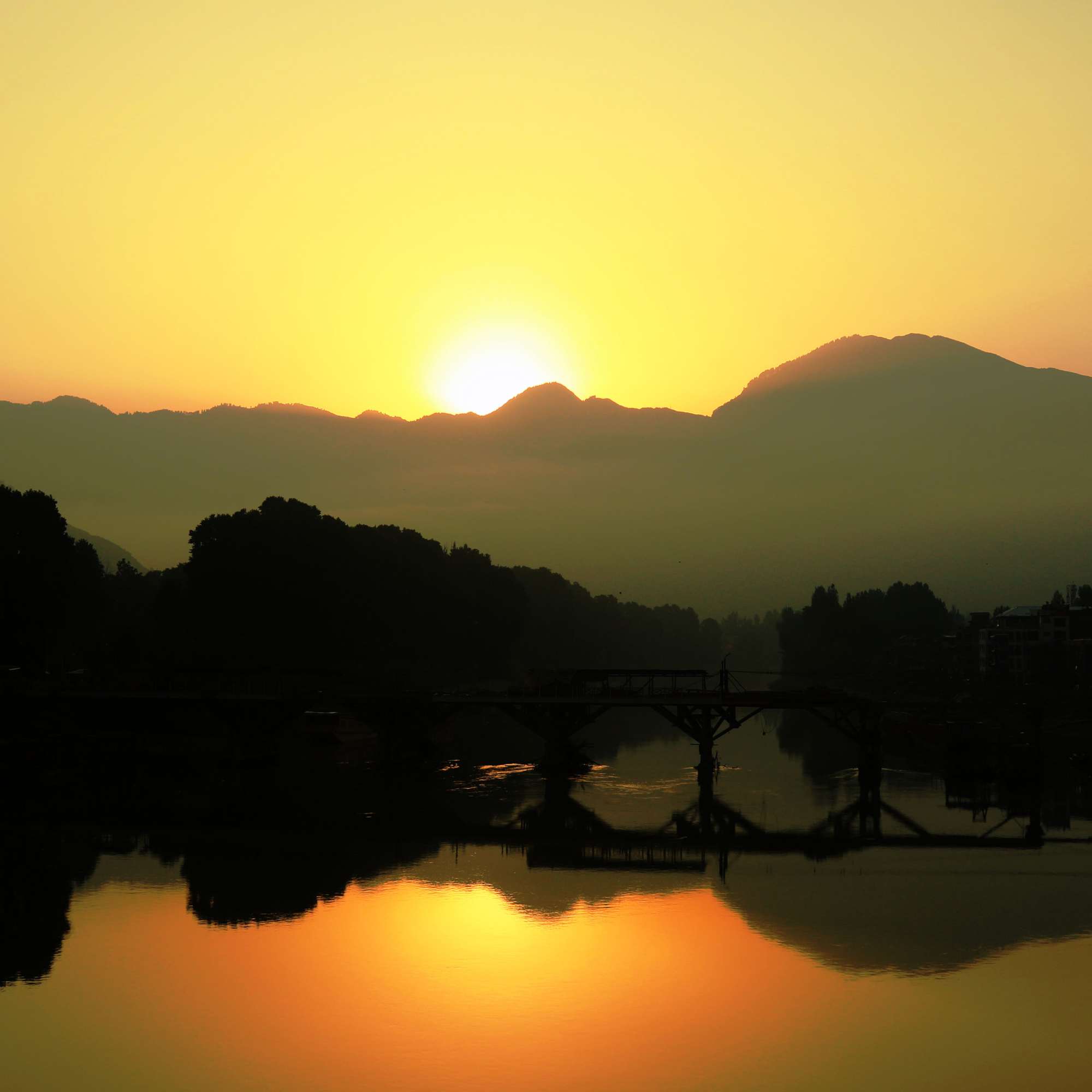
Morning route
Start with Shankaracharya Temple, then come down to Pari Mahal, then Chashme Shahi. All three sit on the same side of the city.
Your actual start time depends on current security checks and attraction opening hours, so confirm both the previous evening.
We are not giving you drive times because traffic on Boulevard Road can double them without warning.
Afternoon route
If the Tulip Garden is seasonally open, do it right after lunch. Then move to Nishat Bagh, Shalimar Bagh and finish at Hazratbal Shrine.
When the Tulip Garden is closed, use the Botanical Garden instead, or simply spend longer at Nishat and Shalimar.
Honestly, the slower two-garden version is a better afternoon than the rushed four-stop one.
Evening route
End at Dal Lake Boulevard with a shikara ride, then head to Lal Chowk or Polo View for food and shopping.
Be clear about what this is. This is a packed day. You will see a lot and sit down for very little.
If that sounds exhausting, take two days. If you only have one, it does work, just start early.
What is the best two-day Srinagar itinerary?
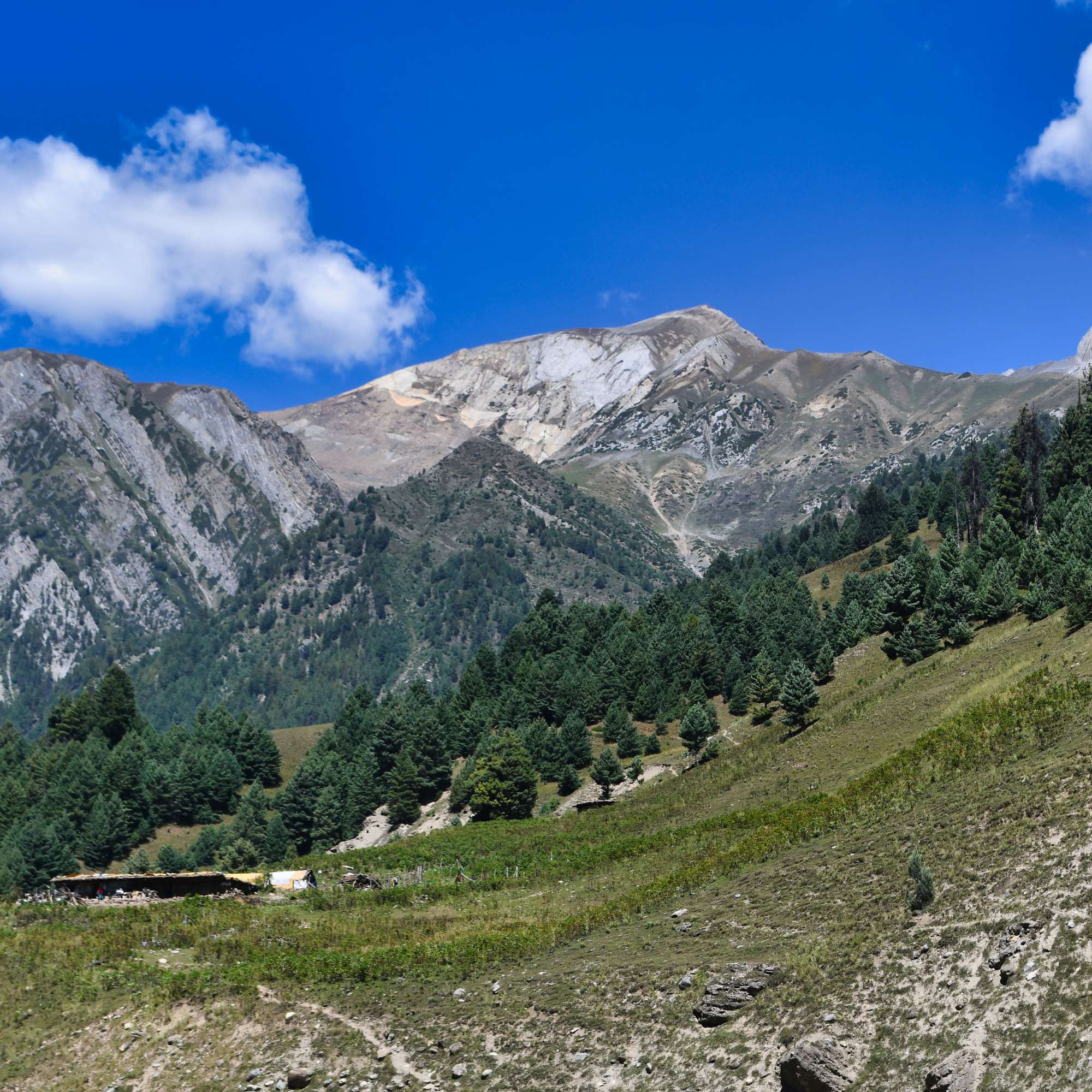
Day 1: Zabarwan gardens and Dal Lake
Start at Shankaracharya Temple, then Pari Mahal, then Chashme Shahi.
Add the Tulip Garden if it is in season, then Nishat Bagh and Shalimar Bagh in the afternoon.
Close the day with an evening shikara ride on Dal Lake.
Confirm opening hours the previous day. We are not inventing travel times for you because they change with traffic and checkpoints.
Day 2: Old Srinagar and quieter experiences
Begin in the old city with Jama Masjid and Khanqah-e-Moula, then Hari Parbat.
Spend the middle of the day in the local markets, then move to Hazratbal Shrine and finish at Nigeen Lake.
If you prefer nature over heritage on day two, visit Harwan Garden and Dachigam National Park instead, but confirm the latest park access requirements before travelling.
Which Srinagar attractions are best in each season?
Spring in Srinagar
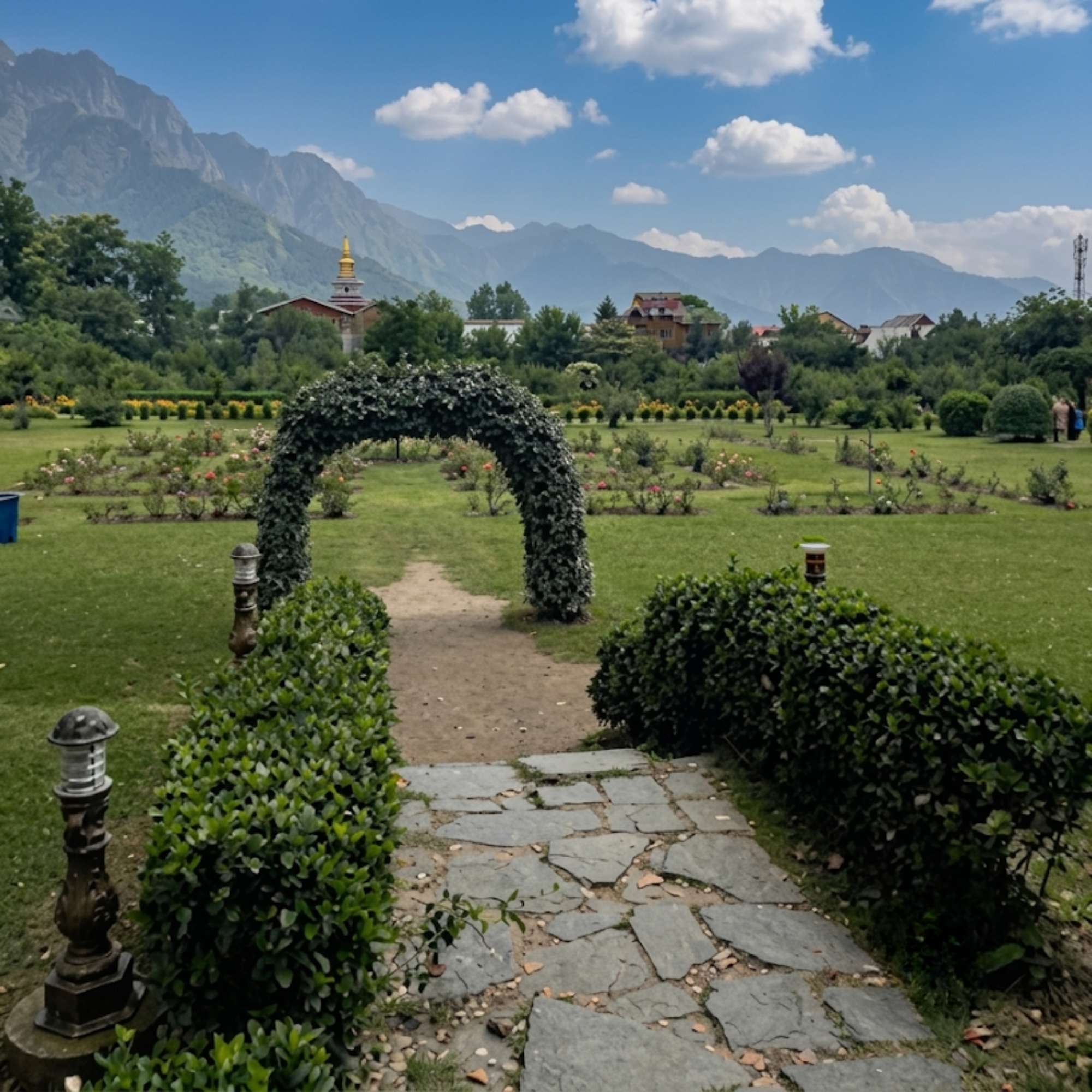
Spring is when the Tulip Garden and Badamwari happen, and the Mughal Gardens start filling with colour.
Bloom dates depend entirely on temperature. A warm spell brings everything forward by a week or two.
Do not book flights around a bloom date you read in an old blog post.
Summer in Srinagar
Summer is the easiest season for gardens, houseboats, shikara rides and long evening walks along the Boulevard.
The district administration identifies March to October as the main tourism period, and recommends booking transport and stays in advance.
That advance booking advice is not filler. In July, good houseboats and taxis get taken weeks ahead.
Autumn in Srinagar
Autumn is the chinar season. The trees in the Mughal Gardens turn, the light gets clean, and the Old City walks become far more comfortable.
Photographers love this window. So do we, for what it is worth.
Nobody can promise you peak colour on a specific date though, so keep two or three days of flexibility if colour is your reason for coming.
Winter in Srinagar
Winter is cold, quiet and cheap. Fewer tourists, more space at every attraction, and the local food tastes better when you are freezing.
Snow is possible. So are sudden road closures.
We will not tell you Dal Lake will freeze. Some winters it partly does, most winters it does not. Treat any frozen-lake photo you saw online as luck, not schedule.
How much does Srinagar sightseeing cost in 2026?
The official district guidance says shikara fares vary according to route and duration, and it does not publish one fixed number.
Commercial listings checked for 2026 quote around ₹600 to ₹1,000 for a standard Shikara ride, with one operator listing ₹770 for the first hour.
These are not confirmed government rates, so treat them as a general guide. Agree on the route, duration, stops and total boat fare before boarding.
For a full day of Srinagar sightseeing, private operators currently advertise approximately ₹2,500 to ₹3,000 for a sedan, ₹3,300 to ₹3,500 for an Innova and ₹5,000 to ₹5,500 for a Tempo Traveller.
The final price can depend on the number of hours, places covered, vehicle type, air conditioning, parking and additional stops. Confirm everything in writing before booking.
Here is a money tip that costs nothing. Book your full-day taxi for the whole day rather than point to point.
Point-to-point pricing in Srinagar adds up faster than people expect once you start moving between garden clusters, and you end up negotiating six separate times instead of once.
And a skip-this. You do not need a paid guide at every garden. The gardens are self-explanatory and signage exists.
Save the guide budget for the Old City walk, where a good guide genuinely changes what you understand.
How do you travel between Srinagar tourist places?
Your options are private taxis, prepaid airport taxis, auto-rickshaws, city buses, rental cars, rented two-wheelers and shikaras on the lake.
Prepaid taxi counters are available at Srinagar airport and the main bus stand. Use them. Fixed fare, no negotiation, no surprises.
When there is no prepaid counter and no meter, agree the fare before you start moving. The district administration says the same thing, and it is the standard rule across the valley.
For two-wheeler rentals you need a valid licence, a security deposit and ID. Helmets are mandatory.
Where should you stay for easy Srinagar sightseeing?
Dal Lake
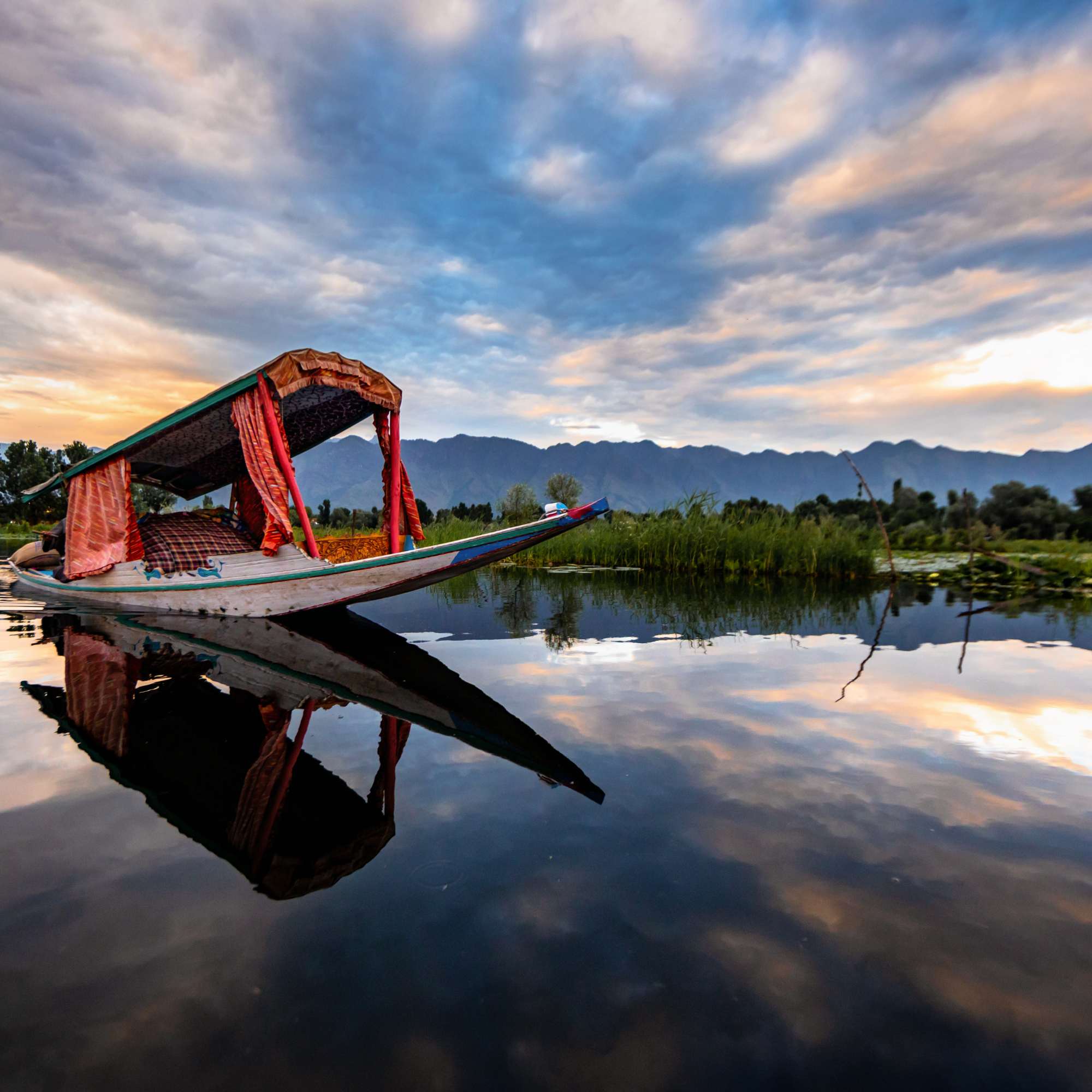
Dal Lake suits you if the houseboat and shikara experience is the main reason you came. You wake up on the water, and that is a specific kind of holiday.
Nigeen Lake
Nigeen Lake works better if you want the same houseboat idea with less noise and fewer boats passing your window.
Boulevard Road
Boulevard Road gives you lake views with hotel comfort and easy access to restaurants.
Dalgate
Dalgate is the practical middle ground. Close to the lake, close to the road, easy for taxis.
Central Srinagar
Central Srinagar near Lal Chowk suits travellers who want markets, food and road transport more than lake views.
We are not quoting hotel or houseboat prices because they swing hard between seasons.
Whatever you pick on the water, verify the houseboat registration with the Tourism Department before you pay.
What changed for Srinagar travel in 2026?
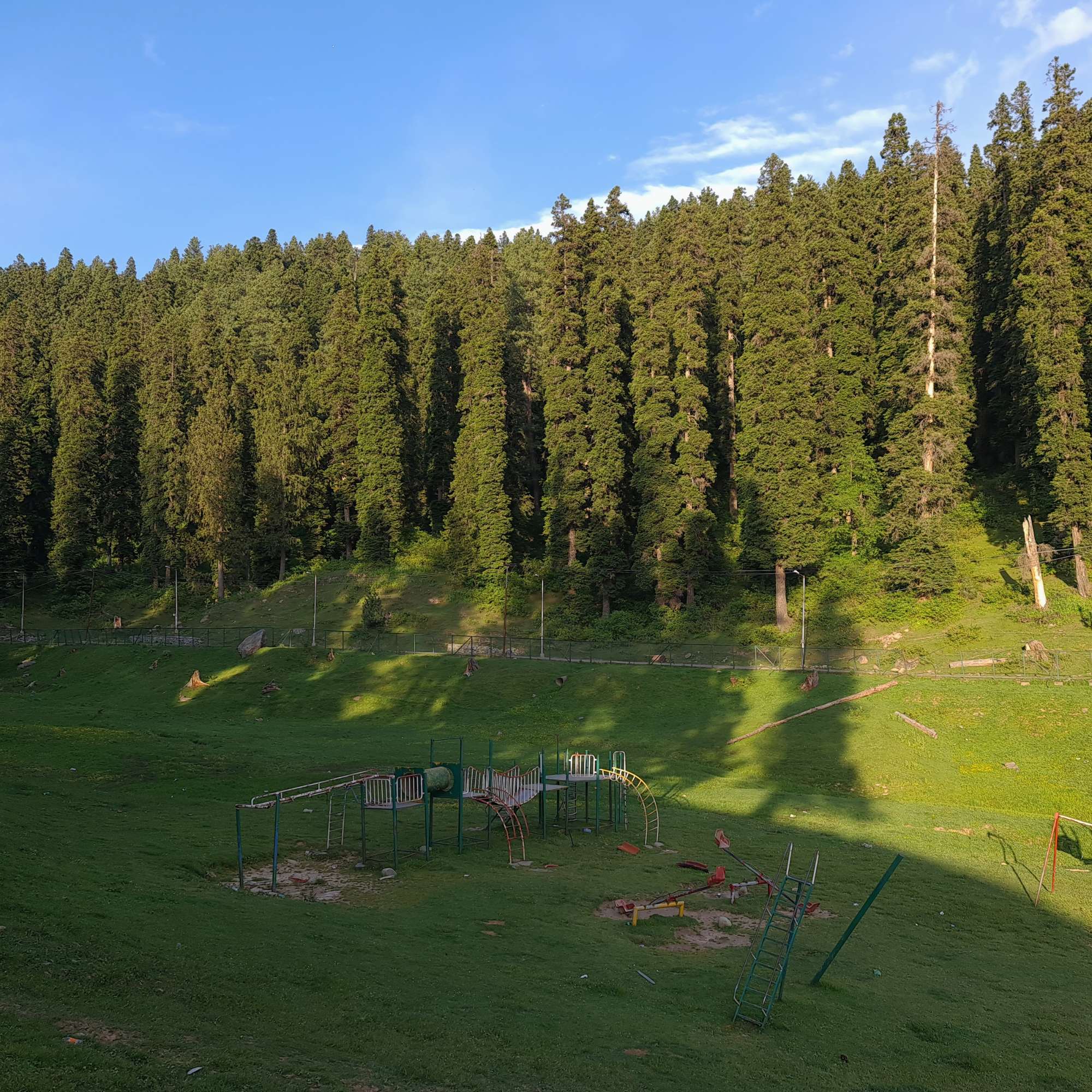
The 2026 Tulip Show opened on 16 March 2026.
Before that, fourteen J&K tourist sites, including the Tulip Garden, were ordered to reopen on 16 February 2026.
The 2026 Amarnath Yatra runs from 3 July to 28 August. During this period, traffic controls affect the Navyug Tunnel, Panthachowk and other checkpoints across the Kashmir Valley.
Do not use old cut-off timings you find online as permanent advice. If you are travelling by road during the Yatra, check the same-day J&K traffic advisory that morning.
A direct Jammu to Srinagar Vande Bharat service began regular operations on 2 May 2026, with the journey taking about four hours and fifty minutes. Train timings and weekly operating days can vary by service, so check the latest schedule for your travel date before booking.
Ticket prices vary by train, class, meal selection, quota and booking date. Check the live fare on IRCTC rather than relying on a fixed online price range.
Valid ID is required for hotel, houseboat and guest-house registration, and for vehicle rentals.
We will not claim that Srinagar city sightseeing never needs a permit. No blanket city sightseeing permit appeared in the official district guidance we reviewed, but rules for restricted or outlying areas should be checked before you plan around them.
One last thing that matters
Dal Lake continues to face pressure from pollution, sewage, waste and invasive weed growth.
Avoid single-use plastic, carry your waste back, and choose registered operators who follow the rules.
Are Gulmarg, Pahalgam and Sonamarg part of Srinagar sightseeing?
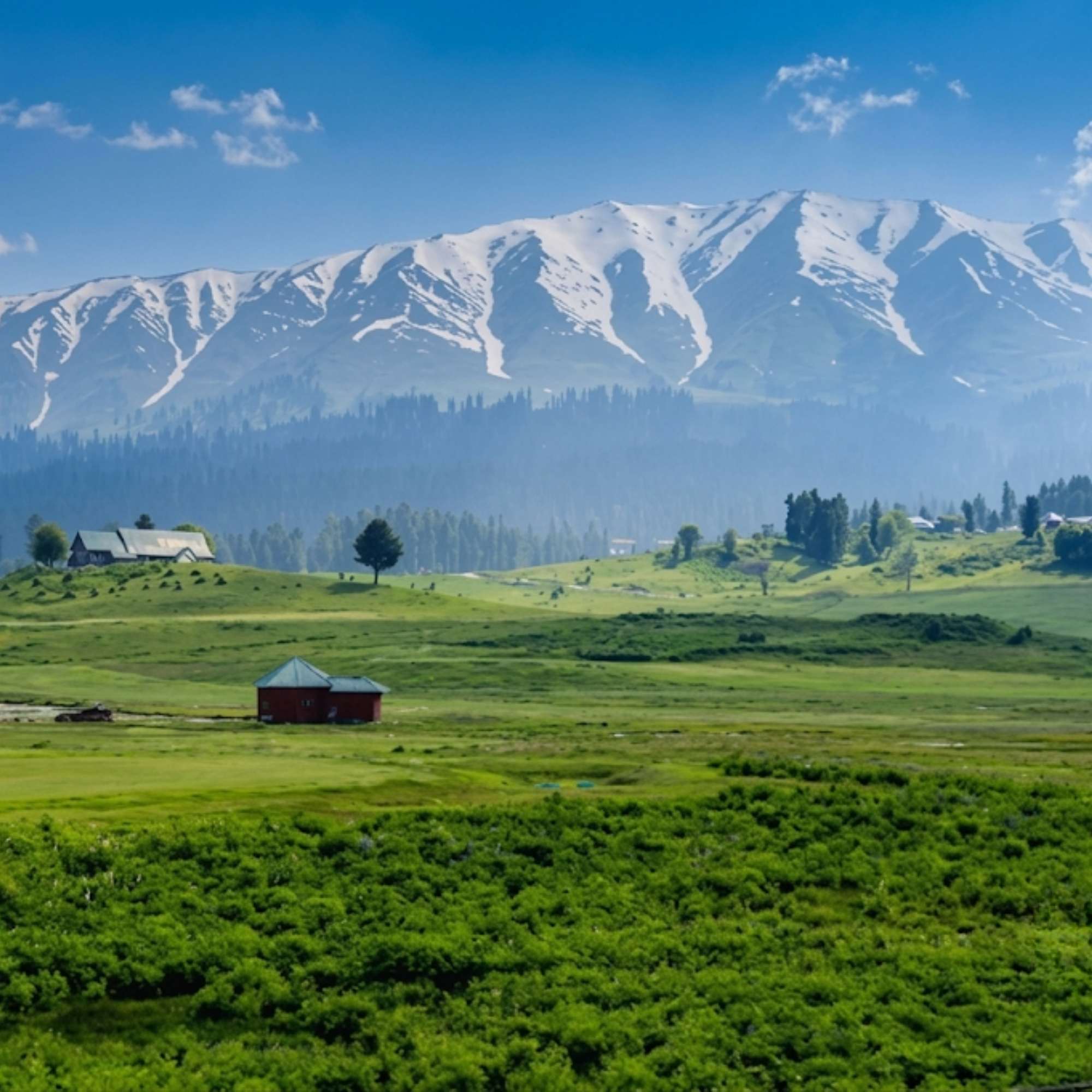
No. These are separate destinations you reach from Srinagar, and each one needs its own day trip or an overnight stay.
We are not publishing distances here because no single verified mapping reference was supplied for this article.
What we can tell you from planning hundreds of Kashmir trips is this. Do not combine any of these with a full Srinagar city circuit on the same day.
You will spend the day in the car and see neither place properly. This is the most common regret we hear from first-time Kashmir travellers.
Our Kashmir holiday packages build these as separate days for exactly this reason.
If you are looking further north after Kashmir, our Leh Ladakh tour packages pair well with a Srinagar start.
Practical Srinagar sightseeing tips for families, couples and senior citizens
Plan rest stops into the day. The gardens involve more walking than people expect, especially Nishat with its terraces.
Washrooms are available at the main attractions but not between them, so use them when you see them.
Shankaracharya Temple, Pari Mahal and Hari Parbat all involve steps, walking or vehicle access rules that may not suit everyone. Check each one locally on the day.
Security checks happen at several sites. They are routine, they are quick, and they are not a reason to worry. Carry ID and cooperate.
At Hazratbal, Jama Masjid and Khanqah-e-Moula, dress modestly, remove shoes where required, and ask before taking photographs.
The Tourist Police helpline is 1363. Save it in your phone before you land.
Carry valid ID, download offline maps, and keep some cash. The network in parts of the old city and near the outer gardens is unreliable.
What we always tell our travellers is to keep the last afternoon of any Srinagar trip completely free.
Something will get delayed, a garden will close early, or you will simply want to sit on the lake longer than planned. That empty slot saves the trip more often than any tight schedule does.
We do not describe any destination as completely safe or unsafe. Follow current official guidance and local instructions, and plan around advisories rather than ignoring them.
Explore Our Curated Kashmir Tours Packages
 5D/4N
5D/4NKashmir Honeymoon Experience – Srinagar, Gulmarg & Pahalgam
5D Srinagar•1D Pahalgam+1
₹12,999/ person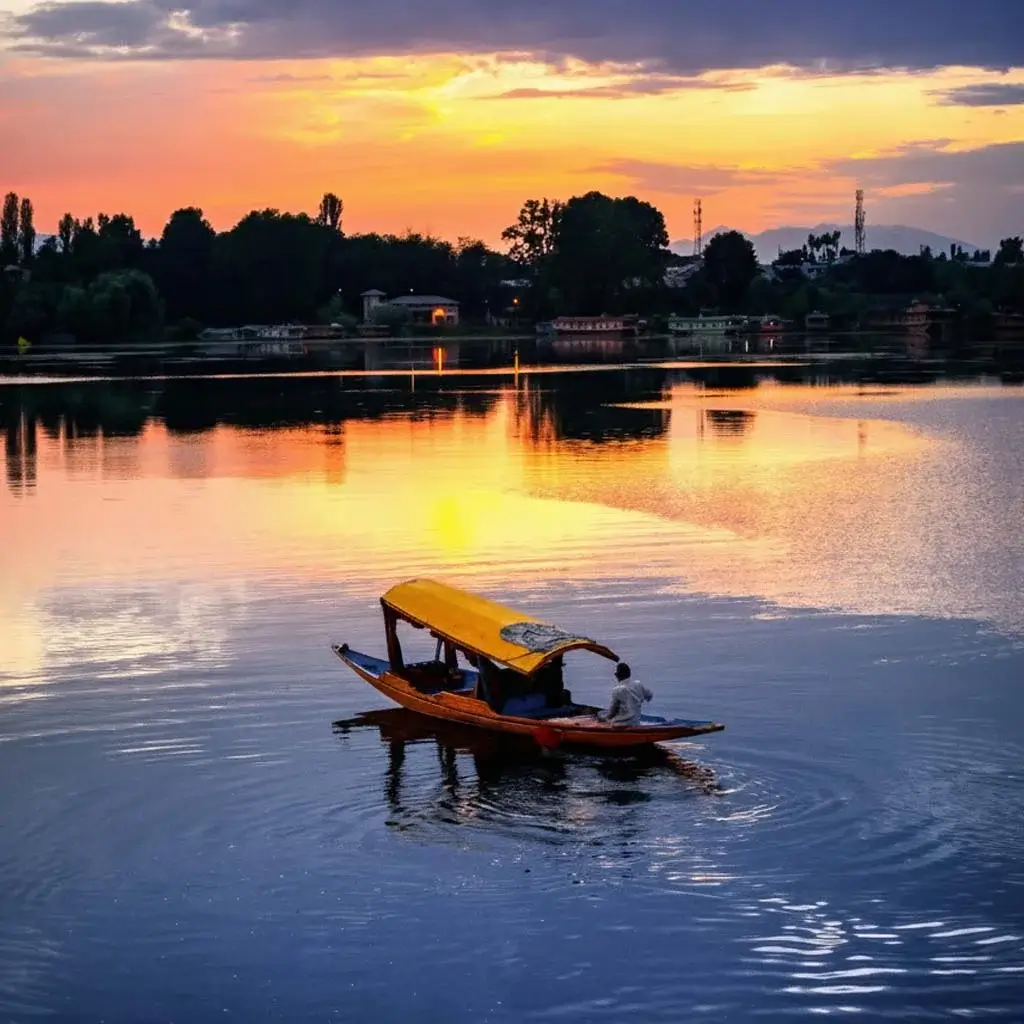 4D/3N
4D/3NThe Perfect 4 Day Kashmir Getaway
4D Srinagar•1D Gulmarg+1
₹8,999/ person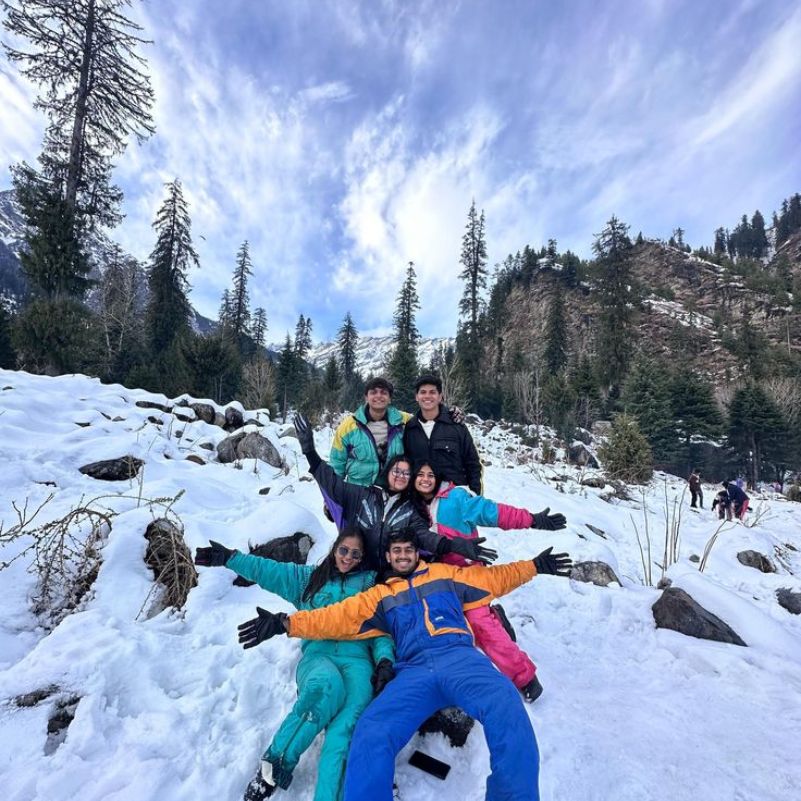 5D/4N
5D/4NBest Of Kashmir – Srinagar, Gulmarg & Pahalgam Tour Package
5D Srinagar•1D Pahalgam+1
₹8,999/ person
Related topics
Frequently Asked Questions
Which are the best places to visit in Srinagar?
The best places to visit in Srinagar are Dal Lake, Nishat Bagh, Shalimar Bagh, Chashme Shahi, Pari Mahal, Shankaracharya Temple, Hazratbal Shrine, Nigeen Lake and Old Srinagar. The seasonal Tulip Garden joins the list in spring. Group them by cluster rather than chasing them randomly across the city, and you will fit far more into the same hours.
What can I cover in Srinagar in one day?
One day covers Shankaracharya Temple, Pari Mahal and Chashme Shahi in the morning, then Nishat Bagh, Shalimar Bagh and Hazratbal in the afternoon, ending with a shikara ride and Lal Chowk in the evening. It is a packed day with almost no downtime. Start early and skip the Old City walk for this version.
Are two days enough for Srinagar sightseeing?
Two days work well. Day one handles the Zabarwan gardens and Dal Lake, day two handles Old Srinagar, Hari Parbat, Hazratbal and Nigeen Lake. This gives you a proper shikara ride and a slow old city walk instead of a rushed checklist. Most first-time travellers we plan for choose two days over one.
What is Srinagar most famous for?
Srinagar is best known for Dal Lake, its shikaras and houseboats, and the Mughal Gardens built along the lake. The city is also known for Kashmiri crafts like pashmina, carpets, papier-mâché and walnut woodwork, along with food like wazwan and kahwa. The old city adds wooden mosques and heritage lanes.
Which is the best time to visit Srinagar?
The district administration identifies March to October as the main tourist season. Spring brings the Tulip Garden and Badamwari, summer suits gardens and houseboats, and autumn brings chinar colour. Winter is cold and quiet with possible snow. Book transport and stays in advance during peak months.
Is the Srinagar Tulip Garden open throughout the year?
No. The Tulip Garden is strictly seasonal and stays closed outside the bloom window. The 2026 Tulip Show opened on 16 March 2026 with nearly 18 lakh tulips across more than 70 varieties. Current opening status must be checked before you plan around it.
Which is better for tourists, Dal Lake or Nigeen Lake?
Dal Lake gives you the classic Srinagar experience with more boats, more houseboats and more activity. Nigeen usually feels calmer with lighter boat traffic. If it is your first visit, choose Dal. If you have been before or want quiet, choose Nigeen.
Is a houseboat stay in Srinagar worth it?
Yes, for one night at least. Waking up on the water is genuinely different from any hotel stay. All houseboats are registered with the Tourism Department, so verify the registration before paying any advance. Do not book through someone who approaches you on the Boulevard.
Is Srinagar suitable for families and senior citizens?
Mostly yes, with planning. The gardens and lake are easy. Shankaracharya Temple, Pari Mahal and Hari Parbat involve steps or access rules that may be difficult for some travellers. Build in rest stops, keep the pace slow, and save the Tourist Police helpline 1363.
What should tourists wear at Hazratbal Shrine and Jama Masjid?
Dress modestly with shoulders and legs covered. Women should carry a scarf for head covering. Remove shoes where required, avoid photographing people at prayer, and ask before taking pictures inside. Specific access rules should be confirmed on site.
Are Gulmarg, Pahalgam and Sonamarg included in Srinagar local sightseeing?
No. All three are separate destinations that need their own day trip or an overnight stay. A standard Srinagar local sightseeing day does not include them. Trying to fit one into a city circuit means you see neither properly.