
Snowfall in Kashmir 2026: Best Time, Places and Winter Trip Guide
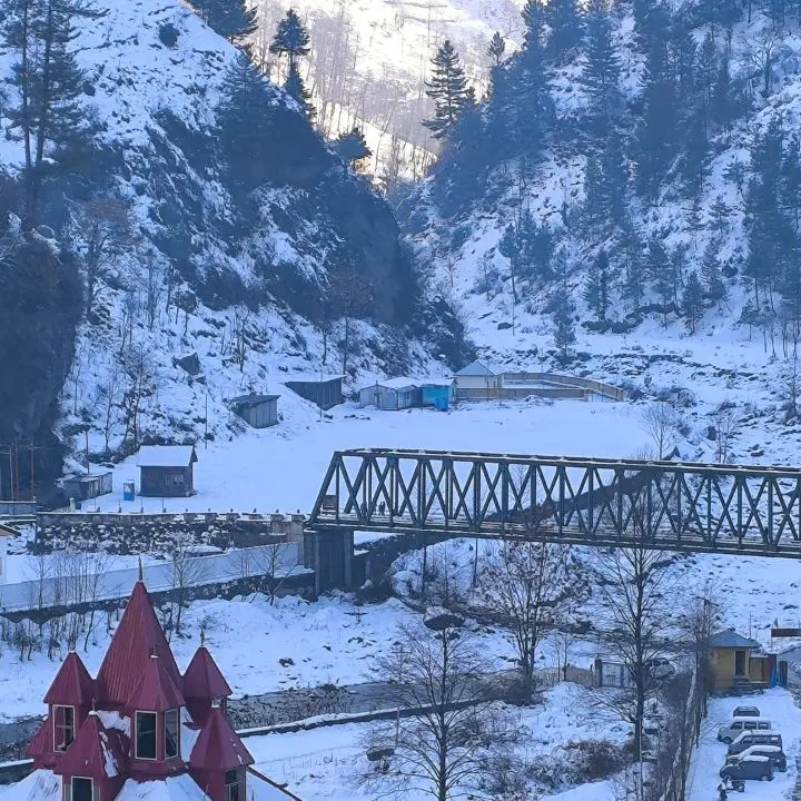
Every winter we get the same message on WhatsApp: "Will it snow when I'm there?"
Nobody can answer that. Not us, not your hotel, not the guy selling you a package on Instagram. But we can tell you which weeks give you the best odds, where the snow actually stays on the ground, and how to build a trip that still works if the sky stays clear.
That difference matters more than anything else you will read about snowfall in Kashmir.
Quick Answer
Kashmir's snowfall season generally runs from December to February.
January and early February usually give you the strongest chance of snow-covered scenery, especially in Gulmarg, which sits high enough to hold snow when Srinagar has none.
Fresh snowfall is never guaranteed on any set of dates. Weather systems arrive when they arrive.
Plan at least one night in Gulmarg, keep one buffer day, and check live forecasts a few days before you fly. If you want the trip handled end to end, our Kashmir tour packages are built around exactly this kind of flexible winter planning.
When Does Snowfall Start in Kashmir?
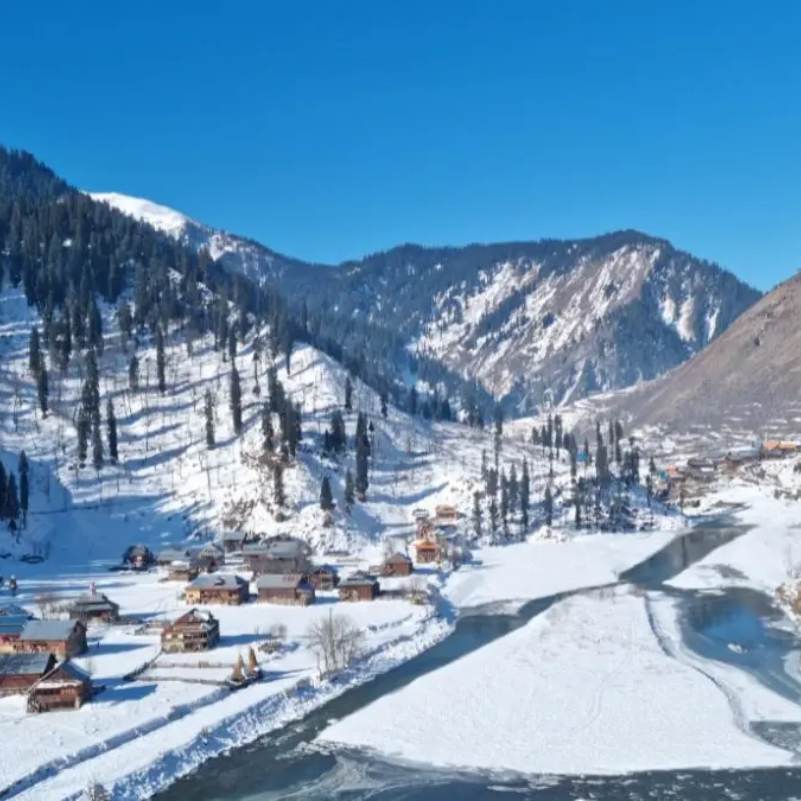
Kashmir Snowfall From November to March
Higher elevations sometimes get early snow during November. It is thin, it often melts, and you should not book a November trip expecting a white landscape.
December to February is the real season. This is when snow arrives with enough weight and frequency to actually settle.
March is a fading month. Higher spots may still hold snow, and fresh spells do happen, but it is a gamble by then.
In our experience running winter trips, people who book November for "early snow" almost always come back disappointed. Wait for late December.
What Is the Difference Between Snowfall and Snow Cover?
Most tourists get this wrong, and it ruins their expectations before the trip even starts.
Watching snow fall means a weather system has to arrive during your exact dates. That is luck.
Snow cover is different. Once snow settles at higher elevations, it stays for days or weeks, even under a clear blue sky.
So on a bright sunny morning in January, Gulmarg can be completely white while nothing is falling from the sky. That is still a snow trip. A very good one.
What we always tell our travellers is to book for snow cover, not snowfall. If fresh snow falls while you are there, treat it as a bonus.
What Is Chillai Kalan?
Chillai Kalan is Kashmir's traditional harshest 40-day winter phase, starting in late December.
Locals treat it as the coldest stretch of the year. Water freezes overnight, and the valley slows down.
It does not mean snow falls every day. It means the cold is deep enough that whatever snow arrives tends to stay.
Which Is the Best Month to See Snowfall in Kashmir?
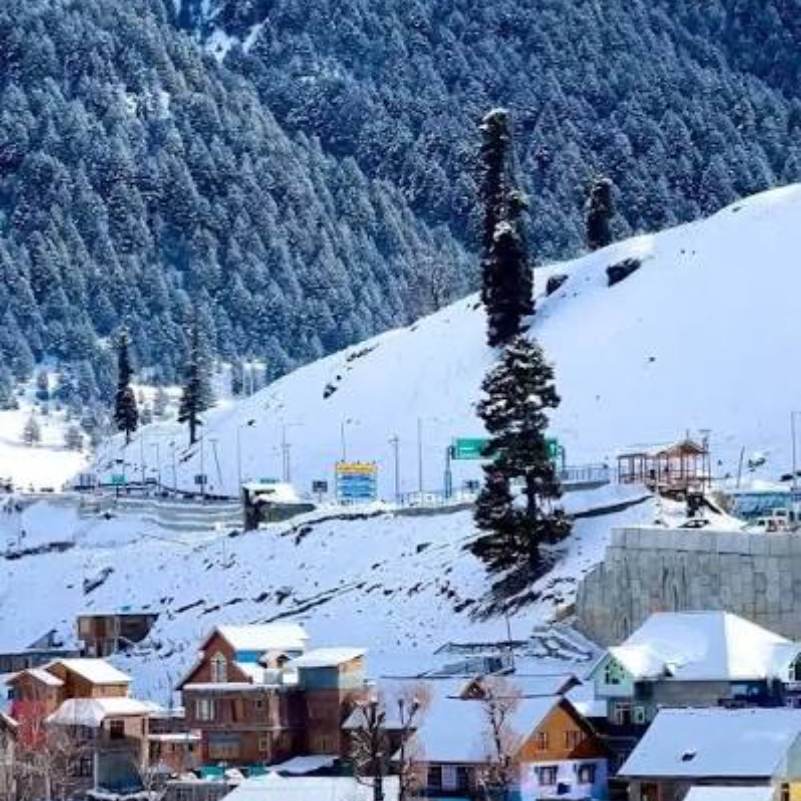
Kashmir in December
December opens the core winter window, but the first half can be unpredictable.
Srinagar may sit cold and dry while Gulmarg already has decent cover. That gap between low and high elevation is at its widest in December.
Christmas and New Year bring heavy demand. Hotels and vehicles get booked out weeks in advance, so lock your stay early rather than negotiating on arrival.
Honest warning: we have seen mid-December trips with almost no snow anywhere except upper Gulmarg. If your only free week is early December, go with realistic expectations.
Kashmir in January
January is peak winter and the month most people should target for snowfall in Kashmir.
Snow cover is usually at its most reliable, skiing in Gulmarg is properly running, and the whole valley looks the way you imagined it.
The trade-offs are real. Roads get icy, drive times stretch, and flights can get cancelled when visibility drops.
Keep one buffer day. Not as a luxury, but as insurance against a single bad weather morning wiping out your Gondola day.
Kashmir in February
Snow cover commonly continues through February, and the crowds thin out compared to January.
Do not assume February is automatically warmer or safer. Some years it stays deep in winter, other years it softens early.
Early February is often the sweet spot. Good cover, fewer people, slightly better road behaviour than peak January in most years.
Is There Snow in Kashmir in March or April?
Srinagar and the lower valleys usually lose their snow well before March ends.
Higher locations can hold snow into March, and fresh spells sometimes arrive. But nobody should promise you March snow.
April snow cannot be guaranteed at all. If someone sells you an April "snow trip," ask them exactly what they are guaranteeing.
Where Can You See Snowfall in Kashmir?
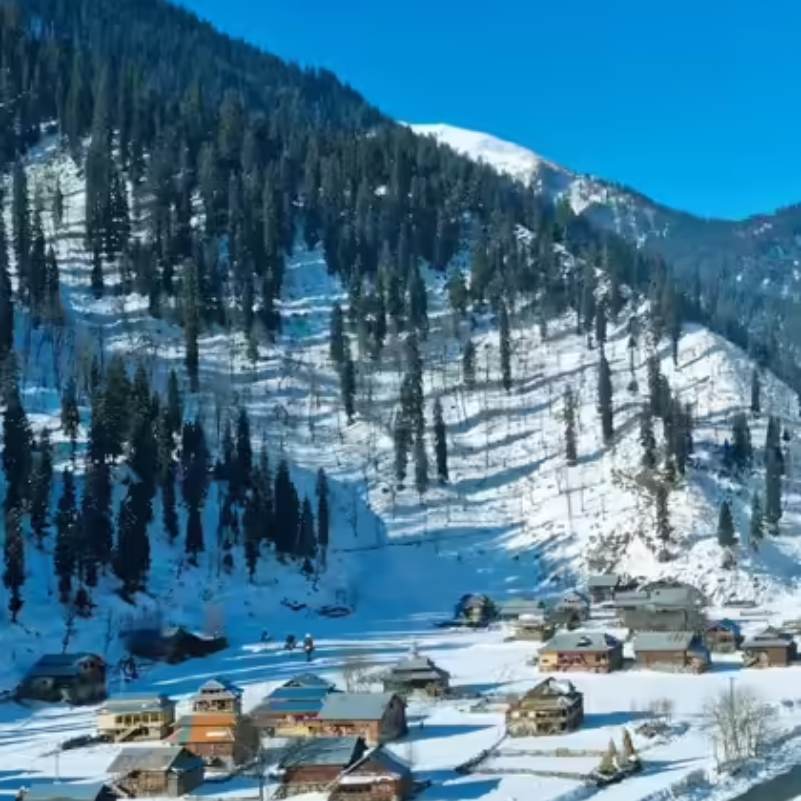
[IMAGE: Simple Kashmir winter circuit map showing Srinagar, Gulmarg, Pahalgam and Sonamarg]
Gulmarg
If snow is your main reason for coming, Gulmarg is your first choice. Full stop.
It sits high enough to hold snow when everything below is brown and wet.
Gulmarg is approximately 60 km from Srinagar. Published driving time is about 1.5 hours, but winter weather, snow clearing and tourist traffic can push that well beyond it.
Here is the tip most day-trippers ignore. Stay at least one night in Gulmarg instead of doing it as a day trip from Srinagar.
Day-trippers arrive around 11 AM, queue for the Gondola, and start driving back by 3 PM because they are scared of the road after dark. You see almost nothing properly.
Staying overnight means you are already there at sunrise, before the day crowd arrives from Srinagar. The snow is untouched and the Gondola queue is short.
Skiing runs here through the season, and the Gondola is the main draw. More on both below.
Pahalgam
Pahalgam in winter is quieter, softer and far less commercial than Gulmarg.
It is approximately 96 km from Srinagar Airport. We will not quote a winter driving time, because it swings too much with conditions.
Aru Valley, Betaab Valley and Chandanwari are the usual excursions, but treat all three as weather-dependent. Access can shut on short notice.
Go here for the landscape and the calm, not for guaranteed deep snow.
Srinagar
Srinagar does get snowfall, but it is the least dependable place in the valley for it. It sits lower than everywhere else on this list.
Dal Lake, the old city lanes and the local markets are worth your time regardless of snow.
The airport is approximately 14 km from the city centre. Dal Lake is approximately 17 km from Srinagar Airport.
One thing to be clear about: Dal Lake does not completely freeze every winter. Those viral photos are specific cold snaps, not a normal season.
Srinagar's real value in winter is as your transport base and your fallback when higher roads close.
Sonamarg
Sonamarg is approximately 87 km from Srinagar, normally under three hours in ordinary conditions.
Winter access, accommodation and activities in Sonamarg depend on weather, road conditions and seasonal availability, so check the latest status before fixing it into your itinerary.
We have had to drop Sonamarg from winter plans more than once. Build it in as optional, never as a must-do.
Doodhpathri, Yusmarg, Aharbal, Sinthan Top and Pir Ki Gali
Treat all of these as possible alternatives, not guaranteed winter attractions.
Winter access to Doodhpathri, Yusmarg, Aharbal, Sinthan Top and Pir Ki Gali depends on snowfall, road clearing and official restrictions.
Permit requirements can also change by route, so confirm the latest rules locally before travelling.
Is Snowfall Guaranteed on Your Kashmir Travel Dates?
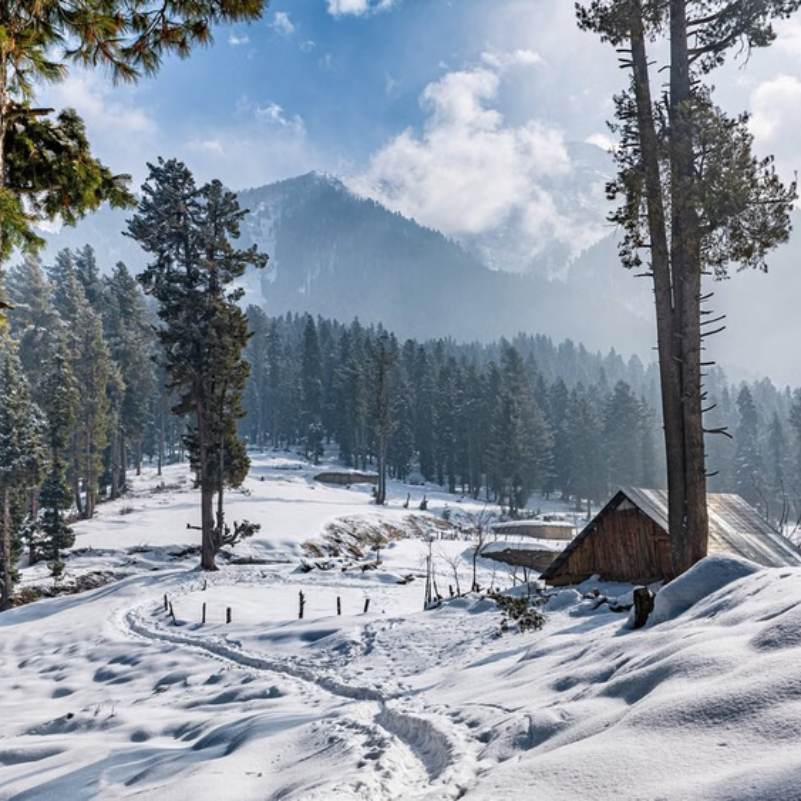
No. No travel company can guarantee natural snowfall, and anyone who does is selling you something.
Two recent examples show how far the swings go.
The 2025 national winter games at Gulmarg were postponed because there was not enough snow.
Then heavy snow on 27 January 2026 cancelled incoming and outgoing Srinagar flights and closed the highway.
Same destination, opposite problems, barely a year apart. That is the honest picture.
So build your trip to survive both. One night in Gulmarg, one flexible buffer day, and a forecast check close to departure.
What Is the Best 5-Day Kashmir Snowfall Itinerary?
Day 1: Arrive in Srinagar
Keep this day light. Airport transfer, hotel check-in, and easy Srinagar sightseeing.
Do not stack a long excursion onto arrival day. Winter flight delays are common enough that you will spend the day stressed instead of resting.
A shikara ride and a walk through the old city is plenty.
Day 2: Srinagar to Gulmarg
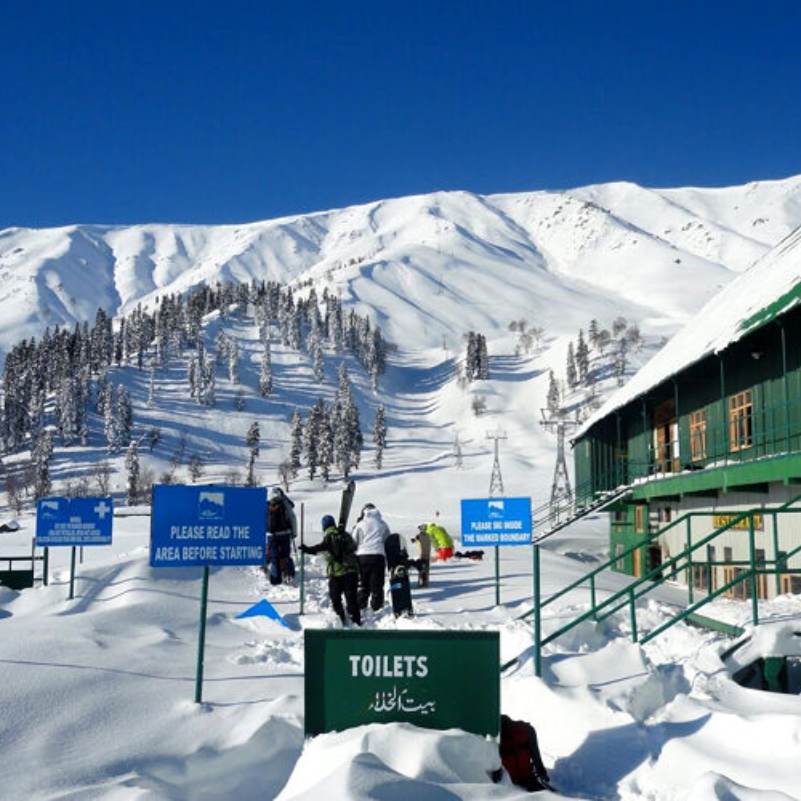
Drive to Gulmarg and stay the night. This single decision improves your trip more than anything else on this list.
Weather here changes within hours. Staying overnight means you get two shots at good conditions instead of one narrow afternoon window.
Reach by early afternoon so you can walk around in daylight and get a feel for the snow line.
Day 3: Gulmarg Gondola and Winter Activities
Start early. The queue before 10 AM is a fraction of what it becomes by noon.
Buy only official tickets, and keep this day flexible. Gondola operation depends on weather, maintenance and official decisions, and all three can change overnight.
If the Gondola is suspended, spend the time on ski lessons or snow play instead of sitting around waiting.
Day 4: Pahalgam or Weather-Buffer Day
If roads are clear and conditions look good, drive to Pahalgam.
If not, this is your buffer day. Use it in Srinagar or stay put in Gulmarg.
Travellers who plan this day as optional almost always end up happier than those who force it.
Day 5: Srinagar and Departure
Keep the last day simple. Some shopping, a slow breakfast, then the airport.
Leave extra time for the drive. Winter mornings and airport security both move slower than you expect.
If you want a ready-made version of this, browse our popular Kashmir and India tours.
>>Want a flexible Kashmir winter itinerary with a proper weather buffer? Message us on WhatsApp.
How Do You Reach Kashmir During the Snow Season?
By Air
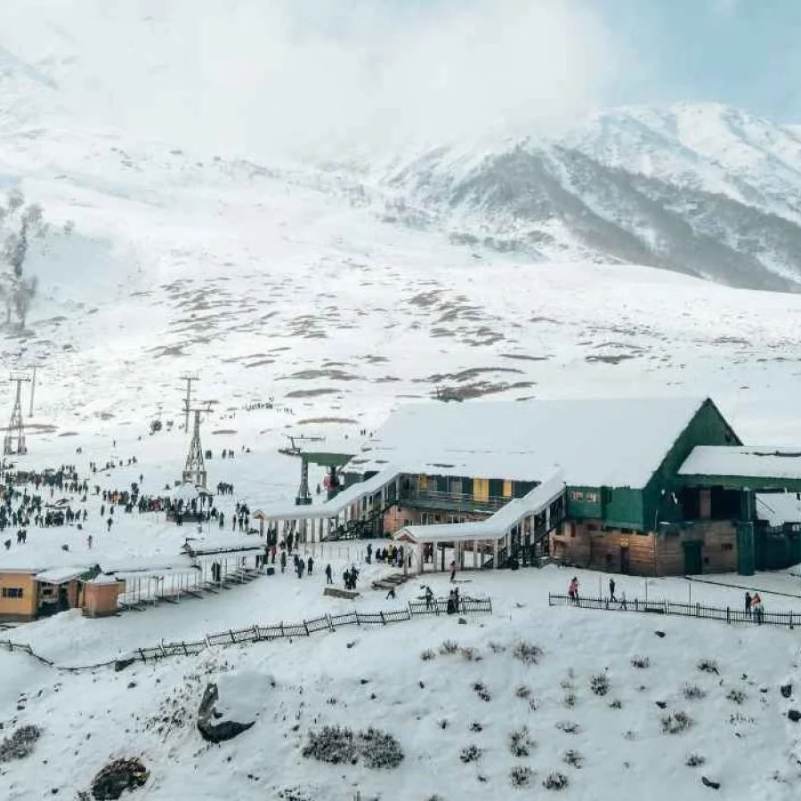
Srinagar Airport is the main practical gateway for winter travellers.
Heavy snow and poor visibility can disrupt flights, sometimes for a full day.
Do not book tight onward connections. If you land in Delhi at 2 PM with a 4 PM international flight, one Srinagar delay ruins everything.
We tell our travellers to keep a full night's gap in Delhi on the return leg during January.
By Train and Road
Check the exact train service, station and timetable for your specific travel date. Services and connections change, and we will not repeat unverified claims about direct trains.
Book road transport in advance rather than arranging it after landing. Winter demand at the airport taxi stand is high and rates go up accordingly.
By Road
NH44 is the main road link, and its status changes with weather and road work.
Check the latest official NH44 traffic advisory on your travel date, as road status can change quickly with weather, maintenance and traffic controls.
As an example of how date-sensitive this road is: NH44 was closed on 23 July 2026 because of monsoon landslides. That is a summer example, not a winter status update, but it shows how quickly the road situation shifts.
What Is the Latest Gulmarg Gondola Information for 2026?
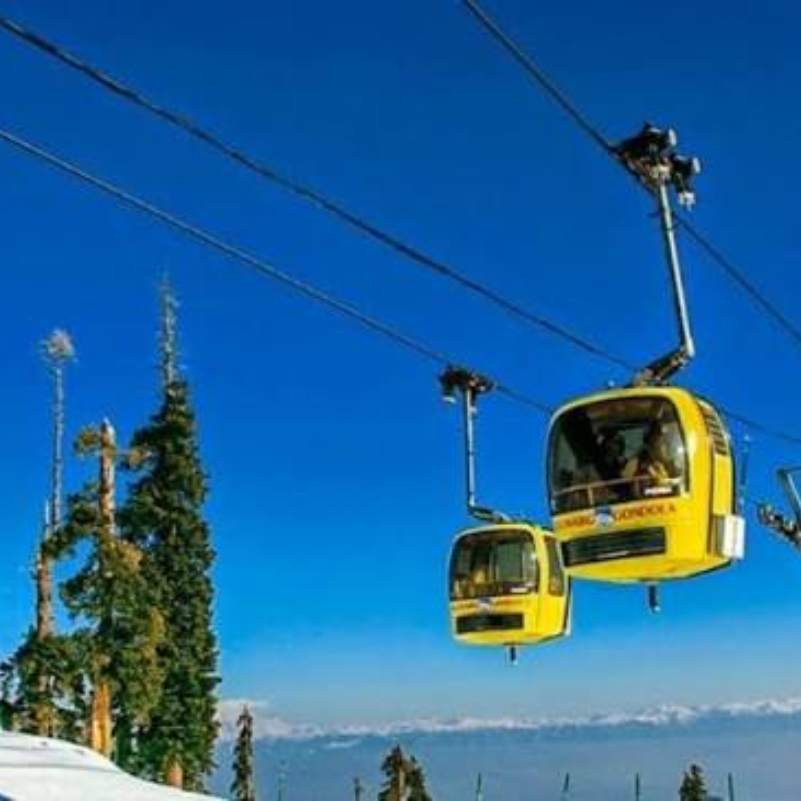
The official Cable Car Corporation currently lists the Gondola as reopened.
The official notification also lists closure on the second and fourth Monday of every month for maintenance. Reconfirm this before you travel, because schedules do get revised.
A technical malfunction in May 2026 led to a temporary suspension and an investigation. Operations have since been listed as restored.
Book only through the official J&K Cable Car Corporation e-ticket website. Skip the guys near the parking lot offering "confirmed tickets" at a markup.
That is the single easiest money-saving move on this trip, and every season we hear from travellers who paid double to an unofficial seller for the same ticket.
The official contact for Gondola enquiries is +91 6006822393, available 10 AM to 4 PM on working days.
Current fares can change, so check the official J&K Cable Car Corporation e-ticket website for the latest Phase 1 and Phase 2 prices before booking.
What Can You Do During Snowfall in Kashmir?
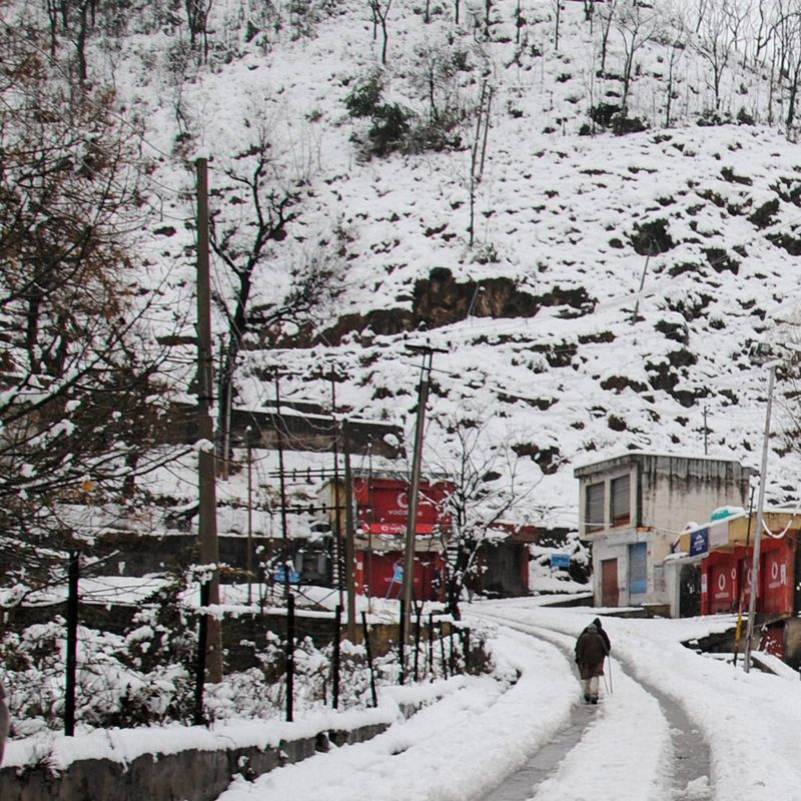
Skiing and Snowboarding in Gulmarg
Gulmarg is one of the few places in India where skiing is a proper activity, not a photo opportunity.
Beginners should book a qualified local instructor rather than figuring it out from a friend.
Ask for the instructor's credentials before paying. Rates and qualifications vary widely.
Gulmarg Gondola Ride
Availability depends on current operation on the day you go.
Phase 2 is not guaranteed. It runs on a separate set of conditions and can be closed even when Phase 1 is working fine.
Plan your day so that a Phase 2 closure does not wreck it.
Sledging, Snowmobiles and Snow Play
Confirm the total price, the duration and exactly what is included before you start.
The common problem here is agreeing to a rate, then finding out it was per person or per 15 minutes rather than for the full ride.
Say the full number out loud and confirm it before anyone starts the engine.
Shikara Rides and Winter Food in Srinagar
A shikara ride on Dal Lake in winter is slow, cold and genuinely beautiful.
Have kahwa at least once a day. The saffron and cinnamon version served in the old city bakeries beats anything served in hotel lobbies, and it costs a fraction.
Try harissa on a winter morning if you eat meat. It is a Srinagar winter breakfast that most tourists never hear about, sold from small local shops that open early and sell out.
How Much Does a Kashmir Snowfall Trip Cost?
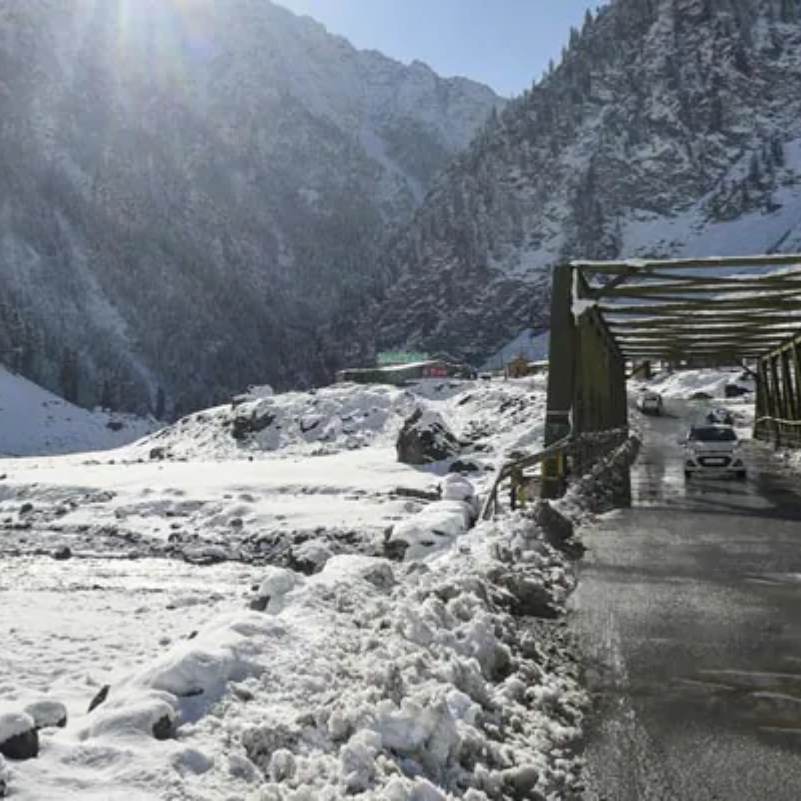
Your costs break into a few clear heads.
Flights to Srinagar swing hard with season and booking date. December-end and January are the expensive windows.
Accommodation depends on whether you stay only in Srinagar or add a Gulmarg night. Gulmarg costs more, and we still think it is worth it.
Private transport for the circuit is usually the second-biggest line item after flights. Local vehicles for short stretches sometimes come on top of that.
Then add Gondola tickets, snow clothing rental, winter activities and meals.
There are some official published rates worth knowing as a benchmark, but read the warning carefully. These applied only until 31 March 2026 and are historical, not current.
A leisure ski guide was listed at ₹450 per hour including ski equipment. Trainee ski equipment was ₹800 full day or ₹450 half day. A snowboard was ₹750 full day or ₹450 half day.
Snowmobiles were ₹550 for the first 15 minutes, then ₹450 for each subsequent 15 minutes. Coat rental and boot rental were each ₹120 per day.
Current winter activity and equipment rental rates may differ from the historical tariffs above, so check the latest official rate card before booking.
Package prices vary by travel dates, group size, hotel category, transport and included activities, so request a detailed written quotation for your trip.
What Should You Pack for a Kashmir Winter Trip?

Start with thermal base layers, top and bottom. This is the layer people skip and regret.
Add warm mid-layers, a fleece or a light down jacket, and a proper waterproof outer jacket.
Carry waterproof trousers if you plan on snow activities, and waterproof shoes with grip rather than fashion boots.
Pack more socks than you think you need. Wet socks at 4 PM in Gulmarg will end your day.
Gloves, a warm cap, sunglasses, moisturiser, lip balm and your personal medicines complete the list.
Layering is the whole point. Sunny afternoons, freezing evenings and overheated hotel rooms all happen in the same 24 hours.
Is Kashmir in Winter Suitable for Families, Children and Elderly Travellers?
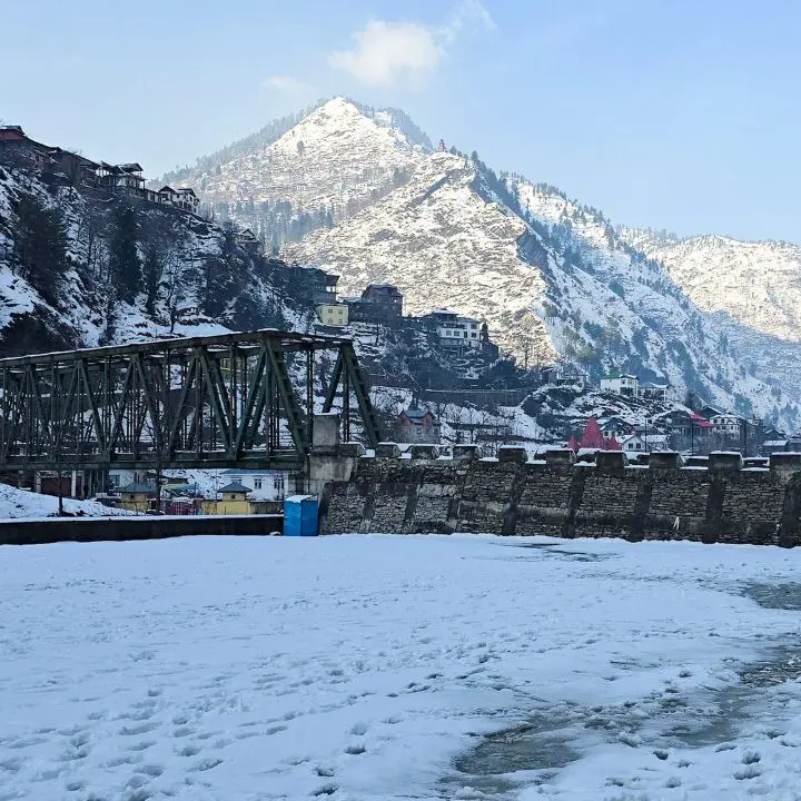
Yes, with a slower plan.
Keep outdoor sessions short. Ninety minutes in the snow, then a warm break, works far better than a four-hour marathon.
Book accommodation with reliable heating and confirm it before paying, especially in Gulmarg.
Do not stack two long drives on consecutive days. Kids and elderly travellers handle this trip well when the pace is unhurried.
Keep meals easy to reach. Hotels with in-house dining save you a cold walk at 8 PM.
If anyone in your group has health concerns, talk to your doctor before travelling in severe cold or heading to higher elevations. We are not qualified to advise on that, and neither is your travel agent.
How Can You Check Live Snowfall and Road Conditions?
Use the IMD Srinagar weather portal for current observations and forecasts.
Check the official J&K Cable Car Corporation website for Gondola notifications before your Gulmarg day.
Track your airline's flight status directly, and look up the current NH44 traffic advisory before any road movement.
A forecast is guidance, not a guarantee. Read it as "likely," never as "confirmed."
Is Kashmir Better Than Manali or Shimla for Snowfall?
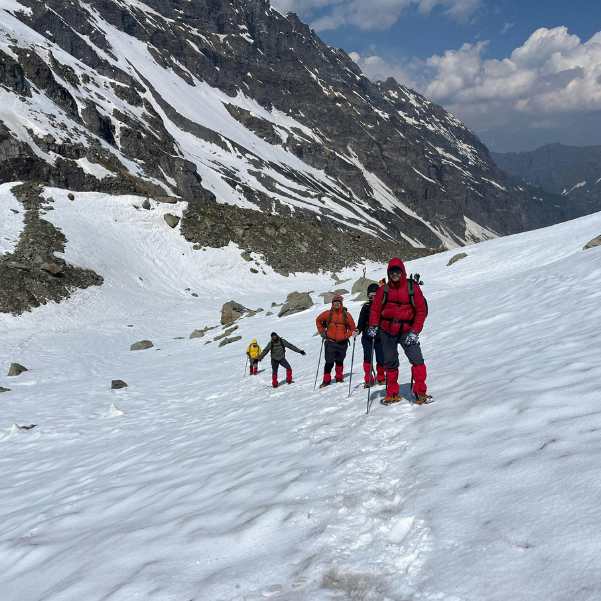
It depends on what kind of trip you want.
Kashmir gives you a wider valley circuit and the Gulmarg winter-sport experience, which Himachal cannot match for skiing.
Manali and Shimla suit travellers who want snow combined with a Himachal road holiday, and they are easier to reach from Delhi and Chandigarh.
If that sounds closer to your plan, look at our Manali tour packages or Shimla tour packages.
Ladakh is a different category entirely. It is a demanding high-altitude winter experience, not a relaxed snow holiday, and we would not suggest it as a Kashmir substitute for a first winter trip. Our Ladakh tour packages explain what that trip actually involves.
Final Planning Advice
For the strongest general odds of snow, target January or early February.
Natural snowfall is still never guaranteed. Plan for snow cover, treat fresh snowfall as a bonus, and you will enjoy the trip either way.
Keep your dates flexible, hold one buffer day, and check live operating conditions close to departure.
If you want help picking dates that actually give you the best shot at snowfall in Kashmir, contact Travel Coffee and tell us your window. We will be honest about what your dates can and cannot deliver.
>>Ready to plan your Kashmir snow holiday? WhatsApp us your dates and let’s get started.
👉 Find the Right Kashmir Tour Package for Your Dates
Related topics
Frequently Asked Questions
When does snowfall start in Kashmir?
Higher elevations sometimes get early snow in November, but the main season runs December to February.
Which month has the highest snowfall in Kashmir?
January is generally the strongest month, with early February close behind. No month guarantees fresh snowfall.
Is snow guaranteed in Kashmir in December?
No. December can be excellent or disappointing depending on the year. Gulmarg has better odds than Srinagar.
Does Srinagar receive snowfall every winter?
Srinagar does get snowfall, but it is less dependable than higher locations and the snow often melts quickly.
Which is better for snow, Gulmarg or Pahalgam?
Gulmarg, without question. It sits higher and holds snow far more reliably than Pahalgam.
Can tourists see snow in Kashmir in March or April?
Higher spots may retain snow into March. April snow cannot be guaranteed and should not be planned around.
Is the Gulmarg Gondola open during winter?
The official Cable Car Corporation currently lists it as reopened, with maintenance closure on the second and fourth Monday of each month. Reconfirm before travelling.
Can Pahalgam be visited in January?
Usually yes, but access to Aru Valley, Betaab Valley and Chandanwari depends on snowfall, road clearing and local orders. Confirm their status close to your travel dates.
Is Sonamarg open during winter?
Winter access, accommodation and activities in Sonamarg depend on weather, road conditions and seasonal availability. Check the latest road and attraction status before including it in your itinerary.
How many days are enough for a Kashmir snowfall trip?
Five days works well, including one night in Gulmarg and one buffer day for weather.
What clothes should families pack for Kashmir in winter?
Thermal base layers, warm mid-layers, waterproof jacket and shoes, spare socks, gloves, caps, sunglasses and lip balm.
How can travellers check live snowfall and road conditions?
Use the IMD Srinagar portal, the official J&K Cable Car Corporation site, your airline's status page and current NH44 advisories.
More about Kashmir
 Kashmir
Kashmir Taxi Guide 2026: Local Union Rules, Cab Routes & Current Fare Logic
Planning to use taxis in Kashmir in 2026? Understand local union rules, popular cab routes, sightseeing restrictions and how taxi fares are generally structured across Srinagar, Gulmarg, Pahalgam and Sonamarg.
 Kashmir
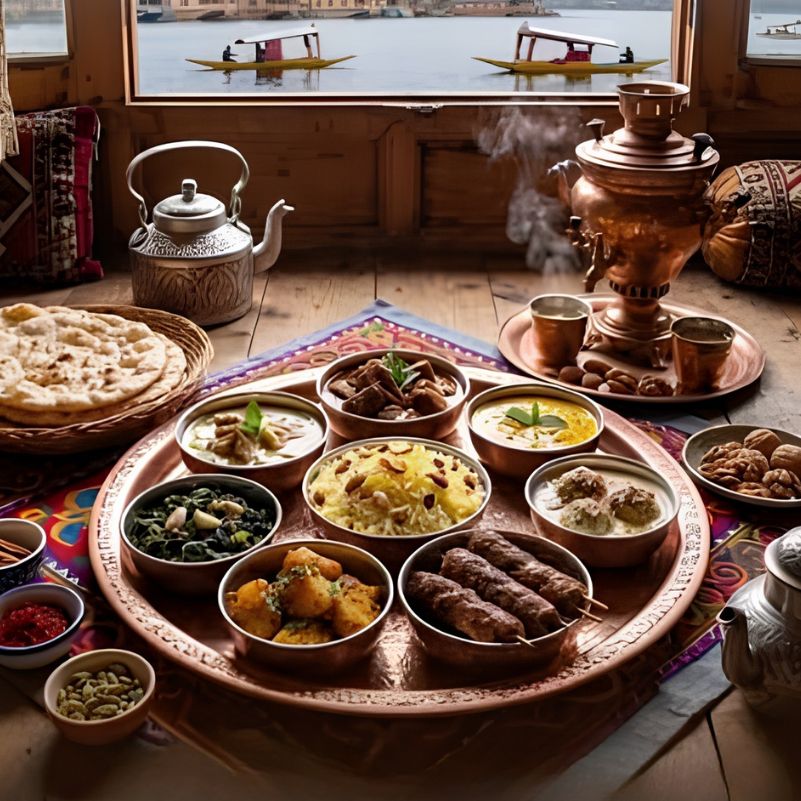
Kashmiri Food Guide 2026: What to Eat in Srinagar, Pahalgam & Gulmarg
Discover what to eat in Kashmir in 2026, from traditional Kashmiri dishes and Wazwan to local snacks, breads and drinks. This guide covers food experiences in Srinagar, Pahalgam and Gulmarg for first time visitors.
- Things to Do
- Places to Visit
- Kashmir
SIM Cards in Kashmir 2026: Internet, ATMs, IDs & Tourist Essentials
Travelling to Kashmir in 2026? Learn about SIM card access, mobile internet, ATM availability, accepted ID documents and other essentials tourists should arrange before visiting Srinagar, Gulmarg, Pahalgam and Sonamarg.
- First-Time Travellers